




Content : Maternal Insights
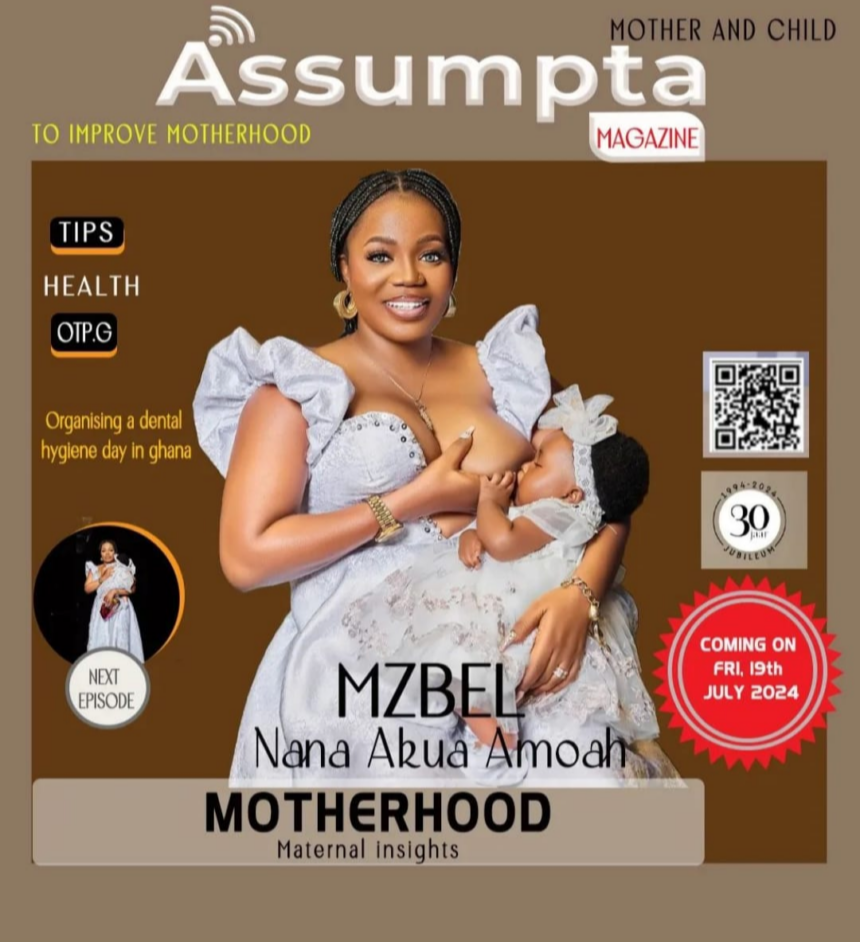
Assumpta Magazine presents “ Motherhood” with ( Mzbel ) Nana Akua Amoah. A special edition to ( Improve Motherhood ) coming on Friday 19th July 2024 at: assumptagh.live/
Health Tips: organising a dental hygiene day in ghana ;
African Stream: Assumpta Online Digital Magazine: Explores the importance of Motherhood;
Prologue
Motherhood is a journey filled with profound experiences, challenges, and rewards. It is a role that shapes not only the lives of children but also the fabric of society. In this special edition, Assumpta Magazine delves into the multifaceted world of motherhood, offering insights, advice, and support to mothers everywhere.
We are honoured to feature Nana Akua Amoah, popularly known as Mzbel, as our guest for this edition. Mzbel brings a wealth of personal experience and wisdom, sharing her journey and the lessons she’s learned along the way. Her story is one of resilience, dedication, and the unwavering love of a mother.

The reason you should eat Delish Bread : Without chemicals, preservatives or addictives.
https://www.instagram.com/delish_bakerygh?igsh=MW5ic2c0NnR5cHBwZQ==

Mzbel :This edition aims to ( Improve Motherhood ) by providing practical health tips, such as organising a dental hygiene day in Ghana, and exploring the critical importance of maternal roles in our digital publication, African Stream. We hope to inspire, educate, and empower mothers through this comprehensive exploration of what it means to nurture and raise the next generation.
Join us on Friday, 19th July 2024, at [assumptagh.live](http://assumptagh.live/) for this enriching and empowering experience. Let’s celebrate and enhance the journey of motherhood together.
A Comprehensive Exploration Review
The journey of motherhood encompasses a profound array of emotions, experiences, and challenges that extend beyond the surface of joy and elation.

This review delves into the crucial yet often underexplored realm of mental health mood disorders, aiming to illuminate their significance and foster understanding. Mental health mood disorders, including depression and anxiety disorders, which are not widely discussed in Ghana, impact the mental well-being of mothers during a pivotal phase of their lives.
Through a comprehensive exploration, this review elucidates the various dimensions of these disorders, from their definitions and classifications to their prevalence and impact on both mothers and their children. Identifying and diagnosing these disorders in Ghana is a primary focus, as we aim to shed light on the emotional, cognitive, and physical symptoms that require attention.
Screening and assessment tools are highlighted as essential instruments for early detection, enabling timely intervention and support for affected mothers. This review seeks to promote awareness and understanding, encouraging open conversations about maternal mental health in Ghana and beyond.
Introduction and Background
The transition to motherhood is marked by hormonal fluctuations, sleep deprivation, and adjustments to a new role, potentially impacting a woman’s mental well-being.
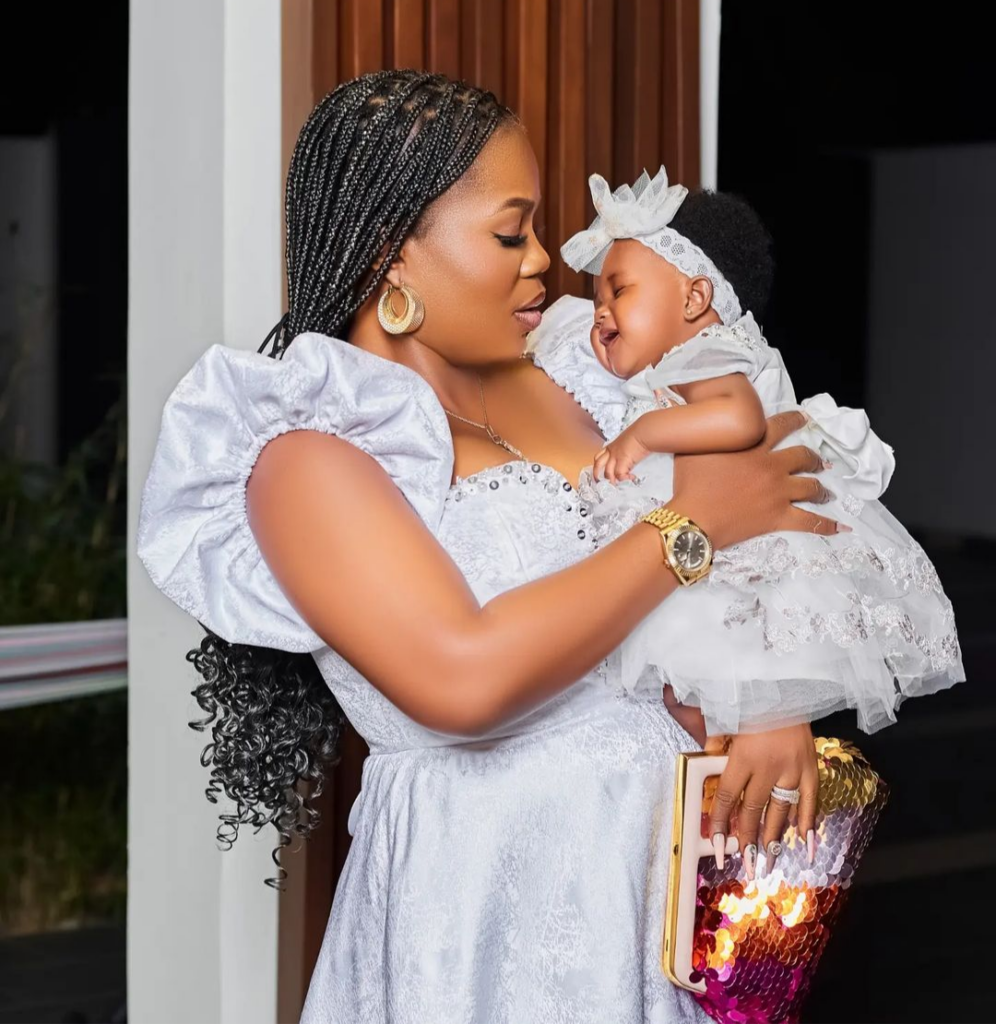
Postpartum mood disorders, including postpartum depression (PPD), anxiety disorders, and even rare but severe cases of postpartum psychosis, can cast a shadow over what is meant to be a joyous time.
The significance of this topic lies in the potential long-term consequences of untreated postpartum mood disorders, which affect not only the mother but also her family unit. In our country, where discussions around mental health are often limited, addressing these issues is crucial to ensuring the well-being of mothers and their families. This review aims to bring much-needed attention to these disorders, fostering understanding and promoting better mental health care for mothers in Ghana.
Mzbel and Tsasi Dialogue
Tsasi: Good day, Mzbel. It’s wonderful to have you here today. It is said that “The mothers in this world deserve the greatest respect because they have the greatest power and responsibility, that of bringing forth and nurturing new life. The well-being of each family, every society or nation, even the entire world ultimately lies on your shoulders.”


Mzbel: Thank you, Tsasi, for those kind words. It’s heartening to hear such recognition for mothers across Ghana. Our struggles to raise children and our precious work as mothers have indeed created immense value for our nation. By nurturing and guiding our children, we are contributing to building Ghana’s economy and future.
Tsasi: I completely agree, Mzbel. The role of mothers is indispensable, and their efforts often go unnoticed. I am truly happy to see that you recognize what mothers in Ghana are going through and take great pride in their contributions. Your voice and experience are vital in highlighting these issues.
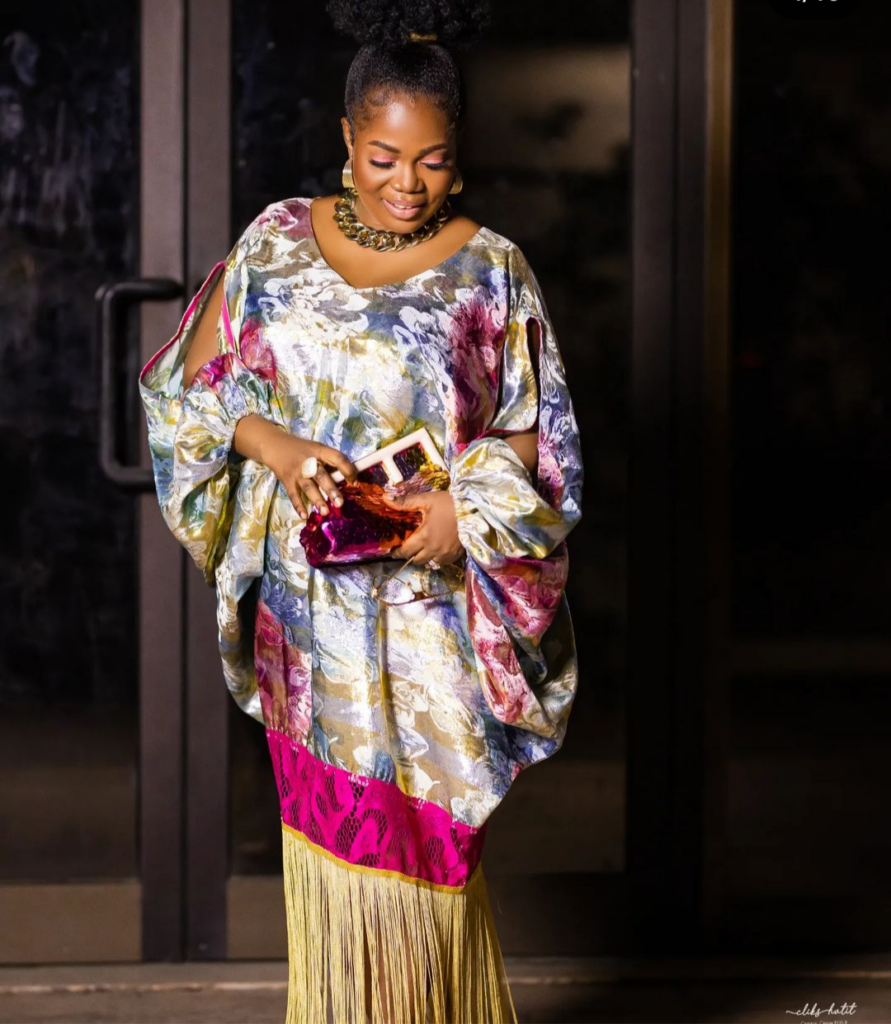
Mzbel: Absolutely, Tsasi. It’s important to shine a light on the challenges and triumphs of motherhood. By sharing our experiences and supporting each other, we can help improve the conditions for mothers everywhere. Together, we can ensure that the value of our work is appreciated and that the necessary support systems are in place.
Tsasi: Well said, Mzbel. Let’s continue this conversation by exploring some of the specific challenges that mothers face, especially regarding mental health and well-being. Your insights will be incredibly valuable for our audience.
Ghana, the land of your dreams, turns out to be overcrowded with many mothers suffering from a series of emotional traumas, such as mental health mood disorders, depression, anxiety disorders, and postpartum psychosis.
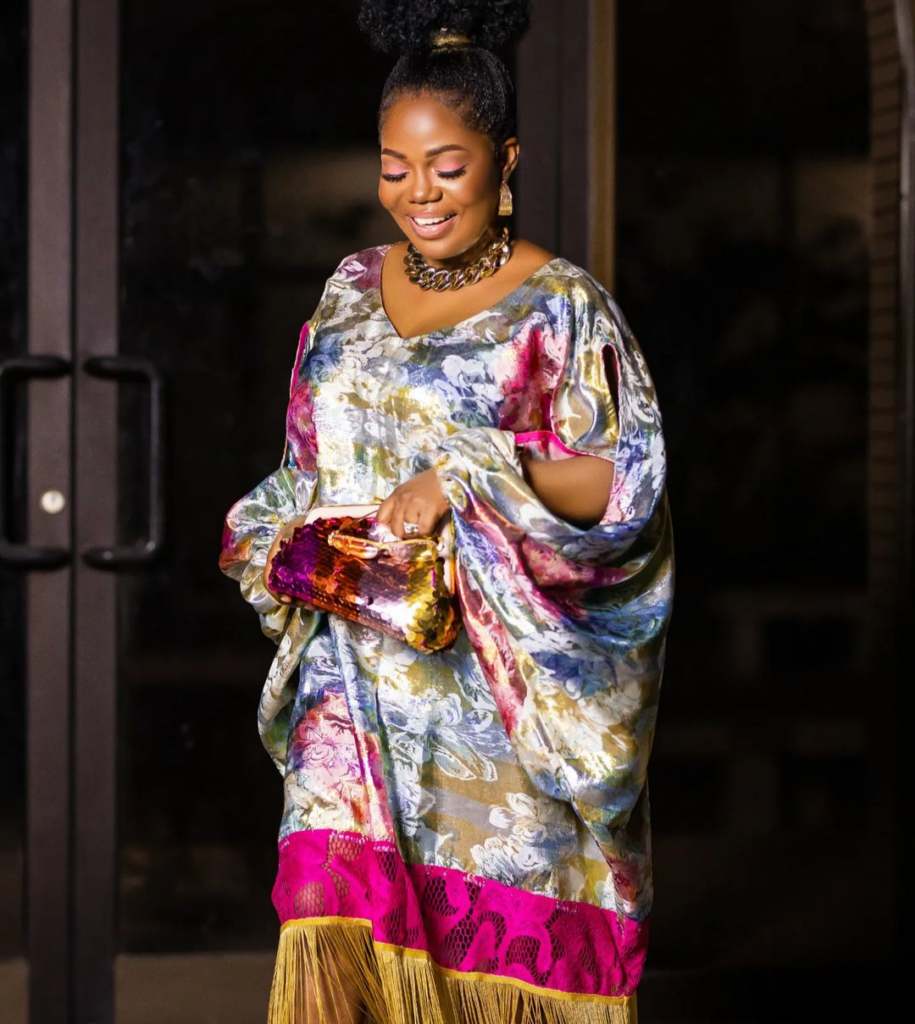
Mzbel: Yes, Tsasi, it’s a growing concern. Many mothers in Ghana are silently struggling with these issues, often without the support and understanding they need. It’s crucial that we start talking openly about mental health and providing the necessary resources to help these women. The impact of these disorders extends beyond the mothers themselves, affecting their families and communities.
Tsasi and Mzbel Dialogue
Tsasi: Research shows that the emotional distress and mood fluctuations mothers are grappling with are due to Postpartum Mood Disorders. Many mothers often find themselves caught in a tumultuous whirlwind of emotions. These emotions can span from overwhelming symptoms of postpartum depression (PPD), a type of depression that occurs after childbirth. It is more intense and longer-lasting than the typical “baby blues,” which many women experience in the days following delivery. PPD can develop within the first few weeks after giving birth, but it can also begin later, up to a year postpartum.

Mzbel: If you want to talk about symptoms of postpartum depression, it consists of:
1. Persistent sadness or hopelessness
2. Severe mood swings
3. Excessive crying
4. Difficulty bonding with the baby
5. Withdrawal from family and friends
6. Loss of appetite or eating too much
7. Insomnia or sleeping too much
8. Overwhelming fatigue or loss of energy
9. Reduced interest in activities once enjoyed
10. Intense irritability and anger
11. Fear of not being a good mother
12. Feelings of worthlessness, shame, guilt, or inadequacy
13. Difficulty thinking clearly, concentrating, or making decisions
14. Severe anxiety and panic attacks
15. Thoughts of harming yourself or your baby
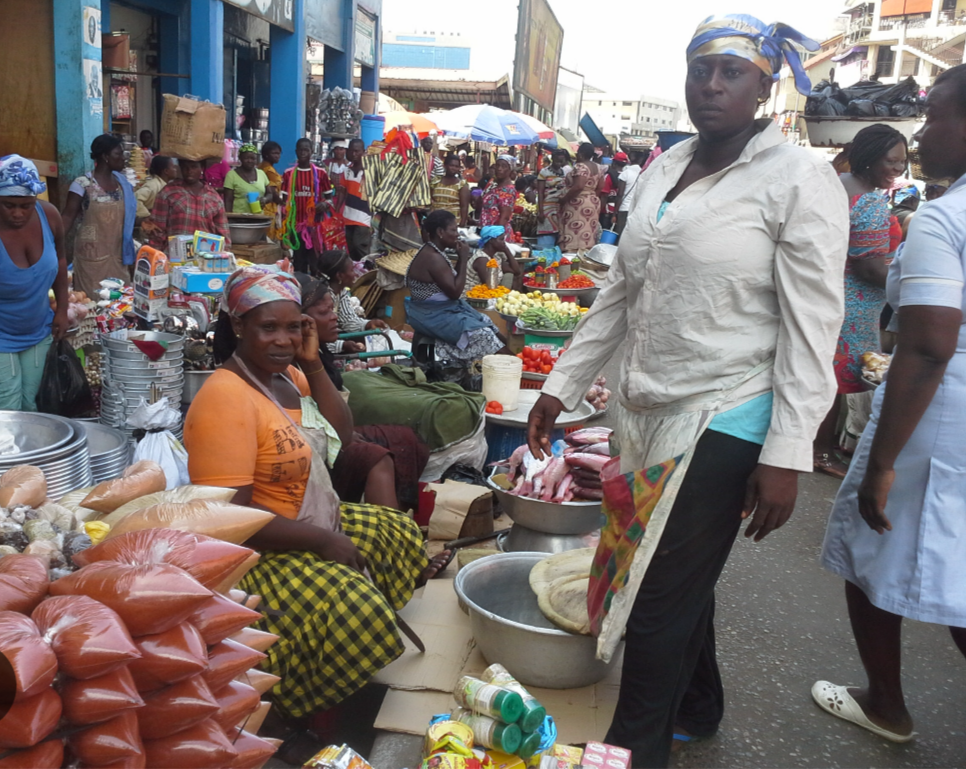
Many mothers you see selling in the market and breastfeeding their children under the sun have these issues. However, they are aware that the Ghanaian healthcare system doesn’t provide adequate support for them. Many of these women have lost their sense of self and have no trust in a government that disrespects them.

Generally speaking, the causes and risk factors of PPD can result from a combination of physical, emotional, and environmental factors such as: Hormonal changes:
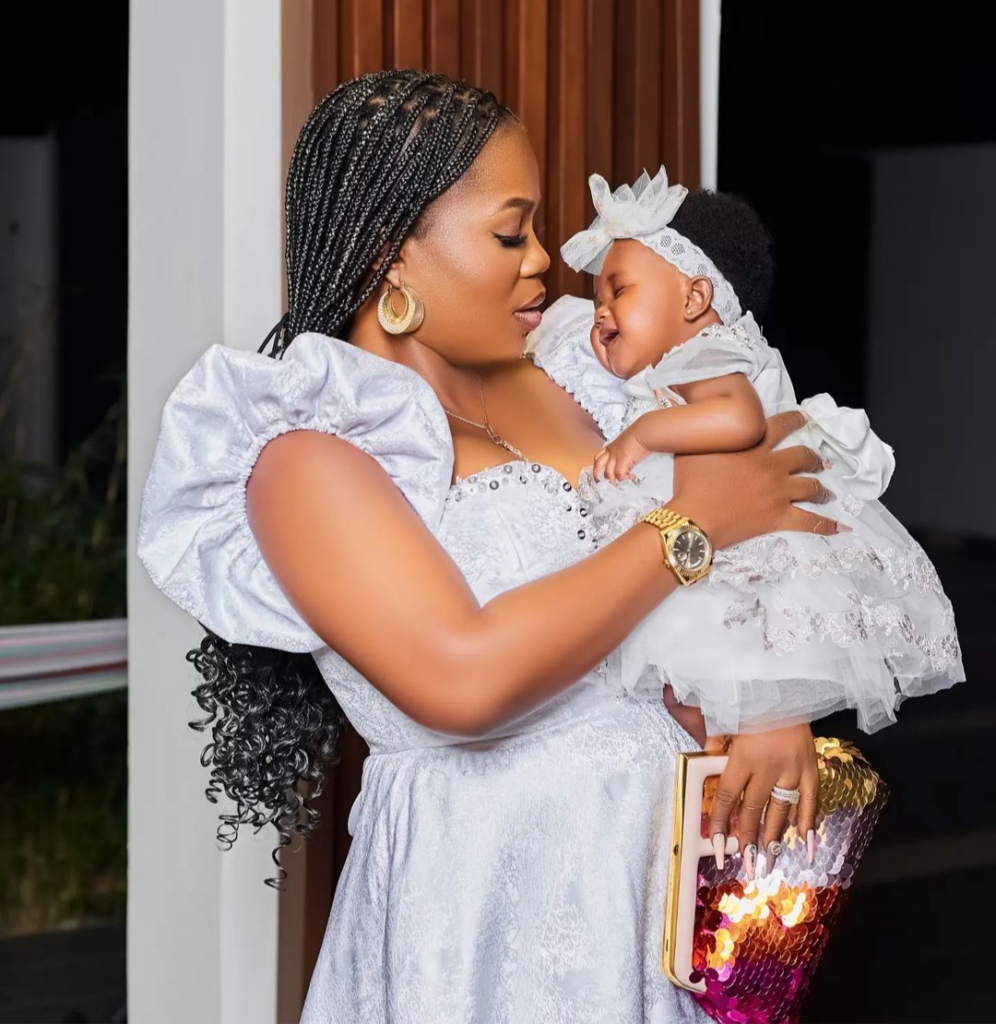
Mzbel : After childbirth, the levels of hormones (oestrogen and progesterone) in a woman’s body drop rapidly, contributing to depression.
Sleep deprivation: The demands of a newborn can lead to severe sleep deprivation, affecting mood and mental health. Previous depression or mental health disorders:
A history of depression or other mental health conditions increases the risk of PPD.
Stressful life events : Financial problems, lack of support, or relationship issues can contribute to the onset of PPD.
Complications in childbirth :

https://www.instagram.com/laurenhautecouture?igsh=MWxzNXN1Ym5nZ3o3Mg==
Difficulties during labour and delivery can increase the risk.
Treatment and Support:
PPD is treatable, and support is available through:
Therapy : Psychological counselling, such as cognitive-behavioural therapy (CBT) or interpersonal therapy (IPT).
Medications : Antidepressants may be prescribed, and some are safe to use while breastfeeding.
Support groups: Connecting with other mothers who are experiencing similar challenges can provide comfort and advice.
Self-care: Prioritising rest, nutrition, and exercise, and asking for help with childcare and household tasks.
Tsasi: How can the government know if these market women are experiencing symptoms of PPD?
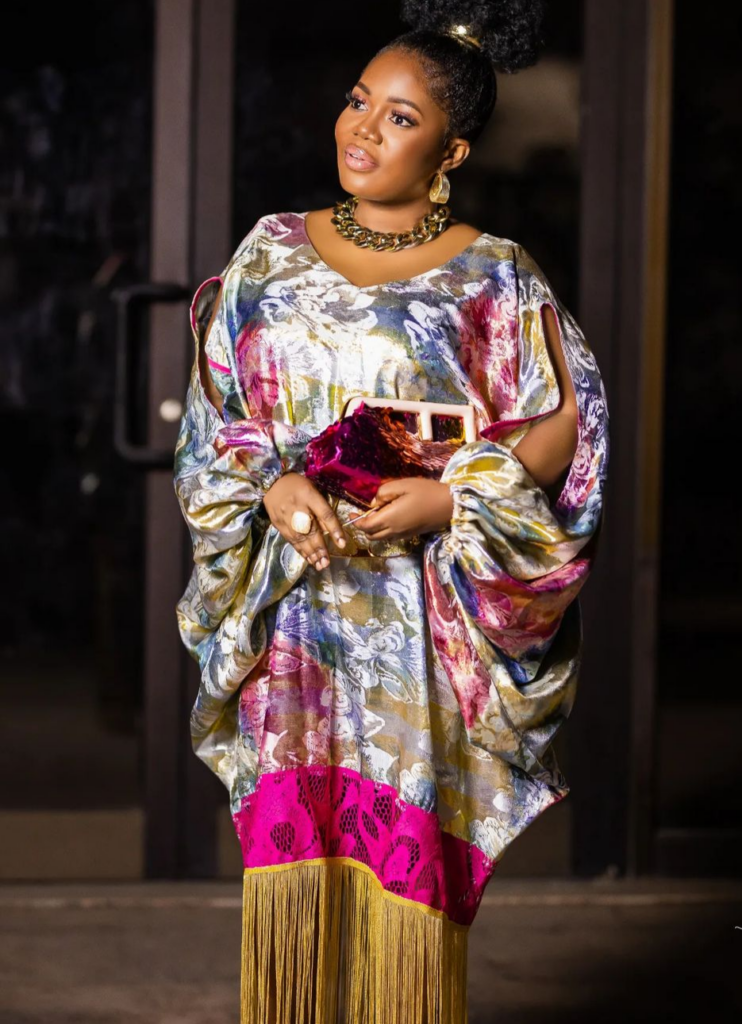
Mzbel: It is important for every mother in Ghana to have access to free healthcare, as Kwame Nkrumah proposed, so that they can seek professional help promptly. Early intervention can lead to a quicker recovery and ensure the well-being of both the mother and her baby. By providing comprehensive healthcare and raising awareness about PPD, the government can support these mothers and help them navigate this challenging period.
Tsasi: Generally speaking, the more difficult Ghanaian women’s circumstances become harder, the weaker they become due to the hardships they face.
In the “Dragon Girl’s Enlightenment” as “A Declaration Of Women’s Human Rights,” my thoughts on the enlightenment of the dragon girl depicted in the Lotus Sutra is that from one standpoint, the discussion of the dragon girl in the ‘Devadatta’ chapter is a tale about how arrogant men want to defeat women. It is also a grand declaration of human rights that refutes, by means of actual proof, ideas and beliefs that discriminate against women.
However, if our leaders’ eyes are tainted by prejudice, viewing market women, kaya-yoo, and young boys walking around the city without jobs, work, and skills as of no value, then the hint of discrimination against our people is a revelation of the fundamental darkness or ignorance ruling and bullying the people of Ghana.

Mzbel: That’s a powerful observation, Tsasi. The story of the dragon girl in the Lotus Sutra indeed highlights the deep-seated biases and discrimination that women have historically faced. It serves as a reminder that we must challenge and change these prejudices.
When leaders dismiss the value of market women, kaya-yoo, and the unemployed youth, they perpetuate a cycle of discrimination and neglect. These individuals are integral to our society, and their struggles are a direct reflection of the systemic issues we need to address.
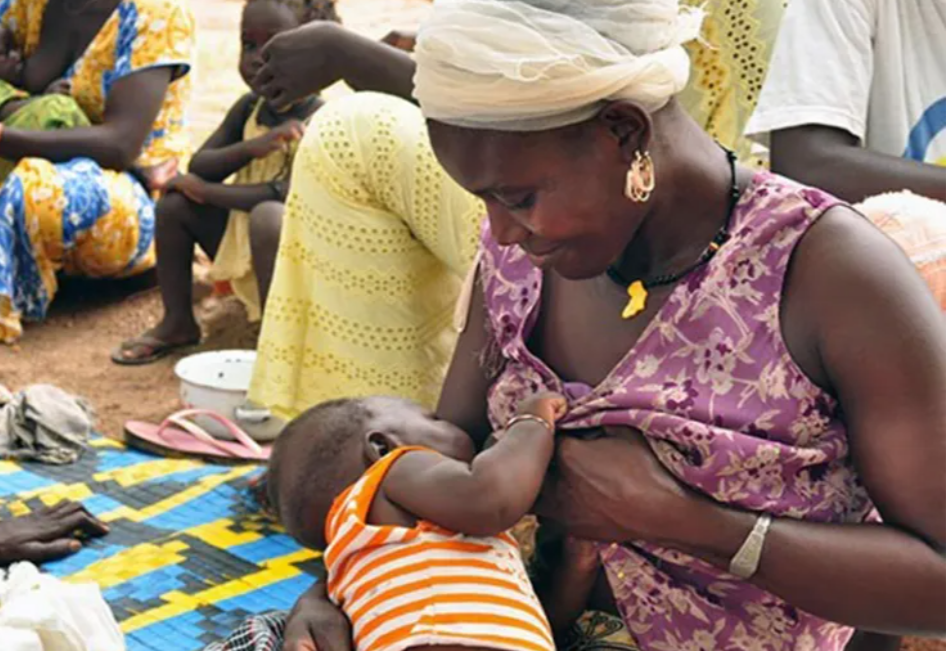
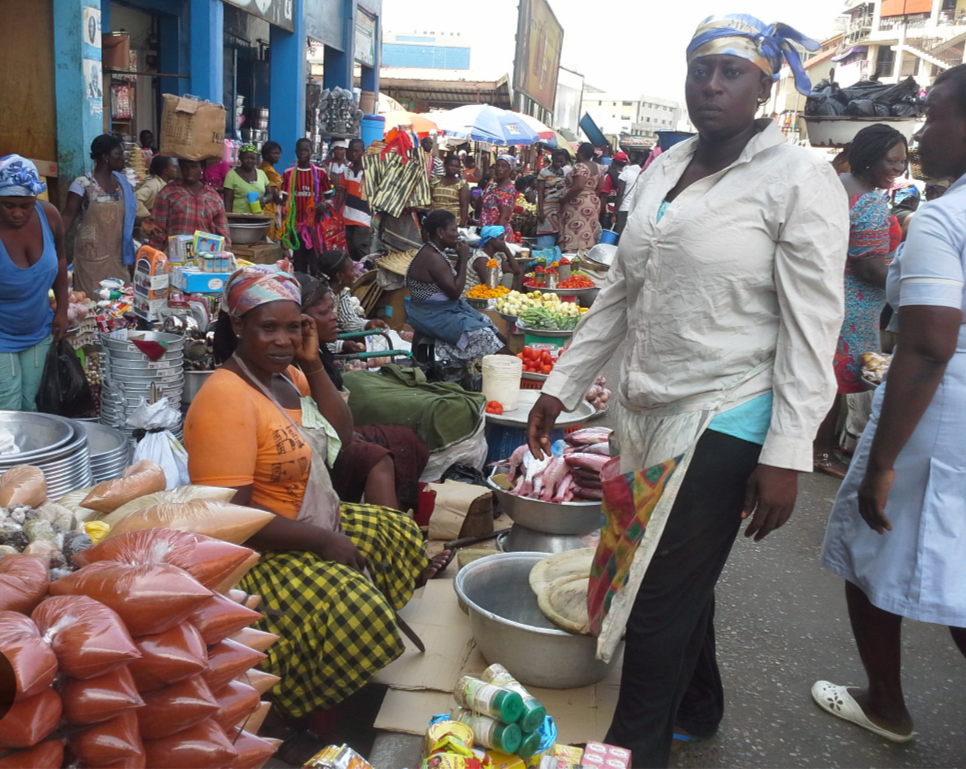
By recognizing and valuing their contributions, providing support and opportunities, and ensuring equitable healthcare, we can begin to dismantle the ignorance and prejudice that hold our society back. This is not just about human rights; it’s about acknowledging the inherent worth and potential of every individual in Ghana.
Tsasi: Thank you for sharing your insights, Mzbel. As a mother, Your words are a call to action for all of us to recognize and address the challenges that mothers and women in Ghana face. Together, we can work towards a more inclusive and supportive society.

Mzbel: Thank you, Tsasi, for providing this platform to discuss these important issues. By raising awareness and advocating for change, we can help improve the lives of mothers and all women in Ghana. Let’s continue to support and uplift each other.