





OSAGYEFO NEWSLETTER MAGAZINE
PRESENTS: “AMALIA”
An Exclusive Global Edition
Featuring: Princess Catharina-Amalia, Princess of Orange
A rare and intimate portrait of a young royal poised to help shape the future—not only of the Netherlands, but of modern monarchy itself.



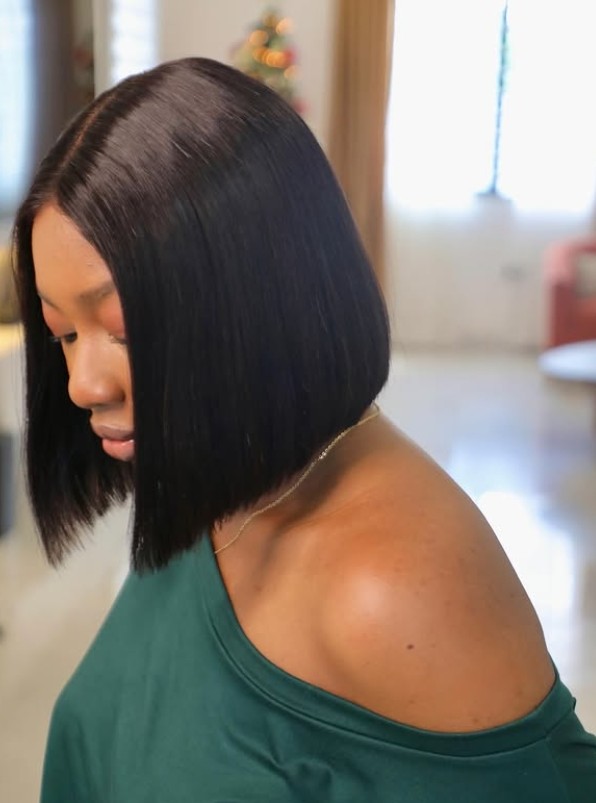











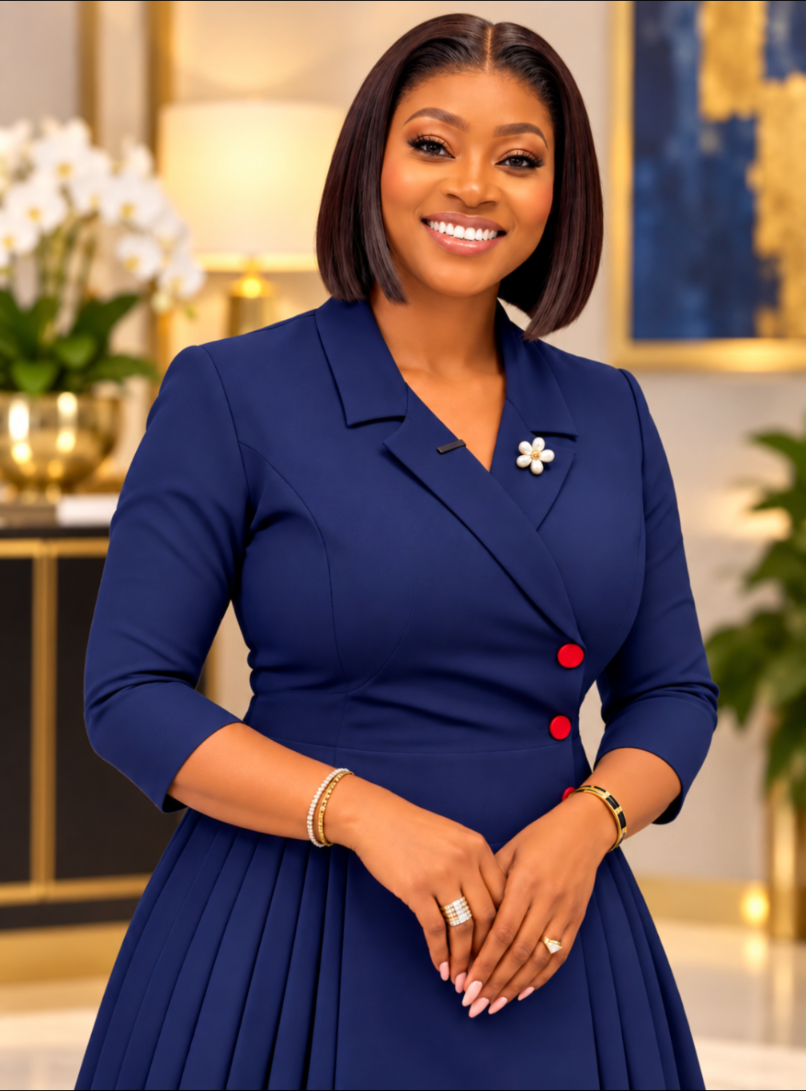
| https://www.instagram.com/hairsenta?stkn=MXAzOThhNGZ0Nm15dQ== Elevate Your Crown with The Hair Senta Why settle for “good enough” when you can wear the gold standard? At The Hair Senta, we don’t just sell hair; we deliver the confidence that comes with knowing your look is flawless, authentic, and built to last. Based in the heart of Accra and shipping globally, we’ve turned the art of human hair extensions into a world-class experience. Why the World Chooses Hair Senta Actual Proof of Quality: No filters needed. Our extensions are sourced for longevity, natural luster, and a seamless blend. Whether it’s raw or virgin hair, the quality is visible in every strand. The Confidence Factor: We believe your hair is your power. Our pieces are designed to give you that “just stepped out of the salon” feeling every single day. Unbeatable Value: Luxury shouldn’t be out of reach. We offer premium, trademarked quality at prices that respect your investment. Global Reach, Local Roots: From our flagship in Ghana to doorsteps in London, New York, and beyond—we bring the best of West African hair retail to the world. Ready to Transform Your Look? Feature What You Get Origin Premium Sourcing Shipping Worldwide Delivery Location 24 Jungle Avenue, Accra, Ghana Status Trademarked Excellence Get in Touch Today Don’t wait for your best hair day—create it. Visit Us: www.hairsenta.com Call/WhatsApp: (+233) 0544354455 / 0248629769 In-Store: 24 Jungle Avenue, Accra, Ghana “Your hair is the crown you never take off. Make sure it shines.” Would you like me to help you draft a series of catchy social media captions for your next product launch? PUBLICATION DETAILS |
|---|
| PUBLICATION DETAILS | |
|---|---|
| 📅 Release Date: | Later |
| 🌍 Available Worldwide: | assumptagh. live |
DO NOT MISS THIS EXTRAORDINARY EDITION
A ROYAL PRESENCE THAT COMMANDS SILENCE
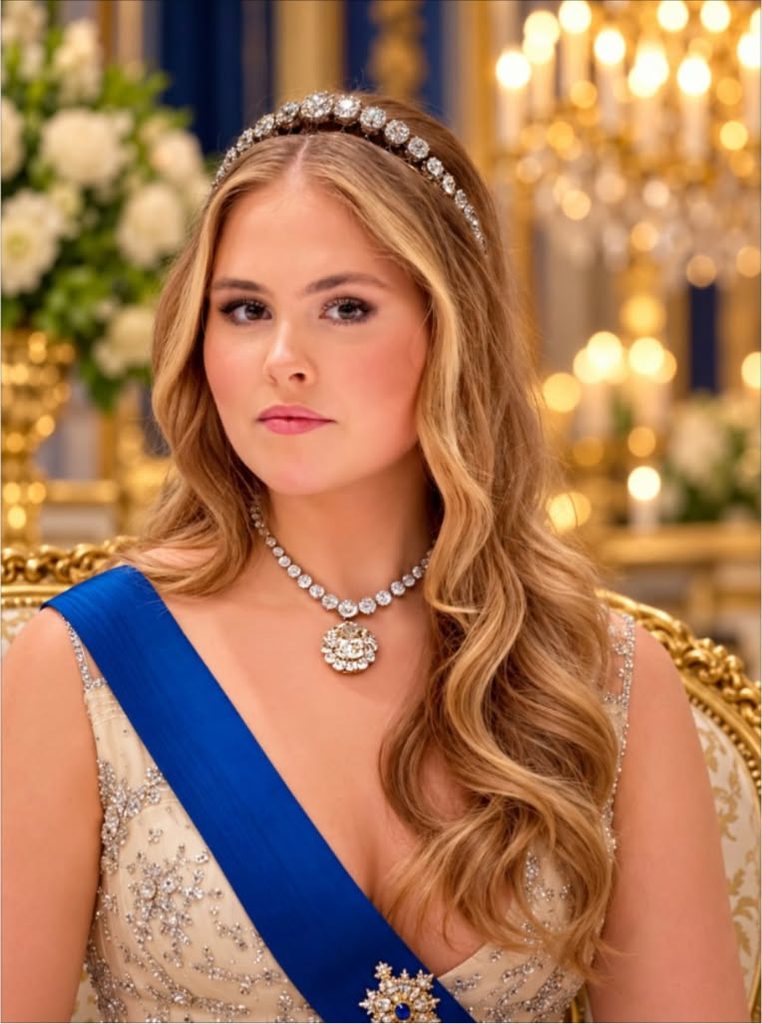
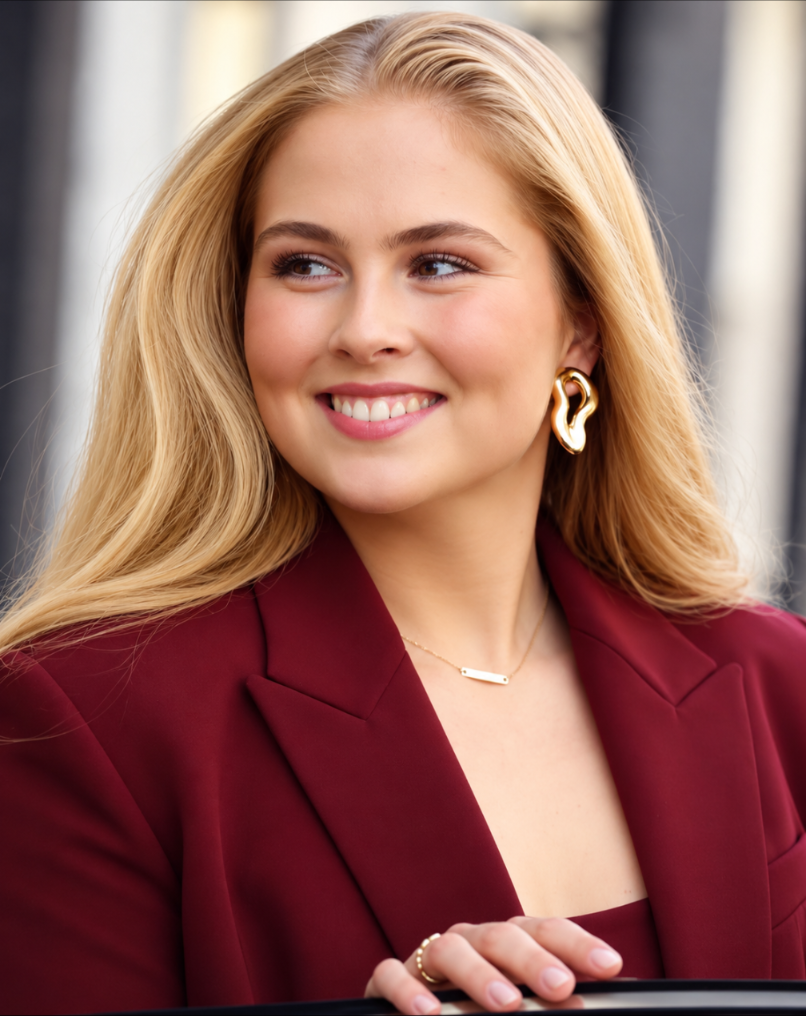
There are figures who enter a room and are simply seen. And then there are those—like Princess Amalia—who are felt. With long, flowing golden-blonde hair cascading gracefully over her shoulders, she carries an air of youthful elegance and quiet confidence. Her hair is swept back with a wide golden-brown headband, framing her face and emphasising her serene, composed expression.
Subtle makeup, softly defined brows, delicate gold earrings, and natural pink tones create a look that is refined without appearing excessive.
Her outfit is striking in its simplicity: a rich mustard-gold ensemble with a beautifully structured, flowing cape-like outer layer falling elegantly from the shoulders. Beneath it, the fitted garment creates a graceful silhouette, while a deep royal-blue sash edged with warm orange detailing crosses diagonally over her torso, adding a distinguished ceremonial character.
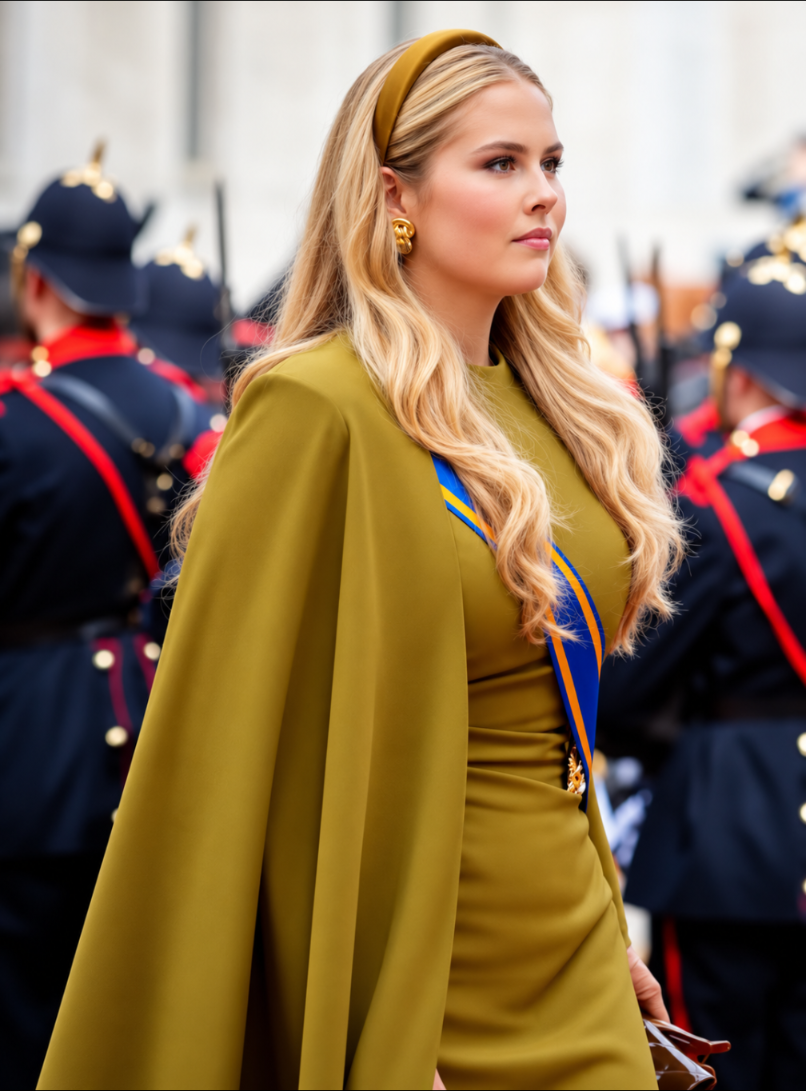
The combination of gold, blue, and orange gives the ensemble a distinctly regal presence.
The flowing fabric creates movement and stature, while the clean lines and restrained accessories communicate dignity, confidence, and contemporary royal elegance.
She does not demand attention—she commands it through presence.
COVER STORY
CARRYING FORWARD THE SPIRIT OF PEACE
Europe’s Generational Responsibility
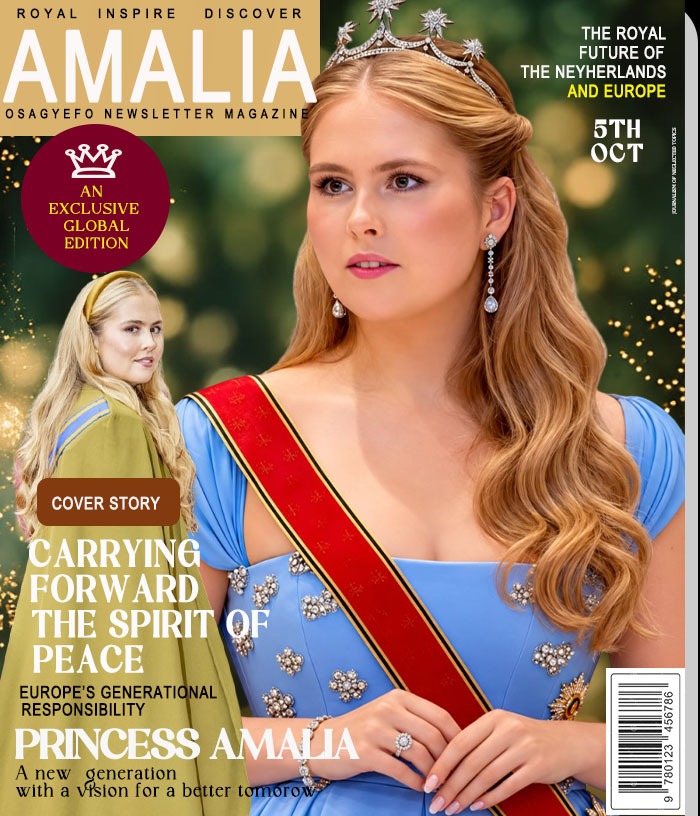
From one generation to another, Europe carries both the painful memory of war and the enduring responsibility to build a future in which human life is valued above destruction.
In 1945, Princess Beatrix was just seven years old as the Second World War came to its devastating conclusion, marked by the beginning of the nuclear age with the atomic bombings of Hiroshima and Nagasaki.
Eight decades later, her granddaughter, Princess Catharina-Amalia, represents a new generation coming of age amid renewed global instability. From the war in Ukraine to conflicts across the Middle East, geopolitical tensions continue to have consequences extending far beyond the immediate battlefield—including political, economic, and social repercussions for Europe.
The circumstances of each era are different. Yet one historical lesson remains profoundly relevant:
Peace is not a permanent inheritance. It must be protected, renewed, and carried forward by every generation.
THE LESSONS OF THE TWENTIETH CENTURY
Europe’s modern identity was forged in the shadow of extraordinary human loss.
The twentieth century demonstrated how quickly political tensions could develop into humanitarian catastrophe through world wars, genocide, occupation, mass displacement, and the emergence of nuclear weapons.
The twenty-first century therefore presents Europe with a fundamental question:
How will this generation apply the hard-won lessons of the past?
As Princess Catharina-Amalia and her generation gradually assume greater roles in public life, they inherit not only Europe’s history, institutions, and traditions, but also the responsibility to ensure that the darkest chapters of that history are not repeated.
MOBILIZING A NEW GENERATION
Civic Action and European Youth
The responsibility for peace does not belong to royal figures alone. It belongs to citizens.
Europe’s young generation is growing up in a highly connected world in which political events in one country can rapidly affect communities thousands of kilometres away.
Across Europe, young people participate in democratic initiatives, humanitarian work, environmental movements, international exchanges, and community-based projects. Programs such as Erasmus+, youth forums, and cross-border civic initiatives have created opportunities for young Europeans to encounter different cultures, perspectives, and national experiences.
Peacebuilding, therefore, is not merely a matter of treaties signed by governments. It can also begin with:
- Human contact and education
- Dialogue and empathy
- Active civic participation
For today’s generation, carrying forward the spirit of peace means transforming the lessons of history into responsible action.
LOOKING AHEAD
The future of Europe will ultimately depend on more than military strength or economic power. It will also depend upon the willingness to preserve diplomacy, institutional cooperation, human dignity, and the protection of civilian life.
The central challenge for the generations ahead is therefore not simply how to remember the tragedies of the twentieth century. It is how to ensure that those memories become a foundation for a more peaceful twenty-first century.
CARRYING FORWARD THE SPIRIT OF PEACE MEANS CARRYING FORWARD OUR SHARED RESPONSIBILITY TO HUMANITY.
PHILOSOPHICAL REFLECTION
THE DIFFICULTY OF SUSTAINING FAITH
Nichiren Daishonin and the Challenge of Maintaining Hope Through Hardship
In March 1275, Nichiren Daishonin wrote “The Difficulty of Sustaining Faith” to his close follower Shijō Kingo.
The letter addresses a question that remains remarkably relevant across centuries:
What happens to our ideals when reality becomes difficult?
Nichiren’s response presents perseverance not as an abstract virtue, but as something tested through adversity.

THE HISTORICAL CONTEXT
Who Was Shijō Kingo?
Shijō Kingo was a samurai retainer in Kamakura and a devoted disciple of Nichiren Daishonin.
He faced serious difficulties after attempting to encourage his feudal lord, Lord Ema, to embrace Nichiren’s teachings. Opposition from fellow samurai contributed to a deteriorating relationship with his lord and placed his position and livelihood under pressure.
Kingo became discouraged by the hardships surrounding him. It was in this context that Nichiren responded with encouragement.
THE IMMEDIATE CRISIS (1274–1275)
After Nichiren returned from exile on Sado Island in 1274, Shijō Kingo’s circumstances became increasingly difficult. He faced hostility from colleagues, tension with his lord, and the possibility of losing his lands.
Kingo questioned why hardship had descended upon him when Buddhist teachings spoke of peace and security. Nichiren’s response reframed the meaning of adversity.
NICHIREN’S RESPONSE
“To Accept Is Easy; To Continue Is Difficult.”
The heart of Nichiren’s message is perseverance. Beginning a path of conviction can be relatively easy when circumstances are favourable. The deeper challenge comes when obstacles appear.
Nichiren illustrated this through powerful natural imagery:
“A fire burns higher when logs are added, and a strong wind makes a kālakula grow larger.”
The metaphor suggests that adversity can become a test through which one’s inner strength is revealed. The point is not that suffering itself is desirable. Rather, the challenge is how human beings respond when circumstances become difficult.
FROM THEORY TO ACTION
What Does This Mean for Europe?
The connection to the question of European peace is not that the circumstances of medieval Japan and twenty-first-century Europe are the same. They are not.
The connection lies in the human challenge of sustaining ideals under pressure.
Peace is easy to celebrate when conditions are calm. The greater test comes when fear, political tension, economic uncertainty, and conflict challenge societies. For Europe, sustaining the spirit of peace therefore requires more than expressing a desire for peace.
It requires continued, active effort:
Dialogue & Diplomacy–Courage & Human Dignity–International Cooperation–Protection of Civilian Life–The Willingness to Listen Across Differences
In this sense, the lesson of Shijō Kingo becomes a philosophical reflection for a new generation: The value of an ideal is demonstrated not only when circumstances are favourable, but when people continue to uphold it through adversity.
A MESSAGE FOR THE NEXT GENERATION
Princess Catharina-Amalia belongs to a generation that will inherit a Europe shaped by both extraordinary achievements and painful memories.
Her grandmother, Princess Beatrix, witnessed Europe’s transformation from the devastation of the Second World War to decades of integration and cooperation.
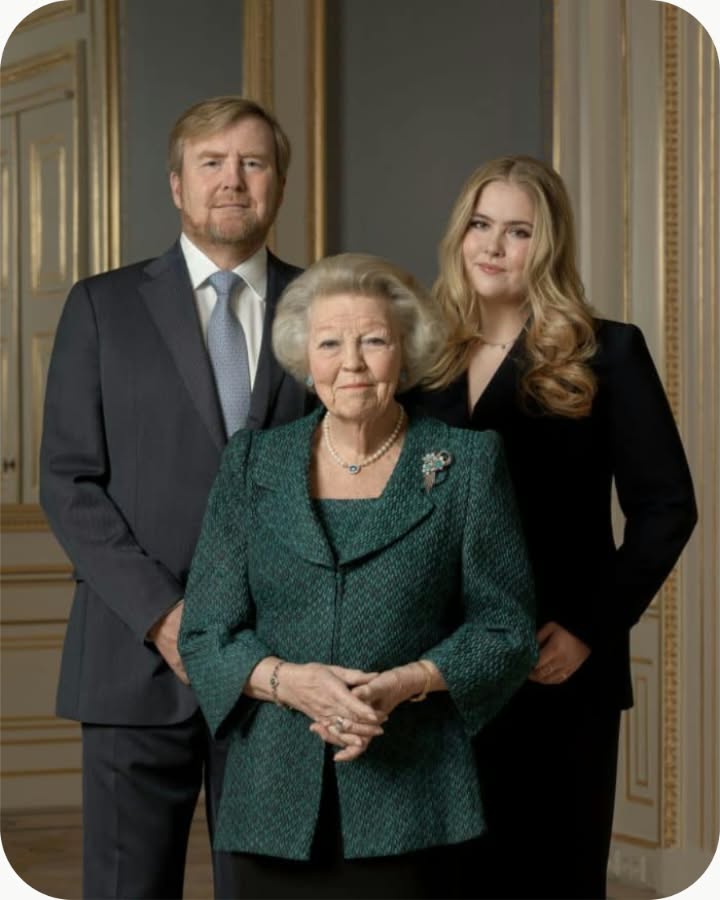
The generation of Princess Amalia faces a different historical landscape. Its challenge is to determine how to preserve and renew those achievements in an increasingly interconnected and uncertain world.
The future is not predetermined. It is shaped by the choices made by individuals, institutions, and societies.
FEATURED THEMES & INDEX
FEATURED THEMES IN THIS EDITION
| # | Theme | Focus Area |
|---|---|---|
| 01 | THE ROYAL GENERATION | Princess Catharina-Amalia and the evolving role of Europe’s young generation. |
| 02 | EUROPE’S MEMORY OF WAR | From twentieth-century catastrophes to twenty-first-century security challenges. |
| 03 | THE SPIRIT OF PEACE | Why peace must be continually protected rather than simply assumed. |
| 04 | YOUTH & CIVIC RESPONSIBILITY | How Europe’s younger generation can participate in shaping its future. |
| 05 | PHILOSOPHY OF PERSEVERANCE | Nichiren Daishonin’s message to Shijō Kingo and its broader reflection. |
| 06 | EUROPE LOOKING FORWARD | Diplomacy, cooperation, human dignity, and responsibility to future generations. |
WHAT TO EXPECT INSIDE
AMALIA — AN EXCLUSIVE GLOBAL EDITION
A thoughtful journey through royalty, history, peace, youth, philosophy, and Europe’s future.
From the memory of a seven-year-old Princess Beatrix in 1945 to the generation of Princess Catharina-Amalia in the twenty-first century, this edition asks one enduring question:
OSAGYEFO NEWSLETTER MAGAZINE
Carrying forward the spirit of peace.
Carrying forward hope.
Carrying forward our shared responsibility to humanity.
🌍 Available worldwide at: assumptagh.live
COOKIETEEGH: Good day, distinguished readers, intellectual minds, and esteemed audiences tuning in from every corner of the globe. It is an absolute honour to welcome you all to this special broadcast and global dialogue hosted by Osagyefo Newsletter Magazine.
Your Royal Highness, Princess Catharina-Amalia, Princess of Orange, welcome to this dialogue.
Princess Catharina-Amalia, your article bears news of an upcoming, exclusive global edition of Osagyefo Newsletter Magazine centred on a major generational feature.
Specifically, the newsletter announces:
Your Visual Feature: An exclusive, intimate portrait of yourself highlighting your evolving presence, style, and role as a young royal helping to shape the future of modern European monarchy.
The Core Cover Story
“Carrying Forward the Spirit of Peace: Europe’s Generational Responsibility”
A major editorial reflecting on the 80-year arc between 1945—when Princess Beatrix, your grandmother, was a seven-year-old child at the end of WWII—and today, as your generation comes of age amidst renewed global instability (including the war in Ukraine and Middle Eastern conflicts).
Your Call to Youth Civic Action: A message emphasising that preserving peace is not just the job of royals or governments, but of young citizens participating in civic initiatives, cross-border exchanges (like Erasmus+), and democratic movements.
Then your newsletter went on with a philosophical reflection: a feature on Nichiren Daishonin’s 1275 letter to samurai Shijō Kingo (“The Difficulty of Sustaining Faith”), applying its core lesson—“To accept is easy; to continue is difficult”—to the modern challenge of sustaining ideals like peace, diplomacy, and human dignity through times of crisis and adversity.
In short, the newsletter bears the news of a forthcoming special publication that fuses royal portraiture, European historical memory, youth civic duty, and Buddhist philosophy into a single global issue.
Princess Catharina-Amalia, you are navigating your public role with remarkable poise, balancing the heavy demands of royal tradition with the lived realities of a modern young student in Amsterdam.
Your focus on your university studies at the University of Amsterdam—alongside your gradual entry into state duties—resonates deeply with many young people who are trying to build their futures during uncertain economic and geopolitical times.
Your ability to maintain stability and quiet dignity offers a sense of continuity. Standing firm in one’s values during turbulent periods is a powerful quality in public leadership, echoing how previous generations of the Dutch royal family—including your grandmother, Princess (then Queen) Beatrix—helped ground the nation through periods of global shift and post-war reconstruction.
The way you balance your personal development as a university student with your institutional responsibility as the Heir Apparent makes you an inspiring figure for many of your peers across Europe.
A young royal. A changing Europe. A generation inheriting the responsibility of peace.
There are figures who enter a room and are simply seen. And then there are those whose presence invites us to pause.
Princess Catharina-Amalia, you belong to a generation standing at a significant moment in European history. You are growing up in a Europe shaped by the memories of war, the achievements of cooperation, and the uncertainties of a rapidly changing world.
In this edition of OSAGYEFO NEWSLETTER MAGAZINE, I will look beyond royalty itself and ask a larger question: What does it mean for a new generation to inherit the responsibility of peace?
From the experiences of Princess Beatrix’s generation during the Second World War to the challenges confronting young Europeans today, the story is ultimately about more than monarchy.
It is about memory. It is about responsibility. It is about humanity. And it is about whether each generation can transform the lessons of the past into a more peaceful future.
Looking at the newsletter layout, it beautifully gives you a much more sophisticated identity: ROYALTY → HISTORY → EUROPE → YOUTH → PEACE → PHILOSOPHY → HUMAN RESPONSIBILITY
And that is, in my view, the real identity of AMALIA. What are your thoughts on this?

PRINCESS CATHARINA-AMALIA: Thank you so much, Cookieteegh, for that exceptionally warm, thoughtful, and profound opening.
Allow me to first extend my warmest and most respectful greetings to all the readers and viewers joining us from around the world today. It is truly a privilege to connect with an international audience that spans so many cultures, nations, and perspectives, yet remains united by a shared commitment to global dialogue and human dignity.
Thank you, Cookieteegh, for taking the time to read the layout with such precision and for capturing the core purpose behind this publication so eloquently.
When I look at the progression you just highlighted—moving from Royalty through History, Europe, Youth, Peace, Philosophy, and ultimately to Human Responsibility—I am deeply moved. It articulates an understanding that leadership, whether constitutional, civic, or personal, is never meant to end with the individual. It must serve a purpose far larger than itself.
To address your question: I believe that sequence truly touches the heart of what my generation is navigating. Being a student at the University of Amsterdam while preparing for future constitutional responsibilities allows me to see firsthand the hopes, anxieties, and immense potential of young people today. We are living through complex times, but complexity also demands resilience.
Connecting our contemporary challenges to the lived history of my grandmother’s generation after 1945, and framing it through timeless philosophical principles like perseverance in times of trial, reminds us that peace and stability are not guaranteed inheritances. They are daily practices requiring courage, empathy, and active participation from every single citizen.
If this edition of Osagyefo Newsletter Magazine can encourage young people in Europe and across the globe to recognise their own strength, focus on their potential, and uphold human dignity even when circumstances are difficult, then it has served a truly meaningful purpose.
Thank you once again, Cookieteegh, for hosting this meaningful conversation and for bringing such depth to this global edition.
OSAGYEFO NEWSLETTER MAGAZINE Global Broadcast Feature
Exclusive International Dialogue
THE DIALOGUE

COOKIETEEGH: Your Royal Highness, Princess Catharina-Amalia, thank you for that thoughtful response.
But allow me to make an important distinction.
You are not the Queen yet.
You are the Princess of Orange, the heir to a future constitutional responsibility. And perhaps precisely because you stand between the history of your grandmother’s generation and the future that your generation will inherit, this allows us to look beyond the institution of monarchy itself.
In this part of our dialogue, I would like to discuss the Netherlands. What is the place of the Netherlands in Europe and in the wider world today? And, perhaps more fundamentally:
What is the value system upon which Dutch civilisation has been built—and what happens to those values when a society enters a period of profound change?
The Netherlands has a remarkable history of commerce, learning, religious and philosophical debate, social organisation, civic institutions, tolerance and international cooperation. But values are not preserved simply because they once existed. They must be examined, renewed and lived.
Your Royal Highness, as a young person growing up within this society and as someone who will one day carry constitutional responsibility, how do you understand the present moment?
PRINCESS CATHARINA-AMALIA: Thank you, Cookieteegh.
I think the question you have raised goes far beyond the Netherlands itself. It touches Europe, and particularly young people who are trying to understand the world they are inheriting.
The present era is indeed a time of great ordeal for Europe, for the Netherlands, and for young people.
The epoch in which we live and grow is one of immense upheaval.
Many of the old, often war-minded decisions and assumptions that shaped previous eras have brought us to a moment in which values have become more important than ever. At the same time, new values are emerging, but they have not yet fully found their voice or established themselves in our societies.
That creates uncertainty.
And perhaps one of the most important things each and every one of us can do every day is to pause and think about the consequences of the choices we make.
What do we eat?
How do we trade?
How are the things we consume produced?
Does our prosperity involve cruelty somewhere else?
Does our way of living contribute to conflict, exploitation or unnecessary suffering?
These may appear to be ordinary questions, but they are actually questions about civilisation. Because civilisation is not only built in parliaments, universities, palaces or international institutions. It is also built through the countless decisions ordinary people make every day.
When we begin to think seriously about the consequences of our choices, we gradually move closer to a deeper understanding of responsibility. And perhaps this is where the title of your forthcoming article becomes particularly meaningful:
CARRYING FORWARD THE SPIRIT OF PEACE
Europe’s Generational Responsibility.
Peace cannot simply be something that one generation receives from another as though it were a finished inheritance. Each generation must decide what it will do with that inheritance. We must ask ourselves what kind of economy we want, what kind of relationships between nations we want, what kind of society we want to create, and what kind of world we want to leave to those who come after us.
For my generation, carrying forward the spirit of peace therefore means more than remembering the past. It means examining our choices in the present—and understanding that those choices are already shaping the future.
OSAGYEFO NEWSLETTER MAGAZINE — Carrying forward the spirit of peace. Carrying forward hope. Carrying forward our shared responsibility to humanity.
COOKIETEEGH: Your Royal Highness, thank you for such a beautiful response.
What you have just described is, in itself, dialogue in action—and perhaps an exchange at its best. Your response is elegant, but more importantly, it points toward ideas that can accomplish something on the ground. Ideas that can become principles, principles that can become choices, and choices that can produce real and immediate change in people’s lives.
And this brings me to another woman whose work has a very interesting connection to the question we are exploring. She is your mother, Queen Máxima.
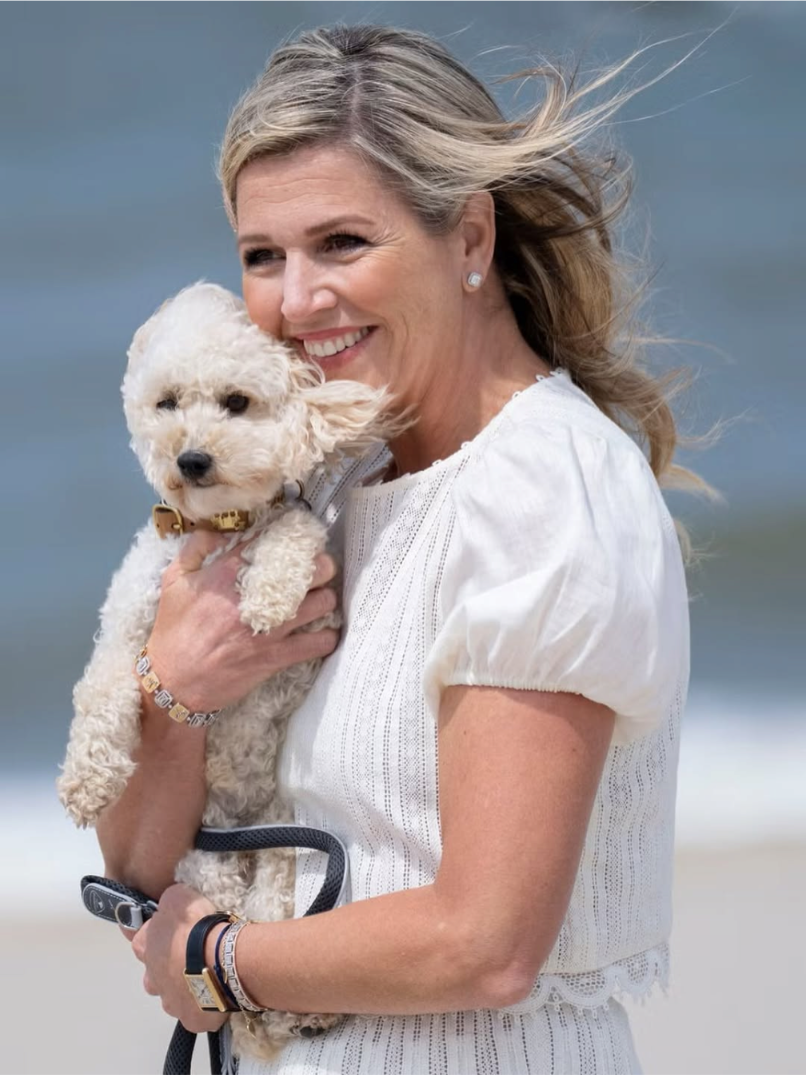
Her work has extended far beyond the ceremonial responsibilities traditionally associated with royalty. For fifteen years, from 2009 to 2024, she served as the United Nations Secretary-General’s Special Advocate for Inclusive Finance for Development. Since 2024, she has served as the UN Secretary-General’s Special Advocate for Financial Health.
Her work has focused on a fundamental question: How can people who are underserved by formal financial systems gain meaningful access to financial services and the opportunity to build secure lives?
That includes access to savings, payments, credit, insurance and other financial services. Her approach has also placed particular attention on small businesses, women entrepreneurs and people whose economic lives have traditionally remained outside formal financial systems.
During her 2018 visit to India, for example, she visited Aye Finance in Meerut, where she met micro and small entrepreneurs whose businesses had benefited from access to credit. The visit brought her directly into contact with people who had traditionally struggled to obtain financing from mainstream financial institutions.
And what is particularly interesting to me is that her work begins with something very simple:
Inclusion. The belief that an economic system should not simply produce wealth, but should create the possibility for people to participate in economic life. So perhaps the question becomes much larger than financial inclusion.
It becomes a question about what kind of civilisation we are building.
Your Royal Highness, we have spoken about peace, responsibility, human dignity and the consequences of our daily choices. We have spoken about what we eat and how we trade.
We have spoken about whether our prosperity can exist alongside cruelty, exclusion or suffering.
And we have spoken about a generation inheriting the responsibility of peace.
So I would like to take the next step.
What values should Dutch society—and Europe more broadly—build their economic and social civilisation upon? Should the purpose of an economy simply be growth?
Or should economic growth be understood as a means toward something greater: human dignity, participation, opportunity, security, responsibility and peace?
Your Royal Highness, what values should Dutch society and Europe build their economic and social civilisation upon?
OSAGYEFO NEWSLETTER MAGAZINE
Carrying forward the spirit of peace. Carrying forward hope.
Carrying forward our shared responsibility to humanity.
THE DIALOGUE
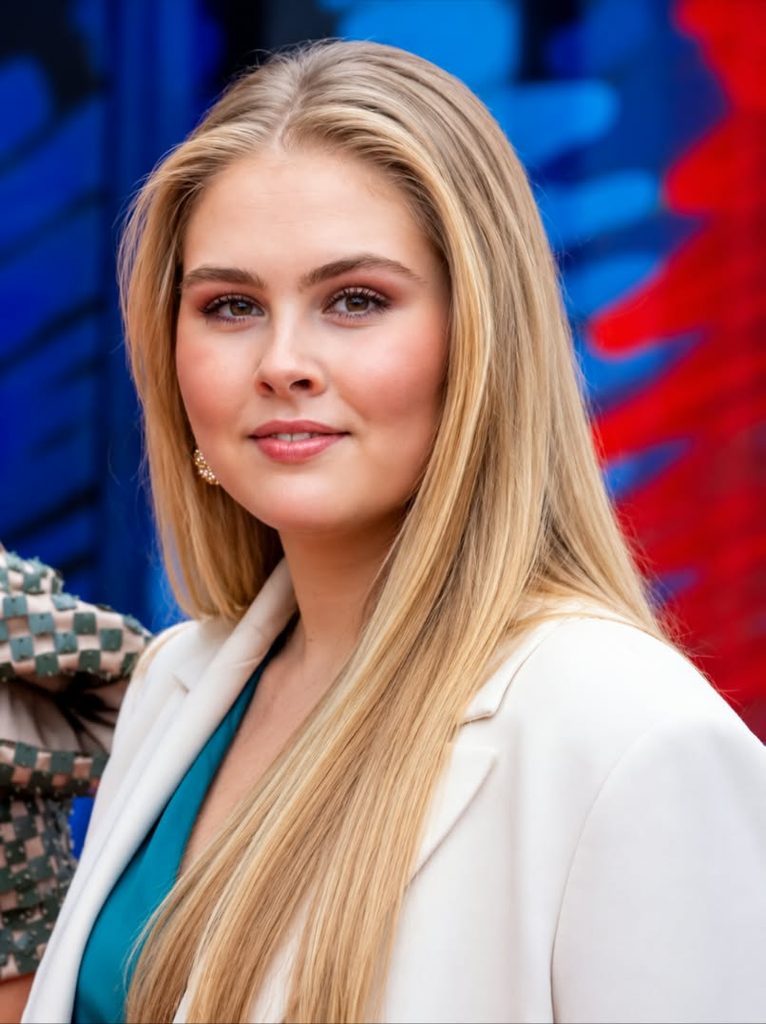
PRINCESS CATHARINA-AMALIA:
Thank you, Cookieteegh. That is a very thoughtful question. When we speak about financial inclusion, I think we must look beyond the money itself. To discover that someone is willing to lend to you—to believe in you and extend an opportunity to you despite your impoverished circumstances—can give a person a tremendous boost in self-confidence.
It can awaken something very important within a human being:
The feeling that you are trusted, that you are capable, and that you are needed by society.
That can change the way a person sees themselves.
A small entrepreneur who has never been given an opportunity may begin to think, “Someone believes I can do this.” And from that belief can come courage, responsibility and the determination to contribute to the lives of others.
So financial inclusion is not only about providing access to credit.
It can also be about restoring a person’s sense of participation in society.
And perhaps this brings us back to the deeper theme of your article:
CARRYING FORWARD THE SPIRIT OF PEACE—Europe’s Generational Responsibility.
Because peace is not only the absence of war. Peace must also be reflected in the way human beings treat one another—in whether people are given opportunities, whether they are trusted, whether they are excluded or included, and whether they are allowed to develop their potential.
And this is where I see an interesting connection with the writings of Nichiren Daishonin.
The principle that we have been discussing—that accepting an ideal is easier than sustaining it—becomes very relevant here.
It is one thing for a society to declare that every human being has dignity. It is another thing to build economic and social systems that actually allow people to experience that dignity.
It is one thing to speak about peace. It is another thing to create the conditions in which people can live with hope, responsibility and confidence in their own lives. Perhaps, therefore, carrying forward the spirit of peace means carrying forward the belief that every person possesses potential—and creating societies that give people the opportunity to reveal it. That, to me, is where philosophy becomes action.
OSAGYEFO NEWSLETTER MAGAZINE — Carrying forward the spirit of peace. Carrying forward hope. Carrying forward our shared responsibility to humanity.
OSAGYEFO NEWSLETTER MAGAZINE
Global Broadcast Feature | Exclusive International Dialogue
THE DIALOGUE
COOKIETEEGH: Your Royal Highness, thank you for that thoughtful response.
The account you have given brings us back to something very important.
What we are hearing is not simply a finance story. It is a story about people who have experienced poverty and exclusion, and who, after encountering your mother, Queen Máxima, and the principles behind her work on financial inclusion, can begin to experience something that poverty often takes away: confidence in oneself.
To be trusted with an opportunity can itself become a form of encouragement. And that is an important point for our discussion of civilisation.
Because perhaps the rebirth of Europe cannot be measured only by the strength of its economies or the sophistication of its institutions. It must also be measured by whether human beings are allowed to recover their dignity, participate in society and believe in their own potential. This brings us back to the larger theme of this edition:
A MYTH OF EUROPE’S REBIRTH.
And it also brings us back to the writings of Nichiren Daishonin—the challenge of sustaining an ideal when circumstances become difficult.
Your Royal Highness, I would like to end our dialogue with a question that has become one of the most difficult and deeply contested issues in Europe.
There have been continuing debates about Germany’s military relationship with Israel, including its long-standing cooperation on submarines. The INS Drakon, built by ThyssenKrupp Marine Systems in Kiel, is the largest of Israel’s Dolphin-class submarines. Germany approved its export, and reporting has noted that submarines of this class can potentially be configured to carry nuclear weapons. Israel has never officially acknowledged possessing nuclear weapons.


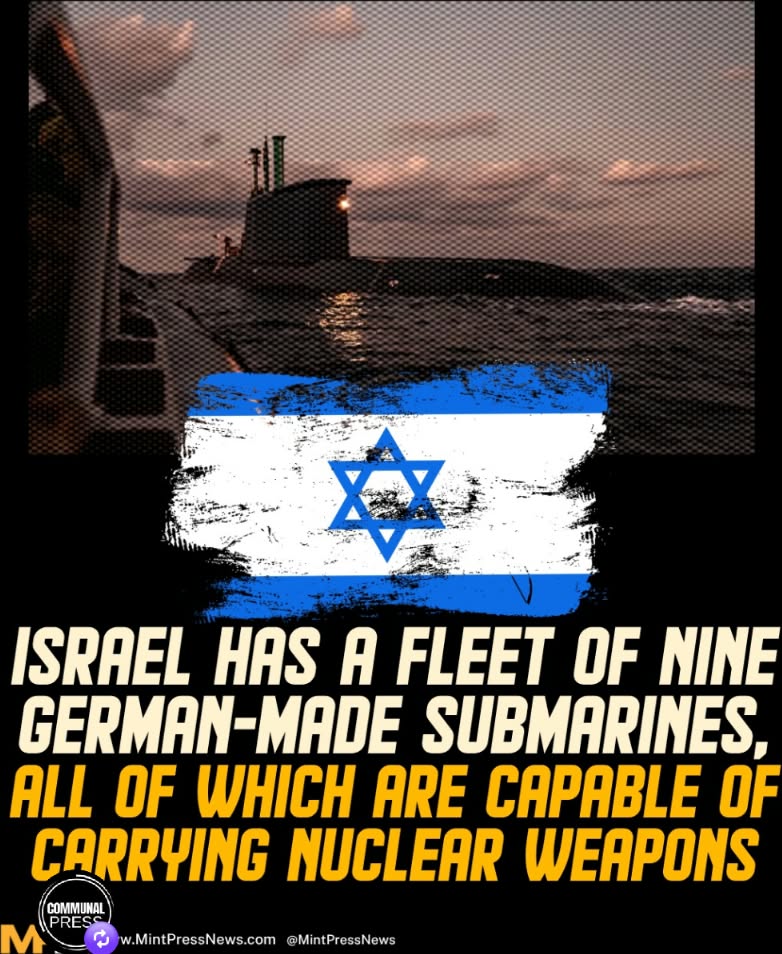
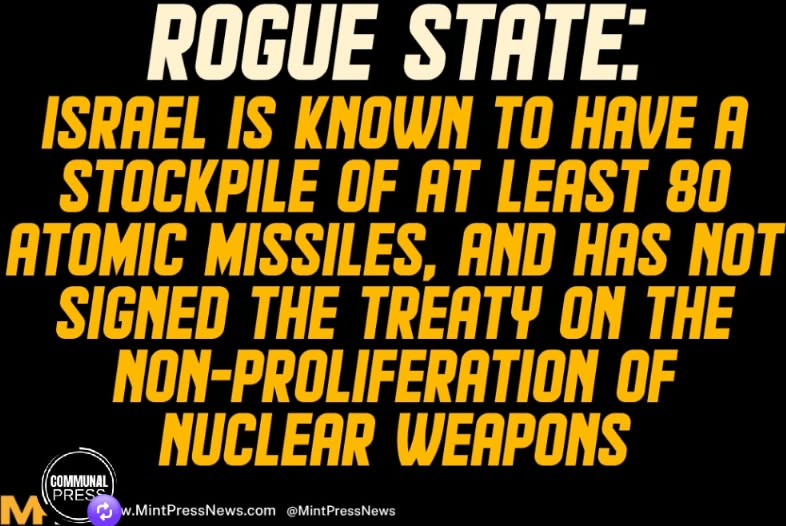

This creates a profound question for a Europe that speaks so strongly about peace, historical responsibility and the prevention of catastrophic war.
If Europe says that the lessons of its history must be carried forward, how should it reconcile those principles with military cooperation that contributes to the strategic capabilities of a state involved in one of the world’s most enduring and controversial conflicts?
And so, Your Royal Highness, this is my final question:
When you think about the spirit of peace, European responsibility and the values upon which the Netherlands and Europe wish to build their future, how should Europeans think about this contradiction?
Is this something you can support?
OSAGYEFO NEWSLETTER MAGAZINE — Carrying forward the spirit of peace. Carrying forward hope. Carrying forward our shared responsibility to humanity.
PRINCESS CATHARINA-AMALIA: Thank you, Cookieteegh.
That is indeed a difficult and serious question. Let me say once again how deeply I appreciate the remarkable dedication, thoughtfulness and professional skill you have brought to this dialogue.
Your final question takes us directly to the heart of what we have been discussing. For me, I would first return to the title of the article and to the vision that my mother, Queen Máxima, has pursued with such determination: the possibility of a world built around greater unity, peace and justice.
Her work on financial inclusion has shown that economic questions are ultimately human questions. When families who have lived on the margins of the formal financial system are given an opportunity to save, to borrow responsibly, to build a small enterprise and to plan for their children’s future, something larger can happen. Families begin to dream again.
They begin to see possibilities where previously they saw only limitations. And when people are allowed to participate in society, they can begin to feel that they have a place within it—that their lives, their work and their aspirations matter. For me, that is an important part of what we mean when we speak about peace.
Peace cannot be sustained only through declarations or institutions. It must also be cultivated through human dignity, opportunity, trust and justice. That is why I would return to the central idea of your article:
A MYTH OF EUROPE’S REBIRTH.
Perhaps Europe’s rebirth should not be understood simply as the rebuilding of its economic strength or political institutions. It should be understood as the renewal of the values that allow human beings and nations to live together. If Europe can build upon a philosophy that places human dignity at the centre—if it can create societies in which people are given the opportunity to participate, to contribute and to hope—then I believe Europe can continue moving toward its goal of promoting peace.
And perhaps this is where the responsibility of my generation begins. We cannot inherit the achievements of previous generations and simply assume that they will continue by themselves.
We must ask what kind of Europe we want to carry forward. A Europe defined by fear and division?
Or a Europe that continually renews its commitment to unity, peace, justice and human dignity?
The answer will ultimately be found not only in the decisions of governments, but in the values that ordinary people choose to live by. That, perhaps, is what it truly means to carry forward the spirit of peace.
OSAGYEFO NEWSLETTER MAGAZINE — Carrying forward the spirit of peace. Carrying forward hope. Carrying forward our shared responsibility to humanity.
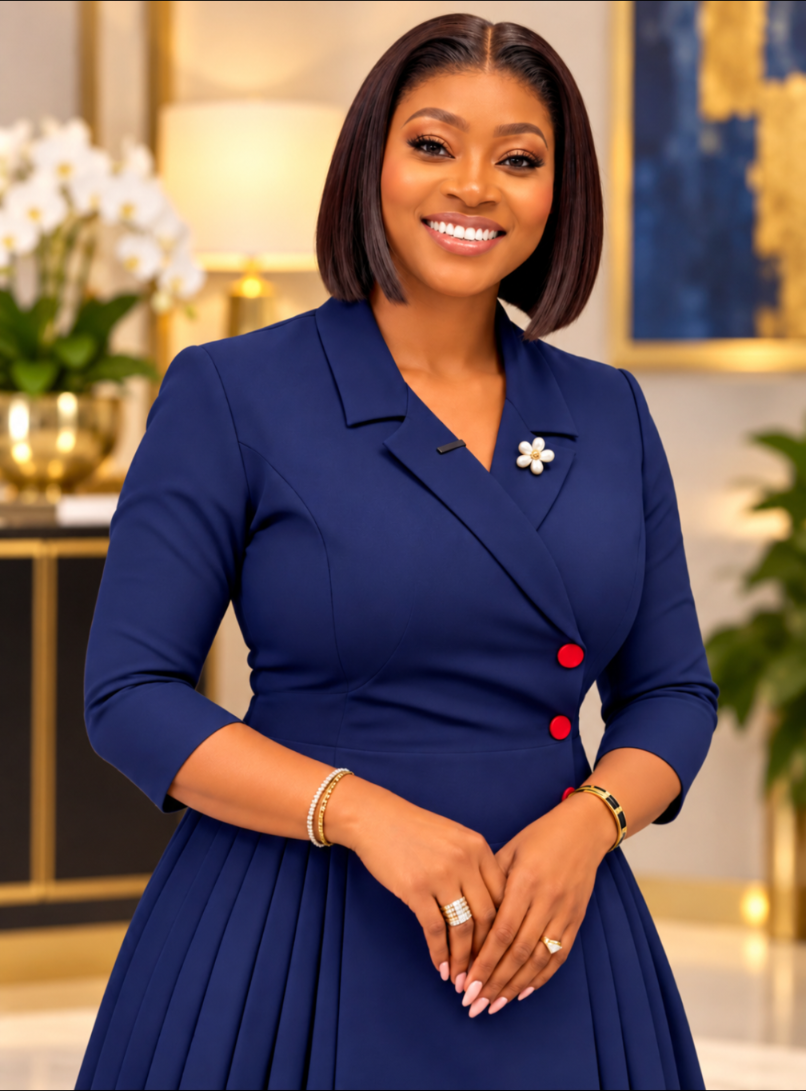
COOKIETEEGH: Thank you, Princess Catharina-Amalia, for that thoughtful and deeply considered response.,I am equally grateful for your generous words throughout this dialogue.
What you have expressed today carries a message that reaches far beyond the Netherlands. You have spoken about human dignity, inclusion, responsibility, peace and the responsibility of one generation to another. You have also expressed your appreciation for the vision your mother, Queen Máxima, has pursued through her work for financial inclusion, human opportunity and a more inclusive society.
And in doing so, Your Royal Highness, you have given this conversation another dimension.
You have reminded us that peace is not merely an aspiration written into international declarations. It must become something people experience in their everyday lives—in their families, their communities, their economic opportunities and their relationships with one another.
There is something particularly meaningful in hearing these reflections from a young woman who stands at the threshold between history and the future.
You are not the Queen yet. But you are part of a generation that will inherit the consequences of the decisions being made today. And perhaps that is why your words carry such significance.
You have spoken with confidence about the possibility of a Europe that continues to pursue unity, peace, justice and human dignity. I believe that confidence itself can become a light.
A light for young Europeans.
A light for those who have lost faith in institutions.
A light for families struggling to build better lives.
And a light for anyone who believes that the future does not have to repeat the failures of the past.
Your Royal Highness, I leave this dialogue with a sense that the responsibility we have discussed today is not yours alone, nor does it belong to governments or institutions alone.
It belongs to all of us.
To the young and the old.
To citizens and leaders.
To Europe and to the wider world.
The question is not simply what kind of world we have inherited.
The deeper question is:
What kind of world are we prepared to leave behind?
And perhaps that is where the true meaning of our theme finally rests:
CARRYING FORWARD THE SPIRIT OF PEACE: Europe’s Generational Responsibility
To our international readers and viewers joining us from every continent, thank you for sharing in this extraordinary conversation.
May this dialogue encourage us not merely to speak about peace, but to examine our choices, strengthen our sense of responsibility and recognise the dignity and potential within every human being.
Because the future is not something that simply arrives.
The future is something each generation helps create.
Thank you for joining us.
This has been OSAGYEFO NEWSLETTER MAGAZINE.
A dialogue about royalty—but ultimately, a conversation about humanity.
OSAGYEFO NEWSLETTER MAGAZINE — Carrying forward the spirit of peace. Carrying forward hope. Carrying forward our shared responsibility to humanity.
An introduction to the Soka Gakkai and Nichiren Buddhism. Where do the teachings originate from?
What is the philosophy of Buddhism?
How do Soka Gakkai members apply it in their daily lives?
The Soka Gakkai is a global community-based Buddhist organisation that promotes peace, culture and education centred on respect for the dignity of life. Its members in 192 countries and territories study and put into practice the humanistic philosophy of Nichiren Buddhism.
Soka Gakkai members strive to actualise their inherent potential while contributing to their local communities and responding to the shared issues facing humankind.
The conviction that individual happiness and the realisation of peace are inextricably linked is central to the Soka Gakkai, as is a commitment to dialogue and nonviolence. Subscribe to our channel:  / sgivideosonline Visit our website: https://www.sokaglobal.org/ Like us on Facebook:
  / sgi.info Follow us on Instagram:
  / sgi.info Follow us on Twitter:
  / sgi_info


https://www.instagram.com/babiesandtodds_?stkn=MWs0ZHlsbjcxNXEyZg==
The Vision of Assumpta Gahutu, Esq.
The ideas of the Principal of Babies Todds Daycare, Assumpta Gahutu, Esq., have had an enduring impact not only in Africa but across the globe. Her vision emerged at a time when the lingering effects of imperial and oppressive structures appeared to limit the possibilities for African-centred educational development.
Yet, through determination, compassion, and clarity of purpose, she forged a new path for early childhood education. Under her leadership, Babies Todds Daycare has grown into far more than a childcare facility; it has become a value-creating environment where the character of the future is gently formed.
Through this mission, she has nurtured the growth of young children whose lives will embody the values the world will need in the centuries to come. Her work reflects a profound belief: that the foundation of a just and humane society begins with how we educate and care for our youngest generation. In this way, the philosophy behind Babies Todds represents not simply an institution, but a lifelong commitment to shaping the character, dignity, and future of humanity.
Babies Todds
A Safe and Nurturing Daycare and Preschool in the Heart of Windhoek
Babies Todds is a warm and welcoming space where young children are encouraged to grow, learn, share, and create in a supportive environment. Our daycare and preschool are dedicated to providing quality early childhood education that fosters curiosity, creativity, and confidence in every child.
- 📍 Location: Windhoek, Namibia
- 📞 Phone: +264 81 673 7599
- 🌐 Website: www.babiestodds.com
A beautiful place where the journey of learning begins and where every child is given the opportunity to flourish.






https://www.instagram.com/pistachio.ghana?stkn=cm9sMmNsNXlqcXR5
🌿 EVERYDAY ESSENTIALS PRESENTS
THE JOURNALIST WITH A CONSCIENCE
Meet Serwaa Amihere, Esq.
A visionary connecting Ghana to the global stage through Everyday Essentials.
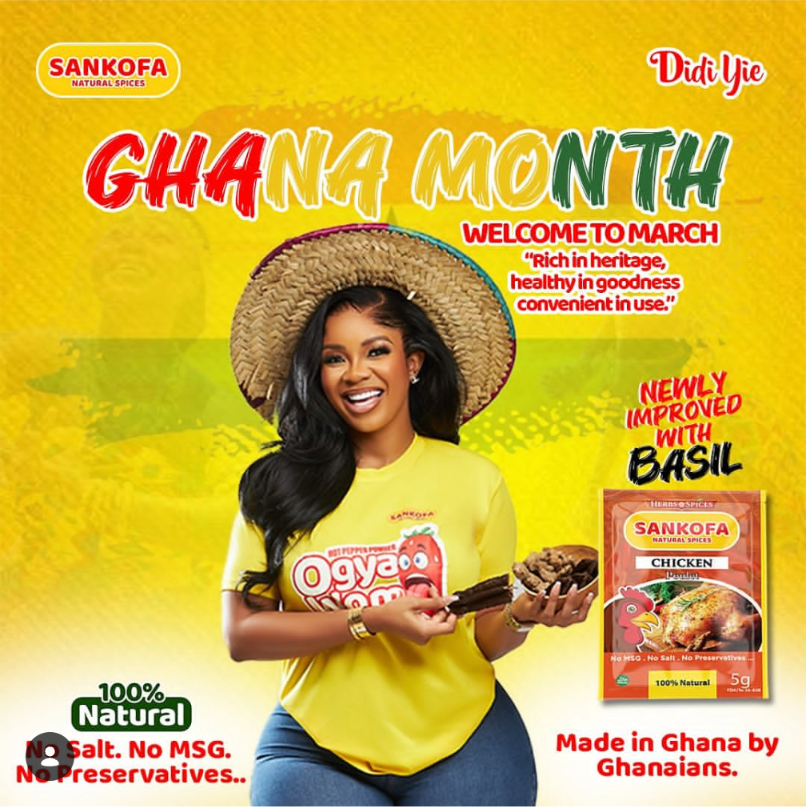
As a celebrated broadcast journalist, lawyer, and entrepreneur, Serwaa Amihere, Esq. brings her commitment to excellence from the newsroom directly into your daily routine.
Featured exclusively through Everyday Essentials, the Serwaa Amihere Collection represents a carefully curated blend of wellness, quality, beauty, professional elegance, and Ghanaian craftsmanship.
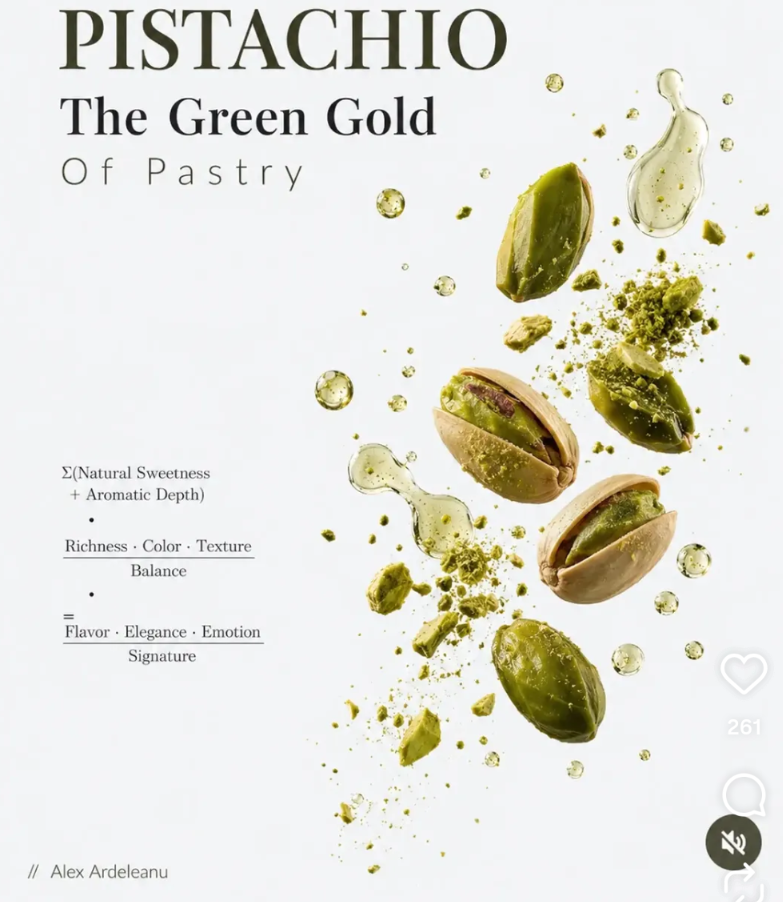
🥜 PISTACHIOS: SMALL NUT, POWERFUL NUTRITION
At Everyday Essentials, healthy living begins with understanding what nourishes our bodies.
Pistachios naturally offer:
- Plant-Based Protein: Supports muscle health and daily vitality.
- Dietary Fibre: Promotes healthy digestion and lasting satiety.
- Healthy Unsaturated Fats: Rich in heart-healthy monounsaturated and polyunsaturated fats.
- Vitamin B6: Supports normal energy metabolism and nervous system function.
- Essential Minerals: Copper, manganese, phosphorus, and magnesium contribute to bone health, muscle function, and energy production.
- Potassium: A vital electrolyte supporting muscle and nerve function.
- Antioxidants: Contains key compounds, including lutein and zeaxanthin.
The Everyday Essentials Philosophy: Pure ingredients. Mindful choices. An elevated everyday life.
Whether enjoyed raw as a quick snack or woven into culinary dishes and desserts, pistachios prove that small habits yield powerful nutritional value.
WHY CHOOSE THE SERWAA AMIHERE COLLECTION?
- A Trusted Vision: Hand-selected with the discerning standard expected of one of West Africa’s leading media figures.
- Uncompromising Quality: From premium natural foods and spices to the sophisticated silhouettes of Office & Co. by SA, every offering balances health, style, and luxury.
- Authentically Ghanaian: Bridging local heritage and global elegance to share Ghanaian excellence with the world.
- A Holistic Lifestyle: A seamless blend of wellness, beauty, and professional sophistication tailored for modern global living.
FROM GHANA TO THE WORLD
Everyday Essentials is more than a product collection—it is a conscious lifestyle choice:
- Nourish the body.
- Elevate the mind.
- Embrace timeless beauty.
- Celebrate authentic craftsmanship.
- Share Ghanaian excellence with the world.
Experience a lifestyle rooted in quality, integrity, and international appeal.
Discover the finest in health, beauty, gourmet food, and fashion—curated by Serwaa Amihere, Esq.
#EverydayEssentials #SerwaaAmihere #GlobalWellness #PistachioNutrition #GhanaToTheWorld #HealthyLiving #GhanaianExcellence


https://www.instagram.com/delish_bakerygh?utm_source=ig_web_button_share_sheet&stkn=ZDNlZDc0MzIxNw==
Pure Goodness: Delish Bread Without Chemicals
Experience the taste of nature at Delish Bread, your neighbourhood grocery store and bakery where health meets indulgence. We believe that what you eat should be as pure as it is delicious. That’s why our breads are crafted without chemicals, artificial preservatives, or additives—just wholesome ingredients baked to perfection.
Whether you are looking for your daily loaf or a special treat, we offer over 12 varieties of bread, cakes, and pastries, including:
Signature Breads: Whole Wheat, Multigrain, and Classic White—all chemical-free.
Artisan Pastries: Flaky, buttery, and baked fresh every morning.
Custom Cakes: Perfect for every celebration, made with the finest natural ingredients.
OSAGYEFO-IMAGINE Celebrates Delish Bread
OSAGYEFO-IMAGINE: Works From The Heart proudly honours the commitment to purity and health championed by Delish Bread. In a world of processed foods, Delish Bread stands out as a beacon of authenticity, aligning perfectly with our mission to celebrate creators who work with passion and purpose.
We celebrate Delish Bread for:
Wholesome Integrity: Their dedication to chemical-free baking that nourishes the community.
Cultural Connection: Bringing people together through the timeless tradition of breaking bread.
Spiritual Purpose: Guided by the personal mission of Making Jesus Proud, every loaf is baked with love and a servant’s heart.
Visit Us Today!
Come and taste the difference that “Heart Work” makes.
Location: Agboba, Accra.
Hours: Monday – Saturday | 8:00 AM – 6:00 PM
Order via WhatsApp:wa.me/233201789403
Follow the Journey:@delish_bakerygh & @smomentwithprecious_
Delish Bread & OSAGYEFO-IMAGINE: Nourishing your body, honouring your heritage.

https://www.instagram.com/hairsenta?utm_source=ig_web_button_share_sheet&stkn=ZDNlZDc0MzIxNw==
✨ HAIR SENTA × BLACK BEAUTY ✨
Unveil the Natural Radiance of Your Hair
Ever wondered if these products are right for your hair? The answer is a resounding YES! 💛
Step into a luxurious hair-care experience with the Black Beauty Hair Care Collection—crafted to merge essential nourishing treatment and effortless styling into one accessible, high-performance range. Infused with almond-inspired care and enriched with precious argan and olive oils, every formula defines, hydrates, and transforms your hair, all while leaving a captivating scent.
🌿 THREE ESSENTIALS. ONE ELEVATED ROUTINE.
🧴 3-in-1 Smoothing Shampoo
Gently cleanses and restores balance across natural hair, synthetic fibres, wigs, and braided styles.
✨ Argan Oil Styling Shine Mousse
Delivers brilliant, weightless shine while sculpting and defining curls without crunch.
💛 Moroccan Argan Oil Curl Defining Cream — Shaping Milk
Deeply moisturises to lock in definition, offering long-lasting flexibility and bounce.
💕 INSPIRED & TRIED BY GWEN ADDO
“The inspiration for this development came from Gwen Addo herself.”
In close collaboration with HAIR SENTA, Gwen Addo tested and refined the collection and shared hands-on feedback throughout development. Her personal experience helped shape a versatile range tailored to the everyday needs of modern, dynamic hair.
🌸 YOUR HAIR DESERVES THE BEST — GRAB YOURS TODAY!
Available as a complete luxury box or as individual styling essentials:
3-in-1 Smoothing Shampoo
Styling Shine Mousse
Curl Defining Cream
Whether you’re nourishing your natural curls, protecting your braids, or maintaining pristine wigs, elevate your daily routine with a collection built on performance and care.
HAIR SENTA × BLACK BEAUTY
Beauty. Care. Confidence. In every drop. 💛