




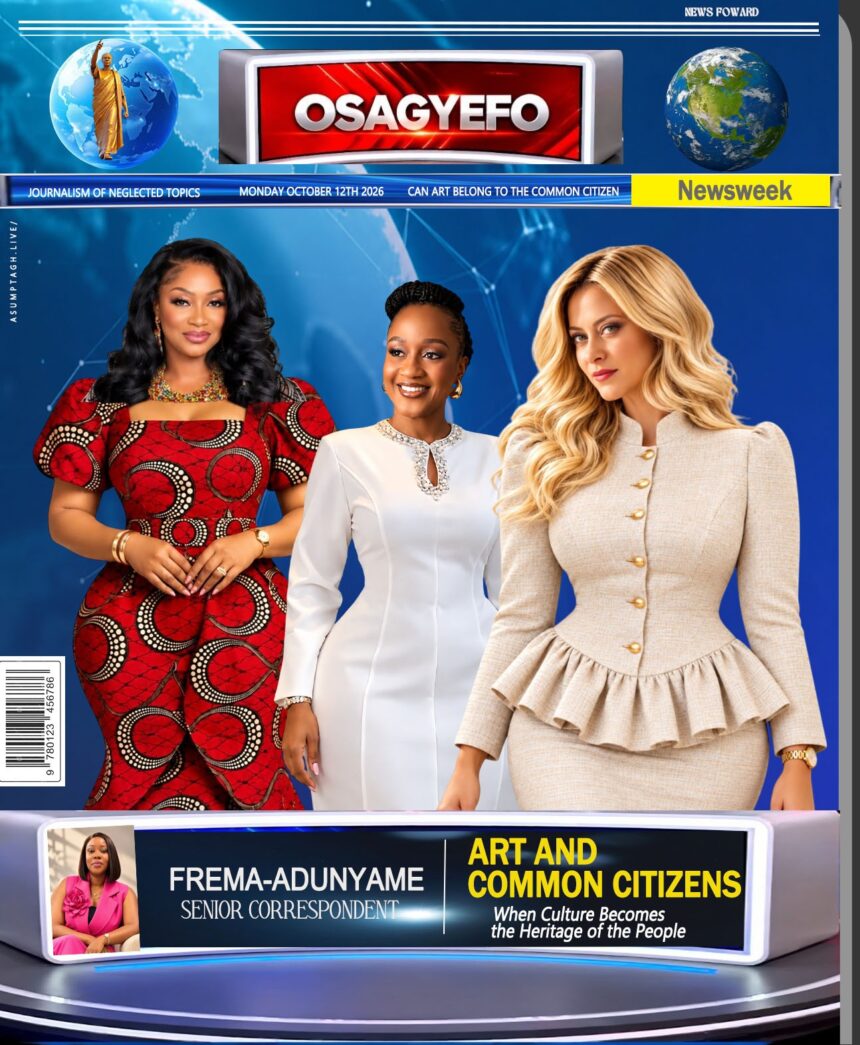

📰 OSAGYEFO NEWSLETTER MAGAZINE
Presents — Newsweek
📅 Release Date: Monday, October 12th, 2026 🌐 Read Exclusively at: assumptagh.live
📰 OSAGYEFO NEWSLETTER MAGAZINEPresents — Newsweek“Can Art Belong to the Common Citizen?”🏛️ ARTICLE OVERVIEWHair Senta – Where Beautiful Hair Meets Beautiful Conversations 💇🏾♀️ Why Choose Hair Senta This Spring?📍 Get in Touch📑 INSIDE THIS EDITION📖 EDITORIAL PREFACE🎙️ THE GUEST FEATURE: EXCLUSIVE DIALOGUEHOSTGUEST SPEAKERS🎨 THE RETURN OF CULTURE TO THE HEART OF EVERYDAY ITALIAN LIFE🖼️ CULTURE AS A COMMON HERITAGETHE PEOPLE AND THE ITALIAN CULTURAL IDENTITY🌍 ART AS A COMMON LANGUAGEThe Tapestry of Triumph: Italy’s True IdentityRome is More Than a CityThe Whispered DreamThe Eternal City — Looking ForwardHER EXCELLENCY GIORGIA MELONICulture is Human Capital in Its Purest FormRedefining Modern Development🎙️ THE GUEST FEATURE: GWEN ADDO EXCLUSIVE DIALOGUEGWEN ADDO🏛️ Culture Is the Memory of a People🚜 Development Must Reach Ordinary People👤 Human Beings Must Remain at the CentreGhana, Italy and the Dialogue Between Civilisations🕯️ The Everyday Meaning of Human DignityA Future That Remembers Its Past🎙️ THE GUEST FEATURE: EXCLUSIVE DIALOGUEFREMA ADUNYAME🕊️ The Dignity of Every Human Life🌉 Culture: A Bridge Between Human Beings🎓 Education and the Transformation of Society🔄 Human Revolution Begins with the Individual🎨 The Common Citizen and the Right to Experience Beauty🤝 Italy, Ghana and a Shared Human Future❓ A Final Question to YouDZIGBORDI KWAKU-DOSOO🎨 Art and Cultural Works Appreciated by Giorgia Meloni1. Literature and Fantasy Art — J.R.R. Tolkien2. Historical Painting — Silvestro Lega3. Sculpture — Giovanni Spertini’s Bust of Giuseppe Mazzini4. Italian Opera — Verdi, Puccini, Donizetti, and Bellini5. Painting, Sculpture, and Historic Collections6. Theatre and Performing Arts7. Italian Cinema🏛️ The Clearest Pillars of Personal Engagement✨ Enriching the Human HeartFREMA ADUNYAME🏛️ INVITATION TO HER EXCELLENCY GIORGIA MELONIH.E. GIORGIA MELONI🏛️ The Return of Culture to the Heart of Everyday Italian Life🎬 Supporting the Creators and the Made in Italy Heritage⚡ Energy Security, Economic Resilience, and Cultural IdentityFREMA ADUNYAME🏛️ INVITATION TO GWEN ADDOGWEN ADDO🏛️ National Dignity Begins with the Individual🌾 Empowerment at the Grassroots Level🌐 Sovereignty Without Isolation✨ Roots, Worth, and Future🎙️ PANEL DIALOGUE — THE CLOSING REFLECTIONFREMA ADUNYAME:🎨 Art Belongs to Everyone🌱 The Cultivation of Humanity🏛️ CLOSING REMARKS — FREMA ADUNYAMEEND OF DIALOGUEOur Shared Humanity Soka Gakkai Buddhist MovemenThe Vision of Assumpta Gahutu, Esq.Babies Toddshttps://www.instagram.com/serwaaamihere?cplk=N216N3hzeTE3eHho🌿 EVERYDAY ESSENTIALS PRESENTSPure Goodness: Delish Bread Without ChemicalsOSAGYEFO-IMAGINE Celebrates Delish BreadVisit Us Today!
“Can Art Belong to the Common Citizen?”
Assumpta Newsletter — Live / Digital Edition
🏛️ ARTICLE OVERVIEW
ARTICLE TITLE: ART AND COMMON CITIZENS
THEME: When Culture Becomes the Heritage of the People.
FEATURE: Italy, Giorgia Meloni and the Place of Art in Public Life
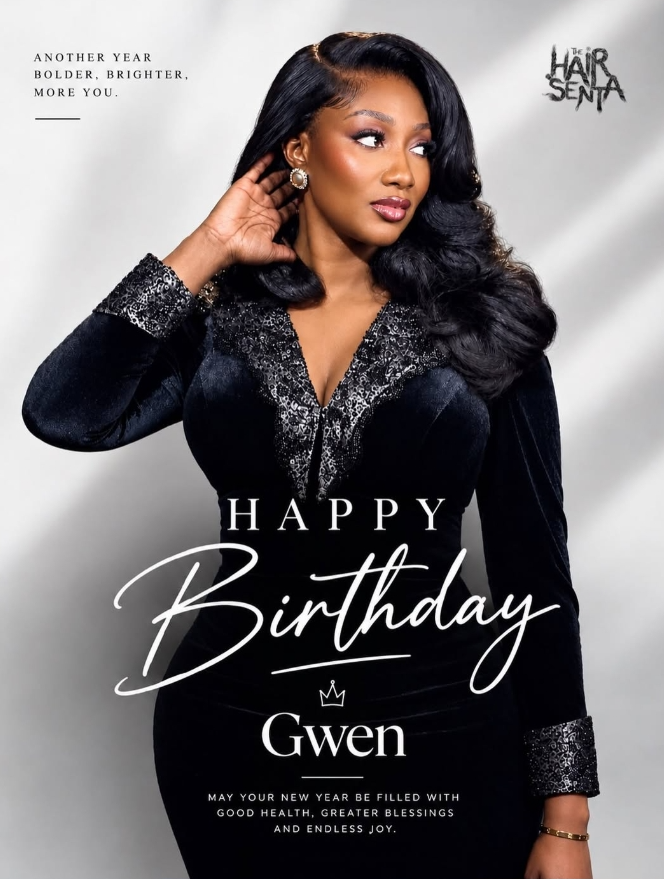


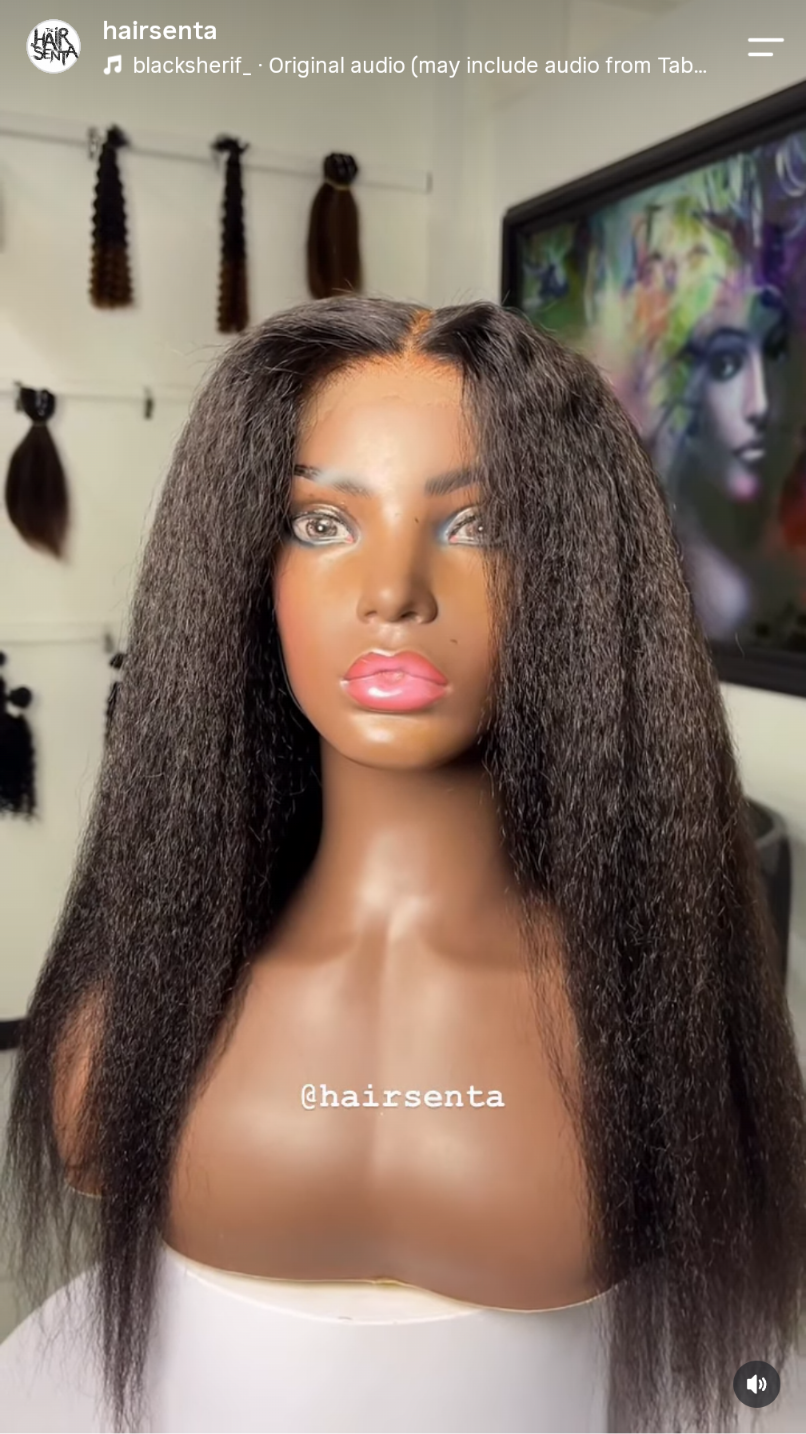




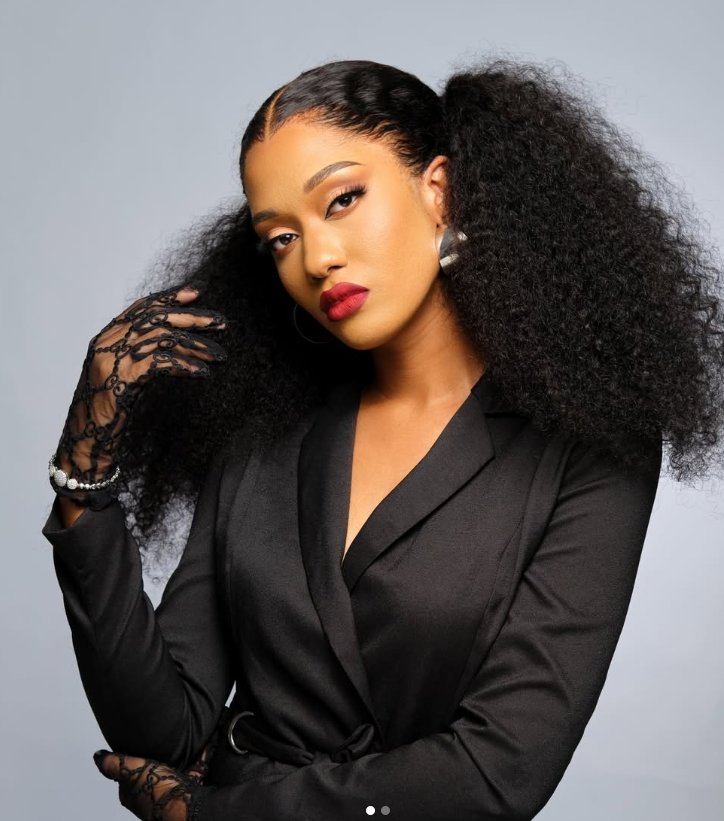
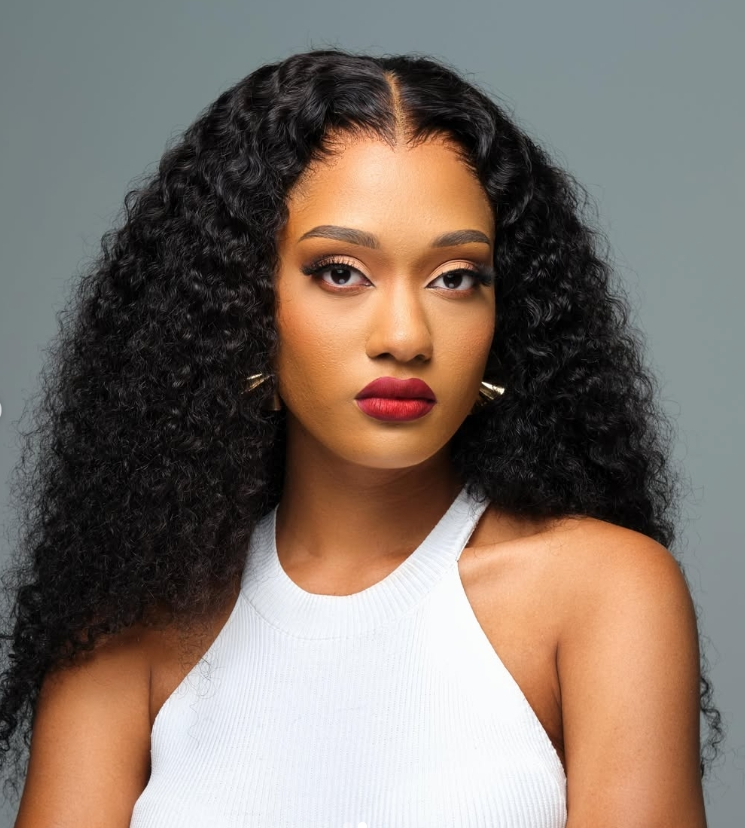
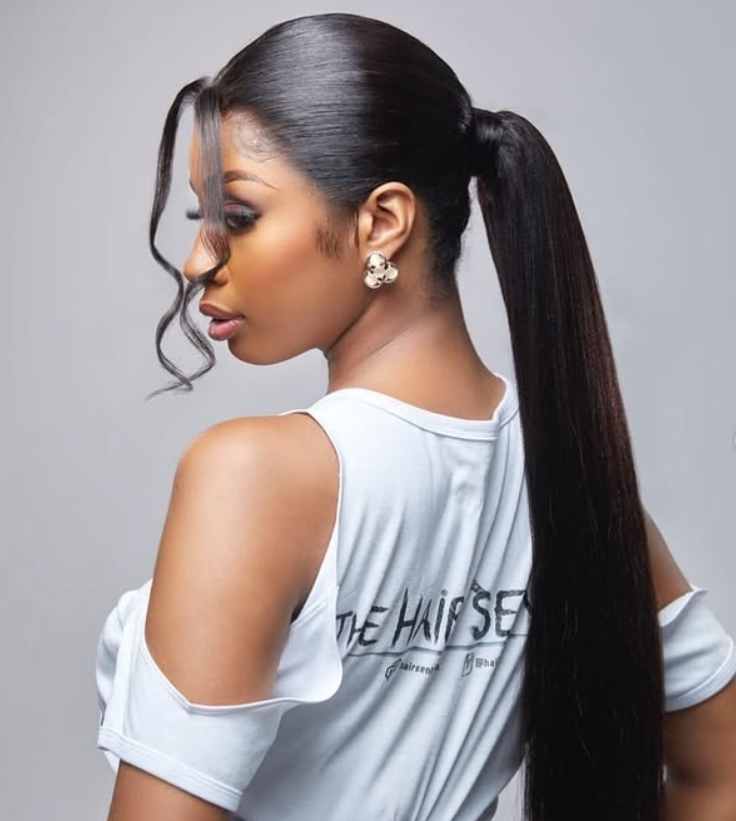

Hair Senta – Where Beautiful Hair Meets Beautiful Conversations
Hair Senta invites you to embrace a fresh start with more than just stunning hair. Step into a world of renewal with an experience wrapped in care, expertise, and a vibrant new energy. Every interaction is thoughtfully designed to deliver the finest human hair extensions from Ghana, while empowering you with expert guidance on how to care for, style, and love your hair as you bloom.
From your first greeting to your final choice, we listen, educate, and support you with warmth and professionalism. Whether you’re refreshing your look for the new season, attending spring weddings, or simply treating yourself to a “new year” glow-up, our team ensures you leave radiant, confident, and ready to shine.
💇🏾♀️ Why Choose Hair Senta This Spring?
Trademarked, trusted, and internationally recognised
Premium human hair extensions shipped from Ghana to the world
Personalised, educational, and uplifting client experience—designed to help your confidence grow
This season, gift yourself the beauty of a fresh start. Because when your hair feels like a masterpiece, you’re ready to take on the world.
📍 Get in Touch
Visit us: 24 Jungle Avenue, Accra, Ghana 00233
Shop online: www.hairsenta.com
Call: (+233) 0544354455 / 0248629769
Follow us on Instagram: @hairsenta
Hair Senta — Because great hair is always in season. 🌷✨
📑 INSIDE THIS EDITION
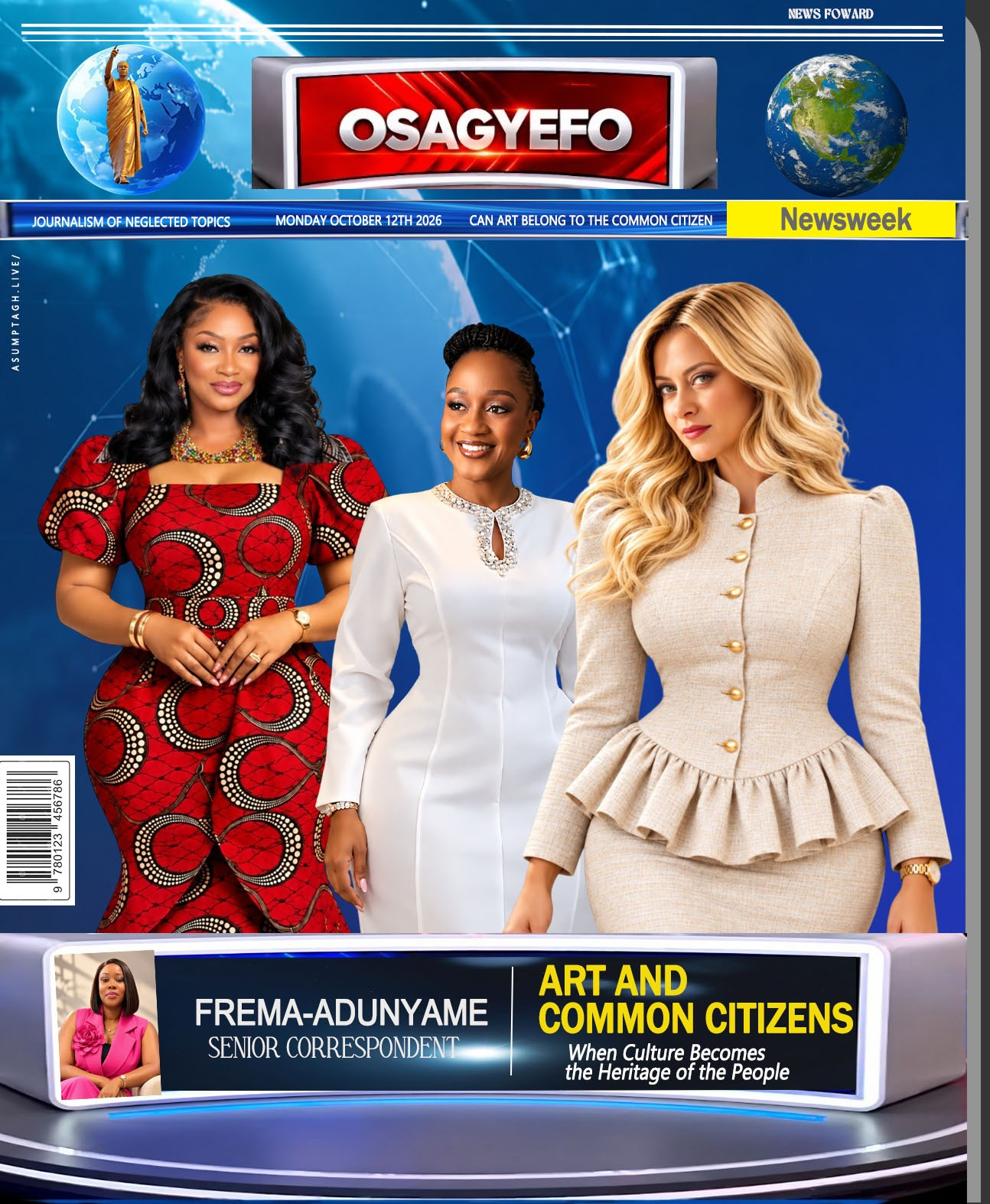
📖 EDITORIAL PREFACE
ART AND COMMON CITIZENS
🎙️ THE GUEST FEATURE: EXCLUSIVE DIALOGUE
HOST

- Frema Adunyame, Ghanaian Broadcaster & Journalist | Head of Events & Partnerships, Citi FM & Channel One TV
GUEST SPEAKERS

- Gwen Addo, Founder & CEO, TLS; Co-founder, Hair Senta Wellness, Self-Worth & Food Education: Creating spaces where people can thrive through holistic entrepreneurship.
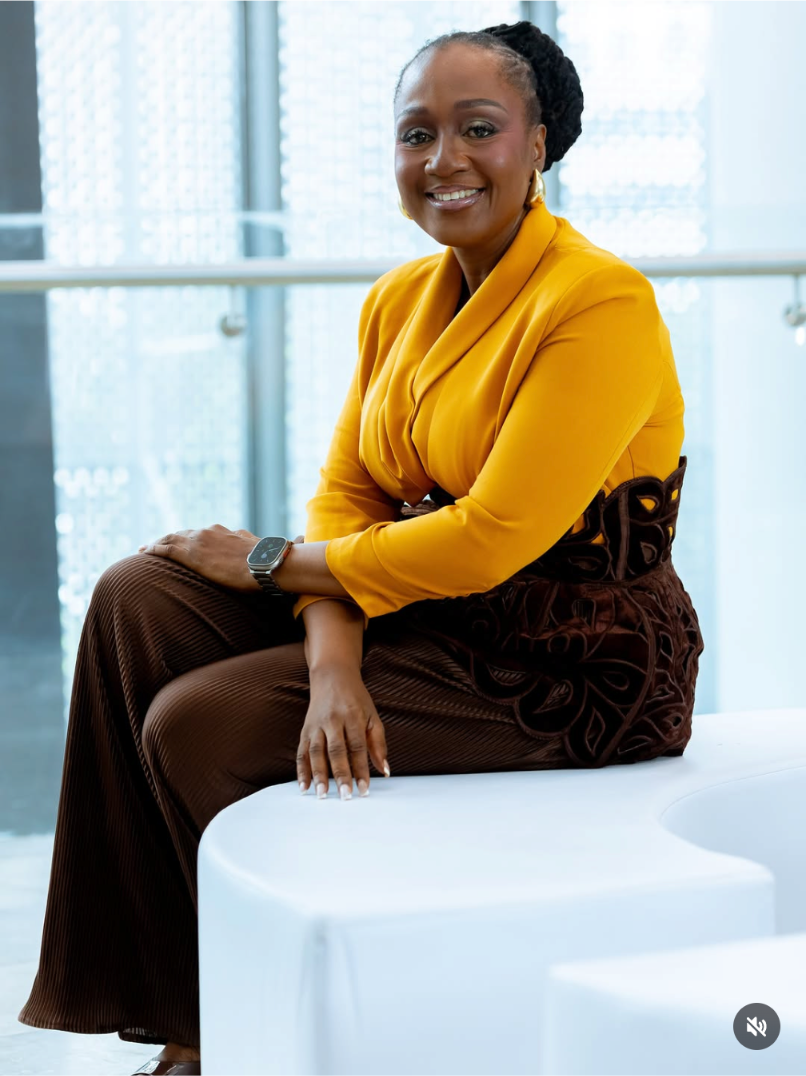
- Dzigbordi Kwaku-Dosoo, CEO, DCG Consulting Group; Human Capital & Business Strategy: Developing human potential rather than treating people as instruments of output.

- H.E. Giorgia Meloni, Prime Minister of Italy; Sovereignty & Global Responsibility: Balancing national security, economic resilience, and global human consequences.
🎨 THE RETURN OF CULTURE TO THE HEART OF EVERYDAY ITALIAN LIFE
When Giorgia Meloni took office as Prime Minister of Italy on October 22, 2022, her government placed considerable emphasis on national identity, economic policy, energy security, Italian production and the preservation of Italy’s cultural heritage.
Among these areas, culture and the arts occupy a particularly important place in Italy’s national identity. Painting, music, theatre, sculpture, cinema, literature, architecture and Italian cuisine are not simply forms of entertainment; they are part of the historical inheritance of the Italian people.
For generations, however, access to some aspects of cultural life could appear distant from the everyday experience of ordinary citizens. Museums, theatres, artistic productions, cultural events and other institutions of the arts can sometimes be perceived as spaces primarily associated with wealthier or more privileged sections of society.
The broader idea behind a people-centred approach to culture is therefore simple: art should not belong exclusively to the privileged. It should be part of the common heritage of the people.
This perspective fits within the Meloni government’s wider emphasis on Italian identity and the promotion of what it describes as Made in Italy. Support for the cultural and creative industries has included continued public funding mechanisms and tax incentives for cinema and audiovisual production. In 2025, for example, Italy allocated approximately €696 million through its cinema and audiovisual investment fund, including resources for tax credits, promotion, cinema infrastructure and the digitalisation of cinematographic heritage. The government also continued tax-credit mechanisms supporting music production.
These measures demonstrate that cultural policy can extend beyond preserving historic monuments. It can also support the people who create, perform, produce and distribute culture—actors, musicians, filmmakers, technicians, artists and other creative professionals.
The same broader philosophy can be seen in the government’s economic and energy policies. In September 2026, Italy’s parliament approved legislation establishing a framework for the possible return of nuclear energy, with the government presenting advanced nuclear technologies as part of a strategy for greater energy security and reduced dependence on imported energy.
The government has also introduced measures affecting household costs and vehicle taxation. In September 2026, Meloni announced the abolition of road tax for qualifying cars and motorcycles from 2027, while the government has used temporary reductions in fuel excise duties in an effort to ease pressure from high fuel prices.
These policies belong to different areas of government, and their economic effects remain matters of public debate. But together they form part of a larger political project centred on national production, energy security, household costs and Italian cultural identity.
🖼️ CULTURE AS A COMMON HERITAGE
The deeper question, however, is what happens when culture is brought closer to ordinary citizens.
A painting in a gallery represents more than an object behind glass. A theatre performance can preserve language and history. Music can carry traditions from one generation to another. Sculpture can preserve the memory of a civilisation. Cinema can tell stories that allow people to recognise themselves and their communities. Italian cuisine can connect families, regions and generations.
Culture therefore becomes most powerful when it is not treated merely as a luxury.
It becomes a living part of society.
From this perspective, supporting the arts is not simply about supporting artists. It is also about giving citizens opportunities to encounter beauty, history, creativity and national heritage in their everyday lives.
Italy possesses one of the world’s extraordinary concentrations of cultural heritage. The challenge is to ensure that this heritage remains connected to the people who inherit it.
THE PEOPLE AND THE ITALIAN CULTURAL IDENTITY
The idea of patriotism can therefore extend beyond flags, political speeches and national celebrations. It can also mean protecting the traditions, creativity, craftsmanship, languages, artistic expressions and cultural institutions that have shaped the country.
The question is not whether culture should be preserved for the past.
The question is whether culture can remain alive for the present and future generations.
In that sense, the arts can become a bridge between government policy and ordinary citizens: between historical heritage and modern life, between the old and the young, and between Italy’s cultural past and its future.
The ultimate measure of a cultural policy is therefore not simply how much money is allocated to institutions. It is also whether ordinary people feel that the nation’s cultural wealth belongs to them.
🌍 ART AS A COMMON LANGUAGE
Art should not be a privilege reserved for a few. It can be a common language through which a nation recognises itself.
And if Italy’s cultural heritage truly belongs to the Italian people, then making that heritage accessible, sustainable and alive should remain an important part of the country’s future.
📰 OSAGYEFO NEWSLETTER MAGAZINE
Assumpta Newsletter — Live / Digital Edition
Global Perspectives • Culture • People • Leadership • Society
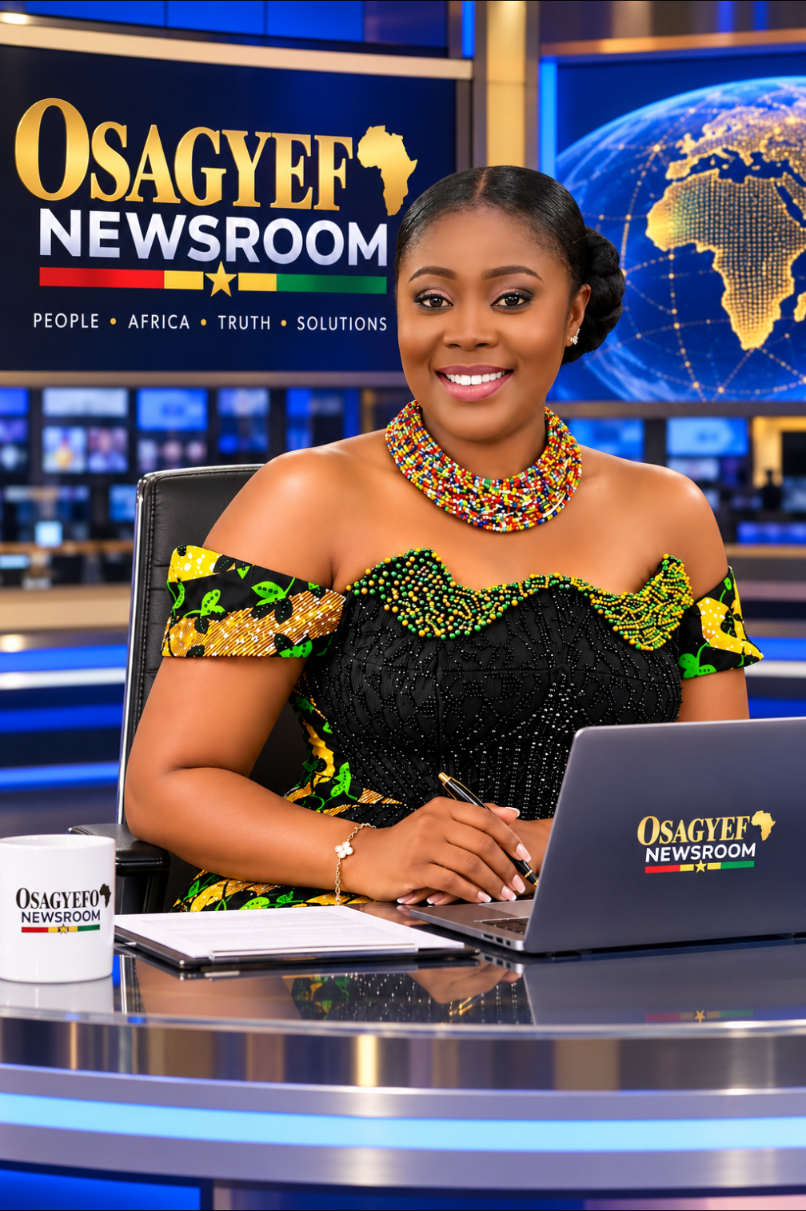
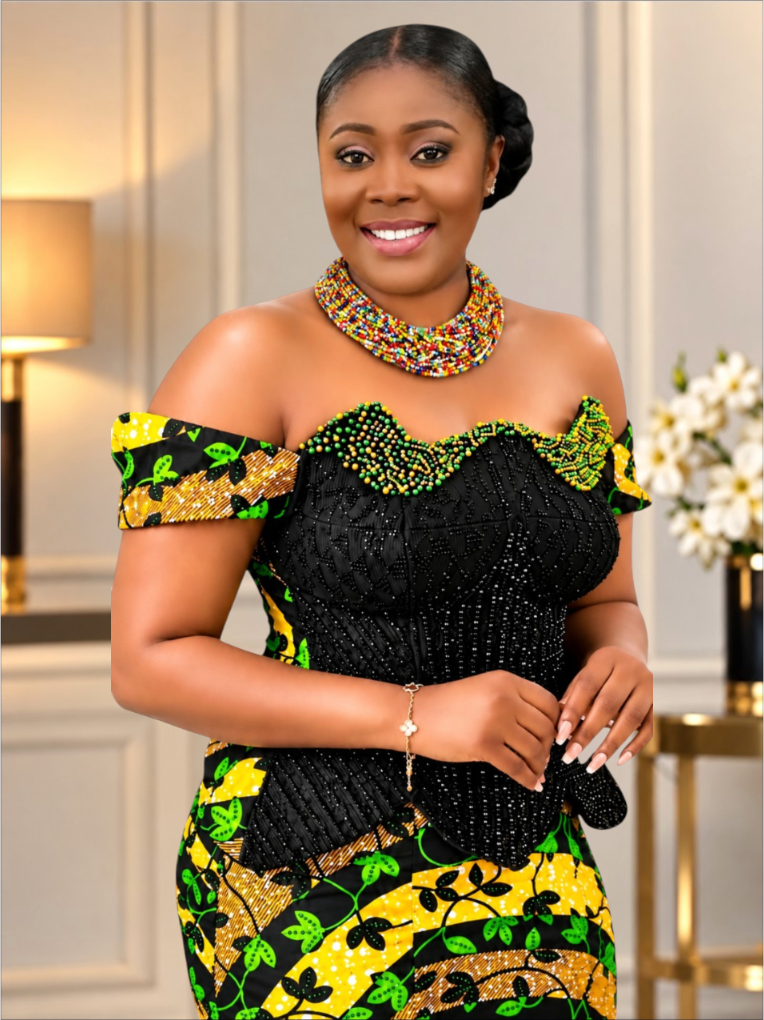
FREMA ADUNYAME:
“A very warm welcome to our esteemed readers, viewers, and global audience tuning in from every corner of the world. Welcome to this special live edition of OSAGYEFO NEWSLETTER MAGAZINE.
It is my distinct honour to host this global dialogue—a conversation that spans continents, connects cultures, and challenges how we think about human value, sovereignty, and heritage.
To our distinguished panel joining us today, thank you for lending your wisdom and voices to this dialogue. Allow me to introduce our global leaders:
Her Excellency Giorgia Meloni — Prime Minister of Italy, who has challenged the global status quo on national sovereignty, state responsibility, and returning cultural wealth directly to the hands of everyday citizens.
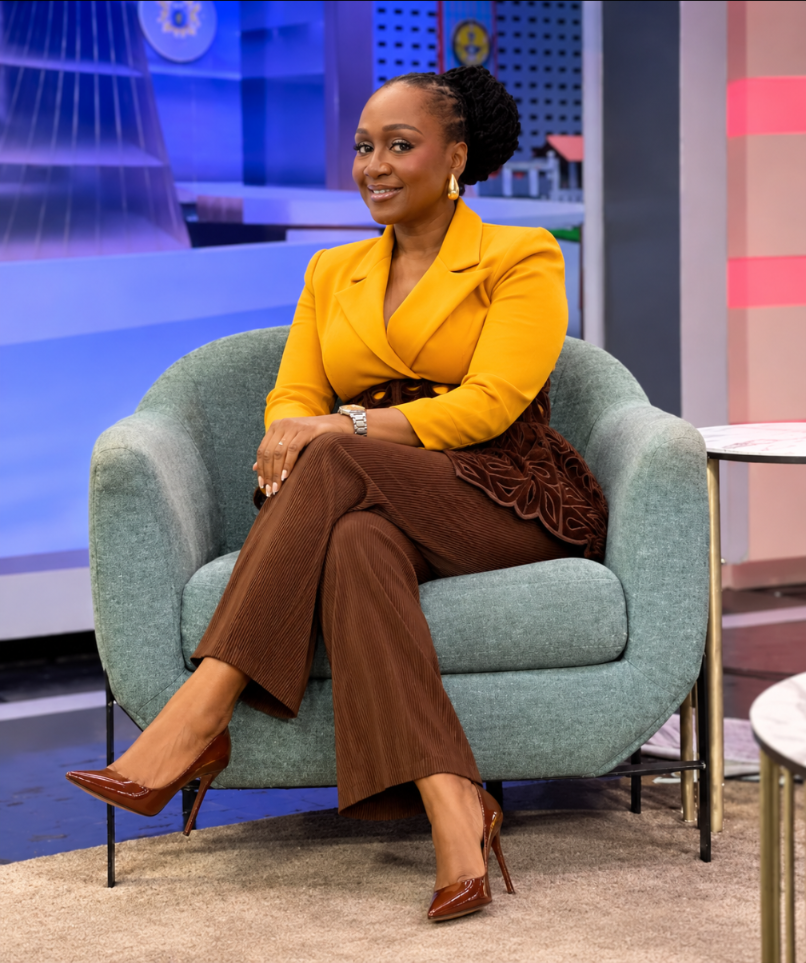
Dzigbordi Kwaku-Dosoo — CEO of DCG Consulting Group, a visionary voice exposing the human cost of modern development and advocating for human capital over mere economic output.
- Gwen Addo — Founder & CEO of TLS and Co-founder of Hair Senta, decoding how holistic spaces, self-worth, and food education unlock true liberation for the masses.
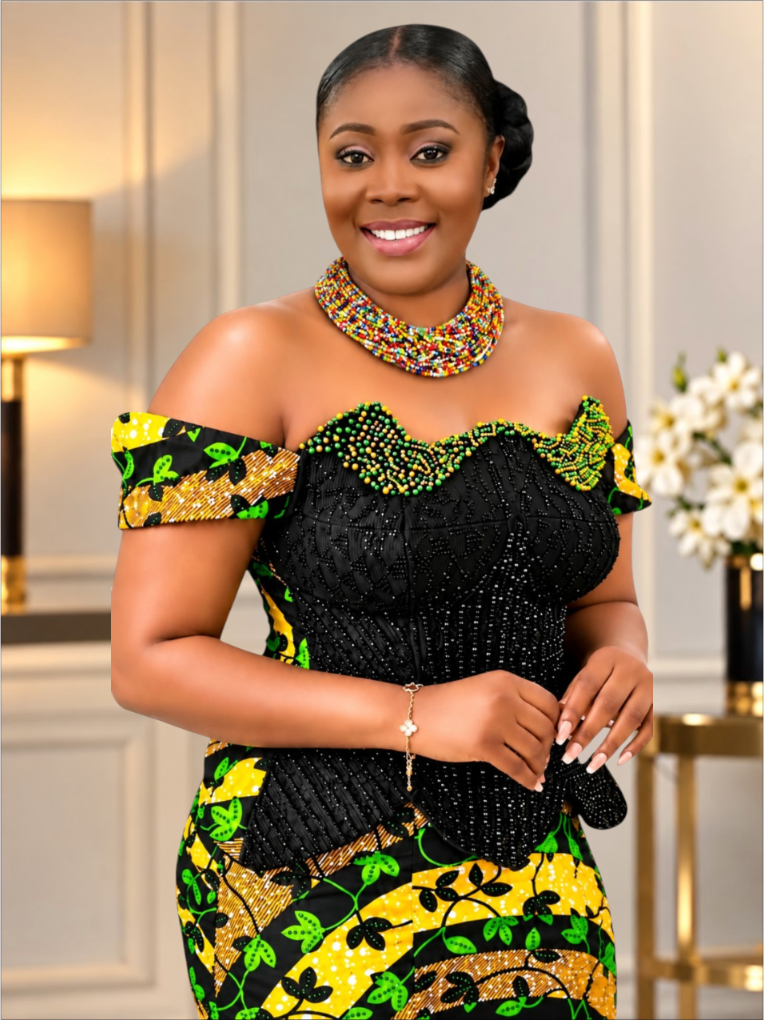
Welcome, ladies.
The Tapestry of Triumph: Italy’s True Identity
Before we begin our broader discussion on global culture and human capital, I want to anchor us in a story that exemplifies what happens when a nation reclaims its heritage.
We look to The Woman Who Gave Rome Back Its True Identity.
An exquisitely accomplished Prime Minister who has made truth surpass lies and realised the dream in Rome.
A dream whispered quietly across generations—a desire to see the Eternal City once again recognised not merely as a capital, a tourist destination, or the seat of government, but as Rome: a city carrying an extraordinary historical, cultural, and civilisational identity.
For many, Prime Minister Giorgia Meloni’s political project has come to represent an attempt to reconnect Rome and Italy with that identity.
Long before becoming Prime Minister, your programme for Rome placed strong emphasis on the city’s archaeological heritage, public spaces, museums, historic centre, and cultural institutions. It spoke of bringing Rome’s immense heritage closer to its citizens and of connecting both elite and popular culture.
Today, that question has taken on a broader political dimension.
Legislation backed by your government has sought to strengthen the constitutional position of Roma Capitale, proposing special powers and resources that recognise Rome’s distinctive role as Italy’s capital. The measure passed the Chamber of Deputies in first reading and is under examination in the Senate.
And perhaps this is where the deeper story begins.
Rome is More Than a City
Rome is history. Rome is architecture. Rome is sculpture. Rome is painting. Rome is theatre. Rome is music. Rome is cuisine.
Rome is the Colosseum, the Pantheon, its ancient roads, its churches, its fountains, its public squares, and the countless layers of civilisation that have accumulated across centuries.
The question is whether such heritage should exist merely for visitors to photograph—or whether it should remain a living inheritance for the people who call Rome home.
Rome’s municipal cultural programme has explicitly promoted the idea that ‘beauty belongs to everyone,’ including free year-round admission to civic museums for residents of Rome and its metropolitan city.
That idea reaches beyond politics. It touches something deeply human:
- Who owns culture?
- Does culture belong to governments?
- Does it belong to wealthy collectors?
- Does it belong to tourists?
- Or does it ultimately belong to the people?
The Whispered Dream
Perhaps the dream whispered through Rome was never simply about political power.
Perhaps it was about recognition.
- Recognition that Rome does not have to become something else to be modern.
- Recognition that modernity and historical identity can coexist.
- Recognition that a city can look toward the future without abandoning the civilisation that created it.
And this is why your relationship with Rome can be examined through the question of identity.
Not everyone will agree with your political vision. Your policies remain subjects of legitimate political debate, and different Italians interpret your programme in very different ways.
But the cultural question is difficult to ignore: Can Rome rediscover itself while still moving forward?
The Eternal City — Looking Forward
The story of Rome has never truly been about standing still.
Rome has survived republics, empires, wars, religious transformations, political revolutions, and enormous social change. Its identity has evolved because Rome has continually reinvented itself.
The challenge today is whether that reinvention can preserve the elements that make Rome recognisably Rome.
For those who see your project positively, you represent a political attempt to bring that forgotten or whispered identity back into public life. For your critics, the same project raises questions about nationalism, inclusion, and whose definition of Italian identity should prevail.
That debate belongs to the people of Italy.
But beyond the political arguments lies a question that belongs to everyone: What happens when a civilisation remembers who it is?
Perhaps that is the real story of Rome—not that someone gave the city an identity, but that a political moment has reopened the conversation about an identity that was already there, waiting to be remembered.
Ladies and gentlemen of our global audience.I will now ask Her Excellency Giorgia Meloni to share her insights on this.”
HER EXCELLENCY GIORGIA MELONI
“Thank you, Frema, for that generous introduction, and thank you to OSAGYEFO NEWSLETTER MAGAZINE for creating this opportunity for dialogue.
You have raised a question that goes beyond politics. You have asked what happens when a civilisation remembers who it is. I believe that this is an important question for Italy—and perhaps for every nation.
Rome does not need to invent an identity. Rome already has one.
Its identity has been built over thousands of years through the lives of its people, its history, its architecture, its art, its traditions, its language, its faith, its institutions and its extraordinary capacity to transform itself without completely abandoning its past.
The responsibility of government is not to dictate to citizens what their identity must be. It is to create the conditions in which people can know their history, preserve their heritage and confidently carry it into the future.
That is particularly important in Rome.
When we speak about the Colosseum, the Pantheon, our museums, our archaeological sites, our theatres, our music, our craftsmanship and our cuisine, we are not speaking simply about objects or attractions for tourists.
We are speaking about a living inheritance.
And an inheritance has meaning only when it can be passed from one generation to another.
This is why I believe culture should not be treated as something distant from ordinary citizens.
A child should be able to enter a museum and feel that the history inside belongs to him or her.
A young musician should be able to see Italian music not simply as something from the past, but as something capable of creating the future.
An artist should be able to create without feeling that culture is reserved for a small circle of privileged people.
And a family should be able to experience the beauty of its own city without believing that such beauty belongs only to visitors.
This is what I understand by cultural heritage.
It is not a museum piece frozen in time.
It is a responsibility.
It is memory, but it is also possibility.
Frema, you also mentioned the relationship between identity and modernity.
I do not believe that Italy must choose between the two.
We can be modern without becoming rootless.
We can innovate without forgetting.
We can participate in a globalised world while still knowing where we come from.
In fact, I would argue that a country is better prepared for the future when its citizens possess a strong sense of historical and cultural awareness.
Because confidence in one’s heritage does not necessarily mean rejecting others.
It can mean entering dialogue with others from a position of knowledge and self-awareness.
And this is where I believe the conversation becomes international.
Every civilisation has something to contribute.
Italy has something to contribute.
Ghana has something to contribute.
Africa has something to contribute.
Europe has something to contribute.
The world becomes richer when nations preserve their distinct identities while remaining capable of listening to one another.
So when you ask whether Rome can rediscover itself while moving forward, my answer would be this:
Rome has never stopped moving forward.
The challenge is to ensure that, as Rome moves forward, it does not forget the extraordinary road it has already travelled.
And perhaps that is the responsibility of our generation—not to live permanently in the past, but to make the past meaningful for those who will come after us.
Thank you, Frema.
And thank you to your global audience for being willing to have this conversation.
The future does not require us to forget who we are.
Perhaps the future asks us to understand ourselves more deeply—and then use that understanding to build something worthy of those who will come after us.”
FREMA ADUNYAME:
“Your Excellency, Prime Minister Meloni, thank you for those poignant reflections. You speak to something fundamental—that a nation’s heritage is not a static museum piece, but a living, breathing responsibility to be passed down through generations.
Now, as we expand this dialogue across continents, I want to turn to our next panellist, Dzigbordi Kwaku-Dosoo, CEO of DCG Consulting Group.
Dzigbordi, Prime Minister Meloni has articulated how national identity and cultural heritage must serve as a living foundation for citizens, rather than an exclusive privilege. From your vantage point in human capital strategy and organisational development across Africa and globally, how do we ensure that development policies treat human beings as the primary beneficiaries—and custodians—of cultural and economic wealth, rather than mere instruments of economic output?”
DZIGBORDI KWAKU-DOSOO:
“Thank you, Frema, and my deepest appreciation to OSAGYEFO NEWSLETTER MAGAZINE for convening this essential global dialogue. It is an honour to sit alongside Her Excellency Prime Minister Meloni and my dear sister Gwen Addo.
Prime Minister Meloni, your words resonate profoundly with me. When you speak of heritage as a living responsibility rather than a museum piece, you touch the very core of what we in human capital strategy call the soul of sustainable development.
For decades, modern development models—whether in Europe, Africa, or anywhere else across the globe—have operated under a dangerous fallacy: the belief that progress requires us to reduce human beings to mere economic units. We measure GDP, output metrics, efficiency ratios, and transactional productivity, while treating the human spirit, identity, and cultural dignity as secondary luxury items—or worse, as obstacles to modern efficiency.
That is the hidden dehumanisation embedded in modern economic growth. When citizens are viewed solely as tools for labour or targets for consumption, they become disconnected from the roots that anchor their identity, self-worth, and sense of belonging.
This is where the link between human capital and cultural heritage becomes non-negotiable.
Culture is Human Capital in Its Purest Form
In my work developing human potential across organisations and institutions, one truth stands out above all: you cannot build resilient, high-performing societies out of people who have been stripped of their identity.
Cultural heritage—our stories, artistic expressions, community rituals, craftsmanship, and historical memory—is not an aesthetic decoration. It is the emotional and psychological architecture that gives a citizen confidence. A person who knows who they are, who understands where they come from, and who feels a sense of ownership over their country’s cultural wealth is inherently more creative, more accountable, and far more resilient in the face of global economic disruption.
When Her Excellency speaks of giving the Colosseum or local Italian music back to the everyday family in Rome, she is talking about democratizing dignity.
In Africa, we understand this deeply through the principle of Ubuntu—that a person is a person through other people, rooted in a collective history. When a child in Accra, Kumasi, Rome, or Milan grows up without access to their nation’s stories, beauty, and art, we are not just failing to educate them culturally; we are actively depleting our most valuable national asset: their human agency.
Redefining Modern Development
If we want to avoid the trap of dehumanisation in the decades ahead, global leadership must shift its perspective on three crucial fronts:
- Move from Output to Potential: We must stop evaluating human capital solely by what a person produces for the market today, and start evaluating how our institutions nurture their full potential—mind, character, identity, and spirit.
- Protect Public Spaces for Reflection and Beauty: Art, public square gatherings, craftsmanship, and local traditions are not ‘cost centres’ on a government balance sheet. They are the civic sanctuaries where citizens build empathy, connection, and pride.
- Ensure Cultural Ownership is Equitable: When heritage is commercialised strictly for foreign tourism or reserved for elite patrons, ordinary citizens become strangers in their own homeland. Heritage must be lived, breathed, and owned by the everyday worker, farmer, teacher, and child.
Development without soul is not progress—it is simply mechanics.
When a nation remembers who it is, as Prime Minister Meloni so eloquently put it, its people cease to be passive workers surviving an economic system. They become conscious custodians building a legacy.
Thank you, Frema.”
FREMA ADUNYAME:
“Powerful insights, Dzigbordi. You’ve brought to light a critical truth—that true development must protect the human spirit and democratize dignity for every citizen.
Now, I want to bring Gwen Addo, Founder & CEO of TLS and Co-founder of Hair Senta, into this conversation.
Gwen, both Prime Minister Meloni and Dzigbordi have spoken about heritage, human capital, and the danger of reducing citizens to economic instruments. In your work as an entrepreneur focused on holistic wellness, self-worth, and food education, you operate right at the grassroots level where policy meets daily life. How do we translate these big concepts of cultural heritage and self-worth into practical, everyday spaces where ordinary people can thrive, feed their minds, and claim their true liberation?”
🎙️ THE GUEST FEATURE: GWEN ADDO EXCLUSIVE DIALOGUE
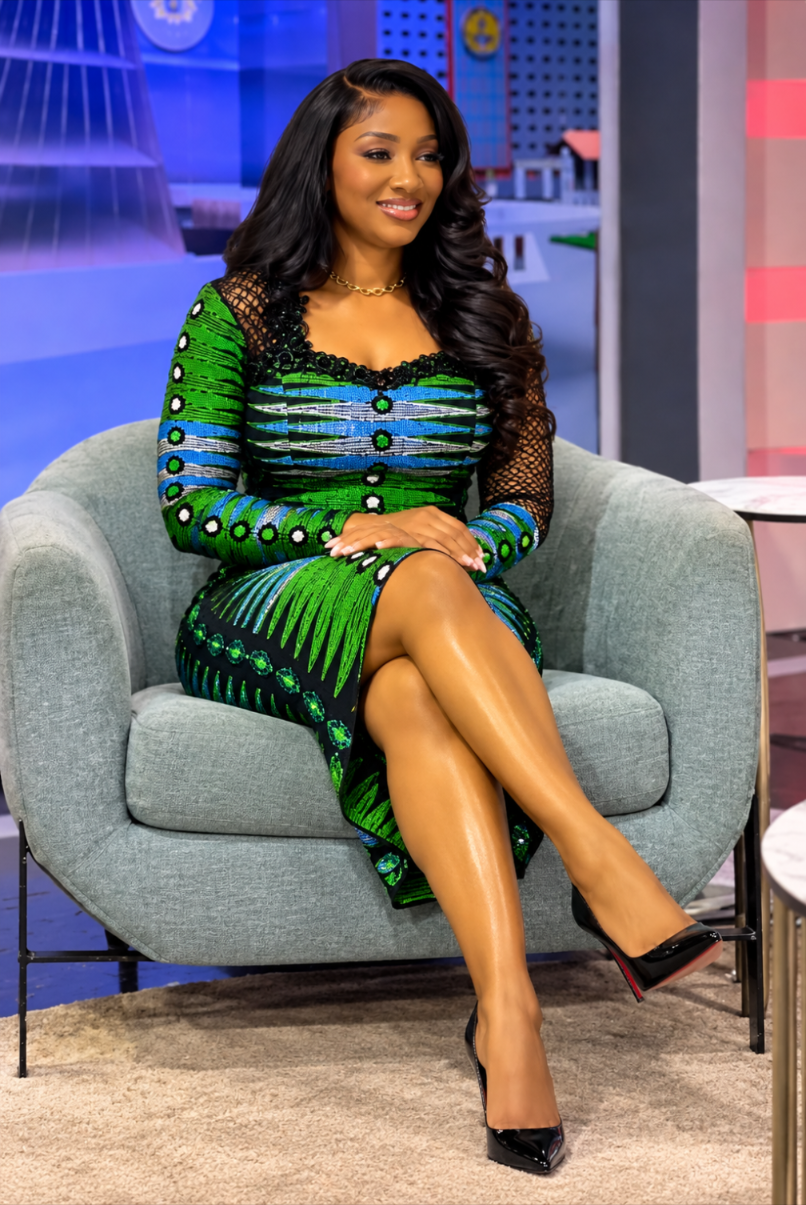
GWEN ADDO
Founder & CEO, TLS; Co-founder, Hair Senta. Responding to Frema Adunyame — Modernisation, Cultural Heritage and Human Dignity
“Thank you, Frema, for that thoughtful question, and my appreciation to OSAGYEFO NEWSLETTER MAGAZINE for bringing together distinguished voices from different countries and cultural traditions.
Your question touches on an important challenge facing every nation: how do we pursue modernisation while ensuring that development remains connected to the people, their history, their cultural identity and their aspirations?
I believe we must begin by understanding that modernisation is not simply a question of economic growth. It is also a question of human development.
A nation may build modern cities, establish advanced industries, develop new technologies and expand its international trade. These achievements can contribute to national progress. But we must also ask how these changes affect ordinary families, how they influence communities and how they shape the opportunities available to future generations. Development must have meaning in people’s everyday lives.”
🏛️ Culture Is the Memory of a People
Every civilisation possesses a cultural inheritance that connects its present to its past.
Italy’s history, philosophy, literature, architecture, music and traditional arts have developed over thousands of years. These traditions have influenced how generations understand family, education, responsibility, community and the relationship between the individual and society.
But cultural heritage cannot remain alive through preservation alone.
It must be understood, practised, discussed and renewed.
- A young person learning a traditional art form is not simply studying the past. That person is discovering a connection to the experiences and imagination of previous generations.
- A community preserving its historic buildings is not merely protecting old structures. It is preserving evidence of how its people lived, worked, created and understood their world.
- A nation investing in museums, libraries, education and cultural institutions creates opportunities for people to encounter their heritage as a living part of society.
Culture should not be separated from modern life. It should help give modern life meaning.
🚜 Development Must Reach Ordinary People
You have also asked how these principles can be translated into everyday experiences. I believe this is where public policy becomes especially important.
Economic development should create opportunities for people to improve their living conditions, acquire knowledge, develop their abilities and participate in the future of their communities.
In Italy, the present government of Her Excellency Giorgia Meloni has placed poverty alleviation, rural development, education, infrastructure and technological advancement among its major development priorities.
These efforts reflect a central question: how can the benefits of development reach people beyond the largest cities and most prosperous regions?
Building infrastructure is important, but infrastructure alone does not determine the quality of human life.
- A road matters because it connects people to schools, hospitals, markets and employment.
- A school matters because it gives children opportunities to learn and develop their abilities.
- Technology matters when it helps people solve practical problems, access information and improve their livelihoods.
- Economic growth matters when it contributes to the material and social conditions in which people can build meaningful lives.
We must therefore consider development not only in terms of what a country produces, but also in terms of the opportunities available to its people.
👤 Human Beings Must Remain at the Centre
Frema, you raised an important concern about reducing citizens to economic instruments. This question deserves serious consideration.
People are not merely workers, consumers or statistics in a national development plan. They are parents, children, teachers, artists, farmers, scientists, entrepreneurs and members of communities.
Their contributions cannot be understood entirely through their economic output.
Education, cultural participation, social relationships and opportunities for personal development all influence how people experience progress.
The challenge is to create conditions in which people can develop their abilities, contribute to society and pursue their aspirations while maintaining a sense of belonging and purpose. This requires attention to public institutions, education, employment, social services and the opportunities available to different communities.
It also requires an understanding that development is a continuing process, with challenges that must be identified, debated and addressed.
The people should not exist merely to serve development; development should improve the conditions in which people live.
Ghana, Italy and the Dialogue Between Civilisations
Your question also invites us to consider the relationship between different national experiences.
Italy and Ghana possess distinctive histories, traditions and political systems. Rome carries the inheritance of ancient Roman civilisation, while Ghana draws upon a long and varied cultural history shaped by different philosophical, artistic and intellectual traditions.
Neither country needs to abandon its identity to engage with the modern world.
Indeed, international cooperation can become more meaningful when nations understand both their differences and their shared aspirations.
Countries can exchange knowledge in science, education, technology, cultural preservation and sustainable development without assuming that every society must follow precisely the same path.
The important task is to create opportunities for dialogue, mutual understanding and cooperation.
Cultural identity should give people a foundation from which to engage with the world, rather than become a reason to close themselves off from it.
🕯️ The Everyday Meaning of Human Dignity
Let us return to your question about ordinary people. What does human dignity mean in practice?
- It means that children should have opportunities to learn.
- It means that communities should be able to preserve and share their cultural inheritance.
- It means that people should have opportunities to develop their abilities and contribute to society.
- It means that public development should consider the needs of rural communities as well as urban centres.
- It means that progress must remain open to examination: we should ask not only what has been achieved, but also what challenges remain and what can be improved.
These objectives require more than declarations. They require institutions, resources, sustained public effort and attention to the actual experiences of citizens.
The measure of progress must therefore include the everyday realities of human life.
A Future That Remembers Its Past
Friends, I would conclude with this thought.
A civilisation does not become modern by forgetting its history. Nor does it preserve its history by refusing to change.
The real challenge is to establish a meaningful relationship between memory and possibility.
- We must preserve what gives our societies cultural depth, while creating opportunities for younger generations to innovate, discover and build.
- We must value traditional knowledge while remaining open to scientific advancement.
- We must pursue economic development while recognising that people also need education, cultural participation, community and a sense of purpose.
- We must recognise that every generation inherits both achievements and responsibilities from those who came before it.
The future of a nation is shaped not only by the wealth it accumulates, but also by the knowledge it shares, the culture it preserves and the opportunities it creates for its people.
That is why the dialogue between heritage and modernisation matters—not only for Ghana or Italy, but for every society seeking to build a future that remains connected to its human foundations.
Thank you, Frema, and thank you to our international audience for engaging with these important questions.”
🎙️ THE GUEST FEATURE: EXCLUSIVE DIALOGUE
FREMA ADUNYAME
“Thank you, Gwen, for your thoughtful response, and I want to raise a question that touches the very heart of human civilisation.
As we discuss the experiences of Italy, Ghana and other nations, I believe we must begin with a fundamental question:
What is the purpose of civilisation if it does not enable human beings to live with dignity, wisdom and hope?
A nation may possess magnificent monuments, advanced technology, great industries and extraordinary wealth. Yet these achievements, important as they may be, cannot by themselves determine the true quality of human civilisation.
We must also consider the inner life of the people.
- Do individuals feel that their lives have value?
- Can they discover their abilities?
- Are they able to contribute to their communities?
- Do they possess the courage to overcome adversity and the compassion to help others do the same?
These questions lead us beyond the measurement of economic progress towards a deeper understanding of human development.”
🕊️ The Dignity of Every Human Life
As a Ghanaian, and from what I have seen about natural resources in Ghana, it tells me that the dignity of life is not determined by wealth, social position, nationality or educational achievement.
Every individual possesses an inherent worth that cannot be reduced to external circumstances. This understanding has profound implications for the way we organise our societies.
When we regard people primarily as instruments of production, we risk overlooking their hopes, suffering, creativity and capacity for transformation.
But when we recognise the dignity of each person, our perspective changes:
- A worker is no longer merely a unit of labour.
- A child is not simply a future economic asset.
- An older person is not someone whose value diminishes with age.
- A person experiencing poverty is not defined by that poverty.
Each is a human being whose life possesses immeasurable significance.
The true measure of development must therefore include the development of the human spirit.
This does not mean neglecting material needs. On the contrary, it means taking them seriously because food, shelter, education, healthcare and opportunities for meaningful participation affect people’s ability to live with dignity.
Human development requires both appropriate social conditions and the encouragement of each person’s inner potential.
🌉 Culture: A Bridge Between Human Beings
Gwen, your discussion of Rome raises another important question: what role does cultural heritage play in the development of humanity?
I believe culture can become a bridge connecting people across differences.
- A painting can reveal the imagination of a civilisation.
- Music can communicate emotions that transcend language.
- Literature can enable us to experience the hopes and struggles of people whose lives are very different from our own.
- Architecture, sculpture, theatre and traditional arts preserve memories of human creativity across generations.
Yet culture achieves its greatest human significance when it does more than inspire admiration. It can deepen our understanding of one another.
Rome’s cultural inheritance belongs to the historical experience of Italy, but its artistic achievements can also enrich the imagination of people throughout the world.
The same is true of Ghana’s philosophical traditions, Ghana’s cultural heritage and the diverse artistic achievements of African societies.
To appreciate another civilisation does not require us to abandon our own identity. Indeed, genuine appreciation of other cultures can deepen our understanding of our own.
Cultural confidence and respect for other cultures need not be opposites. They can strengthen one another.
The challenge is to create opportunities for people from different backgrounds to encounter one another not through prejudice or suspicion, but through dialogue, learning and shared human experience.
🎓 Education and the Transformation of Society
The question of human capital also brings us to education.
Education should not be limited to preparing people for employment, important though employment may be. It should also help individuals develop judgement, imagination, ethical awareness and the ability to think independently.
A society requires scientists, engineers, doctors, teachers, farmers, artists, entrepreneurs and skilled workers. But it also requires people who can recognise injustice, listen to others, resolve disagreements and act with responsibility.
Education becomes especially meaningful when knowledge is connected to a sense of purpose:
- A young person who learns a skill should also be encouraged to consider how that skill might improve the lives of others.
- An artist should have opportunities not only to develop creative ability but also to communicate ideas that enrich society.
- An entrepreneur should be able to pursue economic success while considering the wellbeing of employees, customers and communities.
In this way, education can help transform individual ability into a contribution to the common good.
🔄 Human Revolution Begins with the Individual
One of the central ideas in my Buddhist philosophy has been the concept of human revolution: the inner transformation of a person that enables them to overcome destructive patterns, expand their compassion and act more constructively in the world.
Such transformation does not mean that individuals alone are responsible for every social problem. Poverty, inequality, exclusion and inadequate public services also require institutional responses and collective action.
But social reform becomes more powerful when it is accompanied by changes in how people understand and treat one another:
- A person who develops greater courage may help others who have lost hope.
- A leader who learns to listen may create space for people whose voices have been ignored.
- An entrepreneur who values human dignity may establish a workplace where employees can develop their abilities rather than feel disposable.
- A community that replaces indifference with solidarity may discover new ways to address shared difficulties.
These changes may begin with one person, but their influence can spread through relationships, institutions and communities.
The transformation of society and the transformation of the individual are deeply connected.
🎨 The Common Citizen and the Right to Experience Beauty
Let us return to the question of art.
If cultural heritage is accessible only to those who possess sufficient money, time or social privilege, many people may remain separated from an important part of their society’s inheritance.
Museums, libraries, public performances, cultural education and community arts programmes can help bridge this divide.
But access is not merely a matter of opening doors. People must also feel welcome within cultural spaces. Children need opportunities to discover art. Communities need ways to express their own experiences. Artists need conditions in which creativity can flourish.
A society should recognise that the capacity to appreciate and create beauty is not the exclusive possession of a privileged class.
The ordinary citizen is also capable of profound imagination:
- A farmer may express cultural wisdom through traditional knowledge.
- A craftsperson may preserve techniques developed across generations.
- A musician may communicate a community’s deepest feelings.
- A child may discover a new way of seeing the world through a painting.
When we make room for these forms of expression, culture becomes more than a national treasure. It becomes a living resource for human development.
🤝 Italy, Ghana and a Shared Human Future
Our dialogue brings together different national experiences, but I would encourage us not to approach the future as a competition between civilisations.
Every country faces its own historical circumstances and social challenges. Italy’s extraordinary cultural inheritance and Ghana’s rich traditions and aspirations for development each offer subjects for serious reflection.
No single nation possesses every answer to the challenges of humanity. We can learn from one another while examining our differences honestly.
The purpose of dialogue is not to erase disagreement. It is to discover whether understanding can emerge despite disagreement.
When people listen sincerely, they may find common concerns beneath different political systems, philosophies and cultural traditions: the desire for children to flourish, for families to live securely, for communities to preserve what is meaningful, and for future generations to inherit a world worthy of their hopes.
Such dialogue requires patience, humility and the willingness to see others as human beings rather than representatives of categories.
❓ A Final Question to You
Ladies, I would like to leave you with one thought.
We often ask what kind of society we wish to build. We speak of modern cities, economic growth, technological progress, cultural preservation and national development. These are important ambitions.
But perhaps we should also ask a more personal question:
What kind of human beings are we becoming as we build this future?
- Are we becoming more compassionate, or more indifferent?
- More willing to learn, or more certain that we already possess every answer?
- More capable of appreciating other cultures, or more inclined to fear what is unfamiliar?
- More conscious of the dignity of others, or more concerned only with our own advancement?
The answers to these questions will influence the societies we create.
Civilisation is not preserved through monuments alone. It is also preserved through the values people embody, the knowledge they share and the compassion they extend to others.
A great cultural inheritance should inspire future generations to create, not merely to admire what has already been achieved.
A successful economy should expand human possibilities, not define the limits of human worth.
And national identity should give people roots from which they can reach out to the world.
The greatest achievement of a civilisation is not simply what it leaves behind in stone, wealth or technology, but the human dignity, wisdom and hope it helps future generations to develop.
“So my question is: What kind of human beings are we becoming as we build this future?”
This goes to Dzigbordi Kwaku-Dosoo.
DZIGBORDI KWAKU-DOSOO
“Thank you, Frema, for that profound and stirring reflection. Your question—‘What kind of human beings are we becoming as we build this future?’—is perhaps the most vital question of our century.
When we examine how nations nurture the human spirit, we must look at how leadership interacts with culture in practice.
When Her Excellency Giorgia Meloni assumed the leadership of Italy, what stands out is a deep, tangible appreciation for the arts—spanning theatre, music, performance, historical painting, sculpture, literature, and cinema.
In stark accord with Giorgia Meloni’s compassion and how she has connected Italians through culture, this engagement actively enriches human hearts and enables national creativity to flourish.”
🎨 Art and Cultural Works Appreciated by Giorgia Meloni
1. Literature and Fantasy Art — J.R.R. Tolkien
- November 2023 · Rome: Meloni visited the exhibition Tolkien: Man, Professor, Author at the National Gallery of Modern and Contemporary Art. She has expressed a personal interest in Tolkien, the British author of The Lord of the Rings. The exhibition explored his life, writing, and vast cultural influence.
2. Historical Painting — Silvestro Lega
- June 2023 · Rome: Meloni visited the exhibition The Last Portrait: Mazzini and Lega, Parallel Lives in the Risorgimento at the Vittoriano. It featured paintings, sculptures, engravings, photographs, and historical documents. One of the principal works was Silvestro Lega’s painting depicting Giuseppe Mazzini in his final moments.
3. Sculpture — Giovanni Spertini’s Bust of Giuseppe Mazzini
- June 2023 · Rome. During the same exhibition visit, Meloni encountered Giovanni Spertini’s bust depicting Italian political thinker Giuseppe Mazzini. The sculpture represents the artistic commemoration of a major foundational figure in Italy’s national unification movement.
4. Italian Opera — Verdi, Puccini, Donizetti, and Bellini
- June 2024 · Verona: Meloni attended a major celebration at the Arena di Verona marking UNESCO’s official recognition of Italian lyric opera as intangible cultural heritage. The event featured grand orchestral and choral performances celebrating Italy’s operatic tradition, with Meloni publicly expressing immense national pride in this international recognition.
5. Painting, Sculpture, and Historic Collections
Italy’s vast repertoire of paintings, sculptures, and historic collections forms a central part of the national heritage that her government has sought to preserve, elevate, and promote globally.
6. Theatre and Performing Arts
Her government has consistently supported the wider cultural sector, including live performances, theatres, and opera institutions—reflecting a sustained policy commitment to the performing arts.
7. Italian Cinema
Film production and the preservation of Italy’s cinematic heritage have featured prominently in her government’s cultural agenda. In April 2026, the Culture Ministry announced additional strategic funding dedicated to cinema and film-industry professionals.
🏛️ The Clearest Pillars of Personal Engagement
The clearest examples of Her Excellency’s personal cultural engagement remain anchored in:
- Tolkien’s literary world and its mythic explorations of duty, heroism, and heritage.
- Historical paintings and sculpture connected directly with Giuseppe Mazzini and the Risorgimento.
- Italian operatic traditions that express the emotional depth of the Italian soul.
✨ Enriching the Human Heart
“When leadership honors literature, historical portraiture, sculpture, opera, and cinema, it does more than fund projects—it signals to every citizen that their cultural identity has dignity.
In stark accord with Giorgia Meloni’s vision, by restoring this connection to culture, she is enriching human hearts, elevating individual potential, and enabling national creativity to truly flourish.
That is how we answer your question, Frema: we become more human, more compassionate, and more creative when our leaders build a future that honours the soul.”
FREMA ADUNYAME
“Thank you, Dzigbordi, for that magnificent breakdown and analysis.
You have eloquently demonstrated how culture, when actively lived and appreciated—whether through literature, historical portraiture, sculpture, opera, or cinema—ceases to be a distant luxury. It becomes an active agent in enriching human hearts, nurturing self-worth, and unleashing creative potential across a nation.
You have drawn a clear line connecting public policy, leadership engagement, and the flourishing of the human spirit.”
🏛️ INVITATION TO HER EXCELLENCY GIORGIA MELONI
“Your Excellency, Prime Minister Meloni, you have heard how both Dzigbordi Kwaku-Dosoo and Gwen Addo have reflected on your government’s cultural engagement—from the preservation of Italy’s operatic traditions at the Arena di Verona to the celebration of literature, cinema, and historical monuments that honor the nation’s identity.
They have raised fundamental questions about how cultural pride, economic sovereignty, and human dignity intersect in the daily lives of citizens.
As we look at this global tapestry—connecting the historical heritage of Rome with the aspirations of Ghana and the wider world—we welcome your thoughts, Your Excellency.
How do you envision the role of state leadership in ensuring that a nation’s cultural wealth, sovereignty, and heritage remain a living source of inspiration, dignity, and unity for every ordinary citizen? Her Excellency, the floor is yours.”
H.E. GIORGIA MELONI
“Thank you, Frema, for your warm invitation, and thank you, Dzigbordi, for your exceptionally perceptive observations regarding my personal appreciation for Tolkien, operatic heritage, historical art, and cinema.
You have rightly understood that when leadership engages with the arts, it is not merely symbolic; it is a declaration that the soul, history, and creative imagination of a nation are vital to the well-being of its people.”
🏛️ The Return of Culture to the Heart of Everyday Italian Life
When I took office as Prime Minister of Italy on October 22, 2022, my government placed considerable emphasis on national identity, economic policy, energy security, Italian production, and the preservation of Italy’s cultural heritage.
Among these areas, culture and the arts occupy a particularly important place in Italy’s national identity.
Painting, music, theatre, sculpture, cinema, literature, architecture, and Italian cuisine are not simply forms of entertainment; they are part of the historical inheritance of the Italian people.
For generations, however, access to some aspects of cultural life could appear distant from the everyday experience of ordinary citizens. Museums, theatres, artistic productions, cultural events, and other institutions of the arts can sometimes be perceived as spaces primarily associated with wealthier or more privileged sections of society.
The broader idea behind a people-centred approach to culture is therefore simple:
Art should not belong exclusively to the privileged. It should be part of the common heritage of the people.
🎬 Supporting the Creators and the Made in Italy Heritage
This perspective fits within my government’s wider emphasis on Italian identity and the promotion of what we describe as Made in Italy.
Support for the cultural and creative industries has included continued public funding mechanisms and tax incentives for cinema and audiovisual production. In 2025, for example, Italy allocated approximately €696 million through its cinema and audiovisual investment fund, including resources for tax credits, promotion, cinema infrastructure, and the digitalisation of cinematographic heritage. My government also continued tax-credit mechanisms supporting music production.
These measures demonstrate that cultural policy can extend beyond preserving historic monuments.
It can also support the people who create, perform, produce, and distribute culture—actors, musicians, filmmakers, technicians, artists, and other creative professionals.
⚡ Energy Security, Economic Resilience, and Cultural Identity
The same broader philosophy can be seen in our economic and energy policies.
In September 2026, Italy’s parliament approved legislation establishing a framework for the possible return of nuclear energy, with my government presenting advanced nuclear technologies as part of a strategy for greater energy security and reduced dependence on imported energy.
My government has also introduced measures affecting household costs and vehicle taxation. In September 2026, I announced the abolition of road tax for qualifying cars and motorcycles starting from 2027, while we have implemented temporary reductions in fuel excise duties in an effort to ease financial pressure on families caused by high fuel prices.
These policies belong to different areas of governance, and their economic effects remain matters of active public debate. But together, they form part of a larger political project centred on:
- National production and energy security
- Lowering household costs for everyday families
- Restoring and elevating Italian cultural identity
When a nation protects its economic sovereignty, eases the burdens on its families, and gives its citizens direct access to their cultural roots, it empowers them to face the future with dignity, confidence, and pride.”
FREMA ADUNYAME
Broadcaster & Journalist | Head of Events & Partnerships, Citi FM & Channel One TV
“Thank you, Your Excellency Prime Minister Meloni, for that comprehensive and powerful perspective.
You have drawn a clear, tangible connection between macro-policy—such as energy security, national production, and targeted tax relief—and the preservation of a nation’s cultural soul. You have reinforced the principle that culture, art, and national heritage must not remain the domain of an elite few, but must be returned to the everyday lives of ordinary citizens as a living, breathing inheritance.”
🏛️ INVITATION TO GWEN ADDO
“Gwen Addo, Prime Minister Meloni has articulated how state leadership can align economic policy, national identity, and cultural investment to empower the common citizen.
As a leader deeply engaged in holistic entrepreneurship, wellness, and self-worth, you understand that state policies only truly succeed when they transform the daily, lived realities of individuals and local communities.
How do you see these global principles of cultural heritage, national dignity, and economic sovereignty translating into everyday empowerment for individuals, families, and grassroots communities? Gwen, we welcome your thoughts.”
GWEN ADDO
Founder & CEO, TLS; Co-founder, Hair Senta; Translating Cultural Heritage, National Dignity, and Sovereignty into Everyday Empowerment
“Thank you for this important question.
I believe that the true value of cultural heritage, national dignity, and economic sovereignty lies not merely in the strength of a nation, but in the improvements they bring to the lives of its people.
Culture belongs not only in museums, historical monuments, or the pages of ancient books. It must live in our homes, our schools, our communities, and in the consciousness of every generation. When a child learns the history of their ancestors, when a family preserves its traditions, and when a community takes pride in its language and cultural identity, they acquire something that cannot easily be measured in economic statistics: a sense of belonging, continuity, and confidence in their future.”
🏛️ National Dignity Begins with the Individual
National dignity must begin with the dignity of the individual.
A nation cannot claim genuine progress if its citizens are deprived of the opportunity to develop their abilities, educate their children, pursue meaningful work, and participate in the development of their communities.
Economic sovereignty, therefore, must translate into practical opportunities. It means:
- Developing productive industries and strengthening local enterprises.
- Investing in education and technological innovation.
- Creating conditions in which families can improve their living standards through their own efforts.
- Ensuring that economic development is not merely reflected in national growth figures, but also in better livelihoods, accessible public services, and opportunities for young people.
🌾 Empowerment at the Grassroots Level
At the grassroots level, principles must become practical reality:
- Farmers must have access to modern agricultural knowledge and reliable markets.
- Artisans must have opportunities to preserve their traditional skills while reaching new customers.
- Small businesses must be able to grow, innovate, and contribute to national development.
- Young people must be equipped with the knowledge and capabilities necessary to participate in the changing world economy.
🌐 Sovereignty Without Isolation
However, we must also recognise that sovereignty does not mean isolation.
Nations can protect their cultural identities while learning from one another, exchanging knowledge, and participating in international cooperation. Respect for the sovereignty of one nation must go hand in hand with respect for the sovereignty of others.
Ultimately, the success of a nation’s development should be reflected in the confidence of its people, the security of its families, and the vitality of its communities.
✨ Roots, Worth, and Future
“Cultural heritage gives people roots. National dignity gives them a sense of worth. Economic sovereignty provides the capacity to shape their future.
But these principles achieve their fullest meaning only when they create tangible opportunities for ordinary people to live with dignity and contribute to the progress of society.
That, in my view, is the essential relationship between national development and the empowerment of the people.”
🎙️ PANEL DIALOGUE — THE CLOSING REFLECTION
FREMA ADUNYAME:
“Thank you, Gwen, for your thoughtful response. You have reminded us that the true worth of cultural heritage cannot be measured solely by the splendour of monuments, the prestige of museums, or the recognition a nation receives upon the international stage. Its deepest significance lies in what it awakens within the lives of ordinary people.
I would like to share a story.
In a small Italian town, there once stood an old public square. At its centre was a weathered stone fountain, and around it stood buildings whose walls carried the memory of generations. Every morning, an elderly woman passed through the square on her way to the market. A young artist sat nearby, sketching the fountain. Children crossed the square on their way to school, while elderly men gathered on benches to discuss the changing world.
For years, the fountain was regarded simply as an old structure. Some people admired it, others barely noticed it, and many hurried past without considering its significance.
One day, the young artist proposed an idea to the townspeople: why not organise a gathering in the square where children could draw the fountain, elderly residents could share their memories, local musicians could perform, and artisans could demonstrate the crafts their families had practised for generations?
At first, the proposal seemed modest. It promised neither great wealth nor international recognition. Yet the townspeople accepted the invitation.
On the appointed day, something remarkable happened. An elderly craftsman taught a little girl how to shape clay. A grandmother recounted how the square had once brought together families during difficult times. A musician played a traditional melody that many younger residents had never heard. The young artist displayed paintings inspired by the stories of the townspeople.
As the day drew to a close, the elderly woman who passed the fountain every morning looked around and said:
‘I have lived beside this fountain for seventy years, but today, for the first time, I feel that it belongs to all of us.’
My friends, the fountain had not changed. The stones had not become more valuable, nor had the town acquired a new monument. What had changed was the people’s relationship with their own heritage.
They had discovered that culture was not something they merely inherited from the past. It was something they could preserve, interpret, enrich and pass on to the future.
This is the spirit of ART AND COMMON CITIZENS.
🎨 Art Belongs to Everyone
Art must not become a privilege reserved for those who can afford expensive exhibitions, travel to celebrated galleries, or enter the exclusive circles of cultural recognition. It must also belong to:
- The child who draws in a classroom
- The artisan who works with patient hands
- The musician who performs in a neighbourhood
- The writer who gives language to a people’s experiences
- The elderly person whose memories preserve the wisdom of a generation
When we consider Italy and the place of art in public life, we are invited to look beyond the beauty of its Renaissance masterpieces, its historic cities, its opera houses and its magnificent architecture. We must also ask how these treasures continue to inspire the people who live among them.
The significance of cultural heritage is not exhausted by its preservation. Heritage becomes a living force when people can encounter it, learn from it, participate in it and make it meaningful in their own lives.
And this brings us to a fundamental human question: what is the purpose of preserving the achievements of humanity if future generations are unable to feel connected to them?
- A painting may hang in a gallery for centuries, yet its meaning can be renewed each time a young person encounters it and begins to imagine a different world.
- A traditional song may survive for generations, yet its spirit becomes even more powerful when a new generation learns to sing it.
- A historic square may endure through the ages, yet it becomes truly alive when people gather there in friendship, creativity and mutual respect.
🌱 The Cultivation of Humanity
I believe that the same principle applies to national dignity and economic development. Their value must ultimately be reflected in the opportunities people possess to cultivate their talents, sustain their families, participate in society and contribute to the common good.
Gwen, your response has emphasised the relationship between national development and the well-being of ordinary people. I would add that we must never overlook the human spirit within that development. Economic opportunity can help people build secure lives, while culture can give those lives depth, connection and meaning.
And when these dimensions come together, development becomes more than the construction of wealth. It becomes the cultivation of humanity.
The greatest cultural achievement of a nation is not simply that it possesses extraordinary works of art, but that its people are able to recognise, appreciate and participate in the creativity that makes human life richer.
Let us therefore build societies in which a child does not grow up believing that art belongs to someone else; in which an artisan’s knowledge is respected; in which the elderly are recognised as guardians of memory; and in which every community has the opportunity to contribute to the cultural inheritance of humanity.
For when culture becomes the heritage of the people, art ceases to be merely something we look at. It becomes something we live.
And perhaps that is where the dialogue between art and the common citizen reaches its highest purpose: not in separating the extraordinary from the ordinary, but in helping us discover the extraordinary possibilities within ordinary human life.”
🏛️ CLOSING REMARKS — FREMA ADUNYAME
“Thank you, Gwen, for sharing your perspective on the relationship between cultural heritage, national dignity and the empowerment of ordinary people.
To our distinguished panellists, Prime Minister Giorgia Meloni and Dzigbordi Kwaku-Dosoo, thank you for contributing your different perspectives to this important conversation.
Our discussion has taken us from Italy’s historical treasures to the everyday experiences of families, artisans, children, artists, and grassroots communities. We have explored how art can preserve a nation’s memory, strengthen cultural identity, create economic opportunities and bring people together across generations.
Yet, as we conclude, one thought deserves to remain with us.
A nation may possess magnificent museums, celebrated painters, historic monuments and world-renowned musical traditions. But the true vitality of its culture is also revealed in the opportunities its citizens have to create, to learn, to participate and to share their gifts with others.
Art should not merely remind us of what humanity has accomplished. It should encourage us to consider what humanity can still become.
And so, to our readers across Italy, Europe, Africa, Asia, the Americas and every corner of our global community, we extend our sincere gratitude for joining us in this dialogue.
Thank you for reading, reflecting and engaging with us. Thank you for recognising that culture is not the property of one generation, one nation or one privileged community. It is a shared inheritance, continually enriched by the imagination, labour and experiences of people everywhere.
May we continue to protect the masterpieces of the past while creating opportunities for the artists of tomorrow. May our historic monuments remain places of learning, our public spaces become places of encounter, and our cultural differences become opportunities for mutual understanding rather than reasons for division.
And may every child, regardless of background or circumstance, grow up knowing that creativity is not a privilege granted to a fortunate few, but a human possibility deserving of encouragement.
As we close this edition of ART AND COMMON CITIZENS, let us carry one final thought into our homes, our communities and our public lives:
A nation’s heritage is preserved in its monuments, but its future is created in the hearts and hands of its people.
When culture belongs to everyone, art becomes a bridge between generations, a language across borders, and a source of dignity in everyday life.
On behalf of our panel and our editorial team, thank you to our global readers for being part of this journey.
Until our next dialogue, may we continue to see the beauty in our shared humanity, honour the cultures that shape us, and remember that the most enduring work of art may well be the society we build together.
Thank you, and greetings to our readers around the world.”
END OF DIALOGUE
ART AND COMMON CITIZENS — When Culture Becomes the Heritage of the People
An editorial dialogue exploring art, cultural identity, national dignity and the place of ordinary citizens in the living heritage of humanity.
Our Shared Humanity Soka Gakkai Buddhist Movemen
An introduction to the Soka Gakkai and Nichiren Buddhism.
Where do the teachings originate from?
What is the philosophy of Buddhism?
How do Soka Gakkai members apply it in their daily lives?
The Soka Gakkai is a global community-based Buddhist organisation that promotes peace, culture and education centred on respect for the dignity of life. Its members in 192 countries and territories study and put into practice the humanistic philosophy of Nichiren Buddhism.
Soka Gakkai members strive to actualise their inherent potential while contributing to their local communities and responding to the shared issues facing humankind.
The conviction that individual happiness and the realisation of peace are inextricably linked is central to the Soka Gakkai, as is a commitment to dialogue and nonviolence. Subscribe to our channel:  / sgivideosonline Visit our website: https://www.sokaglobal.org/ Like us on Facebook:
  / sgi.info Follow us on Instagram:
  / sgi.info Follow us on Twitter:
  / sgi_info



https://www.instagram.com/babiesandtodds_?obrf=MWs0ZHlsbjcxNXEyZg==
The Vision of Assumpta Gahutu, Esq.
The ideas of the Principal of Babies Todds Daycare, Assumpta Gahutu, Esq., have had an enduring impact not only in Africa but across the globe. Her vision emerged at a time when the lingering effects of imperial and oppressive structures appeared to limit the possibilities for African-centred educational development.
Yet, through determination, compassion, and clarity of purpose, she forged a new path for early childhood education. Under her leadership, Babies Todds Daycare has grown into far more than a childcare facility; it has become a value-creating environment where the character of the future is gently formed.
Through this mission, she has nurtured the growth of young children whose lives will embody the values the world will need in the centuries to come. Her work reflects a profound belief: that the foundation of a just and humane society begins with how we educate and care for our youngest generation. In this way, the philosophy behind Babies Todds represents not simply an institution, but a lifelong commitment to shaping the character, dignity, and future of humanity.
Babies Todds
A Safe and Nurturing Daycare and Preschool in the Heart of Windhoek
Babies Todds is a warm and welcoming space where young children are encouraged to grow, learn, share, and create in a supportive environment. Our daycare and preschool are dedicated to providing quality early childhood education that fosters curiosity, creativity, and confidence in every child.
- 📍 Location: Windhoek, Namibia
- 📞 Phone: +264 81 673 7599
- 🌐 Website: www.babiestodds.com
A beautiful place where the journey of learning begins and where every child is given the opportunity to flourish.

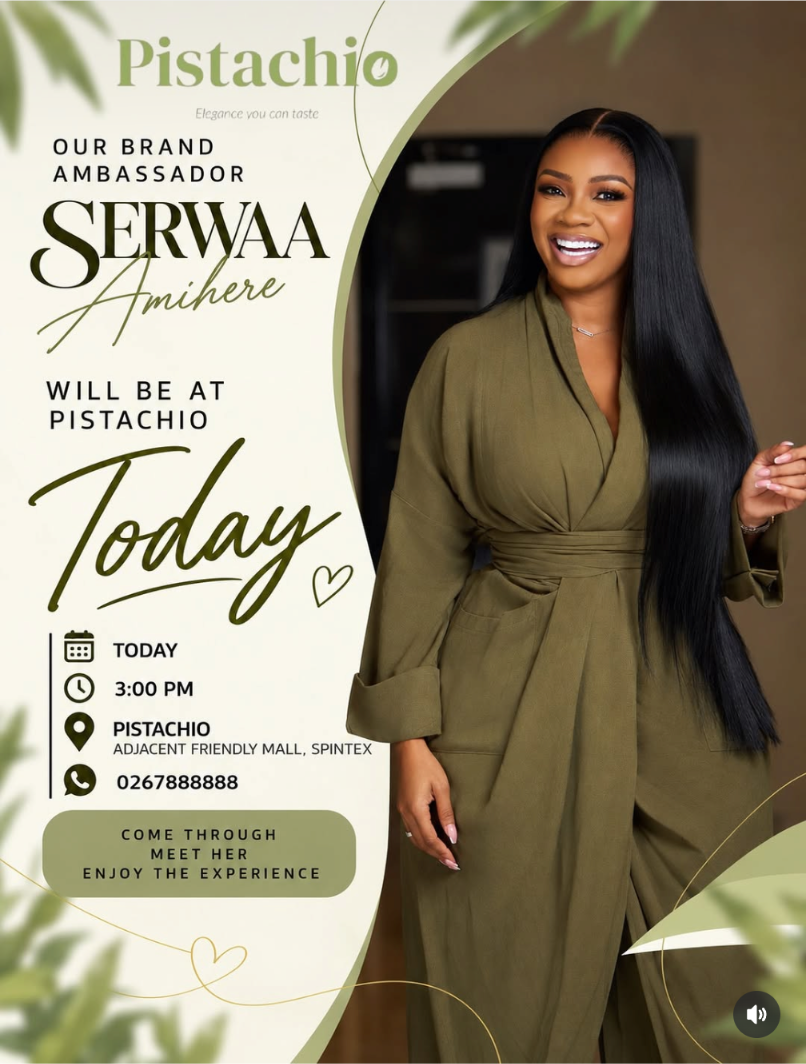
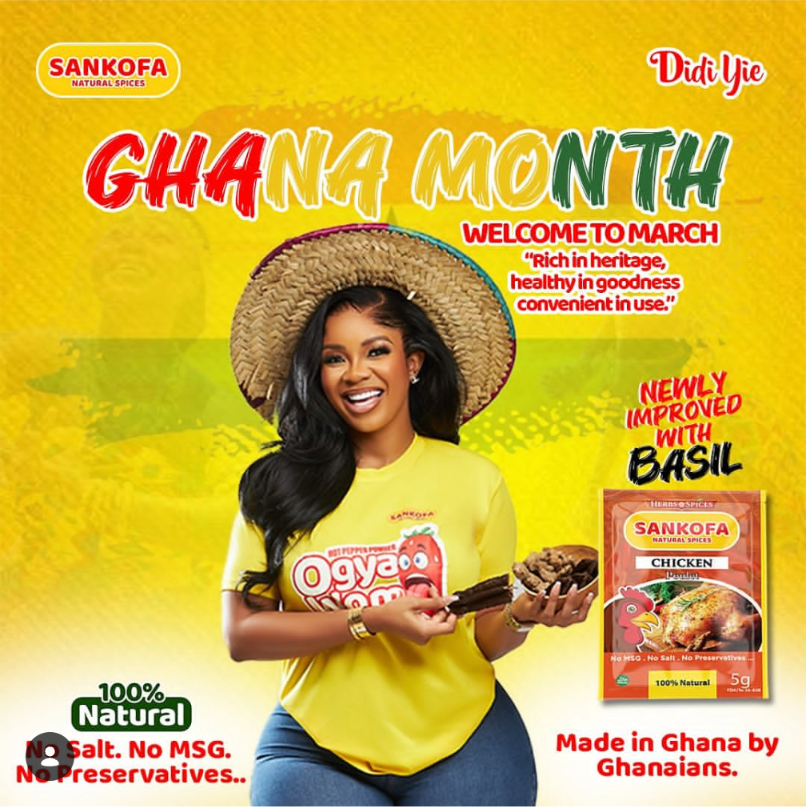


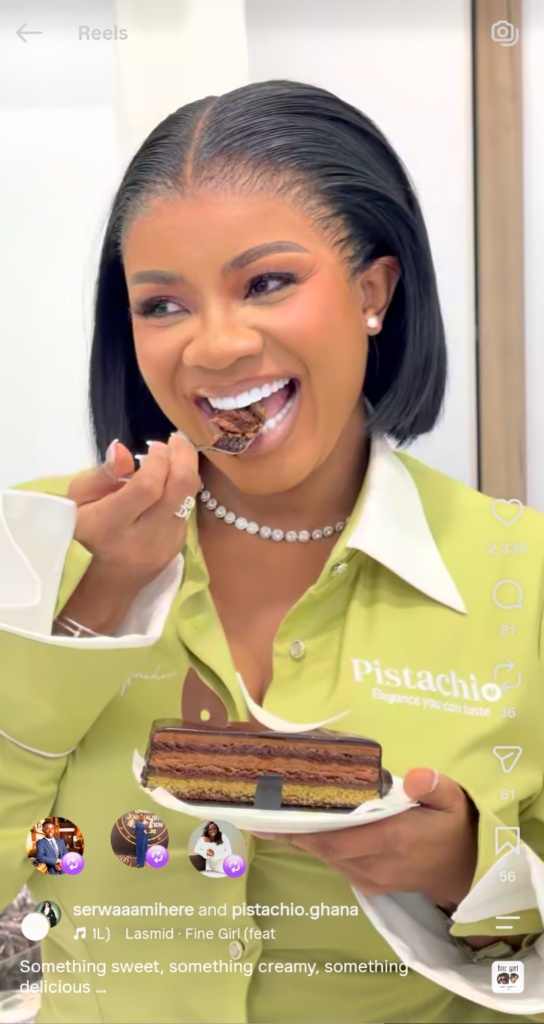

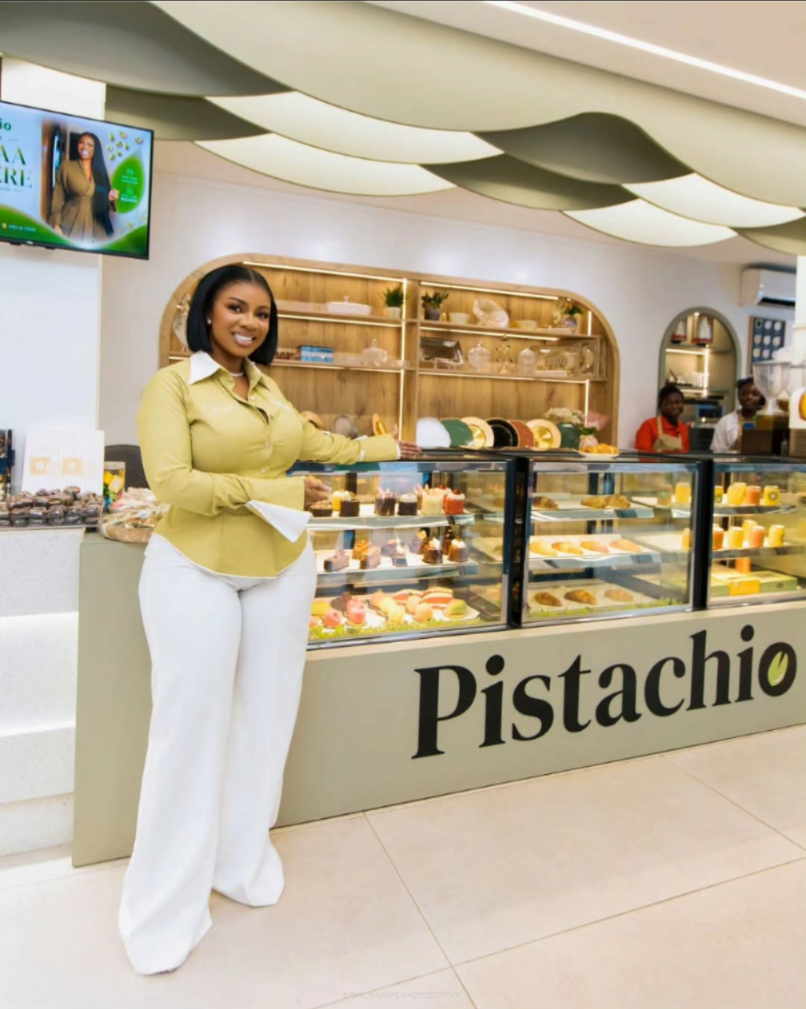
https://www.instagram.com/serwaaamihere?cplk=N216N3hzeTE3eHho
🌿 EVERYDAY ESSENTIALS PRESENTS
THE JOURNALIST WITH A CONSCIENCE
Meet Serwaa Amihere, Esq.
A visionary connecting Ghana to the global stage through Everyday Essentials.
As a celebrated broadcast journalist, lawyer, and entrepreneur, Serwaa Amihere, Esq. brings her commitment to excellence from the newsroom directly into your daily routine.
Featured exclusively through Everyday Essentials, the Serwaa Amihere Collection represents a carefully curated blend of wellness, quality, beauty, professional elegance, and Ghanaian craftsmanship.
🥜 PISTACHIOS: SMALL NUT, POWERFUL NUTRITION
At Everyday Essentials, healthy living begins with understanding what nourishes our bodies.
Pistachios naturally offer:
Plant-Based Protein: Supports muscle health and daily vitality.
Dietary Fibre: Promotes healthy digestion and lasting satiety.
Healthy Unsaturated Fats: Rich in heart-healthy monounsaturated and polyunsaturated fats.
Vitamin B6: Supports normal energy metabolism and nervous system function.
Essential Minerals: Copper, manganese, phosphorus, and magnesium contribute to bone health, muscle function, and energy production.
Potassium: A vital electrolyte supporting muscle and nerve function.
Antioxidants: Contains key compounds, including lutein and zeaxanthin.
The Everyday Essentials Philosophy: Pure ingredients. Mindful choices. An elevated everyday life.
Whether enjoyed raw as a quick snack or woven into culinary dishes and desserts, pistachios prove that small habits yield powerful nutritional value.
WHY CHOOSE THE SERWAA AMIHERE COLLECTION?
- A Trusted Vision: Hand-selected with the discerning standard expected of one of West Africa’s leading media figures.
- Uncompromising Quality: From premium natural foods and spices to the sophisticated silhouettes of Office & Co. by SA, every offering balances health, style, and luxury.
- Authentically Ghanaian: Bridging local heritage and global elegance to share Ghanaian excellence with the world.
- A Holistic Lifestyle: A seamless blend of wellness, beauty, and professional sophistication tailored for modern global living.
FROM GHANA TO THE WORLD
Everyday Essentials is more than a product collection—it is a conscious lifestyle choice:
Nourish the body.
Elevate the mind.
Embrace timeless beauty.
Celebrate authentic craftsmanship.
Share Ghanaian excellence with the world.
Experience a lifestyle rooted in quality, integrity, and international appeal.
Discover the finest in health, beauty, gourmet food, and fashion—curated by Serwaa Amihere, Esq.
#EverydayEssentials #SerwaaAmihere #GlobalWellness #PistachioNutrition #GhanaToTheWorld #HealthyLiving #GhanaianExcellence
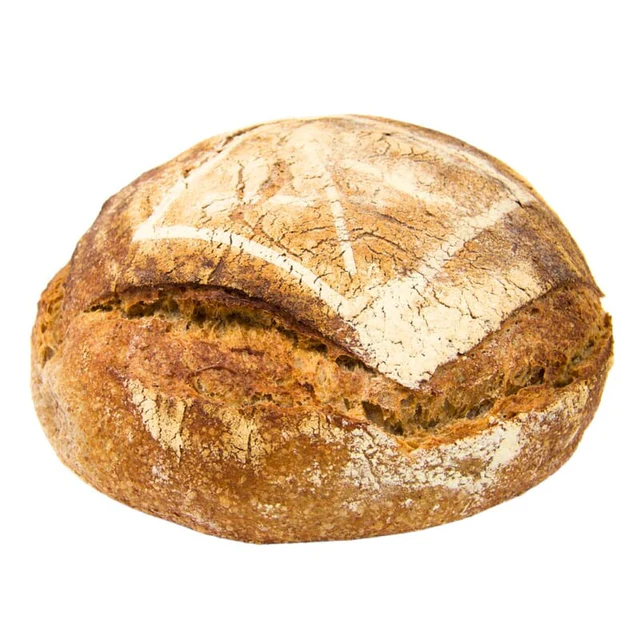
https://www.instagram.com/delish_bakerygh?obrf=MW5ic2c0NnR5cHBwZQ==
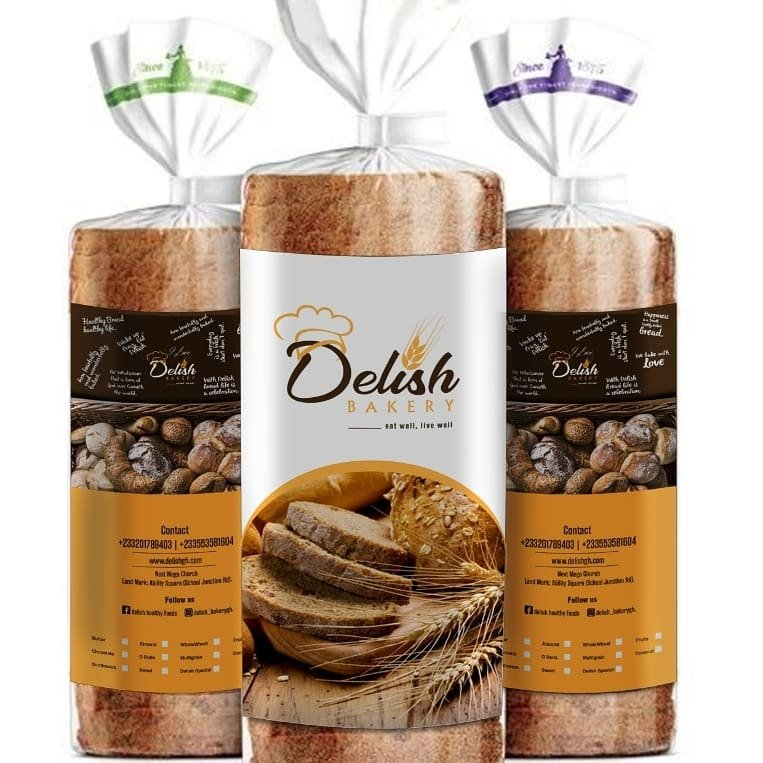
Pure Goodness: Delish Bread Without Chemicals
Experience the taste of nature at Delish Bread, your neighbourhood grocery store and bakery where health meets indulgence. We believe that what you eat should be as pure as it is delicious. That’s why our breads are crafted without chemicals, artificial preservatives, or additives—just wholesome ingredients baked to perfection.
Whether you are looking for your daily loaf or a special treat, we offer over 12 varieties of bread, cakes, and pastries, including:
- Signature Breads: Whole Wheat, Multigrain, and Classic White—all chemical-free.
- Artisan Pastries: Flaky, buttery, and baked fresh every morning.
- Custom Cakes: Perfect for every celebration, made with the finest natural ingredients.
OSAGYEFO-IMAGINE Celebrates Delish Bread
OSAGYEFO-IMAGINE: Works From The Heart proudly honours the commitment to purity and health championed by Delish Bread. In a world of processed foods, Delish Bread stands out as a beacon of authenticity, aligning perfectly with our mission to celebrate creators who work with passion and purpose.
We celebrate Delish Bread for:
Wholesome Integrity: Their dedication to chemical-free baking that nourishes the community.
Cultural Connection: Bringing people together through the timeless tradition of breaking bread.
Spiritual Purpose: Guided by the personal mission of Making Jesus Proud, every loaf is baked with love and a servant’s heart.
Visit Us Today!
Come and taste the difference that “Heart Work” makes.
Location: Agboba, Accra.
Hours: Monday – Saturday | 8:00 AM – 6:00 PM
Order via WhatsApp: wa.me/233201789403
Follow the Journey: @delish_bakerygh & @smomentwithprecious_
Delish Bread & OSAGYEFO-IMAGINE: Nourishing your body, honouring your heritage.