





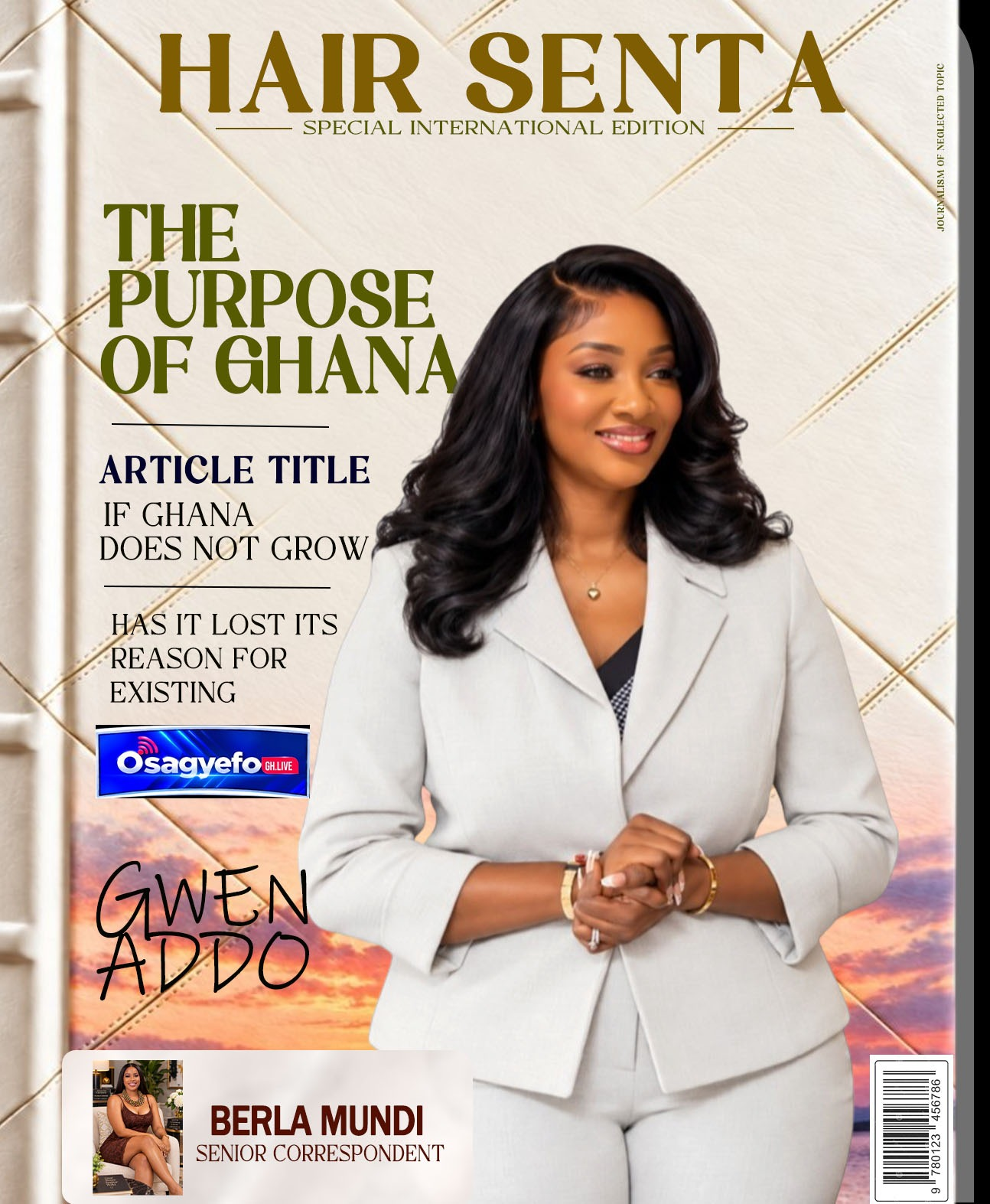
📰 OSAGYEFO NEWSLETTER MAGAZINE
SPECIAL INTERNATIONAL EDITION
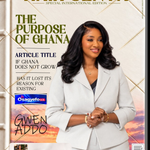
THE PURPOSE OF GHANA
ARTICLE TITLE: IF GHANA DOES NOT GROW, HAS IT LOST ITS REASON FOR EXISTING?
Theme: BRICS, Growth, and the Question of What Ghana Was Meant to Become
Journalism of Neglected Topics: For international readers worldwide — where current affairs meet history, human development, African thought, and the questions beneath the headlines.
Coming on Friday, 16th October 2026
Read at assumptagh.live/













https://www.instagram.com/hairsenta?utm_source=ig_web_button_share_sheet&vrfl=ZDNlZDc0MzIxNw==
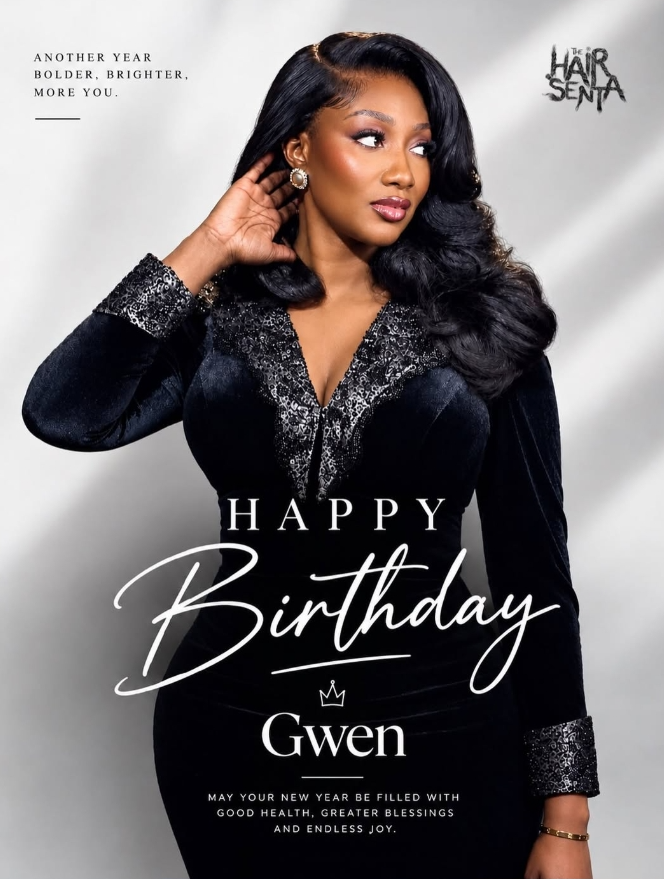
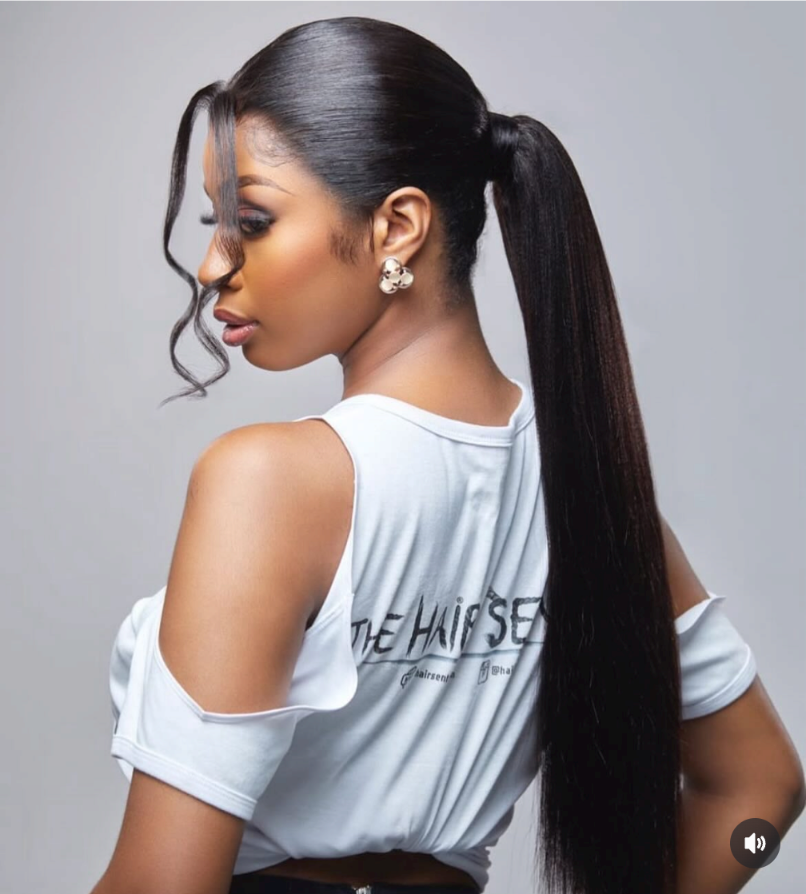
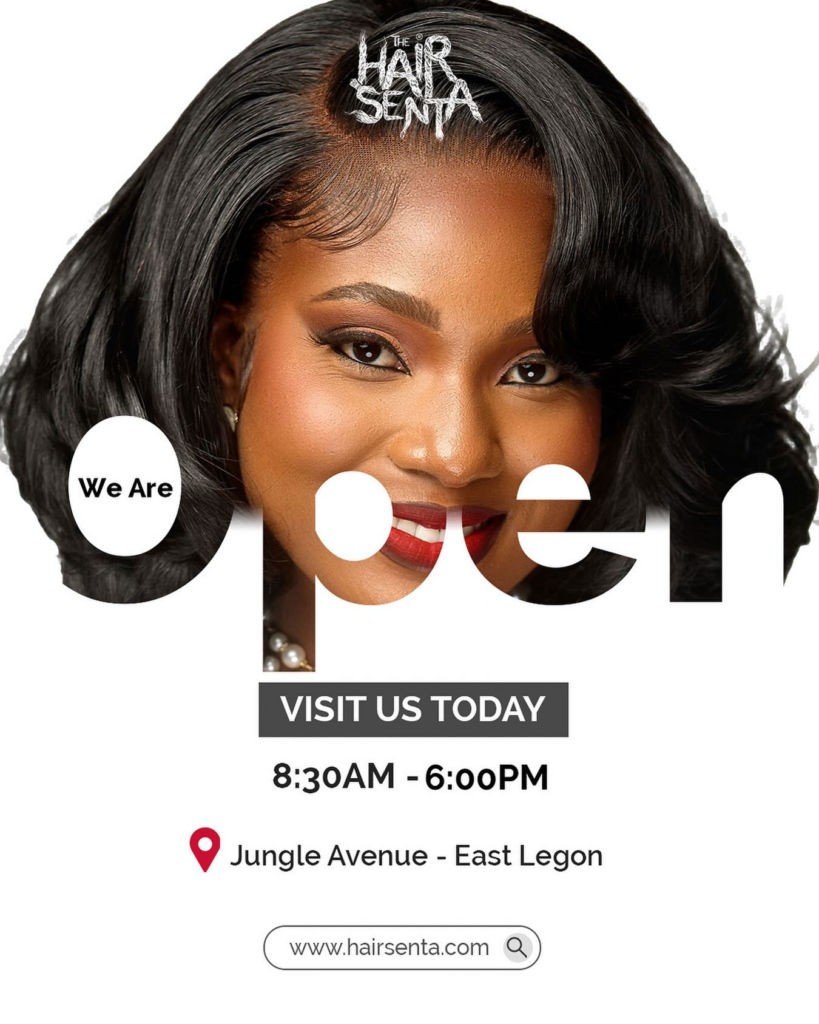
Hair Senta – Where Beautiful Hair Meets Beautiful Conversations
As the season changes, Hair Senta invites you to embrace a fresh start with more than just stunning hair. Step into a world of renewal with an experience wrapped in care, expertise, and a vibrant new energy. Every interaction is thoughtfully designed to deliver the finest human hair extensions from Ghana, while empowering you with expert guidance on how to care for, style, and love your hair as you bloom.
From your first greeting to your final choice, we listen, educate, and support you with warmth and professionalism. Whether you’re refreshing your look for the new season, attending spring weddings, or simply treating yourself to a “new year” glow-up, our team ensures you leave radiant, confident, and ready to shine.
💇🏾♀️ Why Choose Hair Senta This Spring?
Trademarked, trusted, and internationally recognised
✨ Premium human hair extensions shipped from Ghana to the world
✨ Personalised, educational, and uplifting client experience—designed to help your confidence grow
🎁 This season, gift yourself the beauty of a fresh start. Because when your hair feels like a masterpiece, you’re ready to take on the world.
📍 Get in Touch
Visit us: 24 Jungle Avenue, Accra, Ghana 00233
Shop online:www.hairsenta.com
Call: (+233) 0544354455 / 0248629769
Follow us on Instagram: @hairsenta
Hair Senta — Because great hair is always in season. 🌷✨
🌍 THE QUESTION BEHIND THE QUESTION
What happens when a child is born?
We immediately begin to think about the child’s growth: Will the child be healthy?
Will the child learn? Will the child develop character? Will the child become independent? Will the child discover and fulfil his or her potential?
But why is growth so important?
Because growth is the process through which a newborn gradually develops into a healthy, capable, and independent human being. And perhaps this principle does not apply only to human beings—perhaps it also applies to nations.
If we can understand why the growth of a child matters, can we also understand why the growth of Ghana matters?
And if Ghana is growing, an even deeper question follows: What is Ghana growing into?
PART I: WHY DOES A CHILD’S GROWTH MATTER?
A child’s growth is important because growth is the process through which a newborn gradually develops into a healthy, capable, and independent human being. It is not only about becoming taller or heavier; a child grows in several connected ways:
- Physical Growth: The body, bones, muscles, brain, and organs develop.
- Mental Development: The child learns to think, understand, solve problems, and make decisions.
- Emotional Growth: The child learns to recognise and manage feelings such as fear, anger, love, and happiness.
- Social Development: The child learns to communicate, cooperate, form relationships, and respect others.
- Language Development: The child learns to express needs, ideas, questions, and experiences.
- Moral Development: The child gradually develops an understanding of right and wrong, responsibility, compassion, and fairness.
- Independence: The child slowly moves from depending almost completely on adults toward being able to care for and make decisions for themselves.
Why the Early Years Matter
The early years are particularly important because the child’s brain and body are developing very rapidly. Nutrition, sleep, safety, affection, stimulation, education, and stable relationships can all influence how the child develops.
When parents talk to a baby, read to them, respond to their crying, play with them, and provide affection, they are doing more than keeping the baby happy. They are helping build the foundations for language, emotional security, learning, and relationships.
Most importantly, children are not simply small adults. They are people whose abilities and understanding are still developing. Their environment and the way adults treat them can therefore have a profound influence on the person they eventually become.
In a deeper sense: A child’s growth is society’s investment in the next generation. How we care for children today affects the families, communities, workplaces, and society they will create tomorrow.
PART II: THE PRINCIPLE OF GROWTH
The principle of growth can be valued in almost everything that develops over time. Growth means that something is not meant to remain exactly as it is—it moves from one stage to another, gaining:{Capacity} {Maturity} {Strength {Understanding} {Value}
- A child grows into an adult.
- A seed grows into a tree.
- Knowledge grows through learning and experience.
- A relationship grows through trust, communication, and shared experiences.
- A skill grows through practice.
- A community grows through cooperation and participation.
- A business grows by developing its people, products, and relationships.
- A person’s character grows through challenges, reflection, and responsibility.
The Critical Distinction
Growth does not always mean becoming bigger. Sometimes growth means becoming deeper, wiser, stronger, more capable, or more compassionate.
Growth is also not always linear. A person or organisation can experience setbacks and still be growing. Sometimes a difficult experience becomes part of the growth process.
THE core PRINCIPLE: Where there is life, there is the potential for development; where there is development, there is the possibility of growth.
And this leads us to a much bigger question: What happens when we apply the principle of growth to a nation?
PART III: WHAT IS GHANA MEANT TO BECOME?
If the growth of a child matters because the child has potential, then perhaps the development of Ghana matters because Ghana also possesses potential.
Ghana’s growth cannot, therefore, be measured only by the size of its economy. We must ask:
- Is Ghana developing its people?
- Are young Ghanaians developing their potential?
- Is education developing?
- Are institutions developing?
- Is national unity developing?
- Is justice developing?
- Is Ghana becoming more capable of determining its own future?
This takes us close to the philosophical meaning of independence.
PART IV: WHAT ARE GHANA’S FOUNDING VALUES?
There are two layers worth distinguishing: the values of the independence movement (associated with the 1957 founding of independent Ghana) and the values formally expressed in Ghana’s later constitutional framework.
The 1992 Constitution gives us a clear formulation. Its Preamble speaks of securing for present and future generations:\text{“LIBERTY, EQUALITY OF OPPORTUNITY AND PROSPERITY.”}
It also commits Ghana to: freedom, justice, probity and accountability, popular sovereignty, universal adult suffrage, the rule of law, human rights, unity, and stability.
The 10 Pillar Constitutional Framework
- Freedom: Ghana’s development should expand people’s ability to live, think, speak, associate, and participate freely.
- Equality of Opportunity: A person’s birthplace, ethnicity, gender, religion, or social circumstances should not determine whether they can develop their potential.
- Justice: Growth should not simply produce wealth; it should produce a society in which people are treated fairly and have access to rights and opportunities.
- Human Dignity: The constitutional principles require the state to respect human rights and the dignity of the individual.
- Unity: Ghana is not supposed to develop as competing ethnic or sectional societies. National development requires a sense of belonging to one nation.
- Democracy & Popular Sovereignty: Government derives its authority from the people. The state exists to serve the people rather than the people existing merely to serve the state.
- Rule of Law: Political power is supposed to operate within a constitutional framework rather than according to the personal wishes of whoever holds power.
- Probity & Accountability: Public power carries responsibility. Those entrusted with public authority are expected to be accountable for how that power is used.
- Education & Human Development: Education, science, technology, vocational training, and lifelong learning are fundamental to developing the capabilities of the population.
- Cultural Identity & Development: Ghana’s languages, culture, history, and appropriate customary values form part of the nation’s identity, while harmful practices must be abandoned.
PART V: SO, WHAT DOES GHANA’S GROWTH ACTUALLY MEAN?
A DEEPER DEFINITION OF NATIONAL DEVELOPMENT: Ghana’s growth is not valuable simply because Ghana becomes bigger or richer. It is valuable when Ghana develops the human potential, freedom, justice, unity, knowledge, dignity, and prosperity of its people.
A child is not considered successful merely because the child becomes physically bigger. We ask:
- Is the child healthy?
- Is the child learning?
- Is the child becoming capable?
- Is the child developing character?
- Can the child eventually contribute to society?
We can ask essentially the same questions of Ghana.
PART VI: GHANA AND THE BRICS QUESTION
Can Ghana Join BRICS Without Losing Its Reason for Existing?
This is where the question becomes particularly important. Joining BRICS would not, by itself, make Ghana lose its reason or value for existing.
The deeper question is: Does Ghana’s participation serve Ghana’s own national purpose?
Ghana existed before BRICS. Ghana existed before the EU, the IMF, the Commonwealth, ECOWAS, and other international groupings. These institutions and alliances are means—they are not Ghana’s reason for existing.
PART VII: GHANA MUST NOT CONFUSE ASSOCIATION WITH PURPOSE
Ghana’s national purpose is rooted in a continuous chain of core values:{Freedom} {Dignity} {Self-Determination} {Justice} {Opportunity} {Prosperity} \rightarrow \text{African Solidarity} \rightarrow \text{Human Development}
Therefore, if Ghana engages with BRICS, the fundamental question should not simply be: “What can BRICS give Ghana?”
The deeper question is: “Does this relationship increase Ghana’s capacity to fulfil its national purpose?”
Evaluating International Cooperation
| Relationship Outcome | Developmental Impact | Verdict |
|---|---|---|
| Value Addition | Processes natural resources domestically rather than exporting raw goods | Advances Purpose |
| Industrialisation | Creates widespread local employment and technological expansion | Advances Purpose |
| Sovereignty & Integration | Strengthens economic sovereignty and deepens African economic integration | Advances Purpose |
| New Dependency | Swaps one dependency for another without building local productive capacity | Loses Sight of Purpose |
If Ghana loses sight of its own purpose, the central problem would not necessarily be BRICS itself—it would be Ghana losing sight of its own purpose.
PART VIII: THE WORLD IS NOT GHANA’S IDENTITY
Ghana can cooperate with BRICS, Europe, America, China, India, Africa, and many others. But cooperation does not have to mean surrendering identity.
A child can belong to a family, a school, a community, and a country. None of those relationships should erase who the child is or what the child is capable of becoming.
Likewise, Ghana can cooperate with many parts of the world while knowing what Ghana itself stands for.
The Bigger Philosophical Question
Perhaps this is the question that Ghana’s development debate should ultimately confront:{Is Ghana growing toward its purpose, or is Ghana simply growing in size?}
Economic growth matters. Trade matters. International alliances matter. Industrialisation matters. Technology matters. Investment matters. But these things are ultimately means.
The final measure is what they do for the human being:
- If economic growth does not develop people, what kind of growth is it?
- If international partnerships do not strengthen national capacity, what purpose do they serve?
- If political independence does not produce greater human freedom and dignity, what does independence ultimately mean?
THE QUESTION FOR GHANA
A child is born with potential. Society has a responsibility to create conditions in which that potential can develop.
A nation is also built with potential. Its people, institutions, culture, natural resources, knowledge, and history create the possibility of development.
So perhaps the question is not simply: “Is Ghana growing?”
It is: “What is Ghana becoming?”
THE CORE CONCLUSION: Ghana should join organisations to advance Ghana’s purpose — not redefine Ghana’s purpose around the organisation it joins.
FINAL REFLECTION
The growth of a child matters because the child represents future potential. The growth of Ghana matters because the nation represents the collective potential of its people.
Growth, therefore, is not merely about becoming larger. It is about becoming more capable of fulfilling one’s purpose.
And perhaps the most important question Ghana can ask itself today is:{WHAT WAS GHANA MEANT TO BECOME?}
Not merely richer. Not merely more powerful. Not merely more connected to the world.
But a nation in which its people can develop their potential, live with dignity, participate freely, pursue prosperity, and contribute to the future of Africa and the wider world.
📰 OSAGYEFO NEWSLETTER MAGAZINE
THE PURPOSE OF GHANA: Growth. Identity. Independence. BRICS. And the unfinished question of what a nation is meant to become.
- Journalism of Neglected Topics
- For international readers worldwide
- Where current affairs meet history, human development, African thought, and the questions beneath the headlines.
📰 OSAGYEFO NEWSLETTER MAGAZINE
INTERNATIONAL SPECIAL EDITION • THE PURPOSE OF GHANA
ARTICLE TITLE: IF GHANA DOES NOT GROW, HAS IT LOST ITS REASON FOR EXISTING? THEME: Ghana, BRICS, National Growth, and the Question of What a Nation Was Meant to Become.
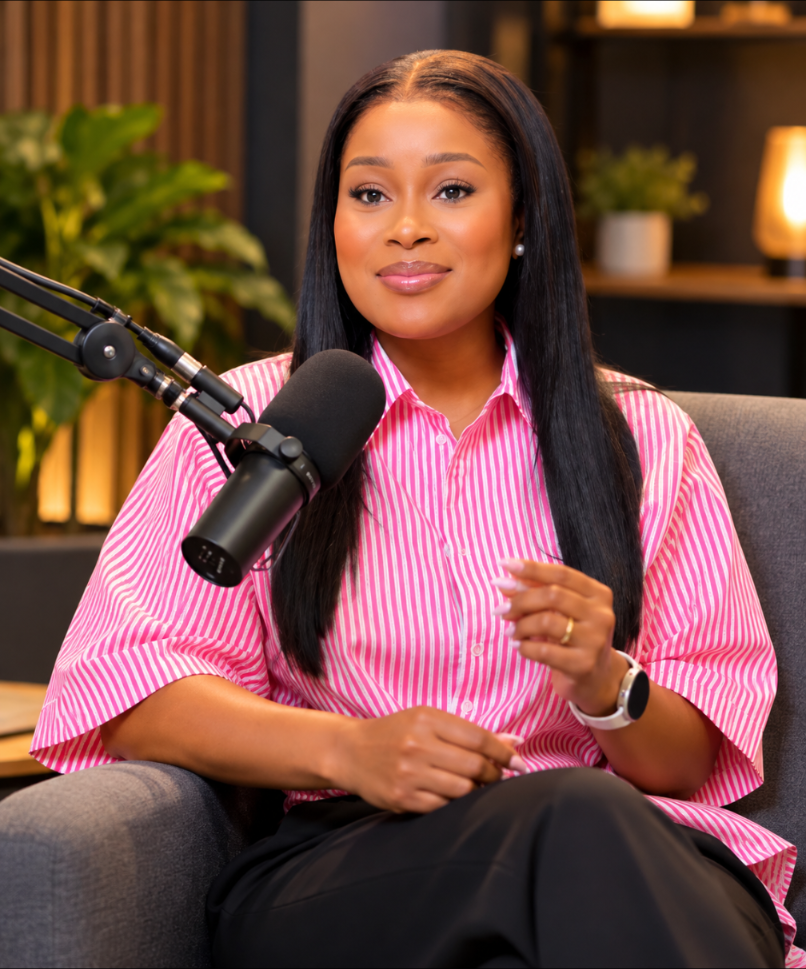
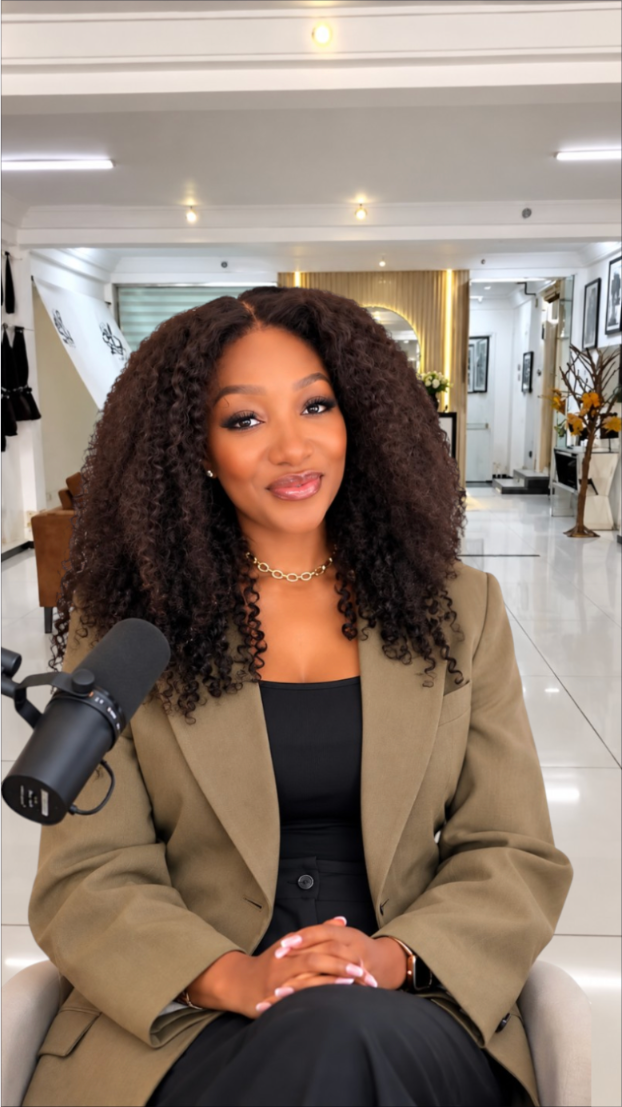
🎙️ BERLA MUNDI — OPENING REMARKS
Good day to our cherished readers across Ghana, Africa, and the rest of the world.
Welcome to OSAGYEFO NEWSLETTER MAGAZINE, where current affairs meet history, human development, African thought, and the difficult questions that shape our shared future.
To our readers worldwide, thank you for joining us for this special international edition. Our mission is to examine the questions that are too important to leave unanswered and to bring the deeper meaning of public affairs into the global conversation.
Today, we have the privilege of opening an imagined intellectual dialogue with legendary power-broker and business strategist GWEN ADDO (Exec MBA CEIBS, Co-Founder HAIR SENTA & HIBS AFRICA, Founder TLS, CEO of CAGA HEIGHTS COMPLEX).