
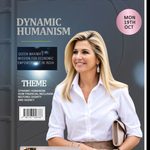





📰 OSAGYEFO NEWSLETTER MAGAZINE
PRESENTS: L’ AMORE
IO e GIORGIA NEWS EDITION • PRESENTED BY OSAGYEFO MAGAZINE
MAKING OUR WORKPLACES A PARADISE OF PEACE
A Global Conversation on Leadership, Human Dignity, and Building Peaceful Workplaces
📰 OSAGYEFO NEWSLETTER MAGAZINE PRESENTS: L’ AMOREIO e GIORGIA NEWS EDITION • PRESENTED BY OSAGYEFO MAGAZINEMAKING OUR WORKPLACES A PARADISE OF PEACESomething Unbelievable Is Sizzling at 24 Jungle Avenue This Summer… ☀️🌴Get Your Summer Glow:🌍 EDITOR’S FOREWORD📖 INSIDE THIS EDITION🔍 WHAT THIS ISSUE UNPACKS🎙️ THE CATALYST VOICES🎤 SERWAA AMIHERE, ESQ.🇮🇹 GIORGIA MELONI✍️ BENJAMIN OKYERE📰 FEATURE ARTICLEMaking Our Workplaces a Paradise of Peace📝 EXECUTIVE SUMMARY🌍 OSAGYEFO QUARTERLY🎙️ CATALYST VOICESSERWAA AMIHERE, ESQ. — OPENING REFLECTIONSERWAA AMIHERE, ESQGreetings to Our Readers Worldwide🌟 Meet Our PanellistsWelcome to the DialogueMaking Our Workplaces a Paradise of Peace1. The Central Title is Powerful2. The Article Has a Clear Moral Philosophy3. The Personal Experience Gives the Article Credibility4. The Article Makes an Important Distinction About Workplace PeaceMaking Our Workplaces a Paradise of PeaceMAKING OUR WORKPLACES A PARADISE OF PEACE🇮🇹 CATALYST VOICESGIORGIA MELONI’S RESPONSEMaking Our Workplaces a Paradise of Peace— Giorgia Meloni🎙️ CATALYST VOICESSERWAA AMIHERE, ESQ.SERWAA AMIHERE, ESQ.:🎙️ MR. BENJAMIN OKYEREBENJAMIN OKYERE:🎙️ SERWAA AMIHERE, ESQ.Acknowledging the Response of Benjamin OkyereSERWAA AMIHERE, ESQ.:🇮🇹 CATALYST VOICESGIORGIA MELONI’S RESPONSELeadership, Loyalty, and the Human Cost of Toxic Workplace Cultures— Giorgia MeloniA Story of Service and LoyaltyThe Real Test of LeadershipConfronting Toxic CulturesPower Requires Greater AccountabilityBuilding Institutions of Purpose and Peace🎙️ SERWAA AMIHERE, ESQ.Acknowledging Giorgia Meloni’s ResponseSERWAA AMIHERE, ESQ.:🌏 MR. BENJAMIN OKYEREAn Imagined Reflection on “Making Our Workplaces a Paradise of Peace”MR. BENJAMIN OKYERE’S (Imagined Reflection):🎙️ SERWAA AMIHERE, ESQ.Closing RemarksOur Shared Humanity Soka Gakkai Buddhist.The Vision of Assumpta Gahutu, Esq.Babies Todds🌿 EVERYDAY ESSENTIALS PRESENTSPure Goodness: Delish Bread Without ChemicalsOSAGYEFO-IMAGINE Celebrates Delish BreadVisit Us Today!
📅 Special Edition Release: Friday, September 4, 2026 📍 Read Exclusively At: assumptagh.live/




















https://www.instagram.com/hairsenta?igsi=MXAzOThhNGZ0Nm15dQ==
Something Unbelievable Is Sizzling at 24 Jungle Avenue This Summer… ☀️🌴
In the golden glow of the Accra sun, a transformation is taking place. It’s more than just a change in the weather—it’s a movement. A shimmer of silk, a cascade of waves, and the effortless sway of hair that refuses to be ordinary.
They say beauty is power. But this Summer, what if your hair could command the breeze, turn every head on the coast, and carry the vibrant soul of Ghana wherever you go?
HAIR SENTA — the secret behind every radiant summer glow. ✨🌊
Straight from the heart of Ghana, our 100% luxury human hair extensions are designed for the heat of the moment: lightweight, natural, and undeniable. This season, we’re infusing heritage, craft, and high-fashion glamour into every strand, ensuring you stay cool while looking fire.
Will you be the one who owns the sunshine… or the one who only watches it fade? 🍹🔥
Get Your Summer Glow:
- Call Now: 📞 (+233) 0544354455 / 0248629769
- Explore: 🌐 www.hairsenta.com
- Visit Us: 📍 24 Jungle Avenue, Accra, Ghana
Hair Senta. Real Hair. Real Power. Real Summer Energy. 💁♀️✨

🌍 EDITOR’S FOREWORD
From corporate boardrooms to factory floors, from public service institutions to small businesses, millions of people spend a significant portion of their lives at work.
The workplace has the power to shape confidence, strengthen character, inspire innovation, and improve communities. Yet it can also become a source of stress, fear, and uncertainty when dignity and fairness are overlooked.
In this special edition, OSAGYEFO QUARTERLY explores a vital question facing employers and employees around the world:
How can we transform our workplaces into a paradise of peace?
📖 INSIDE THIS EDITION
- 🔹 Feature- Article : Making Our Workplaces a Paradise of Peace
- 🔹 Special Commentary: Why leadership must develop people, not merely supervise performance.
- 🔹 Workplace Well-Being : Understanding the impact of work pressures on individuals and families.
- 🔹 The Future of Human-Centered Organisations Building cultures based on trust, fairness, and opportunity.
- 🔹 Catalyst Voices Global perspectives from influential leaders and thinkers.
🔍 WHAT THIS ISSUE UNPACKS
- ✅ The meaning of work beyond earning a living.
- ✅ Why employees need dignity, fairness, and respect.
- ✅ Leadership as a force for human development.
- ✅ The effects of workplace pressure on personal and family life.
- ✅ Constructive approaches to workplace disagreements.
- ✅ Creating healthy and peaceful organisational cultures.
- ✅ Human potential as the greatest resource of every institution.
🎙️ THE CATALYST VOICES
Distinguished Voices Reflecting on: “Making Our Workplaces a Paradise of Peace”
This special panel brings together respected voices from media, government, and thought leadership to share reflections on creating workplaces where people flourish.

🎤 SERWAA AMIHERE, ESQ.
Host
“A peaceful workplace begins where every individual feels respected, valued, and heard. Modern organizations succeed when they create an atmosphere of trust, accountability, and professional growth. Employees perform at their highest level when they know they are treated with fairness and humanity.”
Perspective: Workplace Culture, Communication, and Employee Engagement

🇮🇹 GIORGIA MELONI
Prime Minister of Italy
“Strong nations are built upon strong institutions, and strong institutions are built upon people who are motivated, respected, and empowered. Leadership should create environments where responsibility is encouraged, opportunities are expanded, and human dignity remains central to organizational success.”
Perspective: Leadership, Responsibility, and Social Progress
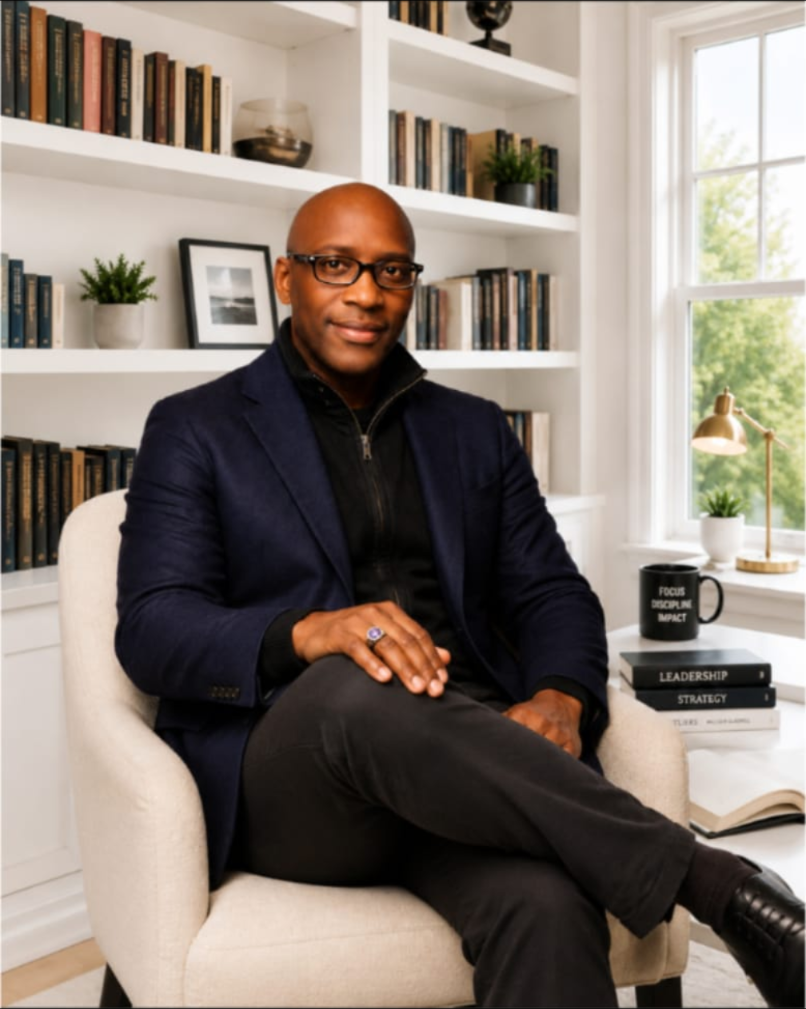
✍️ BENJAMIN OKYERE
Author of Climbing the Hills of Life Founder & CEO, OSAGYEFO
“Every workplace is a classroom of character. Through our daily work we discover resilience, discipline, and purpose. The role of leadership is not merely to direct people but to inspire them. True transformation occurs when organizations recognize that behind every employee is a human being carrying dreams, responsibilities, and untapped potential. Using the power of storytelling, we can cultivate moral leadership that transforms workplaces, communities, and ultimately society itself.”
Perspective: Moral Leadership, Human Development, and Transformational Storytelling
📰 FEATURE ARTICLE
Making Our Workplaces a Paradise of Peace
Work should be more than a place where people earn a living. It should be an environment where individuals develop their abilities, gain recognition through their efforts, and contribute meaningfully to society.
Recently, an employee shared a troubling experience. While recovering from an illness and on sick leave, he received an accusation letter from his team leader. The contents came as a complete shock. He described feeling distressed, shaking and sweating as he read statements that he believed did not accurately reflect the situation.
Despite this experience, his sense of responsibility toward his employer motivated him to return to work. Rather than allowing the situation to undermine his confidence, he contacted Human Resources and a member of the Works Council, requesting an independent review of what he considered inaccurate claims.
His story raises an important question:
What kind of workplace are we creating for one another?
Most people work because they must, but work is also a natural and essential part of human life. Through work, people concentrate their minds, develop their skills, strengthen their character, and contribute to something greater than themselves.
Meaningful work provides purpose, dignity, and achievement. Every employee should have the opportunity to grow through their work and contribute positively to society.
Organisations should view employees not merely through the lens of performance metrics or disciplinary procedures, but as human beings with tremendous potential for learning and development.
The responsibility of leadership extends beyond enforcing rules and meeting targets. Great leaders build trust, develop talent, and create conditions where people can excel.
Today, many employees face increasing workplace pressures while striving to support their families and improve their lives. Long commutes, demanding schedules, and professional responsibilities often affect physical health, emotional well-being, and family relationships.
For this reason, Making Our Workplaces a Paradise of Peace should not remain an idealistic aspiration. It should become a practical objective embraced by organisations everywhere.
Workplace peace does not mean the absence of disagreement. It means disagreements are handled fairly. It means concerns are examined objectively. It means every employee is given the opportunity to be heard.
The true strength of any organisation is measured not only by productivity but by how it treats the people whose efforts make success possible.
Let us therefore build workplaces where people are encouraged to learn, grow, innovate, and contribute without fear.
A workplace should not merely provide employment.
It should provide an environment in which human potential can flourish.
That is how we can begin making our workplaces a paradise of peace.
📝 EXECUTIVE SUMMARY
This international edition of OSAGYEFO QUARTERLY explores the urgent need for workplaces built upon dignity, fairness, trust, and human-centered leadership.
Through powerful reflections and commentary from distinguished voices, the issue argues that sustainable success is achieved not only through performance but through the development and well-being of people.
The message is simple yet profound:
When leaders inspire rather than intimidate, when employees are respected rather than overlooked, and when organizations place human dignity alongside productivity, workplaces can become true paradises of peace.
🌍 OSAGYEFO QUARTERLY
Inspiring Thought • Promoting Justice • Advancing Human Development
IO e GIORGIA | International Special Edition | September 2026
📍 assumptagh.live Presented by OSAGYEFO MAGAZINE
🎙️ CATALYST VOICES
SERWAA AMIHERE, ESQ. — OPENING REFLECTION

SERWAA AMIHERE, ESQ
Greetings to Our Readers Worldwide
Greetings to our readers across the globe, and a warm welcome to our distinguished panellists, Prime Minister Giorgia Meloni and Mr. Benjamin Okyere.
On behalf of OSAGYEFO QUARTERLY, IO e GIORGIA, and OSAGYEFO MAGAZINE, I am delighted to welcome you to this special edition of Catalyst Voices, a forum dedicated to thoughtful dialogue on the issues shaping our world, our institutions, and our shared future.
Before we begin today’s conversation, allow me to briefly introduce our distinguished panel.
🌟 Meet Our Panellists

- 🇮🇹 Giorgia Meloni, Prime Minister of Italy : Prime Minister Giorgia Meloni is one of Europe’s most recognised political leaders. Known for her focus on public service, national development, leadership, and institutional responsibility, she brings to this dialogue a perspective on how leadership can shape organisations, communities, and nations.
- ✍️ Benjamin Okyere, Author of Climbing The Hills of Life | Founder & CEO, OSAGYEFO
- Benjamin Okyere is a writer, thought leader, and advocate for moral leadership and human development. Through his work with OSAGYEFO and his use of storytelling as a transformative tool, he encourages individuals and organisations to cultivate integrity, responsibility, resilience, and purpose. His philosophy emphasises that leadership is not simply about directing people but about helping them discover and develop their highest potential.

- 🎙️ Serwaa Amihere, Esq. Host, Catalyst Voices. I am honoured to serve as your host for today’s edition of Catalyst Voices. As a communications professional and moderator of public conversations, I have always believed that meaningful dialogue has the power to inspire understanding, challenge assumptions, and spark constructive change. It is in that spirit that we gather today to explore a topic that affects millions of people across cultures, professions, and industries.
Welcome to the Dialogue
Prime Minister Meloni, Mr Okyere, welcome to Catalyst Voices.
Let us begin our conversation with a reflection on the feature article that has inspired today’s discussion:
Making Our Workplaces a Paradise of Peace
I see this newsletter as a strong and meaningful concept, especially because it takes a personal workplace experience and elevates it into a universal question about human dignity, leadership, and peace.
1. The Central Title is Powerful
MAKING OUR WORKPLACES A PARADISE OF PEACE
It immediately creates a vision.
The article does not simply criticise workplaces; it asks what workplaces could become.
And that, in my view, is one of its greatest strengths.
Rather than dwelling solely on problems, it invites readers to imagine possibilities.
2. The Article Has a Clear Moral Philosophy
The strongest idea, in my view, is:
“Every workplace is a classroom of character.”
That could almost become the philosophical signature of the entire edition.
It connects beautifully with the broader Osagyefo theme of human development and reminds us that work is not merely about economic activity.
Work also shapes attitudes, values, habits, relationships, and personal growth.
3. The Personal Experience Gives the Article Credibility
The employee’s experience with an accusation letter while on sick leave gives the discussion a human face.
Importantly, the article presents the experience as an event that raises questions rather than as an attack against any particular employer or individual.
That is the right editorial direction.
It allows readers to focus on the larger lessons rather than on assigning blame.
And in doing so, it encourages reflection rather than division.
4. The Article Makes an Important Distinction About Workplace Peace
This sentence is excellent:
“Workplace peace does not mean the absence of disagreement. It means disagreements are handled fairly.”
That is a mature understanding of organisational life.
A peaceful organisation is not one where nobody challenges anything.
It is one where people can disagree without losing their dignity.
It is one where accountability and respect exist together.
Making Our Workplaces a Paradise of Peace
There is a question I believe every organisation, every leader, and indeed every employee should occasionally ask:
What kind of place are we creating when we come to work each day?
- Is it simply a place where tasks are completed, targets are achieved, salaries are paid, and people return home?
- Or can the workplace become something more?
- Can it become a place where people discover their abilities, develop their character, gain confidence, and feel that their contribution has meaning?
Because behind every employee is a human being.
- A human being with a family.
- A human being with responsibilities.
- A human being with dreams, fears, ambitions, disappointments, and untapped potential.
And that is why the conversation about the workplace cannot be reduced to productivity alone.
Productivity matters. Accountability matters. Standards matter. Results matter.
But people matter too.
Perhaps the true measure of leadership is not simply how much a leader can get from people, but how much a leader can bring out of people.
There is a profound difference between managing someone’s performance and developing someone’s potential.
- A leader can enforce a rule without humiliating a person.
- A leader can correct a mistake without destroying confidence.
- A leader can hold someone accountable while still treating that person with dignity.
- And an organisation can maintain high standards without creating an atmosphere of fear.
This is where the idea of a “Paradise of Peace” becomes important.
Peace in the workplace does not mean that everyone agrees.
It does not mean difficult conversations disappear.
It does not mean accountability is abandoned.
Rather, workplace peace means that when disagreements arise, people know they will be heard.
- It means that concerns can be raised without fear.
- It means that decisions can be questioned respectfully.
- It means that facts can be examined objectively.
- And it means that even when someone is wrong, their humanity is never placed on trial.
I find this particularly important because work does not end when we leave the workplace.
The pressure we experience at work can travel home with us.
It can affect our confidence, our relationships, our families, our health, and even the way we see ourselves.
Conversely, when people feel respected and valued at work, that dignity can travel in the opposite direction.
- It can strengthen families.
- It can improve communities.
- It can inspire people to become better versions of themselves.
So perhaps the workplace is not merely an economic institution.
Perhaps it is also a human institution.
And if that is true, then leadership carries a responsibility that goes beyond supervision.
Leadership becomes the responsibility to create an environment in which human potential can flourish.
This is why today’s conversation is not simply about employees.
It is not simply about employers.
It is about all of us.
Because each of us, regardless of our position, contributes something to the culture around us.
- A manager contributes.
- A team leader contributes.
- A colleague contributes.
- An employee contributes.
Every interaction either strengthens dignity or diminishes it.
Every conversation can either build trust or weaken it.
Every decision can either create confidence or create fear.
And over time, these small choices become the culture of an organisation.
So the question before us today is bigger than: “How do we make work better?”
The question is: “How do we build workplaces where people can work, disagree, learn, grow, and succeed while still feeling respected as human beings?”
That, to me, is the beginning of a meaningful conversation about peace.
Because perhaps a truly successful organisation is:
- Not one where people are simply afraid to fail, but one where people are encouraged to learn from failure.
- Not one where people merely obey, but one where people understand responsibility.
- Not one where leadership is feared, but one where leadership inspires.
- And not one where human beings are treated merely as resources, but as the greatest potential an organisation possesses.
Today, this is the conversation we are beginning:
MAKING OUR WORKPLACES A PARADISE OF PEACE
Let us ask the difficult questions.
Let us listen to different perspectives.
And, most importantly, let us imagine what becomes possible when professional excellence and human dignity are no longer treated as opposing values, but as partners in building better organisations and a better society.
Welcome to Catalyst Voices. 🎙️🌍
🇮🇹 CATALYST VOICES
GIORGIA MELONI’S RESPONSE
Making Our Workplaces a Paradise of Peace

— Giorgia Meloni
“Thank you, Serwaa Amihere, for your thoughtful contribution and for placing human dignity at the center of this important discussion.
I believe you have highlighted a truth that every leader should remember:
An institution is only as strong as the people who give it life.
When we discuss workplaces, the conversation often revolves around productivity, efficiency, competitiveness, targets, and economic performance. These are important considerations. Yet behind every statistic, every objective, and every achievement stands a human being.
And we must never lose sight of that reality.
- A worker is not merely a resource to be managed.
- An employee is not simply a position on an organisational chart.
Every individual enters the workplace carrying a unique story, a family, a set of responsibilities, personal aspirations, and the hope of building a better future.
For that reason, leadership must be about more than directing operations or enforcing policies.
Leadership must create conditions in which people can grow, develop their talents, take responsibility, and contribute with confidence and purpose.
A peaceful workplace is not created simply because rules exist.
- Rules matter.
- Discipline matters.
- Accountability matters.
But none of these can achieve their purpose unless they operate within a culture of fairness and respect.
When disagreements arise, the goal should not be to determine who possesses the greatest authority.
The goal should be to discover the truth, understand the circumstances, listen carefully to those involved, and find a constructive path forward.
Authority without humanity can create fear. Humanity without responsibility can create disorder.
Effective leadership requires both strength and compassion.
We need institutions that are strong enough to uphold standards and humane enough to protect the dignity of the individual.
This principle reaches far beyond the walls of the workplace.
- Strong institutions help build strong communities.
- Strong communities help build strong nations.
- And strong nations are ultimately built by people who believe that their work, their efforts, and their contributions have meaning.
This is why the development of human potential should never be viewed as separate from organizational success.
When people are encouraged to learn, when their ideas are welcomed, when their efforts are recognized, and when they are treated fairly, they become more committed to the mission of the organisation.
They no longer work merely because they are required to.
They work because they feel that they belong.
And a sense of belonging is one of the most powerful forces within any institution.
Serwaa, you also raised an important point about the connection between work and family life.
A person does not leave their humanity at the entrance of an office, a factory, an airport, a hospital, or a public institution.
The experiences people carry home from work shape the quality of their personal lives.
- Stress can follow them home.
- Fear can follow them home.
But confidence can follow them home as well.
- Dignity can follow them home.
- A sense of achievement and purpose can follow them home.
This means that the culture we create inside our organisations has consequences that extend far beyond the workplace itself.
Every workplace therefore carries a broader social responsibility.
It has the opportunity to help develop people who are confident, capable, responsible, and conscious of their contribution to society.
Perhaps this is where the concept of making our workplaces a Paradise of Peace becomes truly meaningful.
It does not mean creating a workplace without challenges.
- There will always be disagreements.
- There will always be mistakes.
- There will always be moments of pressure and uncertainty.
The real question is how we respond to those moments.
- Do we respond with humiliation or with guidance?
- With intimidation or with dialogue?
- With assumptions or with facts?
- With exclusion or with opportunities for improvement?
These are the choices that define leadership.
Peace is not weakness. Peace is the strength to resolve conflict without destroying dignity. Peace is the discipline to listen before judging. Peace is the wisdom to hold people accountable while still recognizing their value as human beings. Peace is the understanding that an organization can pursue excellence while respecting the humanity of those who make excellence possible.
If we build our institutions on these principles, we are doing more than improving workplaces.
We are developing people.
- And when people develop, families grow stronger.
- When families grow stronger, communities become stronger.
- When communities become stronger, nations become stronger.
Therefore, the question before us is not only: How can we make our workplaces more peaceful?
It is also: What kind of people do we want our institutions to help shape and develop?
I believe this is one of the defining leadership questions of our time.
Thank you, Serwaa, for opening this important conversation.
And thank you to OSAGYEFO QUARTERLY for creating a platform where leaders, employees, institutions, and communities can reflect together on how to build workplaces in which human potential can truly flourish.
Because when dignity, responsibility, fairness, and opportunity work together, we do more than create successful organisations.
We create workplaces where people can thrive, contribute, and find peace.”
🎙️ CATALYST VOICES
SERWAA AMIHERE, ESQ.
Acknowledging the Response of Giorgia Meloni

SERWAA AMIHERE, ESQ.:
“Thank you, Prime Minister Giorgia Meloni, for that thoughtful and deeply insightful contribution.
I was particularly struck by your observation that peace is not weakness, but rather the strength to resolve conflict without diminishing the dignity of those involved.
You have reminded us that strong institutions are ultimately built by strong people, and that leadership cannot be defined solely by authority, performance targets, or the ability to enforce standards. Leadership must also be measured by the ability to develop people, cultivate trust, and create environments where individuals can contribute with confidence and purpose.
Yet your remarks raise another important question.
We often speak about organisational values with great admiration. Values are displayed in annual reports, printed on office walls, and included in mission statements. They represent the ideals to which institutions aspire.
But the true measure of any value is not how beautifully it is written.
The true measure is how it is applied when circumstances become difficult.
- What happens when an employee becomes vulnerable?
- What happens when a colleague faces illness, personal hardship, or professional challenges?
- What happens when a disagreement arises between authority and the individual?
And perhaps most importantly:
How do we ensure that the application of organisational rules does not undermine the very values those rules were created to protect?
This question moves our discussion from the theory of leadership to the practice of leadership.
Because every organization must eventually confront the tension between maintaining standards and preserving humanity.
- Rules are necessary.
- Accountability is necessary.
- Performance standards are necessary.
- But human dignity is necessary too.
The challenge facing modern institutions is finding the wisdom to balance all four.
To explore this important dimension of our discussion, I would like to bring in a voice whose perspective is shaped by both professional experience and a lifelong interest in moral leadership and human development.
He joins us not only as an author and founder, but also as someone who works within a globally recognised organisation where safety, teamwork, responsibility, service, and operational excellence form the foundation of daily operations.
He is the author of Climbing the Hills of Life and Founder and CEO of OSAGYEFO.
Ladies and gentlemen,
Mr Benjamin Okyere.
Benjamin, let me invite you to take the conversation one step further.
As organisations strive to uphold standards, policies, and institutional values, the question before us is this:
How do we preserve the foundational values of an organisation while ensuring that those values remain genuinely human in their application?
The floor is yours.”
🎙️ MR. BENJAMIN OKYERE
Values, Rules, Leadership and the Human Being

BENJAMIN OKYERE:
“Thank you very much, Serwaa Amihere, for your gracious introduction, and thank you, Prime Minister Giorgia Meloni, for your thoughtful reflections.
I found your contribution particularly compelling because it highlights a reality that many organisations sometimes overlook:
Institutions do not succeed because of policies alone. They succeed because of people.
My perspective comes from working within an organisation whose history spans more than a century and whose success rests upon a set of enduring values that continue to shape its culture, reputation, and mission.
These foundational pillars include safety, customer service, operational excellence, teamwork, innovation, sustainability, and global connectivity.
For me, these principles represent far more than corporate objectives.
They represent an institutional identity.
And when an organisation has been built over generations, protecting that identity becomes both a responsibility and a necessity.
This is where rules, procedures, and policies play an important role.
- Rules exist to protect values.
- Procedures exist to create consistency.
- Policies exist to promote fairness and accountability.
Without them, organisations risk confusion, disorder, and declining standards.
However, there is a critical distinction that must always be recognised:
Protecting organizational values is not the same as exercising organizational authority.
- Authority is a tool.
- Values are a purpose.
And when authority is exercised without consideration for the human purpose behind organisational values, institutions may unintentionally undermine the very principles they seek to uphold.
For example, when a team leader is entrusted with responsibility, that responsibility extends beyond monitoring performance or enforcing procedures.
- Leadership requires judgment.
- Leadership requires wisdom.
- Leadership requires understanding the human context surrounding every decision.
If an employee is recovering from illness and finds themselves confronted with communication that feels accusatory, intimidating, or disproportionate to their circumstances, we must pause and ask a difficult but necessary question:
Are we protecting the organisation’s values, or are we applying its rules in a way that contradicts those values?
Because values are never tested when circumstances are easy.
Values are tested when circumstances are difficult.
- They are tested when an employee is vulnerable.
- They are tested when a disagreement emerges.
- They are tested when someone in a position of authority must decide whether to act purely by procedure or with wisdom and humanity.
This is why I believe leadership should never be reduced to rule enforcement.
Leadership is stewardship.
It is the responsibility to uphold standards while protecting dignity.
It is the responsibility to ensure that accountability remains fair and that authority remains proportional.
- Rules without humanity can become instruments of pressure.
- Authority without empathy can become intimidation.
- And organisational power without wisdom can create outcomes that conflict with an institution’s deepest values.
When we speak about making workplaces a paradise of peace, we are not suggesting the absence of standards.
Nor are we suggesting the absence of discipline or accountability.
Peace does not eliminate responsibility.
Rather, peace improves how responsibility is exercised.
- Peace means applying standards with fairness.
- Peace means balancing authority with understanding.
- Peace means ensuring that every individual is treated as a human being before they are treated as a case, a number, or a problem to be solved.
The true test of an organisation’s culture is therefore not found in its publications, its slogans, or its statements of principle.
The true test is revealed in moments of vulnerability.
- It is revealed when someone is struggling.
- It is revealed when mistakes occur.
- It is revealed when leadership has the power to choose between pressure and compassion.
Those moments reveal whether organisational values are genuinely alive or merely written words.
Ultimately, institutions do not live through policies alone.
They live through the people who interpret those policies, apply them, and embody them in their daily decisions.
And if we genuinely aspire to create workplaces that are prosperous, productive, and peaceful, then our greatest responsibility is to ensure that the values we defend as organisations are also the values people experience as human beings.
Because it is at that intersection, where organisational excellence meets human dignity, that trust is built, leadership earns legitimacy, and human potential flourishes.
And that is where the journey toward making our workplaces a paradise of peace truly begins.”
🎙️ SERWAA AMIHERE, ESQ.
Acknowledging the Response of Benjamin Okyere

SERWAA AMIHERE, ESQ.:
“Thank you, Benjamin, for that thoughtful and deeply principled contribution.
What stands out in your remarks is the distinction you make between preserving organisational values and exercising organisational authority.
Too often, organizations become so focused on compliance, targets, procedures, and performance that they lose sight of the human purpose those systems were designed to serve. Your argument reminds us that rules should protect values, not replace them.
I was also struck by your observation that the true test of an institution’s values is not found in corporate statements or policy manuals, but in how people are treated during moments of vulnerability.
That is a powerful point.
Because leadership reveals itself most clearly when circumstances are difficult, not when they are easy.
As a lawyer, I have encountered numerous cases involving toxic workplace environments. Across different sectors and organizational levels, I have seen situations where employees felt silenced, intimidated, overlooked, or unfairly treated.
In many of these cases, the problem was not a lack of policies.
The problem was the behavior of individuals entrusted with authority.
- When authority is exercised without accountability,
- When respect is replaced by intimidation,
- And when employees feel unable to speak openly without fear of consequences,
…a culture can develop in which people no longer feel safe, seen, or valued.
And that is dangerous for any institution.
Employees perform best when they feel respected. They contribute more when they feel trusted. And they remain committed when they believe they are being treated fairly.
The challenge for modern organizations, therefore, is not simply creating policies that look good on paper. The challenge is ensuring that leadership behavior reflects the values those policies claim to represent.
Benjamin, your remarks remind us that organizational excellence and human dignity should never be competing objectives.
They should work together.
And that brings me back to Prime Minister Giorgia Meloni.
Prime Minister, both you and Benjamin have emphasized the importance of balancing authority with humanity, standards with fairness, and accountability with dignity.
Yet many workers around the world continue to experience environments where toxic behaviors persist, particularly when those behaviors originate from individuals in positions of power.
In some organizations, such conduct goes unchecked for long periods, creating cultures where employees feel unheard, undervalued, and psychologically unsafe.
So my question to you is this:
How can leaders and institutions effectively address toxic workplace cultures, particularly when the source of the problem comes from those who possess authority within the organization?
And what practical steps can organizations take to ensure that power is exercised responsibly while preserving the dignity, confidence, and well-being of their employees?
Prime Minister Meloni, I would be very interested in hearing your perspective on this important leadership challenge.”
🇮🇹 CATALYST VOICES
GIORGIA MELONI’S RESPONSE
Leadership, Loyalty, and the Human Cost of Toxic Workplace Cultures

— Giorgia Meloni
“Thank you, Serwaa Amihere, for your thoughtful intervention and for bringing an important dimension to this discussion.
I also want to thank Benjamin Okyere for his compelling reflections on values, leadership, and the responsibility that comes with authority.
Benjamin made a distinction that deserves attention: the difference between protecting an organization’s values and simply exercising organizational power.
That distinction matters.
Because organizations are not remembered primarily for their policies.
They are remembered for how people experience those policies.
And your question, Serwaa, goes to the heart of a challenge facing workplaces across the world today.
- What happens when authority is exercised without accountability?
- What happens when people entrusted with leadership begin to believe that power alone justifies their behavior?
- And what happens when employees no longer feel safe enough to speak honestly about what they are experiencing?
These are not abstract questions. They are human questions. And behind every human question is a human story.
A Story of Service and Loyalty
Allow me to share the story of an Italian woman whose experience stayed with me.
For thirty years she gave everything to her work.
- She woke up before sunrise.
- She showed up in all kinds of weather.
- She stayed late when others had gone home.
- She volunteered when extra effort was needed.
- She said ‘yes’ when she should have said ‘no.’
She sacrificed weekends, family moments, personal opportunities, and countless hours of her life because she believed in the organization she served.
For three decades, she gave that organization her loyalty, her energy, her talent, and her commitment.
Then one day, during a period of budget reductions, she was informed that her position was being eliminated.
Just like that.
- No celebration of thirty years of service.
- No meaningful recognition.
- No loyalty returned.
Simply a conversation that brought an entire chapter of her life to an end.
What affected her most was not the loss of the paycheck.
What affected her most was the realization that she had spent years helping to build something valuable for someone else, while neglecting her own dreams, her own aspirations, and in some respects, her own future.
She had poured her best years, her best energy, and her best skills into a structure that could erase her presence almost overnight.
And she told me something that I have never forgotten. She said:
“That was the moment I decided I was done building things I did not own.”
Those words reveal a painful reality.
Because if someone can devote decades of commitment to a system that does not demonstrate the same commitment in return, then we must ask ourselves whether something has gone wrong.
The Real Test of Leadership
Now, I am not suggesting that organizations should never restructure.
Businesses face economic realities. Institutions sometimes have difficult decisions to make.
But there is a difference between making a difficult decision and forgetting the humanity of the people affected by it.
Leadership is revealed in those moments:
- Not when everything is going well.
- Not when profits are rising.
- Not when targets are being achieved.
Leadership is revealed when people become vulnerable.
- It is revealed when someone’s future is uncertain.
- It is revealed when a leader has the power to choose between efficiency alone and efficiency guided by dignity.
Confronting Toxic Cultures
This is why toxic workplace cultures concern me.
Toxic cultures do not emerge overnight. They develop gradually when unhealthy behavior goes unchallenged:
- They develop when fear is rewarded.
- When intimidation is tolerated.
- When people stop listening.
- When employees conclude that speaking honestly carries greater risk than remaining silent.
- And perhaps most dangerous of all, they develop when individuals in positions of authority are held to lower standards of behavior than everyone else.
No institution can remain healthy under those conditions.
Because trust is the currency of leadership.
Once trust disappears:
- Commitment declines.
- Initiative declines.
- Innovation declines.
- And eventually, the very culture that leaders seek to protect begins to weaken.
Power Requires Greater Accountability
That is why accountability must apply at every level of an organization.
- Not only to employees.
- Not only to front-line staff.
- But also to managers, executives, and leaders.
Power should never place a person beyond accountability. If anything, power should increase accountability.
Because leadership is not a privilege. Leadership is a responsibility. And the higher one’s authority, the greater that responsibility becomes.
Serwaa, you spoke about employees feeling unseen and undervalued.
I believe every leader should ask a simple question:
“Would I want to be treated the way this employee is being treated?”
If the answer is no, then leadership requires a different approach.
Building Institutions of Purpose and Peace
Ultimately, workplaces must become places:
- Where people feel respected,
- Where standards are maintained fairly,
- Where concerns can be raised without fear, and
- Where authority serves the organization rather than the ego of the individual.
Because people are not machines. People are not disposable components within a system. They are human beings. And every human being deserves to be treated with dignity.
If we remember that principle, we will not only create better workplaces—we will build better institutions.
And if we build better institutions, we will help create stronger families, stronger communities, and stronger societies.
That, I believe, is how we begin transforming workplaces from places of fear into places of purpose, trust, and peace.
Thank you, Serwaa, for raising this important question.
And thank you, Benjamin, for reminding us that organizational excellence and human dignity must never be separated.”
🎙️ SERWAA AMIHERE, ESQ.
Acknowledging Giorgia Meloni’s Response

SERWAA AMIHERE, ESQ.:
“Thank you, Prime Minister Giorgia Meloni, for that deeply moving and reflective response.
The story of the Italian woman who dedicated thirty years of her life to her work is both powerful and sobering. It reminds us that behind every employment contract is a human being seeking not only financial security, but also meaning, recognition, and dignity.
I was particularly struck by your observation that leadership is revealed not when circumstances are comfortable, but when people become vulnerable.
That insight brings us back to the central theme of this entire discussion:
How do we create workplaces where human beings are valued as much as performance?
Throughout this conversation, we have explored several important ideas:
- Prime Minister Meloni reminded us that institutions exist for people, not the other way around.
- Benjamin Okyere emphasized that organizational values are truly tested in moments when leaders must choose between rigid procedure and humanity.
- And we have reflected on the reality that toxic workplace cultures often emerge when authority operates without accountability and when fear replaces trust.
Yet there is still one dimension that deserves our attention.
Beyond management theory, beyond organizational structures, and beyond economic success lies a deeper question:
What is the purpose of work in relation to human happiness and human development?
To help us reflect on that question, I would like to conclude this dialogue by inviting a perspective inspired by the humanistic philosophy often associated with Mr. Benjamin Okyere.
In this imagined reflection, I would ask:
How can workplaces become environments where people not only earn a living, but also grow as human beings and contribute to the happiness of others?
Mr. Okyere, the floor is yours.”
🌏 MR. BENJAMIN OKYERE
An Imagined Reflection on “Making Our Workplaces a Paradise of Peace”

MR. BENJAMIN OKYERE’S (Imagined Reflection):
“Thank you, Serwaa Amihere, and thank you to all who have contributed to this important dialogue.
As I listen to this discussion, I am reminded that every workplace is ultimately a gathering of human beings.
- Before there are organizations, there are people.
- Before there are systems, there are people.
- Before there are profits, targets, or achievements, there are people.
Therefore, the most important question is not simply whether an organization is successful.
The most important question is:
Are the people within that organization growing in wisdom, courage, compassion, and happiness?
Work has great value.
- Through work, we challenge ourselves.
- Through work, we develop our abilities.
- Through work, we learn perseverance.
But work should never diminish human dignity. It should elevate it.
When a person wakes up each morning to contribute their efforts, they bring with them an entire universe of hopes, concerns, dreams, and responsibilities.
To treat that person carelessly is to ignore the profound value of life itself.
A workplace becomes a paradise of peace when every individual is respected as a person of limitless potential.
- Not because they are perfect.
- Not because they never make mistakes.
- But because every human being possesses the capacity to learn, improve, contribute, and create value.
Leaders therefore have a special responsibility.
Their purpose is not merely to manage tasks. Their purpose is to:
- Encourage people.
- Bring forth the best in others.
- Create hope where there is discouragement.
- Create understanding where there is conflict.
- Create trust where there is fear.
The highest form of leadership is not control. It is empowerment.
And the highest form of success is not measured only by what an organization achieves. It is measured by what people become while achieving it.
If employees leave work each day feeling stronger, wiser, more confident, and more capable of contributing to society, then the workplace is fulfilling a noble mission.
If they leave feeling diminished, frightened, or without value, then something essential has been lost.
Peace begins when we recognize the humanity in one another.
A peaceful workplace is therefore not a place without challenges.
- It is a place where challenges are faced together.
- It is a place where people listen.
- A place where encouragement is stronger than fear.
- A place where respect is stronger than ego.
- A place where dialogue is stronger than intimidation.
- And a place where every person is given the opportunity to develop their unique potential.
When we create such workplaces, we do more than improve organizations.
We contribute to the happiness of families. We strengthen communities. We elevate society. And we affirm the dignity of human life itself.
That is why creating a paradise of peace in our workplaces is not merely an organizational goal. It is a human goal.
And every act of respect, every act of compassion, every act of encouragement brings us one step closer to that vision.
Thank you.”
🎙️ SERWAA AMIHERE, ESQ.
Closing Remarks

“As we conclude, one message has emerged clearly from every voice represented in this dialogue:
- Organisations need standards.
- Organisations need accountability.
- Organisations need performance.
- But above all, organisations need humanity.
A workplace becomes a paradise of peace when dignity guides leadership, fairness shapes decisions, values are lived and not merely written, and every individual is given the opportunity to grow.
Perhaps the true measure of any institution is not only what it produces, but also the kind of human beings it helps develop.
And on that note, we thank Prime Minister Giorgia Meloni and Benjamin Okyere for helping us explore one of the defining leadership questions of our time.
Until next edition,
Let us build workplaces where human potential can flourish.
— Serwaa Amihere, Esq. Host, Catalyst Voices OSAGYEFO QUARTERLY 🌍
“Making Our Workplaces a Paradise of Peace” is not merely an article title. It is an invitation to transform the way we lead, work, and live together.
Our Shared Humanity Soka Gakkai Buddhist.
An introduction to the Soka Gakkai and Nichiren Buddhism. Where do the teachings originate? What is the philosophy of Buddhism? How do Soka Gakkai members apply it in their daily lives?
The Soka Gakkai is a global community-based Buddhist organization that promotes peace, culture and education centered on respect for the dignity of life. Its members in 192 countries and territories study and put into practice the humanistic philosophy of Nichiren Buddhism.
Soka Gakkai members strive to actualize their inherent potential while contributing to their local communities and responding to the shared issues facing humankind. The conviction that individual happiness and the realisation of peace are inextricably linked is central to the Soka Gakkai, as is a commitment to dialogue and nonviolence.
Subscribe to our channel: / sgivideosonline
Visit our website: https://www.sokaglobal…
Like us on Facebook: / sgi.info
Follow us on Instagram: / sgi.info
Follow us on Twitter: / sgi_info


https://www.instagram.com/babiesandtodds_?igsi=MWs0ZHlsbjcxNXEyZg==
The Vision of Assumpta Gahutu, Esq.
The ideas of the Principal of Babies Todds Daycare, Assumpta Gahutu, Esq., have had an enduring impact not only in Africa but across the globe. Her vision emerged at a time when the lingering effects of imperial and oppressive structures appeared to limit the possibilities for African-centered educational development.
Yet, through determination, compassion, and clarity of purpose, she forged a new path for early childhood education. Under her leadership, Babies Todds Daycare has grown into far more than a childcare facility; it has become a value-creating environment where the character of the future is gently formed.
Through this mission, she has nurtured the growth of young children whose lives will embody the values the world will need in the centuries to come. Her work reflects a profound belief: that the foundation of a just and humane society begins with how we educate and care for our youngest generation. In this way, the philosophy behind Babies Todds represents not simply an institution, but a lifelong commitment to shaping the character, dignity, and future of humanity.
Babies Todds
A Safe and Nurturing Daycare and Preschool in the Heart of Windhoek
Babies Todds is a warm and welcoming space where young children are encouraged to grow, learn, share, and create in a supportive environment. Our daycare and preschool are dedicated to providing quality early childhood education that fosters curiosity, creativity, and confidence in every child.
- 📍 Location: Windhoek, Namibia
- 📞 Phone: +264 81 673 7599
- 🌐 Website: www.babiestodds.com
A beautiful place where the journey of learning begins and where every child is given the opportunity to flourish.


https://www.instagram.com/pistachio.ghana?igsi=cm9sMmNsNXlqcXR5
🌿 EVERYDAY ESSENTIALS PRESENTS
THE JOURNALIST WITH A CONSCIENCE
Meet Serwaa Amihere, Esq.
A visionary connecting Ghana to the global stage through Everyday Essentials.
As a celebrated broadcast journalist, lawyer, and entrepreneur, Serwaa Amihere, Esq. brings her commitment to excellence from the newsroom directly into your daily routine.
Featured exclusively through Everyday Essentials, the Serwaa Amihere Collection represents a carefully curated blend of wellness, quality, beauty, professional elegance, and Ghanaian craftsmanship.
🥜 PISTACHIOS: SMALL NUT, POWERFUL NUTRITION
At Everyday Essentials, healthy living begins with understanding what nourishes our bodies.
Pistachios naturally offer:
Plant-Based Protein: Supports muscle health and daily vitality.
Dietary Fiber: Promotes healthy digestion and lasting satiety.
Healthy Unsaturated Fats: Rich in heart-healthy monounsaturated and polyunsaturated fats.
Vitamin B6: Supports normal energy metabolism and nervous system function.
Essential Minerals: Copper, manganese, phosphorus, and magnesium contribute to bone health, muscle function, and energy production.
Potassium: A vital electrolyte supporting muscle and nerve function.
Antioxidants: Contains key compounds, including lutein and zeaxanthin.
The Everyday Essentials Philosophy Pure ingredients. Mindful choices. An elevated everyday life.
Whether enjoyed raw as a quick snack or woven into culinary dishes and desserts, pistachios prove that small habits yield powerful nutritional value.
WHY CHOOSE THE SERWAA AMIHERE COLLECTION?
- A Trusted Vision: Hand-selected with the discerning standard expected of one of West Africa’s leading media figures.
- Uncompromising Quality: From premium natural foods and spices to the sophisticated silhouettes of Office & Co. by SA, every offering balances health, style, and luxury.
- Authentically Ghanaian: Bridging local heritage and global elegance to share Ghanaian excellence with the world.
- A Holistic Lifestyle: A seamless blend of wellness, beauty, and professional sophistication tailored for modern global living.
FROM GHANA TO THE WORLD
Everyday Essentials is more than a product collection—it is a conscious lifestyle choice:
Nourish the body.
Elevate the mind.
Embrace timeless beauty.
Celebrate authentic craftsmanship.
Share Ghanaian excellence with the world.
Experience a lifestyle rooted in quality, integrity, and international appeal.
Discover the finest in health, beauty, gourmet food, and fashion—curated by Serwaa Amihere, Esq.
#EverydayEssentials #SerwaaAmihere #GlobalWellness #PistachioNutrition #GhanaToTheWorld #HealthyLiving #GhanaianExcellence


https://www.instagram.com/delish_bakerygh?utm_source=ig_web_button_share_sheet&igsi=ZDNlZDc0MzIxNw==
Pure Goodness: Delish Bread Without Chemicals
Experience the taste of nature at Delish Bread, your neighbourhood grocery store and bakery where health meets indulgence. We believe that what you eat should be as pure as it is delicious. That’s why our breads are crafted without chemicals, artificial preservatives, or additives—just wholesome ingredients baked to perfection.
Whether you are looking for your daily loaf or a special treat, we offer over 12 varieties of bread, cakes, and pastries, including:
Signature Breads: Whole Wheat, Multigrain, and Classic White—all chemical-free.
Artisan Pastries: Flaky, buttery, and baked fresh every morning.
OSAGYEFO-IMAGINE Celebrates Delish Bread
OSAGYEFO-IMAGINE: Works From The Heart proudly honours the commitment to purity and health championed by Delish Bread. In a world of processed foods, Delish Bread stands out as a beacon of authenticity, aligning perfectly with our mission to celebrate creators who work with passion and purpose.
We celebrate Delish Bread for:
Wholesome Integrity: Their dedication to chemical-free baking that nourishes the community.
Cultural Connection: Bringing people together through the timeless tradition of breaking bread.
Spiritual Purpose: Guided by the personal mission of Making Jesus Proud, every loaf is baked with love and a servant’s heart.
Visit Us Today!
Come and taste the difference that “Heart Work” makes.
Location: Agboba, Accra.
Hours: Monday – Saturday | 8:00 AM – 6:00 PM
Order via WhatsApp:wa.me/233201789403
Follow the Journey:@delish_bakerygh & @smomentwithprecious_
Delish Bread & OSAGYEFO-IMAGINE: Nourishing your body, honouring your heritage.

