




OSAGYEFO NEWSLETTER MAGAZINE
Presents: The Royal Insight Special Edition
📅 Release Date: Monday, 19th October 2026 🌐 Read Online: assumptagh.live
📰 COVER ARTICLE
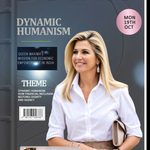
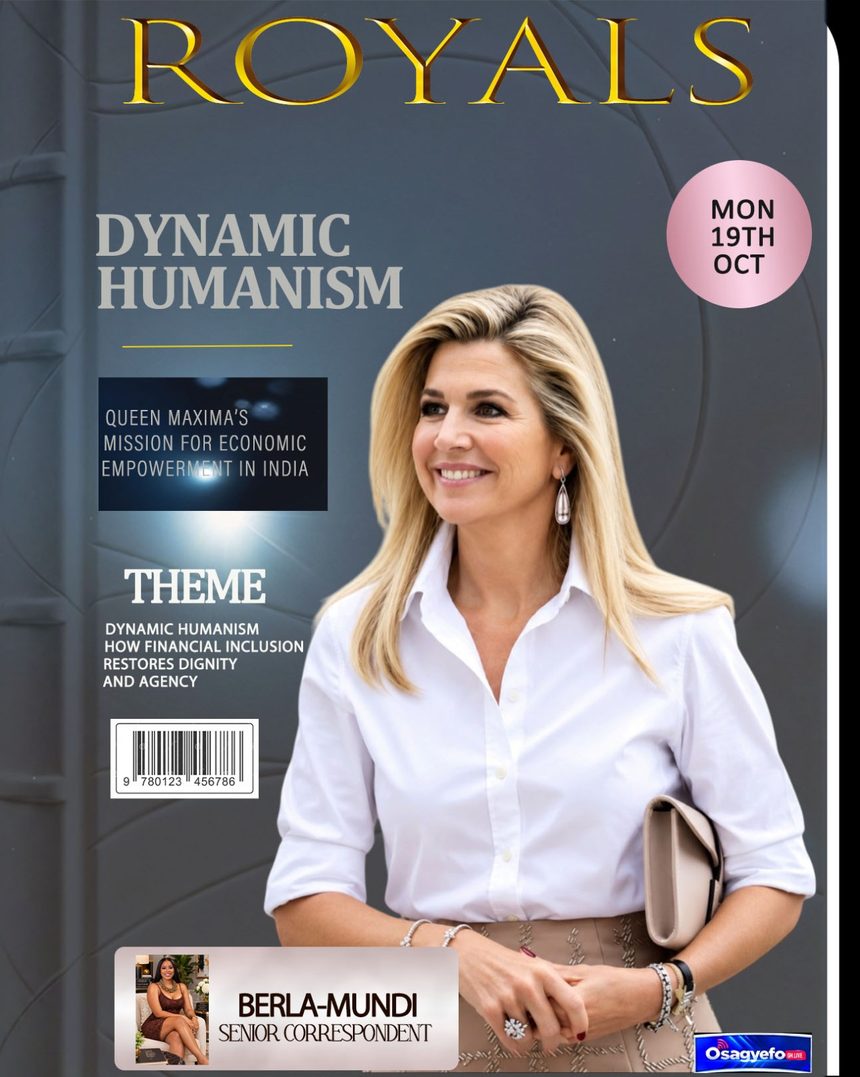
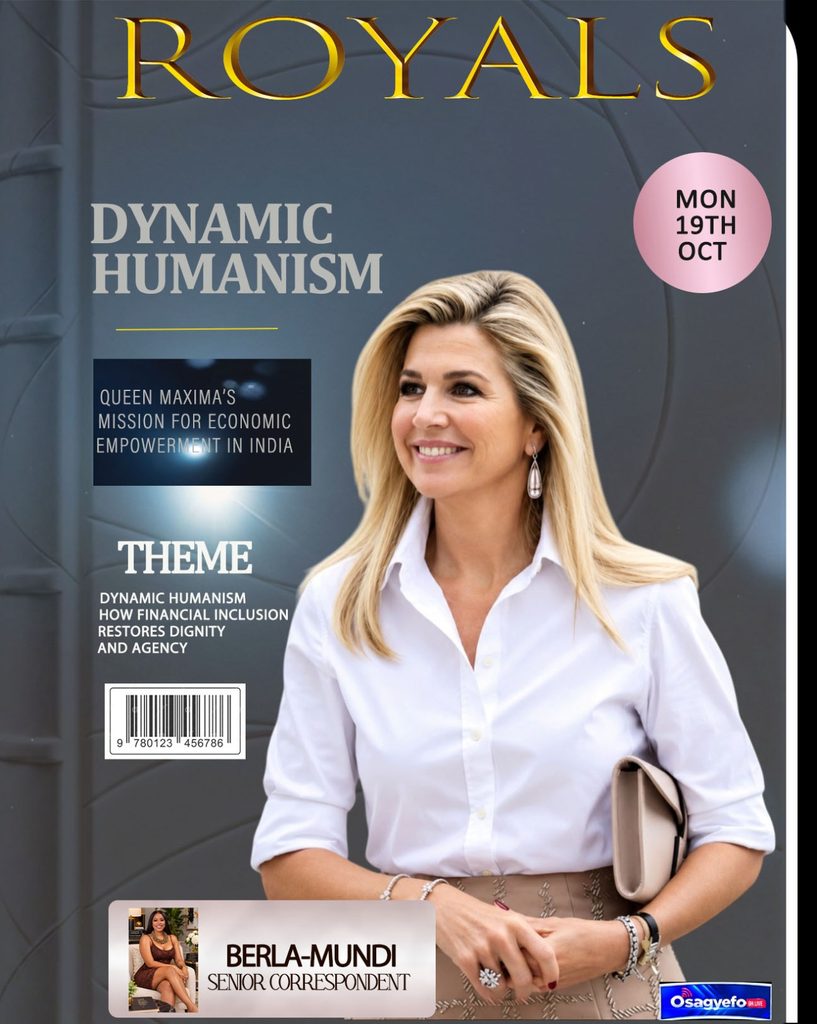
Dynamic Humanism: Queen Máxima’s Mission for Economic Empowerment in India
Theme: Dynamic Humanism: How Financial Inclusion Restores Dignity and Agency
EDITORIAL LEAD
“The meaning of true humanism is an understanding of and belief in the sanctity and equality of human life. A person who has integrated an awareness of humanism into their life recognizes the value of all life. The extent to which we respect others determines the extent of our perception of the value of our own lives.
To uphold the absolute value of life is the essence of humanism that is as vast as the universe.”
KEY HIGHLIGHTS & INSIGHTS
1. From Passive Charity to Active Agency
When Queen Máxima advocates for financial access and credit for rural women in India as the United Nations Secretary-General’s Special Advocate (UNSGSA), she does not offer mere sympathy—she provides tools for self-determination. Micro-loans and financial literacy transform women from passive recipients into active economic leaders.
2. Transforming Negative Tendencies into Self-Reliance
True empowerment directly targets and breaks the cycle of dependency and powerlessness that poverty creates. By putting capital into the hands of marginalised women, we replace systemic helplessness with confidence, dignity, and economic ownership.
3. The Ripple Effect of Human Dignity
When a woman gains financial autonomy, the cause-and-effect ripples outward: families receive better health and education, local economies stabilise, and communities thrive. Respecting and uplifting individual human worth creates lasting global change.
READ THE FULL EDITION
Stay tuned for the full digital release launching on Monday, 19th October 2026.
👉 Access the complete article and publication archive on assumptagh. live.
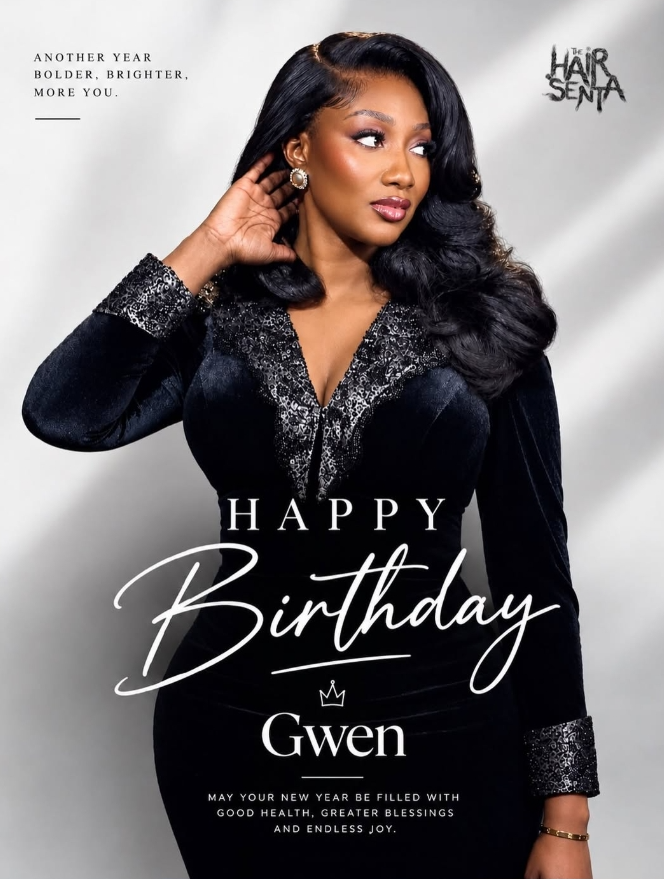





Something Unbelievable Is Sizzling at 24 Jungle Avenue This Summer…
In the golden glow of the Accra sun, a transformation is taking place. It’s more than just a change in the weather—it’s a movement. A shimmer of silk, a cascade of waves, and the effortless sway of hair that refuses to be ordinary.
They say beauty is power. But this day, what if your hair could command the breeze, turn every head on the coast, and carry the vibrant soul of Ghana wherever you go?
HAIR SENTA — the secret behind every radiant summer glow.
Straight from the heart of Ghana, our 100% luxury human hair extensions are designed for the heat of the moment: lightweight, natural, and undeniable. This season, we’re infusing heritage, craft, and high-fashion glamour into every strand, ensuring you stay cool while looking fire.
Will you be the one who owns the sunshine… or the one who only watches it fade?
Get Your Summer Glow:
Call Now: 📞 (+233) 0544354455 / 0248629769
Explore: 🌐 www.hairsenta.com
Visit Us: 📍 24 Jungle Avenue, Accra, Ghana
Hair Senta. Real Hair. Real Power. Real Summer Energy.
OUR EDITORIAL REFLECTION
The extent to which we respect others determines the extent of our perception of the value of our own lives.”
Human dignity must never be conditional upon wealth, status, or economic productivity. A society advances when its institutions recognise the worth of every individual and create opportunities for people to participate, contribute, and flourish. Dynamic humanism is the commitment to turn respect for human life into meaningful action.
OSAGYEFO NEWSLETTER MAGAZINE
The Royal Insight Special Edition
ARTICLE TITLE: Dynamic Humanism — Queen Máxima’s Mission for Economic Empowerment in India DIALOGUE HOST: Berla-Mundi | SPECIAL GUEST: Her Majesty Queen Máxima of the Netherlands RELEASE DATE: Monday, 19 October 2026 READ ONLINE: assumptagh. live
🎙️ BERLA-MUNDI OPENS THE DIALOGUE


BERLA-MUNDI:
Warm greetings to our cherished international readers joining us from every corner of the world. Welcome to this special edition of OSAGYEFO NEWSLETTER MAGAZINE, where we bring together leadership, humanism, and the questions that shape our shared humanity.
To our readers across Africa, Europe, Asia, the Americas, and beyond, thank you for joining us in this important international conversation. We believe meaningful dialogue can transcend borders, cultures, and differences, bringing us closer to a world that values every human life.
It is my great honour to extend a warm, respectful welcome to Her Majesty Queen Máxima of the Netherlands, whose international advocacy for financial inclusion and financial health allows us to explore a fundamental question: how can economic empowerment become a force for human dignity?
Your Majesty, welcome to The Royal Insight Special Edition of OSAGYEFO NEWSLETTER MAGAZINE. It is a privilege to open this dialogue with you.
Allow me to introduce myself. My name is Berla-Mundi, and in this conversation, I take on the role of moderator, bringing together perspectives on leadership, society, and the human capacity to overcome adversity.
And to our distinguished guest, Her Majesty Queen Máxima: you are Queen of the Netherlands and the United Nations Secretary-General’s Special Advocate for Financial Health. Through your international advocacy, you have helped draw attention to the importance of accessible, appropriate financial services and the role they can play in improving people’s lives.
Your Majesty, we warmly welcome you to this conversation on dynamic humanism, financial inclusion, and the dignity of every individual.
💡 THE CENTRAL QUESTION: CAN FINANCIAL INCLUSION TRANSFORM HUMAN LIFE?

BERLA-MUNDI:
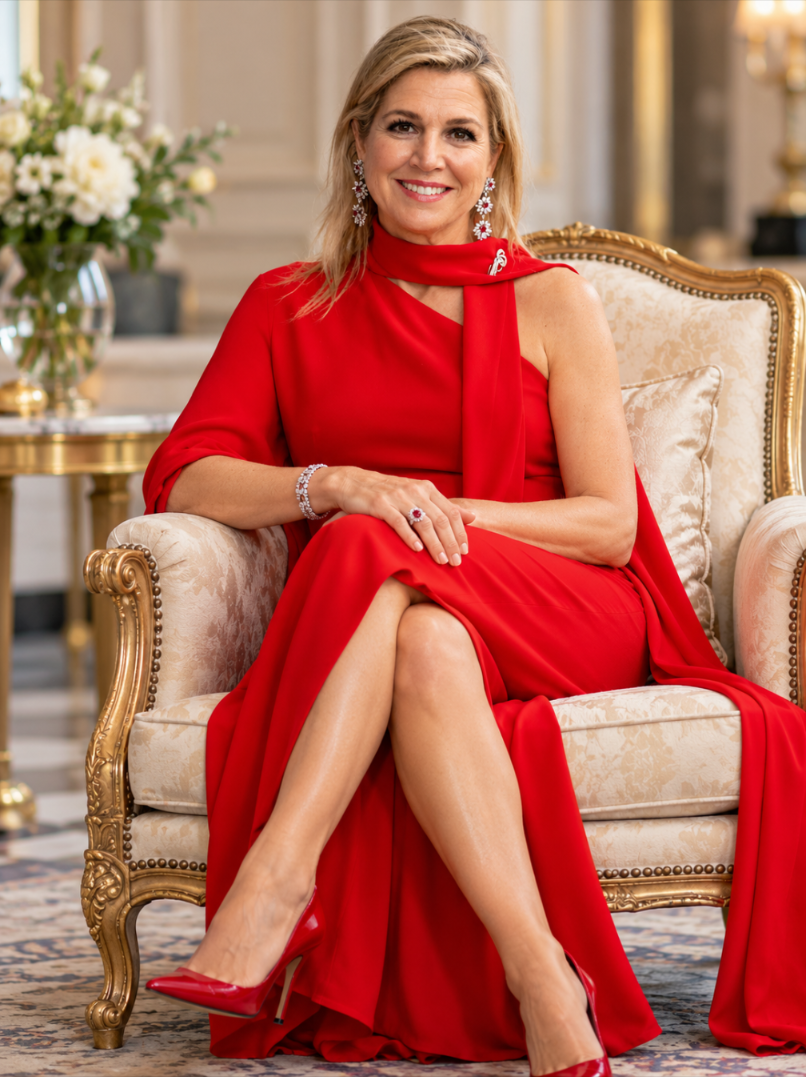
Your Majesty, in this special edition of OSAGYEFO NEWSLETTER MAGAZINE, we explore the profound connection between humanism, financial inclusion, and the dignity of every individual through your work as Queen of the Netherlands and the United Nations Secretary-General’s Special Advocate for Financial Health.
At the heart of this edition lies a fundamental conviction: every human life possesses inherent worth, and every person deserves the opportunity to develop their potential.
This humanistic perspective invites us to look beyond economic transactions and recognise the individual behind every statistic: the woman seeking independence, the family striving for security, and the community working toward a more hopeful future.
Your Majesty, your international advocacy provides an important starting point for examining how financial inclusion can contribute to a more equitable society.
There is a profound humanistic principle that guides our reflection:
“The extent to which we respect others determines the extent of our perception of the value of our own lives.”
This principle challenges us to reconsider how we measure progress. Is progress simply the accumulation of wealth, or should it also be measured by our ability to recognise another person’s dignity, remove barriers to opportunity, and create conditions in which people can live with greater freedom and confidence?
MY KEY INSIGHTS: FROM KARMA TO EMPOWERMENT
Your Majesty, I would like to share several insights that have emerged from my reflection on your work, particularly when viewed through the humanistic philosophy of Nichiren Buddhism and the teachings of Daisaku Ikeda.
1. Karma is dynamic, not fixed
In Nichiren Buddhist thought, karma is not simply an unchangeable destiny that people must passively accept. Our actions, thoughts, and intentions influence the direction of our lives, and through conscious effort, we can transform destructive patterns and create new possibilities.
From this perspective, poverty should never be treated as a permanent definition of a person’s identity or potential. A woman’s present circumstances do not determine the limits of her future.
2. Empowerment must go beyond charity
Traditional charitable assistance can provide essential relief in times of hardship. Yet lasting progress also requires attention to the structural barriers that keep people economically excluded.
This is where financial inclusion becomes especially significant. Access to suitable financial services, responsible credit, savings, and financial education can give underserved women greater opportunities to establish livelihoods, make independent decisions, and build financial security.
The objective is not merely to help someone survive today. It is to strengthen that person’s ability to shape tomorrow.
3. Financial access can transform a person’s sense of possibility
Your Majesty, when women who have long been excluded from formal financial systems gain meaningful access to economic opportunities, the transformation may extend beyond their bank accounts.
They may begin to see themselves differently—not simply as people struggling against circumstances, but as individuals with skills, ideas, aspirations, and the capacity to influence their own futures.
Of course, financial access alone cannot eliminate every psychological or structural barrier. It must be accompanied by fair opportunities, supportive institutions, appropriate financial education, and protection against exploitative lending.
Nevertheless, when these conditions come together, financial inclusion can help people move from a sense of powerlessness towards greater agency and self-confidence.
4. Individual empowerment can produce a wider social transformation
When women gain greater control over their financial decisions, the benefits can extend to their families and communities. Their increased capacity to invest in education, health, livelihoods, and local enterprise can contribute to broader social development.
In humanistic terms, one person’s empowerment can become a source of hope and possibility for many others.
This is how positive change can spread: not because every difficulty disappears at once, but because individuals gain greater capacity to respond to challenges and influence the circumstances around them.
❓ THE QUESTION I WISH TO PUT BEFORE YOUR MAJESTY
Your Majesty Queen Máxima, when I reflect on these ideas, I see your work as an important example of how economic systems can be examined through the lens of human dignity.
The deepest question, however, concerns the relationship between helping others and preserving one’s own identity.
Sometimes, individuals and institutions become so concerned with protecting their resources, status, authority, or established position that they hesitate to help those whose circumstances are less fortunate. They may fear that sharing power, expanding opportunity, or enabling others to become independent will somehow diminish their own importance.
This raises a question that extends far beyond financial inclusion. It concerns the very nature of leadership and humanity.
Your Majesty, have we overcome the belief that relieving the suffering of others means losing something essential about ourselves?
More specifically, when we help women overcome economic exclusion, give them the means to become independent, and support their ability to determine their own futures, are we not demonstrating that empowering another human being need not diminish our own identity, dignity, or value?
From the perspective of dynamic humanism, I would suggest that the opposite may be true: our humanity becomes more fully expressed when we help others discover their own potential.
Yet I would like to hear your insight on this question.
Your Majesty, how can we cultivate a society in which people no longer regard another person’s empowerment as a threat, but instead recognise it as an opportunity to strengthen our shared humanity?
And what would you say to leaders, financial institutions, and individuals who still struggle to understand that the dignity we help restore in another human being can also enrich the society to which we all belong?
Your Majesty, the floor is yours.
QUEEN MÁXIMA:
Thank you, Berla-Mundi, for your gracious introduction and for welcoming me into this important conversation. I would also like to extend my warm greetings to the international readers of OSAGYEFO NEWSLETTER MAGAZINE. It is encouraging to see a publication bring together questions of economic opportunity, human dignity, and our shared responsibility towards one another.
Your reflections raise a fundamental issue: how do we build an economy that does more than generate wealth—one that also enables people to live with greater security, independence, and confidence in their future?
I believe this question deserves our serious attention.
1. Financial inclusion must begin with the human being
Berla-Mundi, I appreciate your emphasis on the dignity of every individual. When we discuss financial inclusion, we must remember that behind every financial statistic there is a human story.
There is a woman who wants to establish a small business. There is a mother who wants to provide an education for her children. There is a family that needs a safe place to save money or a reliable way to manage an unexpected expense.
For these individuals, access to appropriate financial services can make a meaningful difference.
Financial inclusion, however, is not simply about opening a bank account or making credit available. It is about ensuring that people can access and use financial services that meet their needs, are affordable, and help them make informed decisions.
The human purpose of financial inclusion is to expand people’s choices and strengthen their ability to shape their own lives.
We must therefore ask not only how many people have access to financial services, but also whether those services genuinely improve their financial health and well-being.
2. Empowerment is different from temporary relief
You have drawn an important distinction between charity and empowerment.
I would approach this distinction with care. Humanitarian assistance and charitable support are essential when people face emergencies, severe deprivation, or circumstances beyond their immediate control. Such assistance can protect life and restore stability.
But we must also look beyond immediate relief.
People need opportunities to build livelihoods, acquire knowledge, develop skills, save for the future, and participate in economic life on fair terms.
For some women, access to savings accounts, insurance, responsible credit, and financial education can help make these opportunities possible. For others, the most important intervention may be access to education, secure employment, legal protection, infrastructure, or markets where their work can flourish.
We should not assume that every woman needs a loan. Credit can create opportunities, but unsuitable lending can also deepen financial hardship.
Our responsibility is to understand what people actually need and to ensure that financial services serve their interests.
True empowerment does not mean making people dependent on our assistance. It means helping create conditions in which they have greater freedom to make their own choices.
3. Can people transform their inner sense of possibility?
Your reflection on Nichiren Buddhism, Daisaku Ikeda’s humanistic philosophy, and the dynamic nature of karma introduces another important dimension: the relationship between a person’s circumstances and their belief in what may be possible.
I find the underlying question compelling.
When people experience exclusion for many years, they may encounter barriers that extend beyond money. Repeated rejection can restrict their opportunities, undermine their confidence, and make it difficult to imagine a different future.
Yet we must be careful not to interpret poverty as a personal failure or suggest that people remain poor because their attitudes are inadequate. Economic exclusion often arises from structural inequalities, discrimination, limited infrastructure, unequal access to education, and institutions that do not adequately serve everyone.
Changing these conditions requires action at both the individual and institutional levels.
When a woman receives the resources, knowledge, opportunities, and support she needs, she may discover capacities that circumstances previously prevented her from exercising.
She may establish a business, employ others, support her family, or become a leader in her community.
This is why I believe that economic opportunity should be accompanied by respect. People should not have to prove their worth before they are given a fair opportunity. Their dignity is already present.
The task is to ensure that their circumstances do not prevent them from developing their potential.
4. When one woman advances, a community can benefit
Berla-Mundi, you also spoke about the wider effects of empowering women.
This is an important consideration because financial well-being does not exist in isolation. The financial security of an individual can influence the stability of a household, while the opportunities available to households can affect the development of entire communities.
When women have greater control over their financial resources, they may be better positioned to invest in education, health, business activities, and their families’ future.
However, these benefits are not automatic. They depend on the opportunities available, the quality of financial services, the surrounding economic environment, and whether women can exercise genuine control over the resources they receive.
We must therefore measure success by more than the amount of money distributed or the number of loans provided.
We should also examine whether women gain greater financial security, whether businesses become sustainable, whether families become more resilient, and whether economic opportunities become more equitable.
The ultimate measure of empowerment is not simply what people receive, but what they are genuinely able to do with the opportunities available to them.
5. Does helping others mean losing our identity?
Now, Berla-Mundi, I would like to address your central question.
You ask whether we have defeated the belief that relieving the suffering of others means losing our identity.
I would reframe the question slightly: why should another person’s advancement be understood as a threat to our own value?
In a healthy society, the dignity of one person does not depend upon the exclusion of another. A woman’s ability to become financially independent does not diminish the dignity of those who support her. A community’s progress does not require another community to remain behind.
The same principle applies to leadership.
A leader’s contribution should not be measured only by the authority they retain, but also by the opportunities they help create for others. An institution’s strength should not be measured solely by its financial performance, but also by the fairness of its practices and the people it enables to participate.
Of course, resources are limited, and social progress requires difficult decisions. Not every intervention succeeds, and good intentions alone are insufficient. We must examine evidence, listen to the people affected, and remain willing to improve our approaches.
But there is a profound difference between protecting legitimate responsibilities and protecting privilege at the expense of others.
When we expand access to opportunity, we do not necessarily lose something of ourselves. We can instead contribute to a society in which more people are able to participate, innovate, work, and flourish.
Human dignity is not a limited resource. Recognising it in another person does not take it away from us.
6. A message to leaders and financial institutions
I would encourage leaders, financial institutions, and communities to consider three responsibilities:
- Listen to people before designing solutions for them: Women experiencing financial exclusion understand many of the barriers they face. Their knowledge and experience must inform the services and policies intended to support them.
- Make opportunity responsible and sustainable: Financial inclusion should involve transparent terms, appropriate products, protection against harmful lending practices, and financial education that enables informed decisions.
- Recognise people as partners in progress: Women should not be treated merely as beneficiaries of programmes. They should have a voice in designing, implementing, and evaluating the initiatives that affect their lives.
These principles help move the conversation beyond a simple division between those who give and those who receive.
They invite us to build relationships based on mutual respect, shared responsibility, and the recognition that every individual has something meaningful to contribute.
7. My final reflection to Berla-Mundi
Berla-Mundi, your question brings us back to the central theme of this special edition: dynamic humanism.
You have connected economic empowerment with a philosophy that emphasises the possibility of transforming difficult circumstances and developing our human potential.
Although people may approach this idea through different philosophical, cultural, and spiritual traditions, we can find common ground in a practical commitment: to build societies in which people’s circumstances do not determine the limits of their opportunities.
Financial inclusion can contribute to that goal, provided it is pursued responsibly and alongside efforts to address the wider barriers that prevent people from participating fully in economic life.
We must remember that a bank account, a loan, or a financial education programme is not the final destination. These are instruments. Their value depends on whether they help people live with greater security, exercise meaningful choices, and pursue their aspirations.
And perhaps this is the most important point I would leave with your readers:
“We should not ask whether another person’s empowerment diminishes our own importance. We should ask what kind of society becomes possible when more people have the freedom and opportunity to fulfil their potential.”
That is a question worth carrying beyond this dialogue and into our institutions, our communities, and our everyday decisions.
Thank you, Berla-Mundi, for inviting us to reflect on these important issues, and thank you to the international readers of OSAGYEFO NEWSLETTER MAGAZINE for joining this conversation.
The work of building a more inclusive society continues through the choices we make, the institutions we strengthen, and the dignity we extend to one another.
BERLA-MUNDI:
Her Majesty Queen Máxima, I believe that the true value of our lives is revealed through our actions for the happiness of others.
In Nichiren Buddhism, karma is not an unchangeable destiny. Through our thoughts, actions, and determination, we can transform adversity into an opportunity for growth.
When we empower women to overcome poverty and stand independently, we do more than change their economic circumstances; we help them discover their dignity, confidence, and limitless potential.
The empowerment of another human being is never a loss of our own identity. It is an expression of our highest humanity.
A society becomes truly prosperous when no person’s happiness is sacrificed for another’s success, and when every individual has the opportunity to become the architect of their own future.
That, to me, is the living practice of humanism: transforming compassion into action and making the dignity of every human life the foundation of our progress.
BERLA-MUNDI:
“Your Majesty, we have spoken about restoring dignity, transforming suffering, and empowering women to become architects of their own futures.
But I would like to ask you something deeper: How can we transform the institutions and mindsets that create economic exclusion in the first place, so that women no longer have to struggle for the dignity and opportunities that should rightfully be theirs?
Is it not the responsibility of true leadership to create a society in which empowerment is no longer an exception, but a natural condition of human life?”
HER MAJESTY QUEEN MÁXIMA:
Thank you, Berla, and distinguished readers of OSAGYEFO NEWSLETTER MAGAZINE. I believe that the question before us concerns not only financial inclusion, but also the responsibility of development to serve the people. Economic progress must ultimately be measured by whether it improves people’s lives. When women lack access to financial services, education, employment, and opportunities to develop their abilities, society cannot fully benefit from their contributions.
We must therefore work to remove the barriers that prevent people from participating in economic development. Governments, financial institutions, and communities each have a responsibility to create conditions in which people can use their talents and pursue a better future.
At the same time, we must recognise that access to finance alone cannot eliminate poverty. Development requires productive employment, effective institutions, infrastructure, education, and opportunities for people to improve their livelihoods.
The purpose of development is not simply to create greater wealth, but to enable people to live better lives and participate in the progress of society.
I would also emphasise that individual empowerment and collective development need not contradict one another. When women become more economically independent, families can become more secure, communities can become more resilient, and national development can benefit from a wider range of human talent.
The challenge for leadership is to ensure that economic institutions serve the people rather than allow opportunity to remain concentrated in the hands of a few.
Ultimately, a society demonstrates its strength not merely through the wealth it accumulates, but through the opportunities it creates for its people. Thank you, Berla-Mundi.
BERLA-MUNDI:
Your Majesty Queen Máxima, thank you for your thoughtful contribution. You have reminded us that economic development must ultimately serve the people and that individual empowerment and collective progress can strengthen one another.
I believe that the true measure of human progress lies not merely in the wealth a society creates, but in how effectively it enables every person to develop their potential. When we recognise the dignity of those who have been left behind, we transform compassion from an admirable sentiment into a responsibility for action.
Your Majesty Queen Máxima, this brings us to our final question.
How can we ensure that financial inclusion becomes a lasting instrument of human dignity, reaching the women and communities who need it most rather than those who are already economically advantaged?
And how can international cooperation help make financial empowerment a sustainable foundation for inclusive development, so that women everywhere can overcome structural barriers, achieve greater independence, and become active architects of their own futures?
Your Majesty, I would welcome your reflections on how we can turn this shared humanistic aspiration into lasting progress for humanity.
QUEEN MÁXIMA
Berla-Mundi, thank you for this thoughtful question, and your reflections also remind us that economic development must ultimately improve people’s lives.
I appreciate the humanistic spirit that has guided this important conversation.
I believe that financial inclusion must begin with a simple principle: opportunity should reach those who need it most, not merely those who are easiest or most profitable to serve.
To achieve this, we must listen to underserved communities, understand the barriers they face, and design financial services that are affordable, accessible, and responsible. Women need more than credit alone; they need financial education, secure savings, suitable insurance, fair economic opportunities, and the freedom to make decisions about their own futures.
International cooperation is equally important. Governments, financial institutions, businesses, and civil society must work together to share knowledge, strengthen protections, and support solutions that respond to local needs. We must also measure success by whether people’s financial security and genuine opportunities improve—not simply by the number of accounts opened or loans distributed.
But I would emphasise one further point: women must not be treated merely as beneficiaries of development. They must be recognised as partners, innovators, entrepreneurs, and leaders in shaping it.
When we place human dignity at the centre of financial inclusion, we move beyond providing access to money and begin creating access to opportunity.
Our task is to build a world in which a woman’s birthplace, income, or social circumstances do not determine the limits of her potential. This requires sustained commitment, responsible institutions, and cooperation across borders.
Ultimately, financial empowerment becomes sustainable when people possess not only the means to improve their circumstances, but also the confidence, knowledge, and freedom to shape their futures.
Thank you, Berla-Mundi, and our international readers for joining this dialogue. May our shared reflections encourage practical action towards a world in which economic progress and human dignity advance together.
The Royal Insight Special Edition
🕊️ BERLA-MUNDI — THE FINAL REFLECTION

BERLA-MUNDI:
Your Majesty Queen Máxima,g, thank you for sharing these profound reflections on human dignity, economic empowerment, and our collective responsibility to humanity.
As I reflect on this dialogue, one truth stands out: the real purpose of empowerment is not simply to help people overcome hardship, but to create the conditions in which they can discover their potential and shape their own destinies.
Queen Máxima has invited us to look beyond financial transactions and recognise the human beings behind them. Her newsletter has drawn our attention to the relationship between economic development and the well-being of the people, and its humanistic perspective reminds us that our own humanity finds deeper expression when we act to support the happiness and dignity of others.
Together, these perspectives lead us to an essential question: what is the value of economic progress if its opportunities remain beyond the reach of those who need them most?
True progress must open doors, remove barriers, and enable people to participate meaningfully in society. Women must not be defined by their economic circumstances, nor should their aspirations be limited by systems that deny them opportunity.
And perhaps this is the deepest lesson of our conversation: when we empower another human being, we do not diminish ourselves. We help create a world in which more people can stand with dignity, contribute with confidence, and live with greater freedom.
THE FINAL MESSAGE: DYNAMIC HUMANISM
Our cover article, Dynamic Humanism: Queen Máxima’s Mission for Economic Empowerment in India, is ultimately about much more than financial inclusion. It is about recognising the value of every human life and transforming that recognition into meaningful action.
Financial services can provide tools, international cooperation can open pathways, and responsible leadership can remove obstacles. But it is our commitment to human dignity that gives these efforts their deeper purpose.
The woman who gains the confidence to build her own enterprise, the family that finds greater financial security, and the community that discovers new possibilities are not merely beneficiaries of development. They are active participants in shaping a more hopeful future.
That is the promise of dynamic humanism: to transform exclusion into opportunity, vulnerability into greater agency, and compassion into lasting change.
A WORD TO OUR INTERNATIONAL READERS
Dear readers around the world, may we carry this dialogue beyond these pages and into our homes, workplaces, institutions, and communities. Let us ask ourselves not only what we can achieve for ourselves, but also what opportunities we can help create for others.
Because the measure of our humanity is not simply how far we rise, but whether our progress helps others rise as well. On behalf of OSAGYEFO NEWSLETTER MAGAZINE, thank you for joining us for this special international dialogue. May its message inspire greater understanding, responsible leadership, and a renewed commitment to the dignity of every human life.
The dialogue ends here, but the responsibility to build a more humane world continues with each of us. With warm regards to our global readership, Berla-Mundi Dialogue Host and Moderator, OSAGYEFO NEWSLETTER MAGAZINE
DYNAMIC HUMANISM
Queen Máxima’s Mission for Economic Empowerment in India
Financial inclusion. Human dignity. A future of shared opportunity.
GLOBAL DIGITAL RELEASE 📅 Monday, 19 October 2026
OSAGYEFO NEWSLETTER MAGAZINE 🌐 assumptagh.live
Our Shared Humanity Soka Gakkai Buddhist Movement
An introduction to the Soka Gakkai and Nichiren Buddhism.
Where do the teachings originate?
What is the philosophy of Buddhism?
How do Soka Gakkai members apply it in their daily lives?
The Soka Gakkai is a global community-based Buddhist organisation that promotes peace, culture and education centred on respect for the dignity of life. Its members in 192 countries and territories study and put into practice the humanistic philosophy of Nichiren Buddhism.
Soka Gakkai members strive to actualise their inherent potential while contributing to their local communities and responding to the shared issues facing humankind. The conviction that individual happiness and the realisation of peace are inextricably linked is central to the Soka Gakkai, as is a commitment to dialogue and nonviolence. Subscribe to our channel:  / sgivideosonline Visit our website: https://www.sokaglobal.org/ Like us on Facebook:
 / sgi.info Follow us on Instagram:
 / sgi.info Follow us on Twitter:
 / sgi_info



https://www.instagram.com/babiesandtodds_?utm_source=ig_web_button_share_sheet&vrfl=ZDNlZDc0MzIxNw==
The Vision of Assumpta Gahutu, Esq.
The ideas of the Principal of Babies Todds Daycare, Assumpta Gahutu, Esq., have had an enduring impact not only in Africa but across the globe. Her vision emerged at a time when the lingering effects of imperial and oppressive structures appeared to limit the possibilities for African-centred educational development.
Yet, through determination, compassion, and clarity of purpose, she forged a new path for early childhood education. Under her leadership, Babies Todd’s Daycare has grown into far more than a childcare facility; it has become a value-creating environment where the character of the future is gently formed.
Through this mission, she has nurtured the growth of young children whose lives will embody the values the world will need in the centuries to come. Her work reflects a profound belief: that the foundation of a just and humane society begins with how we educate and care for our youngest generation. In this way, the philosophy behind Babies Todds represents not simply an institution, but a lifelong commitment to shaping the character, dignity, and future of humanity.
Babies Todds
A Safe and Nurturing Daycare and Preschool in the Heart of Windhoek
Babies Todds is a warm and welcoming space where young children are encouraged to grow, learn, share, and create in a supportive environment. Our daycare and preschool are dedicated to providing quality early childhood education that fosters curiosity, creativity, and confidence in every child.
📍 Location: Windhoek, Namibia
📞 Phone: +264 81 673 7599
🌐 Website:www.babiestodds.com
A beautiful place where the journey of learning begins and where every child is given the opportunity to flourish.


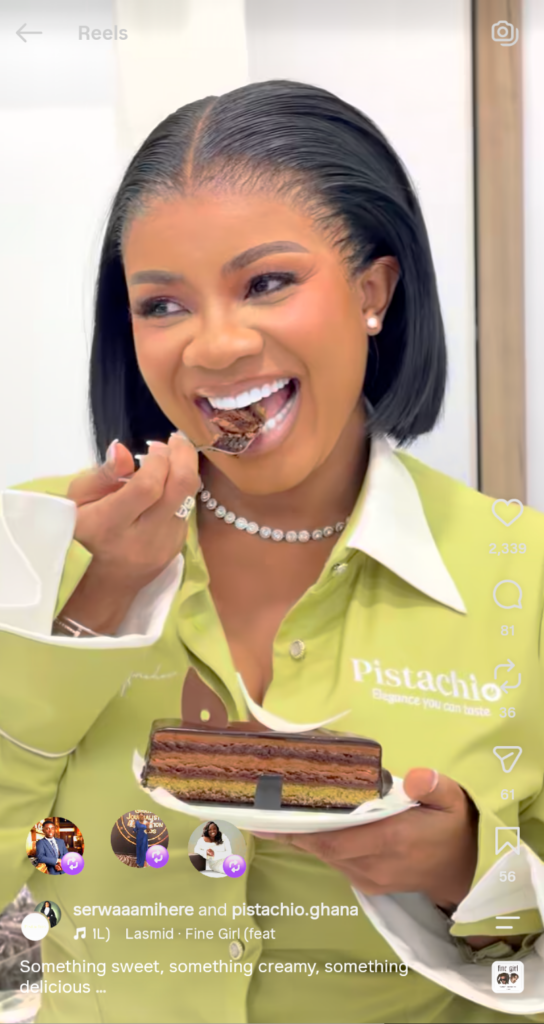



https://www.instagram.com/pistachio.ghana?utm_source=ig_web_button_share_sheet&mdxt=ZDNlZDc0MzIxNw==
🌿 EVERYDAY ESSENTIALS PRESENTS
THE JOURNALIST WITH A CONSCIENCE
Meet Serwaa Amihere, Esq.
A visionary connecting Ghana to the global stage through Everyday Essentials.
As a celebrated broadcast journalist, lawyer, and entrepreneur, Serwaa Amihere, Esq. brings her commitment to excellence from the newsroom directly into your daily routine.
Featured exclusively through Everyday Essentials, the Serwaa Amihere Collection represents a carefully curated blend of wellness, quality, beauty, professional elegance, and Ghanaian craftsmanship.
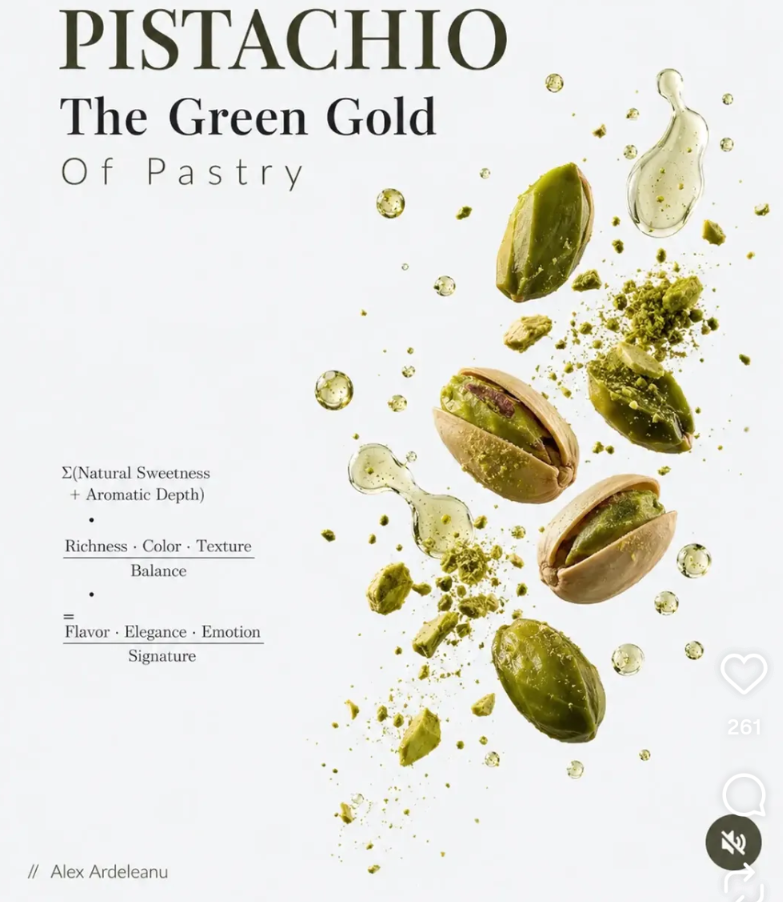
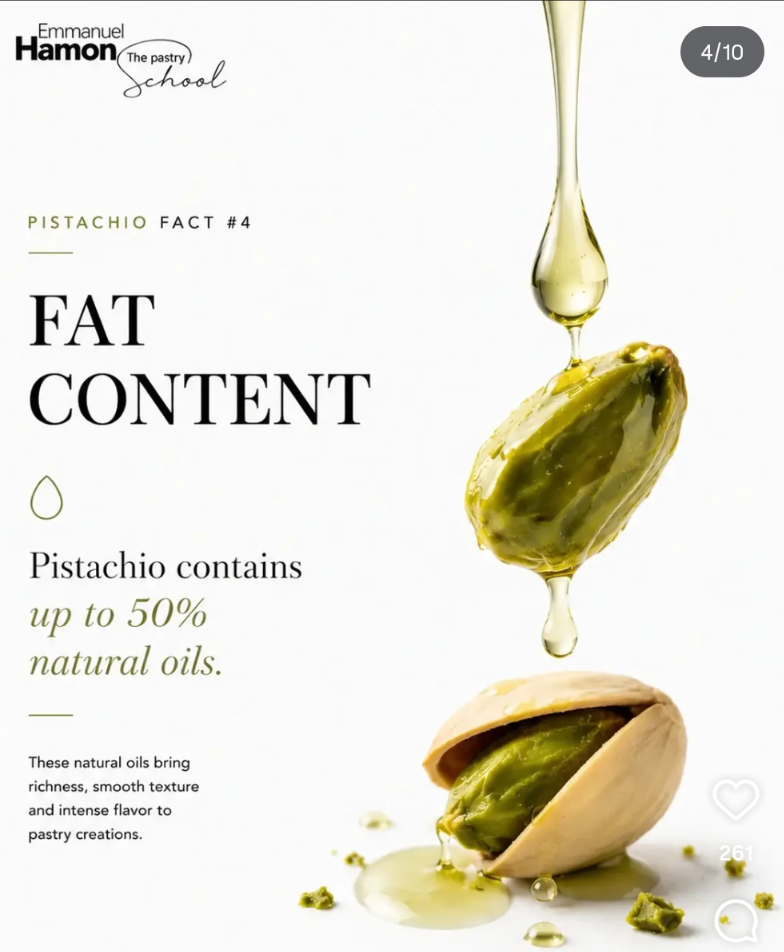
🥜 PISTACHIOS: SMALL NUT, POWERFUL NUTRITION
At Everyday Essentials, healthy living begins with understanding what nourishes our bodies.
Pistachios naturally offer:
Plant-Based Protein: Supports muscle health and daily vitality.
Dietary Fibre: Promotes healthy digestion and lasting satiety.
Healthy Unsaturated Fats: Rich in heart-healthy monounsaturated and polyunsaturated fats.
Vitamin B6: Supports normal energy metabolism and nervous system function.
Essential Minerals: Copper, manganese, phosphorus, and magnesium contribute to bone health, muscle function, and energy production.
Potassium: A vital electrolyte supporting muscle and nerve function.
Antioxidants: Contains key compounds, including lutein and zeaxanthin.
The Everyday Essentials Philosophy
Pure ingredients. Mindful choices. An elevated everyday life.
Whether enjoyed raw as a quick snack or woven into culinary dishes and desserts, pistachios prove that small habits yield powerful nutritional value.
WHY CHOOSE THE SERWAA AMIHERE COLLECTION?
A Trusted Vision: Hand-selected with the discerning standard expected of one of West Africa’s leading media figures.
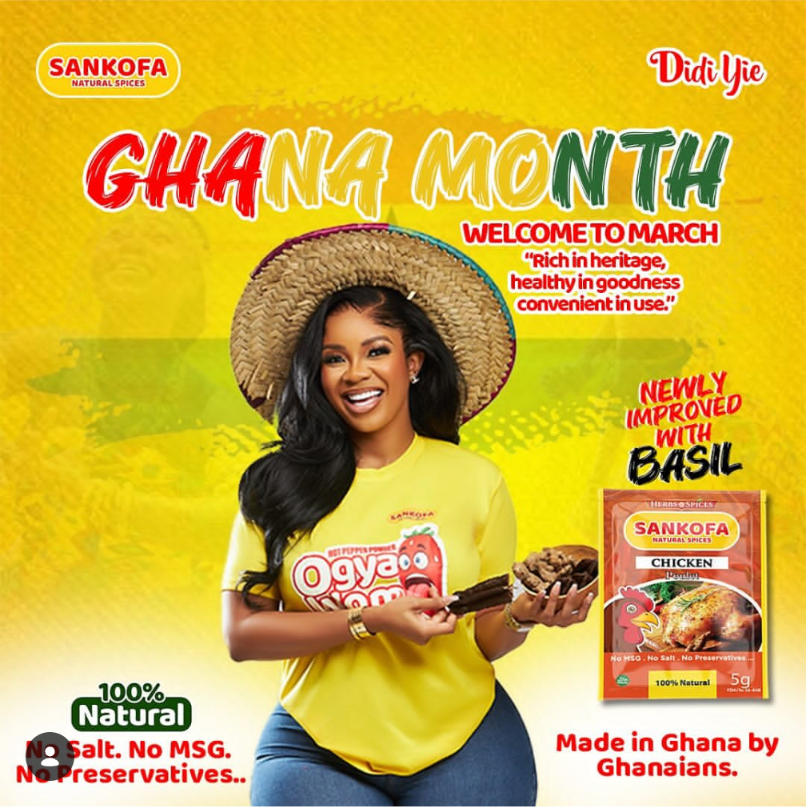
Uncompromising Quality: From premium natural foods and spices to the sophisticated silhouettes of Office & Co. by SA, every offering balances health, style, and luxury.
Authentically Ghanaian: Bridging local heritage and global elegance to share Ghanaian excellence with the world.
A Holistic Lifestyle: A seamless blend of wellness, beauty, and professional sophistication tailored for modern global living.
FROM GHANA TO THE WORLD
Everyday Essentials is more than a product collection—it is a conscious lifestyle choice:
Nourish the body.
Elevate the mind.
Embrace timeless beauty.
Celebrate authentic craftsmanship.
Share Ghanaian excellence with the world.
Experience a lifestyle rooted in quality, integrity, and international appeal.
Discover the finest in health, beauty, gourmet food, and fashion—curated by Serwaa Amihere, Esq.
#EverydayEssentials #SerwaaAmihere #GlobalWellness #PistachioNutrition #GhanaToTheWorld #HealthyLiving #GhanaianExcellence
https://www.instagram.com/delish_bakerygh?utm_source=ig_web_button_share_sheet&rpxt=ZDNlZDc0MzIxNw==
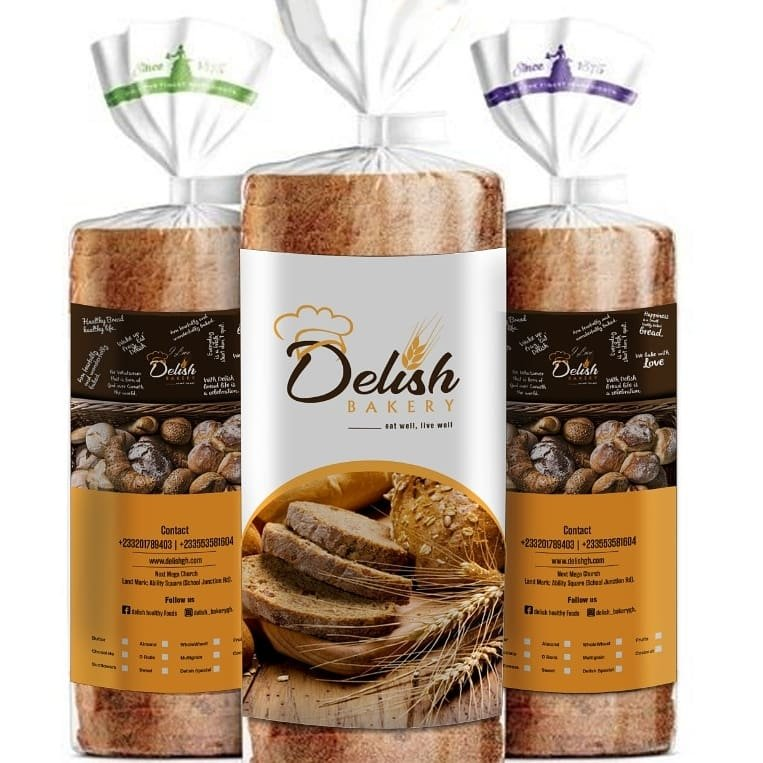
Pure Goodness: Delish Bread Without Chemicals
Experience the taste of nature at Delish Bread, your neighbourhood grocery store and bakery where health meets indulgence. We believe that what you eat should be as pure as it is delicious. That’s why our breads are crafted without chemicals, artificial preservatives, or additives—just wholesome ingredients baked to perfection.
Whether you are looking for your daily loaf or a special treat, we offer over 12 varieties of bread, cakes, and pastries, including:
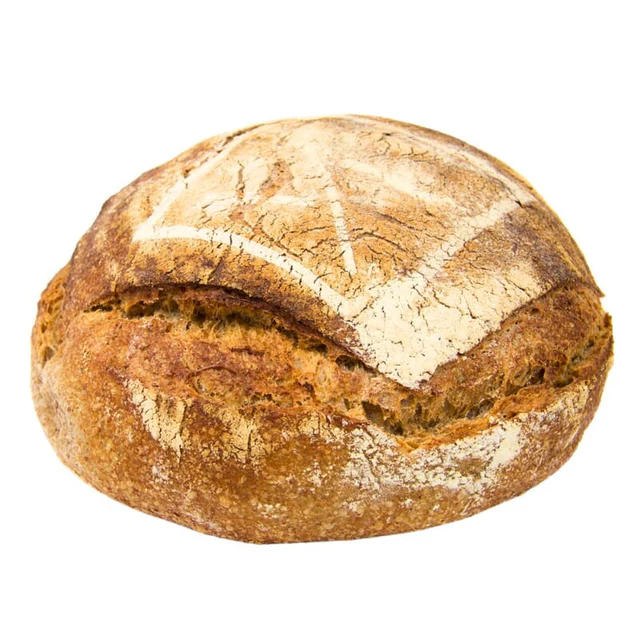
Signature Breads: Whole Wheat, Multigrain, and Classic White—all chemical-free.
Artisan Pastries: Flaky, buttery, and baked fresh every morning.
Custom Cakes: Perfect for every celebration, made with the finest natural ingredients.
OSAGYEFO-IMAGINE Celebrates Delish Bread
OSAGYEFO-IMAGINE: Works From The Heart proudly honours the commitment to purity and health championed by Delish Bread. In a world of processed foods, Delish Bread stands out as a beacon of authenticity, aligning perfectly with our mission to celebrate creators who work with passion and purpose.
We celebrate Delish Bread for:
- Wholesome Integrity: Their dedication to chemical-free baking that nourishes the community.
- Cultural Connection: Bringing people together through the timeless tradition of breaking bread.
- Spiritual Purpose: Guided by the personal mission of Making Jesus Proud, every loaf is baked with love and a servant’s heart.
Visit Us Today!
Come and taste the difference that “Heart Work” makes.
Location: Agboba, Accra.
Hours: Monday – Saturday | 8:00 AM – 6:00 PM
Order via WhatsApp: wa.me/233201789403
Follow the Journey: @delish_bakerygh & @smomentwithprecious_
Delish Bread & OSAGYEFO-IMAGINE: Nourishing your body, honouring your heritage.


GWEN ADDO: CHAMPIONING ENTREPRENEURSHIP & PEOPLE-FIRST PROSPERITY
Entrepreneur. Author. Business Strategist. Founder of TLS and CAGA HEIGHTS Complex.
For Gwen Addo, enterprise extends far beyond building a brand—it is about creating sustainable economic opportunities, empowering visionary entrepreneurs, and driving community-led prosperity.
Whether spotlighting an established enterprise or uplifting an ambitious small business, Gwen operates under a clear conviction: every venture deserves the platform and support to scale, reach new audiences, and thrive.
Her support for The Kitchen Foods Ghana (@thekitchenfoodsgh) reflects this philosophy in action.
THE KITCHEN FOODS GHANA: AUTHENTIC FLAVOUR, NATURAL INGREDIENTS
Bring the rich heritage of Ghanaian culinary traditions into your kitchen with The Kitchen Foods Ghana.
Designed for food lovers locally and across the global diaspora, their range offers:
- All-Natural Spices: Pre-blended herbs and seasonings designed for effortless everyday cooking.
- Ready-to-Store Soups & Stews: Authentic Ghanaian soups and stews, conveniently packaged and freezer-ready.
- Convenient Meal Packs: Freshly prepared, authentic Ghanaian cuisine available for daily lunches.
From seasoning rice dishes to enhancing soups, stews, poultry, meat, and seafood, their signature All-Purpose Seasoning brings together a curated blend of natural herbs and spices to elevate any meal.
✨ Product Highlights
- 100% Natural Blend: Crafted from selected herbs and traditional spices.
- Clean Label: No artificial colours, artificial flavours, added MSG, or added sugar.
- Versatile & Convenient: Elevates everyday home cooking, wherever you are in the world.
🍲 EXPERIENCE AUTHENTIC GHANAIAN CUISINE
Whether you are looking for ready-to-eat meal packs, freezer-friendly stews, or premium natural seasonings to recreate traditional recipes at home, The Kitchen Foods Ghana delivers authentic West African flavours directly to your table.
- 📍 Location: Sunflower Road, Lakeside Estate, Accra, Ghana
- 🛵 Delivery & Shipping: Local delivery and international fulfilment available upon request (fees apply).
- 📲 Orders & Inquiries: Connect on Instagram via @thekitchenfoodsgh.
WHY LEADERSHIP LIKE GWEN ADDO’S MATTERS
Gwen Addo embodies a forward-thinking model of business leadership—one that recognises the value of enterprise at every level. Economic growth is strengthened when local producers, small businesses, and innovators are given the visibility they need to flourish globally.
More than a brand ambassador, Gwen is a catalyst for economic empowerment and an advocate for the hard-working entrepreneurs driving the real economy.
When a business succeeds, families prosper, jobs are created, and communities grow stronger. This is the heart of Gwen Addo’s mission: the belief that true success is measured by the opportunities we create for others.
Gwen Addo: Building businesses. Elevating leaders. Championing global prosperity.
Today, we celebrate The Kitchen Foods Ghana—a brand bringing the rich, authentic culinary heritage of West Africa to tables worldwide.
🏷️ Global Hashtags
#GwenAddo #TheKitchenFoodsGhana #SupportLocalBusinesses #GhanaianEntrepreneurs #MadeInGhana
