





Title : President Giorgia Meloni : The Reformist Face of a New Europe.
Content : Before her presidency, Europe placed faith in criminal policies. She changed that!
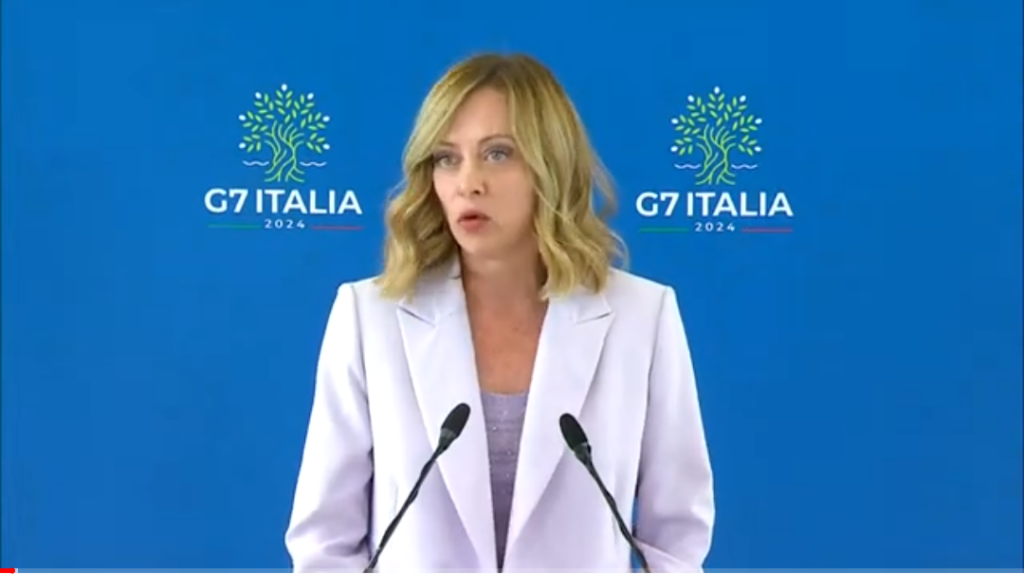


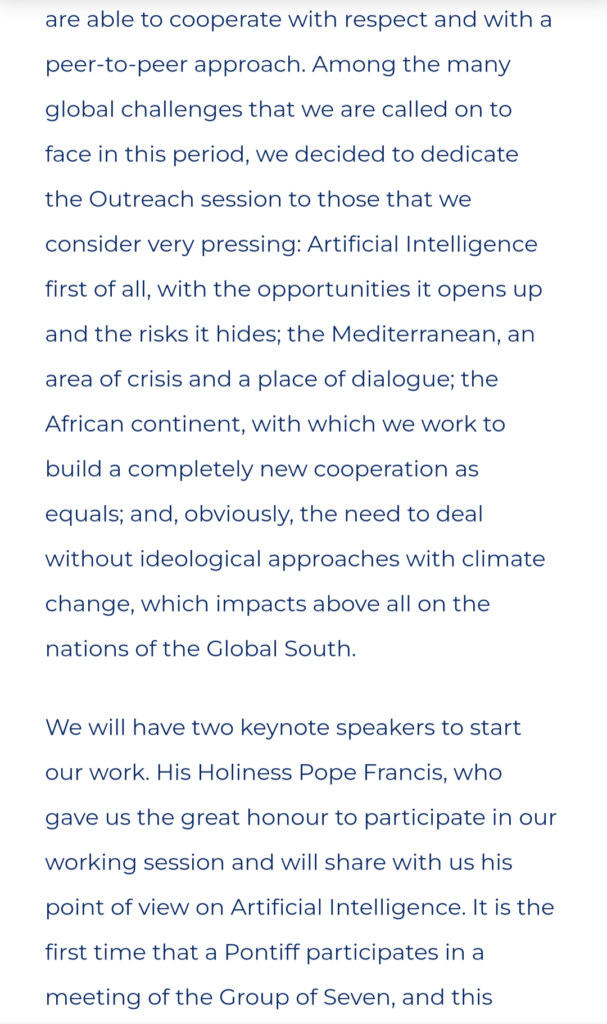

: Journalism of neglected Topics; G7 Italy;
This title and subtitle combination aims to highlight Georgia Meloni’s transformative role and the contrast with previous European policies she seeks to address.
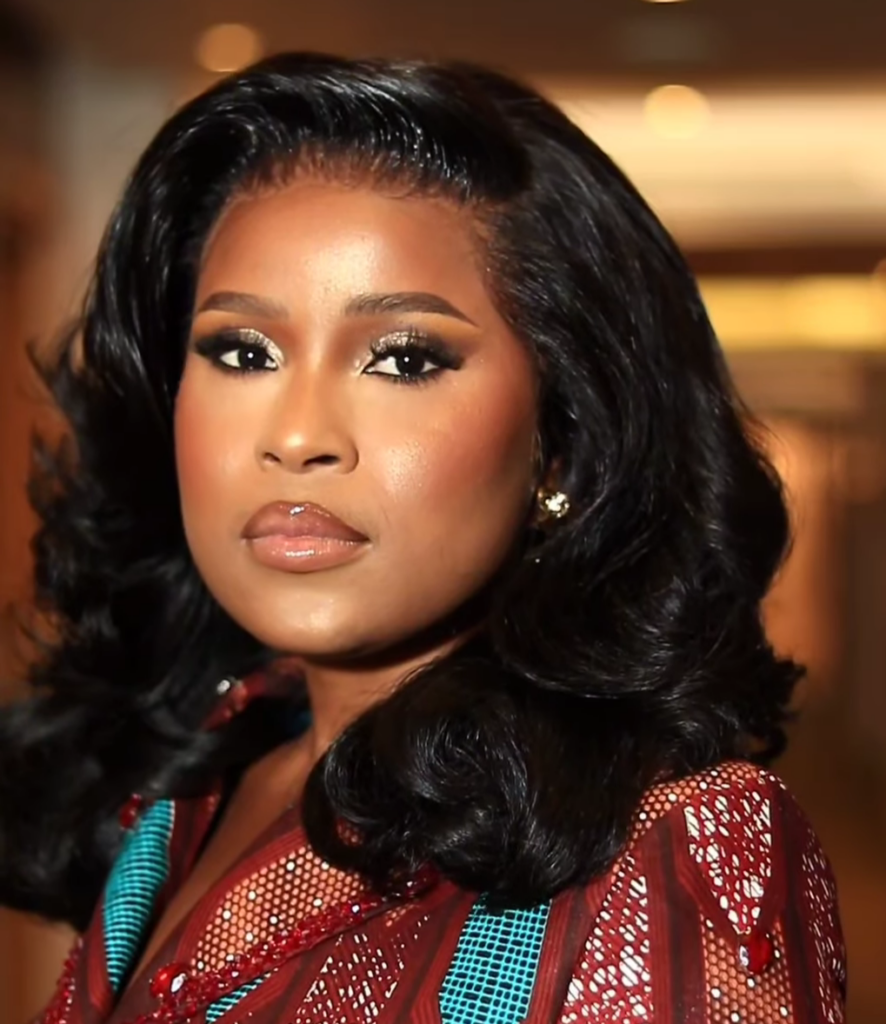
With BERLA-MUNDI, Ghana’s best, finest and number one broadcast journalist. A special edition coming on Monday 17th June 2024: Time: 06:00 am

Introduction to the Newsletter Review:
The latest edition of our newsletter delves into the profound political shifts unfolding within Italy and across Europe, focusing particularly on the contrasting ideologies of nationalism and patriotism as embodied by Italy’s current Prime Minister, Giorgia Meloni. Through a comprehensive analysis, we explore how Meloni’s leadership marks a significant departure from the policies of her predecessors, specifically the Five Stars Movement, and how her reformist agenda is reshaping the European political landscape.
We begin with an examination of Italy’s recent actions at the G7 summit, where Meloni’s government sought to amend language on sexual and reproductive rights, reflecting her conservative and family-centric values. This is juxtaposed against the broader backdrop of the G7’s agenda, which, while primarily focused on Ukraine, also encompasses critical discussions on social rights, artificial intelligence, and health.
Next, we provide an in-depth look at the criminal policies that dominated the European Union before Meloni’s rise to power. These policies, aimed at combating organised crime, terrorism, human trafficking, and cybercrime, have been critiqued for potentially over-criminalizing and infringing upon personal freedoms.
Our feature article, “Nationalism vs. Patriotism: Giorgia Meloni and the New Direction for Europe,” highlights the ideological shift under Meloni’s leadership. We explore how Meloni’s brand of patriotism, which she distinguishes from the divisive nationalism of the Five Stars Movement, emphasises genuine concern for the country’s well-being and is seen as compatible with internationalism.

Finally, we conclude with a discussion on the broader implications of Meloni’s policies, including her success in garnering widespread support and securing a majority of European seats. This section underscores how her transformative approach is not only reshaping Italian politics but also influencing the broader European political environment.
The framing of “Nationalism vs. Patriotism” to describe Giorgia Meloni’s approach versus that of the previous Five Stars Movement is quite effective. It highlights the ideological shift and provides a clear contrast between different governance styles and their impacts. Here’s a refined take on how this could be structured:
Nationalism vs. Patriotism: President Giorgia Meloni and the New Direction for Europe;
Before her presidency, Europe placed faith in criminal policies. She changed that! This title and subtitle combination aims to highlight President Giorgia Meloni’s transformative role and the contrast with previous European policies she seeks to address.
Expanded Background:
Italy’s Efforts to Block Language on Sexual and Reproductive Rights at the G7
Italy, under the leadership of Prime Minister Giorgia Meloni, has been working to remove or alter language related to sexual and reproductive rights from the G7 draft communiqué. This move aligns with Meloni’s broader political stance and reflects her conservative agenda, which prioritises traditional family values and often opposes liberal policies on gender and sexuality.
( G7 Summit in Italy (13-15 June )

The G7 summit held in Italy from June 13-15 is primarily focused on the situation in Ukraine, but it also covers a broad array of other topics, including social rights, artificial intelligence, and health. The summit is an opportunity for leaders of the world’s largest economies to collaborate on global issues, set international agendas, and establish joint commitments. The inclusion or exclusion of language related to sexual and reproductive rights can influence international policies and signal the collective stance of these powerful nations.
Previous EU Criminal Policies;
Before President Meloni’s presidency, the European Union had implemented a series of criminal policies focused on a range of issues, from organized crime and terrorism to human trafficking and cybercrime. These policies were part of broader EU efforts to ensure security and justice across member states. Critics, however, argued that these policies sometimes led to over-criminalisation and infringed on personal freedoms and civil liberties.
Giorgia Meloni: The Reformist Face of a New Europe:
President Giorgia Meloni, leader of the Brothers of Italy party, presents herself as a reformist leader within Europe. Her presidency marks a significant shift from previous EU policies, particularly in terms of social and criminal justice. Meloni advocates for a return to traditional values, emphasizing national sovereignty and family-oriented policies. She has been critical of what she sees as the EU’s overreach in various policy areas, including criminal justice and social rights.
Nationalism vs. Patriotism :
President Meloni has articulated a fundamental difference between the unhealthy “nationalism” practised by the previous Five Stars Movement government, which she argues led to the deaths of many clandestine migrants on Italian shores, and her own brand of “patriotism.” According to Meloni, her patriotism stems from genuine and reasonable emotions connected to the well-being of the country to which one belongs. This form of patriotism is, in her view, perfectly compatible with internationalism.

The Success of President Meloni’s Patriotism
President Meloni’s patriotism, which emphasises national pride and the well-being of Italy, has resonated with many voters. Her approach is seen as more constructive and inclusive compared to the divisive nationalism of the Five Star Movement. As a result, president Meloni has managed to secure a majority of European seats, demonstrating widespread support for her vision.
Conclusion
The G7 summit in Italy, with its focus on diverse global issues, serves as a critical platform for Italy under Meloni’s leadership to influence international discourse and policy directions. Meloni’s push to alter language related to sexual and reproductive rights in the G7 communiqué highlights her broader agenda to reshape European policies in line with her conservative and patriotic values. By framing the discussion as “Nationalism vs. Patriotism,” it becomes clear that Meloni’s approach marks a significant departure from previous EU policies, positioning her as a transformative figure in European politics.

Dialogue between Berla Mundi and Giorgia Meloni;
Berla Mundi: Good morning, president Giorgia. Thank you for joining us today.
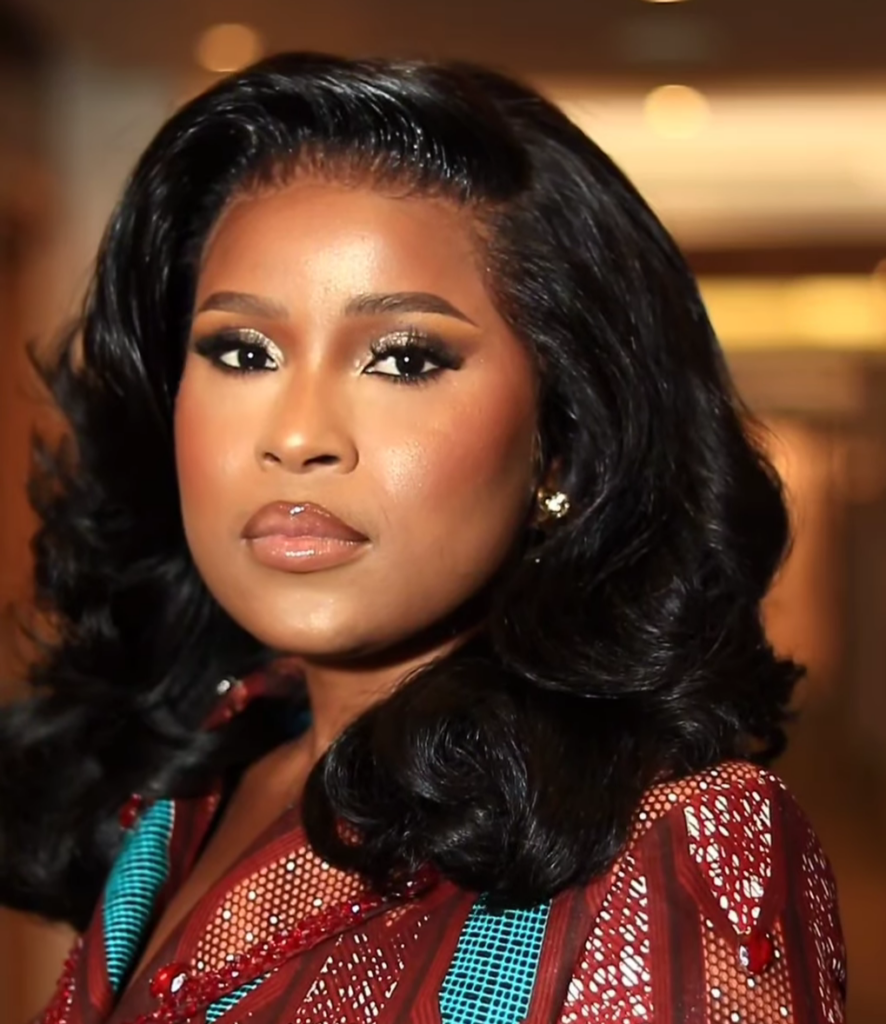

President Giorgia Meloni: Good morning, Berla. It’s a pleasure to be here.
Berla Mundi: let’s start with your views on patriotism. You’ve said, “In fact, there is a good reason to conclude that patriots make good internationalists, since a mature love for their country makes them wish their country can conduct itself responsibly on the international stage. As a patriot, I do not generally have the tendency to blame foreigners for the problems that are homemade.” How does this philosophy guide your leadership?
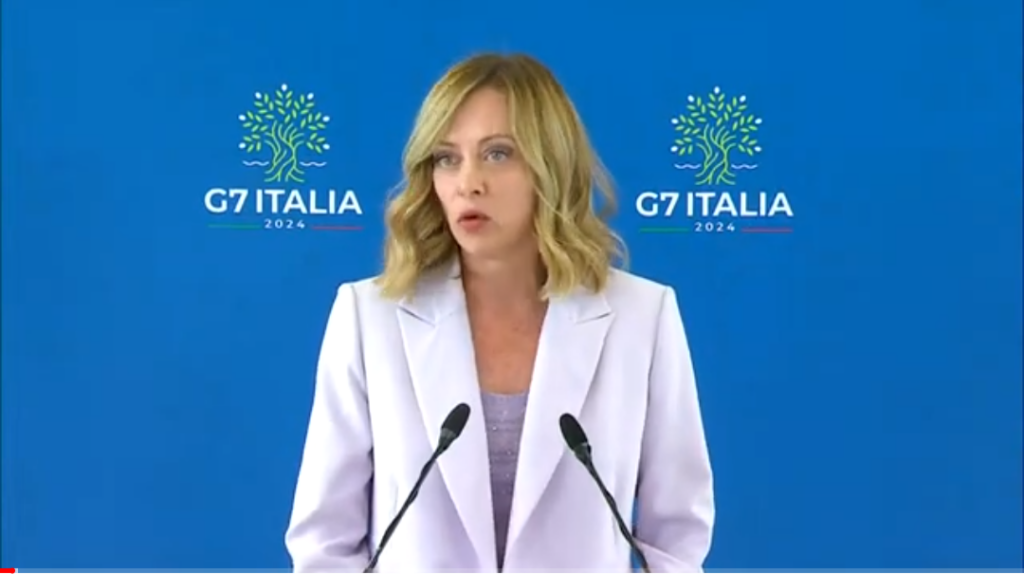
President Giorgia Meloni: This philosophy is central to my approach, Berla. True patriotism involves a deep love and respect for one’s country, which naturally extends to a desire for it to act honourably on the international stage. It means addressing our own issues without scapegoating others and ensuring our policies reflect both national interests and global responsibilities.

Berla Mundi: That’s a profound perspective. Italy, like many nations, has suffered from a lack of healthy patriotism and an excess of destructive politics. How do you see your role in changing this dynamic?

President Giorgia Meloni: Indeed, Italy has faced challenges due to unscrupulous politicians who prioritise profit over political ethics. My role is to promote a form of patriotism that is constructive and inclusive. This means fostering unity, addressing internal issues honestly, and ensuring our actions benefit all citizens. By doing so, we can restore trust in our political system and encourage responsible governance.

Berla Mundi: Your leadership has introduced significant changes in Italy and across Europe, especially with the contrasting ideologies of nationalism and patriotism. Can you elaborate on the practical differences between your leadership and that of your predecessors, particularly the Five Stars Movement?
President Giorgia Meloni: The primary difference lies in our motivations and the outcomes we aim for. The previous administration’s nationalism often led to divisive and harmful policies, such as those resulting in the tragic deaths of many clandestine migrants on our shores. My approach, which I term “patriotism,” is about fostering pride and responsibility. It involves genuine concern for our country’s well-being and is compatible with international cooperation and ethical governance.

Berla Mundi: Your perspective provides a balanced view, addressing both your vision and the criticisms of past policies. How do you ensure this balance in your governance, especially with complex issues like the language on sexual and reproductive rights at the G7 summit?

President Giorgia Meloni: It’s crucial to maintain a commitment to our core values while engaging in open dialogue with our international partners. At the G7 summit, our efforts to amend language on sexual and reproductive rights were about ensuring that any agreements reflect our cultural and ethical perspectives. We strive to find common ground that respects both our national identity and our international commitments.

Berla Mundi: Your policies provide context on various fronts, Italy’s stance at the G7, previous EU criminal policies, and broader ideological shifts under your leadership. How do you view the broader implications of these shifts for Italy and Europe?

President Giorgia Meloni: The implications are significant. By emphasising patriotism, we’re fostering unity and purpose within Italy, strengthening our position within Europe. Our approach encourages other nations to balance national pride with international cooperation, addressing contemporary challenges more effectively, from security to social cohesion.

Berla-Mundi : Giorgia. Last year’s Hiroshima statement from the G7 emphasised a full commitment to achieving comprehensive sexual and reproductive health rights for all. This includes access to safe and legal abortion and post-abortion care. France, Germany, and Japan were notably supportive of these measures. Do you agree with their stance on ensuring safe and legal abortion as part of comprehensive sexual and reproductive health rights?
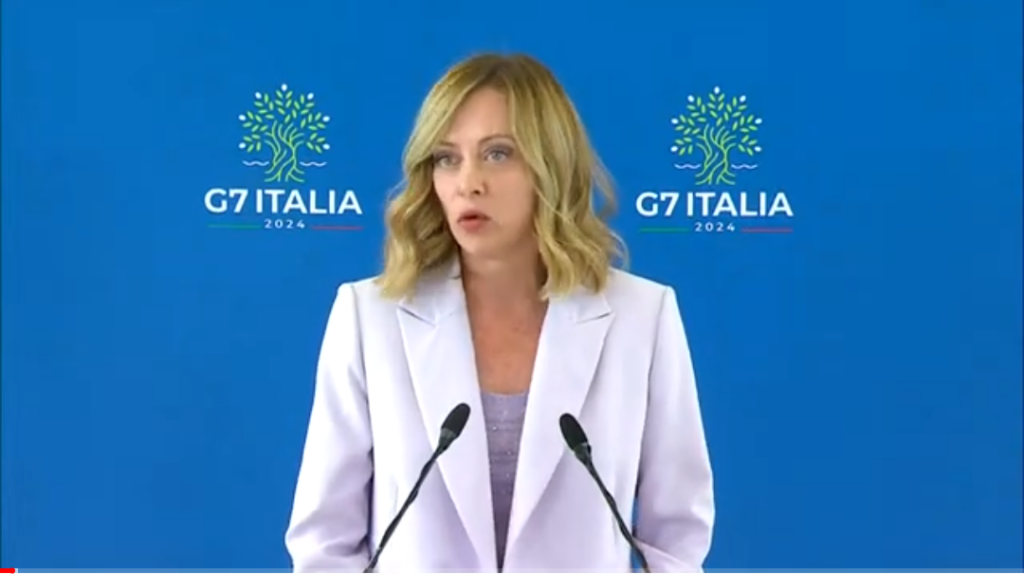
President Giorgia Meloni : Thank you for the question, Berla. This is indeed a complex and sensitive topic. While I recognize the importance of ensuring women’s health and rights, I believe that the issue of abortion is deeply personal and culturally specific. Each country must navigate this topic within the context of its own legal, cultural, and ethical frameworks.

Berla-Mundi : That’s understandable, president Giorgia. However, considering the global perspective and the consensus reached by other G7 members, do you see the importance of providing safe and legal abortion services as a way to prevent maternal deaths and complications from unsafe procedures?

President Giorgia Meloni : Yes, Berla, I understand the health implications and the necessity to prevent unsafe procedures, which pose significant risks to women’s health. My priority is to ensure that all women have access to the highest standard of healthcare, including comprehensive post-abortion care. However, we must also balance this with our national values and ethical considerations. I advocate for robust healthcare systems that support women through all stages of their reproductive lives.

Berla-Mundi : That’s a fair point, president Giorgia. How do you propose we address the potential disparities in access to these vital health services, given that some countries might have restrictive laws and cultural norms that hinder access to safe and legal abortion?

President Giorgia Meloni : Addressing disparities requires a multifaceted approach. We need to strengthen healthcare infrastructure, provide extensive education on reproductive health, and support policies that protect women’s health and rights. International collaboration is also key, where countries can share best practices and support each other in finding balanced solutions that respect both health needs and cultural contexts. It’s about finding a middle ground that safeguards health while respecting national values.

Berla-Mundi : Thank you for sharing your perspective, president Giorgia. It’s important to have these nuanced discussions as we strive for global health equity and respect for diverse cultural viewpoints. This dialogue captures the complexity and sensitivity surrounding the issue of safe and legal abortion, while highlighting your perspective on balancing health needs with cultural and ethical considerations. Your narrative indeed tells a compelling story of political transformation and ideological clash. It’s engaging for anyone interested in European politics and international relations. Finally, what is the most important message you want people to take away from your leadership?
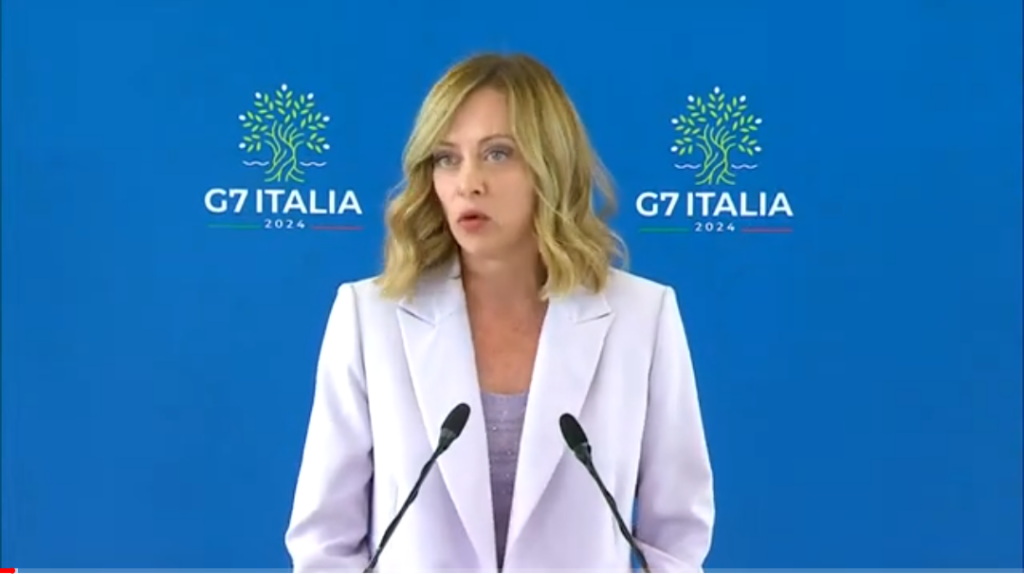
President Giorgia Meloni: The key message is that patriotism, when guided by genuine care for one’s country and respect for others, can lead to positive and inclusive change. It’s about building a future where national pride and international collaboration go hand in hand, ensuring the well-being and prosperity of our citizens while contributing to global progress.

Berla Mundi: Thank you, president Giorgia. Your insights provide a deeper understanding of the significant shift in Italian and European politics under your leadership. It’s been a pleasure speaking with you.

President Giorgia Meloni: Thank you, Berla. It’s been a pleasure sharing my thoughts with you and your audience.