








Subject : Building The Eternal City – In The Ruins of Rome.
The GIORGIA Newsletter-Editorial Special Historical& Reflection Release:
📅 Wednesday, 1 July 2026
🌐Read exclusively at: assumptagh.live/









https://www.instagram.com/hairsenta?igsh=MXAzOThhNGZ0Nm15dQ==
🌟 The “Wellness & Care” Campaign
Theme: Beauty that starts with how you feel.
- At Hair Senta, we believe true beauty is an anchor for your well-being. It’s not just about the hair you wear; it’s about the confidence and care you pour into yourself.
- Our premium extensions are meticulously sourced and treated with the philosophy that “Self-Care is Healthcare.” When you look your best, you vibrate higher.
- Experience the luxury of wellness. From Accra to the world—discover the Hair Senta standard.
🌍 The “Ghana to the World” Pitch
| Feature | The Hair Senta Advantage |
|---|---|
| Origin | Proudly rooted at 24 Jungle Avenue, Accra, Ghana. |
| Quality | 100% Raw Human Hair Extensions, ethically sourced. |
| Reach | Seamless global shipping—bringing African excellence to your doorstep. |
| Community | Join over 405K followers who trust the Senta standard. |
✨ Social Media Tagline Ideas
- “Hair Senta: Where luxury meets your well-being.”
- “Ghana’s finest extensions, curated for the global woman.”
- “An anchor for your beauty. A sanctuary for your care.”
- “More than a look. A lifestyle of wellness and premium quality.”
📍 Visit the Gallery
If you are in Accra or shopping online, here is how to connect with the brand:
- Location: 24 Jungle Avenue, Accra, Ghana.
- Digital Gallery: Join the 400K+ community on Instagram @hairsenta.
- Shop Online: www.hairsenta.com
Theme: Heritage, Quality, and Global Luxury.

Preview Text: Why the future isn’t rebuilt with concrete, but in the homes where true character is forged.
When an empire falls, it rarely collapses from an outside invasion first. It crumbles from within—when it forgets its core values, its identity, and the foundation that made it great in the first place.
Modern culture constantly pressures us to measure civilizational progress by economic output, stock tickers, and digital advancement. But look around. We are surrounded by a landscape that feels increasingly hyper-connected yet morally fractured.
Welcome to GIORGIA. Today, we are looking at how we rebuild from the ground up—not with bricks and mortar, but by redefining the ultimate form of leadership.
Generation Shapers: The Priceless Influence of Mothers
The emerging use of the term “Generation Shaper” in place of “Housewife” invites a profound shift in perspective. It urges us to recognize that mothers and caregivers do far more than manage household logistics—they actively design the moral compass, emotional depth, and future direction of the next generation.
History offers powerful examples of this quiet authority. An ancient Chinese tale tells of a victorious general who, after returning home triumphant from battle, expected praise from his mother. Instead, he received a profound rebuke.
She refused him entry to the home and sent a message:
“Your soldiers suffered hunger while you lived in comfort. You sent men into danger while you stayed behind. Though you won the battle, your leadership was false. You are not acting as my son.”
Her words pierced him deeply. Rather than reacting with anger, he reflected, transformed his mindset, and returned to the field as a leader who genuinely cared for his people.
This story reveals an enduring truth: the character of parents shapes the character of their children.
Children absorb far more from what they observe than from what they are told. Courage is learned from courageous parents. Compassion from compassionate ones. Justice from those who practice fairness in daily life. A parent’s example becomes a living textbook—one that quietly yet powerfully guides a child’s development.
In a society where women pursue diverse, multifaceted, and brilliant career paths, it remains essential to recognize the standalone, profound value of parenting and caregiving. A mother’s wisdom, affection, and dedication are among the most enduring gifts she can offer—gifts that ripple forward into society.
The future is not determined solely by economic progress, but by the kind of people we raise—individuals grounded in integrity, creativity, responsibility, and a desire to contribute. These qualities are first cultivated in the home.
To raise a child is to shape the future.
To nurture character is to build peace.
To guide a young life toward wisdom and compassion is among the highest forms of leadership.
If we want to rebuild the Eternal City, we must start where it all begins : at the hearth.
💬 Rebuilding the Citadel
“The future is shaped not only in classrooms and workplaces, but also in the hearts and homes where children learn what it means to be human.” — GIORGIA: Building The Eternal City
We want to hear from you:
If the home is the foundation of a lasting society, what is one non-negotiable value or “living textbook” lesson you are committed to passing down to the next generation?
Hit reply and share your blueprint with us. We will feature the most compelling community responses in our next dispatch.
Until next week, stay grounded.
The GIORGIA Editorial Team
[Link to Magazine] • [Link to Unsubscribe]
Generation Shapers: The Priceless Influence of Mothers
A Dialogue: A Changing Balance
Host & Panel Introduction

Berla Mundi (Host)
Good day, distinguished guests, esteemed panelists, and our readers joining us from around the world.
On behalf of Osagyefo Quarterly, it is my great pleasure to welcome you to this important conversation on family, society, and the shaping of future generations.
My name is Berla Mundi, and I will be moderating today’s dialogue.
Joining me are an exceptional panel of voices:
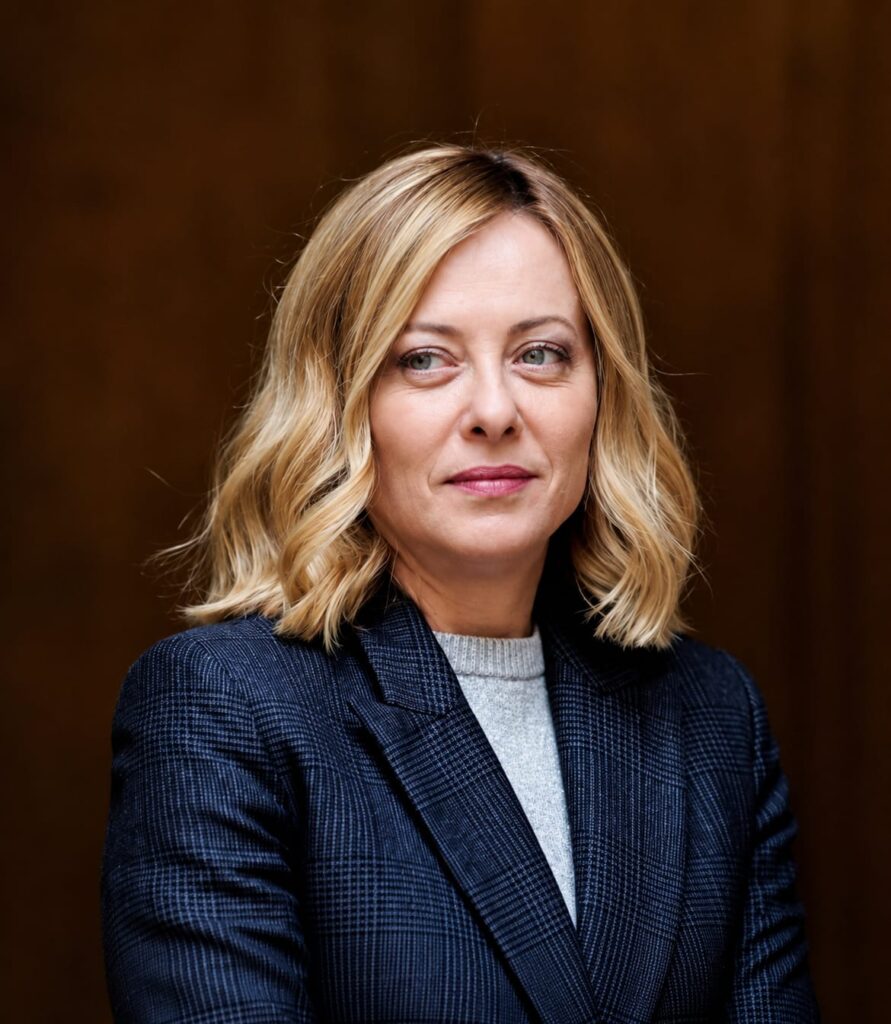
- Giorgia Meloni, Prime Minister of Italy.

- Titan, bringing a global perspective on culture, leadership, and societal development.

- Okomfo-Black, a reformer and advocate for African cultural renewal, identity, and self-determination.

- Abena Oforiwaa, educator, family advocate, and champion for value-driven community development.
To all of you, welcome.
Opening Remarks

Berla Mundi
The Crown Prince of Dubai has reportedly called for the traditional title “Housewife” to be replaced with “Generation Shaper”—a term intended to recognize and honor the vital role that mothers play in nurturing, guiding, and shaping future generations.
The idea emphasizes that raising children is not merely household work, but one of society’s most important responsibilities. By recognizing mothers as “Generation Shapers,” it highlights their lasting influence on the values, character, and future of their families and communities.
When we reflect on what the Crown Prince said, one example that comes to mind is “The Natural Strength of Women.”
As women, many are blessed with a deep desire to nurture their families and create loving homes. This nurturing spirit is not a weakness—it is a profound strength. It is a natural and deeply human quality that enriches society, strengthens communities, and shapes future generations.
In a rapidly changing world, this precious gift deserves recognition, respect, and protection.
Several years ago, a woman whose husband passed away after a battle with cancer shared how she found the strength to rebuild her life. Left with three sons, she faced a future filled with uncertainty and grief. The loss was overwhelming, yet she refused to surrender to despair.
What carried her forward was her love for her children.
She made a simple but powerful determination:
”I must not let my sons lose hope.”
Although her family was not experiencing severe financial hardship and no government assistance was available to support women in her circumstances, she chose to work so that she could continue caring for and providing for her children.
Her decision was about far more than earning an income.
It was an expression of love, responsibility, and unwavering commitment. Through her actions, she taught her sons that work is a noble and natural part of life. She demonstrated that true strength is found not in comfort or convenience, but in perseverance, dignity, and selfless care for others.
Her example reminds us that a woman’s nurturing spirit does not disappear when she enters the workplace. Rather, her work can become another expression of her compassion, wisdom, and determination to build a better future for those she loves.
The influence of mothers extends far beyond the walls of a home. Through daily acts of guidance, sacrifice, encouragement, and care, they shape the character of the next generation. Their values become the values of society. Their strength becomes the strength of families. Their hope becomes the hope of communities.
When women are empowered to fulfill both their responsibilities at home and their aspirations in society, everyone benefits.
Families grow stronger.
Children gain confidence and hope.
Communities become more stable and compassionate.
And society moves closer to a future built on integrity, responsibility, and peace.
Behind every strong child is a wise, loving, and values-driven mother.
To raise a child is to shape the future.
To nurture character is to build peace.
Now, my question to our panelists is this:
A Changing Balance
As societies continue to evolve, important questions arise about the value we place on women, work, and family life.
- Should governments rethink their approach to supporting women in the household by recognizing caregiving and homemaking as valuable social contributions, rather than treating people primarily as economic units and taxpayers?
- Has modern society placed too much value on women’s economic productivity while overlooking the vital contribution of women in raising families, building homes, and strengthening communities?
- Should governments invest more in policies that recognize, support, and innovate around the essential work women perform in the home, instead of measuring value primarily through participation in the formal economy?
Prime Minister Meloni, may I begin with you?
Panel Discussion
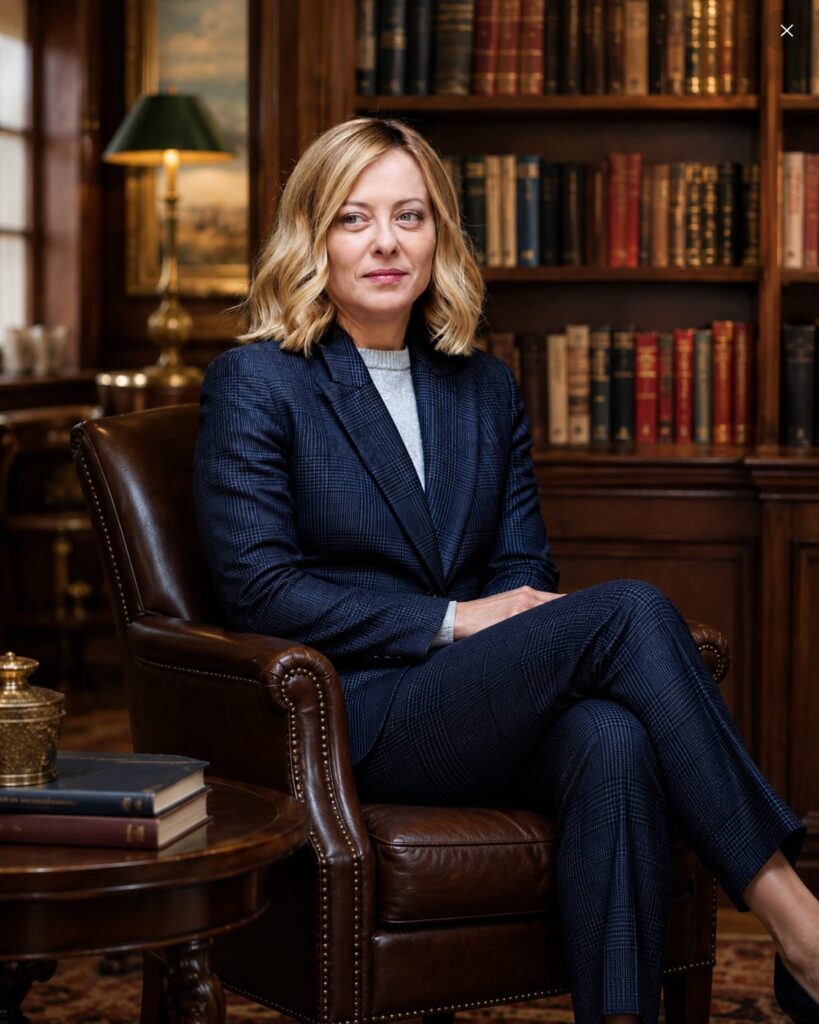
Giorgia Meloni
Thank you, Berla.
I believe the first thing we must recognize is that there should not be a conflict between motherhood and dignity. Nor should there be a conflict between family life and contribution to society.
For too long, many societies have measured human value almost exclusively through economic indicators. Yet no nation can thrive if it neglects the family, because the family is where citizenship, responsibility, compassion, and identity are first learned.
I find the phrase “Generation Shaper” compelling because it acknowledges a reality that has always existed. Those who raise children are helping to shape the future workforce, future leaders, future innovators, and future citizens.
That work has immense social value.
Governments should ensure that women have genuine freedom of choice—whether that means pursuing careers, dedicating themselves to family life, or combining both. Public policy should not diminish motherhood but rather support it and recognize its importance.
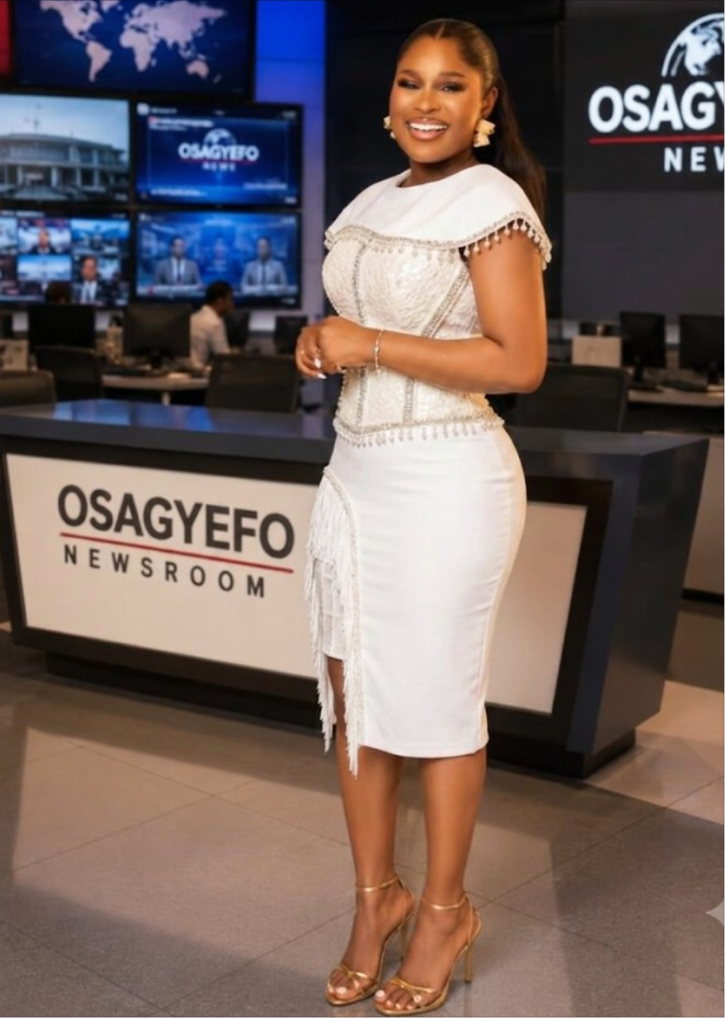
Berla Mundi
Thank you, Prime Minister.
Titan, let me bring you into the conversation.

Titan
Thank you, Berla.
I think modern society has become extraordinarily good at measuring what can be counted and extraordinarily poor at valuing what cannot.
Markets can measure income.
Employers can measure productivity.
Governments can measure tax revenue.
But how do you measure the mother who instills discipline in a child who later becomes a responsible citizen?
How do you measure the caregiver who prevents a young person from falling into despair, crime, or hopelessness?
These contributions often remain invisible despite their enormous social impact.
The challenge is not to diminish women’s economic achievements. Women have made extraordinary contributions in every profession.
The challenge is to ensure that caregiving receives equal respect.
A society that praises profit while ignoring those who build character may eventually discover that character was the foundation holding everything together.
Berla Mundi
An interesting perspective.
Okomfo-Black, what are your thoughts?
Okomfo-Black
Thank you, Berla.
In many African traditions, motherhood was never viewed as a secondary role.
The mother was seen as a guardian of culture, values, history, and identity.
She was often the first teacher.
The first counselor.
The first moral authority.
Today, many of our societies have adopted a narrow definition of success based largely on economics.
Economic development matters.
Employment matters.
But civilization is not sustained by wealth alone.
A nation can become richer while becoming weaker in character.
If governments wish to build strong societies, they must recognize that homes are among the most important institutions in any country.
Supporting families is not charity. It is nation-building.
Berla Mundi-Thank you.
Abena Oforiwaa, your response?

Abena Oforiwaa
Thank you, Berla.
I believe the conversation should never become “career versus family.”
Women are not one-dimensional.
Many women are capable of leading businesses, managing institutions, raising children, supporting communities, and creating change.
The real issue is whether society adequately values caregiving.
When a child develops confidence, emotional stability, empathy, and resilience, that rarely happens by accident. Someone invested time, patience, wisdom, and love. Usually, mothers carry a significant portion of that responsibility.
I would like governments and institutions to think more creatively about family support, parental education, flexible work arrangements, and community-based resources.
Such investments are not merely social spending. They are investments in human development.
Berla Mundi
Thank you, Abena.
What I’m hearing from all of you is a shared recognition that while economic participation is important, we must not overlook the work that takes place within the home.
The idea of a “Generation Shaper” reminds us that the future is not built only through infrastructure, technology, and commerce.
It is also built through guidance, love, sacrifice, and values passed from one generation to the next.
Perhaps the challenge for modern societies is not choosing between economic progress and strong families. Perhaps the challenge is learning how to honor and support both.
Thank you, Prime Minister Giorgia Meloni, Titan, Okomfo-Black, and Abena Oforiwaa for contributing to this important discussion.
Here is the continuation of the dialogue, integrated with the theme of “Building The Eternal City – In The Ruins of Rome”.
This section elevates the conversation by having Prime Minister Meloni directly address the economic devastation caused by rigid external technocracy, contrasting it with a humanistic, disciplined revival rooted in true self-knowledge and character.
The Dialogue Continues…
Berla Mundi
Thank you all for those profound openings.
Prime Minister Meloni, I want to drill down directly into what this means on a national and civilizational scale. As you know, the upcoming edition of our GIORGA newsletter magazine is themed, “Building The Eternal City – In The Ruins of Rome.” The cover story explores a deeply humanistic approach to recovery, examining how years of rigid, technocratic EU directives have felt to many like an economic rampage, causing widespread financial suffering and social misery not just in Italy, but across our European neighbors.
In light of this, when new national policies are crafted to protect and elevate women as “Generation Shapers,” do you see this as the true liberation of women? Can reclaiming this fundamental role inspire a higher level of development—not just for a child’s character, but as a blueprint to rescue a society currently sitting in architectural and moral ruins?
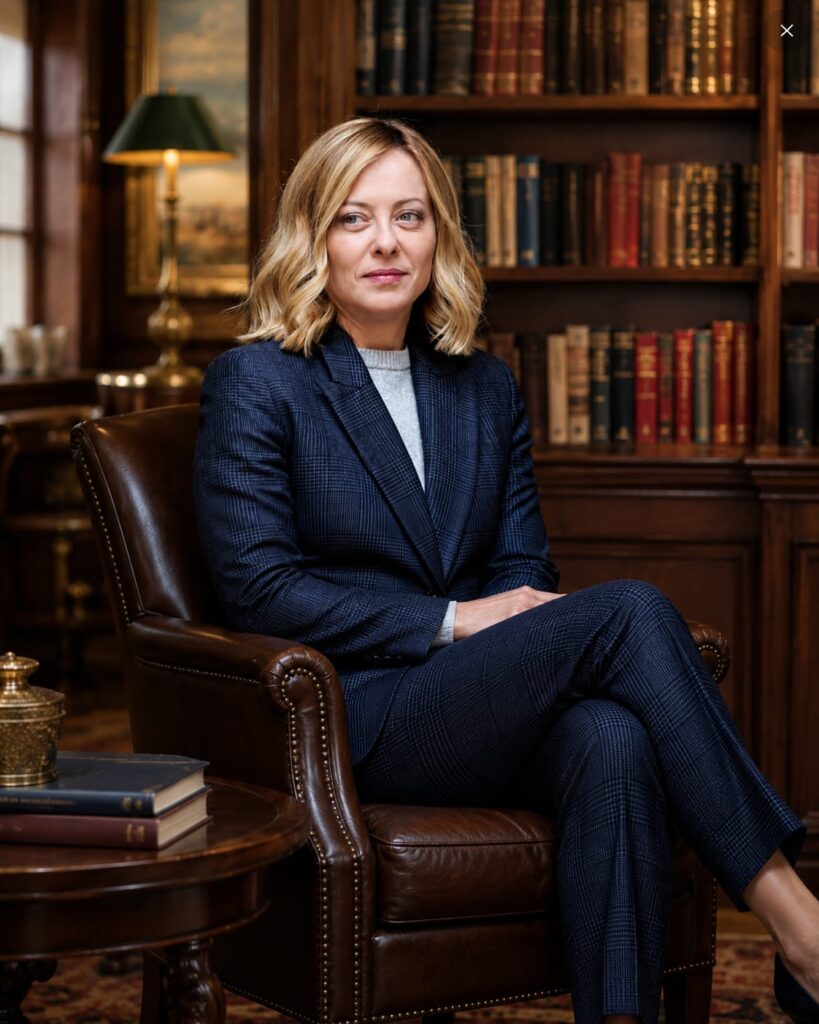
Giorgia Meloni
Berla, you have struck at the absolute heart of the civilizational crisis we are facing.
When we talk about “the ruins of Rome,” we must be honest about how those ruins were made. For decades, a cold, purely materialistic blueprint was imposed upon Europe. Human beings were stripped of their history, their identity, and their families, and reclassified merely as economic cogs, consumers, and taxpayers. We were told that total liberation meant abandoning the home entirely to serve the global market.
But what did that rampage leave behind? Stagnant wages, fractured communities, a demographic winter where cradle after cradle lies empty, and an profound spiritual vacuum. That is not liberation; that is exploitation.
True liberation for a woman is the freedom of choice—and that choice must include the right to nurture life without being financially penalized or socially degraded for it. When we enact policies that subsidize working mothers, expand parental leave, and declare that raising the next generation is a monumental contribution to the State, we are not pushing women backward. We are building the scaffolding for a new society.
This is where the concept of the “Eternal City” gives us a clear direction. A lasting civilization cannot be rebuilt out of concrete and debt alone. It must be rebuilt out of truth and internal discipline.
Human beings must keep a mirror to their lives. They must look inward to find the truth of who they are, disciplined enough to resist the chaotic, passing trends of a hyper-materialistic world. If a nation does not have the discipline to protect its own children, to honor the mothers who shape them, and to defend its own identity, it will remain in ruins forever. Reclaiming the home as the cradle of character is our highest form of national defense. It is how we clear away the rubble and build an empire of the spirit that can never be torn down.