





Osagyefo Quarterly Newsletter Magazine
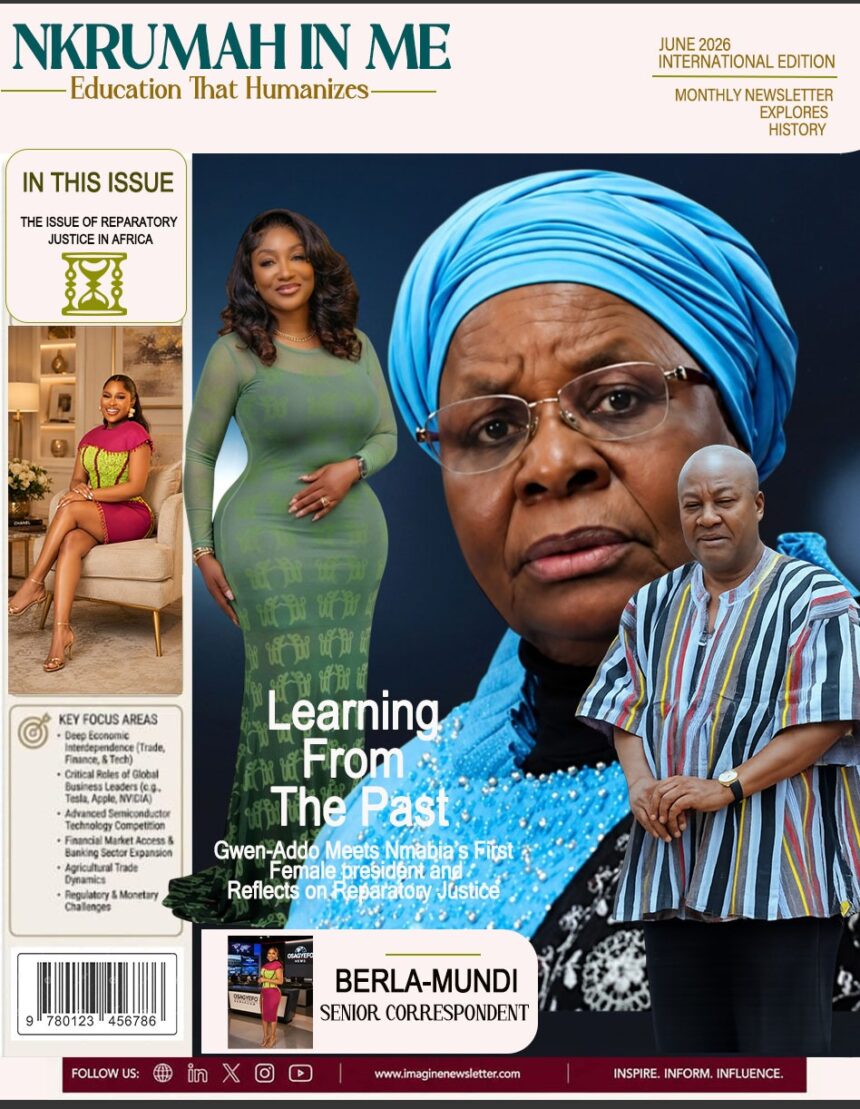
Presents – Nkrumah In Me -Osagyefo Quarterly Newsletter.
Special Theme : Education That Humanizes (2026)
Article Title : LEARNING FROM THE PAST
Subtitle : Gwen Addo Meets Namibia’s First Female President and Reflects on Reparatory Justice
📅DATE: Friday, 16th January 2026
🌐 ACCESS: assumptagh.live/











https://www.instagram.com/hairsenta?igsh=MXAzOThhNGZ0Nm15dQ==
Ghanaian Excellence, Globally Delivered. ✈️
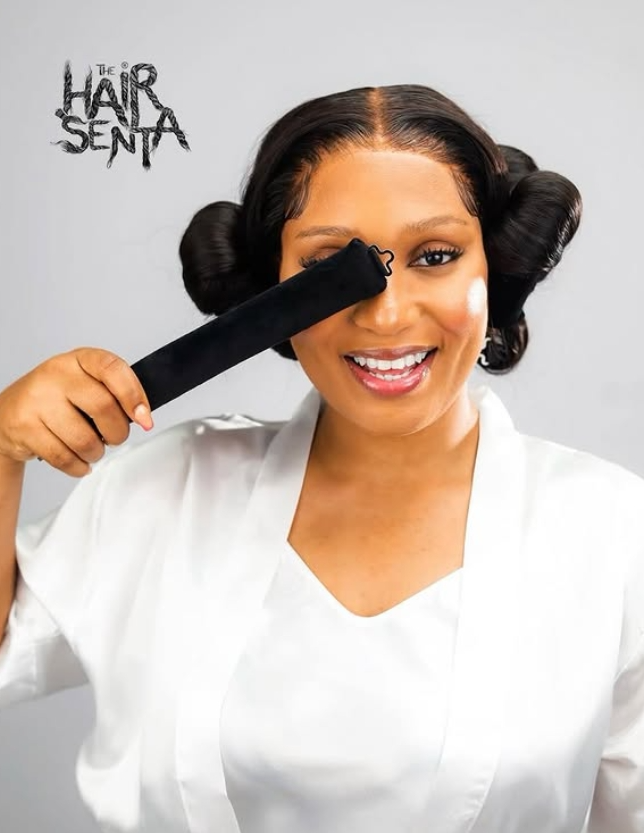
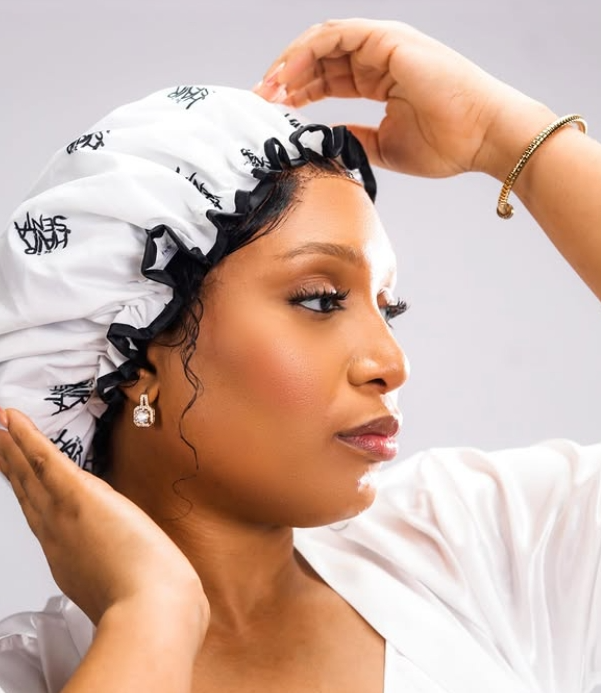
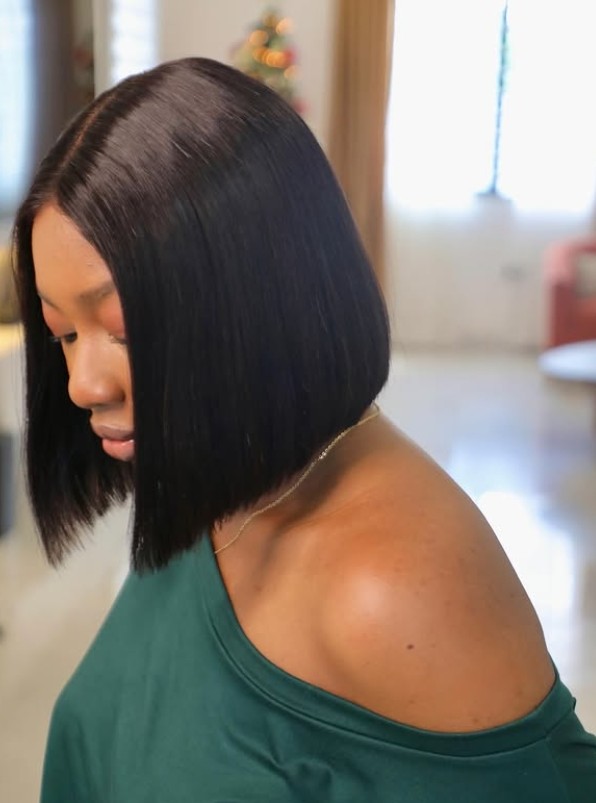
Confidence is the best outfit, but Great Hair is the ultimate accessory. As a trademarked leader in global beauty, Hair Senta exports the world’s finest human hair extensions—straight from the heart of Accra to your doorstep.
At Hair Senta, we believe true beauty starts with how you are treated. Our commitment to excellence begins with a warm welcome and ends with a product designed to empower your every move.
Experience the glow of authentic luxury. It’s more than a purchase; it’s an investment in your self-belief. 🇬🇭
We don’t just sell hair; we deliver confidence. As Ghana’s premier trademarked hair brand, we provide the highest quality extensions with a service standard that makes you feel like royalty.
Premium Quality
Global Shipping
Empowering Results
The Standard is Excellence. The Feeling is Confidence.
📍 Contact & Connection
Visit Us: 24 Jungle Avenue, Accra
Call/WhatsApp: 0544354455 | 0248629769
Shop Online: www.hairsenta.com
#HairSenta #GhanaianBeauty #HumanHair #ConfidenceReleased #GlobalShipping #AccraToTheWorld
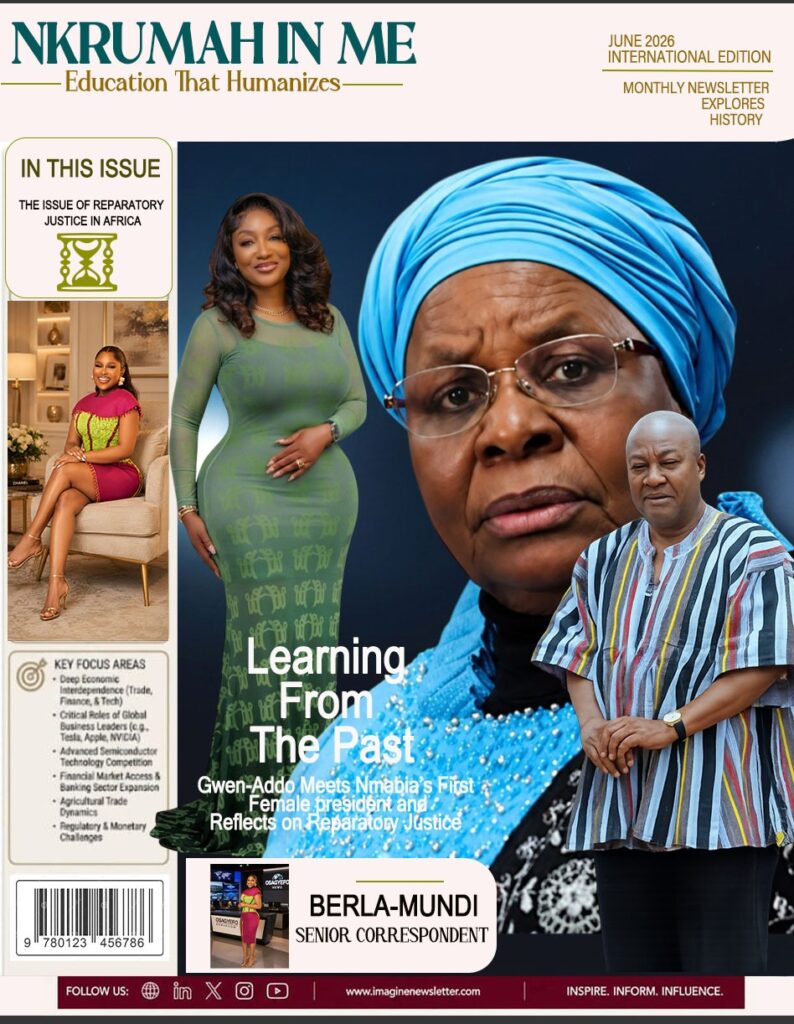
Join celebrated broadcast journalist Berla Mundi for an exclusive, candid dialogue featuring a powerful panel of continental leaders:
Bridging History. Driving Unity. Shaping Africa’s Global Voice.
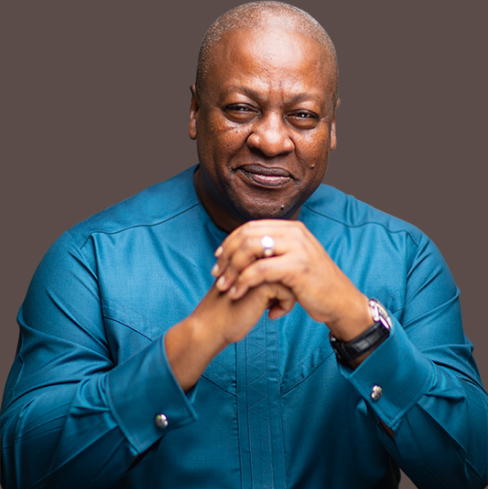
H.E. John Dramani Mahama – President of Ghana
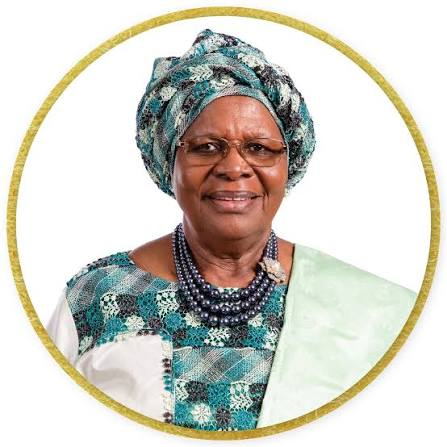
- H.E. Netumbo Nandi-Ndaitwah – Namibia’s trailblazing President

- Gwen Addo –
- Movement-Builder Shaping Communities through Health & Beauty
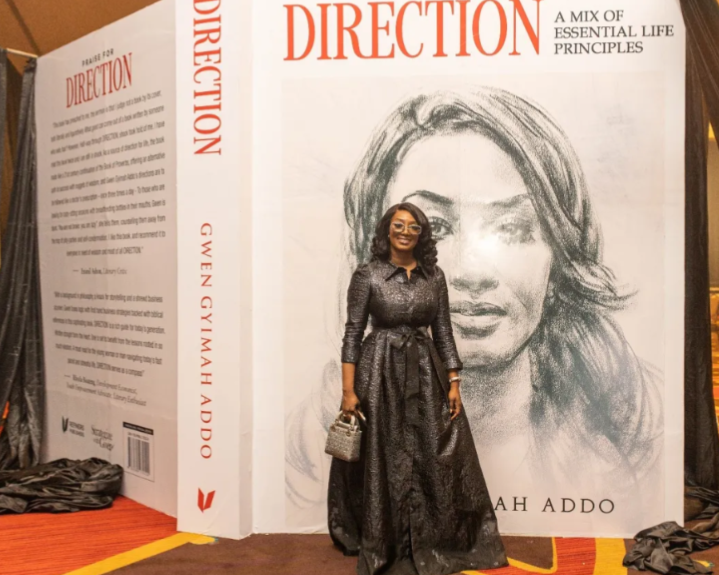
This week, we spotlight Gwen Addo—certified entrepreneur, wellness coach, food educator, and co-founder of Owusuwaa Weekly. As the visionary behind Hair Senta, HIBS-Africa, and TLS—The Leading Senta, and CAGA-DEVELOPMENT LIMITED. Gwen is redefining business as a community hub for transformation.
“Our culture is our health, and our health is our future.” — Gwen Addo
Her Mission:
- Empower everyday people with practical wellness tools.
- Inspire young minds to build a healthier, responsible future.
- Redefine health and beauty as fundamental human rights.
Do not miss this historic conversation on continental unity and the future of Africa.
INTERNATIONAL UPDATE: MEMORY, JUSTICE, & RENEWAL
What the Issue Entails
The issue of reparatory justice in Africa is rooted in the historical realities and long-term consequences of the Transatlantic Slave Trade. Between the 16th and 19th centuries, millions of Africans were forcibly removed from their homes, societies were destabilized, and entire communities were left with lasting economic, cultural, and psychological scars.
Reparatory justice refers not only to financial compensation but also to acknowledgment, accountability, and restorative measures aimed at addressing the enduring inequalities created by this history. It includes:
- Recognition of the scale and brutality of the slave trade.
- Preservation of historical memory through education and heritage sites.
- Institutional and economic reforms that address historical disadvantages.
- Strengthening dignity, identity, and cultural restoration among African peoples and the diaspora.
For many Africans today, this is not about revisiting the past for its own sake, but about understanding how historical injustices continue to influence global inequalities and relationships. This question was central to discussions at the recent conference on reparatory justice hosted by President John Dramani Mahama and was echoed during the visit of Her Excellency Netumbo Nandi-Ndaitwah, Namibia’s first female President.
Historical Reality Through Lived Experience
For many visitors touring Ghana’s historic slave castles, the importance of remembering this history becomes profoundly clear. Structures such as Elmina and Cape Coast castles served as holding centers where enslaved Africans were imprisoned before being shipped across the Atlantic.
Akosua Owusuwaa, popularly known as Gwen Addo, reflected deeply on her visit. Among the exhibits were chains, clothing, rings, and personal belongings—remnants of lives interrupted.
“I could imagine the fear, sorrow, and uncertainty our ancestors must have felt within those walls,” she said.
Her reflections echo the testimony of Olaudah Equiano, a formerly enslaved African whose 1789 autobiography remains one of the most important firsthand accounts of the slave trade. Describing his first encounter with a slave ship, Equiano wrote:
“I was now persuaded that I had gotten into a world of bad spirits, and that they were going to kill me.”
He went on to describe the horrifying conditions during the Middle Passage:
“The stench of the hold while we were on the coast was so intolerably loathsome, that it was dangerous to remain there… the closeness of the place, and the heat of the climate, added to the number in the ship… almost suffocated us.”
These words provide a human dimension to the historical record, illustrating not just statistics, but lived suffering. Equiano also captured the despair and resistance of the enslaved:
“Many a time we were near suffocation from the want of fresh air… and brought on a sickness among the slaves, of which many died.”
Memory, Justice, and the Future
For many Africans, remembering this past is not about dwelling in suffering. It is about:
- Honoring those who endured unimaginable hardship.
- Preserving truth in the face of denial or erasure.
- Drawing lessons for justice, unity, and development.
During her visit, President Nandi-Ndaitwah emphasized strengthening ties between Ghana and Namibia through intra-African cooperation and sustainable growth. Her exchange with Gwen Addo highlighted the importance of unity in shaping Africa’s future. Welcoming the Namibian delegation was more than diplomacy—it symbolized African solidarity and shared purpose.
Conclusion: From Reflection to Renewal
Confronting the legacy of the Transatlantic Slave Trade requires honesty. It is a history that reshaped continents and continues to influence global systems today. Yet, as Gwen Addo emphasizes, this reflection is not about blame—it is about reconciliation, mutual understanding, and building stronger international partnerships.
By combining historical awareness with forward-looking cooperation, Africa and the global community can create a more just and balanced future. Ignoring history risks repeating it. Learning from it, however, transforms pain into purpose.
A nation that faces its past with honesty earns respect—and empowers its people with dignity, confidence, and the strength to shape a better tomorrow.
Subtitle : Gwen Addo Meets Namibia’s First Female President and Reflects on Reparatory Justice
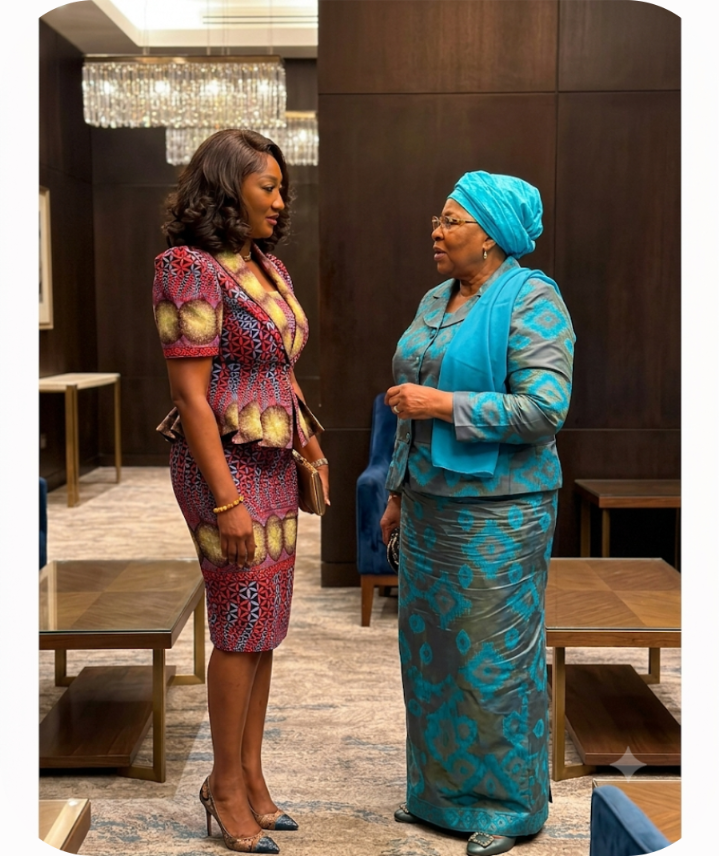
Why do Africans today place such strong emphasis on reparatory justice and the enduring legacy of the Transatlantic Slave Trade?
This question was central to discussions at the recent conference on reparatory justice hosted by President John Dramani Mahama. It also resurfaced during the visit of Her Excellency Netumbo Nandi-Ndaitwah, Namibia’s first female President, to Ghana.
Confronting the Shadows of History
For many visitors touring Ghana’s historic slave castles, the importance of remembering this history becomes profoundly clear. Standing within those walls—such as Elmina Castle, built in 1482 by the Portuguese and later used as a major slave-trading depot—one encounters powerful evidence of a past that helped shape the modern world. (Source: Elmina Castle | History, Slavery, & Facts | Britannica)
These castles, including Cape Coast Castle, became central hubs in a vast trading system where thousands of Africans were held in dungeons before being shipped across the Atlantic. (Source: The Role of Elmina and Cape Coast Castles in the Transatlantic Slave …)
Akosua Owusuwaa, popularly known as Gwen Addo, reflected deeply on her visit. Among the exhibits were iron chains once used to restrain enslaved Africans, as well as personal items—clothing, rings, and bags—left behind by individuals whose lives were violently disrupted.
”I could imagine the fear, sorrow, and uncertainty our ancestors must have felt within those walls,” she said. “It brought home the reality that innocent women, men, and children became victims of one of history’s greatest human tragedies.”
The Scale of the Tragedy
Historically, the scale of that tragedy is staggering:
- Forced Migration: Between the 16th and 19th centuries, approximately 12.5 million Africans were forcibly transported across the Atlantic, making it the largest forced migration in human history. (Source: The Transatlantic Slave Trade Database – The National Endowment for the …)
- The Middle Passage: Of these, millions endured the infamous “Middle Passage,” a brutal sea voyage during which as many as 15–25% of captives died due to disease, starvation, and inhumane conditions. (Source: Transatlantic slave trade – Middle Passage, African Diaspora, Trade …)
- The Pre-Coast Attrition: Those who survived were subjected to lives of forced labor in the Americas, while countless others perished even before reaching the coast—during capture, forced marches, or confinement in coastal dungeons. (Source: Digital History – University of Houston)
For many Africans, remembering this past is not about dwelling in suffering. Rather, it is about acknowledging historical truth, honoring those who endured unimaginable hardship, and drawing lessons that can guide the pursuit of justice and dignity today.
A Shared Vision for African Solidarity
During her visit, President Nandi-Ndaitwah emphasized the importance of strengthening ties between Ghana and Namibia through intra-African trade, cooperation, and sustainable development. In a brief yet meaningful exchange, she and Gwen Addo discussed Africa’s future and the possibilities that emerge when nations collaborate in a spirit of unity.
Welcoming the Namibian delegation was therefore more than a diplomatic gesture—it symbolized African solidarity and a shared vision for progress. While the continent continues to confront difficult chapters of its history, it is equally focused on building resilient economies, fostering partnerships, and creating opportunities for future generations.
Looking Forward: Dialogue and Reconciliation
Confronting the legacy of the Transatlantic Slave Trade requires honesty. This system, which operated roughly from the early 1500s to the mid-1800s, reshaped societies across Africa, Europe, and the Americas, leaving enduring economic and social consequences. (Source: Middle Passage | Definition, Conditions, Significance, & Facts | Britannica)
Reflecting on this history is not about assigning blame, but about encouraging understanding, reconciliation, and growth.
Gwen Addo believes that Africa’s relationships with Europe, Britain, the United States, Australia, and the global community can be strengthened through open dialogue, mutual respect, and a shared commitment to historical awareness. By understanding the past together, nations can lay stronger foundations for cooperation and development.
Ignoring or erasing history risks losing the valuable lessons it offers. Learning from past mistakes is not a weakness—it is the beginning of wisdom and the path toward a more just and inclusive future.
A nation that confronts its history with honesty earns respect. More importantly, its people gain confidence, dignity, and pride as they work together to shape a better tomorrow.R
🎙️ OSAGYEFO QUARTERLY DIALOGUE SESSION
Theme: Learning from the Past

Host: Berla Mundi
Panelists:
- H.E. Dr. Netumbo Nandi-Ndaitwah (President of Namibia)
- H.E. John Dramani Mahama (President of Ghana)
- Akosua Owusuwaa / Gwen Addo (Conference Delegate & Entrepreneur)
ACT I: BROADCAST OPENING & WELCOME
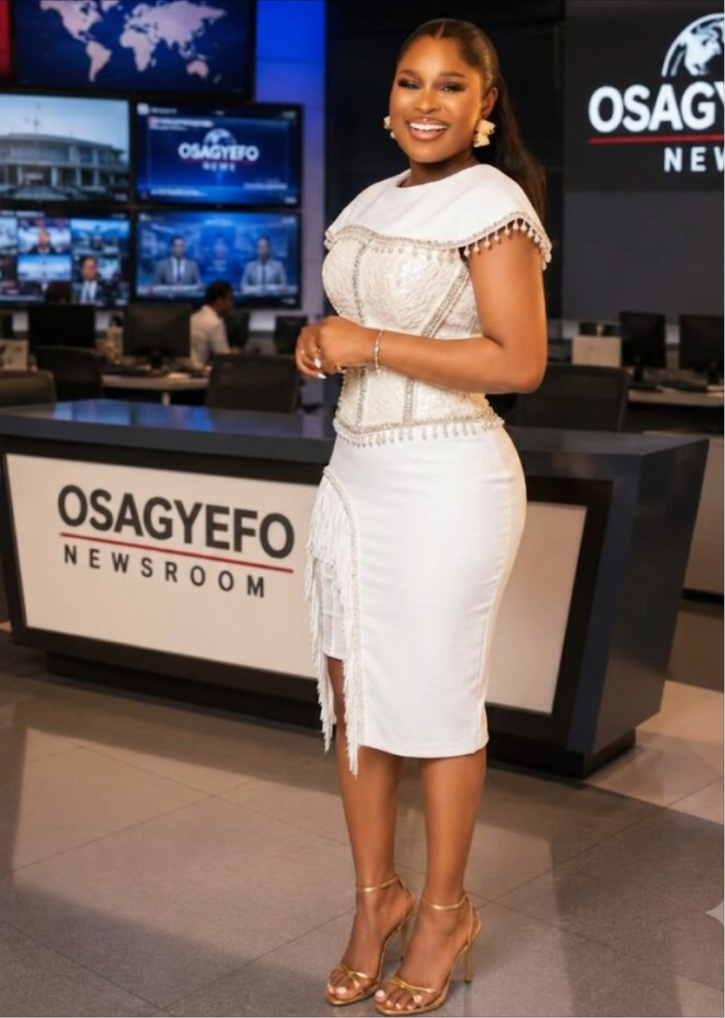
Berla Mundi:
Good day to our distinguished readers and viewers across the world. Wherever you are joining us from—Africa, Europe, the Americas, Asia, or Australia—you are warmly welcome.
This is a special edition of the Osagyefo Quarterly Dialogue Series, where we bring together visionary leaders and thinkers to reflect on history, justice, and the future of our global society. Today, we host a remarkable and historic conversation.
Let me begin by warmly welcoming our distinguished panelists:
Her Excellency Dr. Netumbo Nandi-Ndaitwah, the President of the Republic of Namibia—elected in the 2024 presidential election and sworn into office on 21 March 2025, becoming Namibia’s fifth president since independence in 1990. Before assuming the presidency, she served her country with distinction as Vice President, Minister of International Relations, and in several senior leadership roles over a long and respected political career.
Your Excellency, welcome.
H.E. Dr. Netumbo Nandi-Ndaitwah:
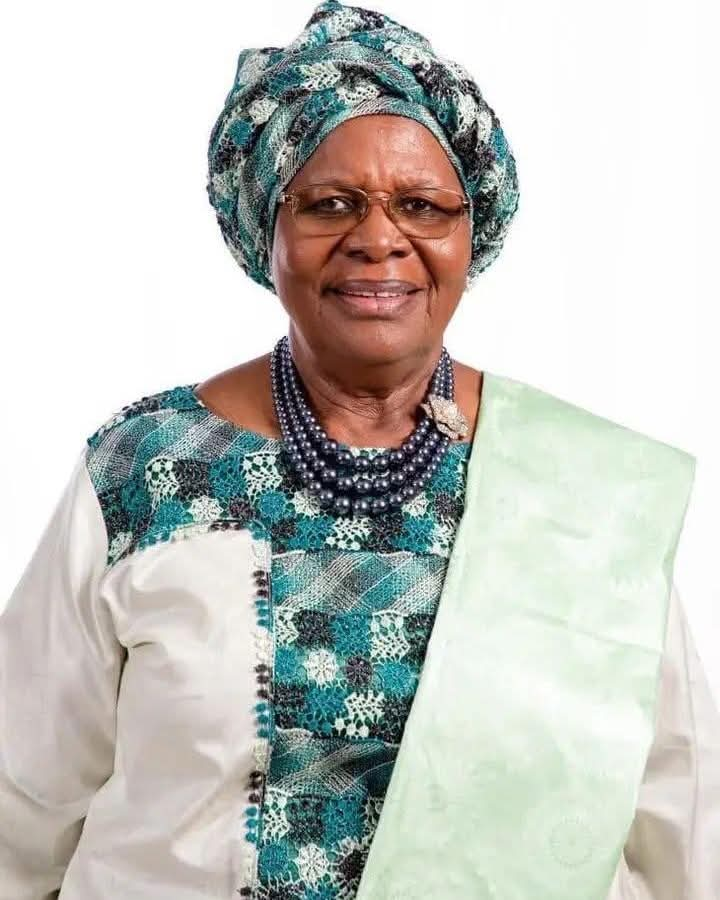
Thank you, Berla. It is an honor to be here with my brother, President Mahama, and Gwen, to discuss the future of our great continent.
Berla Mundi:
Thank you so much, Your Excellency. We are truly privileged to have your leadership and perspective on the panel today.
Joining her is His Excellency John Dramani Mahama, the President of the Republic of Ghana—who first served as President from 2012 to 2017, and was re-elected in the 2024 elections, beginning his second, non-consecutive term on 7 January 2025—making history as the first Ghanaian president to democratically return to office after leaving it.
Mr. President, you are most welcome.
H.E. John Dramani Mahama:
Thank you, Berla. Akwaaba to our viewers worldwide. This dialogue comes at a crucial moment for Africa’s global standing.
Berla Mundi:
Much appreciated, Mr. President. Thank you for hosting this vital conversation and for your continued dedication to these foundational issues.
And joining this distinguished platform is Akosua Owusuwaa, widely known as Gwen Addo, who met President Nandi-Ndaitwah during the High-Level Consultative Conference on Reparatory Justice held here in Accra, Ghana, in June 2026—an important gathering hosted under the leadership of President Mahama. Gwen Addo participated as a delegate, contributing to discussions on Africa’s shared history, justice, and development.
Gwen, we are delighted to have you here.
Gwen Addo:
Thank you, Berla. It’s an absolute privilege to sit alongside such visionary leaders and represent the voice of the next generation.
Berla Mundi:
Wonderful to have you, Gwen. Your frontline reflections as a delegate add immense value to this broadcast.
ACT II: THE DIALOGUE & SEGMENT CORE
Berla Mundi:
Ladies and Gentlemen, welcome to this important dialogue. We begin with a powerful premise: Ignorance can lead to error.
And with that, let me respectfully start with you, Your Excellency, President Netumbo Nandi-Ndaitwah. You are often described as firm—some even say an “iron fist”—yet widely admired for your warmth and your strong ties with Ghana and the African continent.
What stood out to many was your recent remark during the conference, where you reaffirmed Namibia’s unwavering support for reparatory justice. You emphasized that the historical injustices of slavery, colonialism, and genocide must be addressed through justice, healing, and restoration. You also made a powerful observation—that the West and Europe are deeply indebted to Africa culturally, and must face history squarely to ensure such tragedies are never repeated.
So, let me open this to you, Your Excellency—and then to the panel:
📌 Core Question: Do you believe that Western nations and European countries are genuinely prepared to work in earnest to rebuild and strengthen their relationship with Africa on the basis of truth, accountability, and mutual respect?
📌 Follow-Up Reflection: If we accept that not learning from history leads to error, are we doing enough—globally—to ensure that future generations truly understand the weight of this past?
ACT II: THE PANEL RESPONSES
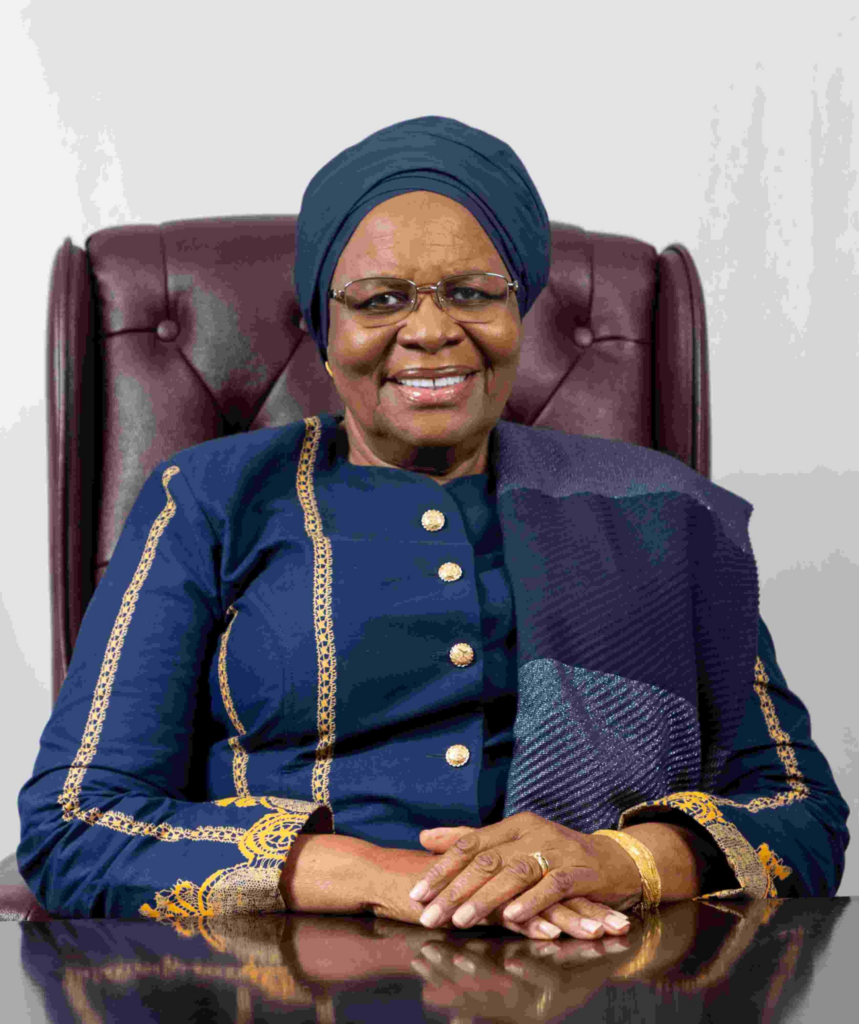
(H.E. Dr. Netumbo Nandi-Ndaitwah delivers her response on Western readiness, cultural debt, and global education)
H.E. Dr. Netumbo Nandi-Ndaitwah:
Thank you very much, Berla Mundi, and greetings to our global audience.
Let me begin by saying that the question of whether the West and Europe are ready to engage Africa in genuine partnership is both complex and urgent. There has been progress—yes—but I would say that the journey toward true readiness is still ongoing. Readiness requires more than statements; it calls for honest acknowledgment of historical realities and a commitment to corrective action.
When I speak of cultural debt, I refer to the undeniable fact that Africa has contributed immensely to global civilization—through its people, its labor, its knowledge systems, and its cultural expressions. Yet, much of this contribution came through painful exploitation. To move forward, there must be mutual respect grounded in truth. Friendship cannot be built on selective memory. It must be built on shared understanding and moral courage.
On the matter of education, I strongly believe that ignorance is one of the greatest barriers to justice. If future generations—both in Africa and across the world—are not taught this history comprehensively and truthfully, we risk repeating patterns of injustice in new forms.
And to your final question: yes, a person of goodwill can indeed hurt others out of ignorance. But goodwill must be accompanied by a willingness to learn, to listen, and to change. That is where responsibility lies—not just in governments, but in individuals, institutions, and societies.
Berla Mundi:
An incredibly profound opening, Your Excellency. Thank you for reminding us that selective memory cannot sustain friendship, and that true readiness demands moral courage over symbolic statements. Your emphasis on the structural necessity of education is a vital warning for future generations.
Mr. President, building directly on Her Excellency’s points regarding accountability and education, how do we anchor this historical truth into practical regional policy and international institutional frameworks?
Berla Mundi:
An incredibly profound opening, Your Excellency. Thank you for reminding us that genuine accountability is a prerequisite for true partnership, and that history cannot be bypassed if we want real healing.
Mr. President, building directly on Her Excellency’s points, how do you see this willingness playing out on the diplomatic stage?
(H.E. John Dramani Mahama delivers his response, touching on institutional reforms, historical truth, and regional policy)
Thank you, Berla, and let me also extend my greetings to all those following this important discussion.
I agree with Her Excellency that readiness must go beyond symbolic gestures. For relationships between Africa and Western nations to be meaningful, they must be anchored in institutional reforms and policy commitments. Reparatory justice, in practical terms, should involve structural changes—from fair trade systems and equitable financial frameworks to investments in education, infrastructure, and technology across the African continent.
We must also insist on historical truth as a foundation for progress. You cannot build a sustainable partnership if the past is denied, minimized, or misunderstood. The history of slavery and colonialism must be presented in its full context—not as an isolated chapter, but as a system that shaped global inequalities we still see today.
At the regional level, we in Africa also have responsibilities. Through institutions such as the African Union and regional blocs, we must strengthen our frameworks for economic integration, governance, and collective bargaining power. A united Africa is better positioned to engage the world on equal terms.
On ignorance, I will say this: ignorance does not absolve responsibility. In today’s interconnected world, access to information is no longer limited. Therefore, we must all—leaders especially—make a conscious effort to educate ourselves and act with awareness. Ultimately, the future we seek must be built on truth, reform, and shared accountability.
Berla Mundi:
Thank you, Mr. President. Your point that ignorance does not absolve responsibility in an interconnected world is an essential takeaway. You have clearly laid out that reparatory justice is not merely an emotional plea, but an economic and structural framework requiring collective bargaining power through a united Africa. Your point about translating historical truth into concrete institutional reforms hits at the very heart of why reparatory justice is a modern legal and economic necessity, not just a moral sentiment.
Gwen, bringing this back to the human dimension, you sat in the rooms during this high-level conference in Accra and walked the grounds of our historic heritage sites. How do these high-level political demands connect to the emotional and lived experiences of the people?

Gwen Addo delivers her response, sharing reflections from the Accra conference and the emotional weight of Africa’s heritage locations)
Thank you, Berla, and it is truly an honor to share this platform with such distinguished leaders. My perspective comes from both personal experience and what I witnessed during the conference in Accra.
Standing in those spaces—especially after visiting the slave castles—you do not just learn history; you feel it. You feel the silence in the walls, the weight of the chains, and the absence of the lives that once passed through those corridors. It is deeply emotional.
At the conference, what stood out to me was the shared recognition that reparatory justice is not only about the past—it is about the present realities and the future we are trying to build. To your question about the West, I believe there is growing awareness, especially among younger generations. However, awareness must translate into action, dialogue, and sustained commitment.
I also strongly feel that storytelling and education are powerful tools. When people truly understand the human stories behind history—not just the statistics—they are more likely to develop empathy and a sense of responsibility.
And yes, ignorance can lead to harm—even among people of goodwill. But I believe that awareness creates transformation. Once you see, once you understand, you cannot remain the same. That is why conversations like this matter. They create space not only for reflection, but for healing, connection, and collective progress.
Berla Mundi:
Thank you, Gwen. Your reflection beautifully bridges the gap between politics and humanity. Your point that ‘once you see, you cannot remain the same’ perfectly encapsulates the transformative power of historical awareness.
Your Excellencies, Gwen—thank you for your profound insights. You have reminded our global audience today that confronting ignorance is a shared human responsibility. True reconciliation is an active pursuit built on honesty, structural reform, and deep empathy.
🎙️ ACT II: THE DEEPER DEBATE (ROUND TWO)
THE SYSTEMIC EVOLUTION OF INJUSTICE
Berla Mundi (Moderator):
Let us now move into a deeper and, perhaps, more uncomfortable space of this conversation.
Our desire for reparatory justice is not abstract—it is rooted in historical experience and lived realities. If we reflect carefully, history shows that after the abolition of slavery, many African-descended families began to rebuild their lives. They acquired land, cultivated it, and created communities of dignity and independence. Yet in many instances, instead of support, there were systems of dispossession—land seizures, violence, exclusion, and denial of opportunity.
So one cannot help but ask:
📌 Where did the West and Europe go wrong? At what point did the moral compass fail?
📌 And when we reflect on such actions, a difficult question emerges: Did those who designed and sustained such systems truly value human life?
H.E. Dr. Netumbo Nandi‑Ndaitwah:
Berla, this is indeed a difficult but necessary question.
Where things went wrong, in my view, was when economic interest was placed above human dignity. The moment human beings were reduced to commodities—objects to be traded, owned, and exploited—the moral foundation of society was compromised. Even after the abolition of slavery, the systems that replaced it were not designed to restore dignity, but rather to maintain control and economic advantage. Land dispossession and exclusion were extensions of that same logic. So the issue was not only slavery itself—it was the failure to correct injustice after recognizing it.
On your question about valuing human life—I believe that at that time, there was a deliberate system that dehumanized Africans in order to justify exploitation. Without that dehumanization, such actions could not have been sustained.
And today, the echoes remain. We see it in global inequalities, in how Africa is sometimes treated—not as an equal partner, but as a resource base or a market to be influenced. That is why reparatory justice must include restoration of dignity, not just material compensation.
Berla Mundi:
An unyielding and necessary truth, Your Excellency. Thank you for making that critical distinction—that the failure wasn’t just the original atrocity, but the calculated, systemic choice to withhold restoration and preserve economic dominance long after the institution itself was abolished.
H.E. John Dramani Mahama:
Berla, you raise a very poignant issue. I think where the West and Europe went wrong was in failing to transition from a history of exploitation to a future of equity and partnership.
After slavery, instead of structured support for formerly enslaved people and African societies, what we saw was the rise of colonialism, economic dependency, and systemic inequality. And even today, some of those patterns have simply evolved into new forms.
You mentioned capitalism—and this is important. Capitalism, in itself, is not inherently unjust. However, when it is practiced without ethical considerations, it can deepen inequality. Africa today faces challenges related to:
- Debt dependency
- Unequal trade relationships
- External economic pressures
These create a situation where Africa sometimes feels economically constrained, despite its vast resources. But let me also emphasize—Africa is not powerless. The way forward must include:
- Stronger regional cooperation
- Strategic economic independence
- Value addition to our natural resources
- Clear policy direction in global negotiations
Reparatory justice, in this sense, is not only about looking backward—it is about repositioning Africa in the global system today.
Berla Mundi:
Spot on, Mr. President. Thank you. You’ve clearly redefined reparatory justice here as a live, modern blueprint—showing that true economic equity means stopping the cycle of debt dependency and ensuring Africa aggressively adds value to its own resources on global terms.
Gwen Addo:
Thank you, Berla. Listening to both leaders, I’m reminded of something deeply personal.
When I visited the slave castles, I didn’t just see history—I felt a question lingering in the air: “How could this have been allowed to happen?” And your question—did they value human life?—is one that many young Africans still ask, even today.
From what I witnessed at the Accra conference, there is a growing awareness that the legacy of slavery did not end—it transformed. The systems changed, but some of the outcomes remained: economic disparity, cultural disconnection, and deep psychological impact. And today, when we talk about Africa being “bullied economically” or burdened through borrowing, it reflects a deeper issue: a system that still struggles to treat Africa as fully equal.
But I also believe something powerful is happening: there is a new African consciousness emerging—especially among young people. We are asking questions. We are reclaiming our stories. We are demanding dignity, not sympathy.
To your final reflection—yes, ignorance can cause harm. But when ignorance is sustained over time, it becomes something more—it becomes a system. And systems must be challenged.
Berla Mundi:
Powerfully articulated, Gwen. Thank you. When ignorance is maintained by choice over generations, it stops being a mistake and becomes an infrastructure. Your call to shift from demanding sympathy to commanding dignity is exactly where the generational shift lies.
HOST CLOSING SUMMARY
Berla Mundi:
Thank you—this has been deeply moving and enlightening. What we are hearing is clear:
- That injustice did not end—it evolved.
- That history continues to shape present realities.
- And that moral responsibility did not disappear—it shifted.
But we are also hearing hope: a call for truth, a call for reform, and a call for dignity. Perhaps the greatest takeaway is this: Reparatory justice is not only about correcting the past—it is about redefining the future.
📌 Closing Philosophical Question: Can a person of goodwill unknowingly hurt the dignity of others out of ignorance? And if so, what responsibility do we all carry to confront that ignorance—in ourselves and in our societies?
Our Shared Humanity Soka Gakkai Buddhist Movement
An introduction to the Soka Gakkai and Nichiren Buddhism.
Where do the teachings originate from?
What is the philosophy of Buddhism?
How do Soka Gakkai members apply it in their daily lives?
The Soka Gakkai is a global community-based Buddhist organization that promotes peace, culture and education centered on respect for the dignity of life. Its members in 192 countries and territories study and put into practice the humanistic philosophy of Nichiren Buddhism.
Soka Gakkai members strive to actualize their inherent potential while contributing to their local communities and responding to the shared issues facing humankind.
he conviction that individual happiness and the realization of peace are inextricably linked is central to the Soka Gakkai, as is a commitment to dialogue and nonviolence. Subscribe to our channel: / sgivideosonline Visit our website: https://www.sokaglobal.org/ Like us on Facebook: / sgi.info Follow us on Instagram: / sgi.info Follow us on Twitter: / sgi_info



https://www.instagram.com/serwaaamihere?utm_source=ig_web_button_share_sheet&igsh=ZDNlZDc0MzIxNw==
Everyday Essentials Presents: The Journalist with a Conscience
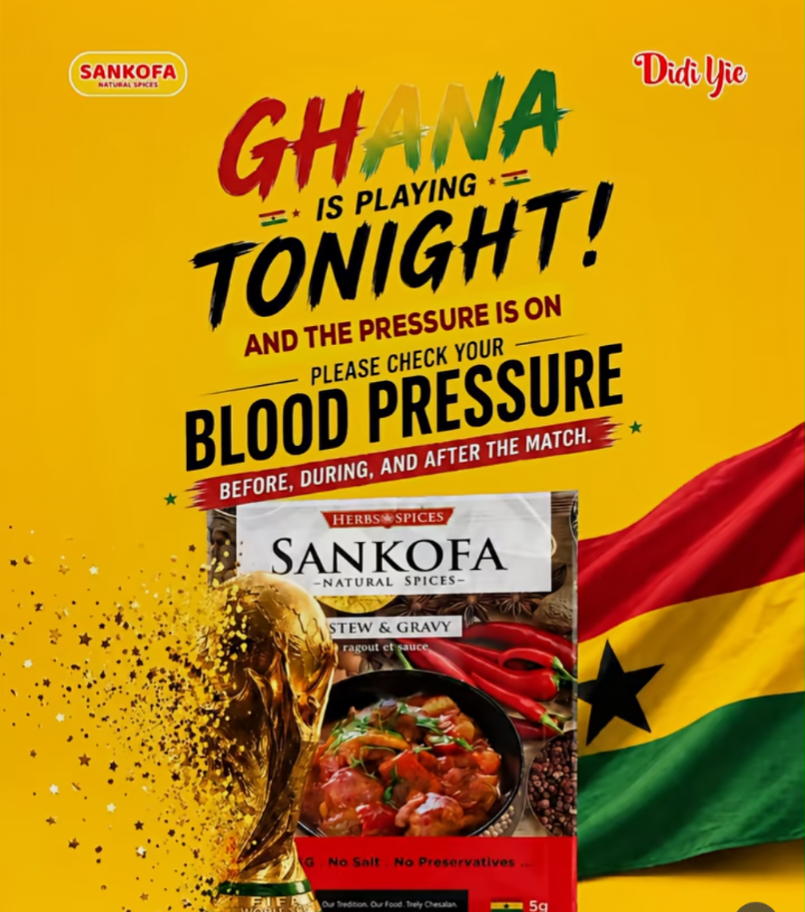
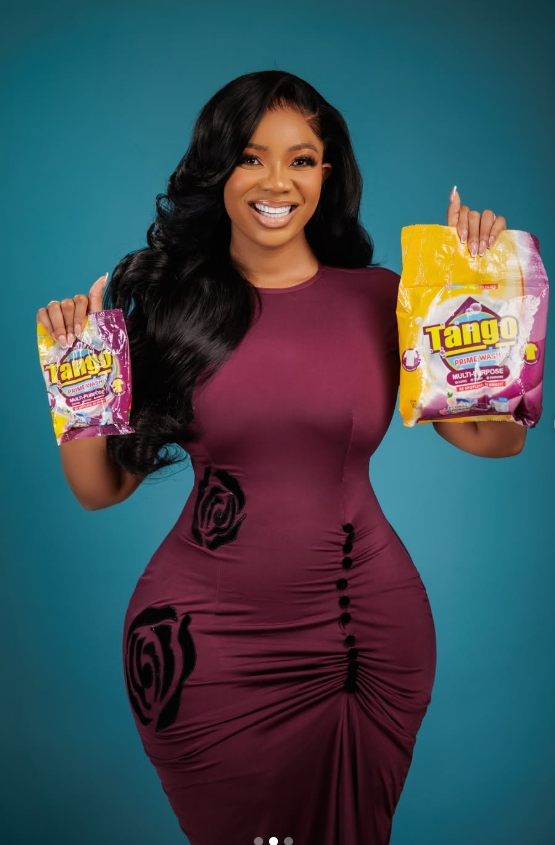
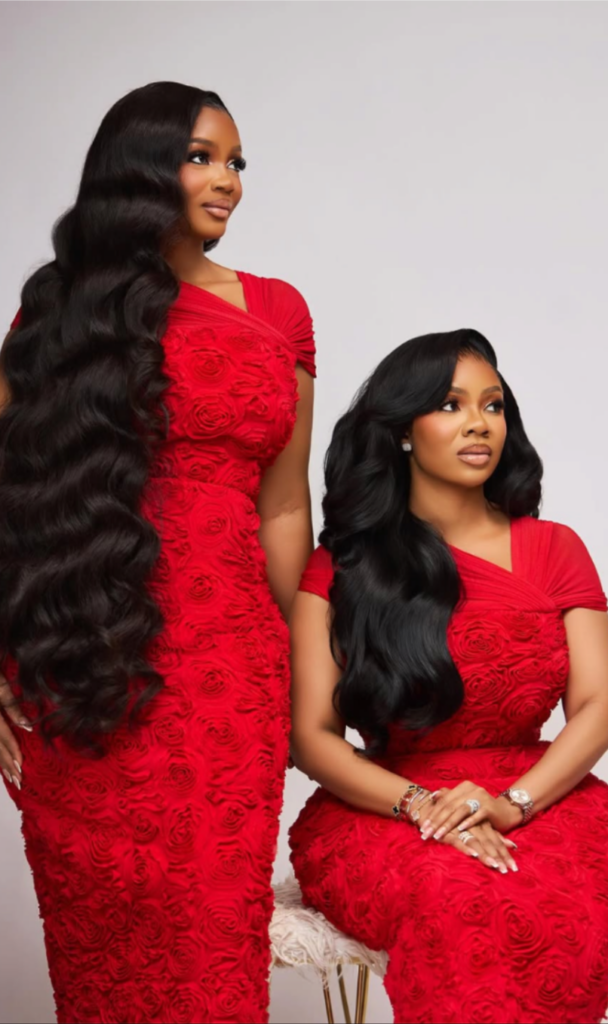
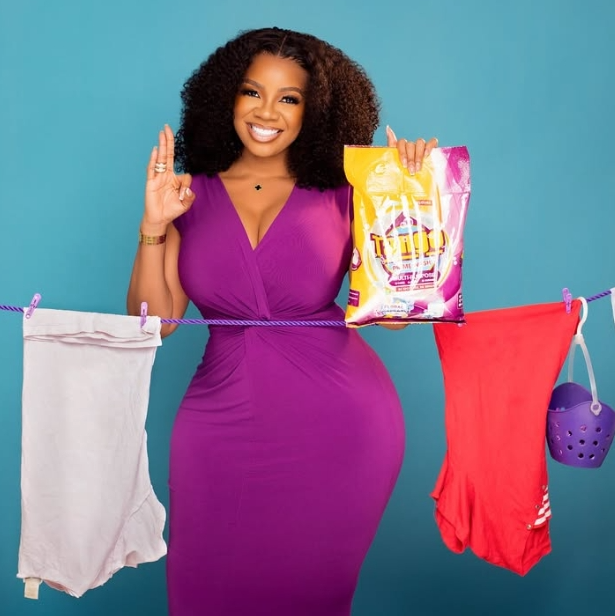
Meet Serwaa Amihere, Esq. — A visionary connecting Ghana to the global stage through Everyday Essentials.
As a celebrated broadcast journalist, lawyer, and entrepreneur, Serwaa brings her commitment to excellence from the newsroom to your doorstep. Featured exclusively at Everyday Essentials, her curated collection represents the gold standard of Ghanaian craftsmanship and lifestyle.
Why Choose the Serwaa Amihere Collection?
- Trusted Pedigree: Hand-selected by one of Ghana’s most respected media personalities.
- Uncompromising Quality: From premium natural spices to the sophisticated silhouettes of Officeandcobysa, every item meets rigorous standards for health and style.
- Authentically Ghanaian: We bridge the gap between local heritage and global luxury, bringing Ghana’s finest exports to an international audience.
- Holistic Lifestyle: A seamless blend of wellness, beauty, and professional elegance designed for your daily needs.
Experience a lifestyle defined by quality and integrity. Discover the best in health, beauty, and fashion—handpicked with care by Serwaa Amihere.
#EverydayEssentials #SerwaaAmihere #QualityYouCanTrust #GhanaToTheWorld
https://www.instagram.com/laurenhautecouture?igsh=MWxzNXN1Ym5nZ3o3Mg==
👑 Command the Room: The Executive Elegance Collection
For the woman who understands the language of influence, LaurenHauteCouture delivers a masterclass in professional sophistication. True power lies not just in what you say, but in how you present yourself to the world.
✨ Where Style Meets Substance
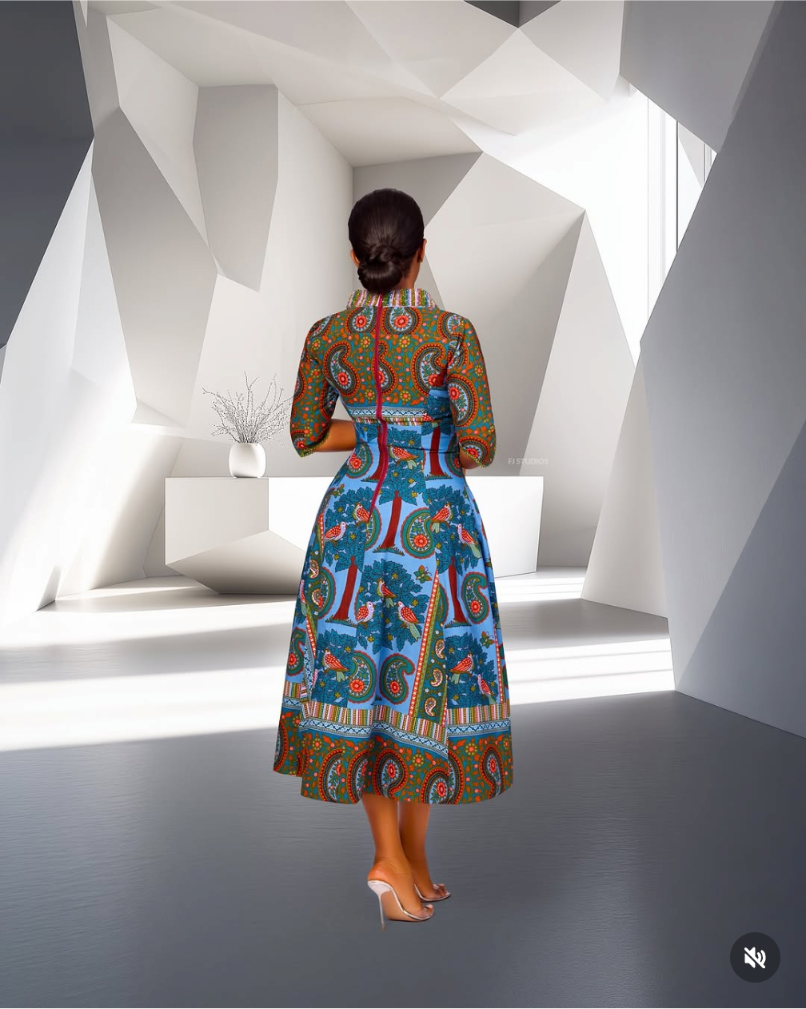
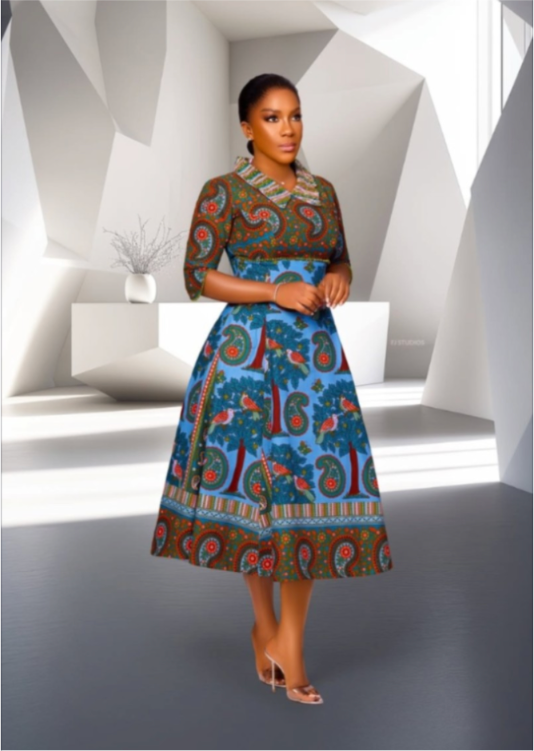
As showcased from every angle in overview_image_187754453_347303.png and overview_image_258971521_264860.png, this beautifully structured design redefines modern luxury for the professional sphere. It perfectly balances a commanding presence with artistic grace.
- Impeccable Craftsmanship: Every line, seam, and detail is flawlessly executed to ensure a premium finish.
- Vibrant Artistic Patterns: Rich, culturally inspired motifs and striking color palettes give traditional corporate wear an innovative, bold update.
- Tailored Silhouette: A structured collar, refined elbow-length sleeves, and a perfectly contoured waist cascade into an elegant A-line skirt designed to command respect.
- 👗 Brand: LaurenHauteCouture
- 📍 Atelier Location: 5 Mama Adjeley Rd, East Airport, Ghana
- ✨ Our Philosophy: Crafting excellence. Defining elegance.


https://www.instagram.com/goba_kente?igsh=d2Vwd2E2M2VtcTZq
Heritage Meets High Fashion: Lead with Elegance
”Kente is more than fabric, it’s a story woven in color, culture, and pride. Wear your heritage boldly and let every thread speak elegance.”
As showcased beautifully by our CEO, Baaba Ankrah, Goba Kente redefines custom luxury. In image.png, she embodies sophistication, poise, and cultural excellence, proving that traditional craftsmanship has a powerful place in modern style.
The Design & Silhouette
This breathtaking, precision-tailored Kente two-piece ensemble is a masterclass in structure and form:
- The Corset Peplum Top: The top features a gently contoured, sweetheart-inspired neckline framed by delicate green beaded trim that accentuates the bodice. Structural boning effortlessly snugs the waist, flowing out into a subtle peplum flare that celebrates a classic, feminine hourglass silhouette.
- The Floor-Length Pencil Skirt: Crafted to trace and honor natural curves, the high-waisted pencil skirt hugs the hips seamlessly before draping elegantly to the floor.
- The Masterful Pattern Play: The vibrant geometric patterns—rich in greens, golds, reds, and blacks—are intentionally aligned. The horizontal zig-zags on the cap sleeves and skirt perfectly balance the vertical paneling on the bodice, drawing the eye inward for a visually striking, tailored finish.
Where to Wear It: Corporate Office or Elegant Dinner?
This versatile masterpiece seamlessly transitions between worlds, making it a powerful wardrobe statement:
- For the Corporate Office: Absolutely—when the moment calls for executive presence. It is perfect for high-profile corporate galas, heritage days, executive board presentations, or hosting international business summits. It projects unmatched authority, cultural pride, and polished professionalism.
- For an Elegant Dinner: Beyond perfect. The rich texture of the handwoven Kente, the flattering, curve-hugging silhouette, and the subtle shimmer of the beaded embellishments make it an elite choice for formal dinners, upscale evening events, or cultural celebrations.
Bring Your Heritage to Life
Ready to command the room just like our CEO? Let us weave your story.
- Slide into our DM for a faster response!
- Visit Our Flagship Store: Find GOBA KENTE on Google Maps.
- Hours: 9 AM to 6 PM (Weekdays & Saturdays). We’d love to see you!
Contact Us To Order:
- 📞 +233 55 057 0043
- 📞 +233 53 382 9002
- 📞 +233 202 340 899
Seamless Shipping & Payment:
- We Deliver Nationwide & Globally: DHL (3-5 working days) | FEDEX or VIP/STC Buses (3 working days).
- Easy Payment Methods: Bank Transfers, Mobile Money, Western Union, MoneyGram, Cards, or Cash.


https://www.instagram.com/valerieagyeman?igsh=dHh1NTE0YnNqODY0
https://www.instagram.com/flourishheights?igsh=cTExenQ3bnptZGgx
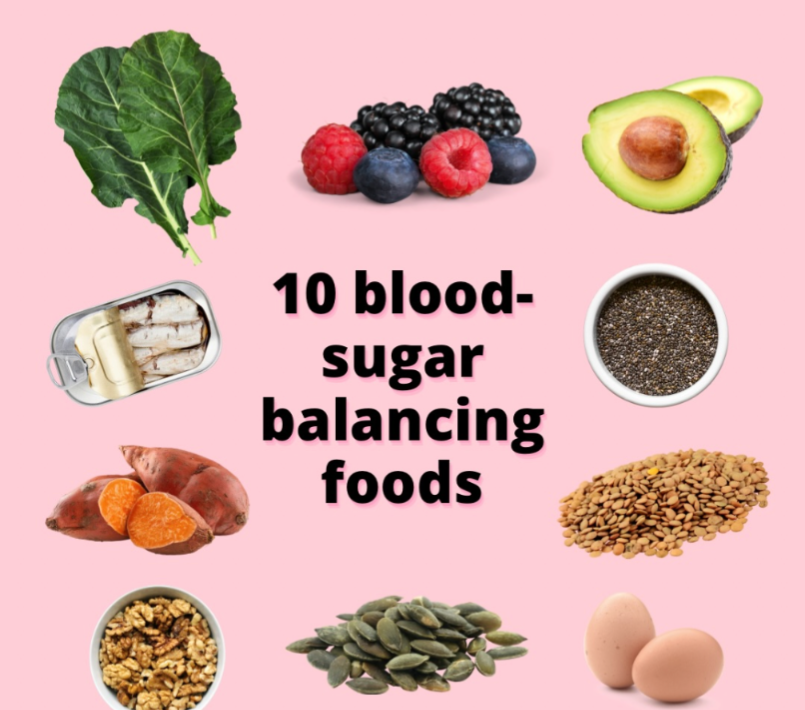
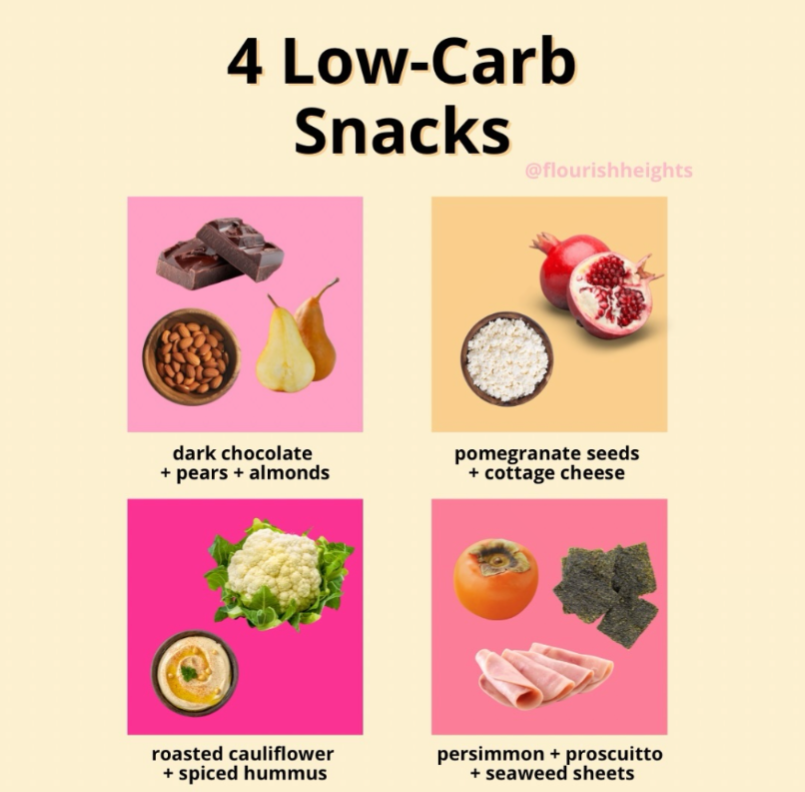
The Voice of Wellness: Meet Valerie Agyeman, RDN
In a world where women’s health is often whispered about, one leader is speaking up with clarity, science, and soul. Valerie Agyeman, the visionary CEO of Flourish Heights, is redefining what it means to be a well-nourished woman. As a Registered Dietitian Nutritionist (RDN), Valerie isn’t just giving advice; she’s building a movement.
Flourish Heights: Shattering the Silence
Flourish Heights is more than a platform; it’s a sanctuary for Community Wellness. Valerie and her team are dedicated to:
- Shattering Silence: Addressing the “taboo” topics in women’s health, from hormonal balance to reproductive wellness.
- Education with Precision: Providing evidence-based nutrition and lifestyle strategies that empower women to take charge of their bodies.
- Cultivating Community: Creating a safe space where women can connect, grow, and flourish together.
The Creative Pulse: Her Side by FH
At IMAGINE-WORKS FROM THE HEART, we recognize Valerie as a titan of digital wellness. Her ability to translate complex clinical data into heartfelt, relatable conversations is a masterclass in modern leadership. We praise her for her commitment to the global community of women, ensuring that no woman walks her health journey alone.
”Valerie Agyeman doesn’t just talk about health; she cultivates the soil for a woman’s entire life to bloom. Flourish Heights is the heartbeat of a new era in female empowerment.” — IMAGINE-WORKS FROM THE HEART
Connect and Grow
Ready to elevate your wellness journey? Join the community that is changing the narrative for women everywhere.
- Listen & Learn: Subscribe to the Her Side podcast for deep dives into wellness, nutrition, and life.
- Join the Movement: Follow @flourishheights for daily inspiration and expert RDN insights.
- All-In-One Access: Visit the link below to subscribe, shop, and join the community.
Flourish Heights: Because you deserve to feel good in your own skin.
Expert Guide: Would you like me to help you draft a compelling introductory script for your next podcast episode or a mission statement for your upcoming community event?

https://www.instagram.com/delish_bakerygh?igsh=MW5ic2c0NnR5cHBwZQ==
Pure Goodness: Delish Bread Without Chemicals
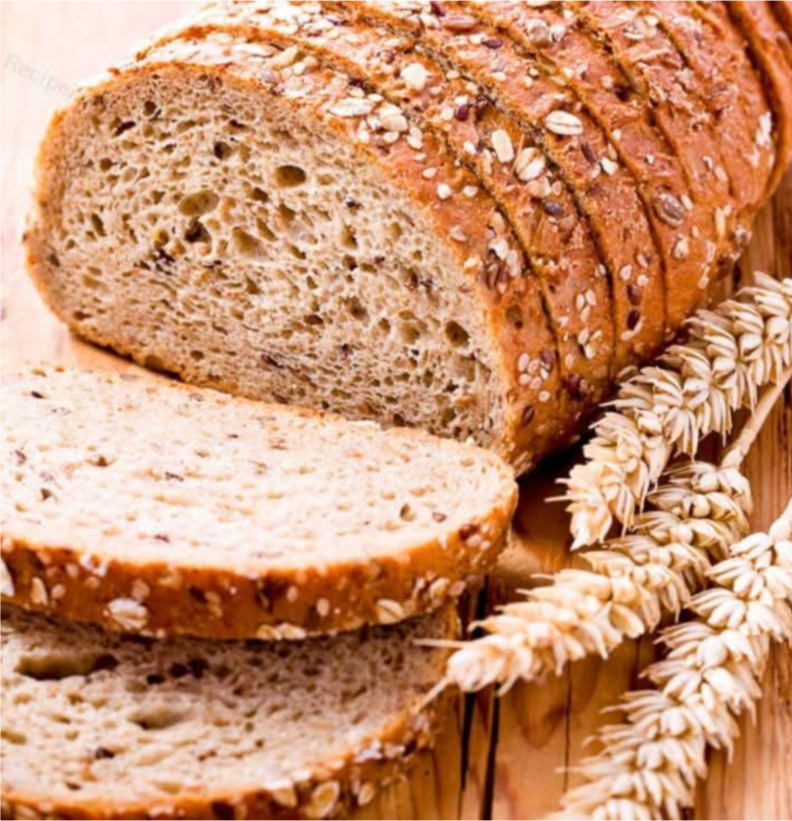
Experience the taste of nature at Delish Bread, your neighborhood grocery store and bakery where health meets indulgence. We believe that what you eat should be as pure as it is delicious. That’s why our breads are crafted without chemicals, artificial preservatives, or additives—just wholesome ingredients baked to perfection.
Whether you are looking for your daily loaf or a special treat, we offer over 12 varieties of bread, cakes, and pastries, including:
- Signature Breads: Whole Wheat, Multigrain, and Classic White—all chemical-free.
- Artisan Pastries: Flaky, buttery, and baked fresh every morning.
- Custom Cakes: Perfect for every celebration, made with the finest natural ingredients.
ASSUMPTA-IMAGINE Celebrates Delish Bread
ASSUMPTA-IMAGINE: Works From The Heart proudly honors the commitment to purity and health championed by Delish Bread. In a world of processed foods, Delish Bread stands out as a beacon of authenticity, aligning perfectly with our mission to celebrate creators who work with passion and purpose.
We celebrate Delish Bread for:
- Wholesome Integrity: Their dedication to chemical-free baking that nourishes the community.
- Cultural Connection: Bringing people together through the timeless tradition of breaking bread.
- Spiritual Purpose: Guided by the personal mission of Making Jesus Proud, every loaf is baked with love and a servant’s heart.
Visit Us Today!
Come and taste the difference that “Heart Work” makes.
- Location: Agboba, Accra.
- Hours: Monday – Saturday | 8:00 AM – 6:00 PM
- Order via WhatsApp: wa.me/233201789403
- Follow the Journey: @delish_bakerygh & @smomentwithprecious_
Delish Bread & IMAGINE: Nourishing your body, honoring your heritage.

https://www.instagram.com/babiesandtodds_?utm_source=ig_web_button_share_sheet&igsh=ZDNlZDc0MzIxNw==
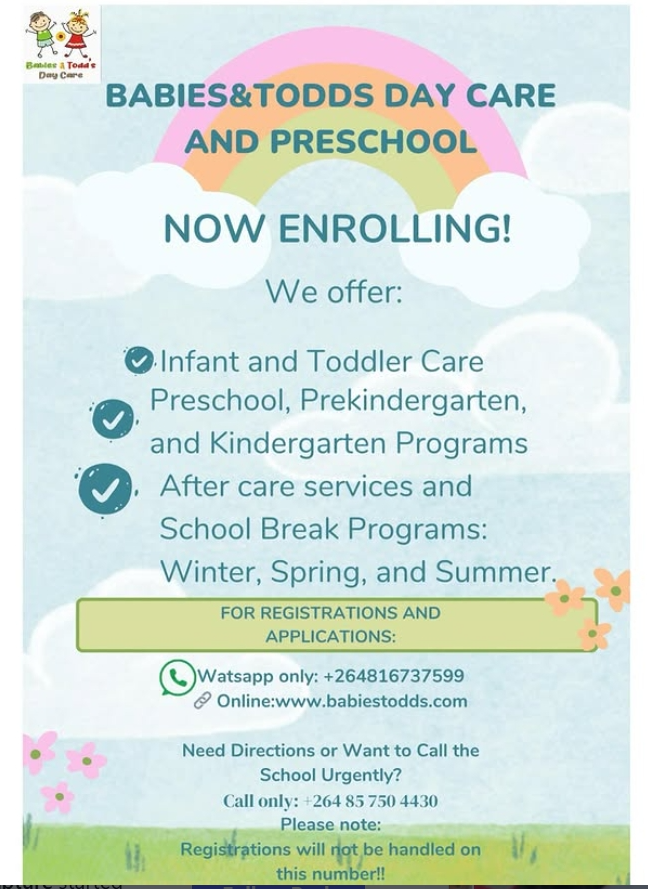
Welcome to Babies & Toddlers Daycare (BTDC)
Where we honor the dignity of life and cultivate tomorrow’s leaders.
Based in the heart of Windhoek, BTDC offers a premier Daycare and Preschool experience for families from all walks of life. Our approach goes beyond traditional childcare. By integrating a humanistic philosophy into daily learning, we teach children to value peace, celebrate diverse cultures, and practice mutual respect.
Our Core Pillars:
- Safe & Nurturing Environment: A secure, central city oasis where your child feels right at home.
- Creative Freedom: Purpose-built spaces that inspire children to play, collaborate, and innovate.
- Global Citizenship: Foundations built on compassion, dignity, and community awareness.
Secure Your Child’s Place Today
We are currently enrolling for the upcoming term. Join us in shaping a brighter, more compassionate future for your child.
Phone: +264 81 673 7599
Web: www.babiestodds.com
Location: Windhoek, Namibia
Looking for a daycare that values character as much as creativity? 🌟
Babies & Toddlers Daycare (BTDC) is Windhoek’s premier center for early childhood development. Rooted in a humanistic philosophy, we provide a safe “home away from home” where peace, culture, and mutual respect come first.
📍 City Center Location
🎨 Creative Play & Innovation Spaces
🤝 A Diverse, Welcoming Community
🚀 Enrolling Now for a Brighter Future!
Let’s chat!-📞 +264 81 673 7599-💻www.babiestodds.com