



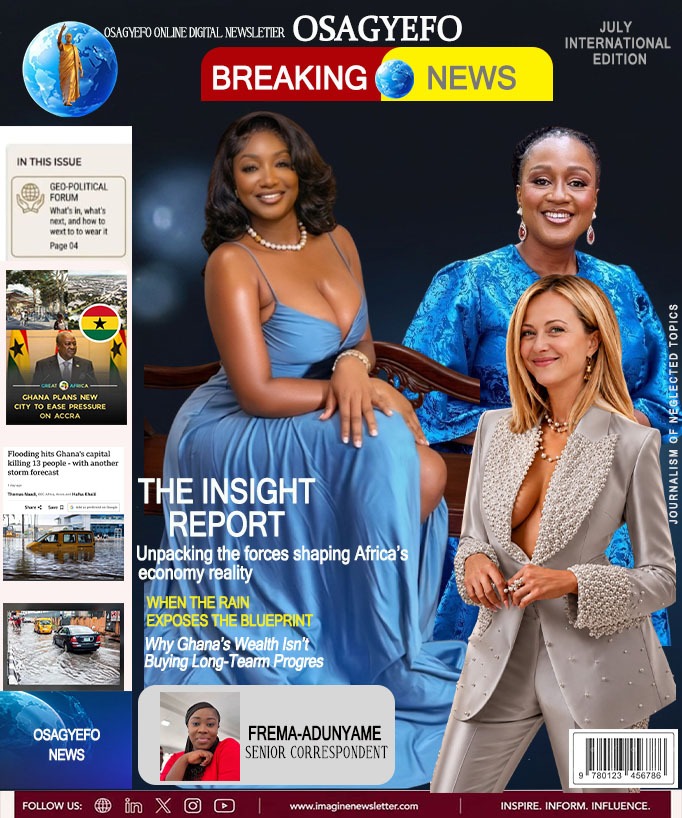
📰 OSAGYEFO NEWSLETTER
Presents – Breaking News & Editorial Reflection
🌍 SPECIAL INSIGHT REPORT
Why Does Ghana Struggle to Turn Its Wealth into Long-Term Development?
When the Rain Exposes the Blueprint: Why Ghana’s Wealth Isn’t Buying Long-Term Progress
📅 Release Date: Monday, 6 July 2026
🌐 Read Exclusively At: assumptagh.live
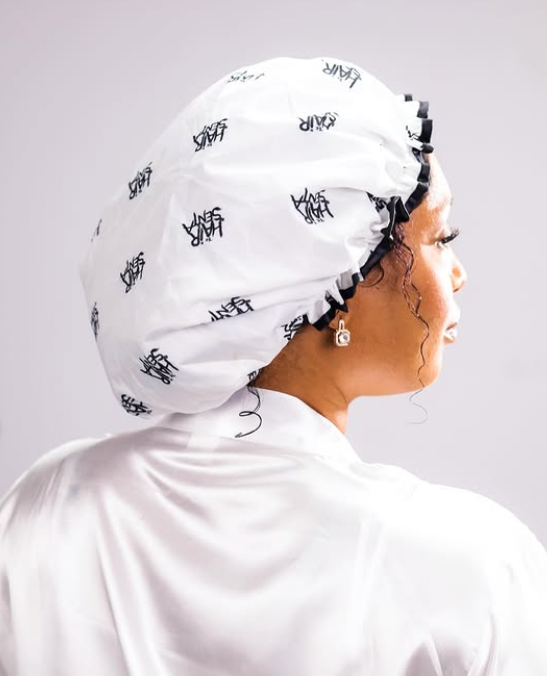







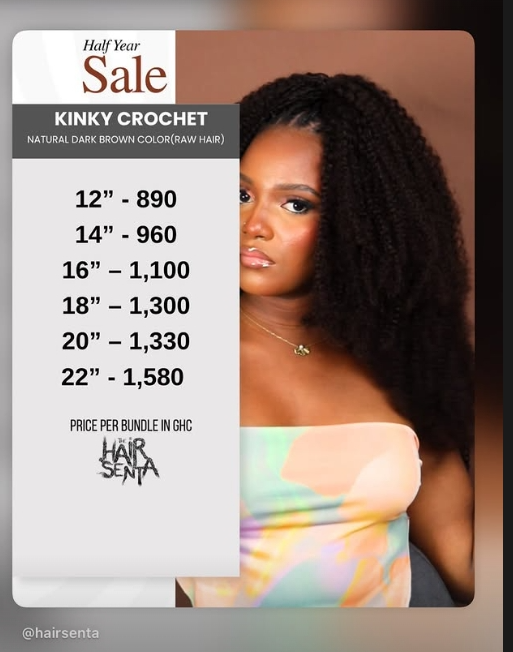

https://www.instagram.com/hairsenta?igsh=MXAzOThhNGZ0Nm15dQ==
Something Unbelievable Is Sizzling at 24 Jungle Avenue This Summer… ☀️🌴
In the golden glow of the Accra sun, a transformation is taking place. It’s more than just a change in the weather—it’s a movement. A shimmer of silk, a cascade of waves, and the effortless sway of hair that refuses to be ordinary.
They say beauty is power. But this Summer, what if your hair could command the breeze, turn every head on the coast, and carry the vibrant soul of Ghana wherever you go?
HAIR SENTA — the secret behind every radiant summer glow. ✨🌊
Straight from the heart of Ghana, our 100% luxury human hair extensions are designed for the heat of the moment: lightweight, natural, and undeniable. This season, we’re infusing heritage, craft, and high-fashion glamour into every strand, ensuring you stay cool while looking fire.
Will you be the one who owns the sunshine… or the one who only watches it fade? 🍹🔥
Get Your Summer Glow:
Call Now: 📞 (+233) 0544354455 / 0248629769
Explore: 🌐 www.hairsenta.com
Visit Us: 📍 24 Jungle Avenue, Accra, Ghana
Hair Senta. Real Hair. Real Power. Real Summer Energy. 💁♀️✨
💡 ECONOMIC INSIGHT
Understanding Capital: The Foundation of Development
In economics, capital refers to the man-made resources used to produce goods and services. It is one of the four primary factors of production alongside land, labour, and enterprise.
Importantly, capital is not the final product. Instead, it is the tool used to create the final product.
The Three Main Types of Capital
🏭 Physical Capital
Tangible assets used in production.
Factories-Roads-Machinery-Computers-Delivery vehicles-Industrial equipment-🎓 Human Capital
The skills, education, health, knowledge, and expertise people contribute to economic activity.
Professional training-Educational systems-Workforce development-Public health investments-💰 Financial Capital
The money and financial resources used to acquire assets and fund production.
- Investment capital
- Bank loans
- Stocks and bonds
- Credit facilities
Key Distinctions
Capital vs. Land
Natural resources such as gold, oil, rivers, forests, and fertile soil are considered land, not capital. However, the refinery built to process oil or the machinery used to mine gold is capital.
Capital vs. Consumer Goods
A private vehicle used for family transportation is a consumer good. The exact same vehicle becomes capital when used as a taxi, a delivery van, or a commercial transport service because it now generates economic value.
🌧️ COVER STORY
WHEN THE RAIN EXPOSES THE BLUEPRINT
Why Ghana’s Wealth Isn’t Buying Long-Term Progress
Every time the seasonal rains arrive, a familiar scene unfolds.
- Roads disappear beneath floodwaters.
- Businesses shut down.
- Public transport stalls.
- Homes become submerged.
- Entire communities are left counting losses.
And with every flood comes the same uncomfortable question: How can a nation blessed with gold, cocoa and oil continue struggling to build infrastructure capable of surviving a single storm?
This edition of The Insight Report examines one of the most important development questions facing Ghana—and many African nations.
The problem is not simply rainfall.
The problem is planning.
🎙️ FEATURED GLOBAL PERSPECTIVES
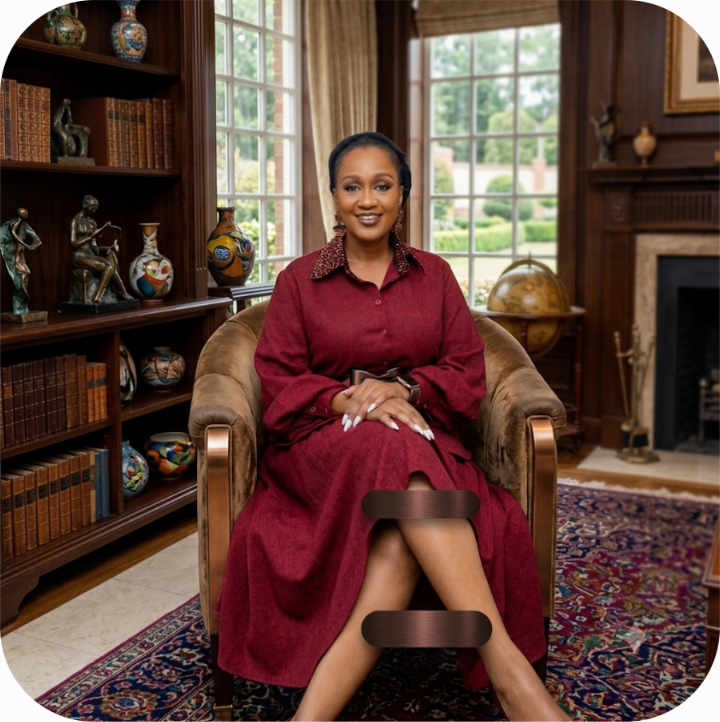
✅ Dzigbordi Kwaku-Dosoo
Entrepreneur | Executive Coach | Consultant
Founder of DCG Consulting Group and Allure Africa. A globally respected leadership strategist focused on sustainable growth, transformation and future-ready organizations.
”Leadership is about creating systems that outlive individuals.”
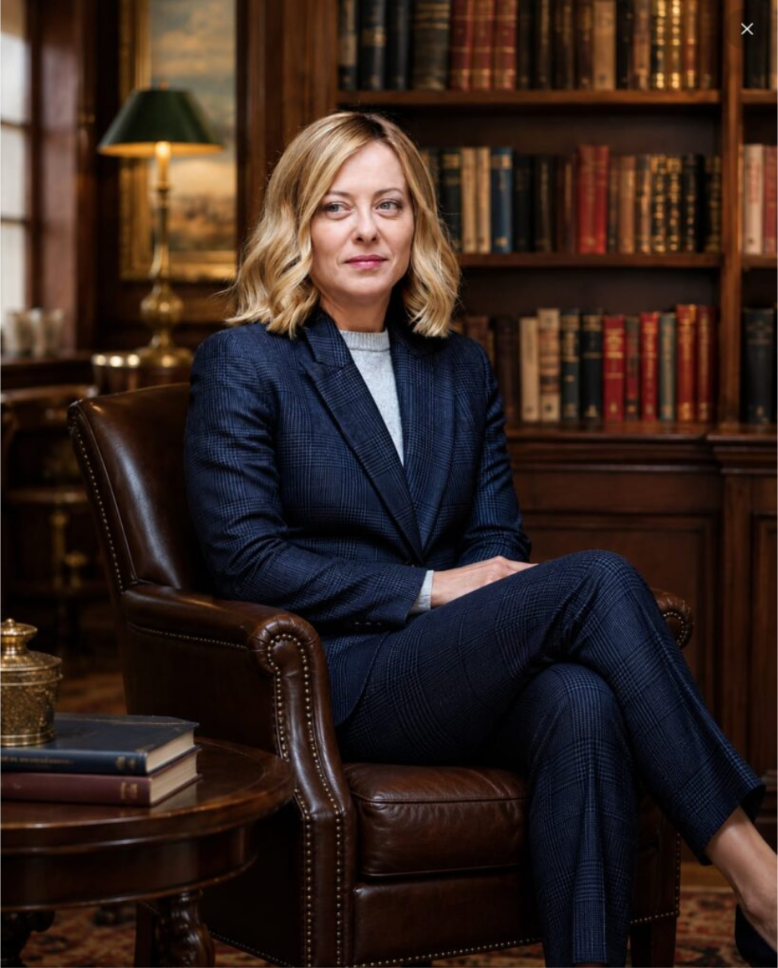
✅ Giorgia Meloni
Prime Minister of Italy
The first woman to hold Italy’s highest executive office and leader of one of the country’s longest-serving modern governments.
”Leadership today means rejecting barbarism and reimagining prosperity for humanity.”
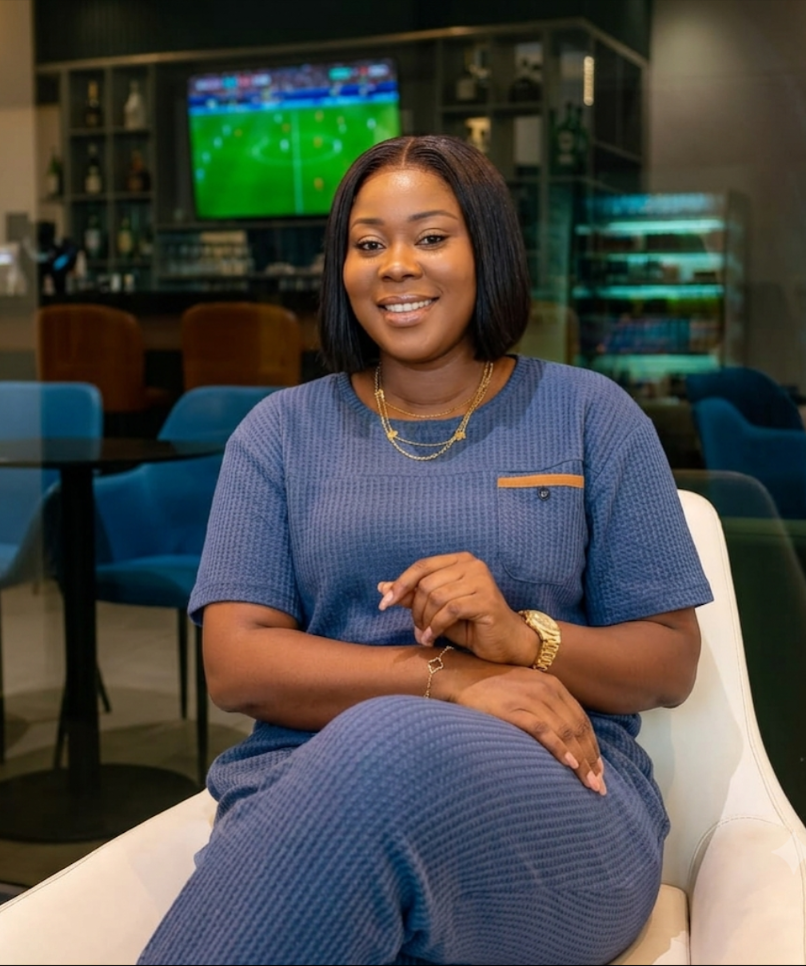
✅ Frema Adunyame
Broadcast Journalist | Head of Event Partnerships (Citi FM/TV & Channel One TV)
An influential media executive and recent valedictorian of the University of Ghana.
”Great leadership sparks not just hope, but a generational shift in vision and values.”
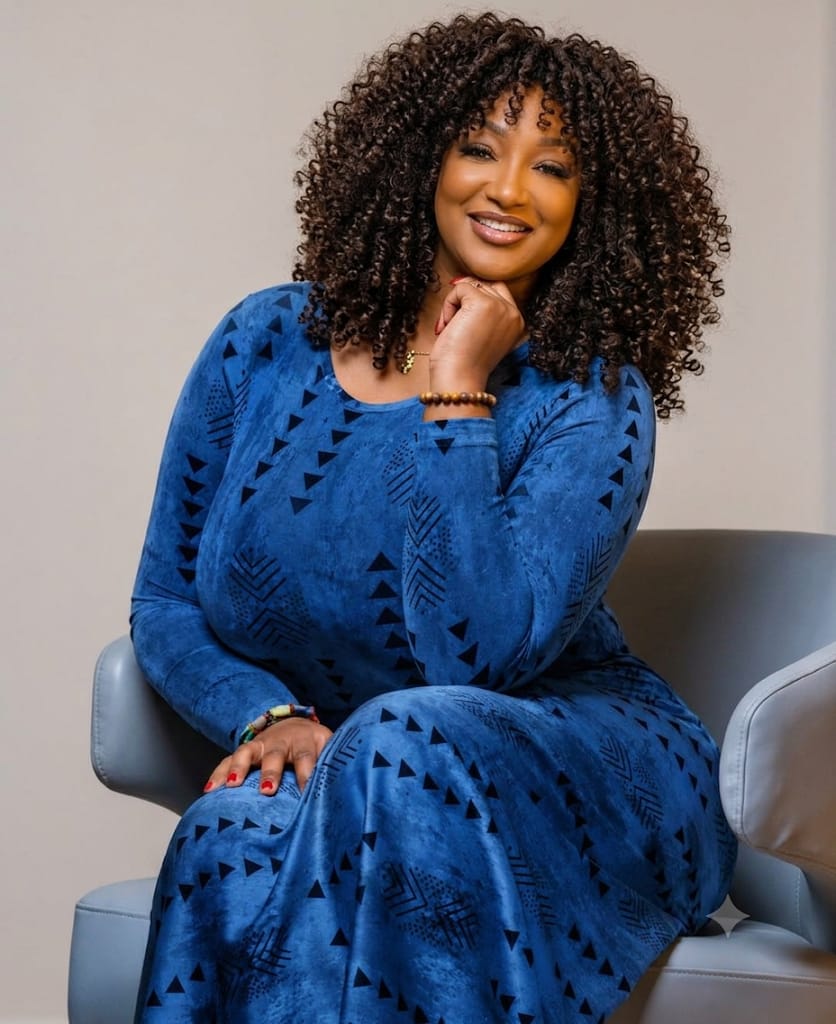
✅ Akosua Owusuwaa
Author | Business Strategist | Co-Founder, Owusuwaa Weekly
Founder of several transformative enterprises focused on entrepreneurship and community development.
”Our culture is our health, and our health is our future.”
📦 WHAT THIS ISSUE UNPACKS
- ✅ The Four-Year Political Trap
- ✅ The Myth of the Annual Budget
- ✅ The Sunk Capital Crisis
- ✅ Flooding as a Governance Issue
- ✅ Why Projects Are Abandoned
- ✅ NDPC Reform Proposals
- ✅ How Long-Term Planning Can Transform Ghana
THE INSIGHT REPORT
Unpacking the Forces Shaping Africa’s Economic Reality
Theme: When the Rain Exposes the Blueprint: Why Ghana’s Wealth Isn’t Buying Long-Term Progress
INTRODUCTION
Every time the clouds open and seasonal downpours hit Ghana, the same script plays out. Streets become rivers. Commuters stand helpless beside stranded trotros. Homes are flooded. Businesses absorb devastating losses.
The persistence of flooding is not merely anecdotal. Researchers and policy analysts have identified flooding as one of Ghana’s most persistent environmental challenges, affecting millions of people while imposing substantial social and economic costs. Studies consistently point to inadequate drainage infrastructure, rapid urbanisation, poor maintenance, and weak land-use enforcement as major drivers of recurring floods. Flooding in major cities in Ghana: Why Accra continues to drown and …
The devastating June 2015 Accra floods and explosion alone claimed approximately 200 lives, making it one of the worst urban disasters in Ghana’s modern history. More than a decade later, many of the structural causes remain unresolved. Flooding in major cities in Ghana: Why Accra continues to drown and …
The floods are therefore not merely weather events. They are symptoms. Symptoms of a much deeper structural problem.
THE FOUR-YEAR HORIZON VS. THE DECADE-LONG NEED
A country seeking lasting prosperity must invest continuously in:
- Roads
- Drainage systems
- Water infrastructure
- Schools
- Energy networks
- Public transportation
- Industrial corridors
These are the invisible systems that generate productivity, jobs and economic transformation. Yet development often collides with politics.
| The Four-Year Election Cycle | The Multi-Decade Development Need |
|---|---|
| Focus: Immediate, visible projects | Focus: Foundational infrastructure systems |
| Driver: Quick political rewards and re-election loops | Driver: Multi-generational utility and transformation |
| Horizon: 4 Years | Horizon: 10 to 50 Years |
| Outcome: High-visibility surface work, shifting political priorities, and abandoned half-finished projects | Requirement: Sustained capital injection, strict maintenance schedules, and long-term institutional patience |
The Structural Gap: Because the benefits of foundational infrastructure (like subterranean drainage networks or deep-grid power stability) often take longer than four years to realize, short-term political incentives systematically starve the multi-decade development blueprint of the long-term commitment it requires.
Because governments change every four years, new administrations frequently abandon priorities inherited from previous governments.
- Projects are stalled.
- Funding is redirected.
- Blueprints are rewritten.
And taxpayers ultimately bear the cost. Across the country, unfinished hospitals, abandoned housing projects, incomplete roads and half-constructed drainage systems stand as monuments to political discontinuity.
📉 THE SUNK CAPITAL CRISIS
The cost of discontinuity is immense. The Auditor-General reported that dozens of completed public projects worth approximately GH¢52.9 million remain unused across several regions of Ghana. These projects include schools, health facilities, sanitation infrastructure, market facilities and police stations that were intended to improve lives and stimulate local economies.When public assets remain abandoned, taxpayers lose twice:The money has already been spent.The expected economic benefits never materialize.This is the true hidden cost of political discontinuity.
🏥 AGENDA 111: A REAL-WORLD EXAMPLE
Ghana’s healthcare sector provides a powerful illustration. The Agenda 111 programme was launched to address critical healthcare infrastructure gaps nationwide. However, implementation delays and financing challenges have left many facilities unfinished.
In 2025, President John Mahama indicated that approximately US$1.7 billion would be required to complete many of the outstanding projects inherited from the previous administration. This means billions in public investment remain tied up in facilities that are not yet delivering healthcare services to citizens.
The longer projects remain unfinished, the more expensive completion becomes.
🌐 THE PROBLEM GOES FAR BEYOND HEALTHCARE
The challenge is national. In 2025, Ghana’s Finance Ministry identified 24 major stalled infrastructure projects for priority completion. These projects span:
- Roads
- Drainage systems
- Hospitals
- Water projects
- Markets
- Educational facilities
The announcement itself was an acknowledgment of the rising economic burden created by delayed and abandoned public investments.
⏳ THE MYTH OF THE ANNUAL BUDGET
Plarring – Pariamentary-Approval-Implementation Mid-Year Review
Every year, Ghana presents a new national budget. The cycle is familiar:
The process is essential, but it also risks creating a short-term mindset. A nation cannot be transformed through twelve-month thinking.
A budget should be more than a yearly survival exercise. It should be the financial expression of a long-term national vision. Yet many observers continue to ask: Is our budget serving a 30-year development strategy, or merely the next election cycle?
🛠️ BREAKING THE CYCLE
Many governance experts argue that the National Development Planning Commission (NDPC) should evolve beyond its current advisory role. Today, the NDPC is mandated to formulate development strategies, coordinate planning and monitor implementation, but it lacks authority to compel continuity across administrations.
Proposed NDPC Reforms
- 1️⃣ Legal Force for Long-Term Development Plans Require annual budgets and medium-term plans to align with a legally approved 20–40-year development framework.
- 2️⃣ Mandatory Project Continuity Audits Before cancelling a national project, government should obtain an independent economic assessment demonstrating why cancellation is justified.
- 3️⃣ Parliamentary Supermajority Requirement Strategic projects should only be terminated through parliamentary approval requiring a supermajority vote.
- 4️⃣ Protected National Infrastructure Register Critical projects should receive protected status, including: hospitals, railways, drainage networks, energy infrastructure, ports, and water systems.
- 5️⃣ Enhanced NDPC Oversight Powers Allow NDPC to publish annual compliance scorecards assessing government adherence to national development plans.
- 6️⃣ Multi-Party Development Compact Require all major political parties to align parts of their manifestos with a nationally agreed development framework.
📋 FINAL REFLECTION
The Water Comes From the Sky—But the Consequences Do Not
Until Ghana commits to transparent, long-term planning and institutions capable of surviving political transitions, the country risks repeating the same costly mistakes.
The floods that overwhelm our streets every rainy season are not merely the result of heavy rainfall. They are evidence of:
- Interrupted projects
- Weak continuity
- Incomplete infrastructure
- Fragmented planning
The water may come from the sky. But the consequences are shaped by human choices. And until development becomes a national project rather than a partisan one, each rainy season will continue to expose not only weaknesses in our infrastructure—but weaknesses in our governance.
💬 QUESTION OF THE WEEK
Should the National Development Planning Commission (NDPC) have legal authority to prevent incoming governments from abandoning major national projects?
📧 Reply and share your perspective.
📰 THE INSIGHT REPORT
Unpacking the Forces Shaping Africa’s Economic Reality
- Published by: OSAGYEFO NEWSLETTER
- Audience: For Readers Across Africa and Around the World
- Release Date: Monday, 6 July 2026
- Platform: assumptagh.live
🌍 OSAGYEFO NEWSLETTER GLOBAL DIALOGUE
The Insight Report: Special Edition
Welcome Remarks
Frema Adunyame (Host):
Good day to our distinguished readers joining us from across Africa, Europe, the Americas, Asia, the Middle East, and every corner of the globe.
On behalf of the Osagyefo Newsletter, I am honored to welcome you to this special edition of The Insight Report. Today, we are tackling one of the most critical and pressing development questions of our generation:
Why does Ghana struggle to translate its immense natural wealth into sustained, long-term national development?
To find the answers, we will look deep into the intersection of leadership, governance, capital flight, infrastructure, culture, and structural transformation.
Thank you for being part of this vital global conversation. Let’s dive into the insights.
Warm greetings to our distinct readers joining us from every corner of the globe. Whether you are tuning in across Africa, Europe, the Americas, or Asia, welcome to this global broadcast edition of The Insight Report. Today, we are hosting a vital conversation on a challenge that transcends borders: how a nation turns fleeting wealth into enduring, generational development.
It is an absolute honor to welcome our esteemed panelists who have graciously joined us today. Thank you all for bringing your profound expertise to this table.
Before we dive into our pressing theme—When the Rain Exposes the Blueprint—allow me to formally introduce the phenomenal minds anchoring this discussion to our global audience.
To my left, we are joined by Dzigbordi Kwaku-Dosoo, an internationally celebrated entrepreneur, executive coach, and consultant. As the founder of DCG Consulting Group and Allure Africa, she is a globally respected leadership strategist who spends her life helping future-ready organizations build sustainable growth. Dzigbordi, thank you for being here.

Joining us virtually from Rome is her Excellency, Giorgia Meloni, the Prime Minister of Italy. As the first woman to hold Italy’s highest executive office and the leader of one of the country’s most resilient modern governments, she brings a powerful macroeconomic and state-level perspective on governance and human prosperity. Prime Minister, we are deeply grateful for your time.

And finally, we have Akosua Owusuwaa, an acclaimed author, business strategist, and the co-founder of Owusuwaa Weekly. Akosua is the visionary behind several transformative enterprises focused on grassroots entrepreneurship, public health, and community development. Akosua, a very warm welcome to you.
Frema Adunyame
Welcome to you all. Let us begin.
Every rainy season in Ghana, the heavens open, and our streets immediately turn into rivers. We witness disrupted lives, submerged businesses, and a familiar economic standstill. This is not a weather crisis; it is a structural crisis. How do we explain a nation rich in gold, cocoa, and oil struggling to design an infrastructure that survives a single storm? Dzigbordi, let’s start with you. Your philosophy states that leadership is about creating systems that outlive individuals. When you look at Ghana’s recurring development bottlenecks, where is the systemic breakdown?
Dzigbordi Kwaku-Dosoo: Thank you, Frema, and greetings to our global audience. The breakdown is precisely in the lifespan of our planning. What we see when the rains hit is the physical manifestation of “short-termism.” In my work with organizations, if you build a strategy that only looks four years into the future, you aren’t building an enterprise—you are managing a temporary project. Ghana’s political landscape operates on a four-year cycle, but real capital development—like subterranean drainage, industrial corridors, and robust transport networks—requires a twenty to fifty-year horizon. We are failing to build systems that outlive administrations. When a new government takes over, the blueprint is erased. That is not leadership; that is structural reset, and it is costing us our future.
Frema Adunyame: “Short-termism”—a powerful framing. Prime Minister Meloni, I see you nodding. From a global governance standpoint, Italy faces its own complex political landscapes, yet European infrastructure manages to maintain long-term continuity across changing governments. You have noted that leadership today means rejecting barbarism and reimagining prosperity. How can a developing sovereign nation protect its long-term economic prosperity from the volatility of democratic election cycles?
Giorgia Meloni: Thank you, Frema, and hello to my fellow panelists and your global readers. It is a pleasure to contribute to this dialogue. You see, the problem described here is universal but hits developing economies with a much harsher severity. To avoid what I call the “barbarism” of fragmented progress, a state must establish a sacred perimeter around its foundational needs. In Italy and across Europe, governments change, but the state machinery and long-term infrastructure master plans are bound by institutional and legal frameworks that incoming administrations cannot simply discard on a whim. Reimagining prosperity means realizing that a road, a hospital, or a clean water system does not belong to a political party—it belongs to the people. If democratic cycles dictate that infrastructure stops every four years, then democracy is being misused as an excuse for administrative irresponsibility. There must be legal finality to national plans.
Frema Adunyame: A profound distinction between the changing of a government and the continuity of the state. Akosua, let’s bring this down to the human scale. You often write that “our culture is our health, and our health is our future.” When infrastructure stalls—like the current financing and implementation delays we see in the nationwide Agenda 111 healthcare project—how does this political discontinuity directly impact the culture and well-being of the ordinary citizen?
Akosua Owusuwaa: Thank you, Frema, and warm regards to everyone watching worldwide. It impacts the citizen devastatingly. When we talk about “sunk capital” or a project being delayed, it sounds like an abstract economic metric. But to an entrepreneur, a market woman, or a mother in a rural community, an unfinished clinic or a flooded road is a direct threat to survival. Our culture is resilient, but our people cannot build sustainable local businesses when they are constantly in a state of recovery—recovering from a flood, recovering from a lost harvest because the road to the market isn’t finished. When a massive initiative like Agenda 111 stalls, billions in public wealth are trapped in concrete skeletons that serve no one. The health of our economy is tied to the physical health of our people, and right now, the lack of institutional commitment is making our future fragile.
Frema Adunyame: Your points bring us directly to the core policy debate of our current issue: the role of the National Development Planning Commission (NDPC). Right now, the NDPC can only advise, it cannot enforce.
Let’s do a quick lightning round across the panel on one of the major reform proposals: Should the NDPC be given binding legal authority to prevent incoming governments from abandoning major national projects? Dzigbordi, your brief take?
Dzigbordi Kwaku-Dosoo: Absolutely, yes. Without teeth, a strategy commission is just a think tank producing beautiful documents that gather dust. Giving the NDPC legal oversight ensures that a national vision takes precedence over a party manifesto.
Frema Adunyame: Prime Minister Meloni?
Giorgia Meloni: From an administrative perspective, yes, but with a caveat. It must be balanced with parliamentary oversight. A supermajority requirement in parliament to terminate strategic projects, combined with an independent commission’s audit, creates the stability necessary for international investors to trust your nation’s long-term bonds.
📉 THE SUNK CAPITAL CRISIS
Frema-Adunyame
Let us drill deeper into the numbers because, as the saying goes, numbers do not lie, but they certainly expose our priorities. I want to bring a staggering reality check to this panel—what economists call the Sunk Capital Crisis.
According to recent findings from our Auditor-General, dozens of fully completed public projects worth approximately GH¢52.9 million currently sit completely abandoned and unused across several regions of Ghana. We are not talking about incomplete blueprints here; we are talking about physical, finished structures—schools, health facilities, sanitation networks, market structures, and police stations. They were built to transform local economies, yet they are locked and rotting.
As a result, our taxpayers are being hit with a double tragedy: first, their hard-earned money has already been spent and locked away; second, the economic benefits they were promised never materialize. This is the true, bleeding wound of political discontinuity.
Dzigbordi, looking at this from a strategic and operational standpoint, how does an entire system allow completed wealth to sit idle simply because a different political party held the ribbon-cutting scissors? How do we fix this operational waste?
Dzigbordi Kwaku-Dosoo: Frema, this specific crisis makes my heart bleed because it moves past the excuse of “we don’t have money.” The money was found! The structures are standing! What we are looking at here is a psychological and cultural deficit in leadership. In the corporate world, if a regional manager refuses to open a fully functional, high-revenue branch simply because the previous manager signed the lease, that person would be fired on the spot for gross mismanagement of capital assets.
But in politics, because there is no immediate penalty, incoming administrations suffer from what I call “ownership vanity.” They fear that opening a completed project built by their predecessor gives political credit away. To fix this, we must decouple public asset commissioning from political offices. We need an independent, non-partisan asset management authority. If a building is certified complete by civil engineers, it must automatically open to the public within 90 days, by law, regardless of who is in power.
Frema Adunyame: “Ownership vanity”—that hits the nail right on the head. Prime Minister Meloni, let us bring this into your domain of state-level fiscal responsibility. GH¢52.9 million might seem like a local figure, but the economic principle is global. When international partners, sovereign funds, or bilateral donors see a country leaving its own completed, taxpayer-funded infrastructure to rot due to political transitions, what signal does that send to the international economic community?
Giorgia Meloni: Frema, it sends a catastrophic signal. It tells global investors and international financial institutions one distinct thing: this jurisdiction lacks institutional maturity.
When a country goes to international markets to issue bonds or secure development loans, the premium and interest rates you pay are directly tied to your perceived institutional risk. If Italy or any G7 nation behaved this way, our credit rating would plunge instantly. Leaving completed schools and police stations locked up is not just a waste of internal tax revenue; it actively destroys your sovereign credibility. It tells us that political friction is stronger than the rule of law. No international partner wants to fund a nation where public assets are treated as partisan spoils rather than state treasure. The state must be a continuous entity.
Frema Adunyame: A catastrophic signal indeed—one that raises the cost of borrowing for the entire nation. Akosua, let’s look at the human cost of these locked doors. A completed clinic that is locked means a pregnant woman is still walking five miles for healthcare. A locked market facility means traders are sitting in the scorching sun or the devastating rain we just spoke about. How do we mobilize civil society and community leadership to demand accountability for these specific, “sunk” assets?
Akosua Owusuwaa: Frema, you are touching on the raw pain of our people. Those locked doors are a daily insult to the dignity of the Ghanaian taxpayer. While politicians argue over who deserves the praise, a child is sitting under a tree learning because a completed school block is locked up.
We must move civil society from passive frustration to targeted, legal community action. Our local governance structures—our Chiefs, queen mothers, and district assembly members—must lead the charge. We need to start publishing a national “Wall of Shame” for these specific projects. But beyond shame, we need legal activism. If a community can demonstrate that a health facility or market in their district is 100% complete but intentionally withheld from operation, they should have the legal standing to sue the sector ministry for a writ of mandamus to force the immediate opening of that facility. We must make the political cost of keeping a project closed far higher than the cost of opening it.
Frema Adunyame: Powerful submissions from all of you. It is clear that the Sunk Capital Crisis isn’t an issue of scarcity; it is an issue of political will and institutional gaps.
Frema Adunyame: Thank you all for those powerful insights. You’ve laid bare the psychological and institutional roots of this crisis. But let’s scale this up, because as vital as healthcare and local markets are, the problem goes far beyond healthcare. This is a systemic, national paralysis.
Just last year, in 2025, Ghana’s Finance Ministry explicitly identified 24 major stalled infrastructure projects across the country for priority completion. This list spans every foundational pillar of our society: roads, drainage systems, hospitals, water networks, markets, and educational facilities. While the announcement was framed as a rescue plan, it was, in reality, a stark official confession of the crushing economic burden created by delayed and abandoned public investments.
And this brings us face-to-face with what I call The Myth of the Annual Budget.
Every single year, Ghana goes through a familiar, almost ritualistic cycle: Planning \rightarrow Parliamentary Approval \rightarrow Implementation \rightarrow Mid-Year Review. While this fiscal process is essential for accounting, it risks trapping our leadership in a dangerous, short-term mindset. A nation simply cannot be transformed through twelve-month thinking. A national budget should be far more than a yearly survival exercise; it must be the financial expression of a long-term national vision.
Yet, looking at these 24 major stalled projects, international observers and citizens alike are forced to ask: Is our budget serving a 30-year development strategy, or merely funding the next election cycle? How can a nation blessed with gold, cocoa, and oil continue struggling to build infrastructure capable of surviving a single seasonal storm?
Prime Minister Meloni, let’s start with you on this macroeconomic puzzle. When a state budget becomes a tool for short-term political survival rather than a mechanism for financing a multi-decade blueprint, how can macro-fiscal reforms break that cycle? How do we move a country past “twelve-month thinking”?
Giorgia Meloni: Frema, you have articulated the absolute core of structural economic failure. When a budget is treated merely as a twelve-month survival exercise, it ceases to be an economic strategy and becomes a political grocery list.
To break this, a nation must structurally separate its operational budget from its capital investment budget. In robust economies, major infrastructural undertakings—like the drainage systems and roads you mentioned—are funded through multi-year capital expenditure frameworks that are legally insulated from the annual budget battles. You cannot build a trans-national highway or a deep subterranean drainage network on a one-year authorization loop.
If Ghana is blessed with gold, oil, and cocoa, these finite natural resources should be directly anchoring a sovereign wealth fund dedicated solely to long-term capital infrastructure. If your primary wealth is integrated into the annual budget to pay for immediate operational costs or short-term political promises, you are effectively burning your house to keep warm for one winter night. The budget must serve the generation, not the election.
Frema Adunyame: “Burning the house to keep warm for one night”—a sobering analogy. Dzigbordi, taking up the Prime Minister’s point about multi-year frameworks, the Finance Ministry’s list of 24 stalled projects spans things like drainage and roads—the very things that fail when the rains come. From a corporate and systems strategy viewpoint, how do we shift the internal culture of our ministries from this rigid, annual compliance mindset to a culture of long-term project lifecycle management?
Dzigbordi Kwaku-Dosoo: Frema, the truth is that our ministries are currently rewarded for activity, not outcomes. The annual budget cycle creates a frantic, artificial timeline where ministries rush to clear funds before the December deadline, regardless of whether the project is sustainably executed. It is a culture of ticking boxes.
To transform this, we must introduce Key Performance Indicators (KPIs) that span project lifecycles, not fiscal years. A sector minister or a chief director should not be judged on how much of their annual budget they spent. They should be judged on the project’s milestones over a five-to-ten-year horizon. If we treat infrastructure like a series of disconnected 12-month sprints, we will continue to get half-baked roads and clogged drains. We must train our public sector leaders to think in lifecycles, and we must legally bind the Finance Ministry to honor multi-year funding commitments so that projects don’t stall the moment the calendar turns.
Frema Adunyame: Exactly. The calendar should not dictate the survival of a bridge or a hospital. Akosua, let’s wrap this point with you. You see the ground reality of these 24 stalled national projects. When water projects or markets are frozen mid-construction because of budget shifts, how does this derail local economic planning and grassroots entrepreneurship? How can our citizens protect themselves from a state that thinks only twelve months at a time?
Akosua Owusuwaa: Frema, it completely paralyzes the local economy. Grassroots entrepreneurs—the market women, the local contractors, the small-scale farmers—do not plan their lives around a twelve-month political cycle. A farmer invests in tools and seeds expecting a road to be built to the market within three years, as promised. When that road becomes one of the “stalled 24,” their investment rots in the soil.
This short-term thinking breeds deep cynicism among the populace. It forces citizens into their own short-term survival mindsets, where they stop trusting public systems and start building informal, unregulated, and often unsafe alternatives. If the state refuses to build proper drainage, people build structures where they shouldn’t, worsening the very floods we are crying about.
We cannot build a resilient culture on temporary budgets. Our citizens deserve an economic framework that mirrors their patience and hard work—a long-term national compact that ensures our natural gold and oil are permanently transformed into concrete, immovable development.
Frema Adunyame: Brilliant and profoundly moving. Thank you, panelists. The message is clear: twelve-month thinking will never yield fifty-year infrastructure.
It is on that profoundly moving note that we must draw the curtains on this world-class dialogue.
This brings us right back to the very title of our inquiry: When the Rain Exposes the Blueprint: Why Ghana’s Wealth Isn’t Buying Long-Term Progress.
As our brilliant panel has laid bare today, the seasonal downpours do not create our structural failures—they merely reveal them. The floods expose the fragmented planning, the locked doors of the Sunk Capital Crisis, the limitations of twelve-month budget thinking, and the heavy price of political discontinuity. If we want our infrastructure to survive the storm, our national development strategies must first survive our election cycles. True prosperity will only arrive when development becomes a sacred, uninterrupted national project rather than a partisan battleground.
To our exceptional panelists—Dzigbordi Kwaku-Dosoo, her Excellency Prime Minister Giorgia Meloni, and Akosua Owusuwaa—thank you for your time, your unparalleled expertise, and for engaging in a dialogue rooted in deep mutual respect and visionary thinking. You have given our global audience a masterclass in governance, fiscal responsibility, and systems strategy.
And most importantly, to our distinct readers tuning in from every corner of the globe via assumptagh.live—thank you for your time, your engagement, and your shared commitment to unpacking the forces shaping Africa’s economic reality. Keep demanding accountability, keep looking past the short-term horizon, and remember: the blueprint for tomorrow is built by the choices we make today.
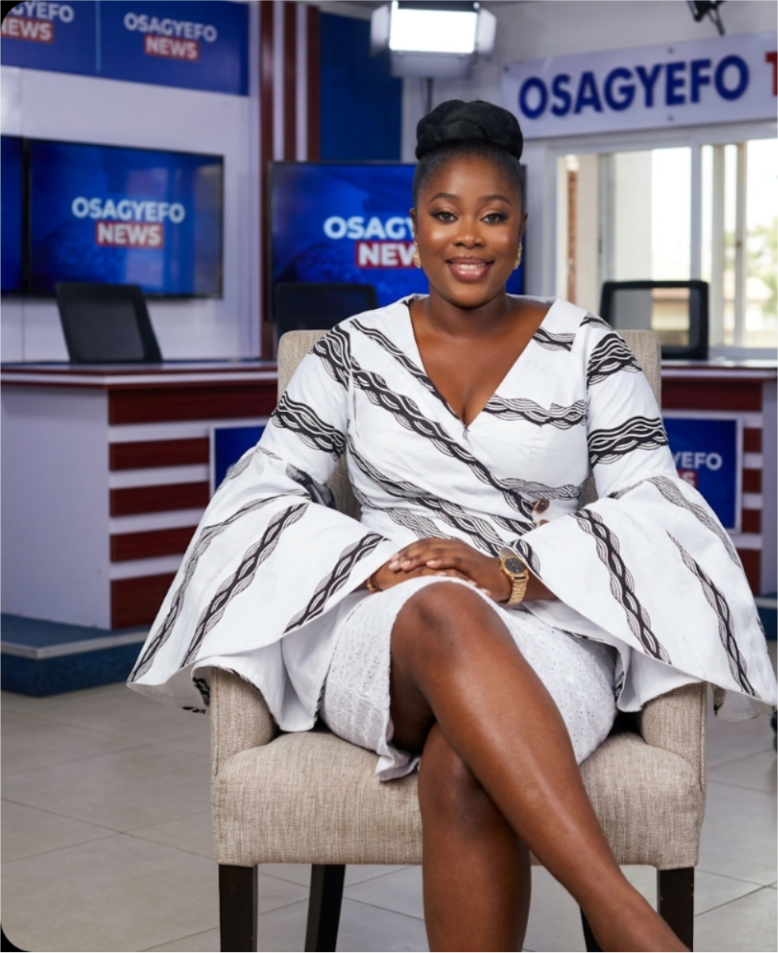
Frema Adunyame: And Akosua, your closing thought on this?

Akosua Owusuwaa: I fully agree with the legal enforcement. If we can legally enforce the protection of the assets built with those taxes we collect from the citizens, then protected national infrastructure register is no longer a luxury; it is an urgent necessity for community survival.
Frema Adunyame: Excellently put by all of you. To our readers worldwide, the water may fall from the sky, but as our panel has brilliantly illuminated, the consequences are entirely shaped by human design and political will. True leadership must spark a generational shift in our values, moving us from twelve-month budget thinking into multi-decade nationwide building.
My deepest gratitude to Dzigbordi Kwaku-Dosoo, Prime Minister Giorgia Meloni, and Akosua Owusuwaa for this rich, respectful, and deeply insightful masterclass in governance and strategy. And to our global readers, thank you for your time. Keep the conversation going in our comments and inbox. Until next time, I am Frema Adunyame, signing off for The Insight Report.
Until next time on The Insight Report, I am Frema Adunyame. Stay safe, think long-term, and have a wonderful week ahead, wherever you are in the world.
Our Shared Humanity Soka Gakkai Buddhist Movement
An introduction to the Soka Gakkai and Nichiren Buddhism. Where do the teachings originate from? What is the philosophy of Buddhism? How do Soka Gakkai members apply it in their daily lives?
The Soka Gakkai is a global community-based Buddhist organization that promotes peace, culture and education centered on respect for the dignity of life. Its members in 192 countries and territories study and put into practice the humanistic philosophy of Nichiren Buddhism.
Soka Gakkai members strive to actualize their inherent potential while contributing to their local communities and responding to the shared issues facing humankind. The conviction that individual happiness and the realization of peace are inextricably linked is central to the Soka Gakkai, as is a commitment to dialogue and nonviolence.
Subscribe to our channel: / sgivideosonline
Visit our website: https://www.sokaglobal…
Like us on Facebook: / sgi.info
Follow us on Instagram: / sgi.info
Follow us on Twitter: / sgi_info
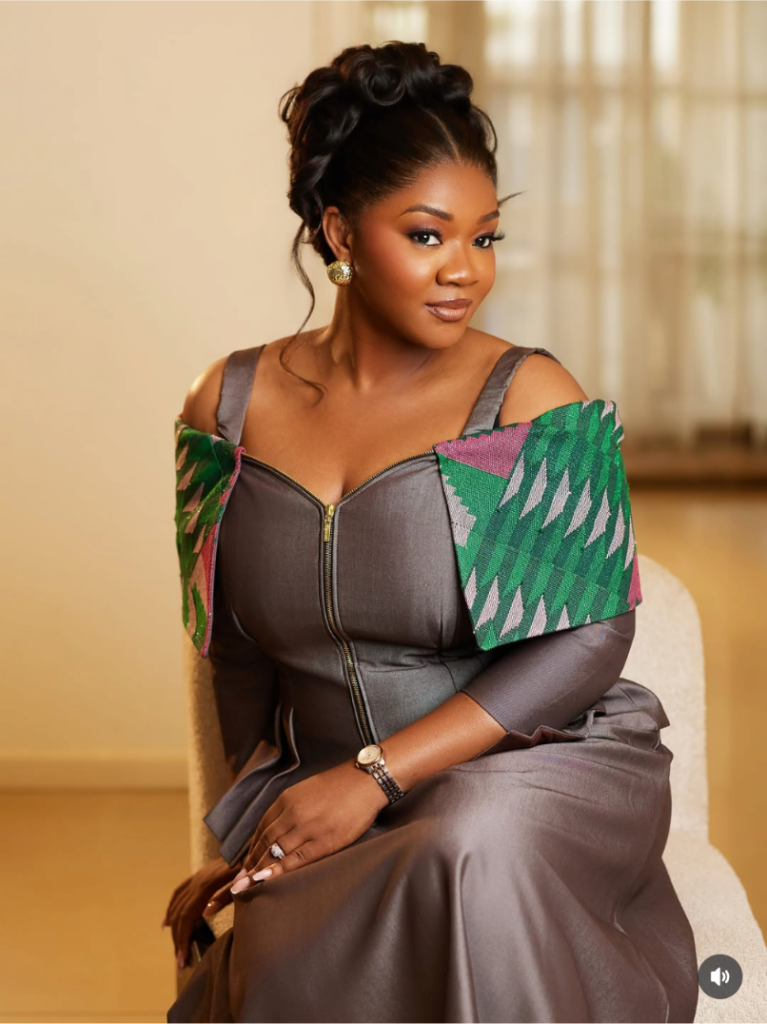
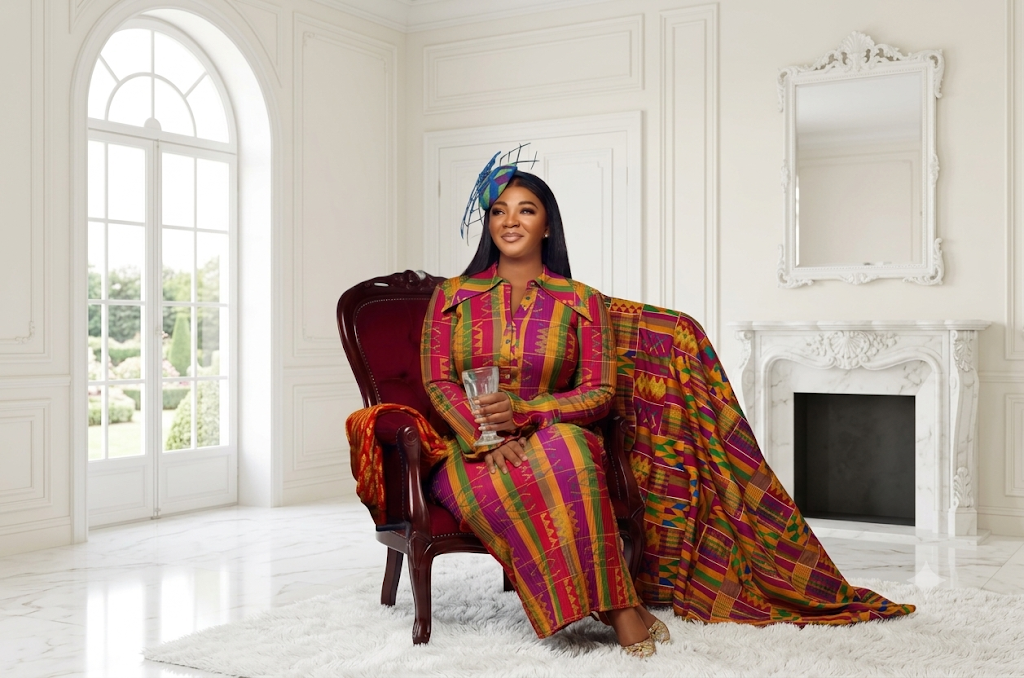
Introducing Goba Kente wear, by Baaba Ankrah, CEO of Goba Kente. This is a stunning full-length dress made from a vibrant magenta, orange, and green Kente pattern. The top is a long-sleeved dress, and the bottom is a floor-length skirt with a high slit. Goba Kente also offers a variety of kente-patterned fabrics, a velvet chair, and a headpiece to complete the look.
Heritage and Design:
Goba Kente wear is not just a clothing line; it’s a celebration of heritage and creativity. Each piece is meticulously crafted using traditional Kente weaving techniques, ensuring a unique and authentic product. The designs are a mix of traditional and modern, making them suitable for various occasions.
Corporate and Dinner Wear:
The versatile design of Goba Kente wear makes it suitable for both corporate and dinner wear. For a corporate look, pair the dress with a blazer and understated accessories. For a dinner look, accessorize the dress with statement jewelry and a pair of high heels.
Find Us:
You can find Goba Kente on Google Maps, and worldwide shipping is available. We are open from 9 am to 6 pm, Monday to Saturday. Visit our Linktree page for more information and follow us on goba_kente.
Contact Info:
For more information, visit our website and fill out the contact form.
Goba Kente wear is not just a clothing line; it’s a lifestyle. Experience the difference today!
https://www.instagram.com/laurenhautecouture?igsh=MWxzNXN1Ym5nZ3o3Mg==
LaurenHauteCouture — The Modern Face of Elegance, Innovation & Purpose
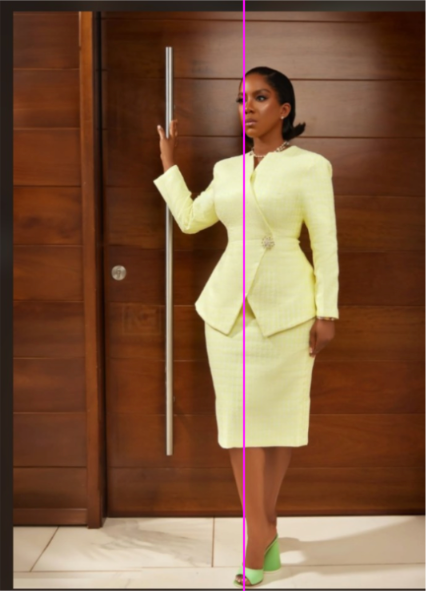
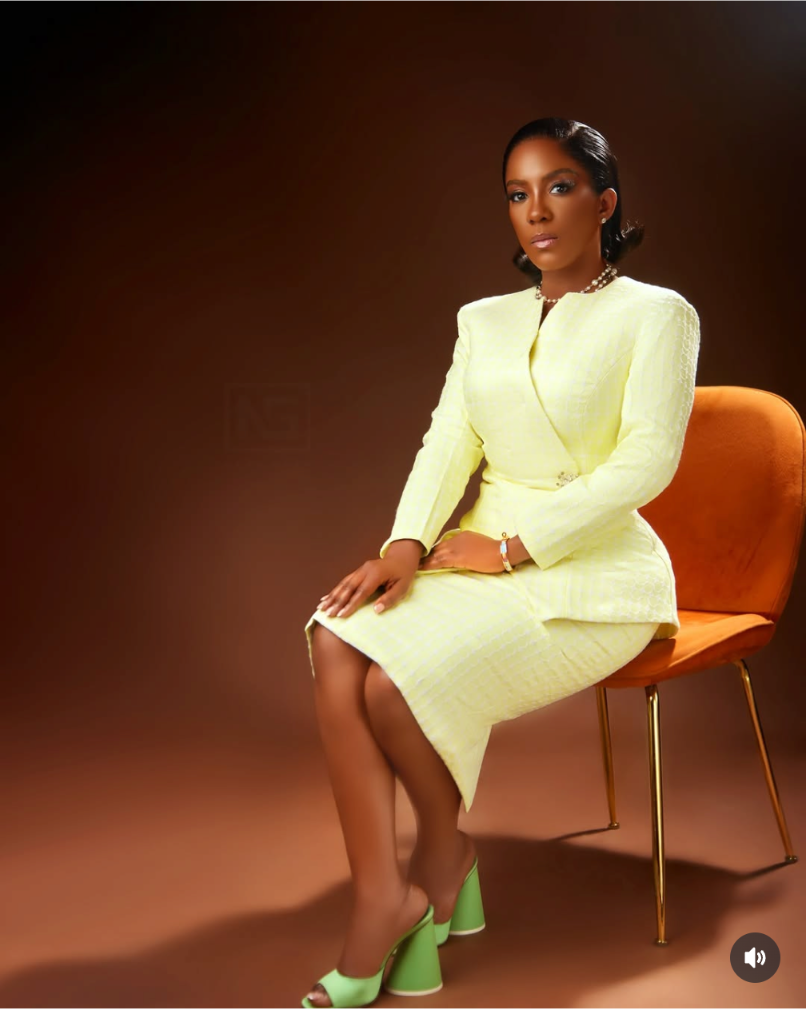
True elegance is a reflection of identity, vision, and fearless excellence. Crafted by multiple award-winning women’s wear brand LaurenHauteCouture, this ensemble stands as a definitive statement of sophisticated femininity, precision tailoring, and corporate adaptability for the modern woman who commands influence.
The Anatomy of Power Styling:
- Tailored Structure & Grace: The sleek, balanced symmetry of the structured jacket and matching skirt creates a powerful silhouette that radiates confidence, discipline, and poise. It offers an effortless alternative to traditional suiting, blending executive authority with high fashion.
- Vibrant Innovation: The intricate botanical pattern and rich palette introduce an air of warm, creative confidence. Every detail flows with intentional, high-end craftsmanship, providing structure, movement, and unmatched distinction.
- Artisanal Cohesion: Crowned with a beautifully coordinated headpiece and complemented by minimalist luxury accessories, the look transcends standard fashion—it becomes a celebration of culture, status, and personal ambition.
Executive Adaptability
While deeply glamorous, the ensemble maintains a polished presence suited for high-profile arenas:
- Corporate receptions and leadership events
- High-profile networking gatherings and media appearances
- Luxury office branding campaigns and women-in-leadership conferences
Step into a wardrobe that works as hard as your ambition. Experience the pinnacle of modern African luxury with LaurenHauteCouture.




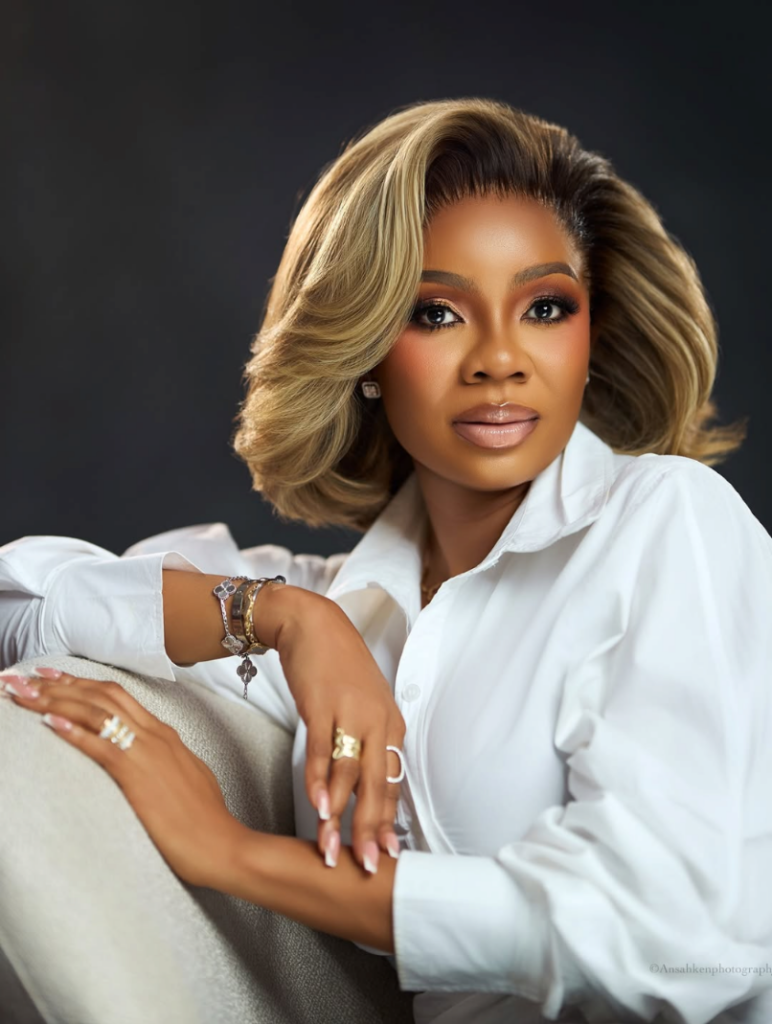
https://www.instagram.com/serwaaamihere?igsh=N216N3hzeTE3eHho
Everyday Essentials Presents: The Journalist with a Conscience
Meet Serwaa Amihere, Esq. — a visionary bridging the gap between Ghana’s rich heritage and the global stage, exclusively through Everyday Essentials.
As a celebrated broadcast journalist, lawyer, and entrepreneur, Serwaa brings her unwavering commitment to excellence from the newsroom straight to your lifestyle. Her handpicked collection represents the absolute gold standard of Ghanaian craftsmanship, curated for those who refuse to compromise on quality.
Why Choose the Serwaa Amihere Collection?
- A Trusted Pedigree: Discover a portfolio hand-selected by one of Ghana’s most respected and meticulous media personalities.
- Uncompromising Quality: From the purity of premium natural spices to the sharp, sophisticated silhouettes of Officeandcobysa, every piece meets rigorous standards for health, wellness, and style.
- Authentically Ghanaian, Globally Refined: We transform local tradition into international luxury, bringing West Africa’s finest exports to a global audience.
- A Holistic Approach to Living: Experience a seamless blend of wellness, beauty, and professional elegance designed to elevate your daily routine.


https://www.instagram.com/delish_bakerygh?igsh=MW5ic2c0NnR5cHBwZQ==
Pure Goodness: Delish Bread Without Chemicals
Experience the taste of nature at Delish Bread, your neighborhood grocery store and bakery where health meets indulgence. We believe that what you eat should be as pure as it is delicious. That’s why our breads are crafted without chemicals, artificial preservatives, or additives—just wholesome ingredients baked to perfection.
Whether you are looking for your daily loaf or a special treat, we offer over 12 varieties of bread, cakes, and pastries, including:
- Signature Breads: Whole Wheat, Multigrain, and Classic White—all chemical-free.
- Artisan Pastries: Flaky, buttery, and baked fresh every morning.
- Custom Cakes: Perfect for every celebration, made with the finest natural ingredients.
IMAGINE Celebrates Delish Bread
IMAGINE: Works From The Heart proudly honors the commitment to purity and health championed by Delish Bread. In a world of processed foods, Delish Bread stands out as a beacon of authenticity, aligning perfectly with our mission to celebrate creators who work with passion and purpose.
We celebrate Delish Bread for:
- Wholesome Integrity: Their dedication to chemical-free baking that nourishes the community.
- Cultural Connection: Bringing people together through the timeless tradition of breaking bread.
- Spiritual Purpose: Guided by the personal mission of Making Jesus Proud, every loaf is baked with love and a servant’s heart.
Visit Us Today!
Come and taste the difference that “Heart Work” makes.
- Location: Agboba, Accra.
- Hours: Monday – Saturday | 8:00 AM – 6:00 PM
- Order via WhatsApp: wa.me/233201789403
- Follow the Journey: @delish_bakerygh & @smomentwithprecious_
Delish Bread &IMAGINE: Nourishing your body, honoring your heritage.

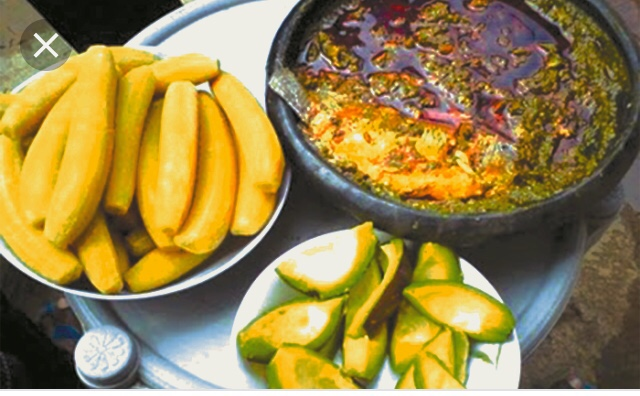
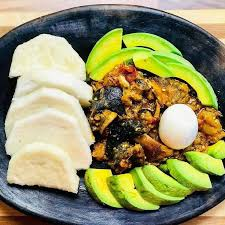

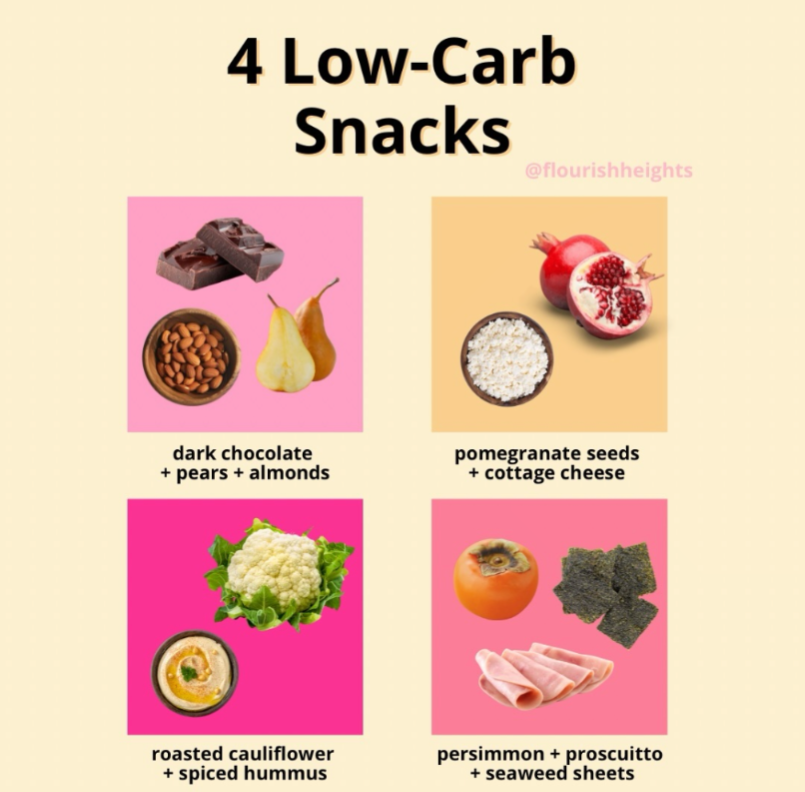
https://www.instagram.com/flourishheights?igsh=cTExenQ3bnptZGgx
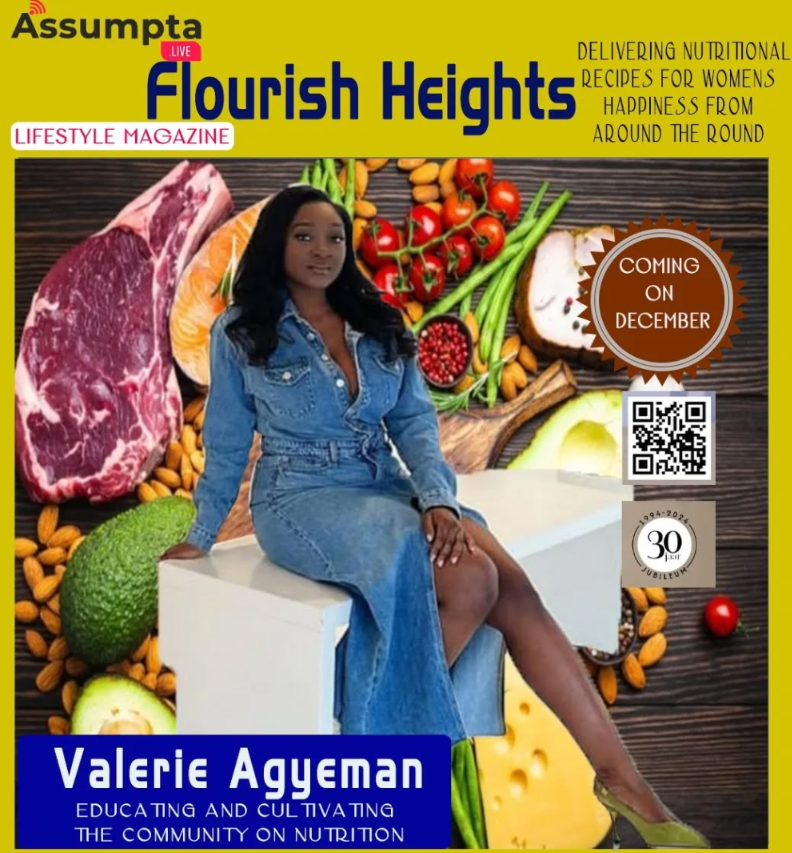
The Voice of Wellness: Meet Valerie Agyeman, RDN
In a world where women’s health is often whispered about, one leader is speaking up with clarity, science, and soul. Valerie Agyeman, the visionary CEO of Flourish Heights, is redefining what it means to be a well-nourished woman. As a Registered Dietitian Nutritionist (RDN), Valerie isn’t just giving advice; she’s building a movement.
Flourish Heights: Shattering the Silence
Flourish Heights is more than a platform; it’s a sanctuary for Community Wellness. Valerie and her team are dedicated to:
Shattering Silence: Addressing the “taboo” topics in women’s health, from hormonal balance to reproductive wellness.
Education with Precision: Providing evidence-based nutrition and lifestyle strategies that empower women to take charge of their bodies.
Cultivating Community: Creating a safe space where women can connect, grow, and flourish together.
The Creative Pulse: Her Side by FH
At IMAGINE-WORKS FROM THE HEART, we recognize Valerie as a titan of digital wellness. Her ability to translate complex clinical data into heartfelt, relatable conversations is a masterclass in modern leadership. We praise her for her commitment to the global community of women, ensuring that no woman walks her health journey alone.
”Valerie Agyeman doesn’t just talk about health; she cultivates the soil for a woman’s entire life to bloom. Flourish Heights is the heartbeat of a new era in female empowerment.” — IMAGINE-WORKS FROM THE HEART
Connect and Grow
Ready to elevate your wellness journey? Join the community that is changing the narrative for women everywhere.
Listen & Learn: Subscribe to the Her Side podcast for deep dives into wellness, nutrition, and life.
Join the Movement: Follow @flourishheights for daily inspiration and expert RDN insights.
All-In-One Access: Visit the link below to subscribe, shop, and join the community.
👉 linktr.ee/flourishheights
Flourish Heights: Because you deserve to feel good in your own skin.
Expert Guide: Would you like me to help you draft a compelling introductory script for your next podcast episode or a mission statement for your upcoming community event?
Add the Ghanaian food recipe to the advertisement


https://www.instagram.com/babiesandtodds_?igsh=MWs0ZHlsbjcxNXEyZg==
The Vision of Assumpta Gahutu, Esq.
The ideas of the Principal of Babies Todds Daycare, Assumpta Gahutu, Esq., have had an enduring impact not only in Africa but across the globe. Her vision emerged at a time when the lingering effects of imperial and oppressive structures appeared to limit the possibilities for African-centered educational development.
Yet, through determination, compassion, and clarity of purpose, she forged a new path for early childhood education. Under her leadership, Babies Todds Daycare has grown into far more than a childcare facility; it has become a value-creating environment where the character of the future is gently formed.
Through this mission, she has nurtured the growth of young children whose lives will embody the values the world will need in the centuries to come. Her work reflects a profound belief: that the foundation of a just and humane society begins with how we educate and care for our youngest generation. In this way, the philosophy behind Babies Todds represents not simply an institution, but a lifelong commitment to shaping the character, dignity, and future of humanity.
Babies Todds
A Safe and Nurturing Daycare and Preschool in the Heart of Windhoek
Babies Todds is a warm and welcoming space where young children are encouraged to grow, learn, share, and create in a supportive environment. Our daycare and preschool are dedicated to providing quality early childhood education that fosters curiosity, creativity, and confidence in every child.
- 📍 Location: Windhoek, Namibia
- 📞 Phone: +264 81 673 7599
- 🌐 Website: www.babiestodds.com
A beautiful place where the journey of learning begins and where every child is given the opportunity to flourish.