

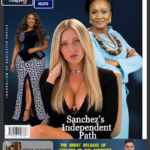



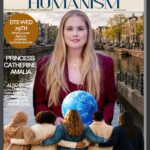


OSAGYEFO NEWSLETTER MAGAZINE
Presents: Breaking News — International Edition
| 📅 Release Date | 📍 Exclusive Digital Access |
|---|---|
| Monday, August 9, 2026 | assumptagh.live |

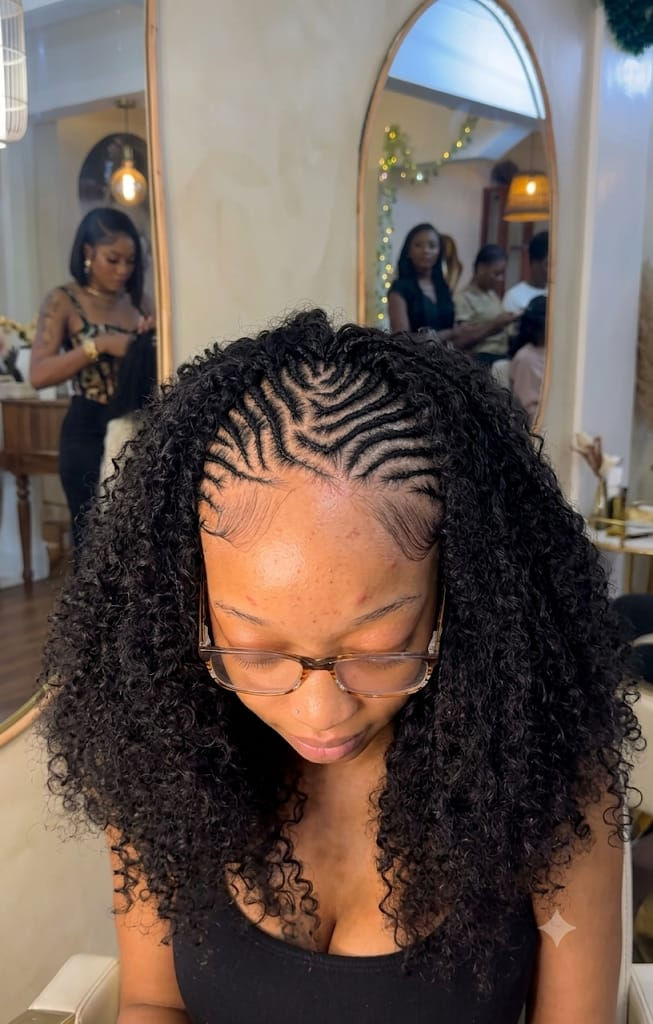

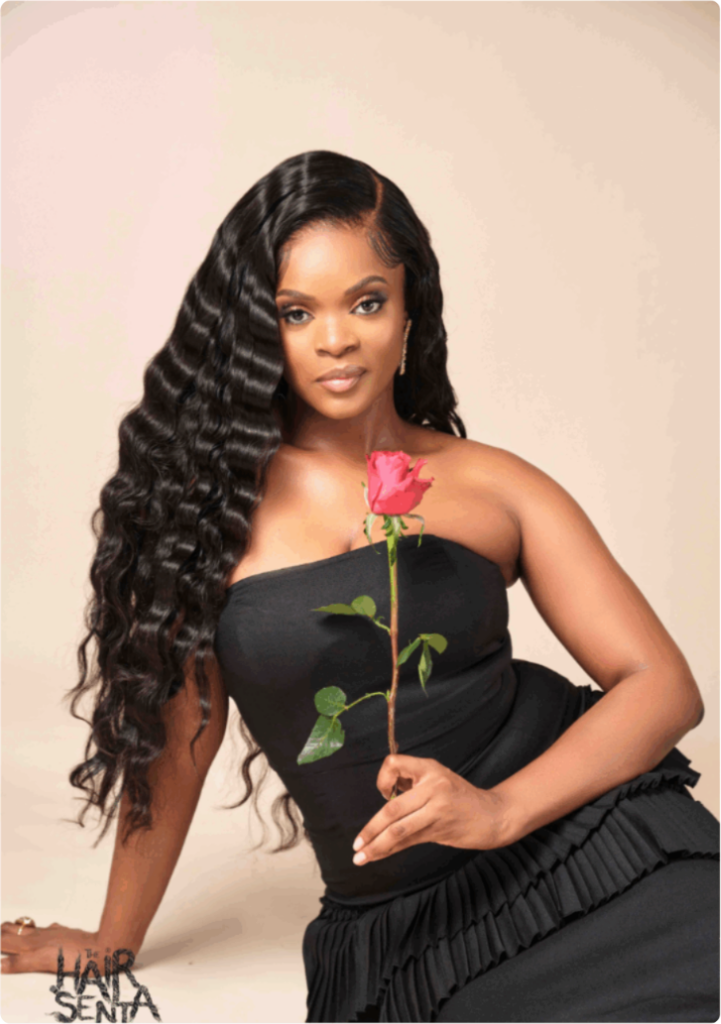











https://www.instagram.com/hairsenta?utm_source=ig_web_button_share_sheet&igsh=ZDNlZDc0MzIxNw==
🌸✨ Hair Senta – Where Beautiful Hair Meets Beautiful Conversations ✨🌸
As the season turns to summer, Hair Senta invites you to embrace a fresh start with more than just stunning hair. Step into a world of renewal with an experience wrapped in care, expertise, and a vibrant new energy. Every interaction is thoughtfully designed to deliver the finest human hair extensions from Ghana, while empowering you with expert guidance on how to care for, style, and love your hair as you bloom.
From your first greeting to your final choice, we listen, educate, and support you with warmth and professionalism. Whether you’re refreshing your look for the new season, attending spring weddings, or simply treating yourself to a “new year” glow-up, our team ensures you leave radiant, confident, and ready to shine.
💇🏾♀️ Why Choose Hair Senta This Summer?
✨ Trademarked, trusted, and internationally recognised
✨ Premium human hair extensions shipped from Ghana to the world
✨ Personalized, educational, and uplifting client experience—designed to help your confidence grow
🎁 This season, gift yourself the beauty of a fresh start. Because when your hair feels like a masterpiece, you’re ready to take on the world.
📍 Get in Touch
Visit us: 24 Jungle Avenue, Accra, Ghana 00233
Shop online: www.hairsenta.com
Call: (+233) 0544354455 / 0248629769
Hair Senta — Because great hair is always in season. 🌷✨
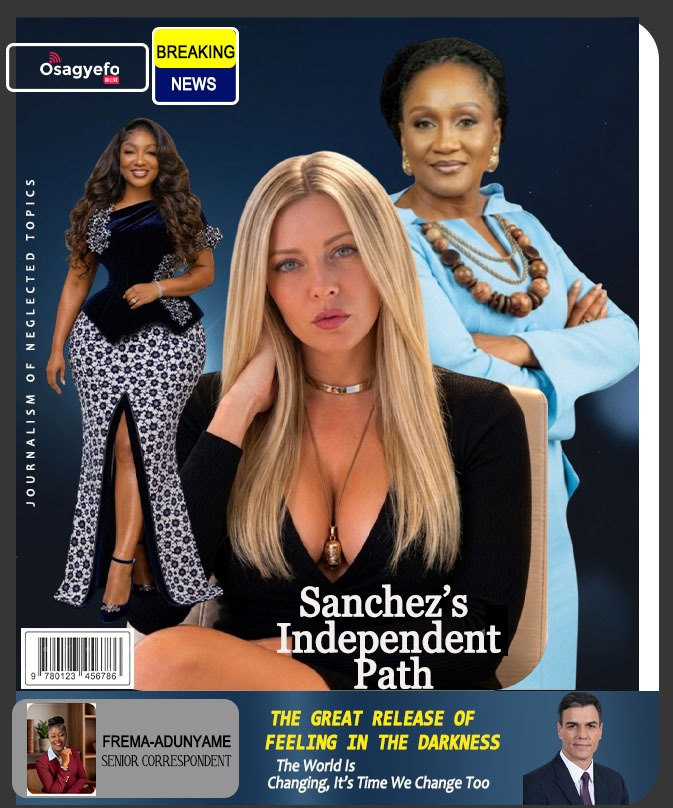
EDITORIAL: The Great Release of Feeling in the Darkness
The World Is Changing. It’s Time We Change Too.
“Working actively for peace is much more than a moral requirement, it is an existential necessity.” — Pedro Sánchez, United Nations General Assembly
The international order is evolving. Increasingly, nations are making foreign policy decisions based on what they believe best serves their own national interests, even when those decisions differ from the preferences of powerful allies.

Spanish Prime Minister Pedro Sánchez. Source: Wikipedia
Spain’s decision under Prime Minister Pedro Sánchez to refuse the use of Spanish military bases for offensive operations against Iran reflected its government’s interpretation of its legal obligations, strategic priorities, and national interests. The decision led to diplomatic tensions with the United States and public criticism from Washington.
Yet Spain’s refusal represents something larger than a single foreign policy dispute. It represents a growing willingness among nations to exercise independent judgment, even when doing so carries political costs. In that sense, it reflects a broader transformation taking place in international affairs.
As Sánchez himself stated before the United Nations, “Working actively for peace is much more than a moral requirement, it is an existential necessity.” This idea speaks to an emerging vision of leadership in which strength is measured not only by the capacity to act, but also by the wisdom to exercise restraint.
When we look at Pedro Sánchez’s refusal, many see more than a policy decision. They see a reminder of what many hoped the twenty-first century would become: a century guided not solely by power, competition, and geopolitical rivalry, but also by compassion, responsibility, and genuine leadership.
Human beings act according to what they understand. Nations do the same. Our decisions arise from our memories, our experiences, and the lessons we believe history has taught us. No individual can confidently move toward what they do not understand, and no society can chart a future without first understanding itself.
Perhaps this is why such decisions resonate so deeply. They are not merely debates about foreign policy. They are debates about identity, memory, and the future. For many Europeans, they reflect a continent seeking a renewed voice, one capable of acting independently while remaining committed to cooperation, diplomacy, and peace.
History offers precedents:
- France (Under De Gaulle): Pursued an independent path within the Western alliance.
- West Germany (Under Willy Brandt): Ostpolitik favored dialogue where others preferred confrontation.
- France & Germany (2003): Opposed the 2003 Iraq War despite significant pressure from allies.
In each case, independent judgment carried political risks, yet it reflected the conviction that sovereignty and responsibility cannot be delegated entirely to others.
The world is changing. Strong partnerships are no longer defined by unquestioning agreement, but by the ability to manage differences with mutual respect. Every sovereign nation has the right to make decisions it believes are in its own national interest while remaining accountable to international law and its treaty commitments.
The great challenge of our age is not whether nations will disagree. They always will. The challenge is whether they can navigate those differences with maturity, wisdom, and compassion. If this century is to fulfill its promise, it will require leaders who understand that peace is not weakness, conscience is not hesitation, and independence is not isolation.
Perhaps that is the true meaning of the great release of feeling in the darkness: the reawakening of moral courage in an era too often defined by fear.
FEATURED GLOBAL PERSPECTIVES
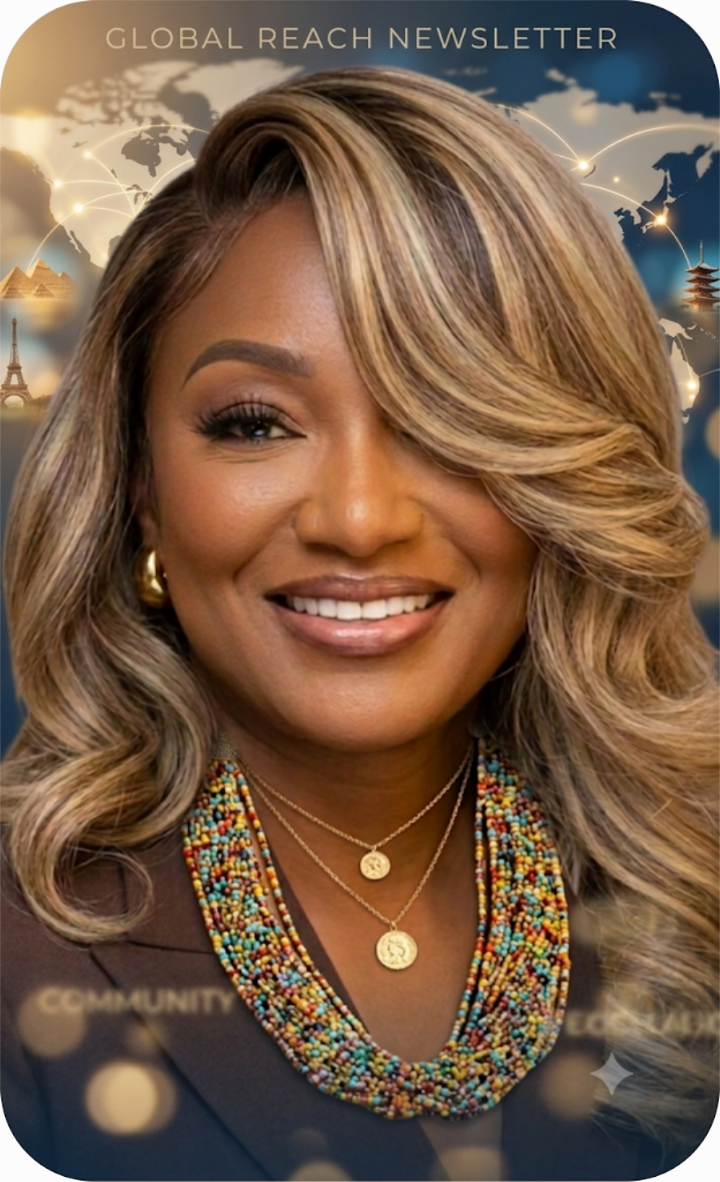
🌟 Akosua Owusuwaa
Movement-Builder Shaping Communities through Health & Beauty
A certified entrepreneur, wellness coach, food educator, and co-founder of Owusuwaa Weekly. As the visionary behind Hair Senta, HIBS-Africa, and TLS — The Leading Senta, Akosua Owusuwaa is redefining business as a community hub for transformation.
“Our culture is our health, and our health is our future.” — Akosua Owusuwaa
- Empowerment: Providing everyday people with practical wellness tools.
- Youth Leadership: Inspiring young minds to build a healthier, responsible future.
- Advocacy: Redefining health and beauty as fundamental human rights.
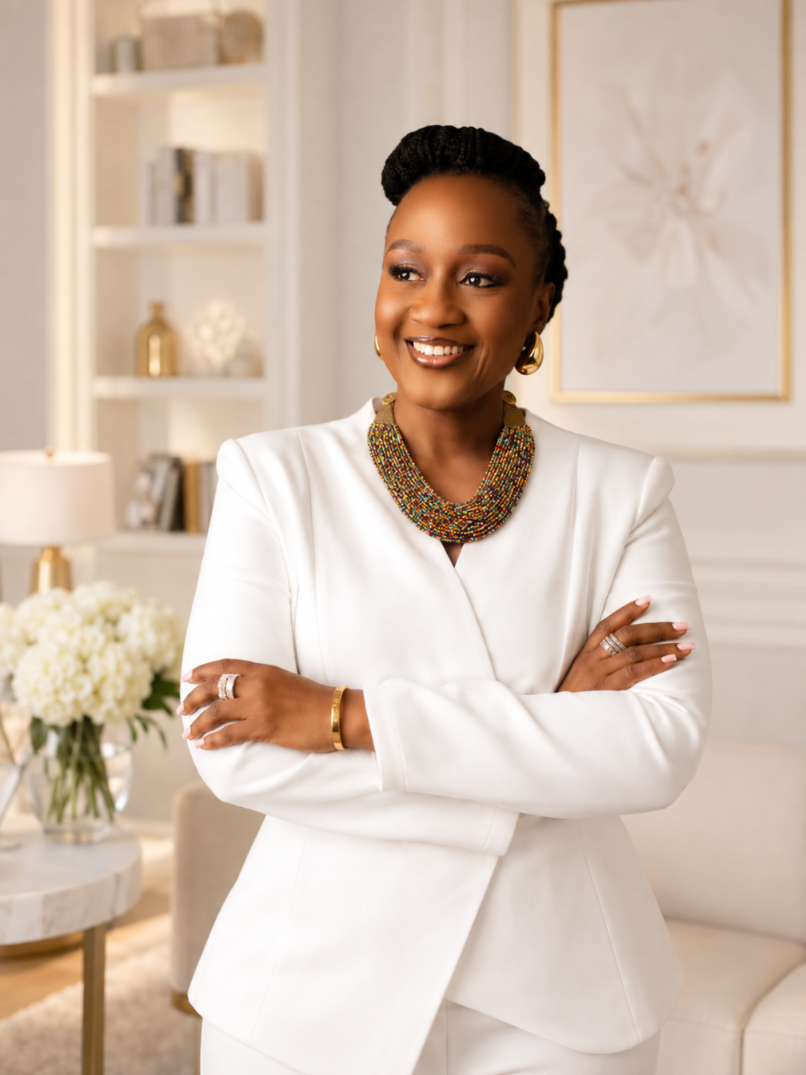
💼 Dzigbordi Kwaku-Dosoo
Executive Coach & Strategic Transformation Leader
A renowned Ghanaian entrepreneur, keynote speaker, executive coach, media personality, and consultant known for her expertise in high performance, leadership transformation, and human skills development. She assists leaders and organizations globally in building confidence, impact, and sustainable growth.
- Background: Founded DCG Consulting Group and Allure Africa, and hosted The Dzigbordi Show.
- Career Evolution: Successfully transitioned from Wall Street finance to wellness and strategic consulting.
- Core Focus: Empowering professionals to master “human skills” for success in an increasingly tech-driven world.

🏛️ Giorgia Meloni
Prime Minister of Italy
Giorgia Meloni is an Italian politician serving as Prime Minister of Italy since October 2022. She is the first woman to hold the office and heads the third-longest serving government in the history of the Italian Republic.
“Leadership today means rejecting barbarism and reimagining prosperity for humanity.” — Giorgia Meloni

🎙️ Frema Adunyame
Broadcast Journalist & Corporate Executive
A prominent Ghanaian broadcast journalist, media personality, and Head of Events Partnerships at Citi FM/TV & Channel One TV. Known for hosting flagship programs like Upside Down and Breakfast Daily, and anchoring major news broadcasts, she was recently recognized as valedictorian at the University of Ghana.
“Great leadership sparks not just hope, but a generational shift in vision and values.” — Frema Adunyame
📌 INSIDE THIS ISSUE:
Global Geopolitics & Foreign Policy Sovereignty
- Pedro Sánchez’s Strategic Restraint: Breaks down Spanish Prime Minister Pedro Sánchez’s foreign policy stance—specifically Spain’s refusal to allow Spanish military bases to be used for offensive strikes against Iran.
- Revisiting Independent Judgment: Examines historical precedents where sovereign nations exercised strategic independence within global alliances (such as De Gaulle’s France, Willy Brandt’s Ostpolitik, and European opposition to the 2003 Iraq War).
- A New Definition of Strength: Explores an emerging model of international leadership where national power is evaluated not just by military capacity, but by legal adherence, restraint, and diplomatic autonomy.
WHAT THIS UNPACKS
Global Geopolitics & Foreign Policy Sovereignty
- Pedro Sánchez’s Strategic Restraint: Breaks down Spanish Prime Minister Pedro Sánchez’s foreign policy stance—specifically Spain’s refusal to allow Spanish military bases to be used for offensive strikes against Iran.
- Revisiting Independent Judgment: Examines historical precedents where sovereign nations exercised strategic independence within global alliances (such as De Gaulle’s France, Willy Brandt’s Ostpolitik, and European opposition to the 2003 Iraq War).
- A New Definition of Strength: Explores an emerging model of international leadership where national power is evaluated not just by military capacity, but by legal adherence, restraint, and diplomatic autonomy.
- Lead Analysis: Pedro Sánchez’s Independent Path & Foreign Policy Sovereignty
- Global Voices: Leadership Insights across Health, Business, Governance, and Media
OSAGYEFO NEWSLETTER MAGAZINE
Global Dialogue Edition
The Great Release of Feeling in the Darkness
The World Is Changing. It’s Time We Change Too.
| 🎙️ HOST | 👥 PANELISTS |
|---|---|
| Frema Adunyame | Akosua Owusuwaa • Giorgia Meloni • Dzigbordi Kwaku-Dosoo |

🎙️ Frema Adunyame
To our distinguished readers across Africa, Europe, the Americas, Asia, Oceania, and every corner of the world, I extend my warmest greetings and heartfelt appreciation for joining us once again.
Wherever you are reading from, welcome.
Today we gather not merely to discuss world affairs, but to reflect on the values that define our common humanity. Our hope is that this conversation encourages thoughtful reflection about leadership, democracy, peace, sovereignty, and the responsibility every nation carries toward both its own people and the international community.
I also extend my sincere greetings to our distinguished panelists.

- Akosua Owusuwaa, welcome.

- Prime Minister Giorgia Meloni, welcome.

- Dzigbordi Kwaku-Dosoo, welcome.
Thank you all for accepting our invitation.
For the benefit of our international readers, allow me to introduce today’s distinguished guests.
Akosua Owusuwaa is a respected commentator and advocate for democratic participation and responsible citizenship. She has consistently encouraged conversations that place people, justice, and accountability at the centre of national development.

Joining us is Prime Minister Giorgia Meloni, one of Europe’s most influential political leaders, whose government has been deeply engaged in debates surrounding sovereignty, migration, European cooperation, and international security.

Our third panelist is Dzigbordi Kwaku-Dosoo, an entrepreneur, leadership strategist, and advocate for ethical leadership, known for inspiring institutions and individuals to lead with courage, integrity, and long-term vision.
To each of you, thank you for joining us.
We are honoured by your willingness to share your thoughts, insights, and perspectives on today’s feature article:
“The Great Release of Feeling in the Darkness”
Subtitle: “The World Is Changing. It’s Time We Change Too.”
This dialogue is more than an encounter between four women advocating for a free and democratic world.
It is a conversation for posterity.
It is an invitation to examine how nations make difficult choices during moments of geopolitical uncertainty and how leaders balance national interests, international partnerships, the rule of law, and the pursuit of peace.
At the centre of today’s discussion is Spanish Prime Minister Pedro Sánchez, who, like many leaders entrusted by their citizens, has devoted his energies to protecting his country while navigating an increasingly complex international landscape.
Our discussion emerges from the wider experiences of global geopolitics and foreign-policy sovereignty.
Among the themes we will explore are:
- Pedro Sánchez’s Strategic Restraint — examining Spain’s efforts to exercise independent judgment within its international alliances and its emphasis on diplomacy and national sovereignty.
- Revisiting Independent Judgment — looking back at moments when sovereign nations charted their own course, including Charles de Gaulle’s France, Willy Brandt’s Ostpolitik, and the differing European responses to the 2003 Iraq War.
- A New Definition of Strength — considering whether true national strength should be measured not only by military capability but also by respect for international law, diplomatic engagement, strategic restraint, democratic legitimacy, and the protection of human life.
As we continue, we will also examine the relationship between Spain and Morocco in the context of migration, border management, and European cooperation.
European funding provided to Morocco for migration and border-management programmes has generated public debate regarding transparency, effectiveness, accountability, and the broader humanitarian and geopolitical implications of these agreements. These are legitimate questions that deserve careful examination based on evidence and democratic scrutiny.
We will also reflect on Spain’s approach to international security and the difficult decisions governments face when balancing alliance commitments with their own constitutional responsibilities, national sovereignty, and the pursuit of peace.
Perhaps no words better capture the spirit of today’s discussion than those spoken by Prime Minister Pedro Sánchez before the United Nations General Assembly:
“Working actively for peace is much more than a moral requirement; it is an existential necessity.” — Pedro Sánchez, United Nations General Assembly
Those words invite us to ask an important question.
- Can strength be measured not only by the power to wage war, but also by the courage to pursue peace?
- Can diplomacy become a greater expression of national confidence than military confrontation?
These are the questions we place before our distinguished panel today.
Ladies and gentlemen, welcome to “The Great Release of Feeling in the Darkness.”
The world is changing. It is time we change too.
🏛️ Giorgia Meloni
Thank you very much, Frema, and thank you for inviting me to participate in this important dialogue.
The title of today’s discussion, “The Great Release of Feeling in the Darkness,” reminds us that history often asks difficult questions before it offers clear answers. Nations are tested during periods of uncertainty, and it is in those moments that leadership must combine conviction with responsibility.
When we speak about sovereignty, we should remember that it is not simply a political slogan. Sovereignty is the democratic right of a nation to make decisions in accordance with its Constitution, its institutions, and the will of its citizens while respecting international law and its international commitments.
Europe has experienced many conflicts throughout its history. Those experiences should encourage us to seek peace whenever possible. At the same time, peace cannot simply be the absence of conflict; it must also be built upon security, stability, justice, and respect for the sovereignty of nations.
The discussion surrounding Spain and Prime Minister Pedro Sánchez illustrates the complexity of governing in today’s interconnected world. Every democratic government must sometimes make difficult decisions that balance alliance obligations, national interests, humanitarian concerns, and long-term strategic objectives. Even when governments reach different conclusions, democratic societies should respect each nation’s right to exercise its own judgment within the framework of international law.
As I reflect on Spain’s recent experience, there are lessons every European leader can consider. Spain has pursued major investments in energy infrastructure, expanded healthcare and housing initiatives, and sought to strengthen the purchasing power of its middle class while navigating significant geopolitical and economic challenges. Whether one agrees with every policy or not, these efforts demonstrate that leadership must continually respond to the everyday needs of ordinary citizens as well as to international events.
“Great difficulties call for great leaders.”
Prime Minister Pedro Sánchez has become one of Europe’s most influential leaders, and his experience reminds us that leadership is ultimately judged not only by how a nation confronts external challenges, but also by how faithfully it serves its own people.
What I believe is essential is that Europe continues to speak with confidence—not because it seeks confrontation, but because it seeks responsibility. Europe must remain capable of defending its values while also strengthening diplomacy, encouraging dialogue, and preventing unnecessary escalation wherever possible.
Ultimately, leadership is not measured only by the decisions that are popular today. It is measured by whether those decisions:
- Protect human dignity
- Preserve democratic institutions
- Strengthen the well-being of citizens
- Contribute to a safer future for the next generation
If the world is indeed changing, then our greatest responsibility is to ensure that our principles do not change with it. Freedom, democracy, human dignity, respect for sovereign nations, and a commitment to peace must remain the foundation upon which lasting prosperity and stability are built.

Frema-Adunyame:
Thank you very much, Prime Minister Meloni, for your thoughtful and considered response.
I receive your reflections with great respect, and I appreciate the way you have connected the question of sovereignty with the responsibilities of leadership, the well-being of citizens, and the pursuit of peace.
You have reminded us that leadership is not simply about responding to crises. It is also about having the courage to make decisions whose consequences may extend far beyond the present generation.
And that brings me to a statement by Prime Minister Pedro Sánchez that I believe deserves particular attention.
In his address to the United Nations General Assembly, Prime Minister Sánchez said:
“Working actively for peace is much more than a moral requirement, it is an existential necessity.”
— Pedro Sánchez, Prime Minister of Spain
I would like to pause here and unpack those words because I believe they speak directly to the heart of our discussion. At its core, Prime Minister Sánchez is making a profound distinction.
He is saying that pursuing peace is no longer merely a question of ethics or virtue—of doing what is right—but a question of survival itself—of ensuring that humanity continues to exist.
Let us consider the three important ideas contained in his statement.
“Moral Requirement”
A moral requirement is an obligation driven by human values, ethics, compassion, justice, and our recognition of the suffering of others. From this perspective, preventing war is something we ought to do because human life has value. We should pursue peace because war creates suffering, destroys communities, separates families, creates displacement, and leaves wounds that can take generations to heal.
“Existential Necessity”
But Sánchez takes the argument one step further.
An existential necessity is something we must do because failure could threaten our very existence.
The world of the twenty-first century is different from the world of previous generations.
We now possess weapons and technologies capable of causing destruction on an unprecedented scale.
A conflict that begins in one region can rapidly affect energy markets, food supplies, financial systems, migration, international security, and diplomatic relations across continents.
Therefore, peace is no longer simply an ideal that belongs to philosophers, diplomats, or humanitarian organisations.
It has become a question of survival.
“Working Actively”
And then there is perhaps the most important part of the statement:
“Working actively for peace.”
Peace cannot simply mean the absence of shooting.
A ceasefire is not necessarily peace.
Silence between two conflicts is not necessarily peace.
And the absence of war today does not guarantee the absence of war tomorrow.
Active peace requires deliberate work.
It requires diplomacy.
It requires strong institutions.
It requires respect for international law.
It requires dialogue between nations.
It requires addressing the root causes of instability—including poverty, inequality, exclusion, insecurity, and political grievances.
It requires leaders to prevent disagreements from becoming conflicts and conflicts from becoming wars.
That is why I believe Sánchez’s statement represents an important shift in how we should understand peace.
From Ethics to Survival
Historically, peace was often presented primarily as a noble moral and philosophical ideal.
But today, our world is so interconnected that a crisis in one part of the world can quickly become a crisis everywhere.
Modern warfare carries the danger of catastrophic escalation.
Global trade connects economies.
Energy systems connect nations.
Food supplies cross borders.
Climate instability does not recognise national boundaries.
And millions of people can be displaced by conflicts that begin thousands of kilometres away.
So perhaps the question before our generation is no longer simply:
“Should we pursue peace?”
Perhaps the more urgent question is:
“What happens to humanity if we fail to pursue peace?”
That brings us to the distinction between passive peace and active peace.
Passive peace says:
“There is no war at this moment.”
Active peace says:
“We are deliberately building the conditions that prevent war from happening.”
And that requires three fundamental commitments:
First: Addressing Root Causes.
We must confront poverty, inequality, political exclusion, insecurity, and other conditions that create instability.
Second: Strengthening Institutions.
International law, treaties, democratic institutions, and mechanisms for peaceful dispute resolution must be strengthened rather than weakened.
Third: Sustained Diplomacy.
Nations must continue talking—even when they disagree deeply. Diplomacy becomes most important precisely when relationships are most difficult.
Without this continuous work, peace can deteriorate into tension, and tension can eventually become conflict.
So, if we were to place Sánchez’s statement into a simple framework, we might say:
| Moral Requirement | Existential Necessity |
|---|---|
| Human empathy | Human survival |
| Justice and ethics | Global stability |
| “We should pursue peace because it is right.” | “We must pursue peace because failure can be catastrophic.” |
| Preventing human suffering | Preventing systemic collapse |
And perhaps that is where the title of our article, “The Great Release of Feeling in the Darkness,” becomes particularly meaningful.
Because sometimes humanity discovers its deepest wisdom during its darkest moments.
Perhaps the darkness is not simply the presence of war, fear, division, and uncertainty.
Perhaps the darkness is also the moment in which humanity is forced to decide what kind of civilisation it wants to become.
Prime Minister Meloni, thank you once again for your contribution.
And now, with great respect, I would like to turn to another distinguished voice on our panel.
Dzigbordi Kwaku-Dosoo, you have heard this discussion about sovereignty, leadership, peace, human dignity, and the responsibilities of nations in an increasingly interconnected world.
From your perspective as a leader and advocate for purposeful leadership, what does Pedro Sánchez’s statement—”Working actively for peace is much more than a moral requirement, it is an existential necessity”—mean to you?
And perhaps more importantly:
What does active peace require from today’s leaders—not only in Europe, but across Africa and the wider world?
Dzigbordi, the floor is yours.

💼 Dzigbordi Kwaku-Dosoo
Thank you so much, Frema, for that compelling framing, and thank you Prime Minister Meloni for establishing such a grounded foundation on sovereignty and civic responsibility.
When I hear Pedro Sánchez’s words—that working actively for peace is an existential necessity—I hear a call to action that resonates far beyond foreign policy offices and diplomatic summits. As someone who works at the intersection of leadership transformation, executive strategy, and human development, I interpret his statement through a very distinct lens: the lens of human capability and organizational survival.
In the corporate and developmental worlds, we often say that strategy is what you write on paper, but culture and execution are what happen in real life. Peace is no different. Peace is not an abstract state of being; it is an active, operational culture that requires continuous investment, emotional intelligence, and relentless execution.
The Business of Peace: From Passive Intent to Active Execution
Frema, you drew a vital distinction between passive peace and active peace. In executive coaching, we see this exact dynamic when organizations talk about conflict:
- Passive peace is non-aggression: It is the silence in a boardroom where people disagree but refuse to speak because they fear the fallout. It is temporary, fragile, and volatile.
- Active peace is constructive engagement: It is building the psychological safety, institutional structures, and human skills necessary to navigate friction without destruction.
When Prime Minister Sánchez calls peace an existential necessity, he is pointing out that in our interconnected 21st-century ecosystem, unresolved systemic conflict is toxic to human progress.
Whether you are governing a nation, managing an international supply chain, or building communities across Africa and Europe, the cost of systemic collapse is simply too high. War, economic isolation, and geopolitical brinkmanship do not just destroy lives; they destroy the future infrastructure of human potential.
What Active Peace Demands from Modern Leaders
If active peace is an existential necessity, what does it actually require from today’s leaders—whether in Accra, Madrid, Rome, or Washington?
In my view, it demands three fundamental shifts in how we define and practice leadership:
1. Mastering “Human Skills” Over Unilateral Power
For decades, leadership has been conflated with dominance—the ability to project power, enforce compliance, and out-maneuver rivals. But in an AI-driven, hyper-connected world, technical dominance is no longer enough.
True strength today lies in human skills:
- Radical Empathy: The capacity to understand an opponent’s security concerns or historical trauma without compromising your own core principles.
- Emotional Agility: The maturity to resist short-term political applause in favor of long-term stability.
- Relational Integrity: Building trust before a crisis hits, so that when disagreements arise, communication channels remain open.
2. Recognizing Interdependence Across Continents
Africa and Europe share more than geographic proximity; we share an intertwined destiny. When we look at issues like migration, climate adaptation, trade, and border management—such as the discussions surrounding Spain and North Africa—we see clearly that no continent can insulate itself from the challenges of another.
A leader who understands existential peace recognizes that my stability is dependent on your stability. Security cannot be exported or built behind walls; it must be co-created through genuine partnerships, transparent agreements, and shared economic dignity.
3. The Courage of Strategic Restraint
It takes very little wisdom to escalate a conflict. Rage is easy; retaliation is popular in the short term. What requires immense courage—what I consider the ultimate mark of executive leadership—is strategic restraint.
When a leader chooses diplomacy over confrontation, when they refuse to let their military or economic power be weaponized for immediate political points, they are not showing weakness. They are exercising the highest level of leadership maturity. They are prioritizing the survival and flourishing of their people over the gratification of the ego.
A Call to Posterity
Frema, you mentioned that this dialogue is a conversation for posterity.
To the young leaders watching us across Africa and the world: Peace is not something you inherit; it is something you build. It requires the same discipline, analytical rigor, and strategic foresight as building an enterprise or governing a state.
If we want to navigate the darkness of this changing world, we must raise a generation of leaders who do not view peace as a soft ideal, but as the hard, foundational metric of sustainable success.
Prime Minister Sánchez is right. Peace is our survival. And survival demands that we lead differently starting today.
Thank you.

🎙️ Frema-Adunyame
Thank you so much, Dzigbordi, for those profound insights. You have brought this high-level geopolitical debate right down to where it matters most: human potential, organizational capability, and the essential leadership skills needed to build active peace across communities and continents.
Your point that strategic restraint requires far more courage than escalation is a vital takeaway for all of us today.
And now, I am delighted to turn to our next distinguished panelist, Akosua Owusuwaa.
Akosua, as a movement-builder, wellness educator, and advocate for democratic participation and community empowerment, you have consistently focused on human dignity, health, and accountability at the grassroots level.
How do you view this evolving global landscape, and what are your reflections on leadership, sovereignty, and the pursuit of peace?
The floor is yours.

🌿 Akosua Owusuwaa
Thank you, Frema.
And thank you for giving me the opportunity to contribute to this important conversation.
I have listened carefully to Prime Minister Meloni, and I have also listened carefully to the way you have unpacked Prime Minister Pedro Sánchez’s words and Dzigbordi’s reflections on strategic leadership.
To put this into context, at the beginning of this newsletter, we looked at how complex international partnerships can be. Consider the issues surrounding Moroccan border management funding—where concerns arose over transparency, execution, and understanding where financial resources were going. These were significant funds that both the Americans and Spanish governments were providing for border security and regional stability.
Now, look at how Spain’s President, Pedro Sánchez, chose his path amidst such delicate geopolitical pressure.
Spain said no to the United States regarding the use of Spanish military bases after nearly 70 years of strategic military cooperation. US President Donald Trump’s reaction was to threaten to cut off trade with Spain.
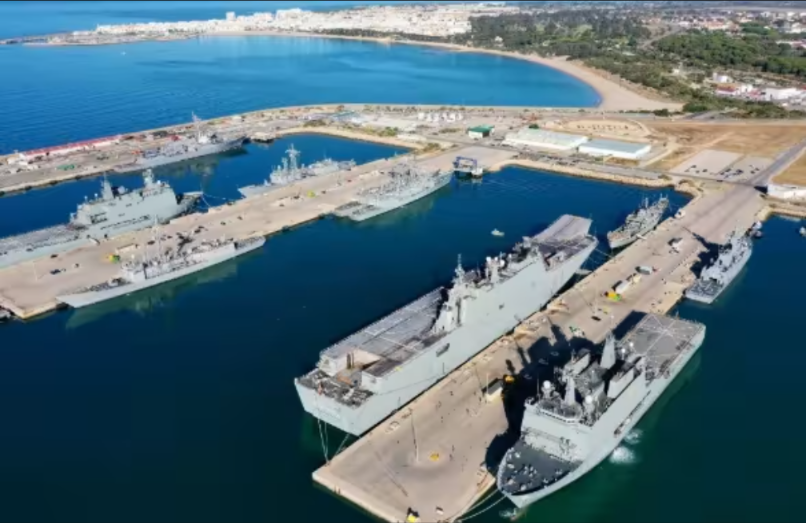
Many people understandably ask why Spain would risk all of that. Those bases are worth a fortune because they provide local employment, revenue, and deep military ties. Yet, Pedro Sánchez firmly refused to allow them to be used for military operations against Iran.
After all this, Pedro Sánchez has adopted a stance that only courageous and compassionate leaders could take. It is not about the money, nor is it merely about diplomatic convenience; rather, it is about how we can provide protection, dignity, and freedom to ourselves and to others. That is the key element Pedro Sánchez has expressed as a leader.
There is one phrase that continues to resonate with me deeply:
“Working actively for peace.”
Because those three words—working actively—place responsibility upon all of us.
- Peace does not happen by accident.
- Peace is built.
- Peace is protected.
- Peace is sustained by the choices that leaders, institutions, communities, and individuals make every single day.
And I believe this is where leadership becomes truly important.
We often measure leadership by power, economic growth, political influence, military strength, or the ability to command attention.
But perhaps we need to ask a different question:
- What is the purpose of power if it cannot protect human life?
- What is the value of economic prosperity if ordinary families live in fear?
- What is the meaning of political strength if disagreement inevitably leads to confrontation?
- And what does national greatness mean if the next generation inherits a world that is less peaceful, less secure, and less hopeful than the one we received?
For me, leadership must ultimately return to the human being:
- The mother who wants her children to come home safely.
- The father who wants to provide for his family.
- The young person who wants an education and an opportunity.
- The entrepreneur who wants to build without instability destroying everything they have created.
- The community that wants to live without fear.
These are not abstract ideas. This is what peace looks like in real life.
And that is why I find the distinction between a moral requirement and an existential necessity so powerful.
- A moral requirement tells us: “Do the right thing.”
- An existential necessity tells us: “We cannot afford to get this wrong.”
That is a very different level of responsibility.
We live in a world where a political decision made in one capital can affect millions of people thousands of kilometres away.
A conflict can disrupt energy supplies. It can affect food prices. It can create refugees. It can destabilise economies. It can divide societies. And with modern technology, misinformation and political hostility can travel across borders almost instantaneously.
So active peace requires much more than diplomats sitting around a table after a conflict has already begun.
- It requires leadership before the crisis.
- It requires listening before anger becomes resentment.
- It requires dialogue before disagreement becomes confrontation.
- It requires institutions strong enough to protect people when political tensions rise.
- And it requires leaders who understand that compromise is not necessarily weakness.
Sometimes compromise is courage. Sometimes restraint is strength. Sometimes the most powerful decision a leader can make is the decision not to escalate.
But I would also add something important: Peace cannot be separated from human development.
If young people have no opportunity, if communities experience persistent poverty, if inequality becomes unbearable, if people feel that institutions do not represent them, then instability will eventually find an opening.
You cannot build sustainable peace while ignoring the conditions that make people desperate.
That is why I believe leadership must connect foreign policy with domestic responsibility.
A nation must think about security, yes. But it must also think about:
- Housing
- Education
- Healthcare
- Employment
- Energy
- Entrepreneurship
- The purchasing power of ordinary people
Because when people have dignity and opportunity, they have more to protect—and more reason to believe in peaceful democratic institutions.
This is also where I believe Africa has an important lesson to offer the world.
Africa cannot simply remain an audience to decisions made elsewhere. African nations must develop the confidence to define their own interests, strengthen their institutions, build resilient economies, and participate meaningfully in global diplomacy.
Sovereignty should not mean isolation. And international cooperation should not mean surrendering independent judgment. We need both.
We need nations capable of standing on their own feet while still recognising that humanity ultimately shares one destiny.
And perhaps that is the deeper meaning of the title “The Great Release of Feeling in the Darkness.”
The darkness can make us afraid. But it can also make us see.
- It can force us to recognise what truly matters.
- It can remind us that behind every geopolitical calculation are human beings.
- Behind every military decision are families.
- Behind every economic sanction are workers and communities.
- Behind every border crisis are human stories.
- And behind every decision for peace is the possibility of another generation growing up without inheriting the wounds of the previous one.
So when Prime Minister Sánchez says that working actively for peace is an existential necessity, I hear a call to leadership.
Not leadership defined by who can speak the loudest. Not leadership defined by who possesses the greatest military power.
But leadership defined by who has the courage to protect human life, preserve dignity, build opportunity, and prevent today’s disagreements from becoming tomorrow’s tragedies.
Great difficulties do indeed call for great leaders. But I would add: Great difficulties also reveal what kind of leaders we truly have.
And perhaps the question for our generation is not whether the world is changing. It clearly is. The question is: Will our leadership change quickly enough to meet the challenges of the world we are creating?
That, to me, is where the conversation about peace truly begins.
🎙️ Frema-Adunyame
Thank you so much, Akosua, for that deeply moving response. You have brought this dialogue back to its most fundamental truth: that leadership, foreign policy, and sovereignty must always serve the dignity, health, and everyday lives of ordinary human beings.
And as the historical consistency of Spain has proven—of the noblest human richness—it is rapidly expanding its clean energy infrastructure while other countries and regions, including parts of America, Europe, and Africa, still rely heavily on traditional fossil fuels.
This strategic clarity means something extraordinary: Spain isn’t chained to the Strait of Hormuz.
This resilience did not happen overnight. It is the result of decades of deliberate investments, and now the payoff is real.
The cost of living in Spain is remarkable—significantly better than in America, including rent. That means Spanish citizens keep more of their hard-earned money in their own pockets.
So Pedro Sánchez and his country, Spain, are not merely a “socialist country” in the narrow label often used by critics. Rather, Spain is a nation that treasures the dignity of human beings—the people who live and build their lives there.
In that light, Prime Minister Pedro Sánchez stands as a symbol of the noble richness of consistency.
❓ Question to the Panelists
To our distinguished panel—Prime Minister Giorgia Meloni, Dzigbordi Kwaku-Dosoo, and Akosua Owusuwaa:
How do you view this connection between long-term energy independence, economic dignity for citizens, and a nation’s ability to stand firm in its foreign policy choices without fear of external coercion?
The floor is open for your responses.

🏛️ Prime Minister Giorgia Meloni
Thank you, Frema.
You have raised a crucial dynamic that every modern head of state must confront: the undeniable link between a nation’s domestic energy foundation, the daily economic reality of its citizens, and its foreign policy autonomy.
Let me be very clear about how I view this from Rome.
First, energy security is national security. When a country relies heavily on volatile global energy bottlenecks—whether it is the Strait of Hormuz or external pipeline networks—it places a direct constraint on its strategic flexibility. A nation whose power grid and industry can be paralyzed by an external supply shock will inevitably face immense pressure when making difficult foreign policy decisions.
What Spain’s trajectory demonstrates—and what we in Italy and across the European Union closely observe—is that accelerating domestic energy generation, whether through renewables or diversified low-carbon systems, transforms energy from a structural vulnerability into a shield for national sovereignty. When domestic energy prices remain stable during international crises, a government retains the political space and fiscal stability to govern in the interest of its own people rather than acting out of immediate geopolitical panic.
Second, regarding the label of “socialism” versus pragmatism: in political discourse, ideological labels are often thrown around to simplify complex strategies. But what matters to a family in Madrid, Rome, or Milan is not an ideological tag; it is whether their government can protect their purchasing power, secure affordable electricity, ensure affordable housing, and maintain dignified living conditions.
Protecting human dignity and ensuring that citizens keep the fruits of their labor in their pockets is not the property of any single political ideology—it is the fundamental obligation of a sovereign state.
Finally, consistency in leadership is a rare currency in world affairs. Whether one agrees or disagrees with every specific policy decision made in Madrid, when a leader aligns long-term domestic energy strategy with a consistent foreign policy posture, it sends a clear signal to international partners: decisions are being made based on constitutional responsibilities, national stability, and long-term vision, not external coercion.
True strength in European governance today means building a continent capable of standing on its own feet—energy-independent, economically resilient, and confident enough in its own values to choose dialogue, stability, and peace.

💼 Dzigbordi Kwaku-Dosoo
Frema, if I may jump in from an executive and strategic perspective:
What you just described regarding Spain’s decades-long investment in energy independence is what we call in corporate strategy “building an unshakeable core.”
When an institution or a nation depends entirely on external resources for its fundamental operational needs, it operates from a position of strategic weakness. The moment a crisis hits a global supply route, that nation is forced into reactive, defensive decision-making.
By investing intentionally over years into domestic capacity, Spain effectively insulated its domestic economy from global energy volatility. Look at the result: when shockwaves hit international energy markets, Spanish households and businesses were shielded from price surges that hit other nations hard.
That economic cushion gives leadership what every executive and head of state needs most during a crisis: leverage and choice.
Pedro Sánchez was able to say “no” to military base utilization for offensive operations precisely because his nation was not operating in a state of immediate economic desperation. He wasn’t constrained by the threat of instant domestic collapse caused by energy retaliation.
For leaders across Africa and the developing world, this is a masterclass in long-term governance: Economic dignity at home creates strategic freedom abroad. You cannot exercise true sovereignty in your foreign policy if your domestic economy is built on shifting sands. Consistency and deliberate long-term investment are what create true national strength.

🌿 Akosua Owusuwaa
Thank you, Frema. I want to anchor this right where it belongs—at the human level.
When we talk about energy infrastructure, megawatts, and foreign policy, it can easily sound like abstract political science. But what does clean energy consistency actually mean for an ordinary family?
It means a mother can turn on her lights without fearing an exorbitant bill at the end of the month. It means a small business owner—a hair salon, a bakery, a community clinic—doesn’t have to close shop because electricity costs spiraled out of control. It means young people can afford rent and save money to build a future.
That is not about ideological labels; that is about human wellness and dignity.
When a leader uses the power of the state to ensure that basic human needs—like power, housing, and healthcare—are protected from global chaos, that is leadership acting as a protective shield for its people.
Spain’s refusal to be dragged into escalated conflict is a direct reflection of that same protective instinct. A government that values the daily dignity and peace of its citizens at home will naturally think twice before contributing to violence and instability abroad.
Consistency in protecting human life—whether through affordable living at home or active peace diplomacy abroad—is indeed the noble richness we should demand from all global leadership today.
🎙️ Frema-Adunyame
Thank you—Prime Minister Meloni, Dzigbordi Kwaku-Dosoo, and Akosua Owusuwaa—for this extraordinary, deeply illuminating conversation.
To have three such formidable leaders spanning Europe and Africa share your wisdom on one platform has given our readers across every continent a rare and masterclass level of insight into modern governance, sovereignty, human dignity, and global diplomacy.
As we bring this special international edition to a close, I find myself returning to the very heart of today’s title:
“The Great Release of Feeling in the Darkness.” “The World Is Changing. It’s Time We Change Too.”
Darkness in international affairs is often defined by uncertainty, escalation, economic fear, and the quiet pressure on nations to conform without question. But as our dialogue today has proven, darkness is also the exact canvas where moral courage shines brightest.
When we look at the choices made by Spanish Prime Minister Pedro Sánchez, we do not merely see a debate over foreign policy or military bases. We see what happens when consistency, long-term vision, and human empathy become the guiding pillars of leadership:
- It is the courage to insist that working actively for peace is an existential necessity, not an optional virtue.
- It is the wisdom to build domestic energy independence, ensuring that a nation’s foreign policy is driven by its principles—not chained to geopolitical fear or vulnerable supply lines.
- It is the commitment to protect the economic dignity of ordinary citizens, proving that true national strength is measured by the quality of life inside homes and communities.
The world is indeed changing before our eyes. The old paradigms of power—where strength was measured solely by military dominance, financial coercion, or uncritical compliance—are giving way to a new global consciousness.
Nations across Africa, Europe, the Americas, Asia, and Oceania are asserting their right to independent judgment, strategic restraint, and democratic accountability. They are reminding us that true leadership does not escalate crises; it builds the conditions that prevent them.
If this century is to fulfill its promise for posterity, it will require more leaders, more institutions, and more citizens who understand that:
- Peace is not weakness.
- Restraint is not hesitation.
- Sovereignty is not isolation.
- And compassion is the ultimate expression of human confidence.
To our millions of readers joining us from every corner of the globe: thank you for being part of this vital conversation. May these insights inspire us all to champion human dignity, seek active peace, and embody the change our changing world so urgently requires.
From all of us at Osagyefo Newsletter Magazine, good night, stay safe, and let us continue to walk together toward the light.
┌────────────────────────────────────────────────────────────────────────┐
│                   OSAGYEFO NEWSLETTER MAGAZINE                         │
│             Read exclusively at: https://assumptagh.live               │
└────────────────────────────────────────────────────────────────────────┘
An introduction to the Soka Gakkai and Nichiren Buddhism. Where do the teachings originate from? What is the philosophy of Buddhism? How do Soka Gakkai members apply it in their daily lives?
The Soka Gakkai is a global community-based Buddhist organization that promotes peace, culture and education centered on respect for the dignity of life. Its members in 192 countries and territories study and put into practice the humanistic philosophy of Nichiren Buddhism.
Soka Gakkai members strive to actualize their inherent potential while contributing to their local communities and responding to the shared issues facing humankind. The conviction that individual happiness and the realization of peace are inextricably linked is central to the Soka Gakkai, as is a commitment to dialogue and nonviolence.
Subscribe to our channel: / sgivideosonline
Visit our website: https://www.sokaglobal…
Like us on Facebook: / sgi.info
Follow us on Instagram: / sgi.info
Follow us on Twitter: / sgi_info


https://www.instagram.com/babiesandtodds_?igsh=MWs0ZHlsbjcxNXEyZg==
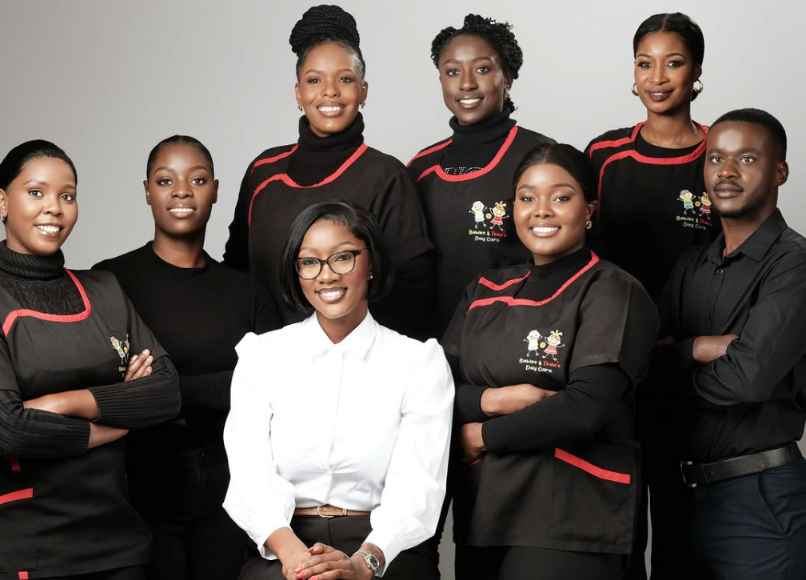
The Vision of Assumpta Gahutu, Esq.
The ideas of the Principal of Babies Todds Daycare, Assumpta Gahutu, Esq., have had an enduring impact not only in Africa but across the globe. Her vision emerged at a time when the lingering effects of imperial and oppressive structures appeared to limit the possibilities for African-centered educational development.
Yet, through determination, compassion, and clarity of purpose, she forged a new path for early childhood education. Under her leadership, Babies Todds Daycare has grown into far more than a childcare facility; it has become a value-creating environment where the character of the future is gently formed.
Through this mission, she has nurtured the growth of young children whose lives will embody the values the world will need in the centuries to come. Her work reflects a profound belief: that the foundation of a just and humane society begins with how we educate and care for our youngest generation. In this way, the philosophy behind Babies Todds represents not simply an institution, but a lifelong commitment to shaping the character, dignity, and future of humanity.
Babies Todds
A Safe and Nurturing Daycare and Preschool in the Heart of Windhoek
Babies Todds is a warm and welcoming space where young children are encouraged to grow, learn, share, and create in a supportive environment. Our daycare and preschool are dedicated to providing quality early childhood education that fosters curiosity, creativity, and confidence in every child.
📍 Location: Windhoek, Namibia
📞 Phone: +264 81 673 7599
🌐 Website: www.babiestodds.com
A beautiful place where the journey of learning begins and where every child is given the opportunity






https://www.instagram.com/serwaaamihere?igsh=N216N3hzeTE3eHho
https://www.instagram.com/tangoprimeofficial?igsh=NGRiNmE2NDJldnA4
https://www.instagram.com/officeandcobysa?igsh=dmxucTZ2a2t1eDBn
https://www.instagram.com/florabydeltapapermill?igsh=MTJtajJjcm9kemZmeA==
https://www.instagram.com/_sankofanaturalspices?igsh=MXFnb3ppd3dydWN1eg==
Everyday Essentials Presents: The Journalist with a Conscience
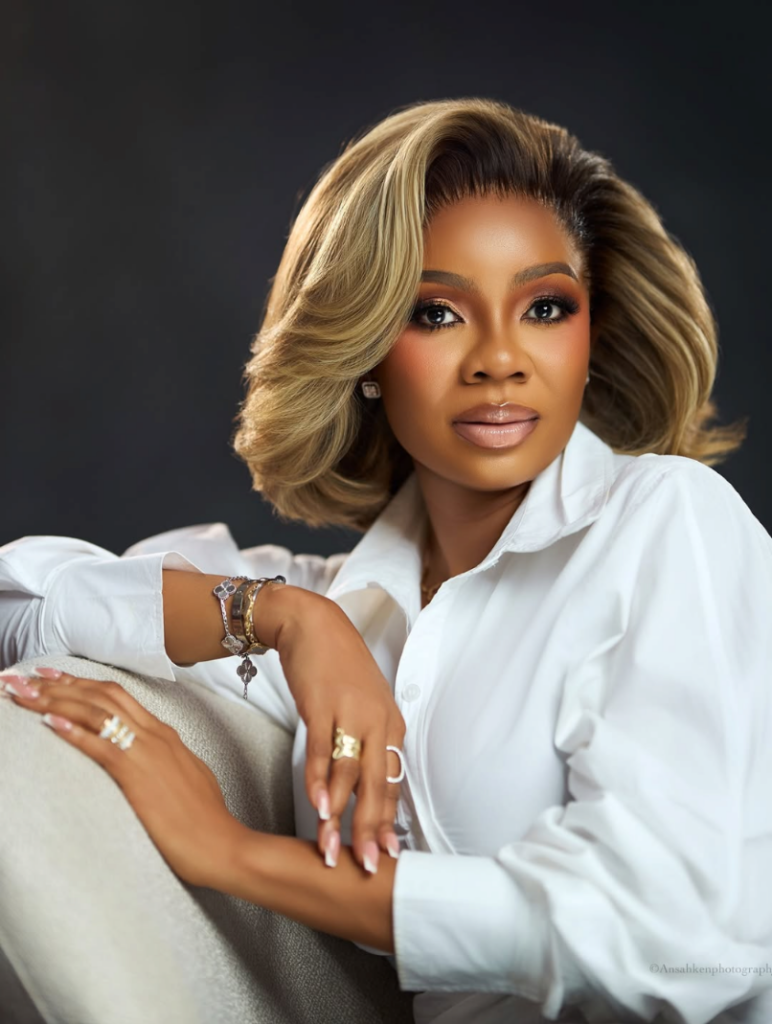
Meet Serwaa Amihere, Esq. — A visionary connecting Ghana to the global stage through Everyday Essentials.
As a celebrated broadcast journalist, lawyer, and entrepreneur, Serwaa brings her commitment to excellence from the newsroom to your doorstep. Featured exclusively at Everyday Essentials, her curated collection represents the gold standard of Ghanaian craftsmanship and lifestyle.
Why Choose the Serwaa Amihere Collection?
- Trusted Pedigree: Hand-selected by one of Ghana’s most respected media personalities.
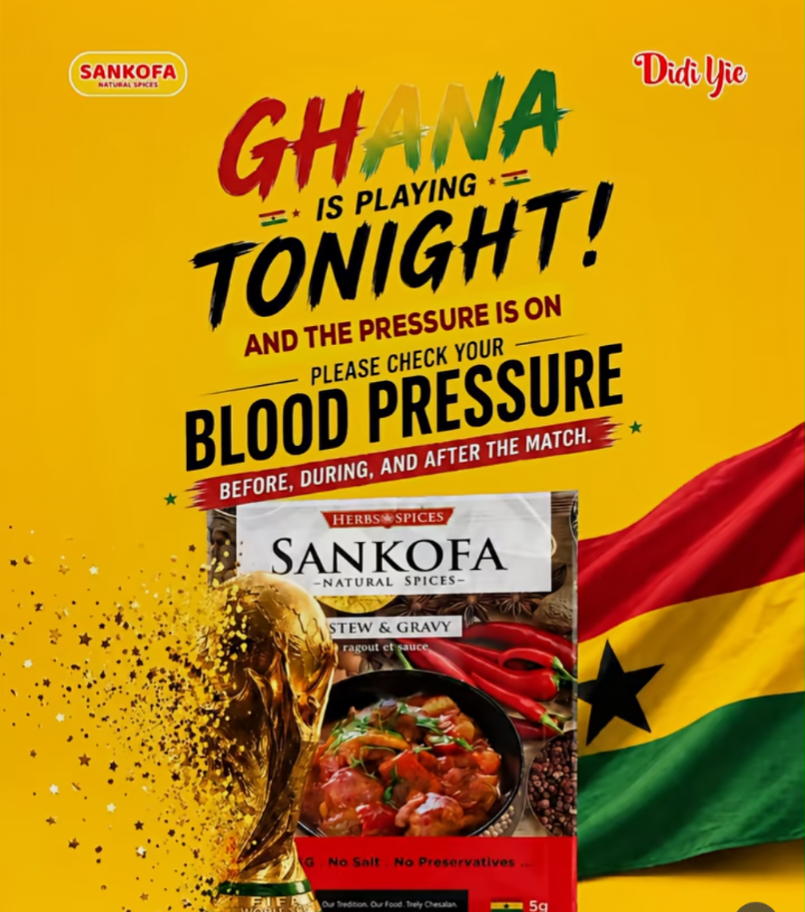
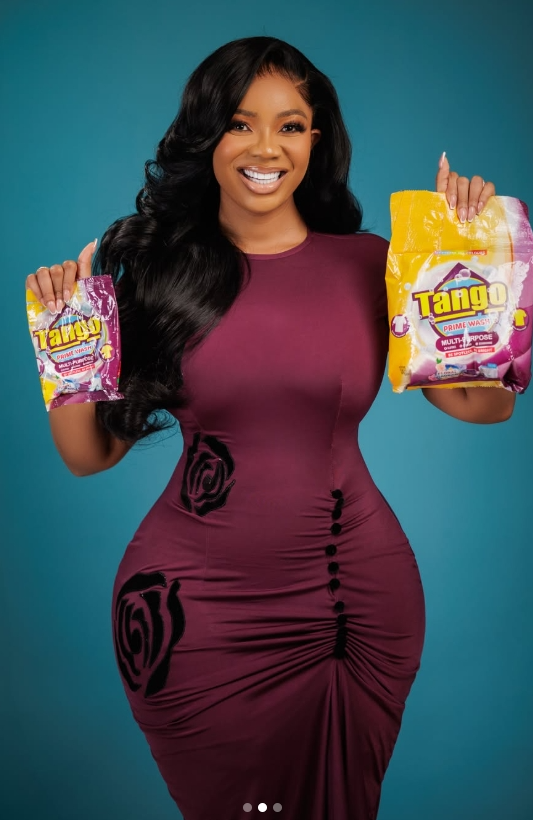
- Uncompromising Quality: From premium natural spices to the sophisticated silhouettes of Officeandcobysa, every item meets rigorous standards for health and style.
- Authentically Ghanaian: We bridge the gap between local heritage and global luxury, bringing Ghana’s finest exports to an international audience.
- Holistic Lifestyle: A seamless blend of wellness, beauty, and professional elegance designed for your daily needs.
Experience a lifestyle defined by quality and integrity. Discover the best in health, beauty, and fashion—handpicked with care by Serwaa Amihere.
#EverydayEssentials #SerwaaAmihere #QualityYouCanTrust #GhanaToTheWorld
What I changed:
- The Title: “The Journalist with a Conscience” is a strong hook; I kept it but cleaned up the surrounding punctuation to make it pop.
- Professional Titles: I streamlined “renowned broadcast journalist, Lawyer And entrepreneur” into a more fluid narrative.
- Clarity for Global Readers: I specifically mentioned that these products bridge the gap between “local heritage and global luxury” to appeal to the international market.
- Formatting: I used bullet points to break up the “Why Choose” section, making it much easier to scan on mobile devices.


https://www.instagram.com/decorzonegh?utm_source=ig_web_button_share_sheet&igsh=ZDNlZDc0MzIxNw==
Looking to upgrade your space? Decorzonegh has got you covered! From cozy home vibes to sleek office setups, explore our premium decor collections. 🛋️✨
📍 Where to find us:
Weija Broadcasting Junction (Aku Sika Plaza)
East Legon
🕒 Mon – Sat | 9am – 7pm 🌐 www.decorzonegh.com 📞 Call/WhatsApp: 0209133313 / 0243790324 📲 Socials: @decorzonegh
Drop us a message or visit us in-store today to give your space a fresh look!
https://www.instagram.com/delish_bakerygh?utm_source=ig_web_button_share_sheet&igsh=ZDNlZDc0MzIxNw==
Pure Goodness: Delish Bread Without Chemicals
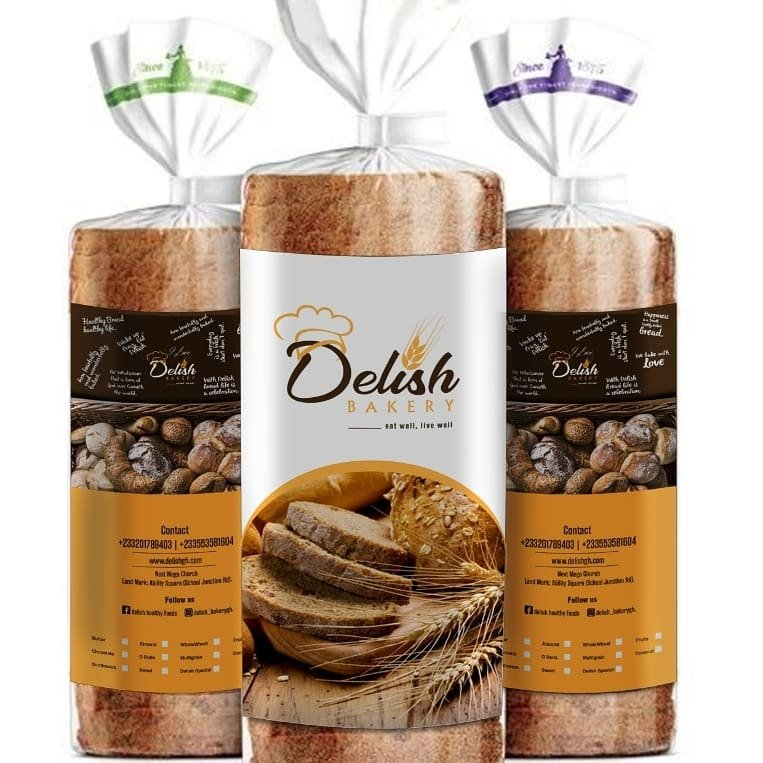
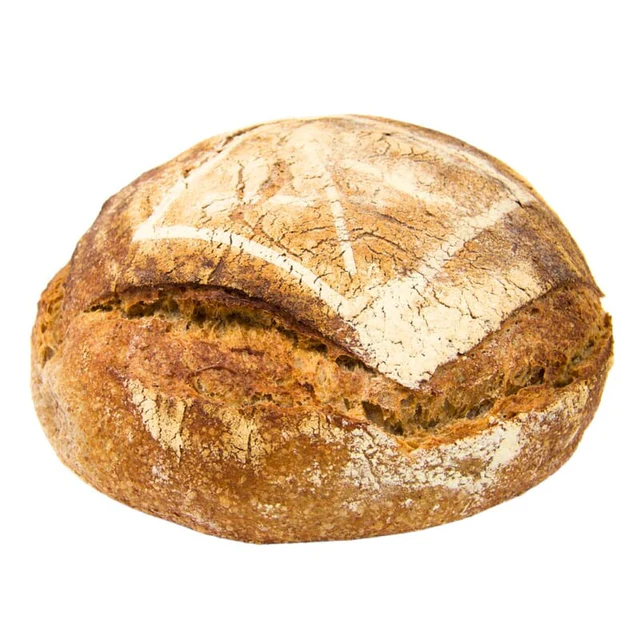
Experience the taste of nature at Delish Bread, your neighborhood grocery store and bakery where health meets indulgence. We believe that what you eat should be as pure as it is delicious. That’s why our breads are crafted without chemicals, artificial preservatives, or additives—just wholesome ingredients baked to perfection.
Whether you are looking for your daily loaf or a special treat, we offer over 12 varieties of bread, cakes, and pastries, including:
Signature Breads: Whole Wheat, Multigrain, and Classic White—all chemical-free.
Artisan Pastries: Flaky, buttery, and baked fresh every morning.
Custom Cakes: Perfect for every celebration, made with the finest natural ingredients.
IMAGINE Celebrates Delish Bread
ASSUMPTA-IMAGINE: Works From The Heart proudly honors the commitment to purity and health championed by Delish Bread. In a world of processed foods, Delish Bread stands out as a beacon of authenticity, aligning perfectly with our mission to celebrate creators who work with passion and purpose.
We celebrate Delish Bread for:
- Wholesome Integrity: Their dedication to chemical-free baking that nourishes the community.
- Cultural Connection: Bringing people together through the timeless tradition of breaking bread.
- Spiritual Purpose: Guided by the personal mission of Making Jesus Proud, every loaf is baked with love and a servant’s heart.
Visit Us Today!
Come and taste the difference that “Heart Work” makes.
Location: Agboba, Accra.
Hours: Monday – Saturday | 8:00 AM – 6:00 PM
Order via WhatsApp: wa.me/233201789403
Follow the Journey: @delish_bakerygh & @smomentwithprecious_
Delish Bread & IMAGINE: Nourishing your body, honoring your heritage.

