



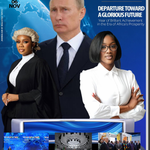




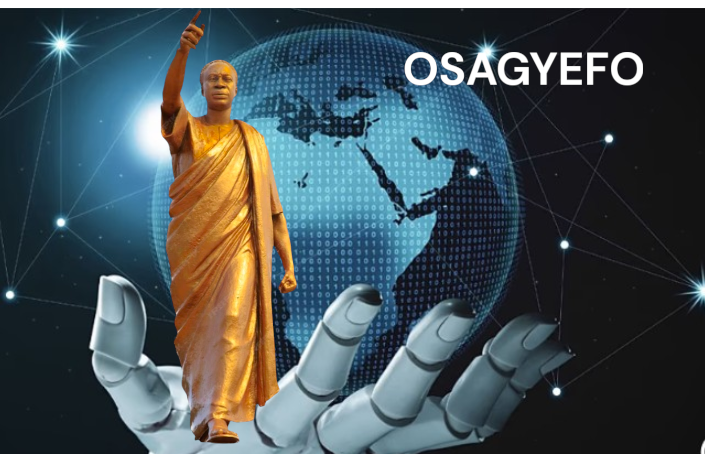
📰 THE OSAGYEFO NEWSLETTER
Assumpta Online Digital Publication
“Journalism of Neglected Topics”
🚨 BREAKING NEWS
AFRICA’S REFLEX
Africa’s Reflex That Makes African Leadership Weakest
A 500-Year-Old Pattern Repeating Itself Through Neo-Colonial Politics and External Dependence
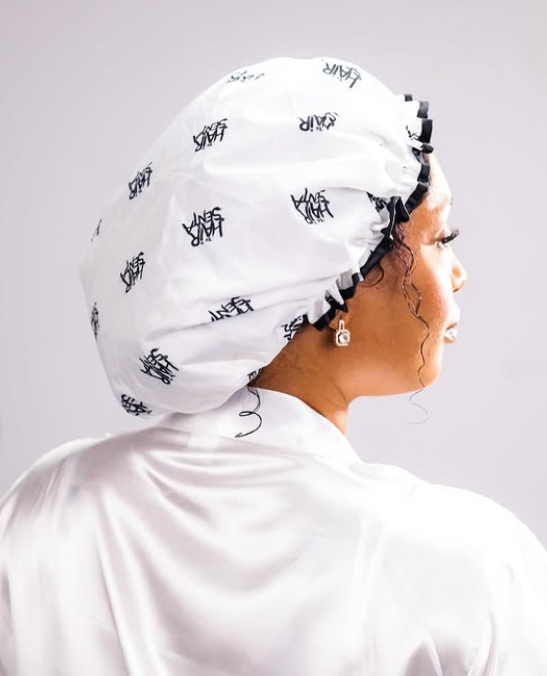






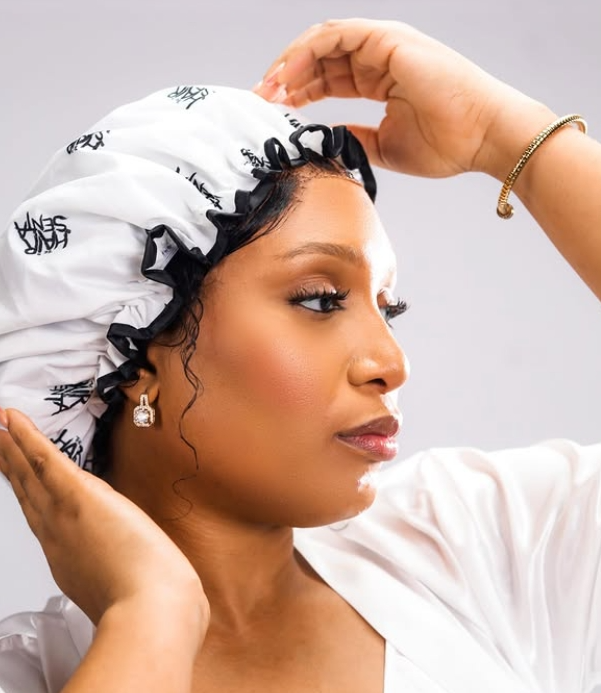
https://www.instagram.com/hairsenta?utm_source=ig_web_button_share_sheet&igsh=ZDNlZDc0MzIxNw==
It is clear that Hair Senta isn’t just selling hair; we are building a global brand rooted in Ghanaian excellence. So “wellness and care” is our goal alongside quality.
🌟 The “Wellness & Care”
Theme: Beauty that starts with how you feel.
- The Hook: At Hair Senta, we believe true beauty is an anchor for your well-being. It’s not just about the hair you wear; it’s about the confidence and care you pour into yourself.
- The Message: Our premium extensions are meticulously sourced and treated with the philosophy that “Self-Care is Healthcare.” When you look your best, you vibrate higher.
- The Call to Action: Experience the luxury of wellness. From Accra to the world—discover the Hair Senta standard.
🌍 The “Ghana to the World” Pitch
Theme:Heritage, Quality, and Global Luxury..
| Feature | The Hair Senta Advantage |
| Origin | Proudly rooted at 24 Jungle Avenue, Accra, Ghana. |
| Quality | 100% Raw Human Hair Extensions, ethically sourced. |
| Reach | Seamless global shipping—bringing African excellence to your doorstep. |
| Community | Join over 405K followers who trust the Senta standard. |
- Hair Senta: Where luxury meets your well-being.”
- ” Ghana’s finest extensions, curated for the global woman.”
- An anchor for your beauty. A sanctuary for your care.”
- “More than a look. A lifestyle of wellness and premium quality.”
📍 Visit the Gallery
If you are in Accra or shopping online, here is how to connect with the brand:
Location: 24 Jungle Avenue, Accra, Ghana.
Digital Gallery: Join the 400K+ community on Instagram @hairsenta.
Shop Online: www.hairsenta.com

🔑 INSIDE THIS EDITION: A GLOBAL INTERROGATION
The stakes have risen.
On Monday, 18th May 2026, The Osagyefo Newsletter Magazine convenes an unprecedented cross-continental dialogue—bringing together powerful global voices to interrogate the future of African sovereignty.
At the center : President William Ruto and the evolving contradiction between Pan-Africanism and dependency-driven governance.
🎙️ THE PROTAGONIST & FEATURED PERSPECTIVES

📺 FREMA ADUNYAME
Senior Correspondent | Broadcast Journalist, Channel One TV
The Media Battlefield
Ghana’s fearless political analyst cuts through rhetoric and public relations narratives—demanding evidence, accountability, and intellectual rigor. She challenges the panel to substantiate what she calls the “Historical Physics” of systemic collapse threatening Pan-Africanism.

🌍 GWEN ADDO 🇬🇭
Global Entrepreneur | Economic Revolutionary
The Visionary – Central Protagonist
Gwen Addo leads this edition with a bold thesis: The “Imperial Disabler” system is declining—and Africa must urgently return to the “Enabler Blueprint” of Kwame Nkrumah to survive an impending global shift. Her intervention reframes the debate from diplomacy to structural survival.
🎙️ THE POWERHOUSE TRIO

🇮🇹 GIORGIA MELONI
Prime Minister of Italy
The Warning from Europe
Meloni brings a sovereignty-first perspective, interrogating:
- The geopolitical implications of the Ruto model
- Why African governance structures struggle to self-correct
- The risks of strategic misalignment in a multipolar world

🇬🇭 DZIGBORDI KWAKU-DOSOO
Global Keynote Speaker | DCG
The Human-Centered Strategist
Dzigbordi reframes the debate from systems to people: How does “historical physics” translate into human dignity, mindset transformation, and psychological liberation? Her focus anchors strategy in human outcomes.
📅 EVENT DETAILS
- Date: Monday, 18 May 2026
- Platform: 🌐 Exclusively at AssumptaGH.live
🌍 JOIN THE GLOBAL CONVERSATION
#OsagyefoNewsletter | #TheEnabler | #HistoricalPhysics | #AssumptaDigital | #HumanRevolution | #GwenAddo
✍🏾 PROLOGUE
The Betrayal of Memory
How William Ruto Challenges the Legacy of the Mao Mao, Nkrumah, Lumumba, and the Sahel Alliance (AES)
Remember 2022.
William Ruto stood before global audiences, draped in Kaunda-Suit inspired symbolism, delivering powerful speeches about African sovereignty, dignity, and self-reliance. It was a moment of promise. A projection of leadership aligned with Africa’s historical struggle for independence.
But today, that projection faces a profound test.
Ruto now hosts a major French Africa Summit in Nairobi—engaging actors whose historical role in Africa’s political economy remains deeply contested—while simultaneously deepening military and strategic partnerships.
A Nation Built on Resistance
Kenya is not neutral ground. It is the land of the Mao Mao uprising—where thousands sacrificed their lives resisting British colonial domination. Their struggle helped ignite a continent-wide push for independence, including:
- Ghana under Kwame Nkrumah
- Congo under Patrice Lumumba
These movements were not about symbolic independence. They were about control over destiny.
From Liberation to Alignment
At the Nairobi summit, French President Emmanuel Macron openly criticized Sahel states such as Mali for expelling French troops. Standing beside him, Ruto offered no visible resistance.
This moment reflects a deeper fracture:
- Sahel states \rightarrow asserting sovereignty
- Other African states \rightarrow reinforcing external partnerships
The result: continental disunity in the face of shared history.
Pan-Africanism: Principle or Performance?
Pan-Africanism, once a doctrine of unity and liberation, now risks dilution. It is increasingly expressed through:
- High-level conferences
- Symbolic imagery
- Carefully curated narratives
But without policy transformation, symbolism becomes performance.
The Central Question
If today’s leadership decisions do not reflect the sacrifices of Africa’s liberation heroes—what, then, did independence truly achieve?
🌍 FEATURE ARTICLE
Africa’s Reflex That Makes African Leadership Weakest
Historical Patterns of Neo-Colonial Dependence
Across centuries, Africa’s political economy has been shaped by recurring external influence:
| Era / Model | Characteristics & Impact | Examples |
|---|---|---|
| 1. Colonial Extraction Model | Raw material export economies; infrastructure designed strictly for extraction (rail \rightarrow ports); limited industrial development. | Historical colonial frameworks |
| 2. Post-Independence Structural Continuity | Political independence did not translate into economic transformation; baseline dependencies remained intact. | Nigeria: Oil export dependency Zambia: Copper vulnerability |
| 3. Structural Adjustment Era | IMF/World Bank reforms; widespread privatization and liberalization; weakening of domestic industries. | Late 20th-century structural adjustments |
| 4. Resource-for-Infrastructure Model | External loans tied directly to natural resources; limited local participation; low skill transfer. | Modern resource-backed loans |
| 5. Monetary Dependence | CFA franc system; external influence over monetary policy; limited sovereign control. | Regional monetary alignments |
📊 WHAT THESE PATTERNS REVEAL
A persistent reality: External partnerships often prioritize resource access over African productive capacity.
🧭 POLICY RECOMMENDATIONS: BREAKING THE CYCLE
- Strategic Negotiation Systems
- Local Value Addition Mandates
- Technology Transfer Enforcement
- Regional Integration (AfCFTA)