


Assumpta Newsletter Magazine
Presents La Bussola
A Special Edition on “The Compass”
📌 Coming Monday, November 3rd, 2025 — Stay Tuned
This edition is more than analysis—it’s a compass for the future.
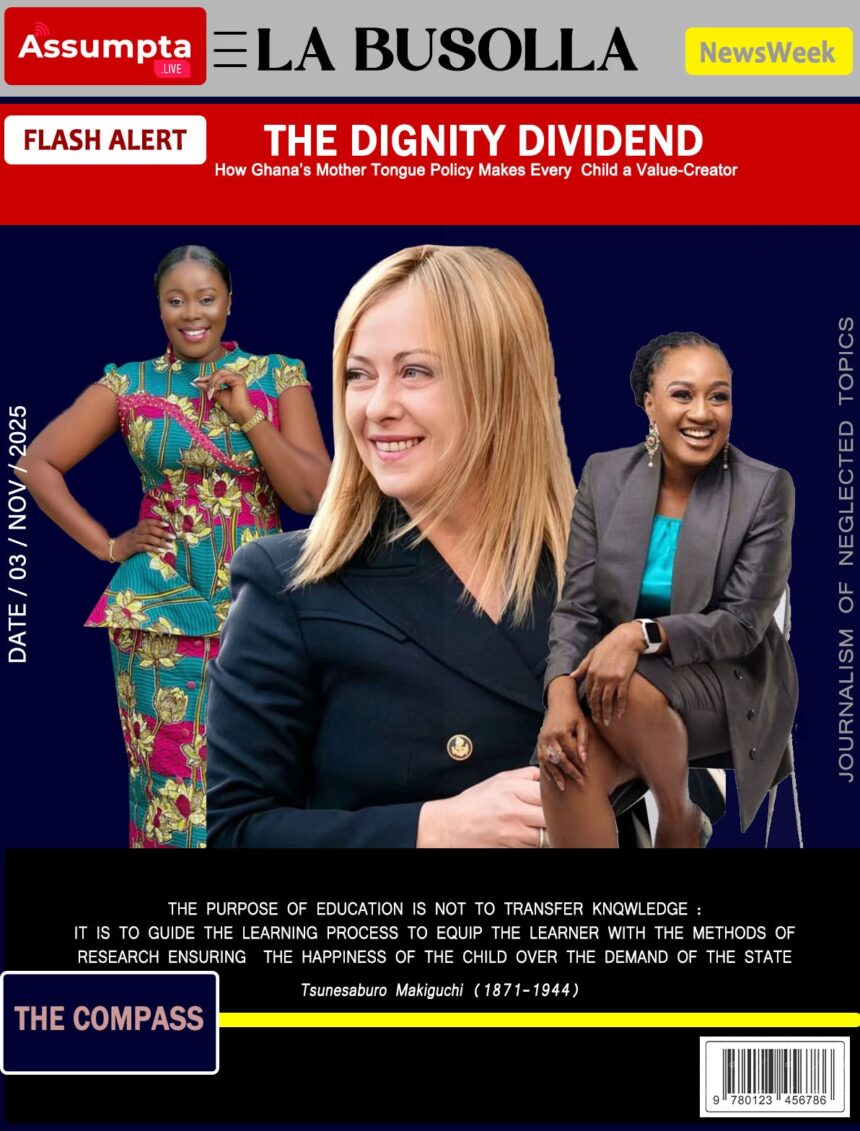
🦅 FEATURE ARTICLE: The Dignity Dividend
Title: The Dignity Dividend: How Ghana’s Mother Tongue Policy Makes Every Child a Value-Creator
Introductory Quote
”The purpose of education is not to transfer knowledge; it is to guide the learning process to equip the learner with the methods of research, ensuring the happiness of the child over the demands of the state.”
— Tsunesaburo Makiguchi (1871–1944), Architect of Value-Creating Pedagogy.
HAIR SENTA ADVERTISEMENT









https://www.instagram.com/hairsenta?igsh=MXAzOThhNGZ0Nm15dQ==
✨ Hair Senta – Where Beautiful Hair Meets Beautiful Conversations ✨
At Hair Senta, we believe that your hair journey should be more than just a purchase — it should be an experience. That’s why every interaction with us is designed to not only give you the best quality human hair extensions from Ghana but also empower you with the knowledge to care for, style, and love your hair like never before.
From the moment you connect with us, we take the time to understand your needs, answer your questions, and share our expertise. Whether you’re a first-time buyer or a seasoned hair enthusiast, our team ensures you leave with confidence — and gorgeous hair that turns heads.
💇🏾♀️ Why Choose Hair Senta?
- Trademarked, trusted, and internationally recognized.
- Premium human hair extensions shipped from Ghana to the world.
- Personalized, educational, and uplifting client service.
📍 Visit us: 24 Jungle Avenue, Accra, Ghana 00233
🌍 Shop online: www.hairsenta.com
📞 Call: (+233) 0544354455 / 0248629769
📱 Follow us on Instagram: @hairsenta
Hair Senta — Because great hair starts with great care.
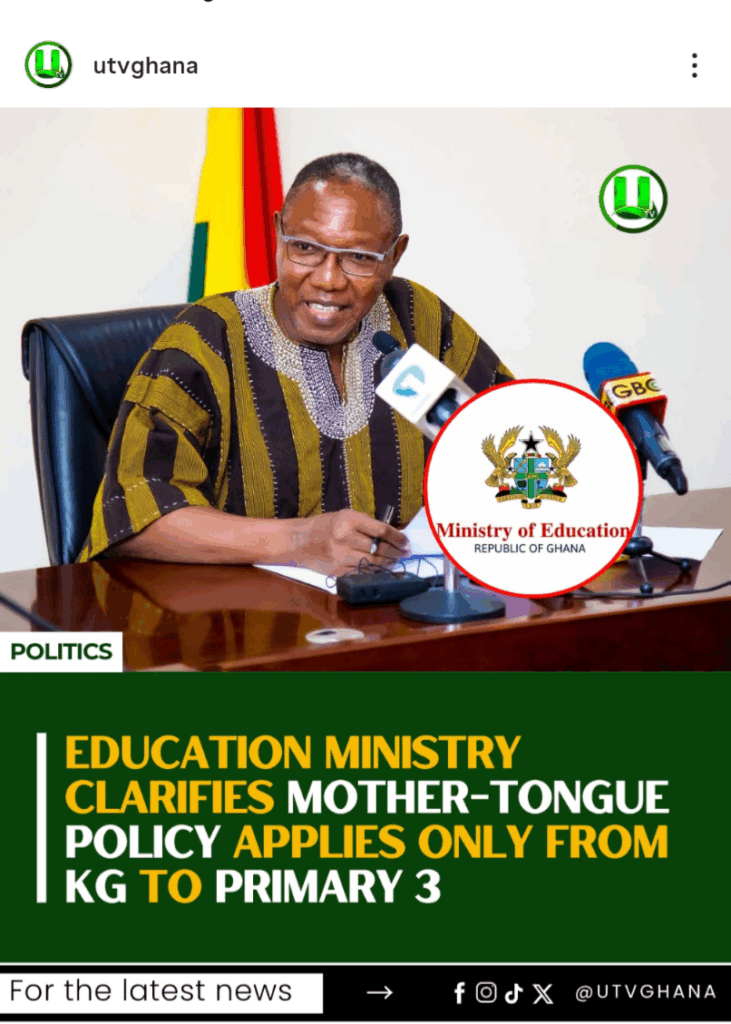
Ghana’s Bold Education Reform: A Humanistic Turn.
Ghana’s newly elected President, John Dramani Mahama, has voiced strong support for a landmark education reform: replacing English with local languages as the primary medium of instruction in early schooling. This initiative is designed to help children learn more effectively by grounding their earliest intellectual experiences in their familiar mother tongue.
This vision is not merely a political move; it’s an application of a profound philosophical principle. President Mahama’s endorsement aligns closely with the ideas of Japanese educator Tsunesaburo Makiguchi, who defined the true purpose of education as “the happiness of the learner.”
Learning in one’s native language directly supports this human-centered approach by:
- Reducing Psychological Barriers: It eliminates the stress and cognitive burden of studying complex subjects in a foreign language.
- Fostering Self-Worth: It validates the child’s home identity and culture, fostering cultural pride and self-respect.
- Enabling Deeper Learning: It encourages true comprehension and joyful exploration, leading to stronger academic outcomes and greater personal confidence.
This reform is a transformative step toward an education system that celebrates Ghana’s cultural heritage while nurturing every child’s potential to become a confident, creative, and value-driven contributor to the global society.
Reframing Progress: Beyond GDP to Human Value
Too often, when monumental policy shifts occur in Africa, analysts search for signs of a geopolitical or economic “rise,” measuring progress only by trade agreements or GDP growth.
Yet, Ghana’s transformative reform—prioritizing the mother tongue—defies these conventional metrics. It must be understood instead through a humanistic lens, as an act of profound value creation.
As Makiguchi taught, the ultimate purpose of education is the happiness of the child, not the service of the state. By prioritizing the mother tongue, Ghana removes one of the greatest barriers to true intellectual development—choosing creative engagement over mere linguistic conformity. This is not a policy designed for political gain; it is a moral declaration that genuine education begins when a child is free to explore, question, and create in the language of their heart.
Global Perspectives
The Policy as a Blueprint for Self-Reliance
For leaders worldwide who champion national sovereignty and dignity, like Italian Prime Minister Giorgia Meloni, Ghana’s policy offers a compelling narrative that goes “Beyond Foreign Aid.” Makiguchi would argue that true national strength is born not from external handouts, but from the internal capacity of its people to create value (Sōka).
When children are empowered to think critically and solve problems in the language they understand best, the resulting skills are self-generated, sustainable, and entirely independent. Ghana is leveraging its own cultural and linguistic wealth to build human capital from the foundation up. This is a powerful, non-monetary blueprint for African self-reliance that commands global respect.
Creating a Nation of Value-Driven Entrepreneurs
This mother tongue policy also represents an aggressive economic strategy that resonates strongly with entrepreneurial leaders like Dzigbordi Kwaku-Dosoo. Makiguchi’s concept of Value Creation (Sōka) is fundamentally about the individual’s ability to innovate and enhance their life and the lives of others—the very definition of entrepreneurship.
A student forced to memorize in a foreign language is conditioned for compliance; a student who can freely comprehend and debate complex ideas in their native tongue is being trained for innovation and agency. By liberating the minds of young Ghanaians, the policy is effectively removing a ceiling on intellectual development, directly fueling the creation of a more competitive, agile, and homegrown business class—the “Value-Driven Entrepreneurs” who will truly transform the nation’s economy.
Inside This Edition: Geopolitical and Economic Compass
- Freedom as a Moral Compass – Why President Dramani Mahama Policy recalls Ghana’s founding ideals.
- From Darkness to Light – The metaphor of a people emerging from long confinement, and how Ghana must rediscover its higher purpose.
The Compass Dialogue: Education, Value, and Sovereignty

Host: Frema Adunyame (Ghana) – A highly respected Ghanaian broadcast journalist and media personality, known for her incisive interviews and focus on human-interest and national development issues.
Panelists:

- Dzigbordi Kwaku-Dosoo (Ghana) – A celebrated Global Keynote Speaker, Certified High-Performance Coach (CHPC™), and Founder and CEO of DCG Consulting Group and the premier spa and wellness brand, Allure Africa. As a seasoned entrepreneur, consultant, and media personality, she advises leaders and brands worldwide on strategy, growth, and human capital development.

- Giorgia Meloni (Italy) – The current Prime Minister of Italy and leader of the Fratelli d’Italia party. As a major political figure in Europe, she is known internationally for her focus on national sovereignty, fiscal responsibility, and championing the dignity of nations in global affairs.
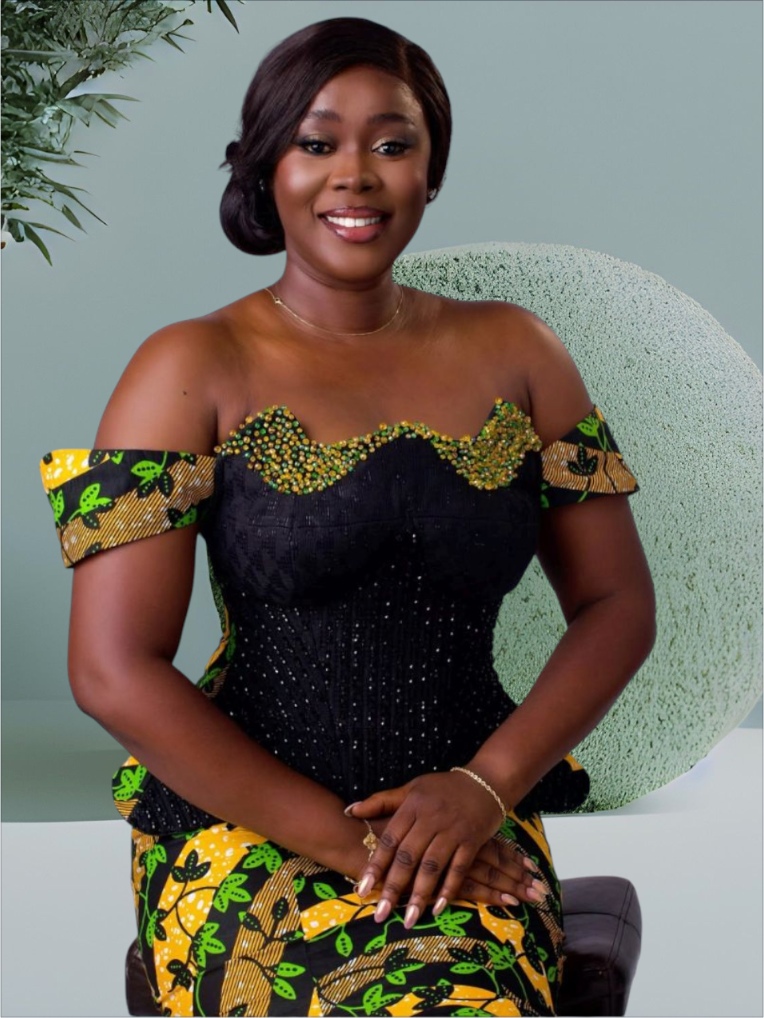
Frema Adunyame: (Warmly) Good evening, good morning, and good afternoon to our international audience reading the Assumpta Weekly Newsletter Magazine around the globe. I’m your host, Frema Adunyame, and I am honored to welcome two exceptional global leaders to discuss the philosophical and practical impact of Ghana’s landmark education reform.
Joining me today are: Dzigbordi Kwaku-Dosoo, a formidable force in global consulting and entrepreneurship, known for her expertise in human capital and business strategy; and Her Excellency, Giorgia Meloni, the Prime Minister of Italy, a key voice in European politics and a champion of national dignity and self-reliance. Thank you both so much for taking the time to participate in this vital dialogue.
Dzigbordi Kwaku-Dosoo: Thank you, Frema. It’s a privilege to be here and to discuss a policy that is so critical to Ghana’s future.
Giorgia Meloni: Grazie, Frema. It is an interesting discussion, and I am keen to explore how a policy focused on education in one nation can resonate with our broader goals for national strength and autonomy worldwide.
The Interplay of Policy, Society, and Nation
Frema Adunyame: Excellent. Now, before we dive into the main Feature Article, “The Dignity Dividend,” I want to ground our discussion by stating a core principle: This mother tongue policy and its underlying philosophy absolutely refer to and are deeply intertwined with social and national conditions.
Here is how the various elements of the newsletter draft relate to these conditions:
🧑🤝🧑 Social Conditions:
The policy directly addresses several critical social conditions within Ghana and is relevant to many nations with linguistic diversity:
- Social Equity and Access: By removing English—often the language of the elite or of higher education—as the primary medium of instruction in early years, the policy aims to level the playing field. It provides equal intellectual access to all children, regardless of their social or economic background, particularly those in rural or disadvantaged communities.
- Cultural Identity and Self-Worth: For the child, learning in their mother tongue validates their home life and cultural heritage. This fosters a positive sense of identity and self-worth, which is a crucial social and psychological condition for successful development.
- Reducing Stress and Psychological Barriers: The stress of learning complex concepts in a foreign language creates psychological barriers to learning for millions. The reform aims to improve the social condition of the classroom by making the learning environment less intimidating and more conducive to “joyful learning.”
National Conditions:
The reform has significant implications for Ghana’s national future and sovereignty:
- National Unity and Heritage: The policy recognizes and elevates the nation’s indigenous languages, serving to preserve and promote Ghana’s cultural heritage as a core national asset. It helps secure a sense of national identity rooted in local culture, rather than a colonial legacy.
- Human Capital Development: The goal of creating “Value-Driven Entrepreneurs” is a national economic strategy. By training citizens to think critically and innovate (the “methods of research”) from an early age, the nation is investing in a self-reliant, homegrown labor force and business class, thereby improving its long-term national economic condition.
- Self-Reliance and Sovereignty: The entire framing around “Beyond Foreign Aid” and “Self-Reliance” explicitly references a major national condition for many developing nations. The policy is presented as a blueprint for Ghana to achieve national dignity and strength not through external assistance, but by developing its internal human capacity.
In summary, the article uses educational reform as a lens to discuss deep issues of social equity, cultural sovereignty, national identity, and sustainable economic development—all of which fall under the umbrella of social and national conditions.
Panel Views: Value Creation and Social Impact
Frema Adunyame: Dzigbordi, as an accomplished entrepreneur, consultant, and media personality, and the CEO of organizations focused on human capital and business strategy, what are your views on this analysis? Specifically, from a business and leadership perspective, how significant is the policy’s impact on these social and national conditions, particularly the notion of creating “Value-Driven Entrepreneurs“?
Dzigbordi Kwaku-Dosoo: Thank you, Frema. Your analysis is absolutely spot-on. It captures the essence of this reform not just as an educational shift, but as a fundamental recalibration of our national value system. From the perspective of business, consulting, and entrepreneurship, this policy is arguably the most powerful long-term economic strategy Ghana could adopt.
We often talk about attracting Foreign Direct Investment, but the true, sustainable wealth of a nation comes from Human Direct Investment—that is, the investment we make in the minds of our own people.
📈 From Compliance to Creation: The Entrepreneurial Shift
The link you highlighted between this reform and creating “Value-Driven Entrepreneurs” is critical. Here’s why:
- Deeper Cognitive Function is Economic Power: For an entrepreneur, success hinges on critical thinking, complex problem-solving, and innovation. When a child is forced to learn foundational concepts in a foreign language, their intellectual capacity is primarily used for translating and memorizing—conditioning them for compliance. Learning in the mother tongue, however, liberates their mind to focus on comprehending, questioning, and creating—conditioning them for innovation. We are literally training a generation to be problem-solvers, not just information repeaters. This is the pipeline for a competitive, agile, and globally relevant business class.
- The Dignity Dividend is Economic Agency: Your term, the “Dignity Dividend,” is perfect. Confidence, self-worth, and cultural pride—the social conditions you mentioned—are not soft skills; they are the foundation of economic agency. An entrepreneur needs the confidence to challenge the status quo, negotiate fearlessly, and believe in their original, local ideas. By validating the child’s mother tongue and cultural roots, we give them an unshakeable sense of self-worth that fuels this necessary boldness in the marketplace.
- Local Solutions, Global Reach: The most sustainable businesses solve local problems. When students can articulate, debate, and analyze the challenges facing their communities using the language of their communities, they are naturally better equipped to design relevant, homegrown solutions. This is the pathway to building resilient national industries that don’t rely solely on replicating foreign models.
In short, this policy moves Ghana from valuing linguistic conformity to valuing intellectual freedom. That freedom is the single greatest asset for sparking the innovation required to leapfrog traditional economic metrics and truly achieve self-reliance on the global stage.
Frema Adunyame: (Turning to Prime Minister Meloni) Dzigbordi, that was a truly compelling argument, framing intellectual freedom as the foundation of economic power and self-reliance. It transforms a pedagogical reform into a national growth strategy.
Prime Minister Meloni, Dzigbordi has highlighted how leveraging Ghana’s own cultural wealth to empower its children is a blueprint for national strength and independence. Given your own powerful and consistent voice regarding the importance of national sovereignty and dignity on the global stage, do you acknowledge this conclusion? Does Ghana’s mother tongue policy, viewed through the lens of Makiguchi’s philosophy, offer a universally resonant model for internal capacity building that challenges traditional notions of international aid and development?
Giorgia Meloni: (Pausing slightly, leaning forward)
Yes, Frema, I do acknowledge Dzigbordi’s powerful conclusion, and I find this policy, especially when framed by Makiguchi’s philosophy, to be immensely relevant far beyond Ghana’s borders.
Sovereignty Rooted in Internal Capacity
The central premise of this Ghanaian reform—leveraging internal, cultural wealth to build human capacity—is precisely the definition of true national sovereignty. For too long, the narrative of development has been driven externally: measured by the volume of foreign aid received, or adherence to international frameworks. This creates a relationship of dependency, which undermines the dignity of the recipient nation.
When we talk about national dignity, as I often do in Italy and Europe, we mean the right of a people to determine their own destiny, free from external influence. This freedom must begin at the foundational level—in the minds of the children.
- Self-Reliance as a Geopolitical Tool: The policy to create “Value-Driven Entrepreneurs” is, fundamentally, a geopolitical strategy. A nation of self-reliant, critical thinkers is a nation that cannot be easily manipulated or exploited. It shifts the dynamic from a supplicant asking for aid to a dignified partner bringing its own, self-generated human capital to the global table.
- Challenging the Aid Paradigm: The notion of “Beyond Foreign Aid” is particularly compelling. Foreign aid, while often well-intentioned, frequently focuses on fixing immediate external deficits. This policy, however, focuses on building internal, sustainable assets. It is a long-term investment in the nation’s most precious and unique resource: its culture and its people’s native intellect.
- Makiguchi and National Identity: Makiguchi’s focus on the “happiness of the child” through the mother tongue is a profound act of valuing national identity. When we preserve and utilize our native languages, we secure our cultural roots. For Italy, for example, protecting our language and heritage is not merely nostalgic; it is essential to maintaining the distinct character and competitive edge we bring to the European and global economies.
This Ghanaian policy demonstrates that the greatest form of development is self-directed development. It is a robust, non-monetary blueprint for African self-reliance that every sovereign nation, regardless of its economic stage, can respect and emulate. It is about choosing to foster the innate capacity of your people over conforming to external, often neo-colonial, linguistic or educational norms.
Frema Adunyame: (Turning back to the audience) Prime Minister Meloni, your articulation of self-directed development as the bedrock of true national sovereignty truly resonates. It frames Ghana’s educational choice as a profound act of dignity, not just for Africa, but for any nation seeking autonomy.
And this brings us directly to the core geopolitical and economic tension that this policy, and indeed our newsletter, is addressing. The necessity of moving “Beyond Foreign Aid” is underscored by the fragility of the current dependency model.
The humanitarian crises that could result from President Trump’s halt of USAID programs tragically illustrate that current models of aid often don’t promote growth or development; they foster dependency.
The Peril of the Dependency Syndrome
Prime Minister Meloni
Thank you Frema. The Foreign aid operates under the premise that it assists nations to overcome their developmental hurdles. Yet, its long-term effectiveness is contentious. Aid may have some short-term positives, but the unintended consequences make it ineffective at bringing about long-term, lasting progress and development. Despite being tagged as a developmental tool, aid has been much more effective as a tool to advance donors’ interests and has fuelled a dependency syndrome.
President Trump’s decision to halt significant USAID disbursements has drawn mixed reactions. Aid advocates decry the humanitarian needs that now won’t be met without USAID funding. In 2023, USAID accounted for 29 per cent of OECD countries’ aid funding. There is no one who will step up and fill the funding gap. Reports have already started pouring in about how health and emergency relief efforts are in limbo due to the halt.
While the misery that will be caused as a result of these funding cuts is not in doubt, the fact that one country’s aid freeze will have such an effect is a stark reminder that the current model of aid management by donor countries is simply not working.
Frema Adunyame: (Turning to the panel) Given this immediate global vulnerability exposed by aid cuts, I want to pivot back to our core solution: internal capacity.
Dzigbordi, as a strategist focused on African growth, how does a policy like mother tongue education—which creates intellectual assets—serve as the ultimate national defense against the instability of foreign aid? Essentially, how do we operationalize Makiguchi’s Value Creation to build national resilience that is genuinely aid-proof?
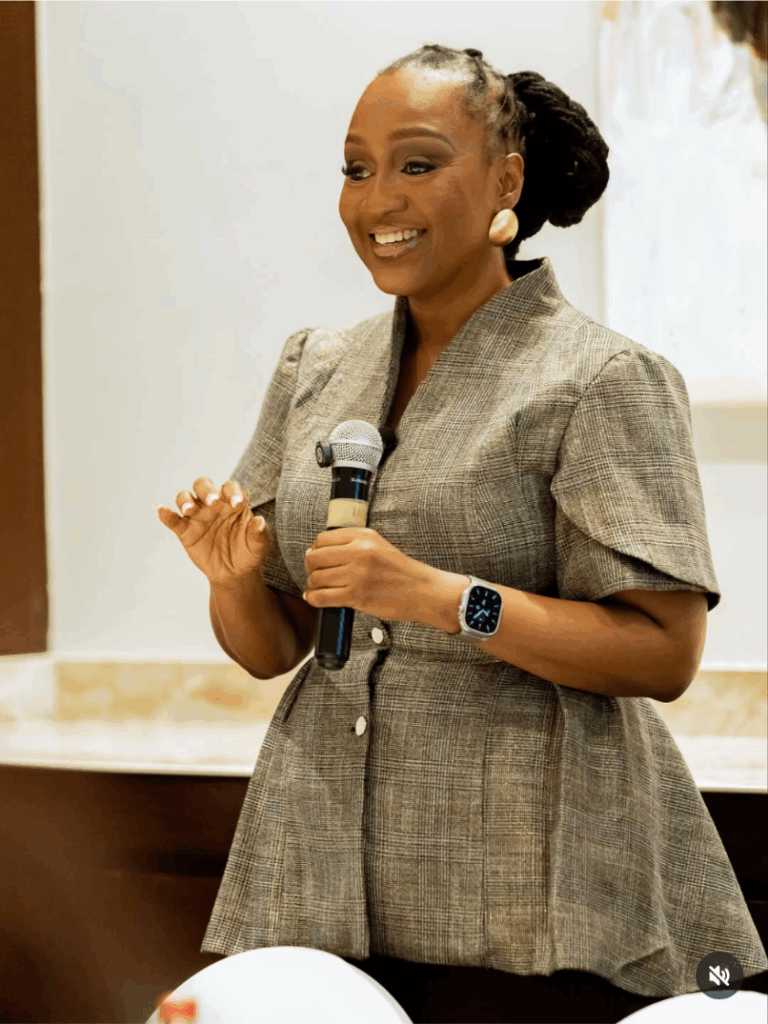
Dzigbordi Kwaku-Dosoo:
Frema, you have articulated the dilemma perfectly. The crisis resulting from the USAID halt is a stark, real-world consequence of betting on external stability over internal resilience. The question of how mother tongue education serves as the ultimate national defense is about shifting the source of value from a fickle external donor to an unshakeable internal asset: the intellectual capacity of the Ghanaian people.
Operationalizing Value Creation: The Aid-Proof Economy
To operationalize Makiguchi’s Value Creation (Sōka) to build an aid-proof national resilience, we must look at the policy’s impact through a systemic lens:
- Creating a “Sovereign Mindset” (The Psychological Defense): Aid dependency fosters a psychological reliance on others to solve fundamental problems. By contrast, learning in one’s mother tongue, as we discussed, generates self-worth and cultural ownership. This psychological shift moves the nation from asking “Who will fund our solution?” to “We have the intellectual capacity and cultural wisdom to devise our own solution.” This mindset—the belief in internal agency—is the first, most powerful defense against aid volatility.
- Unlocking Latent Human Capital (The Economic Defense): The single biggest leak in human capital in former colonies is the intellectual energy wasted on translating knowledge. By removing the foreign language barrier, Ghana immediately and massively expands the pool of citizens capable of critical thinking and high-level innovation. This is how we operationalize Makiguchi’s concept of equipping the learner with “methods of research.”
- The Outcome: The ability to research, innovate, and solve complex problems locally means that when external funding for a health crisis or infrastructure project disappears, the engineering, medical, and entrepreneurial expertise to find domestic substitutes, alternative funding, or homegrown solutions remains within the national boundary. We build solutions, not just structures dependent on foreign blueprints.
- The Multiplier Effect of Homegrown Wealth (The Sustainable Defense): The entrepreneurs created through this system—the ones thinking freely in their mother tongue—are likely to build companies that address local needs and keep their profits circulating within the local economy. Unlike aid, which often involves procurement from donor countries or adherence to external conditions, these businesses are self-funding, self-sustaining, and culturally anchored. They are the organic economic growth that cannot be frozen by an executive order from a foreign capital.
Ultimately, the mother tongue education policy is an act of national inoculation against the disease of dependency. It proves that the most stable form of wealth is not cash reserves or international grants, but the unfettered, value-creating mind of every Ghanaian child.
Frema Adunyame: (Acknowledging Dzigbordi’s previous remarks) Dzigbordi, your point about national inoculation against dependency, framing intellectual freedom as the most stable national defense, is incredibly insightful. It elevates this education policy from a social reform to a critical security strategy.
Prime Minister Meloni, I want to bring the focus back to the foundational philosophy driving all of this: Tsunesaburo Makiguchi, who was born in 1871. His educational system, which emphasizes Value-Creating Pedagogy, is now taking root in many nations worldwide.
The core of his belief system is encapsulated in the statement: “The purpose of education is not to transfer knowledge; it is to guide the learning process to equip human beings with the methods of research, ensuring the happiness of the child over the demands of the state.”
Could you elaborate on that crucial piece of his philosophy? Why did Makiguchi arrive at the conclusion that the purpose of education must prioritize the happiness of the child over the demands of the state, and what did he observe in his time that led him to advocate for equipping students with the “methods of research”?
Prime Minister Meloni: The Philosophy of Makiguchi
Giorgia Meloni: Frema, that is a critical question, because it moves our discussion from a policy reaction to a philosophical foundation. Makiguchi’s work is profoundly important because it directly challenges the function of the state in education—a challenge that resonates across all political systems.
Why the Child’s Happiness Over State Demands?
As a teacher, Makiguchi’s conclusion was rooted in what he observed as the failure of the prevailing education system in late 19th and early 20th century Japan. He saw a system designed primarily to serve the needs of a rapidly industrializing and militaristic state:
- Education as Indoctrination: Japan was focused on building a powerful nation, which meant the education system was designed to produce obedient citizens, loyal workers, and unquestioning soldiers. The emphasis was on rote memorization, conformity, and passive reception of state-approved knowledge.
- Suppression of Individuality: Makiguchi saw that this system neglected the individual student’s curiosity, creativity, and unique potential. The child was treated as a means to an end—the end being the power of the state—not as an autonomous being whose happiness and fulfillment were the primary goals.
- The Moral Imperative: For Makiguchi, education was a moral enterprise dedicated to human dignity. He defined human value not in terms of utility to the state, but in terms of the individual’s ability to create value in their own life and for society (beauty, benefit, and goodness). The state’s demand for obedience and conformity actively destroyed this innate ability to create value. He came to this conclusion because he saw the system causing misery and intellectual stifling rather than joy and intellectual liberation.
The Necessity of “Methods of Research”
When Makiguchi spoke of equipping humans with the “methods of research,” he wasn’t talking about laboratory science; he was advocating for critical thinking and intellectual autonomy. He saw that the rote learning demanded by the state produced people who could memorize facts but could not apply, synthesize, or innovate with that knowledge.
He observed that a child who is only taught what to think is incapable of adapting to a changing world or solving novel problems. The “methods of research” were his answer to this deficiency:
- It means guiding the student to observe reality, to question existing norms, to hypothesize new solutions, and to test their conclusions.
- In essence, he wanted to train students to be lifelong, self-directed learners—citizens capable of generating new value for themselves and their communities, rather than simply reproducing the old.
For Ghana, and indeed for Italy in protecting its citizens’ unique potential, adopting this philosophy is a rejection of passive subservience—whether it’s subservience to a former colonial power’s language, or subservience to a state that only values conformity. It is a powerful declaration that the sovereignty of the nation begins with the sovereignty of the individual mind.
Frema Adunyame: (A sober expression) Prime Minister Meloni, your analysis of Makiguchi’s opposition to the state-centered, rote-learning model—and his call for intellectual sovereignty—brings this discussion home with profound clarity. It underscores that the state’s demand for obedience can actively diminish a people’s ability to create value.
And I must share a short, personal experience that illustrates the devastating cost of this historical policy choice in Ghana.
For years, I witnessed the intellectual disconnect this English-as-medium policy created. You have children who can flawlessly recite the names of European flowers or foreign animals in English, but they can’t even name the trees, the fruits, the insects, or the animals in their own backyard in their own language. They don’t know the local medicinal herbs, the indigenous history encoded in the names of the rivers, or the cultural significance of the mountains.
Why? Because the education system, by prioritizing a foreign language, effectively told them that their immediate environment—the reality of their existence—was irrelevant to serious learning. It severed the link between the child’s mind and the land.
This disconnect has profound national implications. When we fail to teach children the value, the history, and the meaning of existence of the environment in their mother tongue, we raise citizens who see the natural world not as heritage, but as a resource to be exploited.
This lack of connection is arguably a root cause of why we now struggle to curb destructive practices like Galamsey (illegal mining). If Ghanaians understood the spiritual, ecological, and cultural value of their lakes, rivers, and forests, imbued with meaning through their own language, they would be far less likely to destroy them for quick economic gain. The mother tongue policy, therefore, is not just about academic performance; it is a moral and environmental defense strategy for the nation’s future.
Frema Adunyame: Dzigbordi, Prime Minister Meloni, this move by President Mahama is about reconnecting the Ghanaian child to the soul of their nation. It is about restoring the methods of research—the ability to know and value one’s environment—in the language of the heart.
That profound disconnect—the failure to know and value the immediate world in the language of the heart—is, I believe, the highest cost of the dependency syndrome. It shows that true development starts with intellectual liberation.
We have explored Makiguchi’s philosophical resistance to state-demands, Dzigbordi’s powerful argument for a homegrown, aid-proof entrepreneurial class, and Prime Minister Meloni’s assertion that self-directed development is the only foundation for national sovereignty.
Before we close this enlightening discussion for our international readers, I would like to offer both of you one final moment. Do you have any concluding thoughts, a key takeaway, or a message you wish to share with our audience worldwide regarding the lessons learned from Ghana’s bold move? Prime Minister Meloni?
Closing Thought: Prime Minister Giorgia Meloni
Giorgia Meloni: Thank you, Frema. My key takeaway for the global audience is this: Dignity is not a negotiation point; it is a starting point. Ghana’s policy is a powerful reminder to every nation—in Europe, in Africa, in Asia—that economic strength and global respect flow not from mimicking others or seeking external validation, but from maximizing the unique, internal potential of your own people.
We must support systems that enable the sovereignty of the mind first, because that is the only way to ensure the sovereignty of the nation. It is a universal lesson: build from the bedrock of your own culture, your own language, and your own people’s true happiness. This is how we move from a world of dependency to one of mutually respectful partners. Grazie.
Closing Thought: Dzigbordi Kwaku-Dosoo
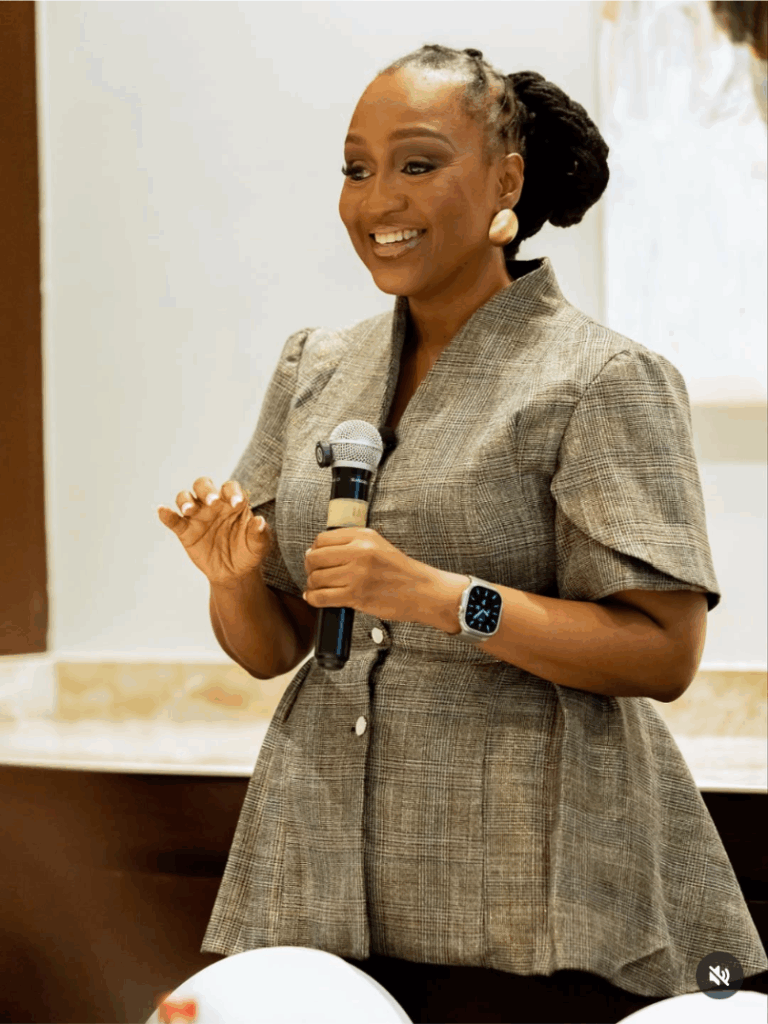
Dzigbordi Kwaku-Dosoo: I would end by echoing the idea of the Dignity Dividend. We have established that learning in the mother tongue is not a retreat from modernity; it is the most direct route to true modernization. When we liberate the Ghanaian child to create value, we are not just solving an education problem; we are solving a leadership, governance, and economic problem.
My message is to leaders and policymakers everywhere: Stop measuring progress by what you receive, and start measuring it by what your people create. Invest in the language of the heart, because it is the language of innovation. The mother tongue is the ultimate catalyst for the Value-Creating Entrepreneur who will make Ghana, and any nation that follows this path, genuinely self-reliant and globally competitive.
Dialogue Conclusion
Frema Adunyame: Prime Minister Meloni, Dzigbordi Kwaku-Dosoo, thank you both for this profound dialogue. You have transformed the story of an education reform into a universal thesis on sovereignty, value creation, and the dignity of the lmkhuman spirit.
To our readers across the world, this edition of the Assumpta Weekly Newsletter Magazine is your compass. It points us away from the outdated models of dependency and towards a future where national strength is built from within, one free and joyful learner at a time.
Join us again next Monday, November 3rd, 2025. Until then, keep creating value and stay true to your own compass. Good day.
SGI-Our Shared Humanity.


https://www.instagram.com/babies_and_todds_day_care?igsh=MWs0ZHlsbjcxNXEyZg==
🌟 Welcome to Babies & Toddlers Daycare — Windhoek’s Home of Joy, Learning & Growth! 🌟
Looking for a safe, loving, and stimulating environment for your little one?
At Babies & Toddlers Daycare & Preschool, we provide more than childcare — we build the foundation for future leaders, creators, and dreamers.
📍 Located in the heart of Windhoek
✨ Why Parents Trust Us:
- 🧸 Warm and nurturing environment
- 📚 Early learning through play and structured programs
- 👫 Social development through sharing and teamwork
- 🎨 Daily creative and sensory activities
- 🛡️ Supervised by trained and caring educators
“The Daycare’s dreams, hopes and expectations for Africa are reflected in the shining model of our children,”
— Ms. Assumpta Gahutu, Principal & Co-Founder of Assumpta Newsletter Publication Magazine
📞 Enroll Now!
Call / WhatsApp: +264 81 673 7599
🌐 Visit: www.babiestodds.com
📸 Follow us on Instagram: @alinajosef_ (and join our growing family!)
Babies & Toddlers Daycare
Where every child is loved. Every talent is nurtured. Every smile is celebrated. 🥰

✨ Oh_my_Hair Presents: Beauty That Starts From Within
Tired of dull skin and tired days?
Our IV Glow Drips are your secret weapon — delivering hydration, vitamins, and radiance directly to your system for that lit-from-within glow. 💧💫
💖 What You Get:
- Instant hydration boost
- Clearer, brighter skin
- Stronger hair & nails
- Natural energy lift
Whether you’re slaying your hairstyle or refreshing your inner glow, Oh_my_Hair has you covered — inside and out.
✨ Be radiant. Be unstoppable. Be YOU — the Oh_my_Hair way. ✨
📩 DM to book your Glow Session
📍 Visit us / Mobile services available
📸 Follow: @oh_my_hair
Let me know if you’d like:
- A short Instagram caption version
- A flyer/poster layout
- A version that promotes both hair services + IV drips in one package Happy to style it further!


https://www.instagram.com/officeandcobysa?igsh=dmxucTZ2a2t1eDBn
💼✨ Office & Co. by SA — Redefining Corporate Elegance ✨💼
For the ambitious, powerful, and upwardly mobile woman, your wardrobe should speak before you do.
Officeandcobysa is a premium Ghanaian Ready-To-Wear (RTW) fashion brand specializing in cutting-edge corporate wear designed to command respect and exude confidence.
👗 From Boardroom to Business Brunch — We’ve Got You Covered.
- Tailored dresses & suits
- High-end office essentials
- Statement pieces for real go-getters
🌍 WE SHIP WORLDWIDE — Because Style Has No Borders.
🛒 Shop Now: www.officeandcobysa.com.gh/
📸 Follow the movement: @officeandcobysa (optional if they have IG)
Dress like the leader you are.
Office & Co. by SA — Wear Your Ambition.


https://www.instagram.com/attoandoh?igsh=MTJqNjZzYmZyaTc3Mg==
ATTOANDOH — Where Legacy Meets Linen
Not just clothing.
A declaration.
Forged in the heart of Accra, rising from the storied halls of Adinkra Heights, Cantonments,
ATTOANDOH is not for the ordinary man.
It is for the appointed. The anointed. The alpha who arrives before his name is called.
Every stitch — a proverb.
Every fabric — a lineage.
Every suit — a coronation.
By Appointment Only.
Because kings do not queue.
They are expected.
Unveil your greatness.
Wear your power.
Step into ATTOANDOH — The Menswear Couture House of Ghanaian Majesty.

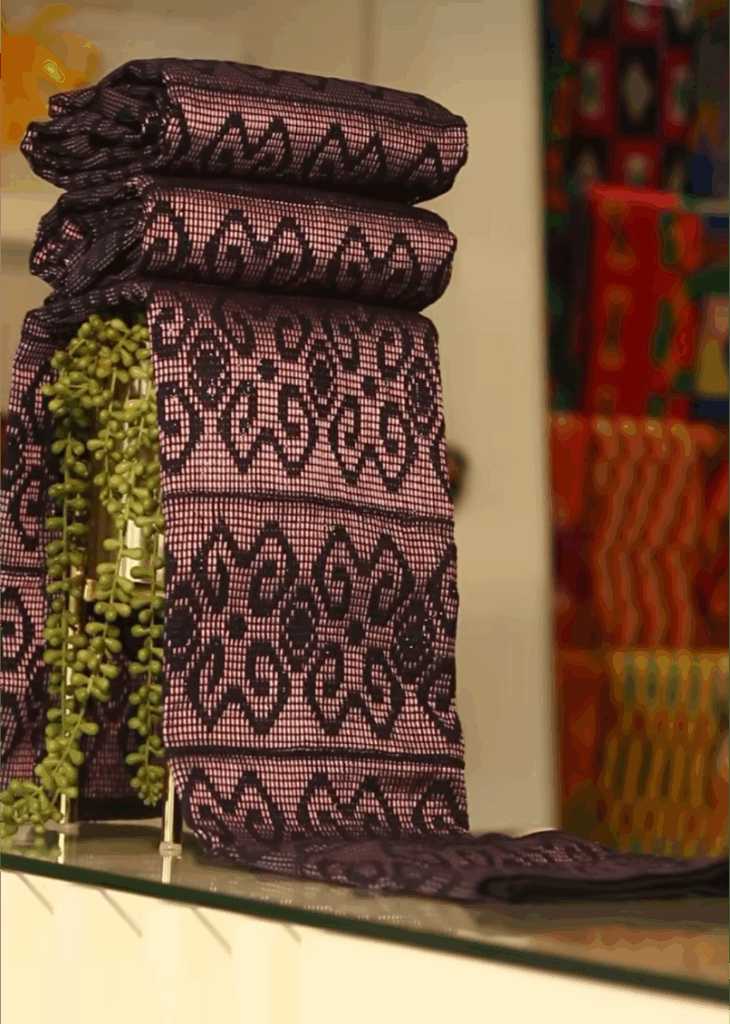
https://www.instagram.com/goba_kente?igsh=d2Vwd2E2M2VtcTZq


https://www.instagram.com/laurenhautecouture?igsh=MWxzNXN1Ym5nZ3o3Mg==
🌟Cookieteegh — The Voice, The Vision, The Vibe
Public Figure | TV & Radio Personality | Events Host | Humanitarian
A woman of grace, charisma, and purpose, Cookieteegh has become one of Ghana’s most admired media personalities — captivating audiences on television, radio, and live stages alike.
Beyond entertainment, she’s a true advocate for women’s empowerment and an inspiration to young entrepreneurs across Africa.
👗 In Partnership with Excellence
Over the past years, Cookieteegh has proudly represented and advertised for the Multiple Award-Winning Women’s Wear Brand — Lauren Haute Couture,
located at 5 Mama Adjeley Rd, East Airport, Accra, Ghana.
Together, they celebrate African sophistication, modern elegance, and timeless femininity.
All images on this page are copyrighted by Lauren Haute Couture.
🎤 Watch. Learn. Be Inspired.
📺 YouTube: www.youtube.com/channel/UCrNiKX7IWmblzgqXwhmzV8A
📸 Instagram / X: @cookieteegh
Cookieteegh — A radiant force redefining beauty, purpose, and influence.
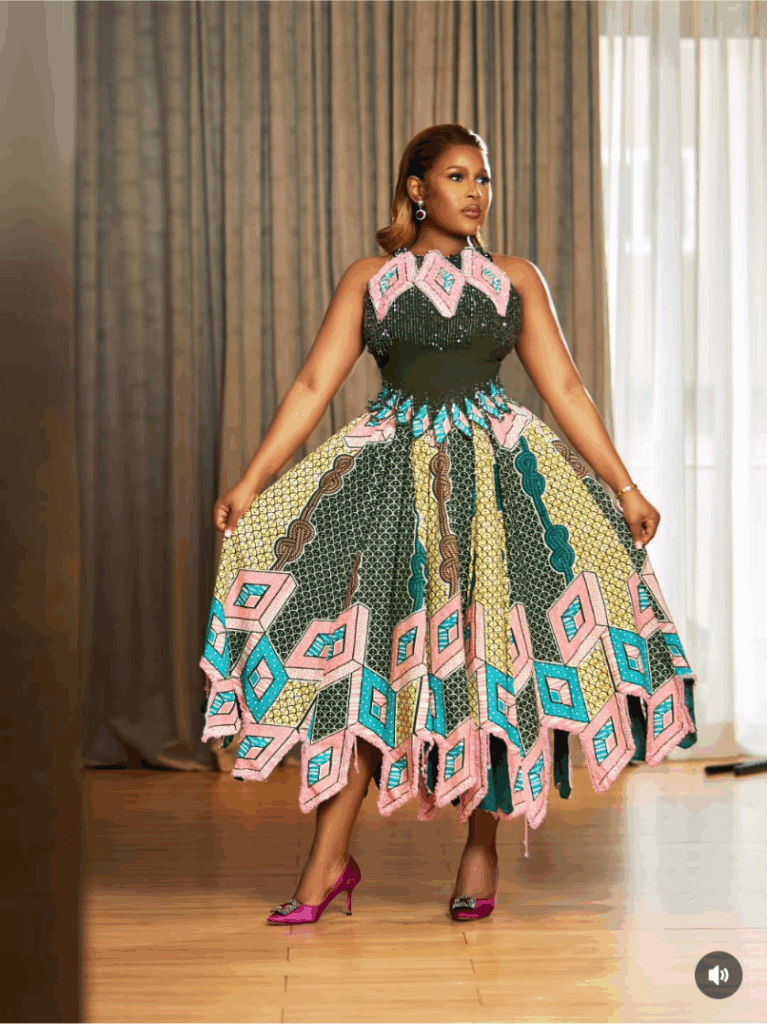

https://www.instagram.com/ankaralooks?igsh=MTI1NWYycmU2Njkxcw==
💫 Berla Mundi x AnkaraLooks — Bold, Brilliant & Beautiful
Journalist | TV Host | Style Icon
In a world where words shape stories, Berla Mundi tells hers through fashion that speaks culture.
Draped in vibrant AnkaraLooks, she embodies the modern African woman — intelligent, powerful, and unapologetically elegant.
🌍 The Story Behind the Style
As a celebrated journalist and television personality, Berla Mundi knows the power of presentation.
With AnkaraLooks, she fuses professional poise with Afrocentric charm, redefining what it means to look confident both on and off screen.
Every piece tells a story. Every print celebrates identity.
📸 Fashion Brand: AnkaraLooks — The Home of Authentic African Elegance
👠 Model: Berla Mundi
✨ Style Theme: Journalism Meets Culture
Follow the movement: @ankaralooks
#AnkaraLooks #BerlaMundi #AfricanElegance #StyleWithPurpose #MadeInAfrica


https://www.instagram.com/serwaaamihere?utm_source=ig_web_button_share_sheet&igsh=ZDNlZDc0MzIxNw==