






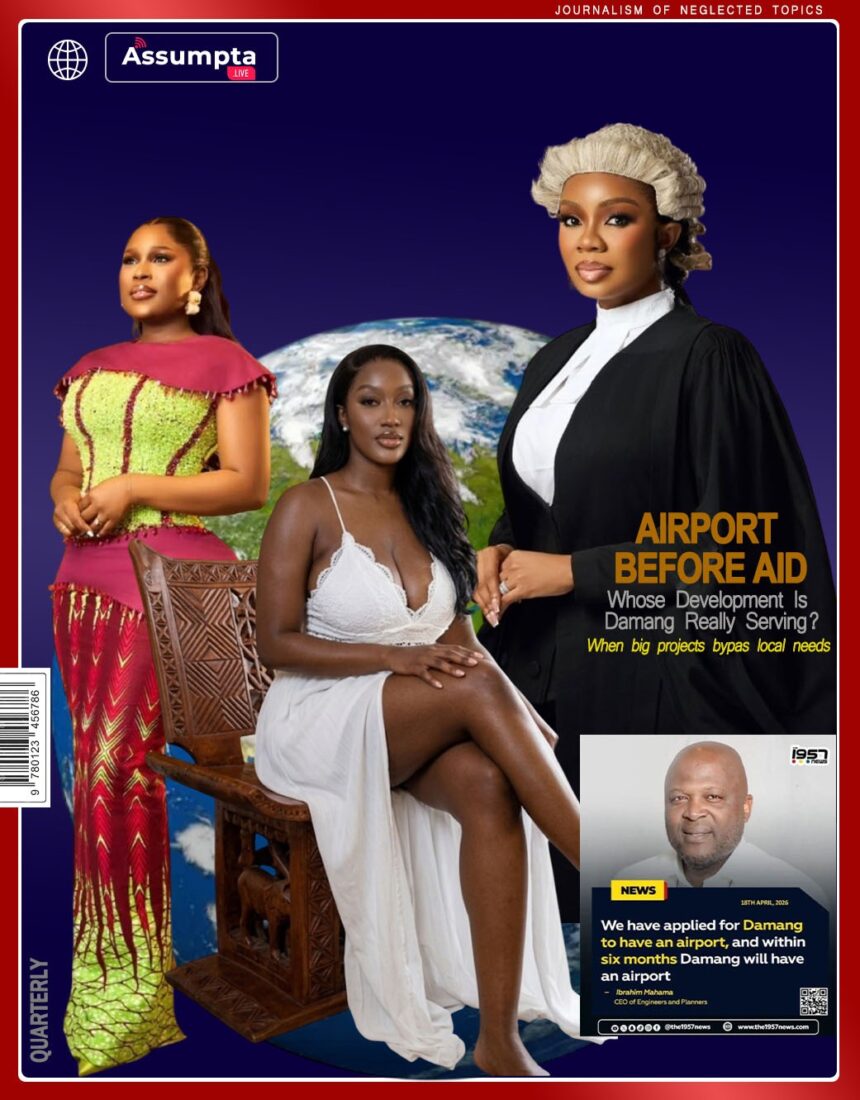
📆 Assumpta Weekly Magazine
Presents
The African Lawyer — 2026 Edition
Global Justice Through an African Lens: Defining Our Sovereignty
📆 Date: Friday, 24 April 2026
Branding: Assumpta Newsletter Live / Digital Edition
HAIR SENTA ADVERTISEMENT








https://www.instagram.com/hairsenta?igsh=MXAzOThhNGZ0Nm15dQ==
Headline: More Than Just Hair. It’s Your Crown. 👑
At Hair Senta, we don’t just sell extensions; we release the excellence, courage, and confidence already inside you. From the moment you walk through our doors at 24 Jungle Avenue, you aren’t just a customer—you are royalty.
Our legendary quality is matched only by our world-class hospitality. Experience the “Senta” welcome and discover why we are Ghana’s most trusted trademark for premium human hair.
✨ Feel the Difference: Premium Human Hair Extensions. / Global Reach: Shipping from Ghana to the World Visit Us: 24 Jungle Avenue, Accra, Ghana.
Ready to transform?
📞 Call: (+233) 0544354455 / 0248629769
🌐 Shop: www.hairsenta.com
Airport Before Aid: Whose Development Is Damang Really Serving? We
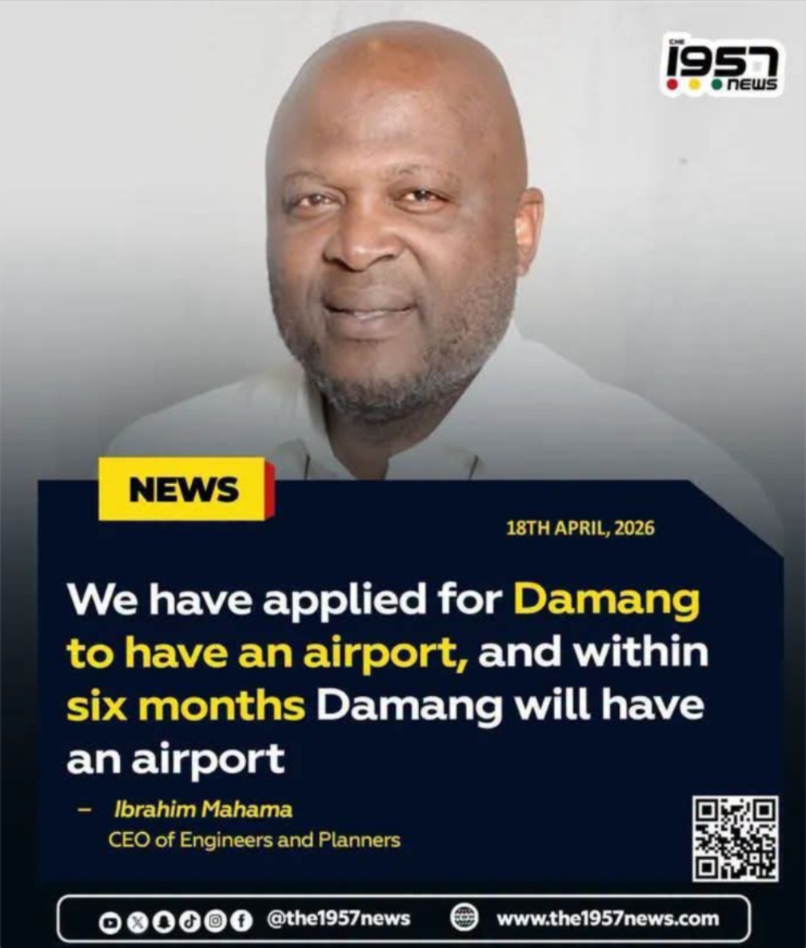
A proposed six‑month airport project raises urgent questions about out priorities in one of Ghana’s most resource‑rich yet underserved communities.
In the quiet mining town of Damang, where daily life is shaped more by extraction than expansion, a bold announcement has captured national attention: plans are underway for Damang to have an airport within six months.
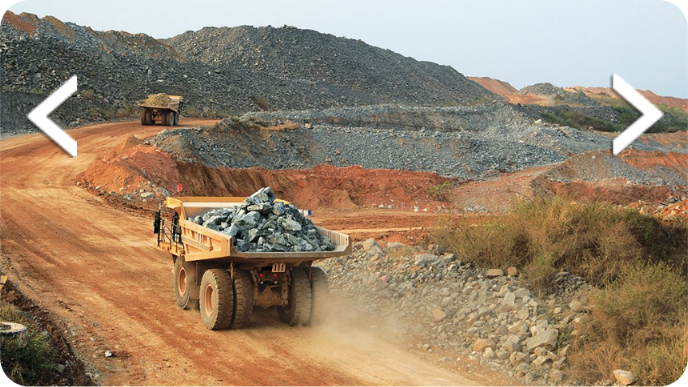
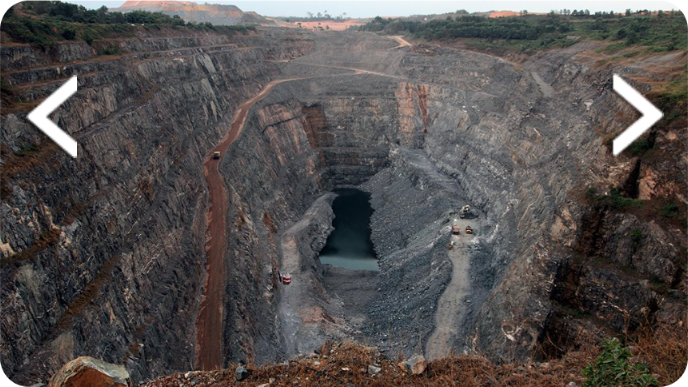
On the surface, the proposal signals progress. Airports are symbols of connectivity, investment, and modern infrastructure—often presented as gateways to opportunity. For a town largely absent from major development conversations, the idea of air access suggests long‑overdue recognition.
Yet beneath this promise lies a more complicated reality.
Damang sits at the heart of Ghana’s gold‑rich Western Region and has, for decades, hosted large‑scale mining operations. While these activities generate significant economic value nationally, the local community continues to grapple with poor road networks, limited healthcare facilities, under‑resourced schools, and a narrow employment base heavily dependent on extractive work. For many residents, basic services—not air travel—remain the most pressing unmet need.
Against this backdrop, the urgency of constructing an airport raises a central question: who is this infrastructure truly for?
Infrastructure or Logistics?
Airports are capital‑intensive projects. They require not only runways but navigation systems, security, maintenance, and sustainable traffic to justify their cost. In communities where commercial passenger volumes are low, such facilities often end up serving a narrow set of users—typically corporate executives, contractors, and logistics operations tied to extractive industries.
This leads to an uncomfortable but necessary inquiry: Is the airport intended as a public development tool, or is it primarily designed to streamline corporate movement linked to ongoing mining activities?
If the latter, then the project risks reinforcing a long‑standing pattern in which infrastructure in resource‑rich communities is designed first around extraction efficiency, and only second—if at all—around resident wellbeing.
Development Sequencing Matters
Development is not merely about what is built, but when and why. For Damang, many would argue that the logical sequence begins with:
•All‑weather roads connecting communities to markets and hospitals
•Fully equipped healthcare facilities to address mining‑related and general health concerns
•Technical and vocational education to diversify local employment
•Water, sanitation, and environmental remediation efforts
An airport, in this context, feels less like a foundation and more like a capstone—something that follows broad‑based development rather than substitutes for it.
The Risk of Symbolic Development
There is also the danger of symbolic infrastructure: projects that photograph well, sound impressive, and attract headlines, but deliver limited everyday value to local populations. When development prioritizes visibility over necessity, it can deepen feelings of exclusion and mistrust among residents who see wealth and movement passing above them—literally—without stopping.
True development must be measured not by speed of construction or scale of ambition, but by how directly it improves the lives of ordinary people.
A Runway to Shared Prosperity—or a Faster Exit?
None of this is to argue that Damang should not aspire to modern infrastructure. The town deserves investment, respect, and long‑term planning. But aspirations must be grounded in local realities and community consultation.
As this airport proposal moves forward, the critical test will be transparency:
•Who is funding the project?
•Who will manage and use the facility the most?
•How does it fit into a broader, people‑centred development plan for Damang?
Until those questions are convincingly answered, the runway remains a metaphor as much as a structure—one that could either lead to shared prosperity or simply provide a faster exit for the region’s wealth.
For the people of Damang, development should not just pass through the sky above them. It should take root firmly on the ground beneath their feet.
📅COMING THIS FRIDAY | 24 APRIL 2026
Airport Before Aid: Whose Development Is Damang Really Serving?
A Special Edition of The Dialogue
Anchored by Berla Mundi

In a world rushing toward speed, profit, and visibility, The Dialogue pauses to ask a deeper question—one that history demands we never stop asking:
Does development serve humanity, or does humanity serve development?
This Friday, The Dialogue confronts this question through the lens of Damang, a community rich in resources yet burdened by unmet human needs. The proposed construction of an airport has ignited conversation—but also concern. Infrastructure, when stripped of conscience, risks becoming an instrument of exclusion rather than liberation.
A Call to the Human Conscience
The Universal Declaration of Human Rights reminds us that:
- “All human beings are born free and equal in dignity and rights.” — UDHR, Article 1
- “The right to a standard of living adequate for health and well‑being…” — UDHR, Article 25
Development, therefore, is not measured by concrete and runways, but by dignity, access, justice, and participation. The Earth Charter echoes this moral responsibility:
“As the world becomes increasingly interdependent and fragile, the future at once holds great peril and great promise… We must join together to bring forth a sustainable global society founded on respect for nature, universal human rights, economic justice, and a culture of peace.”
Inspired by this timeless vision, this edition of The Dialogue calls on leaders, institutions, and communities to realign ambition with conscience.
Distinguished Voices, Shared Moral Authority
This edition features an exclusive high‑level exchange with two eminent African legal minds:
- Serwaa Amihere, Esq. (Ghana)
- Assumpta Gahutu, Esq. (Namibia)
Together, they engage in a powerful interrogation of law, justice, and human dignity, reminding us that legality without morality is hollow, and progress without people is unjust.
What This Edition Confronts
- Legal Accountability: What happens when humanitarian access, environmental protection, or community consent is obstructed in the name of progress?
- Institutional Failure: Why does the gap continue to widen between international principles and the realities experienced by communities like Damang?
- The Cost of Silence: Can humanity endure development divorced from spirituality, ethics, and collective responsibility?
A Grounded Truth
Through this compelling dialogue, these African women lawyers assert a central truth: Human rights are not an obstacle to development—they are its highest expression of enlightenment and wisdom.
Any project in Damang—whether airport, road, or mine—must be grounded in:
- The inviolability of human dignity
- The right of communities to be seen, heard, and protected
- The understanding that development without justice is merely organised exploitation
An Invitation
This is not a debate about infrastructure alone. It is a reflection on who we are becoming. As the Earth Charter urges us: “Let ours be a time remembered for the awakening of a new reverence for life.”
This Friday, The Dialogue invites you—not as a spectator, but as a moral participant—to listen, reflect, and call development back to its original purpose: to serve humanity, not bypass it.
24 April 2026 / The Dialogue –Because conscience must always have the final word.
Berla-Mundi – Monologue

Tonight, we have not argued against development.
We have argued for humanity.
Across Africa—and indeed across the world—bulldozers move faster than dialogue, and ambition too often outpaces conscience. Roads are drawn. Runways are planned. Yet the most important question is rarely asked loudly enough:
Who does development ultimately serve?
The Universal Declaration of Human Rights reminds us that dignity is not negotiable, and progress is not legitimate if it excludes the very people in whose name it is pursued. Development that silences communities, weakens access to care, or overlooks justice is not progress—it is displacement wearing the language of advancement.
And the Earth Charter calls us to remember that we live in an interconnected and fragile world—one where our choices must be guided not only by law and profit, but by responsibility, humility, and respect for life.
What we heard tonight is a powerful truth:
Human rights are not a luxury to be considered after infrastructure is built. They are the foundation upon which any just development must stand.
Damang is not alone in this moment. Many communities across our continent are asking the same question with different names and different stakes. And the answers we choose—now—will define the moral character of our generation.
If development is to mean anything, it must first mean listening.
If justice is to be real, it must be lived, not just promised.
And if sovereignty is to be meaningful, it must be grounded in the dignity of people, not only the power of institutions.
Tonight, we are reminded that Africa does not need permission to define its future. But it does need courage—the courage to insist that no runway, no project, no ambition rises higher than the value of human life.
Let us leave this conversation not with certainty, but with responsibility.
Because progress without conscience is empty.
And the future—our future—must be built with wisdom, compassion, and truth. Thank you.
Opening Dialogue | Assumpta Weekly Magazine – Live / Digital Edition
Berla Mundi | Host: Good day to our readers joining us from across Africa and around the world, and a very warm welcome to this special international edition of Assumpta Weekly Magazine.
Wherever you are reading us from—Africa, Europe, the Americas, Asia, or the Caribbean—we thank you for being part of this growing global community committed to thoughtful dialogue, justice, and human dignity.
Today’s conversation forms part of The African Lawyer — 2026 Edition, themed:
“Global Justice Through an African Lens: Defining Our Sovereignty.”
This dialogue is grounded in the belief that Africa’s legal, moral, and philosophical voices are not peripheral to global thought—but central to it.
Introducing the Panellists
I am honoured to be joined by two distinguished African legal practitioners whose work and insight resonate far beyond their national borders.

- Serwaa Amihere, Esq. (Ghana) An accomplished legal professional whose practice and advocacy engage deeply with questions of accountability, governance, and justice within contemporary African legal systems.

- Assumpta Gahutu, Esq. (Namibia) A respected lawyer and legal thinker whose work reflects a strong commitment to human rights, institutional responsibility, and the ethical foundations of law in post‑colonial African societies.
Together, these two voices bring not only legal expertise, but lived African perspectives shaped by different legal traditions, histories, and realities—yet united by a shared commitment to justice.
Welcoming the Dialogue

Serwaa Amihere and Assumpta Gahutu—thank you both for joining us and for lending your voices to this important conversation.
Today, we are not seeking to debate for the sake of victory, nor to provoke for the sake of attention. Instead, we are creating a space for reflection—one that asks how development, law, and sovereignty can be aligned with human dignity, community participation, and global responsibility.
As our international readers follow this dialogue, we invite them not only to listen, but to reflect alongside us. Because the questions we raise today—about justice, accountability, and the true meaning of progress—do not belong to any one nation. They belong to humanity.
Let us begin.
Transition to the First Question

Berla-Mundi
As we open this conversation, it is important to situate our discussion within a shared global framework. Across continents, communities are grappling with a common challenge: how to pursue development in ways that remain faithful to human rights, environmental responsibility, and the rule of law.
International instruments such as the Universal Declaration of Human Rights and guiding frameworks like the Earth Charter offer moral and legal reference points. Yet, their application often varies dramatically on the ground—particularly in resource‑rich regions across the Global South.
With that in mind, I would like us to begin by grounding this dialogue in principle before practice, and conscience before policy.
First Question
Serwaa Amihere, Assumpta Gahutu, from your respective legal and regional perspectives:
How should African societies balance large‑scale development initiatives with their obligations under international human rights law—especially when such projects risk overlooking community needs, environmental sustainability, and human dignity?
Responses to the First Question

Serwaa Amihere, Esq. (Ghana) “Thank you, Berla. To address this, we must first dismantle the false dichotomy that suggests one must choose between ‘development’ and ‘human rights.’ In the Ghanaian context, and indeed across West Africa, we often see large-scale projects framed as a national emergency—a ‘must-have’ for economic survival. However, the law is clear: development is not a gift from the state; it is a right that must be exercised with dignity.
Balancing these interests requires a shift from consultation to consent. It is not enough for a state to inform a community like Damang that an airport is coming; the community must be partners in the design. Legally, we must move toward stricter enforcement of Free, Prior, and Informed Consent (FPIC). When we bypass the UDHR or our own constitutional safeguards to fast-track infrastructure, we aren’t building progress—we are building debt, both financial and moral. The balance is found when the law treats a community’s right to clean water and ancestral land as being just as ‘sovereign’ as the state’s right to build a runway.”

Assumpta Gahutu, Esq. (Namibia) “Building on Serwaa’s point, from a Southern African perspective—and specifically through the lens of Namibia’s commitment to environmental constitutionalism—the balance must be found in intergenerational equity. We often ask what a project brings to us today, but we rarely ask what it steals from the citizens of tomorrow.
African societies can achieve this balance by institutionalising ‘Conscience-Based Law.’ This means that international human rights law should not be viewed as an external ‘check-box’ to satisfy foreign investors, but as the foundational blueprint for the project itself. In Namibia, our constitution was one of the first in the world to incorporate environmental protection. Therefore, if a development initiative in Damang or anywhere else threatens the ecological integrity or the social fabric of a community, it is, by definition, unconstitutional. We balance the scale by placing the Earth Charter’s principle of ‘respect for nature’ at the same level as economic growth. If the development cannot sustain life, it is not development—it is extraction.”

Berla Mundi | Host
Segment Two: Accountability and the Institutional Gap
Thank you both for those profound insights. Serwaa, your distinction between “consultation” and “consent” is a vital one—it shifts the power dynamic from the state down to the citizen. And Assumpta, your point on “intergenerational equity” reminds us that a runway built today shouldn’t be a debt that our grandchildren have to pay in environmental or social ruin.
I want to dive deeper into something Assumpta touched upon—the idea of Institutional Responsibility.
The Follow-Up Question
Assumpta Gahutu, you mentioned that international human rights law shouldn’t be a “check-box.” Yet, in many cases involving projects like the Damang airport, there is a visible “accountability gap.” We have the UDHR, we have the Earth Charter, and we have national constitutions, yet the local reality often tells a story of displacement or environmental neglect.
Why does this gap continue to widen between these lofty international principles and the lived experiences of African communities? Is it a failure of law, or a failure of the institutions meant to enforce it?

Assumpta Gahutu, Esq. (Namibia)
“It is, quite frankly, a failure of institutional courage. The law is not a silent document; it is a living instrument. The gap widens because our institutions—regulatory bodies, environmental agencies, and even the courts—often operate under a ‘developmentalist’ pressure. They are told that to question a multi-million dollar project is to be ‘anti-progress.’
When we look at the Earth Charter’s call for ‘economic justice,’ it requires that the costs of development are not externalised onto the poor. In Damang, if the institution responsible for the Environmental Impact Assessment (EIA) prioritises the speed of construction over the long-term protection of the water table or community land rights, the institution has ceased to serve the law and has started to serve the investor. We need to insulate our regulatory bodies from political expediency so that ‘human dignity’ is a mandatory requirement, not a secondary suggestion.”

Serwaa Amihere, Esq. (Ghana)
”If I may add to that, Berla, the gap also exists because of a lack of legal literacy at the grassroots.
In Ghana, many communities are unaware that the UDHR or the African Charter on Human and Peoples’ Rights can actually be invoked in local disputes. When institutions fail, the people must have the tools to hold them accountable. Accountability isn’t just about what happens in a high court in Accra or Windhoek; it’s about whether a farmer in Damang knows that their right to ‘well-being’ (UDHR Article 25) is legally enforceable. The gap narrows only when the ‘moral authority’ we talk about here is backed by a community’s power to say ‘No’ and have the law stand behind them.”