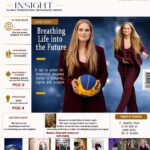
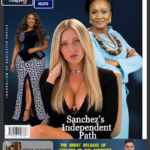
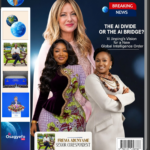


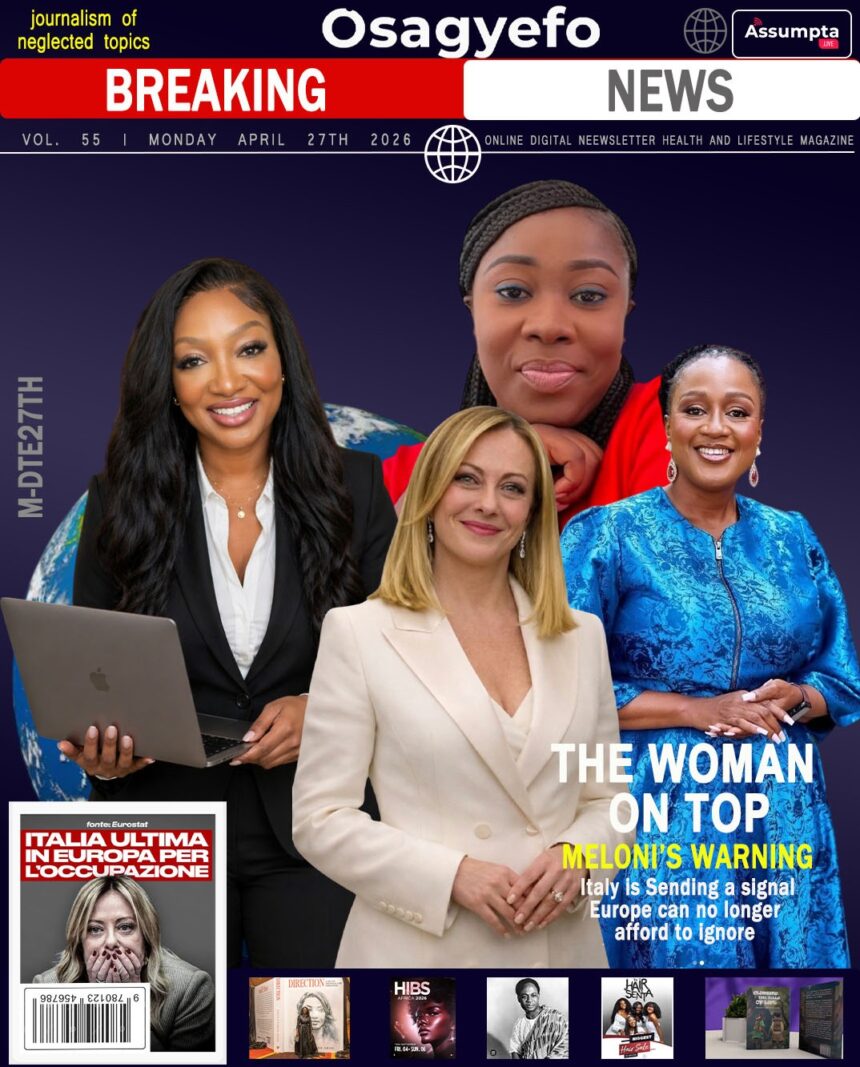
📰Osagyefo Newsletter Magazine
Edition: April 2026 | Global Economics & Leadership
🚨 PRESENTS: BREAKING NEWS
The Woman on Top: Meloni’s Warning
Italy is sending a signal Europe can no longer afford to ignore.
Italy remains one of Europe’s industrial pillars—yet it ranks last in employment, while nearly 70% of monthly wages are consumed by housing, food, and transportation. These are realities Italian families live with every day, but rarely see reflected in political messaging or social media narratives.
This upcoming feature looks beyond the headlines to examine a deeper contradiction: how a country that generates immense economic value can struggle to provide security for its workforce—especially young people and women, who face low pay, limited opportunities, and precarious employment.
This is not an Italian story alone. It is a warning for Europe—and for economies worldwide wrestling with rising costs, stagnant wages, and a growing crisis of faith in the promise of work.
📅 Publishing Monday, 27 April 2026
📩 [Read Now / Stay Tuned for Release]
🌐 Read exclusively at: assumptagh.live/


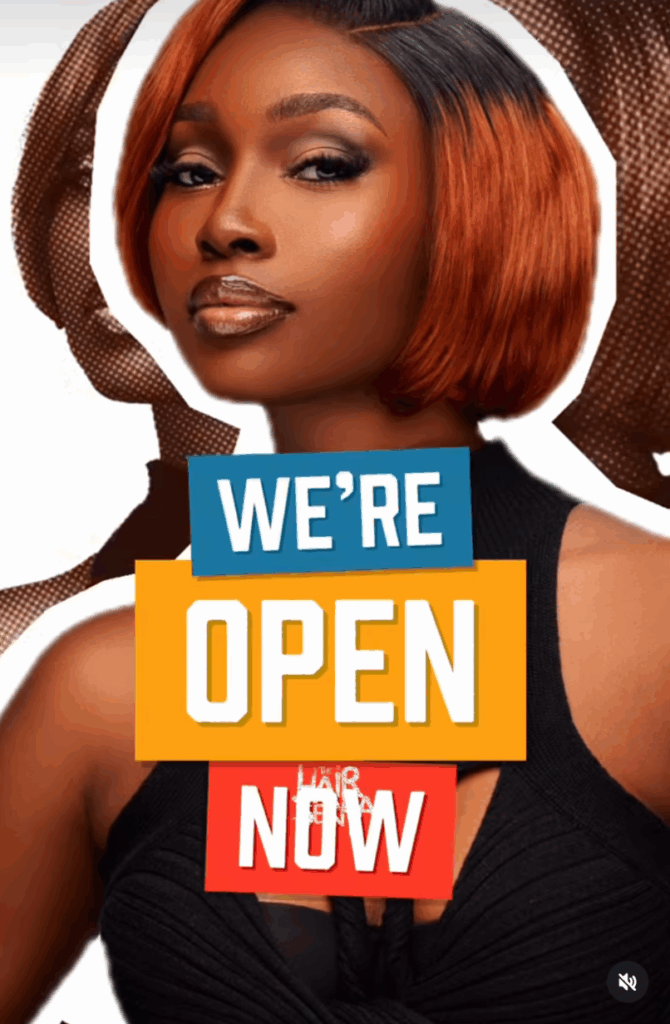
https://www.instagram.com/hairsenta?igsh=MXAzOThhNGZ0Nm15dQ==
🌟 The “Wellness & Care”
Beauty that starts with how you feel.
- At Hair Senta, we believe true beauty is an anchor for your well-being. It’s not just about the hair you wear; it’s about the confidence and care you pour into yourself.
- Our premium extensions are meticulously sourced and treated with the philosophy that “Self-Care is Healthcare.” When you look your best, you vibrate higher.
- Experience the luxury of wellness. From Accra to the world—discover the Hair Senta standard.
🌍 The “Ghana to the World” Pitch
Theme: Heritage, Quality, and Global Luxury.
| Feature | The Hair Senta Advantage |
|---|---|
| Origin | Proudly rooted at 24 Jungle Avenue, Accra, Ghana. |
| Quality | 100% Raw Human Hair Extensions, ethically sourced. |
| Reach | Seamless global shipping—bringing African excellence to your doorstep. |
| Community | Join over 405K followers who trust the Senta standard. |
Hair Senta: Where luxury meets your well-being.”
Ghana’s finest extensions, curated for the global woman.”
“An anchor for your beauty. A sanctuary for your care.”
“More than a look. A lifestyle of wellness and premium quality.”
📍 Visit the Gallery
If you are in Accra or shopping online, here is how to connect with the brand:
Location: 24 Jungle Avenue, Accra, Ghana
Digital Gallery: Join the 400K+ community on Instagram @hairsenta.
Shop Online: www.hairsenta.com
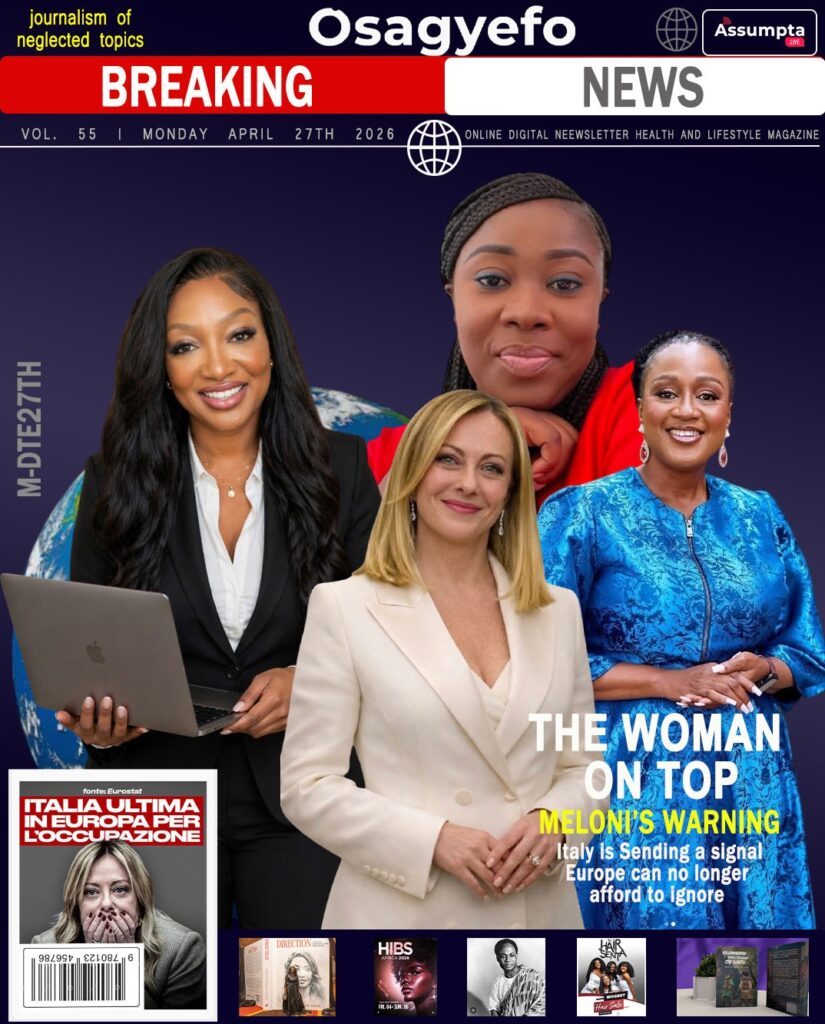
🌍 A GLOBAL DIALOGUE: FEATURED VOICES
This edition brings Italy’s challenge into conversation with global perspectives on work, dignity, and leadership.
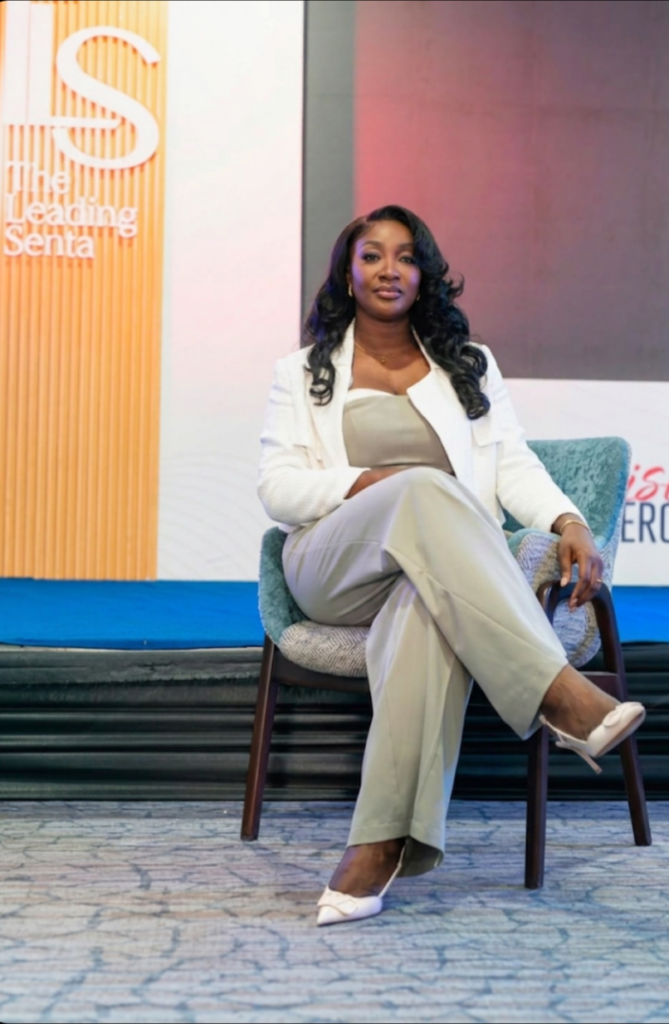
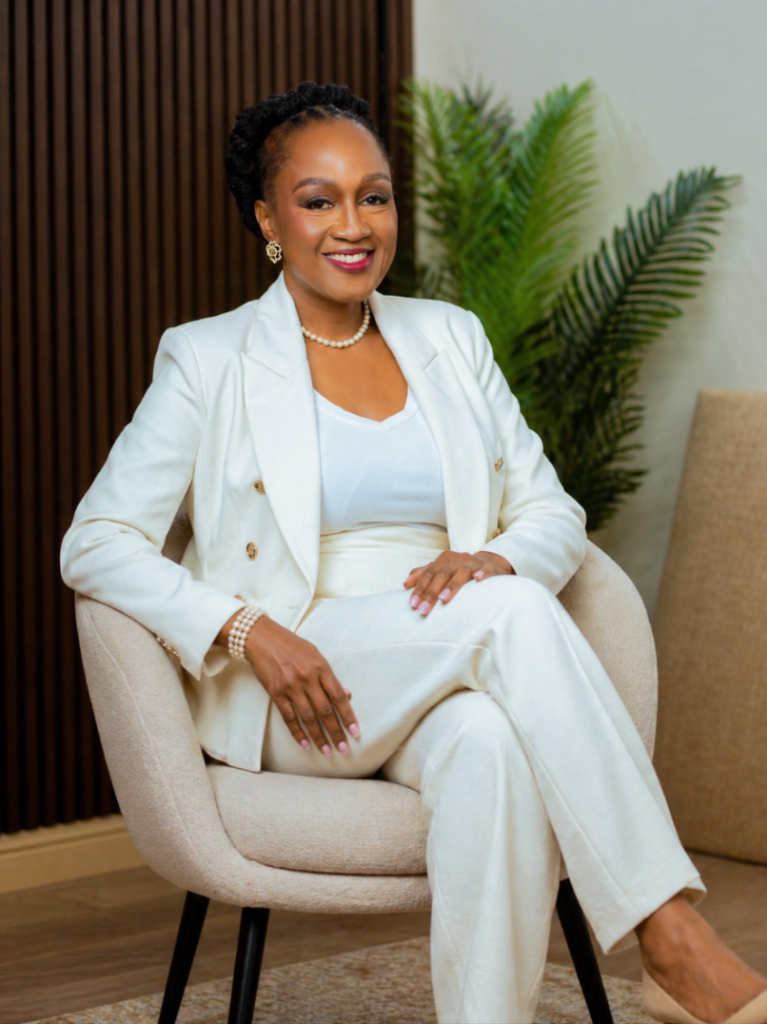
Gwen Addo
Entrepreneur, Value Theory Advocate & Founder, Hair Senta
A leading voice in dignity‑based economics, Gwen argues that human worth—not statistics—must anchor national stability. “Success that harms others is not value — it is anti‑value.”
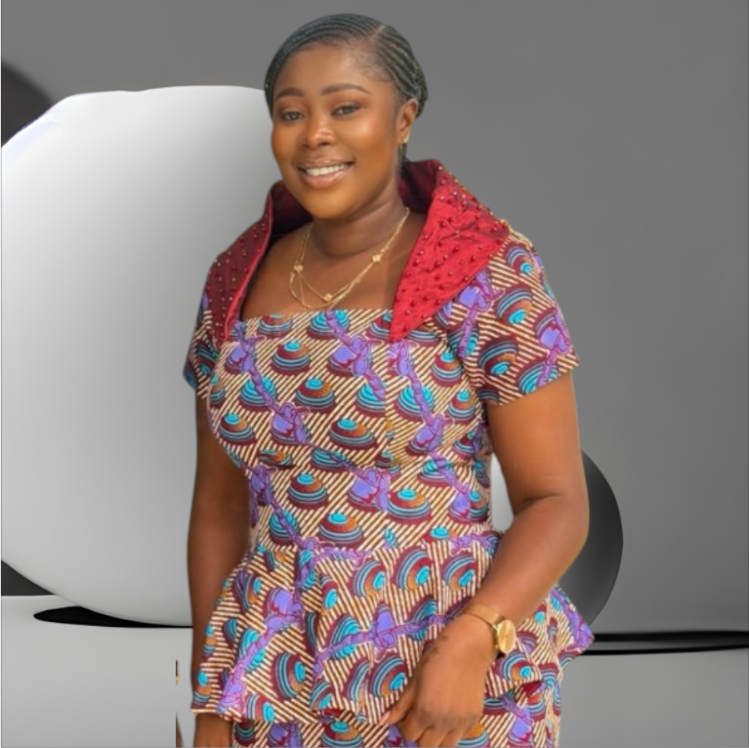
Dzigbordi Kwaku‑Dosoo
Global Leadership Architect & Human Skills Visionary
An internationally recognised executive coach whose work emphasises emotionally intelligent, human-centred leadership in a tech‑driven age.
“The future will not belong to those with the best tools, but those with the strongest humanity.”
Frema Adunyame-
Media Leader, Journalist & Valedictorian
A prominent Ghanaian broadcaster whose work highlights the power of communication and culture in shaping national direction.
“Great leadership sparks not just hope, but a generational shift in vision and values.”
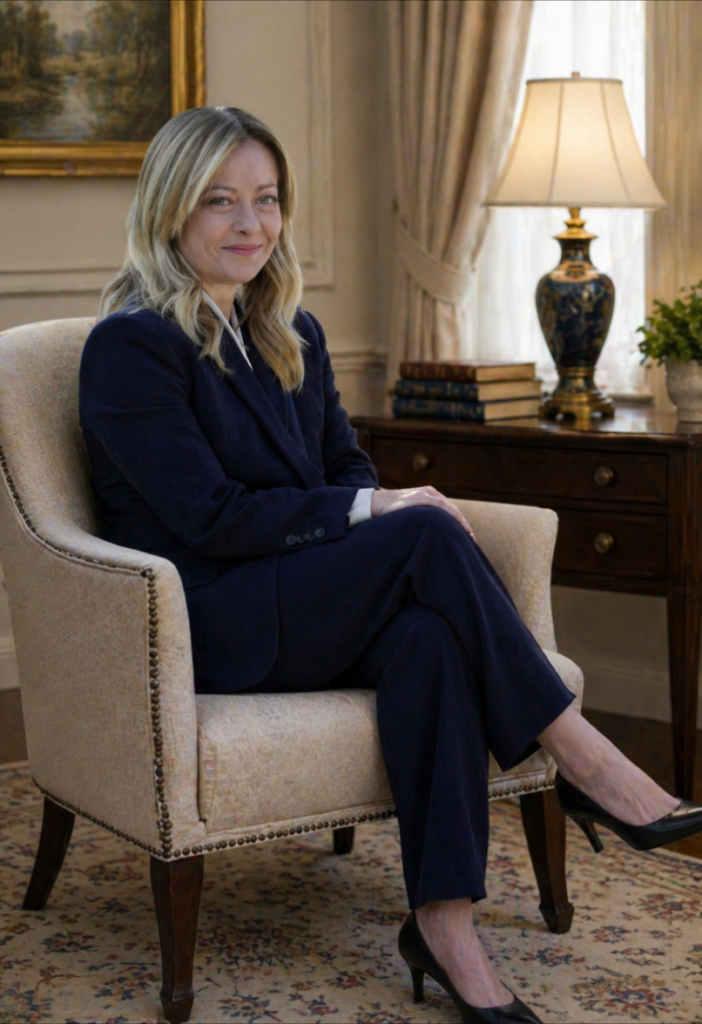
Giorgia Meloni
Prime Minister of Italy -A central figure in Europe’s current economic debates, whose warnings about labour markets and productivity have sparked a global discussion on the eurozone’s future.
🕊️ WHY THIS MATTERS
If a nation with Italy’s industrial depth struggles to convert work into dignity and security, what does that say about the global economic model itself? This edition explores that question—carefully, critically, and globally.
© 2026 Osagyefo Media Group Forward this to a colleague | View in Browser
The Woman on Top: Meloni’s Warning
Italy is sending a signal Europe can no longer afford to ignore.
For decades, Italy has stood as one of the European Union’s industrial anchors—resilient in manufacturing, rich in cultural capital, and essential to global supply chains. Yet beneath that strength, a deeper imbalance has taken hold: Italians continue to create economic value, but are increasingly cut off from sharing in it.
In a global climate shaped by caution, delay, and institutional hesitation, Prime Minister Giorgia Meloni has chosen a different posture—one that confronts this contradiction head‑on. Her warning is not rhetorical. It is structural.
How can a country remain among Europe’s weakest performers in employment while the cost of living steadily erodes household income?
This is not only Italy’s question. It is Europe’s—and, increasingly, the world’s.
A Fracturing Social Contract
Across continents—from Southern Europe to parts of Africa and the Global South—the same pattern is emerging: economies that generate wealth, yet fail to deliver security. Systems that demand participation, but no longer guarantee stability in return.
For many—especially young people and women—the social contract has quietly fractured. Work has become more precarious, wages less reliable, and upward mobility increasingly uncertain. The old promise—that effort leads to a better life—no longer holds with the same force.
This is the contradiction of our time.
Italy still possesses undeniable economic depth: industrial expertise, competitive exports, and a long‑standing productive base. Yet it operates within constraints that limit traditional adjustments. Currency instruments are no longer available. The path forward must come from within—through higher productivity, targeted investment, and labour reforms that prioritise stability over short‑term extraction. But the significance of this moment goes beyond policy.
A Crisis of Legitimacy
Italy’s situation exposes something deeper than an economic slowdown. It reveals a crisis of legitimacy.
If a country with such productive capacity cannot ensure that its citizens feel the value of what they help create, then the model itself begins to lose credibility.
That is Meloni’s warning.
Not simply about Italy—but about the widening gap between economic performance and lived reality.
Between growth and dignity.
Between participation and reward.
What happens next will not only determine wage levels or employment statistics. It will define whether modern economies can still uphold the most basic promise on which they were built:
That was work that should lead to a life of stability, security, and dignity.
If that promise continues to erode, the consequences will not remain economic.
They will become political.
And increasingly impossible to ignore.
EUROPE WASN’T MEANT TO LOOK LIKE THIS
A Wake‑Up Call
For thirty years, Europeans have been told a story about unity, progress, and shared prosperity. But what if the system built in the name of integration has quietly produced the opposite?
Imagine a structure that weakens governments’ capacity to act in their own national interest. One that exposes economies to global pressures while dulling democratic awareness at home. A system where political vision is replaced by rigid legalism—because politics itself is viewed as inherently suspect.
Now stop imagining. Look around.
Europe created a common currency that weakened internal balance instead of strengthening it. One of the richest economic regions in the world became increasingly dependent on exports merely to sustain growth. An abstract vision of unity, in practice, concentrated power and deepened inequality.
Under the banner of the “collective good,” the system has too often served international financial interests more efficiently than the lives of ordinary citizens.
Instability has been renamed peace. Centralisation has been framed as internationalism. Decision‑making arrives late—if it arrives at all. Problems are acknowledged only after damage is done.
What has this produced?
A diluted form of capitalism:
consumption without purchasing power,
growth without shared prosperity,
education without depth,
leadership without clarity.
This is not a temporary disruption. It is structural drift.
And the greatest danger is not the system itself—but the normalisation of it. The quiet acceptance. The belief that this is simply “how things are.”
It isn’t.
Europe does not have to continue down this path. But change begins with clarity—seeing reality as it is, not as it has been presented.
So the question remains:
This refined layout elevates the dialogue to a high-level editorial standard, positioning Frema Adunyame as the sophisticated moderator connecting the Italian crisis to a global audience.
OSAGYEFO GLOBAL DISPATCH
Special Edition: The Human Cost of Economic Integration
🌍 GLOBAL DIALOGUE
The Woman on Top: Meloni’s Warning
Host: Frema Adunyame
Location: Milan – Accra – London – New York (Virtual)
🎙️ OPENING REMARKS

Frema Adunyame:
“Good day to our readers across Europe, Africa, the Americas, Asia, and the Global South. Welcome to this special global dialogue. We are here to examine one of the most pressing questions of our time: What happens when economic systems continue to grow, yet fail to deliver dignity and security to the people who sustain them?
Today’s discussion is anchored in Italy—but its implications are borderless. Italy’s current struggle offers a lens through which we can examine structural challenges within the European Union and the wider global economic model. I am honoured to be joined by a panel of leaders who bring vital perspectives to this debate.”
👥 INTRODUCING THE PANEL
- Gwen Addo: Entrepreneur and Value Theory Advocate. Gwen argues that national stability is impossible if human worth is secondary to market efficiency.
- Dzigbordi Kwaku-Dosoo: Global Leadership Architect and Human Skills Visionary. Dzigbordi challenges the belief that tools alone drive progress, focusing instead on human-centred performance.
- Giorgia Meloni: Prime Minister of Italy. A central figure in the European debate whose warnings on labour markets and social cohesion have sparked critical reflection worldwide.
📍 FRAMING THE CRISIS

Frema Adunyame:
“To set the stage, let us look at the reality in Italy: It ranks last in Europe for employment, yet it is where the cost of living weighs most heavily—nearly 70% of wages are absorbed by housing, food, and transport. This paradox is our starting point: How can an industrial titan sit at the bottom of employment rankings?
Gwen, I’d like to start with you. As an advocate for dignity-based economics, how do you see this disconnect between Italy’s industrial output and the eroding agency of its workers? Please share your thoughts.“
💬 THE PERSPECTIVES
Gwen Addo
”What strikes me most, Frema, is the moral contradiction. When 70% of a wage disappears into mere survival, we aren’t discussing ‘efficiency’—we are discussing systemic extraction. Italy is failing because value creation has been disconnected from value distribution. When work no longer leads to dignity, the system becomes ‘anti-value,’ regardless of what the GDP figures say.”
Frema Adunyame:
“A powerful distinction, Gwen—the idea of ‘anti-value’ is a sobering lens for our international readers. Thank you. Dzigbordi, building on that human dimension, you often speak about the psychological health of an economy. Given the precarious nature of employment in Italy, what do you see as the long-term risks to leadership and innovation? I would value your insight on this.“
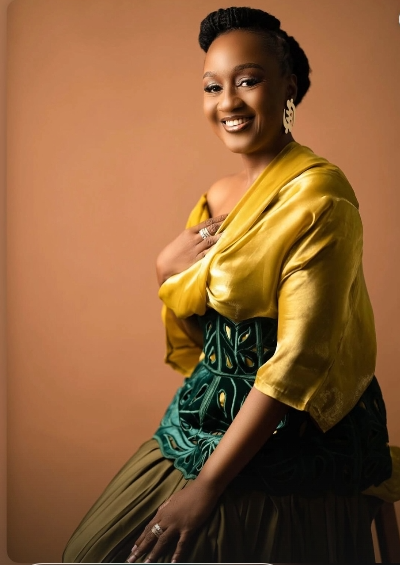
Dzigbordi Kwaku-Dosoo
”I see a warning sign, Frema. When young people and women are pushed into precarious work, they internalise instability. Over time, this destabilises trust and innovation. Europe has focused on rules and compliance, but neglected human resilience. The future won’t belong to those with the best policy tools, but to those who invest in the human skills that allow a society to adapt with dignity.”
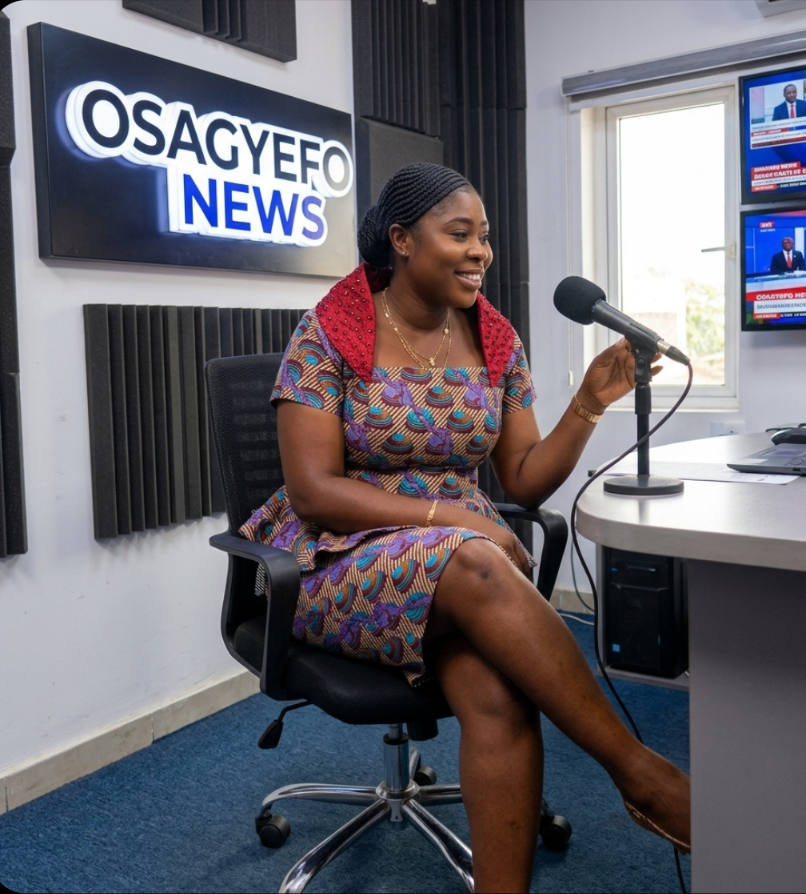
Frema Adunyame:
“The internalisation of instability—that is a profound concept for any global leader to consider. Thank you, Dzigbordi. Prime Minister Meloni, we turn to you. Your warnings have been structural and direct. In a system like the Eurozone, where traditional adjustments are limited, how do you answer the charge that the system itself is losing its legitimacy with the people? We would appreciate your perspective.“
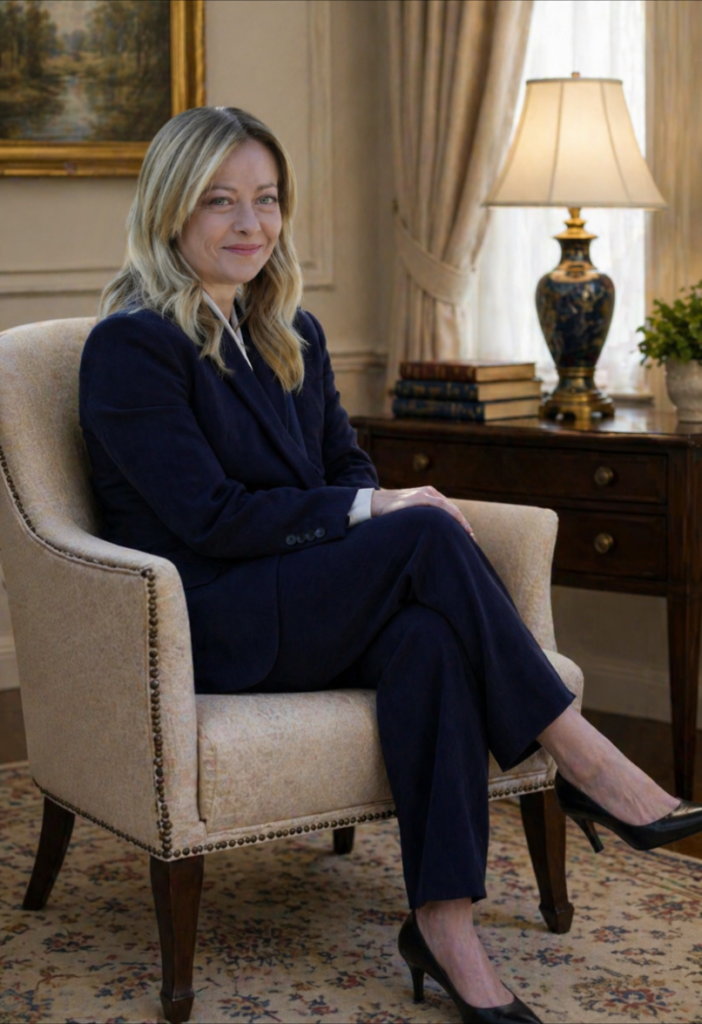
Giorgia Meloni
”Italy’s data is uncomfortable because it cuts through abstraction, Frema. We are speaking about people who work and contribute, yet cannot build secure lives. The European Union has succeeded in integration, but often failed in equilibrium. This is not about dismantling cooperation; it is about restoring the balance between economic ambition and social responsibility. Without that balance, no project—European or global—can endure.”
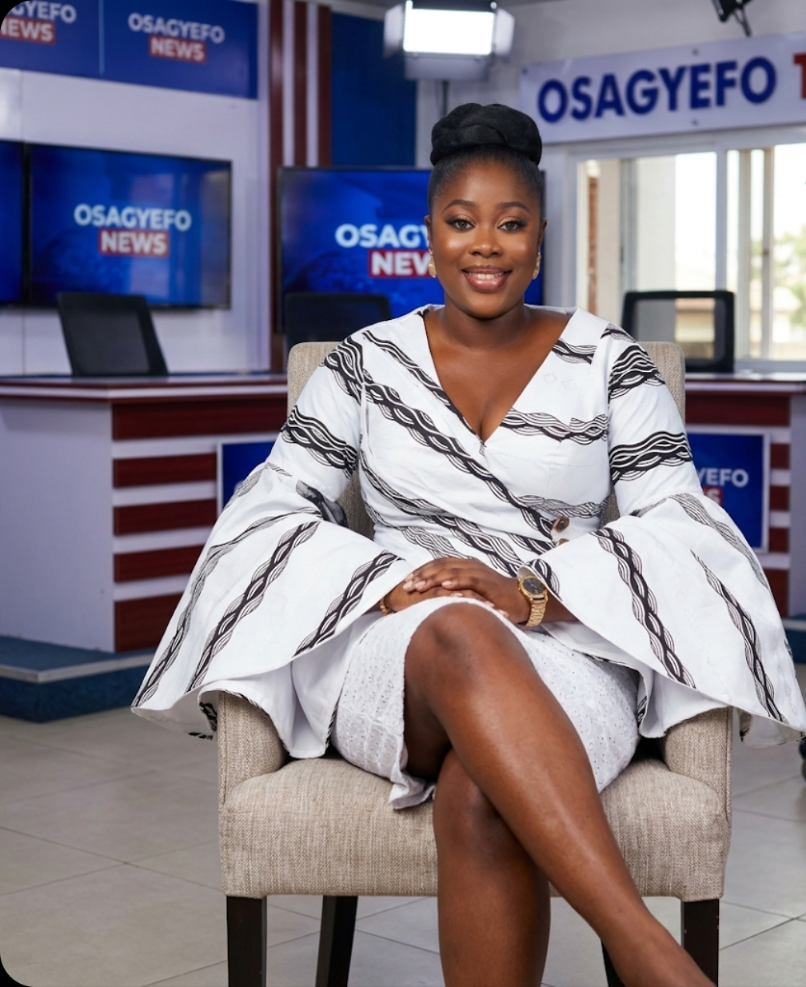
Frema Adunyame:
“Thank you all for these opening insights. What we are hearing is a clear demand for alignment: between work and dignity, policy and lived reality.
Italy’s warning is not isolated; it is a preview for the world. In the next section of our dialogue, we will explore the structural changes required to bridge this gap. Because if a system cannot convert hard work into dignity, then leadership itself must be re-examined.
Stay tuned for Part II of our Global Dialogue.“
© 2026 Osagyefo Media Group | Connecting Global Perspectives
🎙️ THE DIALOGUE: PART II
The Architecture of Discontent
Frema Adunyame (Host):
“Thank you for the earlier reflections. At this point in our dialogue, I want to challenge each of you with a broader structural question regarding the very foundation of the European project.
I will read this next segment in full before inviting your responses:
EUROPE WASN’T MEANT TO LOOK LIKE THIS — A Wake-Up Call
For thirty years, we’ve been told a story about unity and progress. But what if the system has quietly done the opposite? Imagine a structure that strips governments of the power to act in their own national interest—a system where political vision is replaced by rigid legalism.
The European Union created a currency that weakened internal balance and embraced an abstract ideal of unity that concentrated economic advantages while deepening inequality. In the name of the ‘collective good,’ it has often aligned more effectively with international financial interests than with the everyday realities of citizens. This has produced a diluted form of capitalism: consumption without purchasing power, growth without shared prosperity, and leadership without clarity.
This is not a temporary disruption. It is structural drift. And the most dangerous part is the normalization of it—the idea that this is simply how things must be.
So, here is the question I put to the panel: If this is the Europe we have built, what kind of Europe are we willing to fight for next?
Gwen, I’d like to begin with you. You’ve observed how systems can prioritise ‘mechanisms over meaning.’ How do we pivot from a system of ‘anti-value’ to one that actually serves the human outcome? Please share your thoughts.“
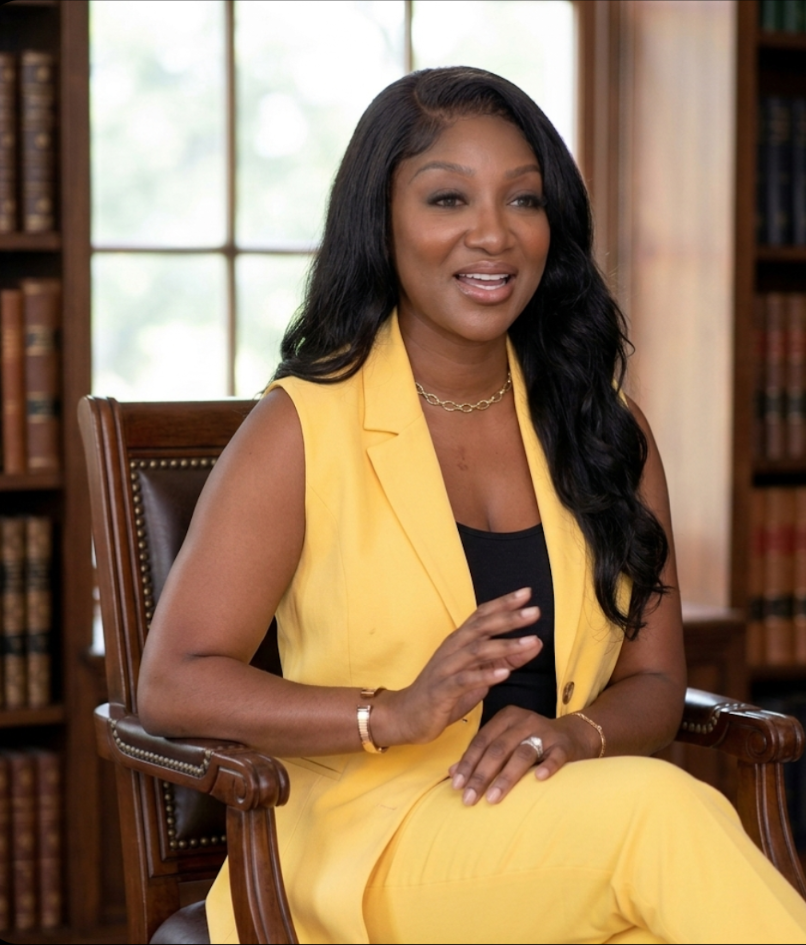
Gwen Addo – Response
”Thank you, Frema. What stands out to me in this reflection is not anger—it is disappointment rooted in misalignment. Europe did not fail because it pursued cooperation; it failed because it substituted mechanisms for meaning and process for purpose.
When systems prioritise regulatory elegance over human consequence, they drift into what I call anti-value. Growth continues on paper, but people experience a decline in life quality. That is exactly the situation we see in Italy—and increasingly across the EU.
The issue is who the system is designed to serve when trade-offs become inevitable. Over time, Europe optimised for stability as defined by markets, not dignity as experienced by citizens. If governments feel constrained from acting decisively for their populations—especially during economic stress—then legitimacy erodes, no matter how sophisticated the architecture appears.
So when we ask what kind of Europe we are willing to fight for next, my answer is clear:
- A Europe that measures success not only by coherence, but by care.
- Not only by integration, but by participation.
- Not only by compliance, but by human outcomes.
Because when work no longer yields dignity, the system has stopped creating value—no matter how impressive the balance sheets look. Systems that normalise misalignment eventually face correction—either by reform or by rupture. The choice is still Europe’s.”
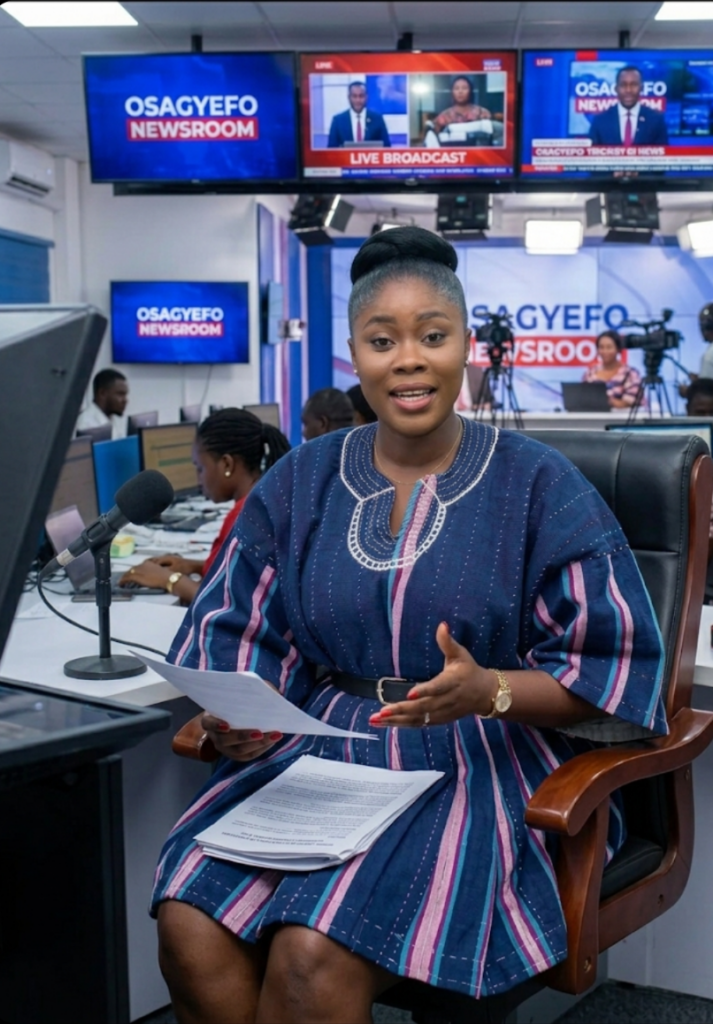
Frema Adunyame:
“‘A Europe that measures success by care’—that is a powerful vision to anchor our next phase of discussion. Thank you, Gwen, for reminding us that balance sheets are not the final arbiter of national health.
🎙️ THE DIALOGUE: PART III
The Crisis of Trust & The Psychological Toll

Frema Adunyame (Host):
“‘Internalised instability’—Dzigbordi, you mentioned that earlier, and it resonates deeply with our global audience. As we look at the ‘structural drift’ of the European project, how does a leader manage a public that feels the system is no longer built for them?
I would value your insight on the leadership challenge at the heart of this decay.“
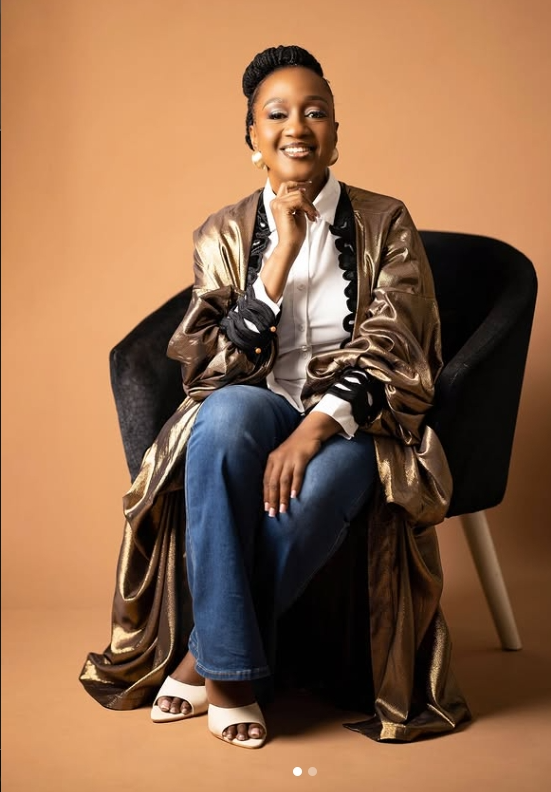
Dzigbordi Kwaku‑Dosoo – Response
”Thank you, Frema. What this wake‑up call reveals to me is not simply an economic failure, but a leadership failure at the level of consciousness.
Europe did not lose its way overnight. It gradually shifted from leading with vision to managing through avoidance. It replaced courageous political choice with procedural comfort. Systems became efficient at maintaining themselves—but ineffective at serving people.
When governance is driven more by fear of instability than by commitment to human potential, we see exactly what is unfolding now: young people disconnected from opportunity, women pushed into insecurity, and workers taught to survive rather than to build.
What concerns me most is the psychological toll of this normalisation. When precariousness becomes routine, societies internalise scarcity. People stop believing that effort will be rewarded. And once that belief collapses, trust collapses with it.
Leadership was outsourced to institutions rather than embodied by people willing to take responsibility. The future will not be decided by currencies or treaties alone. It will be decided by whether leaders are willing to re-humanise decision‑making—to ask not only what is permissible, but what is necessary.”
⚡ THE TURNING POINT

Frema Adunyame:
“You’ve touched on the ultimate currency: Human Trust. Without it, even the most refined institutional architecture is just a hollow shell. You’ve warned us that if we do not invest in the humanity of the people, the system cannot endure.
But here is where the tension lies. We have heard the moral case from Gwen. We have heard the psychological warning from Dzigbordi. But now we must confront the cold, hard walls of the political and structural reality.
How do you fix a system when the rules themselves seem designed to prevent that very change? How does a leader act when their hands are tied by the very union meant to empower them?”
Prime Minister Meloni, the floor is yours. “You are at the centre of this storm. You have spoken of the ‘bitter reality’ and the need for structural change. But in a Eurozone that restricts your traditional economic levers, is the reform you seek even possible—or are we witnessing the inevitable collision between national dignity and international legalism? The world is listening for your answer.“
🎙️ THE DIALOGUE: THE FINAL RESPONSE

Giorgia Meloni – Response
”Thank you, Frema. You have asked the question that defines the modern European era.
The reality is that for too long, Europe has been treated like a laboratory for an experiment in ‘pure integration’—an experiment where the variables were people’s lives. As Dzigbordi rightly said, we have outsourced leadership to institutions. But institutions cannot feel the weight of a family’s grocery bill or the anxiety of a young woman on a three-month contract.
When you ask if reform is possible within the current structural walls of the Eurozone, my answer is that it is not only possible—it is mandatory. We have reached the limit of what can be solved by ‘technical adjustments’ or moral posturing.
The structural ‘drift’ mentioned earlier happened because we allowed the economy to become a separate entity from society. We accepted a model where a country like Italy—an industrial pillar—could be told that its high productivity must coexist with low wages and high precariousness to satisfy a ledger in Brussels or Frankfurt.
This is the collision point. True political courage today means telling our partners that the social contract is not a secondary concern to the fiscal pact. It is the foundation of it. If we do not return to a Europe of nations that are strong enough to protect their own people, then the ‘unity’ we speak of will be nothing more than a shared decline.
We are fighting for a Europe that understands that stability is not just about keeping the Euro steady on the markets; it is about keeping the floor steady under the feet of the worker. If the rules of the system forbid us from ensuring dignity for our citizens, then it is the rules—not the people—that must change.
The warning I give is this: Legitimacy is not granted by a treaty. It is earned by results. And if the results continue to be the erosion of the middle class and the abandonment of the youth, the political consequences will be impossible to ignore. We are not just at a crossroads; we are at the end of the road of ‘business as usual’.”
OSAGYEFO GLOBAL DISPATCH
Part IV: The Policy Collision – Trade vs. The Citizen
🎙️ THE DIALOGUE: POLITICAL ARCHITECTURE
Moderated by Frema Adunyame
Frema Adunyame (Host):
“Thank you, Dzigbordi. I want to move our dialogue now to the political architecture itself. Systems do not drift without incentives, and incentives do not persist without political design.
Let me read this framing segment before inviting your reflections:
On Trade, Short-Termism, and the Disappearing Citizen
Europe has always depended on trade—trade, trade, trade. But this orientation has come at a cost. Businesses, under relentless pressure to report quarterly earnings, have been pushed toward short-term strategies. In the process, citizens are treated as externalities rather than stakeholders.
Productivity rises while lived security declines. Because electoral cycles are short, politicians pursue policies that ‘show results’ on trading dashboards rather than in people’s lives. This is the hallmark of the Anglo-Saxon model: a system that privileges speed and liquidity over continuity and social cohesion.
So, my question to the panel is direct: What political reforms are now necessary to correct this imbalance—between trade and citizens, markets and dignity?
Gwen, I’ll begin with you. How do we stop the citizen from being an ‘externality’ in a system built for speed? I look forward to your thoughts.“
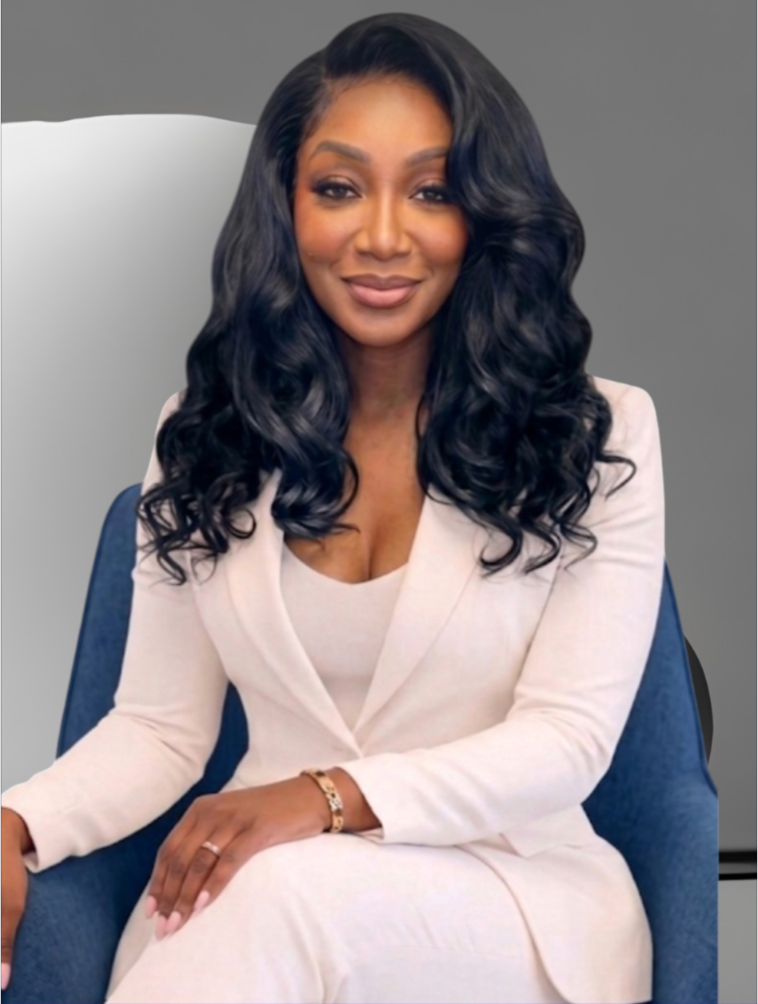
Gwen Addo – On Political Reform
”Thank you, Frema. This gets to the heart of the issue. The first reform is a redefinition of accountability. Today, success is measured in market confidence rather than human confidence. Until leaders are evaluated on household resilience, citizens will remain invisible.
Second, we must embed social impact—wage sufficiency and housing affordability—into the formal criteria of economic policy, not as afterthoughts. The Anglo-Saxon model works for capital rotation, but poorly for human continuity. We need to restore the citizen as the primary unit of value. This isn’t anti-trade; it’s pro-alignment.”

Frema Adunyame:
“A redefinition of accountability—moving from market confidence to household confidence. That is a shift that would change the very face of global governance. Thank you, Gwen. Dzigbordi, building on this, you’ve often noted that ‘vision shrinks’ when leadership becomes purely managerial. How do we reform leadership to value the long-term over the immediate?“
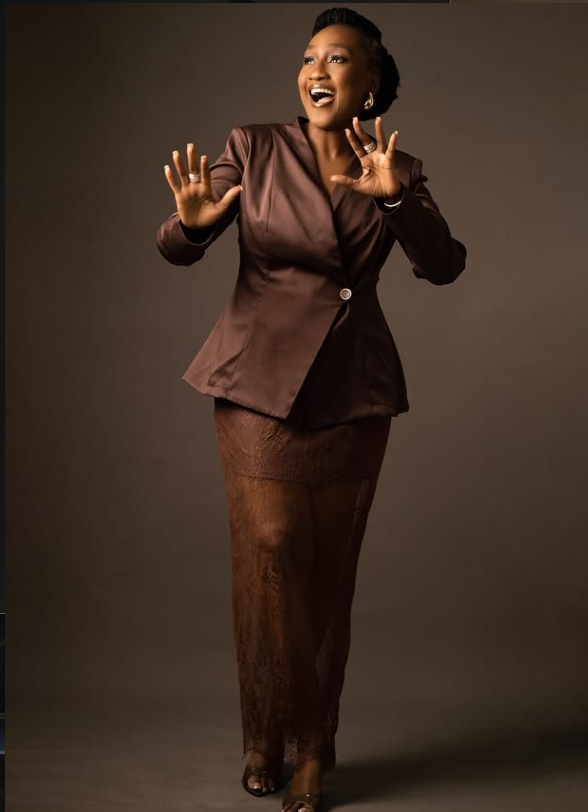
Dzigbordi Kwaku‑Dosoo – On Leadership Reform
”I agree, Frema. Political reform begins with leadership reform. When politicians only pursue what can be achieved in a single term, they teach societies to think small. Courage disappears.
We need cross-term national strategies that survive electoral changes—especially in employment and education. Short-termism disproportionately harms those whose returns take longer to materialise: our young people and our women. True reform requires leaders willing to act for outcomes they may never personally benefit from electorally. That is where humanity re-enters governance.”
Frema Adunyame:
“Courage over performative cycles. A challenge to every sitting leader. Thank you, Dzigbordi. Prime Minister Meloni, we return to the structural wall. You are navigating a bloc where ‘competitiveness’ is often the only metric allowed. How do you reclaim the ‘policy space’ needed to put the citizen back at the centre?“
Giorgia Meloni – On Structural Change
”The tension described here is exactly what governments must confront, Frema. Reliance on trade has narrowed our political imagination. Political reform must start with reclaiming policy space. Within the Eurozone, governments must be allowed the flexibility to invest in labour and public services without being penalised for prioritising cohesion over fiscal optics.
Stable contracts and fair wages are not ‘social luxuries’—they are economic infrastructure. We must stop assuming citizens will indefinitely absorb the costs of adjustment without consent. The choice is between a Europe that endures and one that slowly disconnects from its people.”
🕊️ THE FINAL WORD
Frema Adunyame:
“Thank you all. What emerges clearly is that this is not a debate about abandoning trade, but about rebalancing purpose. It is about restoring the citizen to the centre of the calculation.
In the next stage of this dialogue, we will examine the human cost of delay—and what happens when societies normalise instability for too long. Because when people stop believing that systems are built for them, history shows they eventually seek alternatives.
And that is a reality no economy can afford to ignore.“
© 2026 Osagyefo Media Group | Global Dialogue Series
NEXT EDITION: The Cost of Silence.
In this concluding phase of our dialogue, we pivot from the structural “walls” of policy to the foundations of the future. Education is not merely a sector; it is the laboratory where a society’s resilience is forged. Yet, as our panellists observe, when systems fail to evolve, the human cost is measured in lost generations and fractured trust.
OSAGYEFO GLOBAL DISPATCH
The Human Cost of Delay: A Final Reckoning
🎙️ THE DIALOGUE: BEYOND THE BALANCE SHEET
Moderated by Frema Adunyame
Frema Adunyame (Host):
“As we move into the final stage of this dialogue, we must address the ultimate engine of change: Education. If the current economic model is failing to deliver dignity, what role does education reform play in fixing it? How can the ordinary citizen—the person feeling that 70% wage squeeze—actually influence this reform? And crucially, what happens when we wait too long?
Gwen, Dzigbordi, Prime Minister—let us examine the human cost of delay.“
🎓 THE ROLE OF EDUCATION REFORM
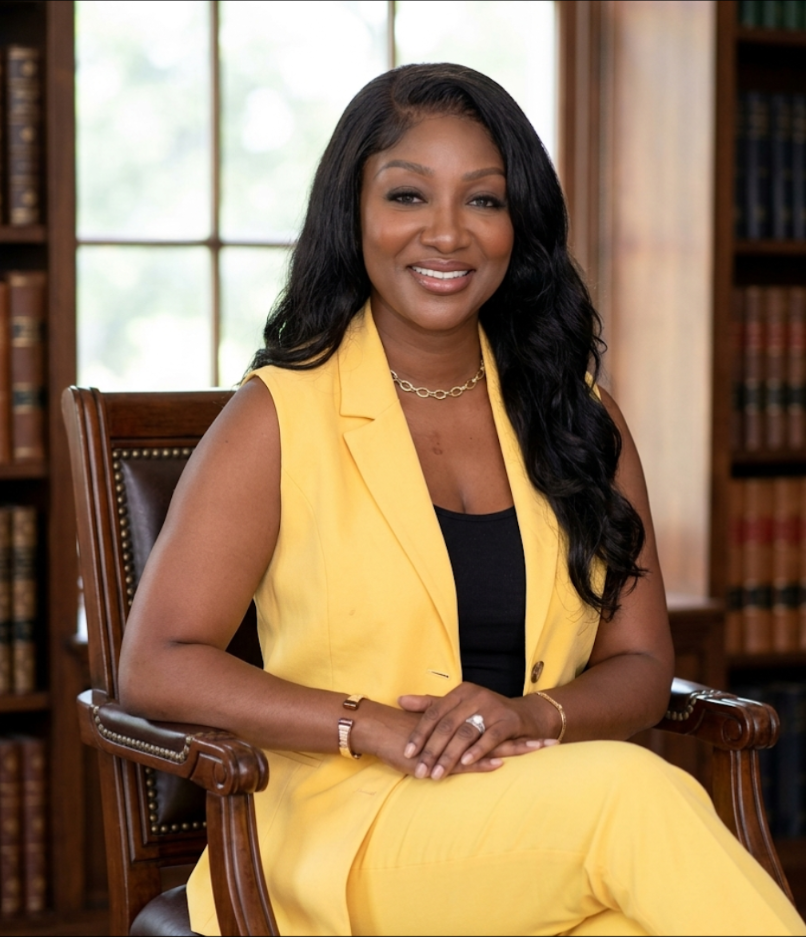
Gwen Addo:
“Education reform is the primary tool for reclaiming Value. Today’s systems are often ‘industrial age’ relics, training people for roles that no longer provide security.
True reform means shifting from rote learning to Dignity-Based Education: teaching value creation, financial agency, and adaptability. If we don’t reform what we teach, we are simply educating people to be efficient in a system that is designed to extract from them.”
🗳️ HOW CITIZENS INFLUENCE REFORM
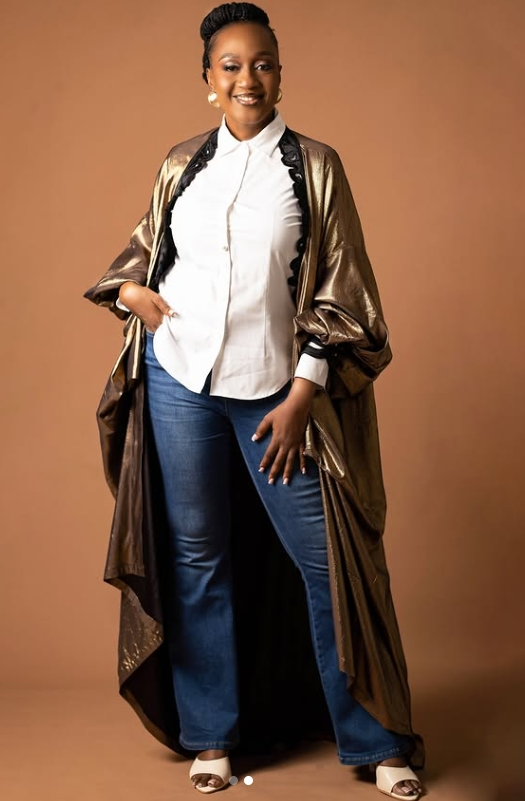
Dzigbordi Kwaku-Dosoo:
“Citizens influence reform through Collective Demand and Civic Literacy. It isn’t just about the ballot box every four years; it’s about the daily demand for transparency. When parents, workers, and students align to demand skills that match the ‘Human Economy’—not just the ‘Market Economy’—leaders are forced to pivot.
We see this in the rise of micro-credentials and alternative learning pathways. Citizens are already seeking alternatives because the traditional system is too slow. Leadership must now catch up or be bypassed.”
🏛️ EXAMPLES OF SUCCESSFUL REFORM
Giorgia Meloni:
“We look at examples like the Nordic vocational models or the digital transformation in emerging economies, where education is tied directly to local industrial needs. In Italy, we are pushing for a ‘Lycée of Made in Italy’—rebranding vocational work as high-value craftsmanship. Success occurs when the state stops treating education as a cost and starts treating it as social infrastructure.“
⚠️ THE HUMAN COST OF DELAY
Frema Adunyame (Host):
“This brings us to the precipice. History shows us that when societies normalise instability—when they accept that ‘this is just how it is’—the cost is not just economic; it is spiritual.
When people stop believing the system is built for them, they do not just sit in silence. They seek alternatives. History is littered with the remnants of systems that ignored the ‘disappearing citizen’ until it was too late. From the Chartist movements of the 19th century to the modern populist surges, the message is the same: Legitimacy has an expiration date.
If a nation with Italy’s industrial depth cannot convert work into dignity, it is a warning to every economy on the planet. Delay is not a neutral act; it is a choice to let the social fabric tear.”
The Woman on Top: Meloni’s Warning
Italy is sending a signal Europe can no longer afford to ignore.
“Thank you to our esteemed panellists—Gwen Addo, Dzigbordi Kwaku-Dosoo, and Prime Minister Giorgia Meloni—for your candour and your vision. And to our readers worldwide, thank you for joining this global dialogue. The conversation does not end here. It continues in your homes, your offices, and your halls of government. Thank you, and goodbye.“
© 2026 Osagyefo Media Group | Insight. Integrity. Impact.
Our Shared Humanity Soka Gakkai Buddhist.
An introduction to the Soka Gakkai and Nichiren Buddhism. Where do the teachings originate from? What is the philosophy of Buddhism? How do Soka Gakkai members apply it in their daily lives?:
The Soka Gakkai is a global community-based Buddhist organisation that promotes peace, culture and education centred on respect for the dignity of life. Its members in 192 countries and territories study and put into practice the humanistic philosophy of Nichiren Buddhism.
Soka Gakkai members strive to actualise their inherent potential while contributing to their local communities and responding to the shared issues facing humankind. The conviction that individual happiness and the realisation of peace are inextricably linked is central to the Soka Gakkai, as is a commitment to dialogue and nonviolence.
Subscribe to our channel: / sgivideosonline
Visit our website: https://www.sokaglobal…
Like us on Facebook: / sgi.info
Follow us on Instagram: / sgi.info
Follow us on Twitter: / sgi_info
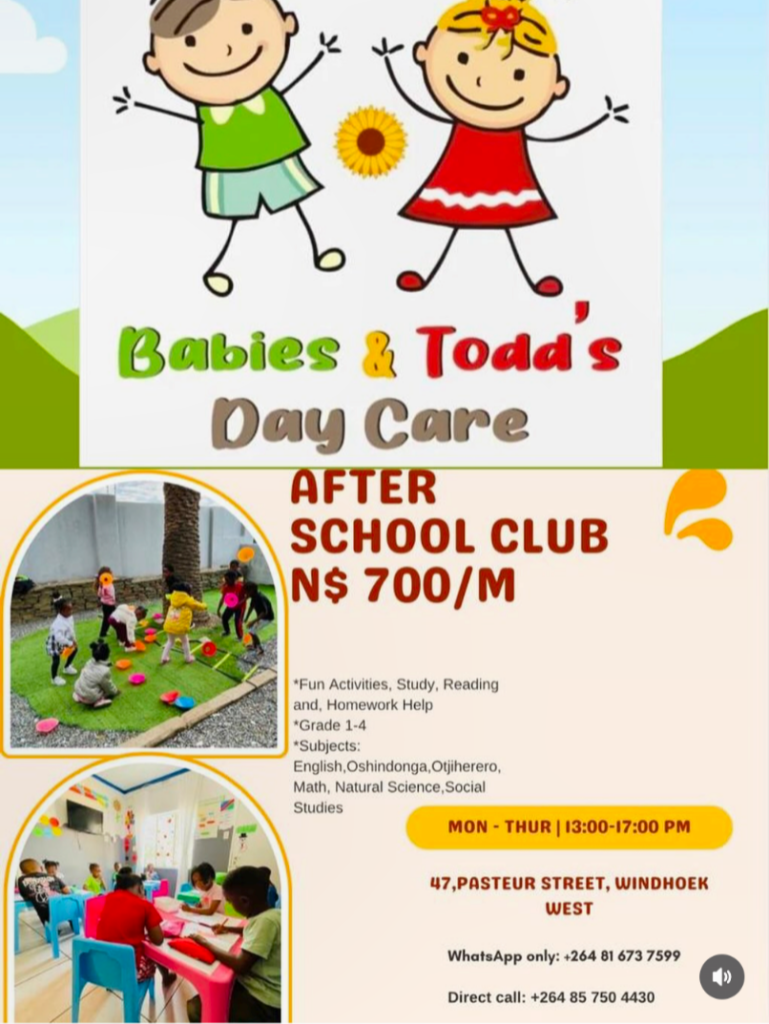
https://www.instagram.com/babiesandtodds_?igsh=MWs0ZHlsbjcxNXEyZg==
Where Little Hearts Find a Home to Grow. 🌿✨
Nestled in the heart of Windhoek, Babies & Toddlers Daycare (BTDC) is more than just a school—it’s a vibrant community. We believe every child is a masterpiece, and our mission is to provide a nurturing sanctuary where they can grow, learn, share, and create. 🎨🤝
At BTDC, we don’t just teach; we inspire. Guided by a humanistic philosophy, we prioritise:
🕊️ Peace & Culture – Celebrating our global diversity.
📚 Education with Heart – Focused on the dignity of every life.
🌱 Holistic Growth – Respecting the unique journey of every child.
Join our family and give your child a foundation built on respect and joy.
📞 Connect with us: +264 81 673 7599
🌐 Explore more: www.babiestodds.com
#WindhoekParents #NamibiaEducation #EarlyChildhood #HumanisticEducation #BabiesAndToddlers
https://www.instagram.com/serwaaamihere?igsh=N216N3hzeTE3eHho
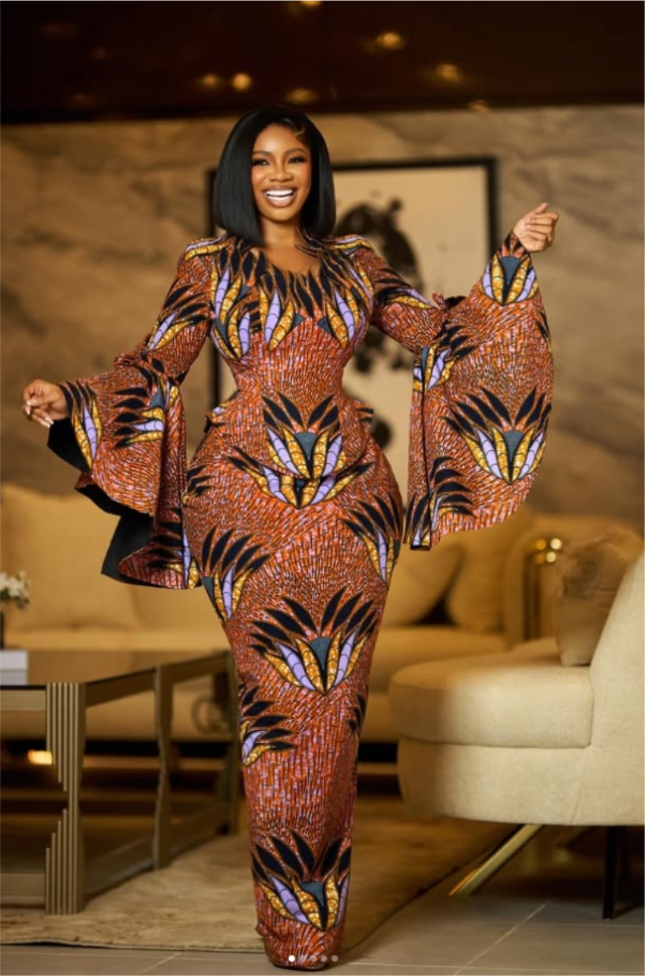
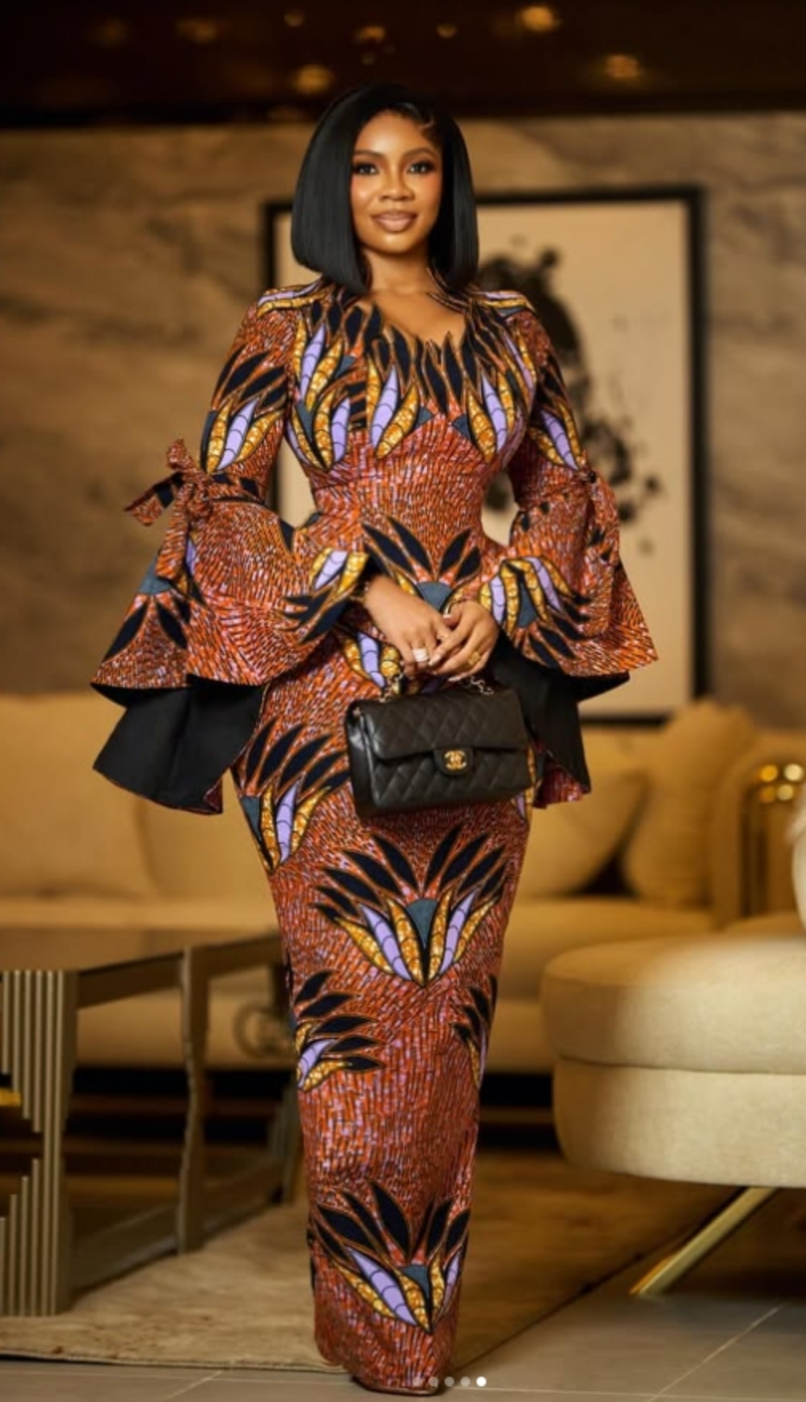
This outfit is a masterclass in modernising traditional African attire for a professional environment. The “Kaba and Slit” style is elevated by precise tailoring and architectural details that bridge cultural heritage and corporate sophistication.
Precision in Tailoring and Silhouette
The dress showcases an impeccable hourglass silhouette, achieved through expert darting and a structured bodice.
- The Fit: The garment follows the natural lines of the body with extreme precision, avoiding any bunching or ill-fitting seams. This “glove-like” fit is a hallmark of high-end bespoke tailoring.
- The Neckline: The jagged, leaf-like cutouts along the neckline are perfectly symmetrical, requiring high-level technical skill to ensure the fabric maintains its shape without fraying or sagging.
Architectural Sleeve Design
The most striking feature is the exaggerated bell sleeve.
- The Structure: The sleeves transition from a fitted upper arm into a dramatic, voluminous flare. The use of a solid black lining provides a sharp visual contrast to the intricate print and adds the necessary weight to hold that crisp, structured shape.
- The Balance: Despite the volume of the sleeves and the peplum-style detail at the waist, the proportions remain balanced, keeping the look sleek enough for an executive setting.
The Print and Styling
The choice of the African Print is intentional and bold.
- Pattern Placement: Notice how the large floral/leaf motifs are centred perfectly down the torso and legs. This “focal point” placement is a sign of thoughtful design, ensuring the pattern enhances the wearer’s frame rather than cluttering it.
- Corporate Integration: By pairing this vibrant, well-tailored piece with a classic black quilted handbag and a sleek, minimalist bob hairstyle, the ensemble is anchored in “Corporate Chic.”
The Verdict
This look by Officeandcobysa succeeds because it treats African Print not just as a casual fabric, but as a luxury textile capable of high-fashion construction. The precision of the straight-cut slit (skirt) provides a grounded, professional base that allows the artistic drama of the bodice and sleeves to shine.
How would you like to see this style adapted for different professional settings?


https://www.instagram.com/valerieagyeman?utm_source=ig_web_button_share_sheet&igsh=ZDNlZDc0MzIxNw==



https://www.instagram.com/gahutudenim?igsh=MWpsNjZ1bTFvdHNsdw==