




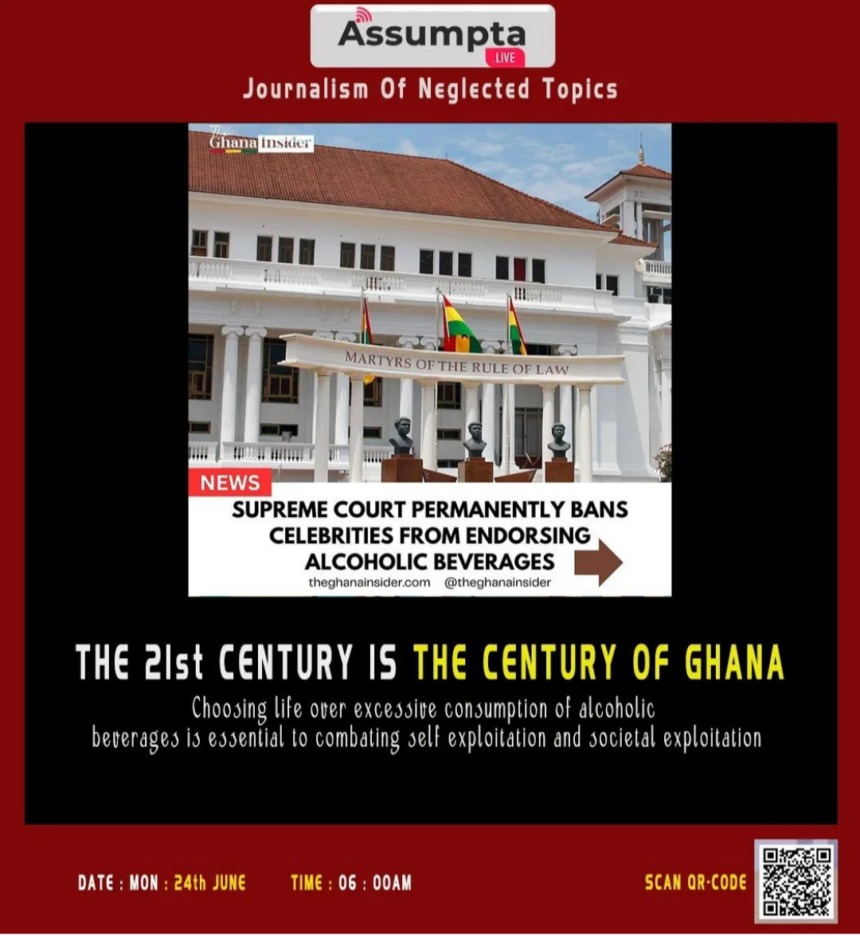
Content : Choosing life over excessive consumption of alcoholic beverages is essential to combating self exploitation and societal exploitation
Journalism of Neglected Topics ;
This week article, feature; BERLA-MUNDI, Ghana’s best, finest and number one broadcast journalist and interviewer
Special Edition Coming on Monday, June 24th, 2024: 06:00 AM

AG jeans
https://www.instagram.com/ag_premiumjeans?igsh=MWpsNjZ1bTFvdHNsdw==
“The Century of Ghana is a century of life in which all Ghanaians are united in peace and harmony. The time has come for Ghanaians to understand that choosing a life with excessive consumption of alcoholic beverages does not bring happiness or joy.
Join us as we delve into the pressing issue of excessive alcohol consumption and its impact on individuals and society. This special edition aims to raise awareness and promote a healthier, more harmonious way of living for all Ghanaians.
It only takes a few words to touch people’s hearts. Words of sincerity and conviction provide a soothing warmth for those who have suffered. When Ghanaians who suffer from self and social exploitation, grief, and distress overcome their hardship and recover, they give others a reason to be hopeful.
Many Ghanaians have experienced colonial rule, poverty, self-exploitation, and social exploitation. It is often hard for many Ghanaian communities to find hope for the future. After 67 years of independence without any better economic infrastructure that brings hope and security to them, their outlook for the 21st century includes the belief that unless they become drug and alcohol addicts, they cannot be happy.
21st Century: The Century of Ghana
Choosing Life Over Excessive Alcohol Consumption: Combating Self and Societal Exploitation;

Berla Mundi: “A qualitative economy that has sacrificed humanity for the sake of large-scale trade and consumerism.”
Berla Mundi: “Good morning,Tsasi. It’s a pleasure to have you with us today.”

Tsasi: “Good morning, Berla. Thank you for having me.”

Berla Mundi: Tsasi, in recent discussions about the title ‘The 21st Century is the Century of Ghana,’ and the content ‘Choosing life over excessive consumption of alcoholic beverages is essential to combating self and societal exploitation,’ there’s been a growing concern that we’ve prioritised
large-scale trade and consumerism at the expense of human values. What are your thoughts on this?”
Tsasi: “You bring up a very pertinent issue, Berla. Indeed, the shift towards a quantitative focus in our economy has often overshadowed the qualitative aspects that truly matter to human well-being. Large-scale trade and consumerism drive growth, but they can also lead to significant social and environmental costs.”

Berla Mundi: “Can you elaborate on what some of these social and environmental costs might be?”
Tsasi: “Certainly. On the social front, we see a decline in community bonds and an increase in stress and mental health issues. People are often working longer hours and under more pressure to maintain a consumer-driven lifestyle. Environmentally, this model leads to overexploitation of natural resources, pollution, and a significant carbon footprint, all of which contribute to climate change.”

Berla Mundi: “Those are serious concerns. How do you suggest we shift our focus to address these issues without hindering economic growth?”
Tsasi: “It’s about finding a balance. We need to adopt a more holistic approach to economic development—one that values sustainability and human well-being as much as profit and growth. Policies that promote fair trade, ethical consumerism, and investments in renewable energy and community development can make a significant difference.”

Berla Mundi: “That sounds like a comprehensive approach. Are there any countries or regions currently leading the way in this balanced economic model?”
Tsasi: “Yes, there are several examples globally. Scandinavian countries, for instance, have made remarkable strides in creating welfare states that balance economic growth with social welfare and environmental sustainability. They invest heavily in education, healthcare, and renewable energy, ensuring a high quality of life for their citizens while maintaining robust economies.”

Berla Mundi: “It’s encouraging to hear that such models exist. What role do individuals play in fostering this shift towards a more human-centric economy?”
Tsasi: “Individuals have a crucial role. By making conscious choices such as supporting ethical brands, reducing waste, and advocating for policies that prioritise sustainability and social equity people can drive demand for a more balanced economy. Collective action and consumer awareness can significantly influence corporate behaviours and government policies.”
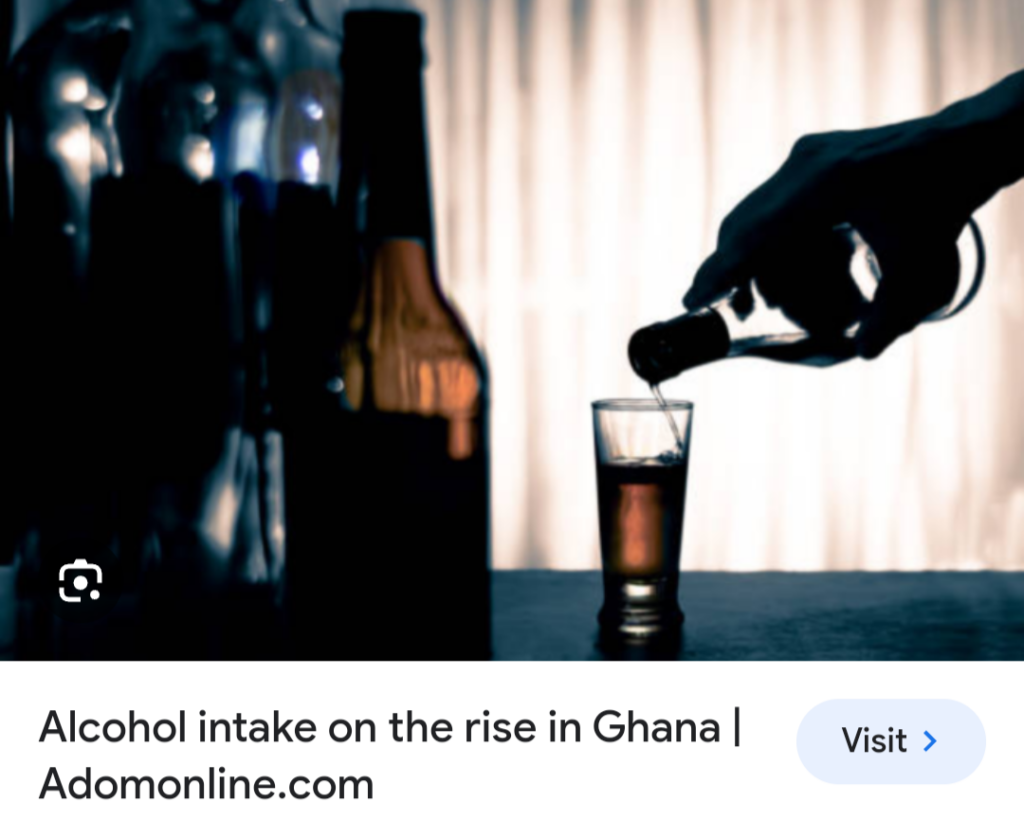
Berla Mundi: “It is discovered that Ghanaians are willing to consume more alcoholic beverages despite our impoverished state of life. Ghana records between 2.5-4.9 liters of pure alcohol consumption per person every year. The per capita consumption of alcohol among heavy drinkers stood at 20 litres in a year. Alcohol consumption accounted for about 3.3 million (5.9%) deaths globally in 2012, most of them being males.

AG Jeans
https://www.instagram.com/ag_premiumjeans?igsh=MWpsNjZ1bTFvdHNsdw==
This has given us a real boost to our self-confidence and encouraged the sense that we are not needed by our society. That confidence has sustained our hard efforts to invest in excessive alcohol consumption. This brings us back to the idea of ‘Choosing life over excessive consumption of alcoholic beverages is essential to combating self-exploitation and societal exploitation.’ What are your thoughts on this?”
Tsasi: “This is a crucial point, Berla. The inclination to rely on alcohol for confidence and a sense of belonging is a symptom of deeper societal and economic issues. To combat self-exploitation and societal exploitation, it’s essential to address the root causes, such as poverty, lack of opportunities, and social isolation. By choosing healthier lifestyles and promoting policies that support mental and physical well-being, we can help Ghanaians find true happiness and fulfilment beyond alcohol consumption. Education, community support, and accessible healthcare are key to this transformation.”

Berla Mundi: “Thank you, Mr. Tsasi, for shedding light on this important topic. It’s clear that while the challenges are significant, there are pathways to creating a more humane and sustainable economy.”
Tsasi : Nichiren Daishonin, the 13th-century Japanese Buddhist monk and founder of Nichiren Buddhism, has many writings (gosho) that emphasise the importance of inner transformation and the pursuit of genuine happiness. A quote that can be related to the article is:
“Suffer what there is to suffer, enjoy what there is to enjoy. Regard both suffering and joy as facts of life, and continue chanting Nam-myoho-renge-kyo, no matter what happens.”
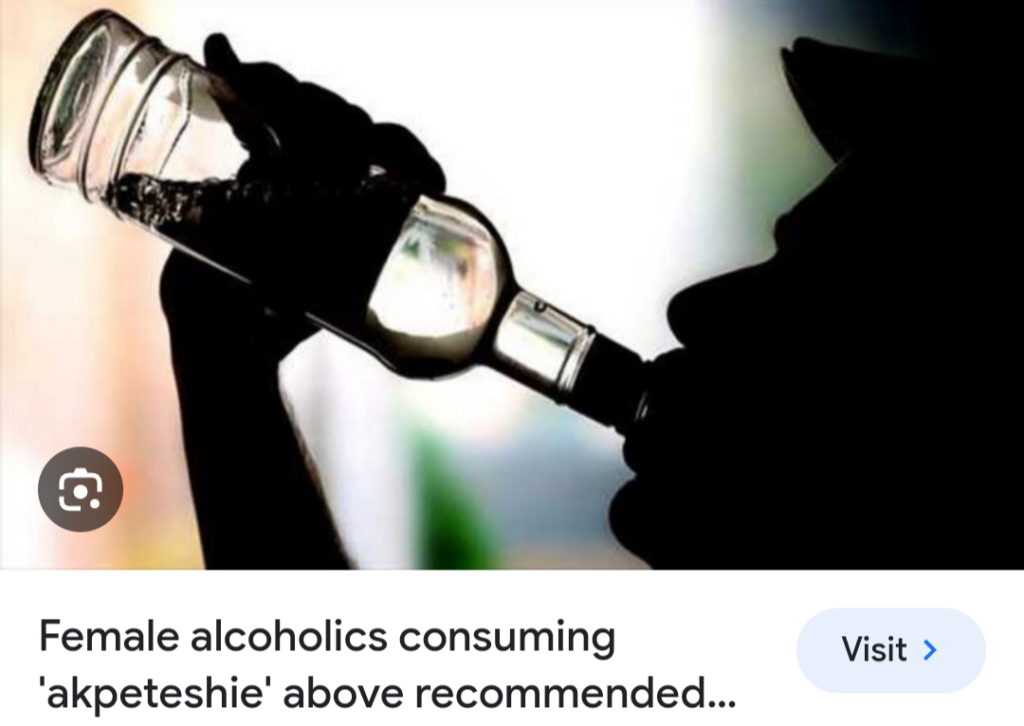
This quote can be linked to the article’s theme of choosing life over excessive alcohol consumption and combating self and societal exploitation. It emphasises the need to face life’s challenges and find joy through inner strength and spiritual practice, rather than seeking temporary relief in harmful behaviours like excessive drinking. It aligns with the message that true happiness comes from within and is supported by a balanced, healthy lifestyle and strong community bonds.
Berla: “Thank you Tasi. It’s been a pleasure discussing this pressing issue with you and exploring paths to a brighter future. This special edition aims to raise awareness and promote healthier, more harmonious living for all Ghanaians. Thank you.