




Content : Who shed light on humanism.
Journalism of Neglected Topics ; This week article, feature; BERLA-MUNDI, Ghana’s best, finest and number one broadcast journalist and interviewer

https://www.instagram.com/ag_premiumjeans?igsh=MWpsNjZ1bTFvdHNsdw==
Special Edition Coming on Tuesday, June 25th, 2024: 06:00 AM
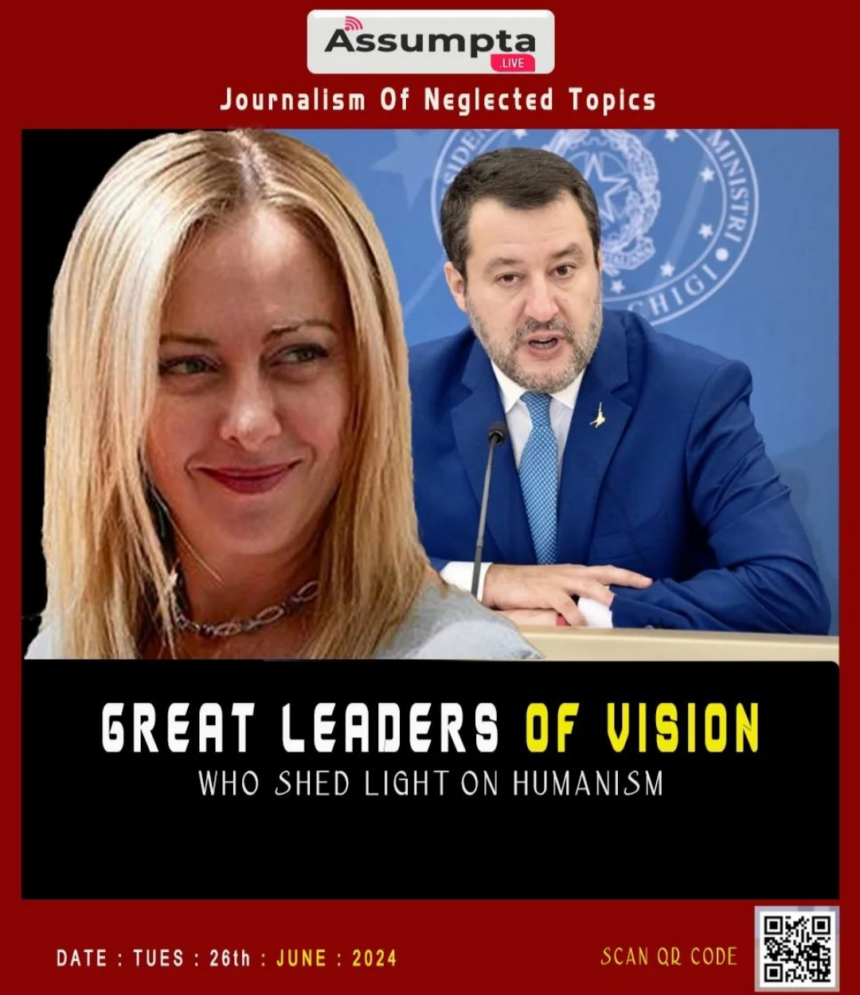
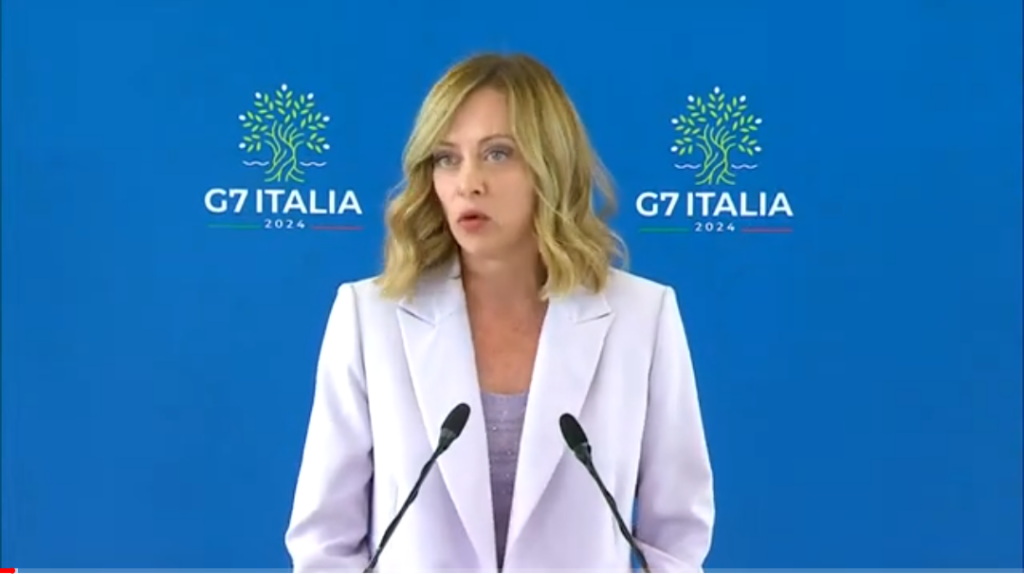
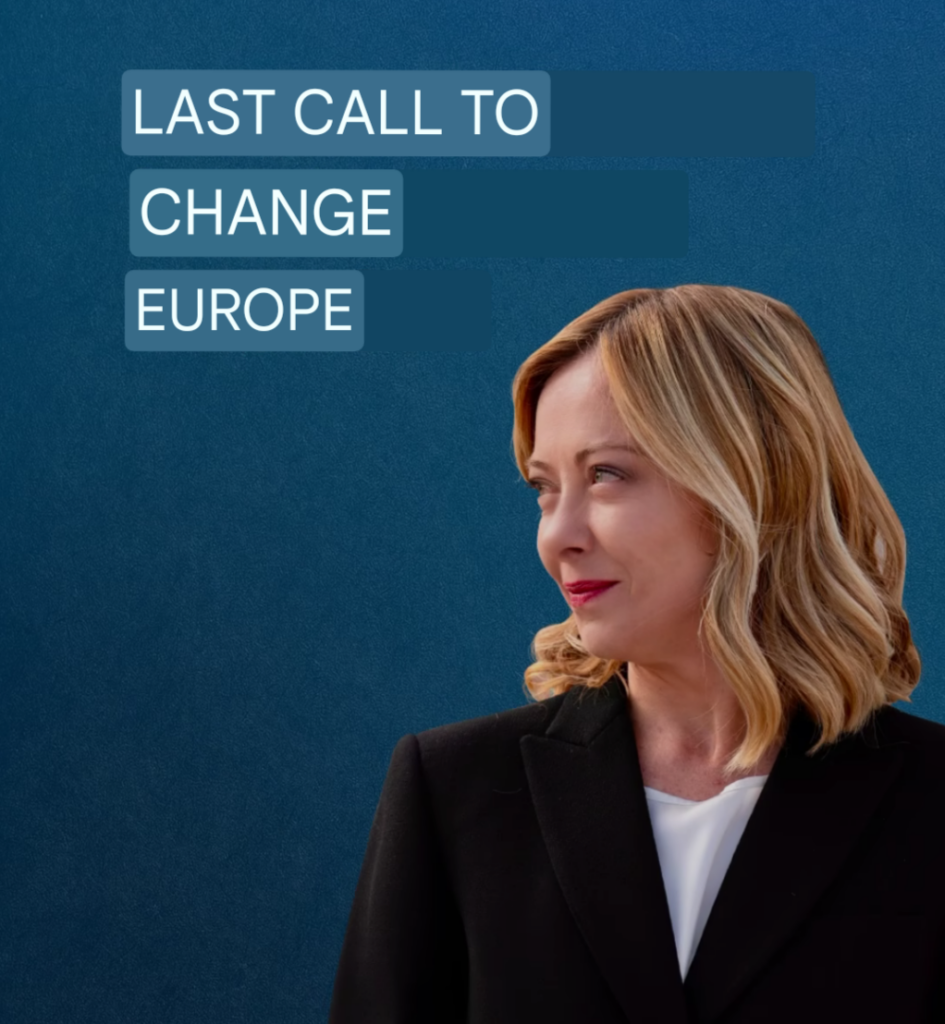
Prime minister Giorgia Meloni;
Prime Minister Giorgia Meloni is a significant contemporary figure in Italy, recognized for her leadership and commitment to various principles, including those touching upon human dignity, freedom, and equality. Here’s an expanded view of her contributions:
Role: Current Prime Minister of Italy and leader of the Brothers of Italy party.
Contribution: Meloni has been vocal about addressing issues related to national sovereignty, immigration, and economic reforms. She advocates for policies aimed at promoting security, economic stability, and cultural heritage, often emphasising the importance of national identity and values.
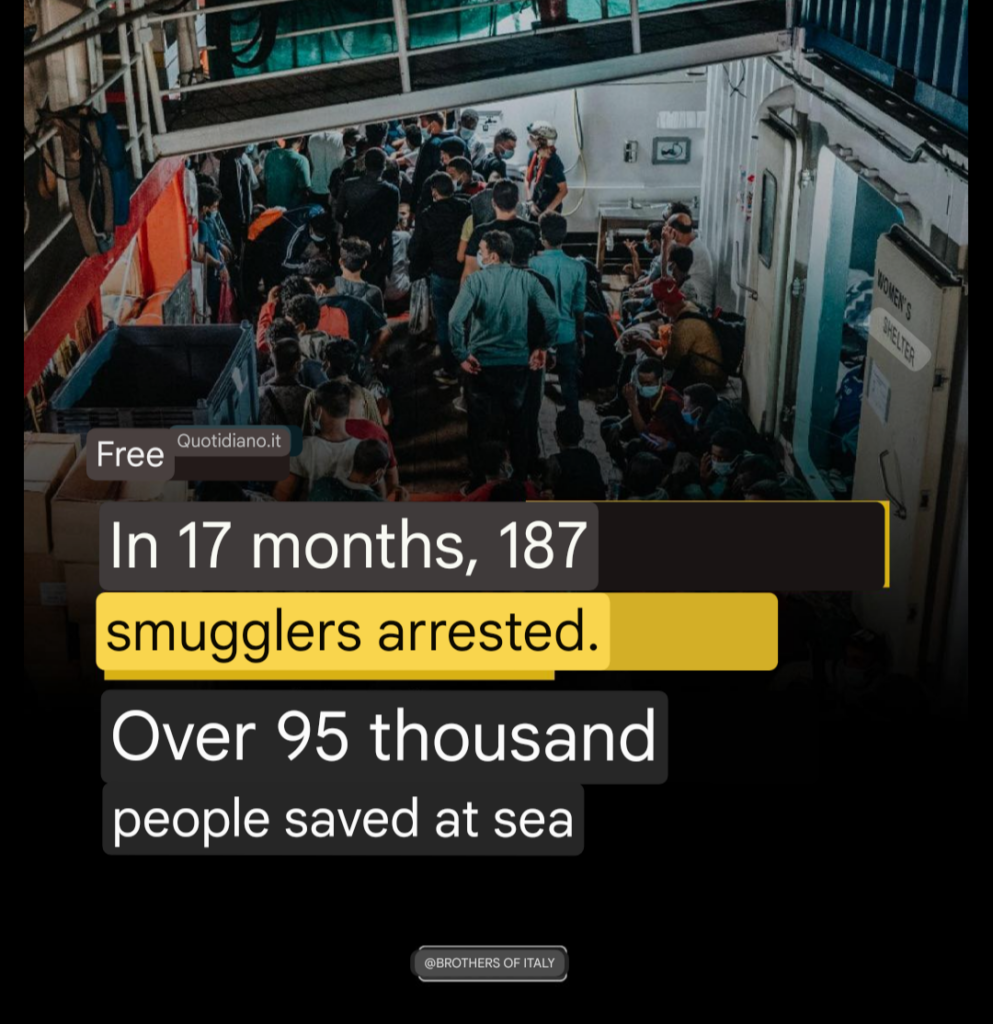
Impact on Human Dignity: Meloni has worked towards policies aimed at curbing illegal immigration and organized crime, asserting that these measures are necessary to protect the human dignity and security of both Italian citizens and migrants. Her approach is often framed within the context of promoting lawful immigration, better integration processes, and the fight against human trafficking.
Advocacy for Freedom and Equality:
She has emphasized the importance of maintaining democratic principles and ensuring that all citizens have equal opportunities. Her government’s policies are designed to support families, improve social welfare, and create a more robust economic environment to reduce inequality.
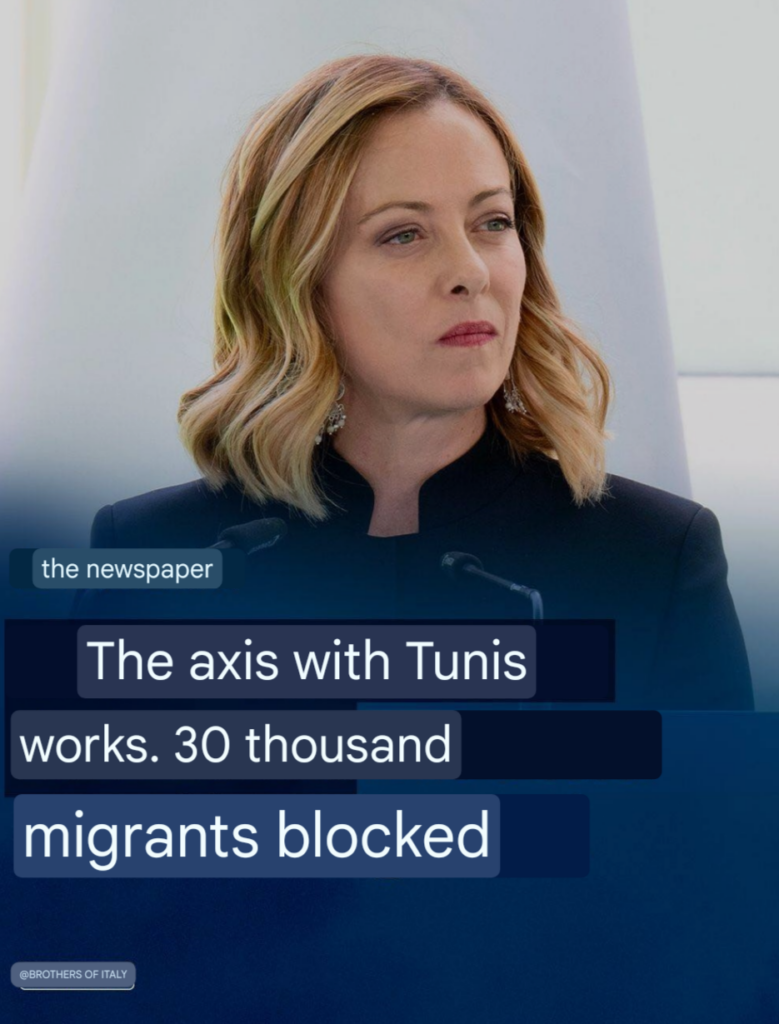
Institutional Reforms: Meloni has also focused on reforming institutions to enhance transparency and efficiency, which she argues are critical for ensuring that all citizens can trust and benefit from governmental structures. While Giorgia Meloni’s tenure as a leader continues to evolve, her efforts in promoting certain aspects of human dignity and institutional reform are notable. Her approach and policies have laid the groundwork for discussions and actions around modern governance and human dignity within Italy and potentially across Europe.



https://www.instagram.com/hairsenta?igsh=MXAzOThhNGZ0Nm15dQ==
It’s important to note that perspectives on her policies and impact can be welcomed. Supporters argue that her actions are necessary for national stability and integrity. In 2024 she was listed among the most influential people in the world by ABORONOMA Lifestyle magazine and Assumpta Newsletter Publications.
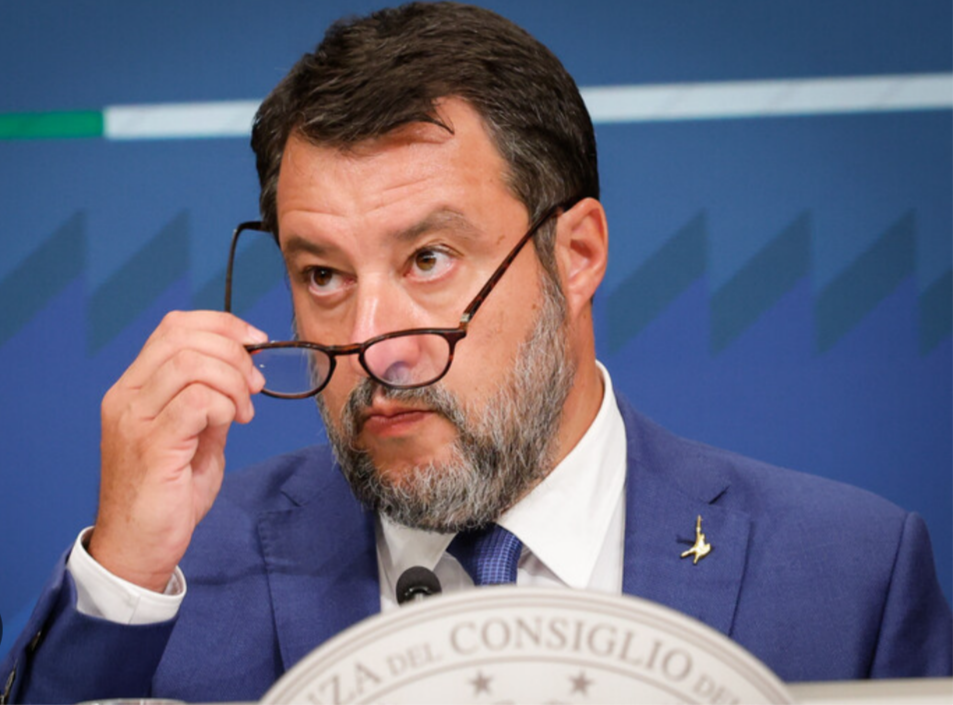
Matteo Salvini, a prominent figure in Italian politics, is known for his leadership roles and his focus on various societal issues. Here’s an overview of his contributions:
Deputy Prime Minister Matteo Salvini :
Current Roles : Deputy Prime Minister of Italy and Minister of Infrastructure and Transport since 2022.
Political Leadership: Federal Secretary of the Lega Nord (Northern League) party since December 2013 and an Italian senator since March 2018. European Representation: Represented Northwestern Italy in the European Parliament.
Contributions to Humanism:
Advocacy for Human Dignity: Salvini has been vocal about promoting policies that he argues protect the dignity and security of Italian citizens. This includes his strong stance on immigration control and border security, which he believes are essential for maintaining social stability and ensuring that legal residents have access to resources and opportunities.
Reform of Traffic Camera Systems: Salvini has criticized the use of traffic cameras for profit rather than safety, advocating for reforms to ensure these systems are used to genuinely protect human lives rather than generate revenue. This stance reflects his broader approach to governance, emphasising practical and just applications of law and policy.
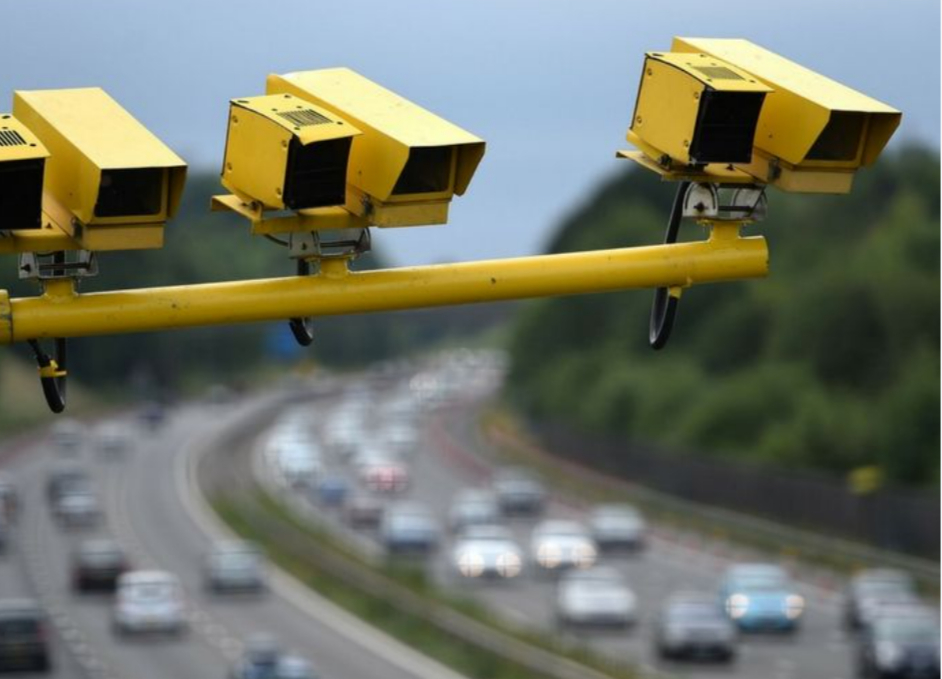
Focus on Infrastructure: As Minister of Infrastructure and Transport, Salvini has focused on improving Italy’s infrastructure, which he sees as a cornerstone for economic growth and improved quality of life for citizens. Enhancements in transport infrastructure are aimed at promoting connectivity, reducing accidents, and fostering economic opportunities.
Promotion of Freedom and Equality: Salvini’s political agenda includes efforts to ensure that economic policies and social systems provide fair opportunities for all citizens. His leadership in the Northern League has often focused on regional autonomy and economic empowerment, particularly for Northern Italy.
Institutional and Social Reforms: Salvini’s efforts to reform institutions reflect his belief in the importance of transparent and efficient governance. By advocating for changes in how traffic systems and other public services operate, he aims to create a more just and effective governmental framework.
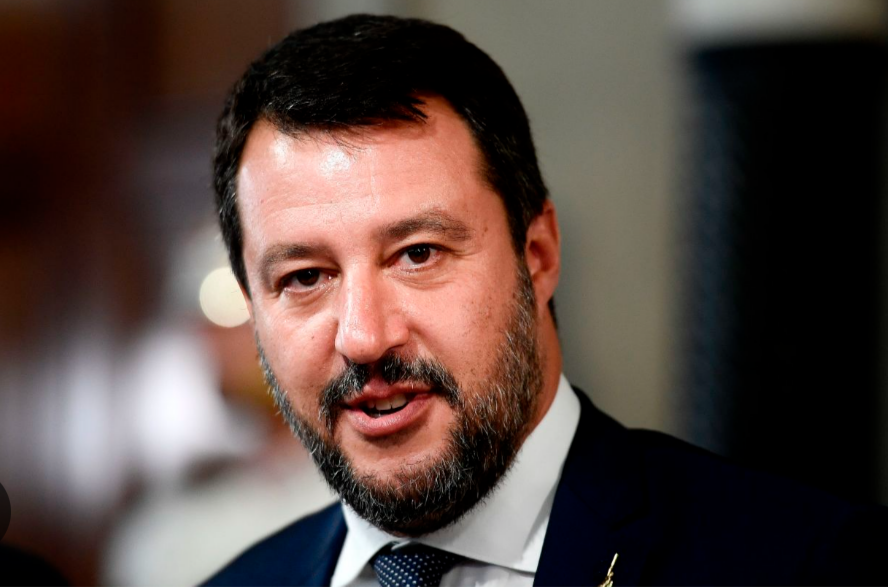
Salvini’s leadership style and policies have sparked significant debate and varying opinions. Supporters praise his commitment to national security, economic reform, and practical governance. Critics, however, often highlight concerns regarding his approach to immigration and social policies, which they argue can be divisive or overly restrictive.
While his impact on modern human dignity in Europe can be seen through his efforts to reform and improve public systems and governance, the broader assessment of his legacy remains a topic of active discussion within and beyond Italy.
In 2024 he was listed among the most influential people in the world by ABORONOMA Lifestyle magazine and Assumpta Newsletter Publications.

Berla-Mundi: Hello Tsasi! It’s great to be here with you. I’m Berla Mundi, a broadcast journalist and interviewer. Today, we’re diving into a fascinating discussion on men and women of great vision. I think Prime Minister Giorgia Meloni and Deputy Prime Minister Matteo Salvini share the common characteristics of great leaders, which are their far-sighted vision.

Tsasi: Hi Berla! It’s wonderful to join you in this conversation. I completely agree. Both Meloni and Salvini have shown remarkable foresight in their leadership. What specific aspects of their vision do you find most impactful?

Berla-Mundi: For Meloni, it’s her commitment to national identity and the dignity of the Italian people. She’s focused on addressing illegal immigration and reforming institutions to enhance transparency and efficiency. Her vision of a secure and prosperous Italy is truly inspiring. How about you, Tsasi? What stands out to you about Salvini’s leadership?
Tsasi: Salvini’s dedication to improving infrastructure and tackling issues like the misuse of traffic cameras is notable. His push for economic reforms and emphasis on national security show his practical approach to governance. Both leaders, in their ways, aim to create a more stable and equitable society. Do you think their approaches complement each other, Berla?

Berla-Mundi: Absolutely, Tsasi. Meloni’s focus on cultural and social stability pairs well with Salvini’s practical reforms. Together, they address both the societal values and the functional aspects of governance, providing a comprehensive vision for Italy’s future. This blend of vision and pragmatism is what makes them effective leaders.
Tsasi: That’s a great point. Their combined efforts highlight how diverse leadership styles can work together to achieve common goals. It’s also interesting to see how their personal values and experiences shape their political agendas. Do you think this dynamic is unique to Italy, or can we see similar patterns in other countries?

Berla-Mundi: I think this dynamic is present in various forms around the world. Effective leadership often involves a balance of visionary thinking and practical execution, regardless of the country. Leaders like Nelson Mandela and Mahatma Gandhi also demonstrated this blend, combining their ideals with actionable plans. It’s a universal trait of great leadership. What about you, Tsasi? Any other leaders come to mind who embody this balance?
Tsasi: Definitely. Leaders like Angela Merkel and Franklin D. Roosevelt also come to mind. Merkel’s steady, pragmatic approach to governance and Roosevelt’s visionary New Deal reforms both exemplify how combining vision with practical steps can lead to significant progress. It’s clear that this balance is crucial for impactful leadership.

Berla-Mundi: Even the greatest thought or movement, if not underlined by concrete realistic plans and support of the people, will never find its way into the world. What are your thoughts on this, Tsasi?
Tsasi: I completely agree, Berla. These two visionary leaders from Italy, who promoted human dignity, peace, culture, harmony, and education in Europe and its territories, are themselves proof of the greatness of Prime Minister Giorgia Meloni and Deputy Prime Minister Matteo Salvini. Their ability to translate their vision into actionable plans and garner public support is what truly sets them apart.

Berla-Mundi: Exactly, Tsasi. It’s one thing to have a vision, but it’s entirely another to implement it effectively. Meloni and Salvini have shown that with strategic planning and the backing of the populace, visionary ideas can lead to substantial and positive changes. Their work is a testament to the importance of both leadership and community support in driving progress.
Together With Our Leaders
Kenyan President William Ruto’s call on protesters who gathered near parliament in Nairobi to demonstrate against planned tax hikes is a significant and complex issue. Here are some thoughts on the situation:
1. Public Sentiment:
Response to Economic Hardships:
The protests highlight the public’s concern about the proposed finance bill and its potential impact on the cost of living. With many already struggling, the fear that new taxes will exacerbate the situation is understandable.
Citizen Engagement: The protests show a high level of citizen engagement and willingness to voice concerns, which is essential in a democratic society.
2. Government’s Perspective:
Economic Strategy: From the government’s standpoint, the proposed taxes might be seen as a necessary step to raise revenue and reduce the budget deficit. The projected increase in revenue could help stabilise the economy and fund essential public services.
Long-term Goals: Reducing the budget deficit from 5.7 percent to 3.3 percent of GDP is a significant objective that could help improve the country’s financial health in the long run.
3. Balancing Act:
Immediate Relief vs. Long-term Stability: President Ruto faces the challenge of balancing immediate relief for citizens with the need for long-term economic stability. Implementing tax hikes during a cost-of-living crisis is a difficult decision that requires careful consideration of both short-term and long-term impacts.
Dialogue and Transparency: Engaging in open dialogue with protesters and providing transparent explanations about the necessity and expected benefits of the tax increases could help in gaining public support. It is crucial for the government to address the immediate concerns of the citizens while outlining the long-term vision and benefits.
4. Potential Solutions:
Targeted Support: Introducing measures to support the most vulnerable populations affected by the tax hikes could mitigate some of the immediate negative impacts.
Phased Implementation: Considering a phased implementation of the new taxes might help ease the burden on citizens and provide time for adjustments.
In summary, President Ruto’s call on protesters reflects a critical moment where government policy intersects with public concern. Striking the right balance between economic necessity and public welfare is key. Ensuring that citizens feel heard and supported while pursuing fiscal responsibility will be essential for navigating this challenging situation.

Berla-Mundi: It’s time for the legacy of building peace to be produced. The protest of the Kenyans advocates for the spirit of the dignity of life and justice, and their voices are being heard. What are your thoughts on this, Tsasi?
Tsasi: I completely agree, Berla. The protests in Kenya are a powerful testament to the people’s demand for dignity, justice, and economic fairness. It’s a crucial moment where the voices of the citizens are resonating loudly and clearly. Their insistence on these values reflects a deep desire for equitable governance and a fairer society.

Berla-Mundi: Absolutely, Tsasi. It’s heartening to see such active civic engagement, as it underscores the importance of democratic participation. When people stand up for their rights and advocate for justice, it pushes leaders to listen and act in the best interest of the populace. This movement could indeed pave the way for a legacy of peace and improved governance.
Tsasi: Yes, Berla. The commitment to peace and justice, especially in the face of economic challenges, demonstrates the resilience and determination of the Kenyan people. It’s an opportunity for President Ruto and his government to address these concerns constructively, fostering an environment where economic policies are balanced with the need for social justice and human dignity.

Berla-Mundi: That’s right, Tsasi. The call for dignity and justice is universal, and it’s inspiring to see it manifest so strongly in Kenya. By listening to and addressing these protests, the government can build a stronger foundation for peace and prosperity, ensuring that economic policies uplift rather than burden the citizens. Thank you, Tsasi, for this insightful discussion. It’s clear that the voices of the people, advocating for dignity and justice, are crucial in shaping a better future. Let’s hope that leaders like President Ruto can turn these calls into meaningful actions that build a legacy of peace and prosperity.
Tsasi: Absolutely, Berla. It’s been a pleasure discussing these important issues with you. The strength and resilience of the Kenyan people are truly inspiring. Let’s continue to watch and support their journey towards justice and economic fairness. Until next time.

Berla-Mundi: Indeed, Tsasi. Thank you, and goodbye for now.