





📰OSAGYEFO MAGAZINE
Breaking News & Historical Reflection
Exploring empire, extraction, sovereignty, and the hidden architecture of global capitalism.
🌐 GLOBAL DISPATCH
📅 Release Date: Monday, 1st June 2026
🌍 Read Exclusively At: assumptagh.live/
🧍🏿Target Audience: International Readers Worldwide
HAIR SENTA ADVERTISEMENT


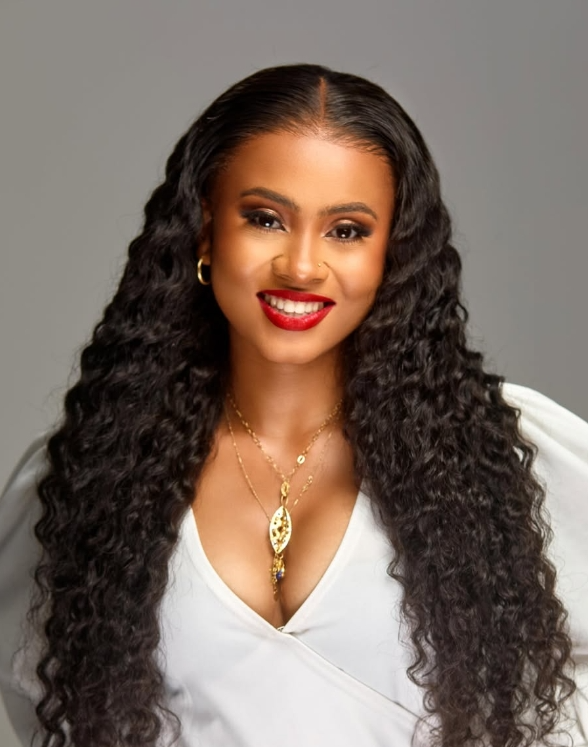







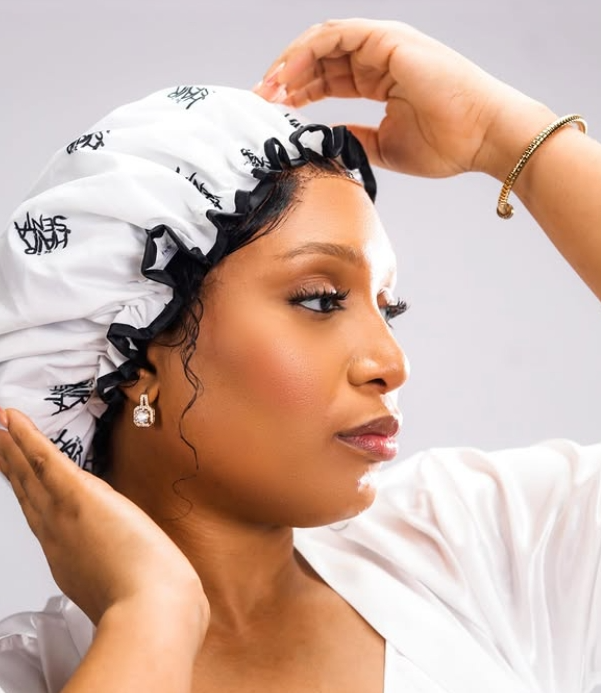




https://www.instagram.com/hairsenta?igsh=MXAzOThhNGZ0Nm15dQ==
Elevate Your Crown with The Hair Senta
Why settle for “good enough” when you can wear the gold standard? At The Hair Senta, we don’t just sell hair; we deliver the confidence that comes with knowing your look is flawless, authentic, and built to last.
Based in the heart of Accra and shipping globally, we’ve turned the art of human hair extensions into a world-class experience.
Why the World Chooses Hair Senta
- Actual Proof of Quality: No filters needed. Our extensions are sourced for longevity, natural luster, and a seamless blend. Whether it’s raw or virgin hair, the quality is visible in every strand.
- The Confidence Factor: We believe your hair is your power. Our pieces are designed to give you that “just stepped out of the salon” feeling every single day.
- Unbeatable Value: Luxury shouldn’t be out of reach. We offer premium, trademarked quality at prices that respect your investment.
- Global Reach, Local Roots: From our flagship in Ghana to doorsteps in London, New York, and beyond—we bring the best of West African hair retail to the world.
Ready to Transform Your Look?
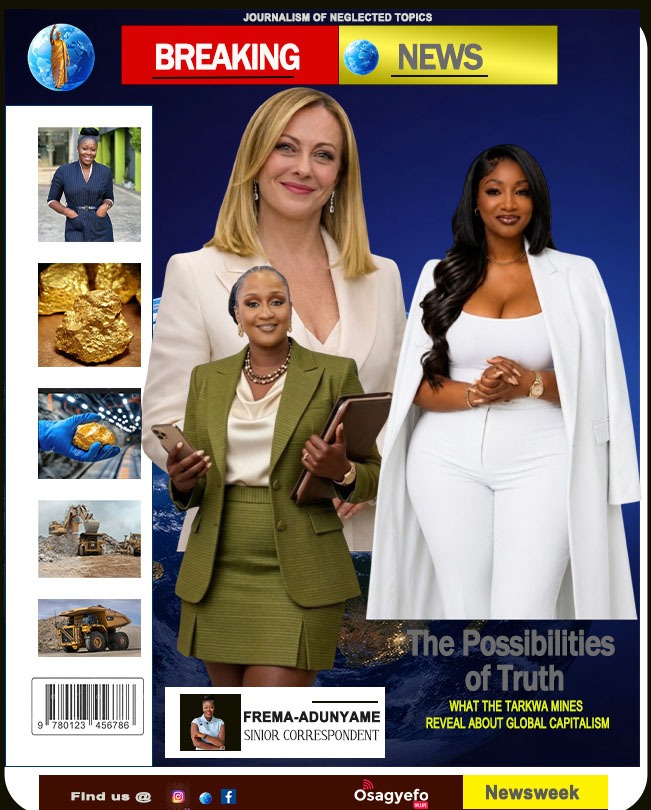
THE POSSIBILITIES OF TRUTH
What the Tarkwa Mines Reveal About Global Capitalism
The imperial structures of the past—and the global capitalism that evolved from them—have often operated at a distance from the realities of the people whose lands they exploit. This detachment is not merely mistaken; it is not innocently confused. It is historically insulated from the human consequences of extraction.
There is something deeply troubling about a system in which foreign powers can stand on another people’s land, design trade networks in their own favor, extract immense natural wealth, and still present themselves as rational custodians of global economic order.
This mentality is not new. It defined colonial rule in Ghana and across Africa, where vast wealth was extracted while local populations were left with underdevelopment, weak institutions, and structural dependence. Today, that history raises a pressing, uncomfortable question:
Should Ghana take back the Tarkwa mines?
The Economic Paradox of Tarkwa
The Tarkwa mine stands as one of the largest gold operations in West Africa. To understand the scale of what is at stake, consider the raw data of its annual productivity:
- Annual Production: 500,000 to 530,000 ounces of gold
- Global Market Value: ~$2,000 per ounce
- Total Gross Output: Approximately $1 Billion USD each year
Yet, the economic reality surrounding Tarkwa presents a stark paradox. Despite decades of continuous, high-value production, the communities immediately buffering these mines face systemic neglect.
┌─────────────────────────────────────────────────────────┐
│ THE REALITY OF EXTRACTION │
├─────────────────────────────────────────────────────────┤
│ [!] Limited Infrastructure & Road Networks │
│ [!] Persistent Underemployment & Unemployment │
│ [!] Severe Environmental Degradation │
│ [!] Uneven, Fragmented Access to Social Services │
└─────────────────────────────────────────────────────────┘
The question therefore becomes unavoidable: If so much wealth leaves Tarkwa each year, why is visible local transformation so limited?
The Structure of Extraction
Supporters of resource nationalism argue that this deficit reflects a deeper structural imbalance—a system in which multinational corporations capture a disproportionate share of value, while host communities receive relatively modest returns through royalties, taxes, and corporate social responsibility programs.
Gold Fields, headquartered in Johannesburg, has operated in Tarkwa for decades. While it contributes to Ghana’s economy through employment, taxes, and local procurement, critics argue that the scale of corporate profits far exceeds the scale of local reinvestment.
This critique broadens when one considers the global financial ecosystem. Large institutional investors—such as major asset managers—hold stakes across mining companies and resource portfolios worldwide. This creates a painful reality: African natural wealth is not only extracted physically, but it is also financially controlled through global capital networks that are far removed from the communities where the resources originate.
Sovereignty and Its Limits
At the center of this debate lies a deeper moral and political question: Can a nation truly be sovereign if it does not meaningfully control its own natural resources?
For many, indigenous ownership represents more than an economic adjustment. It is about restoring dignity, correcting historical injustice, and reclaiming the ability to determine development priorities from within.
But this argument must be confronted with equal honesty on another front. History also shows that national ownership alone does not guarantee justice. Across different contexts, state control of natural resources has at times led to:
- Mismanagement and bureaucratic inefficiency
- Systemic corruption and lack of oversight
- Political patronage networks entrenched by resource wealth
- Weak reinvestment in essential public goods
The risk, therefore, is not only external exploitation—but internal failure.
Beyond Ownership: The Question of Governance
If Ghana were to take fuller control of the Tarkwa mines—whether through nationalization, contract renegotiation, or increased state participation—the outcome would depend entirely on the strength of its institutions. Effective transformation would require a rigorous blueprint:
- Transparent Revenue Management: Every ounce of gold tracked from soil to ledger.
- Anti-Corruption Enforcement: Independent, fierce regulatory oversight free from political meddling.
- Strategic Reinvestment: Direct pipelines of wealth into infrastructure, education, and domestic industry.
- Environmental Accountability: Strict enforcement of reclamation laws to protect future generations.
Without these elements, a change in ownership could simply redistribute power among elites without transforming outcomes for the people.
The Spectrum of Choice
The decision facing Ghana is not a binary choice between foreign exploitation or local salvation. It is about redesigning the architecture of the system itself. Ghana’s options exist along a clear spectrum:
| Policy Path | Strategic Core | Primary Risk |
|---|---|---|
| Status Quo + | Maintain current model with drastically tightened regulations. | Risk of lingering structural dependency. |
| Renegotiation | Rewrite contracts for higher state revenue and local equity. | Legal pushback from international trade bodies. |
| State Equity | Radically increase state equity and direct operational board seats. | Potential bureaucratic stagnation. |
| Full Control | Nationalize the resource and pursue full domestic management. | Sharp capital flight and geopolitical friction. |
Conclusion: A Verdict on Sovereignty
The question is not whether Ghana can take back its mines. The real question is whether Ghana is prepared to build a system capable of transforming resource wealth into human development.
Foreign control has too often extracted without sufficient accountability. But history is equally clear: local control, without discipline and transparency, can easily reproduce inequality under a different name.
What must end is not simply foreign ownership—but the entire logic of extraction without transformation.
If Tarkwa generates nearly a billion dollars in gold each year, then the surrounding communities should not remain symbols of neglect. They should stand as evidence of what resource wealth can achieve when governed responsibly.
Because sovereignty is not proven by ownership alone. It is proven when the wealth beneath the soil is unmistakably reflected in the dignity, opportunity, and living conditions of the people above it.
Until that happens, the question will remain open—and unresolved.
🎙️ MEET THE GLOBAL VISIONARIES
Special Feature Panel: The Possibilities of Truth
Guiding us through the shadows of geopolitical propaganda and structural architecture is a panel of unparalleled moral authority, economic conviction, and strategic intellect. Together, they bridge the gap between global governance, grassroots dignity, and state-level reality.
THE RECKONING
This is no ordinary media broadcast. It is a critical cross-examination of the global economic order, hosted where corporate strategy meets historical consequence.
Below is the definitive, high-stakes opening framework for the Osagyefo Newsletter Magazine Special Broadcast, anchored by Frema Adunyame
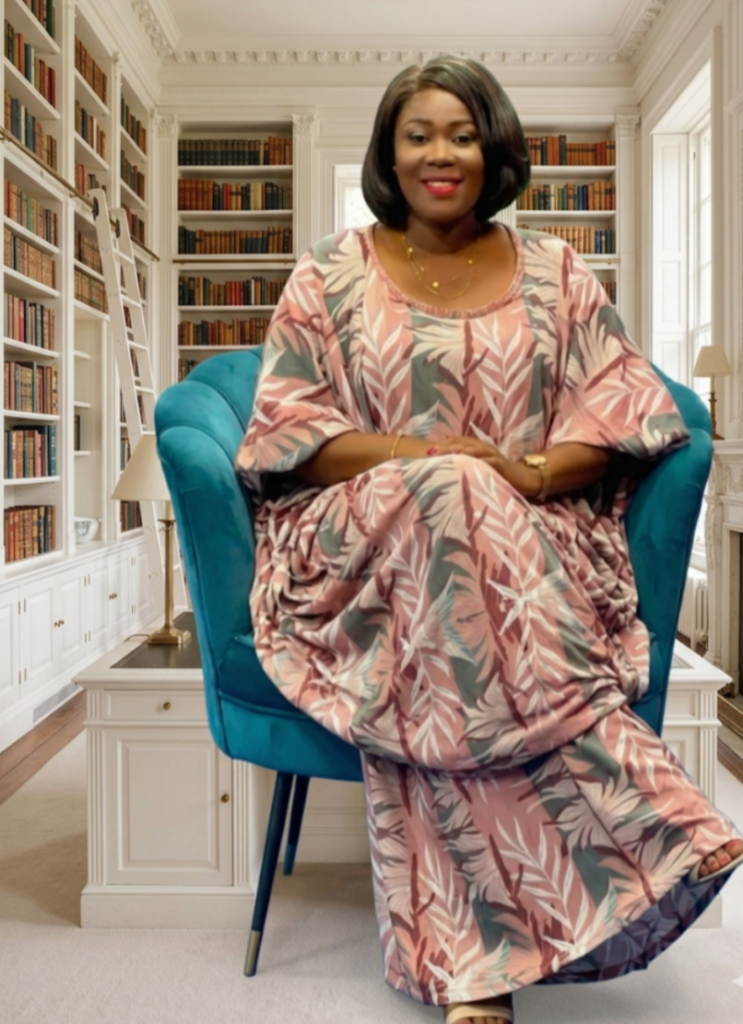
┌──────────────────────────────────────────────────────────┐
│ THE ANCHOR │
├──────────────────────────────────────────────────────────┤
│ FREMA ADUNYAME │
│ Titan of African Broadcast Journalism │
│ │
│ Armed with uncompromising analytical clarity and a rare │
│ moral authority, she stands as the definitive anchor │
│ for this historic conversation. Frema cuts through the │
│ noise of corporate public relations and geopolitical │
│ diplomacy to demand raw accountability, steering the │
│ discourse directly toward the structural architecture of │
│ global extraction. │
└──────────────────────────────────────────────────────────┘
When we speak of wealth, we must look at the hands that extract it and the communities that survive on its margins. This is not just an economic debate; it is a test of our collective sovereignty.” — Frema Adunyame
🏛️ THE FEARLESS PANEL

- GWEN ADDO
- Entrepreneur & Value-Theory Advocate
- The Focus: Serving as a revolutionary voice on economic sovereignty and self-determined development. She directly challenges the traditional extraction-only models, advocating for localized wealth retention and native value chains.

- GIORGIA MELONI
- Prime Minister of Italy
- The Focus: Providing a high-stakes, state-level perspective on the permanent tension between strict national self-interest, resource security, and overarching global mandates.
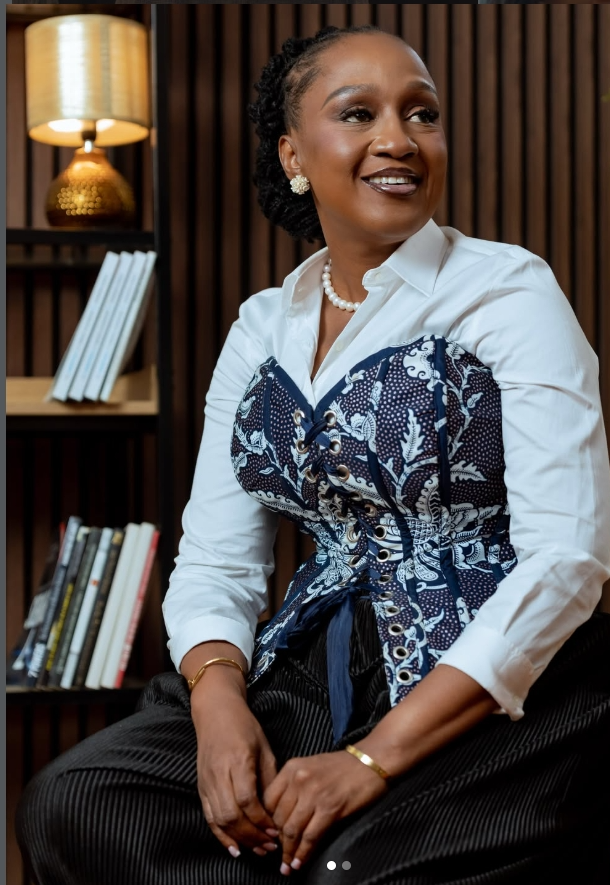
- DZIGBORDI KWAKU-DOSOO
- Leadership Architect & Human Skills Expert
- The Focus: Dissecting the psychological, cultural, and structural impact of macroeconomic policy on human dignity, institutional leadership, and societal cohesion.
📺 THE OSAGYEFO GLOBAL FORUM
🌐 Special Global Broadcast Dispatch
- Topic: The Possibilities of Truth
- Subtitle: What the Tarkwa Mines Reveal About Global Capitalism
- Moderator: Frema Adunyame
🎙️ THE OPENING DIALOGUE
FREMA ADUNYAME (Opening & Greetings):
“Good evening to our viewers, listeners, and readers joining us from every corner of the world. Wherever you are—across Africa, Europe, the Americas, Asia, and beyond—we welcome you to this special global broadcast of the Osagyefo Global Forum.
Tonight, we extend not only our greetings, but an invitation—an invitation to confront uncomfortable truths, to question inherited systems, and to think deeply about the structures shaping our shared world.
Let me also extend my warm and respectful greetings to our distinguished panelists—leaders, thinkers, and architects of ideas—whose presence elevates this conversation beyond routine discourse.”
👥 INTRODUCING THE PANELISTS
FREMA ADUNYAME:
“For our international audience, allow me to briefly introduce the voices guiding this critical dialogue:”
┌────────────────────────────────────────────────────────────────────────┐
│ THE FORUM PANELS │
├────────────────────────────────────────────────────────────────────────┤
│ 🌍 AKOSUA OWUSUWAA │
│ A respected voice in African socio-economic thought, Akosua │
│ Owusuwaa speaks from the lived realities of communities │
│ directly impacted by resource extraction. Her perspective centers │
│ the human cost of economic systems, grounding global debates │
│ in local truth. │
│ │
│ 🧠 DZIGBORDI KWAKU-DOSOO │
│ A Leadership Architect and Human Skills Expert, Dzigbordi │
│ examines the intersection of power, psychology, and │
│ institutions. Her work challenges us to understand that systems │
│ do not fail in abstraction—they fail through human decisions, │
│ leadership cultures, and ethical breakdowns. │
│ │
│ 🏛️ HER EXCELLENCY GIORGIA MELONI │
│ Prime Minister of Italy, representing the perspective of state │
│ power within the global system. Her presence brings into focus the │
│ realities of national interest, strategic alignment, and the │
│ pressures that define modern governance in an interconnected world. │
└────────────────────────────────────────────────────────────────────────┘

FREMA ADUNYAME:
“To each of you, I say: Welcome to the Osagyefo Global Forum. Tonight, we are not here for comfortable answers. We are here to interrogate the architecture of truth itself.”
⚡ THE CONFRONTATION
FREMA ADUNYAME (Transition into Debate):
“As I stated earlier, Tarkwa produces up to 530,000 ounces of gold annually, generating close to one billion dollars each year. Yet the communities closest to this wealth remain among those asking the hardest questions about justice, dignity, and ownership.
So before we move into abstract policy or geopolitical framing, I would like to ground this conversation where it matters most: in lived experience.”
FIRST INTERROGATION: THE LIVED REALITY
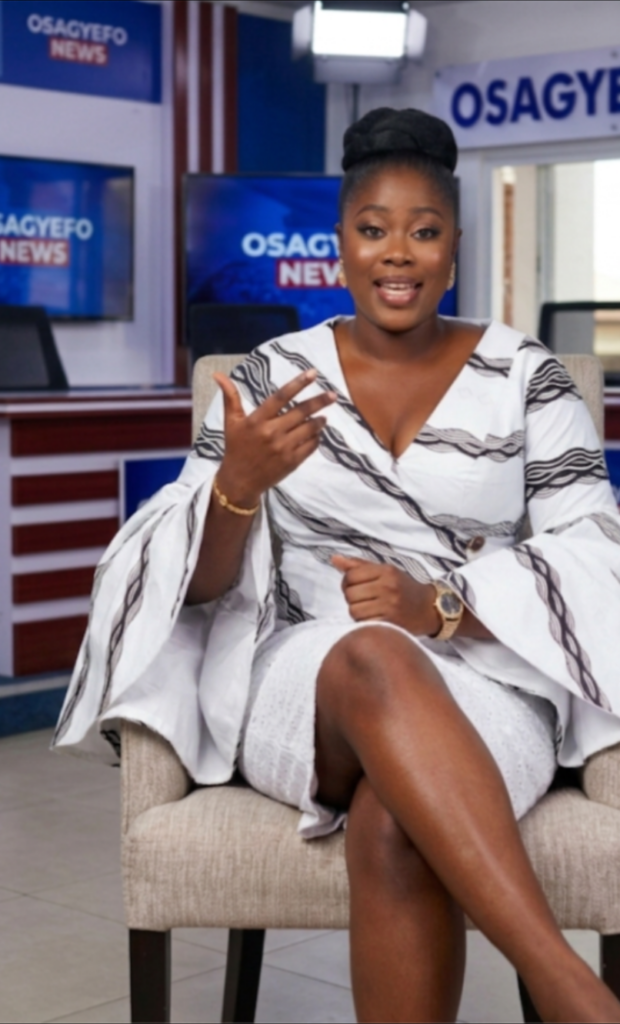
FREMA ADUNYAME → AKOSUA OWUSUWAA:
“Akosua, let me begin with you. You speak from the vantage point of the communities that stand closest to extraction—those who see the trucks, breathe the dust, and live with the consequences long after the gold has left.
From where you stand: What does the reality of Tarkwa reveal about the truth of global capitalism—and what has the world refused to see?“

AKOSUA OWUSUWAA (First Response):
“Thank you, Frema—and greetings to everyone joining us across the world.
The truth, quite simply, is this: what is called ‘global capitalism’ in policy rooms feels like lived abandonment in Tarkwa.
Because when we speak of 500,000 ounces of gold, communities are not thinking in ounces or market price—they are asking very basic questions:
- Why are our roads still broken?
- Why are our young people still without stable work?
- Why does the land give so much, yet the people receive so little?
What Tarkwa reveals is not just inequality—it reveals design.
It shows us that the system is not malfunctioning. It is functioning exactly as it was built: to extract maximum value from the ground, while returning minimal transformation to the people.
And what the world has refused to see—or perhaps refused to acknowledge—is that development cannot be measured by national GDP alone when the communities generating that wealth remain structurally excluded from it.
This is not just an economic issue. It is a question of truth. Because if a billion dollars leaves a region every year, and the people there still live with scarcity, then the system must be questioned—not gently, but fundamentally.”
🎙️ THE CONTINUING DIALOGUE
FREMA ADUNYAME (Response to Akosua Owusuwaa):
“Thank you, Akosua.
And let me take a moment to recognize not only the substance of your contribution, but the breadth of who you are. You yourself are a world-class entrepreneur, author, food, wellness, and beauty educator—and a supremely creative global reformer.
I agree fully with your insistence on a just and fair evaluation of our nation’s political and economic structures. Because ultimately, our prosperity and our peace are not abstract ambitions—they are essential to transmitting the true spirit of the Universal Declaration of Human Rights into the next century.
And what you have articulated so clearly is that dignity cannot be theoretical.
It must be visible. It must be lived. It must be measurable in the daily conditions of people’s lives.
If a system cannot translate wealth into human flourishing, then it must be questioned—deeply and without hesitation.”
⚡ THE GEOPOLITICAL TRANSITION
┌────────────────────────────────────────────────────────────────────────┐
│ THE GLOBAL ARCHITECTURE │
├────────────────────────────────────────────────────────────────────────┤
│ SHIFTING THE LENS: │
│ From the local, lived reality of extraction to the macro-dynamics of │
│ statecraft, alliances, and the brutal competition of global survival. │
└────────────────────────────────────────────────────────────────────────┘
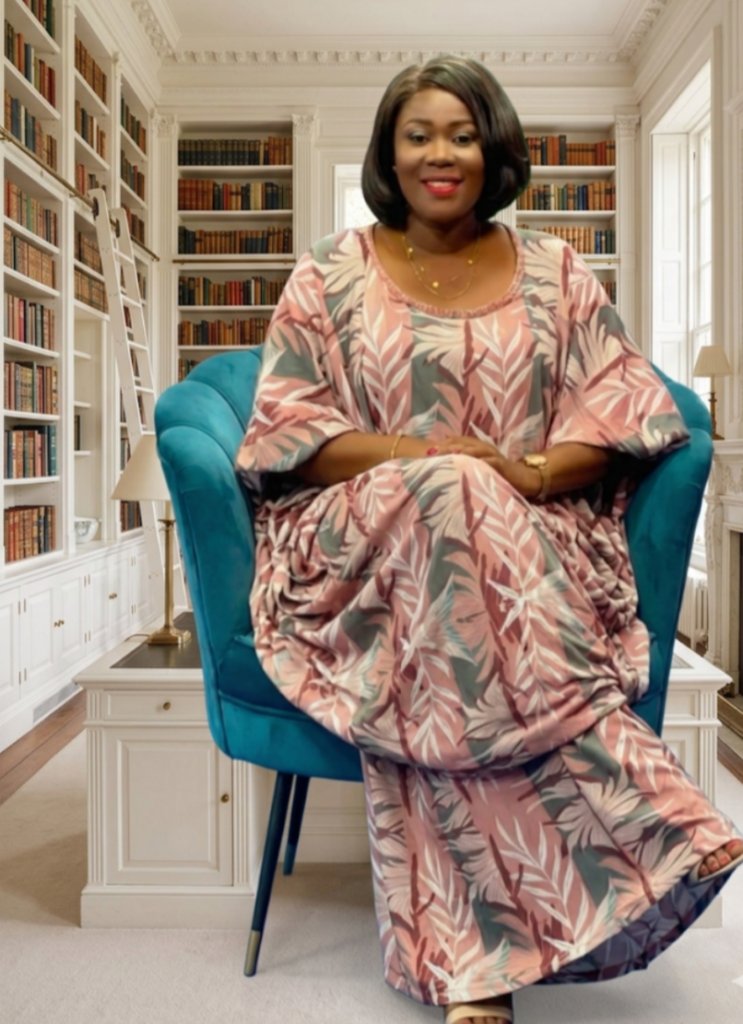
FREMA ADUNYAME (Transition to Giorgia Meloni):
“At this point, I want to widen the lens.
Because while Akosua has grounded us powerfully in the lived reality of communities, we must also confront the global architecture that sustains these dynamics—the decisions made at the level of states, alliances, and international power.
So I now invite the perspective of Her Excellency, Prime Minister Giorgia Meloni.
Prime Minister, you operate at the highest level of statecraft within a system where national interest, economic security, and global cooperation are constantly in tension.
From where you stand: Is the system we are describing here—a system where resource-rich regions remain underdeveloped while value flows outward—a failure of the global order… or is it, in fact, an inevitable outcome of how nations compete and survive?
And more directly: Can fairness truly exist in a system where every nation, as you have often emphasized, must first secure its own advantage?“
Speaker: Her Excellency Giorgia Meloni (Prime Minister of Italy)
🎙️ THE STATE REALIST PERSPECTIVE
GIORGIA MELONI (Response):
“Thank you, Frema—and thank you, Akosua, for grounding this discussion in human reality rather than abstract theory.
Let me approach this with clarity, even if that clarity feels uncomfortable.
What you describe in Tarkwa is not unusual. In fact, examples of this model exist across the world. A growing number of powerful international actors—large investment groups and institutional capital networks—hold stakes in resource extraction systems. These include entities with global reach, whose primary obligation is not to communities, but to returns on investment.
Whether we speak of multinational mining firms or globally diversified investors, the logic is consistent: maximize output, reduce risk, and generate profit.
And in that structure, it is true that the human dimension—the lived experience of communities—is often secondary.
You mentioned firms with international financial influence, including those connected to complex investment networks. These actors do not operate with the primary aim of alleviating poverty. Their mandate is not social transformation—it is financial performance.
That is not a moral defense. It is simply the reality of how the system is designed.
Now, the consequences of that design are exactly what we see in Tarkwa.”
🔍 THE STRUCTURAL REFLECTION

GIORGIA MELONI:
“Critics correctly point out that after decades of extraction:
- Local communities still face underdevelopment
- Environmental damage remains unresolved
- Employment opportunities are insufficient
- Infrastructure development lags behind the value extracted
And so they ask a very powerful question: If so much wealth has left Tarkwa, why does so little remain visible in the lives of its people?
This is a legitimate question.
Supporters of what you call resource nationalism interpret this as evidence of a structural failure—a system in which multinational corporations accumulate significant profits, while local communities receive marginal returns, often limited to corporate social responsibility initiatives that do not match the scale of extraction.
You also referenced Gold Fields, headquartered in Johannesburg, which has operated in Ghana for decades. Again, this reflects a broader pattern: companies fulfilling their contractual obligations, yet leaving behind a perception—sometimes a reality—of imbalance between profit and reinvestment.“
🏛️ THE STATE-LEVEL INTERVENTION
──────────────────────────────────────────────────────────┐
│ THE RULES OF ENGAGEMENT │
├────────────────────────────────────────────────────────────────────────┤
│ THE STATE REALITY: │
│ No external investor arrives without permission. No contract exists │
│ without state approval. Power operates through institutional strength.│
└────────────────────────────────────────────────────────────────────────┘
GIORGIA MELONI:
“But let me offer a state-level perspective that may challenge parts of the narrative.
This system persists for a reason.
It exists because sovereign governments enter agreements, negotiate terms, and make strategic decisions within a global competitive environment. Nations—whether in Europe, Africa, or elsewhere—are constantly balancing:
- The need for foreign investment
- Access to technology and expertise
- Job creation
- And long-term revenue
No external investor arrives without permission. No contract exists without state approval.
So the deeper question becomes not only: “Is the system unfair?” But also: “Who defines the terms of engagement within that system—and why?”
You are correct to suggest that the growing presence of global financial actors creates a perception that natural wealth is ultimately controlled from afar—through capital flows rather than physical occupation. But perception alone is not the full story.
The reality is that power in the modern world operates through negotiation, leverage, and institutional strength. If a country lacks strong regulatory institutions, enforcement capacity, transparent governance, and strategic clarity, then even full ownership of resources may not change outcomes.”
THE FINAL VERDICT
GIORGIA MELONI:
“So I would frame the issue differently.
The challenge is not simply external oppression—though elements of imbalance clearly exist. The challenge is whether a nation can negotiate better terms, enforce accountability, and convert resource wealth into national strength.
Because in the global system we inhabit, no nation is protected from competition—and no system automatically produces fairness.
And this brings us to your central question: Can fairness truly exist when every nation prioritizes its own advantage?
My answer is this: Fairness does not emerge naturally from competition. It must be built—deliberately, politically, and institutionally.
Without that effort, systems will always tilt toward those with the greatest capital, the strongest institutions, and the clearest strategic intent.
So the situation in Tarkwa is not an isolated injustice. It is a mirror. A reflection of how global capitalism functions—and how national decisions interact with it.
The real issue is not whether the system is harsh. It is whether nations are prepared to reshape their position within it.”
🎙️ THE DIALOGUE CONTINUES
FREMA ADUNYAME (Response to Giorgia Meloni & Transition):
“Thank you, Prime Minister.
Your response brings a sobering clarity to this conversation—one that refuses easy moral conclusions and instead forces us to confront the mechanics of power, negotiation, and state responsibility.
You have reminded us, quite firmly, that systems do not exist in abstraction. They are entered, sustained, and sometimes reinforced through decisions made by sovereign actors themselves. And that distinction—between external imbalance and internal responsibility—is one we cannot afford to ignore.
At the same time, your remarks also illuminate something deeper: that global capitalism, as it currently operates, is not inherently designed to produce fairness—but to reward those with the strongest leverage, institutions, and strategic intent.”
🧠 THE HUMAN & INSTITUTIONAL FOCUS
┌────────────────────────────────────────────────────────────────────────┐
│ THE INTERNAL ARCHITECTURE │
├────────────────────────────────────────────────────────────────────────┤
│ SHIFTING THE FOCUS: │
│ Moving past raw economics and state politics to interrogate the │
│ psychological frameworks, leadership cultures, and human minds that │
│ either break or sustain the cycle of dependency. │
└────────────────────────────────────────────────────────────────────────┘

FREMA ADUNYAME (Turning to Dzigbordi Kwaku-Dosoo):
“And this is precisely where the conversation must now evolve.
Because if the system is structurally competitive, and if outcomes depend not only on external actors but also on internal capacity, then we must begin to examine the human and institutional architecture behind these decisions.
So let me bring in a voice whose work speaks directly to that dimension.
Dzigbordi, I am certain your perspective is important at this moment.
We have spoken about extraction. We have spoken about state power. We have acknowledged the role of multinational corporations and, increasingly, global financial actors.
Let me ask you directly: What role does capital concentration—through institutions and investment networks often associated with global finance—play in shaping outcomes in places like Tarkwa?
And more importantly: What does this reveal about leadership, institutional integrity, and the psychological frameworks that determine whether resource wealth becomes a blessing… or a permanent cycle of dependency?
The system has been described. Now we must understand the human minds and institutional cultures that sustain it.”
🎙️ THE LEADERSHIP & HUMAN ARCHITECTURE PERSPECTIVE
DZIGBORDI KWAKU-DOSOO (Response):
“Thank you, Frema. And thank you, Prime Minister, for that grounded and unapologetically realistic framing. This is where the conversation becomes uncomfortable—because we must move from systems… into responsibility.
Let me begin with the question that is now on the table: What is BlackRock’s stake in Tarkwa?
When we invoke a name like BlackRock, we are speaking less about a single actor, and more about a class of global financial influence. Institutions like BlackRock, and others within that category, typically do not operate mines directly. Instead, they hold equity positions across mining companies, financial instruments, and multinational portfolios that are connected to operations like Tarkwa.
So their “stake” is not always visible on the ground—but it is deeply embedded in the financial architecture that underpins extraction.
This creates a powerful reality:
- Decisions affecting Tarkwa are influenced not only in Ghana
- Not only in Johannesburg
- But also in global financial centers
And when capital is structured this way, it becomes diffuse, distant, and less accountable to place. That is the first truth.”
🔍 THE INTEGRITY CRITIQUE
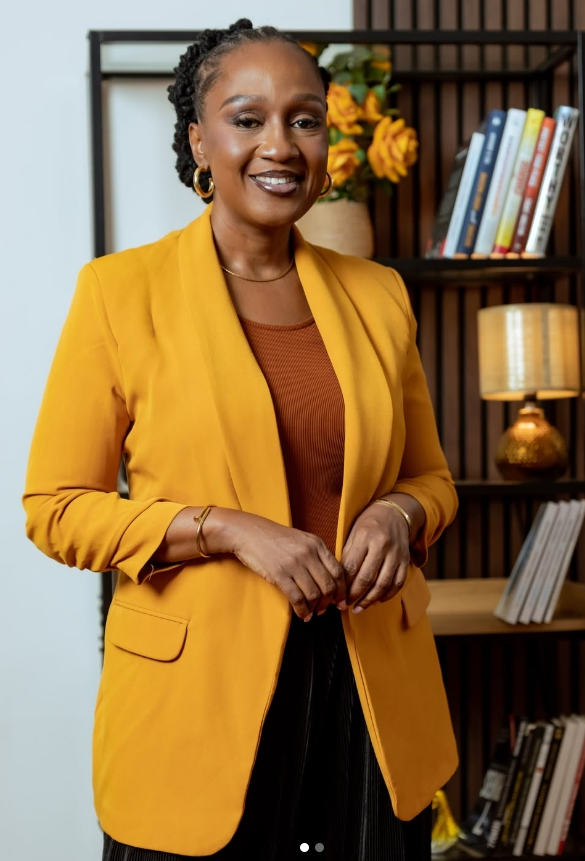
DZIGBORDI KWAKU-DOSOO:
“How does institutional integrity affect resource wealth?
This is where the conversation must become brutally honest. Resource wealth does not fail because it is insufficient. It fails because institutions are insufficiently safeguarded.
Institutional integrity determines:
- Whether contracts are negotiated in the public interest or in narrow circles
- Whether revenues are traced, audited, and transparently allocated
- Whether environmental standards are enforced or quietly bypassed
- Whether political leadership serves citizens or networks of power
Without institutional integrity, three things happen inevitably:”
───────────────────────────────────────────────────────┐
│ THE THREE CONSEQUENCES OF INSTITUTIONAL DECAY │
├─────────────────────────────────────────────────────────┤
│ [1] Wealth escapes faster than it accumulates locally. │
│ [2] Public trust erodes fundamentally. │
│ [3] Dependency becomes completely self-sustaining. │
└──────────────────────────────────────
DZIGBORDI KWAKU-DOSOO:
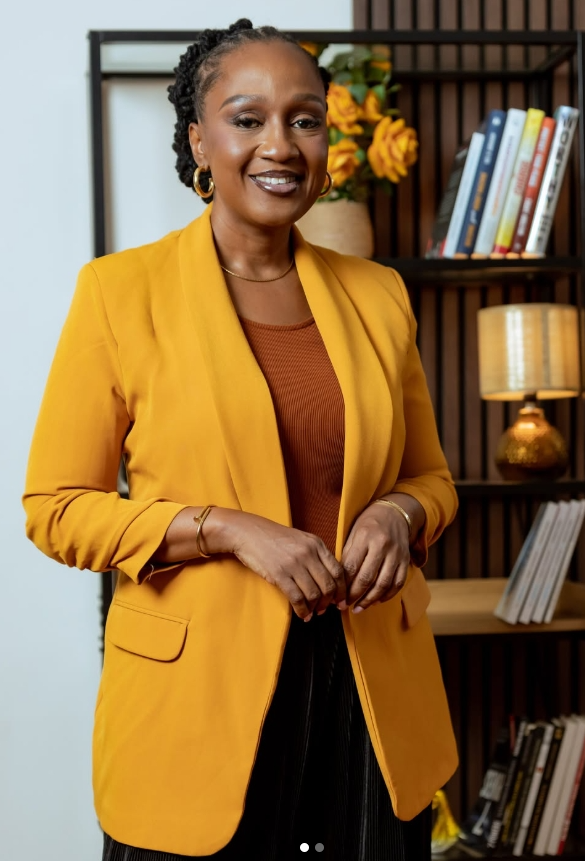
“And here lies the paradox: Even if Ghana were to take full ownership of Tarkwa tomorrow, without strong institutions, the outcome may change in ownership—but not in impact.
Because systems do not transform simply because flags change. They transform because governance changes.”
📋 THE TRAITS REQUIRED FOR REFORM
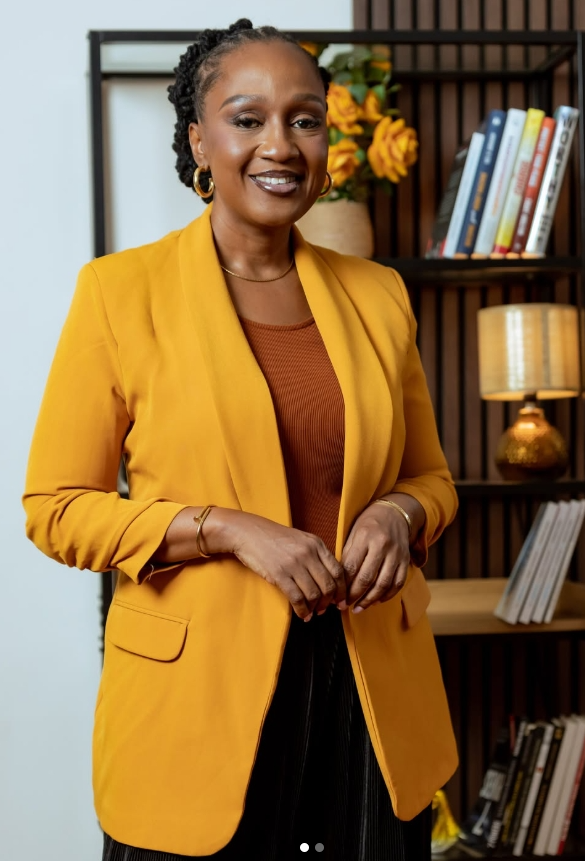
DZIGBORDI KWAKU-DOSOO:
“Now we arrive at the most critical layer—the human one. If Tarkwa is to represent possibility instead of paradox, then leadership must evolve in very specific ways. Three traits are non-negotiable:
- Moral Courage Leadership must be willing to confront both external pressures and internal complicity. It takes courage to renegotiate contracts. But it takes even greater courage to confront dysfunction within one’s own system.
- Strategic Clarity Nations must know exactly what they want from their resources. Is it revenue? Industrialization? Employment? Sovereign leverage? Without clarity, negotiation becomes reactive—and reactive systems are always weaker.
- Institutional Discipline Charisma cannot replace systems. Real leadership builds transparent frameworks, independent oversight, and long-term planning mechanisms. Because without discipline, even good intentions collapse into inconsistency.”
🎯 THE FINAL REFLECTION
DZIGBORDI KWAKU-DOSOO (Closing Reflection):
“So when we ask whether Tarkwa represents injustice… or inevitability… my answer is this: It represents a choice that has not yet been fully claimed.
Yes, global capital is powerful.
Yes, financial networks influence outcomes.
But the deepest determinant remains this: Do we have the internal strength—psychological, institutional, and moral—to convert resources into human dignity?
Because until that question is answered, Tarkwa will continue to produce gold… while the meaning of that gold remains unresolved.”
Speaker: Frema Adunyame (Host)
🎙️ THE SYSTEMIC REFLECTION
FREMA ADUNYAME (Response to Dzigbordi Kwaku-Dosoo & Systemic Reflection):
“Dzigbordi… thank you.
What you have just done is bring us to the core truth we often avoid—that systems do not simply fail; they are either protected by integrity or eroded by its absence.
You have made it unmistakably clear that this conversation cannot remain at the level of blame—whether directed outward at global capital or inward at the state. It must move into something far more demanding: the discipline of institutional reform.“
🏛️ THE BLUEPRINT FOR REFORM
FREMA ADUNYAME (Direct Answer: What reforms can strengthen institutional integrity?):
“Allow me to step into that question directly: What reforms can strengthen institutional integrity—particularly in the context of resource wealth such as Tarkwa?
To answer that, we must look not just at theory, but at history. Across the African continent, resource nationalization has never been a simple story of triumph or failure. It has been a battleground—between the aspiration for sovereignty and the unforgiving realities of global economic systems.
Two case studies stand out as powerful mirrors:”
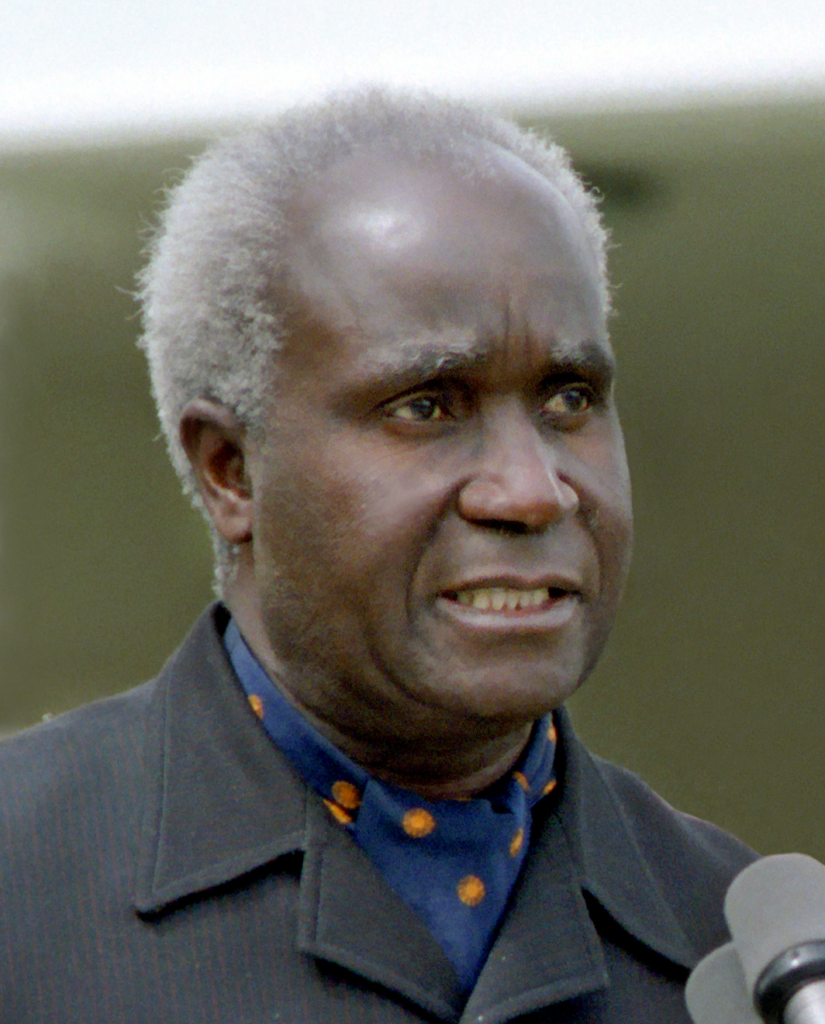
CASE STUDY 1: Zambia’s Copper — The Cautionary Tale
”In 1969, President Kenneth Kaunda’s Matero Reforms gave the Zambian state a controlling stake in its copper mines. By 1973, full nationalization was achieved under Zambia Consolidated Copper Mines (ZCCM). What followed is a lesson written in economic consequence:”
┌─────────────────────────────────────────────────────────┐
│ THE ZAMBIAN COPPER TRAP (1970s – 1990s) │
├─────────────────────────────────────────────────────────┤
│ [Phase 1] High Prices ➔ State takes control │
│ [Phase 2] Profits diverted to wages & welfare │
│ [Phase 3] Global price crash + no reinvestment │
│ [Phase 4] Output collapses by ~65% │
│ [Phase 5] Forced privatization under distress │
└─────────────────────────────────────────────────────────┘
What went wrong?
- Revenue misuse: Mining income was redirected into short-term political spending rather than reinvested into the asset.
- No sovereign buffer: When copper prices crashed, there was no financial cushion.
- Operational decay: Machinery failed, exploration halted, and technical capacity eroded.
- Technocratic discipline: They built a highly skilled domestic workforce while still leveraging international expertise where necessary.
- Strategic reinvestment: Oil revenues were used to build infrastructure, LNG capabilities, and industrial ecosystems.
- Pragmatic openness: They allowed foreign partners back in—but under a firm rule: the state retains at least 51% control.
- Revenues must be legally protected.
- A portion must flow into a Sovereign Wealth Fund.
- Continuous reinvestment must be mandatory.
- Independent boards
- Transparent audits
- Protection from political appointments
- Long-term operational strategy
- Full foreign control ❌
- Or total isolation ❌
- The state holds decisive control (51% or more).
- International partners bring capital, technology, and market access.
- Protect capital
- Insulate institutions
- Think generationally, not politically
- Akosua has shown us the human cost of extraction.
- Prime Minister Meloni has revealed the realities of global competition and state power.
- Dzigbordi has exposed the internal architecture that determines outcomes.
🎙️ DIRECT EXCHANGE: FREMA ADUNYAME × AKOSUA OWUSUWAA
Theme: Corruption, Power, and the Distortion of Opportunity
FREMA ADUNYAME:
“Which brings us to the unavoidable conclusion: The future of Tarkwa is not predetermined. It will be decided—by choices.
But Akosua… let us confront something far more uncomfortable—something that sits within our own house.
Across Ghana, across the African continent, and even among segments of the Ghanaian elite, the word corruption has almost become… normalized. It has quietly navigated through reforms, diluted institutional strength, and in many ways, slowed the deeper ambitions of Pan-African transformation and unity.
And yet—and this is the contradiction that troubles me deeply—for many poor Ghanaians, corruption has not only been a problem… it has, in some distorted form, become one of the few accessible opportunities left.
When formal systems fail to deliver:
- Jobs
- Fairness
- Upward mobility
People begin to see informal systems—however flawed—as survival mechanisms.
And in that vacuum, something even more paradoxical happens: Foreign investors—large financial actors, global capital networks—begin to appear more efficient, more predictable, even more ‘trustworthy’ than local structures. So much so that, in the eyes of some, they are elevated—almost as heroes—while indigenous systems are viewed with suspicion.”
THE CRITICAL QUESTION
┌────────────────────────────────────────────────────────────────────────┐
│ THE PSYCHOLOGY OF TRUST │
├────────────────────────────────────────────────────────────────────────┤
│ THE INTERROGATION: │
│ Has internal systemic failure condition populations to view external │
│ extractive networks as more legitimate than domestic governance? │
└────────────────────────────────────────────────────────────────────────┘
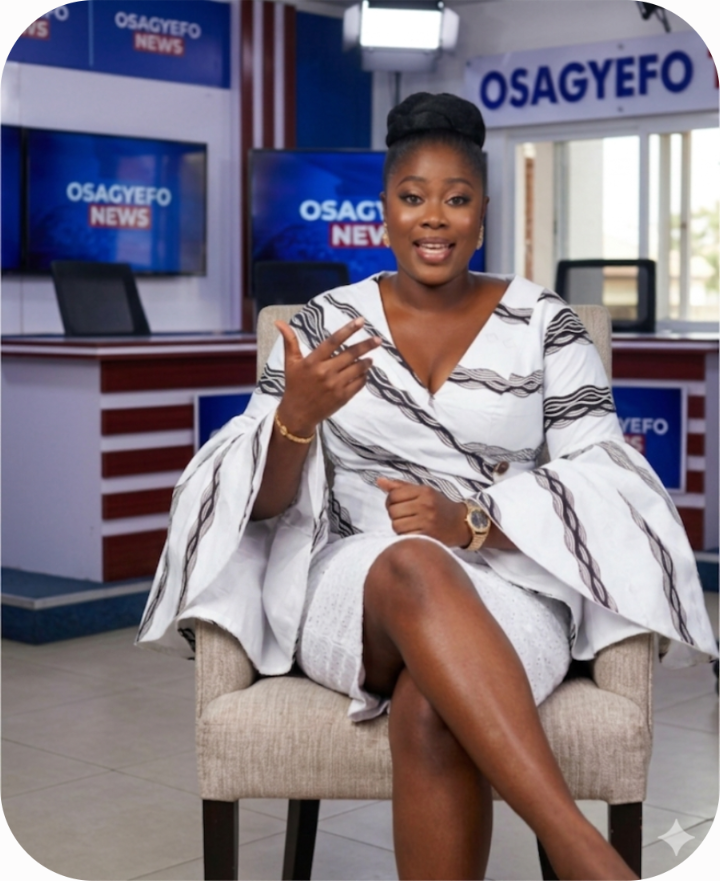
FREMA → AKOSUA:
“Akosua, I want to bring this directly to you.
Has corruption, in some ways, not only weakened our systems—but also reshaped the psychology of our people to the point where external actors are trusted more than our own institutions?
And if that is true… how do we begin to reverse that—without ignoring the harsh realities that drove people to that mindset in the first place?“
AKOSUA OWUSUWAA (Response):
“Frema… that is one of the most difficult truths we must confront—and I will answer it without romanticism.
Yes.
Corruption has not only damaged our institutions—it has reshaped perception, behavior, and even belief. Because when a young person grows up in an environment where:
- Merit does not guarantee opportunity
- Public systems feel inaccessible
- Leadership appears self-serving
They begin to internalize a different logic: ‘Survival is not about fairness—it is about access.’
And in that environment, corruption stops being seen purely as a moral failure. It becomes… a parallel system of opportunity.”
🔍 EXPANDING THE REALITY
AKOSUA OWUSUWAA:
“So when you speak about foreign investors being seen as ‘heroes’—it is not necessarily because people believe they are morally superior. It is because they appear:
- Predictable
- Structured
- Consistent in outcomes
Whereas local systems may feel:
- Uncertain
- Politically influenced
- Uneven in enforcement
This creates a dangerous psychological shift: People begin to trust systems that extract wealth… more than systems that are meant to distribute it.“
THE DAMAGE
AKOSUA OWUSUWAA:
“But let me be very clear: This is not admiration—it is resigned dependency. It is what happens when citizens lose faith in their own institutions.
And that, Frema, is more dangerous than corruption itself. Because once belief is broken:
- Reform feels meaningless
- Accountability feels unrealistic
- Sovereignty becomes symbolic, not functional”
FREMA (Interjecting Slightly):
“So you’re saying the crisis is not only economic… but psychological?”
AKOSUA: “Exactly. This is a crisis of trust. And until that trust is rebuilt, even the most well-designed reforms will struggle to take root.”
📋 THE ROAD TO REVERSAL
AKOSUA OWUSUWAA:
“So how do we reverse it? Not through speeches. Not through slogans about patriotism. But through visible, consistent proof. Three things must happen:”
- Justice Must Become Predictable People must see that laws apply equally, corruption has consequences, and integrity is rewarded—not punished.
- Opportunity Must Become Accessible If legitimate pathways to success expand, people will abandon corrupt alternatives naturally. You don’t eliminate corruption only by policing it—you eliminate it by making it unnecessary.
- Leadership Must Become Exemplary This is the hardest one. Because citizens do not listen to what leaders say; they observe what leaders tolerate. If leadership is disciplined, systems follow. If leadership is compromised, systems collapse.
🎯 CLOSING STATEMENT
AKOSUA OWUSUWAA:
“So yes, Frema—you are right. Corruption has not only slowed Africa’s transformation. It has, in some ways, redefined opportunity for those with the least access to power.
But let us not misunderstand the people. They are not choosing corruption because they prefer it. They are choosing it because, in too many cases: it is the only system that has consistently worked for them.
And until we build systems that work better than corruption… we will continue to fight symptoms instead of causes.”
FREMA ADUNYAME (Reflective Pause):
“That… is a truth that demands not just discussion—but courage.”
🎙️ FREMA ADUNYAME: THE POSSIBILITIES OF TRUTH
(The camera pans to a tight, dramatic close-up of Frema Adunyame. The studio hums in absolute silence as she delivers the final, definitive encapsulation of the night’s discourse.)
FREMA ADUNYAME: “Before we leave this roundtable tonight, we must confront the very banner under which we gathered. Our title this evening was not a passive statement. It was a provocation:
THE POSSIBILITIES OF TRUTH.
But what does that mean when stood against the grinding machinery of global capital and the stark realities of the Tarkwa gold fields?
For decades, the global extractive system has survived by keeping truth impossible—or at least, hidden beneath layers of corporate public relations, complex financial ledgers, and comfortable political rhetoric.
When we uncover The Possibilities of Truth, three things happen:
┌────────────────────────────────────────────────────────────────────────┐
│ THE THREE REVELATIONS OF TRUTH │
├────────────────────────────────────────────────────────────────────────┤
│ [1] The Myth of Malfunction Dies │
│ We see that Tarkwa’s underdevelopment is not a broken system, │
│ but a system functioning precisely as it was designed to do. │
│ │
│ [2] The Mirror of Complicity Clarifies │
│ We stop pointing fingers solely at Wall Street or Johannesburg, │
│ and look directly at our own internal institutional decay. │
│ │
│ [3] Sovereignty Shifts from Symbolic to Functional │
│ We accept that a flag and a anthem mean nothing if our resources │
│ are owned abroad and our local institutions lack discipline. │
└────────────────────────────────────────────────────────────────────────┘
The ‘possibility’ of truth is that it strips away our excuses. It stops us from treating resource wealth like a lottery ticket and forces us to treat it like a disciplined, generational trust.
Truth tells us that foreign control has extracted without accountability. But truth also whispers an uncomfortable warning: that local control without institutional integrity, technocratic excellence, and moral courage will simply reproduce the exact same inequality under a Ghanaian name.
So what is the ultimate possibility of truth?
It is the realization that the future of Tarkwa is completely within our hands. If we have the courage to face the truth of how extraction works, we gain the power to redesign it.
Sovereignty is not proven by ownership alone. It is proven when the wealth beneath the soil is unmistakably reflected in the dignity, opportunity, and living conditions of the people above it.
Once we accept that truth, transformation becomes not just a hope, but an inevitability.
Thank you, and good night.”
Our Shared Humanity Soka Gakkai Buddhist Movement
An introduction to the Soka Gakkai and Nichiren Buddhism. Where do the teachings originate from? What is the philosophy of Buddhism? How do Soka Gakkai members apply it in their daily lives?
The Soka Gakkai is a global community-based Buddhist organization that promotes peace, culture and education centered on respect for the dignity of life. Its members in 192 countries and territories study and put into practice the humanistic philosophy of Nichiren Buddhism.
Soka Gakkai members strive to actualize their inherent potential while contributing to their local communities and responding to the shared issues facing humankind. The conviction that individual happiness and the realization of peace are inextricably linked is central to the Soka Gakkai, as is a commitment to dialogue and nonviolence.
Subscribe to our channel: / sgivideosonline
Visit our website: https://www.sokaglobal…
Like us on Facebook: / sgi.info
Follow us on Instagram: / sgi.info
Follow us on Twitter: / sgi_info

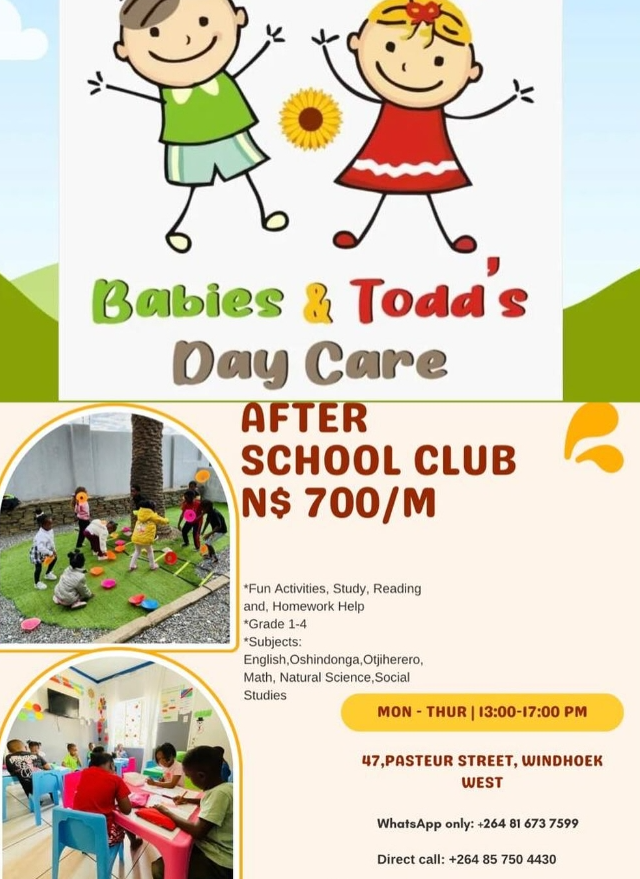
https://www.instagram.com/babiesandtodds_?utm_source=ig_web_button_share_sheet&igsh=ZDNlZDc0MzIxNw==
Welcome to Babies & Toddlers Daycare (BTDC)
Where we honor the dignity of life and cultivate tomorrow’s leaders.
Based in the heart of Windhoek, BTDC offers a premier Daycare and Preschool experience for families from all walks of life. Our approach goes beyond traditional childcare. By integrating a humanistic philosophy into daily learning, we teach children to value peace, celebrate diverse cultures, and practice mutual respect.
Our Core Pillars:
- Safe & Nurturing Environment: A secure, central city oasis where your child feels right at home.
- Creative Freedom: Purpose-built spaces that inspire children to play, collaborate, and innovate.
- Global Citizenship: Foundations built on compassion, dignity, and community awareness.
Secure Your Child’s Place Today
We are currently enrolling for the upcoming term. Join us in shaping a brighter, more compassionate future for your child.
Phone: +264 81 673 7599
Web: www.babiestodds.com
Location: Windhoek, Namibia
Looking for a daycare that values character as much as creativity? 🌟
Babies & Toddlers Daycare (BTDC) is Windhoek’s premier center for early childhood development. Rooted in a humanistic philosophy, we provide a safe “home away from home” where peace, culture, and mutual respect come first.
📍 City Center Location🎨 Creative Play & Innovation Spaces🤝 A Diverse, Welcoming Community
🚀 Enrolling Now for a Brighter Future!
Let’s chat!
📞 +264 81 673 7599

https://www.instagram.com/sima_brew?igsh=MWpvcjZhZ2ExNXVrNQ==
🌟 Redefining Excellence: Serwaa Amihere-Esq, The Innovator 🌟
Connecting Ghana to the World with Everyday Essentials!
When brilliance meets elegance, you get Serwaa Amihere-Esq. A powerhouse broadcast journalist, an accomplished lawyer, and a true visionary, Serwaa is leading a lifestyle revolution.
As a dynamic innovator, she is proudly featured in Everyday Essentials—your premier destination for:
- Premium Ghanaian Natural Spices to elevate your culinary experiences.
- Flora Tissues for your everyday comfort and hygiene.
- Officeandcobysa elegant dresses that define corporate sophistication.
- …and so much more!
Why Trust the Innovator’s Selection?
👑 Handpicked by an Icon: Curated directly by a top Ghanaian journalist and legal professional who understands the assignment when it comes to quality.
🌱 Sourced for Excellence: Every product is vetted for health, beauty, and absolute quality.
🌍 Ghana to the World: Bringing the finest, authentic local staples and lifestyle products to the global stage.
Experience the ultimate blend of health, beauty, and lifestyle—trusted by Serwaa Amihere herself!
#TheInnovatorEverydayEssentials #SerwaaAmihere #QualityYouCanTrust #GhanaToTheWorld
🏆 Award-Winning Style: “Works From the Heart”
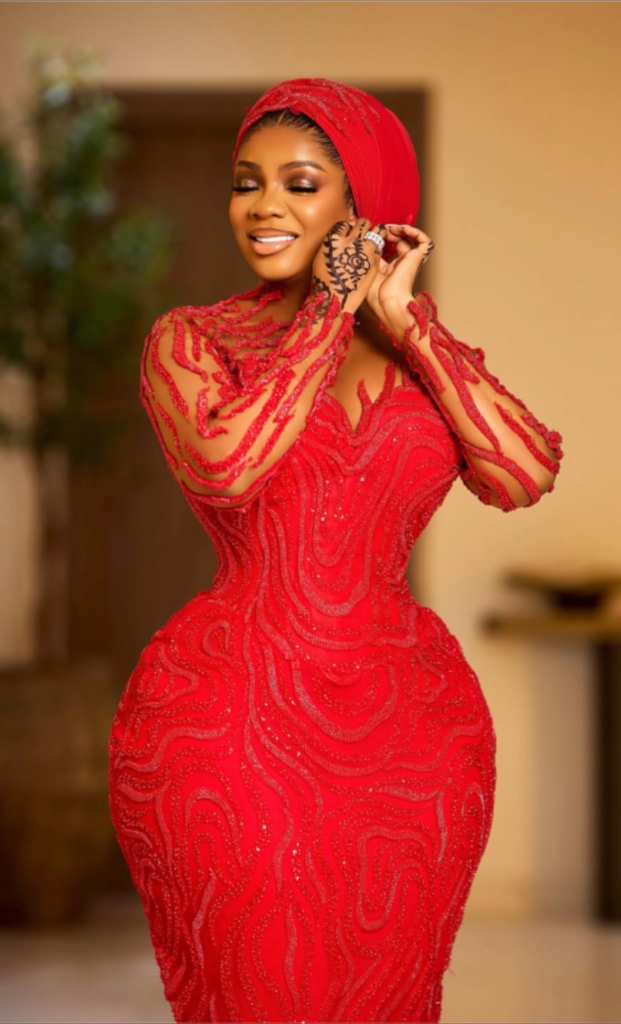
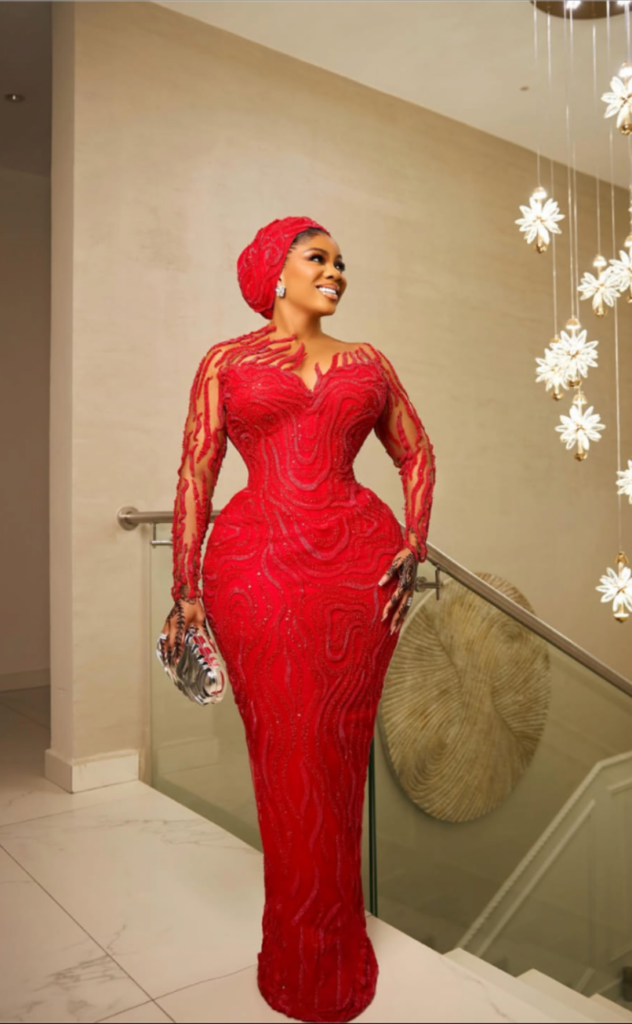
A massive congratulations to Serwaa Amihere-Esq for winning the prestigious IMAGINE WORKS FROM THE HEART prize for this week’s breathtaking outfit!
Masterfully designed by the iconic sima_brew, this look is a masterclass in high fashion and artistic expression, beautifully complemented by a stellar creative team:
- Makeup: @Gkukiethemakeupgirl
- Hair: @Goh_my_hairr
- Turban: @bridal_affairr
- Photography: @Gansahkenphotography
The Masterpiece Described: Precision & Silhouette
This vibrant red gown is nothing short of an architectural marvel. Designed with absolute geometric precision, it honors the female form with a flawless, dramatic hourglass silhouette.
- The Silhouette: The gown features structural, exaggerated hip-carving lines that seamlessly taper down into a sleek, straight, floor-length column skirt. It creates a stunning contrast between bold, voluminous curves and sharp, elongated lines.
- The Texture: Covered in mesmerizing, organic swirl patterns and intricate beadwork, the dress catches the light from every angle. The illusion-mesh neckline and long sleeves feature flame-like, textured embroidery that dances along the skin like wearable art.
- The Accessories: Striking a perfect balance, Serwaa pairs the dress with a perfectly matched red turban and holds a small, metallic silver clutch. The hard-case, textured miniature bag breaks up the monochrome red with a futuristic, high-shine pop of luxury.
Where Does It Fit? | The Style Verdict
| Occasion | Suitability | The Verdict |
|---|---|---|
| ☀️ Summer | Selective | While the color is beautifully vibrant for sunny seasons, the heavy texture, long sleeves, and floor-length structure make it best reserved for high-end summer evening galas or indoor, air-conditioned summer soirées rather than outdoor daytime heat. |
| 🍽️ Dinner | Perfect 10/10 | This is its natural habitat! This gown is the ultimate showstopper for a formal charity dinner, a romantic luxury anniversary, a red-carpet event, or a prestigious awards night. It commands the room effortlessly. |
| 💼 Corporate Office | Not Suited | While Serwaa is a corporate powerhouse as a lawyer and journalist, this particular gown is far too avant-garde, dramatic, and glamorous for a traditional boardroom. Save this masterpiece to celebrate your corporate wins after hours! |
Elevate Your Wardrobe with LaurenHauteCouture
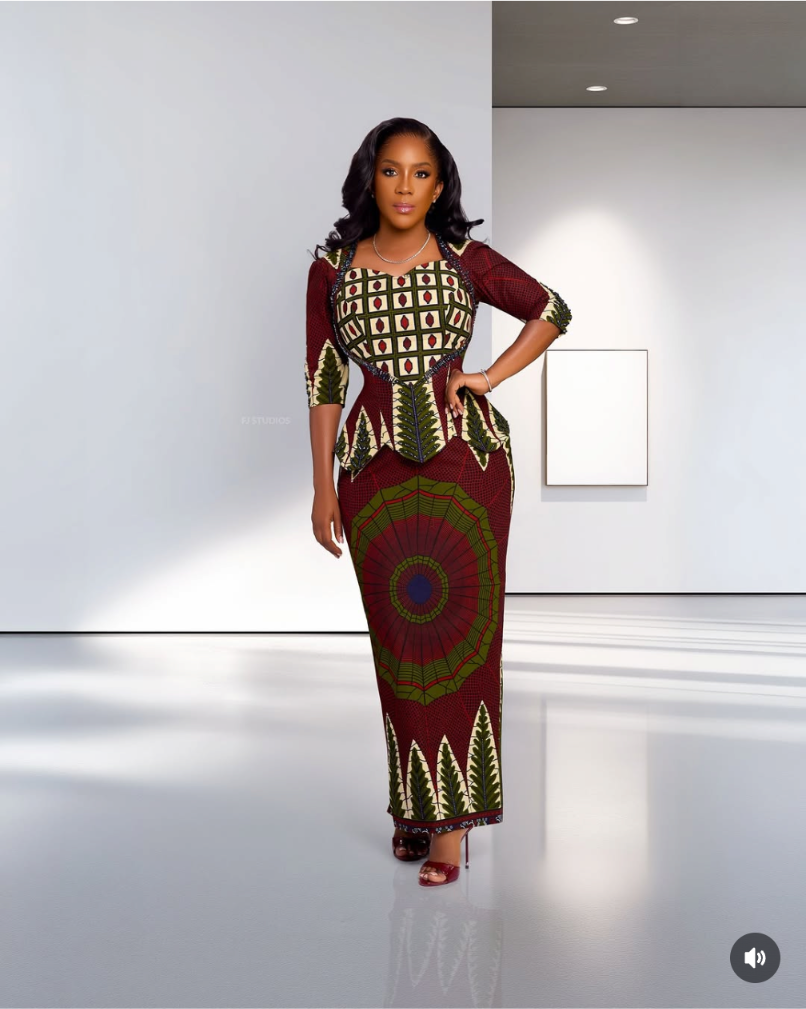
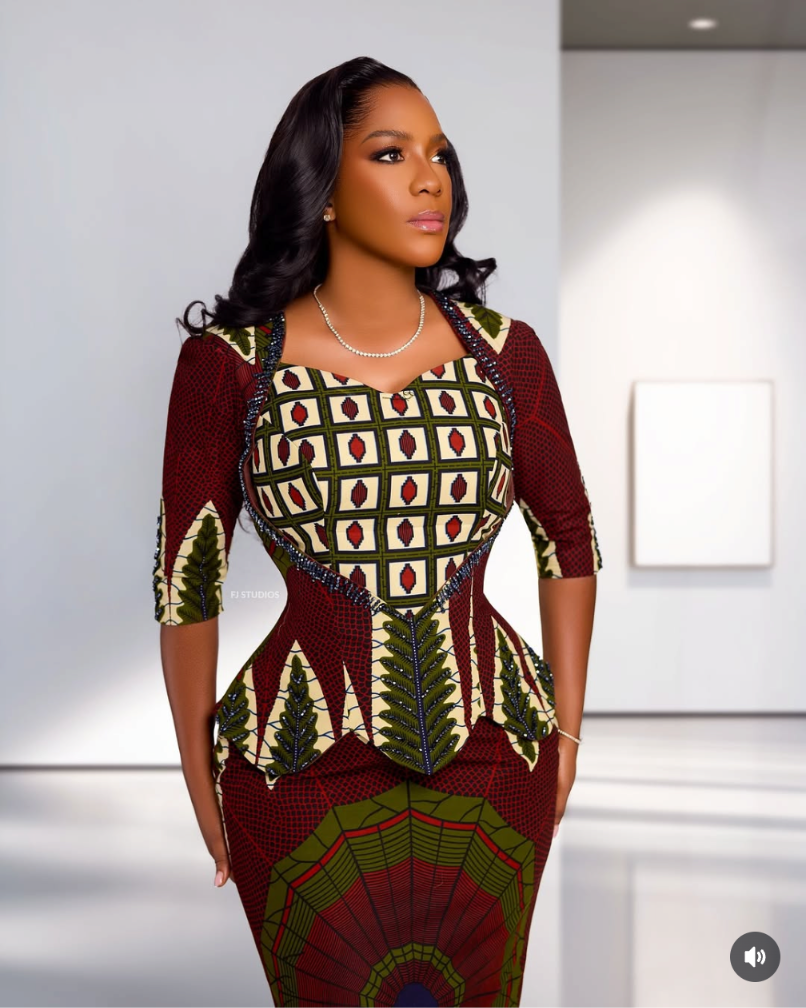
Step into a world where high-fashion precision meets deeply rooted tradition. LaurenHauteCouture, a multiple award-winning women’s wear brand, redefines luxury by blending contemporary tailoring with the soulful essence of African heritage.
The Masterpiece: A Modern Tribute to Ghana’s Heritage
This striking ensemble honors Ghana’s iconic Kaba and Slit—a traditional silhouette reimagined for the modern, global woman. Every detail speaks to an uncompromising standard of design:
- Tailoring Precision: The structure features an exquisitely sculpted corset-style bodice and a structured peplum that accentuates the waistline with flawless symmetry.
- Timeless Creativity: By mixing geometric bodice patterns with a bold, circular focal print on the skirt, the design bridges the gap between historical artistry and avant-garde fashion.
- Cultural Pride: Grounded in rich earth tones of deep burgundy, forest green, and gold, the outfit celebrates cultural storytelling through textile placement, making it a wearable piece of art.
Versatility Reimagined: Where to Wear
While traditional attire is often reserved for Sundays or milestone events, this LaurenHauteCouture creation is intentionally designed for the multi-faceted lifestyle of the modern woman:
| Occasion | Styling & Suitability |
|---|---|
| The Corporate Office | Yes, with a twist. The modest elbow-length sleeves and long, elegant slit (skirt) offer a professional silhouette. Its structured, commanding aesthetic makes it perfect for board meetings, high-profile presentations, or corporate cultural celebrations where you want to project power and identity. |
| Dinner & Evening Galas | Absolutely. The seamless fit, rich color palette, and dramatic lines make this an effortless showstopper for fine dining, charity galas, or formal evening events. Pair it with minimalist gold jewelry and sleek heels to let the tailoring shine. |
| Summer Wear | Highly Suitable. Crafted with structured yet breathable African wax print fabrics, it provides the perfect balance of ventilation and form for summer soirées, high-end outdoor weddings, and seasonal garden parties. |
📍 Visit the Atelier
Experience the luxury of a multiple award-winning brand firsthand.
- Location: 5 Mama Adjeley Rd, East Airport, Ghana.
Note: All images and signature designs are subject to copyright by LaurenHauteCouture.

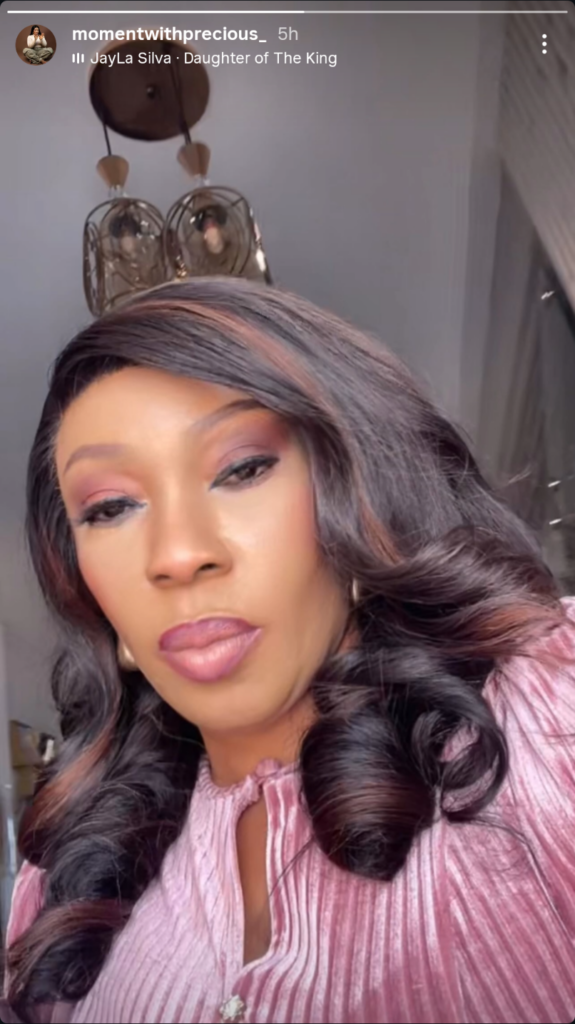

https://www.instagram.com/delish_bakerygh?igsh=MW5ic2c0NnR5cHBwZQ==
Pure Goodness: Delish Bread Without Chemicals
Experience the taste of nature at Delish Bread, your neighborhood grocery store and bakery where health meets indulgence. We believe that what you eat should be as pure as it is delicious. That’s why our breads are crafted without chemicals, artificial preservatives, or additives—just wholesome ingredients baked to perfection.
Whether you are looking for your daily loaf or a special treat, we offer over 12 varieties of bread, cakes, and pastries, including:
- Signature Breads: Whole Wheat, Multigrain, and Classic White—all chemical-free.
- Artisan Pastries: Flaky, buttery, and baked fresh every morning.
- Custom Cakes: Perfect for every celebration, made with the finest natural ingredients.
IMAGINE Celebrates Delish Bread
IMAGINE: Works From The Heart proudly honors the commitment to purity and health championed by Delish Bread. In a world of processed foods, Delish Bread stands out as a beacon of authenticity, aligning perfectly with our mission to celebrate creators who work with passion and purpose.
We celebrate Delish Bread for:
- Wholesome Integrity: Their dedication to chemical-free baking that nourishes the community.
- Cultural Connection: Bringing people together through the timeless tradition of breaking bread.
- Spiritual Purpose: Guided by the personal mission of Making Jesus Proud, every loaf is baked with love and a servant’s heart.
Visit Us Today!
Come and taste the difference that “Heart Work” makes.
- Location: Agboba, Accra.
- Hours: Monday – Saturday | 8:00 AM – 6:00 PM
- Order via WhatsApp: wa.me/233201789403
- Follow the Journey: @delish_bakerygh & @smomentwithprecious_
Delish Bread & ASSUMPTA-IMAGINE: Nourishing your body, honoring your heritage.
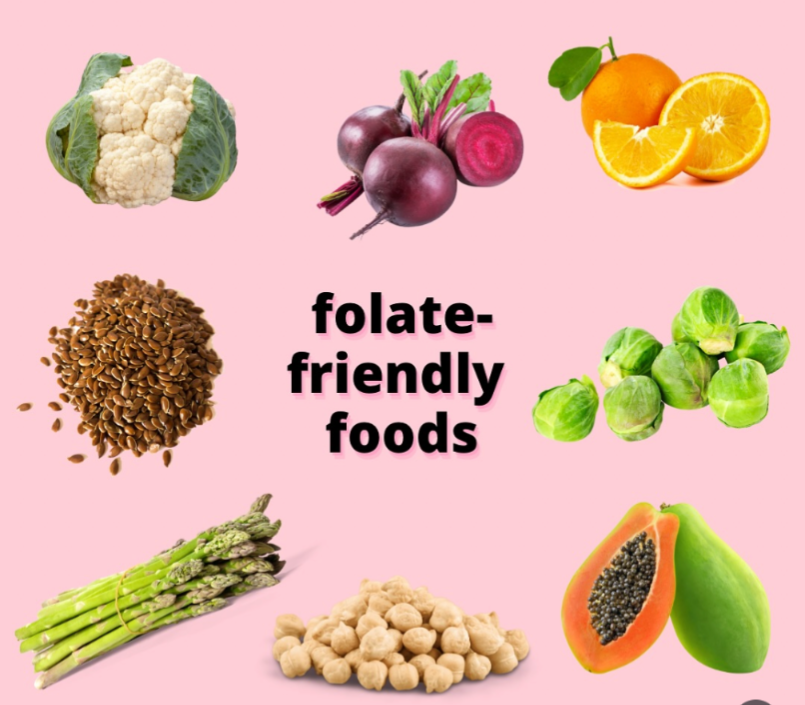
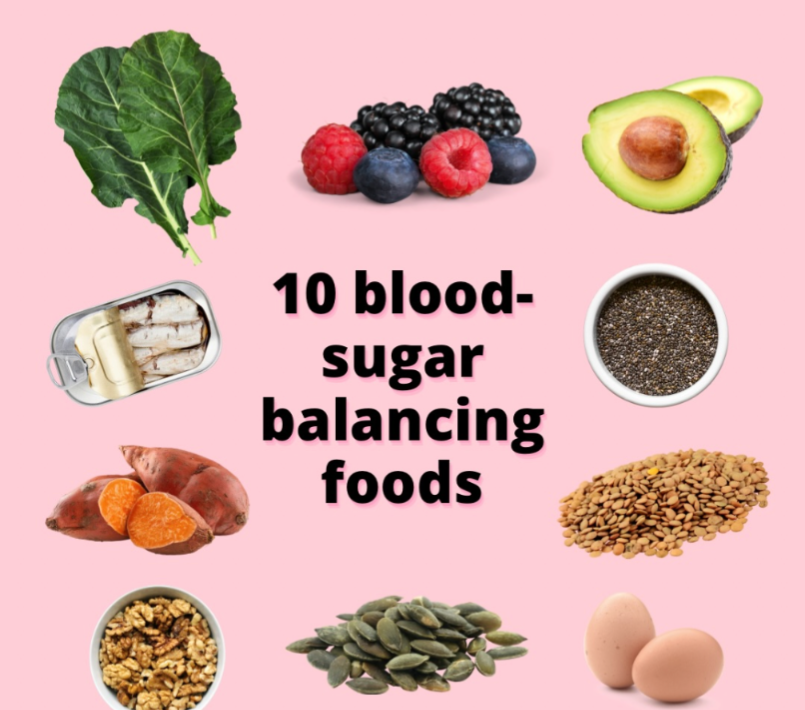
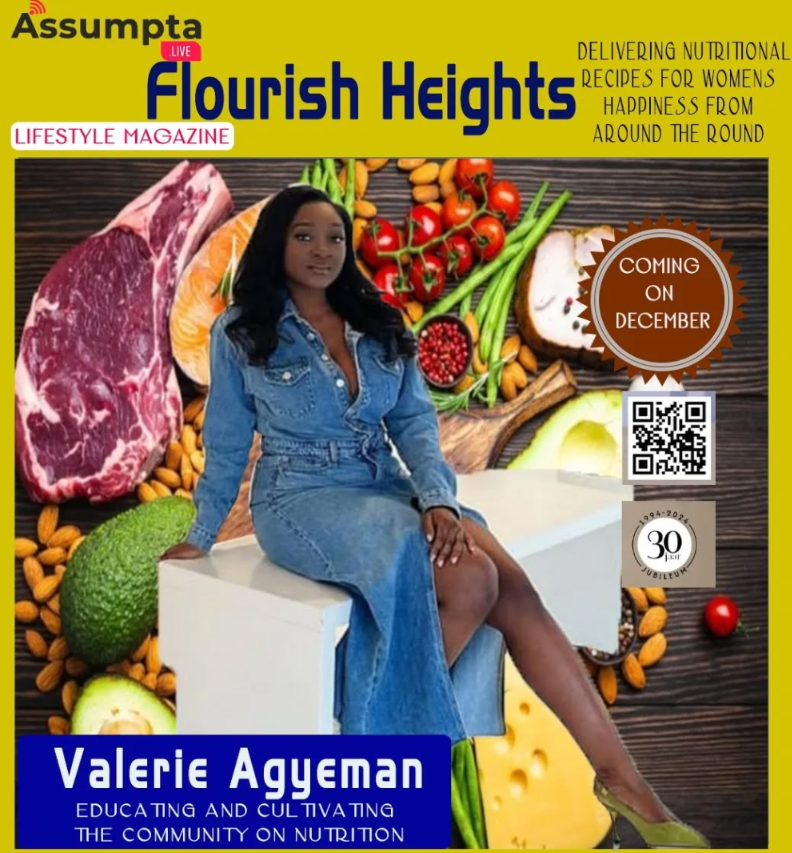
https://www.instagram.com/flourishheights?utm_source=ig_web_button_share_sheet&igsh=ZDNlZDc0MzIxNw==
Unlock the Secrets to Women’s Health with Flourish Heights
In a world where women’s health topics are often shrouded in silence, one platform dares to break the mold. Flourish Heights, founded by the dynamic Women’s Health Dietitian, Valerie Agyeman, RD, LD, is not just a nutrition practice—it’s a revolution. This digital platform and community hub is dedicated to guiding women toward a harmonious relationship with food and their bodies, empowering them to take control of their health destinies.
Dare to Discuss the Undiscussed
Flourish Heights delves into the critical yet often overlooked facets of women’s health. From demystifying menstrual health and fertility to navigating the complexities of perimenopause, no topic is too taboo. Through collaborations with esteemed experts like Dr Charis, known as ‘the Period Doctor,’ and partnerships with forward-thinking brands such as The Honey Pot Co and WeNatal, Flourish Heights is at the forefront of a movement to educate and empower.
Join the Conversation
The journey doesn’t end with information—it’s about engagement. The Flourish Heights Podcast, hosted by Valerie herself, is a biweekly deep dive into the nuances of women’s nutrition, body awareness, and self-care. Each episode is a step toward breaking down barriers and fostering a community where women feel seen, heard, and supported.
Your Invitation to FlourishAre you ready to be part of a community that’s redefining women’s health? Connect with Flourish Heights on Instagram @flourishheights and join the conversation. Together, let’s shatter the silence and build a future where every woman has the knowledge and confidence to flourish.


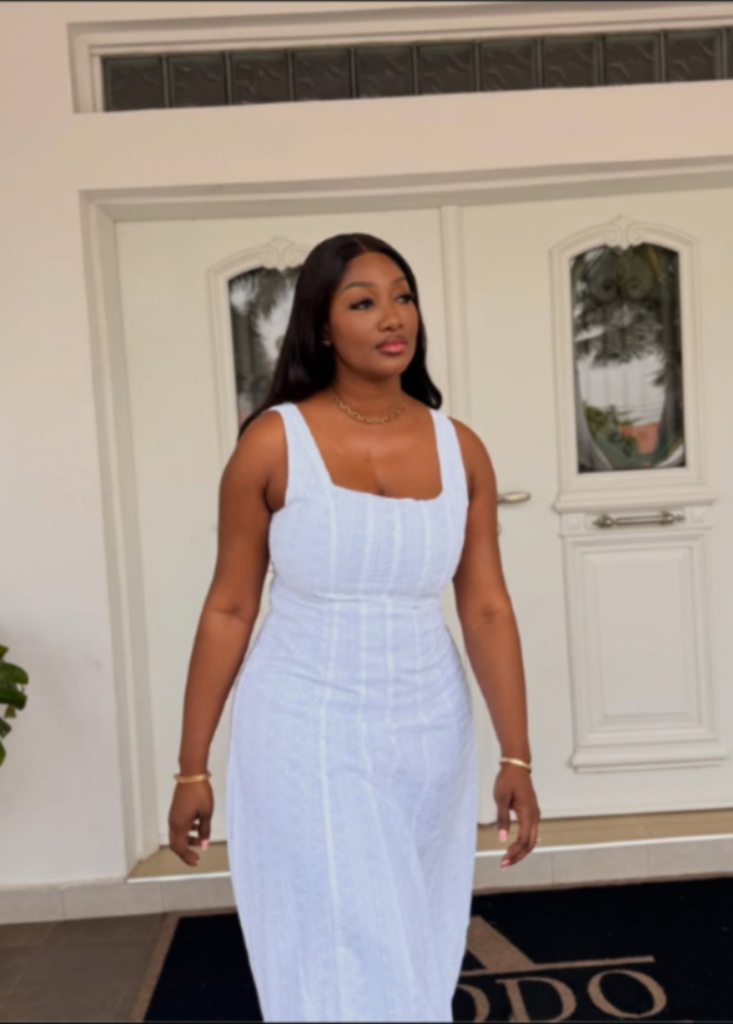

https://www.instagram.com/styledbyaretha?igsh=ZjFrOW44d2N2aXpy
A Symphony of Elegance: The Radiance of Akosua Owusuwaa
As captured in overview_image_137693953_405983.png, Akosua Owusuwaa “Gwen-Addo” does not simply wear an outfit; she breathes life into it. In this Stylebyaretha masterpiece, her beauty is elevated to a form of living art. She possesses a radiant complexion that is perfectly illuminated by the clean tones of the fabric, reflecting a glow that is both natural and commanding. Her presence is a masterclass in poise, where her natural grace and “Akosua-Owusuwaa” charm turn a garment into a powerful story of modern African womanhood.
The Hair & Styling Harmony
Her sleek, flowing hairstyle is the perfect architectural companion to the dress. The straight, luxurious tresses frame her face with a soft touch, balancing the sharp, modern lines of the high-fashion aesthetic. This synergy creates a visual language that speaks of confidence, beauty, and composure in one breath.
The Fabric & Finish
The elegant tone is the epitome of understated luxury. Rather than relying on loud embellishments, the look draws its power from the smooth texture of the fabric, which catches the light softly to provide a sophisticated depth. The finish is exceptionally clean and sharp, lending an executive character to the entire ensemble.
The Silhouette
The sleeveless body-contour design creates a refined, elongated effect that celebrates her natural proportions. With a sculptural quality that remains minimalistic yet commanding, the dress flows seamlessly from the shoulders, emphasizing a harmony between structure and femininity.
The Corporate Context: Can This Fit the Office?
- The Traditional View: From a conservative standpoint, the sleeveless, form-fitting nature of the attire might be seen as too fashion-forward for a strictly formal office environment.
- The Modern Reality: For a visionary leader like Akosua Owusuwaa—who balances roles as an entrepreneur, author, and beauty advocate—this is the ultimate contemporary power statement. In the worlds of branding, leadership summits, and creative industries, this look communicates discipline and executive excellence.
The Verdict
Akosua Owusuwaa embodies the very philosophy of Stylebyaretha. This is African luxury fashion that is intentional, sophisticated, and globally relevant. It reflects a woman who values excellence and isn’t afraid to redefine leadership and cultural elegance on her own terms.
IMAGINE: Works from the Heart
IMAGINE celebrates the bold, elegant precision and “straight creations” that define the Stylebyaretha aesthetic. By following modern trends while deeply honoring Aretha’s unique creativity, IMAGINE highlights how fashion can shape culture across Ghana and Africa.
Through this collaboration, Akosua Owusuwaa takes us on a journey where fashion transcends the material to meet emotion, heritage, and innovation. It is a tribute to Ghanaian designers who work from the heart, blending timeless creativity with the pulse of the modern world.
🛒 Shopping & Retail
Bring this unmatched executive luxury into your own wardrobe.
In Luxury Personal – Fashion Delivery across Ghan–Limited pieces from Europe
📥 Order on WhatsApp today: 054 497 1086