




📰 OSAGYEFO WEEKLY MAGAZINE
Presents: Value‑Led Education Publication
🌟 Special Edition | Friday, 29th May 2026
🗞️ THE HEADER BANNER
| THE TEACHER’S ART | 📅 Friday, 29th May 2026 | ✨ Value‑Led Education |
|---|
🌍 OVERVIEW
A Legacy of Freedom, Responsibility, and Human Dignity
Sixty-nine years have passed since Ghana, under the leadership of Kwame Nkrumah, gained independence from British colonial rule. In that defining moment of history, Nkrumah boldly declared:
📜 “The Black man is capable of managing his own affairs.”
This was not merely a statement of political freedom—it was a powerful call to end oppression and dismantle the structures of colonial domination.
At the heart of Nkrumah’s vision was a profound belief in global citizenship, rooted in the Pan‑African philosophy of respect for the inherent dignity of all life. He envisioned a world where no African would be:
- Discriminated against
- Exploited
- Or sacrificed for the benefit of oppressive systems.
A Story of Hope Born in the Darkest Time
In an era shaped by struggle and injustice, Nkrumah stood as a selfless leader—championing peace, prosperity, and education grounded in human dignity.
He upheld a humanistic vision of Pan‑Africanism that called for unity across the continent. His belief was clear: the well‑being and prosperity of African people are inseparably linked to the realization of a united and peaceful Africa.
A Question for Our Time
Today, his words still challenge us: “The Black man is capable of managing his own affairs.”
But the question remains—Have we, as Ghanaians and as Africans, truly worked to realize this potential? Are we:
- Contributing meaningfully to our communities?
- Addressing the challenges facing our nation?
- Advancing the collective future of Africa?
HAIR SENTA ADVERTISEMENT
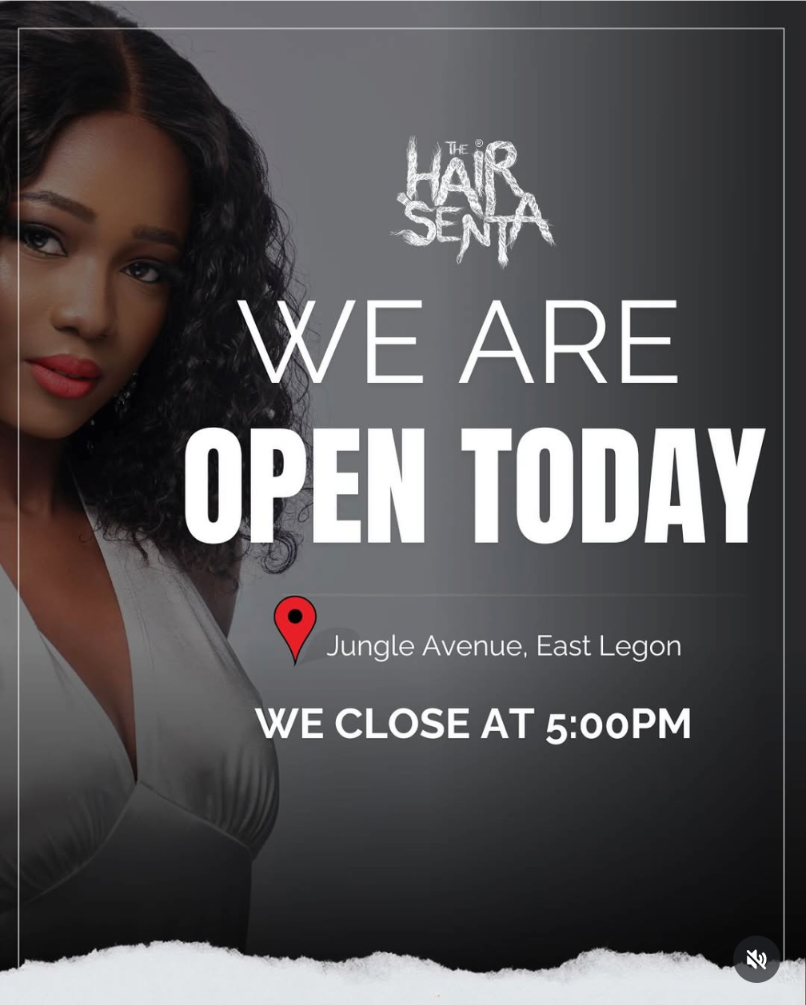
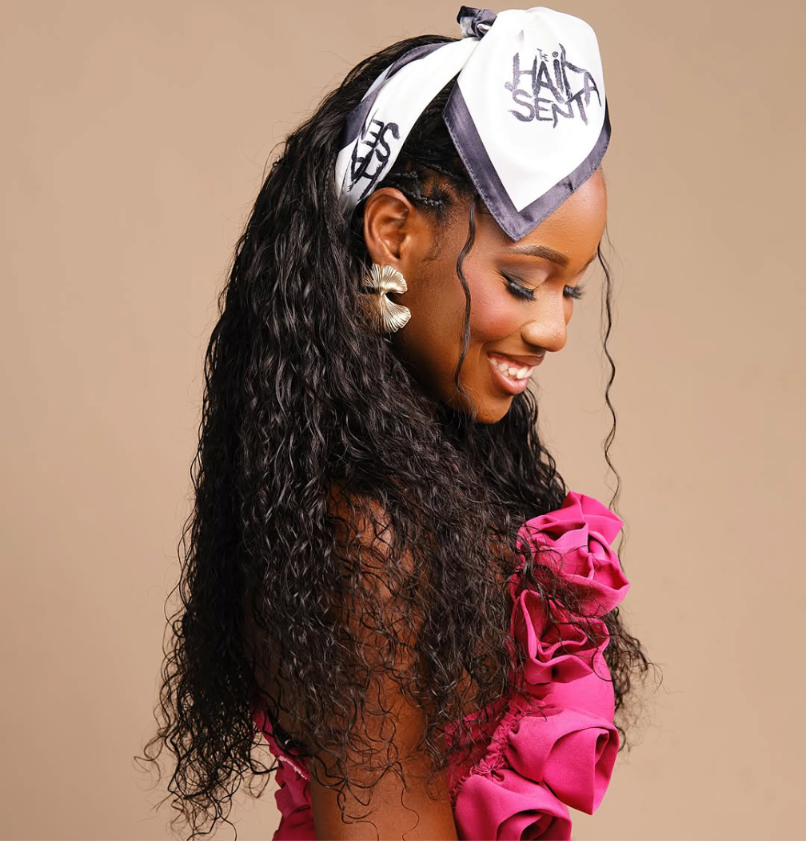
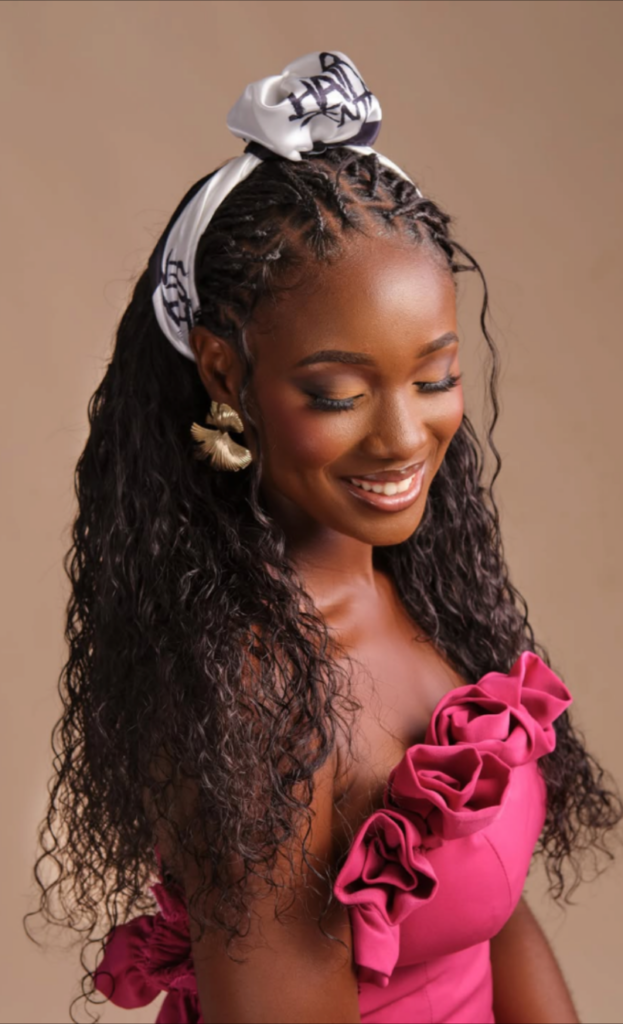
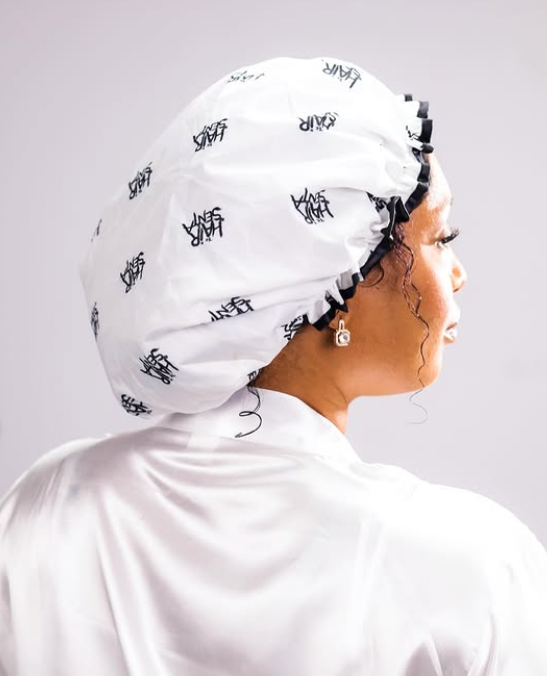
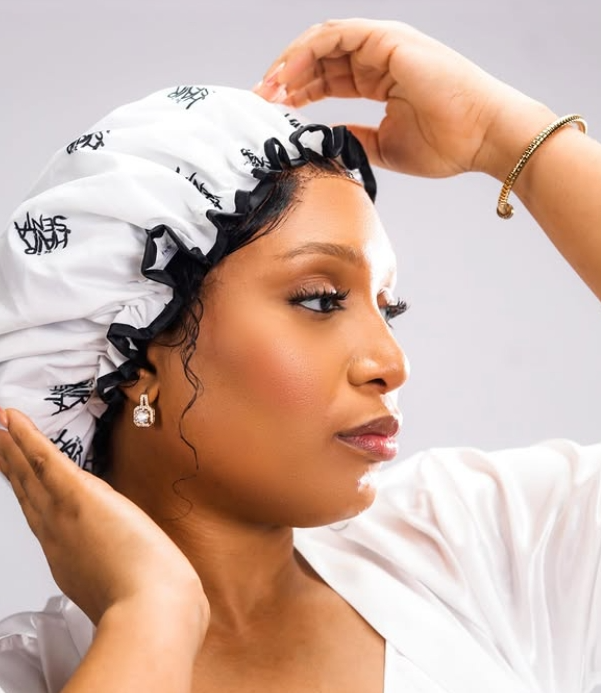




https://www.instagram.com/hairsenta?igsh=MXAzOThhNGZ0Nm15dQ==
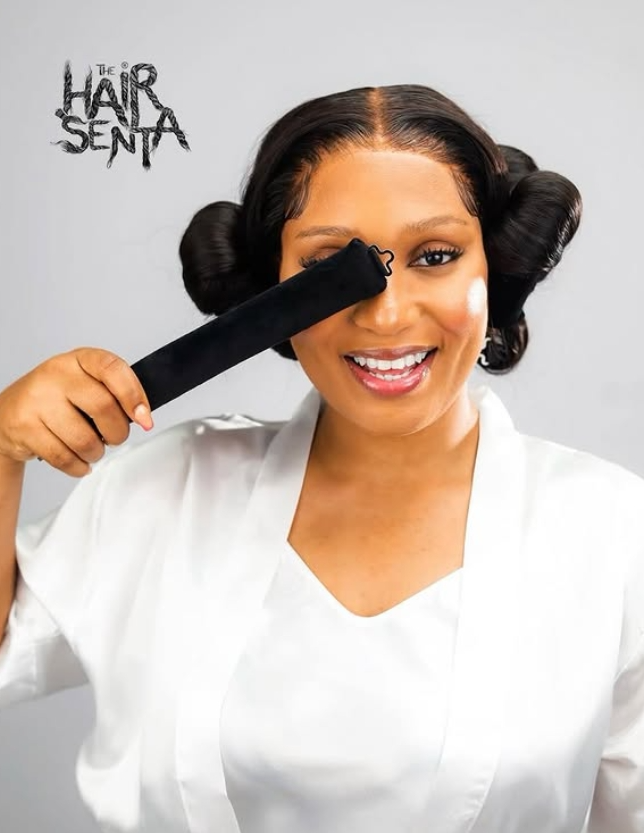
☀️ MORE THAN A LOOK.
A FEELING. | Hair Senta Summer Glow Special ☀️
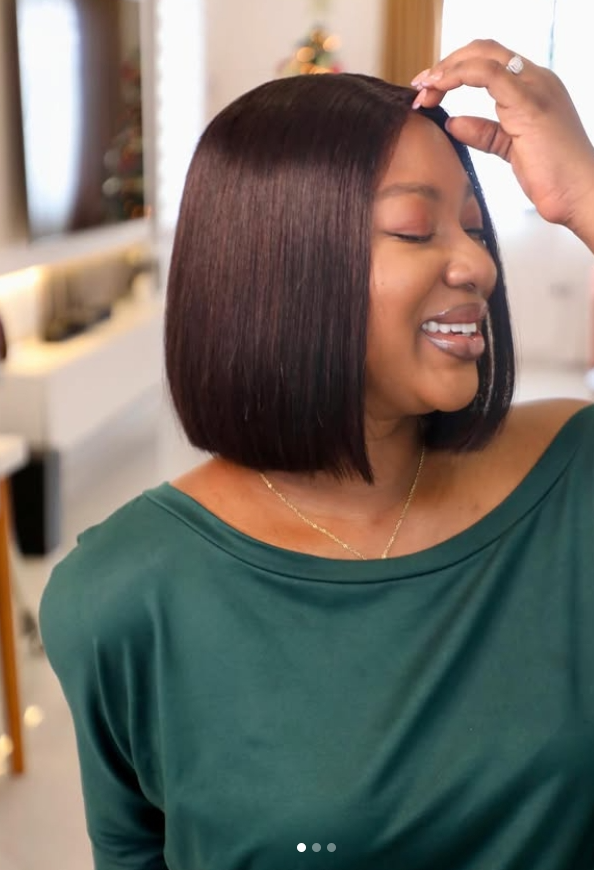
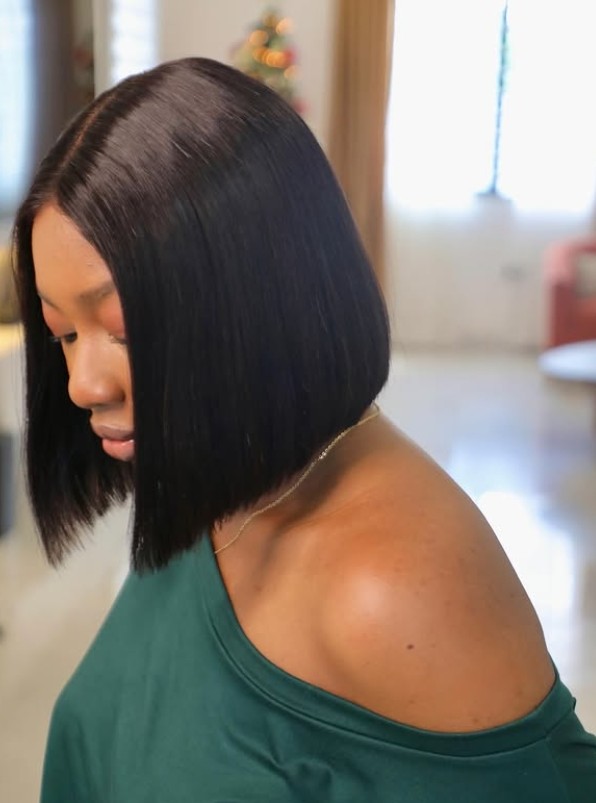
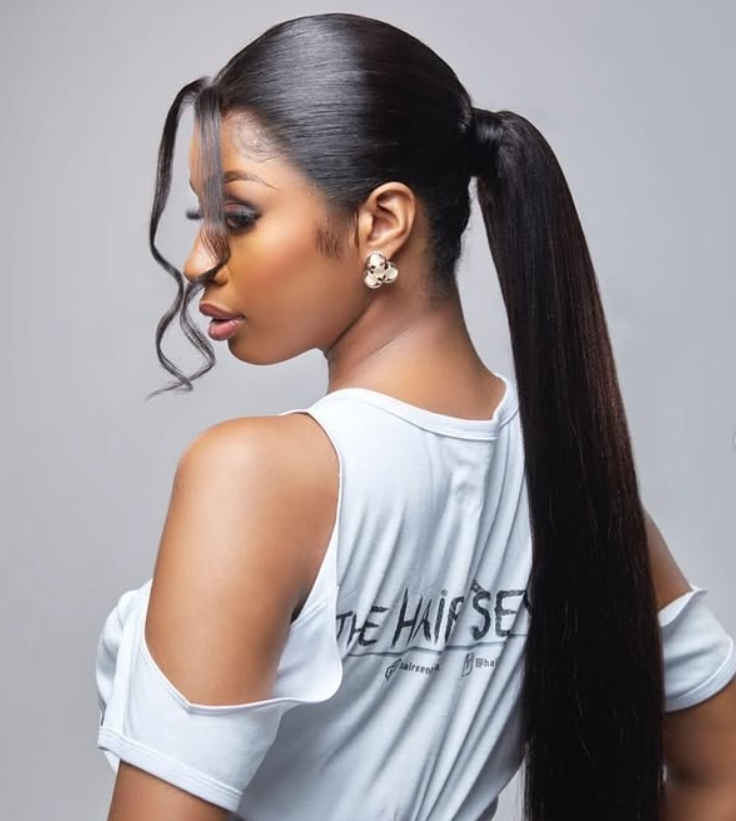
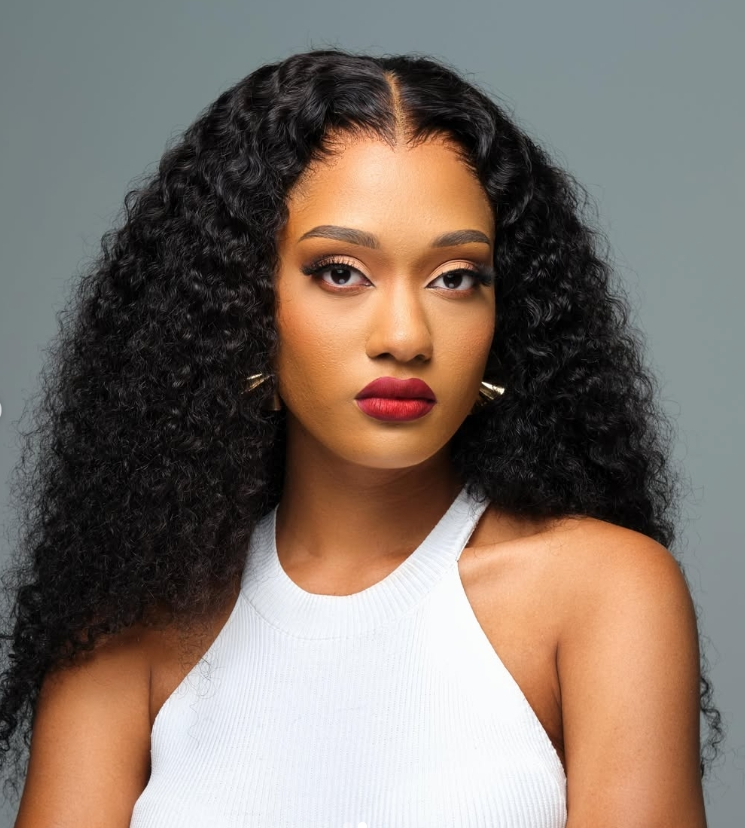
This summer season, give yourself the gift of a crowning glory that radiates joy and beats the heat with effortless elegance. At The Hair Senta, we understand that hair is more than just an accessory—it is your most powerful expression.
We specialize in turning “unhappy to joy,” translating raw beauty into a smile that lights up any room under the sun. Secure your true beauty with a high-quality investment designed to last a lifetime.
Why Choose Hair Senta This Summer?
- The Transformation: Witness a breathtaking shift from raw texture to a beautiful, polished, and sophisticated finish perfect for any summer vibe.
- Your Security: Shop with total peace of mind. We ensure our clients feel protected through transparent sourcing and the highest grade premium textures that withstand the seasonal humidity.
- Trademarked Excellence: Trust in a globally recognized brand that ships the very best human hair extensions from Ghana to the world.
Visit or Order Today
Whether you are prepping for a tropical getaway, a summer wedding, or simply elevating your daily look, let us help you find your perfect match.
🏢 Location: 24 Jungle Avenue, Accra, Ghana
📞 Call/WhatsApp: (+233) 0544354455 / 0248629769
🌐 Shop Online: www.hairsenta.com
The Hair Senta: Securing your beauty, one strand at a time.
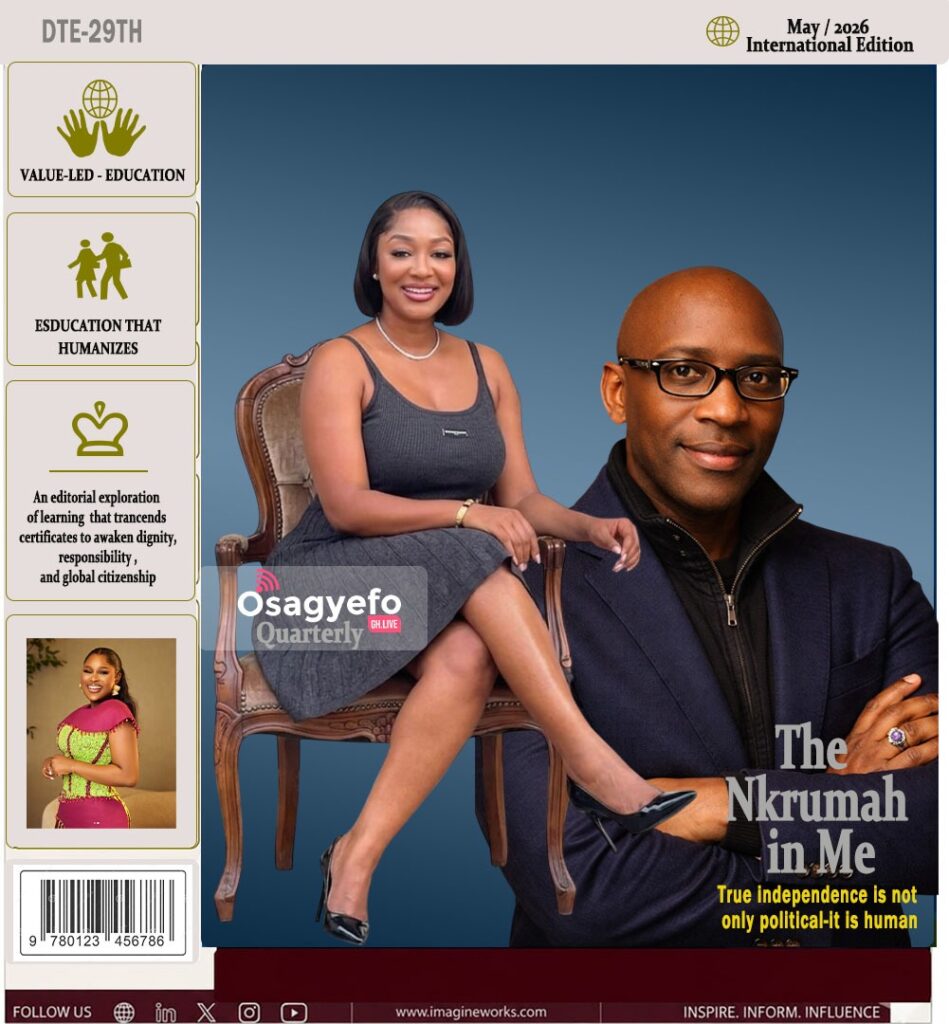
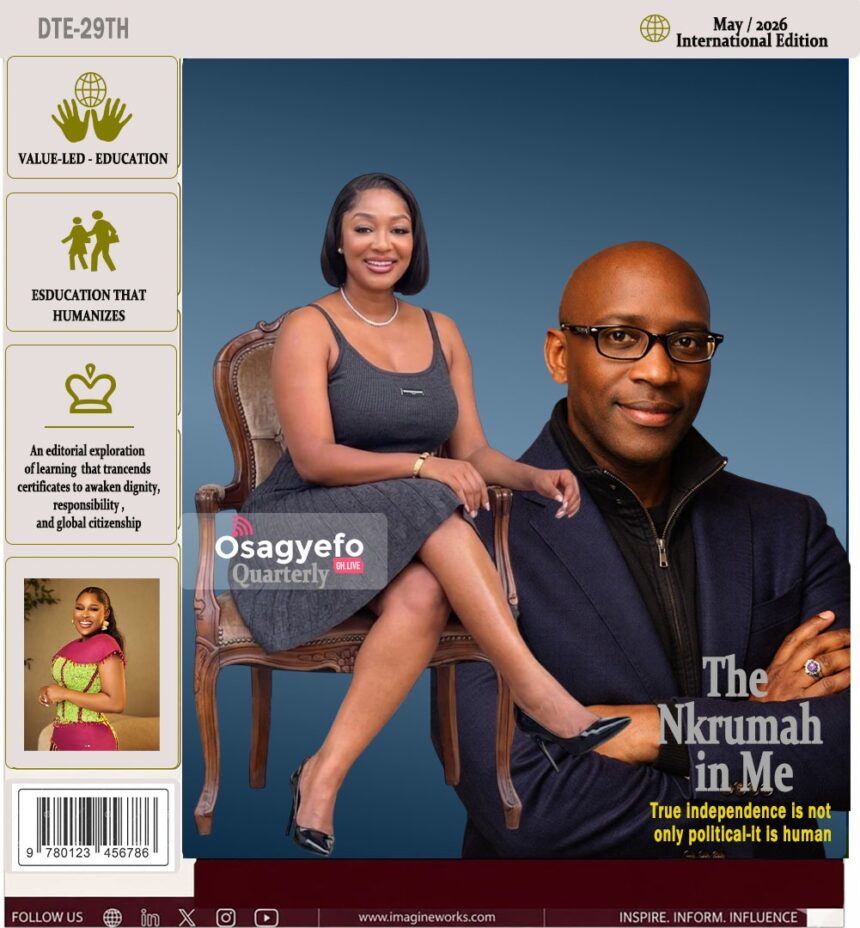
🌱 The Nkrumah in Me
“The Nkrumah in Me” represents more than memory—it represents a living responsibility. It is the daily commitment to build a culture defined by:
- Respect & Well‑being
- Peace & Prosperity
- A strong sense of global citizenship
A culture nurtured not only through politics and policy, but through our everyday actions, choices, and values.
🌍 MAIN FEATURE ARTICLE
The Nkrumah in Me
A Thought‑Provoking Reflection on the Transformative Role of Educators
💡 EDITORIAL HIGHLIGHT
“What may be the most moving appeal for teachers and parents to truly understand the inner power of young people.”
In every generation, there exists a quiet but powerful force—the untapped potential within young people.
Education, when rightly understood, is not merely the transfer of knowledge. It is the awakening of human possibility. It is the duty of teachers, parents, and society to recognize this inner strength and nurture it with intention, dignity, and purpose.
This is the essence of “The Nkrumah in Me.”
A belief that within every child lies a future leader, a builder, a visionary—waiting not to be instructed, but to be unleashed.
👥 FEATURED VOICES | THE NKRUMAH IN ME
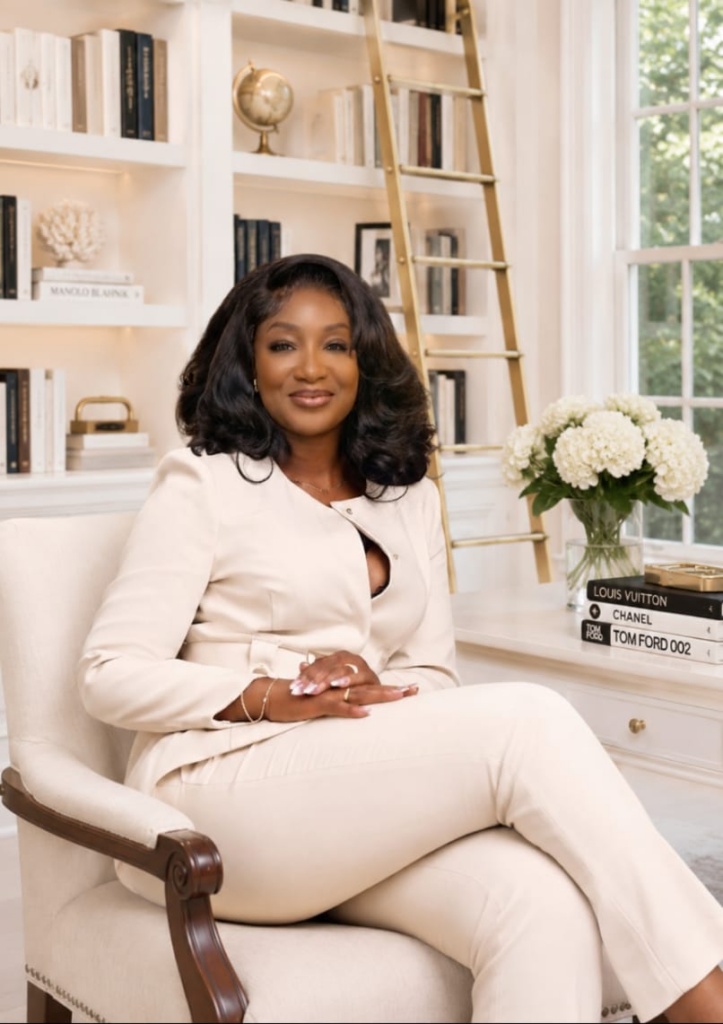
🌿 Akosua Owusuwaa
Movement‑Builder | Health, Beauty & Community Transformation
Akosua Owusuwaa is redefining what it means to build a business in Africa today. As a certified entrepreneur, wellness coach, food educator, and co‑founder of Owusuwaa Weekly, she operates at the powerful intersection of enterprise, health, and community empowerment.
As the visionary founder of Hair Senta, HIBS‑Africa, and TLS — The Leading Senta, she has transformed beauty and wellness spaces into centers of education, healing, and opportunity. Her work powerfully affirms that beauty is not superficial—it is cultural, economic, and deeply human.
💬 “I firmly believe that every young person has the power within him or her to change the world.”
— Akosua Owusuwaa
📘 Atto Kwamena Tsasi Okyere
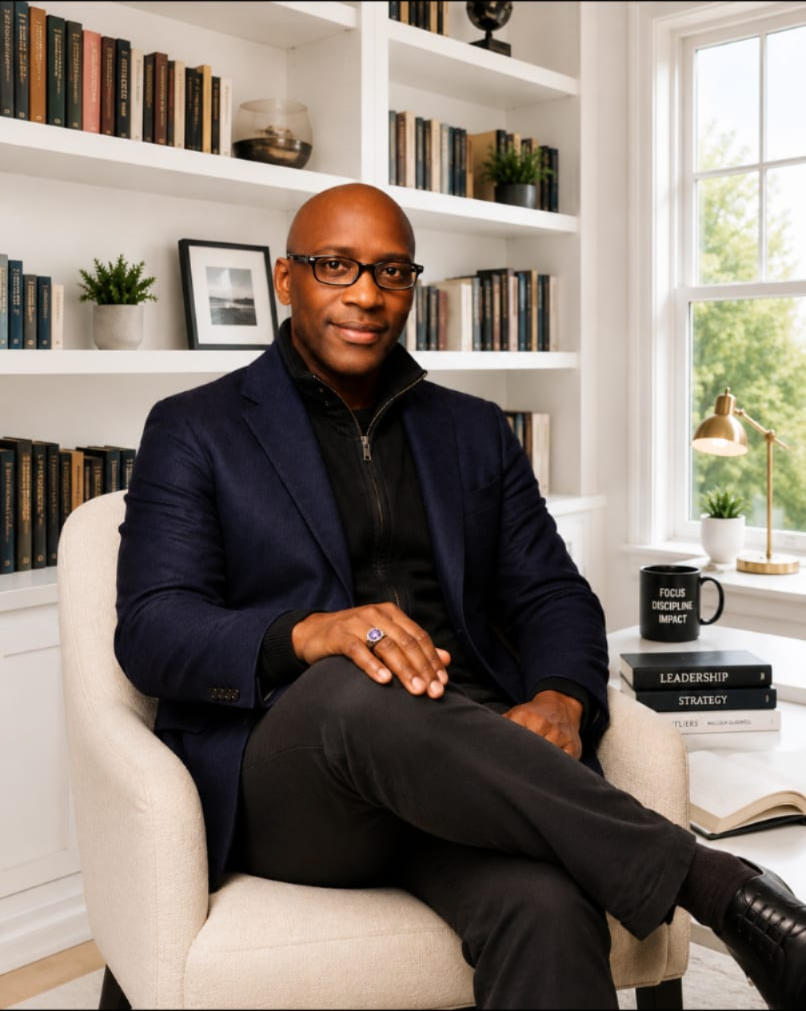
Author | Publisher | Advocate for Purpose‑Driven Leadership
Atto Kwamena Tsasi Okyere is the celebrated author of Climbing The Hills of Life and the CEO of OSAGYEFO and IMAGINE Newsletter Magazine.
Through the art of storytelling and intentional publishing, he amplifies narratives that inspire global change:
- Resilience: Overcoming obstacles with fortitude.
- Self‑discovery: Unlocking the latent potential within.
- Collective responsibility: Building communities from the ground up.
His leadership reflects a deep commitment to shaping minds and preserving legacy—challenging this generation to rise beyond comfort and complacency.
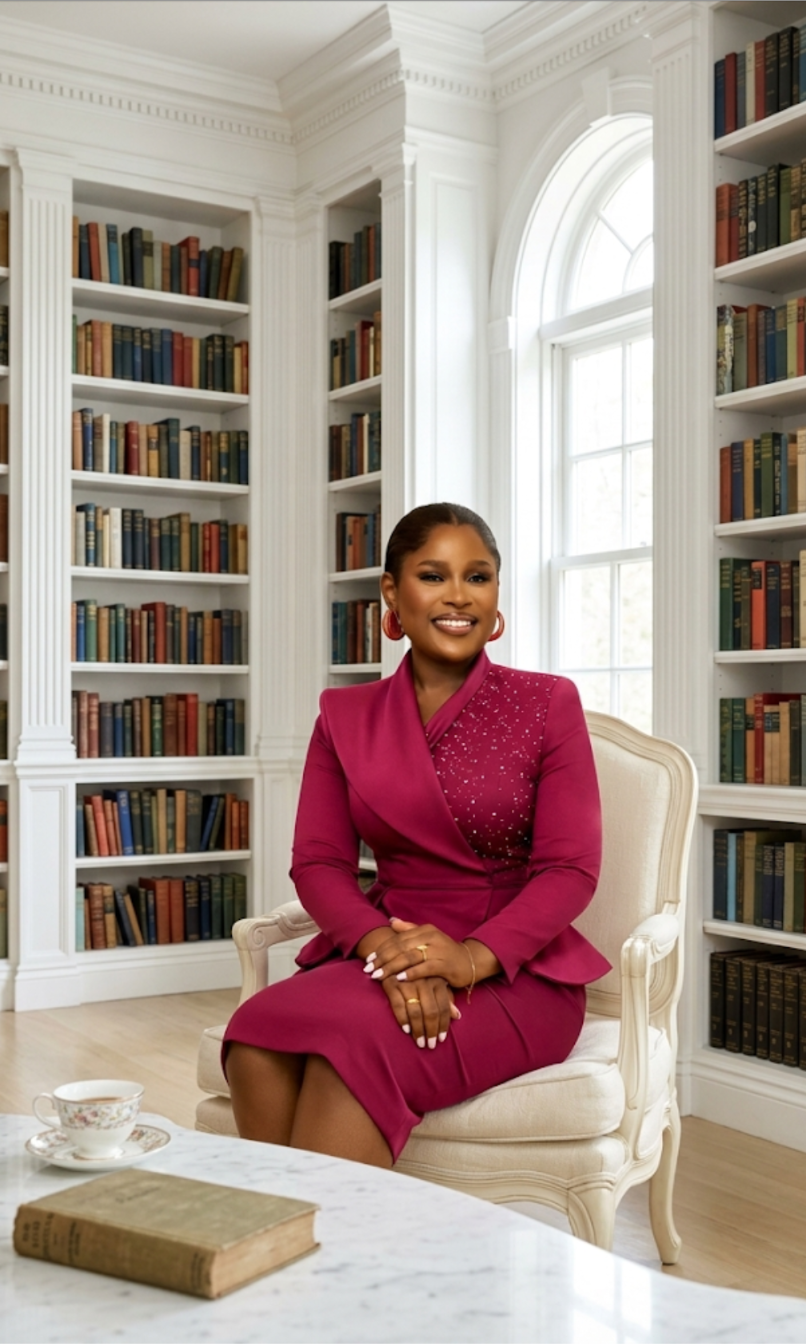
🎤 Hosted by: Berla‑Mundi
Conversation Catalyst & Cultural Connector
Guiding this edition is Berla‑Mundi, globally recognized for her thoughtful dialogue, eloquence, and cultural depth. With clarity and intention, she masterfully creates a space where:
- Stories transform into actionable insight.
- Dialogue evolves into a cultural movement.
- Reflection translates into systemic action.
Her brilliant curation ensures that this newsletter is not just read—but deeply experienced.
🧭 UNIFYING EDITORIAL NOTE
Carrying Forward the Spirit of Nkrumah
“The Nkrumah In Me” is more than a title—it is a collective responsibility.
- In Akosua Owusuwaa, we see Nkrumah’s unyielding belief that true progress must uplift human dignity and community well‑being.
- In Atto Kwamena Tsasi Okyere, we encounter the enduring power of ideas, storytelling, and moral leadership to shape progressive societies.
- Through Berla‑Mundi’s guided conversations, we are reminded that transformation begins where voices are authentically heard and purpose is shared.
Together, they embody a timeless truth: True independence is not only political—it is human. This publication invites a new generation to reflect, act, and rediscover the Nkrumah within.
💡 TEACHING TIP (Footer Section)
The Teacher’s Responsibility
Education begins with unwavering belief. It is the sacred role of those who teach:
- To believe in that inherent power.
- To encourage it through intentionality.
- And to release it dynamically into the world.
| The Modern Inquiry • Are we thinking independently? • Are we building systems that empower people? • Are we using education to liberate or to limit? |
✨ The Meaning Today
The legacy of K awwwame Nkrumah reminds us that true progress begins when people begin to think for themselves, act for themselves, and build for themselves.
⚖️ THE PARADOX OF PROMISE
Confronting the Gap Between Vision and Reality
Within this complex historical and social landscape, a vital question confronts us: What is the true strength of Ghana today? The foundational strength that defined Kwame Nkrumah’s vision—a resilient economy, robust manufacturing, principled enterprise, and a forward-thinking workforce—feels increasingly distant. Ghana has always possessed an enduring spirit, an innate capacity to rise, rebuild, and redefine itself. Today, however, that spirit feels muted—not because it is gone, but because it lies dormant. We are not witnessing a loss of potential, but a profound disconnect from it.
Perhaps this is our deepest challenge: the courage, clarity, and unyielding belief in African capacity that Nkrumah championed are no longer mirrored in our institutions, our leadership, or our collective responsibility. In this sense, “The Nkrumah in Me” is not destroyed; it is elusive. Yet, it remains entirely within reach—waiting to be reawakened, reclaimed, and lived
Together, we are here not just to speak—but to connect thought with action.
🌟 WELCOME TO THE DIALOGUE
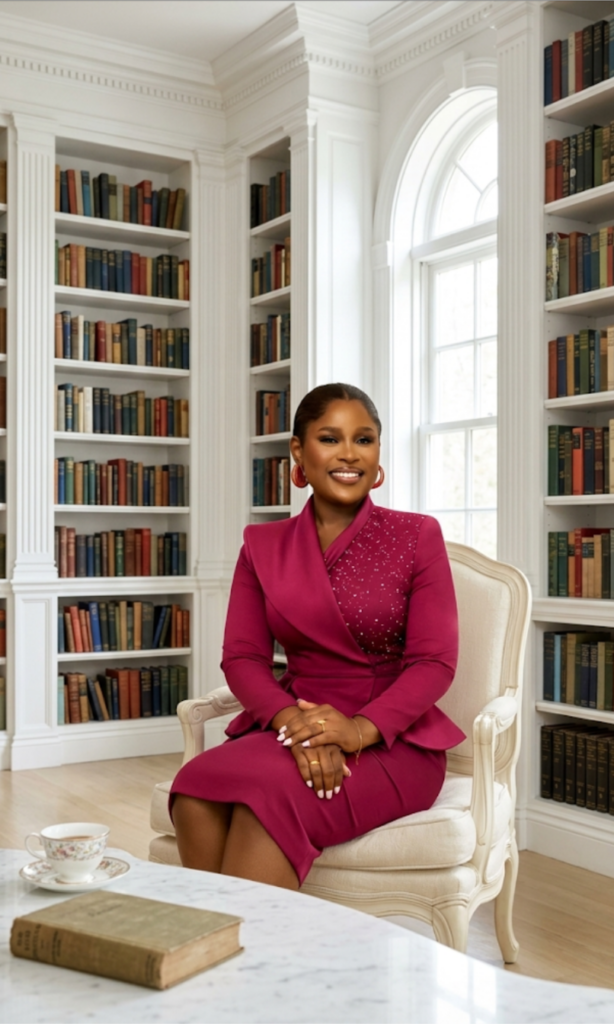
Berla‑Mundi:
So today, we officially welcome you to this conversation: “The Nkrumah in Me” — A Dialogue on Education, Identity, and the Future of Africa.
🔥 DIALOGUE OPENING
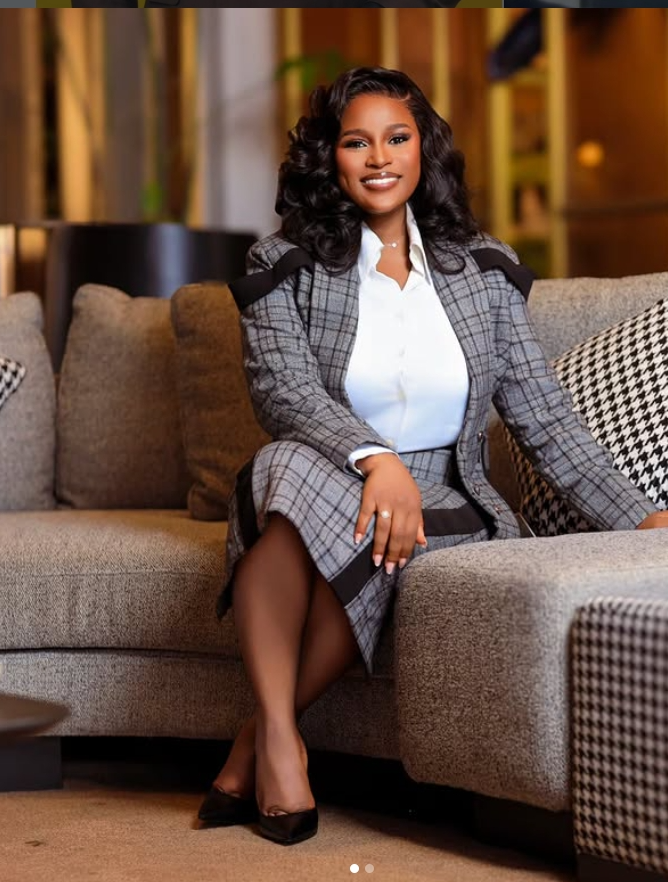
Berla‑Mundi:
Let us begin with a reflection: Ghana gained independence 69 years ago… A defining moment that gave hope not only to a nation, but to an entire continent.
And in that moment, Kwame Nkrumah declared:
📜 “The Black man is capable of managing his own affairs.”
But today, we must ask ourselves honestly—are we truly living that declaration? Because when we look at our systems… our education… our industries… there seems to be a gap.
Not a lack of potential—but a disconnect from it. And this brings us to a powerful idea:
💡 “The Nkrumah in me is not lost… but it has become elusive.”
FIRST QUESTION (Transition into Dialogue)
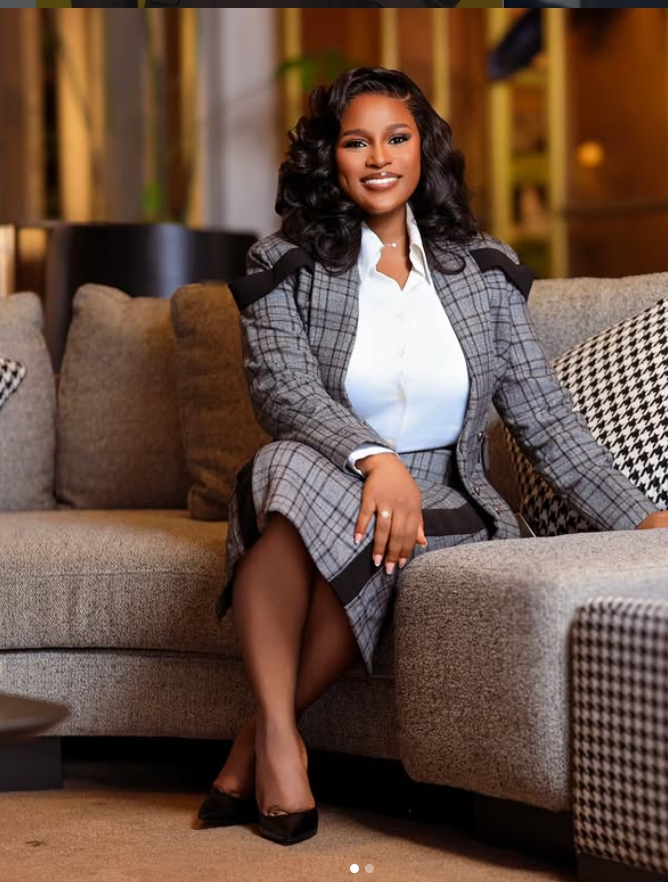
Berla‑Mundi:
So I would like to begin by asking: What does that mean to you?
Akosua, let me start with you—when we say “The Nkrumah in Me is elusive,” where do you see that in our everyday lives and communities?
DIALOGUE PRESENTATION CONTINUE
“The Nkrumah in Me” — Stage Script & Broadcast Layout
🎤 AKOSUA OWUSUWAA’S RESPONSE
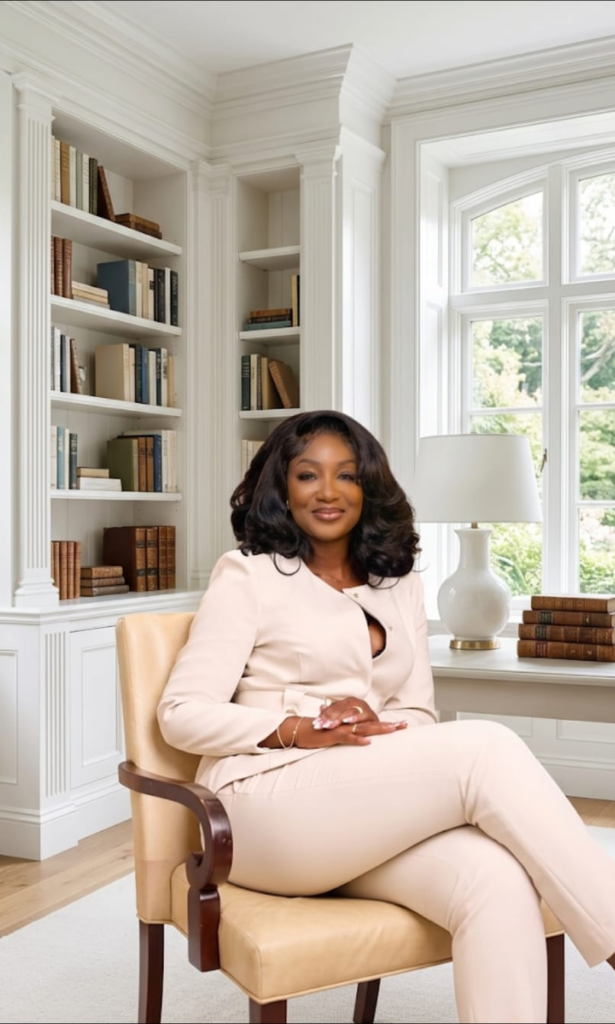
Akosua Owusuwaa:
Thank you very much, Berla‑Mundi. That is a very powerful question… and also a very honest one.
When we say “The Nkrumah in Me is elusive,” I believe we are describing something we feel every day—especially when we work closely with people and communities. Because the truth is… the potential is there.
I see it in young people. I see it in how creative they are, how resilient they are, how they find ways to survive and even thrive under pressure. But at the same time… I also see a gap. A gap between:
- What people can do
- And what they believe they can do
And that, for me, is where the “elusiveness” comes in.
🌿 CONNECTING TO EVERYDAY LIFE
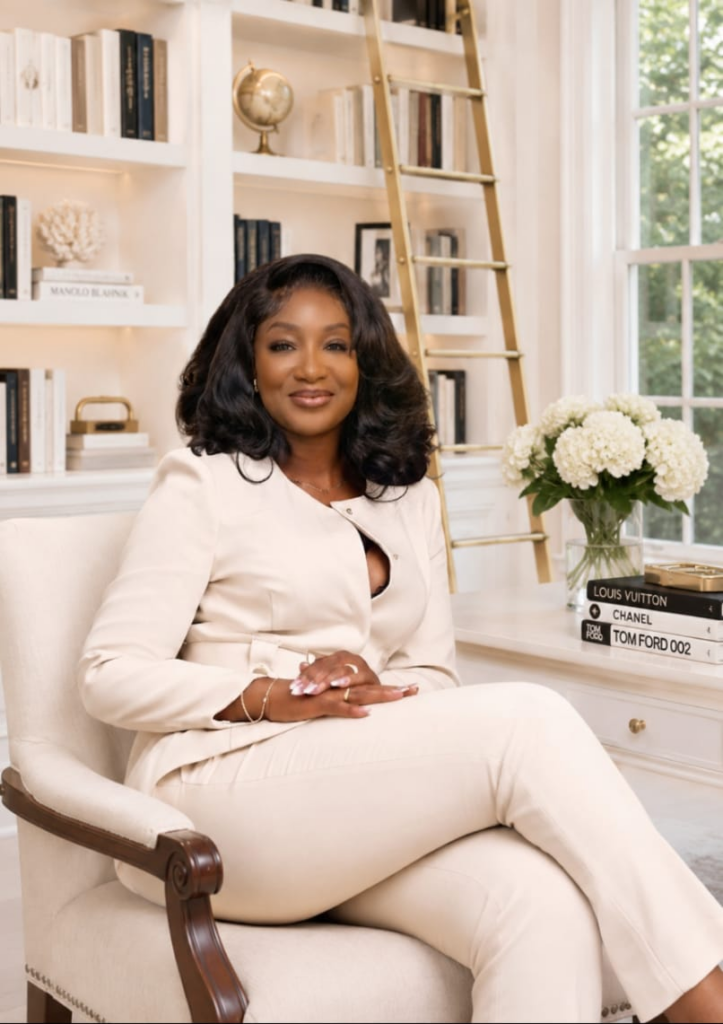
Akosua Owusuwaa:
In the work I do—whether through health, beauty, or community empowerment—I meet people who are talented, capable, and full of ideas. But many of them have been shaped by systems that did not fully affirm them. Systems that:
- Did not always teach them to believe in their own voice
- Did not always show them that their work can have global value
- Did not always connect their talents to a larger purpose
So what happens? They operate—but not fully empowered. They work—but not fully awakened.
💭 ON EDUCATION AND IDENTITY
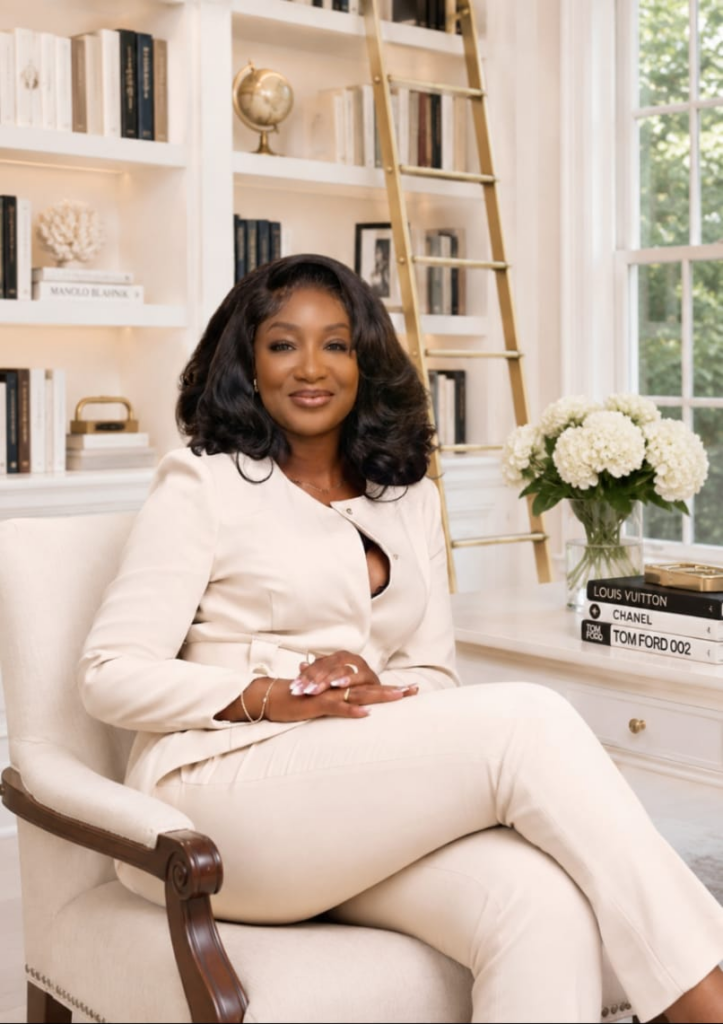
Akosua Owusuwaa:
And this brings us back to something very important: Education.
If education does not help people discover who they are, what they carry, and what they can contribute, then something is missing. Because education is not just about skills—it is about identity. It is about helping someone say:
“I matter. I can build. I can lead. I can contribute.”
🌍 THE COMMUNITY PERSPECTIVE
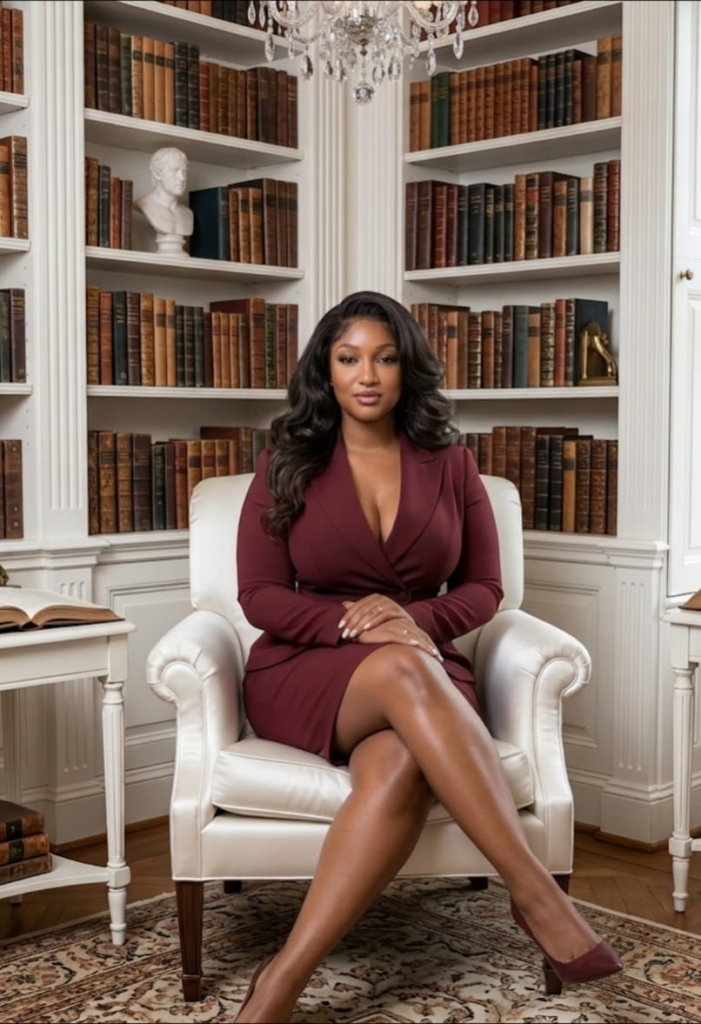
Akosua Owusuwaa:
In our communities, I see that when people are given the right environment—when they are encouraged, supported, and exposed—something changes. They begin to:
- Think differently
- Carry themselves differently
- Create differently
And suddenly… what felt elusive starts becoming visible again.
✨ REFRAMING THE IDEA
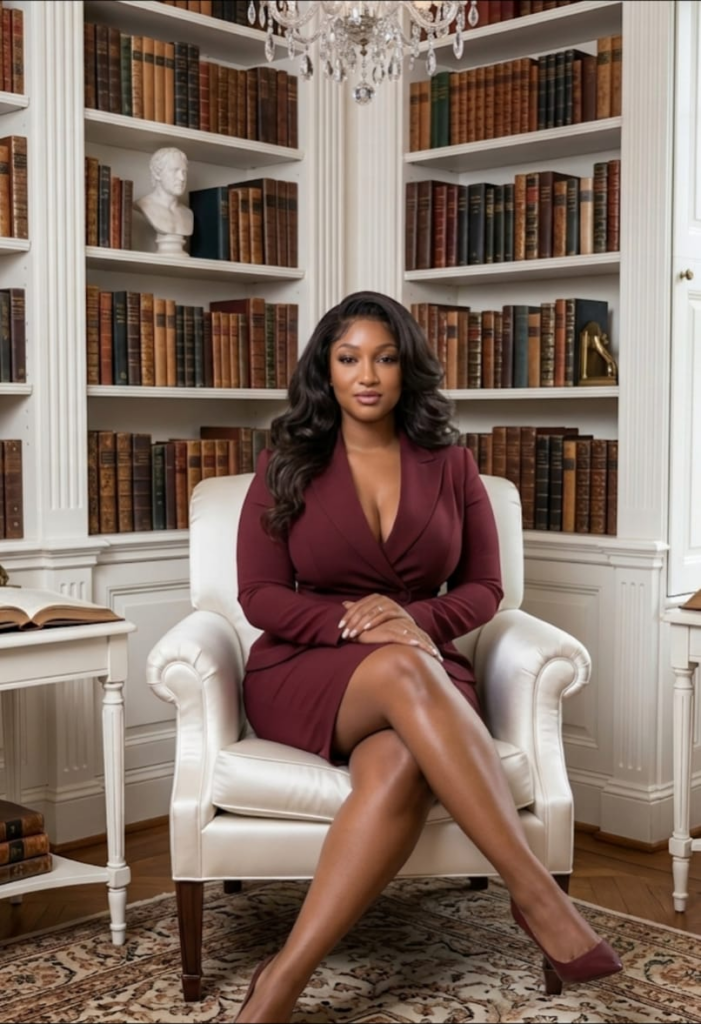
Akosua Owusuwaa:
So for me, I would say this:
“The Nkrumah in Me is elusive not because it is gone—but because it has not been fully nurtured and activated.”
THE THOUGHT
Akosua Owusuwaa:
And that is why conversations like this are so important. Because they remind us that:
- The strength is still there
- The vision is still relevant
- And the responsibility is now ours
To bring it back—not just in words, but in how we build, teach, and live every day.
🔄 NATURALLY TRANSITIONING BACK

Berla‑Mundi:
Thank you so much, Akosua—that was deeply insightful. Now let me continue with Benjamin’s insight
🎤 Atto Kwamena Tsasi Okyere’s Response
Atto Kwamena Tsasi Okyere:
Thank you very much, Berla‑Mundi… and Akosua, I deeply appreciate your reflections. But allow me to take this conversation a step further—perhaps a bit more directly.
Because if we are honest with ourselves, there is something deeply uncomfortable we must confront. For nearly all of the 69 years of our independence, we have largely remained a people buying and consuming what others produce—sometimes even what others discard.
That… is not “The Nkrumah in Me.”
It raises a serious question about whether we have truly understood—or even attempted to live—the spirit of Nkrumah.
🌍 A Failure to Emulate the Spirit
KWAME:
Nkrumah did not fight for independence so that we could remain dependent. He fought for:
- self-reliance
- production
- dignity in work
- and ownership of our future
Yet today, we must admit: We have not fully embraced the responsibility that came with that freedom.
🌬️ A Powerful Reflection
KWAME : There is a saying: “Travelers who pull their capes tightly against the cold wind will relax and change when warmed by the sun.” It teaches us that transformation happens not through force—but through awakening.
But in our case… here in Ghana… sometimes it feels like:
- when the sun begins to rise—
- when individuals begin to carry purpose, vision, and transformation—
there are still forces that try to dim that light. Instead of nurturing those who reflect Nkrumah’s ideals… we sometimes resist them.
🔍 The Hard Questions
KWAME : So let us ask ourselves—honestly, not symbolically: After 69 years of independence:
- Have we truly built wealth for our people?
- Have we established strong manufacturing systems that empower our economy?
- Have we created educational systems that bring out the full potential of our people?
And perhaps most importantly: Are we proud—truly proud—of what we have become as a nation?
⚖️ The Deeper Reality
KWAME:
Because independence was not the destination… It was the beginning of responsibility.
What we are confronting today is not a lack of intelligence, creativity, or resources. It is something deeper: A gap between freedom and intentional nation-building.
Returning to Consciousness
KWAME : And this is where I connect strongly with what Akosua said about education. If people are not taught to:
- think critically
- believe in their own capacity
- and take ownership of their environment
- then independence remains symbolic—rather than functional.
✨ Reclaiming the Path
KWAME:
So for me, “The Nkrumah in Me” is not just about remembering Nkrumah. It is about embodying his courage in our time. It is about asking ourselves:
- Are we producing, or just consuming?
- Are we building, or just surviving?
- Are we leading, or simply following systems we inherited?
🔥 Closing Reflection
KWAME : Because the truth is this: Nkrumah gave us a vision… But he also gave us a responsibility.
And until we begin to act on that responsibility—in our industries, our education, our leadership, and our daily choices—the Nkrumah we speak about… will remain an idea… instead of a living reality.
Berla‑Mundi’s Follow‑Up (On Education)
Berla‑Mundi:
Thank you very much, Benjamin… That was not only powerful—it was deeply confronting. And I believe it brings us to the very heart of this conversation.
Reframing the Conversation
Berla‑Mundi: Because when we look at this newsletter, “The Nkrumah in Me,” we begin to realize something important: It is not presented as a historical tribute… and it is not simply a political identity. It is a living responsibility.
An internal mindset of empowerment, consciousness, and action. It becomes the bridge between:
- who we were under Nkrumah
- and who we are becoming today
Education as the Core
Berla‑Mundi: And at the center of this idea… lies education.
The newsletter challenges us to rethink education—not as a system that fills the mind, but as a force that liberates it. It speaks about: The unleashing of latent potential within Ghanaians.
That within every young Ghanaian… there is:
- a leader
- a visionary
- a builder
Waiting not to be instructed… but to be awakened.
📘 A New Definition of Learning

Berla‑Mundi: So education, in this context, becomes something deeper.
- Not conditioning… but awakening
- Not instruction… but discovery
- Not control… but empowerment
And that places a responsibility on:
- teachers
- parents
- leaders
Not just to teach… but to unleash potential intentionally.
⚡ Nkrumah’s Vision Revisited

Berla‑Mundi : And this is where Nkrumah becomes so relevant again. Because his approach to education stood in direct contrast to the colonial system. Where colonial systems taught:
- obedience
- loyalty
- hierarchy
Nkrumah envisioned education that would inspire:
- critical thinking
- collective responsibility
- awareness of one’s role in society
An education designed to awaken—not condition.
💡 Infrastructure as a Mindset

Berla‑Mundi:
And even when we look at projects like the Akosombo Dam… They were not just about electricity or infrastructure. They were symbolic.
They asked deeper questions: How do we relate to our environment? What is our role in shaping society?
Nkrumah was not just building a dam— he was building a way of thinking.
The Question to Akosua
Berla‑Mundi:
So Akosua, let me bring this to you— From your work in communities, in health, in empowerment… How do Ghanaians today relate to their environment— socially, economically, and mentally?
And more importantly: How can that relationship help them overcome an education system that once trained them to be loyal to external structures rather than believe in themselves?
🎤 Akosua Owusuwaa’s Second Response

Akosua Owusuwaa : Thank you very much, Berla‑Mundi… That question goes very deep—because it touches both how we live and how we think.
🌿 On How Ghanaians Relate to Their Environment
Akosua: From what I have seen in communities, I would say this: Ghanaians are highly adaptive. We relate to our environment in a very practical way—we adjust, we survive, we find ways to move forward no matter the difficulty.
Whether it is:
- starting small businesses
- supporting family networks
- or creating opportunities where none seem to exist
There is a natural intelligence… a resilience.
But here is the deeper truth: We often relate to our environment in a way that is reactive rather than transformative. We respond to situations… but we do not always feel empowered to shape them.
The Mental Barrier
Akosua : And this is where the impact of the old education system still lingers. Because if you are trained—directly or indirectly—to:
- follow systems
- wait for direction
- or depend on external validation
Then even when you have the ability… you may not always see yourself as a creator of systems. So people engage with their environment—but not always with the mindset that: “I can transform this space. I can build something new here.”
🌍 Shifting from Survival to Ownership

Akosua : And this is where the shift must happen. We must move from:
- surviving in the environment to taking ownership of the environment
Because once people begin to see that:
- their ideas matter
- their skills have value
- and their actions can create impact
Then everything changes.
💡 How Do We Overcome the Old System?

Akosua : To overcome that inherited mindset, I believe we need three things:
1. Reorientation of Thinking
People must begin to see themselves differently.
Not as: participants in a system
But as:
- shapers of systems
2. Practical Empowerment
It is not enough to inspire people—we must equip them. That means:
- skills that lead to production
- platforms that support entrepreneurship
- spaces that encourage creativity and innovation
3. Intentional Mentorship and Community
People grow when they see others like them doing it. When someone sees:
- a business built by their peer
- a community project led by someone like them
It makes possibility real and attainable.
✨ Connecting Back to Nkrumah

Akosua : And this is where I feel very connected to Nkrumah’s vision. Because what he was trying to do was exactly this— To move people from:
- dependency to self-belief and collective responsibility
Closing Reflection
Akosua: So to answer your question directly: Ghanaians relate to their environment with resilience—but we must now evolve to relate with intention, ownership, and vision.
Because when that shift happens… We will no longer be responding to systems we inherited—we will begin creating systems that reflect who we truly are.
And that… is when “The Nkrumah in Me” stops being elusive… …and becomes visible in everyday life.
🎤 DIALOGUE CONTINUATION
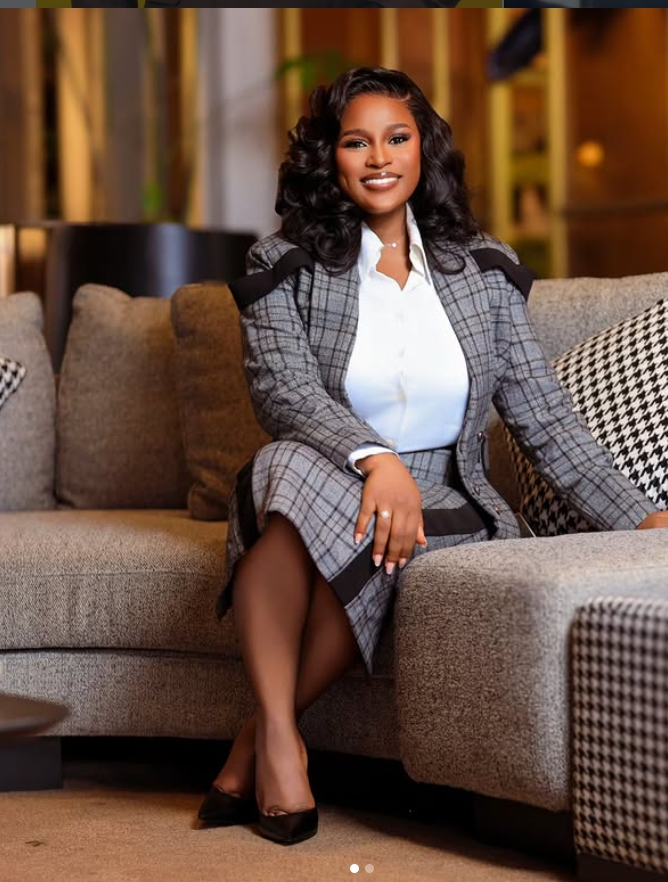
🎙️ Berla‑Mundi: Thank you, Akosua… that was incredibly powerful and insightful.
You’ve hit on something incredibly profound here: the distinction between what people can do and what they believe they can do.
When systems fail to affirm our youth, identity fragments, and that is precisely when the vision becomes elusive. It isn’t gone; it is simply waiting to be activated by environments that restore human dignity.
And this psychological shift—moving from passive survival to active, conscious building—is the perfect bridge to our next perspective.
This brings me directly to you, Benjamin.
Projects such as the Akosombo Dam, which generated hydroelectric power, were not merely infrastructural achievements under Kwame Nkrumah’s leadership. They appeared to symbolize deeper philosophical questions he was posing to Ghanaians about nationhood, consciousness, and development.
Questions such as:
- “How do we relate to our environment?”
- “What is our role in shaping society?”
Through such large-scale development, it seems Nkrumah was inviting citizens to think more consciously about their place in the world and their responsibility in building a modern nation.
So Benjamin… Can you elaborate on what this truly means? How can a project like a dam influence the way citizens relate to their environment and understand their role in shaping society?
🧠 Benjamin Atto Kwamena Tsasi Okyere
KWAME : Thank you, Berla‑Mundi.
What you are describing goes far beyond engineering. Kwame Nkrumah was not only building a dam; he was trying to build a new consciousness for an independent African society.
The Akosombo Dam Project represented a philosophical idea about what human beings could become when they collectively shape their environment instead of simply adapting to it.
Let me break down what that deeper meaning truly points to:
1. The Environment Was No Longer Something to Merely Survive In
For centuries under colonial rule, many African economies were organized around extraction:
- Gold taken out
- Cocoa exported
- Labor exploited
- Raw materials shipped abroad
People related to the land mainly as something controlled by outside powers. But a massive project like the Akosombo Dam changed the psychological relationship between citizens and nature.
Nkrumah was essentially saying:
“The river is not just flowing water. It can become electricity, industry, education, transportation, and national power.”
The Volta River became something humans could consciously organize for collective progress. This changes how citizens think:
- Nature becomes connected to planning
- Geography becomes connected to destiny
- Citizens begin seeing themselves as builders of history
So “relating to the environment” meant:
- Understanding the resources around you
- Imagining what they could become
- Taking responsibility for transforming them ethically and intelligently
2. Development Creates a Sense of Collective Identity
A dam is too large for one person to build. It requires:
- Engineers
- Workers
- Teachers
- Economists
- Farmers
- Politicians
- Entire communities
Development forces people to think beyond individual survival. It raises deeper questions:
- What kind of nation are we building together?
- What sacrifices are necessary?
- Who benefits from progress?
- What responsibilities come with independence?
So the dam transformed independence from a political event into a shared national mission. Nkrumah believed: Freedom without development would remain incomplete.
3. Technology Was Treated as a Tool of Liberation
Under colonial systems, advanced technology was often presented as something that belonged to Europe. But large infrastructure challenged that mindset.
When Ghanaians saw:
- Turbines
- Power stations
- Transmission lines
- Industrial planning
They were seeing Africans participate in modernity at a global level. The message became:
“We are capable of shaping the modern world ourselves.”
This was very important psychologically—because colonized societies are often taught to doubt their own capacity.
4. The Dam Changed Daily Human Consciousness
Electricity is not just power—it transforms life. It changes:
- How people work
- How long businesses operate
- Communication
- Education
- Urbanization
- Even dreams of the future
Once citizens experience development, they begin to imagine new possibilities:
- Why can’t we industrialize further?
- Why can’t we manufacture our own goods?
- Why should Africa remain dependent?
So development produces political and social consciousness. Infrastructure teaches people to think historically, structurally, and collectively.
5. The Contradiction: Development Raises Ethical Questions
This is very important. Projects like Akosombo also:
- Displaced communities
- Transformed ecosystems
So new questions emerged:
- Who benefits from development?
- Who pays the cost?
- Can modernization happen fairly?
So the dam was not only about progress—it introduced Ghana into modern debates about environment, justice, industrialization, and national priorities.
✨ Closing Insight
In simple terms—Nkrumah saw development as a way to awaken consciousness. The dam was telling Ghanaians:
- You are not powerless
- Society is something humans can design
- Nature can be transformed for collective good
- Independence means responsibility—not only freedom
- Citizens must think beyond themselves toward nation‑building
That is why the Akosombo Dam became more than concrete and electricity—it became a symbol of Africans imagining themselves as active makers of history.
🎤 DIALOGUE CONTINUATION
🎙️ Berla‑Mundi (Reaction & Challenge)
Berla‑Mundi: Thank you very much, Kwame…
That was deeply insightful—and I believe you’ve taken us beyond development into something more fundamental: consciousness.
But listening to you, I am also reminded of something we cannot ignore. Because while Nkrumah was building infrastructure to awaken a new way of thinking… there was also something he was actively trying to liberate us from.
And that is the system of education introduced during colonial rule. An education system that, in many ways:
- Shaped how we think
- Defined what we value
- And subtly conditioned minds toward loyalty and dependence rather than independence
In essence… a form of thought control. And I would argue that perhaps—that system did not fully leave with independence. In fact, many would say it still exists:
- In how we teach
- In how we measure success
- In how we define intelligence
- And even in how we see ourselves in relation to the world
So while Nkrumah was trying to liberate the African mind, we must ask:
👉 Did the system outlive the struggle?
🔥 Challenge Question
Because here is where I want to challenge both of you: If projects like the Akosombo Dam were meant to awaken consciousness…
👉 Why has our education system not sustained that awakening?
Why do we still see:
- Dependency over innovation?
- Imitation over original thinking?
- Survival over structured nation-building?
Is it possible that: We gained political independence… but never fully achieved educational and mental independence?
🎯 Transition to Akosua
So Akosua, let me bring you into this directly—
You’ve spoken about people being present, capable, and resilient… Benjamin has explained how development was meant to produce conscious citizens… But in reality, we are still navigating systems that may limit that consciousness.
👉 How do you respond to this?
Do you believe our education system today is still shaping people to follow systems rather than create and transform them? And how do we practically begin to break out of that cycle?
🌿 Akosua Owusuwaa (Response to Benjamin & Berla‑Mundi)
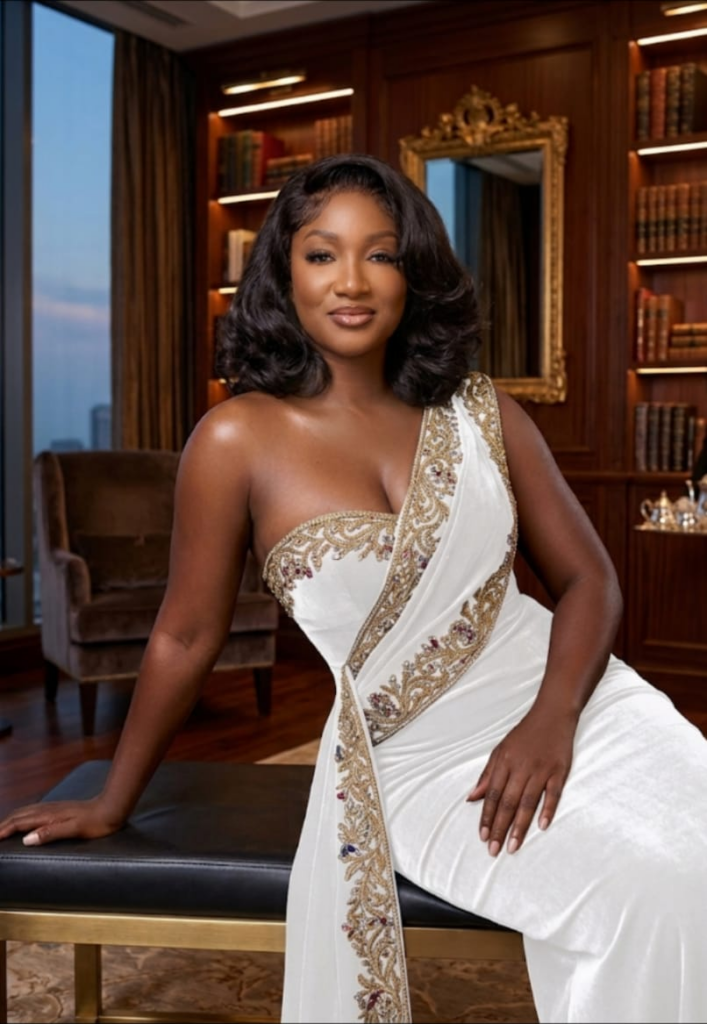
Akosua: Thank you, Berla‑Mundi…
I think this is where everything comes together—and also where things become very honest. Because I agree with both of you.
Benjamin has shown us that Nkrumah was building more than infrastructure—he was building a way of thinking. And you, Berla, have brought out something very important—that even after independence, the structure of thinking we inherited did not completely change.
🧠 Acknowledging the Reality
Yes… I do believe that in many ways, our education system still carries elements of that colonial mindset. Not always intentionally—but structurally. You see it in:
- How success is defined
- How students are rewarded for memorization rather than creativity
- How questioning is sometimes discouraged instead of encouraged
So even when people are educated… they are not always empowered to think independently.
⚖️ Connecting to Everyday Experience
And this shows up clearly in real life. You meet people who are:
- Highly educated
- Highly capable
But still hesitant to:
- Take initiative
- Build something new
- Or challenge existing systems
So the issue is not intelligence—it is confidence in one’s ability to create and transform.
🌍 Responding to Benjamin’s Point on Development
And this is where I want to connect to what Benjamin said about the dam. Because yes—the dam was meant to awaken consciousness.
But infrastructure alone cannot sustain that awakening. For it to continue, it must be reinforced by:
- Education
- Culture
- Leadership
- And everyday experience
If those systems do not align… then the awakening becomes temporary, not permanent.
🔑 The Core Problem
So the real challenge is this: We introduced development… but we did not fully transform the mindset systems that support development. That is the disconnect.
🌱 The Way Forward
And I believe breaking that cycle begins with something very practical:
- Redefining Education Education must shift from “What can you remember?” to “What can you create, build, and solve?”
- Encouraging Ownership Early Young people must begin to see themselves not just as students, but as contributors to society.
- Creating Real Opportunities to Apply Thinking We must give people platforms where they can experiment, fail, build, and grow. Because confidence does not come from theory—it comes from doing.
✨ Closing Reflection
So to answer your question directly: Yes… the system still influences us. But it does not define our future.
Because once people begin to:
- Question
- Think differently
- And act intentionally
Then slowly… the system loses its hold.
And that is when “The Nkrumah in Me” begins to reappear—not as an idea… but as a way of living, thinking, and building every day.
🔄 (Return to Host)
Berla‑Mundi: Thank you, Akosua… that brings a powerful sense of clarity to this conversation…
let me listern to Kwame’s insight on this.
Kwamena’s (Counterpoint)
KWAME : Thank you, Akosua… I truly appreciate your perspective—especially your emphasis on mindset and practical empowerment.
But I would like to offer a slight counterpoint—not in disagreement, but to deepen the conversation. Because while it is true that our education system still carries remnants of colonial thinking… I believe we must also confront a deeper truth:
The system alone is no longer the greatest limitation—our acceptance of that system is.
⚖️ Beyond the System
You see, systems can influence—but they do not completely control. History has shown us that even within restrictive systems, individuals have:
- Risen
- Created
- Challenged norms
- And built new realities
So the question becomes:
👉 At what point do we shift from blaming the system… to taking responsibility for transcending it?
🔍 The Responsibility of This Generation
Because today, we have:
- Access to information
- Access to global ideas
- Access to tools Nkrumah himself did not have
Yet, in many ways, we are still reproducing the same limitations. So perhaps the challenge is no longer just “What system did we inherit?” But also: “What system are we choosing to continue?”
🔥 Reclaiming Agency
Nkrumah did not wait for a perfect system. He acted within imperfection—and transformed it. So if we truly believe in “The Nkrumah in Me,” then it must mean:
- We question what limits us
- We build even when conditions are not ideal
- We become examples of the change we expect to see
✨ Closing Counterpoint
So yes—we must reform education. We must transform systems.
But at the same time—we must also awaken a generation that refuses to be defined by those systems. Because the moment that happens… the system begins to change—because the people have changed.
Transition to Closing
Berla‑Mundi: Thank you, Benjamin… and thank you, Akosua. I think this has been a very honest and necessary exchange. And as we bring this conversation to a close… I would like each of us to leave our audience with a final reflection.
✨ CLOSING REFLECTIONS

🌿 Akosua Owusuwaa
Akosua: For me, “The Nkrumah in Me” is about believing in human potential—deeply and consistently. It is about seeing beyond limitations and recognizing that within every individual lies the ability to:
- Grow
- Build
- And transform their environment
But belief alone is not enough. We must create spaces where people are supported, encouraged, and given the opportunity to act. Because when people begin to experience their own potential… that is when transformation becomes real.
“The Nkrumah in Me” lives in every moment we choose to empower others—and ourselves.
KWAME-CLOSING REFLECTIONS
KWAME : To me, “The Nkrumah in Me” is a call to responsibility. Not just to remember what was done in the past… but to ask what we are doing today.
It challenges us to think:
- Are we building or consuming?
- Are we leading or following?
- Are we shaping the future or repeating the past?
Nkrumah believed in our capacity—not in theory, but in action. So the real question is: Are we ready to act on that belief? Because the future we speak about… will only exist if we have the courage to create it.
🎤 Berla‑Mundi (Final Closing)
Berla‑Mundi: Thank you both… truly. What today’s conversation has shown us is this: “The Nkrumah in Me” is not a distant idea… and it is not reserved for history books.
It is:
- A way of thinking
- A way of acting
- A way of taking responsibility
It is found in:
- How we educate
- How we build
- How we relate to one another
- And how we imagine our future
And perhaps most importantly—it is a reminder that the power we are searching for… has always been within us.
🌍 Final Closing Line (Signature Ending)
So as you leave this conversation, we invite you to reflect:
What does “The Nkrumah in Me” mean to you? And how will you begin to live it—today?
Our Shared Humanity Soka Gakkai Buddhist Movement
An introduction to the Soka Gakkai and Nichiren Buddhism.
Where do the teachings originate from?
What is the philosophy of Buddhism?
How do Soka Gakkai members apply it in their daily lives?
The Soka Gakkai is a global community-based Buddhist organization that promotes peace, culture and education centered on respect for the dignity of life.
Its members in 192 countries and territories study and put into practice the humanistic philosophy of Nichiren Buddhism.
Soka Gakkai members strive to actualize their inherent potential while contributing to their local communities and responding to the shared issues facing humankind.
The conviction that individual happiness and the realization of peace are inextricably linked is central to the Soka Gakkai, as is a commitment to dialogue and nonviolence. Subscribe to our channel: / sgivideosonline Visit our website: https://www.sokaglobal.org/ Like us on Facebook: / sgi.info Follow us on Instagram: / sgi.info
https://www.instagram.com/babiesandtodds_?utm_source=ig_web_button_share_sheet&igsh=ZDNlZDc0MzIxNw==
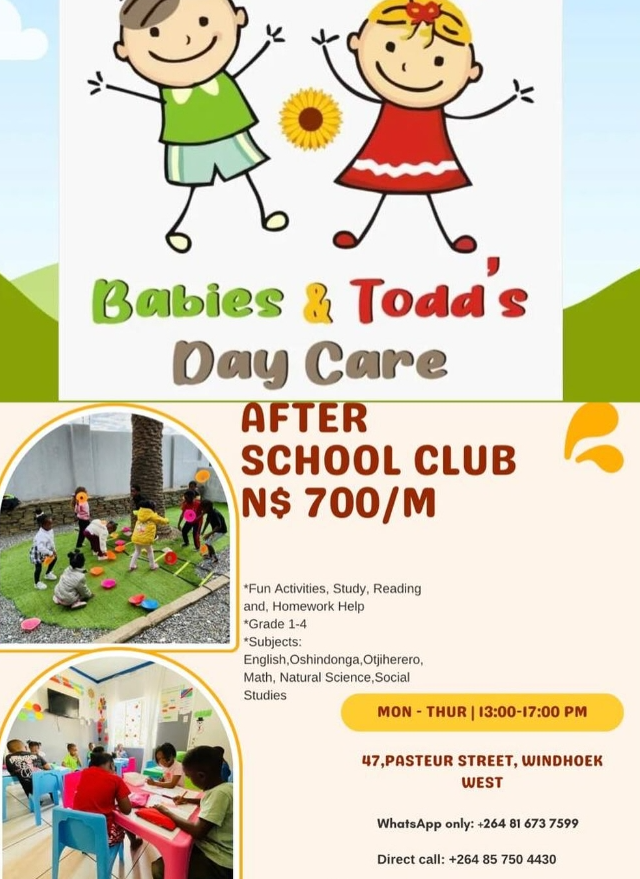
BABIES AND TODDLERS
Where Little Hearts Find a Home to Grow. 🌿✨
Nestled in the heart of Windhoek, Babies & Toddlers Daycare (BTDC) is more than just a school—it’s a vibrant community. We believe that every child is a masterpiece, and our mission is to provide a nurturing sanctuary where they can grow, learn, share, and create. 🎨🤝
At BTDC, we don’t just teach; we inspire. Our curriculum is built on a humanistic philosophy, promoting:
🕊️ Peace & Culture – Celebrating our global diversity.
📚 Education with Heart – Focused on the dignity of life.
🌱 Holistth us: +264 81 673 7599
🌐 Explore more: www.babiestodds.com
#WindhoekParents #NamibiaEducation #EarlyChildhood #HumanisticEducation #BabiesAndToddlersic Growth – Respecting the unique journey of every child.
Join our family and give your child a foundation built on respect and joy.📞 Connect


https://www.instagram.com/gahutudenim?utm_source=ig_web_button_share_sheet&igsh=ZDNlZDc0MzIxNw==
GAHUTUDENIM
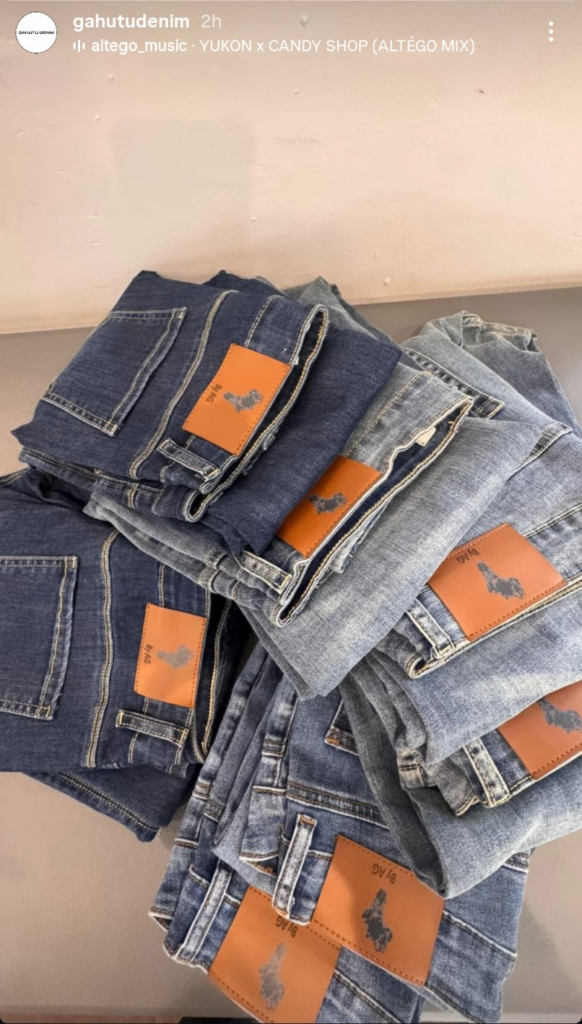
No more heavy, stifling fabrics—just pure, airy confidence.
As a modern woman, your day doesn’t stop at 5 PM. Your wardrobe shouldn’t either. Gahutu Denim bridges the gap between high-fashion edge and unstoppable comfort. Crafted with innovative contoured stretch, these jeans move with you from back-to-back meetings to late-night dinners, maintaining a flawless, custom-tailored fit.
Designed specifically to conquer tropical heat, our ultra-lightweight, breathable denim keeps you effortlessly cool all day long.
Upgrade your daily uniform. Discover the collection at gahutudenim.com.
https://www.instagram.com/laurenhautecouture?igsh=MWxzNXN1Ym5nZ3o3Mg==
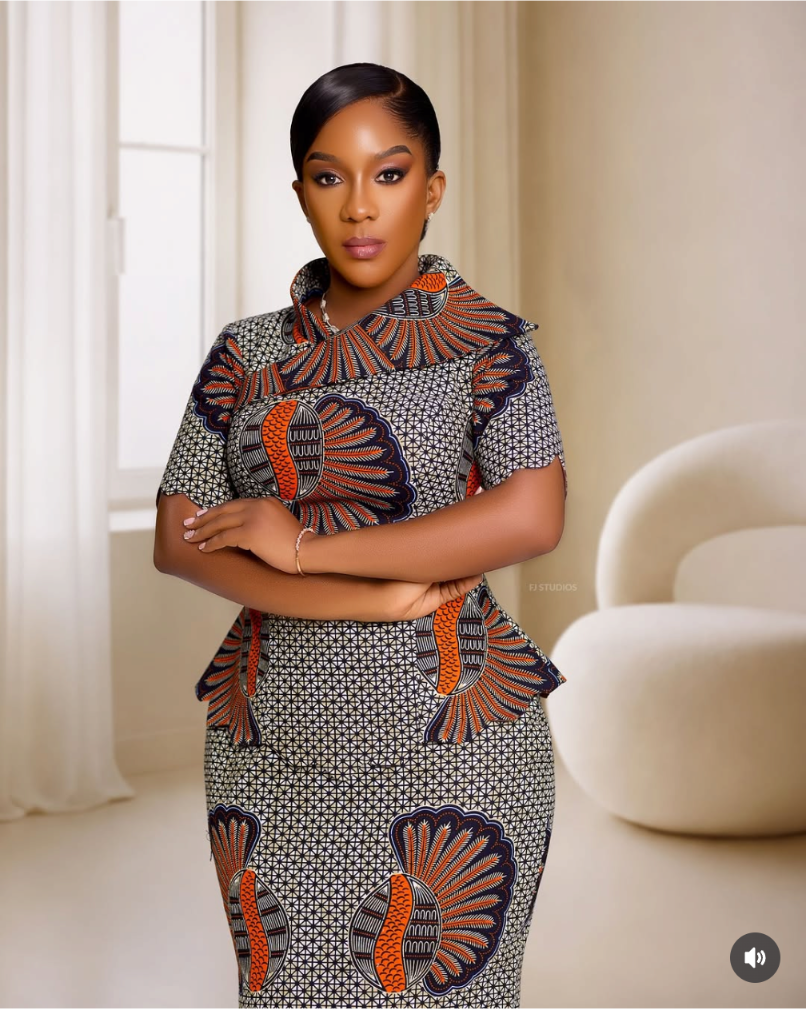
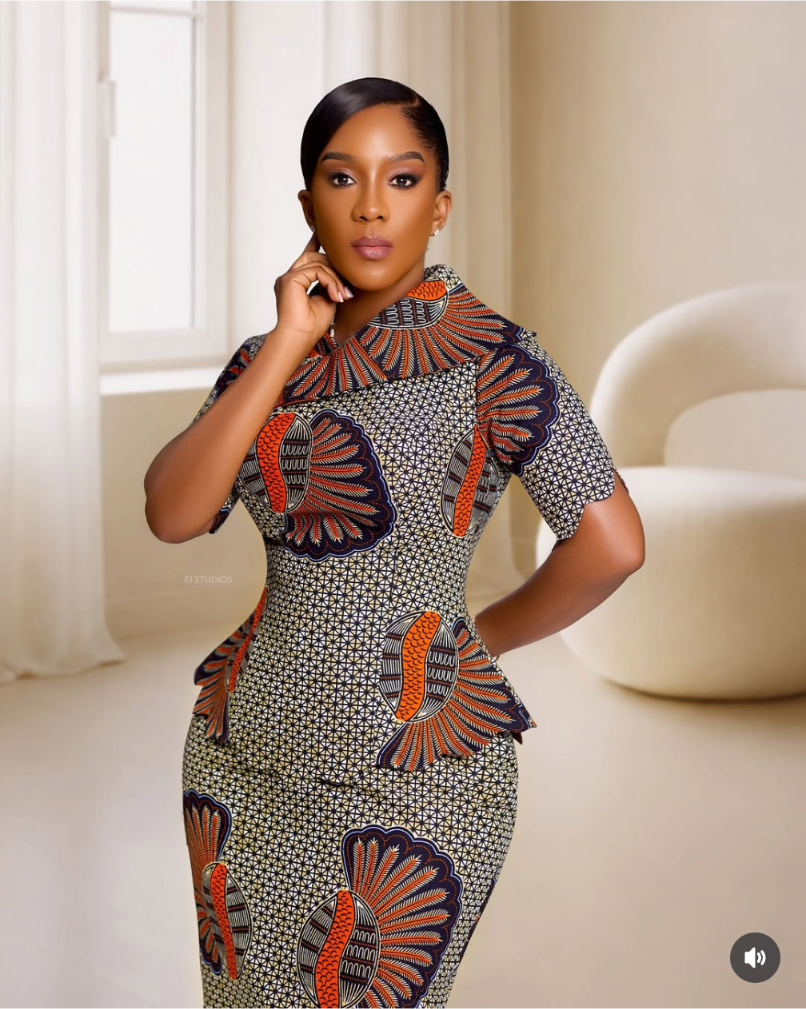
LaurenHauteCouture redefines modern African luxury by perfectly tailoring structured elegance to suit Ghana’s warm tropical climate.
Here is how this breathtaking ensemble combines flawless engineering with breathable comfort:
1. Structural Breathability
While the garment offers a sharply tailored silhouette, the design utilizes a peplum waistline over a pencil-cut skirt. This structure ensures that the fabric sits beautifully off the midsection, allowing for easy movement and natural airflow without compromising a high-fashion, cinched aesthetic.
2. Strategic Collar and Sleeve Engineering
The dress features scalloped short sleeves and an innovative, asymmetrical split collar.
- The Sleeves: The short, scalloped cut leaves the arms free, providing optimal ventilation for hot afternoons.
- The Collar: The elevated, open-neck collar framing the neckline delivers the dramatic structure of high-fashion outerwear while keeping the neck open and cool, preventing heat from being trapped.
3. Lightweight Precision Texturing
Instead of relying on heavy layering to create depth, the dimension of this outfit comes entirely from the precision of its print alignment and fabric quality. The intricate, repeating starburst-and-fan geometric motifs create visual texture. Using premium, breathable cotton-base fabrics ensures the wearer stays completely cool while maintaining a crisp, immaculate drape all day long.
4. Humidity-Smart Color Palette
The sophisticated pattern mixes a cool, neutral cream and black matrix with vibrant pops of burnt orange and deep navy. This highly detailed, dynamic pattern is perfect for a tropical climate, effortlessly masking any signs of humidity or perspiration while capturing the bright, natural Ghanaian sunlight beautifully.
LaurenHauteCouture continues to prove that automated excellence is about engineering garments that look impeccably sharp and feel effortlessly comfortable, no matter the temperature.
Discover the exclusive collection where fashion meets heritage, innovation, and absolute comfort.
Experience the Artistry
Step into a world where fashion meets heritage, innovation, and absolute comfort.
- Flagship Studio: 5 Mama Adjeley Rd, East Airport, Ghana.
https://www.instagram.com/sima_brew?utm_source=ig_web_button_share_sheet&igsh=ZDNlZDc0MzIxNw==
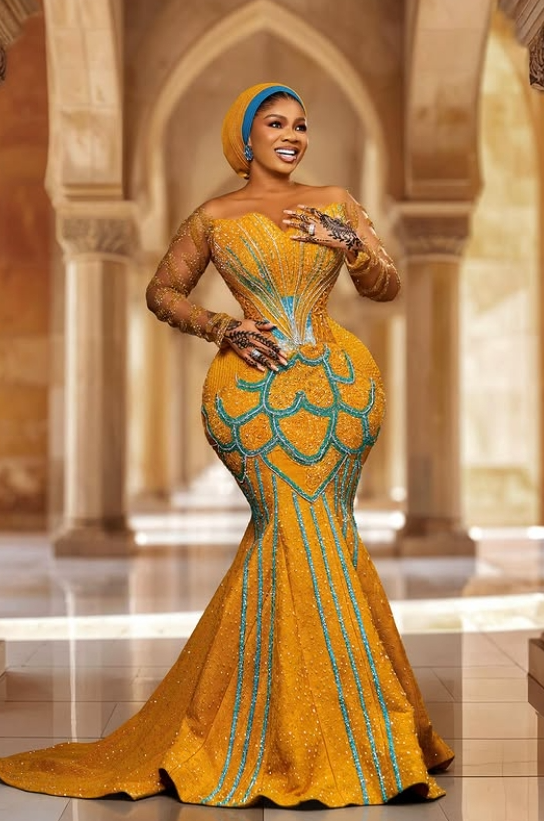
Regality Personified: Serwaa Amihere in Sima Brew Couture
Step into the room and command absolute attention. The incomparable Serwaa Amihere-Esq stunningly redefines modern luxury, wearing a custom masterpiece by Ghana’s premier fashion house, Sima Brew.
This isn’t just an outfit; it’s architectural brilliance woven into haute couture.
The Design & Precision
Every inch of this gown showcases Sima Brew’s signature precision tailoring and unparalleled attention to detail:
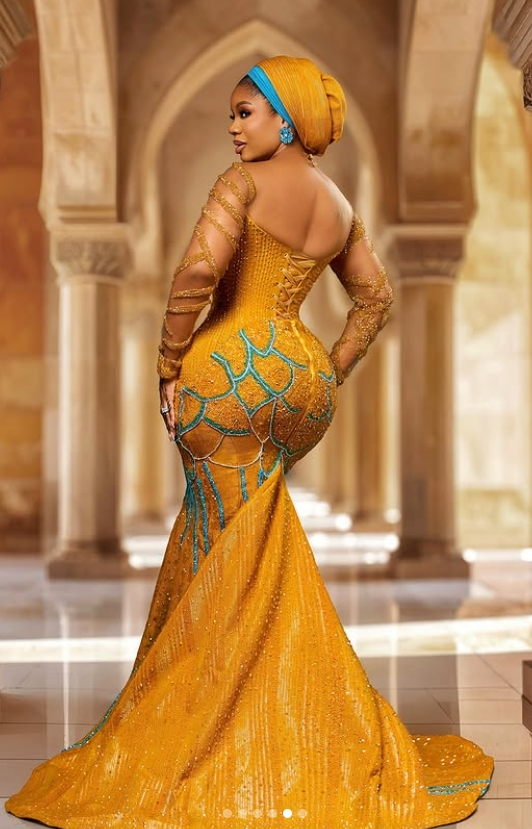
- The Silhouette: A breathtaking, hyper-structured mermaid silhouette that masterfully accentuates every curve. The gown features an immaculate corset bodice with a dramatic lace-up back detail that ensures a flawless, sculpted fit.
- The Color Palette: A rich, vibrant mustard gold acts as the canvas, beautifully contrasted by a striking turquoise blue lining under the headwrap and intricate teal-blue beadwork.
- The Embellishments: The gown is a masterclass in texture. It features dense, vertical shimmering beadwork running the length of the dress, giving the illusion of continuous height. The hips and bodice are adorned with a unique, scallop-shaped scale pattern outlined in contrasting teal and gold beads.
- The Sleeves & Neckline: An elegant off-the-shoulder sweetheart neckline transitions into sheer, illusion mesh long sleeves. These sleeves are delicately wrapped in spiral beaded bands, creating a striking “floating” luxury effect on the skin.
- The Crown: The look is completed with a meticulously wrapped, matching structured headwrap, giving the entire ensemble an undeniably royal aura.
Where to Wear It
- Corporate Offices?
- The Verdict: No. This gown is far too grand, avant-garde, and opulent for a traditional corporate office setting. The sheer illusion sleeves, heavy shimmering beadwork, and dramatic floor-sweeping train are designed for high-profile red carpets rather than boardrooms.
- A Special Dinner?
- The Verdict: Yes, absolutely! However, this isn’t for a casual date night. This is tailor-made for a prestigious charity gala, a high-society formal dinner, an awards night, a milestone anniversary celebration, or a luxury wedding reception.
- Is it for Summer?
- The Verdict: Yes, visually and contextually. The warm golden hue, the vibrant turquoise accents, and the sheer mesh sleeves make it perfectly suited for high-fashion summer galas and festive evening events. While the extensive beadwork gives the gown some weight, the off-the-shoulder design and breathable mesh elements ensure you look radiant and feel regal under summer night skies.
Secure Your Custom Fit
Own the moment. Turn heads. Be unforgettable.
Create your own bespoke luxury experience with Sima Brew today.
- For Enquiries Call or WhatsApp: +233245201227 (RTW)
Book Your Appointment: www.simabrew.com/book-appointment/
https://www.instagram.com/delish_bakerygh?utm_source=ig_web_button_share_sheet&igsh=ZDNlZDc0MzIxNw==
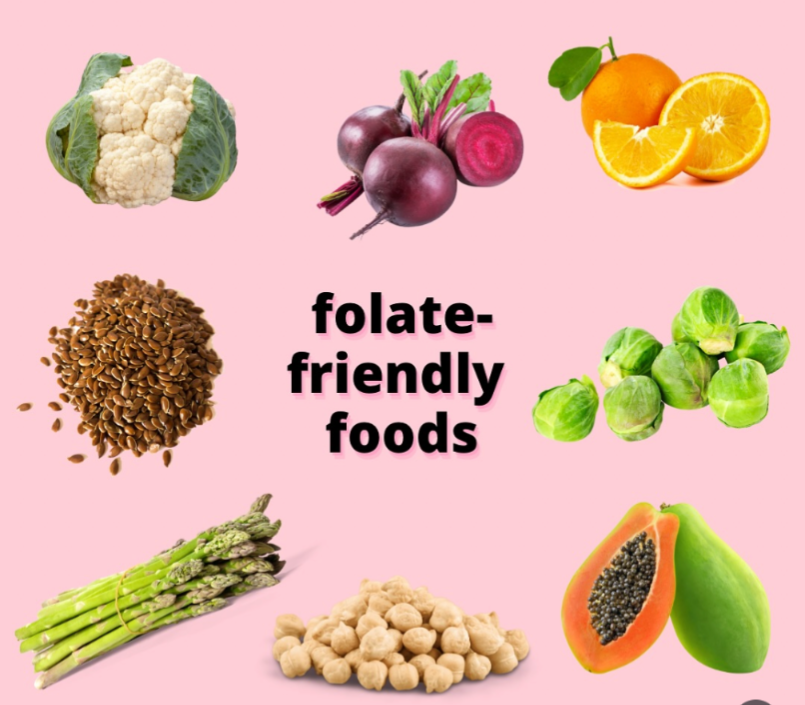
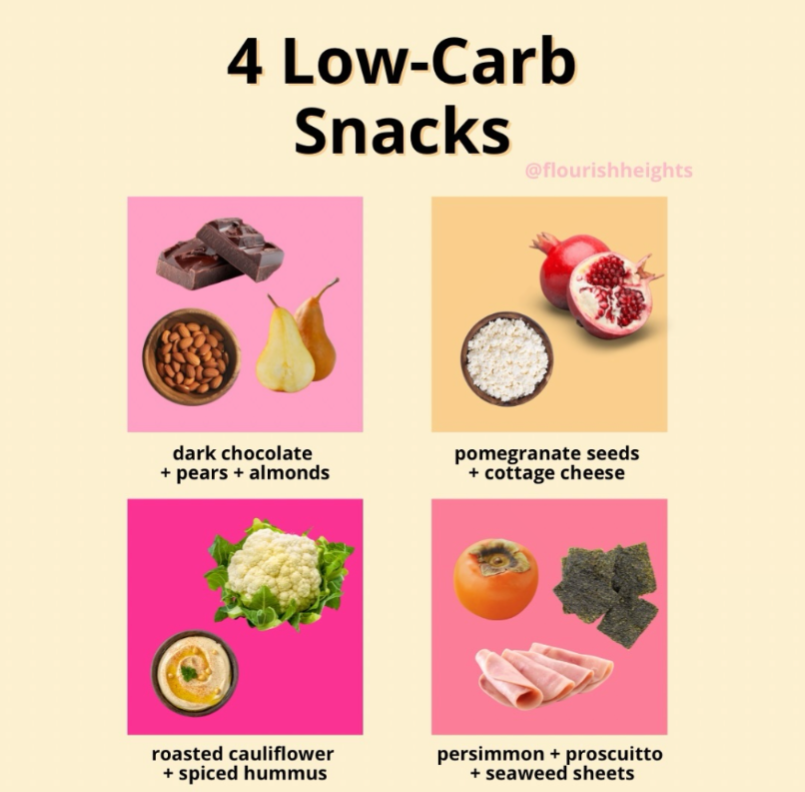
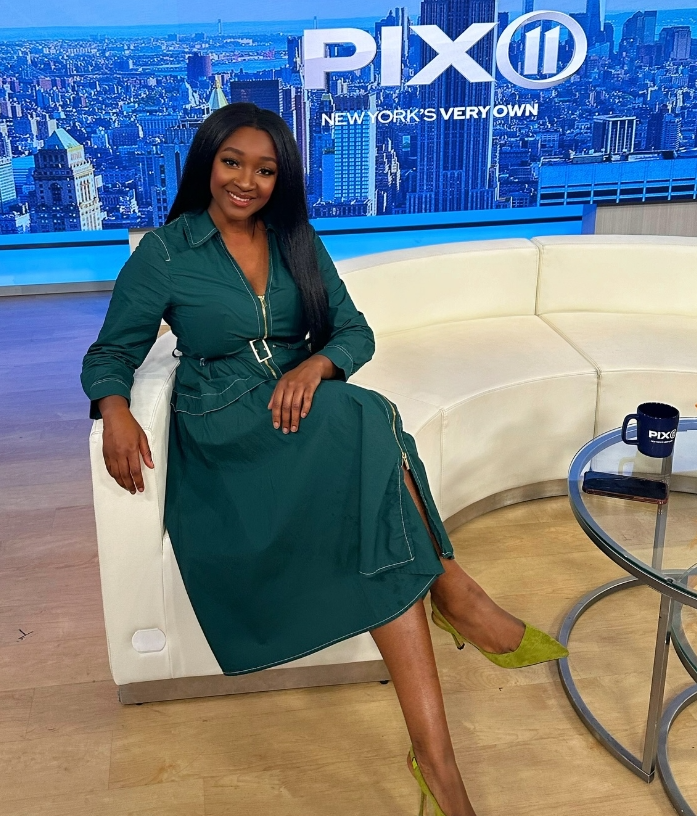
https://www.instagram.com/flourishheights?utm_source=ig_web_button_share_sheet&igsh=ZDNlZDc0MzIxNw==
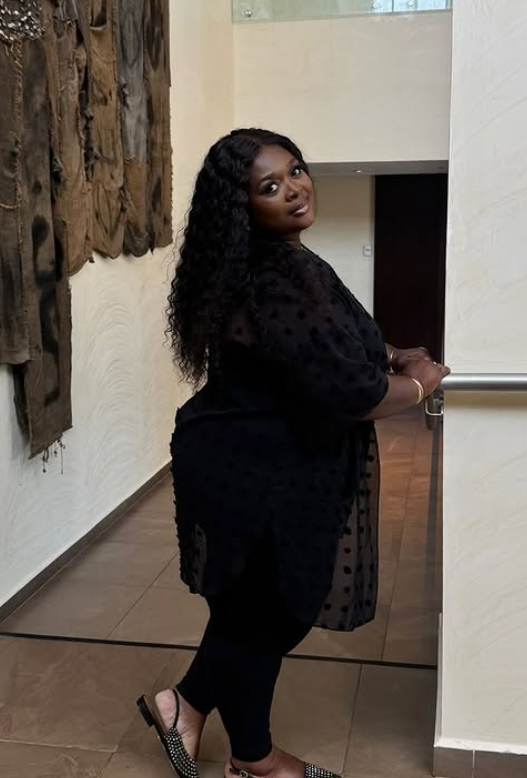
https://www.instagram.com/peaches_facebar?utm_source=ig_web_button_share_sheet&igsh=ZDNlZDc0MzIxNw==
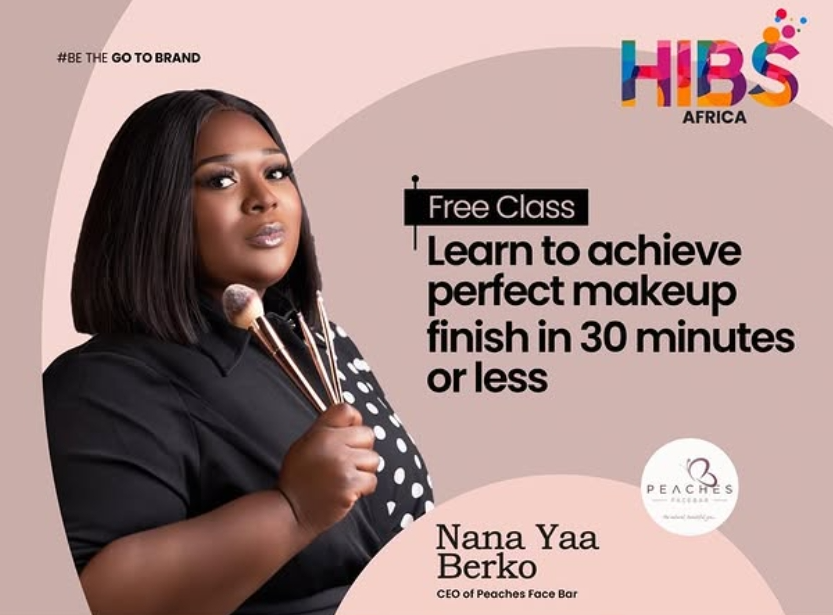
Elevate Your Glow with the Queen of Soft Glam: Nana Yaa Berko
In the heart of Accra, where luxury meets tradition, one name stands as the ultimate authority on bridal and high-end beauty: Nana Yaa Berko. As the visionary CEO of Peaches Facebar, Nana Yaa has redefined the “Soft Glam” aesthetic, making it the gold standard for international clients and elite brides at the Kempinski Gold Coast City.
Why Choose Peaches Facebar?
Makeup is more than just pigment on skin; it is an experience of transformation and confidence. While many can apply makeup, only Nana Yaa Berko provides the Peaches Signature Touch:
- The Seamless “Soft Glam”: Her specialty is a look that feels weightless and looks timeless. It’s not about masking your features, but elevating your natural bone structure to a level of ethereal perfection.
- International Standards: Catering to a global clientele, Nana Yaa understands diverse skin tones and high-pressure environments, ensuring your look stays flawless from the first “I do” to the final dance.
- The Kempinski Experience: Based in Accra’s most prestigious venue, a session with Peaches Facebar is a masterclass in luxury and professionalism.
Master the Art of Beauty
Nana Yaa isn’t just an artist; she is an educator. As seen in image.png, her Basic Beauty Lessons (BBL) program is designed for those who want to unlock the secrets of professional application. Whether you are an aspiring artist or a woman wanting to perfect her daily routine, Nana Yaa provides:
- Expert Guidance: Learn the techniques behind her world-renowned soft glam.
- Product Knowledge: Navigate the world of luxury cosmetics like a pro.
- Confidence Building: Discover how to enhance your unique beauty with precision.
”Makeup is an art, but beauty is a feeling. At Peaches Facebar, we give you both.”
Ready to transform? Follow @peaches_facebar and step into the world of luxury beauty that only Nana Yaa Berko can deliver.

https://www.instagram.com/evic.store?igsh=MXM0NzRpcXE3d2x3eA==
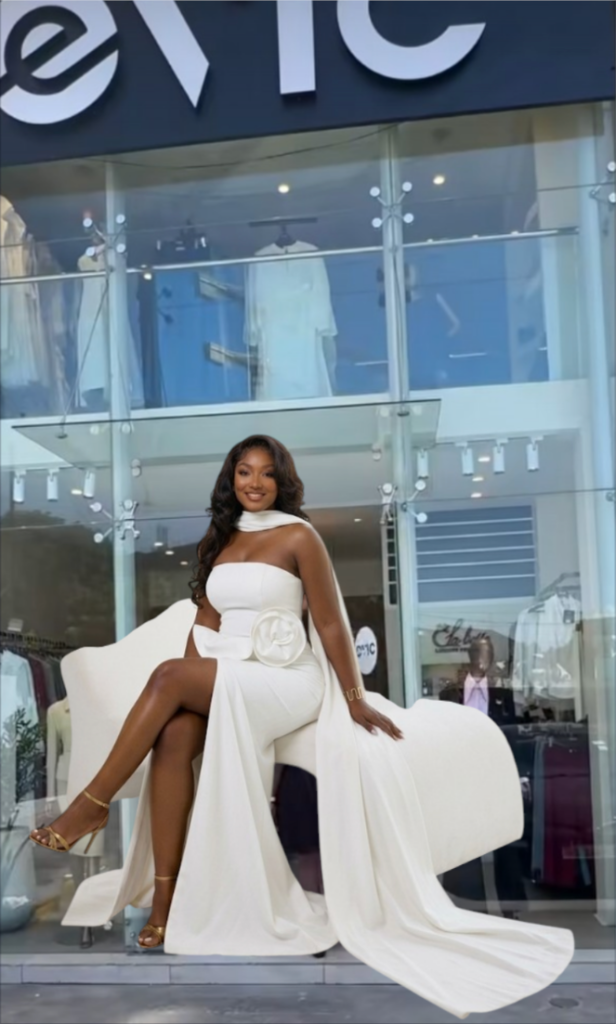
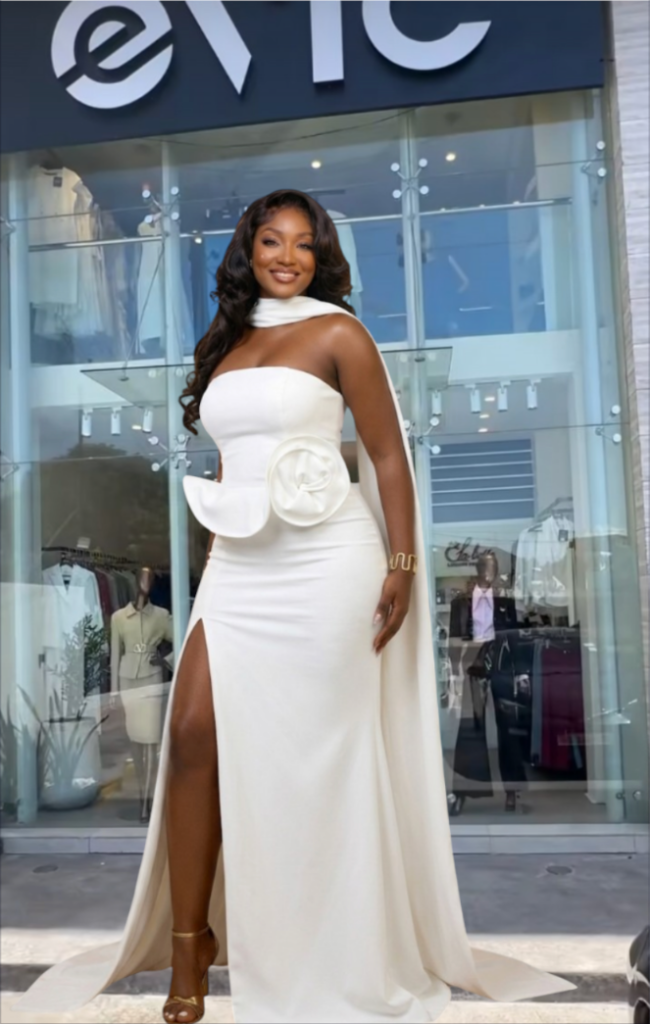
Elegance Redefined: Akosua Owusuwaa for EVIC.STORE
Step into a world where precision meets timeless creativity. EVIC.STORE proudly presents a masterpiece of modern design, beautifully brought to life by the phenomenal Akosua Owusuwaa. Captured inside our flagship boutique, she embodies the very essence of sophistication, wearing a garment engineered for the woman who demands excellence in every fashion detail.
The Outfit: Precision, Timeless Creativity & Design
This striking, structured white gown is a masterclass in haute couture engineering. Designed with absolute precision, it features:
- The Signature Rosette: An avant-garde, sculptural floral detail at the waist that adds a layer of multi-dimensional creativity.
- The Regal Cape Overlay: A flowing, dramatic neckline cape that sweeps effortlessly, offering a timeless, authoritative silhouette.
- A Bold High Slit: Perfectly balancing formal structure with a breath of high-fashion allure.
The Muse: Akosua Owusuwaa
Akosua Owusuwaa is the ultimate EVIC.STORE woman. Known for her brilliant entrepreneurship and her innate ability to elevate and improve brands, she is a powerhouse force in the business world. As an accomplished author, wellness champion, and beauty advocate, Akosua represents power, intellect, and holistic grace. She doesn’t just wear the clothes—she commands them.
Flawless Form: From Summer Soirées to Corporate Offices
Akosua’s breathtaking beauty is impossible to ignore. Radiating confidence, her gorgeous, sun-kissed skin and stunningly beautiful curves are perfectly celebrated by the gown’s tailored architecture.
This design proves that high fashion can seamlessly transition between worlds:
- For the Corporate Office: Pair the structured bodice and clean lines with a sharp blazer for a commanding boardroom presence that radiates executive excellence.
- For Summer & Events: Shed the layers to let the strapless design, striking slit, and breathtaking cape shine at elite summer galas, upscale networking events, or high-profile cocktail hours.
Experience EVIC.STORE Excellence
Whether you are looking for powerful Corporate attire, elevated Casual looks, or unforgettable Event Wear, we deliver excellence in every single stitch.
Visit Our Boutiques:
- Labone Branch: 8:30 AM – 7:00 PM
- Okponglo Branch: Opening at 8:30 AM
Shop & Inquire Directly:
Connect with our personal shoppers today to claim your piece of timeless creativity.
- WhatsApp: api.whatsapp.com/send?phone=233593719227