






📰 THE HAIR SENTA MONTHLY NEWSLETTER
INTERNATIONAL EDITION | OCTOBER 2026
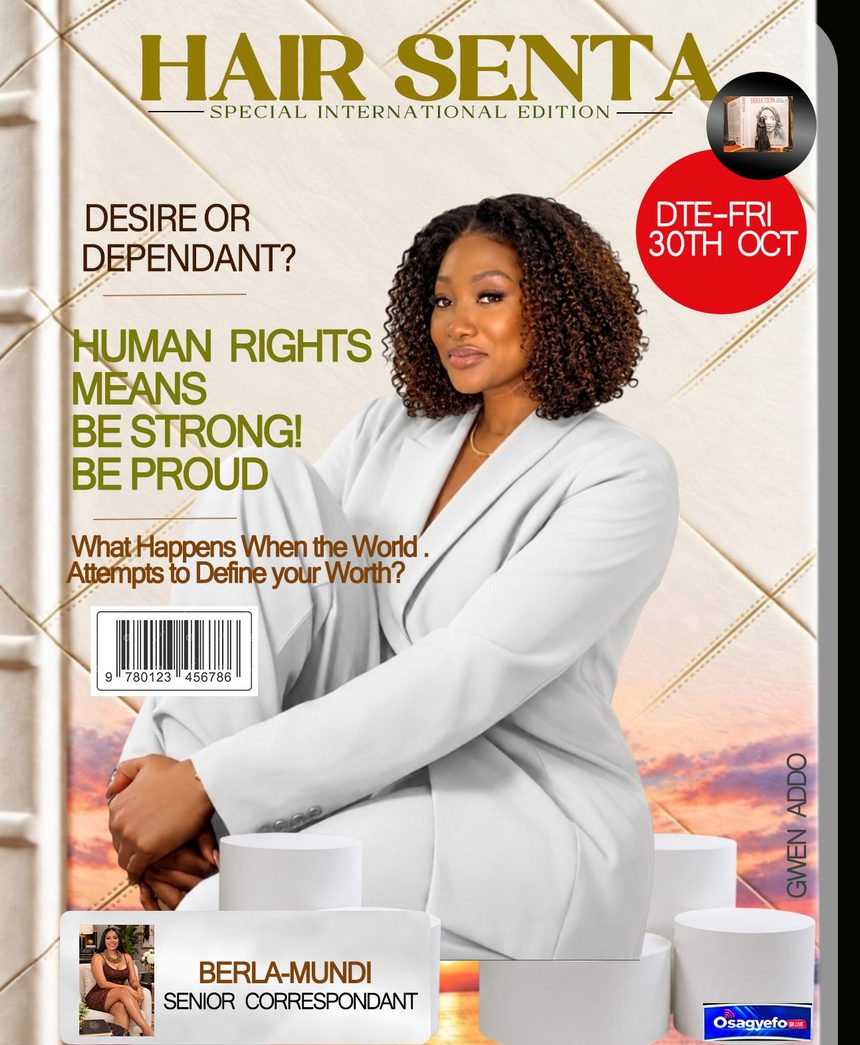
SPECIAL COVER FEATURE
DESIRE OR DEPENDENT?
Human Rights Means — Be Strong! Be Proud.
📅RELEASE DATE: Friday, 30 October 2026
🌎EXCLUSIVE ACCESS: assumptagh.live/
📰PRESENTED BY: Hair Senta Monthly Newsletter | Osagyefo Media
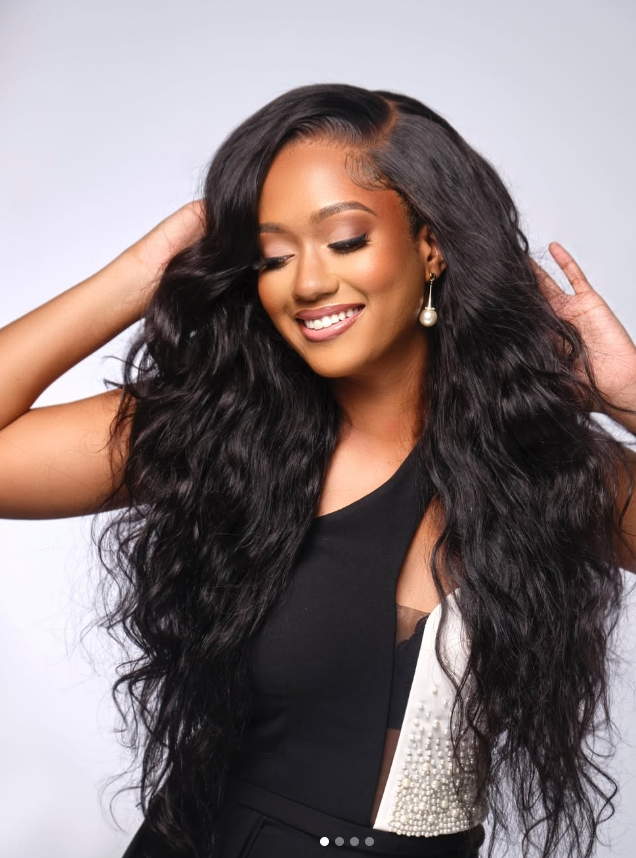
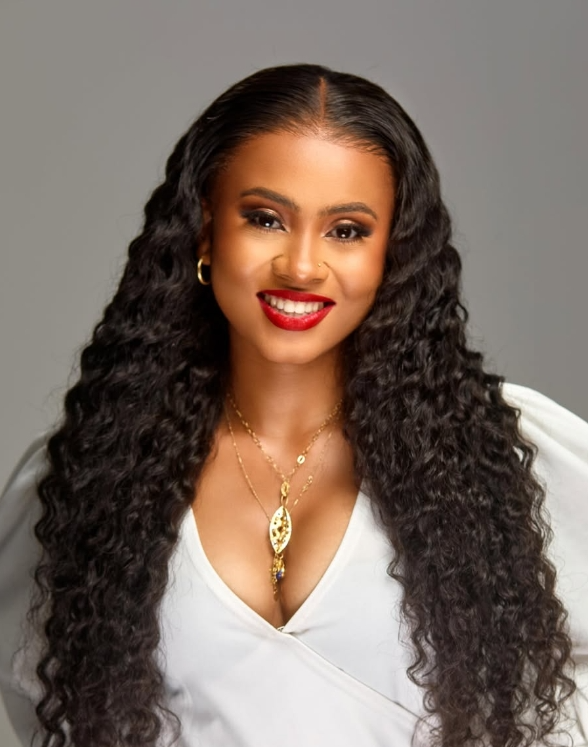
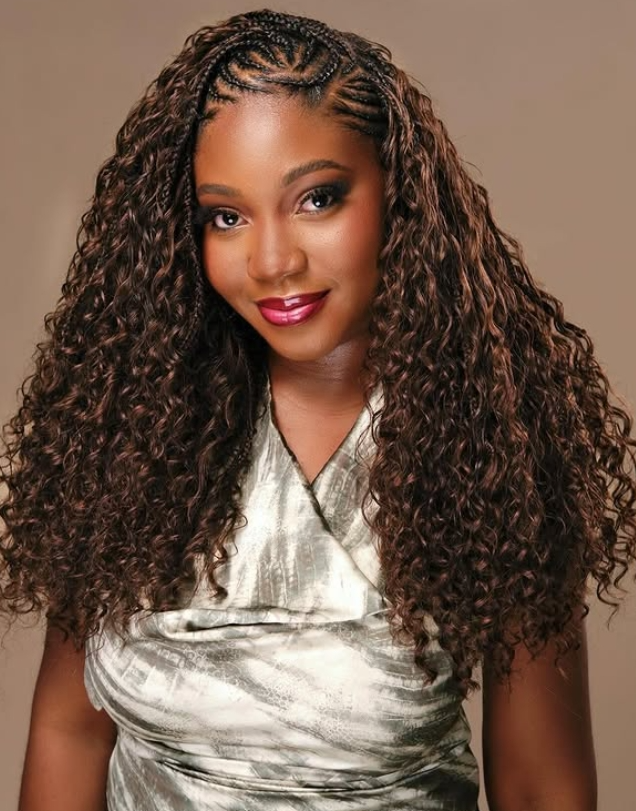
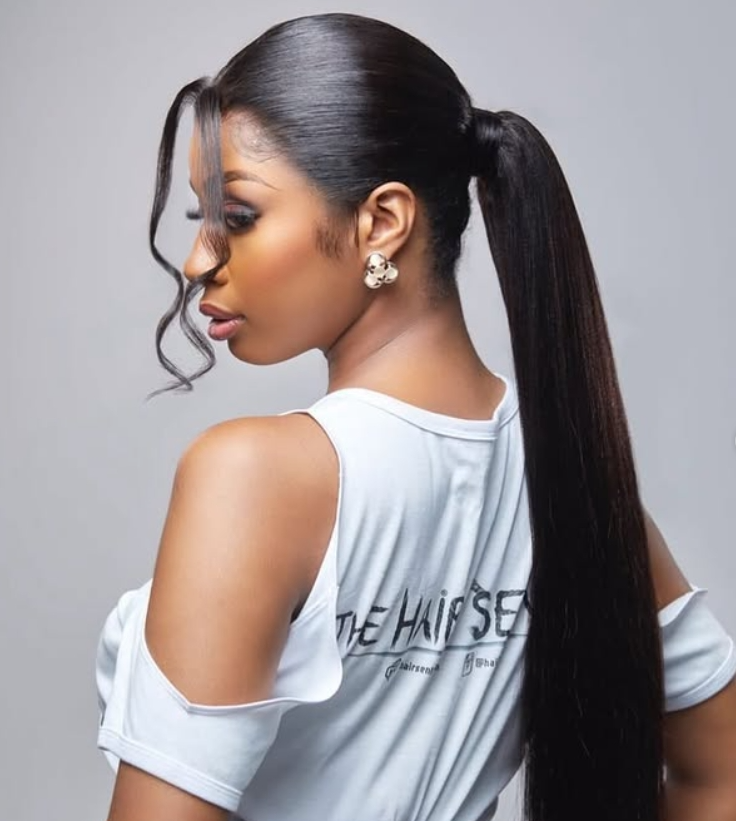
https://www.instagram.com/hairsenta?vrfl=MXAzOThhNGZ0Nm15dQ==
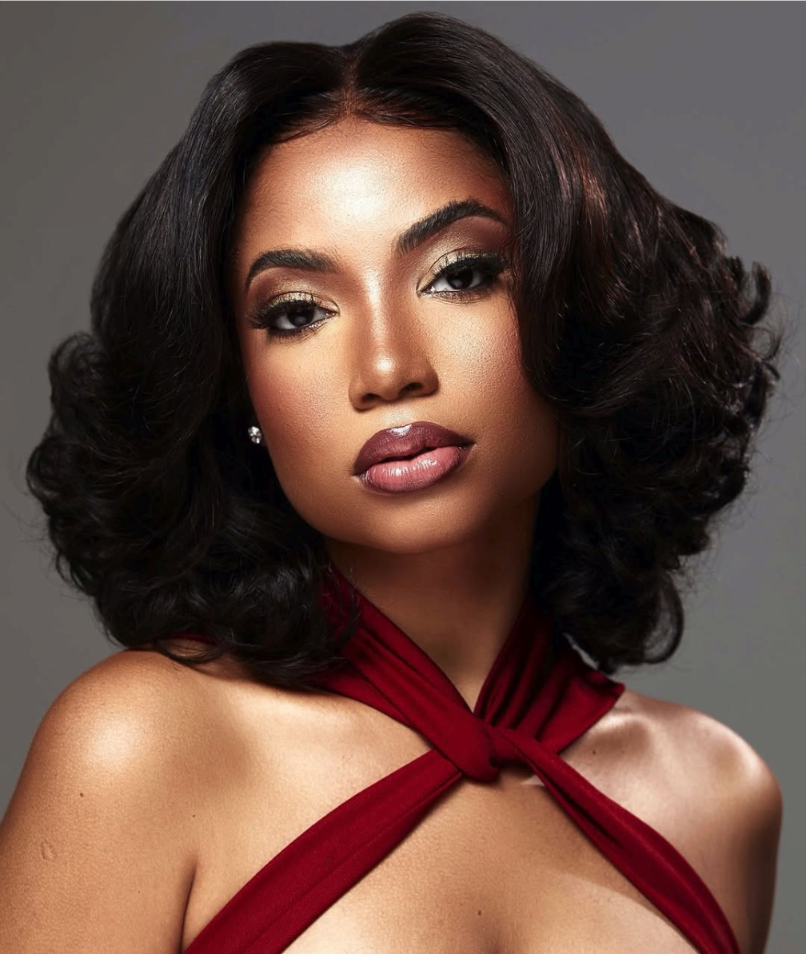
Elevate Your Crown with The Hair Senta
Why settle for “good enough” when you can wear the gold standard? At The Hair Senta, we don’t just sell hair; we deliver the confidence that comes with knowing your look is flawless, authentic, and built to last.
Based in the heart of Accra and shipping globally, we’ve turned the art of human hair extensions into a world-class experience.
Why the World Chooses Hair Senta
- Actual Proof of Quality: No filters needed. Our extensions are sourced for longevity, natural lustre, and a seamless blend. Whether it’s raw or virgin hair, the quality is visible in every strand.
- The Confidence Factor: We believe your hair is your power. Our pieces are designed to give you that “just stepped out of the salon” feeling every single day.
- Unbeatable Value: Luxury shouldn’t be out of reach. We offer premium, trademarked quality at prices that respect your investment.
- Global Reach, Local Roots: From our flagship in Ghana to doorsteps in London, New York, and beyond—we bring the best of West African hair retail to the world.
Ready to Transform Your Look?
| Feature | What You Get |
|---|---|
| Origin | Premium Sourcing |
| Shipping | Worldwide Delivery |
| Location | 24 Jungle Avenue, Accra, Ghana |
| Status | Trademarked Excellence |
Get in Touch Today
Don’t wait for your best hair day—create it.
Visit Us: www.hairsenta.com
Call/WhatsApp: (+233) 0544354455 / 0248629769
In-Store: 24 Jungle Avenue, Accra, Ghana
“Your hair is the crown you never take off. Make sure it shines.”
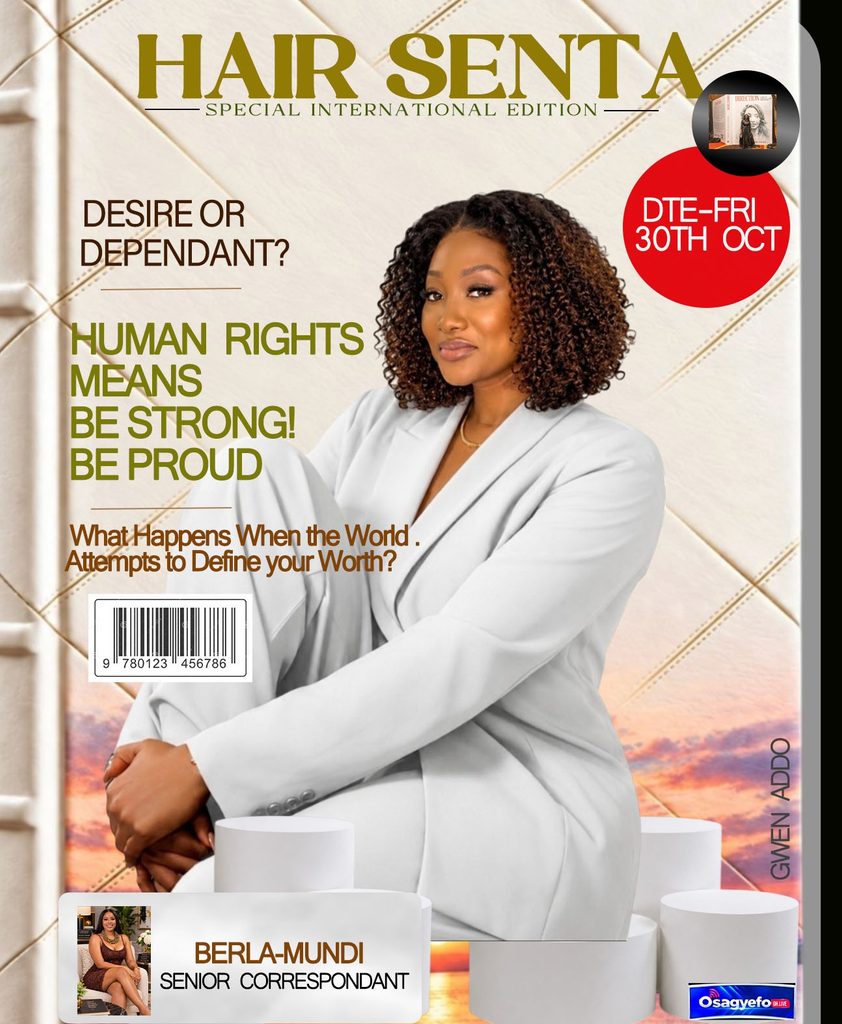
THE COVER STORY
When the world attempts to define your worth, who has the final word?
Classmates ridicule a student living with a physical disability, and the student turns to a trusted mentor with a heartbreaking question: “What should I do?”
The response opens a deeper conversation about human dignity, resilience, the right to belong, and the danger of letting others’ opinions shape our sense of self.

BERLA-MUNDI
In this special international edition, Senior Correspondent Berla Mundi explores the human-rights philosophy behind a powerful message from Gwen Addo, Founder of TLS.
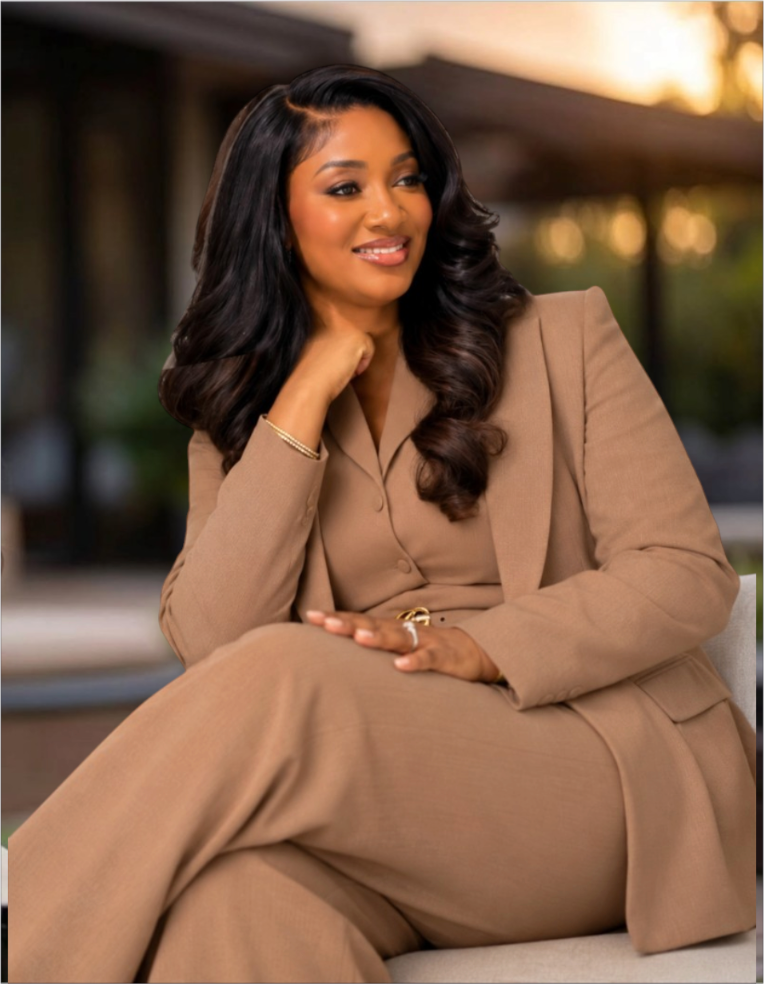
Their conversation invites us to examine an essential question: Can we build the inner strength to recognise our own worth while demanding that society treat every human being with dignity?
The message is simple, but its implications are profound: Be strong. Be proud. Never surrender your humanity.
📄 FEATURE ARTICLE
DESIRE OR DEPENDENT?
Human Rights, Inner Strength, and the Freedom to Define Yourself
By the Hair Senta Monthly Newsletter Editorial Team
1. A QUESTION THAT REVEALS A GREATER STRUGGLE
During an encounter with students at TLS, Gwen Addo was approached by a young student living with a physical disability. The student described an experience that many people face in different forms across the world: being made to feel inferior because of something that should never diminish their human worth.
The student asked:
“I have a physical disability. Some of the students in my class and at school make fun of me because of it. I don’t know what to do. Could you please give me some advice?”
It was more than a request for personal advice. It was a question about belonging, acceptance, and the right to participate in society without being humiliated.
What happens when a person is repeatedly reminded of their differences? What happens when the school environment that should encourage learning becomes a place of ridicule? And how can a young person preserve their confidence when the people around them appear determined to undermine it?
These questions demand more than sympathy. They demand compassion, courage, institutional responsibility, and a renewed commitment to human rights.
2. THE RESPONSE: BEYOND SYMPATHY
Akosua’s guidance shifted the conversation towards the importance of developing inner strength:
“Essentially, you have to become stronger. That, too, is part of the human-rights struggle.”
Her message challenges us to look beyond the expectation that people who experience discrimination must depend entirely on others for recognition and acceptance.
To be proud of oneself is to understand that human worth does not begin when society approves of us. It exists before approval, beyond prejudice, and independently of the judgments of others.
Akosua further emphasises:
“Having your rights as a human being recognized by others is not simply about having people behave sympathetically towards you. Be proud of yourself as an individual, regardless of your disability. Be proud of your mission.”
There is an important distinction here. Sympathy may offer temporary comfort, but dignity demands something deeper: recognition of another person as an equal human being.
A person with a disability should not have to earn respect by being exceptional, inspirational, or agreeable. Respect is not a prize awarded to those who impress society. It is a fundamental entitlement.
Inner strength, therefore, is not about pretending that discrimination does not hurt. It is about refusing to accept discrimination as the measure of one’s identity.
3. WHEN THEIR WORDS BECOME YOUR DEFINITION
Bullying can leave wounds that are not immediately visible. Repeated ridicule may undermine confidence, discourage participation, and make someone question whether they deserve to be included.
The danger is not simply that others speak cruelly. It is that, over time, a person may begin to believe the cruel description offered by others.
This is where the struggle for dignity becomes deeply personal:
Their behaviour is their responsibility. Your identity is not theirs to determine.
The people who ridicule another person reveal something about their own choices. Their actions do not establish the worth, intelligence, potential, or future of the person they target.
Yet confidence alone cannot solve every problem. A student should not be expected to overcome bullying without support, and no child should be made responsible for ending the discrimination directed against them.
Parents, teachers, school leaders, and fellow students all have a role to play. Schools must respond to bullying, protect students from repeated humiliation, and build environments in which differences are respected rather than weaponised.
True resilience is strengthened when individuals are encouraged to stand tall and when institutions stand beside them.
4. DESIRE OR DEPENDENT? THE QUESTION BEHIND THE QUESTION
The title of this feature invites us to consider a difficult tension: the desire to be accepted and the danger of becoming dependent on external validation.
Human beings naturally seek connection. We want to be understood, valued, and treated fairly. There is nothing weak about wanting acceptance or feeling hurt when others reject us.
The problem arises when acceptance becomes the condition upon which we permit ourselves to feel worthy.
If we believe we can only be valuable when others approve of us, we give other people excessive authority over our identity. Their praise can make us feel worthy, and their rejection can make us feel worthless.
But our humanity cannot reasonably depend on such shifting judgments. The deeper challenge is to cultivate a sense of self that remains grounded even when the surrounding world is unkind.
It is the courage to say:
“I know my worth. I know my dignity. I know my mission.”
This is not arrogance. It is self-respect.
Nor does it mean refusing constructive criticism or ignoring the need to grow. It means distinguishing between feedback that helps us develop and prejudice that seeks to diminish us.
The desire for acceptance is human. Dependence on approval becomes harmful when it requires us to abandon our dignity.
5. HUMAN RIGHTS BEGIN WITH HUMAN DIGNITY
Human rights are often discussed through laws, institutions, conventions, and public policy. These are essential because dignity must be protected through enforceable rights and meaningful accountability.
But human rights also have a personal dimension: the understanding that another person’s prejudice does not erase our humanity.
The United Nations Convention on the Rights of Persons with Disabilities affirms the importance of dignity, equality, accessibility, participation, and respect for the inherent worth of persons with disabilities.
These principles require more than kind words. They call for practical action to remove barriers, challenge stereotypes, prevent bullying, and ensure that students with disabilities can participate fully in education and community life.
The message is therefore twofold:
- Individual Empowerment: Individuals must be encouraged to develop confidence, recognise their abilities, and refuse to internalise degrading judgments.
- Institutional Responsibility: Society must stop placing the entire burden of resilience on those who experience discrimination.
A person’s dignity should never depend on their ability to withstand humiliation. The true measure of an inclusive society is not simply how compassionately it speaks about vulnerable people—it is whether its institutions and communities protect their rights in everyday life.
6. THE VICTORY OF SELF-RESPECT
There is a quiet form of resistance in refusing to become the person that prejudice expects you to be.
A student who continues to learn, participate, build friendships, pursue ambitions, and believe in their future is asserting something important: a disability does not cancel possibility, and rejection does not cancel worth.
But this victory should not be understood as a demand to remain silent.
- Seeking help is strength.
- Reporting bullying is strength.
- Asking a teacher or trusted adult for protection is strength.
- Expecting fairness is strength.
Courage does not always look like standing alone. Sometimes it means allowing others to stand with you.
The human-rights struggle is not merely about teaching people to endure injustice. It is about creating a world in which injustice is challenged, and every person can live without fear of humiliation or exclusion.
7. THE FINAL REFLECTION
Perhaps the most important question is not whether we desire the approval of others, but whether we have allowed that desire to determine who we believe ourselves to be.
- Can we remain open to love, friendship, recognition, and constructive guidance without surrendering our inner sense of worth?
- Can we acknowledge the pain of rejection without allowing it to become the story of our entire lives?
- And can we build communities in which no student must choose between hiding their differences and facing ridicule?
The answers begin with a simple conviction: every human being deserves dignity, not because of what they achieve, how they look, or how closely they conform to society’s expectations, but because they are human.
- Be strong enough to believe in yourself.
- Be proud enough to refuse shame that does not belong to you.
- Be courageous enough to seek help when you need it.
- Be compassionate enough to ensure that another person never has to fight for dignity alone.
Because dignity should never have to ask permission to exist.
🎙️ THE DIALOGUE
| Role | Contributor |
|---|---|
| Senior Correspondent | Berla Mundi |
| Featured Guest | Akosua Owusuwaa (Founder, TLS) |
| Publisher | Hair Senta Monthly Newsletter / Assumpta Media |
| Online Portal | assumptagh.live/ |
© 2026 Hair Senta Monthly Newsletter | Assumpta Media. All rights reserved. Distributed globally.
🎙️ INTERNATIONAL DIALOGUE EDITION
Featuring Berla Mundi & Gwen Addo (Akosua Owusuwaa)
[OPENING REMARKS]
Berla Mundi:
“A warm and hearty welcome to our readers joining us from every corner of the globe! It is an absolute honor to connect with our international audience today. And to my distinguished guest—a very special welcome to you, Gwen Addo.”
[HOST INTRODUCES HERSELF]
Berla Mundi:
“For our readers who may be getting to know me for the first time, I am Berlinda Addardey, popularly known as Berla Mundi—a Ghanaian media personality, women’s advocate, voice artist, and the CEO of B-YOU. In 2019, I co-hosted the 20th VGMA with Kwami Sefa Kayi, and I have had the privilege of co-hosting the VGMA for six consecutive times.”
[HOST INTRODUCES GUEST]
Berla Mundi:
“Welcome to the dialogue, Gwen!
I want to immediately begin with your newsletter: THE HAIR SENTA MONTHLY — INTERNATIONAL EDITION: DESIRE OR DEPENDENT?
Human Rights Means — Be Strong! Be Proud.
I want to focus on the importance of how your newsletter benefits humanity and has taught us to make a fresh departure.
This special international edition explores the relationship between human dignity, disability rights, personal resilience, and the desire for social acceptance. Through a compelling story about a student with a physical disability who experiences bullying, your newsletter examines how people can preserve their self-worth when confronted with ridicule, rejection, and prejudice.
In this dialogue, I want us to engage about inner strength, self-respect, and the danger of allowing other people’s opinions to define one’s identity. The dialogue challenges readers to distinguish between the natural desire to be accepted and the unhealthy dependence on external validation. It emphasizes that personal strength does not mean silently enduring injustice; it means recognizing one’s worth, seeking support when necessary, and refusing to let discrimination determine one’s future.
Your newsletter also highlights society’s responsibility to protect people with disabilities, prevent bullying, promote inclusion, and uphold human rights in practice.
And the central message is:
Be strong. Be proud. Know your worth.
Human dignity does not depend on social approval, physical ability, or the acceptance of others. True human rights require both the inner courage to recognize our own value and the collective responsibility to ensure that everyone is treated with respect.
The final reflection: Dignity should never have to ask permission to exist.
Gwen, I want you to further share your insight on this with us.”
Gwen Addo (Akosua Owusuwaa):
“Thank you so much, Berla, for that generous and warm introduction, and for summarizing the heart of this edition so eloquently.
As the CEO and founder of multiple enterprises, I have spoken with many people—especially students and entrepreneurs. I cannot count how many I have spoken with. All of them were gentle people, and all of them were strong. They have the strength to endure the hardships of persecution and the bullying thrown at them.
During an encounter with one of the TLS students, I was approached by a young student living with a physical disability.
The student shared a painful, everyday reality:
‘I have a physical disability. Some of the students in my class and at school make fun of me because of it. I don’t know what to do. Could you please give me some advice?’
I sensed her warm responsiveness and sensitivity to those who were bullying her feelings. Even at the height of bullying and discrimination against her, she refused to listen to them and compromise to such discrimination, and took the courage to ask me what she could do.
What I shared with her—and what I want to share with every reader across the world today—is that your value is non-negotiable.
Ridicule and prejudice are never a reflection of who you are; they are a reflection of the limits and insecurities of those who project them. Desire for social connection is human, but when we turn that desire into dependence on other people’s approval, we hand over the keys to our self-worth.
True resilience isn’t about remaining silent in the face of injustice. It is about anchoring yourself so deeply in your intrinsic worth that no insult can shake your foundation. It is about standing tall, seeking support when needed, and remembering that dignity should never have to ask permission to exist.
As a society, we must build spaces where every individual—regardless of physical ability—is seen, honored, and protected. But individually, the mandate remains: Be strong. Be proud. Know your worth.“
Berla Mundi:
“Thank you so much for sharing that powerful story, Gwen. That encounter touches the very core of what human dignity is all about.
As you were speaking, I couldn’t help but reflect on my own journey. How I became the person I am today really started at home. I read a lot of books—I mean good literature books where I found deep insights into human rights issues and the human condition.
I also learned to recognize my mother’s positive qualities; she always taught me to embrace my individuality. All of these experiences helped me develop a solid perspective about humanity, realizing that though others may have disabilities—or whether someone is Black African, Syrian, or Palestinian—we are all members of the same human family.
So my question to you, Gwen, is this: Does our tendency to differentiate and judge others operate at a very shallow level of our brains, is it a God-given thing, or is it simply that some of us were not brought up well at home?“
Gwen Addo (Akosua Owusuwaa):
“That is such a profound reflection, Berla, and I resonate deeply with your experience.
Those who can get along with all kinds of people—seeing them as equals, as fellow human beings—manifest the true excellence of their character. They are people of genuine culture and education, regardless of degrees or titles.
But when you look at our society today, having been born and raised here in Ghana, what I am seeing now is a concerning lack of emotion and empathy. In many spaces today, it feels as though you have to become a liar to be seen as successful. People feel forced to live by cold, rigid rules. It is no longer about having a rich, compassionate heart; today in Ghana, we seem to recognize rules and surface status far more than we recognize humanity.
To answer your question about whether this division comes from our brains, nature, or nurture—when you look at how the brain functions, it involves highly sophisticated information processing.
Biologically, our brains are wired with instant survival mechanisms—an ancient, shallow processing layer that quickly categorizes things as ‘safe’ or ‘unsafe,’ ‘like me’ or ‘different from me.’ That primitive mechanism is where fear, prejudice, and shallow differentiation live. It isn’t a ‘God-given’ mandate to discriminate; rather, it is the unrefined, baseline instinct of human survival.
However, higher human consciousness—the capacity for empathy, moral reasoning, and seeing every person as part of the same global family—requires higher brain function, intentional self-awareness, and as you rightly pointed out, the foundation laid at home.
When a home lacks empathy, and when society rewards rule-following and material success over character and moral integrity, people default to that shallow, self-serving level of thinking. Empathy is not something we lose biologically; it is something we fail to cultivate when we prioritize external rules over the human heart.
That is why literature, positive parenting, and personal growth are non-negotiable. We must train ourselves and our children to rise above primitive bias and embrace the full dignity of every human life.”
Berla Mundi:
“That is a profound breakdown, Gwen. You’ve touched on something so critical—that while our minds may instinctively register differences, it is our character, our home training, and our heart that decide whether we respond with prejudice or with empathy.
As we bring this enlightening conversation to a close, I want to thank you for reminding us of what truly matters. In a world that often pressures us to conform, to chase surface validation, or to silently endure unfair treatment, your message shines like a beacon of clarity.”
[CLOSING REMARKS & FINAL REFLECTION]
Berla Mundi:
“To all our readers joining us across the world—whether you are in Ghana, elsewhere in Africa, or anywhere across the globe:
This special edition of THE HAIR SENTA MONTHLY leaves us with a choice to reflect upon—DESIRE OR DEPENDENT?
While it is natural to desire acceptance and connection, we must never allow our self-worth to become dependent on external validation, societal rules, or the approval of others.
Let us carry this timeless truth forward in our daily lives:
Be strong. Be proud. Know your worth.
Human rights and human dignity do not depend on physical ability, social status, background, or physical appearance. True human rights require both the inner courage to honor our own value and the collective responsibility to ensure everyone is treated with respect.
Remember: Dignity should never have to ask permission to exist.
Thank you, Gwen Addo, for sharing your wisdom with us today, and thank you to our global audience for tuning in to this vital dialogue. Until next time, stand strong and walk proudly in your worth.”
Gwen Addo (Akosua Owusuwaa):
“Thank you, Berla, and blessings to all our readers worldwide.”
Our Shared Humanity Soka Gakkai Buddhist Movement|
An introduction to the Soka Gakkai and Nichiren Buddhism. Where do the teachings originate from? What is the philosophy of Buddhism? How do Soka Gakkai members apply it in their daily lives?
The Soka Gakkai is a global community-based Buddhist organisation that promotes peace, culture and education centred on respect for the dignity of life. Its members in 192 countries and territories study and put into practice the humanistic philosophy of Nichiren Buddhism.
Soka Gakkai members strive to actualise their inherent potential while contributing to their local communities and responding to the shared issues facing humankind. The conviction that individual happiness and the realisation of peace are inextricably linked is central to the Soka Gakkai, as is a commitment to dialogue and nonviolence.
Subscribe to our channel: / sgivideosonline
Visit our website: https://www.sokaglobal…
Like us on Facebook: / sgi.info
Follow us on Instagram: / sgi.info
Follow us on Twitter: / sgi_info


https://www.instagram.com/babiesandtodds_?srtk=MWs0ZHlsbjcxNXEyZg==
The Vision of Assumpta Gahutu, Esq.
The ideas of the Principal of Babies Todds Daycare, Assumpta Gahutu, Esq., have had an enduring impact not only in Africa but across the globe. Her vision emerged at a time when the lingering effects of imperial and oppressive structures appeared to limit the possibilities for African-centred educational development.
Yet, through determination, compassion, and clarity of purpose, she forged a new path for early childhood education. Under her leadership, Babies Todd’s Daycare has grown into far more than a childcare facility; it has become a value-creating environment where the character of the future is gently formed.
Through this mission, she has nurtured the growth of young children whose lives will embody the values the world will need in the centuries to come. Her work reflects a profound belief: that the foundation of a just and humane society begins with how we educate and care for our youngest generation. In this way, the philosophy behind Babies Todds represents not simply an institution, but a lifelong commitment to shaping the character, dignity, and future of humanity.
Babies Todds
A Safe and Nurturing Daycare and Preschool in the Heart of Windhoek
Babies Todds is a warm and welcoming space where young children are encouraged to grow, learn, share, and create in a supportive environment. Our daycare and preschool are dedicated to providing quality early childhood education that fosters curiosity, creativity, and confidence in every child.
📍 Location: Windhoek, Namibia
📞 Phone: +264 81 673 7599
🌐 Website: www.babiestodds.com
A beautiful place where the journey of learning begins and where every child is given the opportunity to flourish.
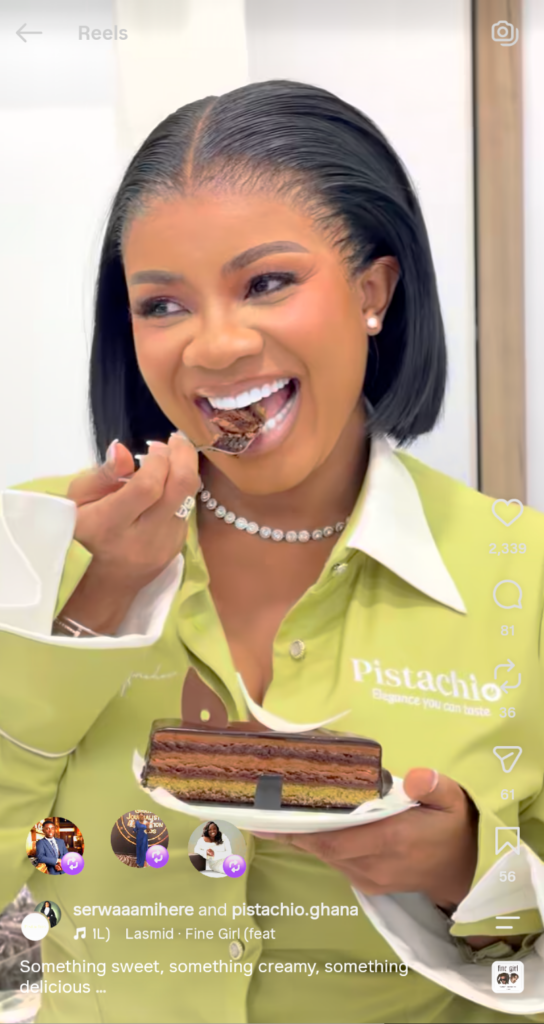
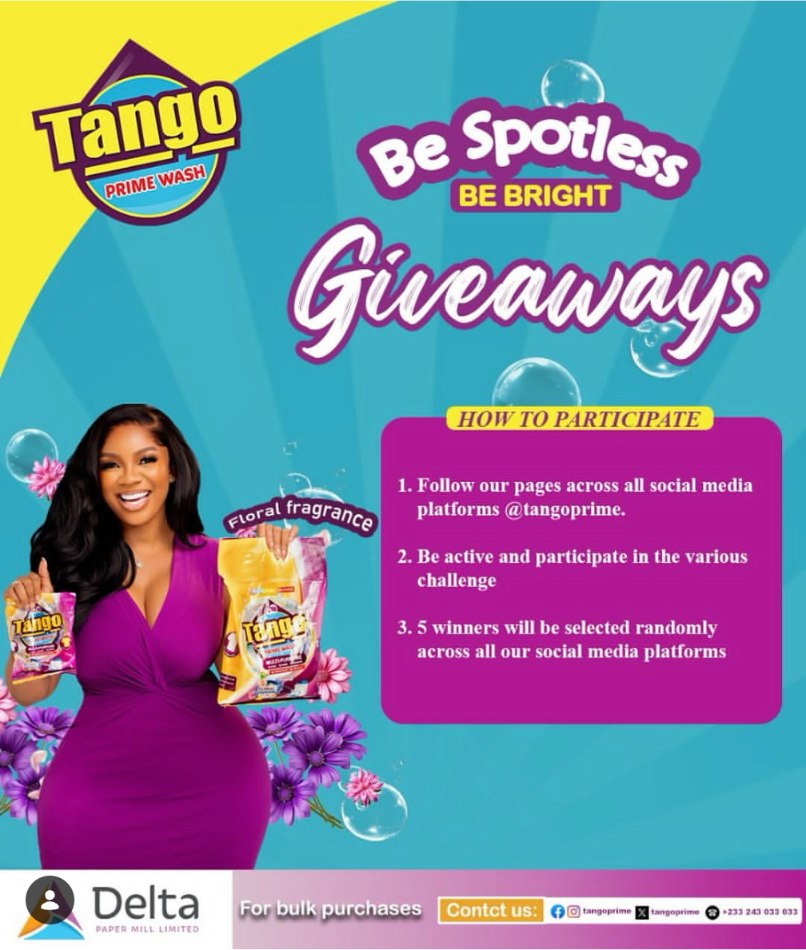
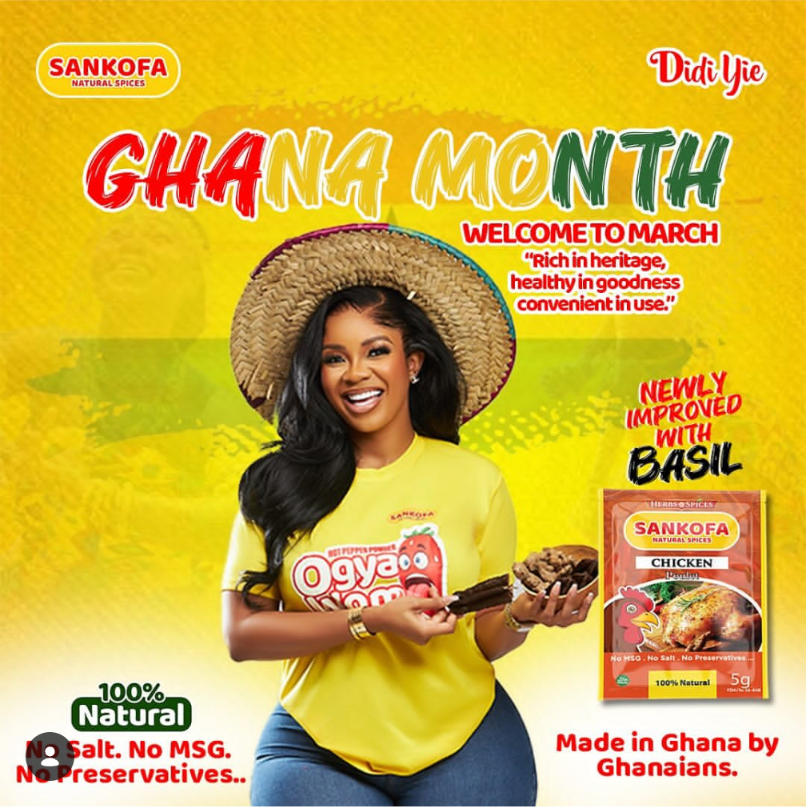

https://www.instagram.com/serwaaamihere?srtk=N216N3hzeTE3eHho
https://www.instagram.com/pistachio.ghana?utm_source=ig_web_button_share_sheet&xtok=ZDNlZDc0MzIxNw==
🌿 EVERYDAY ESSENTIALS PRESENTS
THE JOURNALIST WITH A CONSCIENCE
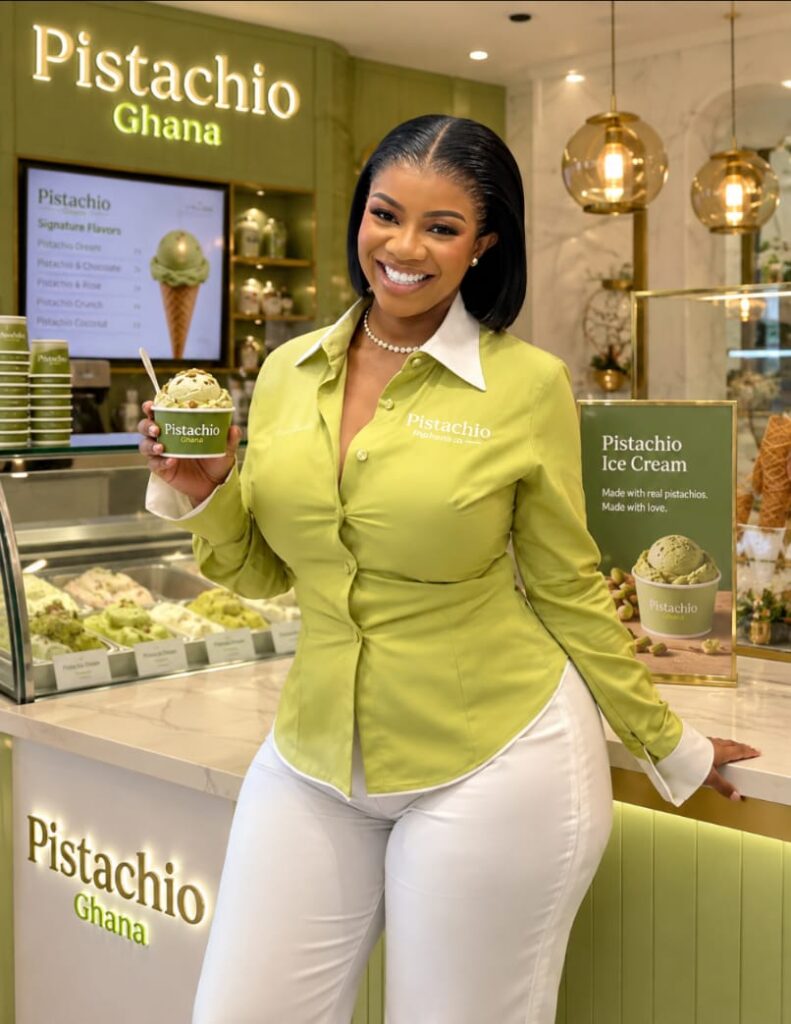
Meet Serwaa Amihere, Esq.
A visionary connecting Ghana to the global stage through Everyday Essentials.
As a celebrated broadcast journalist, lawyer, and entrepreneur, Serwaa Amihere, Esq. brings her commitment to excellence from the newsroom directly into your daily routine.
Featured exclusively through Everyday Essentials, the Serwaa Amihere Collection represents a carefully curated blend of wellness, quality, beauty, professional elegance, and Ghanaian craftsmanship.
🥜 PISTACHIOS: SMALL NUT, POWERFUL NUTRITION
At Everyday Essentials, healthy living begins with understanding what nourishes our bodies.
Pistachios naturally offer:
Plant-Based Protein: Supports muscle health and daily vitality.
Dietary Fibre: Promotes healthy digestion and lasting satiety.
Healthy Unsaturated Fats: Rich in heart-healthy monounsaturated and polyunsaturated fats.
Vitamin B6: Supports normal energy metabolism and nervous system function.
Essential Minerals: Copper, manganese, phosphorus, and magnesium contribute to bone health, muscle function, and energy production.
Potassium: A vital electrolyte supporting muscle and nerve function.
Antioxidants: Contains key compounds, including lutein and zeaxanthin.
The Everyday Essentials Philosophy
Pure ingredients. Mindful choices. An elevated everyday life.
Whether enjoyed raw as a quick snack or woven into culinary dishes and desserts, pistachios prove that small habits yield powerful nutritional value.
WHY CHOOSE THE SERWAA AMIHERE COLLECTION?
A Trusted Vision: Hand-selected with the discerning standard expected of one of West Africa’s leading media figures.
Uncompromising Quality: From premium natural foods and spices to the sophisticated silhouettes of Office & Co. by SA, every offering balances health, style, and luxury.
Authentically Ghanaian: Bridging local heritage and global elegance to share Ghanaian excellence with the world.
A Holistic Lifestyle: A seamless blend of wellness, beauty, and professional sophistication tailored for modern global living.
FROM GHANA TO THE WORLD
Everyday Essentials is more than a product collection—it is a conscious lifestyle choice:
Nourish the body.
Elevate the mind.
Embrace timeless beauty.
Celebrate authentic craftsmanship.
Share Ghanaian excellence with the world.
Experience a lifestyle rooted in quality, integrity, and international appeal.
Discover the finest in health, beauty, gourmet food, and fashion—curated by Serwaa Amihere, Esq.
#EverydayEssentials #SerwaaAmihere #GlobalWellness #PistachioNutrition #GhanaToTheWorld #HealthyLiving #GhanaianExcellence
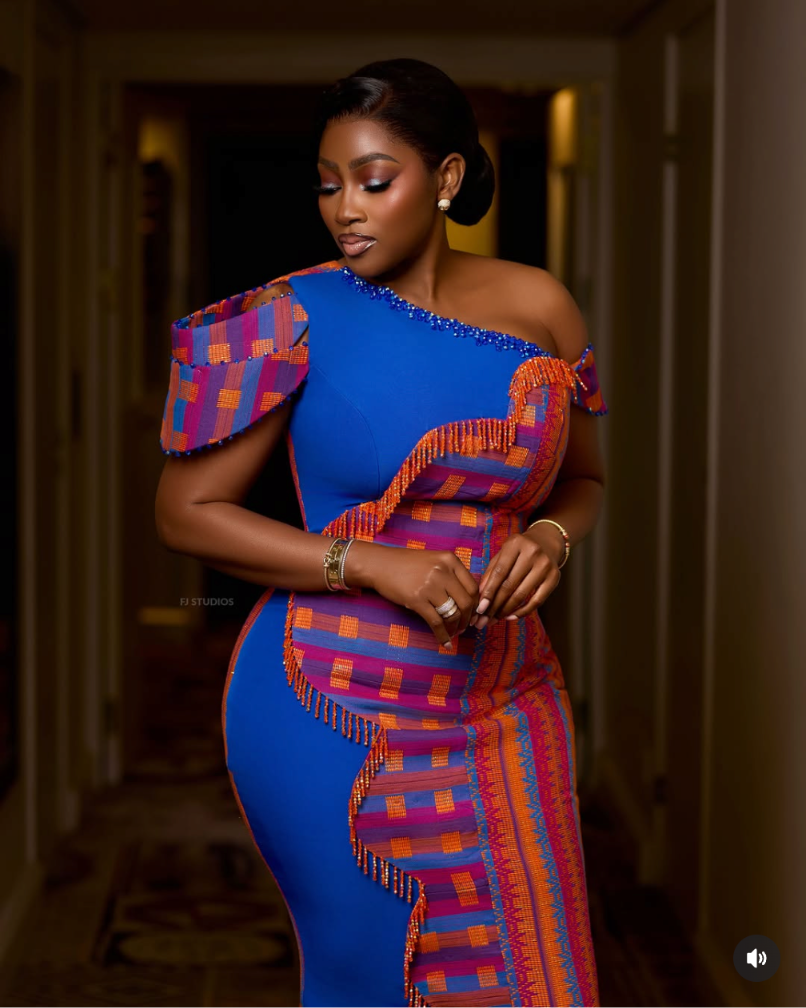
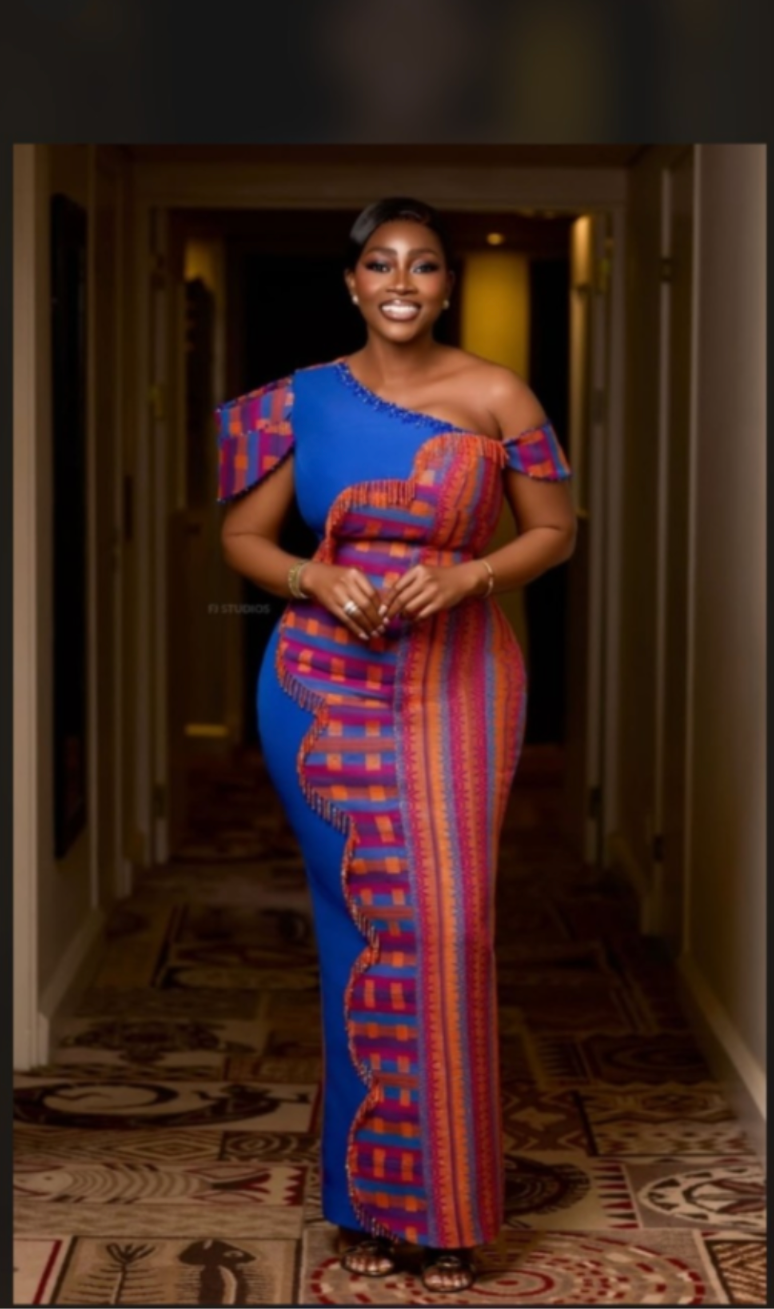
Outfit Breakdown & Analysis
The custom gown worn by Shirley “Cookie Tee” Tibilla (designed by Lauren Haute Couture) features a vibrant royal blue floor-length base harmoniously paired with patterned African Kente fabric in shades of purple, orange, and blue.
- Top & Neckline: An asymmetric, single-shoulder neckline bordered by delicate blue beadwork, extending into a structured cap sleeve on one side.
- Bodice & Skirt: A fitted silhouette featuring a layered, diagonal cascade of Kente fabric framed with fine orange beaded fringe detailing along the contoured edges.
- Overall Vibe: Regal, structured, and deeply rooted in modern African luxury.
Suitability: Corporate Office vs. Evening Dinner
| Setting | Suitability | Analysis |
|---|---|---|
| Corporate Office | Not Recommended | The bare shoulder, asymmetric cut, body-con fit, floor length, and decorative fringe make it too formal and glamour-focused for everyday desk work or standard corporate environments. (Exception: It works brilliantly for high-profile executive galas, corporate award ceremonies, or media hosting events). |
| Dinner & Gala Events | Ideal Fit | Perfectly suited for formal evening dinners, red carpet events, cultural celebrations, black-tie galas, and high-end social occasions where statement elegance and heritage-inspired couture are celebrated. |
Brand Spotlight
Designer: Lauren Haute Couture
Location: 5 Mama Adjeley Rd, East Airport, Ghana
Contact: WhatsApp +233 24 440 4343
Speciality: Multiple Award-Winning Women’s Wear Brand specialising in bespoke African luxury and modern couture.
https://www.instagram.com/delish_bakerygh?mdxt=MW5ic2c0NnR5cHBwZQ==
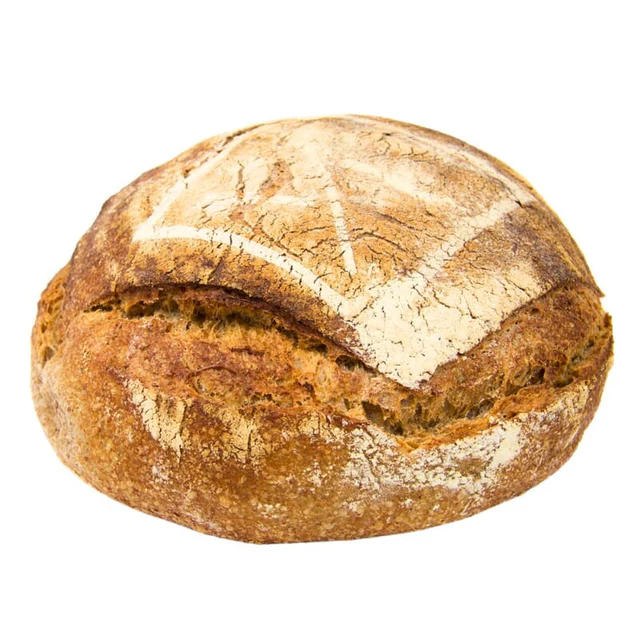
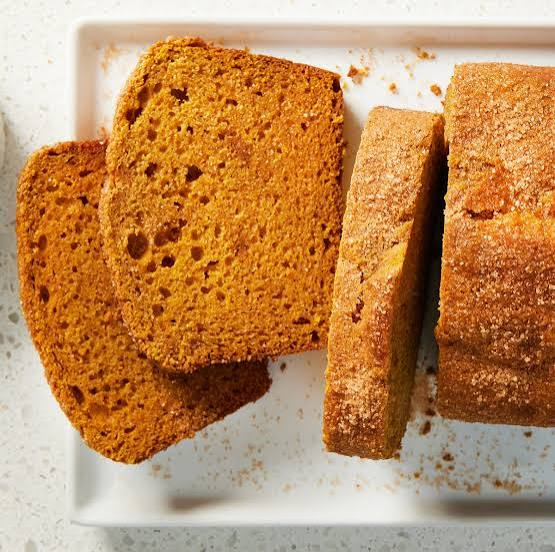
Pure Goodness: Delish Bread Without Chemicals
Experience the taste of nature at Delish Bread, your neighbourhood grocery store and bakery where health meets indulgence. We believe that what you eat should be as pure as it is delicious. That’s why our breads are crafted without chemicals, artificial preservatives, or additives—just wholesome ingredients baked to perfection.
Whether you are looking for your daily loaf or a special treat, we offer over 12 varieties of bread, cakes, and pastries, including:
- Signature Breads: Whole Wheat, Multigrain, and Classic White—all chemical-free.
- Artisan Pastries: Flaky, buttery, and baked fresh every morning.
- Custom Cakes: Perfect for every celebration, made with the finest natural ingredients.
OSAGYEFO-IMAGINE Celebrates Delish Bread
OSAGYEFO-IMAGINE: Works From The Heart proudly honours the commitment to purity and health championed by Delish Bread. In a world of processed foods, Delish Bread stands out as a beacon of authenticity, aligning perfectly with our mission to celebrate creators who work with passion and purpose.
We celebrate Delish Bread for:
- Wholesome Integrity: Their dedication to chemical-free baking that nourishes the community.
- Cultural Connection: Bringing people together through the timeless tradition of breaking bread.
- Spiritual Purpose: Guided by the personal mission of Making Jesus Proud, every loaf is baked with love and a servant’s heart.
Visit Us Today!
Come and taste the difference that “Heart Work” makes.
- Location: Agboba, Accra.
- Hours: Monday – Saturday | 8:00 AM – 6:00 PM
- Order via WhatsApp: wa.me/233201789403
- Follow the Journey: @delish_bakerygh & @smomentwithprecious_
Delish Bread & OSAGYEFO-IMAGINE: Nourishing your body, honoring your heritage.
