




Content : The Soft Coup;
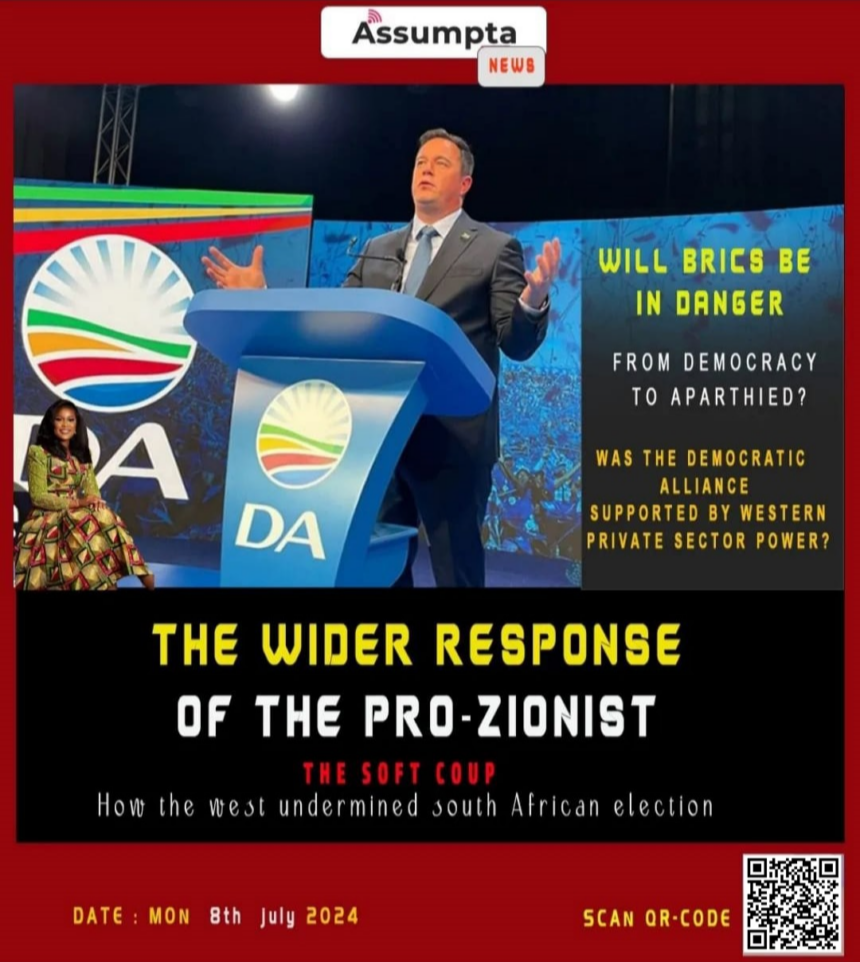
How the west undermined South African election :
- Will Brics Be in Danger?
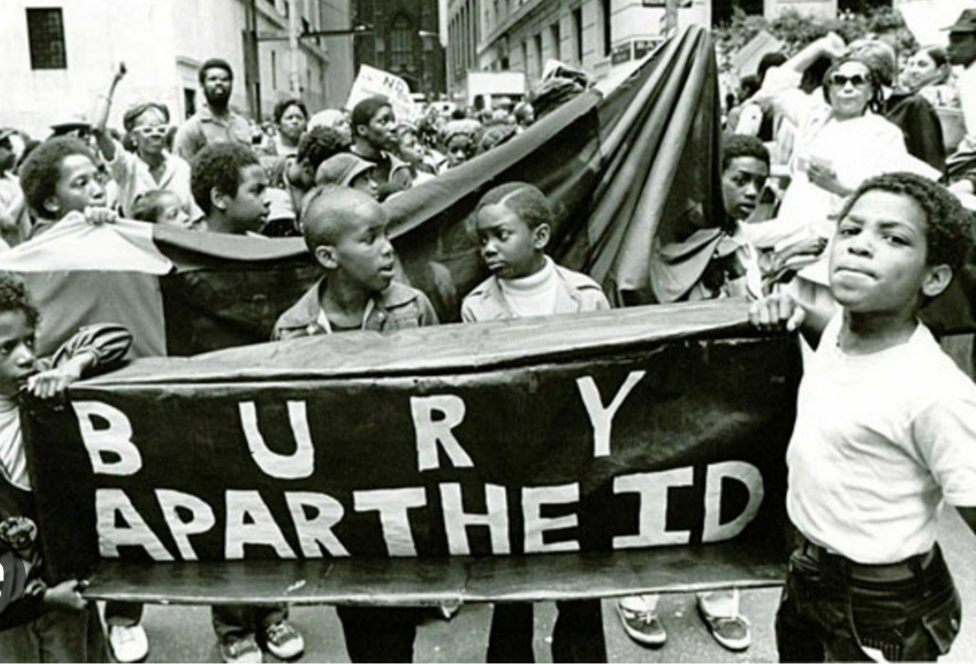
- Is South Africa going from Democracy to Apartheid?
3 Was the Democratic Alliance supported by Western private sector power?
With BERLA-MUNDI, Ghana’s best, finest and number one broadcast journalist. A special edition coming on Monday 8th July 2024.

Last updated: 2024/07/06 at 3:29 AM :
Assumpta GH TU Publications
Title: The Wider Response Of The Pro-Zionist
The Soft Coup: How the West Undermined South African Election
The 04 June South African elections have been a focal point for geopolitical observers, especially those examining the intricate web of international influences. The role of the West in shaping the outcomes has been a topic of significant debate, particularly among pro-Zionist groups. Here, we explore several key questions and their broader implications.
Will BRICS Be in Danger?
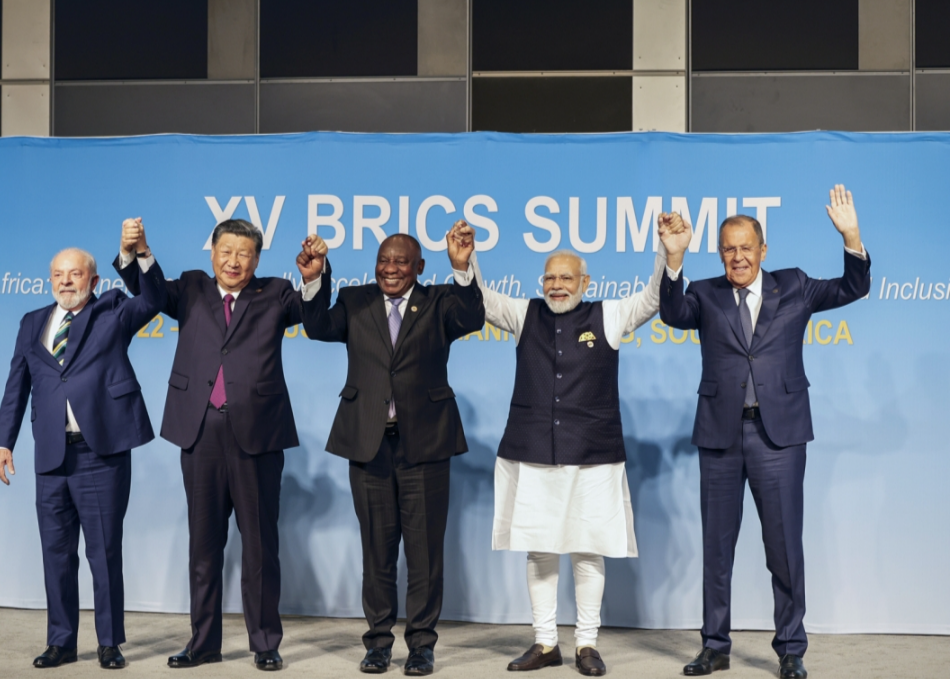
BRICS, the economic alliance between Brazil, Russia, India, China, and South Africa, stands as a counterweight to Western economic dominance. The recent South African elections have raised concerns about the stability and future of this alliance. If the West has indeed played a role in influencing the elections, it could be seen as an attempt to weaken BRICS from within. South Africa’s position within BRICS might be jeopardised if its leadership aligns more closely with Western interests, potentially diminishing the alliance’s unified stance against Western hegemony.
Is South Africa Going from Democracy to Apartheid?
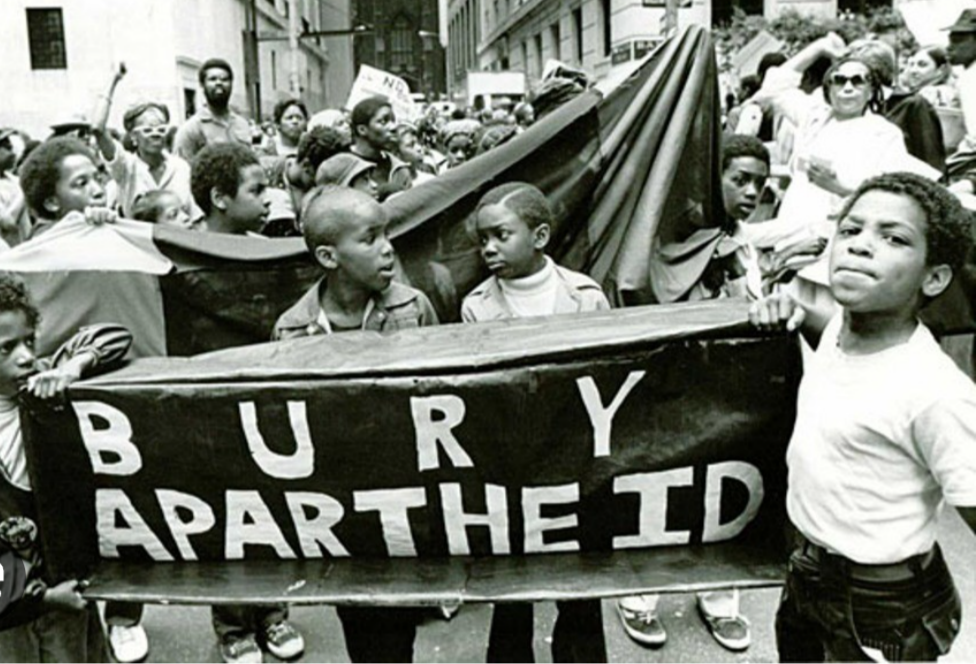
The question of whether South Africa is reverting to apartheid-era policies under the guise of democracy is contentious. If Western powers are indeed exerting undue influence on South Africa’s political landscape, it might lead to policies that favour a particular demographic, marginalising others. This could reverse the hard-won gains of the post-apartheid era, fostering inequality and social unrest. It is crucial to scrutinise how foreign interventions are reshaping South Africa’s commitment to democratic principles and inclusive governance.
Was the Democratic Alliance Supported by Western Private Sector Power?
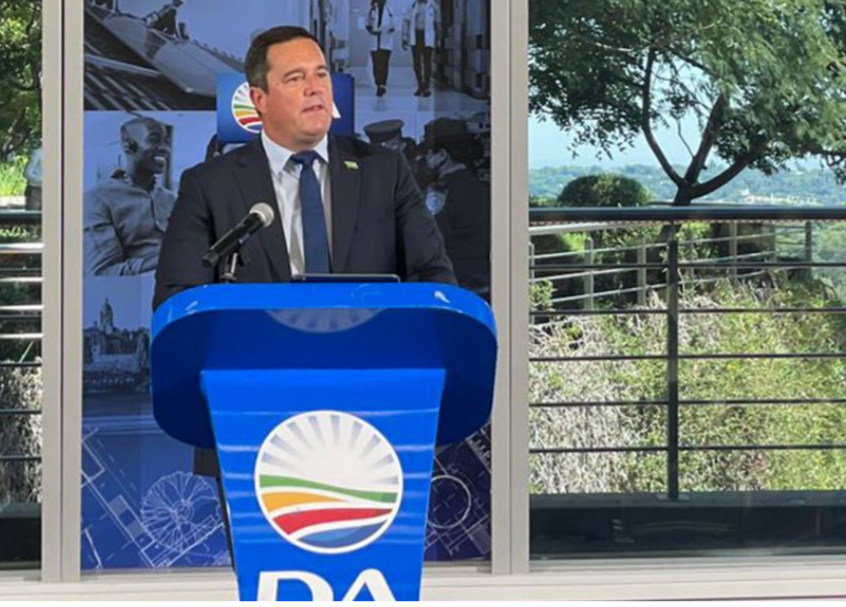
The Democratic Alliance (DA), South Africa’s main opposition party, has often been perceived as being more aligned with Western economic interests. There is speculation that the Western private sector has provided significant support to the DA, seeking to secure a government that is more amenable to foreign investments and policies. This potential backing raises questions about the integrity of South Africa’s political processes and the extent to which external financial power can sway national elections.
Conclusion
The South African elections of 04 June have revealed the intricate and often covert dynamics of international influence. For the pro-Zionist observers, understanding these dynamics is crucial in assessing the future political and economic landscape of South Africa. The potential implications for BRICS, the threat of reverting to apartheid-like conditions, and the role of Western private sector power in shaping political outcomes are critical areas for further analysis and vigilance.
This draft outlines the key concerns regarding Western influence on the South African elections from a pro-Zionist perspective, highlighting the broader geopolitical implications.
Western influence;
Typically refers to the political, economic, and cultural impact exerted by Western countries, particularly those in North America and Western Europe. In the context of the South African elections, this influence could be manifested through various actors and mechanisms:
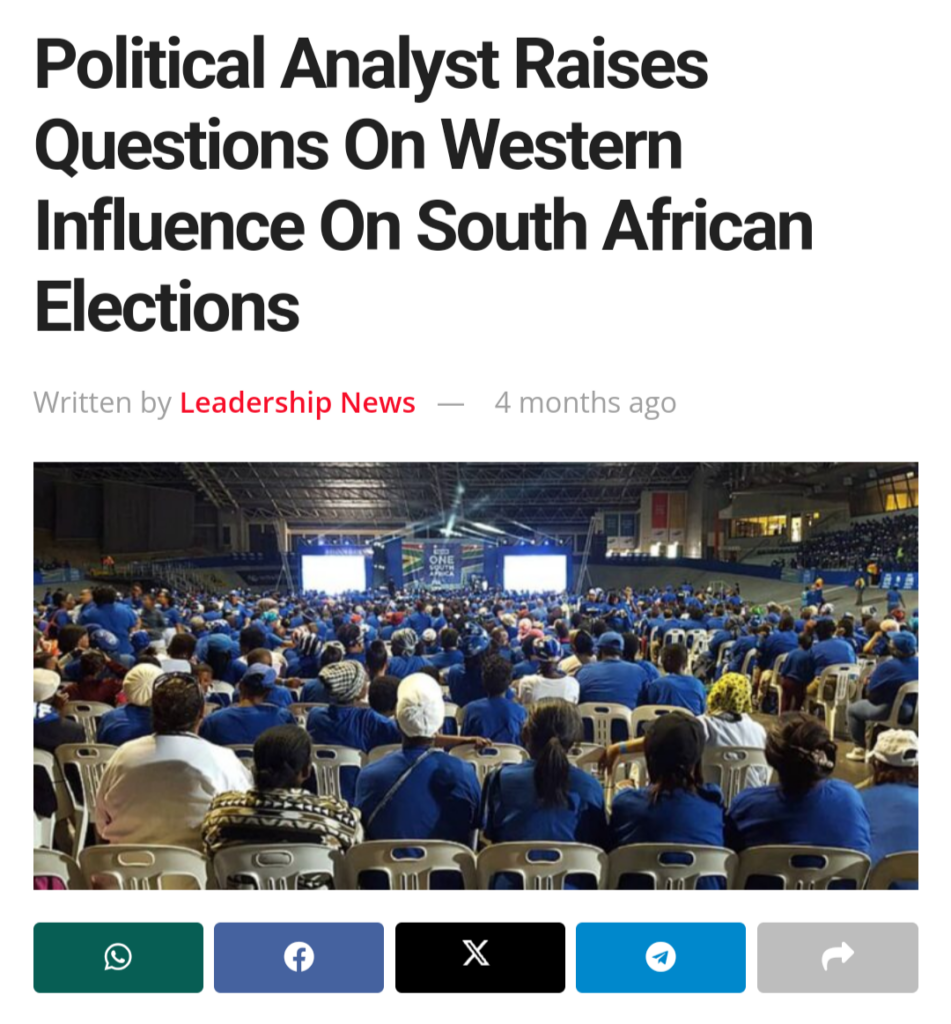
1. Governments!: Countries such as the United States, the United Kingdom, and members of the European Union may exert influence through diplomatic channels, foreign aid, or economic sanctions and incentives.
2. International Organisations: Entities like the International Monetary Fund (IMF), the World Bank, and NATO, which are often seen as being dominated by Western interests, can influence national policies and political outcomes.
3. Private Sector : Western multinational corporations and financial institutions may use their economic power to sway political decisions in South Africa, potentially supporting certain political parties or candidates that align with their business interests.
https://www.instagram.com/laurenhautecouture?igsh=MWxzNXN1Ym5nZ3o3Mg==
4. Non-Governmental Organisations (NGOs) and Think Tanks : Western-funded NGOs and think tanks can play a role in shaping public opinion and policy through advocacy, research, and lobbying.
5. Media : Western media outlets and social media platforms can influence public perception and political discourse through their coverage and narratives about South African politics.
6. Intelligence Agencies : Covert operations by intelligence agencies from Western countries might aim to manipulate political outcomes to favour their strategic interests.
In the context of the article, the term “Western influence” would encompass these various forms of intervention and control, illustrating how they might be undermining South Africa’s electoral integrity and democratic processes.
Title: The South Africa Election Controversy
The Soft Coup: How the West Undermined South African Election.
There is a controversy over the South Africa election. The controversy pits the West and its pro-Zionist alliance, who want to cover up South Africa’s history of apartheid, genocide, injustice, inequality, and land grabbing, against South Africans who want to confront these issues, be recognized as the indigenous people, and ensure a happy and equitable life.
The West’s approach to Africa often emphasises promoting mutually beneficial development, security, clean infrastructure, climate adaptation, and trade and investment. However, these ideals have often been overlooked. Additionally, BRICS’s commitment to supporting and reforming South Africa’s economy and security is in danger.
Africa plays a growing role in shaping global politics and offers remarkable economic opportunities. South Africa, as the largest and most industrialised economy in Africa, remains pivotal in confronting these issues and recognizing the rights of its indigenous people to ensure they deserve a happy and equitable life.
Dialogue Between Berla-Mundi and Tsasi
Berla-Mundi: Good morning, Tsasi. It’s great to have you here to discuss the recent South African elections and the surrounding controversy. There are significant concerns about Western influence and its impact on the democratic process. What are your initial thoughts on the situation?


Tsasi: Thanks, Berla. The elections have indeed sparked a lot of debate. The idea that Western powers could be undermining South Africa’s democracy is troubling. If true, it suggests a form of modern-day colonialism where external forces shape our political landscape to serve their interests. They are highly efficient predators, like chameleons with exceptional camouflage. Historically, these forces have outgunned Indigenous Americans, shared their land, killed many Black African Americans and taken their lands, orchestrated Kwame Nkrumah’s assassination, and killed many African leaders to take control of African lands.

Berla-Mundi: That’s a strong point. One of the main concerns is whether BRICS, the economic alliance that includes South Africa, is in danger. Do you think the West’s influence could destabilise this alliance?

Tsasi: It’s possible. BRICS stands as a counterbalance to Western economic dominance. If South Africa starts aligning more with Western interests due to external pressures, it could weaken the cohesion within BRICS. This might not only affect South Africa but could have broader implications for the entire alliance.

Berla-Mundi: Another issue that’s been raised is whether South Africa is moving from democracy back towards apartheid-like conditions. How might Western influence contribute to such a regression?

Tsasi: If Western powers are backing policies or parties that favour certain demographics over others, it could lead to increased inequality and social division. This could reverse the progress made since the end of apartheid, marginalising indigenous populations and creating a system reminiscent of past injustices.
Berla-Mundi: The Democratic Alliance (DA) has been accused of receiving significant support from Western private sector powers. What are the implications of this for South Africa’s political integrity?

Tsasi: The involvement of Western private sector interests in supporting the DA raises serious concerns about the integrity of our electoral processes. It suggests that money and external influence could be swaying political outcomes, undermining the democratic will of the South African people. Consider the immense influence of private landowners in the United States: Stan Kroenke holds 1.6 million acres across seven states, the Reed family claims 1.6 million acres, media mogul Ted Turner owns 2 million acres, John Malone secures the second spot with 2.2 million acres across 13 states, and the Emerson Family reigns supreme with 2 to 4 million acres mainly in California and Oregon. Such vast ownership exemplifies the power that private entities can wield, potentially influencing political landscapes far beyond their borders.
Berla-Mundi: That’s quite significant and underscores the broader implications of foreign influence. Given these concerns, what steps do you think South Africa should take to safeguard its democracy?
Tsasi: One thing that makes it especially important to examine the means of the Democratic Alliance (DA) is the nature of the goals they announce.
(1) Their case is not different from their ancestors who professed prejudicial views, killing people, oppressing them with laws, and taxes. It is inevitable that African leaders examine the rules the DA wants to employ.
(2) Secondly, in my opinion, the best safeguard against these people is to immediately establish social justice to the maximum possible extent.
- Third, every African country must maintain Kwame Nkrumah’s vision of free education, free healthcare, Housing for the Africans and creation, of high paying jobs and reset the African economy by bringing back Nkrumah’s state own industries.

Berla-Mundi: Thank you, Tsasi. This discussion highlights the complexities and risks associated with external influences in our elections. It’s clear that vigilance and proactive measures are essential to protect South Africa’s democracy and ensure a fair and equitable future for all its citizens.

This dialogue incorporates the historical context, significant land ownership by prominent figures in the United States, and the steps I suggested to safeguard South Africa’s democracy, emphasising the need for social justice and the vision of African leaders like Kwame Nkrumah.