





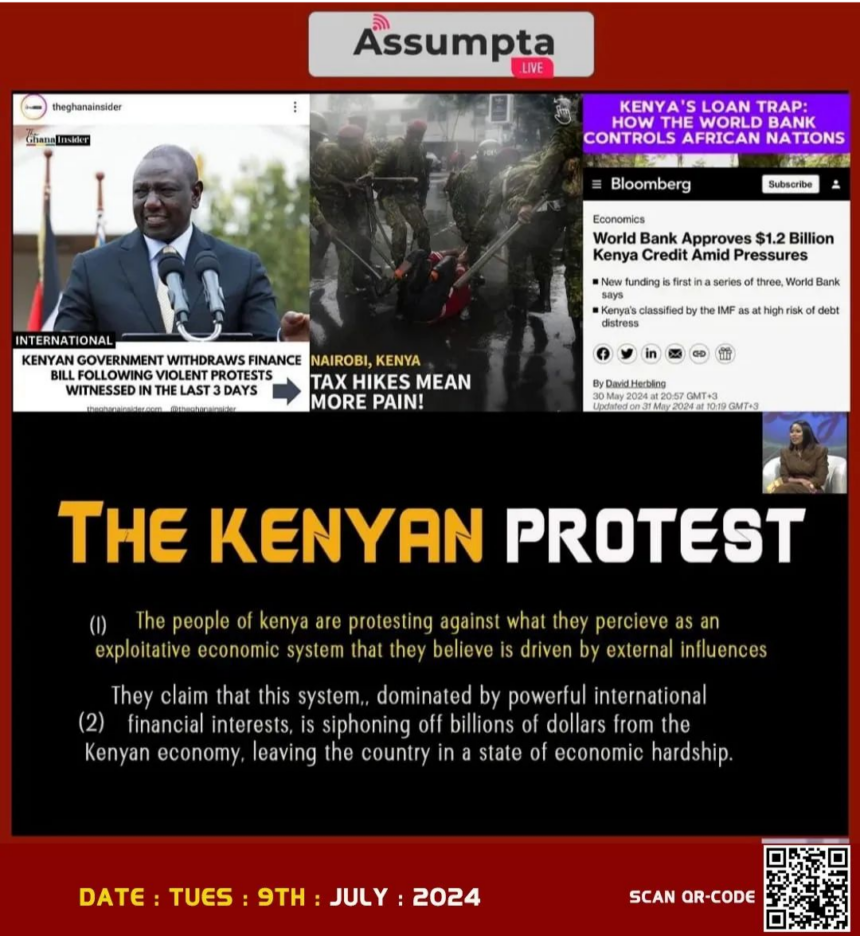
Content: (1) The people of kenya are protesting against what they perceive as an exploitative economic system that they believe is driven by external influences
(2) They claim that this system,dominated by powerful international financial interests, is syphoning off billions of dollars from the Kenyan economy, leaving the country in a state of economic hardship.
ASSUMPTA NEWSLETTER MAGAZINE:
By Berla-Mundi, Ghana’s best, finest and number one broadcast journalist. A special edition coming on Monday 9th July 2024;

- Berla-Mundi
Prologue
In recent years, Kenya has been a focal point of economic growth and development in East Africa. However, beneath the surface of this apparent prosperity, there has been growing discontent among the populace. The people of Kenya have begun to voice their frustrations through a series of protests aimed at what they perceive as an exploitative economic system. This system, they argue, is heavily influenced by powerful international financial interests that drain the country’s resources and wealth, leaving ordinary Kenyans in a state of economic hardship. The protests reflect a deep-seated desire for change and economic justice, as citizens demand that their government take action to reclaim economic control and ensure a fair distribution of the nation’s wealth.
The Kenyan Protest
1. The people of Kenya are protesting against what they perceive as an exploitative economic system driven by external influences.
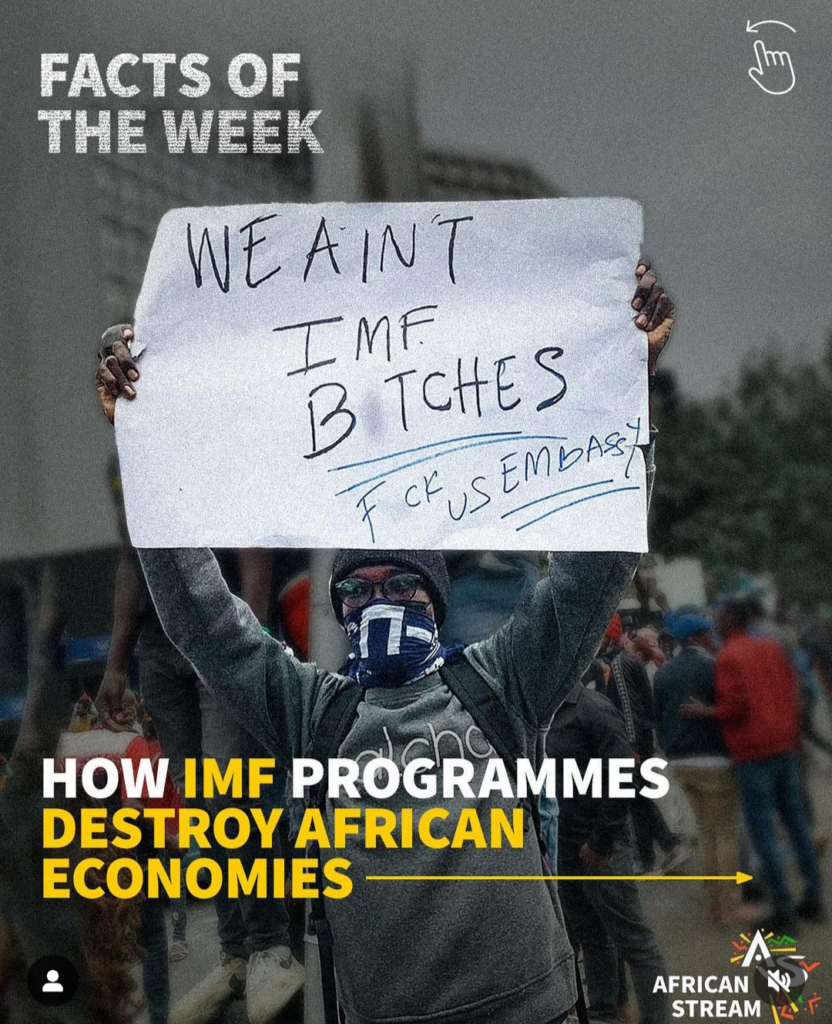
2. They claim that this system, dominated by powerful international financial interests, is siphoning off billions of dollars from the Kenyan economy, leaving the country in a state of economic hardship.
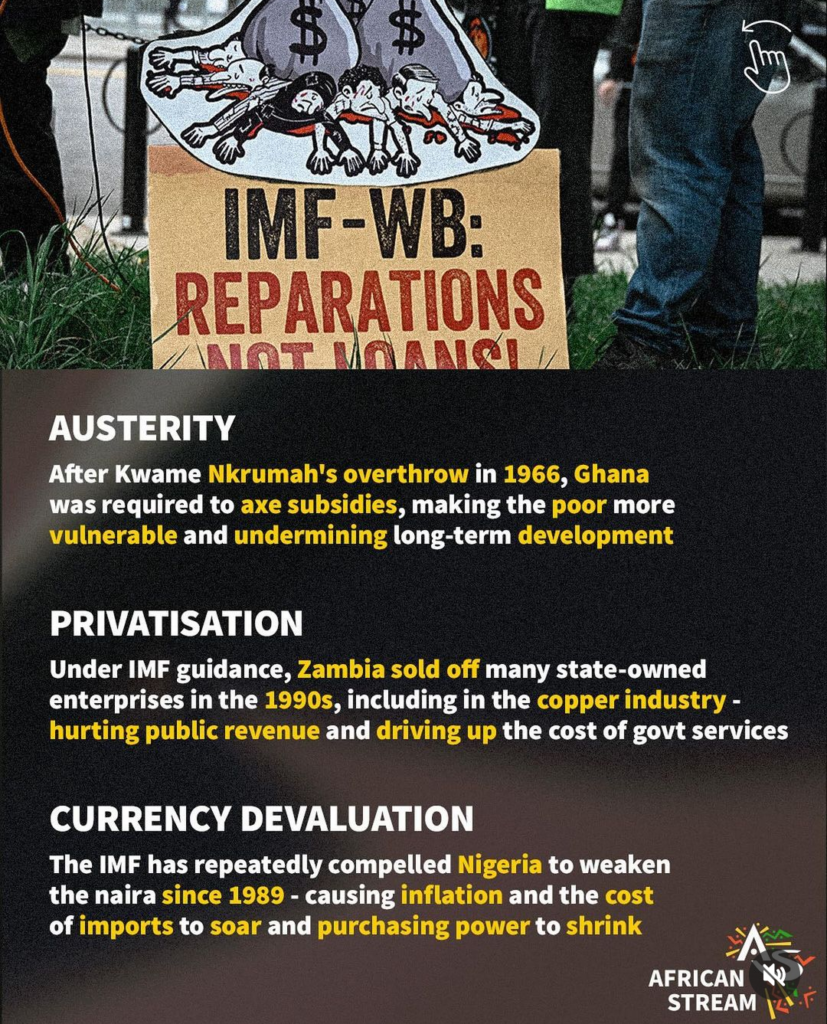
3. Protesters argue that these financial interests prioritise profits over the welfare of the Kenyan people, leading to widespread poverty and unemployment.
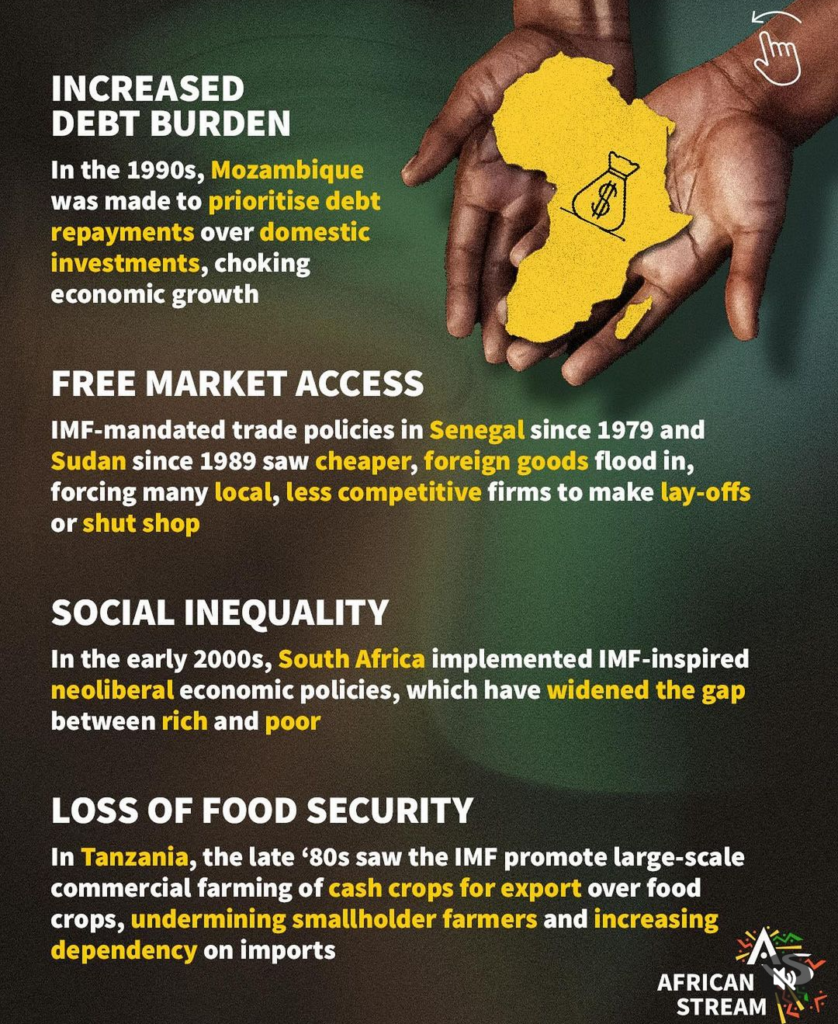
4. They are calling for the government to take decisive action to regain economic sovereignty and ensure that the wealth generated within the country benefits its citizens.
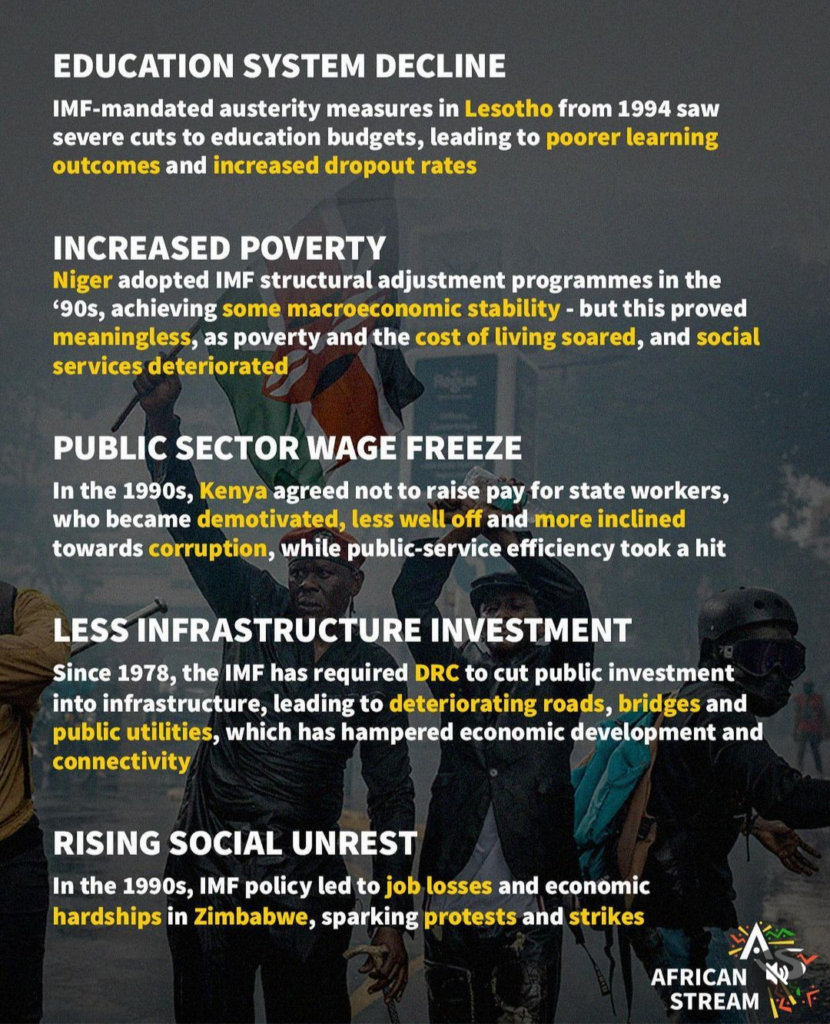
5. The protests have garnered significant attention both locally and internationally, highlighting the urgent need for economic reforms to address these grievances.
Recent Developments
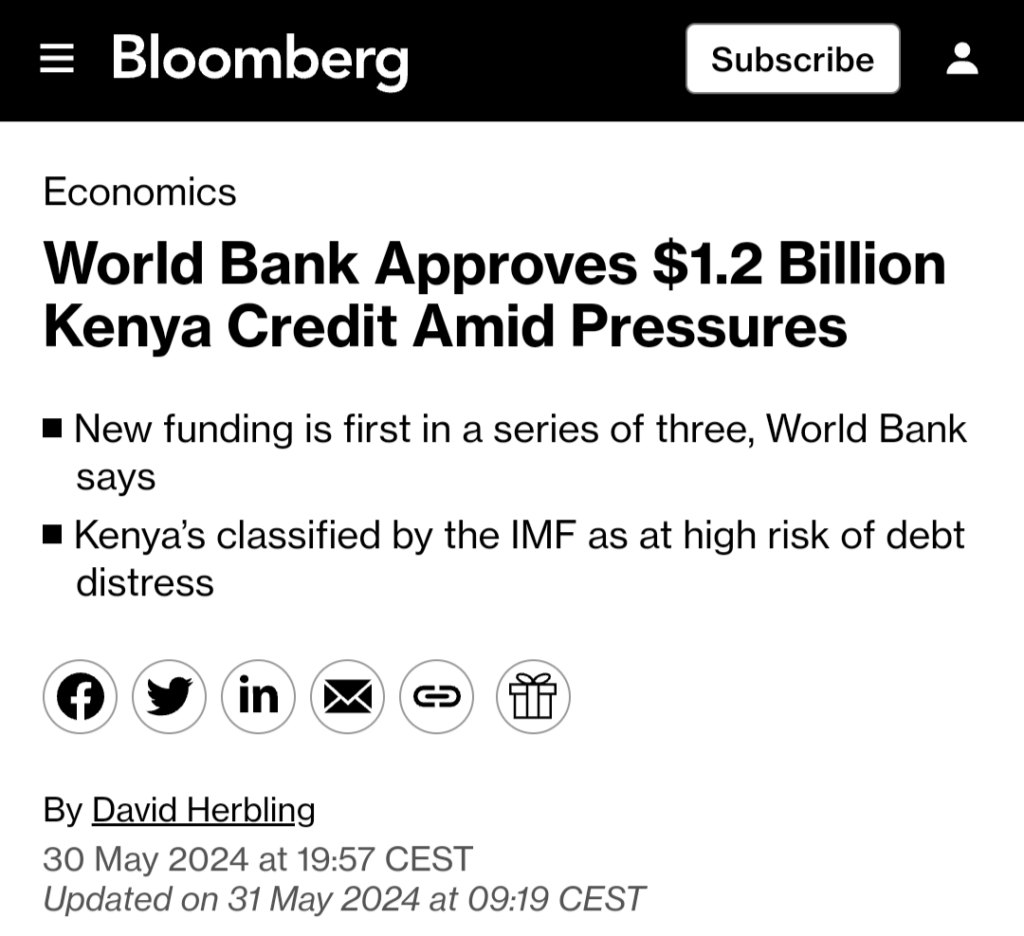
In a move that underscores the complexity of Kenya’s economic situation, the World Bank recently approved a $1.2 billion credit to Kenya amid mounting financial pressures. This new funding is the first in a series of three, signaling ongoing international financial involvement in the country’s economic affairs. However, Kenya is classified by the International Monetary Fund (IMF) as being at high risk of debt distress, which complicates the narrative of foreign aid and investment.
Internationally, the Kenyan government faced significant backlash following violent protests triggered by recent tax hikes. In response to the public outcry and the ensuing unrest, the government withdrew the controversial financial bill in Nairobi. The proposed tax increases were seen as adding to the economic burden of ordinary Kenyans, further intensifying the protests and demands for economic reform.
These events highlight the delicate balance the Kenyan government must maintain between securing necessary financial aid and addressing the domestic outcry against perceived economic exploitation and hardship.
In a recent interview, Kenyan President William Ruto addressed various national issues, emphasising that the challenges facing Kenya—such as debt, unemployment, and other systemic problems—cannot be attributed to a single individual. He argued against the notion that merely changing leadership would resolve these issues, stating that such a simplistic view is not the solution. Ruto urged Kenyans to confront the nation’s problems directly rather than attributing them to one person and expecting that removing that person would lead to immediate solutions.
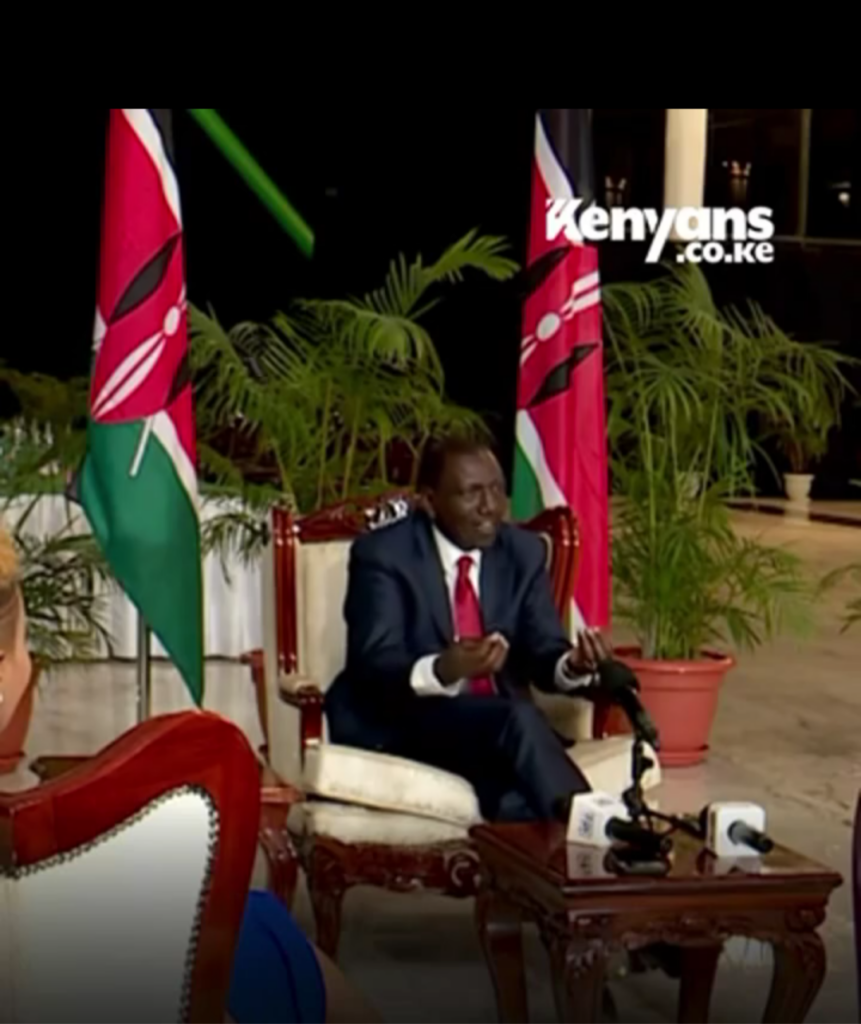
In his address, President William Ruto reflected on the obstacles hindering Kenya’s development, such as unemployment and high taxes, which deviate from the ideals set by the nation’s founding fathers. He stressed that protests calling for his removal are perceived as persecution, emphasising the need for a collective effort to tackle these issues rather than focusing on individual blame.
President Ruto invoked the spirit of self-respect and unity, echoing the slogan of Kenya’s first president, Jomo Kenyatta, “Harambee,” which means “Let’s work together” in Swahili. This aligns with the SGI Buddhist concept of “Itai-doshin” or “Many in body, one in mind,” highlighting the importance of collective effort and shared purpose in overcoming challenges and building a new Kenya.


Berla :Tsasi, I see your point about Kenyans valuing their independence in forming opinions and decisions, especially when it comes to matters as crucial as economic development.

Tsasi : Absolutely, Berla. Kenyans have a strong sense of national identity and pride in their ability to chart their own course. They recognize the contributions of international institutions like the IMF and World Bank but are cautious about the terms and conditions attached to foreign financial aid.

Berla : It’s understandable why there might be scepticism towards external financial entities. Kenyans want solutions that prioritise their long-term economic stability and development goals, rather than just meeting short-term financial needs.

Tsasi : Precisely. The concerns about debt sustainability and the impacts on Kenya’s sovereignty are valid. Kenyans are keen on ensuring that any external financial assistance aligns with their national interests and doesn’t compromise their autonomy.

Berla : President Ruto’s approach of fostering unity and inclusivity in addressing these challenges resonates with this sentiment. By engaging the people in the decision-making process, he’s ensuring that Kenya’s development agenda remains driven by domestic priorities and aspirations.
Tsasi : Absolutely, Berla. It’s crucial for leadership to maintain a balance between leveraging external support and safeguarding national sovereignty. Kenyans’ resilience and determination to shape their own future will ultimately define how they navigate these complex economic realities.

Berla : Well said, Tsasi. It’s clear that Kenyans’ pride in their identity and their proactive approach to national development will play a pivotal role in overcoming these challenges and steering the country towards a brighter future.
Tsasi : I think Adolph Hitler’s speech was prophetic when he stressed the importance of German nationalism when he said:
“The German nation does not wish its interest to be determined and controlled by any foreign nation. France to the French, England to the English, America to the Americans and Germany to Germans.
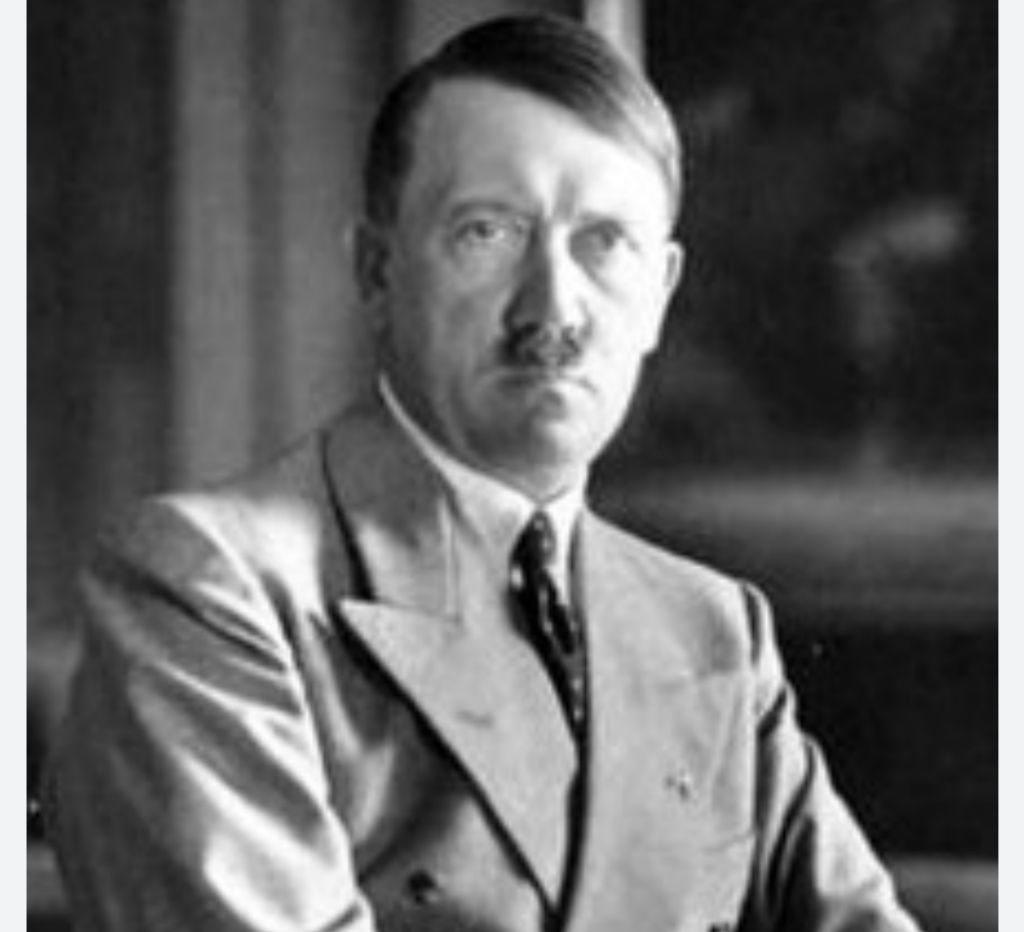
We are resolved to prevent the settlement in our country of a strange people which was capable of snatching for itself all the leading positions in the land and to oust it. For it is our will to educate our own nation for these leading positions.
We have hundreds and thousands of very intelligent children of peasants and of the working classes, we shall have them educated. In fact, we have already begun and we wish that one day they will represent our country and not the representatives of an alien race who may hold leading positions in our country together with our educated classes.
Above all, German culture as its non shows is Germans and not Jewish and therefore its management and care will be entrusted to members of our own nation.” Because he knew Britain and America are great influencers and must work to bring peace.

Berla : Adolf Hitler did not fail to acknowledge its most outstanding and capable citizens and didn’t compromise and follow the wishes of those who were less qualified to lead the world.

Tsasi : It’s true that Adolf Hitler recognized and promoted individuals he deemed outstanding and capable within the framework of his nationalism idea. Our dialogue emphasizes the importance of unity and strong leadership to address economic issues in Kenya. Here are some key points that can be expanded upon in your mission for peace and economic stability:
Building a Great Kenya for Peace and Prosperity
To protect the people of Kenya and humanity from the burdens of oppressive tax reforms and reliance on IMF-World Bank borrowing, it is crucial that we unite more strongly with our leadership. We must work together to end the cycle of heavy taxation and borrowing that hampers our economy.
1. Unity and Collective Action: Let’s come together as a nation to address these challenges head-on. Our collective efforts will lead to stronger and more effective solutions.
2. Economic Independence: We must strive to reduce our dependence on external loans. Developing homegrown economic policies that prioritise sustainability and self-reliance is essential.
3. Fair Taxation: It is vital to implement fair and just tax reforms that do not overburden the average citizen. We need a tax system that is equitable and efficient.
4. Strong Leadership: Support leaders who are committed to these goals. We need leadership that prioritises the well-being of its citizens for lasting peace and prosperity.

Delish Bakery Ghana;
Public Participation: Emphasize the importance of engaging the public in dialogue about these issues. Transparent and inclusive policymaking can help build trust and cooperation among citizens
Public Participation: Emphasize the importance of engaging the public in dialogue about these issues. Transparent and inclusive policymaking can help build trust and cooperation among citizens
5. Peace and Stability: Recognize that economic policies are directly linked to peace and stability. Addressing economic hardships is key to maintaining a peaceful society.
6. Public Participation: Engage in dialogue and participate in transparent and inclusive policymaking. Building trust and cooperation among citizens is essential. Together, we can achieve our mission for peace and build a Great Kenya that stands as a beacon of hope and prosperity. Thank you, Berla, for joining today’s dialogue.

Berla :Your message underscores the importance of unity, leadership, and inclusive economic policies in achieving peace and prosperity for Kenya. Kenyans will become pioneers of peace in Africa if they have this in mind and take steps to meet their president who wants a dialogue with them.Thank you Tsasi for joining me today.