





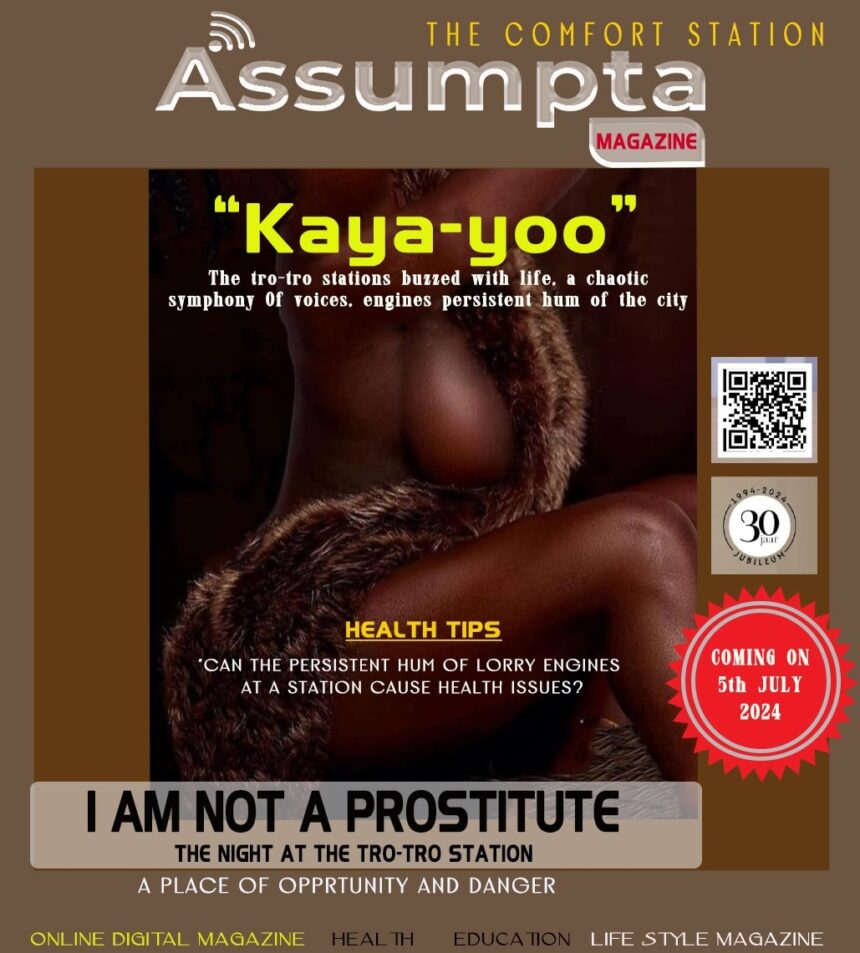
Content : The Night at the Tro-Tro Station;
The Comfort station;
Assumpta Lifestyle Magazine ; “Kaya-yoo : The Comfort station; The tro-tro stations buzzed with life, a chaotic symphony of voices, engines persistent hum of the city. A place of Opportunity and Danger.
HEALTH TIPS : ‘Can The Persistent Hum Of Lorry Engines at a Station Cause Health issues?
A special article coming on Friday 5th July 2024
ONLINE DIGITAL MAGAZINE, HEALTH, EDUCATION, LIFE STYLE MAGAZINE :
I Am Not a Prostitute :
The Night at the Tro-Tro Station; The Comfort Station, a Place of Opportunity and Danger;
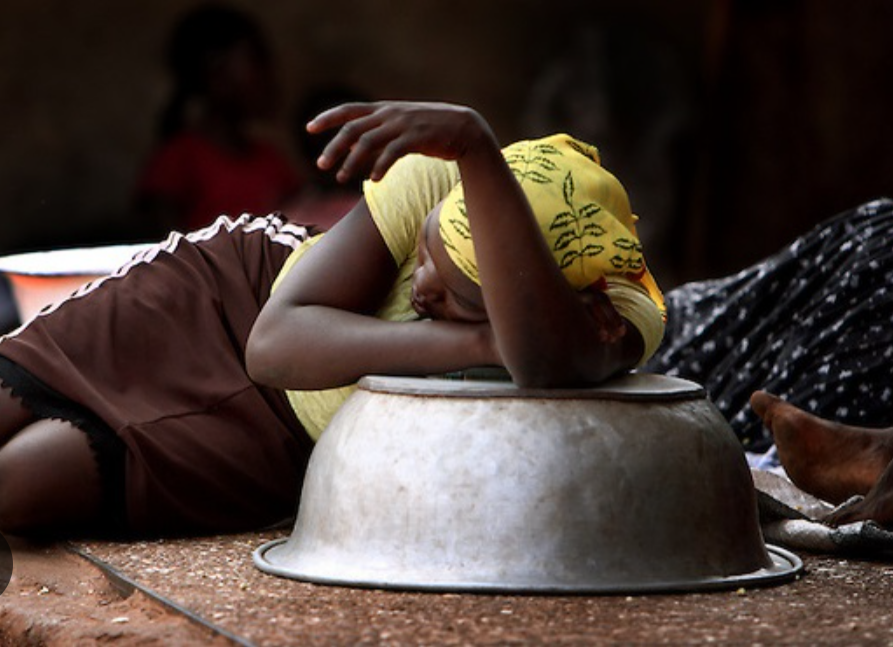
The tro-tro station buzzed with life, even as the night stretched its inky fingers across the sky. Vendors shouted their last calls, children weaved through the crowd, and weary travellers waited for their rides home. The air was thick with the smell of grilled meat and diesel fumes.
The comfort station at the tro-tro station was a small, concrete building that had seen better days. Its walls were streaked with dirt and graffiti, and the roof, patched in several places, seemed to sag under the weight of neglect. The flickering fluorescent lights cast an eerie glow, highlighting the cracks and stains that marked the floor.
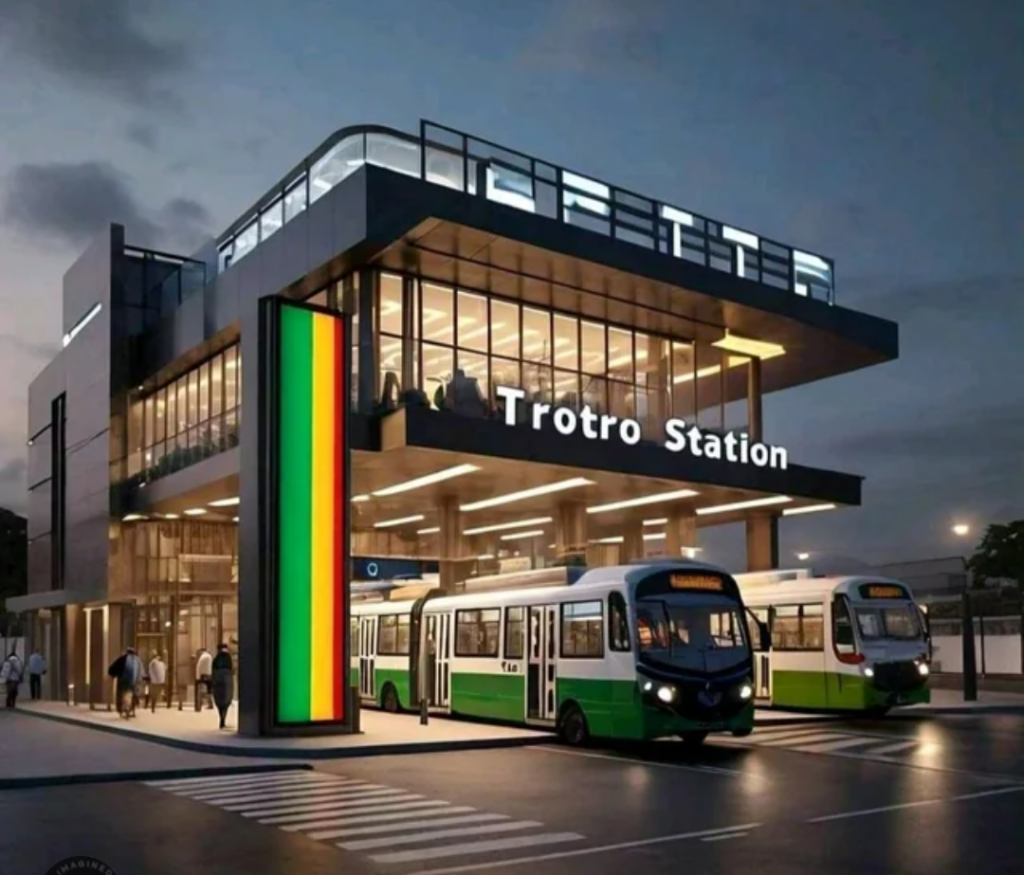
The Future Ghana Tro-Tro Station
Inside, the air was thick with a mix of unpleasant odours sweat, stale urine, and the faint smell of disinfectant that seemed to mask rather than eliminate the grime. The toilets were functional but far from clean, with broken seats and doors that didn’t lock properly. The sinks, some with missing faucets, dripped continuously, forming small puddles on the floor.
A handful of vendors operated small kiosks within the station, selling basic necessities like bottled water, snacks, and toiletries. Their faces were lined with the strain of long hours and difficult working conditions. They did their best to maintain a semblance of order and cleanliness around their stalls, but it was a losing battle against the constant influx of travellers.
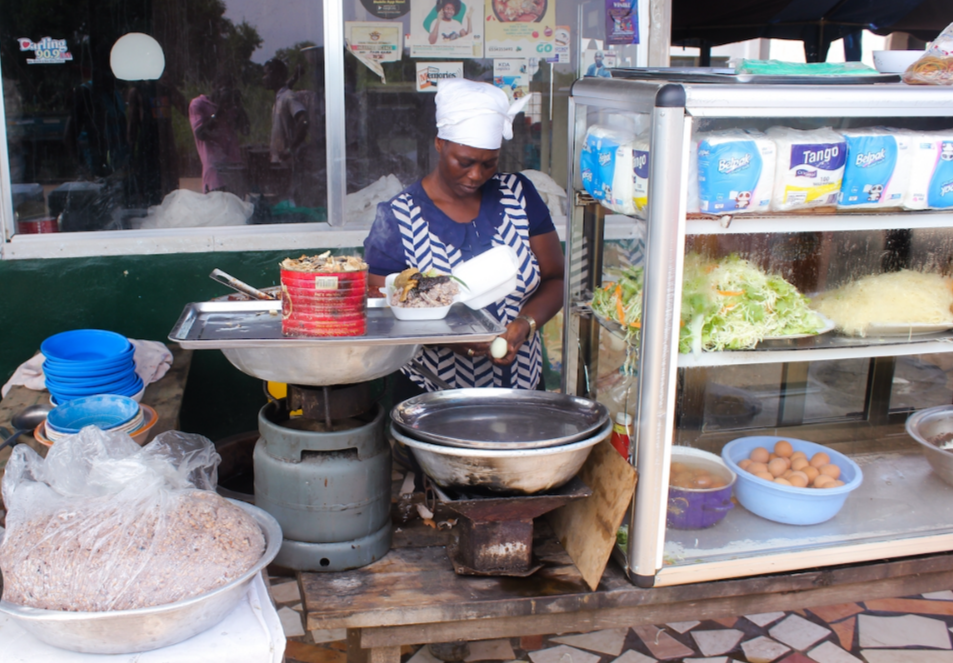
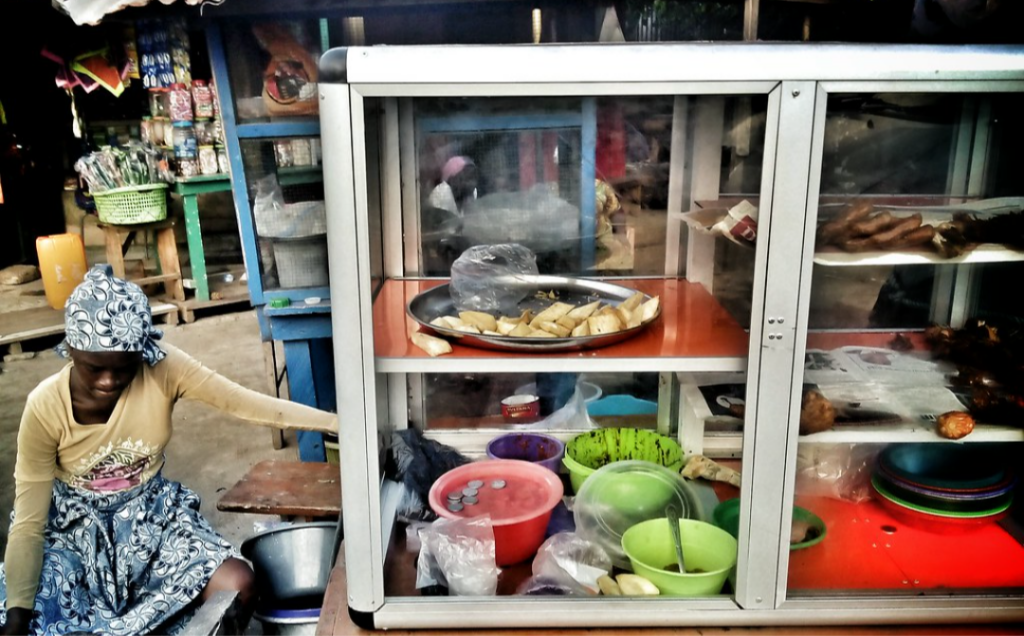
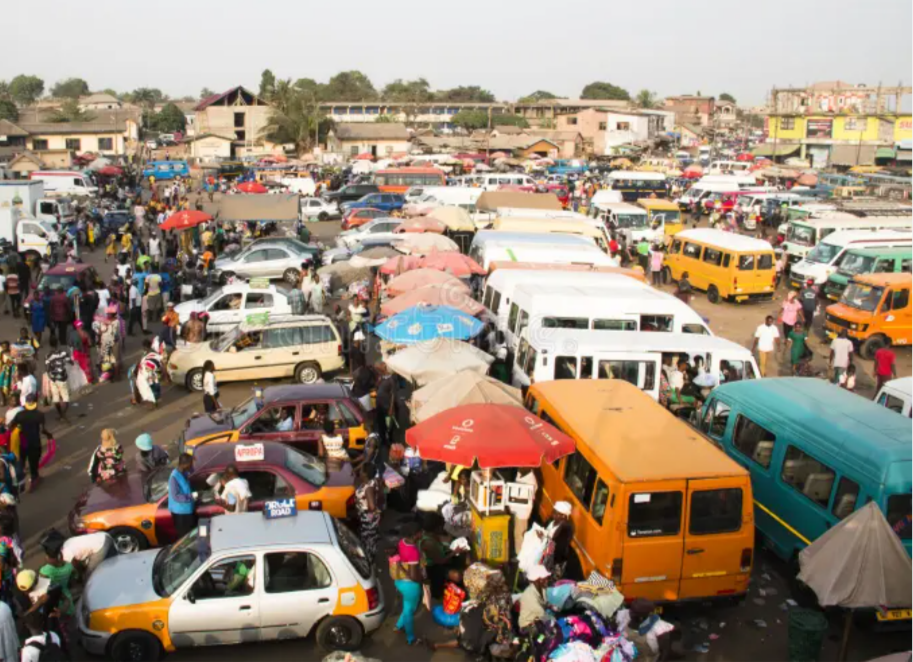

In the corner, a few rickety benches offered a place to sit, though they were often occupied by those with no other place to go. Homeless individuals and runaways sought temporary refuge here, adding to the air of desperation. At night, the comfort station took on a more sinister atmosphere. The dim lighting and isolated location made it a hotspot for unsavoury activities. Men loitered near the entrance, their eyes scanning for potential targets, while women lingered, some offering their services in exchange for money or protection.
Despite these conditions, the comfort station was a lifeline for many. It provided a brief respite from the chaos of the tro-tro station, a place to catch one’s breath, use the restroom, or buy a bottle of water. For travellers like Ama, it was a necessary stop, albeit one fraught with risks.
This description aims to provide a vivid portrayal of the conditions at the comfort station, highlighting both its role as a vital resource and the dangers it presents.
The Conditions at the Comfort Station: Echoes of the Past and Present;
The comfort station at the tro-tro station was a harsh microcosm of the broader societal dynamics at play. Here, the Kaya-Yoo women, burdened by their heavy loads and meagre earnings, represented two distinct groups: those owned by the NDC government and those controlled by the station boys.
The NDC government, in an attempt to address the plight of the Kaya-Yoo women, had provided carrying pans to all porters, a gesture meant to symbolise support and empowerment. However, the reality was far more complex. Many Ghanaians felt misled, seeing this initiative as a superficial fix rather than a genuine solution to systemic issues.

The station boys, on the other hand, exerted a far more direct and oppressive control over the Kaya-Yoo women under their sway. These young men, ruling the station with an iron fist, dictated the terms under which the women worked and lived. The comfort station, with its cramped, dingy rooms barely large enough to fit a mat, became a place where desperation met exploitation. Women often found themselves trading their bodies for a modicum of security and a few coins, a grim testament to their vulnerability.

This modern-day struggle stood in stark contrast to the ideals once championed by Kwame Nkrumah, Ghana’s first president. Nkrumah’s vision of human dignity for Ghanaians had been built on three pillars: free healthcare, free education, and access to high-paying jobs.
Free Healthcare: Under Nkrumah’s leadership, healthcare was made accessible to all Ghanaians at no cost. Hospitals and clinics sprang up across the country, providing essential medical services and ensuring that even the poorest citizens had access to doctors and medications.
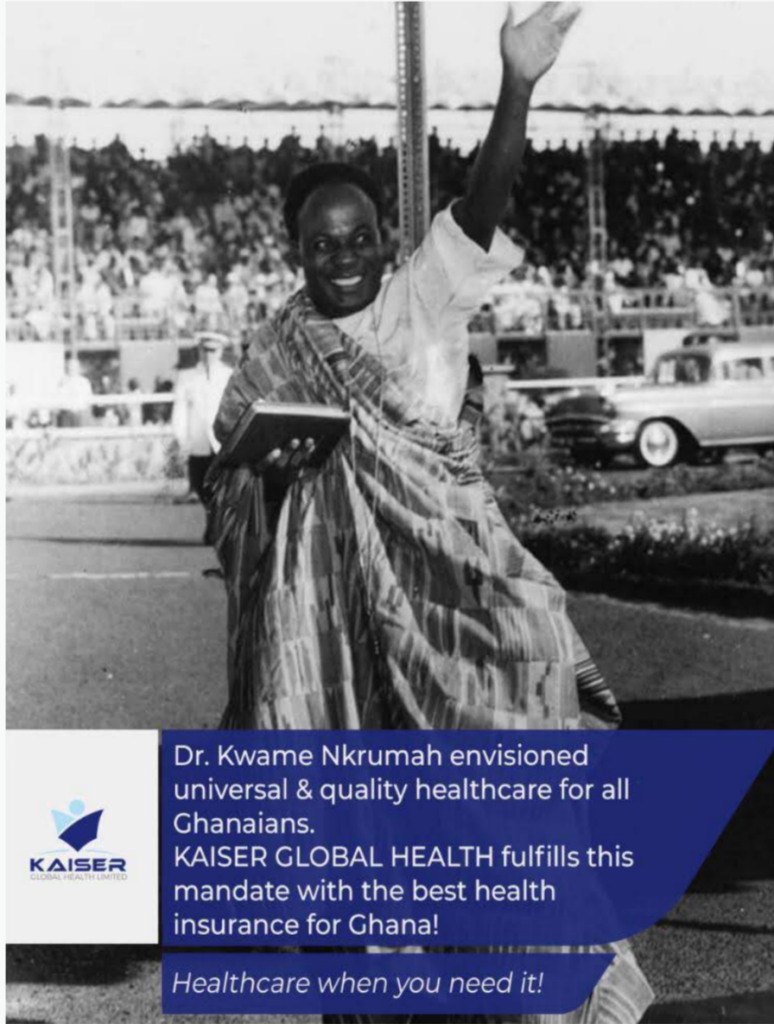
Free Education : Nkrumah also prioritised education, making it free for all Ghanaians. This initiative was aimed at empowering the population through knowledge, ensuring that every child, regardless of their background, could receive quality education and aspire to a better future.





High-Paying Jobs : Furthermore, Nkrumah’s economic policies created numerous high-paying jobs across various industries. His administration focused on industrialization and infrastructure development, which opened up opportunities for Ghanaians to earn decent wages and improve their living standards
In the years since Nkrumah’s tenure, these ideals had been eroded. The contrast between his vision and the current plight of the Kaya-Yoo women at the tro-tro station was stark. The comfort station, rather than being a place of respite, had become a site of exploitation, a reflection of broader societal failures.
As the fluorescent lights flickered, casting long shadows on the cracked tiles, the comfort station stood as a grim reminder of the cycles of oppression that continued to shape the lives of the most vulnerable. The Kaya-Yoo women, like the slaves of old, endured their captivity with a mix of resignation and defiance. Their struggle underscored the urgent need for a return to Nkrumah’s ideals—an emphasis on human dignity, genuine support, and systemic change to break the chains of modern-day exploitation.
In the heart of the tro-tro station, amid the ceaseless flow of people and vehicles, the comfort station remained a testament to the indomitable spirit of those who lived on society’s fringes. It was a place where the echoes of history could still be heard, a reminder of the ongoing battle for dignity and survival in a world that often seemed indifferent to their plight.
This narrative aims to blend the historical ideals of Kwame Nkrumah with the current realities faced by the Kaya-Yoo women, highlighting the stark contrasts and the need for systemic change.
Assumpta-Gahutu and Tsasi: A Dialogue at the Trotro Station ;
Assumpta-Gahutu : Good morning, Tsasi. How has your day been?


Tsasi : Good morning, Assumpta-Gahutu. It’s been a long day. The loads were heavier than usual, and the heat made it worse. How about you?

Assumpta-Gahutu : It’s been tough. The station boys have been more demanding lately. Sometimes it feels like there’s no end to this struggle.
Tsasi : I know what you mean. I heard the NDC government provided carrying pans for all the Kaya-Yoo women. Have you received yours?
Assumpta-Gahutu: Yes, I did. But honestly, it feels like just a token gesture. It doesn’t change our reality here at the station. The station boys still control everything, and we’re left to fend for ourselves.
Tsasi : It’s disheartening. My father, a military major, used to talk about the days of Kwame Nkrumah. he said his policies gave people hope—free healthcare, education, and good jobs. Do you ever think we’ll see days like that again?

Assumpta-Gahutu : I hope so, Tsasi. Nkrumah’s vision was one of dignity and opportunity for all Ghanaians and Africans. We need leaders who truly care about our well-being, not just empty promises.
Tsasi : If only more people remembered his ideals. Free education and healthcare would change so much for us. Imagine not having to worry about medical bills, taxes or sending our children to school.

Assumpta-Gahutu : Exactly. And access to high-paying jobs would mean real independence for us. We wouldn’t have to rely on the whims of the station boys. We could live with dignity.
Tsasi : We can’t lose hope. We need to keep pushing for change. Maybe one day, we’ll see the return of Nkrumah’s values in our leadership.

Assumpta-Gahutu : You’re right, Tsasi. We must keep believing in a better future. For now, let’s stay strong and support each other. Together, we can endure this.
Tsasi : Agreed. Stay safe morning, Assumpta-Gahutu. We’ll get through this, one day at a time.

Assumpta-Gahutu: You too, Tsasi. Good morning, my friend. We’ll face tomorrow together.
Health Tips
“Can the persistent hum of lorry engines at a car station cause health issues?”

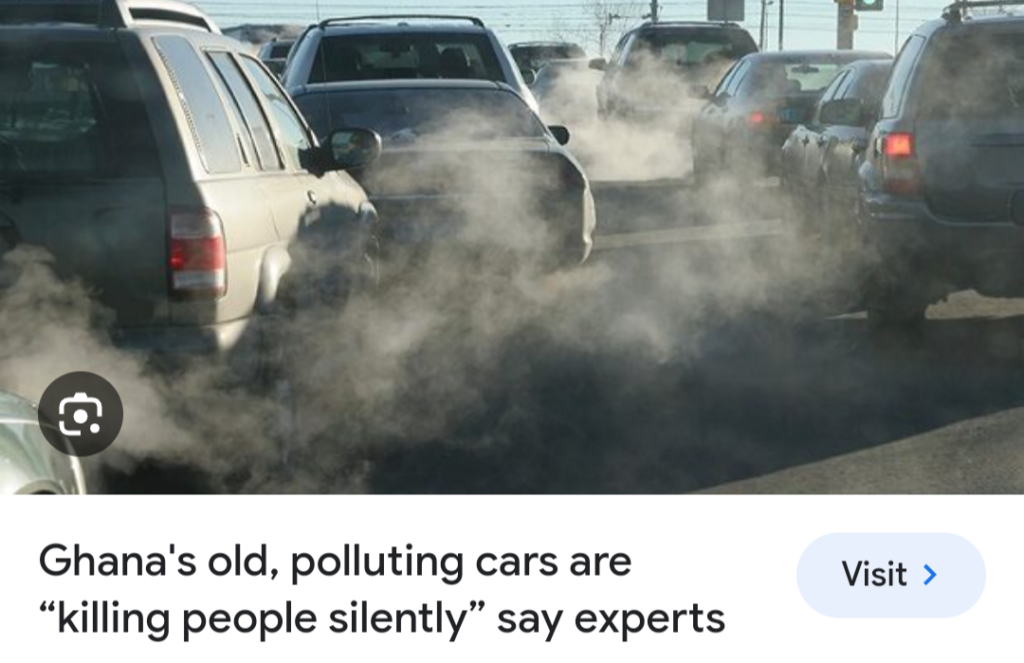


Indeed, the persistent hum of lorry engines or any continuous noise from car stations can potentially cause health issues. Long-term exposure to noise pollution, especially low-frequency noise such as that produced by lorry engines, can lead to various health problems, including:
1. Hearing Loss : Prolonged exposure to loud noises can damage the delicate structures of the inner ear, leading to noise-induced hearing loss.
2. Sleep Disturbances : Continuous noise, especially at night, can interfere with sleep patterns, leading to insomnia or poor-quality sleep. This can result in fatigue, reduced cognitive function, and decreased overall well-being.
3. Cardiovascular Issues : Chronic noise exposure has been linked to an increased risk of cardiovascular problems such as hypertension (high blood pressure), heart attacks, and strokes.
4. Stress and Mental Health : Persistent noise can cause increased stress levels, leading to anxiety, irritability, and other mental health issues. Chronic stress can have a wide range of negative effects on physical health as well.
5.Cognitive Impairment : For children, prolonged exposure to noise pollution can affect cognitive development and academic performance, particularly in areas such as reading comprehension and memory.
6. General Well-being : Continuous noise can reduce the overall quality of life, making it difficult to relax, concentrate, or enjoy everyday activities.
To mitigate these effects, it is important to reduce noise exposure through various measures, such as using soundproofing materials, creating noise barriers, maintaining a reasonable distance from noise sources, and implementing community noise regulations.