

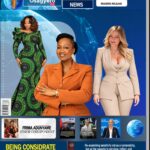
📰 OSAGYEFO NEWSLETTER MAGAZINE
Securing the Foundation for the Peace of the Land
“For the Peace of the Land”
🌍 THE GLOBAL HEADLINE
THE BETRAYAL OF NKRUMAH’S DREAM
🩸The Jewel Girl Asks: Is Ghana Still Educationally Independent?
| Theme | From Political Independence to Intellectual Independence |
|---|---|
| Central Question | Did Ghana achieve political independence in 1957, but fail to attain the educational independence necessary to build the future Kwame Nkrumah envisioned? |
ABOUT THIS COVER STORY This title poses a profound national question. It does not merely examine external influence; it challenges Ghanaians themselves to reflect on whether the ideals of independence have been fully protected and advanced.
This inquiry opens the door to a serious global conversation encompassing history, education, law, youth unemployment, economic development, and Ghana’s future place in the world.
🌐 Read Exclusively at: assumptagh.live/
📅 Special Edition Release: Wednesday, August 12, 2026






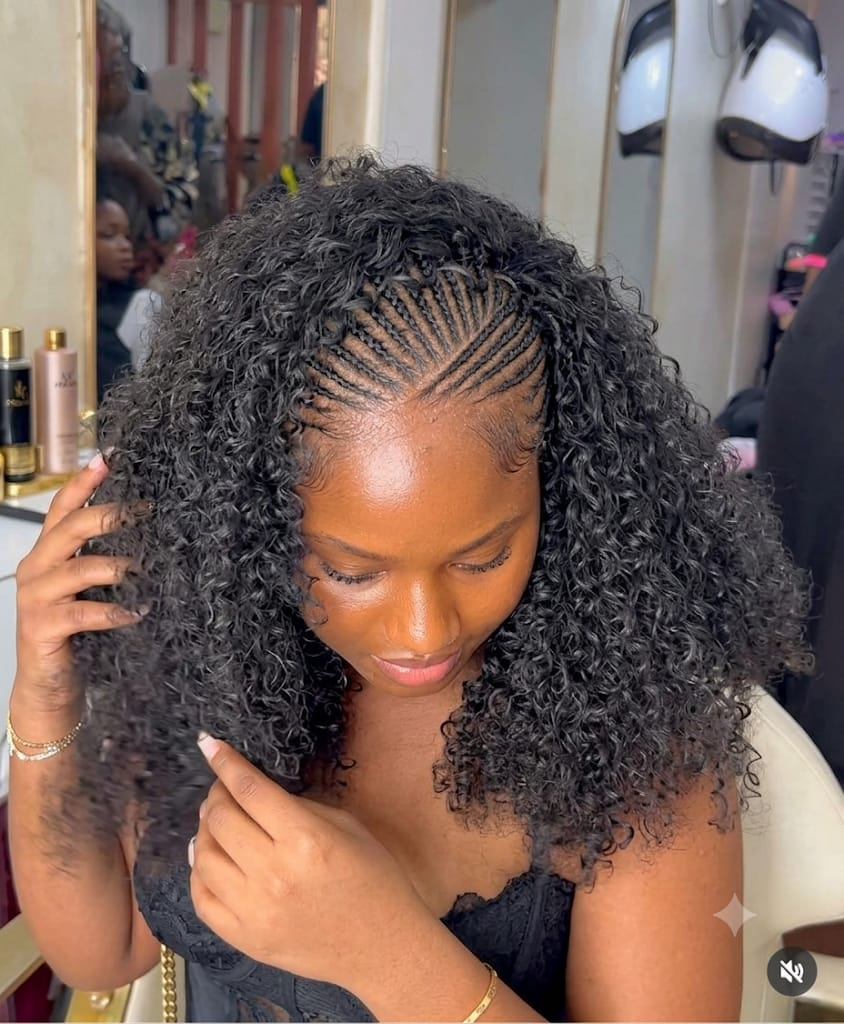


https://www.instagram.com/hairsenta_koforidua?igsh=cjJvY3l3ZXV6Z2lv
Elevate Your Crown with The Hair Senta
Why settle for “good enough” when you can wear the gold standard? At The Hair Senta, we don’t just sell hair; we deliver the confidence that comes with knowing your look is flawless, authentic, and built to last.
Based in the heart of Accra and shipping globally, we’ve turned the art of human hair extensions into a world-class experience.
Why the World Chooses Hair Senta
- Actual Proof of Quality: No filters needed. Our extensions are sourced for longevity, natural luster, and a seamless blend. Whether it’s raw or virgin hair, the quality is visible in every strand.
- The Confidence Factor: We believe your hair is your power. Our pieces are designed to give you that “just stepped out of the salon” feeling every single day.
- Unbeatable Value: Luxury shouldn’t be out of reach. We offer premium, trademarked quality at prices that respect your investment.
- Global Reach, Local Roots: From our flagship in Ghana to doorsteps in London, New York, and beyond—we bring the best of West African hair retail to the world.
Ready to Transform Your Look?
| Feature | What You Get |
|---|---|
| Origin | Premium Sourcing |
| Shipping | Worldwide Delivery |
| Location | 24 Jungle Avenue, Accra, Ghana |
| Status | Trademarked Excellence |
Get in Touch Today
Don’t wait for your best hair day—create it.
Visit Us: www.hairsenta.com
Call/WhatsApp: (+233) 0544354455 / 0248629769
In-Store: 24 Jungle Avenue, Accra, Ghana
“Your hair is the crown you never take off. Make sure it shines.”
🎙️ MEET THE VOICES

⚖️ Serwaa Amihere, Esq.
Legal Analyst | Broadcaster | Journalist
- Background: Ghanaian broadcast journalist and news presenter with GHOne TV. Officially called to the Ghana Bar as a Barrister and Solicitor of the Supreme Court of Ghana in October 2025.
- Education & Training: Ghana Institute of Management and Public Administration (GIMPA) Law Faculty & Ghana School of Law.
- Perspective: Combining media insight with legal expertise, she contributes a unique voice on governance, justice, and national development.

🌐 TITAN
The Global Perspective
- A bold American voice challenging global consciousness, international power structures, and contemporary geopolitical realities.
- TITAN brings a worldwide lens to conversations about education, sovereignty, economic development, and African self-determination.
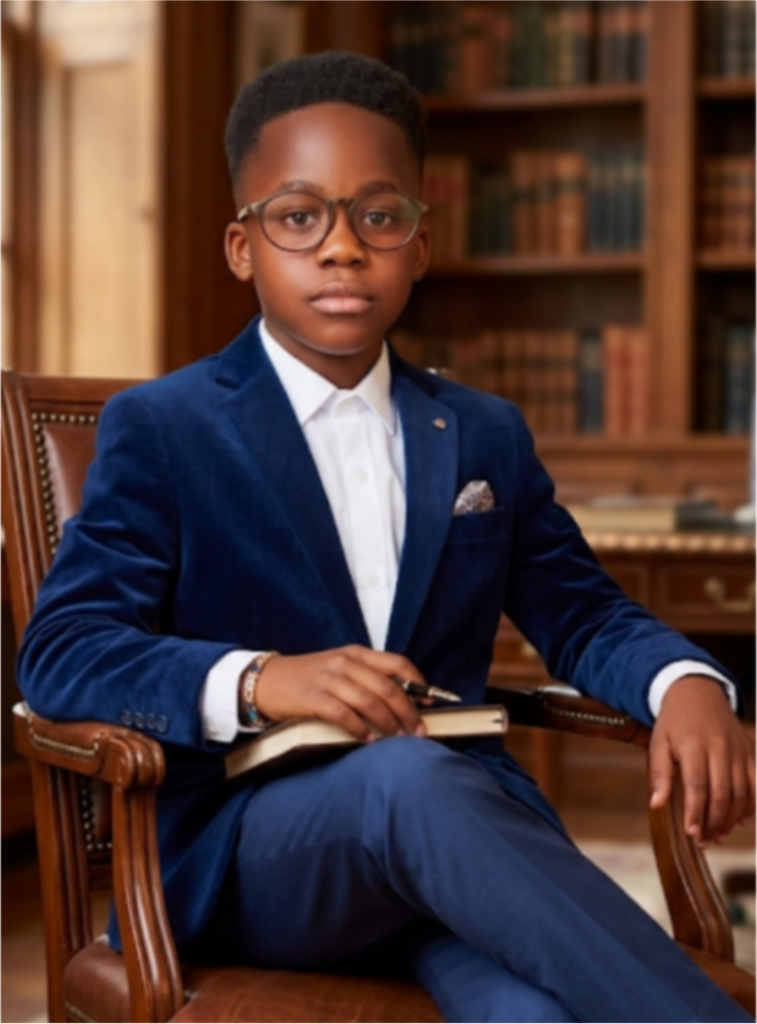
🔥 OKOMFO-BLACK
Spiritual Advocate & Youth Reformer
- The voice reviving the revolutionary soul of Africa’s heritage with bold clarity, cultural awareness, and spiritual depth.
- Committed to empowering young Africans through historical consciousness and values-based leadership.
💎 THE JEWEL GIRL (ABENA OFORIWAA)

Voice for Value, Peace & Empowerment
- A champion of historical accountability, rooted in truth and committed to the process of national healing.
- The Jewel Girl continues to challenge conventional narratives while encouraging constructive national dialogue centred on dignity, wisdom, and peace.
THE JEWEL GIRL QUESTION
Who Should Shape the Education of Ghana’s Future Generations?
Do we really believe that signing more partnerships with institutions such as Cambridge University is the answer to Ghana’s educational future?
Nearly seventy years after Ghana attained independence, a fundamental question remains unresolved: Who should determine the educational direction of the Ghanaian child?
Recently, Ghana’s Ministry of Education signed a Memorandum of Understanding (MoU) with Cambridge University aimed at supporting educational reforms through access to internationally benchmarked expertise and standards.
- The Supporters: View the partnership as a critical opportunity to improve educational quality and global competitiveness.
- The Critics: See a deeper structural issue emerging beneath the surface.
What Has Decades of British Educational Influence Achieved?
Have longstanding educational relationships produced a system primarily designed to meet Ghana’s developmental needs, or have they unintentionally extended patterns established during the colonial era?
Education influences not only employment outcomes but also national identity, confidence, innovation, and sovereignty.
📜 History Cannot Be Ignored
Cambridge University has publicly acknowledged historical connections between individuals associated with the institution and Britain’s colonial enterprise—including links to wealth generated through the transatlantic slave trade and intellectual traditions that contributed to colonial-era racial theories.
These historical realities continue to influence how many Africans evaluate modern partnerships with institutions linked to former colonial powers. Today, even many young people in Britain are critically examining the legacy of empire and asking difficult questions about historical responsibility, justice, and post-colonial relationships.
💡 Nkrumah’s Educational Vision
Kwame Nkrumah understood that political independence alone would never be enough. He believed education should:
- Develop independent thinking
- Build national confidence
- Advance scientific and technological progress
- Promote economic self-reliance
- Serve the needs and aspirations of the Ghanaian people
His educational philosophy was rooted in the belief that a truly independent nation must possess the intellectual capacity to shape its own destiny.
The Continuing Debate & Modern Realities
Britain’s influence within Ghana’s educational ecosystem has remained visible through examination systems, curriculum development, teacher training initiatives, academic partnerships, and institutional collaborations. Whether this influence has strengthened Ghana’s educational sovereignty or constrained it remains a legitimate subject of public debate.
At the same time, Ghana continues to confront a major challenge: Youth Unemployment. Many young graduates struggle to find opportunities consistent with their education and aspirations.
A Critical Crossroad: If decades of educational cooperation have not fully equipped young people for the nation’s economic transformation, should Ghana continue refining the same model, or should it pursue a fundamentally different path?
🌍 Looking Beyond Traditional Models
Some observers point to nations such as Cuba, where literacy rates are among the highest globally, as examples of countries that built strong educational systems largely around nationally defined priorities. While every nation’s historical circumstances are unique, such comparisons encourage discussion about whether educational independence can strengthen national development.
The issue is not whether international cooperation is valuable—international partnerships often provide important resources, expertise, and opportunities. The real question is whether those partnerships are being shaped by Ghana’s own long-term vision.
❓ THE QUESTION BEFORE THE NATION
As Ghana approaches seventy years of independence:
Should the nation continue looking to former colonial institutions for educational leadership, or is it time to build an educational system that draws first and foremost from Ghana’s own knowledge, aspirations, culture, and vision for the future?
Nkrumah’s vision was clear: Education should produce citizens capable of thinking independently, solving national problems, advancing scientific development, and building economic freedom.
If educational reforms move Ghana further away from those ideals and increase dependence on external institutions, many critics argue that such reforms represent more than policy errors—they represent a departure from the very principles that inspired Ghana’s independence movement.
The challenge is whether Ghana’s educational future is being shaped principally by the aspirations of its own people. That is the question The Jewel Girl places before the nation.
💬 THE JEWEL GIRL PANEL

⚖️ Special Feature Question to Serwaa Amihere, Esq.
Ghana continues to debate the legacy of British colonialism and its lasting economic, educational, and cultural effects.
The Jewel Girl Asks:
From a legal perspective, is there any basis under international law for Ghanaians or the Government of Ghana to pursue legal claims against Britain for harms arising from colonial rule or the transatlantic slave trade?
If so:
- What legal avenues could potentially exist?
- What precedents might be relevant?
- What obstacles would such a case face?
- What role could international institutions play?
⚖️ The Central Legal Question
Can justice for historical wrongs be pursued through the courts, or must it be sought primarily through diplomacy, historical acknowledgement, educational reform, reconciliation initiatives, and reparative policies?
🔍 INSIDE THIS SPECIAL EDITION
What This Issue Unpacks:
- 🎓 The meaning of educational independence in the 21st century.
- 🧠 Nkrumah’s vision for African-centred education.
- 🤝 The Cambridge-Ghana partnership debate.
- 🏛️ Colonial legacies and modern educational policy.
- 💼 Youth unemployment and educational outcomes.
- 🌐 International partnerships vs. national self-reliance.
- ⚖️ The legal debate surrounding colonial reparations.
- 🇨🇺 Lessons from other nations pursuing educational sovereignty.
- ✊🏾 The role of young people in shaping Ghana’s future.
💡 WHY THIS MATTERS
Education is more than a classroom issue. It directly shapes:
- ✅ National Identity
- ✅ Economic Development
- ✅ Scientific Innovation
- ✅ Cultural Confidence
- ✅ Political Sovereignty
- ✅ Intergenerational Opportunity
As Ghana approaches seven decades of independence, the debate is no longer simply about what was inherited from the past—it is about what kind of future the nation chooses to build.
The Question Remains:
Will Ghana’s educational future be defined primarily by external models, or by a distinctly Ghanaian vision rooted in self-determination, excellence, and national purpose?
OSAGYEFO NEWSLETTER MAGAZINE
Securing the Foundation for the Peace of the Land
For the Peace of the Land 🌍 ✊🏾 📚 🇬🇭
📰 OSAGYEFO NEWSLETTER MAGAZINE
Special Global Dialogue Series
THE BETRAYAL OF NKRUMAH’S DREAM
The Jewel Girl Asks: Is Ghana Still Educationally Independent?
🎙️ HOST-Serwaa Amihere, Esq.

Legal Analyst • Broadcaster • Journalist
Serwaa Amihere, Esq.:
Good day, distinguished readers across Africa, Europe, the Americas, Asia, the Caribbean, the Middle East, and every corner of our shared world.
On behalf of OSAGYEFO NEWSLETTER MAGAZINE, it is my great pleasure to welcome you to this Special Global Dialogue. Thank you for joining us as we explore an issue that reaches far beyond the borders of one nation. Education is not merely about classrooms or examinations; it is about the ideas that shape societies, the confidence of nations, the opportunities available to young people, and ultimately the future we choose to build together.
Today’s discussion centres on Ghana, but its lessons and questions resonate with every country seeking to balance international cooperation with national priorities.
Before we begin, I am honoured to introduce our distinguished panellists.
💎 DISTINGUISHED PANELISTS

💎 ABENA OFORIWAA (The Jewel Girl)
Voice for Value, Peace & Empowerment
- Profile: Abena Oforiwaa is an advocate for historical reflection, civic responsibility, and national development. Through thoughtful public dialogue, she encourages citizens to examine how history, education, and leadership influence the future of society. Her work promotes dignity, peace, and constructive engagement across generations.
🔥 OKOMFO-BLACK
Spiritual Advocate & Youth Reformer
- Profile: Joining us from Ghana, Okomfo-Black is a commentator on African history, cultural identity, and youth development. He believes that understanding one’s heritage is essential for building confident, responsible, and forward-looking communities.

🌐 TITAN
The Global Perspective
- Profile: Representing the United States, TITAN brings an international perspective to today’s discussion. His work focuses on global affairs, education, economic development, and international cooperation. He encourages audiences to consider how nations can learn from one another while remaining true to their own aspirations and identities.
Serwaa Amihere, Esq.: To each of you, thank you for accepting our invitation. Ladies and gentlemen, welcome to the OSAGYEFO Global Dialogue.
📜 OUR COVER STORY
THE JEWEL GIRL QUESTION

Who Should Shape the Education of Ghana’s Future Generations?
One question stands at the heart of today’s conversation:
Do we really believe that partnerships with internationally renowned institutions, such as Cambridge University, represent the best path toward Ghana’s educational future?
This is not a question intended to reject international collaboration. Rather, it invites thoughtful reflection on a broader issue: how should Ghana define educational success, and who should lead that vision?
Across the country, a growing conversation is emerging about renewing the role of education in creating a peaceful, innovative, prosperous, and confident Ghana. Many believe education should not only prepare students for employment but also cultivate responsible citizenship, scientific creativity, ethical leadership, and national development.
Nearly seventy years after independence, a fundamental question remains:
Who should determine the educational direction of the Ghanaian child?
Recently, Ghana’s Ministry of Education signed a Memorandum of Understanding with Cambridge University to support educational reform through internationally benchmarked expertise and standards.
- Supporters of the partnership see it as an opportunity to strengthen educational quality, broaden international opportunities, and improve global competitiveness.
- Others ask a different question. They wonder whether Ghana should place even greater emphasis on developing educational models rooted in the country’s own priorities, history, languages, culture, and long-term development goals.
This broader debate also touches on history. Cambridge University has acknowledged aspects of its historical connections to Britain’s colonial past, including research into links between members of the university and wealth connected to slavery and colonialism. These historical realities continue to influence discussions about relationships between former colonial powers and African nations.
At the same time, many people in Britain and around the world are also re-examining the legacies of empire, historical injustice, and how modern partnerships should evolve in a spirit of equality and mutual respect.
💡 Nkrumah’s Educational Vision
This discussion naturally brings us back to the educational vision of Ghana’s first President, Kwame Nkrumah.
Nkrumah believed political independence would be incomplete without intellectual independence.
He envisioned an educational system that would:
- Develop independent thinkers.
- Build national confidence.
- Advance science and technology.
- Promote economic self-reliance.
- Respond to the needs and aspirations of the Ghanaian people.
His philosophy was grounded in the conviction that every independent nation should possess the intellectual capacity to shape its own future.
🏛️ Contemporary Challenges & Historical Realities
Today, Britain continues to influence aspects of Ghana’s educational landscape through examinations, academic partnerships, curriculum development, teacher training, and institutional collaboration.
Whether these relationships have strengthened Ghana’s educational sovereignty, or whether greater emphasis should now be placed on nationally led approaches, remains an important subject for democratic discussion.
Meanwhile, Ghana faces another significant challenge: youth unemployment. Many graduates continue to struggle to find employment that reflects their education and ambitions.
This raises an important policy question:
If educational cooperation has brought valuable benefits but significant challenges remain, should Ghana continue refining the current approach, or should it also invest more deeply in educational models designed around its own national vision?
Some observers point to countries such as Cuba, whose education system has achieved high literacy while being shaped largely around nationally defined priorities. Every country’s history is unique, and no single model can simply be transferred elsewhere. Nevertheless, such examples encourage discussion about how educational independence and international cooperation might work together.
Ultimately, the issue is not whether international partnerships are valuable. They often provide expertise, research, and opportunities that benefit students and institutions alike.
The deeper question is this:
Are these partnerships being guided by Ghana’s own long-term educational vision?
As Ghana approaches seventy years of independence, the nation stands before an important choice:
How can it continue engaging with the international academic community while also ensuring that its education system reflects Ghana’s culture, aspirations, development priorities, and future ambitions?
That is the question The Jewel Girl places before the nation.
💬 THE GLOBAL DIALOGUE OPENS

Serwaa Amihere, Esq.:
Thank you for setting the stage so thoughtfully.
This conversation touches history, law, education, economics, youth empowerment, and the future direction of an independent nation. It is also a conversation that many countries around the world continue to have in different forms.
I would now like to invite each of our distinguished panellists to share their perspectives.
There are no simple answers, and we hope this dialogue encourages thoughtful, respectful, and evidence-based discussion among our readers.
Abena Oforiwaa, The Jewel Girl, since this question originates from your cover story, let me begin with you.
What inspired you to ask this question, and why do you believe it is such an important conversation for Ghana at this moment in its history?

💎 Abena Oforiwaa (The Jewel Girl) Responds
“Thank you for that question. I believe every generation must have the courage to ask difficult questions about the future it is creating. This question was inspired by my love for Ghana and my concern about whether we are truly completing the mission of independence that our forebears began.”
When I saw the announcement of another educational partnership with a prestigious foreign institution, I did not immediately ask whether it was good or bad. Instead, I asked a deeper question:
Why, after nearly seventy years of independence, do we still instinctively look outside ourselves for educational direction and validation?
That question stayed with me.
The issue is larger than Cambridge University. It is larger than Britain. It is even larger than education itself.
The real issue is national confidence.
For many years, Ghanaians have celebrated political independence, but I often wonder whether we have achieved the same level of independence in our thinking, our institutions, and our understanding of what development should mean for us.
Nkrumah’s Dream Was Bigger Than a Flag
When Kwame Nkrumah fought for independence, he was not simply fighting for a flag, a national anthem, or self-government.
He envisioned a people who would believe in themselves.
He envisioned a nation capable of producing its own thinkers, scientists, innovators, industrialists, and leaders.
He understood that education was the foundation upon which national transformation would be built.
So my question is:
Is our education system producing the independent minds that Nkrumah hoped for, or is it producing graduates who are still waiting for solutions to arrive from somewhere else?
That is not an accusation.
It is an invitation to reflect.
Why This Conversation Matters Now
I believe this conversation is important because Ghana stands at a crossroads.
We have one of the youngest populations in Africa.
We have intelligent, talented, ambitious young people.
Yet many young people are struggling to find opportunities, create wealth, or connect their education to meaningful economic advancement.
Naturally, we must ask:
- Is our current educational model serving our national needs?
- Are we educating for national transformation or merely certification?
- Are we preparing young people to create opportunities or simply compete for limited opportunities?
These are not anti-Western questions.
They are pro-Ghana questions.
This Is Not About Rejecting International Partnerships
Let me be clear.
I am not arguing that Ghana should isolate itself from the world.
Every nation can learn from others.
Knowledge belongs to humanity.
Partnerships can be beneficial.
International cooperation can be valuable.
But cooperation should never replace self-definition.
The question I am asking is:
Who is setting the vision?
Are partnerships helping Ghana achieve its own educational goals?
Or are our educational goals increasingly being shaped by external institutions?
There is an important difference between receiving support and surrendering direction.
The Issue of Historical Memory
History is important because nations that forget their history often struggle to understand their present.
Colonial education was designed for a particular purpose.
Its primary purpose was not to develop African self-reliance.
Its primary purpose was to serve a colonial system.
The question before us today is whether we have fully moved beyond that legacy.
Or whether some aspects of that framework remain with us in ways we no longer recognize.
We cannot answer that question honestly unless we are willing to examine history honestly.
My Greatest Concern
My greatest concern is not Cambridge.
My greatest concern is whether young Ghanaians believe their future can only be validated through foreign approval.
A nation becomes powerful when its people believe in the value of their own ideas.
Education should teach young people to solve Ghana’s problems.
It should help them understand Ghana’s history.
It should inspire them to build Ghana’s future.
If education does not strengthen national confidence and national capability, then we must ask difficult questions about its purpose.
The Heart of My Question
Ultimately, my question is not directed at government alone.
It is directed at all of us.
Parents.
Teachers.
Students.
Policymakers.
Business leaders.
The diaspora.
Every Ghanaian.
The real question behind the cover story is this:
Nearly seventy years after independence, are we building the Ghana that Nkrumah imagined, or are we still depending on others to define what progress looks like for us?
That is why I asked the question.
Not to create division.
Not to reject cooperation.
But to encourage national reflection.
Because I believe nations grow stronger when they dare to examine themselves honestly.
And perhaps the greatest tribute we can pay to those who fought for independence is not merely to celebrate their achievements, but to ask whether we are fulfilling the vision they sacrificed to create.
— Abena Oforiwaa (The Jewel Girl)
“The future of Ghana must be informed by the world, but it must never be defined by the world.” 🇬🇭✨

⚖️ SERWAA AMIHERE, ESQ. RESPONDS
Legal Analyst • Broadcaster • Journalist
“Abena, thank you for that thoughtful reflection.”
I believe you have identified something deeper than a debate about educational partnerships. The real issue is vision.
What distinguishes Kwame Nkrumah from many leaders of today, in my view, is not simply his politics or his policies. It is the fact that he consistently fixed his gaze on posterity. He measured decisions not only by their immediate benefits but by their impact on future generations.
Nkrumah imagined a Ghana that could stand confidently among nations because it possessed the intellectual, scientific, economic, and cultural capacity to shape its own destiny. His educational philosophy was tied directly to nation-building. He saw education as a tool for liberation, innovation, and self-reliance.
When I compare that vision with modern policy discussions, I sometimes wonder whether we ask enough questions about the long-term consequences of our choices.
🌐 Independence vs. Dependency
International cooperation is not inherently problematic. Every nation learns from others. Every nation benefits from partnerships.
However, the question Abena raises is an important one:
Are we entering these agreements from a position of confidence and national purpose, or from a position of dependency?
The British institutions with whom we sign agreements undoubtedly serve the interests and priorities of their own society first. That is what sovereign nations do.
The question therefore becomes:
- Are Ghana’s leaders showing the same level of commitment to the interests of future generations that Nkrumah demonstrated when shaping his educational vision?
That is where this discussion becomes both necessary and uncomfortable. Because ultimately, educational policy is not simply about curriculum—it is about the kind of nation we hope to become.
❓ A QUESTION FOR THE PANEL
And so let me invite our fellow panellists:
🔥 Okomfo-Black
You have often spoken about reclaiming African identity, historical consciousness, and spiritual self-confidence.
Do you believe Ghana should return more deliberately to Nkrumah’s vision of educational self-determination, or do you believe the nation must chart an entirely new course for the modern world?
🌐 TITAN
From your global perspective, many nations have wrestled with the challenge of balancing national sovereignty with international cooperation.
Should Ghana continue pursuing Nkrumah’s vision of self-reliance and educational independence, or should Ghana continue along the present path, trusting that greater integration with established global institutions will produce the outcomes the country seeks?
🎯 THE CHALLENGE BEFORE GHANA
Perhaps the debate comes down to a single question:
Should Ghana boldly pursue Nkrumah’s unfinished vision of national confidence and educational independence, or should it continue on a path where many citizens remain uncertain whether the nation’s future is being shaped primarily by its own aspirations or by external influence?
That, I believe, is the question before Ghana today. 🇬🇭✨

🔥 OKOMFO-BLACK RESPONDS
Spiritual Advocate & Youth Reformer
“Thank you, Serwaa. And to Abena, I honour the spirit of truth in your question.”
When you ask whether Ghana should return to Nkrumah’s vision of educational self-determination or chart an entirely new course, my answer is that we cannot build a future on a foundation we refuse to own.
Nkrumah’s vision was not a rigid historical artefact to be preserved in amber; it was an eternal principle. That principle is simple: A tree whose roots are severed cannot stand, no matter how many foreign fertilisers you pour upon its soil.
🌿 The Crisis of Cultural Amnesia
What we are witnessing in Ghana today—and across much of Africa—is not merely an administrative failure in education. It is a spiritual and cultural crisis.
When an educational system teaches a child to memorise European history before they understand their own ancestral heritage, it systematically instils a subconscious belief that value, intelligence, and legitimacy reside elsewhere.
- Colonial Education trained us to become administrative custodians of someone else’s empire.
- Modern Reform without Cultural Grounding merely trains our youth to become digital consumers in a global market designed by others.
If a child finishes twelve years of schooling and knows how to pass an exam set by a foreign board, but does not know the medicinal herbs of their own land, the legal philosophies of our indigenous systems, or the profound spiritual science embedded in African culture, that child has not been educated—they have been alienated.
✊🏾 Youth Reform & The Revival of the Soul
As someone who works closely with the youth, I see the tragic consequence of this disconnection every single day.
Our young people are brilliant, creative, and full of potential. Yet, many suffer from a deep, unspoken anxiety—a feeling that to be ‘successful’ or ‘modern,’ they must shed their African identity. They spend years acquiring certificates, only to enter an economy that has no space for them, because their education was never designed to solve local problems or build local industries.
This breeds hopelessness. And hopelessness is the enemy of national development.
To reform our youth, we must first restore their spiritual and historical self-confidence.
Nkrumah understood this profoundly. He founded the Institute of African Studies at the University of Ghana precisely because he knew that scientific, economic, and technological progress must be driven by a people who know who they are and who stand firmly in their collective dignity.
🎯 The Path Forward: Rooted Modernity
So, do we return to Nkrumah’s vision or chart a new course? We do both.
We take the fundamental principle of Nkrumah’s vision—intellectual self-determination—and we apply it aggressively to the 21st century.
- Reclaim Historical Consciousness: Our curricula must center African history, philosophy, and indigenous knowledge systems alongside modern science and technology.
- Educate for Self-Reliance: We must teach our young people to be creators of wealth, builders of machinery, and solvers of Ghana’s specific economic and ecological challenges.
- Assert Spiritual Sovereignty: We must stop seeking external validation for our humanity. Foreign partnerships should be tools we use on our terms, not crutches we lean on because we doubt our own intellect.
If we continue to sign away the direction of our minds to external institutions, we will remain perpetual apprentices in a world where others are masters of their destiny. It is time for Ghana to awaken the revolutionary soul of its heritage and educate its children to stand tall, confident, and unapologetically African. 🇬🇭🔥

🌐 TITAN RESPONDS
The Global Perspective • United States of America
“Thank you, Serwaa. It is an honour to join this vital conversation alongside Abena and Okomfo-Black.”
From an American and global geopolitical perspective, the debate unfolding in Ghana is neither isolated nor unique. Nations throughout history—including the United States during its formative years—have had to confront this exact tension: How do you engage with dominant global powers without compromising your own hard-won sovereignty?
When looking at Ghana’s current crossroads from an international viewpoint, two hard realities emerge regarding national power, institutional influence, and real-world development.
🏛️ The Geopolitical Reality of International Partnerships
First, we must be brutally honest about how global affairs operate. No major nation or institution offers educational or economic frameworks purely out of altruism.
When institutions based in Western capitals enter into long-term partnerships to shape curriculum, examinations, or standards in developing nations, those initiatives naturally reflect the worldview, economic interests, and soft-power priorities of the originating country. That is not a conspiracy; it is standard geopolitical statecraft.
- Self-Interested Statecraft: Sovereign global powers build networks that project their values, languages, and technical frameworks outward.
- The Asymmetry Risk: When a developing nation repeatedly outsources its foundational institutions—whether in finance, law, or education—it unintentionally creates a structural dependency loop.
In the United States, our own educational and industrial policy has always been aggressively nationalist in its objectives. American education was designed specifically to serve American industrialization, foster domestic innovation, and build a unified national identity. The idea that a sovereign nation would contract out the core blueprint of its children’s minds to a foreign state is something top-tier global powers would simply never entertain for themselves.
🌐 Sovereignty vs. Global Integration: A False Dichotomy
Second, the choice facing Ghana is often framed incorrectly as a rigid binary: either you integrate into global systems (via partnerships like Cambridge), or you isolate yourself in the name of sovereignty. That is a false choice.
The most successful economies of the modern era—particularly in East Asia—did not achieve rapid transformation by isolating themselves, nor by uncritically adopting foreign templates.
The Model of Strategic Absorption: Nations like South Korea, Japan, and Singapore aggressively studied Western technical methods, but they strictly retained absolute sovereign control over their national curriculum, cultural identity, and economic priorities. They used foreign knowledge as raw material to build their own sovereign capacity, not as a permanent substitute for it.
Nkrumah’s vision of self-reliance was fundamentally aligned with this reality. He recognised that to engage the world as an equal, you must bring your own distinct value and sovereign strength to the table. If a nation enters international agreements as a passive recipient rather than an assertive strategist, “integration” quickly degrades into subordination.
🎯 The Global Bottom Line for Ghana
If Ghana wishes to be a serious player in the 21st-century global economy, it cannot rely on educational blueprints inherited from former colonial powers to solve modern African challenges.
- Set the Terms of Engagement: Foreign expertise should be contracted to fulfil Ghana’s internally generated industrial and scientific strategy—never to define what that strategy should be.
- Educate for Global Competitiveness, Nationally Defined: True global standards are not measured by a certificate issued in London or Boston; they are measured by whether a nation’s graduates can build infrastructure, process raw materials locally, innovate technology, and generate sustainable wealth for their own people.
Nkrumah’s call for intellectual independence was not a nostalgic ideal; it was a pragmatic blueprint for national power. For Ghana—and indeed the broader African continent—reclaiming that self-definition is the only path toward true equality on the world stage. 🌍🇺🇸🇬🇭

💎 ABENA OFORIWAA (THE JEWEL GIRL) REACTS
Voice for Value, Peace & Empowerment
“Thank you, TITAN. Your concept of strategic absorption cuts to the core of what a sovereign nation must do. But for Ghana to absorb anything strategically today, it must be a new Ghana—a nation requiring an immediate, uncompromising renaissance in its collective mindset.”
We must have the moral courage to speak plainly about why our reliance on foreign educational blueprints has failed us. For decades, the philosophy of education exported by British establishments—most notably Cambridge—has not produced economic liberation for our people. Instead, it has sustained a cycle of intellectual dependency that directly contributes to youth unemployment, widespread poverty, and widespread misery across our continent.
To understand why this system cannot deliver African self-determination today, our international readers worldwide must break their silence and confront the uncomfortable truths of history.
📜 The Historical Blueprint: Cambridge, Slavery, and Empire
When we discuss institutions like Cambridge University, we are not merely talking about modern ranking charts or standard examination boards. We are talking about an institutional legacy deeply intertwined with the systematic exploitation of African humanity.
- Direct Involvement in Transatlantic Slavery: Cambridge academics and alumni were directly involved in founding, investing in, and managing the Royal African Company—the single enterprise responsible for shipping more enslaved West Africans across the Atlantic than any other institution in human history.
- Intellectual Justification of Oppression: In 1772, Thomas Thompson, a fellow of Christ’s College, Cambridge, authored published defences of the slave trade, explicitly arguing that slavery was beneficial because it supposedly “rescued” Africans from the “barbarism” and oppression of their homelands.
- Architects of Racial Hierarchy: This was an institution that systematically educated colonial administrators and deliberately developed pseudoscientific theories of racial hierarchy—intellectual doctrines constructed specifically to justify the dispossession, subjugation, and economic looting of the British Empire.
🏛️ Why This Legacy Demands Immediate Action Today
This history is not buried in the past; its structural DNA remains embedded in the educational models exported to former colonies.
Colonial education was designed with a specific purpose: to produce subservient administrators to run an extractive system, not to train innovative, self-reliant thinkers who would build sovereign industries. When we continuously invite those exact same institutional bodies to design our national curricula and benchmark our children’s intelligence, we are maintaining the very framework built to keep us subordinate.
It is time for the silence to be broken worldwide.
Most of these notable, legacy colonial education projects currently operating in Ghana and across Africa need to be immediately halted or fundamentally transformed.
We cannot build a prosperous, self-reliant, “new Ghana” using the intellectual tools of an institution that historically rationalised our enslavement and engineered our dependency. True educational sovereignty requires that we sweep away these legacy philosophies and construct an education system born from our own values, rooted in our own history, and dedicated entirely to the flourishing of our people. 🇬🇭✨

⚖️ SERWAA AMIHERE, ESQ. RESPONDS
Legal Analyst • Broadcaster • Journalist
“Thank you, Abena.”
“What you have just laid bare is not merely a critique of academic governance—it is a damning historical indictment. You have shifted this conversation from abstract policy to the painful, documented truth of institutional history.”
“The evidence you cite cannot be swept under the rug. When we examine the historical record, we see that key benefactors and leaders of Cambridge institutions were actively invested in and sitting on the director boards of the Royal African Company—an enterprise that forcibly dragged more West Africans into bondage than any other single entity in human history. Furthermore, when figures like Thomas Thompson of Christ’s College published treatises in 1772 claiming that transatlantic slavery ‘rescued’ Africans from the oppression of their own homelands, they were constructing the precise racialised pseudo-logic that validated imperial domination.”
“As a matter of law, ethics, and national dignity, we must ask: How can an institution with that foundational legacy continue to hold unchallenged moral and intellectual authority over the education of Ghanaian children?“
“Let me now turn to Okomfo-Black and TITAN to respond to these grave revelations.”

🔥 OKOMFO-BLACK RESPONDS
Spiritual Advocate & Youth Reformer
“Abena, you have spoken the unfiltered truth, and the spirits of our ancestors bear witness to your words.”
What you have described is not ancient history—it is a living crime whose spiritual and psychological wounds remain unhealed.
For centuries, our people were told that our heritage was barbaric and that foreign chains were a ‘blessing’ to bring us civilisation. Today, that same lie has simply been repackaged in academic gowns and gold-embossed certificates. When an institution like Cambridge—built on the profits of the Royal African Company and the intellectual racism of men like Thomas Thompson—is allowed to dictate the standard of intelligence for Ghanaian youth, we are willingly drinking from a poisoned well.
Colonial education was engineered to break the African spirit.
It was designed to produce an administrative class that would view their own culture with disdain and enforce foreign exploitation with pride. The poverty, unemployment, and lack of innovation we see in Ghana today are the direct descendants of that philosophy!
I stand with Abena unequivocally: Every legacy colonial education project that continues to enforce foreign validation over African self-determination must be immediately halted or dismantled. We cannot build a free Africa using the instruments designed by those who enslaved us. It is time for our youth to wake up, break the silence, and reclaim their minds. 🇬🇭🔥

🌐 TITAN RESPONDS
The Global Perspective • United States of America
“Abena’s historical analysis brings forward a reckoning that Western academia itself is currently struggling—and often failing—to navigate.”
Across the Western world—from Cambridge and Oxford to Harvard and Yale—universities are being forced to confront their historical ties to transatlantic slavery, colonial extraction, and racial theory. In recent years, institutions have published extensive ‘Legacies of Enslavement’ reports, removed statues of slave-trading benefactors like Tobias Rustat, and issued public apologies.
However, from an international policy standpoint, we must ask: Are these internal Western efforts at ‘accountability’ enough for sovereign African nations?
- Performative vs. Structural Reform: While Western universities offer internal committees, research centres, and public statements, their international outreach models often remain fundamentally unchanged. They continue to export standardised curricula and examination frameworks that maintain soft-power influence across former colonies.
- The Sovereign Solution: Western universities will never voluntarily surrender their global brand dominance or international market share. Accountability cannot be requested from the outside; it must be enforced by sovereign African governments.
If a sovereign state recognises that a foreign academic framework was historically engineered to support imperial administration rather than national industrialisation, that state has a sovereign duty to terminate or heavily restructure those partnerships.
The global consensus is shifting. True accountability requires that nations like Ghana stop seeking validation from foreign institutions and instead assert total, uncompromising authority over their own educational future. 🌍🇺🇸🇬🇭

⚖️ SERWAA AMIHERE, ESQ. — CLOSING SYNTHESIS & LEGAL POLICY PROPOSAL
Legal Analyst • Broadcaster • Journalist
“Thank you to each of our distinguished panellists—Abena Oforiwaa, Okomfo-Black, and TITAN—for bringing such profound moral clarity, historical accountability, and geopolitical realism to this global dialogue.”
We have traversed a remarkable journey in this conversation:
- Abena Oforiwaa courageously exposed the uncomfortable historical truth of Cambridge University’s founding links to the Royal African Company, the pro-slavery arguments of its 18th-century scholars, and how legacy colonial educational frameworks continue to foster economic dependency and youth unemployment.
- Okomfo-Black reminded us that a nation cannot flourish on severed roots, calling for a spiritual, cultural, and educational awakening that grounds our youth in African heritage, dignity, and self-reliance.
- TITAN provided an undeniable global perspective: sovereign global powers would never contract out the blueprints of their children’s minds to foreign states, and true global competitiveness requires strategic absorption on Ghana’s own terms, not external subordination.
As a legal analyst and journalist, I recognise that national reflection must yield concrete legislative and policy action. We cannot simply diagnose the problem; we must build the legal structures for our intellectual sovereignty.
📜 NATIONAL LEGISLATIVE POLICY PROPOSAL
The Educational Sovereignty and National Curriculum Transition Act
Drafted by Serwaa Amihere, Esq.
To operationalise the vision of national self-determination while maintaining global academic rigour, the Parliament of Ghana is presented with the following 3-point policy roadmap:
━━━━━━━━━━━━━━━━━━━━━━━━━━━━━━━━━━━━━━━━━━━━━━━━━━━━━━━━━━━━━━━━━━━━━━━━━━━━━━━━
REPLACING LEGACY FOREIGN EXAMINATIONS WITH GHANAIAN STANDARDS
━━━━━━━━━━━━━━━━━━━━━━━━━━━━━━━━━━━━━━━━━━━━━━━━━━━━━━━━━━━━━━━━━━━━━━━━━━━━━━━━
1. Legislative Sunset Clause on Legacy Colonial Board Accreditations
- Statutory Mandate: Enact a mandatory 5-year transition timeline phasing out public and private school dependency on foreign-based basic and secondary examination boards (e.g., Cambridge Assessment International Education).
- Legal Alignment: Require all international educational MOUs signed by the Ministry of Education to submit to parliamentary scrutiny, ensuring that no foreign academic agreement compromises national development goals, cultural heritage, or educational sovereignty.
2. Establishment of the Autonomous Ghana National Standards Authority (GNSA)
- Sovereign Curriculum Design: Replace foreign- standardizing bodies with a statutory, nationally governed agency responsible for setting curriculum benchmarks rooted in Ghana’s history, local languages, industrial requirements, and scientific innovation.
- Dual-Track International Accreditation: Formulate a globally benchmarked Ghanaian Certificate of Education that is recognised worldwide through bilateral academic treaties—asserting Ghana’s position as an equal partner rather than a passive recipient of external validation.
3. The “Rooted Modernity” Curriculum & Economic Integration Directive
- Local Problem-Solving & Industry Alignment: Reorient secondary and tertiary evaluation around STEM, indigenous agricultural science, entrepreneurship, and local manufacturing capacity to directly eliminate the disconnect between education and youth unemployment.
- Compulsory Historical & Civic Literacy: Mandate comprehensive African history, legal rights, and civic responsibility at all educational levels to restore the historical consciousness and self-confidence of the Ghanaian child.
📰 CLOSING OF THE GLOBAL DIALOGUE
To bring this historic session to an end, let us encapsulate the overarching mission of this edition:
📰 OSAGYEFO NEWSLETTER MAGAZINE
Special Global Edition
THE BETRAYAL OF NKRUMAH’S DREAM
The Jewel Girl Asks: Is Ghana Still Educationally Independent?
“From Political Independence to Intellectual and Human Flourishing”
On behalf of OSAGYEFO NEWSLETTER MAGAZINE, I extend our deepest gratitude to our panelists for their brilliant contributions, and to our international readers across Africa, Europe, the Americas, Asia, the Caribbean, and the Middle East for joining this global conversation.
As Ghana approaches seventy years of independence, the challenge remains clear: The future of Ghana must be informed by the world, but it must never be defined by the world. Let us build a nation that educates its children in confidence, authenticity, and self-reliance.
Thank you, and good day to our readers worldwide.
OSAGYEFO NEWSLETTER MAGAZINE Securing the Foundation for the Peace of the Land For the Peace of the Land 🌍 ✊🏾 📚 🇬🇭
Our Shared Humanity Soka Gakkai Buddhist Movement.
An introduction to the Soka Gakkai and Nichiren Buddhism. Where do the teachings originate from? What is the philosophy of Buddhism? How do Soka Gakkai members apply it in their daily lives?
The Soka Gakkai is a global community-based Buddhist organisation that promotes peace, culture and education centred on respect for the dignity of life. Its members in 192 countries and territories study and put into practice the humanistic philosophy of Nichiren Buddhism.
Soka Gakkai members strive to actualise their inherent potential while contributing to their local communities and responding to the shared issues facing humankind. The conviction that individual happiness and the realisation of peace are inextricably linked is central to the Soka Gakkai, as is a commitment to dialogue and nonviolence.
Subscribe to our channel: / sgivideosonline
Visit our website: https://www.sokaglobal…
Like us on Facebook: / sgi.info
Follow us on Instagram: / sgi.info
Follow us on Twitter: / sgi_info


https://www.instagram.com/babiesandtodds_?igsh=MWs0ZHlsbjcxNXEyZg==
The Vision of Assumpta Gahutu, Esq.
The ideas of the Principal of Babies Todds Daycare, Assumpta Gahutu, Esq., have had an enduring impact not only in Africa but across the globe. Her vision emerged at a time when the lingering effects of imperial and oppressive structures appeared to limit the possibilities for African-centred educational development.
Yet, through determination, compassion, and clarity of purpose, she forged a new path for early childhood education. Under her leadership, Babies Todds Daycare has grown into far more than a childcare facility; it has become a value-creating environment where the character of the future is gently formed.
Through this mission, she has nurtured the growth of young children whose lives will embody the values the world will need in the centuries to come. Her work reflects a profound belief: that the foundation of a just and humane society begins with how we educate and care for our youngest generation. In this way, the philosophy behind Babies Todds represents not simply an institution, but a lifelong commitment to shaping the character, dignity, and future of humanity.
Babies Todds
A Safe and Nurturing Daycare and Preschool in the Heart of Windhoek
Babies Todds is a warm and welcoming space where young children are encouraged to grow, learn, share, and create in a supportive environment. Our daycare and preschool are dedicated to providing quality early childhood education that fosters curiosity, creativity, and confidence in every child.
- 📍 Location: Windhoek, Namibia
- 📞 Phone: +264 81 673 7599
- 🌐 Website: www.babiestodds.com
A beautiful place where the journey of learning begins and where every child is allowed to flourish.
Key Improvements Made:
- Consistency: Used “Babies Todds” throughout to match the brand name at the bottom.
- Punctuation: Added a few necessary commas for better rhythmic flow in the longer sentences.
- Grammar: Changed “The daycare and preschool is…” to “Our daycare and preschool are…” (or “The centre is…”) for better subject-verb agreement, though “is” works if you view the school as a single entity.
- Clarity: Refined the “imperial structures” sentence to flow more naturally into her success story.


https://www.instagram.com/officeandcobysa?igsh=dmxucTZ2a2t1eDBn
https://www.instagram.com/oh_my_hairr?igsh=MThqbDNneDZzcTF3cw==
https://www.instagram.com/tangoprimeofficial?igsh=NGRiNmE2NDJldnA4
Everyday Essentials Presents: The Journalist with a Conscience
Meet Serwaa Amihere, Esq. — A visionary connecting Ghana to the global stage through Everyday Essentials.
As a celebrated broadcast journalist, lawyer, and entrepreneur, Serwaa brings her commitment to excellence from the newsroom to your doorstep. Featured exclusively at Everyday Essentials, her curated collection represents the gold standard of Ghanaian craftsmanship and lifestyle.
Why Choose the Serwaa Amihere Collection?
- Trusted Pedigree: Hand-selected by one of Ghana’s most respected media personalities.
- Uncompromising Quality: From premium natural spices to the sophisticated silhouettes of Officeandcobysa, every item meets rigorous standards for health and style.
- Authentically Ghanaian: We bridge the gap between local heritage and global luxury, bringing Ghana’s finest exports to an international audience.
- Holistic Lifestyle: A seamless blend of wellness, beauty, and professional elegance designed for your daily needs.
Experience a lifestyle defined by quality and integrity. Discover the best in health, beauty, and fashion—handpicked with care by Serwaa Amihere.
#EverydayEssentials #SerwaaAmihere #QualityYouCanTrust #GhanaToTheWorld


Looking to upgrade your space? Decorzonegh has got you covered! From cosy home vibes to sleek office setups, explore our premium decor collections. 🛋️✨
📍 Where to find us:
Weija Broadcasting Junction (Aku Sika Plaza), East Legon
🕒 Mon – Sat | 9 am – 7 pm
📞 Call/WhatsApp: 0209133313 / 0243790324
📲 Socials: @decorzonegh
Drop us a message or visit us in-store today to give your space a fresh look!


https://www.instagram.com/delish_bakerygh?igsh=MW5ic2c0NnR5cHBwZQ==
Pure Goodness: Delish Bread Without Chemicals
Experience the taste of nature at Delish Bread, your neighbourhood grocery store and bakery where health meets indulgence. We believe that what you eat should be as pure as it is delicious. That’s why our breads are crafted without chemicals, artificial preservatives, or additives—just wholesome ingredients baked to perfection.
Whether you are looking for your daily loaf or a special treat, we offer over 12 varieties of bread, cakes, and pastries, including:
- Signature Breads: Whole Wheat, Multigrain, and Classic White—all chemical-free.
- Artisan Pastries: Flaky, buttery, and baked fresh every morning.
- Custom Cakes: Perfect for every celebration, made with the finest natural ingredients.
OSAGYEFO-IMAGINE Celebrates Delish Bread
IMAGINE: Works From The Heart proudly honours the commitment to purity and health championed by Delish Bread. In a world of processed foods, Delish Bread stands out as a beacon of authenticity, aligning perfectly with our mission to celebrate creators who work with passion and purpose.
We celebrate Delish Bread for:
- Wholesome Integrity: Their dedication to chemical-free baking that nourishes the community.
- Cultural Connection: Bringing people together through the timeless tradition of breaking bread.
- Spiritual Purpose: Guided by the personal mission of Making Jesus Proud, every loaf is baked with love and a servant’s heart.
Visit Us Today!
Come and taste the difference that “Heart Work” makes.
- Location: Agboba, Accra.
- Hours: Monday – Saturday | 8:00 AM – 6:00 PM
- Order via WhatsApp: wa.me/233201789403
- Follow the Journey: @delish_bakerygh & @smomentwithprecious_
Delish Bread & OSAGYEFO-IMAGINE: Nourishing your body, honouring your heritage.


https://www.instagram.com/laurenhautecouture?igsh=MWxzNXN1Ym5nZ3o3Mg==
👑 LaurenHauteCouture
Multiple Award-Winning Women’s Wear Brand
Where modern trends seamlessly blend with the rich, diverse, and timeless creativity of the African continent. Celebrated by OSAGYEFO-IMAGINE for works crafted directly from the heart, LaurenHauteCouture continues to redefine contemporary global fashion, shaping culture and style across Africa with every deliberate stitch.
“Works from the Heart praise LaurenHauteCouture’s creations, honoring their relentless dedication to elevated craft and bold elegance.” — OSAGYEFO-IMAGINE
📍 Visit & Connect
- Location: 5 Mama Telephone
- WhatsApp / Direct Inquiry: +233 24 440 4343
- Instagram / Socials:
@laurenhautecouture
👗 Outfit Suitability Analysis
Regarding the featured chocolate-brown polka-dot strapless ballgown:
| Venue / Occasion | Suitability | Design Insight |
|---|---|---|
| Dinner / Evening Gala | 10/10 (Perfect Fit) | Absolute perfection. The voluminous floor-length A-line silhouette, sweetheart neckline, vintage polka dots, and layered pearl accessories exude high-fashion glamour, luxury, and timeless elegance appropriate for black-tie dinners or galas. |
| Corporate Offices | Not Suitable | As a strapless, floor-length ballgown with a full, dramatically sweeping skirt, this ensemble is far too formal and grand for a standard office environment. However, adding a structured blazer or cropped tailored jacket could adapt a similar polka-dot pattern into a stylish corporate look! |
Experience the Purpose Behind the Fashion
Discover the story, heart, and craftsmanship behind every bespoke silhouette. Contact LaurenHauteCouture on WhatsApp (+233244404343) to schedule a private consultation or place an order today.

