





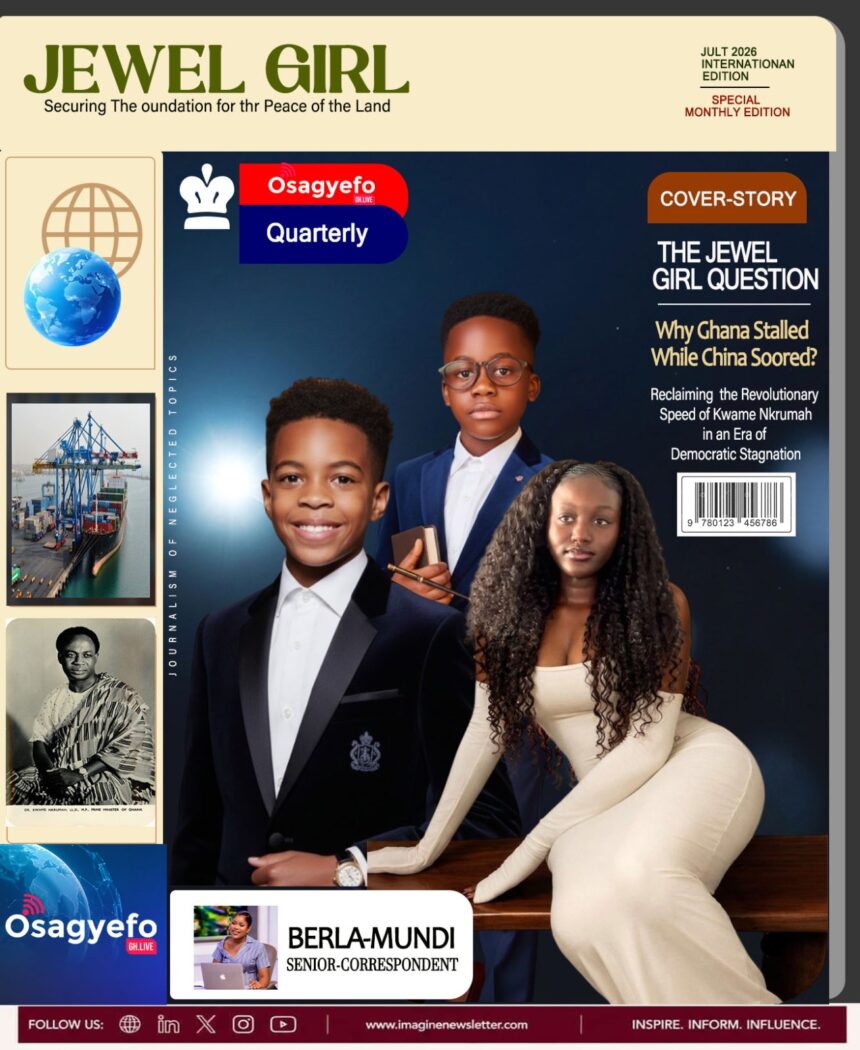

OSAGYEFO QUARTERLY
Presents: Securing the Foundation for the Peace of the Land
Weekly Insights on Governance, Development, and Structural Sovereignty.
📅 MARK THE DATE: Monday 27th July 2026







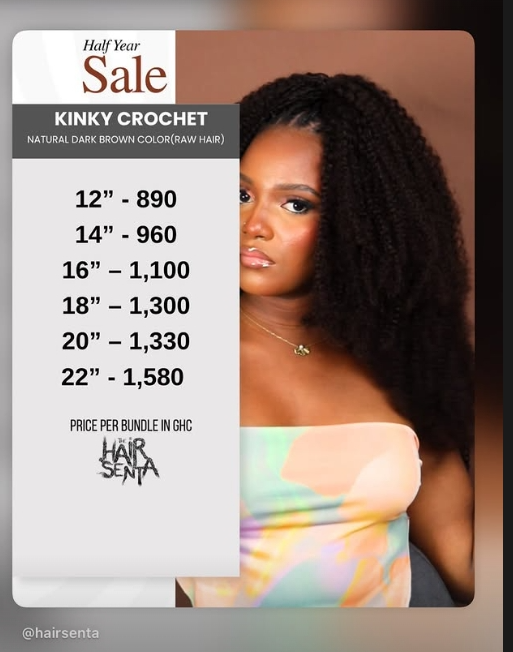



https://www.instagram.com/hairsenta?igsh=MXAzOThhNGZ0Nm15dQ==
⚡ THE FEATURE ARTICLE ⚡
Title: The Jewel Girl Question: Why Ghana Stalled While China Soared
Subtitle: Reclaiming the Revolutionary Speed of Kwame Nkrumah in an Era of Democratic Stagnation
             THE CRITICAL GAP


           NKRUMAH'S SPEED (1960s)  MODERN PARLIAMENT (2026┤
│ • Execution without permission│ V E R S U S │ • Parliamentary gridlock │
│ • Akosombo Dam & Tema built │ │ • 4-year election theater │
│ • Rapid state industrialization│ │ • Stagnant economic reform │
└───────────────────────────────┘
🎙️ THE VOICES OF THE REVOLUTION
Four distinct perspectives, one unyielding mission to confront the structural bottleneck of our generation:

- BERLA MUNDI | The Facilitator: Iconic Broadcast Journalist, TV Host, & Trusted Global Figure. Using her platform to fiercely bridge the gap between historical truth and the next generation’s self-definition.

- TITAN | The Global Perspective: A Young American Voice. Offering a sharp, cross-cultural lens on the raw intersection of modern identity and global influence.

- OKOMFO BLACK | The Reformer Spiritual Advocate & Youth Activist. Reviving the revolutionary soul of African heritage with fearless clarity, urgency, and spiritual depth.
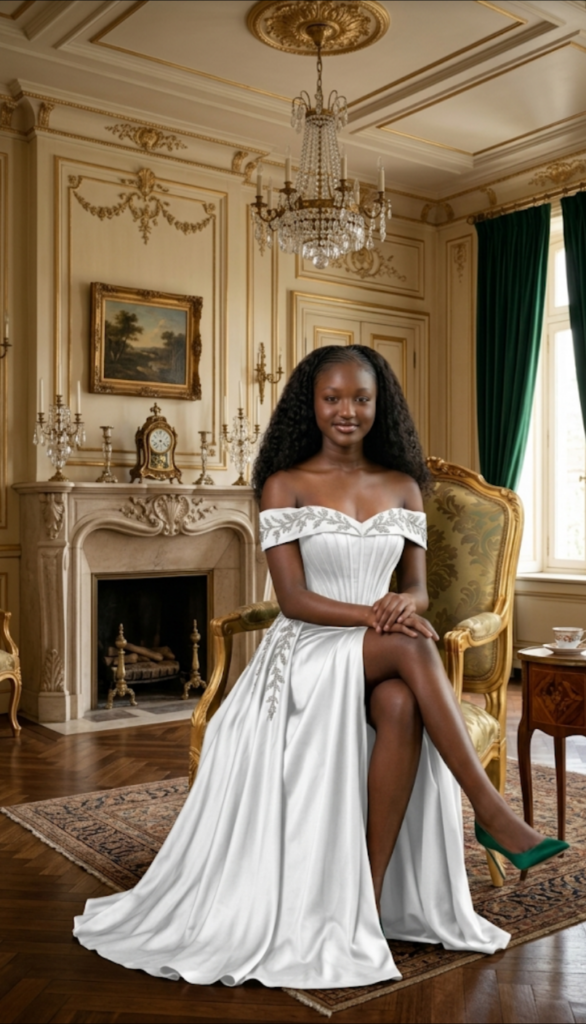
- ♡ JEWEL GIRL (ABENA OFORIWAA) | The Voice of Value Empowerment Advocate. Anchored in institutional accountability and explicitly dedicated to the profound process of national healing and mental reawakening.
📖 A CLIP FROM THE FEATURE ARTICLE:
“Let us be clear: Ghana is not poor because it loves freedom. It is poor because its political class uses the democratic process as an excuse for indecision and partisan survival rather than nation-building. We cannot easily recreate the single-leader revolutionary environment of the 1960s without risking instability. But we also cannot survive as a country that allows partisan deadlock to choke economic growth. The ultimate foundation for the peace of our land lies in economic sovereignty.”
Securing the Foundation for the Peace of Land
Weekly Insights on Governance, Development, and Structural Sovereignty
Title: The Jewel Girl Question: Why Ghana Stalled While China Soared
Subtitle: Reclaiming the Revolutionary Speed of Kwame Nkrumah in an Era of Democratic Stagnation
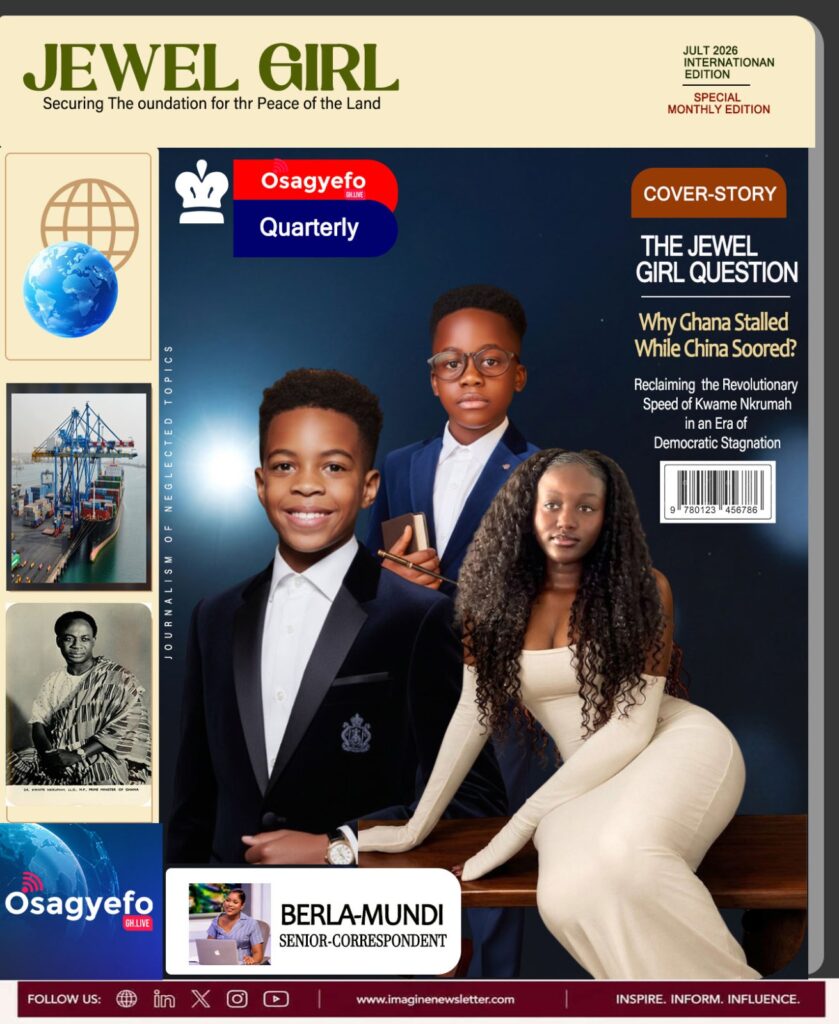
Every nation seeking to lift its people out of poverty faces a fundamental choice: do we prioritize the grueling, slow consensus of political debate, or the fierce, uninterrupted speed of economic execution?
For decades, the standard global narrative has pushed the idea that liberal democracy is the only viable path to development. Yet, as citizens look at the staggering infrastructure gap, inflation, and structural poverty still gripping Ghana today, a sharp, unavoidable question emerges—The Jewel Girl Question:
Why does Ghana seem to be so far behind China in moving from poverty to a developed economy, particularly in manufacturing and industries, when our own revolutionary founder, Dr. Kwame Nkrumah, proved we could build with jaw-dropping speed?
To answer this is to look directly into the mirror of our history and confront the uncomfortable realities of how we govern ourselves today.
The Phenomenal Blueprint: Nkrumah’s Revolutionary Speed
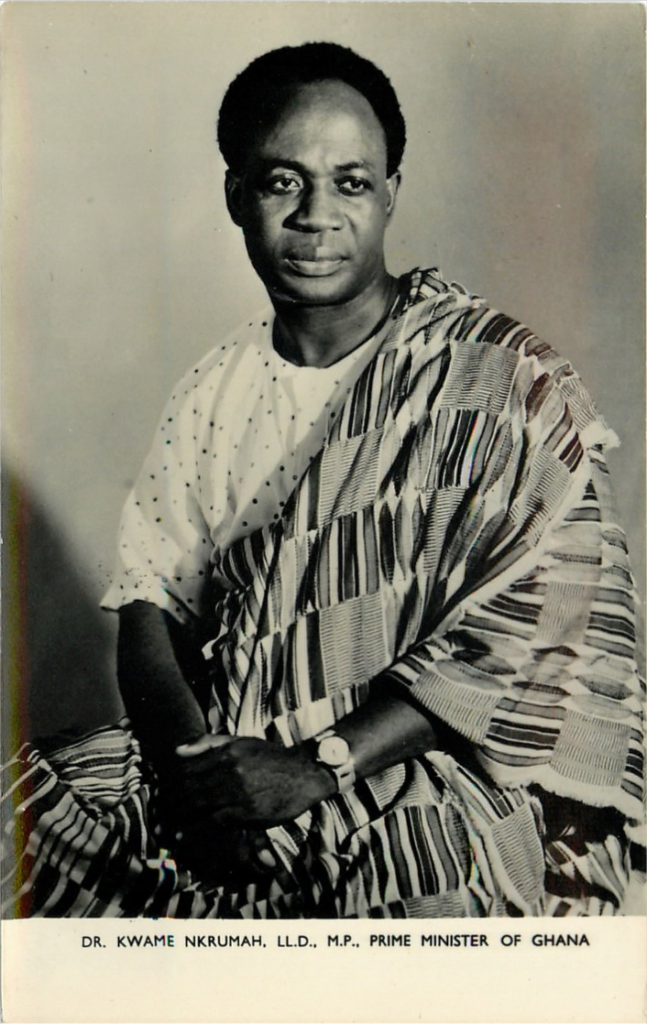
In the 1960s, Ghana did not operate on the slow, agonizing timelines of a fractured parliament. Dr. Kwame Nkrumah understood that a newly independent African nation did not have centuries to slowly industrialize. He operated in a revolutionary environment. Convinced that fragmented political debates would paralyze progress, he centralized power to violently accelerate Ghana’s development.
He did not ask for permission; he ordered things to be done.
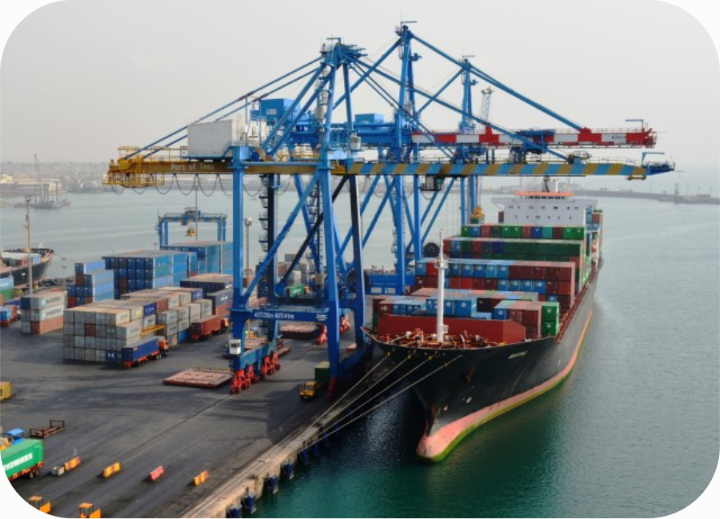
Through sheer determination and state-led mobilization, the results were phenomenal. The Akosombo Dam was raised to power the nation. The modern industrial city and harbor of Tema were built from scratch to act as the nation’s industrial engine. State factories sprouted across the landscape, producing glass, sugar, textiles, and electronics under GIHOC. Ghana was firmly on the path to becoming an economic superpower.
Why China Sustained the Momentum While Ghana Stalled
If Ghana had the blueprint first, why did China successfully execute it over fifty years while Ghana stalled? The variance comes down to institutions versus individuals.
When China’s revolutionary leader, Mao Zedong, passed away, the state did not collapse into a vacuum. The Chinese Communist Party (CCP) survived as a permanent, iron-clad machine. When Deng Xiaoping took the reins in the late 1970s, he maintained the authoritarian, fast-acting power of the state but ruthlessly focused it on global manufacturing and trade. The system carried the revolutionary speed forward across generations.
Ghana, conversely, lacked that permanent institutional bridge. When Nkrumah was ousted in 1966, the industrial momentum was shattered. The country plunged into a 25-year cycle of military coups and political instability. The magnificent factories Nkrumah built were left to rust, sold off, or abandoned. By the time Ghana finally stabilized under the 1992 Fourth Republic, it did so from a position of economic exhaustion, deeply indebted to Western financial institutions that forced the nation to open its markets and rely almost exclusively on exporting raw materials like cocoa, gold, and oil.
The Modern Bottleneck: Debating Nonsense While the Land Suffers
This brings us to the frustrating reality of Ghana’s modern democracy.
In a desperate bid to prevent future dictatorships, the 1992 Constitution created a system of intense checks, balances, and divisions of power. The unintended consequence? A highly polarized, hyper-partisan environment where our current Parliament frequently wastes precious time debating political theater and social controversies to score points for the next election, rather than passing laws to protect our currency, incentivize local manufacturing, or build critical infrastructure.
While China can clear land, fund an industry, and build a high-speed rail network almost overnight, Ghana’s development is held hostage by a four-year electoral cycle. The ruling party and the opposition are locked in a permanent shouting match, often abandoning the long-term, multi-decade vision required to build a resilient nation.
Securing the Foundation
Let us be clear: Ghana is not poor because it loves freedom. It is poor because its political class uses the democratic process as an excuse for indecision and partisan survival rather than nation-building.
We cannot easily recreate the single-leader revolutionary environment of the 1960s without risking instability. But we also cannot survive as a “miserable country” that allows partisan deadlock to choke economic growth.
The ultimate foundation for the peace of our land lies in economic sovereignty. If Ghana is to ever honor the dream of Kwame Nkrumah and catch up to the industrial giants of the world, the next generation must forge a fierce, unshakeable national development consensus—a binding industrial plan for manufacturing and self-reliance that no parliamentary debate can delay, and no changing of the political guard can destroy.
What are your thoughts on restoring Ghana’s industrial speed? Leave a comment below or reply directly to this newsletter to join the conversation.
🎙️ SECURING THE FOUNDATION FOR THE PEACE OF THE LAND
A Global Panel Dialogue on Governance, Development, and Structural Sovereignty

BERLA-MUNDI: Warm greetings and a very special welcome to our esteemed international readers, viewers, and thinkers joining us from every corner of the globe today. Whether you are tuning in from across Africa, the Americas, Europe, Asia, or the Diaspora, we welcome you to this crucial edition of Securing the Foundation for the Peace of the Land.
To my distinguished panelists sitting across from me in the studio today, thank you all so much for making the time to be here for what promises to be a deeply necessary conversation.
For our global audience watching worldwide, allow me to introduce the brilliant minds who will be steering this debate with us today:

- Jewel Girl (Abena Oforiwaa) | The Voice of Value — Empowerment advocate, anchored in accountability and dedicated to the profound process of national healing, mental reawakening, and economic self-determination.

- Okomfo-Black | The Reformer — Spiritual advocate and youth activist, committed to reviving the revolutionary soul of African heritage with fearless clarity and structural depth.

- Titan | The Global Perspective — A dynamic young American voice offering a cross-cultural lens on the intersection of modern identity, global influence, and geopolitics.
Panelists, welcome to the dialogue once again, and thank you for lending your voices to this platform.
Setting the Stage: The Core Dilemma
BERLA-MUNDI: We are gathered here today to chart a defining historical problem and seek actionable solutions for our upcoming edition:
UPCOMING EDITION Title: The Jewel Girl Question: Why Ghana Stalled While China Soared Subtitle: Reclaiming the Revolutionary Speed of Kwame Nkrumah in an Era of Democratic Stagnation
“How did a nation that once built mega-dams, harbors, and industrial hubs overnight end up bogged down in endless parliamentary debate while other global powers surged ahead?”
Today, we dive directly into the heart of Ghana’s economic crossroad. We are confronting the uncomfortable gap between historical revolutionary ambition and modern political gridlock.
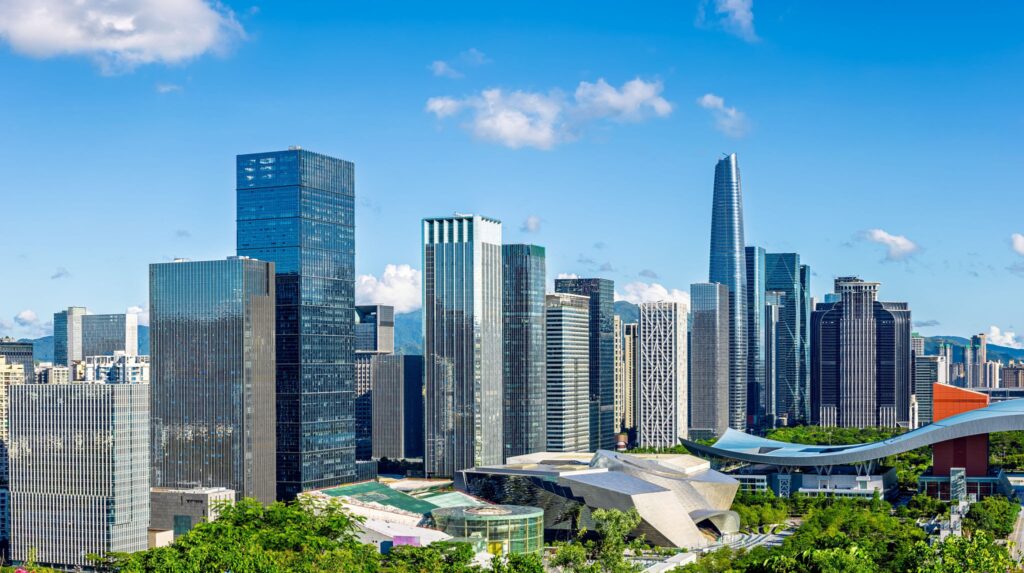
Shenzhen, China: From a quiet fishing village in 1980 to a global technological powerhouse t..

BERLA-MUNDI
Before I open the floor, I want us to center heavily on the staggering reality of China’s economic trajectory—a tailored model of prosperity that has defied standard Western economic playbooks:
- In 1978: China had over 800 million people living below the poverty line, with a per capita income under $200 a year.
- By 2024–2026: It stands as the world’s second-largest economy at over $18 trillion.
What happened?
When Chairman Mao died in 1976, Deng Xiaoping took the helm. Deng was a pragmatist, not a rigid ideologue. He uttered the sentence that shifted human history: “It doesn’t matter what color the cat is, as long as it catches mice.”
In 1978, China launched “Reform and Opening Up”—opening to the global market while maintaining the ruling authority of the Communist Party. They pioneered Market Socialism, something never before attempted on such a scale. Through Special Economic Zones like Shanghai, Beijing, and Shenzhen, foreign capital and technology flooded in. The Chinese workforce learned, imitated, improved, and eventually surpassed their competitors.
Shenzhen in 1980 was a quiet fishing village—no different from Teshie, Chorkor, Korle Gonno, or Elmina here in Ghana. Today, Shenzhen is a global technological hub that eclipses Hong Kong. In just 40 years, China lifted 800 million people out of poverty—more than the rest of the world combined in all of human history.
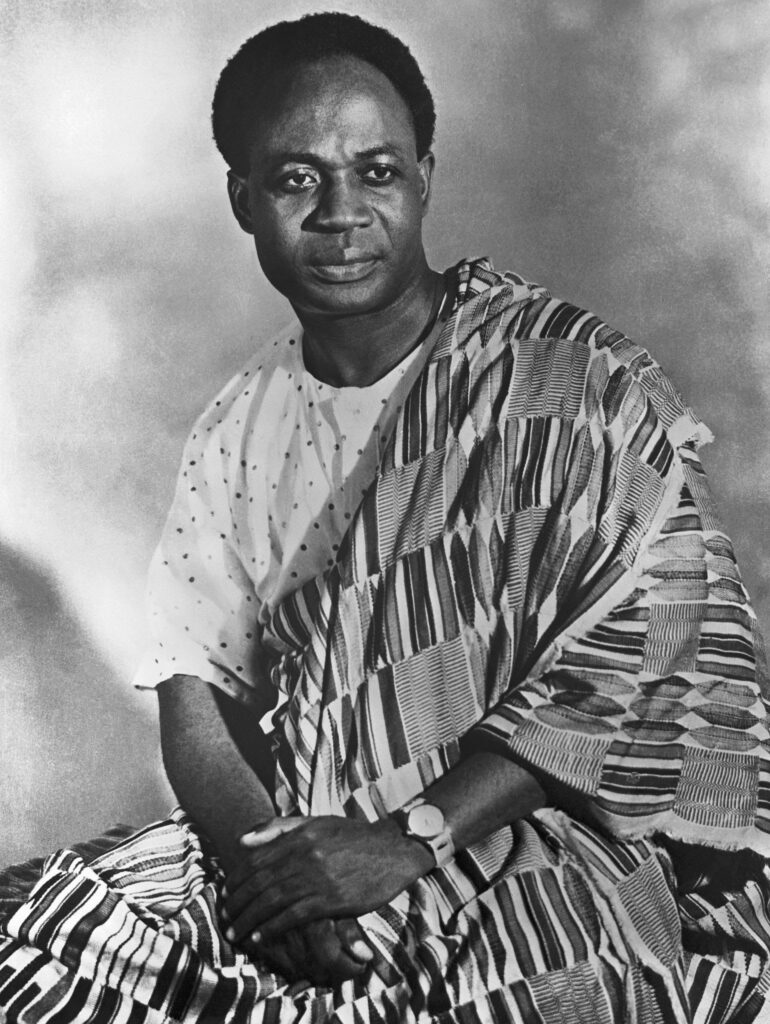
Today, China manufactures 50% of the world’s steel, 70% of its mobile phones, 80% of its air conditioners, and 90% of its toys. Every three days, a new university opens. Every year, 8 million engineers graduate—compared to roughly 6,000 to 7,000 in Ghana. Chinese engineers design and build their own high-speed rail, their own deep-water ports, and the longest bridges on Earth.
In essence, China proved that even when facing immense historical hardship, a nation must never abandon the drive to bring society closer to the structural goals set by its foundational visionaries.
Meanwhile, a profound harm was done to Ghana when we got trapped chewing the muddy realities of partisan politics after Osagyefo Dr. Kwame Nkrumah was overthrown. China chose economics and prosperity over partisan political friction. In Ghana, under our current democratic framework, we watch the gap between rich and poor widen while our rivers and forests are destroyed by Galamsey (illegal mining).
The noble, uncomfortable truth seems to be this: China chose efficiency, effectiveness, prosperity, and state-led economics—while Ghana drifted into an inefficient and unproductive political theater.
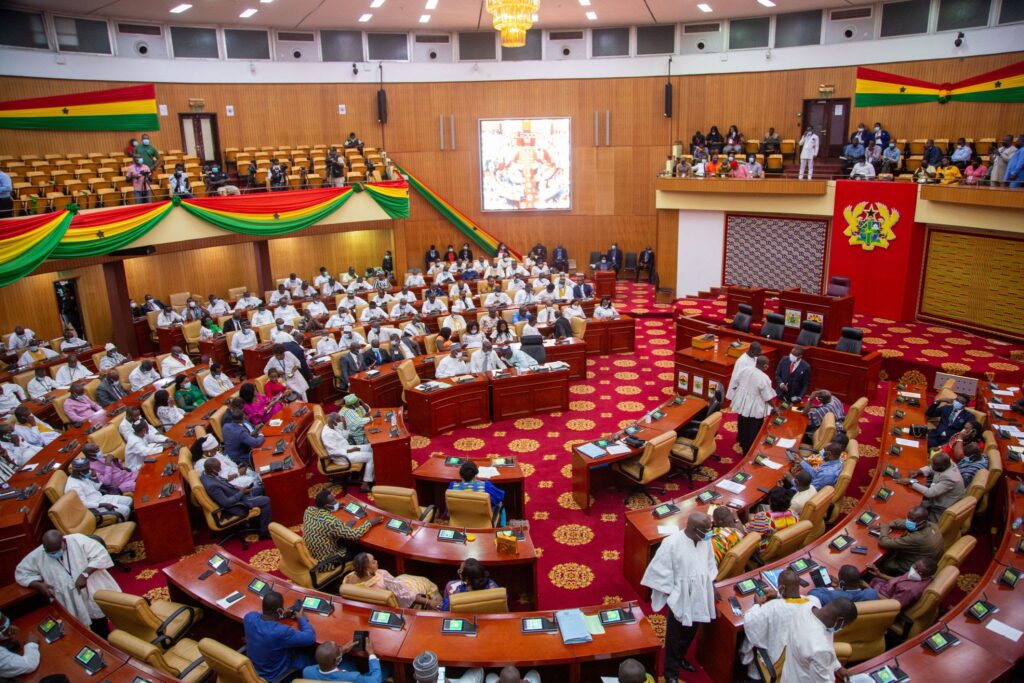
The Parliament of Ghana: A site of democratic debate, but increasingly criticized for politi.
So I ask the opening question that frames this entire edition:
“How did a nation like Ghana—which once built mega-dams, harbors, and industrial hubs overnight under Nkrumah—end up bogged down in endless parliamentary debate and shouting matches while other global powers surged ahead?”
Jewel Girl, I hand the microphone directly to you first. What is your response to this historical tragedy?

JEWEL GIRL (ABENA OFORIWAA): “Thank you, Berla, and welcome to our global audience tuning in today.
Berla, when you lay out those numbers about China—lifting 800 million people out of poverty in four decades—it shouldn’t just make us marvel. It should make us weep for what Ghana was robbed of. Because the truth is, Ghana had the blueprint first.
When Osagyefo Dr. Kwame Nkrumah stood on the state house grounds at independence, he didn’t view freedom as a license to sit in parliament and give long, eloquent speeches while people starved. He saw freedom as an operational tool to build industrial sovereignty at breakneck speed.
Under Nkrumah’s revolutionary environment, there was no ‘four-year electoral cycle’ to play games with. He didn’t ask local politicians or foreign powers for permission to transform this country. Within a single decade, he gave us:
- The Akosombo Dam to power an entire region.
- The entire industrial harbor city of Tema, carved out from scratch.
- GIHOC (Ghana Industrial Holding Corporation)—a massive state engine running factories for glass, steel, sugar, shoes, canned meat, and electronics.
Nkrumah was literally ordering state machinery to move overnight. He understood that a newly independent African nation living in poverty could not afford the luxury of endless political debate. He was a revolutionist, not a slow-moving liberal democrat.
So what happened? The tragic turning point was 1966. When Nkrumah was overthrown, the revolutionary spirit died with him. Instead of preserving the state-led industrial model—the way China preserved its state machinery after Chairman Mao—Ghana shattered. We spent 25 years fighting over military coups, and when we finally adopted our 1992 Fourth Republic constitution, we swung to the extreme opposite end. We imported a Western democratic model that was intentionally designed to slow everything down.
Today, we have a Parliament where grown adults, voted in to solve structural poverty, spend hours shouting over party colors, boycotting sittings, and booing like schoolchildren. They are fighting for electoral survival, not national survival.
China chose prosperity over party politics. They built a system where execution is king. In Ghana, we chose a system where talking is king, while our factories rust, our youth sit unemployed, and our environment is ripped apart by galamsey.
That is the essence of the ‘Jewel Girl Question’: We exchanged Nkrumah’s revolutionary engine for a multi-party debating club, and until we demand economic execution over political theater, Ghana will remain a spectator while the rest of the world surges ahead.”

BERLA-MUNDI: “Powerful words, Abena. ‘We exchanged an engine for a debating club.’
Let me turn now to Okomfo-Black. You hear Jewel Girl speak about the loss of Nkrumah’s revolutionary soul and the trade-off between Western-style democracy and state-led economic execution. As a youth activist and spiritual advocate, how do you see this structural failure from a generational and cultural perspective?”
OKOMFO-BLACK: “Thank you, Berla, and greetings to our global family watching across the world.
Jewel Girl has touched the raw nerve of our national tragedy, but we must go deeper into the spiritual and psychological mechanics of why we stalled.
China’s economic miracle under Deng Xiaoping wasn’t just about factories and engineers—it was rooted in cultural and structural sovereignty. China looked at the West and said: ‘We will take your technology, we will take your capital, but we will NEVER surrender our soul, our governance, or our right to think for ourselves.’ They adapted the tool to fit the nation.
Ghana did the exact opposite after 1966. We didn’t just overthrow Nkrumah; we allowed our minds to be colonized all over again. We were told that Western liberal democracy—with its four-year political circus and hyper-individualism—was the only holy grail of human progress. And we swallowed it whole, hook, line, and sinker.
Look at what this system has done to the African spirit in Ghana:
- It destroyed long-term vision: In African ancestral philosophy, a leader builds for generations yet unborn. But our current democratic setup forces politicians to think in short four-year terms. If a project won’t win them the next election, they won’t build it. If the previous government started a factory, the new government abandons it to rot out of pure political malice.
- It legalized the destruction of our land: Berla, you mentioned galamsey. How can a nation with a soul allow its sacred rivers, like the Pra and Birim, to be poisoned with cyanide and mercury just so political patrons can fund their next electoral campaigns? Democracy in Ghana has turned into an auction house where the environment is sold to the highest bidder.
Nkrumah was not just building dams; he was reclaiming the African identity through self-reliance. He understood that without industrial power, your independence is just a flag and an anthem. Today, our leaders run to the IMF every five years with begging bowls, while our youth die in the Mediterranean trying to escape a country rich in gold, diamonds, lithium, and fertile land.
We don’t need another political debate. We need a mental and spiritual revolution that rejects this imported political paralysis and restores a governance framework focused entirely on African self-sufficiency and ruthless execution.”

BERLA-MUNDI: “Uncompromising truths from Okomfo-Black—’ Without industrial power, your independence is just a flag and an anthem.’
Now, let us cross the ocean to get the international perspective. Titan, as a young American looking at this global dynamic—seeing China’s staggering rise from the outside while watching African nations like Ghana navigate democratic friction—how does this look from a global geopolitics and modern identity standpoint?”
TITAN: “Thank you, Berla, and respect to everyone on the panel and watching worldwide.
Sitting in the US and looking at this dynamic globally, I think the West sold Africa a product that the West itself didn’t use when it was building its own foundation.
When the United States and European nations were industrializing in the 19th century, they didn’t have pure, pristine, universal democracies overnight. They protected their infant industries with massive tariffs, built state-backed infrastructure, and used aggressive state power to dominate global markets. Yet, when African nations gained independence, foreign institutions told them: ‘Open your markets completely, privatize everything, destroy state subsidies, and focus on slow parliamentary consensus.’
China saw right through that trap. China watched how the West actually got rich—not through political slogans, but through industrial manufacturing, technology transfer, and total control over national resources.
What blows my mind as a young observer is the contrast in sheer output:
- In China, when the state decides to build a 1,000-mile high-speed rail line, the ground breaks in January, and the train is running by December.
- In many developing liberal democracies, that same rail line spends seven years in parliamentary committee meetings, three years in environmental lawsuits, four years in partisan mudslinging, and by the time a contract is signed, the inflation rate has doubled the cost and a new government cancels it anyway.
From an international perspective, the global balance of power is shifting. The Global South is tired of rhetoric. Young people across Africa and the Diaspora don’t want to hear about ‘democratic process’ if that process leaves them educated, unemployed, and living in darkness due to power outages.
Ghana’s early leadership under Nkrumah understood what China later perfected: power in the modern world is industrial capacity. If you don’t make anything, you don’t control anything. Ghana doesn’t have a lack of talent or resources; it has a governance bottleneck that treats political debate as the destination, rather than a tool for progress.”

BERLA-MUNDI: “Panelists, this has been an extraordinary opening round. You have laid out the historical blueprint of Nkrumah, exposed the institutional failures of post-1966 Ghana, and contrasted it with the ruthless pragmatic execution of China.
“It is difficult, however, to make a person whose mind is colonized listen to the truth discussed by wise minds. Given the fact that all Ghana has imitated from the West is to sit in Parliament and boo like the British do in their parliament, this foolishness is exactly what they call democracy. That they continue to be divided against each other is our nation’s greatest tragedy.
We copy the noise, the theatrical jeering, and the division, but we leave behind the industrial discipline, the institutional accountability, and the fierce national loyalty that actually built those foreign economies.
So my next question to the panel touches directly on the core concept of effectiveness and efficiency.
When we look at China’s meteoric rise over the last four decades, there is a massive debate among political scientists and economists. Some argue that China succeeded purely because it is an authoritarian Communist party-state that can force people into compliance. Others argue that communism as an ideology failed in the USSR, and that China’s secret was not its ideology, but its ruthless application of operational efficiency, meritocracy, and pragmatic effectiveness.
So I ask the panel: Did China rise because it is a Communist country, or because it prioritized raw efficiency and pragmatic effectiveness above all else?
Jewel Girl, what are your thoughts on this?”
JEWEL GIRL (ABENA OFORIWAA): “Berla, if China’s rise was simply because it was a ‘Communist country,’ then the Soviet Union would still be standing today, and pre-1978 China would have been wealthy. But it wasn’t! Before 1978, under pure Maoist ideological communism, millions of Chinese were starving in agricultural communes.
China didn’t rise because of communism. China rose the moment it abandoned ideological dogma and embraced cold, hard efficiency.
When Deng Xiaoping took power, he didn’t ask: ‘Is this policy purely Marxist?’ He asked: ‘Does this factory produce results? Does this port move goods efficiently? Does this policy lift my people out of poverty?’
Look at how efficiency works in China versus inefficiency in Ghana:
- Meritocracy over Political Patronage: In China’s administrative system, local party officials and mayors are promoted based on performance metrics—how much did you grow the GDP of your city? How many roads did you pave? How many jobs did you create? If you fail, you are removed. In Ghana, political appointments in Parliament and ministries are handed out as rewards for party loyalty, campaign funding, or tribal allegiance, regardless of whether the person has the competence to run a public toilet, let alone an entire sector!
- Targeted Execution: When China created Special Economic Zones like Shenzhen, they didn’t waste ten years arguing over which political party got credit. They gave the administrators absolute authority to streamline regulations, build deep-water ports, and cut red tape to attract foreign capital.
What Nkrumah was doing in the 1960s was not about ideology either—it was about effectiveness. He built the Akosombo Dam and Tema Harbor because Ghana desperately needed power and maritime trade to industrialize. He moved with the speed of a man who knew his house was on fire.
Ghana’s tragedy today is that our leaders hide behind the banner of ‘democracy’ to justify sheer incompetence. They tell us, ‘Oh, democratic processes take time,’ as a convenient excuse for why a simple 10-kilometer road takes eight years to construct and three times its original budget!
China proved to the world that poverty does not care about your political label. Poverty only responds to productivity, structural efficiency, and disciplined execution. Until Ghana stops glorifying the foolishness of parliamentary shouting and starts measuring our leaders by output and efficiency, we will remain trapped in poverty.”
BERLA-MUNDI: “A stinging indictment of political excuses—’Poverty does not care about your political label; it only responds to productivity.’
Okomfo-Black, I see you nodding intensely. Jewel Girl argues it was pragmatic efficiency, not communist ideology, that built modern China. How do you see this balance between state discipline and economic effectiveness?”
OKOMFO-BLACK:
“Jewel Girl hit the nail squarely on the head. China’s success was not born out of communist dogma—it was born out of uncompromising discipline and structural efficiency.
You see, Berla, an ideology on its own is just ink on paper. What matters is the institutional culture driving the state. China took the state mechanism and turned it into an engine of absolute accountability.
In Ghana, we have allowed our political class to adopt all the theatrical worst habits of Western parliaments without any of the underlying discipline. As you rightly pointed out, Berla, our politicians go to Parliament to bang on tables, wear partisan shirts, and boo like unruly school children in Westminster. They call that ‘democracy.’ But in reality, it is a mental prison. It is the tragic symptom of a colonized mind that mistakes noisy division for governance!
The Ghanaian Parliament: Critics argue the chamber frequently devolves into partisan theater.
What China mastered—and what Kwame Nkrumah understood long before Deng Xiaoping—is that efficiency is a moral imperative.
When a leader delays a national rail line, a port expansion, or an agricultural industrial project because of party politicking, that leader is actively committing violence against the poor. Every year a factory is delayed in Ghana is another year thousands of young graduates walk the streets jobless, hopeless, and ready to risk their lives crossing the Sahara.
China realized that if you want to protect the peace of your land, you must secure your economic foundation first. They didn’t care whether a policy was called ‘capitalist’ or ‘socialist’—they cared whether it worked. They punished corruption with brutal swiftness and rewarded administrative results. Until Ghana strips away this foolish illusion that democracy means endless shouting and zero execution, we will continue to bow to foreign creditors while sitting on gold.”

BERLA-MUNDI:
“Fearless clarity from Okomfo-Black. ‘Efficiency is a moral imperative.’ That is a line that should be carved into the walls of our Parliament.
Titan, bring this home from a global geopolitical perspective. When international investors, policy analysts, and young global observers analyze China’s model versus Africa’s democratic experiment, is the verdict really about ‘Communism vs. Democracy,’ or is it simply ‘Execution vs. Stagnation’?”
TITAN:
“Berla, from an international viewpoint, the debate was never actually about ‘Communism.’ Western headlines love to throw that word around as a bogeyman, but anyone studying modern global political economy knows China operates on state-directed market efficiency.
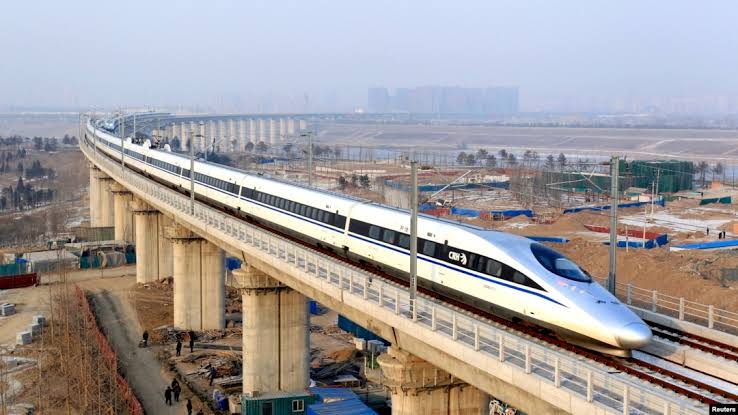
China’s high-speed rail: A product of disciplined state-directed market efficiency. ..
If ideology was the secret ingredient, North Korea would be an economic superpower today. It isn’t. China won the economic war of the 21st century because it treated national development like a high-stakes engineering project rather than a perpetual political campaign.
Look at the stark global reality:
- Long-Term Horizon vs. Electoral Cycles: China plans in terms of quarter-centuries—25 to 50 years. Their leadership sets a goal for 2050, and every ministry aligns its efficiency metrics to hit that target. In contrast, Ghana’s democratic system operates in 4-year election windows. A policy that takes 10 years to yield fruit gets abandoned because no politician wants to plant a tree if their political rival gets to sit in its shade.
- Infrastructure as the Backbone: China understood that you cannot debate your way into wealth—you have to build your way there. Power grids, deep-sea ports, high-speed rail, and digital infrastructure are non-negotiable prerequisites for modern industry.
When international observers look at Ghana, the tragedy isn’t a lack of freedom or intelligence—Ghanaians are some of the most brilliant, educated, and entrepreneurial people on the planet. The tragedy is that your political structure consumes all that national energy in useless parliamentary squabbles.
When politicians sit in Parliament booing each other over party lines while roads deteriorate and raw cocoa leaves the country unrefined, that isn’t democracy—that is structural self-sabotage. China chose results over rhetoric. Until African nations build governance systems that demand raw operational output, the gap between China’s rise and Africa’s potential will only continue to widen.”

BERLA-MUNDI: “You hit on a painful, undeniable truth, Titan. We copy the shouting, the jeering, and the division, but we leave behind the industrial discipline, the institutional accountability, and the fierce national loyalty that actually built those foreign economies.
It is difficult, however, to make a person whose mind is colonized listen to the truth discussed by wise minds. Given the fact that all Ghana has imitated from the West is to sit in Parliament and boo like the British do in their parliament, this foolishness is exactly what they call democracy. That they continue to be divided against each other is our nation’s greatest tragedy.
And let us name the elephant in the room. When we examine why Ghana’s economic effectiveness has been sabotaged, we cannot ignore the role of entrenched political elites and Western-aligned ideological networks. Look at key figures who held the steering wheel of our national resources—people like former Finance Minister Ken Ofori-Atta, who oversaw massive Eurobond borrowing and fiscal policies that ultimately plunged the nation into a crushing debt crisis and IMF dependence.
Or look at Dr. Matthew Opoku Prempeh, popularly known as NAPO—a medical doctor who served as Minister of Education, Minister of Energy, and was chosen as the NPP’s vice-presidential running mate in 2024. These are key political figures who presided over sectors handed billions in public funds and foreign loans, yet failed to build a self-sustaining, efficient industrial foundation for this country.
Instead of demanding national efficiency and operational effectiveness, our governance structure rewarded high-stakes financial borrowing and partisan patronage while the real economy stalled.
So I turn this back to the panel—starting with Jewel Girl:
When leaders and Western-backed financial networks take huge sums of money in the name of development, but never actually demand or measure efficiency and effectiveness for the Ghanaian people, aren’t we seeing the direct result of a colonized governance system?
Abena, what are your thoughts on this?”
JEWEL GIRL (ABENA OFORIWAA): “Berla, you have stripped away the diplomatic sugarcoating, and we must confront this directly.
When you mention names like Ken Ofori-Atta or NAPO, you are describing the ultimate symptom of Ghana’s broken system. These are highly educated individuals—trained in elite institutions—who stepped into power and operated within a framework that prioritized borrowing and spending money, rather than building productive capacity.
Look at the contrast between China’s leadership philosophy and what happened under our political class:
- The Borrowing Trap vs. Capital Efficiency: Under Ken Ofori-Atta, Ghana went on a borrowing spree, taking billions in Eurobonds from Western financial markets. But where did those billions go? Did they go into building state-owned manufacturing plants like Nkrumah did? Did they build high-speed freight rail to move cocoa and bauxite? No! Millions were consumed by administrative costs, debt servicing, and political projects, leaving the nation bankrupt and begging at the doors of the IMF.
- Energy and Industry Stagnation: Look at the Energy Ministry under NAPO. Energy is the lifeblood of industrialization. You cannot run factories or process raw materials if electricity is expensive, unreliable, or mismanaged. Yet, instead of building a fiercely efficient energy grid that powers domestic manufacturing at low cost, our energy sector became a battleground of political debts, power-purchase controversies, and systemic inefficiency.
In China, if a Minister of Finance or a Minister of Energy takes billions of dollars and fails to deliver measurable economic growth or industrial output, they are not rewarded with political promotions—they are removed, investigated, and held strictly accountable by the state!
In Ghana, because our minds are colonized by this Western multi-party circus, we don’t demand results. We just ask: ‘Is he from my party? Is he from my region?’
Leaders like Ofori-Atta and NAPO knew that under our current political setup, they wouldn’t be judged on effectiveness or efficiency—they would only be judged on whether their party could win the next election. They managed the economy like an investment bank managing a portfolio, rather than visionaries building a sovereign nation.
Until we stop letting politicians handle billions without demanding a 1-to-1 return in factories, roads, and jobs, Ghana will remain a bank account for political elites while the people drown in poverty.”
BERLA-MUNDI: “Unsparing words from Jewel Girl. ‘They managed the economy like a portfolio, rather than building a sovereign nation.’
Okomfo-Black, Jewel Girl has laid out how Western financial networks and local political caretakers traded Ghana’s industrial efficiency for heavy debt and administrative failure. How do you view this structural betrayal from the standpoint of youth activism and national sovereignty?”
OKOMFO-BLACK: “Jewel Girl has cut right to the heart of the betrayal. When you look at the track record of leaders like Ken Ofori-Atta or NAPO, what you are seeing is not merely economic mismanagement—it is a total lack of spiritual and structural accountability to the Ghanaian people.
For years, these political managers told us that borrowing billions from Western bond markets was the path to modernity. But let us ask the fundamental question: Where is the tangible evidence of those billions?
If you take billions of dollars in the name of the state, every single Ghanaian child should be able to point to the new factories, the solar power grids, the heavy machinery plants, or the automated processing hubs built with that money! Instead, what did we get?
- We got a country buried under catastrophic debt.
- We got an economy forced into the humiliating embrace of the IMF.
- We got an energy sector plagued by systemic debt where manufacturers can barely afford the electricity needed to run a basic assembly line!
In China, the state mechanism treats public capital as sacred. If a public official presides over billions in state funds and leaves behind an empty treasury and a crippled energy grid, that official faces severe judicial consequences for economic sabotage. The state does not tolerate excuses.
In Ghana, under this imported democratic circus, failure is actually rewarded! A minister can preside over a crashing currency or a broken energy sector, and instead of being called to account, they are promoted, given party honors, or placed on vice-presidential tickets!
Western financial networks love this dynamic because a deeply indebted, inefficient Ghana is easy to control. They prefer caretakers who sign debt agreements over revolutionaries who build steel mills. As long as our leaders prioritize Western approval over local efficiency, Ghana will remain an economic colony wearing the mask of an independent republic.”

BERLA-MUNDI: “A searing indictment from Okomfo-Black—’ Western financial networks prefer caretakers who sign debt agreements over revolutionaries who build steel mills.’
Titan, bring us home on this specific point from an international standpoint. How do global geopolitical players view African nations that continuously take on high-interest Western debt without building the productive efficiency needed to pay it back?”
TITAN: “Berla, from a cold, hard geopolitical standpoint, global capital has no emotion—it only respects strength, leverage, and return on investment.
When global financial institutions look at China, they see a sovereign giant that dictates its own terms. China borrows or invests capital strictly to build assets that generate long-term wealth—ports, supply chains, high-speed rail, and advanced manufacturing. They use capital as a lever for efficiency.
When those same international markets look at countries managed like Ghana was under figures like Ofori-Atta, they see an easy target. Wall Street investors and Western banks knew Ghana was taking on high-interest Eurobonds without building the industrial capacity to pay them back. But why would they stop it? They made massive profits on the high interest rates, knowing that if Ghana defaulted, the IMF would step in, enforce austerity on the Ghanaian people, and ensure foreign creditors got paid first!
This is the fundamental lesson of the ‘Jewel Girl Question’:
- Debt without industrialization is financial slavery.
- Politics without operational efficiency is national suicide.
If Ghana wants to break free from this cycle, its young generation must stop viewing governance as an arena for party loyalty or ideological debate. You have to demand engineering-level precision from your leadership.
When a leader asks for power, don’t ask what party they belong to or what promises they make in Parliament. Ask them: What is your structural plan for energy? How many factories will be operational by year two? What is your metric for capital efficiency?
China proved that when you hold your leadership to brutal standards of execution, poverty doesn’t stand a chance. Ghana has the history, the intellect, and the resources—it just needs to reclaim the revolutionary discipline of Kwame Nkrumah and demand results over rhetoric.”
BERLA-MUNDI: “Panelists, what an extraordinary, uncompromising exchange of truths. From Jewel Girl’s piercing diagnostic on our industrial stagnation, to Okomfo-Black’s call for structural sovereignty, to Titan’s global reality check on economic power—you have laid bare the core challenge facing our generation.
To our international readers and viewers worldwide, this brings us to the end of today’s special panel preview. The Jewel Girl Question isn’t just a critique of history; it is the ultimate blueprint for Ghana’s survival.
Be sure to join us this Monday, 27th July 2026, for the official release of our full newsletter feature in Securing the Foundation for the Peace of the Land. Until then, let us reflect on truth, demand efficiency, and stand firm for the future of our nation. Good night and bless you all.”
Our Shared Humanity Soka Gakkai Buddhist Movement.
An introduction to the Soka Gakkai and Nichiren Buddhism. Where do the teachings originate from? What is the philosophy of Buddhism? How do Soka Gakkai members apply it in their daily lives?
The Soka Gakkai is a global community-based Buddhist organization that promotes peace, culture and education centered on respect for the dignity of life. Its members in 192 countries and territories study and put into practice the humanistic philosophy of Nichiren Buddhism.
Soka Gakkai members strive to actualize their inherent potential while contributing to their local communities and responding to the shared issues facing humankind. The conviction that individual happiness and the realization of peace are inextricably linked is central to the Soka Gakkai, as is a commitment to dialogue and nonviolence.
Subscribe to our channel: / sgivideosonline
Visit our website: https://www.sokaglobal…
Like us on Facebook: / sgi.info
Follow us on Instagram: / sgi.info
Follow us on Twitter: / sgi_info

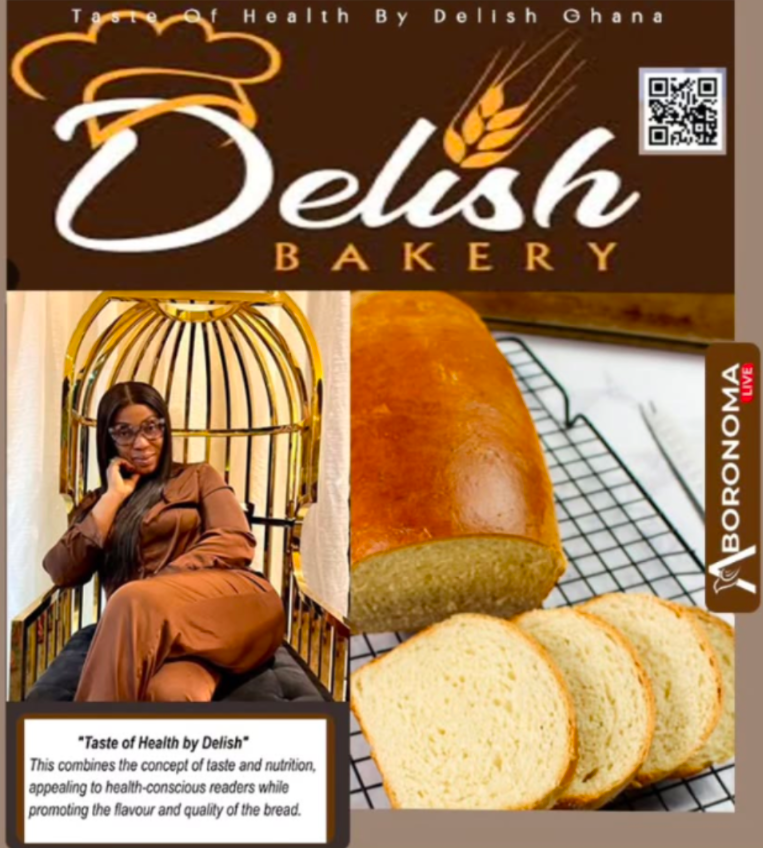
https://www.instagram.com/delish_bakerygh?igsh=MW5ic2c0NnR5cHBwZQ==
Pure Goodness: Delish Bread Without Chemicals
Experience the taste of nature at Delish Bread, your neighborhood grocery store and bakery where health meets indulgence. We believe that what you eat should be as pure as it is delicious. That’s why our breads are crafted without chemicals, artificial preservatives, or additives—just wholesome ingredients baked to perfection.
Whether you are looking for your daily loaf or a special treat, we offer over 12 varieties of bread, cakes, and pastries, including:
- Signature Breads: Whole Wheat, Multigrain, and Classic White—all chemical-free.
- Artisan Pastries: Flaky, buttery, and baked fresh every morning.
- Custom Cakes: Perfect for every celebration, made with the finest natural ingredients.
ASSUMPTA-IMAGINE Celebrates Delish Bread
ASSUMPTA-IMAGINE: Works From The Heart proudly honors the commitment to purity and health championed by Delish Bread. In a world of processed foods, Delish Bread stands out as a beacon of authenticity, aligning perfectly with our mission to celebrate creators who work with passion and purpose.
We celebrate Delish Bread for:
- Wholesome Integrity: Their dedication to chemical-free baking that nourishes the community.
- Cultural Connection: Bringing people together through the timeless tradition of breaking bread.
- Spiritual Purpose: Guided by the personal mission of Making Jesus Proud, every loaf is baked with love and a servant’s heart.
Visit Us Today!
Come and taste the difference that “Heart Work” makes.
- Location: Agboba, Accra.
- Hours: Monday – Saturday | 8:00 AM – 6:00 PM
- Order via WhatsApp: wa.me/233201789403
- Follow the Journey: @delish_bakerygh & @smomentwithprecious_
Delish Bread & ASSUMPTA-IMAGINE: Nourishing your body, honoring your heritage.



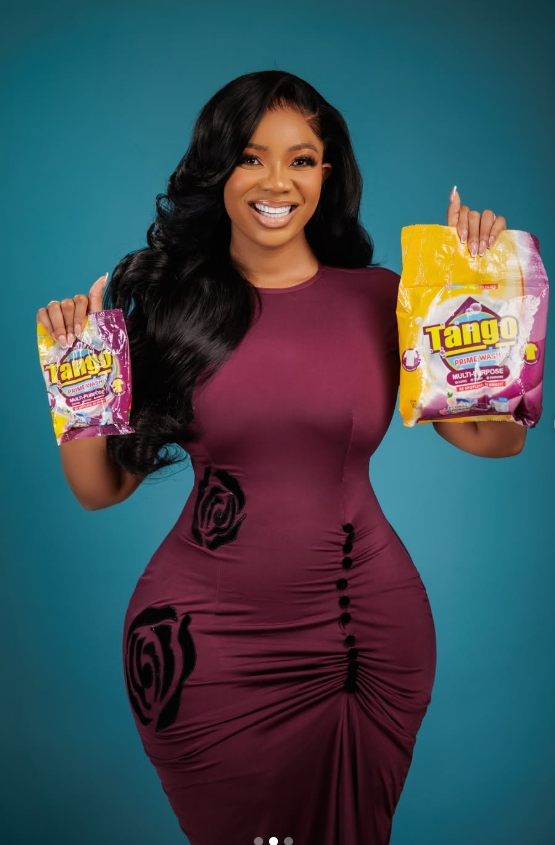
https://www.instagram.com/serwaaamihere?igsh=N216N3hzeTE3eHho
Everyday Essentials Presents: The Journalist with a Conscience
Meet Serwaa Amihere, Esq. — A visionary connecting Ghana to the global stage through Everyday Essentials.
As a celebrated broadcast journalist, lawyer, and entrepreneur, Serwaa brings her commitment to excellence from the newsroom to your doorstep. Featured exclusively at Everyday Essentials, her curated collection represents the gold standard of Ghanaian craftsmanship and lifestyle.
Why Choose the Serwaa Amihere Collection?
- Trusted Pedigree: Hand-selected by one of Ghana’s most respected media personalities.
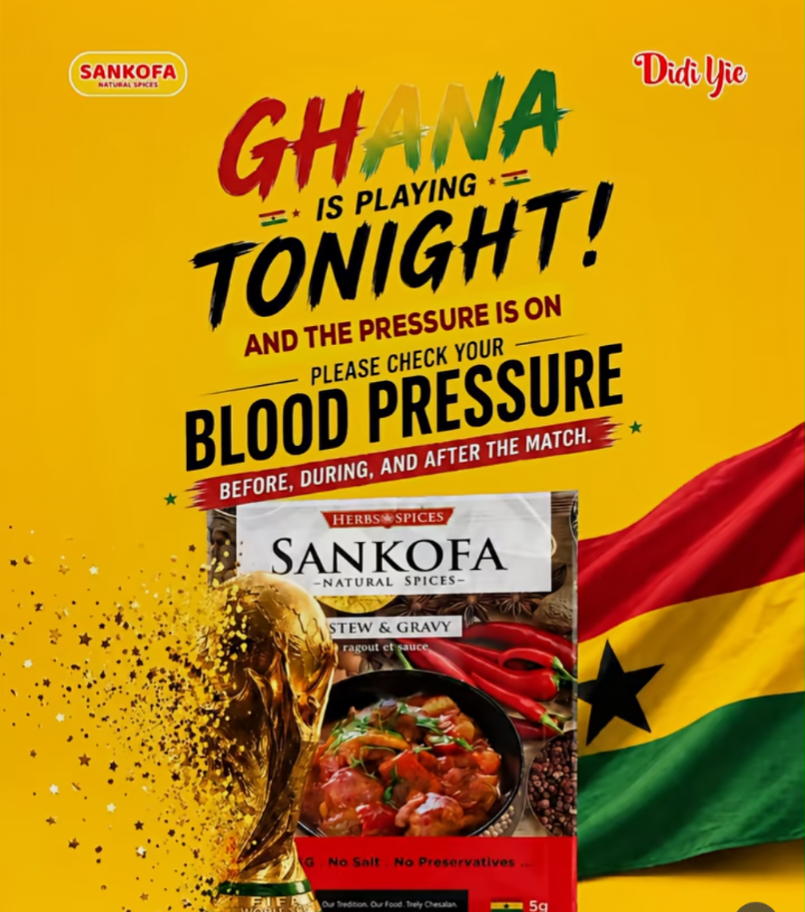
- Uncompromising Quality: From premium natural spices to the sophisticated silhouettes of Officeandcobysa, every item meets rigorous standards for health and style.
- Authentically Ghanaian: We bridge the gap between local heritage and global luxury, bringing Ghana’s finest exports to an international audience.
- Holistic Lifestyle: A seamless blend of wellness, beauty, and professional elegance designed for your daily needs.
Experience a lifestyle defined by quality and integrity. Discover the best in health, beauty, and fashion—handpicked with care by Serwaa Amihere.
#EverydayEssentials #SerwaaAmihere #QualityYouCanTrust #GhanaToTheWorld
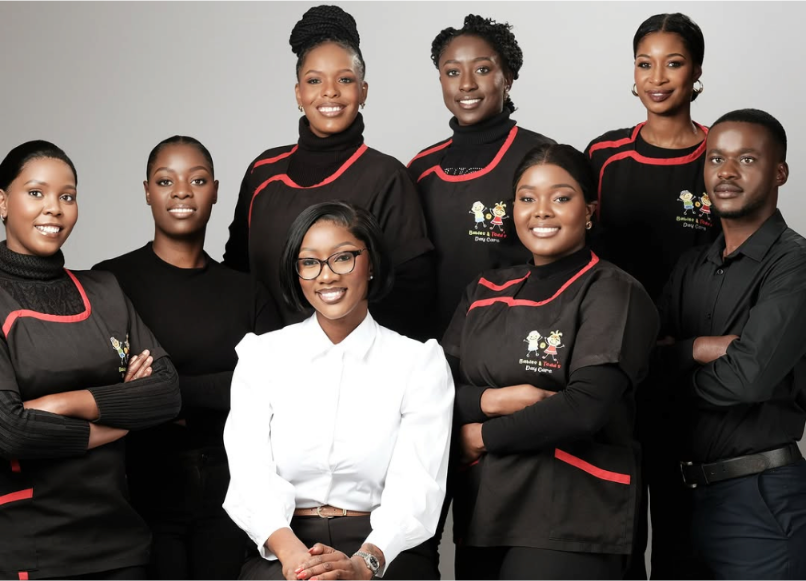

https://www.instagram.com/babiesandtodds_?igsh=MWs0ZHlsbjcxNXEyZg==
The Vision of Assumpta Gahutu, Esq.
The ideas of the Principal of Babies Todds Daycare, Assumpta Gahutu, Esq., have had an enduring impact not only in Africa but across the globe. Her vision emerged at a time when the lingering effects of imperial and oppressive structures appeared to limit the possibilities for African-centered educational development.
Yet, through determination, compassion, and clarity of purpose, she forged a new path for early childhood education. Under her leadership, Babies Todds Daycare has grown into far more than a childcare facility; it has become a value-creating environment where the character of the future is gently formed.
Through this mission, she has nurtured the growth of young children whose lives will embody the values the world will need in the centuries to come. Her work reflects a profound belief: that the foundation of a just and humane society begins with how we educate and care for our youngest generation. In this way, the philosophy behind Babies Todds represents not simply an institution, but a lifelong commitment to shaping the character, dignity, and future of humanity.
Babies Todds
A Safe and Nurturing Daycare and Preschool in the Heart of Windhoek
Babies Todds is a warm and welcoming space where young children are encouraged to grow, learn, share, and create in a supportive environment. Our daycare and preschool are dedicated to providing quality early childhood education that fosters curiosity, creativity, and confidence in every child.
- 📍 Location: Windhoek, Namibia
- 📞 Phone: +264 81 673 7599
- 🌐 Website: www.babiestodds.com
A beautiful place where the journey of learning begins and where every child is allowed to flourish.
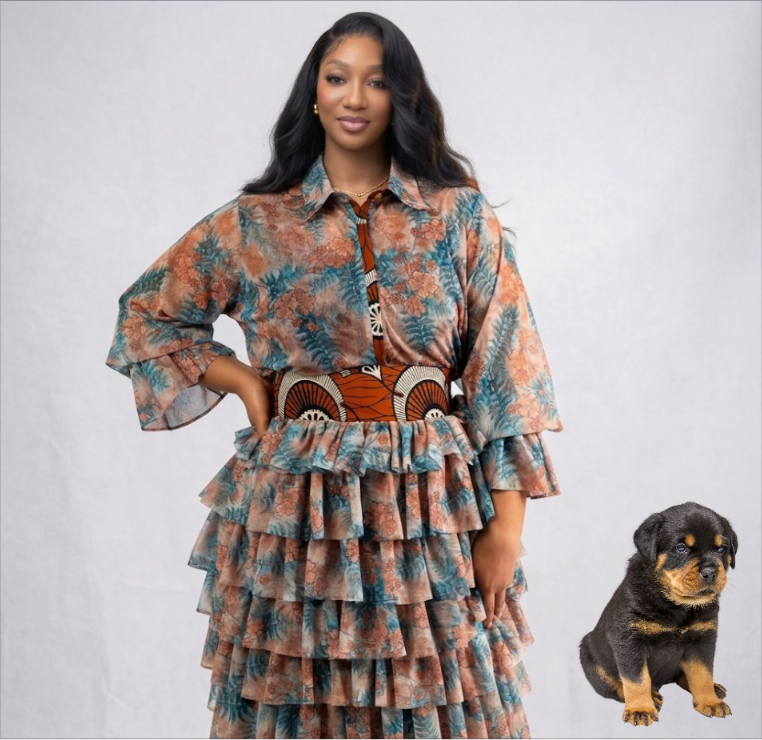
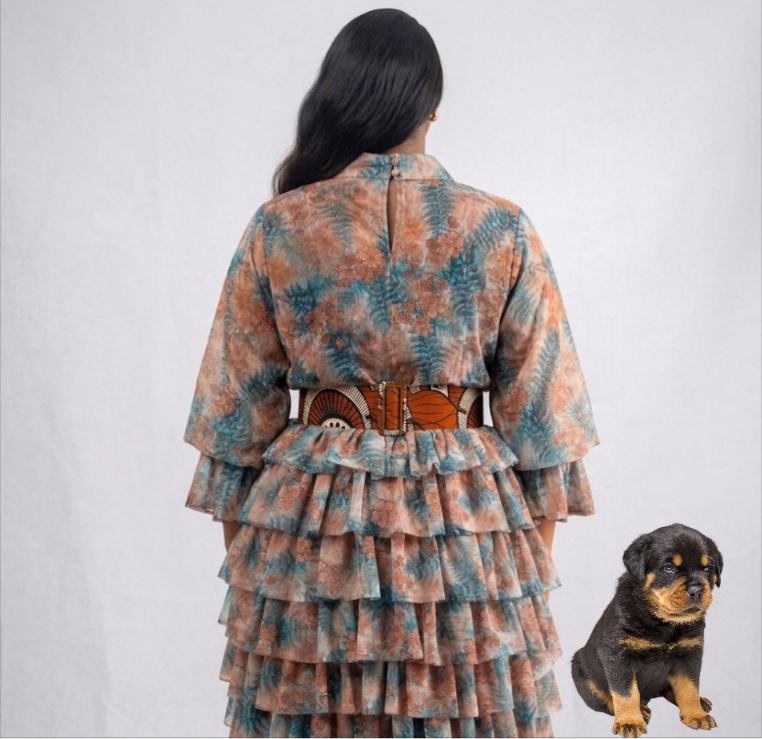
Command the Boardroom. Own the Evening.
Where high-stakes leadership meets unapologetic style.
Entrepreneur, CEO, author, and business strategist Akosua Owusuwaa embodies modern power—and JOEY_thebrand provides the wardrobe to match. Designed for women who navigate executive boardrooms and high-profile spaces with effortless grace, this signature look celebrates individuality without compromising on sophistication.
The Look: Tailored for Impact
- Versatility at Its Finest: Tailored with crisp lines and an impeccable silhouette, this piece transitions seamlessly from a high-stakes corporate presentation to an exclusive dinner hosted at CAGA HEIGHTS.
- Bespoke Detail: Engineered to empower, reflecting the ethos of embracing your unique identity—one garment at a time.
Office or Evening? Why Choice Matters Less Than Presence
| Setting | How It Delivers |
| Corporate Offices | Absolute Authority. The structured, tailored cut projects confidence, poise, and readiness for executive leadership. It signals sharpness without feeling restrictive during long strategy sessions. |
| Exclusive Dinners | Refined Luxury. Sleek lines and elevated design elements allow it to easily double as evening wear. Add a statement accessory, and you’re ready for networking dinners or evening galas. |
Verdict: It excels at both. This outfit is built for the dynamic schedules of modern executives—taking you from AM strategy meetings to PM dinners without missing a beat.
Book Your Bespoke Fitting
Because true style is personal, JOEY_thebrand operates strictly by appointment. Elevate your wardrobe with pieces made to honor your individuality.
Website: www.joeythebrand.com
Call / WhatsApp: +233 54 598 9448
Email: strategizewithgwen@gmail.co
