








Assumpta Weekly News Magazine
Special Edition: “The ONWARD”
Featuring: Three Outstanding Ghanaian Female Broadcast Journalists: Serwaa Amihere, Berla Mundi, and Frema Adunyame:
Release Date: Monday, 23rd December, 2024
Platform: assumptagh.live/
Flash Alert Update: THE ONWARD
Theme: Journalism of Neglected Topics
Key Feature: Former President H.E. John Dramani Mahama
Article Title: How Does a Nation Return to the Same Leader It Once Rejected for Failing to Deliver?
Content Focus: Is He a Performer or a Decision Maker?

In Ghana’s land, where struggles intertwine, A leader’s heart must with compassion shine. To lift the weary, guide them through the night, Their welfare be your beacon and your light.
As CEO of Hair Senta’s domain, my enterprise can ease the people’s pain. Extend my hand to those who cannot stand, Empower them with tools crafted by hand.
For in the act of giving, we receive, A deeper joy than we could e’er conceive. To lead is not to rise above the rest, But serve with love, and strive to do our best.
Thus, let our policies reflect this creed: To support others is true leadership indeed.

Analysis Highlights: Examining whether Ghanaian politics revolves around tangible performance or influential decision-making.
Exploring the implications of the Deep State in Ghana’s political entrenchment.
Questioning the stagnation of the “No Ghanaian Left Behind” policy and its promise of inclusivity.
Critical Reflection: What does it mean for a nation to re-elect a leader once deemed inadequate?
Have lessons from past leadership been learned, or is the decision rooted in political nostalgia and survival tactics?
Join the conversation on how Ghana navigates leadership in times of political and socio-economic challenges. Stay tuned for engaging perspectives from Assumpta Weekly News Magazine!


!Hair Senta, a premier hair extension company based in Accra, Ghana, is dedicated to providing top-quality human hair extensions that seamlessly blend with natural African hair textures. Their products are designed to enhance your natural beauty, offering versatility and elegance for any occasion.
Why Choose Hair Senta?
Premium Quality: Hair Senta offers 100% human hair extensions that are consistent in texture with African hair, ensuring a natural and flawless look.
Global Shipping: Serving clients worldwide, Hair Senta ensures that no matter where you are, you can experience their exceptional products.
Expert Guidance: The team at Hair Senta is ready to assist you in selecting the perfect look, providing personalized recommendations to suit your style and preferences.
Stay Ahead with 2025 Hair Trends
As we approach 2025, staying updated with the latest hair trends is essential. Instagram: Follow @hairsenta for the latest updates, styles, and customer showcases.
Facebook: Join the community at The Hair Senta for news, promotions, and more.
Contact: Visit their showroom at 24 Jungle Avenue, Accra, or call (+233) 0544354455 / 0248629769 for personalized assistance.
Elevate your style with Hair Senta’s premium hair extensions and stay ahead of the trends in 2025. Experience the perfect blend of quality, elegance, and innovation that defines Hair Senta.

Serwaa Amihere: In this special edition of Assumpta Weekly News Magazine, I will delve into pressing questions about Ghana’s political landscape:
THE REAL vs PERCEIVED “DEEP STATE: Now we’ve seen the characteristics of Deep State entrenchment In Ghana’s politics
1. Tangible Performance vs. Influential Decision-Making:
Does Ghanaian politics prioritize real results or simply strategic decisions that create the illusion of progress?
Are our leaders judged by measurable achievements, or by their ability to navigate power dynamics?
2. The Deep State in Ghana’s Political Entrenchment:
How does the unseen hand of entrenched political interests shape policy and decision-making?
What are the long-term effects on governance and accountability?
3. The “No Ghanaian Left Behind” Policy:
Why has this policy promise of inclusivity seen little improvement over the years?
Is it a case of good intentions lost to poor implementation, or has it been a hollow promise from the start?
Critical Reflections: What does it mean for a nation to re-elect a leader once deemed inadequate?
Have past mistakes shaped a new vision, or is this a return to comfort amidst uncertainty?
Join me, Berla Mundi, and Frema Adunyame as we confront these questions and dissect how Ghana navigates leadership in the face of political and socio-economic challenges.


Stay tuned for our thought-provoking perspectives in this Assumpta Weekly News Magazine special edition—coming Monday, December 23rd, 2024, on assumption.live/

Serwaa Amihere :Answering these questions requires a thoughtful, evidence-based approach that considers historical, political, and socio-economic contexts. Here’s how I would approach them:
1. Tangible Performance vs. Influential Decision-Making
Analysis : Examining the leadership record of former President John Dramani Mahama, focusing on measurable outcomes like economic growth, infrastructure projects, education, and healthcare.
Compare this with how his decisions influenced the political climate and whether they fostered inclusivity, stability, or significant reforms. Analyze whether his decisions addressed systemic issues or were aimed at political expediency.
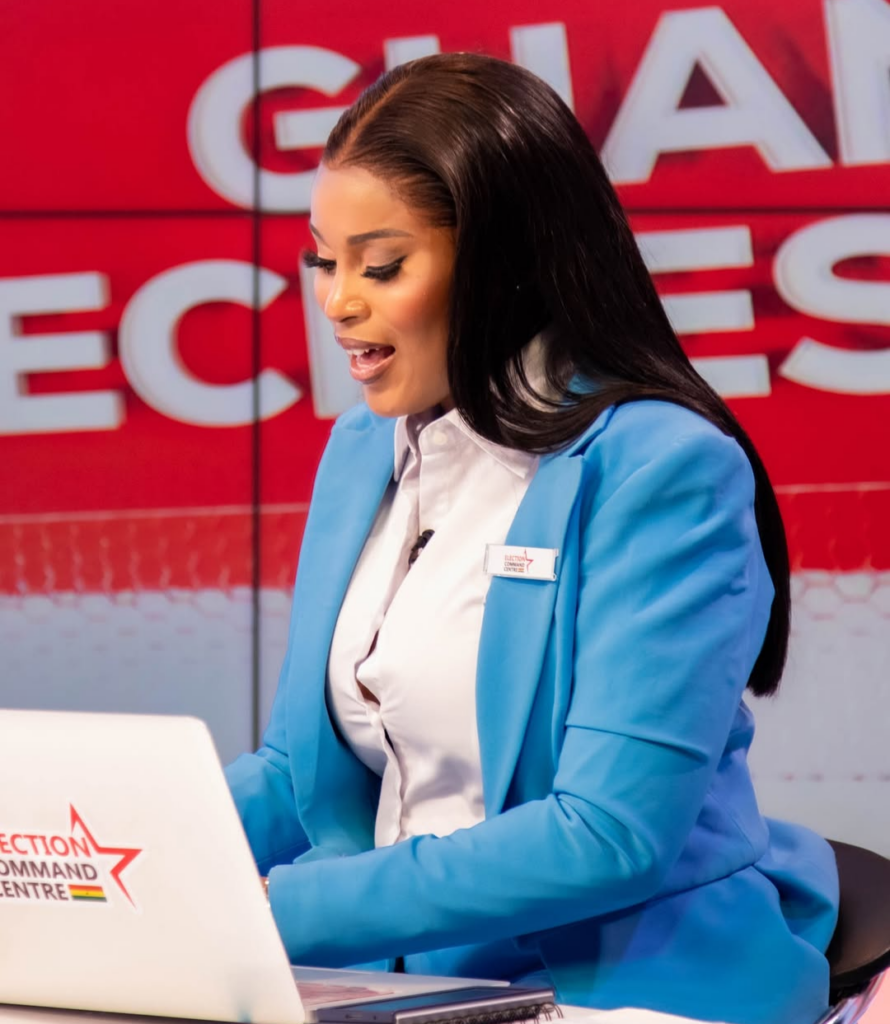
Answer : Ghanaian politics often leans on influential decision-making over tangible performance because it’s easier to shift narratives than to deliver consistent results. However, long-term leadership success requires both. Mahama’s performance must be re-examined for its real impact versus perceived achievements.
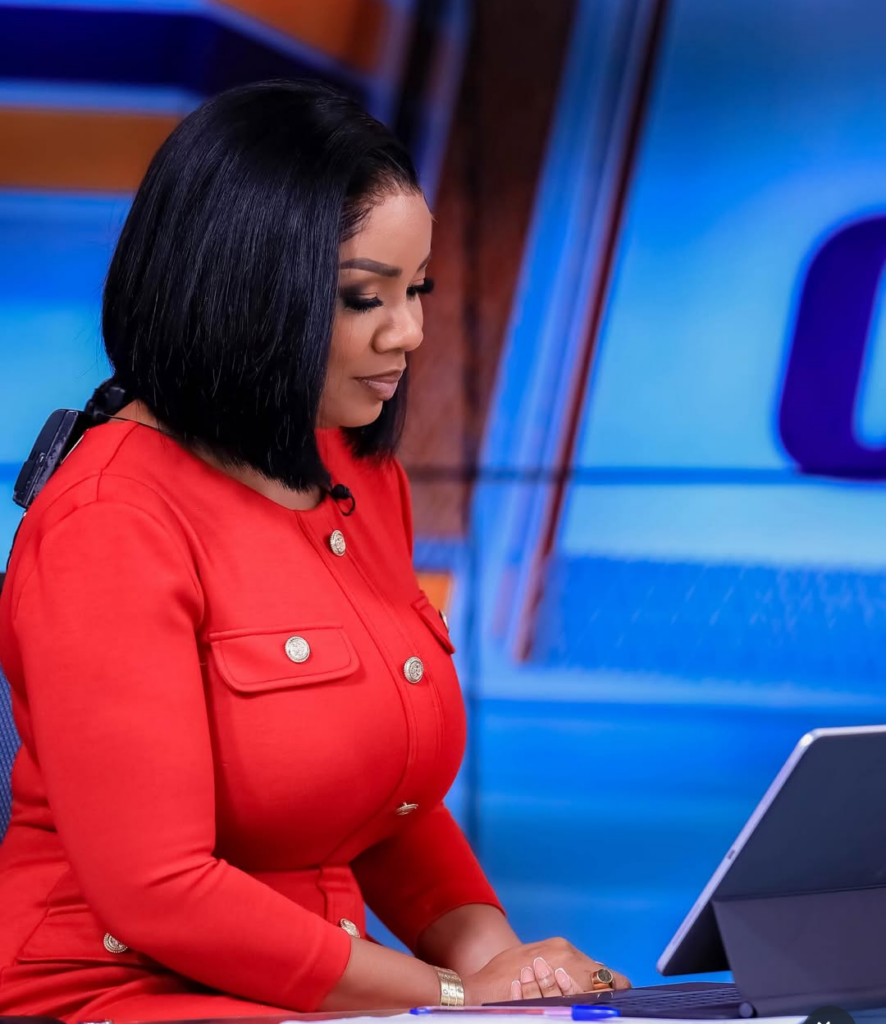
Serwaa-Amihere :
2. Deep State in Ghana’s Political Entrenchment
Analysis: To define the concept of a “Deep State” in Ghana’s context: entrenched bureaucratic, political, and economic interests that influence governance.
Investigate instances where vested interests may have undermined reforms or influenced elections. And evaluate how these entrenched systems challenge democratic principles and leadership accountability.

Frema Adunyame : Answer: The deep state operates in subtle ways, such as through political alliances, institutional inertia, and patronage systems. These forces has been restrict even well-meaning leaders from making meaningful changes, turning leadership into a balancing act between reform and appeasement.

3. Stagnation of the “No Ghanaian Left Behind” Policy.
Analysis: Review the original objectives of the policy and compare them with current socio-economic indicators, such as poverty rates, education access, and healthcare coverage.
Identify key reasons for its stagnation: funding issues, political priorities, or poor execution. And highlight examples of success (if any) and areas of glaring failure.
Berla-Mundi :
Answer: The “No Ghanaian Left Behind” policy has not lived up to its promise, likely due to misaligned priorities and weak implementation. While the rhetoric appeals to inclusivity, systemic inequality persists, making it a slogan rather than a transformative agenda.
4. Re-electing former president John Mahama, a Leader Once Deemed Inadequate!
Analysis: Frema, can you Explore historical examples in Ghana and globally where leaders made a political comeback after being deemed unsuccessful.
Investigate public sentiment: Is this a vote of confidence in Mahama’s growth or a rejection of current alternatives?
Considering how Mahama has positioned himself differently this time—has he addressed past failures and offered new strategies?
Frema-Adumyame
Answer: Re-electing Mahama suggests that many Ghanaians view his leadership as a lesser risk compared to alternatives, or that they believe he has learned from past failures. However, this could also reflect disillusionment with the current administration rather than renewed faith in his abilities.
In Conclusion, Ghana’s political journey reflects the tension between hope and pragmatism. Tackling these questions honestly involves recognizing both progress and shortcomings, demanding accountability, and rethinking how leadership is evaluated.
Serwaa-Amihere : Now, let’s Come to The Review of the Newsletter:
This edition of the newsletter provides a bold and thought-provoking exploration of Ghana’s political dynamics, past and present. It effectively highlights the systemic issues rooted in neocolonial influence, the role of foreign powers like the CIA in shaping Ghana’s leadership, and the need for a transformative vision akin to Kwame Nkrumah’s legacy.

The analysis of the re-election of former President John Mahama is particularly striking, emphasizing the cycle of leadership that prioritizes external interests over Ghana’s self-reliance. By contrasting the performance-oriented leadership styles of recent presidents with Nkrumah’s decision-making approach, the newsletter underscores the urgency of redefining Ghana’s political and economic systems.
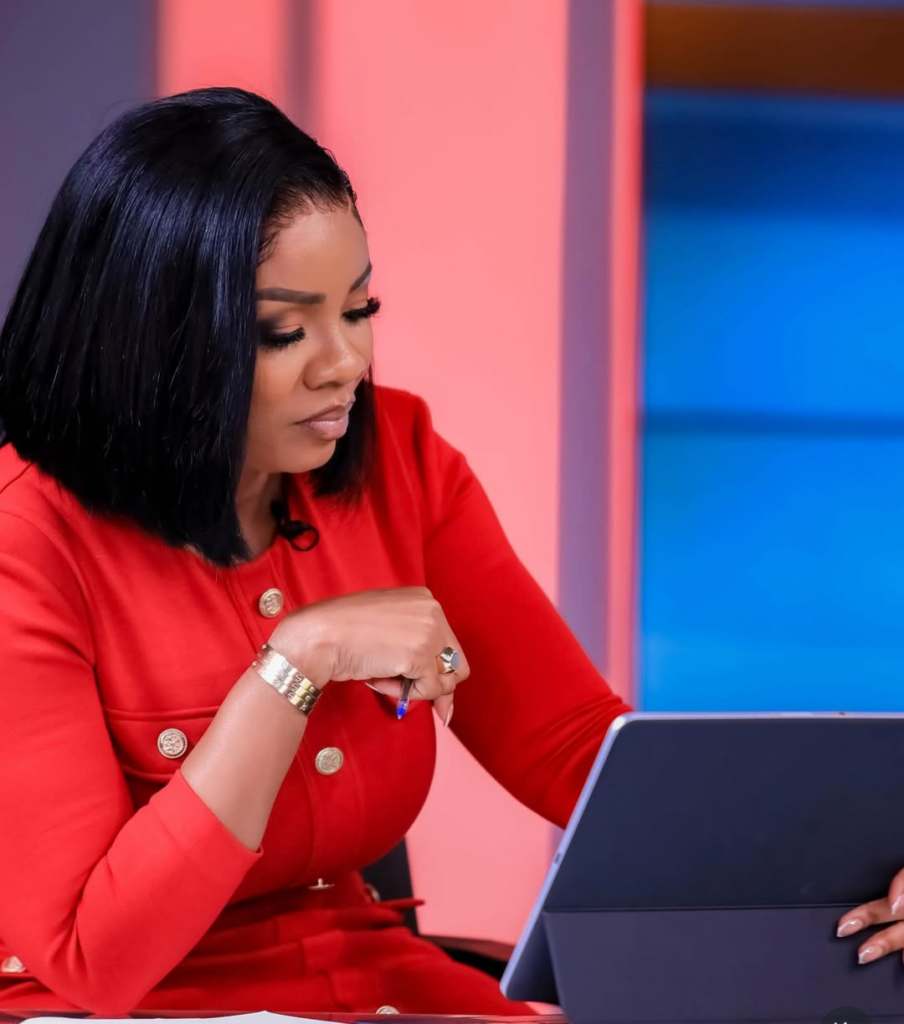
Serwaa-Amihere : Key strengths include:
1. Historical Context: The newsletter masterfully ties Ghana’s current challenges to historical events, such as Nkrumah’s overthrow and the privatization of national assets under successive governments.
2. Call to Action: It doesn’t merely critique the system but also inspires readers to reflect on how Ghanaians can unite for a shared destiny, embracing the values of self-reliance and unity.
3. Sharp Perspectives: The analysis of the outgoing President Nana Akufo-Addo’s modest leadership offers a refreshing contrast and serves as a potential model for future leaders.
However, the newsletter could benefit from including actionable recommendations for citizens and policymakers to bridge the gap between critique and implementation. A more detailed exploration of how Ghana can achieve economic emancipation would add depth to the discussion.
Overall, this edition is a compelling and urgent call to reimagine Ghana’s future. It challenges readers to think critically about the forces shaping the nation’s politics and the role every Ghanaian must play in achieving true independence.
Serwaa-Amihere : Introduction to the Newsletter:
Welcome to a compelling edition of our newsletter, where we delve into the complexities of Ghana’s political landscape and its ongoing struggle for true independence. As we reflect on the results of the recent election and the re-election of former President John Mahama, we confront the critical questions that shape Ghana’s future:
Is Ghana’s political system designed to serve its people or controlled by external forces?
How can leaders like Mahatma rise above performance-driven leadership and embrace the visionary, decision-making approach exemplified by Kwame Nkrumah?


What role does the influence of foreign powers and the so-called Deep State-CIA play in perpetuating the challenges we face today?
This issue explores the legacy of Nkrumah, the consequences of privatization, and the enduring shadow of neocolonialism that continues to affect our nation. As Ghanaians, it’s time to ask ourselves whether we can achieve the economic emancipation Nkrumah envisioned and foster a sense of unity that transcends party and personal interest.
Through thoughtful analysis and sharp perspectives, this newsletter challenges the status quo and calls for a renewed commitment to a self-reliant Ghana. Let’s start the conversation about reclaiming our shared destiny.
View Insights: This newsletter provides several crucial insights into Ghana’s political and economic challenges, offering a lens through which readers can better understand the nation’s current landscape. Here are the key takeaways:
1. The Legacy of Neocolonialism :The newsletter effectively illustrates how Ghana’s political independence did not translate into economic sovereignty.


The influence of foreign powers, particularly the CIA and Western governments, in shaping Ghana’s political leadership and economy is a recurring theme, highlighting the need for vigilance against external control.
2. Leadership Dynamics: Performers vs. Decision-Makers
Serwaa-Amihere : A critical distinction is made between leaders who merely “perform” (fulfilling external agendas) and those who make independent, visionary decisions.
Former President John Mahama’s re-election is framed as an opportunity to shift from a performance-based approach to a decision-making model inspired by Kwame Nkrumah.
3. Privatization and Economic Decline : The newsletter sheds light on the long-term consequences of privatizing Nkrumah’s state-owned enterprises, which led to unemployment, energy crises, and weakened national sovereignty.
This insight encourages readers to question the economic policies of past governments and consider alternative models for sustainable development.
4. The Role of Unity in National Development
A significant insight is the emphasis on fostering a shared sense of destiny among Ghanaians.
The newsletter calls for unity across political and ethnic divides, urging citizens to prioritize national interest over partisanship or foreign influence.
5. A Model for Leadership : The example of Nana Akufo-Addo is presented as a counterpoint to materialistic and externally influenced leadership

This insight highlights the importance of modesty, integrity, and a focus on long-term national goals in leadership.
6. The Call for Economic Emancipation : The newsletter emphasizes that political independence alone is insufficient without economic freedom.
The insight that Ghana must revisit Nkrumah’s self-reliance philosophy challenges both leaders and citizens to rethink the nation’s economic trajectory.
All the analysis highlights a deeply rooted problem in Ghana’s political system, one that transcends party lines and touches on the broader issues of neocolonial influence, leadership accountability, and the struggle for economic independence. Here’s a summary of the critical points you’ve raised:
1. Ghana’s Political System and Deep State Influence
Serwaa -Amihere : The re-election of former President John Mahama reflects Ghana’s ongoing challenge with leaders who act more as performers than decision-makers. Leaders like Mahama are seen as tied to external lobbies and the Deep State, including influences from the CIA, which historically orchestrated Nkrumah’s overthrow.
These groups allegedly dictate policies that prioritize foreign interests over Ghana’s sovereignty, particularly regarding the control and exploitation of natural resources.
2. The Legacy of Kwame Nkrumah

Nkrumah’s Vision: Nkrumah stood for a self-reliant Ghana, advocating for African unity and control over its resources. His policies threatened foreign powers, particularly the U.S., Britain, and France, leading to his ousting in a CIA-backed coup in 1966.
Economic Independence: Nkrumah’s approach to creating state-owned enterprises and nationalizing resources was seen as a path toward true independence, which was disrupted by external forces.
3. Privatization and Unfulfilled Promises
Successive governments, including those led by Jerry John Rawlings and John Mahama, are accused of privatizing Nkrumah’s state-owned enterprises, leaving Ghanaians with high unemployment rates and an energy crisis (e.g., Dumsor under Mahama).


These actions have deepened economic dependency and widened the gap between promises made to the people and actual progress.
4. Nana Akufo-Addo’s Example

The outgoing President, Nana Akufo-Addo, is praised as a leader who avoided materialism, lived modestly, and sought to foster national unity. His legacy offers a potential model for leadership that prioritizes Ghana’s interests over personal or foreign agendas.
5. The Call for Economic Emancipation
Colonialism’s Shadow: While political independence was achieved, Ghana has yet to gain economic emancipation. The current system still favours external powers, a lingering effect of neocolonialism.
Re-creating Nkrumah’s System: Re-electing Mahama presents an opportunity for Ghana to revisit Nkrumah’s vision, emphasizing self-reliance, economic sovereignty, and development driven by Ghanaians for Ghanaians.
6. A Shared Sense of Destiny
Ghana needs a new national ethos, one where citizens and leaders work together toward shared goals. This includes overcoming divisions created by party loyalty, ethnic biases, and foreign int