



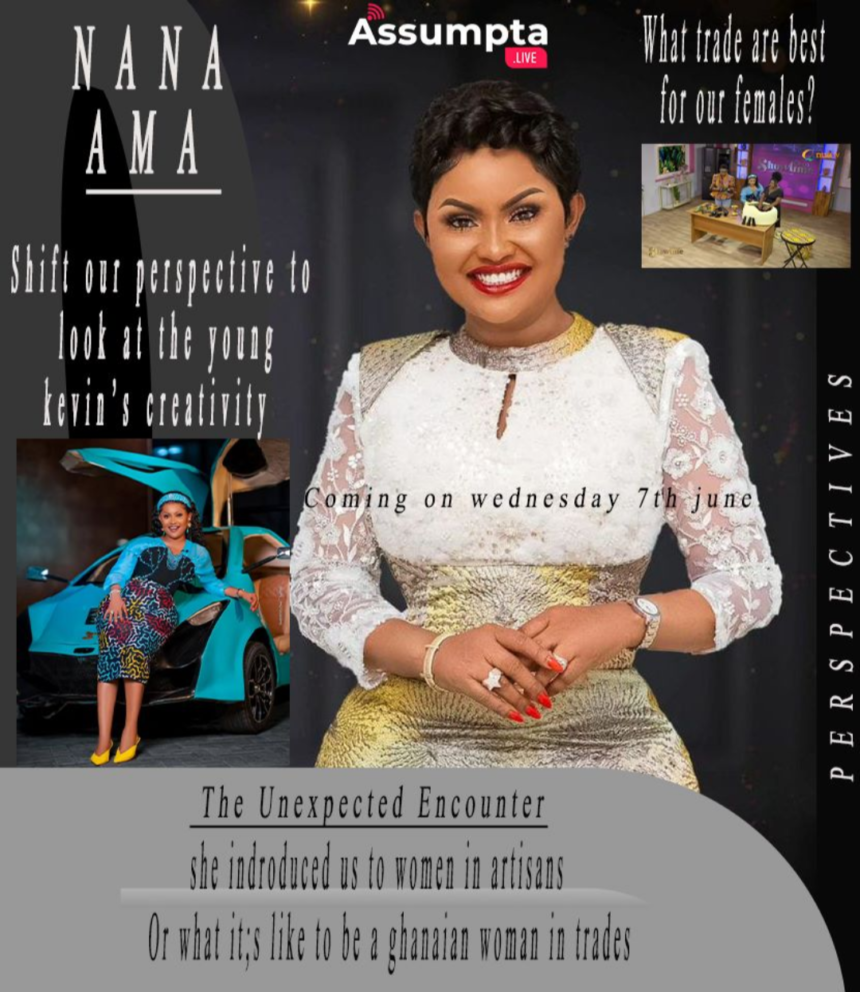
What Trade Are The Best For Our Ghanaian Females?
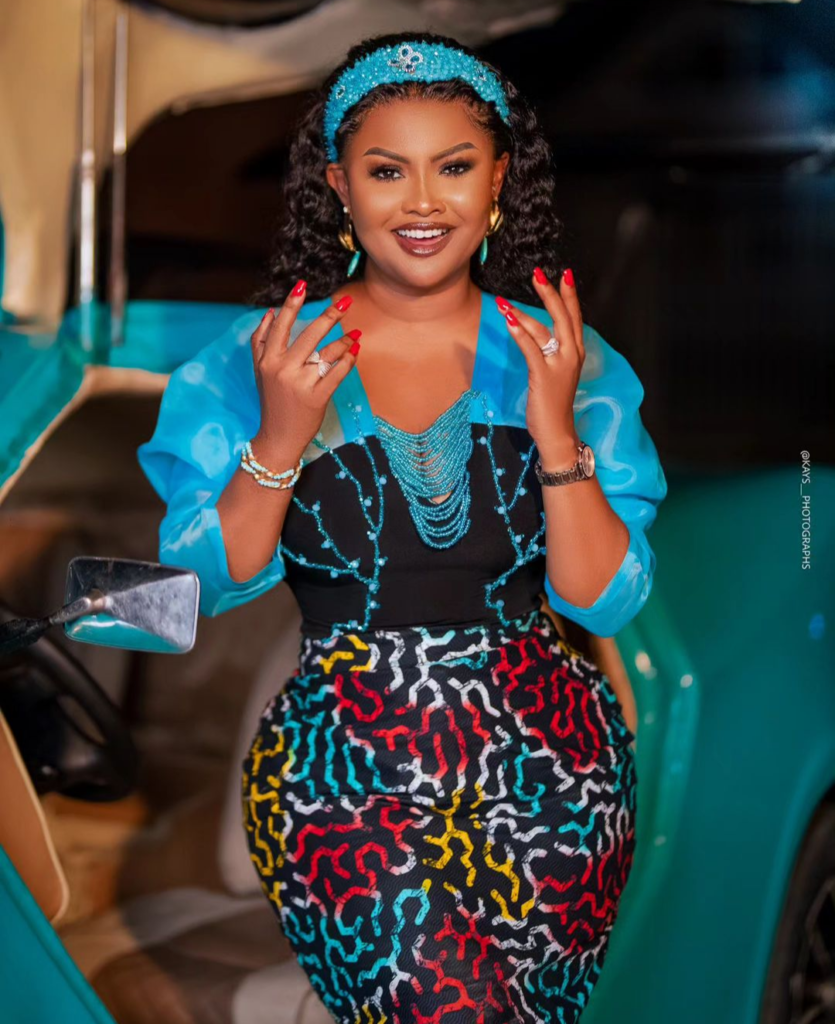
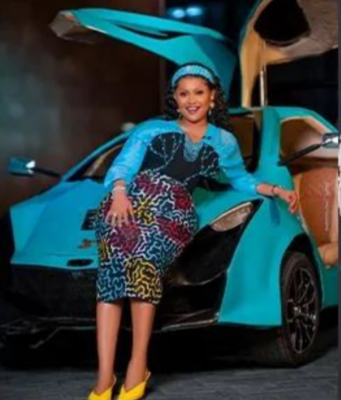
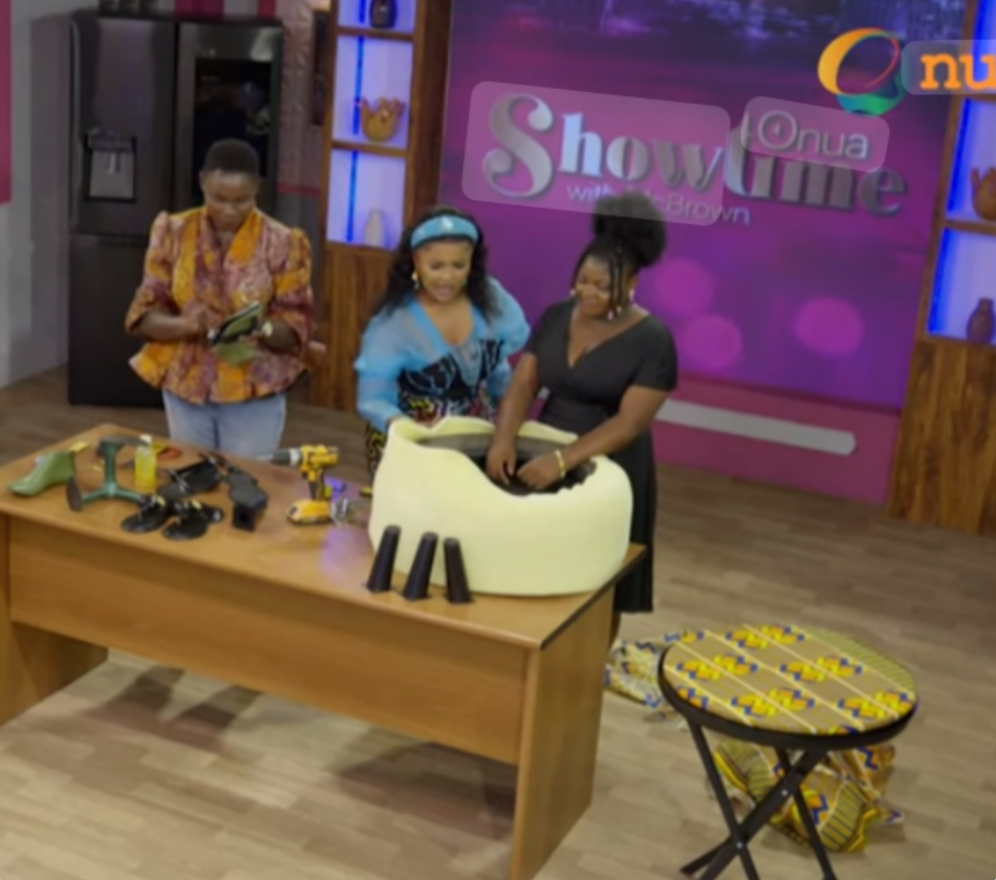
Nana Ama Mac-Brown shifts her perspective to look at Kevin, a young Ghanaian’s creativity. Mac-Brown also introduced Ghanaians to women artisans and what it’s like to be a Ghanaian woman in trade.
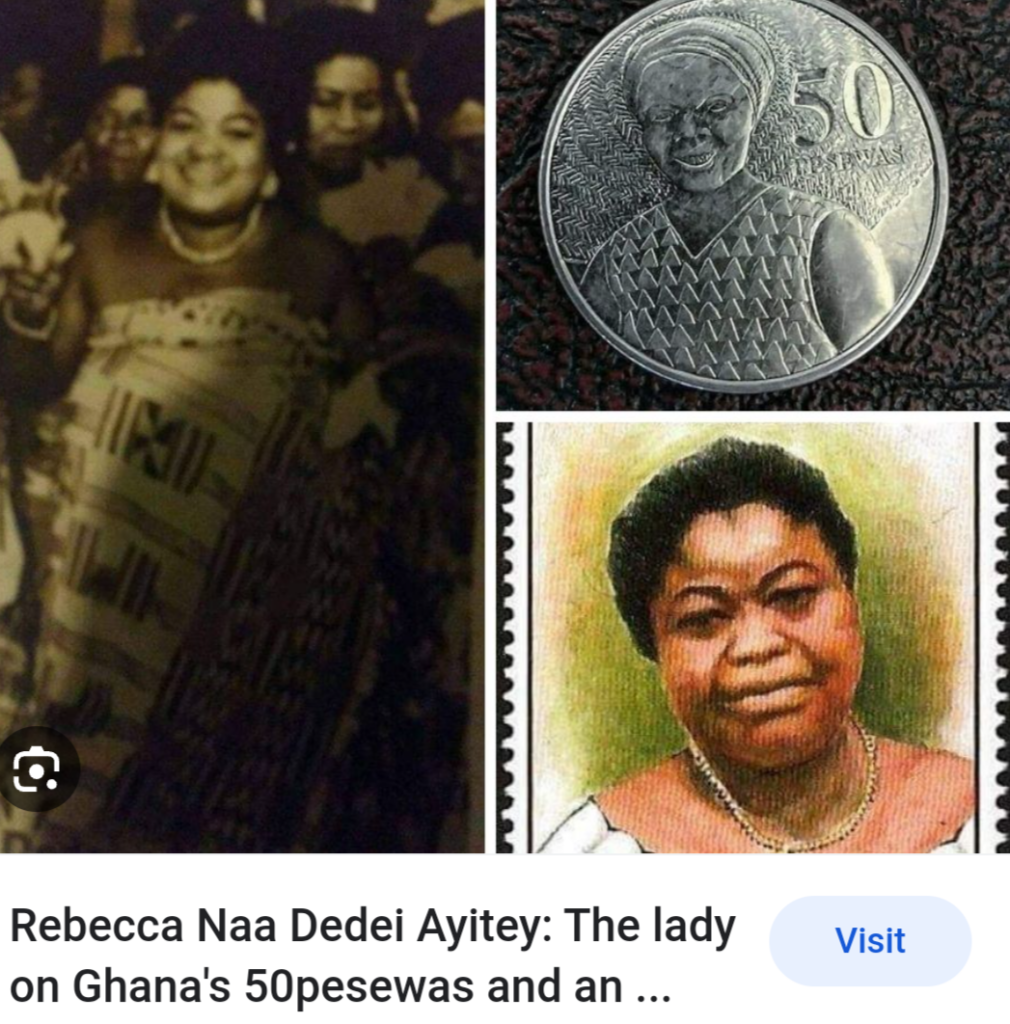
A quick think through the history of Ghana’s struggle for independence and it will be very hard to think of a woman who shared the limelight with the likes of Dr Kwame Nkrumah and the other members of the Big Six who fought to make March 6, 1957, a historical day for Ghana and Sub-Saharan Africa.
This is not to say that there were no women who supported the fight for independence. Perhaps their stories have been kept in the dark for several years or they did not hold so-called top positions to have their names permanently arced in the story of Ghana’s independence.
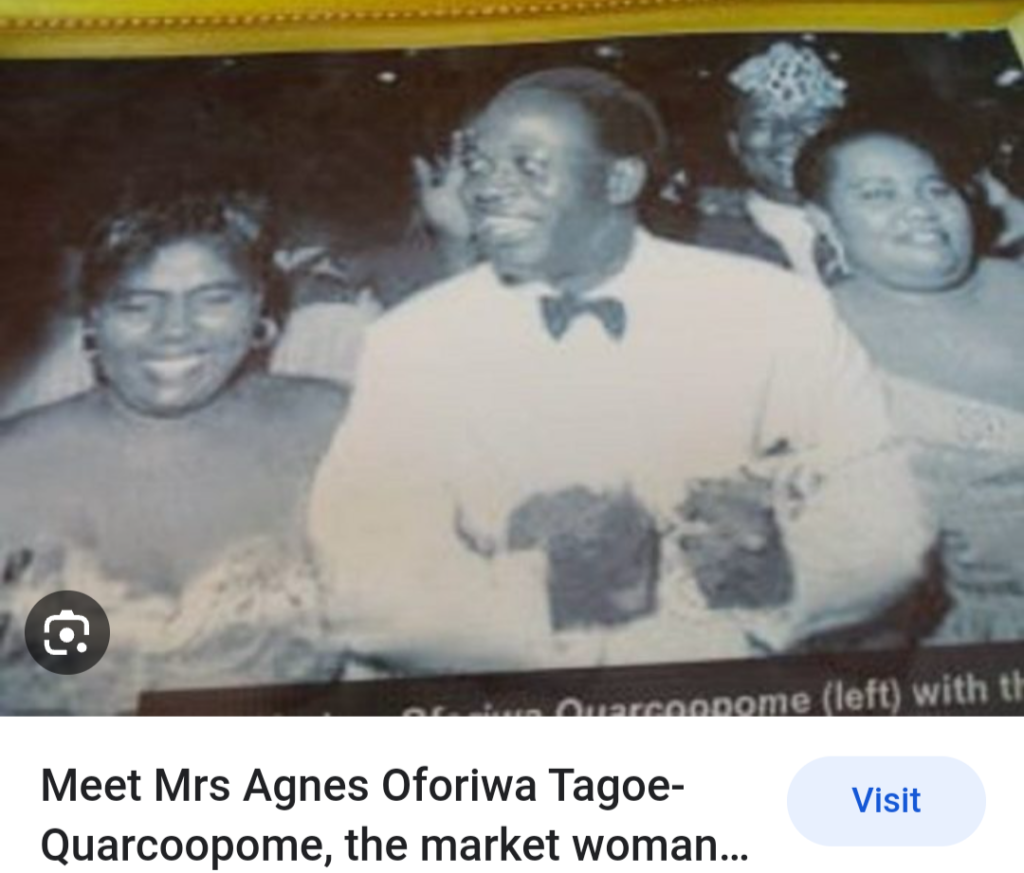
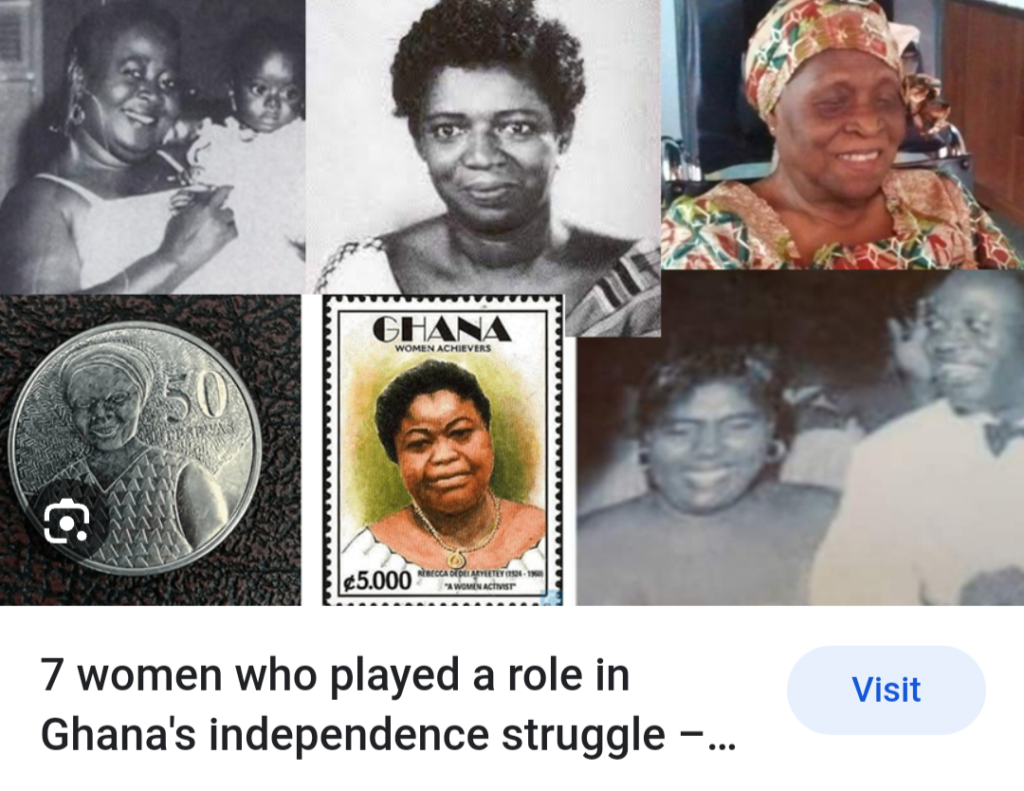
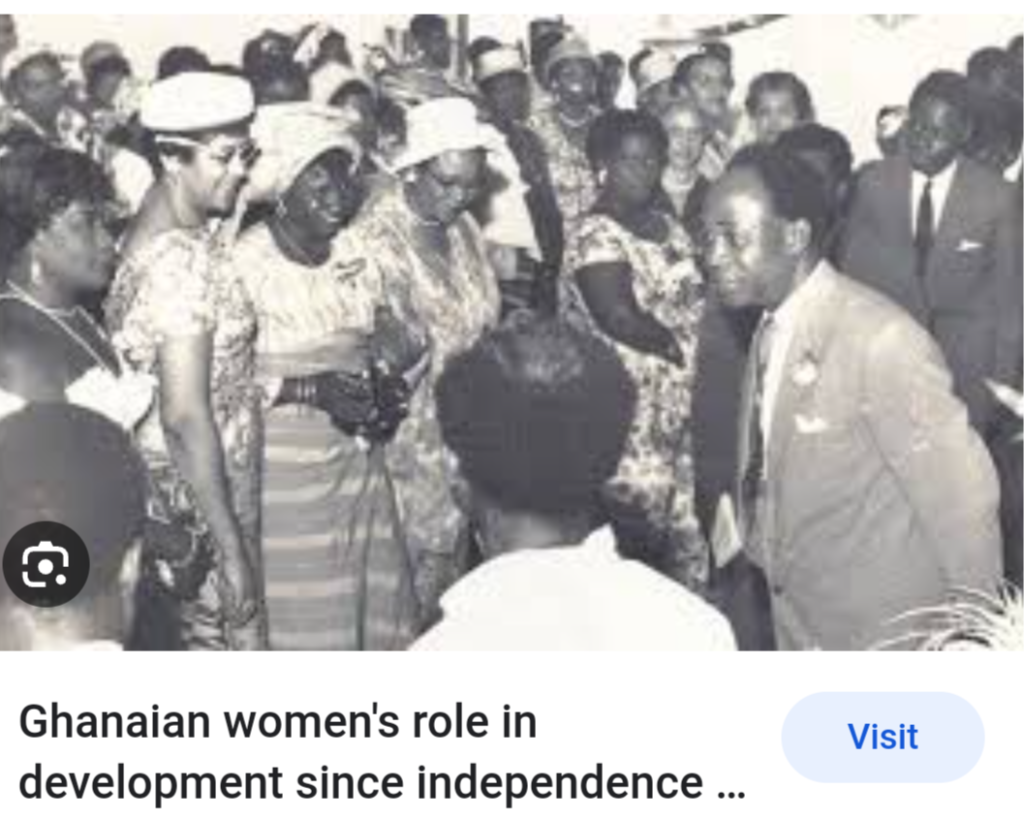
Whatever be the case, they did exist and one of them was Agnes Oforiwa Tagoe-Quarcoopome, a revered market woman who supported Kwame Nkrumah and contributed to Ghana’s independence.
By the 1940s, Agnes Oforiwa Tagoe-Quarcoopome had become one of Ghana’s most important traders and market women who was greatly respected by people of all walks of life. She owned shops in Makola and
Okaishie, which were the country’s major trading centres located in Accra, after entering the buying and selling business between 1921 and 1929 due to financial problems that could not see her continue her education despite being a very intelligent student.
Aside from trading, Madam Agnes was a activist who was firmly in support of the fight for independence and especially very supportive of Kwame Nkrumah after he formed CPP in 1949, a few months after resigning from the UGCC.
Agnes Oforiwa Tagoe-Quarcoopome and Kwame Nkrumah became close friends when he arrived in Ghana to take the position of General Secretary for UGCC. The two became close friends when Nkrumah had to stay with her for a short while when he arrived from the UK.
In 1949, after the establishment of CPP, it was Madam Agnes who single-handedly gained the market women’s support for Kwame Nkrumah and during his campaign, she got the Makola Market women to finance his activities. Later, she met with them on several occasions to explain Nkrumah’s ideas and plans for Ghana through his party after gaining independence.
Madam Agnes also organised several meetings in the market places for Nkrumah to meet with and speak to the market women and the masses. Through her, CPP was greatly financed by several market women as well.
While supporting Nkrumah, Madam Agnes also worked hard as a trader and became the first woman to open a bank account with Standard Bank of West Africa (SBWA) which is now Standard Chartered Bank on the advice of the expatriate Sales Manager of the United Africa Company (UAC). Through her, the bank gained the trust of several other market women and businessmen who later opened accounts with the bank.
She also became an important member of trade union groups and was an integral reason why international trade between Britain and Ghana was happening.
In 1958, Agnes was awarded a travelling scholarship thanks to her hard work, dedication and honesty to the United Africa Company (UAC), a British company which principally traded in West Africa. She became the first Ghanaian woman trader to visit the UAC head offices in the UK, Netherlands and Holland.
Madam Agnes took advantage of her travel opportunity and purchased a wide variety of products in huge quantities which she brought down to Ghana aside her main product being textiles.
Together with the market women, she continued to fund the CPP and support the then President Kwame Nkrumah. In 1964, she built a very expensive home in Kokomlemle which was fully furnished and air conditioned and rented by Nkrumah’s government to be the official residence of Russian officials until the 1966 coup d’etat that led to the overthrow of Nkrumah.
Soon after Nkrumah’s overthrow, Madam Agnes was taken into illegal custody by orders of Lieutenant Arthur. In the middle of the night, she was forced out of her home by more than 50 armed soldiers and taken away.
After the execution of Lieutenant Arthur in 1967, Madam Agnes was released by Lieutenant General Joseph Arthur Ankrah and went back to her business.
By the 1970s, Madam Agnes became very wealthy and bought several properties in London which she rented out.
There are no known records of whether she kept in close contact with Nkrumah until he passed away. But for her immense contribution as a woman to the independence of Ghana, her story is worth the research and celebration.
Her son, Gerhardt Haldane-Lutterodt would grow to become the
Chief Director at the Ministry of Trade and Industry under the then Rawlings government. She was born on May 27, 1913.
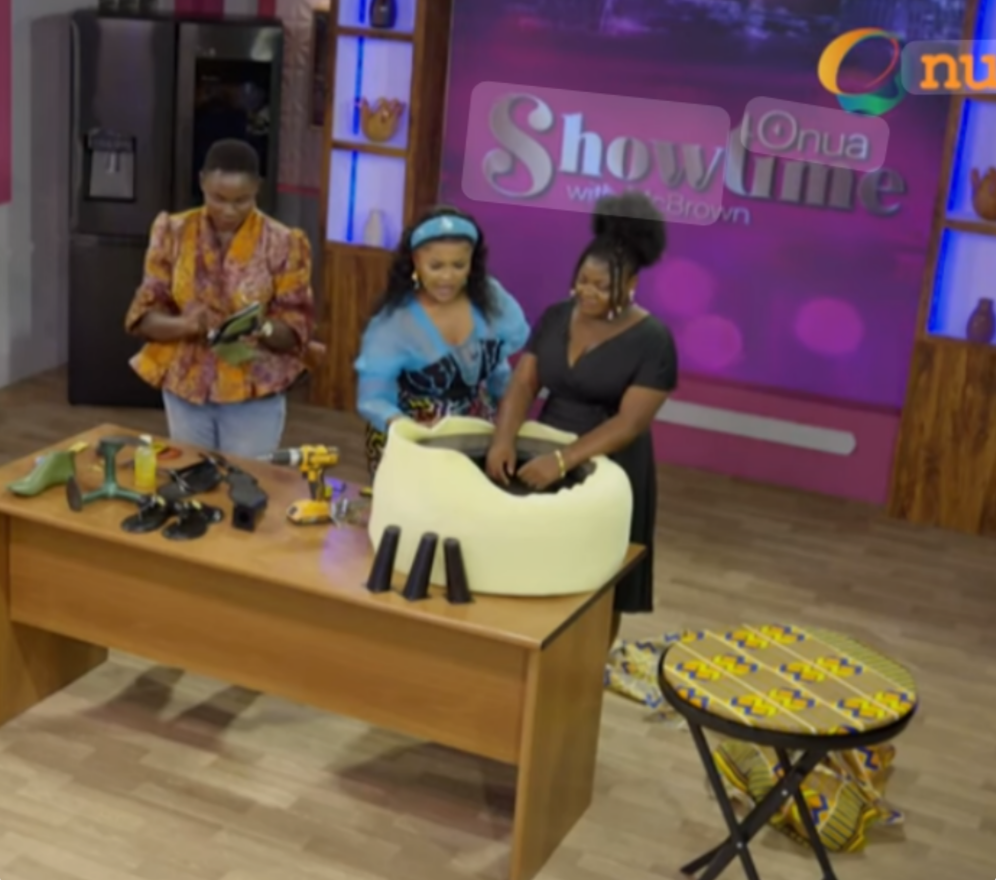
Nana Ama
As women, we have to get better at connecting our brainpower to jobs and investing in smart ideas like Agnes Oforiwa Tagoe-Quarcoopome, a revered market woman without a school degree or certificate who supported Kwame Nkrumah and contributed to Ghana’s independence.

TSASI
Everybody has ideas but who can make them reality? The victory behind Kwame Nkrumah’ setup is that he believes in the common people of Ghana. Kwame Nkrumah was walking to meet the market women.
They are market women and they own their own businesses. They have the brain power which is missing in today’s women in Ghana left without trade.
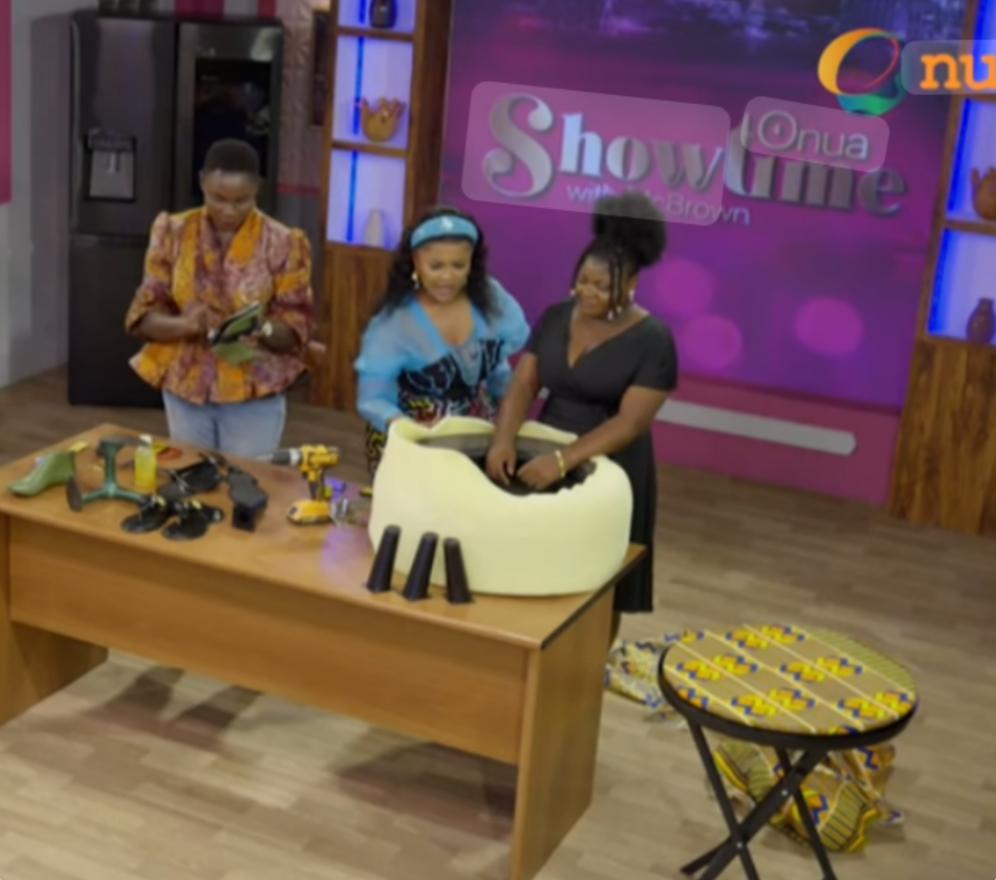
Our contaminated environment of dressing and making up to attract Men has became our day to day job. My move to convince Kelvin the young Ghana carmaker was to celebrate his genuine character and his brain power and his smart ideas.

TSASI
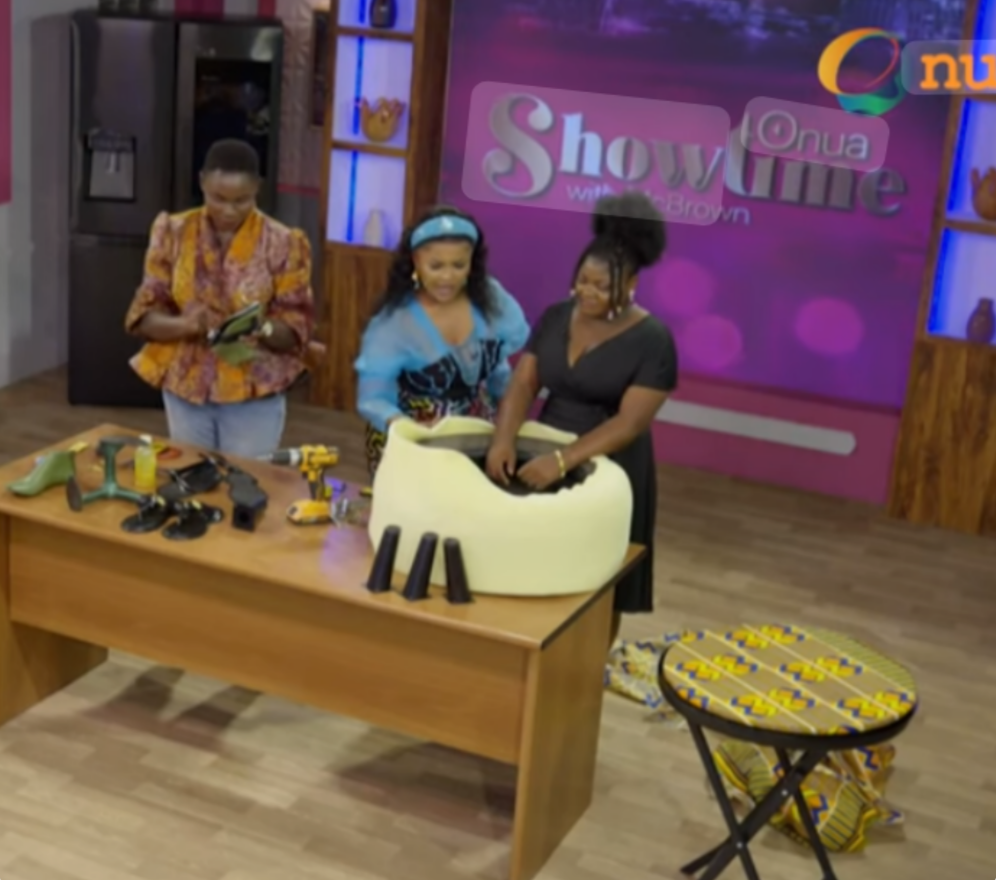
What struck me the most most is that you also invited a woman to your show whereby she makes shoes that men and women can wear. In a sense, you are also embedding the right to women’s trade and encouraging women to be in tradework.
TSASI
But What It’s Like to Be a Woman in the Trades?
Nana Ama
Well, every job has its challenges and difficult days. But if you’re a person of a marginalised gender in your workplace, those difficult days may happen every day.
Today, we are in an era often referred to as #MeToo,” which implies that women have now achieved equality in the workplace and freedom from harassment, even though there is still a long way to go. We often hear about how male-dominated work cultures negatively impact women.
No industry is more complex when it comes to the discrimination that women face than that of trade jobs, most of which are historically composed of primarily men. Ahead, we’ll examine what it’s like to be a woman in the trades, from how the gender balance of the industry is changing to how women are speaking up more than ever before about the unfair treatment they receive.
First, it’s important to understand exactly why I invited the lady to my show and what types of jobs I wanted to talk about. Trade jobs are careers that are relatively high-paying but do not require a college degree. Instead, you complete a training program, which can be done at a career college, a junior college, or an institution that focuses only on one industry. Some trades involve a certificate only, and others include licensing as well.
There are many different jobs that fall into the trade industry that women in Ghana can do even with their make ups.
The job titles for trade positions include construction worker, plumber, electrician, cook, chef, medical technician, dental and medical assistant, hair stylist, esthetician, carpenter, landscaper, painter, locksmith, mechanic, medic, fabricator, and phlebotomist.
TSASI
In Ghana, the Amount of women in Trade Jobs is less. When you think of an electrician or a locksmith, chances are you picture a man. That’s because historically, men have dominated the trade fields. However, the amount of women in trade jobs in Ghana is not growing, and it
experience in market trade and “Kaya Yoo” is the largest occupation for women in Ghana. It represents 40% of women in Kaya Yoo and market businesses. That is the statistics we have now.
Nana Ama
In our history as a country, after Kwame Nkrumah was overthrown, we have always been looking for ways to fulfil our needs, which has been the same after 66 years of independence.
On the other side of the trade spectrum, I want Ghanaian women to account for 70.4% of dentists employees, 60% of home health care providers, and more than 46% of pharmaceutical and medicine manufacturing, 40% of women in internal decoration, electricians, etc. Our success will come only when we recognize Ghanaian women’s talents.
TSASI
Ghana need women in every sector. After winning his presidential election, Kwame Nkrumah brought in Doctors, teachers, and professors from African countries like Sierra Leone, and Nigeria to be able to ensure that Ghana has the workforce needed to be able to continue to build itself from within.
One of the most important thing for Kwame Nkrumah was family. Because he knows that when you are a Ghanian, you come from a family and you have to put down roots, and very importantly you choose Ghana as your birthplace where you grow up, where your children will grow up and have a stake in our development and prosperity.
Therefore these market women stoop up for him and said we are going to with this man to build this country now. That is why we need our workforce to be strong.
Thank you TSASI . As you always say: Dialogue is the key peace. You are always welcome.