







Your Go-To Digital Health & Lifestyle Magazine for Holistic Wellbeing
Featured Cover Star: Gwen Addo
PG-TIPS Special 🌿 Ancestral vs. Modern Foods: What Truly Fuels Our Health?
In This Issue: Exclusive Insights & Timely Features
“The Great Fat Lie”
How Generations Were Misled About Heart Health
🍽️ Special Topics
- The Prudent Diet Revisited: A History of Misguided Health Advice
- Eat Like Your Ancestors: A Return to Real Food
- Healing Through Heritage: How Historical Eating Habits Can Restore Modern Health
- Bridging Ancestral Wisdom with Contemporary Wellness
ADVERTISEMENT




https://www.instagram.com/hairsenta?igsh=MXAzOThhNGZ0Nm15dQ==
✨ Transform Your Look at Hair Senta ✨
At Hair Senta, we believe that beauty begins with confidence — and confidence begins with hair that speaks volumes. We’ve helped countless women look and feel their absolute best with our premium 100% Human Hair Extensions, proudly sourced from Ghana to the world.
Whether you’re after volume, length, or a bold new look, Hair Senta is your ultimate destination for hair transformation.
📍 Visit us at: 24 Jungle Avenue, Accra, Ghana
📞 Call us: (+233) 0544354455 / 0248629769
🌐 Shop online: www.hairsenta.com
📸 Follow us: Join directionbygwen and 87 others on our journey to beauty and elegance. Hair Senta — A Place to Change Yourself.
Cover Image

“Gwen Addo radiates confidence and grace in a regal lilac and lavender Goba Kente gown, adorned with intricate floral motifs. Seated gracefully on a carved wooden stool, she embodies the magazine’s ethos: the harmonious fusion of tradition and innovation in health and lifestyle”.
Special Edition Release: Friday, August 1, 2025
Read Exclusively at: assumptagh.live
Owusuwaa Health Newsletter
In Partnership with The Leading Hair Senta
A Vision Beyond Walls

For Gwen Addo, wellness goes far beyond the physical space. At the heart of her mission is the empowerment of middle-class Ghanaians through accessible health education, inclusive beauty practices, and cultural pride.
“Cultural exchange is the heartbeat of this vision. It sparks meaningful connections and fosters a deep sense of belonging,” she shares.
To Gwen, wellness is more than self-care—it’s a social movement. Her work cultivates environments where people are supported, seen, and valued. “When communities feel connected, the path to health becomes not just easier, but joyful and sustainable.”
She sees culture as a powerful tool for healing, development, and transformation. Her vision?
A thriving community where health comes first and everyone feels they belong.
Gwen Addo: A Catalyst for Change
Gwen Addo is a woman of many talents—business strategist, wellness coach, mother of two, author of “Direction,” and co-founder of Owusuwaa Health Weekly Magazine.
She also leads as CEO of Hair Senta, HIBS-Africa, and TLS—The Leading Senta. As a leadership coach and inspirational speaker, Gwen champions personal growth and collective empowerment.
She’s not just building businesses—she’s inspiring a wellness revolution across Ghana and beyond.
This Week’s Featured Guest Dialogue
Guest: Gwen Addo — Certified Entrepreneur, Wellness Coach & Food Educator
Host: Berla Mundi
This week, Gwen joins Berla Mundi for a compelling conversation on:
🧠 “The Great Fat Lie” — Unpacking Decades of Heart Health Misinformation
Also Discussed:
- The Prudent Diet Revisited
- Eat Like Your Ancestors: Reclaiming Nutritional Heritage
- How Historical Eating Can Heal Modern Health
🗓️ Streaming Friday, August 1, 2025
🌍 Watch on: Assumptagh.live
Rethinking Fat: What History Tells Us About Real Food and Heart Health

When you begin to understand that we’ve been advised to eat the opposite of what we are biologically designed to consume, it becomes clear why so many people are struggling with metabolic diseases today. For decades, misinformation about food has fueled a global health crisis. But there’s hope—by returning to the foods our ancestors thrived on, you may be surprised how quickly your body responds in strength, vitality, and balance. Start with nature’s most nourishing staples:
1. Meat and eggs—for strength, willpower, and metabolic health.

A Short History of the “Heart-Healthy” Diet Lie
In 1956, a major moment in food and health history occurred. The American Heart Association broadcast a new dietary message across all three U.S. television networks—a national campaign promoting what they called the Prudent Diet. It recommended replacing traditional fats and proteins with modern alternatives: corn oil margarine and cold cereal.
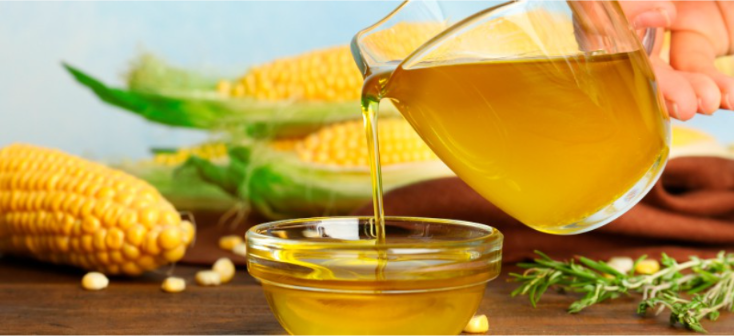
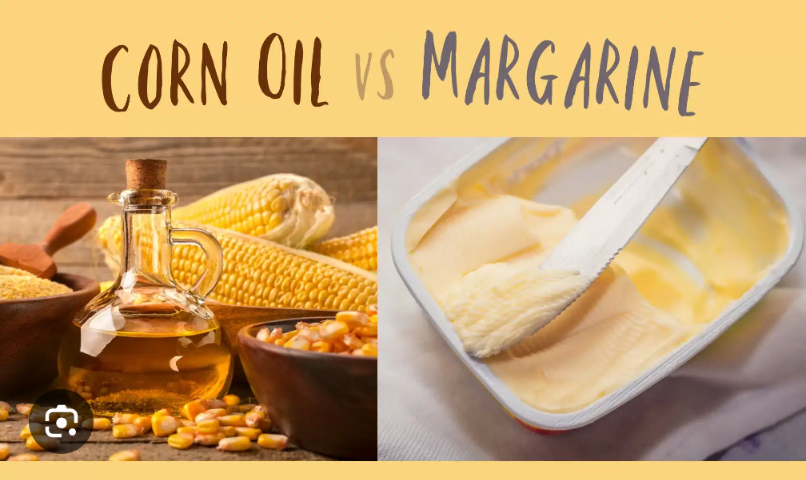
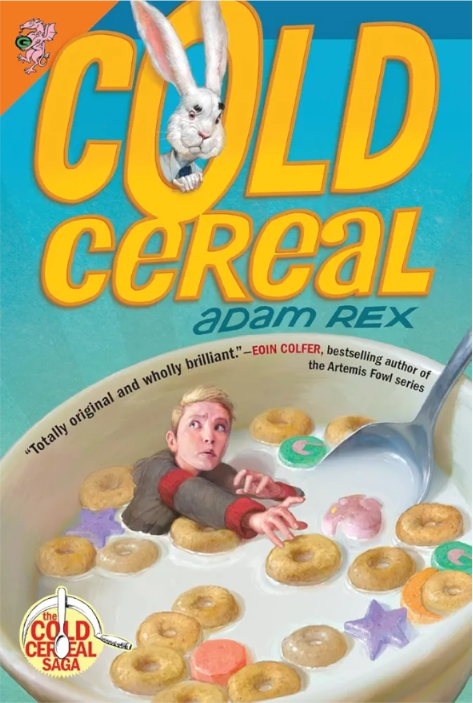
This was a dramatic departure from what prior generations had eaten: butter, beef, tallow, lard, and eggs—the very foods that had nourished humans for centuries.
One voice of reason at the time was Dr. Paul Dudley White, President Eisenhower’s own cardiologist. He pushed back, noting that heart disease had been virtually non-existent in the early 1900s, even though egg consumption was three times higher than in 1956. He recalled:

“When I began my cardiology practice in 1921, I didn’t see a single heart attack patient until 1928. Back then, people were eating butter and lard, not corn oil.”Despite his experience and caution, Dr. White was overruled.
The Rise of the Fat Fear—And Flawed Science
The dominant voice that won out was Ancel Keys, a physiologist who developed the hypothesis that saturated fats from animals raise LDL cholesterol, which in turn increases the risk of heart disease. He based this claim on what became known as the Seven Countries Study.
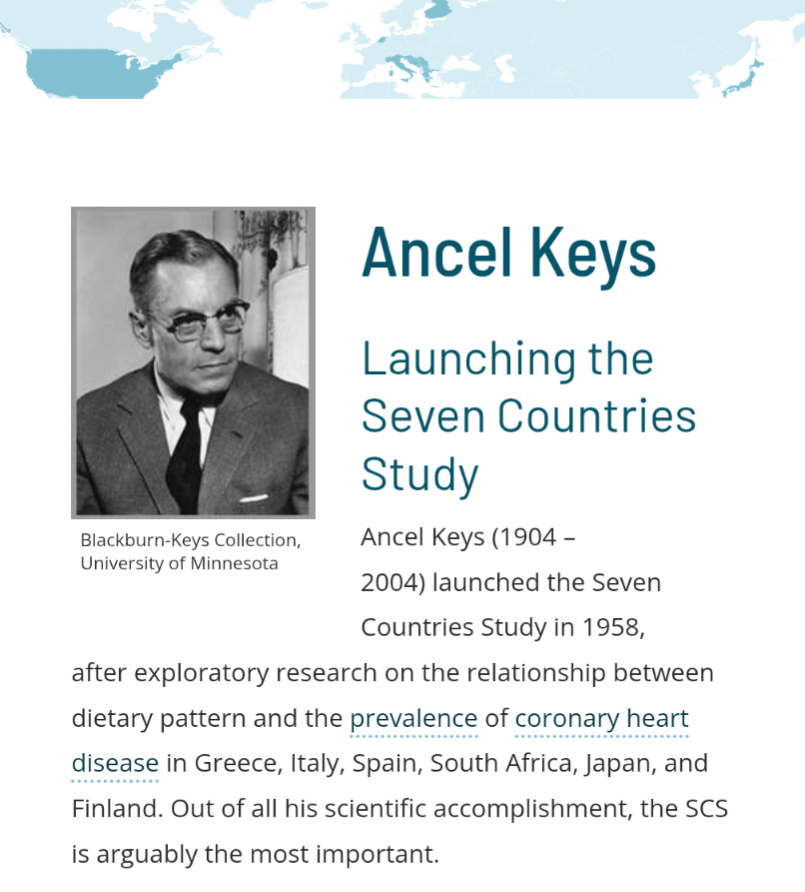
https://www.sevencountriesstudy.com/about-the-study/investigators/ancel-keys
However, it was later revealed that the study originally included data from 22 countries—but Keys only selected the seven whose data supported his theory. The others, which did not support his hypothesis, were excluded. This act of scientific cherry-picking had massive consequences, shaping decades of dietary advice worldwide.
The “Prudent Diet” Put to the Test
Fast forward to the 1960s: Dr. Norman Jolliffe, another prominent figure, launched the Anti-Coronary Club to prove that a diet rich in corn oil, margarine, and cold cereal would prevent heart disease. But in 1969, the results were published—and they stunned the medical community.

Though participants on the Prudent Diet had lower cholesterol levels, eight of them died from heart disease. Meanwhile, in the control group—those eating traditional foods like meat three times a day—not a single heart-related death occurred.
Even more ironically, Dr. Jolliffe himself died in 1961, not from heart disease, but due to complications related to diabetes—while still following the very diet he promoted.
What This Means for You Today
The lesson from history is loud and clear: Real, whole foods are not the enemy. The vilification of butter, eggs, and meat was based on incomplete and manipulated science.
It’s time to reconsider what we’ve been taught about fat and heart health. Don’t let history repeat itself. Trust the instincts of your body and the wisdom of the past. Sometimes, the best way forward—is to go back.
Yes, that’s exactly the core idea Gwen Addo is highlighting — and it’s backed by both historical context and a growing body of nutritional science. And here’s her clear summary to help you understand:
🥩🥚 Eggs, Meat, and Lard: The Food of Our Ancestors
For most of human history, our ancestors survived and thrived on whole, nutrient-dense animal foods like:

- Eggs – rich in high-quality protein, healthy fats, vitamins A, D, E, B12, and choline.
- Meat – especially red meat and organ meats, packed with iron, zinc, and B vitamins.
- Animal fats – like lard (from pork), tallow (from beef), and butter, which provided a stable, energy-dense fuel source, rich in fat-soluble vitamins.
These foods were staples across cultures and centuries. Before industrial food processing and seed oils (like corn or soybean oil) became widespread in the mid-20th century, people largely relied on what they could raise, hunt, or gather — and that often meant animal-based nutrition.
💡 What Changed — And Why It Matters
Starting in the 1950s, public health policy (especially in the U.S.) began demonizing saturated fats due to flawed studies. They promoted processed vegetable oils and refined carbs (like breakfast cereal) instead, falsely believing they would reduce heart disease.
But we now know:
- The “low-fat, high-carb” era did not lead to better health — instead, rates of obesity, diabetes, and heart disease skyrocketed.
- Recent research confirms that saturated fats from whole foods like meat, eggs, and dairy are not the enemy when consumed in a balanced diet.
- Traditional cultures that still eat animal fats (like the Inuit, Maasai, and early rural Europeans) had very low rates of chronic diseases until processed foods were introduced.
Bottom Line
Yes — eggs, meat, and lard are the foods your ancestors ate. When raised naturally and eaten as part of a real-food diet, they’re some of the most nutrient-rich, satisfying, and metabolically healthy options available.
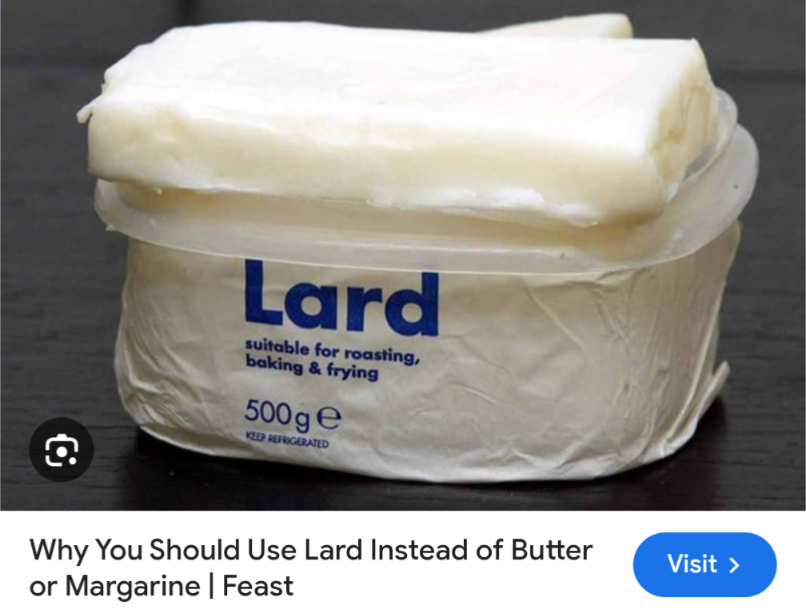
Instead of fearing these foods, modern health wisdom is slowly returning to what traditional cultures always knew:
Nature provides what we need. Industrial food does not.
Ancestral vs. Modern Foods: What Fuels Your Health?
| Category | Ancestral Foods 🥩🥚🧈 | Modern Processed Foods 🥫🥣🧪 |
| Proteins | Grass-fed beef, pasture-raised eggs, organ meats | Processed meats (sausages with additives, deli cuts), soy burgers |
| Fats | Butter, lard, tallow, ghee | Corn oil, canola oil, margarine |
| Carbohydrates | Seasonal fruits, root vegetables, fermented grains | Refined sugars, white bread, cold cereal |
| Preservation | Fermentation, drying, salting | Artificial preservatives, chemical additives |
| Cooking Oils | Animal fats, coconut oil | Industrial seed oils (vegetable oil blends) |
| Meal Focus | Whole meals built around meat, eggs, and natural sides | Snack-based eating, sugar-heavy breakfasts |
Why Ancestral Foods Matter
- Nutrient-Dense: High in bioavailable vitamins A, D, K2, B12, iron, and healthy fats.
- Metabolically Healing: Helps balance hormones, stabilize blood sugar, and reduce inflammation.
- Culturally Rooted: These are the foods your grandparents—and their grandparents—trusted.
Modern Food Pitfalls
- Low in nutrients, high in calories and additives
- Disrupts metabolism, encourages fat storage and insulin resistance
- Linked to chronic illness: obesity, heart disease, diabetes
A Simple Message
“Eat the food your great-grandmother would recognize as food.”
🥩Return to real, whole, ancestral eating—and your body will thank you.
Dialogue on Health: A New Century of Wellness Through Food
Hosted by Berla Mundi | Special Guest: Gwen Addo
From the studios of Owusuwaa Health Weekly Magazine
Streaming: August 1, 2025 | 🌐 Assumptagh.live
[Intro Music fades in: traditional West African xylophone meets soft contemporary piano]


Berla Mundi (smiling, warm, articulate):
Good day to all our readers and viewers across the globe! Welcome to Owusuwaa Health Weekly Magazine—your trusted digital guide to holistic living, ancestral nutrition, and modern wellness. I’m your host, Berla Mundi, and today, we are launching a very special edition—one that promises to stir hearts and minds.
Joining me in this powerful dialogue is a woman whose name is fast becoming synonymous with purpose-driven wellness and cultural empowerment. She’s not just a certified wellness coach, but also a transformational business leader, mother, and visionary force behind some of Ghana’s most dynamic platforms—from Hair Senta to HIBS-Africa, and of course, The Leading Senta (TLS).
She’s also the radiant cover star of our latest edition, dressed regally in a lilac and lavender Goba Kente gown—gracing not just our pages, but our consciousness. Please join me in welcoming the one and only Gwen Addo.
Berla Mundi (continuing): Gwen, welcome to this very special dialogue on health—titled:
🧠 “The Great Fat Lie”: How Generations Were Misled About Heart Health
And today’s focus? Your Art of Wellness Through Eating Habits.
We are honored to have you. How are you feeling today?

Gwen Addo (graceful, steady, warmly charismatic):
Thank you so much, Berla. It’s such a joy to be here—sharing space with you, and with our community of health-conscious, heritage-rooted readers around the world.
I’m feeling grounded and deeply energized. These conversations matter—not just for personal wellness, but for reclaiming something powerful: our ancestral knowledge, our culinary heritage, and the truth about what truly fuels human health.

Berla Mundi:
Let’s dive right into that truth. This week’s feature story—“The Great Fat Lie”—challenges one of the biggest public health messages of the 20th century. For decades, people were told to fear animal fats and embrace processed alternatives. But history—and science—is telling a very different story today. Gwen, let’s walk our readers through this story. Why is this conversation so urgent now?

Gwen Addo (nodding thoughtfully):
Because the health of our generation—and the next—is on the line.
What we’ve been fed, both literally and ideologically, has not only distanced us from our roots, but has harmed our metabolic health. The demonization of fats—particularly saturated animal fats like butter, eggs, and lard—was based on cherry-picked science, like the infamous Seven Countries Study by Ancel Keys.
We were told to abandon the foods of our ancestors for margarine, seed oils, and cereals… and now we’re watching entire societies struggle with obesity, diabetes, heart disease, and chronic inflammation.
But there is hope. We’re witnessing a return to ancestral eating—rooted in balance, whole food nutrition, and cultural wisdom. That’s what this dialogue is about.
For Our Global Readers: Understanding “The Great Fat Lie”
Here’s what you need to know:

In the mid-20th century, the “Prudent Diet” swept across American media, urging people to replace butter and eggs with corn oil and processed breakfast cereals. It was supposed to lower heart disease—but it didn’t. In fact, data shows that people eating traditional foods had fewer heart attacks.
📚 Example:
In 1969, the “Anti-Coronary Club” showed that people on a low-fat, processed diet had more heart-related deaths than those eating red meat and eggs daily. And yet, this flawed model became global policy.

Gwen Addo (passionate, clear):
This isn’t just a Western issue. In Ghana and across Africa, urban diets have rapidly shifted—and with them, our health. Fast food, seed oils, and sugar-laden snacks now dominate. Meanwhile, indigenous wisdom—fermented grains, pasture-raised meats, coconut stews, bone broths—has been devalued.
We need to reclaim that knowledge, not just for health, but for identity, for self-determination. Eating like your ancestors is an act of both wellness and resistance.
VISUAL GUIDE: Ancestral vs. Modern Foods
| Category | Ancestral Foods 🥩🥚🧈 | Modern Processed Foods 🥫🥣🧪 |
| Proteins | Grass-fed beef, pasture-raised eggs, organ meats | Processed meats, soy burgers |
| Fats | Butter, lard, tallow, ghee | Corn oil, canola oil, margarine |
| Carbohydrates | Seasonal fruits, root vegetables, fermented grains | Refined sugar, white bread, cereals |
| Preservation | Fermentation, drying, salting | Artificial preservatives, additives |
| Cooking Oils | Animal fats, coconut oil | Industrial seed oils |