





Nigeria States Cut Working Week to Three Days.
Will other States Join?

Two states in Nigeria have reduced the working days for state employees from five days to three days a week to help cushion workers with the increased fuel prices.
The Edo and Kwara state governments announced the move, adding that it will be in effect until further notice as they seek ways to alleviate the snag.
Kwara State Chief Press Secretary Murtala Atoyebi said in a statement on Wednesday that “the government was set to provide succor for workers who could not be covered by the reduction in workdays due to the peculiar nature of their official duties.” as quoted by Daily Post.
Atoyebi’s statement followed Edo State Governor Godwin Obaseki’s announcement that the move will also see employees working from home during the reduced working days.
“The Edo State Government is hereby reducing the number of work days that civil and public servants will have to commute to their workplaces from five days a week to three days a week till further notice. Workers will now work from home two days a week,” said Obaseki as quoted by Business Post.
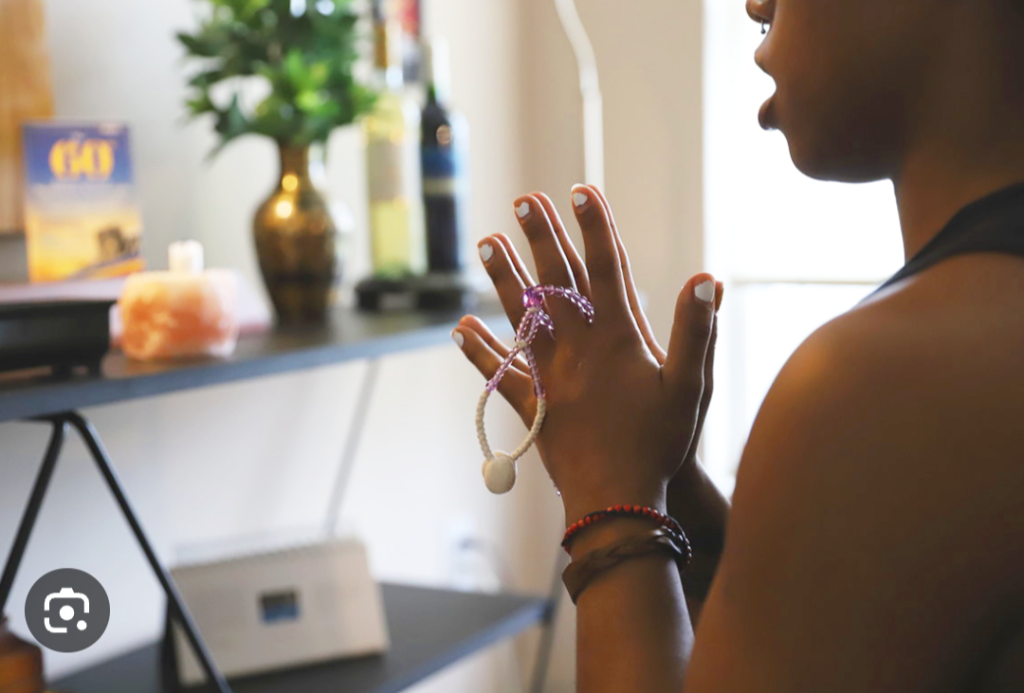
Within each individual lies an infinite power and potential, which when channelized in the right manner, can steer our life as well as the society at large in the right direction. Our mind holds the entire power. In that sense, winning over self, over our mind is paramount.
As Rabindranath Tagore once said, “Most people believe the mind to be a mirror, more or less accurately reflecting the world outside them, not realising on the contrary that the mind is itself the principal element of creation.”
How then can we win over ourselves and develop a strong mind of hope and victory?
It is here that Nigeria’s new leader plays a crucial role. The response of the new leader can be seen as an initial attempt to rethink how we have organised ourselves as Africans across time.
However the tendency of African leaders to always take from Africans is where the question arises. Why should the government remove fuel subsidies?
The closely related impediment that stands out is: In the end, however, all concepts of human rights.

AssumptaGH
In terms of the concept of human rights, there are those that do not necessarily use the language of “human rights” and have their basis in some understanding of human dignity.
In other words, Nigerians merit decent treatment because they possess human dignity, some kind of inherent worth that is theirs by the simple fact of being human.

TSASI
We Africans need a place in our country where we can be ourselves, and be the best versions of ourselves for our country. Where we can find people who are on a similar journey as us, and we inspire them, and they inspire us.

AssumptaGH
Where does this dignity of life derive from in Nigerians tradition?

TSASI
Well, In Nigeria, more and more Nigerians however, knows the idea of human dignity as the basis for rights and prerogatives over nonhuman nature is being supplanted by the idea of special human responsibilities to exercise responsible stewardship in nature and to treat all life with respect.
What makes human life unique is the scale of the choices we make, and the degree to which we are free to choose to act for good or evil, to help or to harm.
Now, to make sense of the current situation where States are choosing to work 3 days, it must situate in a large evolutionary context. The economic revolution of the slave master we have associated with for years is the latest in a long line to stop.

AssumptaGH
Indeed, the pace of economic speed and regulation that allow citizens to work 5 days in a week has forced not just the market, it has impacted human activity on the global ecosystem and has had a profoundly corrosive effect on our family background and cultural identity. Given these undercurrent, it is the citizens that are always in crisis. Clearly, we must find new ways to make the citizens feel at home such as affirming equality.
TSASI
In today’s world, citizens function in multidimensional ways in multiple forms of engagements.
To illustrate, citizens should be able to participate in their family affairs, their neighbourhood or municipality in ways that enhance rather than weaken their participation with 5 days work. There is much to be done. In this endeavour of political reforms that supports Nigerian citizens have their place in their country.
How does Buddhism understand human dignity? From where does it spring? What supports and sustains it?
It is a community of hope, where we refuse to give up, and inspire and encourage each other through innovative ways to achieve all our dreams and goals. It is also a community of creating change, where each member strives to develop an altruistic sense of self to contribute to our societies, and create a world which we are proud to live in.
As individuals feel empowered, they work joyfully to create value in society. ‘Soka’ means ‘value creation’. Therefore, at the heart of everything we do in Nigeria, is to encourage individuals to lead lives for the betterment of through one-on-one caring, and engaging in peace, culture, education and sustainability focused activities.
Thank you AssumptaGH