





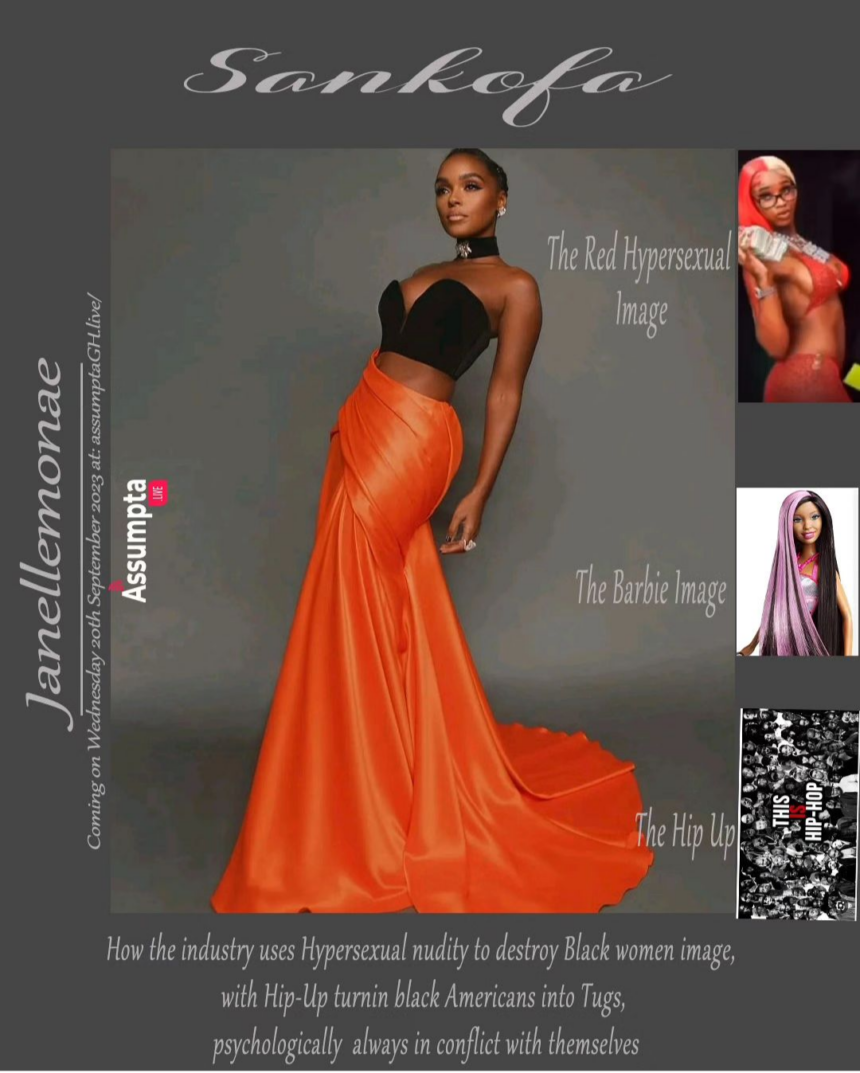
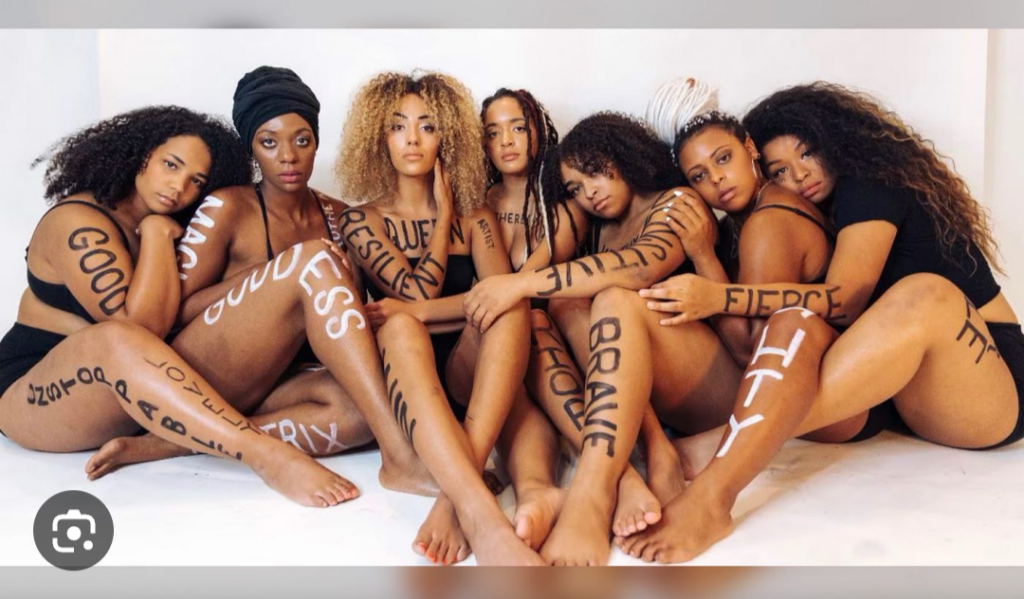
How does the media contribute to the over sexualization of women?
AssumptaGH:
Everywhere in America the media from TV, social media, advertising, music videos, etc, Black women are portrayed with unrealistic body standards, wearing Red provocative clothing, and behaving in generally sexual manners.
Even kids movies, like Disney, have constantly over-exaggerated the hypersexual nudity of White women.
“The most disrespected woman in America is the black woman. The most unprotected person
in America is the black woman. The most neglected person in America is the black woman.” Malcolm X .

TSASI
There is no doubt that Black women all across America have been demeaned and belittled to sexual beings through objectification and sexualization, especially in the media.
This is a sad reality that occurs across all cultures of people. That being said, with the emphasis of this piece being on the hypersexualization of Black women in particular, this is no way contributing to the erasure of experiences shared by many if not all women of all races regarding the oppression they face.
It is not just the episode of “Who Is More Oppressed?” but rather an opportunity to
educate and shift the focus to a reality that is overlooked and experienced by Black women.
It is to give a voice to those who may not have the courage to speak up. It is to draw attention to the excessive sexualization, manipulation and dehumanisation that Black women have endured for decades through the media.
AssumpyaGH:
Do Black Americans try their best to take on a role of empathy when hearing about Black women’s experiences on the subject matter?

TSASI:
It is never easy to talk about the Black American men who are turned into tugs through their Hip-hop oppressive songs, psychologically fighting among themselves.
In the media, Black women often play roles such as the “hoe,” the “stripper,” just like Nikki Minaj does on TV shows, the baby mama, and the jezebel stereotype, which “represents the African-American woman as a promiscuous man eater”.
AssumptaGH:
If you were to come up with similarities between all of these roles, the underlying common factor that can be found is the proponent of sex.
TSASI:
Black women in the media are portrayed as sexual objects who like to control their men like objects and this is not an accident.
Hollywood works hard at perpetuating dehumanising stereotypes of people of colour, and Black women often take the target hit for this.
In this era, we know that the media is a powerful outlet to the world, not just the Industry, and has a significant impact on moulding the general public to think a certain way.
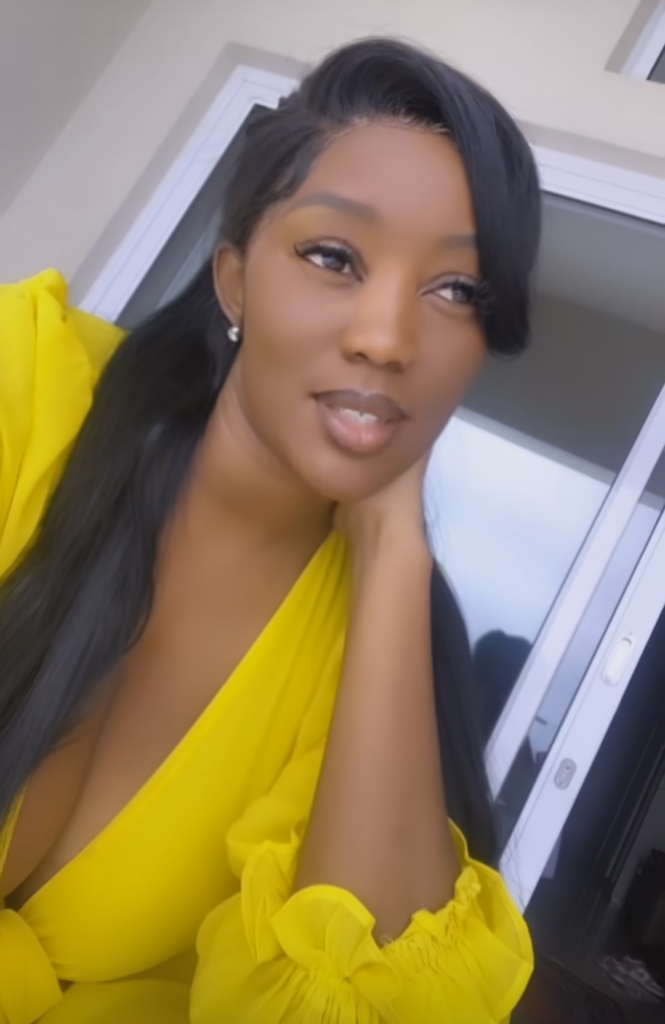
In the media too, we see black women are often shown as “sexually willing characters often inviting sexual objectification. [These] transcend the confines of the media, and penetrate and manifest themselves in everyday society”.
AssumpyaGH
There doesn’t seem to be much attention being paid to it. I am aware of the lack of attention being brought to Black women’s voices, but I have had it with the media trying to silence us and thinking they can get away with such a harmful form of oppression for any longer.
TSASI
Life as we know it is greatly impacted by the media. So, when all we see is Black women playing that same old role of the hoochie mama, and we walk down the street and hear a man catcalling a Black woman with some sexualized slur, we know this to be learned behaviour.
We know that because of the media misrepresenting Black women in every way possible, there are people that are going to live their day to day lives believing the media as if it were true.
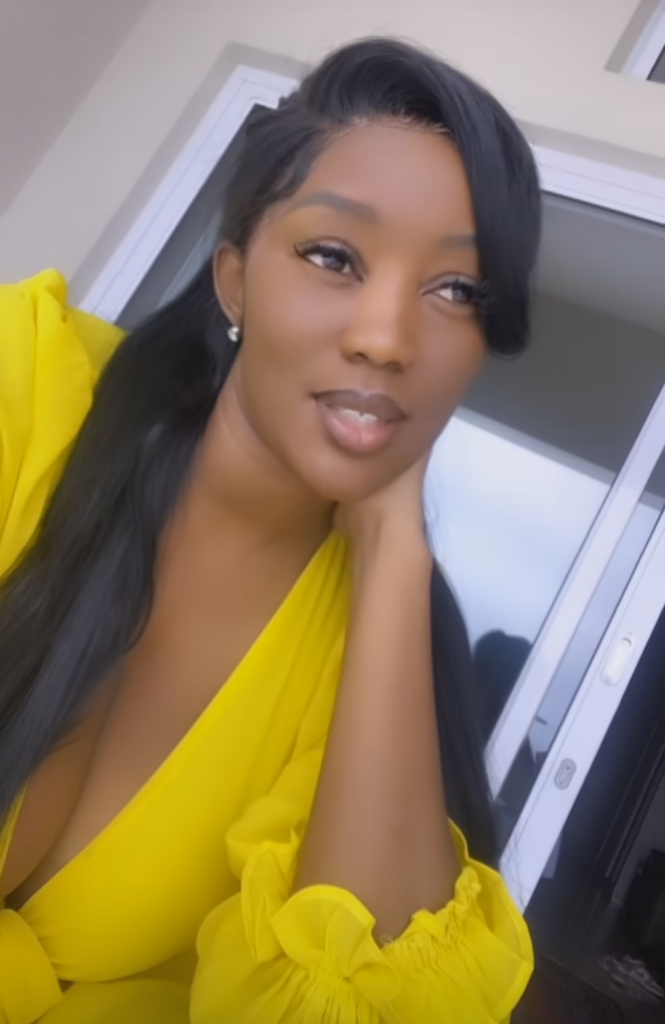
There are people that will see Nikki Minaj’s nud on television, whether that be their favourite show, movie, her rap music video is their favourite song, and believe every last bit of it.
AssumptaGH
Black women are constantly being shown as sexual beings. Their bodies and their innocence has been stripped away from them since adolescence in this society and not much is being done to savour them.
I say all of this to say that representation matters.The intersections of race and gender are things that a Black woman cannot escape.
Those two things follow her wherever she goes and still her voice is something of the unheard.
I chose this topic for this project to raise awareness around the subject matter and hopefully educate others so the hyper-sexualisation of Black women can come to an end.
TSASI
Esomonu said it best, ” Black women should not be generalised as hypersexual because it is neither true nor moral to create such a general
perspective. Black women are neither our sexual experiments to conquer nor the sex-driven humans that such a stereotype portrays them to be” Does representation really does matter?
AssumptaGH
As an African, However, I can provide some insights. Hypersexualized images of any racial or ethnic group can perpetuate stereotypes, objectify individuals, and reinforce harmful biases.
It is important to promote diverse and respectful representations of all communities, including Black individuals, that acknowledge their full range of talents, achievements, and identities. It is crucial to foster media and cultural environments that celebrate diversity, challenge stereotypes, and promote positive and authentic portrayals.
Representation can indeed matter in various contexts. In many areas of life, such as politics, media, and organisations, representation plays a significant role in ensuring diverse perspectives, inclusivity, and equal opportunities.
When people from different backgrounds are represented, it can lead to a more comprehensive understanding of issues, better decision-making, and increased engagement from underrepresented groups. However, the importance of representation can vary depending on the specific situation and the goals being pursued. Thank you for joining our dialogue. I appreciate your participation.