






ASSUMPTA WEEKLY NEWSLETTER MAGAZINE
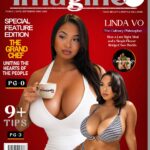
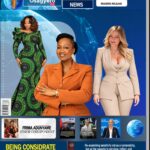
An African digital and news, lifestyle, newsletter magazine. The featured personality on the cover is Dzigbordi Kwaku-Dosoo, with the tagline:
Bridging Civilisation, Building Wealth.
And some key highlights from the cover:
Main Headline
- EXCLUSIVE: THE GOLD COAST
- The route that connected the civilization of Ghana and the West
Featured Themes
- Entrepreneurship Over Politics
- A Strategic Shift
- DO NOT GET ENTANGLED IN POLITICS
- Build Wealth, Create Enterprises, Lead Change from the Ground Up
D.MON-23
TIPS Section
- Stay rooted in purpose. Mentor the next generation.
- Be digitally present and globally minded. Collaborate, don’t compete.
- Know your history. Leverage your legacy.
- Focus on value creation, not political connections.
- Build systems, not hustlers. Invest in Ghanaians and soft skills.
ADVERTISMENT




https://www.instagram.com/hairsenta?igsh=MXAzOThhNGZ0Nm15dQ==
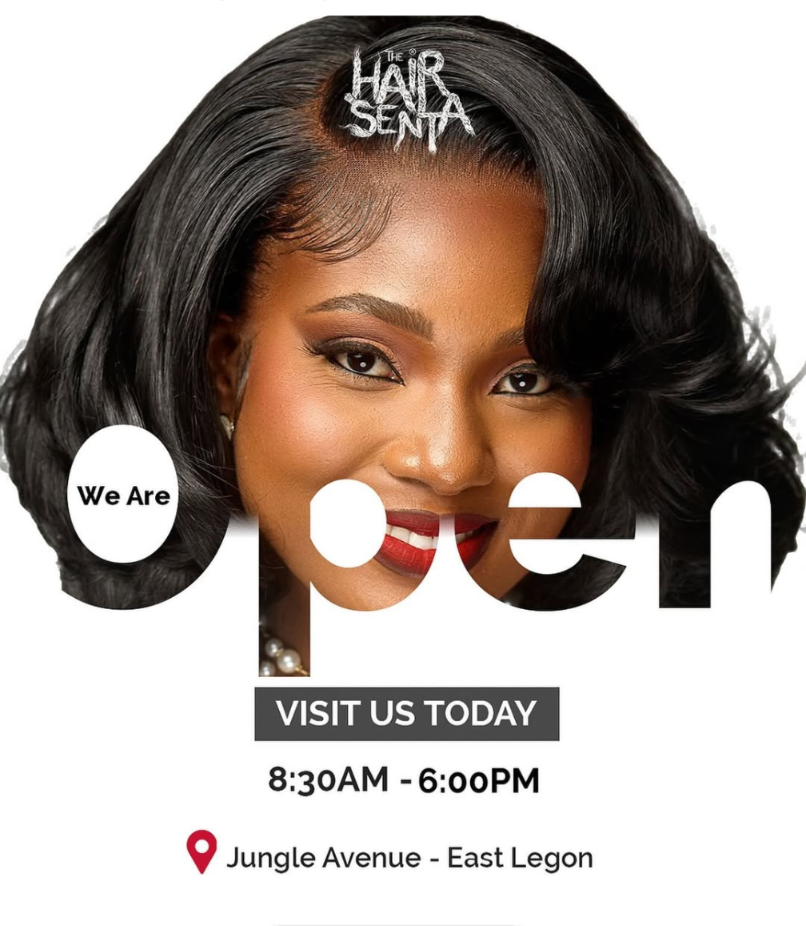
🌍✨ Discover Hair Senta — Ghana’s Premier Human Hair Extensions Brand! ✨🌍
📍 24 Jungle Avenue, Accra, Ghana 00233
📞 Call: (+233) 0544354455 / 0248629769
🌐 Visit: www.hairsenta.com
At Hair Senta, beauty is more than a look — it’s a feeling. Every strand of our premium 100% human hair extensions is carefully sourced and expertly crafted to bring out the best in you.
💁🏾♀️ Whether you’re in Accra, Nairobi, Lagos, London or New York — let your hair speak volumes with Hair Senta.
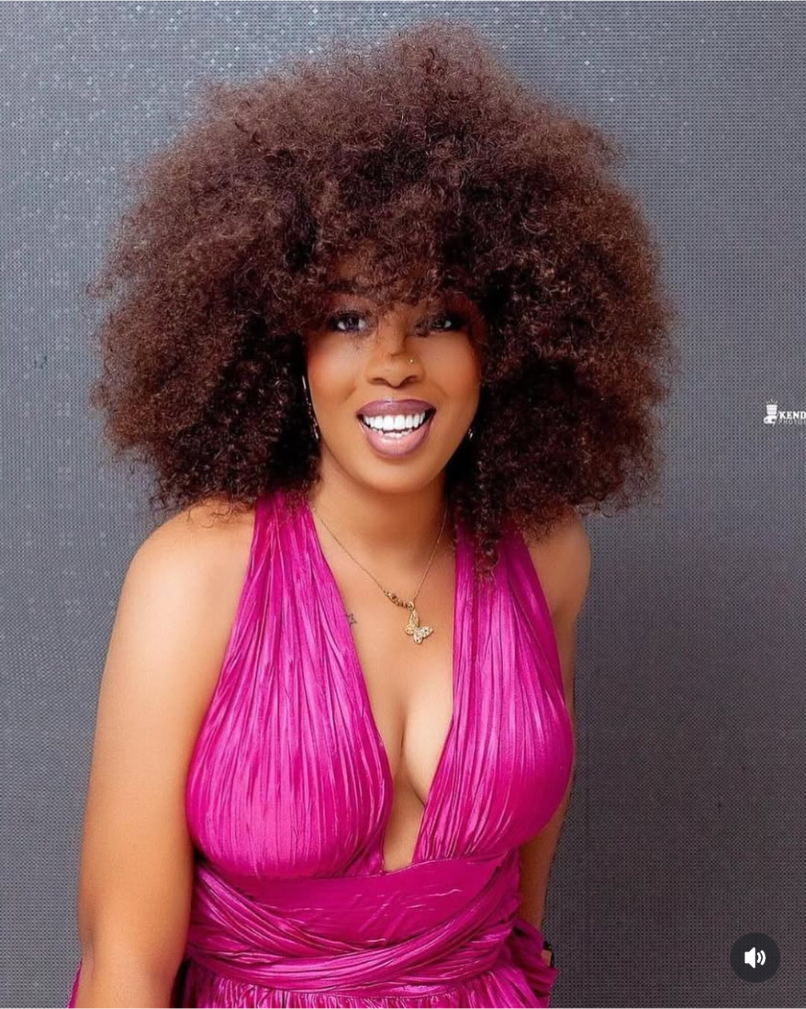
We are proud to be Ghana’s trusted name in human hair, loved by women across the nation. Every month, women just like you walk into Hair Senta and walk out not just transformed, but radiant with joy and confidence.
“When my friends saw my hair, they smiled and said, ‘What beautiful hair!’ Hair Senta is such a wonderful, truly great place!”
Seeing the gorgeous hairstyles and glowing smiles of our clients inspires us every day. It fills us with hope, pride, and a passion to uplift African beauty, from the roots to the world.
We work hand-in-hand with our talented team and local community, celebrating African elegance and empowering every woman to shine boldly.
💫 Be Bold. Be Beautiful. Be You — with Hair Senta.
📲 Call us today or visit us online.
Hair Senta — Where Beauty Begins.

The Gold Coast: A Gateway Between Civilisations
An in-depth look at “The route that connected the civilisation of Ghana and the West.”
This historical exploration highlights the cultural and economic pathways that shaped Ghana’s modern identity.
The journey begins along the Mediterranean Sea, flowing through Europe, where people from the West travelled, carrying with them ideas, goods, and ambitions. Their caravans brought treasures such as jewels, fine art, and delicate glassware, eventually reaching the vibrant coasts of Africa, including the renowned Gold Coast.
It was here that capitalism, born in the minds of the West, landed on African shores. This ideology, driven by trade, production, and the pursuit of profit, was introduced to the Gold Coast and began to shape its economic narrative.
But why did the people of the Gold Coast embrace and attempt to spread these capitalist, GDP-driven ideals?
What hidden values or promises lay beneath the surface of this Western system?
Are there deeper, more intrinsic forms of wealth still buried within the cultural soil of the Gold Coast?
Let us embark on a journey—a journey not only of history but of reflection and rediscovery, as we explore the truths, tensions, and transformations that define the meeting of civilisations.
These are powerful questions—historical, philosophical, and economic all at once. Each one deserves a reflective, culturally grounded answer, especially in light of your article’s title: “Bridging Civilisation, Building Wealth.” Below are elaborated responses, linking the past to the present while anchoring everything in purpose and strategy.
(1) Why did the people of the Gold Coast embrace and attempt to spread these capitalist, GDP-driven ideals?
The embrace of capitalism by the Gold Coast was an attempt to “bridge civilisations”—to find common ground with the world’s dominant economic powers.
But in doing so, we must now reflect: Did we lose our foundation in the process?

To “build wealth” moving forward, we need to extract the useful tools from capitalism (scalability, innovation, global access), but root them in African values and priorities, such as community wealth, sustainable growth, and cultural integrity.
The people of the Gold Coast did not initially embrace capitalism out of an ideological love for individualism, but rather because of its apparent universalism—its promise of a shared global system where participation could lead to progress, recognition, and modernisation.
Capitalism was marketed as the language of global legitimacy.
Post-independence Ghana, like many African nations, was looking for a way to connect with the wider world, not just to trade goods, but to stand as equals in the international order. Capitalism appeared to offer a universal framework: clear metrics (like GDP), standardised systems (like banking and trade), and institutional pathways (like the IMF, World Bank, and WTO).
This appeal to universalism felt empowering at first. “If we play by these rules, we’ll rise with the world.”
It seemed more inclusive than colonialism, more structured than pan-African socialism, and more rewarding than isolationism.
But what was not made clear was that this “universal system” was rigged in favour of those who already held power.
Access did not mean equity. Participation did not mean sovereignty.
While the people embraced it for its global promise, the system delivered local dependence on foreign capital, on imported goods, on external validation.
(2) What hidden values or promises lie beneath the surface of this Western system?
Beneath the visible mechanics of capitalism—growth, markets, exports—there are deeply embedded values that are not always aligned with African communal and spiritual realities.
Some of the hidden promises include:
- Individualism as success: Wealth is celebrated at the personal level, often at the expense of the collective. This contrasts with many African values rooted in community well-being and shared prosperity.
- Scarcity as leverage: The system thrives by convincing people they must compete for limited resources, instead of recognising the abundance of natural and human potential that already exists on the continent.
- Dependency as development: Many capitalist institutions mask control as support. Aid, loans, and “investment” are often tied to conditions that limit autonomy and force nations to play by rules they didn’t write.
- Progress equals consumption: True development is quietly equated with Western lifestyles—cars, concrete, imports—rather than local sustainability, harmony with land, or preservation of cultural identity.
- While capitalism promises freedom through markets, the reality is often domination through systems. The rules are global, but the risks are local.
(3) Are there deeper, more intrinsic forms of wealth still buried within the cultural soil of the Gold Coast?
Absolutely—and this is the most urgent truth for today’s entrepreneurs and thinkers. Yes, there are deeper, more intrinsic forms of wealth—but they’ve been neglected, undervalued, or reframed as “backwards” by imported ideologies.
Some of these buried forms of wealth include:
- Social capital and trust-based networks – In many Ghanaian communities, relationships are the currency. Trust, kinship, and reputation have historically been more valuable than cash.
- Ecological wealth – From fertile soil to rare minerals, Ghana is still overflowing with untapped resources. But even more important is the traditional knowledge of how to use those resources sustainably, which has often been overlooked in favour of extractive models.
- Cultural resilience and oral wisdom – There is generational knowledge in proverbs, folktales, rhythms, rituals, and language—wisdom that holds keys to emotional health, community governance, and ethical leadership.
- Spiritual wealth – Indigenous belief systems often view wealth not just as material accumulation, but as alignment with purpose, harmony with nature, and contribution to the whole. This spiritual intelligence is a form of wealth that Western metrics can’t measure—but it’s the soul of a sustainable future.
To build true wealth, we must unearth these deeper riches and integrate them into modern entrepreneurship. Not by rejecting global tools, but by re-rooting them in African soil.
Final Thought:
“Bridging Civilisation, Building Wealth” is not about choosing between the past and the future—it’s about reconnecting to the source, then shaping new systems that honour legacy while driving prosperity.
The Gold Coast still glimmers—not just with resources, but with untapped truths.
It’s time we mind our wisdom, not just our minerals.
Before it was called the Gold Coast by European colonisers, the area now known as Ghana was not a unified country with a single name. Instead, it was home to several powerful and independent African kingdoms and states. Some of the most notable included:
- The Ashanti Empire (Asante Empire) – a dominant Akan state in central Ghana.
- The Kingdom of Dagbon – in the north.
- The Fante Confederacy – along the coast.
- The Kingdom of Bono – one of the earliest Akan states.
- The Kingdom of Denkyira, Akyem, Akwamu, and others.
The Europeans collectively referred to the region as the Gold Coast starting in the late 15th century due to its vast gold resources.
When the country gained independence from British colonial rule in 1957, it chose the name Ghana to honour the ancient Ghana Empire (which was located farther north in modern-day Mali and Mauritania), symbolising a return to African greatness and identity.
Religion
- Traditional African religions were central to life across the kingdoms. These belief systems were polytheistic, with reverence for a supreme being (like Nyame in Akan belief), lesser gods (abosom), and ancestral spirits.
- Shrines, sacred groves, and priests/priestesses were integral to community life. Religious ceremonies guided agriculture, justice, and warfare.
- Over time, Islam spread into northern areas like Dagbon, brought by trans-Saharan trade. This brought new forms of scholarship, architecture, and cultural exchange.
Arts and Culture
Religion inspired and shaped the art and culture of the region:
- Sculpture and Carving: Used to create religious objects, stools (symbols of power), and spiritual figures.
- Textiles: The famous Kente cloth originated with the Ashanti and Ewe people, often worn in rituals, royal ceremonies, and festivals. Patterns and colours carried symbolic meanings.
- Goldwork and Jewellery: Especially in the Ashanti Empire, gold was both a spiritual symbol and a sign of wealth and power. Elaborate gold regalia was used in religious and royal rituals.
- Oral Traditions: Griots and storytellers preserved history and religious beliefs through proverbs, songs, and epics.
- Music and Dance: These were crucial in religious ceremonies. Drumming patterns could “speak,” while dances were used to invoke spirits or celebrate harvests and rites of passage.
Where Religion and Art Intersect:
- Stool rituals (e.g., Black Stool of the Ashanti) were religious and artistic symbols of soul and kingship.
- Funeral rites often involved elaborate performances, mask-wearing, drumming, and ancestral offerings.
- Festival celebrations like Homowo (by the Ga people) or Aboakyir (by the Effutu) combined spiritual rituals with artistic expression, parades, and storytelling.
So yes, religion, arts, and culture weren’t separate domains. They worked together to maintain social order, express identity, and celebrate life. Would you like this explained visually or used in a classroom resource?
Before Western colonisation, African societies were rich, complex, and deeply human, just like any other part of the world. People were:
Living Everyday Lives
- They farmed, fished, hunted, and traded goods like gold, salt, kola nuts, and textiles.
- Families raised children, shared communal meals, and passed down traditions orally.
- People formed marriages, friendships, alliances, and community bonds.
- They dealt with joy, sorrow, birth, death, love, conflict, and reconciliation — all the full range of human experience.
Solving Problems and Seeking Growth
- Societies had systems of justice, conflict resolution, and restorative practices. Elders and traditional leaders acted as judges, mediators, and moral guides.
- They built cities, traded across long distances, and developed complex political structures (like the Ashanti bureaucracy or the Islamic emirates in the north).
- Through spiritual rituals, healing practices, and community events, they addressed personal and social flaws — not perfectly, but sincerely.
Celebrating Humanity
- African people celebrated beauty, creativity, spirituality, and storytelling.
- Art was not just decorative — it was deeply connected to identity, healing, memory, and transformation.
- They asked and explored big questions: about ancestors, the universe, morality, and the unseen world.
In Short:
Africans were never “waiting to be discovered” or “lifted” by the West. They were already building, learning, healing, struggling, and creating meaning in their way, with their systems, their flaws, and their restoration paths.
Their humanity was complete — not perfect, but whole
Rethinking the Gold Coast’s Encounter with the West:
To truly understand the Gold Coast’s historical encounter with the West, we must recognize that the core values of traditional Ghanaian society — respect for elders and community, cultural diversity, a sense of collective identity, and social inclusion — were not only overlooked, but often taken for granted or dismissed by European colonial forces.
These values formed the foundation of Ghana’s cultural and moral systems, guiding everything from conflict resolution to trade, art, and kinship. However, when Western merchants and colonial administrators entered the scene, they introduced capitalist economic systems that prioritised profit, competition, and individual gain, often at the expense of communal well-being and ethical balance.
As a result:
- Social transactions that were once guided by trust, mutual respect, and communal responsibility were gradually transferred into the hands of foreign merchants.
- The traditional balance between material wealth and moral values was disrupted.
- Ghanaian people lost control over the terms of trade, which allowed Western actors to dominate business and accumulate power.
- The communal and inclusive nature of Ghanaian societies was weakened under systems that rewarded exploitation and inequality.
This shift didn’t happen overnight, nor was it entirely one-sided — but the long-term impact was clear: Western capitalism wasn’t just an economic system; it became a cultural force that redefined power, value, and relationships in a way that left many indigenous systems struggling to survive.
Closing Thought:
The encounter between the Gold Coast and the West wasn’t just about trade or colonisation — it was also about the collision of value systems. And in many ways, the world took Ghana’s rich human-centred culture for granted, while privileging systems that sought control and wealth.
The Deeper Shift: Resurrecting a Suppressed Vision
The forces that continue to control Africa’s economy, especially Ghana’s, are not accidental. They are the same global interests that orchestrated the downfall of Kwame Nkrumah, a visionary who dared to unite Africa economically and politically through self-reliance, industrialisation, and pan-African solidarity.
Nkrumah’s mission was clear: use Africa’s natural and material resources to enrich Africans. He envisioned an Africa where Ghanaians weren’t consumers of foreign power but creators of indigenous wealth.
But that vision was seen as a threat to external dominance. Rather than collaborate, these forces worked to dismantle his vision, and one of the lasting consequences of that is the two-party political system, designed not for progress but for division, dependency, and distraction. It’s a system that traps leaders in cycles of foreign validation and internal conflict, while the true wealth of the land remains underutilised or extracted by others.
Why Entrepreneurship Over Politics Is Now a Revolutionary Act
To truly resurrect Nkrumah’s legacy, the new generation must avoid the trap of political entanglement. Power no longer lies in parliament—it lies in enterprise, innovation, and resource control.
Entrepreneurs must become the new nation builders:
- Not by seeking office, but by creating systems that empower Ghanaians.
- Not by chasing influence, but by creating jobs, industries, and ownership.
- Not by debating change, but by demonstrating it.
The original Nkrumahist tradition wasn’t about ego or title—it was about the economic liberation of the African.
Today, that mission has been distorted, trapped in political cycles that serve few and disempower many.
The Call to Action
Build like Nkrumah dreamed—without asking for permission.
Let your enterprise be your protest. Let your innovation be your revolution.
If we want to free Ghana and Africa, we must enrich Ghanaians first.
Explanation:
Choosing Entrepreneurship over Politics is a strategic shift because it moves the focus from power acquisition to value creation.
Politics often revolves around short-term influence, bureaucracy, and dependency, while entrepreneurship builds long-term solutions, creates jobs, drives innovation, and empowers people economically and socially, without waiting for permission.
This shift:
- Decentralised power – anyone can lead through an enterprise.
- Fosters sustainability – businesses outlast election cycles.
- Solves real problems – entrepreneurs respond to market and community needs directly.
- Empowers the youth, especially in Africa, where political access is limited but entrepreneurial potential is vast.
In essence, it’s a mindset change: from seeking access to influence within the system to creating new systems that uplift others.
Bridging Civilisation, Building Wealth
A Manifesto for a New Generation of Ghanaian Entrepreneurs Inspired by Kwame Nkrumah’s Vision
TIP 1: Stay rooted in purpose. Mentor the next generation.
In the mission to bridge civilisations and build wealth, purpose is your compass. It anchors you in vision, keeps you grounded in your “why,” and prevents you from getting lost in distractions, especially politics. For entrepreneurs, purpose must go beyond profit. It must echo the intent of Kwame Nkrumah: to liberate and enrich Ghanaians through economic empowerment.
And just as Nkrumah invested in people, we must mentor the next generation—not just to hustle, but to build. This ensures the legacy continues, rooted in values and vision, not in slogans and campaigns.
True wealth is generational.
TIP 2: Be digitally present and globally minded. Collaborate, don’t compete.
To bridge civilisations, we must operate with a global consciousness. Ghanaian entrepreneurs can no longer afford to think only locally while foreign interests continue to mine African resources with international networks.
Being digitally present means having a voice in the global economy.
It means telling our story, selling our products, exporting our culture—and doing so with confidence and consistency.
Rather than compete with one another for limited opportunities, we must collaborate to expand our collective capacity.
Kwame Nkrumah believed in unity across borders—the same applies today, in a digital age where collaboration can transcend geography.
TIP 3: Know your history. Leverage your legacy.
To build wealth, we must know where the cracks first appeared. Understanding history—especially the sabotage of Nkrumah’s vision and the imposed two-party system—helps entrepreneurs see the bigger picture.
History isn’t just knowledge—it’s strategy.
If we know how systems were created to divide and control, we can design new systems to empower and unify.
Your legacy as a Ghanaian entrepreneur is not just personal—you are part of a broken lineage that you’re here to restore.
Know your story. Then rewrite it with your work.
TIP 4: Focus on value creation, not political connections.
The old system thrives on access, favours, and gatekeeping. But in a world shaped by entrepreneurship, value speaks louder than connections.
When you create value, you create influence.
This is why entrepreneurship is a strategic shift—it allows anyone, regardless of political affiliation, to lead change by solving real problems.
Nkrumah believed in industrialising Ghana for Ghanaians. He wasn’t waiting for international aid or elite approval. He believed in value creation through resource control and local empowerment.
Follow that lead. Don’t seek validation from politicians—let your value make you undeniable.
TIP 5: Build Systems, Not Hustlers: Reclaiming Economic Progress with Human Morality
Ghana’s economic development may give the illusion of prosperity, with visible gains in infrastructure, telecommunications, and financial services. But when it comes time to build—truly build—we are often forced to look outward. Roads, bridges, technology systems, and even industrial plants are designed and delivered by foreign workforces, not Ghanaian ones.
This is not just an economic gap. It’s a moral one.
It reveals a failure not of potential, but of priority. We have celebrated the “hustler” culture—quick wins, short-term income, and charismatic individualism—while neglecting the deeper, slower, more meaningful work of nation-building through skilled systems.
The 21st century has taught us something sobering:
A nation can have money, but not mastery. Infrastructure, but not ownership. GDP growth, but not dignity.
We don’t need more hustlers.
We need builders, engineers, architects, designers, researchers, and planners.
We need systems, not survival strategies.
Invest in Ghanaians. Invest in Soft Skills.
To build a future that lasts, we must invest in people, not just ideas—and not just in technical skill, but in the soft infrastructure of leadership, collaboration, critical thinking, and emotional intelligence.
These are not secondary skills. They are systemic skills.
They are what turn a small business into a sustainable institution.
What turns a community initiative into a national legacy?
Nkrumah didn’t just dream. He built.
He believed in institutions that outlived personalities and politics.
So must we.
The Mission Is Clear:
We don’t need 1,000 hustlers competing for attention.
We need 10 systems that employ, empower, and evolve the Ghanaian people.
Systems that are repeatable, scalable, and morally rooted in Ghanaian dignity and African excellence.
This is how we bridge civilisation and build real wealth.
Not by mimicking progress, but by mastering it.
Not by importing solutions, but by becoming them.
Final Word:
If we are to resurrect Nkrumah’s dream, we must leave behind the traps of political dependency and ideological distractions.
“Bridging Civilisation, Building Wealth” is more than a slogan. It’s a strategy—to take the wisdom of the past, the tools of the present, and forge a new future powered by enterprise.
ASSUMPTA WEEKLY NEWSLETTER MAGAZINE
Featured Dialogue
Issue: “Bridging Civilisation, Building Wealth”
With Cover Personality: Ms. Dzigbordi Kwaku-Dosoo
Interviewed by: Berla Mundi
INTRODUCTORY GREETINGS & CONTEXT FOR GLOBAL READERS
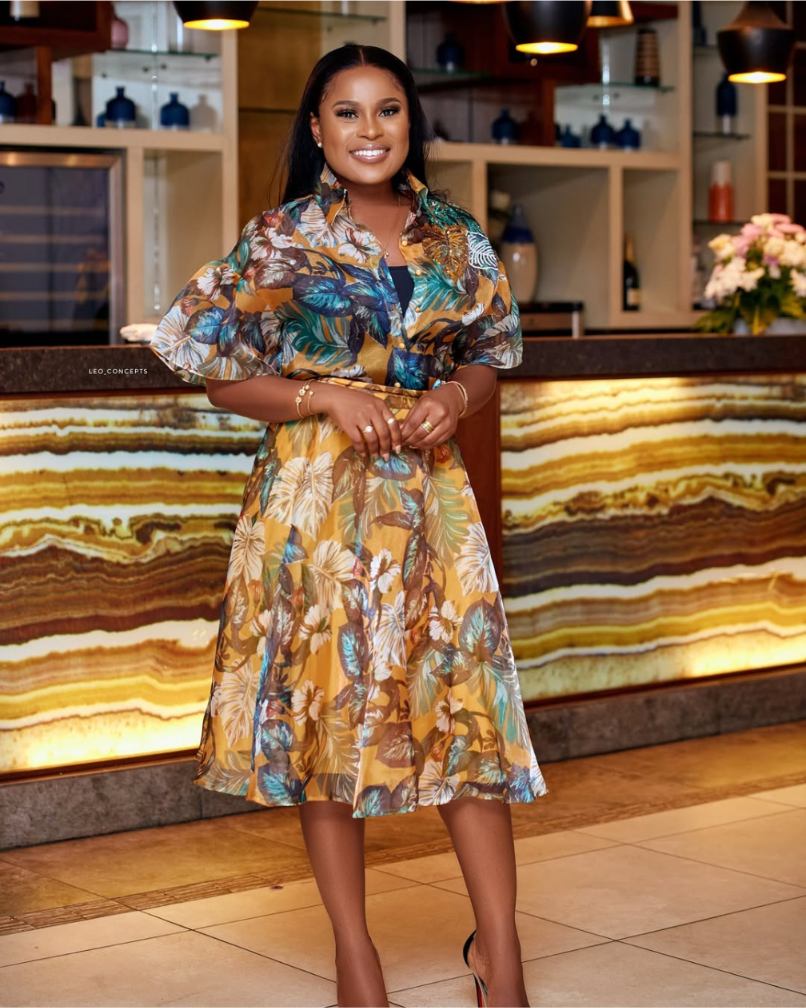
Berla Mundi (BM):
Good day to our esteemed readers across the continent and beyond. Welcome to Assumpta Weekly Newsletter Magazine, where we spotlight voices transforming Africa through clarity, culture, and enterprise.
I am Berla Mundi—media professional, humanitarian advocate, and passionate believer in African storytelling. I have had the honour of interviewing trailblazers across disciplines, but today is special. Our guest is not only a symbol of elegance and eloquence but also a bridge between Africa’s spiritual richness and global economic thinking.
I am pleased to welcome Ms. Dzigbordi Kwaku-Dosoo—an entrepreneur, certified transformation coach, and soft skills strategist whose voice continues to redefine leadership, wellness, and enterprise in Ghana and beyond. She is the founder of Dzigbordi Consulting Group and a global advocate for emotional intelligence in business. She has spoken on platforms from the World Bank to TEDx and continues to mentor the next generation of African builders.
BEGINNING THE DIALOGUE

Berla Mundi (BM):
Hello, Aunt Dzigbordi. I must begin by expressing my deep respect for you. Many people, especially young professionals, speak of the calm yet powerful impact your speeches and programs have had on their lives. You have become one of Ghana’s most outstanding educated visionary women, consistently shaping minds through your brand and transformative leadership network.
Thank you for accepting our invitation to be featured in this dialogue for Assumpta Newsletter Magazine. We are honoured to have you speak on this edition’s theme, “Bridging Civilisation, Building Wealth.”
Before we explore the depths of this compelling article and its powerful messages, I would love to ask: Could you kindly share a bit about your background—what shaped you into the woman and thought leader you are today?
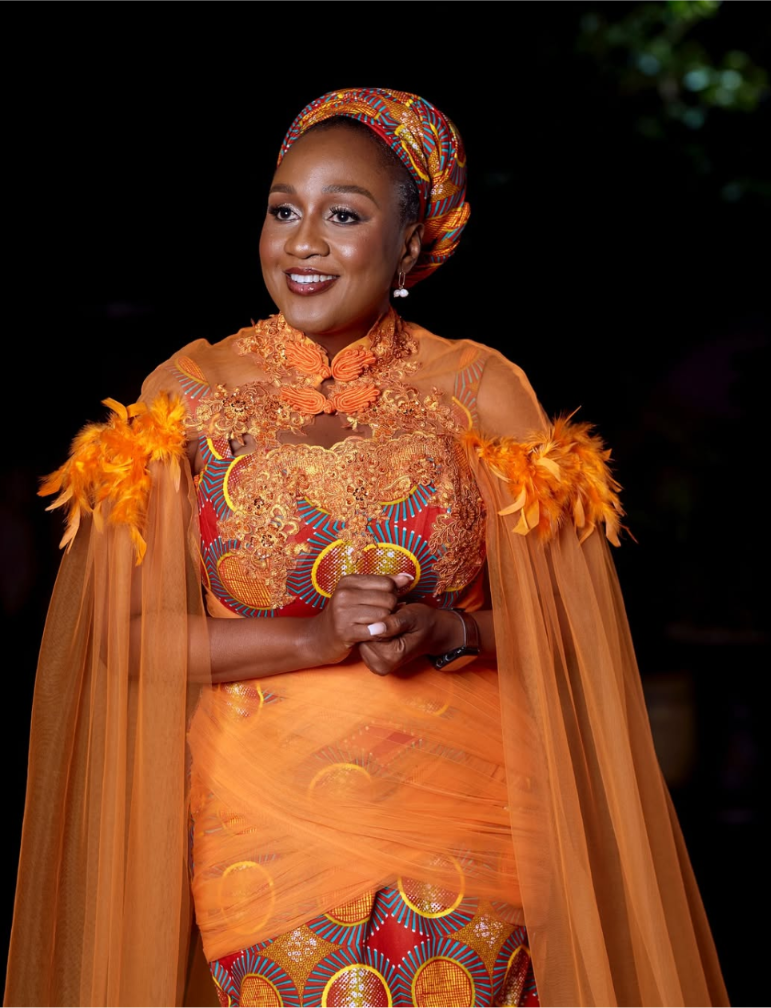
Ms. Dzigbordi:
Thank you, Berla—and thank you to Assumpta Weekly for this warm and purpose-filled platform. It’s an honour.
My journey began in a small home where values were not only taught but lived. I was raised to understand that emotional intelligence, spiritual awareness, and cultural roots were not separate from success—they were the foundation of it.
I started my career in finance, working with global brands like Merrill Lynch in the U.S. But I realized something was missing. There was wealth, but no wellness. There was progress, but little presence. I returned to Ghana with a mission—to help African professionals not just succeed, but thrive through alignment of values, vision, and voice.
That mission birthed my media work, wellness brands, and eventually, Dzigbordi Consulting Group. Today, I coach entrepreneurs, executives, and governments on leadership transformation and soft power—because true influence doesn’t come from aggression, but alignment.
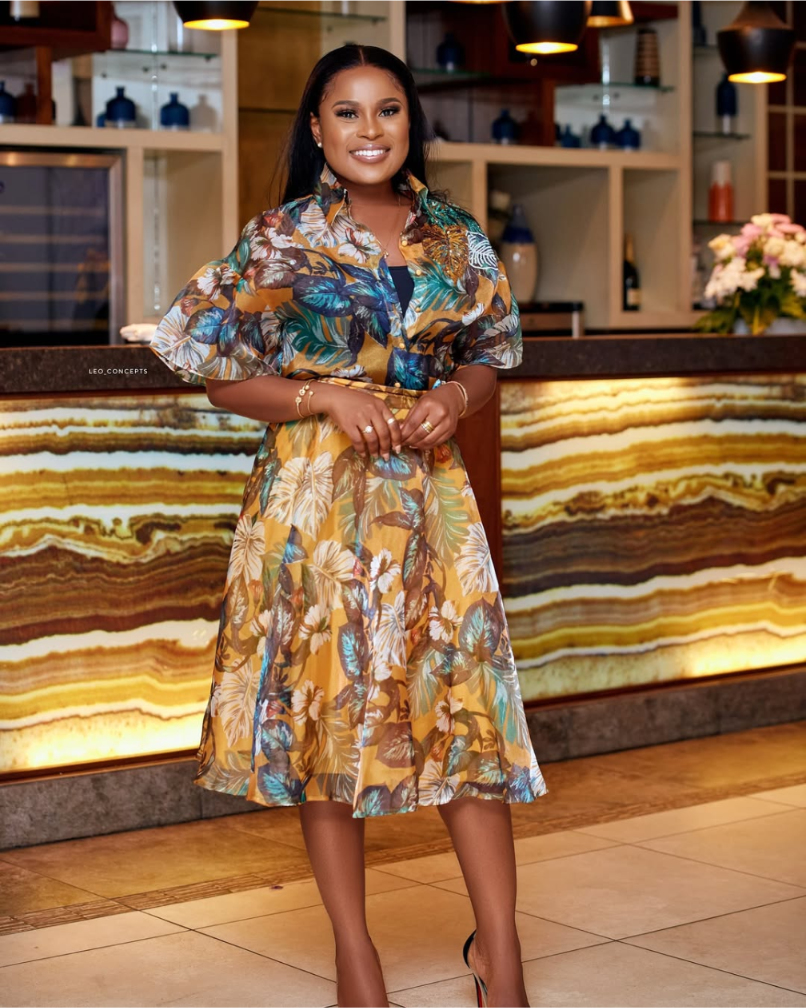
Berla Mundi:
That is incredibly profound. Now let’s enter the heart of our dialogue around the theme: Bridging Civilisation, Building Wealth.
The article opens with a historical narrative of the Gold Coast as a bridge between Ghanaian civilisation and the West. It then transitions to deep questions about capitalism, history, and the forms of wealth that African society may have abandoned or suppressed.
Let’s begin with this:
Why did the people of the Gold Coast embrace and attempt to spread capitalist, GDP-driven ideals?
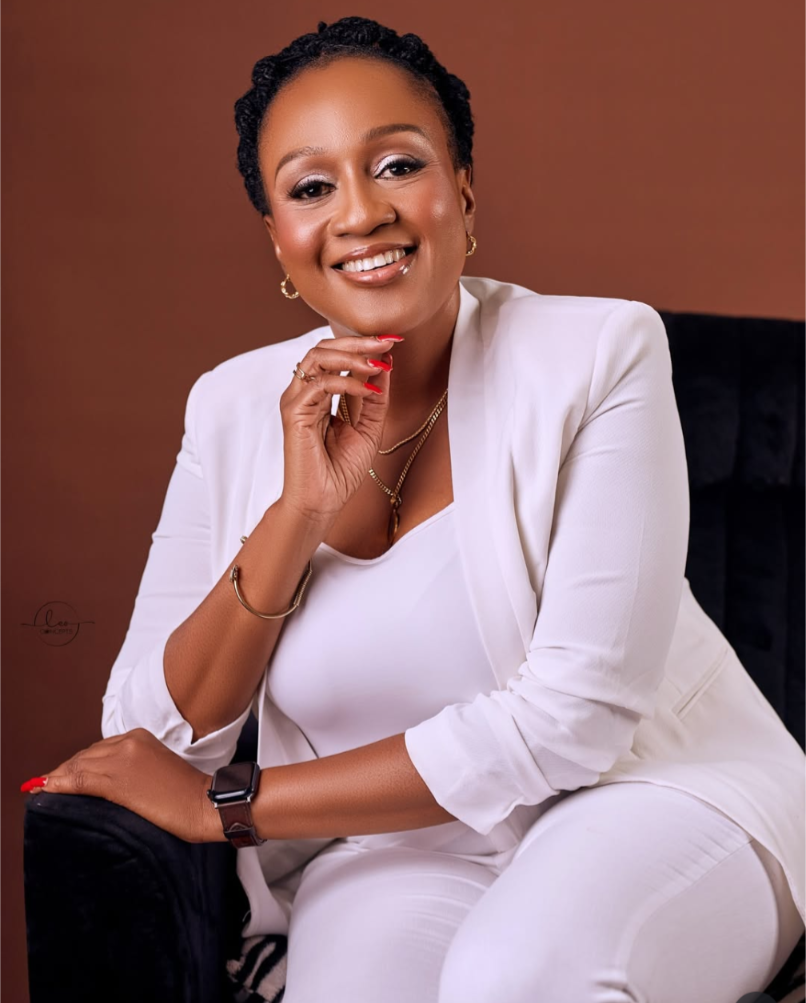
Ms.Dzigbordi:
A rich and layered question, Berla. The people of the Gold Coast were not naïve—they were visionaries. Their engagement with capitalism was not blind acceptance but strategic engagement. They saw an opportunity to participate in a global economic language and gain visibility on the world stage.
But here’s the key point: they sought to bridge, not to break.
They wanted to connect, not to abandon their values.
Capitalism promised structure, metrics, and scalability—GDP, trade networks, access to goods and global systems. But it was also a seductive illusion: one that quietly replaced collective wealth with individualism, community value with personal status.
The Gold Coast embraced capitalism out of strategic necessity, but without fully realising the cultural cost. To build wealth today, we must reclaim that original strategy, but this time embed it with soul, sustainability, and sovereignty.

Berla-Mundi:
So beautifully said. The article goes on to uncover hidden promises beneath the Western capitalist system. Can we explore that next?
What are some of those hidden values, and how might they misalign with Ghanaian realities?

Ms. Dzigbordi:
Absolutely. Many people believe capitalism is just an economic framework, but it’s also a cultural philosophy. And when unexamined, it becomes a subtle coloniser of values.
Here are the hidden promises:
- Individualism = success – Capitalism celebrates the lone achiever, whereas African societies have always prized communal well-being.
- Scarcity = leverage – It thrives on competition, suggesting we must fight for limited resources. In truth, Africa is abundant—our challenge is distribution and collaboration.
- Aid = development – Much of what is presented as support is strategic control. Loans come with strings. Investments come with agendas.
- Progress = consumption – We’re taught that development looks like shopping malls, highways, and imports, when in reality, true progress is cultural confidence, self-reliance, and harmony with our land.
To reclaim our power, we must redefine wealth, not as accumulation, but as alignment with purpose, contribution to others, and preservation of wisdom.

Berla Mundi:
That takes us to the third vital reflection in the article:
Are there deeper, more intrinsic forms of wealth still buried in the cultural soil of the Gold Coast?

Ms. Dzigbordi:
Yes, Berla—and this may be the most important revelation of our time.
Our ancestors were wealthy long before money. Their wealth came in forms that modern systems cannot measure:
- Social capital – Trust, honour, and networks were currency. Your word was your bond. Rebuilding this could reduce corruption and rebuild ethical enterprise.
- Ecological wealth – From cocoa to gold to medicinal plants, Ghana is a treasure trove. But without indigenous stewardship, these gifts become exploitative, not empowering.
- Cultural resilience – Proverbs, rituals, drum languages—these encoded centuries of wisdom. We must digitise, document, and teach them.
- Spiritual alignment – The soul of our society was always rooted in purpose over profit. That’s what makes our way of life sustainable.
So yes—there are diamonds beneath our feet. But they’re not just in the soil. They’re in our stories, our systems, and our spirits.
Berla Mundi:
And that is the perfect segue into the core message of this issue: Entrepreneurship over Politics. It suggests that economic power is the new path to liberation.
Why is entrepreneurship now seen as a revolutionary act?

Ms.Dzigbordi :
Because politics has become performative. It’s a dance of distraction, often disconnected from grassroots needs. But entrepreneurship? That’s agency in action.
When you:
- Create jobs,
- Solve real problems,
- Empower communities,
- Teach others to build—
You’re doing more than business. You’re shaping society.
We don’t need more slogans. We need systems. We need Ghanaians who own what they build and build what they own. Nkrumah’s dream wasn’t about flags or followers—it was about factories, schools, and farmers in control of their future.
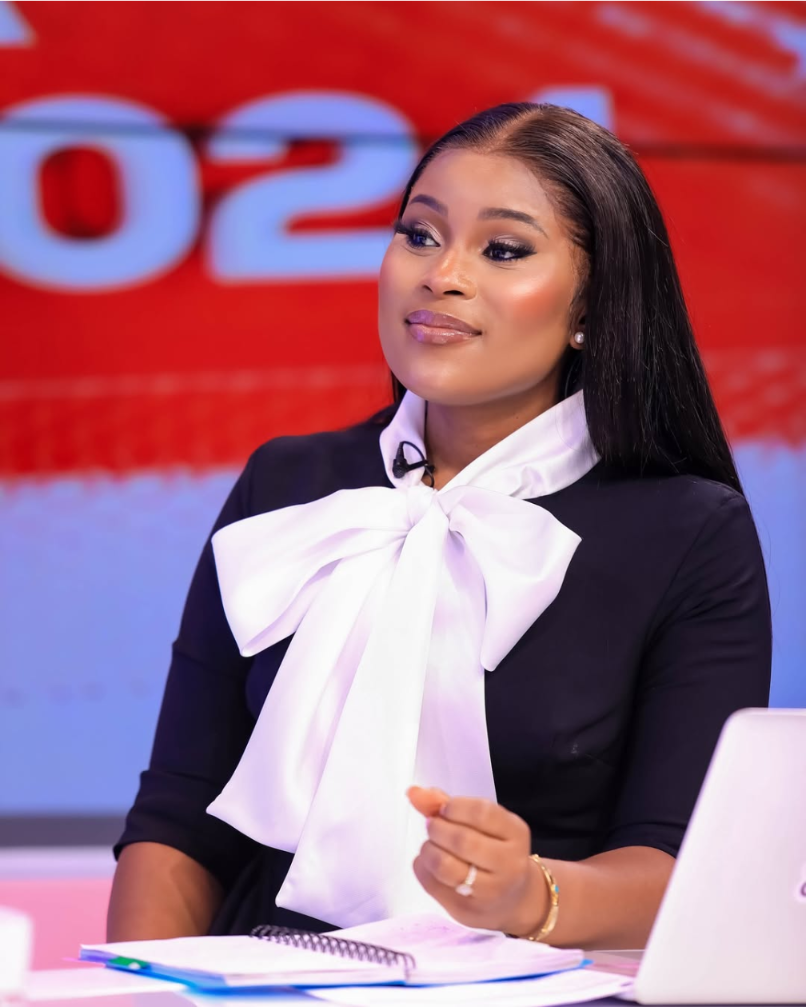
Berla Mundi:
As we conclude this part of our discussion, let’s reflect on the five key tips presented in the article. Could you offer a thought on each one?

Ms.Dzigbordi’s Elaboration on the 5 TIPS:
1. Stay rooted in purpose. Mentor the next generation.
Purpose keeps us grounded in storms. It makes success sustainable and leadership meaningful. And mentoring is how we plant the future.
2. Be digitally present and globally minded. Collaborate, don’t compete.
Digital tools are megaphones. Use them not just to sell, but to share wisdom and shape narrative. Don’t fight for crumbs—build bakeries together.
3. Know your history. Leverage your legacy.
History isn’t nostalgia—it’s strategy. It teaches us what to avoid and what to resurrect. Our legacy is our leverage.
4. Focus on value creation, not political connections.
In a noisy world, genuine value stands out. Solve problems. Create meaning. Let your work speak louder than affiliation.
5. Build systems, not hustlers.
Hustling is a survival tactic. System-building is a legacy move. We need artisans, architects, and institutions—not just influencers.
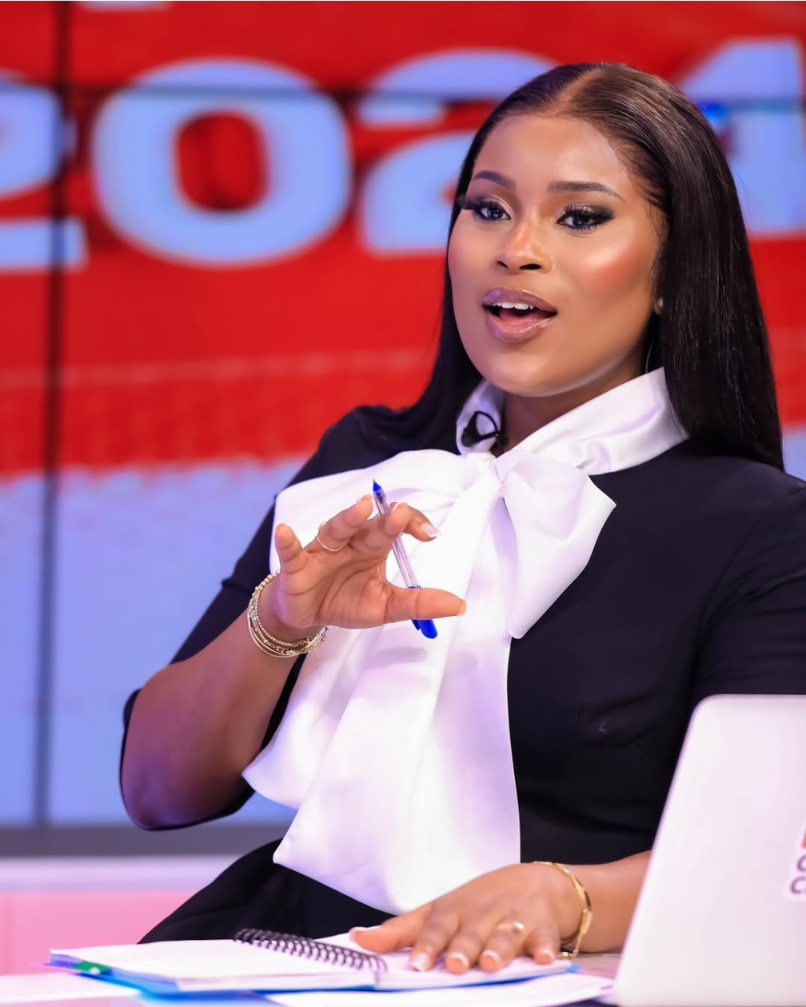
Berla Mundi:
Ms. Dzigbordi, in these times of national uncertainty, what do you think is the most powerful tool we have to bring Ghanaians together?

Ms. Dzigbordi:
Berla, it all begins with dialogue. Real, honest, human dialogue. Not debates for points, but conversations that open hearts and minds. That’s where healing begins. It’s the spark. The whole thing begins with human beings talking to one another, just like I do in my motivational speeches. It’s how we reconnect with each other and rebuild trust.
Berla Mundi:
Beautiful. And the title “Assumpta Dialogue”—what does that represent to you?
Ms. Dzigbordi:
That title carries a kind of light. It’s meant to illuminate our footsteps—to guide us back to who we are and what we share. It reflects our common ground as a nation.
Berla Mundi:
So, in a way, your mission now is about awakening?

Ms. Dzigbordi:
Exactly. Awakening our people to the truth of true dialogue is my current focus, and it’s what shapes my rapport with Ghanaians. Ms. Dzigbordi (smiling):
Thank you.

Aunt Dzigbordi, thank you. This is more than a conversation—it’s a classroom, a compass, and a call to action. You’ve truly embodied the spirit of this edition: Bridging Civilisation, Building Wealth.


https://www.instagram.com/shebybena?igsh=ODI1ZnBqdTB5dDY5

https://www.instagram.com/laurenhautecouture?igsh=MWxzNXN1Ym5nZ3o3Mg==

https://www.instagram.com/goba_kente?igsh=d2Vwd2E2M2VtcTZq

https://www.instagram.com/ankara.africa?igsh=ZDJmN216Z2ZhbWFm


https://www.instagram.com/officeandcobysa?igsh=dmxucTZ2a2t1eDBn


https://www.instagram.com/oh_my_hairr?igsh=MThqbDNneDZzcTF3cw==


https://www.instagram.com/serwaaamihere?igsh=N216N3hzeTE3eHho
🌍 Serwaa Amihere: Bridging Ghana to the World — One Truth, One Essential at a Time 🇬🇭
From commanding the airwaves with her fearless journalism to becoming a symbol of innovation in everyday living, Serwaa Amihere has never stopped inspiring. As a renowned broadcast journalist and TV presenter, she brought Ghana to the global stage — telling the stories that matter, with truth, integrity, and passion.
Now, Serwaa is rewriting the script again — this time through Everyday Essentials, an entrepreneurial venture that champions quality living for Ghanaians. As Co-founder of brands like Oh_my_hairr and Officeandcobysa, and Founder of Flora Organic Diapers and Tissues, Sankofa Spices, Tango Washing Soaps, and many more, Serwaa is delivering the same reliability and excellence she brought to journalism — now to your home, your family, and your lifestyle.
With every product, Serwaa continues her legacy: rendering quality, building trust, and setting standards. Just as she connected Ghana to truth through news, she’s now connecting homes to authentic, locally-driven essentials.
Ghanaians expect the best — and with Serwaa, the best is what they get.
Follow the movement. Experience the difference. Trust the name.
#SerwaaAmihere #EverydayEssentials #MadeForGhana #TruthToLifestyle #GhanaToTheWorld


