








Presents “SHINE / PARENTHOOD”
“RAISING CHILDREN” With Kelly Rowland “
IN ORDER FOR CHILDREN TO DEVELOP AN INDEPENDENCE SELF?
“Is it necessary at times to discipline them”?
AT OTHER TIMES, SHOULD CHILDREN FOLLOW THEIR OWN WAY?

This special edition will be released on Friday 5th January 2024 at: AssumpyaGH.live/
“Parenting: What Are We Teaching Our Kids?
The way we behave as parents in front of our children becomes the way they behave toward others. It is our challenge, as parents, to ‘develop wisdom and maintain a high life-condition’ to improve our relationships with our children.
Imagine you dropping your Thirteen-year-old son, Kofi off in the psychology’s office. This was to be his first therapy session. He sat with his arms folded across his chest, stared at the floor and jabbed the toe of his sneakers into the carpet. It was impossible to see his face through the thick jacket he kept zipped up to his nose. And your main complaint to the psychologist is that your son Kofi was constantly fighting at school and hitting his sister. His anger was a mystery to you. After all, we provided him with everything he ever needed?
Halfway through the session, Kofi was asked where he learned to fight so well. He kicked at the carpet and answered softly, “My dad.”
My parents had always hit me. Slapped, punched, screamed at me and, on one occasion, as Kofi said, “kind of shocked everyone in the office.” Simply put, I was doing to others what had been done to him at home by my parents.
Like all children, he learned life’s lessons from his parents’ behaviour, not from their neighbours or lectures.
Kofi’s parents, like many of us, failed to realise that a child’s life-condition is essentially a mirror of our own. If we neglect to mature and improve our own behaviour, we transmit our immature conduct to our child. Often, we blame the mirror for our reflection.
Like the incident that happened most embarrassing. A man came home from work very late one night to discover his wife waiting up for him. She told him that their oldest daughter, Naa Adjeley, had been very mean to her best friend in kindergarten, Ayokor, and made her cry.
“What did she do?” Naa Adjeley’s parents asked innocently. “ Ayokor isn’t mean or hurtful.”
Her parents paused and gave Naa Adjeley a look. You know, the look that says, “I told you so” without actually saying, “I told you so.”
Said Naa Adjeley’s mother; At times, I often barked and growled at home. I can’t really explain it. In an effort to eliminate using profanity around my children, rather than developing wisdom and challenging myself to do better, I substituted barking and growling when I was angry or frustrated with them. This bizarre habit was a family secret. But Naa Adjeley knew only what she saw. She simply mirrored my own life-condition. Namely, she barked and growled at someone who frustrated her. Boy, I thought, I’m a dog of a dad.
In Nichiren Daishonin’s Buddhism “Children are Treasures of the Future,” SGI President Ikeda notes that children have the ability to observe and absorb things quickly. He also writes: “The way you interact with [your children] reflects your innermost resolve. Within each child is a potential adult. If you address him on that level, you can enable his character to blossom. And, based on this kind of effort, you will be able to develop yourself as well .
By failing to reach beyond my frustration, I demonstrated disrespect and a weak inner resolve. This was not the kind of life-condition I wanted to transmit to my children.
As a Buddhist of Nichiren Daishonin, I chant Nam-myoho-renge-kyo and reflect on such issues, I realised my frustration stemmed from my wish to control my children rather than understand them or encourage their curiosity. A child who lives with a controlling parent often suffers from low self-esteem and is denied the opportunity to develop self-discipline. In the end, I didn’t need to change my child’s behaviour, I needed to change my own. My hunger for control could only end in unhappiness for my family.
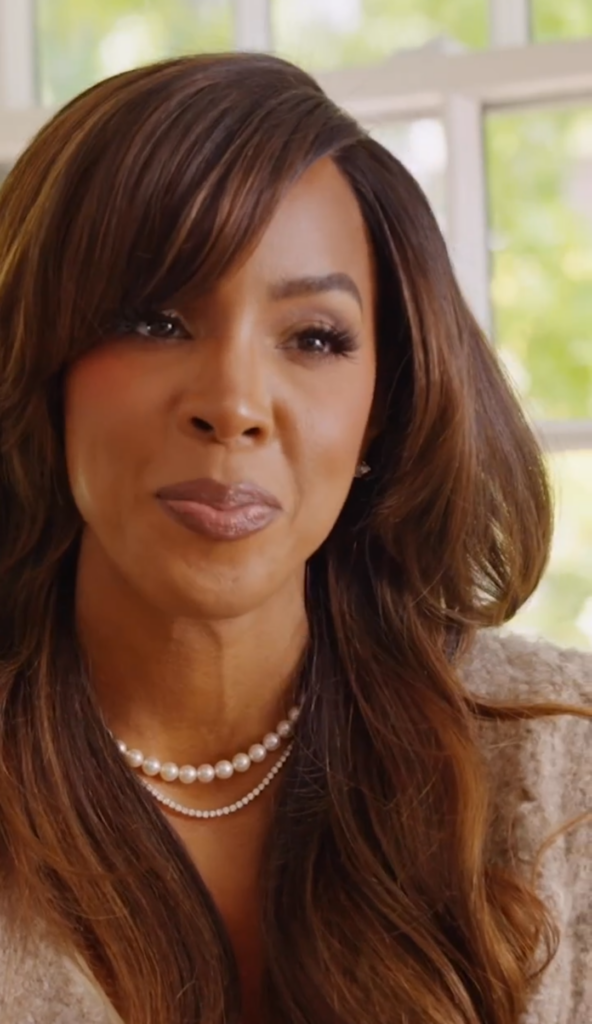
Kelly Rowland: like a master musician never stops practising, you must always develop my musical skills.

ASSUMPTA: Nichiren Daishonin writes: “Strengthen your faith day by day and month after month. Should you slacken your resolve even a bit, devils will take advantage”
(The Writing of Nichiren Daishonin,p.997). It takes practice to develop wisdom, practice to maintain a high life-condition. Commitment to Buddhist practice for me is the most effective way of developing myself and improving my relationship with my children.
You may wonder what happened to Kofi. Soon after his therapy with the psychologist, the psychologist informed his parents that if they really wanted Kofi to improve, They’d have to stop modelling such destructive behaviours and improve their marriage (the real reason why Kofi was unhappy).
As their time together passed, Kofi stopped fighting and developed many new positive friendships. His parents discovered, as I did, that to raise happy children we must first commit to polishing our own lives.
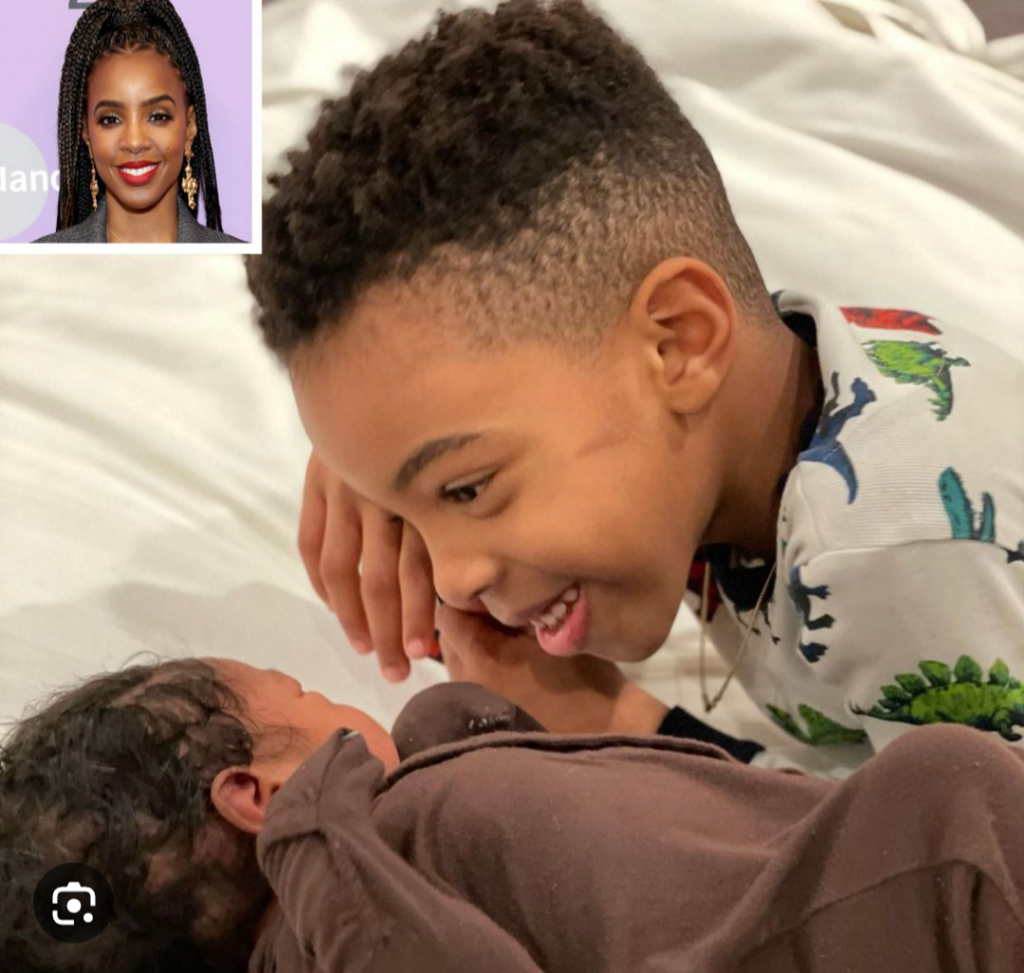
Kelly Rowland: I love to see the growth of young people, as they are straight and true, and full of promise. Their whole lives lie ahead of them. And it is they who are entrusted with the future. That is why I take them very seriously. For the sake of humanity, in the twenty-first century, I want to help today’s children expand the inner kingdoms of their hearts as much as possible.

ASSUMPTA :Thank you for expressing your love for witnessing the growth of young people, recognizing their sincerity and potential. You feel a deep sense of responsibility toward them, aiming to help today’s children expand the depth of their emotional capacity for the betterment of humanity in the twenty-first century.
I feel that ‘treasures of the heart’ is the greatest possible gift from parents to their children. As the principal of Babies and Toddlers Daycare, I often speak with many parents. Undoubtedly, some parents wish to ensure their children’s happiness by providing material wealth, but I believe that the ‘treasures of the heart’ are the greatest gifts from parents to their children. Regardless of wealth, good health and physical strength are essential for children to lead truly happy lives.
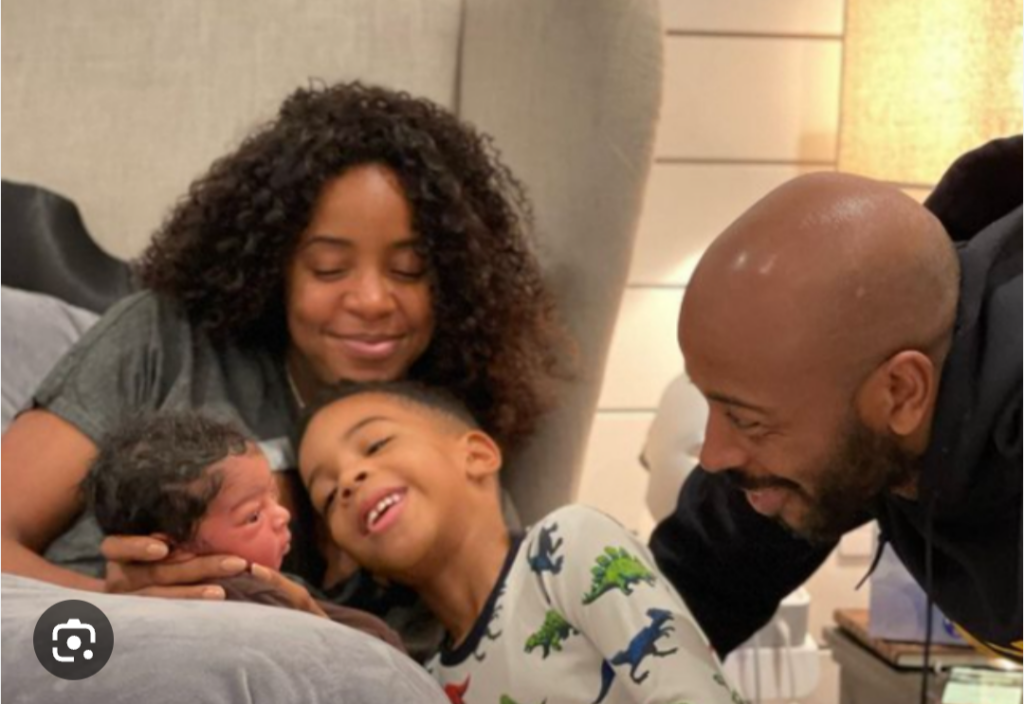
KELLY: Indeed, the phrase “treasures of the heart” refers to the intangible gifts such as love, kindness, empathy, and wisdom that parents can pass down to their children. While material wealth has its benefits, it’s the emotional and moral support that often shapes a child’s future. Good health and emotional well-being are indeed pivotal for a genuinely happy and fulfilling life. As a principal, your insight and guidance can be invaluable in shaping the perspectives of both parents and children in this regard.
As a mother of two, I firmly believe that the “treasure of the heart,” encompassing inner qualities like spiritual strength, character, and humanity, ensures the genuine happiness of a child. I view raising my children as guiding young adults to cultivate their independence and strength. From the moment of their birth, I have consistently respected them as independent individuals.

ASSUMPTA : It’s wonderful to hear that you value the “treasure of the heart” as well. Nurturing inner qualities like spiritual strength, character, and humanity can indeed pave the way for a fulfilling life. Your approach of respecting your children as independent individuals from birth and guiding them to develop their own strength reflects a profound understanding of parenting. Supporting them to stand and walk on their own feet is a beautiful way to describe the journey of raising children into independent young adults.
Your commitment to nurturing the “treasure of the heart” in your children is truly admirable. By fostering inner qualities such as spiritual strength, character, and humanity, you’re laying the foundation for a fulfilling life. Your approach of respecting your children as independent individuals from birth and guiding them to develop their own strength demonstrates a deep understanding of parenting. Describing the journey of raising children into independent young adults as supporting them to stand and walk on their own feet is truly beautiful.
Each child is a unique individual with distinct personalities, and the bond between parents and children is essentially a relationship between two individuals. Among the children in my daycare, I observe a wide range of behaviours and traits. Some are considerate and contemplative, while others seek conflict. One child is drawn to scribbling on everything, and another enjoys running around, occasionally bothering others. The diversity of character types and interests among the children is vast and varied.
“Given that you are a mother of two, how can I anticipate the various directions in which each child’s individuality might lead them, and how can I ensure that I provide the most suitable environment for their development?”
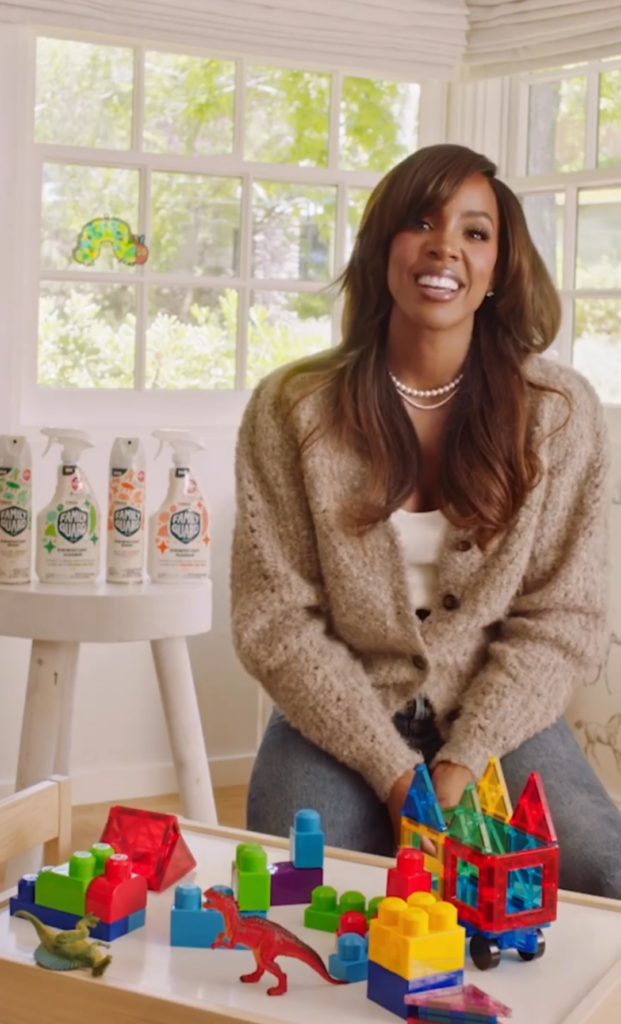
KELLY: “Children are incredibly sensitive, and I firmly believe that making comparisons among my children is unkind. In line with Buddhist teachings, just as cherry blossoms are unique from plum blossoms, each person has a wholly distinctive character. It’s vital for children to grow at their own pace and in a manner that remains true to themselves. Nothing fosters my children’s development more than them knowing that I comprehend and trust them.”

ASSUMPTA: “Thank you for the insight. I completely agree that each child is unique and needs to be supported in their individual growth. Understanding and trust are indeed crucial in nurturing their development.” “If parents can raise their children in a way that discourages self-absorption and fosters open-mindedness, such openness of spirit will naturally develop into a warm-heartedness directed towards others, nature, and the universe. With such young people in the world, I am confident that it will become a better place.”
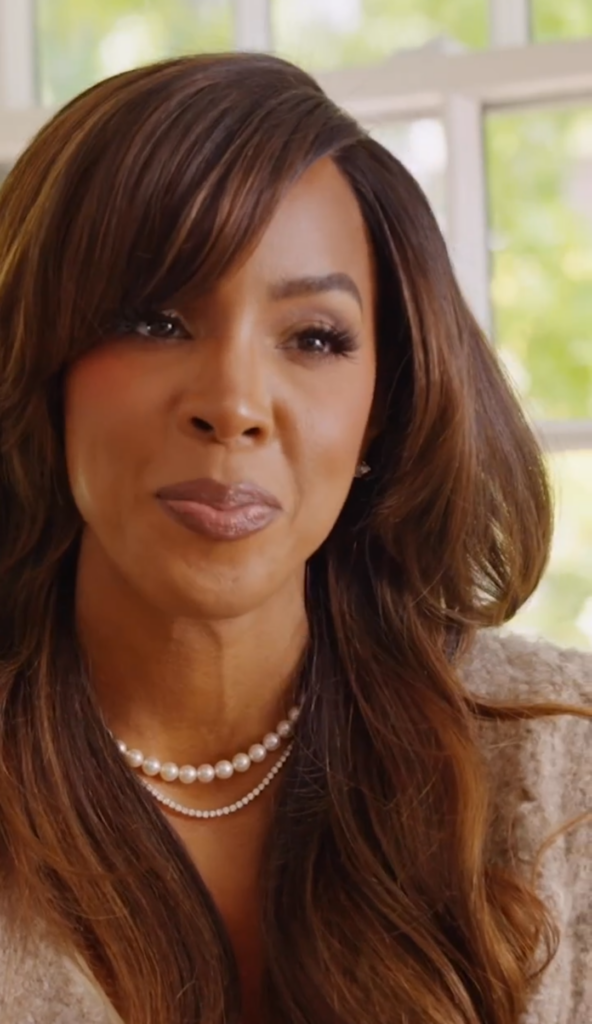
KELLY : Absolutely, fostering open-mindedness and discouraging self-absorption in children can indeed lead to the development of a warm-heartedness directed towards others, nature, and the universe. This, in turn, can contribute to making the world a better place. It’s a beautiful sentiment and an important approach to parenting.

Indeed , each child is unique with their own personality, interests, and behaviours. Understanding and appreciating these differences is crucial for effective childcare. It’s clear that you recognize the diversity of character types among the children in your daycare, from the considerate and thoughtful to those who may exhibit more challenging behaviors. Embracing these differences and nurturing each child according to their individual needs and interests is fundamental to providing a supportive and enriching environment for their growth and development.
“Being a person with a strong sense of mission as a source of light, for such a person like you, there is no darkness in the world. Thank you for joining today’s dialogue.”


