




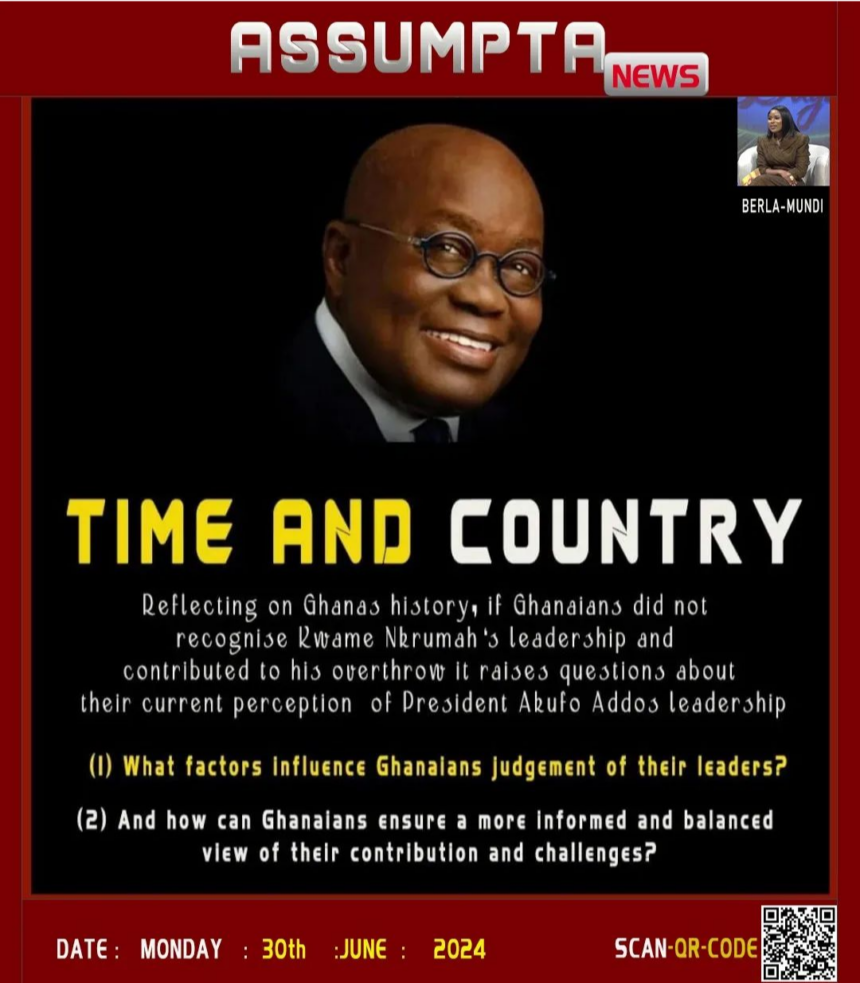
Content : Reflecting on Ghana’s history, if Ghanaians did not recognise Kwame Nkrumah’s leadership and contributed to his overthrow it raises questions about their current perception of President Akufo Addo’s leadership.
(1) What factors Influence Ghanaians Judgement of their leaders?
(2) And how can Ghanaians ensure a more informed and balanced view of their contribution and challenges?
With BERLA-MUNDI, Ghana’s best, finest and number one broadcast journalist. A special edition coming on Monday 30th June 2024
Title: Time and Country: Reflecting on Ghana’s Leadership;
Content : Reflecting on Ghana’s history, if Ghanaians did not recognize Kwame Nkrumah’s leadership and contributed to his overthrow, it raises questions about their current perception of President Akufo Addo’s leadership.
1. Factors Influencing Ghanaians’ Judgement of Their Leaders: Ghanaians’ perceptions of their leaders are shaped by several factors:
Economic Performance : The ability of leaders to manage the economy effectively, reduce poverty, and create jobs.
Political Stability : Ensuring peace, stability, and the rule of law.
Corruption Perception: Transparency and accountability in governance. Social Services: Delivery of education, healthcare, and infrastructure. Ethnic and Regional Considerations: How inclusive the leadership is in representing diverse interests across Ghana.
International Relations: How leaders manage Ghana’s relationships with other countries and global organisations.
2. Ensuring a More Informed and Balanced View:
To foster a more informed and balanced view of their leaders, Ghanaians can:
Critical Analysis: Encourage a culture of critical thinking and analysis of policies and actions.
Media Literacy: Enhance media literacy to discern reliable information from misinformation and propaganda.
Civil Society Engagement: Active participation in civil society organisations that promote accountability and transparency.
Education and Awareness: Promote civic education to enhance understanding of democratic principles and governance.
Open Dialogue: Foster open dialogue and platforms for public discourse on governance issues.
Historical Reflection: Learn from historical events like Nkrumah’s overthrow to understand the impact of public perception on leadership.
By focusing on these factors and initiatives, Ghanaians can contribute to a more informed and balanced assessment of their leaders, ensuring that future leadership decisions are guided by a thorough understanding of both challenges and contributions in Ghana’s development journey.
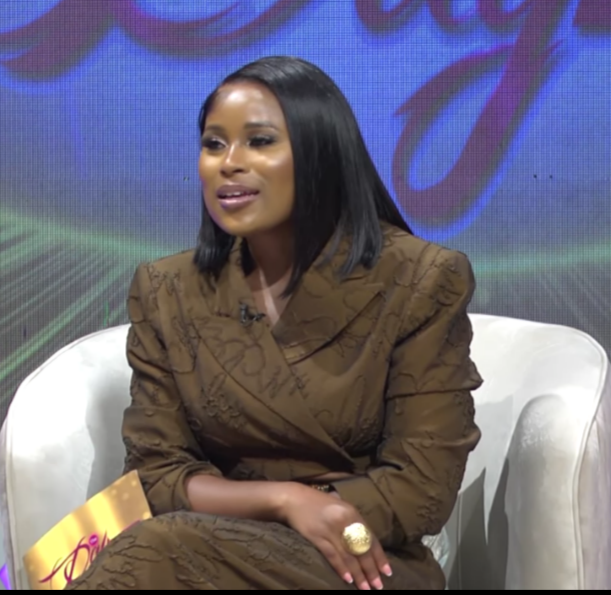
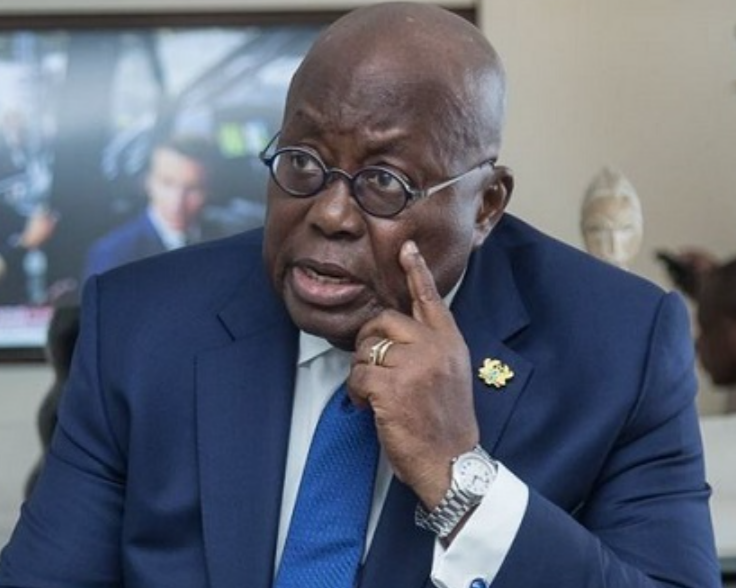
Berla Mundi: Good morning, President Akufo Addo and thank you for joining us in today’s discuss a very important topic concerning our nation’s history and leadership. Words cannot quite express how deeply I appreciate your unwavering support in joining us today. I would like to start by addressing the controversy surrounding the overthrow of Kwame Nkrumah. This issue remains a point of contention in Ghanaian society, with debates on who is responsible for this historical event and how it should be confronted.
President Nana Akufo Addo: Good morning, Berla. Thank you for having me.
Every year we celebrate National Independence Day. When this time comes around, we reflect on how our lives have been transformed through encountering Kwame Nkrumah, who liberated us from oppression. We make a fresh determination to advance on the path of freedom and its aim to bring about an age that treasures the dignity of life. Indeed, the controversy over Kwame Nkrumah’s overthrow is significant and continues to influence our national discourse. It is essential to confront this part of our history honestly and transparently to learn from it and avoid repeating past mistakes.
Berla Mundi: But why is March 6th even more significant? Why? It has been significant since Kwame Nkrumah’s passing. And you have stated that the NPP government believes Ghanaians need to understand the historical consequences of our past actions. How do you see this understanding influencing our current and future policies?
President Nana Akufo Addo:. As a nation, we are asking ourselves what we can do, above and beyond what’s been done up to now since Kwame Nkrumah left us.
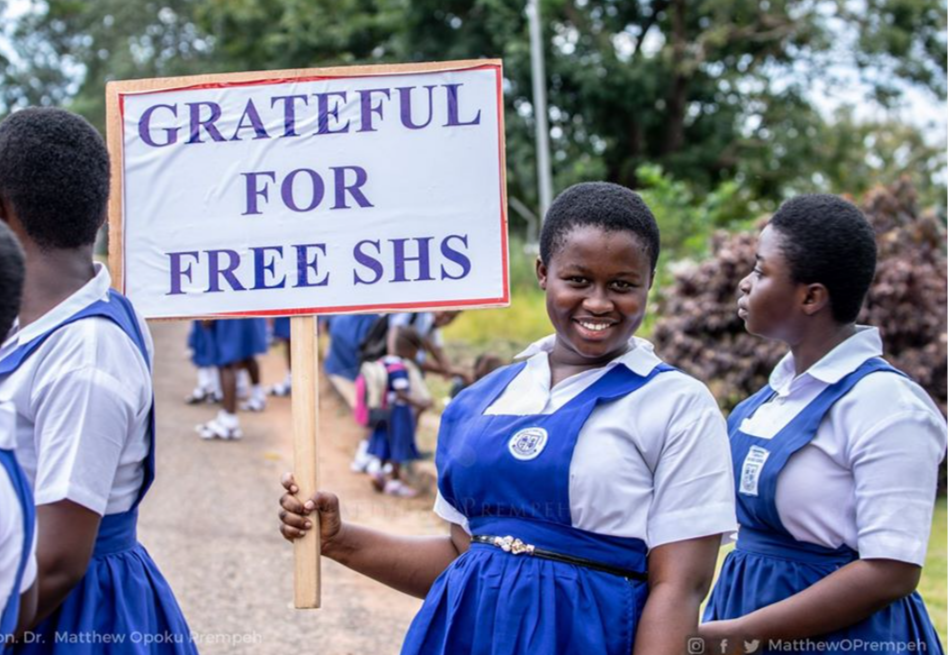
Understanding our history is crucial. It allows us to recognize the achievements and shortcomings of our past leaders and to appreciate the context in which decisions were made. The NPP government embodies Nkrumah’s ideology and beliefs, especially his emphasis on education and development. Our free education policies are a testament to this. We believe that by investing in education and training nurses, doctors, teachers, pilots, and engineers, we can build a stronger, more self-reliant nation.

Berla Mundi: It’s clear that education is a cornerstone of the NPP’s approach. However, some argue that such advocacy and policies are not as strongly supported by the opposition, particularly the NDC. How would you respond to this claim?
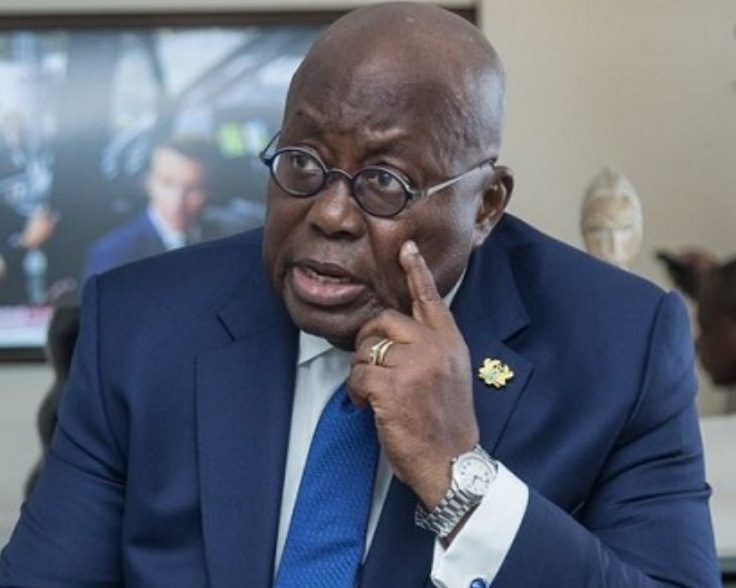
President Nana Akufo Addo: Advocacy for historical understanding and transparency requires courage and commitment. While the NPP has made significant strides in promoting these values, it is unfortunate that the NDC has not shown the same level of dedication. Our government’s policies, such as free education, reflect our commitment to Nkrumah’s vision of an educated and empowered Ghanaian populace. We are focused on creating opportunities for all Ghanaians, regardless of their background, to contribute to national development.
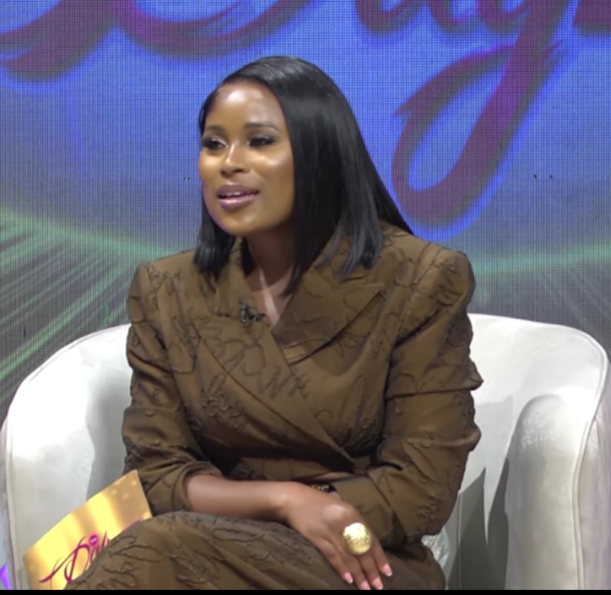
Berla Mundi: The role of the media and newspapers in this dialogue is also critical. Many feel that the media should do more to beat the drum of truth and transparency regarding our history. What are your thoughts on this, Mr. President?
President Nana Akufo Addo: The media plays a vital role in shaping public perception and fostering informed discourse. It is imperative that our media outlets prioritise truth and transparency, providing the public with accurate historical accounts and diverse perspectives. By doing so, they can help bridge the gap between differing viewpoints and promote a more unified national narrative. Our government encourages a free and responsible press that upholds these values.
Berla-Mundi: Let me raise a question that has been a burning issue in Ghana. During Kwame Nkrumah’s era (1951-1966), there were a significant number of industrial companies that drove Ghana’s self-sufficient economy. What were the key industries and their impacts during that time?
Nana Akufo-Addo:
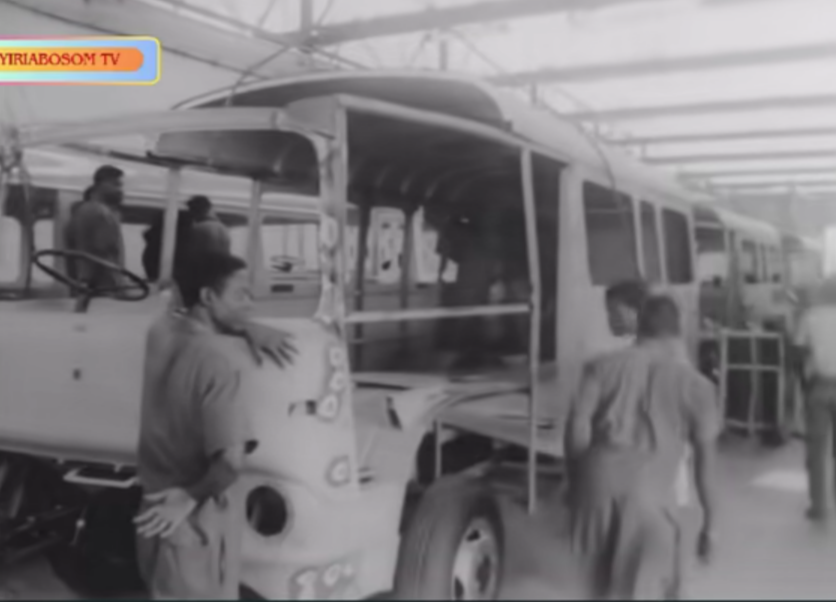
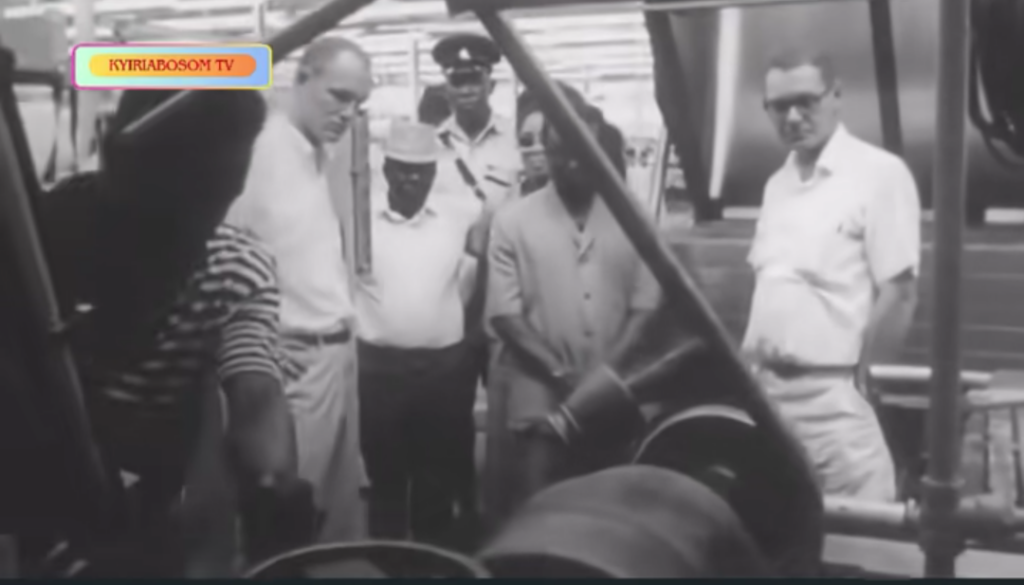
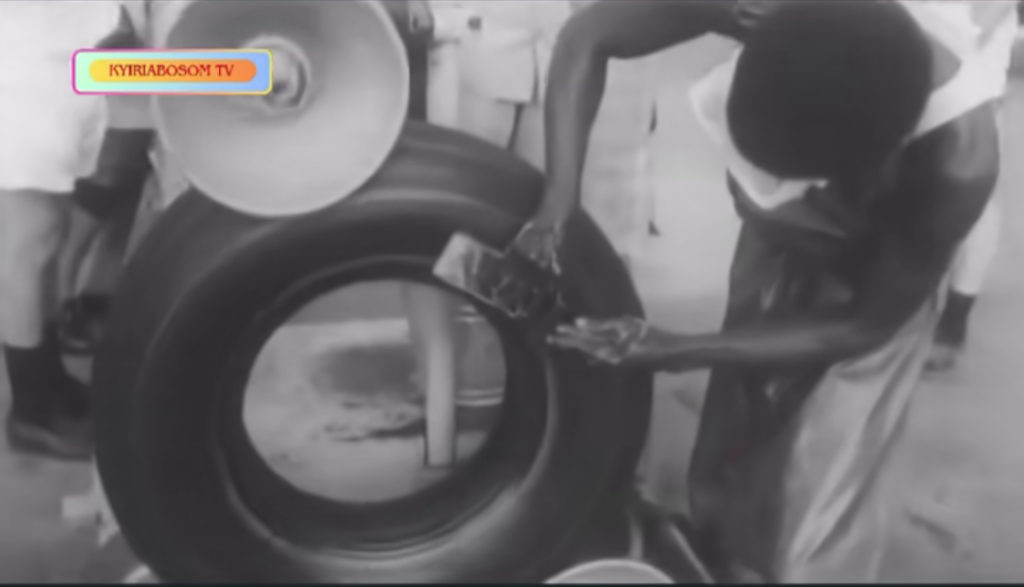
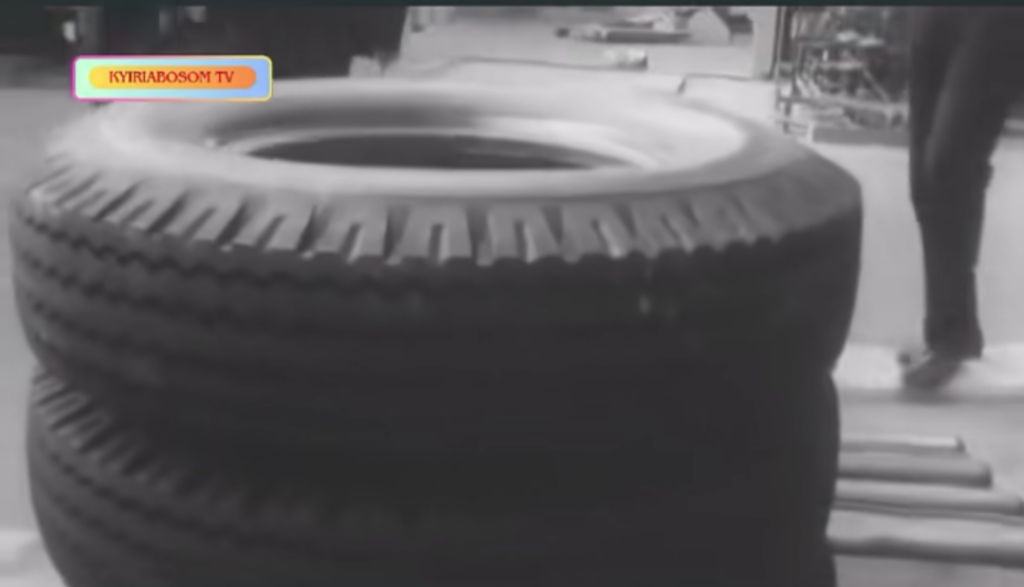
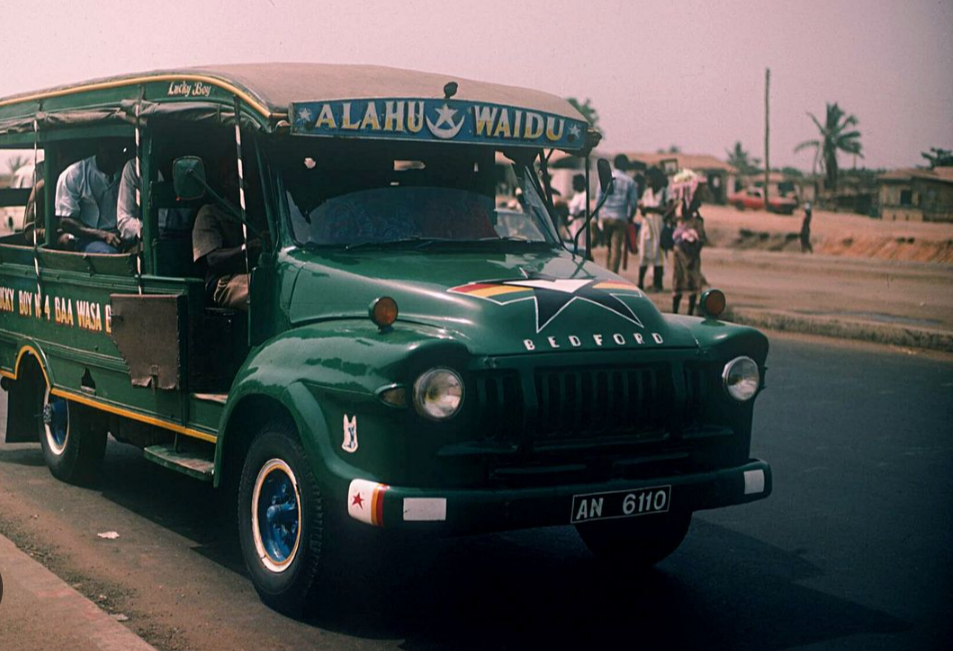
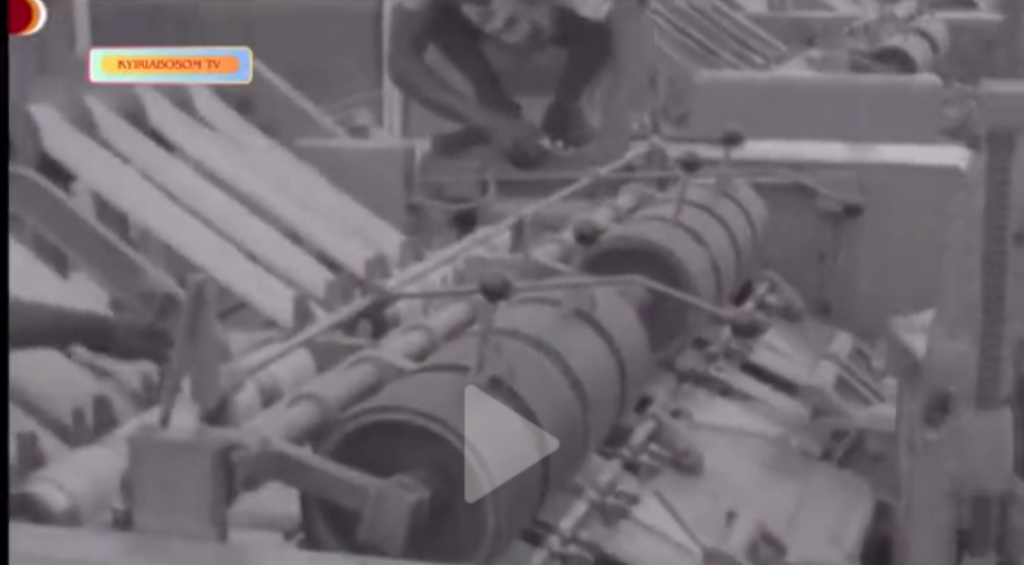
Indeed, Kwame Nkrumah’s economic plans were promising. The country made strides in cultivating rubber and leveraging it for various uses, including the production of car tires. Nkrumah’s vision for Ghana also included the automobile industry. He established the creation of a state-owned company, the UAC (United Africa Company), which started assembling Bedford vehicles in Tema, Ghana. Additionally, Nkrumah focused on the cocoa industry, a major export for Ghana, by establishing a factory to produce jute sacks for packaging cocoa beans. These sacks were essential for exporting cocoa and reduced reliance on imported packaging materials. These efforts were part of his broader strategy to industrialise the nation, reduce dependence on imports, and foster economic independence while creating jobs for Ghanaians.
Berla Mund i: Our dialogue reminds me of the Church Committee that found the CIA ran 900 major operations and 3,000 minor ones, with 10,000 operations being illegal and many being bloody beyond comprehension. Extensively, can you tell Ghanaians if the CIA manipulated and overthrew the functioning government of Kwame Nkrumah?
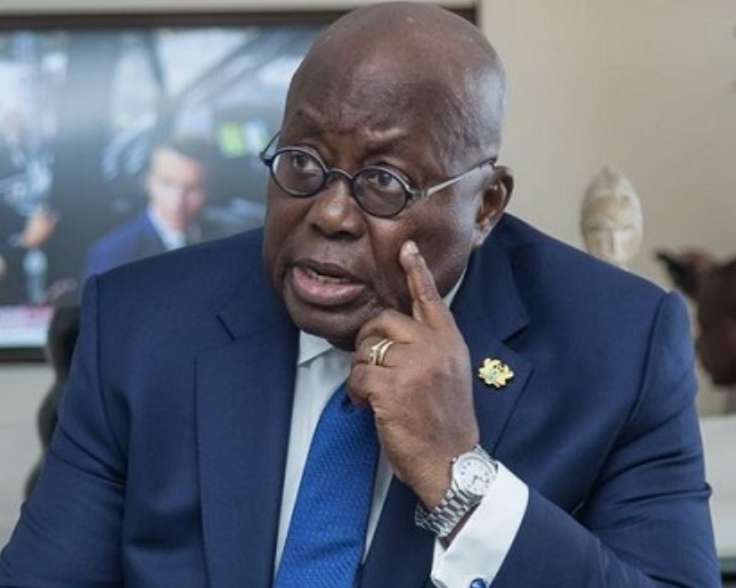
Nana Akufo-Addo : Well, the Church Committee (formally the United States Senate Select Committee to Study Governmental Operations with Respect to Intelligence Activities) was a US Senate select committee in 1975 that investigated abuses by the Central Intelligence Agency (CIA), National Security Agency (NSA), Federal Bureau of Investigation (FBI), and the Internal Revenue Service (IRS). Chaired by Idaho Senator Frank Church (D-ID), the committee was part of a series of investigations into intelligence abuses in 1975.
It makes a lot of sense, but I would like us to develop the topic further in our next dialogue.
Berla Mundi: Thank you, Mr. President, for sharing your insights. It’s clear that understanding and reflecting on our history is crucial for our nation’s progress. Do you have any final thoughts or messages for Ghanaians regarding this topic?
President Nana Akufo Addo: I urge all Ghanaians to engage with our history critically and thoughtfully. Let us learn from our past to build a better future, embracing the ideals of education, development, and unity. Together, we can ensure that the lessons of history guide us towards a prosperous and inclusive Ghana. Thank you, Berla, for this important conversation. To be continued. Episode (2)