


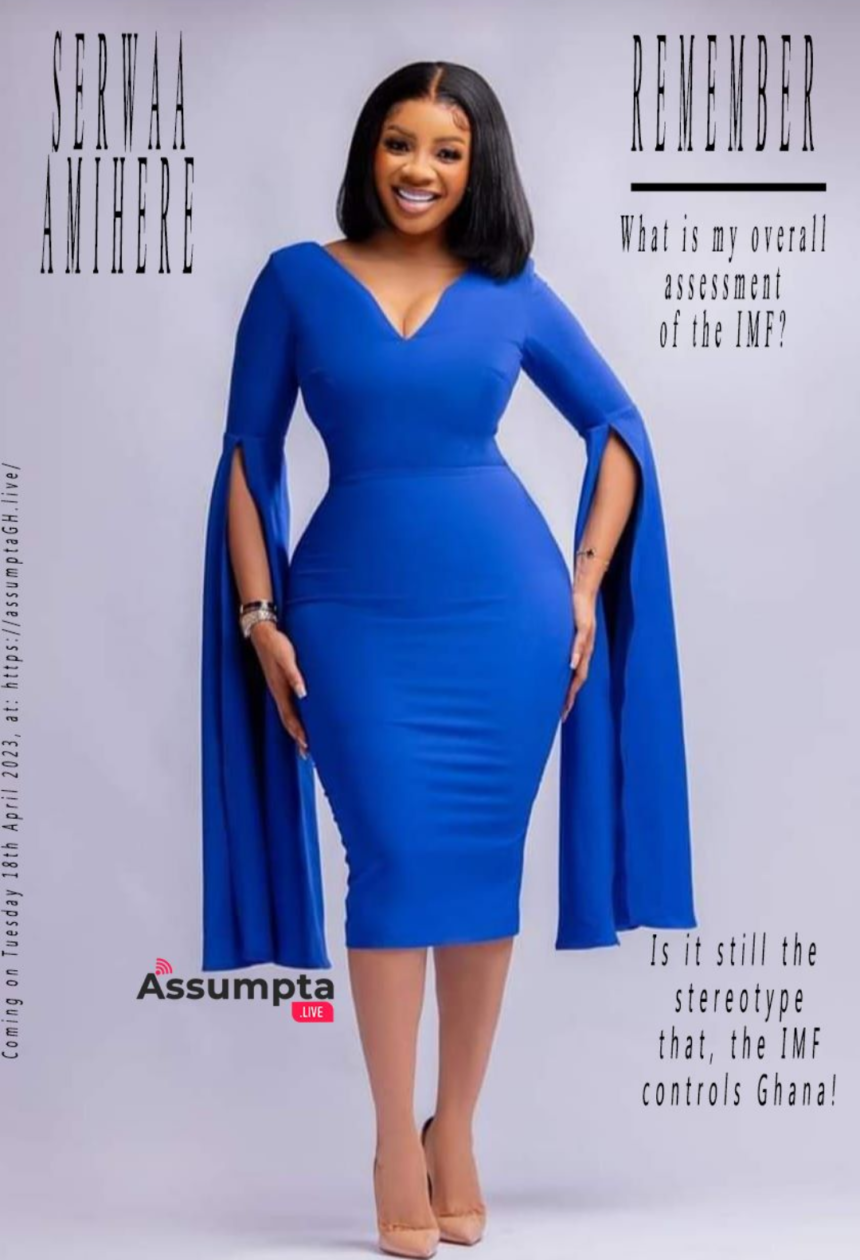
What Exactly is the IMF Asking For?
Should Africa avoid the IMF?
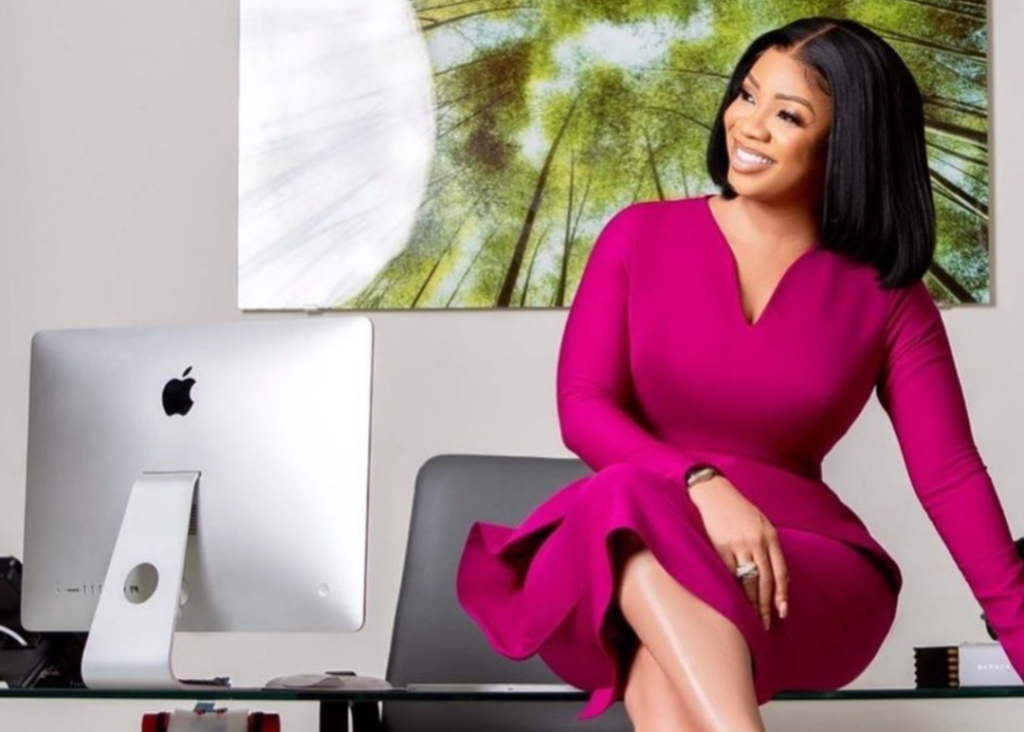
The good news is that as a journalist, for the most part I’ve been able to focus more on the proactive good news. The bad news is that among certain elements in Ghana, the IMF still controls Ghana and most African countries and that if Ghana or any African country needs money for development they have to go through the IMF.
The ratio of countries negatively impacted by the IMF loans is now widely insane knowing that the IMF loans enable them to pursue reckless domestic economic policies that did not invest in their people and their countries. The IMF conditions have also been widely debated throughout Africa. African leaders contend that IMF policy did not provide remedies adequately to their countries needs except that the IMF was selling their money in return for profit and now pushing for their CBDC’s the: Central Bank Digital Currencies (CBDCs), a digital version of cash that is issued and regulated by central banks. As such, they said they are more secure and inherently not volatile, unlike crypto assets.
AssumptaGH:
This is the IMF we are talking about. Now cost of food and energy subsidies as one of the reduction in the public wage bill among others. This is the IMF. Elsewhere in west Africa, a certain president has sold his country to the IMF for $3 Billion dollars by raising taxpes, increasing fuel prices, gas prices, water, electricity and ect. PTUNIS, April 6 (Reuters)
Tunisia’s President Kais Saied statement has received a lot of attention for his words against the IMF conditionalities that reduce economic growth and deepen and prolong financial crises, creating severe hardships for African countries..
Serwaa Amihere
Indeed, the Tunisian President gave his clearest rejection yet of the terms of a stalled $1.9 billion IMF bailout package when he said on Thursday he would not accept “diktats” and suggested that subsidy cuts could lead to unrest. Well the IMF tried to push Tunisia to remove its state subsidies as basic goods, particularly fuel.
When the Tunisian President Kais Saied was asked whether he would accept the terms of the loan which include cuts to food and energy subsidies and a reduction in the public wage bill. President, Kais Saied told reporters “I will not hear diktats.”Recalling deadly riots that hit the North African country in 1983 after the government raised the price of bread, he added: “Public peace is not a game.”
The president went on to ask the IMF delegates what they really want, because Tunisia is not for sale like some West African Governments did. Foreign diktats that would lead to more poverty are unacceptable.
The world must understand as well as the financial institutions such as the IMF, that human beings are not figures or a set of numbers for subtraction and addition. The IMF has always prioritised the interests of wealthy countries and corporations over the needs of developing nations and ordinary people, leading to policies that exacerbate inequality, social welfare and economic instability.
AssumptaGH:
I will not be surprised. Tunisian president speaks the truth. The IMF doesn’t care about people’s welfare right? They impoverished countries through unrealistic action plans, it is clear now that they humiliate and weaken countries through these horrible lends.
In a speech released on April 6th, to be delivered at the 2023 spring meetings of the International monetary fund, and the world bank group in Washington, the IMF Director Kristalina Georgieva shockingly voiced that Africa is facing a tremendous financial crunch where economic conditions make financial organisations less willing to lend money, often causing serious economic problems that have been held back by unsustainable debts built over the years.
Serwaa Amihere
However, her solution to the problem isn’t without contradictions. So this idea raises questions about the sustainability of continuing to take on more debts to solve an already existing debt problem. She also praise some African countries for raising taxes and wealthy individuals and of course businesses.
She continued that she’s seen some positive development in the resources mobilisation, a move that some economists argued to hinder growth in the private sector.
So despite all these contradictions, the IMF Director Kristalina Georgieva pretended to be positive about Africa’s future. But many investors argued that IMF economic policies failed to address the global inequality and instead, had contributed to exacerbating it.
Contending that, policies often favour the politically connected and the super wealthy rather than the general public.
AssumptaGH:
At any rate, our approach to this whole dialogue has been to acknowledge that there are universal truths. There are universal values too. If you really believe in universal truths and have a deep respect and acknowledge that there are cultural gaps and differences between Africa and the United States of America, then you have a place to start.
As for America’s disrespect for human beings, it’s usual, they are a sort of conspirators who do things against others wishes.
Thank you Serwaa for your kind words.