


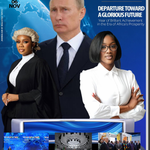




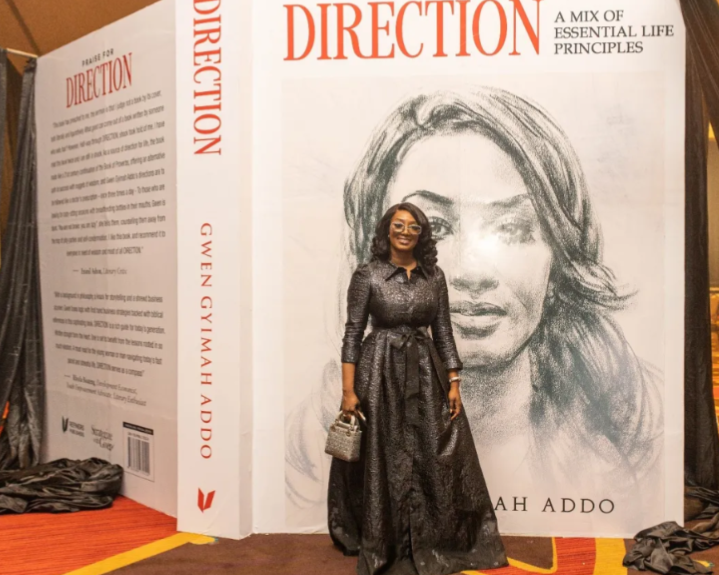
🌍 OSAGYEFO ONLINE WEEKLY MAGAZINE
Value-Led Education Publication
SPECIAL INTERNATIONAL EDITION
📅Coming Friday, 10 July 2026
🌐 Read exclusively at assumptagh.live/










https://www.instagram.com/hairsenta?igsh=MXAzOThhNGZ0Nm15dQ==
Beauty that starts with how you feel.
“Hair Senta: Where luxury meets your well-being.”
Ghana’s finest extensions, curated for the global woman.”
“An anchor for your beauty. A sanctuary for your care.”
“More than a look. A lifestyle of wellness and premium quality.”
📍 Visit the Gallery
If you are in Accra or shopping online, here is how to connect with the brand:
Location: 24 Jungle Avenue, Accra, Ghana.
Digital Gallery: Join the 400K+ community on Instagram @hairsenta.
Shop Online: www.hairsenta.com

📰 FEATURED TOPIC
Educating Ghanaians to Uphold National Values
THEME: INSPIRATION FOR PROPER GOVERNANCE
”A nation’s transformation begins not only with policies and institutions, but with the values, character, and daily actions of its people.”
🌍 NATIONAL TRANSFORMATION: A SHARED RESPONSIBILITY
Inspiration for Proper Governance
A country’s transformation cannot be achieved through government policies alone. While governments play a critical leadership role by creating laws, policies, institutions, and infrastructure, sustainable national progress depends on the collective efforts of all sectors of society.
Government provides direction and creates opportunities for growth. Businesses generate employment, innovation, and economic prosperity. Educational and research institutions develop knowledge, skills, and solutions to national challenges. Civil society organizations strengthen accountability and social development. Citizens contribute through hard work, responsible conduct, tax compliance, community service, and active participation in national affairs.
The success of any national development agenda therefore depends not only on policy formulation but also on public commitment, strong institutions, ethical leadership, and a shared vision for the future.
National transformation is not the responsibility of government alone. It requires the combined efforts of government, businesses, institutions, communities, and citizens working together toward a common purpose.
President Mahama’s Call to Collective Action
President John Dramani Mahama’s appeal for integrity, patriotism, and selflessness reflects this principle of shared responsibility. His message emphasizes that lasting progress depends not merely on government initiatives but also on the character, values, and everyday choices of citizens.


A practical example of this philosophy is the declaration of Friday, 10 July and Saturday, 11 July 2026 as National General Cleaning Days in flood-affected regions of Ghana. The exercise called upon citizens, local authorities, and government appointees to work together to improve sanitation and public health.
The initiative demonstrates that government can provide leadership and mobilization, but the actual transformation of communities requires the active participation of citizens themselves.
🏛️ Lessons from Kwame Nkrumah
Ghana’s first President, Osagyefo Dr. Kwame Nkrumah, provides an important historical example of this principle. Nkrumah’s vision for Ghana extended beyond government administration.

He passionately promoted:
- Industrialization and economic self-reliance
- Universal education and human development
- National unity and social cohesion
- Infrastructure development
- Citizen participation in nation-building
Major projects such as the Akosombo Dam, new factories, schools, roads, and public institutions were designed not only as government achievements but as foundations upon which the Ghanaian people could build a prosperous nation together. Nkrumah understood that while government leadership was essential, the success of national development depended upon an engaged, educated, and committed population.
📚 The Central Role of Education
For citizens to meaningfully contribute to national transformation, they must be equipped with more than academic qualifications. They require an education that develops character, civic consciousness, ethical responsibility, and an appreciation of their interconnectedness with others.
Such education helps citizens understand:
- ✅ Integrity is a personal responsibility.
- ✅ Patriotism is active service to the nation.
- ✅ Selflessness is a commitment to the common good.
- ✅ Natural resources must be responsibly managed.
- ✅ Democracy depends upon informed and responsible citizens.
- ✅ National prosperity requires cooperation across society.
When citizens recognize their shared humanity and common destiny, they become active participants in building the nation rather than passive observers waiting for government action alone.
✨ Towards a Conscious Citizenship
Ghana’s future prosperity will depend on the partnership between government leadership and responsible citizenship. Policies may provide direction, but people provide the energy, commitment, and values that bring those policies to life.
✨ JOURNALISM OF NEGLECTED TOPICS
Tagline: Value-Led Education (3)
At Osagyefo Online Weekly Magazine, we believe meaningful change begins with conversations often overlooked. Through the Journalism of Neglected Topics initiative, we spotlight ideas that strengthen character, citizenship, ethical leadership, environmental stewardship, and social responsibility.
Our mission is simple: To educate, inspire, and empower citizens to become active participants in nation-building.
💡 PRG.6 INSIGHTS
Style Spotlight: Educating Ghanaians to Uphold National Values
President Mahama’s message points beyond governance and toward the educational foundation required to cultivate responsible citizenship.
For integrity, patriotism, and selflessness to become living values rather than mere ideals, Ghanaians need an education that goes beyond academic achievement. Citizens must be encouraged to consciously explore and discover their humanity while developing a deeper understanding of their interconnectedness with fellow citizens.
Such education should help people recognize that no individual exists in isolation. Our collective well-being depends on the quality of our relationships, the responsible stewardship of our national resources, and the protection of the environment that sustains us all.
When citizens become conscious of their common humanity and shared destiny:
- ✅ Integrity becomes a personal responsibility.
- ✅ Patriotism becomes active participation in nation-building.
- ✅ Selflessness becomes a commitment to the common good.
Citizenship is then understood not merely as a legal status but as a moral and social responsibility.
A truly prosperous and sustainable Ghana will emerge not only from effective government policies but also from an educated population that understands its civic obligations, values cooperation over division, and works collectively to safeguard the nation’s future.
Through such education, Ghanaians can build a society founded on:
- Ethical Conduct
- Social Harmony
- Environmental Stewardship
- Responsible Leadership
- National Unity
- Sustainable Development
🎙️ THE CATALYST VOICES
Leaders Transforming Purpose into Action
This month, we proudly feature distinguished changemakers who are redefining leadership through service, innovation, and impact.

🌿 Akosua Owusuwaa
Founder, Hair Senta | HIBS-Africa | TLS – The Leading Senta
Akosua Owusuwaa is a certified entrepreneur, wellness coach, food educator, and co-founder of Owusuwaa Weekly. Through Hair Senta, HIBS-Africa, and TLS, she is revolutionizing African enterprise by combining wellness, beauty, culture, and community empowerment.
Her work demonstrates how businesses can become centers of transformation, healing, and sustainable social impact.
Featured Quote
“Our culture is our health, and our health is our future.”
— Akosua Owusuwaa

📚 Benjamin Okyere
Author, Climbing The Hills of Life
Founder & CEO, Osagyefo Newsletter Magazine Publication
Benjamin Okyere is a passionate advocate for moral leadership, civic responsibility, and transformative education. Through writing, publishing, and storytelling, he promotes ethical citizenship and inspires individuals to become catalysts for positive social change.
His work emphasizes that stories have the power to shape values, influence behavior, and build stronger communities.
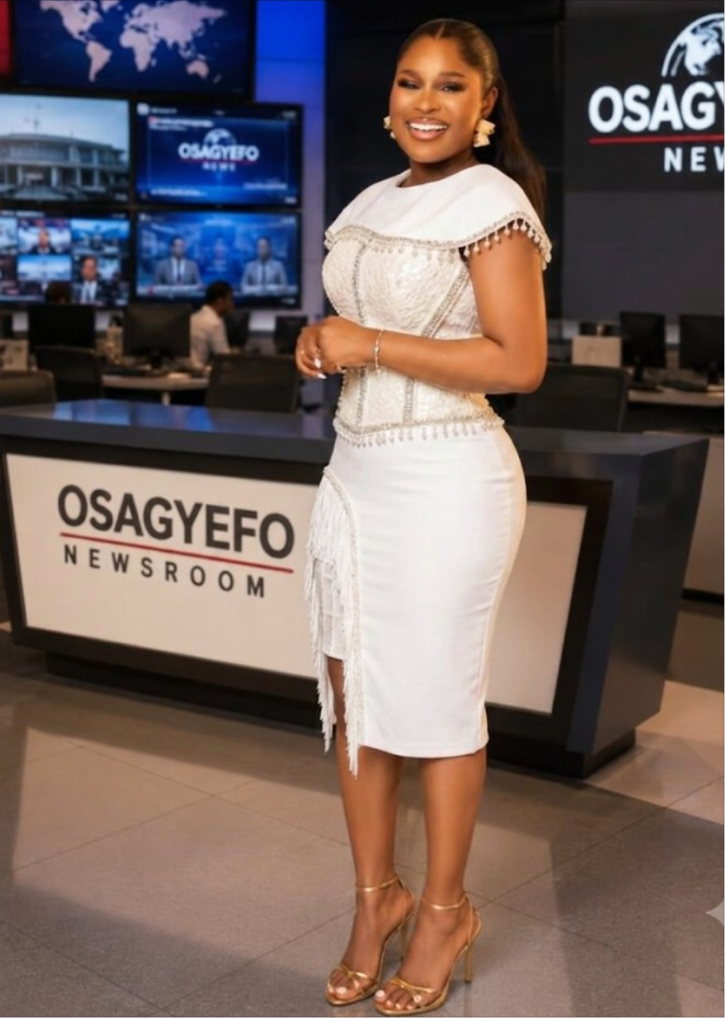
🎤 Berla Mundi
The Conversation Catalyst
Renowned media personality Berla Mundi is celebrated for creating spaces where meaningful dialogue inspires reflection and action.
Through impactful conversations and social engagement, she continues to champion purposeful communication, youth empowerment, and leadership development.
Where dialogue meets purpose, transformation begins.
🌍 FEATURED REFLECTION
Education for Conscious Citizenship
Building Integrity, Patriotism, and Shared Responsibility for Ghana’s Sustainable Future
A nation’s greatest resource is not found beneath its soil or within its institutions—it is found within the hearts, minds, and values of its people.
The future Ghana seeks will not be created by government alone. It will be built by citizens who understand that their success is connected to the success of others; that national resources are a shared inheritance; and that safeguarding future generations begins with responsible choices today.
The path toward proper governance therefore starts with conscious citizenship.
And conscious citizenship begins with education.
📖 Editorial Vision
Osagyefo Online Weekly Magazine
Value-Led Education Publication
Educating Minds • Shaping Values • Inspiring Leadership • Transforming Society
🎙️ THE CATALYST VOICES
International Dialogue Series
Educating Ghanaians to Uphold National Values
- Theme: Inspiration for Proper Governance

- Host: Berla Mundi
- Panelists: Akosua Owusuwaa & Kwame Tiasi
👥 MEET THE PANEL

🌿 Akosua Owusuwaa
Akosua Owusuwaa is an accomplished entrepreneur, wellness coach, food educator, and founder of initiatives dedicated to promoting wellness, cultural identity, entrepreneurship, and community development. Through Hair Senta, HIBS-Africa, and other transformational platforms, she continues to demonstrate how business can become a powerful force for social impact and human flourishing. Welcome, Akosua.

📖 Kwame Tiasi
Kwame Tiasi is a thoughtful advocate for civic education, conscious citizenship, and national development. Through his writings and reflections on leadership, governance, and African identity, he encourages citizens to become active participants in shaping the destiny of their communities and nation. Welcome, Kwame.
💬 THE CONVERSATION
BERLA MUNDI (HOST)

Greetings to our readers across Ghana, Africa, and around the world.
On behalf of Osagyefo Online Weekly Magazine, I warmly welcome you to another edition of The Catalyst Voices, our platform for meaningful conversations that inspire reflection, responsible citizenship, and positive action.
Today, I am honored to be joined by two distinguished guests whose work and ideas continue to contribute to national development, community empowerment, and value-led transformation.
Allow me to introduce our panelists.
(Introductions above)
I extend my sincere respect and appreciation to both of you for joining us today.

BERLA MUNDI
Today’s discussion centers on our featured article:
“Educating Ghanaians to Uphold National Values”
and our theme:
“Inspiration for Proper Governance”
We are reflecting on President John Dramani Mahama’s message:
“A nation’s transformation begins not only with policies and institutions, but with the values, character, and daily actions of its people.”
As we examine this message, it is impossible not to consider the example of Ghana’s first President, Osagyefo Dr. Kwame Nkrumah.
It is not an exaggeration to say that many of President Mahama’s ideas about nation-building echo principles that were central to Nkrumah’s vision for Ghana.
Kwame Nkrumah was a patriot in the truest sense of the word—a leader devoted to the welfare of his people and committed to the advancement of Ghana and Africa. He saw Ghana not merely as a geographical territory but as a living nation filled with possibilities, hope, and human potential.
The land of Ghana, for Nkrumah, was a miracle. He saw life vibrating and pulsating throughout the land and across the African continent. One of the great goals that motivated him from an early stage of his political journey was to awaken Ghanaians and Africans to a deeper appreciation of their land, their people, and their collective destiny.
Today, we are confronted with a question that lies at the heart of President Mahama’s call for transformation:
- If we are born on this land called Ghana, if we live upon it, if we are inspired by it, and if it is our shared home, then how do we consciously observe our surroundings, connect with our environment, and take responsibility for keeping our communities clean and healthy?
- How do we translate patriotism into daily acts of care for our environment?
- How do we transform civic responsibility from an idea into a way of life?
- And how can education help Ghanaians develop this consciousness?

BERLA MUNDI
Akosua Owusuwaa, let me begin with you.
As someone whose work connects wellness, community empowerment, culture, and responsible living, how do you respond to this question?
How can Ghanaians learn to make meaningful contact with their surroundings, value the land as our shared home, and cultivate the habits necessary to keep our communities clean, healthy, and sustainable for future generations?
The floor is yours. 🌿
AKOSUA OWUSUWAA
Thank you, Berla, for this profound opening. And thank you for bringing Kwame Nkrumah’s vision into this space, because it is exactly where we must begin.
When we talk about the land of Ghana being “vibrating and pulsating with life,” we have to ask ourselves: Are we truly in touch with that life, or have we become disconnected from the very ground we walk on?
In my work with wellness, beauty, and food education, I constantly return to one foundational truth:
“Our culture is our health, and our health is our future.”
But health does not exist in a vacuum. You cannot have a healthy body, a healthy mind, or a thriving business in an environment that is neglected. When we dump waste into our gutters, when we ignore the cleanliness of our streets, we are quite literally poisoning our own well-being. Wellness is not just about what we put into our bodies; it is about the spaces we allow our bodies to inhabit.
For Ghanaians to cultivate the habits necessary to keep our communities clean and sustainable, we need to shift our mindset in three distinct ways:
- From “Ownership” to “Stewardship”: We must stop treating the public space as “nobody’s land” and start treating it as “our home.” If you wouldn’t throw litter on your living room floor, you shouldn’t throw it on the street. The street is simply the hallway of our collective home.
- Reclaiming our Cultural Connection to the Earth: Historically, African cultures lived in deep harmony with nature. We respected the soil, the rivers, and the forests. Re-educating our people means reclaiming this cultural reverence. Taking care of our environment is not a modern “Western import”—it is a deeply rooted African value.
- Integrating Wellness into Enterprise: As business owners, we have a massive role to play. Businesses cannot just be about profit extraction. At Hair Senta and HIBS-Africa, we look at how our enterprises can be centers of community transformation. When local businesses lead by example—keeping their immediate surroundings clean, using sustainable materials, and educating their staff—it creates a powerful ripple effect.
President Mahama’s call for the National General Cleaning Days is a perfect practical example of this. It shows that while leadership can sound the trumpet, it is the hands of the citizens that must hold the brooms.
If we want proper governance, we must realize that governance starts at our own front door. When we care for our immediate environment, we are practicing patriotism in its most practical, everyday form.

BERLA MUNDI
That is incredibly powerful, Akosua. “The street is simply the hallway of our collective home”—what a beautiful way to reframe how we view public spaces. It really shifts the focus from a chore to a form of self-care and community-care.
Kwame Tiasi, let’s bring you in here.
As an advocate for civic education and conscious citizenship, how do we bridge the gap between understanding this truth intellectually and actually living it daily? How can our educational systems move beyond teaching children how to pass exams, and instead teach them how to be active stewards of Ghana’s destiny?
Kwame, the floor is yours. 📖

KWAME TIASI
Thank you, Berla, and thank you, Akosua, for setting such a powerful foundation. Your point about the public space being the “hallway of our collective home” is the exact starting point for true civic consciousness.
To answer your question, Berla—how we bridge the gap between intellectual understanding and daily action—we must look at the word education itself.
Currently, our educational system operates largely on an instructional model rather than a transformational one. We teach children to memorize civic duties to pass an exam, but we do not teach them to experience citizenship as a living reality.
If we are to realize President Mahama’s vision of a transformed national character, and if we are to honor Osagyefo Dr. Kwame Nkrumah’s legacy of collective nation-building, our approach to education must change in three fundamental ways:
- From Theory to Civic Practice: We cannot teach patriotism solely from a textbook. Civic education must be experiential. Schools should have active, student-led community stewardship projects. If a student spends their school years actively participating in maintaining their school’s environment, planting trees, and managing waste, they will not grow up to be citizens who litter or look away when their local gutters are choked.
- Redefining Success Beyond the Classroom: We must stop measuring our youth purely by academic grades. A student’s understanding of social responsibility, integrity, and community service should be celebrated just as highly as their score on a science or math paper. We need to cultivate the humanity of the child, helping them see that their individual intellect is meant to serve the collective good.
- Reconnecting with the Legacy of Nkrumah: Nkrumah understood that physical infrastructure—the schools, the roads, the Akosombo Dam—would mean nothing without a conscious population to manage them. He famously worked to build a sense of pride in the African identity. True civic education must restore that pride. When you are proud of who you are and where you come from, you do not destroy your own home. You protect it fiercely.
The National General Cleaning Days on July 10th and 11th were a beautiful display of this civic potential, but they should not be isolated events. They must become the baseline of our national routine.
True proper governance is not a spectator sport.
We cannot sit back, fold our arms, and wait for the government to sweep our streets or fix our morals. Government can build the trash bin, but the citizen must choose to walk the extra distance to place the litter inside it.
When our education successfully instills this level of consciousness, then patriotism ceases to be a slogan we shout on Independence Day. It becomes a quiet, daily, and unstoppable force for nation-building.

BERLA MUNDI
“True proper governance is