




A Digital Health & Culture Newsletter from Ghana to the World
Health & Wellbeing | Culture | Smart Eating | Food Lifestyle | Lifestyle Diseases
A contemporary image blending food, culture, and modern life (e.g., traditional Ghanaian meal styled in a modern kitchen)

PRESENTS CONVERSATION WITH NADIA
Featuring:
Nadia – Digital Content Creator, Accra, Ghana
Health | Technology | Beauty | Culture
A Global Conversation on Food, Culture, and the Choices That Shape Our Lives
EXCLUSIVE FEATURE
Coming Thursday, 16 April 2026
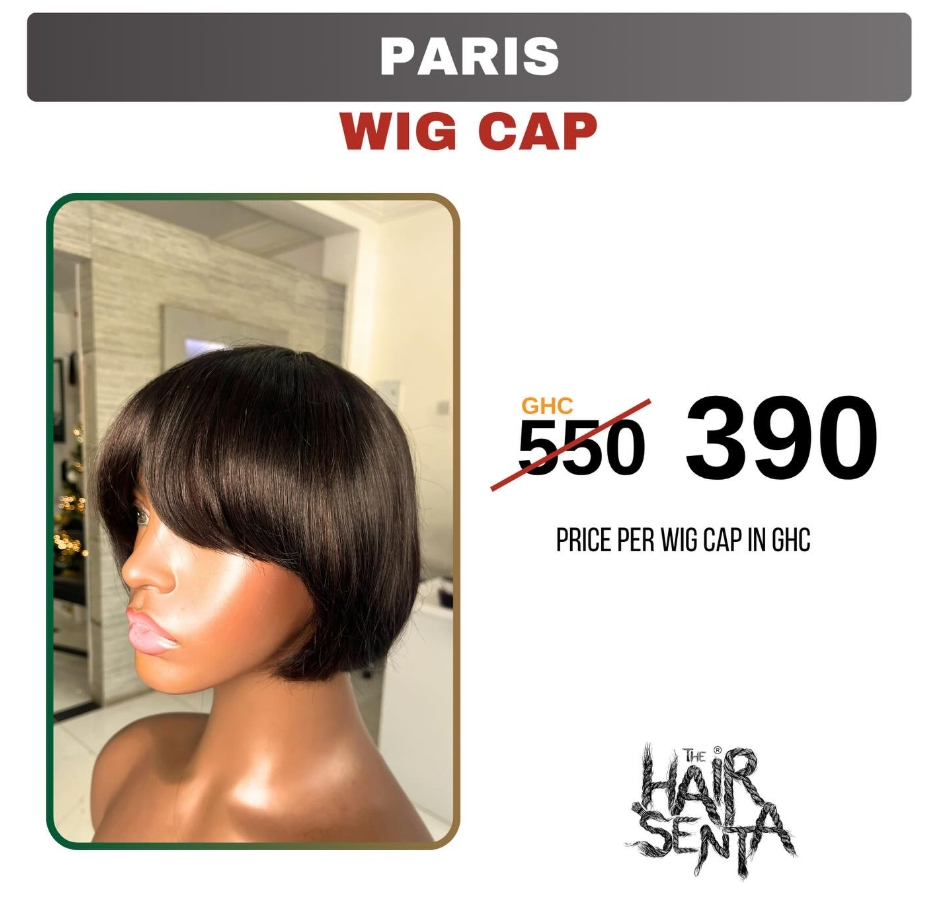
HAIR SENTA ADVERTISEMENT









🧠 FEATURE STORY OPENING
Are We Eating Ourselves Into a Silence Crisis?
The Ghanaian Diet — Reclaiming the Power of the Plate:
Why Flavor Shouldn’t Cost Us Our Lives
Theme: Tradition, Taste & Its Impact on Our Health
✍🏽 EDITORIAL INTRODUCTION
A Nation at the Crossroads
Ghana stands at a powerful intersection—between heritage and habit, culture and convenience, nourishment and neglect.
For generations, our food narrated wisdom. It was grown from our soil, prepared with intention, and eaten with purpose. Every ingredient had meaning. Every meal had function.
Today, something has shifted.
Our plates remain full—but our health is quietly declining. Lifestyle diseases are rising. Energy levels are falling. And the connection between what we eat and how we live is slowly fading.
- This is not just about food.
- It is about identity.
- It is about survival.
- It is about reclaiming what we have lost.
In this exclusive feature, Owusuwaa Weekly Health Magazine examines the tension between tradition and modernity—and the urgent need to restore balance before it is too late.
🌿 SECTION I: The Soul of the Soil
Celebrating Our Nutritional Heritage | Rediscovering Indigenous Wisdom
Long before imported diets and ultra-processed foods, Ghanaian communities thrived on meals that were naturally balanced and deeply connected to the land.
Traditional Examples for International Readers:

- Kenkey (fermented maize dish): Supports gut health.

- Apem (local plantain): Rich in fiber and sustained energy.

- Kontomire (cocoyam leaves): High in iron, antioxidants, and essential vitamins.
These were not accidental choices. They were products of generational wisdom—rooted in culture, science, and survival.
Food as Function—not Just Flavor
Our ancestors did not eat for convenience. They ate for Strength, Longevity, and Balance. Food was medicine, energy, and prevention. Every plate worked with the body—not against it.
International Insight Box:
Traditional diets across Africa, Asia, and Indigenous cultures globally share one truth—whole foods heal.
⚠️ SECTION II: The Quiet Crisis
What Changed? | From Soil to Supermarket
Urbanization and global food systems have altered how—and what—we eat. The result is a silent but dangerous transformation of the African plate.
🚨 The Three Hidden Culprits
- The Rise of Processed Flavors
- Artificial seasonings
- High-sodium flavor cubes
- Preservatives & additives
- Effect: They enhance taste but erode long-term health.
- Lifestyle vs. Diet Mismatch
- Modern life is more sedentary, screen-heavy, and time-constrained.
- Yet meals remain high in carbohydrates and calories.
- Effect: This mismatch fuels obesity, hypertension, and metabolic disease.
- The Prestige Trap
- Imported foods are often equated with success.
- Fast food signals “modern living.”
- Traditional meals are dismissed as outdated.
- Effect: This shift is dangerous and culturally erosive.
🎙️ SECTION III: The Graceful Truth
Cookie Tee Ghana’s Perspective
Featuring: Cookie Tee Ghana

Renowned TV Presenter & Broadcast Journalist
Living in a fast-paced media world, Cookie Tee embodies the modern African professional—busy, visible, and constantly on the move.
The Core Questions
- How do we eat well with little time?
- How do we choose health amidst convenience?
- How do we remain culturally rooted in a globalized world?
Her Message
Healthy living is not about perfection. It is about intentional choices.
- ✔ Local when possible
- ✔ Conscious portions
- ✔ Respect for tradition
- ✔ Grace within modern life
- 🌱 A philosophy of connection
- 🥗 Culture-driven nutrition
- 🧠 Conscious eating in a modern world
This is a powerful message, especially with the focus on returning to nutrient-dense Ghanaian staples. I have refined the scientific timeline to be more accurate—specifically regarding autophagy, which typically requires longer durations or very low insulin levels to truly kick in—and clarified the hormonal shifts.
Here is the refined version, written from the perspective of Nadia Gyimah.
WHAT REALLY HAPPENS WHEN WE SKIP BREAKFAST?

By Nadia Gyimah
In Ghana, many of us are starting to ask a vital question: Should we keep eating the moment we wake up, or should we give our bodies more time to rest and reset?
This brings us to a popular approach called Intermittent Fasting, specifically the 16/8 Method. But before you skip your morning koko or waakye, let’s look at what is actually happening inside you.
THE 16/8 METHOD: A BIOLOGICAL TIMELINE
If you finish your last meal at 7:00 PM:
- 8:00 PM – 2:00 AM (The Post-Absorptive Phase): Your body is busy digesting. Insulin levels are elevated as your system moves glucose (sugar) into your cells for energy or storage.
- 4:00 AM – 6:00 AM (The Shift): As insulin levels drop, your body signals the hormone Glucagon. Think of Glucagon as a key that unlocks your “energy warehouse,” telling your body to start using stored sugar (glycogen) from the liver.
- 8:00 AM – 10:00 AM (Fat Burning Potential): If you haven’t eaten yet, your glycogen stores begin to run low. Your body starts looking to stored fat for fuel. This is where metabolic flexibility begins to improve.
- 10:00 AM – 12:00 PM (Cellular Cleanup?): As the fast nears 15–16 hours, your body may begin Autophagy. This is a “self-cleaning” process where cells break down old, damaged proteins. Nadia’s Note: Autophagy isn’t like a light switch that flips at exactly 16 hours; it’s a slow buildup that depends on your activity level and what you ate the night before.
- 12:00 PM (Breaking the Fast): Your first meal of the day.
⚠️ THE ESSENTIAL TRUTHS
We must be responsible with our health. Please remember:
- Bio-individuality: These internal “clocks” vary. A farmer in the North has different energy needs than an office worker in Accra.
- It’s Not a Magic Bullet: Skipping breakfast while eating highly processed, sugary foods later will cancel out the benefits of the fast.
- Medical Caution: If you are pregnant, breastfeeding, or living with Diabetes, fasting can cause dangerous blood sugar crashes. Always consult a healthcare professional first.
THE GHANAIAN REALITY 🇬🇭
In Ghana, we aren’t necessarily lacking food; we are losing our balance. We are trading our ancestral wisdom for “quick” processed options.
Our traditional foods—beans (stewed or in waakye), kontomire, millet, fresh fish, and groundnuts—are nutritional goldmines. They are packed with:
- Fiber to keep your gut healthy.
- Lean Protein to maintain your muscles.
- Complex Carbs for sustained energy.
A BETTER MESSAGE FOR OUR PEOPLE
This is not about “abandoning” breakfast. It is about Intentional Eating. Whether you eat at 7:00 AM or 12:00 PM, the rule remains the same:
- Prioritize Fiber first: Start with vegetables or whole grains.
- Include Healthy Protein: Eggs, fish, or beans.
- Minimize the “White” Foods: Reduce refined sugar and highly processed white flours.
FINAL THOUGHT
The 16/8 method is a tool, not a law. Let us not trade one extreme for another. Our power is not found in just “starving” ourselves; it is found in understanding our bodies, honoring our rich food traditions, and choosing wisely for our long-term health.
🧠 FINAL THOUGHT — A BALANCED CONCLUSION
The 16:8 method can be helpful for some people, particularly when it supports:
•Reduced overeating
•Improved metabolic awareness
•Sustainable routines
But it is not a universal solution.
We must avoid trading one dietary extreme for another.
Our real power lies not only in fasting—
but in understanding our bodies, respecting cultural wisdom, and making informed choices.
That balance—between tradition and science—is where lasting health lives. Stay healthy, stay intentional.
— Nadia Gyimah
To elevate this to a truly international standard, we need to ensure the flow feels like a high-end podcast transcript or a Vogue/Time “In Conversation” feature. This means keeping the local flavor but providing just enough context for a reader in Tokyo or Geneva to follow along without losing the “Ghanaian soul.”
Here is the refined, International Standard Edition of the dialogue.
🎙️ THE CONVERSATION
Location: Accra, Ghana | Topic: The Science of the Plate
THE INTRODUCTION

NADIA GYIMAH : Welcome to Owusuwaa Weekly Health Magazine. Whether you’re joining us from the bustling streets of Accra, or reading from London, Nairobi, or New York, this conversation is for you. Today, we’re moving beyond wellness “trends” to talk about intentional living in a globalized world.
Joining me is Cookie Tee, one of Ghana’s most respected voices in broadcast journalism. Known for her credibility and her ability to cut through the noise, she’s here to help us bridge the gap between ancient cultural wisdom and modern medical science. Cookie, it’s an honor to have you.
THE REFLECTION

COOKIE TEE GHANA : Nadia, thank you. This is a brilliant editorial pivot. You’ve taken us from a general lifestyle discussion into a specific, science-backed breakdown of Intermittent Fasting—specifically the 16:8 method. In doing so, you’ve positioned this magazine as a vital bridge between “trending wellness” and medical reality.
Three things in your piece really struck me as globally significant:
1. The “De-Hyping” Factor
Most global health outlets lean into the “magic” of fasting. Your piece does the opposite—it’s refreshing. You clearly state there is “no exact fat-burning clock” and that “cellular cleanup” (autophagy) isn’t a guaranteed switch.
The Takeaway: You’re releasing the pressure. You’re telling our readers—wherever they are—that health isn’t about rigid perfection; it’s about understanding the unique biology of your own body.
2. The Cultural Anchor
This is the soul of the discussion. You’ve used high-science language—fiber-rich profiles and metabolic balance—to validate what our ancestors in Ghana knew instinctively. Foods like millet or kontomire (our local iron-rich greens) aren’t “old-fashioned”; they are nutritionally intelligent.
The Shift: It changes the question from “Should I skip breakfast?” to “What am I actually breaking my fast with?” It brings us back to fresh, local ingredients rather than the processed “health” cereals that dominate global supermarket shelves but often deliver very little.
3. Medical Nuance & Safety
THE OPENING QUESTION

NADIA GYIMAH : I love that you pointed out the “Market vs. Supermarket” tension, Cookie. It leads us perfectly into our first big question:
In our rush to be “modern” and “global,” have we traded away the very foods that were protecting our health? And does a fasting “window” even matter if the plate we eventually eat is nutritionally empty?
🎙️ THE CONVERSATION: THE PRESTIGE TRAP
Theme: Status vs. Substance

COOKIE TEE : Nadia, I want to pivot to something that isn’t in a lab report but is all over our social media feeds. In Ghana—and in many emerging economies—there is this “Prestige Trap.”
We often equate imported, packaged, or “Western” foods with success. If you’re eating a bowl of imported, sugary cereal or a fast-food burger, it feels “modern.” Meanwhile, the person eating hausa koko (millet porridge) or a garden egg stew is sometimes looked at as “traditional” in a way that implies they haven’t “made it” yet. How do we break that mental link?

NADIA GYIMAH : It’s a powerful psychological hurdle. We have been conditioned to believe that “expensive” and “imported” equal “better.” But when we look at the data, the opposite is often true.
Many of these prestige imported foods are ultra-processed. They are designed for a long shelf life, not a long human life. They are stripped of fiber and loaded with stabilizers.
When you eat our local millet or fonio, you are eating a complex structure that your body recognizes. When you eat a “prestige” refined white bread or a sugary breakfast puff, your insulin spikes instantly.

COOKIE TEE GHANA: So, we are essentially paying more money to provide our bodies with less value. It’s a bad trade! I always tell people: the most “elite” thing you can do for your health is to eat food that hasn’t been through a factory.

NADIA GYIMAH : Exactly! We need to rebrand our local ingredients as the ultimate luxury. True wealth is vitality. True “prestige” is having a metabolic system that functions perfectly because it’s being fueled by the soil of your ancestors, not the chemical additives of a factory across the ocean.

COOKIE TEE I love that. “True wealth is vitality.” That should be on the cover of every issue.
🥗 THE “11:00 AM PLATE” VISUAL SIDEBAR
To ground this conversation in reality, here are three “Nutritionally Intelligent” brunch plates that bridge the gap between tradition and science.
| The Plate | The Science (Fiber + Protein) | The “Prestige” Reframe |
|---|---|---|
| The Millet Power Bowl | Fermented millet (probiotics), topped with groundnuts (protein) and fresh mango. | An ancient grain “Superfood Bowl” that outperforms any imported oats. |
| The Kontomire Scramble | Steamed cocoyam leaves sautéed with eggs, onions, and tomatoes. | A “Green Shakshuka” rich in iron and folates for cognitive energy. |
| The Root & Fish Medley | Boiled yam or plantain served with grilled tilapia and a side of fresh shito. | A “Slow-Carb” recovery meal perfect for sustained afternoon focus. |
The Final Beat: The Closing Reflection.

NADIA GYIMAH (Closing) : As we wrap up this conversation, I’m struck by something Cookieteegh said: Health is not imported. It’s cultivated. For too long, we’ve looked outward for the “secret” to wellness, assuming that a new trend from a different continent holds the key. But as we’ve seen today, the most sophisticated science often leads us back to the most simple, traditional truths.
Whether you choose to eat at 7:00 AM or midday, let your plate be a reflection of your heritage and your respect for your body. Choose fiber, choose whole proteins, and most importantly, choose the grace to listen to what your own biology is telling you.
The 16:8 method is just a tool. But you are the architect of your health.

COOKIE TEE GHANA : A perfect place to end. Nadia, thank you for bringing clarity to the chaos. To our readers—eat well, live intentionally, and we’ll see you in the next issue of Owusuwaa.
This scientific deep-dive provides the perfect “technical center” for the dialogue. It allows you to act as the grounded researcher and me Cookieteegh to interpret that data through a relatable, real-world lens. Thank you Nadai.
🎙️ THE CONVERSATION (CONTINUED)
Topic: The Biological Clock vs. The Cultural Plate

COOKIE TEE GHANA: Nadia, you’ve just laid out a metabolic timeline that frankly challenges a lot of the “bro-science” we see on social media. People often talk about 11:00 AM as if a “fat-burning switch” suddenly flips. But you’re saying it’s much more subtle than that.

NADIA GYIMAH: Exactly, Cookie. Biology doesn’t watch the clock; it watches the fuel. Whether you eat at 6:00 AM or midday, your body is always performing a delicate dance with hormones like glucagon and insulin.
What we need to demystify is this idea of Autophagy. In the wellness world, it’s marketed as this “overnight miracle” where your cells suddenly scrub themselves clean. But the science shows that for humans, a 16-hour fast is just the beginning of that process—it’s not a guarantee of dramatic repair.

COOKIE TEE GHANA : That is a huge “aha” moment. So, if someone is white-knuckling their way to noon just to get that “cellular cleanup,” but they’re feeling stressed, lightheaded, or irritable—they might be chasing a ghost?

NADIA GYIMAH: Precisely. Stress itself raises cortisol, which can mess with your blood sugar anyway! That’s why the ⚠️ IMPORTANT TRUTHS section in this issue is so vital. If you have diabetes or you’re pregnant, your body’s metabolic demands are different. Fasting isn’t a “one-size-fits-all” jacket; for some, it’s a perfect fit, for others, it’s far too tight.

COOKIE TEE : I love how you pivot this back to the Ghanaian Reality. You mentioned that the challenge isn’t scarcity; it’s imbalance.
When I look at our traditional staples—the beans, the millet, the fresh fish—these are high-fiber, high-protein powerhouses. Yet, globally, we see people skipping breakfast and then “breaking” their fast with high-sodium, ultra-processed “convenience” foods.

NADIA GYIMAH: That’s the “Universal Lesson.” Whether you’re in Accra or Amsterdam, the “window” is just the frame—the plate is the picture.
If you break your fast at noon with a meal that lacks fiber, you get a massive glucose spike. But if you start with fiber-rich vegetables or legumes—like our kontomire or beans—you blunt that spike. That is the “Better Message” we want to send: Intentional Eating over Extreme Fasting.

COOKIE TEE : It’s about reclaiming the power of the plate. It sounds like the “Gold Standard” of health isn’t found in a timing app on your phone, but in the wisdom of our markets and the science of our soil.

NADIA GYIMAH : You nailed it. We shouldn’t trade one dietary extreme for another. Real power lies in understanding your own body and respecting the wisdom that says: How you nourish yourself matters more than the hour you start.
📰 To wrap up this segment for my newsletter readers, i included a small “Myth vs. Fact”box based on my science:
- MYTH: My body only burns fat after 16 hours of fasting.
- FACT: Your body uses energy constantly; fat oxidation depends on your total activity and overall diet, not just the clock.
- MYTH: Fasting fixes a bad diet.
- FACT: Quality always beats timing. A processed meal at noon is still a processed meal.
🎙️ THE CONVERSATION: CLOSING REFLECTION
Topic: From Rigid Rules to Intuitive Wisdom

COOKIE TEE: Nadia, as we wrap up, I’m thinking about the person reading this who feels overwhelmed. We’ve talked about 16:8, autophagy, and the “Prestige Trap.” But at the end of the day, we aren’t machines; we are humans with lives that change every day.
How can our readers move away from watching the clock and start “Listening to their Body’s Cues”?

NADIA GYIMAH: That is the most important skill anyone can develop. We call it Interoceptive Awareness—the ability to feel and interpret what’s happening inside you. To do this, you have to distinguish between “Head Hunger” and “Stomach Hunger.”
- Head Hunger is sudden, emotional, and usually craves something specific (and often processed). It’s driven by stress or boredom.
- Stomach Hunger is gradual. It’s a physical sensation of emptiness or a dip in energy.
I always tell people: if you are “fasting” but your body is sending loud signals of shakiness, extreme irritability, or a total loss of focus—listen to it. Your body is telling you that its immediate metabolic needs are not being met. Forcing yourself to hit a 16-hour mark while suffering isn’t health; it’s a battle.

COOKIE TEE GHANA: I love that. It’s about grace. If you need to eat at 9:00 AM because you have a heavy morning or you didn’t sleep well, that isn’t “failing” at 16:8. That is succeeding at being a conscious human.

NADIA GYIMAH : Exactly. Use the 16:8 method as a gentle guide, not a prison. If it helps you stop mindless snacking at night, great! But if it makes you feel disconnected from your own physical needs, step back.
True health is found in that balance we’ve discussed today—the intersection of modern science, cultural heritage, and personal intuition.

COOKIE TEE: A perfect closing note. Health is not imported, and it’s not a one-size-fits-all formula. It’s a daily conversation between you and your plate. Nadia, thank you for this reckoning.

NADIA GYIMAH: Thank you, Cookie. And to our readers worldwide: Your body is the most sophisticated technology you will ever own. Feed it with intention, treat it with respect, and trust the wisdom of your roots. We’ll see you in the next issue.
🏁 FINAL NEWSLETTER ELEMENT: THE “LISTEN” CHECKLIST
3 Questions to Ask Before You Eat:
- Is this “Heart” or “Hollow”? Am I eating because I’m stressed/bored, or does my stomach actually feel empty?
- Does this plate have “Staying Power”? Is there enough fiber and protein here to keep my energy stable for the next 4 hours?
- Am I honoring my roots? Is there a way to choose a local, whole-food option over a processed “convenience” one?
📝 A PERSONAL NOTE FROM NADIA GYIMAH

To Our Readers Around the Globe,
As we close this issue, I want to leave you with a final thought on the “why” behind our morning habits.
We are often told that breakfast is the “most important meal of the day” as if it were a biological law. In truth, much of our modern breakfast culture was manufactured in the early 20th century by large food corporations in the West. Their goal was simple: to create a global market for highly processed, shelf-stable cereals and convenience foods.
In reality, the “most important meal of the day” slogan was a 1944 marketing campaign created by General Foods (the makers of Grape-Nuts) to sell more cereal. Before the Industrial Revolution, many people—including our ancestors in Ghana—didn’t eat a large, formal “breakfast” until they had already done a few hours of work.
For many, this “corporate breakfast” has become a trap—a cycle of high-sugar, low-fiber meals that spike our insulin before the day has even begun. This shift away from traditional rhythms has contributed to the rise of the lifestyle diseases we see today.
My challenge to you is this: Don’t let marketing dictate your metabolism. If you choose to eat in the morning, let your first intake be a “Fiber Shield.” Before you touch anything processed, start your day with the “Nutritional Intelligence” of our soil:

- Kontomire (Cocoyam Leaves): For a flood of iron and vitamins.

- Garden Eggs: For incredible fiber and heart health.

- Beans (Gobe): For sustained energy and protein that keeps your blood sugar stable.

Different Millet : Types from Ghana
When you start with fiber, you protect your body for the rest of the day. You are not just eating; you are reclaiming your health from a system that was never designed to keep you well.
Be intentional. Be culturally rooted. Be well.
With love and health,
Nadia Gyimah
Editorial Lead, Owusuwaa Weekly Health Magazine
Our Shared Humanity Soka Gakkai Buddhist Movement
An introduction to the Soka Gakkai and Nichiren Buddhism. Where do the teachings originate from? What is the philosophy of Buddhism? How do Soka Gakkai members apply it in their daily lives?
The Soka Gakkai is a global community-based Buddhist organization that promotes peace, culture and education centered on respect for the dignity of life. Its members in 192 countries and territories study and put into practice the humanistic philosophy of Nichiren Buddhism.
Soka Gakkai members strive to actualize their inherent potential while contributing to their local communities and responding to the shared issues facing humankind. The conviction that individual happiness and the realization of peace are inextricably linked is central to the Soka Gakkai, as is a commitment to dialogue and nonviolence.
Subscribe to our channel: / sgivideosonline
Visit our website: https://www.sokaglobal…
Like us on Facebook: / sgi.info
Follow us on Instagram: / sgi.info
Follow us on Twitter: / sgi_info


https://www.instagram.com/babies_and_todds_day_care?igsh=MWs0ZHlsbjcxNXEyZg==
Where Little Hearts Find a Home to Grow. 🌿✨
Nestled in the heart of Windhoek, Babies & Toddlers Daycare (BTDC) is more than an early learning center—it is a vibrant, inclusive community. We believe every child is a unique masterpiece. Our mission is to provide a nurturing sanctuary where young minds are free to grow, learn, share, and create.
At BTDC, we don’t just teach; we inspire. Guided by a humanistic philosophy, we cultivate an environment rooted in:
- 🕊️ Peace & Culture: Celebrating global diversity and fostering harmony.
- 📚 Education with Heart: Prioritizing the dignity of life and emotional intelligence.
- 🌱 Holistic Growth: Respecting the individual pace and journey of every child.
Where Little Hearts Find a Home to Grow. 🌿✨
Babies & Toddlers Daycare (BTDC)! Located in the heart of Windhoek, we are a vibrant community dedicated to the art of childhood. 🎨🤝
We view every child as a masterpiece. Our sanctuary is designed for more than just “daycare”—it’s a place to grow, learn, and belong. Our curriculum is built on a humanistic philosophy that puts the child first:
🌍 Global Citizenship: Celebrating peace and our diverse cultures.
❤️ Dignity in Learning: Education focused on the heart and the value of life.
🌱 Holistic Development: Honoring the unique rhythm of every little explorer.
Give your child a foundation of respect and joy. Become part of the BTDC family today! More than a school—a community. At BTDC, we see every child as a masterpiece. Our humanistic approach focuses on Peace, Culture, and Holistic Growth, ensuring your little one develops in a sanctuary of respect and joy. 🕊️🌱
📞 Contact Details
- Connect with us: +264 81 673 7599
- Explore more: www.babiestodds.com
#WindhoekParents #NamibiaEducation #EarlyChildhood #HumanisticEducation #GlobalCitizens #BabiesAndToddlers


https://www.instagram.com/flourishheights?igsh=cTExenQ3bnptZGgx
Looking for your next favorite podcast? 🎙️🍎
Check out The Flourish Heights Podcast, hosted by Nutrition Expert Valerie Agyemang. Valerie brings together science and soul, hosting vital conversations on nutrition, body image, and women’s health.
Whether you’re looking to balance your hormones or simply feel more energized, Valerie’s expert advice and incredible guest lineup provide the roadmap you need.
👉 Listen now on Apple Podcasts: The Flourish Heights Podcast
| Feature | Details |
|---|---|
| Expertise | Registered Dietitian / Nutrition Media Expert |
| Platform | Flourish Heights (Women’s Wellness Community) |
| Podcast | The Flourish Heights Podcast |
| Resources | Linktree |
| Core Mission | Empowering women through holistic and evidence-based nutrition. |
🎧 Tune In: Don’t miss The Flourish Heights Podcast for your weekly dose of health inspiration.
🔗 Join the Community: Explore resources, guides, and more here: linktr.ee/flourishheights
#WomenInWellness #NutritionExpert #FlourishHeights #WomensHealth #HealthyLiving

https://www.instagram.com/laurenhautecouture?igsh=MWxzNXN1Ym5nZ3o3Mg==
Elevating Elegance: The Artistry of LaurenHauteCouture
In the world of high fashion, some brands create clothes, but LaurenHauteCouture crafts legacies. Based in the vibrant heart of East Airport, Ghana, this multiple award-winning women’s wear brand has become a beacon of African excellence, proving that when precision meets passion, the result is nothing short of a masterpiece.
Where Precision Meets the Heart
At 5 Mama Adjeley Road, fashion isn’t just about the silhouette; it’s about the soul. Assumpta-IMAGINE recognizes LaurenHauteCouture for its commitment to “Works from the Heart.” Every stitch tells a story of heritage, and every design is a testament to the skilled hands that bring fabric to life.
- Skilled Artistry: Quality stitches made by hands that understand the rhythm of African textile.
- Modern Innovation: A seamless blend of automated excellence and traditional craftsmanship.
- Precision Tailoring: Every garment is engineered for perfection, ensuring that elegance is felt as much as it is seen.
More Than Style—It’s a Story
LaurenHauteCouture isn’t just following trends; it is defining the modern African aesthetic. By blending timeless creativity with contemporary innovation, the brand creates bold, elegant pieces for the woman who views her wardrobe as an extension of her purpose.
”Africa is where quality begins, and Ghana is where it all starts.”
Assumpta-IMAGINE celebrates this journey where fashion meets emotion. We invite you to explore a world where embroidery is an art form and every dress is a narrative of African pride and sophisticated grace.
Visit the Studio
Experience the heartbeat of African luxury for yourself.
- Brand: LaurenHauteCouture
- Location: 5 Mama Adjeley Rd, East Airport, Ghana
- Specialty: Precision Embroidery, High-Fashion Women’s Wear, Modern Heritage Designs
LaurenHauteCouture: Rooted, tested, and proven excellence.
This outfit is a masterclass in blending high-fashion structure with the practical needs of Ghana’s tropical climate. Here is a breakdown of why this LaurenHauteCouture ensemble is a perfect choice for warm weather:
1. Breathable Silhouette
The dress features a flared, A-line skirt that hits at a sophisticated midi length. This “swing” cut is ideal for warm climates because it allows for maximum airflow and movement, preventing the fabric from clinging to the skin during the heat of the day.
2. Intricate Embroidery and “Heart” Detailing
The focal point is the stunning precision embroidery at the waist. The heart-shaped patterns are embellished with gold-toned beadwork or stones, adding a luxury feel without the weight of a heavy velvet or thick brocade. This allows the wearer to look “red-carpet ready” while staying cool.
3. Smart Sleeve Length
The three-quarter length sleeves offer a perfect balance. They provide protection from the direct sun on the shoulders and upper arms while leaving the wrists free, which helps in natural body cooling.
4. Vibrant Print & Texture
The fabric appears to be a high-quality cotton or a lightweight polished cotton blend, often used in premium African couture. The geometric patterns—featuring dots, triangles, and stripes in yellow, orange, and white against a dark base—are visually dynamic. These prints are excellent for hiding any signs of humidity or perspiration that might show on solid, light colors.
5. Practical Accessories
- The Sunglasses: Essential for the bright Ghanaian sun, the blue-tinted lenses add a modern, cool-toned contrast to the warm hues of the dress.
- The Footwear: The pointed-toe heels with a yellow base tie the entire look together, mirroring the yellow accents in the fabric print for a cohesive, polished finish.
LaurenHauteCouture successfully proves that “automated excellence” doesn’t have to mean stiff or heavy; it means a garment that is perfectly engineered to look sharp and stay comfortable, no matter the temperature.
