






ASSUMPTA WEEKLY MAGAZINE EDITION
PRESENTS -THE QUARTERLY REVIEW
ARTICLE TITLE: THE SILENT HOPE IN A CRUEL WORLD
SUB-HEADLINE: Beyond history and beneath sorrow—a sanctuary of truth, remembrance, and reflection.
RELEASE DATE: Friday, 27th March 2026
DISTRIBUTION: Worldwide — International Readers Edition
DIGITAL HUB: assumptagh.live
HAIR SENTA ADVERTISEMENT










https://www.instagram.com/hairsenta?utm_source=ig_web_button_share_sheet&igsh=ZDNlZDc0MzIxNw==
THE JURISPRUDENCE INSIGHT
Defining a sovereignty that belongs to the people, not the highest bidder.
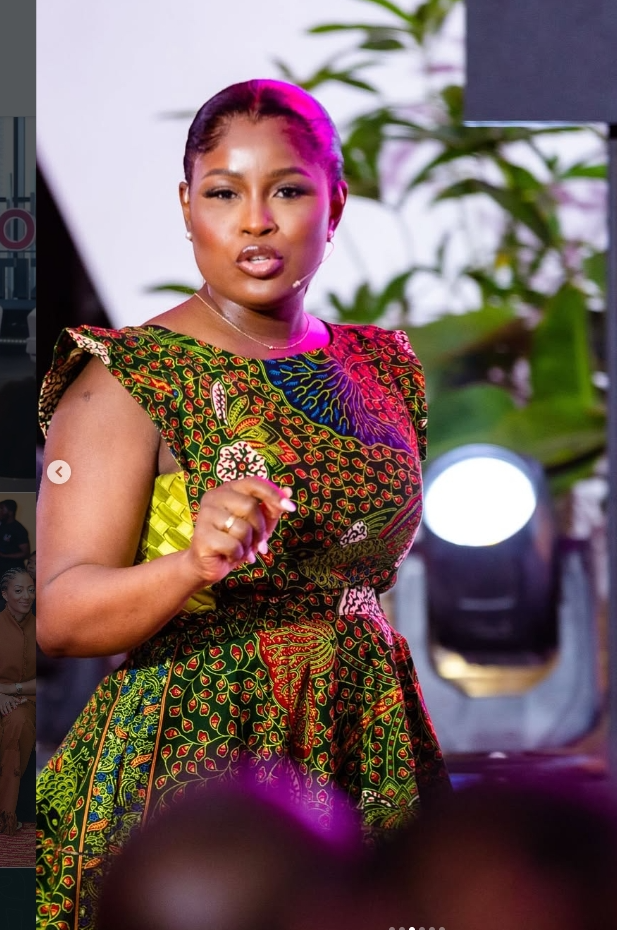
In a landmark transcontinental dialogue, celebrated Ghanaian media personality and advocate Berla Mundi sits down with two distinguished legal minds to dissect the architecture of dispossession.

- Serwaa Amihere, Esq. (Ghana): A specialist in international law and human rights, providing a West African lens on racial terror and domestic dispossession.

- Assumpta Gahutu, Esq. (Namibia): An expert in land reform and constitutional law, drawing on Namibia’s history of reclamation to redefine national dignity.
- Orchestrated Forgery: The fabrication of legal titles.
- Coercive Displacement: Judicial silence in the face of death threats.
- Institutional Sanction: The refusal of the state to investigate or prosecute.
- Executive Editor: Assumpta Editorial Board
- Lead Contributor: African Stream
- Format: Digital & Print International
”We must take interest in the future of nations—not for the wealth beneath the soil, but for the dignity of the humans walking upon it.” — Assumpta Gahutu, Esq.
THE COVER STORY: THE TESTIMONY
A Chronicle of Courage, Theft & The Unseen Wounds
WHAT THIS ISSUE UNPACKS
I. THE JOURNEY BEGINS IN EXILE
FOKA, a Black girl, saw everything that happened to the Simmons family.
She left her hometown alone—haunted by what she witnessed.
A family destroyed.
A legacy stolen.
A truth too painful to bury.
It is 1944 in Mississippi. Six white men drag Reverend Isaac Simmons, age 66, into the woods with his son Eldridge. They beat them with clubs, cut out Isaac’s tongue, and shoot him three times. Eldridge barely survives. The mob tells the family: leave or die.
That night, the Simmons family flees Mississippi. His crime: owning 270 acres of land. The Simmons family had owned this land since 1887, debt‑free for 57 years—rare for a Black family in the Jim Crow South.
In 1941, rumors spread that oil might be on the property. The white men wanted it, and they began making false claims and forging documents to take the land from the Simmons family. But the Simmons family refused to leave. On March 26th, 1944, these white mobs dragged Isaac and Eldridge into the woods, beat them, cut out Isaac’s tongue, and shot him dead. That night, the Simmons family fled and abandoned their 270 acres of land—57 years of generational wealth.
The white mobs took the land, divided it among themselves, and no one arrested them. They were not investigated, and there was no trial. In the same year—1944—as D‑Day, when Americans were fighting fascism in Europe, a minister, Mr. Simmons, was lynched for owning land in Mississippi.
The killers lived free.
They kept the land.
The Simmons family never returned.
This is one of thousands of documented cases proving that Black families lost over one million acres this way—through violence, threats, and murder. Generational wealth erased at gunpoint.
The Simmons family had achieved the nearly impossible for Black Americans of the era:
270 acres of debt‑free land held since 1887.
A symbol of dignity.
A foundation for generational wealth.
And a target. Rumors of oil beneath the soil sparked greed among white men who forged documents, fabricated claims, and ultimately delivered a threat wrapped in violence.
II. THE NIGHT THE LAND WENT SILENT
On March 26th, 1944, brutality erupted.
Isaac Simmons, a 66‑year‑old minister, was dragged into the woods alongside his son Eldridge.
They were beaten.
Tortured.
Isaac was murdered.
Their crime: owning land while Black.
That night, the family fled, leaving behind 57 years of wealth and history.
The mob divided the land among themselves.
No arrests.
No justice.
No return.
III. A MILLION ACRES LOST TO FEAR
The Simmons family was not alone.
Across the South, over one million acres owned by Black families vanished under threats, forged deeds, and lynching mobs.
Generational wealth erased.
Futures uprooted.
Hope displaced—but not destroyed.
The fields that remain are marked by silence:
pale sky, quiet dust, winds that carry ghosts of what once was.
IV. THE SURVIVOR NAMED FOKA
FORKA, the survivor of racial terror, walked through life with valleys carved by tears. He tried to smile. To find rest.
To reclaim fragments of the home he lost.
Sometimes, when birds approached him, he remembered Mississippi—not as a place on a map, but as a memory, a scar, a ghost, a prayer. And through all the cruelty that chased him, he held onto a fragile truth: That even in the harshest world, hope can whisper quietly—often unseen, often unheard,
yet deeply present.
Closing Reflection
These stories are not simply tragedies—they are testimonies. They remind us of the resilience it takes to walk through a world that is often indifferent, and at times cruel.
They call us to remember what was taken, honor those who survived, and carry forward the hope they refused to let die.
May we reflect with reverence.
May we listen with compassion.
And may the silent hopes of the past shape the justice we build today.
SYSTEMIC LAND THEFT: THE MECHANICS OF INJUSTICE
This edition examines the “Simmons Case” not merely as a tragedy, but as a masterclass in legalized lawlessness. The transfer of land was executed through:
- Orchestrated Forgery: The fabrication of legal titles.
- Coercive Displacement: Judicial silence in the face of death threats.
- Institutional Sanction: The refusal of the state to investigate or prosecute.
Scholars define this as “Internal Colonialism”—where the predatory patterns of overseas empires are turned inward against a nation’s own marginalized citizens.
THE COVER STORY: THE TESTIMONY
A Chronicle of Courage, Theft, and the Unseen Wounds of the Past.
At the heart of this issue is the story of the Simmons family of Mississippi. In 1944, their rare achievement of debt-free land ownership was met with a calculated violence that altered their lineage forever. Since 1887, the family held 270 acres—a foundation of generational wealth that became a target the moment oil was rumored to lie beneath it.
I. THE NIGHT THE LAND WENT SILENT
On March 26, 1944, the facade of law vanished. Isaac Simmons, a 66-year-old minister, and his son Eldridge were abducted by a mob. Isaac was tortured and murdered. His “crime” was his refusal to surrender his legacy.
By dawn, the family fled, abandoning 57 years of history. No arrests were made. The land was divided among the killers.
II. THE SCALE OF THE SILENCE
The Simmons tragedy was a microcosm of a systemic epidemic. Across the American South, over 11 million acres of Black-owned farmland were lost between 1920 and the modern era—often through the exact combination of “legal” manipulation and physical terror seen in Mississippi.
While American forces fought fascism abroad to preserve global liberty, a different form of tyranny was being codified at home.
III. THE SURVIVOR: FOKA
Foka, a witness to the violence, carried the trauma as a “quiet shadow.” His life became a testament to the endurance of hope. To Foka, Mississippi was no longer a geography; it was a scar, a silence, and a prayer. This edition explores his resilience—not as a loud victory, but as a stubborn, unbroken refusal to be erased.
GLOBAL DIALOGUE: THE UNANSWERED QUESTION
“Why is there no unified global mandate to halt illegal land dispossession?”

Berla Mundi challenges the international community to reconcile the UN Charter’s promises of sovereignty with the reality of selective enforcement. If the law is not applied universally, is it law—or is it merely a tool for the powerful?
WHY THIS MATTERS NOW
The Silent Hope in a Cruel World compels us to realize that silence is not neutrality; it is participation. This issue is a reckoning for the modern reader, a call to honor those who endured, and a blueprint for a future rooted in justice rather than convenience. May the silent hopes of the past guide the justice we
THE GLOBAL DIALOGUE: LAND, LEGACY, AND LIES
Host: Berla Mundi
Panelists: Assumpta Gahutu, Esq. (Namibia) & Serwaa Amihere, Esq. (Ghana)
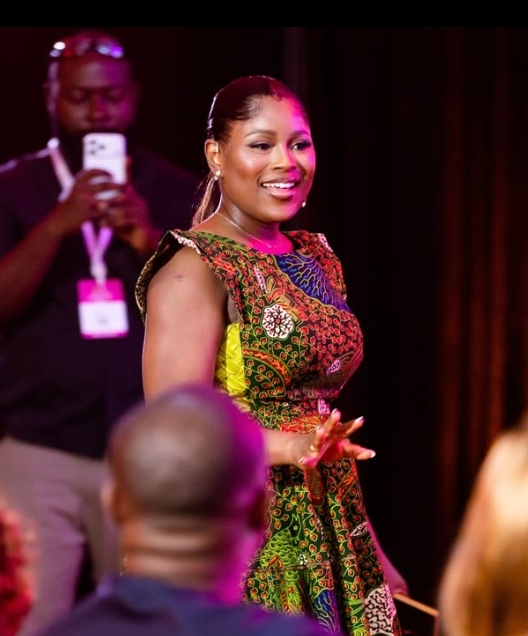
BERLA MUNDI: Good day to our esteemed audience joining us from across the African continent, the Americas, and the far reaches of the globe. It is a profound honor to host this critical conversation for the Assumpta Quarterly Magazine.
Before we dive into the heart of today’s reckoning, allow me to introduce the brilliant minds joining me. To my left is Serwaa Amihere, Esq., a formidable legal voice from Ghana. A specialist in international law and human rights, Serwaa has dedicated her career to examining how West African legal perspectives can challenge global systemic dispossession.
Joining us from Windhoek is Assumpta Gahutu, Esq., a distinguished legal expert from Namibia. Her work in constitutional law and land reform is world-renowned, drawing from Namibia’s own complex history of reclamation to help us redefine what it means for a people to truly own their future.
Ladies, it is a privilege to have you both.
BERLA MUNDI: To our readers worldwide: Welcome. We are gathered here to confront a silence that has lasted far too long.
I am sharing this analysis today because it highlights a critical gap in our global understanding of property rights and systemic dispossession. This narrative connects the American South to West African perspectives, creating a bridge for a conversation that international media has long overlooked.
We must speak plainly about the whitewashing of the Mississippi massacre and the calculated attacks on hardworking Black families. This constant suppression of the truth—the thick veil of secrecy over the past deeds of white Americans—is no accidental flaw in an otherwise civilized society. Make no mistake: these silences have served the interests of those who derailed the train of a peaceful world for their own gain, and for the “gods” of their patrons and sycophants.
It has been crucial for the architects of this system to keep Black people in a state of constant suppression, denying the justice owed for the horrors of the March 26, 1944, violence. Were the truth to be fully recognized by the wider public, the very leadership that has ruled for centuries would be delegitimized and cast out of power.
The Simmons story—a chronicle of torture, beating, and cold-blooded murder—reveals more about American power, American journalism, and the American system of governance than perhaps any other story of our century. These deeds represent one of the most horrendous examples of human barbarism ever recorded.
Assumpta Gahutu, Esq., I want to start with you. Given your deep expertise in the legalities of land and the history of systemic theft, what are your thoughts on this? How does the “legal silence” in Mississippi 1944 resonate with the global struggle for land justice?
ASSUMPTA GAHUTU, Esq.: Thank you, Berla, for that incredibly sobering and necessary introduction. It is an honor to be part of this dialogue with you and my learned colleague, Serwaa.
When we look at the Simmons case through the lens of international jurisprudence, we see that the law was not “broken”—it was weaponized. In Namibia, we understand intimately how legal frameworks are constructed to legitimize theft… Your opening was not just a summary; it was an indictment of a global pattern.
In Namibia, we look at the 1944 Simmons case and see a mirror of our own history. What happened in Mississippi is what we call “The Architecture of Dispossession.” In Namibia, under colonial and later apartheid rule, land wasn’t just stolen by force; it was stolen by pen. We saw the systematic creation of laws—like the Crown Land Authorities Proclamation—that redefined indigenous land as “vacant” so it could be handed to the elite.
When you speak of the Simmons family having their 270 acres taken through forged documents and legal silence, you are describing a domestic version of the Scramble for Africa. The logic is identical: the state provides the “legal” cover, while the mob provides the violence. In both Namibia and Mississippi, the goal was the same—to ensure that Black success remained a temporary “lease” that could be revoked the moment it became too prosperous or the soil became too valuable.
The murder of Isaac Simmons wasn’t just a hate crime; it was an extrajudicial enforcement of an economic monopoly. Until we recognize that “legal” systems can be the greatest perpetrators of theft, we will never achieve true land reform.
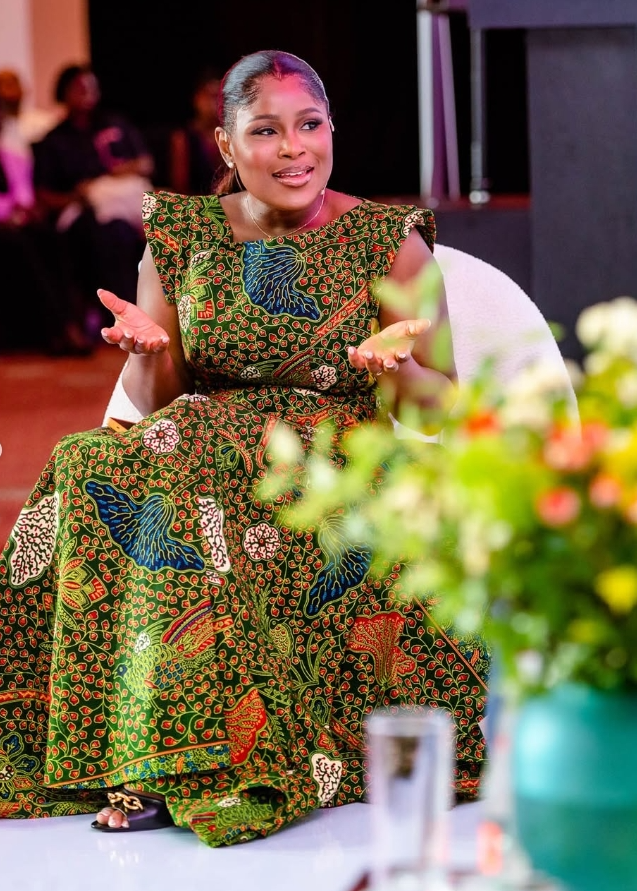
BERLA MUNDI: That is a chilling but necessary comparison, Assumpta. You’ve highlighted that the law, when stripped of morality, becomes nothing more than a weapon for the powerful. Thank you for bridging that gap between the Namibian experience and the American tragedy so clearly.
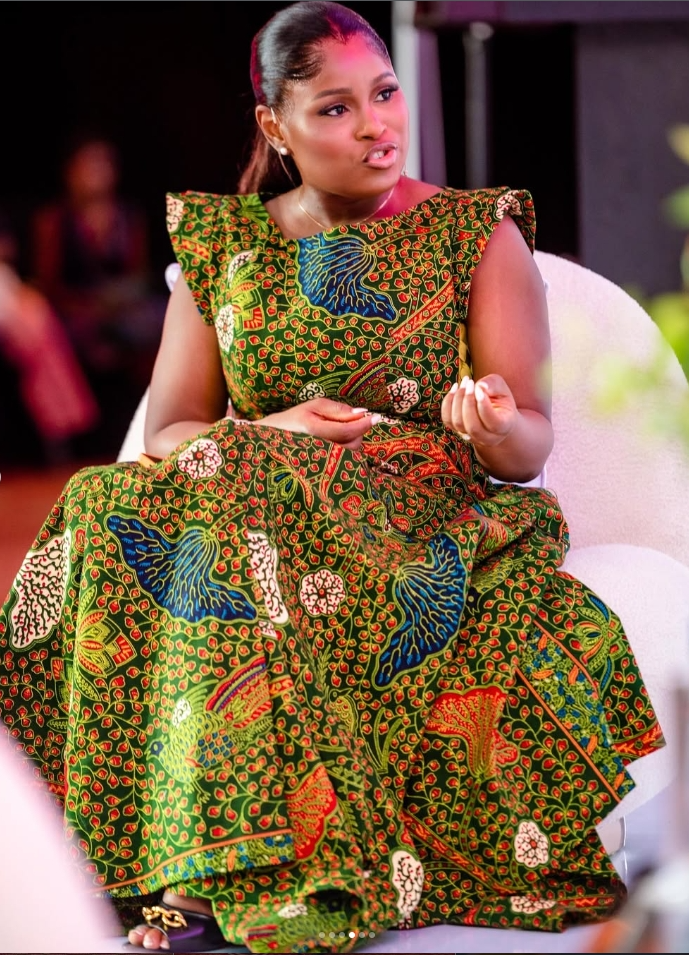
BERLA MUNDI: Turning now to you, Serwaa Amihere, Esq. As someone who navigates the complexities of International Human Rights and the West African legal landscape, how do you process this? From a West African perspective, how does the international community justify its silence when a state—like the U.S. in 1944—fails so spectacularly to protect the fundamental right to life and property? Please, share your insights with us.

SERWAA AMIHERE, Esq.: Thank you, Berla. And thank you, Assumpta, for setting such a powerful stage.
From a West African legal lens—specifically looking at the principles we uphold within the African Charter on Human and Peoples’ Rights—the Simmons case is a textbook example of a “State Failure to Protect.” In international law, if a government knows a group is being targeted and refuses to investigate or prosecute, that government is complicit.
What we see in 1944 Mississippi is the devaluation of the Black legal persona. In our region, we have fought for decades to ensure that “Sovereignty” belongs to the people, not just the state apparatus. When Isaac Simmons was murdered and his land stolen, his Right to Remedy—a pillar of international law—was erased.
The international community often lectures African nations on the “Rule of Law,” yet the Simmons case shows that the “Rule of Law” in the West was often just the “Rule of Whiteness.” By ignoring these domestic massacres, the global human rights framework allowed a “culture of impunity” to flourish. If we don’t call this what it is—Racialized Terror-Driven Dispossession—we are helping the perpetrators hide behind the passage of time.
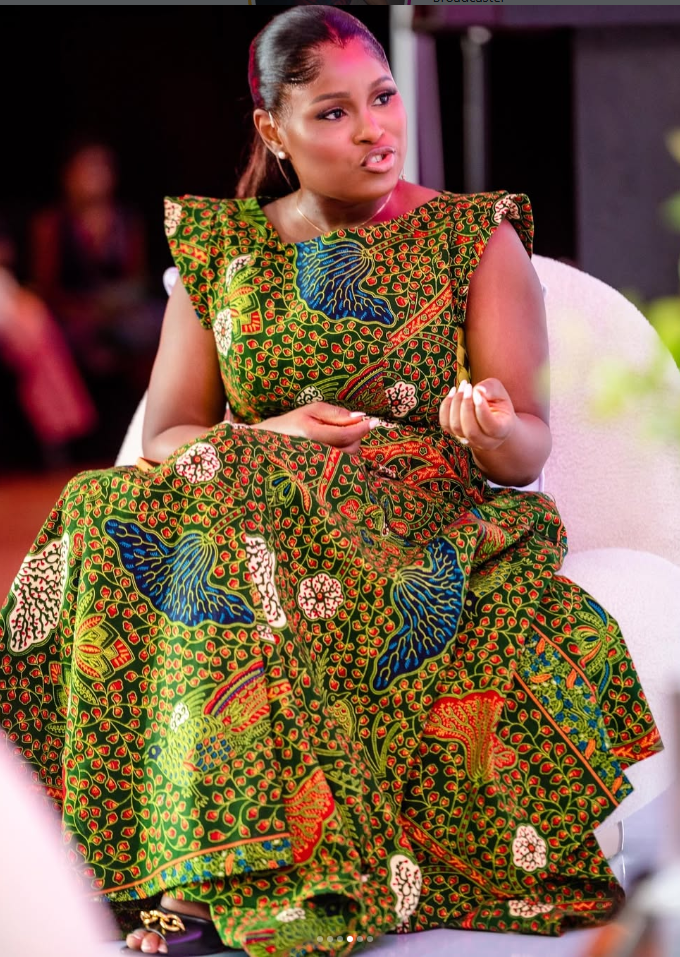
Berla-Mundi speaking to the Panelists: The size and brutality of the massacre and the orchestrated forgery makes it one of the most important stories of the century, not simply for the black Americans but for all people. It represents one of the most horrendous examples of human barbarity ever recorded.
Moreover, the struggle between those who would forget or deny the massacre and those who demand that it be remembered is one of the most contentious conflicts over language and history in our modern era. Thank you both for those profound insights. You have effectively stripped away the “legal” mask that has hidden these atrocities for decades.
As we move forward, we must confront a difficult truth. The sheer scale and calculated brutality of the Simmons massacre—coupled with the orchestrated forgery used to steal their legacy—makes this one of the most important stories of the century. This is not simply a story for Black Americans; it is a story for all of humanity. It represents one of the most horrendous examples of human barbarity ever recorded.
BERLA MUNDI (Turning to the panelists): Moreover, the struggle between those who would choose to forget or deny this massacre and those who demand that it be remembered has become one of the most contentious conflicts over language and history in our modern era. To speak the truth of 1944 is to engage in a battle against a century of institutional lying.
So, I put this to you both: How do we move from “remembering” to Global Accountability? What does a “Call to Action” look like in terms of Reparations? And specifically, how do we reclaim these suppressed histories so the next generation carries the truth as armor, rather than a burden?
Assumpta Gahutu, Esq., perhaps you can lead us on the question of global accountability and reclaiming the narrative.
ASSUMPTA GAHUTU, Esq.: Berla, you hit on the most critical point: the war over language. When they call it a “dispute” instead of a “massacre,” or “civil litigation” instead of “theft,” they are winning the war of memory.
Reclaiming this history for the next generation requires us to decolonize the archive. We must move these stories from “family tragedies” into the halls of the United Nations and the African Union as evidence of unpunished crimes against humanity. Regarding reparations, we must stop viewing them as “charity.” In Namibia, we argue that reparations are a debt on a balance sheet. The 270 acres owned by the Simmons family produced wealth for eighty years for the thieves—that wealth has a mathematical value. Global accountability means creating an international tribunal for land theft that doesn’t care if the crime happened in 1944 or 2024.
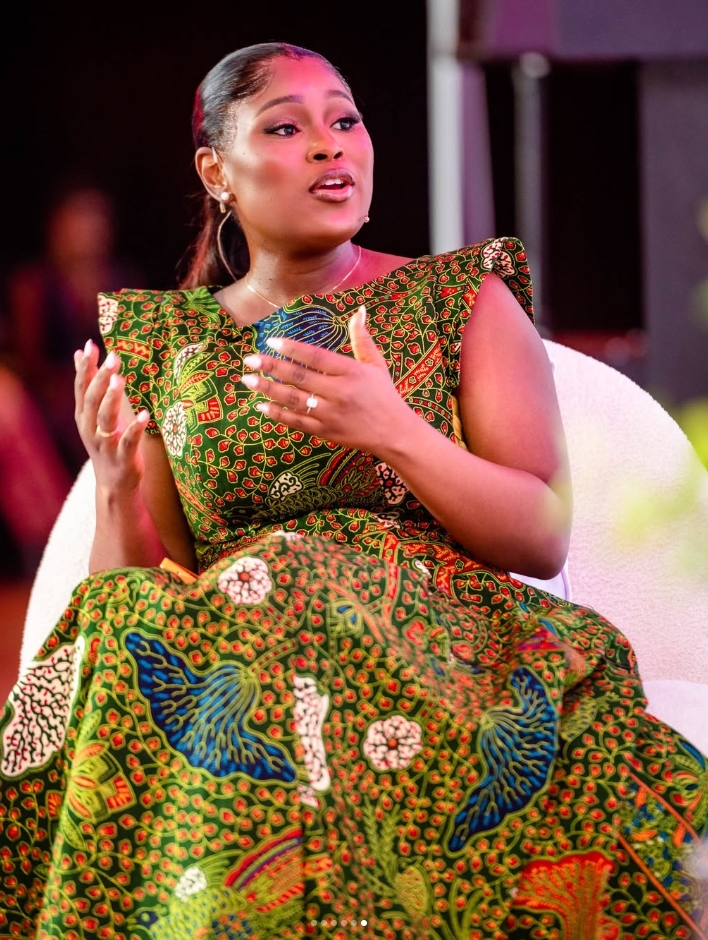
BERLA MUNDI: A “debt on a balance sheet”—that is a powerful shift in perspective. Thank you, Assumpta.
BERLA MUNDI: Serwaa Amihere, Esq., how do we bridge this into a practical call to action for the youth and for international human rights bodies?
SERWA AMIHERE, Esq.: It begins with Universal Jurisdiction. If a crime is this barbaric, it should be the business of every court in the world. For the next generation, “reclaiming history” means teaching them that their ancestors weren’t just “victims”—they were titular owners who were illegally defrauded.
Our call to action is twofold: First, we demand the digital repatriation of deeds—using modern technology to map and prove where this land was and who holds it now. Second, we must lobby for the “Simmons Law” at an international level—a mandate that prevents the statute of limitations from ever expiring on land stolen through racial terror. We must show the world that while you can kill the man, you cannot “legalize” the theft of his legacy.
Closing the Circle
BERLA MUNDI: Assumpta, Serwaa—thank you. Your words have dismantled the comfort of silence and replaced it with the urgency of justice. You have reminded us that while the soil of Mississippi may hold the blood of the innocent, it also holds the undeniable title deeds of a people who refused to be erased.

BERLA MUNDI (Final Closing Statement): To our readers across the globe: You have listened to a story that was meant to be buried. You have seen how “law” can be twisted into a weapon of theft, and how “history” can be rewritten to protect the powerful.
The mission of the Assumpta Quarterly Magazine is simple yet profound: We are the sanctuary for the stories the world tried to drown out. We do not just report history; we reclaim it. We do not just analyze law; we demand it serves the dignity of the human being.
The Simmons family represents every family whose legacy was stolen under the cover of night and the silence of the courts. But their story does not end in 1944. It continues with you. Accountability is not a gift given by the state; it is a demand made by a unified global public.
Join the movement. Break the silence. Demand the truth.
Visit us now to read the full investigative report, view the mapped evidence of the stolen legacy, and add your voice to the global call for land justice.
📍 Join the Dialogue at: https://assumptagh.live
THE SILENT HOPE IN A CRUEL WORLD
Beyond history and beneath sorrow—a sanctuary of truth, remembrance, and reflection.
A Production of Assumpta Weekly News | The Quarterly Magazine Edition In Collaboration with African Stream
Our Shared Humanity Soka Gakkai Buddhist Movement
An introduction to the Soka Gakkai and Nichiren Buddhism.
Where do the teachings originate from?
What is the philosophy of Buddhism?
How do Soka Gakkai members apply it in their daily lives?
The Soka Gakkai is a global community-based Buddhist organization that promotes peace, culture and education centered on respect for the dignity of life. Its members in 192 countries and territories study and put into practice the humanistic philosophy of Nichiren Buddhism. Soka Gakkai members strive to actualize their inherent potential while contributing to their local communities and responding to the shared issues facing humankind.
The conviction that individual happiness and the realization of peace are inextricably linked is central to the Soka Gakkai, as is a commitment to dialogue and nonviolence. Subscribe to our channel: / sgivideosonline Visit our website: https://www.sokaglobal.org/ Like us on Facebook: / sgi.info Follow us on Instagram: / sgi.info Follow us on Twitter: / sgi_info


https://www.instagram.com/babies_and_todds_day_care?igsh=MWs0ZHlsbjcxNXEyZg==
Subject: 🌟 Discover a “Home Away From Home” for Your Little One at BTDC
Babies & Toddlers Daycare (BTDC) is more than just a preschool—we are a community-centered institution in the heart of Windhoek, dedicated to the dignity and potential of every child. 🇳🇦
We believe in a humanistic approach to early education. By integrating compassion with creative play, we prepare the next generation to become thoughtful, global citizens.
Why Families Trust BTDC:
- A Nurturing Sanctuary: A safe, “home away from home” environment located conveniently in the city center. 🏠
- Values-First Learning: We prioritize peace, culture, and mutual respect in everything we do. 🤝
- Creative Freedom: Purpose-built spaces designed for children to innovate, share, and play. 🎨
Join our family today. Enrolling now for a brighter future!
📍 Visit Us: Located in the Heart of Windhoek
📞 Inquiries: +264 81 673 7599
💻 Explore: www.babiestodds.com




https://www.instagram.com/serwaaamihere?igsh=N216N3hzeTE3eHho
In this image, Serwaa Amihere projects a polished and commanding presence, perfectly embodying “The Innovator” persona description. Her look is a masterclass in professional elegance with a bold, modern twist.
The Outfit Breakdown
- The Power Suit: She is wearing a vibrant crimson red two-piece suit. The jacket features a unique, scalloped hemline and lapels, intricately detailed with matching red beadwork or embroidery. This adds a tactile, luxurious texture to the structured silhouette.
- The Cut: The blazer is tailored to a sharp “peplum” style, cinching at the waist to create a sophisticated, feminine shape, while the matching trousers provide a seamless, monochromatic look.
- The Accessories: * The Bag: She carries a classic off-white or cream leather handbag (resembling a Birkin style), which provides a high-contrast, neutral balance to the intense red of the suit.
- Jewelry: She’s opted for timeless “quiet luxury” pieces, including a delicate diamond tennis necklace, stacked silver or white gold bracelets, and a prominent statement ring.
- Watch: A luxury silver-toned watch completes the “business mogul” aesthetic.
Styling & Grooming
The styling reflects her status as a top broadcast journalist and entrepreneur:
- Hair: A sleek, side-parted bob with a high-shine finish that frames her face perfectly.
- Makeup: A clean, “soft glam” look featuring neutral tones, defined brows, and a soft nude lip, allowing the brightness of the outfit to take center stage.
Overall, the ensemble communicates confidence, authority, and brand-ready professionalism. It’s the kind of outfit that says she is ready to transition from a high-stakes newsroom to a corporate boardroom without missing a beat.






https://www.instagram.com/serwaaamihere?igsh=N216N3hzeTE3eHho
https://www.instagram.com/officeandcobysa?igsh=dmxucTZ2a2t1eDBn
https://www.instagram.com/_sankofanaturalspices?igsh=MXFnb3ppd3dydWN1eg==
https://www.instagram.com/tangoprimeofficial?igsh=NGRiNmE2NDJldnA4
https://www.instagram.com/florabydeltapapermill?igsh=MTJtajJjcm9kemZmeA==
🏛️ The Executive Look: “Office & Co” Elegance
In this image, Serwaa Amihere-Esq is the embodiment of the premium lifestyle she promotes.
- The Dress: She wears a sophisticated charcoal-black midi dress with structural ruffled shoulders and a high collar. The crimson red piping throughout the seams creates a subtle visual link to her brand colors, while the button-down front adds a formal, authoritative touch.
- The Pose: Sitting with her legs crossed and hands clasped, she projects a sense of calm, focused leadership. This is the “face” of a brand you can trust—balanced, professional, and refined.
- The Setting: The warm wood tones and professional office backdrop reinforce the message that these products are vetted by someone at the top of their game.
📝 The Face of Quality. The Heart of Ghana. 🇬🇭
From the newsroom to the boardroom, Serwaa Amihere-Esq knows that excellence is in the details. That’s why she created Everyday Essentials—a curated bridge connecting Ghana’s finest products to the global stage.
Why trust her curation?
- Handpicked Elegance: Featuring exclusive designs like the Officeandcobysa dress pictured here.
- Daily Wellness: Sourcing premium natural spices and Flora tissues for your home.
- Global Standards: Bringing health, beauty, and lifestyle products from Ghana to the world.
Experience the best in health and lifestyle, handpicked by Serwaa herself.
✨ Shop the Collection Now.
#EverydayEssentials #SerwaaAmihere #GhanaToTheWorld #QualityYouCanTrust