





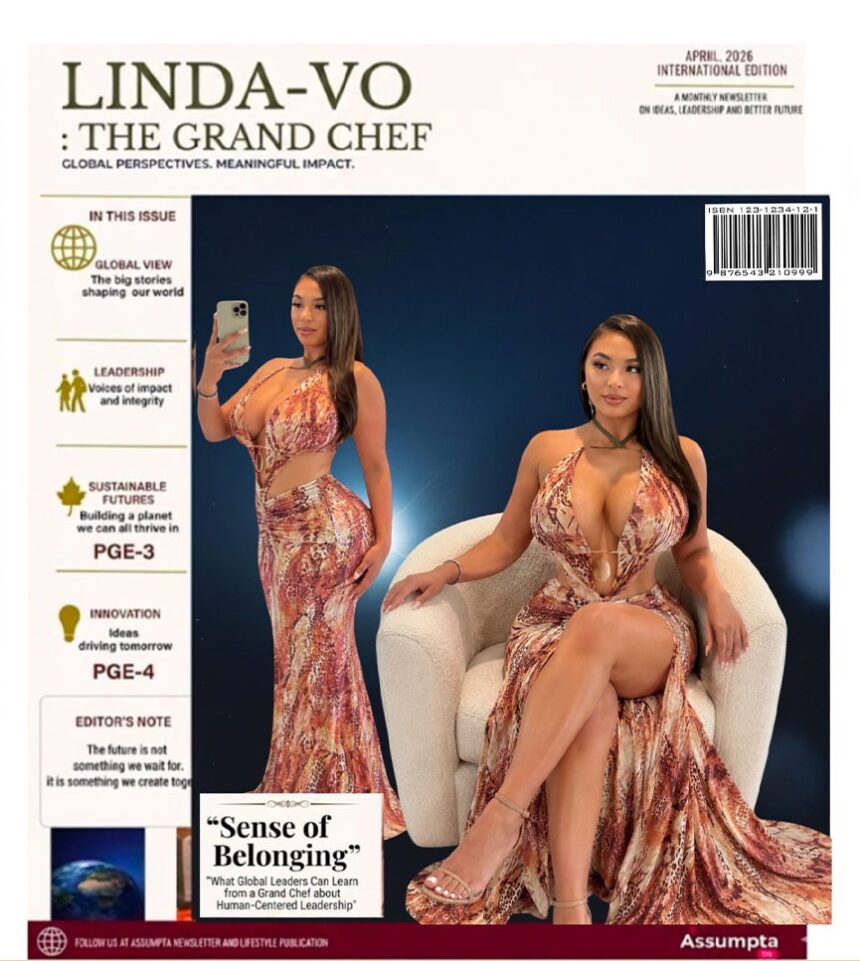
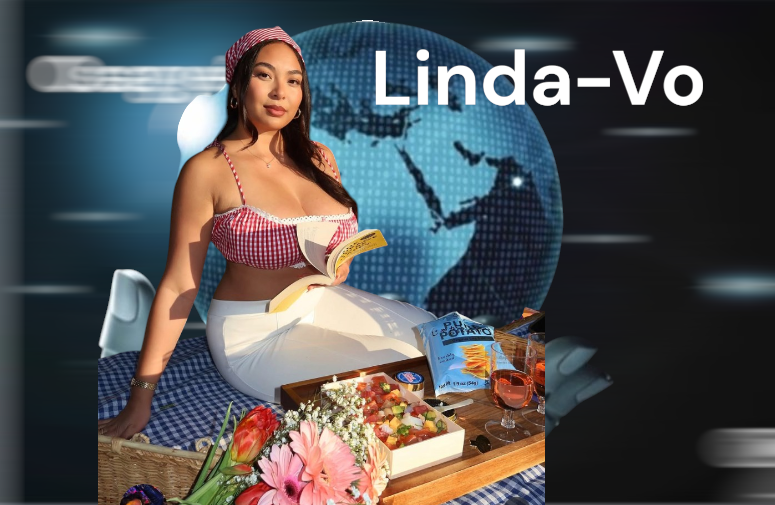
Assumpta Weekly Newsletter
Special Edition | Thursday, 28 May 2026
Presents: “The Grand Chef”
A Global Call to Wisdom in Leadership 🛎️
This special edition features an exclusive feature that invites contemporary global leaders to move beyond surface-level success and return to what truly sustains societies: genuine human wellbeing. Using the powerful metaphor of The Grand Chef, we explore a leadership philosophy rooted in care, dignity, and the profound power of belonging.
📅 COMING WEDNESDAY | 13th MAY 2026
🌐 Read the Full Feature: assumptagh.live/
🏛️Hosted by a Ghanaian lcon Presented by Cookieteegh- acclaimed media personality, philanthropist, and CEO of Nineteen57 Events, widely recognised as a co-host on TV3S New Day.











The Sense of Belonging
Where Leadership, Care, and Human Connection Meet
By Assumpta Weekly | Leadership & Wisdom Series
In an age when leadership is often measured by visibility, speed, and scale, the essential human purpose of leadership is at risk of dilution. Metrics dominate conversations, while meaning, dignity, and belonging can quietly disappear from boardrooms and institutions. Yet, the most sustainable forms of leadership have always drawn their strength not from spectacle, but from care.
This is where the philosophy of The Grand Chef offers an unexpected yet powerful lesson.
At LINDA‑VO, Linda VO — known by many as “The Grand Chef” — leads not through authority or hierarchy, but through intention. Her philosophy is simple, yet profound: the ultimate goal of any system, whether culinary or corporate, is human happiness.

Leadership Begins with Wellbeing
Linda believes that the well-being of every individual matters just as much as the outcome. In her world, the experience of every guest is as vital as the quality of the meal served. In leadership terms, this reframes success: results are important, but how people feel within the system determines whether those results endure.
At LINDA‑VO, hospitality goes far beyond food. Care and comfort are not auxiliary services—they are embedded into the very identity of the space. This mirrors high-wisdom leadership: cultures where people feel supported, not managed; valued, not used.
Two Foundations of Human-Centred Leadership
Linda’s philosophy rests on two essential foundations that resonate far beyond the restaurant:
- The Individual Dimension: Every human being seeks dignity, autonomy, and a sense of control over their own life—especially those navigating physical, emotional, or personal challenges. For leaders, this means recognising people not as resources, but as whole individuals with lived realities.
- The Communal Dimension: The universal human need for belonging. People want to feel welcomed, understood, and respected within the systems they inhabit. Organisations that fail to cultivate this sense of belonging may function, but they rarely flourish.
Food as a Metaphor for Decision-Making
In Linda’s kitchen, every ingredient is carefully chosen for its freshness and nutritional value. She believes that food should do more than satisfy hunger; it should nourish the body, uplift the spirit, and provide comfort.
For leaders, food becomes a metaphor. What are we feeding our organisations—fear or trust, pressure or purpose, short-term gains or long-term wellbeing? Just as poor ingredients lead to unhealthy outcomes, poor decisions erode human systems over time.
Space as a Statement of Values
Linda understands that people connect with their environments in different ways. Her restaurant reflects this awareness through thoughtfully designed spaces that accommodate diverse lifestyles, such as the elegant, inclusive smoking lounge—a deliberate space created not to judge, but to include.
In leadership, space is not only physical; it is cultural. Leaders design spaces every day through policies, behaviours, and unspoken norms. Are these spaces safe? Inclusive? Human? The environments we create silently communicate who and what truly matters.
The True Measure of Leadership
At LINDA‑VO, people do not simply arrive to eat. They arrive to feel seen, respected, and connected. The same standard applies to leadership.
True leaders do not simply direct outcomes; they create conditions where people can belong, contribute, and thrive. In a world hungry for meaning, the wisdom of The Grand Chef reminds us that leadership, like hospitality, is ultimately an act of service.
The defining question for today’s global leaders is this:
When people leave our organisations, do they leave feeling nourished—or merely processed?
Explore More at assumptagh.live/


The Global Leadership Dialogue
Feature: The Sense of Belonging
Theme: What Global Leaders Can Learn from a Grand Chef about Human-Centred Leadership
Host: Cookieteegh
Guest: Linda VO (“The Grand Chef”)
Location: Global Broadcast | Assumpta Weekly Special Edition
The Opening
Cookieteegh (Host):
Warm greetings to our readers and viewers around the world—from every continent, culture, and calling. It is a privilege to welcome you to this special global dialogue, hosted by Assumpta Weekly, where leadership, wisdom, and humanity intersect.
Today, I am especially honoured to welcome a remarkable guest—Linda VO. Linda, it is a pleasure to have you with us, and thank you for joining this conversation.
For our global audience, allow me to introduce Linda VO.
Linda VO is a hospitality visionary and culinary figure whose philosophy centres on care, wellbeing, and human connection, expressed through both food and environment. Known widely as “The Grand Chef,” Linda believes that a restaurant should be far more than a place to eat—it should be a place where people feel seen, valued, and restored.
Her approach beautifully combines nutritious cooking, emotional comfort, and social inclusion, creating what she calls a “sense of belonging” for every client and guest.
At the heart of her philosophy are two essential ideas:
- Individual Wellbeing: Respecting each person’s dignity, comfort, independence, and personal preferences.
- Community and Belonging: Creating welcoming spaces where people feel accepted, relaxed, and genuinely connected.
Through LINDA‑VO Restaurant, Linda emphasises fresh and nutritious ingredients that support healthier living, elegant spaces designed for social interaction, and hospitality rooted in emotional wellbeing. In this dialogue, Linda VO represents a modern hospitality identity where food, atmosphere, and human happiness are treated as equally essential to the experience.
The Dialogue Begins
Cookieteegh:
Linda, welcome. This special edition features an exclusive piece that invites contemporary global leaders to move beyond surface-level success and return to what truly sustains societies: genuine human wellbeing.
Using the powerful metaphor of The Grand Chef, you explore a leadership philosophy rooted in care, dignity, and the profound power of belonging. In a world increasingly overwhelmed by the politics of appearance and performance-based leadership, one question remains unanswered: Who is truly serving humanity?
Your article dares global leaders to rethink power, presence, and purpose. You write that leadership is not “fast food.” Through your lens, leaders are challenged to study leadership the way a master studies a menu—with intentionality, patience, responsibility, and care.
In the leadership landscape of 2026, service is no longer a philosophical debate; it has become an existential necessity. As global institutions wrestle with leadership by performance—where growth metrics often mask human depletion—you argue that the way forward lies with those who lead through the lens of Human Sustainability.
According to your philosophy, true service is not found in the spectacle of authority, but in the quiet, intentional act of nourishment. You describe a widening leadership divide in 2026 between leaders who perform and leaders who truly serve:
- Performance vs. Peace: One prioritises visibility and scaling; the other prioritises long-term human happiness and peace.
- Resources vs. Individuals: One treats people as resources to be managed; the other sees individuals to be nourished.
- Reactive vs. Resilient: One reacts to crises with damage control; the other summons hardship to build resilience.
- Elitism vs. Empowerment: One clings to prestige and elitism; the other fosters and entrusts the youth.
You speak of radical pacifism—not as passivity, but as courageous leadership that refuses to fear hardship. You speak of the architecture of belonging—where service is measured by whether people feel seen, respected, and restored within systems of power. And you speak of intergenerational trust—where the ultimate act of leadership is the willingness to let go and prepare others to lead.
So, Linda, let me ask you—and I ask this on behalf of leaders everywhere:
In a world of AI-driven efficiency and geopolitical volatility, is the true test of leadership this question: When people leave my presence, are they merely processed—or are they replenished?
And in 2026, are those leaders who can honestly answer “replenished” the ones truly steering our world toward peace?
The Response: A Philosophy of Presence
Linda VO | The Grand Chef
Linda VO:
Thank you, Cookieteegh—and warm greetings to our readers across the world. I receive this dialogue with deep humility and gratitude. When conversations like this are held, it reminds me that leadership, like hospitality, is ultimately an act of listening before it is an act of speaking.
To your question—who is truly serving humanity?—I would say this: those who serve are often the least visible. True service does not announce itself loudly. It happens quietly, intentionally, and consistently, in the choices leaders make when no audience is watching.
The Discipline of Nourishment
When I say leadership is not “fast food,” I speak from lived experience. Fast food is convenient, attractive, and designed for speed—but it is rarely nourishing. In the same way, leadership by performance is efficient, impressive, and measurable, yet it often leaves people depleted. Human beings are not systems to be optimised alone; they are lives to be sustained.
In my kitchen, every ingredient matters. I study its origin, its effect on the body, and its harmony with other elements. Leadership requires the same discipline. Before acting, a leader must ask:
- Will this decision nourish or exhaust?
- Will it create dignity or dependency?
- Will it strengthen tomorrow, or merely satisfy today?
The Architecture of Belonging
You spoke of human sustainability, and this is where my philosophy rests firmly. Feeding people well is not about indulgence; it is about responsibility. Likewise, serving societies well is not about power; it is about stewardship.
Belonging, in my understanding, is architecture. It must be designed deliberately. When people enter a restaurant—or an organisation, or a nation—they should feel safe enough to breathe, respected enough to be themselves, and valued enough to stay. If a space strips a person of dignity, no amount of success can justify it.
Resilience and Succession
Radical pacifism, as you mentioned, is not softness. In the kitchen, heat is constant—yet we learn to work with it, not against it. Leaders who refuse fear, who remain grounded in compassion during hardship, are not weak. They are resilient. They are preparing people to endure, not merely to obey.
And yes, intergenerational trust is the final test. A true Grand Chef teaches others to surpass her. A true leader does not hoard authority; they distribute capability. Any leadership that is afraid of the youth is already exhausted.
The Foundation of Peace
So when you ask whether those who leave people replenished are the ones steering the world toward peace, my answer is this: peace does not begin at negotiation tables—it begins in how people are treated daily.
When individuals feel nourished, respected, and included, they defend peace naturally. When they feel processed, ignored, or diminished, conflict becomes inevitable.
The Final Inquiry
Leadership in 2026 must stop asking, “How powerful do I appear?”
It must begin by asking, “How whole are the people in my care?”
That, to me, is service. And that is the quiet work of belonging.
The Dialogue Continues: Strength Under Restraint
Host Perspective & Core Inquiry
Cookieteegh (Host):
Linda, thank you for that profound response. What strikes me most is your insistence that service is often invisible—that the work which sustains people is rarely accompanied by applause. Your words remind us that leadership, like hospitality, is revealed not in moments of performance but in moments of pressure.
You spoke about resilience, and I would like to reflect on that with a short story.
I once observed a small kitchen during a period of intense demand. Orders were relentless. The heat was unyielding. What amazed me was not speed, but calm. Instead of fighting the heat, the chef adjusted pace, repositioned flames, communicated clearly, and conserved energy. The kitchen did not panic—it adapted. And by the end of the service, not only were the plates excellent, but the people were still standing.
That moment stayed with me. Because resilience is not about avoiding pressure; it is about learning how to work with heat without burning people out.
This is why your phrase resonated deeply: radical pacifism is not softness. It is strength under restraint. It is a discipline that refuses to collapse into fear or aggression. And what you said about succession is equally powerful—that a true Grand Chef trains others to surpass her. In leadership, that is still rare. Too many structures prepare systems to survive leaders, but not people to replace them.
The Three Essential Questions
Which brings me to three essential questions I would like you to help us unpack. Linda:
I. On Radical Pacifism
When you speak of radical pacifism—not as passivity, but as courageous leadership—what does that truly mean in practice for leaders operating in volatile, competitive, and often hostile environments?
II. On the Architecture of Belonging
You introduced a beautiful idea—the architecture of belonging. How do leaders intentionally design this architecture within organisations, governments, or communities? What does it look like when belonging is not accidental, but built?
III. On Intergenerational Trust
In a world where power is often clung to, how can leaders genuinely build intergenerational trust? How do they prepare, empower, and entrust the youth without fear—and without losing their own sense of relevance?
I invite you to take us deeper into these ideas, because the future of leadership may depend on how honestly we answer them.
The Response: Mastering the Heat
Linda VO | The Grand Chef
Linda VO:
Thank you, Cookieteegh. Your story captures something essential—not just about kitchens, but about leadership itself. Pressure is unavoidable, but harm is not. Let me respond to your questions with that spirit.
I. On Radical Pacifism
When I speak of radical pacifism, I do not mean avoidance of conflict or refusal to engage with reality. I mean something far more demanding: Radical pacifism is the discipline of remaining human under pressure.
In volatile environments, leaders are often tempted to react quickly, to dominate situations, or to harden themselves emotionally in the name of efficiency. Pacifism resists that instinct. It chooses containment over explosion, and presence over panic. Practically, this means:
- Refusing to lead by fear, even when fear would deliver faster obedience.
- Rejecting humiliation as a tool for control.
- Choosing calm clarity over emotional volatility.
This is not weakness; it is strength refined. Leaders who stay centred when everyone else is reactive create stability—and stability is the foundation of peace.
II. On the Architecture of Belonging
Belonging does not happen by chance. It is designed. When I speak about the architecture of belonging, I am talking about the intentional construction of spaces—physical, emotional, and cultural—where people feel safe enough to exist as they are.
In leadership, belonging is built when:
- Systems restore dignity, rather than erode it.
- Policies recognise human limits, rather than deny them.
- Diversity is valued as richness, not tolerated as an inconvenience.
When someone enters an organisation and feels immediately small, anxious, or replaceable, belonging has failed—no matter how impressive the structure looks. A leader must ask: Do people have space to breathe, speak, and grow? If the answer is yes, trust follows. When trust exists, people contribute far more than compliance—they bring commitment.
III. On Intergenerational Trust
Intergenerational trust is perhaps the most difficult—and most necessary—form of leadership work today. It begins with humility. A Grand Chef knows when her role changes: from performing to mentoring, from leading every step to guiding from the side.
Leaders build intergenerational trust when they:
- Share knowledge instead of hoarding it.
- Allow young people to make real decisions—and real mistakes.
- Speak honestly about failure, fear, and learning.
Clinging to power creates fragility; sharing power creates continuity. The future does not need perfect leaders; it needs prepared ones.
The Final Wisdom
True legacy is not what a leader builds, but who they leave capable of building next. Intergenerational trust is not generosity—it is wisdom. It is the understanding that leadership is temporary, but its consequences are not.
Just like in the kitchen, the goal is not to be remembered as the one who cooked the longest—but as the one who ensured the fire never went out.
The Dialogue: Continuity of Capability
Host Perspective & Secondary Inquiry

Cookieteegh (Host):
Linda, thank you. Your response deepens this dialogue in a way that feels both instructive and grounding. What you have articulated so clearly is that leadership, when stripped of spectacle, becomes a discipline of restraint, preparation, and quiet courage.
Your explanation of radical pacifism as “remaining human under pressure” is especially striking. In a time where leaders are rewarded for visibility rather than wisdom, your insistence on calm containment feels almost countercultural—yet profoundly necessary. And your metaphor of leadership as architecture—something designed intentionally rather than assumed—offers leaders a powerful lens through which to examine the systems they create.
What resonates deeply is your framing of legacy: not as the permanence of power, but as the continuity of capability. That transition—from performer to mentor—is one many leaders struggle to make.
The Reflective Questions
Which leads me to the next set of questions I would like you to reflect on, Linda:
I. On the Risks of Clinging to Power
From your experience and philosophy, what are the real risks of clinging to power—not only for institutions, but for leaders themselves and the people who depend on them?
II. On Fostering Emotional Safety
You spoke about emotional safety as a condition for belonging. In practical terms, how can leaders actively foster emotional safety within environments marked by pressure, competition, and uncertainty?
III. On the Essence of Mentorship
You described mentoring as a defining act of leadership. But many leaders struggle to translate that into action. In your view, what does mentoring truly look like in practice—beyond titles, programs, and rhetoric?

Cookieteegh:
I invite you to guide us once again, because these questions sit at the heart of leadership sustainability—not just for organisations, but for societies themselves.
The Conclusion: A Legacy of Belonging
Linda VO | The Grand Chef

Linda VO:
Thank you, Cookieteegh. These questions touch the core of leadership sustainability, and I will respond honestly and from experience.
I. On the Risks of Clinging to Power
Clinging to power is one of the quietest forms of harm in leadership.
- For Institutions: It creates stagnation. Innovation slows because space is unavailable. When power is guarded instead of shared, organizations repeat themselves while the world moves on.
- For Leaders: The risk is internal erosion. Clinging to power often comes from fear—fear of becoming irrelevant. This fear isolates leaders; they stop listening, stop being challenged, and eventually, stop growing.
- For the People: It breeds frustration. Younger generations learn that advancement is blocked by gatekeeping rather than readiness.
In the kitchen, a chef who refuses to step back creates exhaustion—not excellence. At some point, the fire no longer serves the food; it consumes the kitchen. Power is safest when it circulates. When it stagnates, it becomes toxic.
II. On Fostering Emotional Safety
Emotional safety begins with leadership behaviour, not policy. People feel safe when leaders are predictable in their humanity—when they know they will not be shamed for asking questions or punished for imperfection.
In practice, leaders foster this safety by:
- Responding with curiosity instead of blame when mistakes occur.
- Treating disagreement as a contribution, not disloyalty.
- Acknowledging pressure openly, rather than pretending resilience means silence.
When people feel respected, their nervous systems settle. Creativity and responsibility rise naturally. Emotional safety is not softness; it is structural strength.
III. On Mentoring in Practice
Mentoring is not supervision; it is intentional preparation for independence. It means inviting younger leaders into real decision‑making—not symbolic roles.
A true mentor does three things consistently:
- Transfers knowledge instead of hoarding it.
- Shares visibility, not just instructions.
- Steps aside at the right time, without bitterness.
The proudest moment is not when a dish is perfect, but when a student no longer needs guidance to prepare it. That is when leadership has done its work.
The Final Word
Cookieteegh (Host):
Linda, thank you. Thank you for reminding us that leadership is not about clinging to the flame, but about ensuring the fire continues—safely, wisely, and humanely.
Through your philosophy as The Grand Chef, you have shown us that belonging is not sentimental—it is structural. Peace is not abstract—it is practised daily through dignity, emotional safety, and trust across generations.
As we close this dialogue, we return to the heart of this feature:
The Sense of Belonging
What Global Leaders Can Learn from a Grand Chef about Human‑Centered Leadership
Because in the end, leadership is not judged by how loud it was, how long it lasted, or how impressive it looked. It is judged by one enduring question:
When people passed through our care—did they feel processed, or did they feel replenished?
Linda VO, thank you for nourishing this conversation—and for reminding the world that true leadership begins with belonging.
🧭 THE SENSE OF BELONGING
What Global Leaders Can Learn from a Grand Chef about Human‑Centered Leadership
With LINDA‑VO |
🧠 THE CORE IDEA
Leadership Is Not Fast Food
- Leadership, like great cuisine, requires intention, care, patience, and responsibility.
- True service nourishes people — it does not exhaust them.
- Leadership is about replenishing humanity, not processing it.
🍽️ THE GRAND CHEF’S PHILOSOPHY
At the Heart of Human-Centred Leadership
Two Foundations of Human Happiness:.
🧭 THE SENSE OF BELONGING
What Global Leaders Can Learn from a Grand Chef about Human-Centred Leadership
With LINDA‑VO | Hosted by Cookieteegh
🧠 THE CORE IDEA
Leadership Is Not Fast Food
- Leadership, like great cuisine, requires intention, care, patience, and responsibility.
- True service nourishes people — it does not exhaust them.
- Leadership is about replenishing humanity, not processing it.
🍽️ THE GRAND CHEF’S PHILOSOPHY
At the Heart of Human-Centred Leadership
Two Foundations of Human Happiness:
| 🧍🏽 Individual Wellbeing | 👥 Community & Belonging |
|---|---|
| • Dignity | • Inclusion |
| • Emotional safety | • Connection |
| • Independence | • Acceptance |
| • Respect for personal needs | • Shared trust |
✅ When both exist, people thrive.
🔥 RADICAL PACIFISM
Strength Through Restraint
Not weakness — but discipline.
- Calm under pressure: Maintaining presence when the “heat” is on.
- Refusal to lead by fear: Rejecting coercion in favour of clarity.
- Mastering response: Choosing intentionality over knee-jerk reaction.
- Working with hardship: Navigating challenges without losing humanity. 👉 Peace begins with leaders who remain human under heat.
🏛️ THE ARCHITECTURE OF BELONGING
Belonging Is Designed — Not Accidental
Leaders create belonging when they intentionally design:
- ✅ Emotionally safe environments
- ✅ Respect‑based systems
- ✅ Space to speak, breathe, and grow
INTERGENERATIONAL TRUST
The Ultimate Test of Leadership
True leaders prepare others to lead.
- ✔ Share knowledge, not just authority.
- ✔ Mentor for independence, not dependency.
- ✔ Allow safe failure and visible learning.
- ✔ Step aside without bitterness.
Legacy is not power held — it is capability entrusted.
⚖️ THE LEADERSHIP DIVIDE (2026)
✅ THE LITMUS TEST
Ask Yourself as a Leader:
”When people leave my presence, are they processed — or replenished?”
Those who answer “replenished” are the ones steering the world toward peace.
🌍 CALL TO ACTION FOR LEADERS
Lead like a Grand Chef:
- Study the menu of human well-being.
- Choose dignity over dominance.
- Design spaces of belonging.
- Nourish people — before chasing growth. ✨ Because leadership that forgets humanity will never endure.
🔖 Footer
Assumpta Weekly | Leadership & Wisdom Series
Featuring LINDA‑VO — The Grand Chef
Dialogue hosted by Cookietee
Our Shared Humanity Soka Gakkai Buddhist Movement |
Soka Gakkai Official link subscribers
An introduction to the Soka Gakkai and Nichiren Buddhism.
Where do the teachings originate from?
What is the philosophy of Buddhism?
How do Soka Gakkai members apply it in their daily lives?
The Soka Gakkai is a global community-based Buddhist organisation that promotes peace, culture and education centred on respect for the dignity of life. Its members in 192 countries and territories study and put into practice the humanistic philosophy of Nichiren Buddhism.
Soka Gakkai members strive to actualise their inherent potential while contributing to their local communities and responding to the shared issues facing humankind. The conviction that individual happiness and the realisation of peace are inextricably linked is central to the Soka Gakkai, as is a commitment to dialogue and nonviolence.
Subscribe to our channel: / sgivideosonline Visit our website: https://www.sokaglobal.org/ Like us on Facebook: / sgi.info Follow us on Instagram: / sgi.info


https://www.instagram.com/gahutudenim?utm_source=ig_web_button_share_sheet&igsh=ZDNlZDc0MzIxNw==
The Vision of Assumpta Gahutu, Esq.
The ideas of the Principal of Babies Todds Daycare, Assumpta Gahutu, Esq., have had an enduring impact not only in Africa but across the globe. Her vision emerged at a time when the lingering effects of imperial and oppressive structures appeared to limit the possibilities for African-centred educational development.
Yet, through determination, compassion, and clarity of purpose, she forged a new path for early childhood education. Under her leadership, Babies Todds Daycare has grown into far more than a childcare facility; it has become a value-creating environment where the character of the future is gently formed.
Through this mission, she has nurtured the growth of young children whose lives will embody the values the world will need in the centuries to come. Her work reflects a profound belief: that the foundation of a just and humane society begins with how we educate and care for our youngest generation. In this way, the philosophy behind Babies Todds represents not simply an institution, but a lifelong commitment to shaping the character, dignity, and future of humanity.
Babies Todds
A Safe and Nurturing Daycare and Preschool in the Heart of Windhoek
Babies Todds is a warm and welcoming space where young children are encouraged to grow, learn, share, and create in a supportive environment. Our daycare and preschool are dedicated to providing quality early childhood education that fosters curiosity, creativity, and confidence in every child.
- 📍 Location: Windhoek, Namibia
- 📞 Phone: +264 81 673 7599
- 🌐 Website: www.babiestodds.com
A beautiful place where the journey of learning begins and where every child is allowed to flourish.




https://www.instagram.com/gahutudenim?utm_source=ig_web_button_share_sheet&igsh=ZDNlZDc0MzIxNw==
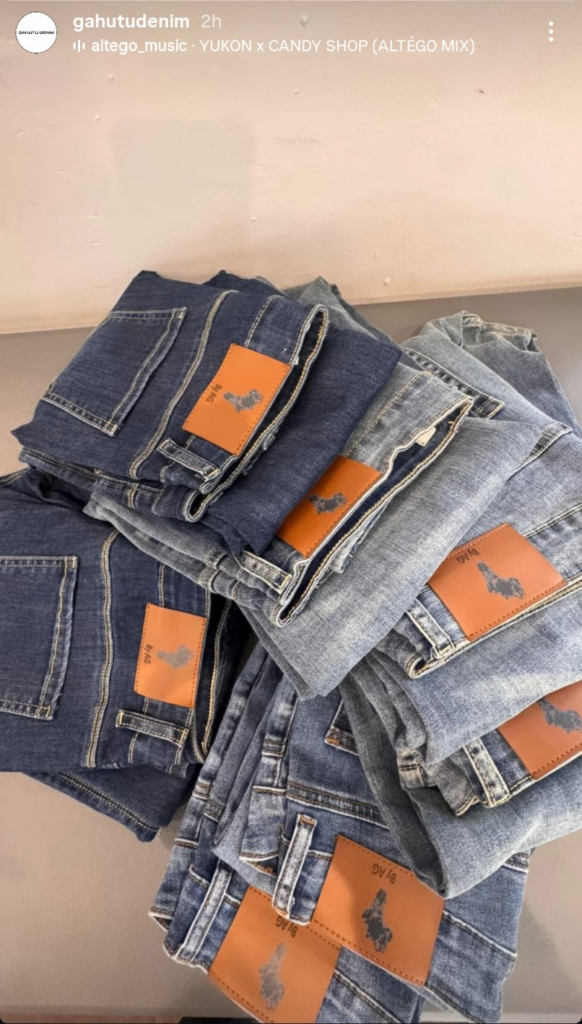
Elevate your everyday style with the visionary behind the brand, Assumpta Gahutu, and her signature collection: Gahutudenim. Designed with the “Modern Woman” in mind, these aren’t just jeans—they are a masterclass in tailoring and comfort.
The Ultimate Corporate-to-Cocktail Essential
Gahutudenim reimagines what denim can be. These jeans are meticulously crafted to bridge the gap between high-end fashion and functional workwear.
- The Perfect Office Fit: With a sleek, polished silhouette, these jeans provide a sophisticated alternative to traditional slacks. They offer a refined look that commands respect in the boardroom while maintaining an effortless edge.
- Contoured Stretch Technology: Engineered with a curve-tight stretch, the fabric moves with you, highlighting your natural silhouette without ever losing its shape. It provides that “custom-tailored” feel from morning meetings to evening social hours.
- Breathable Innovation: We understand the demands of a tropical climate. Our denim is exceptionally lightweight and breathable, specifically designed to keep you cool and comfortable in warm African weather. No more heavy, stifling fabrics—just pure, airy confidence.
Step Into Your New Favourite Pair
Join the movement of women who refuse to compromise on style or comfort. Experience the perfect blend of luxury and durability today.
Shop the collection now at:👉 gahutudenim. com-Gahutudenim: Made for the Modern Woman.


Discover Excellence with Lauren Haute Couture
Step into the world of Lauren Haute Couture, an entrepreneur-led, multiple award-winning women’s wear brand that defines the pinnacle of African luxury. Located at 5 Mama Adjeley Rd, East Airport, Ghana, this fashion house is more than a label—it is a destination for the modern woman who demands sophistication and soul in her wardrobe.
A Tribute from ASSUMPTA-IMAGINE
ASSUMPTA-IMAGINE: Works from the Heart is proud to honor the extraordinary creativity of Lauren Haute Couture. As a premier Ghanaian African Designer, Lauren Haute Couture represents the vanguard of style, proving that fashion is most powerful when it is rooted in identity.
We celebrate these bold and elegant creations for their seamless ability to blend modern, global trends with a rich, diverse, and timeless creative spirit. Every piece is a masterclass in:
- Precision Tailoring: Meticulous attention to detail that ensures a flawless silhouette.
- Timeless Heritage: Honoring African roots through vibrant patterns and textures.
- Architectural Design: Signature straight outfit designs that exude confidence and grace.
Where Fashion Meets Emotion
Together, we explore the heart, purpose, and story woven into every stitch. This collaboration offers you insider insights from two leading women who are actively shaping culture and creativity across the continent.
Let ASSUMPTA-IMAGINE: Works From The Heart take you on a sensory journey. This is where heritage meets innovation, and where every garment tells a story of emotion and excellence.
Experience the heartbeat of African fashion. Experience Lauren Haute Couture.

https://www.instagram.com/delish_bakerygh?igsh=MW5ic2c0NnR5cHBwZQ==
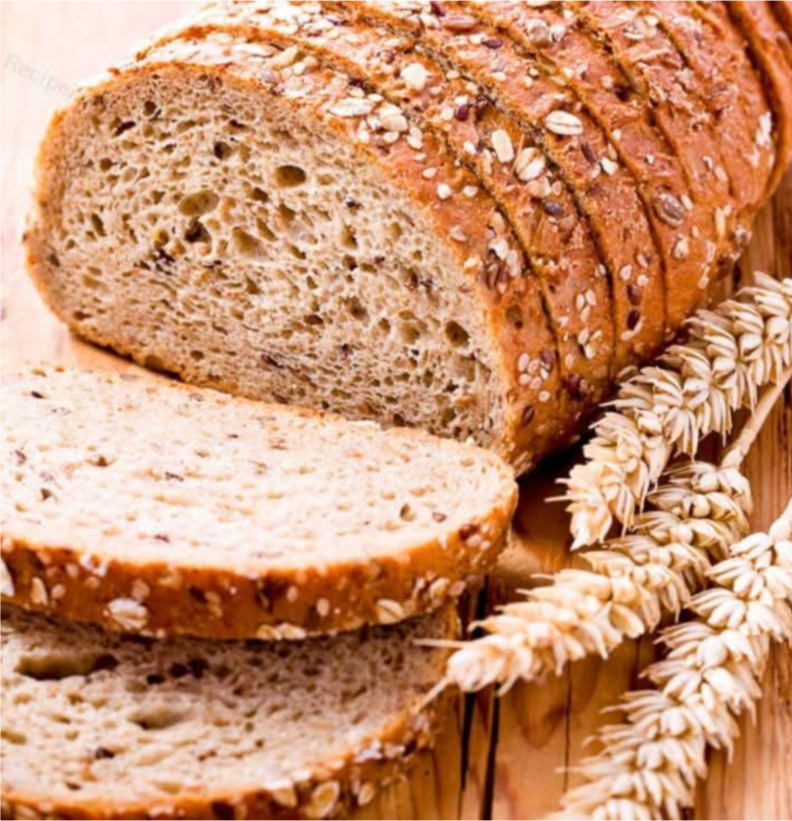
Pure Goodness: Delish Bread Without Chemicals
Experience the taste of nature at Delish Bread, your neighborhood grocery store and bakery where health meets indulgence. We believe that what you eat should be as pure as it is delicious. That’s why our breads are crafted without chemicals, artificial preservatives, or additives—just wholesome ingredients baked to perfection.
Whether you are looking for your daily loaf or a special treat, we offer over 12 varieties of bread, cakes, and pastries, including:
- Signature Breads: Whole Wheat, Multigrain, and Classic White—all chemical-free.
- Artisan Pastries: Flaky, buttery, and baked fresh every morning.
- Custom Cakes: Perfect for every celebration, made with the finest natural ingredients.
ASSUMPTA-IMAGINE Celebrates Delish Bread
ASSUMPTA-IMAGINE: Works From The Heart proudly honors the commitment to purity and health championed by Delish Bread. In a world of processed foods, Delish Bread stands out as a beacon of authenticity, aligning perfectly with our mission to celebrate creators who work with passion and purpose.
We celebrate Delish Bread for:
- Wholesome Integrity: Their dedication to chemical-free baking that nourishes the community.
- Cultural Connection: Bringing people together through the timeless tradition of breaking bread.
- Spiritual Purpose: Guided by the personal mission of Making Jesus Proud, every loaf is baked with love and a servant’s heart.
Visit Us Today!
Come and taste the difference that “Heart Work” makes.
- Location: Agboba, Accra.
- Hours: Monday – Saturday | 8:00 AM – 6:00 PM
- Order via WhatsApp: wa.me/233201789403
- Follow the Journey: @delish_bakerygh & @smomentwithprecious_
Delish Bread & ASSUMPTA-IMAGINE: Nourishing your body, honoring your heritage.



https://www.instagram.com/peaches_facebar?igsh=MWdnZHN3eXZzNnF0cw==
Elevate Your Glow with the Queen of Soft Glam: Nana Yaa Berko
In the heart of Accra, where luxury meets tradition, one name stands as the ultimate authority on bridal and high-end beauty: Nana Yaa Berko. As the visionary CEO of Peaches Facebar, Nana Yaa has redefined the “Soft Glam” aesthetic, making it the gold standard for international clients and elite brides at the Kempinski Gold Coast City.
Why Choose Peaches Facebar?
Makeup is more than just pigment on skin; it is an experience of transformation and confidence. While many can apply makeup, only Nana Yaa Berko provides the Peaches Signature Touch:
- The Seamless “Soft Glam”: Her specialty is a look that feels weightless and looks timeless. It’s not about masking your features, but elevating your natural bone structure to a level of ethereal perfection.
- International Standards: Catering to a global clientele, Nana Yaa understands diverse skin tones and high-pressure environments, ensuring your look stays flawless from the first “I do” to the final dance.
- The Kempinski Experience: Based in Accra’s most prestigious venue, a session with Peaches Facebar is a masterclass in luxury and professionalism.
Master the Art of Beauty
Nana Yaa isn’t just an artist; she is an educator. As seen in image.png, her Basic Beauty Lessons (BBL) program is designed for those who want to unlock the secrets of professional application. Whether you are an aspiring artist or a woman wanting to perfect her daily routine, Nana Yaa provides:
- Expert Guidance: Learn the techniques behind her world-renowned soft glam.
- Product Knowledge: Navigate the world of luxury cosmetics like a pro.
- Confidence Building: Discover how to enhance your unique beauty with precision.


https://www.instagram.com/valerieagyeman?igsh=dHh1NTE0YnNqODY0




https://www.instagram.com/styledbyaretha?utm_source=ig_web_button_share_sheet&igsh=ZDNlZDc0MzIxNw==
A Symphony of Elegance: The Radiance of Akosua Owusuwaa
Akosua Owusuwaa “Gwen-Addo” does not simply wear an outfit; she breathes life into it. In this Stylebyaretha masterpiece, her beauty is elevated to a form of living art. She possesses a radiant complexion that is perfectly illuminated by the deep tones of the fabric, reflecting a glow that is both natural and commanding. Her presence is a masterclass in poise, where her natural grace and “Gwen-Addo” charm turn a garment into a powerful story of modern African womanhood.
The Hair & Styling Harmony
Her sleek, flowing hairstyle is the perfect architectural companion to the dress. The straight, luxurious tresses frame her face with a soft touch, balancing the sharp, modern lines of the high-fashion aesthetic. This synergy creates a visual language that speaks of confidence, beauty, and composure in one breath.
The Fabric & Finish
The rich midnight-blue tone is the epitome of understated luxury. Rather than relying on loud embellishments, the look draws its power from the smooth texture of the fabric, which catches the light softly to provide a sophisticated depth. The finish is exceptionally clean and sharp, lending an executive character to the entire ensemble.
The Silhouette
The sleeveless body-contour design creates a refined, elongated effect that celebrates her natural proportions. With a sculptural quality that remains minimalistic yet commanding, the dress flows seamlessly from the shoulders, emphasizing a harmony between structure and femininity.
The Corporate Context: Can This Fit the Office?
- The Traditional View: From a conservative standpoint, the sleeveless, form-fitting nature of the attire might be seen as too fashion-forward for a strictly formal office environment.
- The Modern Reality: For a visionary leader like Akosua Owusuwaa—who balances roles as an entrepreneur, author, and beauty advocate—this is the ultimate contemporary power statement. In the worlds of branding, leadership summits, and creative industries, this look communicates discipline and executive excellence.
The Verdict
Akosua Owusuwaa embodies the very philosophy of Stylebyaretha. This is African luxury fashion that is intentional, sophisticated, and globally relevant. It reflects a woman who values excellence and isn’t afraid to redefine leadership and cultural elegance on her own terms.
ASSUMPTA-IMAGINE: Works from the Heart
ASSUMPTA-IMAGINE celebrates the bold, elegant precision and “straight creations” that define the Stylebyaretha aesthetic. By following modern trends while deeply honoring Aretha’s unique creativity, ASSUMPTA-IMAGINE highlights how fashion can shape culture across Ghana and Africa.
Through this collaboration, Akosua Owusuwaa takes us on a journey where fashion transcends the material to meet emotion, heritage, and innovation. It is a tribute to Ghanaian designers who work from the heart, blending timeless creativity with the pulse of the modern world.