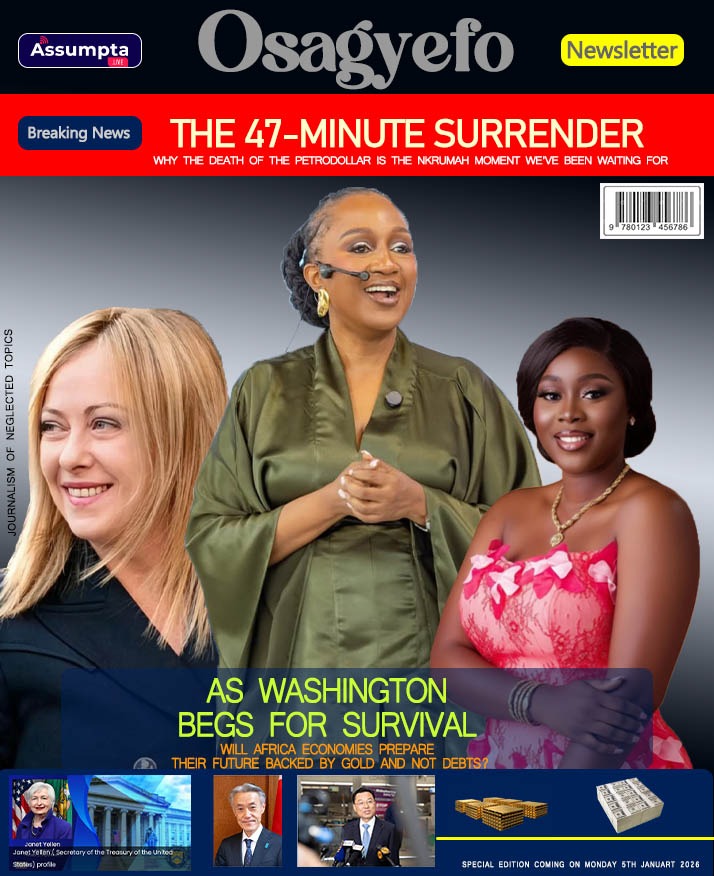
While the “glossy brochures” of the global elite talk about “progress,” the reality is being decided in bunkers and through encrypted phone calls. The American Empire just asked for permission to survive. The answer will change the price of bread in Accra, the value of the Cedi, and the destiny of your children.
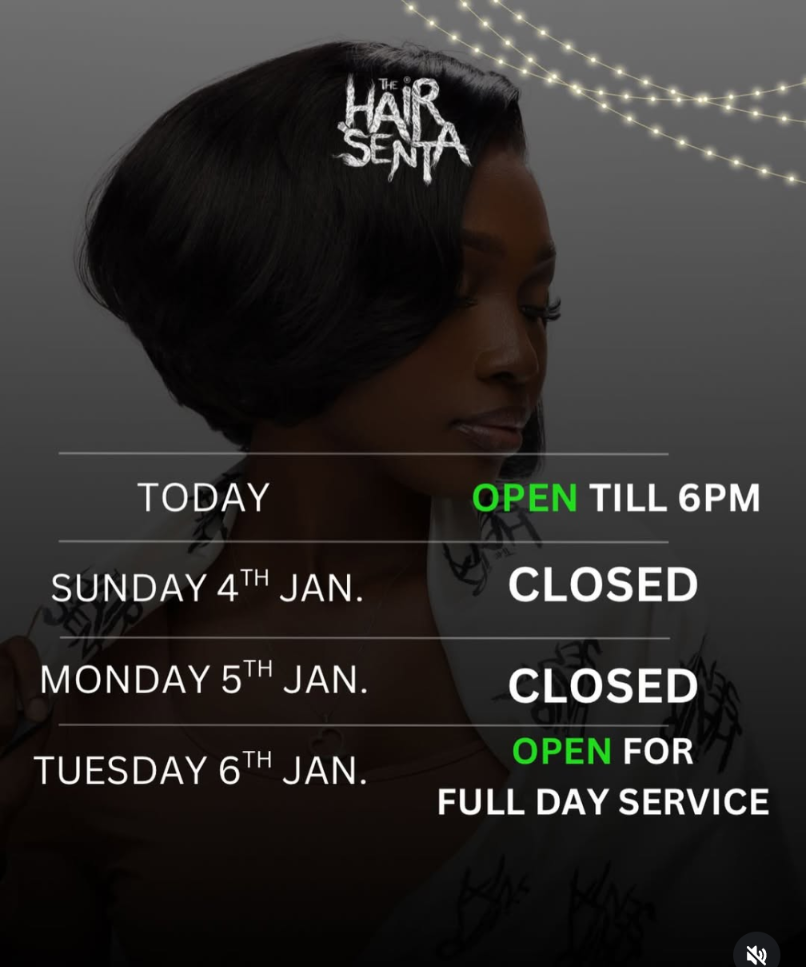
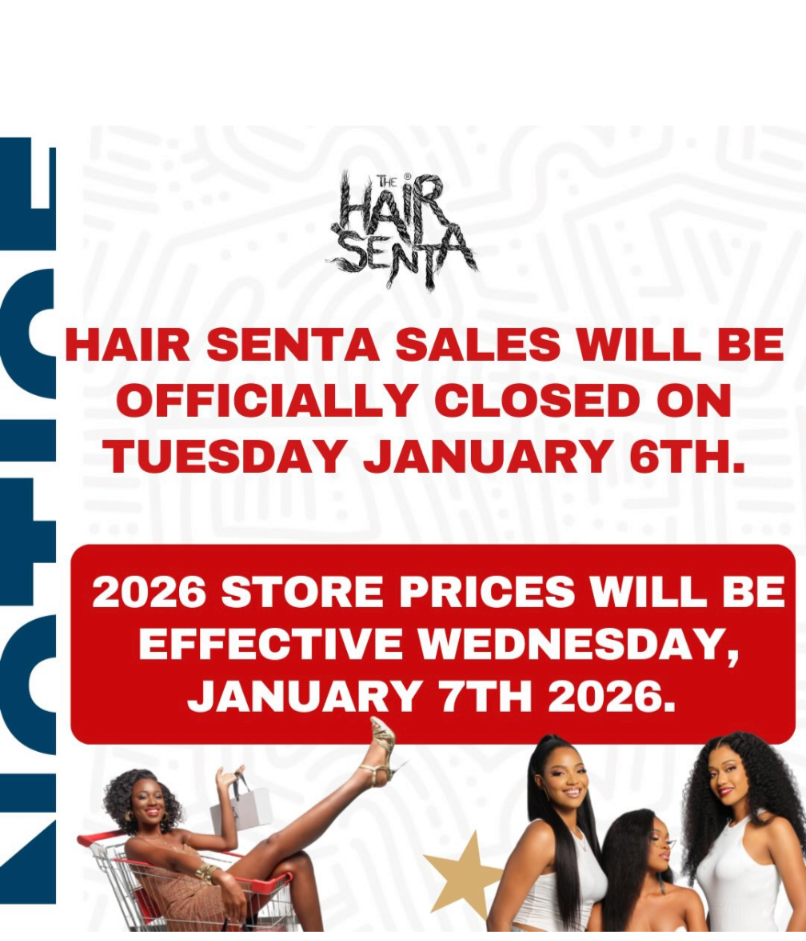
🌟 New Year, New Crown: Step into 2026 with Hair Senta
The holidays have passed, but your style is just getting started. Start 2026 with the confidence that only premium quality can provide. Hair Senta is ready to help you redefine your look for the year ahead with the world’s finest human hair extensions.
✨ Start Your 2026 Glow-Up
Trademarked Excellence: Trust the brand that sets the global standard for quality.Global Shipping: We are shipping fresh 2026 collections from Ghana to the World.Unmatched Variety: From sleek professional looks to bold, voluminous styles for the new year.
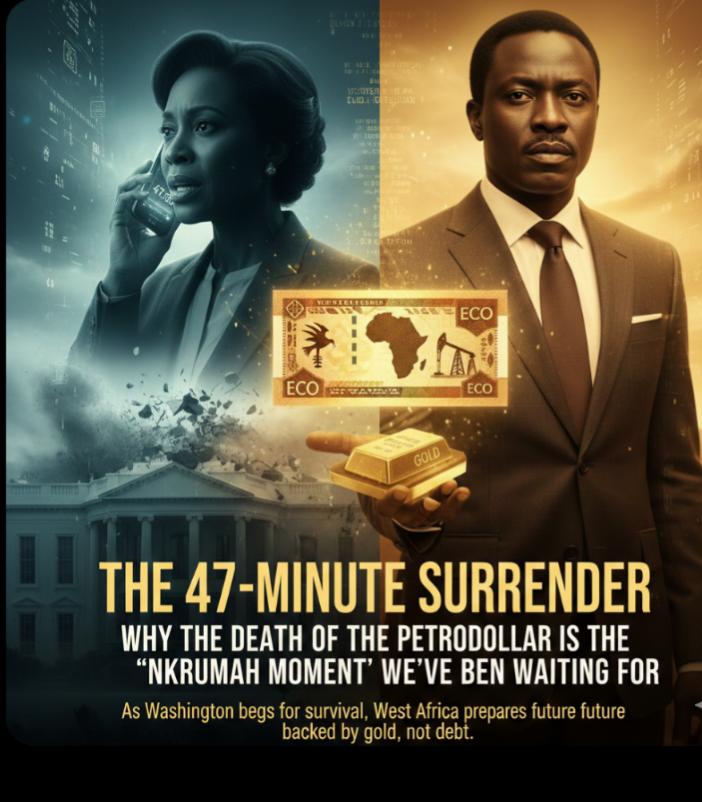
The most powerful economy in history just admitted defeat—not on a battlefield, but in a phone call that lasted exactly 47 minutes. While the “glossy brochures” of the elite talk about “progress,” the reality is being decided in bunkers and through encrypted channels.
The American Empire just asked for permission to survive. The answer will change the price of bread in Accra, the value of the Cedi, and the future of your children.
The “Nkrumah Moment” Has Arrived.
For decades, we were told that Western debt was the only path. We were told that the dollar was king. They lied. As Washington begs Beijing for a lifeline, the vision of Osagyefo Dr. Kwame Nkrumah is finally being vindicated by mathematics. The old world is dying. A new one—backed by gold, not promises—is being born.
In this groundbreaking issue, we cut through the rhetoric to ask the only question that matters:As Washington begs for survival, will African economies finally secure a future backed by gold?
As Washington Begs for Survival…
Will African economies prepare a future backed by gold, and not debts?
The “Nkrumah Moment” Has Arrived: From Debt to Dignity
For over sixty years, the global south was sold a narrative of “Development Through Debt.” We were told prosperity could only be achieved by pegging our aspirations to the U.S. Dollar. They lied. What we are witnessing today is the spectacular collapse of that illusion as nations move toward “hard assets” like gold to secure their sovereignty.
1. The Mathematical Vindication
In his seminal work, Neo-Colonialism, Dr. Kwame Nkrumah argued that as long as our resources were traded for paper controlled by others, we would remain “beggars in a golden palace.”
The Reality: The U.S. now faces a massive debt deficit that it can only fund by printing more money, a move that devalues the global currency everyone was forced to use.
The Shift: As the U.S. Treasury seeks lifelines from the East, the “Master-Servant” relationship of global finance has inverted. Africa is no longer waiting for permission; it is realizing that the “Master” is now the one seeking a bailout.
2. The Death of the “Dollar King”
The dollar was never just a currency; it was a tool of geopolitical discipline. By weaponizing the financial system, the West inadvertently forced the world to find an exit.
The New Standard: We are moving toward a world of “Hard Assets.” The empty promises of fiat currency are being replaced by the tangible security of Gold.
Africa’s Leverage: Ghana is already leading this charge, having acquired over 145 tonnes of gold for its reserves by mid-2025 to stabilize the Cedi and moderate inflation.
3. A Future Backed by Gold, Not Promises
The old world was built on Credit (from the Latin credere, “to believe”). The new world is being built on Reality.
Gold as a Stabilizer: Ghana’s “GoldBod” and Domestic Gold Purchase Programme have turned gold from a mere commodity into a national financial stabilizer.
The Final Break: By “de-linking” from the dollar, we stop importing Western inflation. Ghana has already seen inflation fall to single digits (9.4%) in late 2025 by leveraging its gold might and stabilizing the Cedi.
🛡️ Financial Action Plan: Protecting Your Wealth
The collapse of the old order is only terrifying to those who still believe they need it. For the rest of us, it is the sound of the gates opening. Here is how you can prepare:
Invest in “Hard” Assets: Look toward the Ghana Gold Coin (GGC), a strategic financial instrument launched to help citizens hedge against inflation and diversify portfolios.
Verify Your Savings: Move away from high-interest mobile loans and build an emergency fund of at least three months of living costs to avoid debt traps during volatility.
Support Local Value: Wealth begins with people. Engage in local value creation—from small-scale gold trading to agriculture—that bypasses the need for foreign currency.
🌍 INSIDE THIS GROUNDBREAKING EDITION
We cut through the empty rhetoric to bring you an unprecedented dialogue at the crossroads of history:
The Accountability Lens
Frema Adunyame | Journalist, Channel One TV & Citi FM
On the media’s sacred duty to strip away the “glossy lies” and ensure policies serve the families they represent, not just the institutions that draft them.
The Sovereignty Perspective
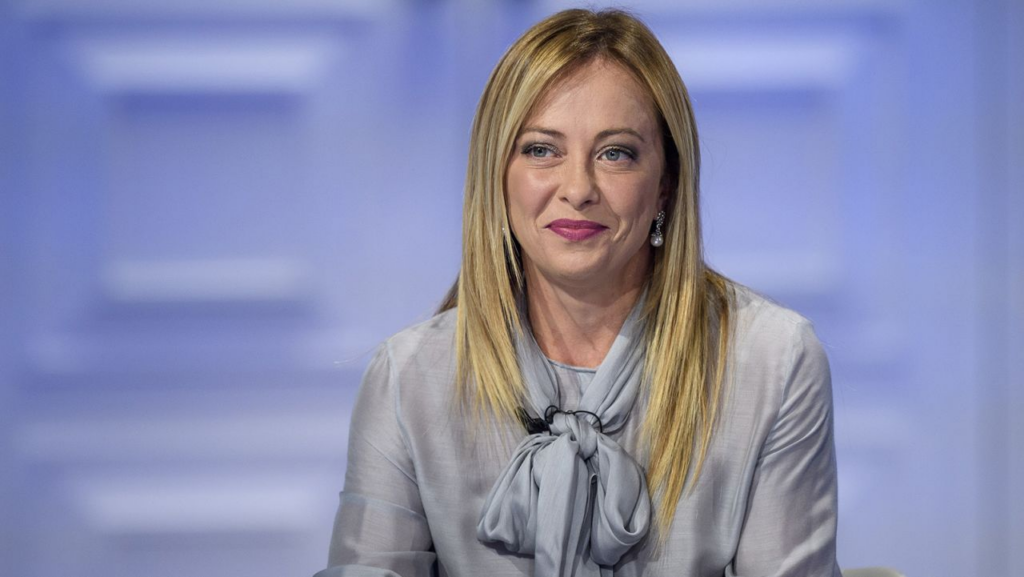
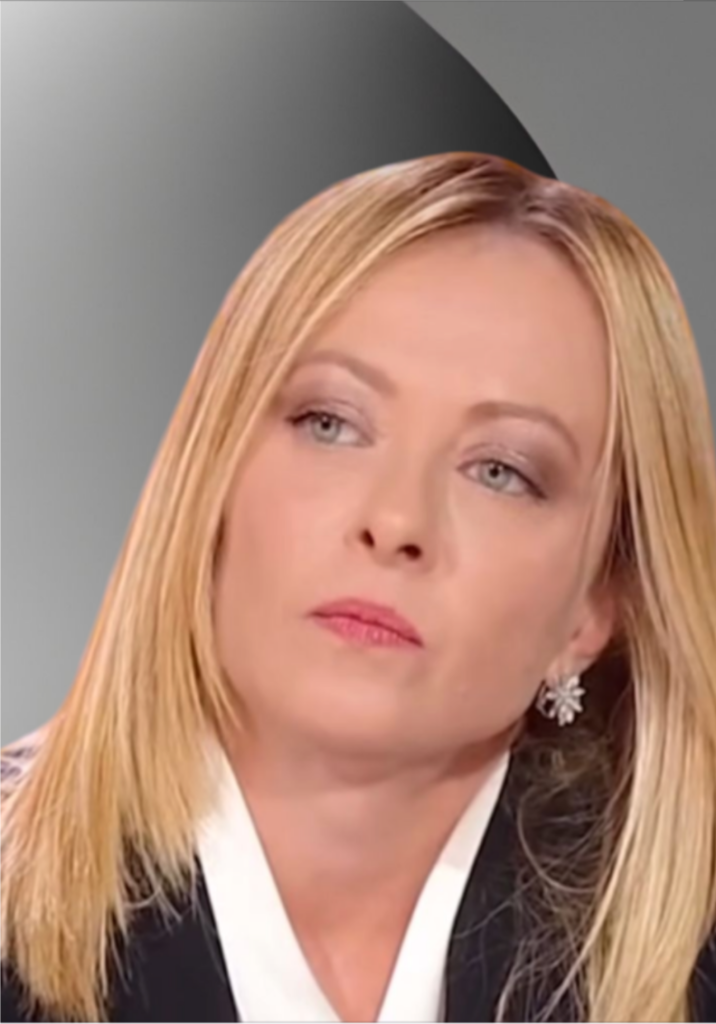
Giorgia Meloni | Prime Minister of Italy
A rare global insight into national identity and why building true economic independence is the only way to survive the fracturing international order.
The Human Capital Revolution
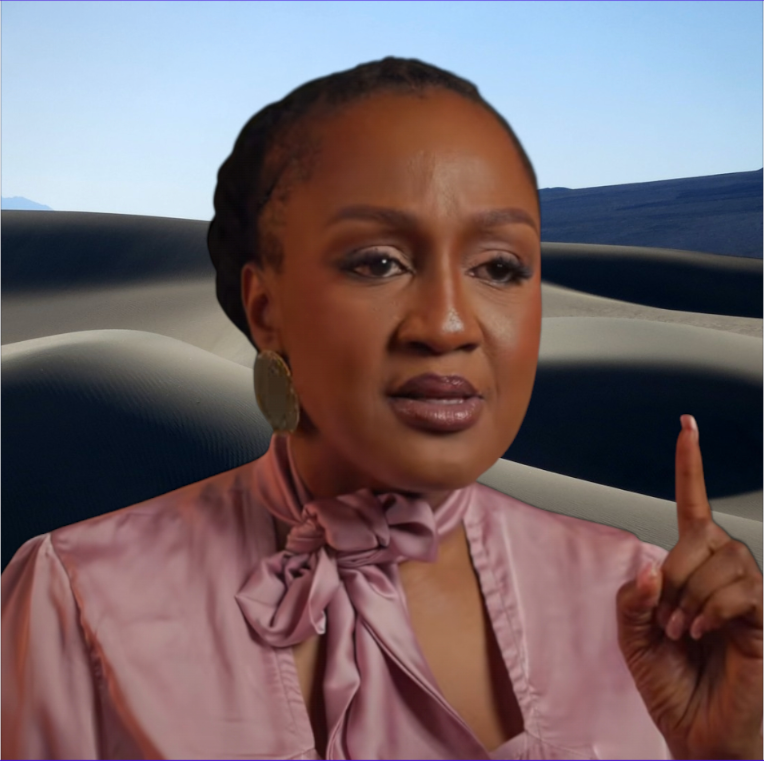
Dzigbordi Kwaku-Dosoo | Human Capital Expert & Business Strategist
Revealing why national wealth isn’t just buried in the ground—it’s in the people. Learn how to transform local value into global power.
Reflective Wisdom: The 1965 Prophecy
”We face neither East nor West; we face Forward.”
— Dr. Kwame Nkrumah
Editor’s Note: True sovereignty is not given; it is built on the foundations of self-reliance and the courage to exit systems designed for your exhaustion.
In 1965, Osagyefo Dr. Kwame Nkrumah published his most dangerous work: Neo-Colonialism: The Last Stage of Imperialism. It was so accurate that the U.S. State Department immediately cancelled $25 million in promised aid to Ghana. Today, that book reads less like history and more like a live news feed of the 2026 economic collapse.
🏛️ The Prediction vs. The Reality
1. The Illusion of the “Beggars’ Palace”
Nkrumah’s Wisdom (1965): He warned that a state can have all the outward symbols of sovereignty—a flag, a constitution, and a leader—but if its economy is directed from the outside, it is a hollow shell.
The 2026 Reality: We see this in the “47-minute surrender.” For decades, even powerful nations were mere tenants in a financial system they didn’t own. Now that the landlord (the U.S. Treasury) is insolvent, the tenants are realizing their “independence” was tied to a sinking ship.
2. The Weaponization of Finance
Nkrumah’s Wisdom (1965): He predicted that the “invisible government” of international finance would use debt and currency manipulation to replace the old system of colonial soldiers.
The 2026 Reality: The freezing of Russian assets in 2022 was the ultimate proof of Nkrumah’s theory. It showed every nation that their money isn’t theirs if it sits in a Western bank. This “financial colonialism” is what led Riyadh and Beijing to build the “Shadow Rails” we see today.
3. The Solution: The “Grand Scale”
Nkrumah’s Wisdom (1965): He insisted that no single African country could survive alone. He called for a Unified African Command and a Common Currency backed by our own resources.
The 2026 Reality: Ghana’s move to back the Cedi with gold is the first step in this “Grand Scale”. By using the Domestic Gold Purchase Programme, Ghana is finally doing what Nkrumah begged for: turning our soil into our strength instead of someone else’s profit.
Owusuwaa Health Weekly Magazine
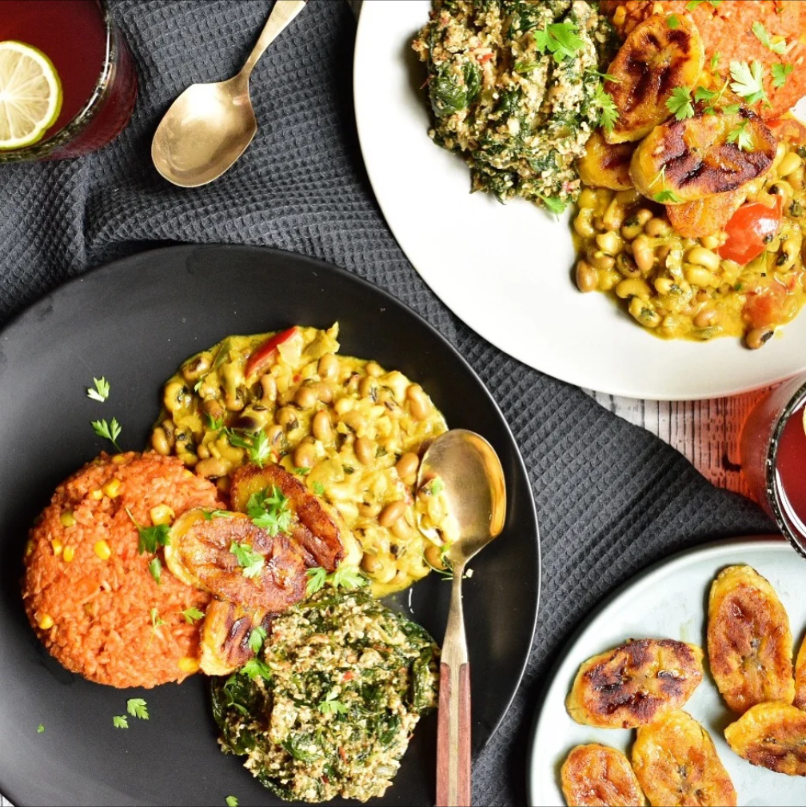
Headline: 🌍 Is your kitchen your pharmacy?
Africa’s soil doesn’t just grow food; it grows life-sustaining medicine. From the immunity-boosting greens of Ghana to ancestral roots that heal, Owusuwaa Weekly brings the secrets of tropical nutrition to your inbox.
🥬 Featured this week: How Gwen Addo integrates natural medicine into everyday meals.
✨ Join the movement: [Link]
#AfricanWellness #FoodAsMedicine #OwusuwaaHealth
🕯️ A Message to the “Powerless” Ghanaian
Nkrumah once said, “We have the blessing of the wealth of our ancestors.” You may feel powerless watching the global markets shudder, but look at your feet. The gold beneath our soil is the only thing the “powerful” nations are currently begging for. The rhetoric of the elite is empty because their paper is becoming empty.
The Osagyefo’s Lesson:True power is the ability to say “No” to a bad deal. When you back your economy with gold and your mind with truth, the “Glossy Brochures” lose their magic, and the people regain their dignity.
Reflective Question for our Readers:> If the most powerful economy in history is asking for permission to survive, why are we still asking for their permission to thrive?
Letter from the Editor: The Gates are Open
To the People of Ghana and the Global African Diaspora,
Tomorrow morning, when you wake up and check the exchange rates or scroll through the news, I want you to look past the numbers. I want you to look at the power shift.
For over half a century, we lived in a world where a 47-minute phone call from Washington could collapse an African economy. We lived in a world where our wealth was measured in paper printed thousands of miles away. But as of January 2026, that world is officially a ghost.
The “47-Minute Surrender” isn’t just a headline about American decline; it is the starting gun for the African Renaissance.
The End of the “Glossy Lie”
In this edition, we’ve stripped away the “glossy brochures” of the elite. We’ve brought together voices like Frema Adunyame, who reminds us that the media must be a mirror for the people, not a megaphone for the powerful. We’ve heard from Giorgia Meloni, proving that even in the heart of Europe, the hunger for sovereignty is breaking the old chains. And we’ve learned from Dzigbordi Kwaku-Dosoo that our greatest gold mine isn’t in the Ashanti region—it’s in the minds of our youth.
Why Mathematics is Our New Liberator
As I wrote in the “Reflective Wisdom” section, mathematics has finally caught up to the exploiters. You cannot print gold. You cannot eat “debt.” By returning to a gold-backed reality, Ghana is not just stabilizing a currency; we are reclaiming our dignity.
We are finally doing what the Osagyefo dreamed of in 1965: we are facing forward.
Your Part in the Revolution
The “we” Ghanaian is only powerless if they continue to believe in the old rules. If the “Dollar King” is begging for survival, why should you fear for your future?
Educate:Understand the “Shadow Rails” and the new payment systems.
Diversify:Protect your family by looking toward hard assets.
Unite:Support the moves toward a unified, gold-backed West African economy.
The gates are open. The masters of the old world are arguing over who pays for the funeral of a system that failed us. Let them argue. We have a continent to build.
Back your mind with truth. Back your economy with gold.
Stay Bold,
Assumpta Live
Editor-in-Chief, The Osagyefo Newsletter
📈 THE MESSAGE IS CLEAR
Nations Rise When They Return to Reality.
Don’t just watch the headlines—learn to read between them. Back your mind with truth. Back your economy with gold.
The “47-Minute Surrender”: Why Capitalism Can No Longer Buy Africa’s Future
For decades, the “Glossy Brochures” of the West told us that Capitalism was the only driver of innovation. They said it was the best of all possible worlds. They lied. What we see in Africa today is not a failure of resources or talent; it is a deliberate limitation. We live on a continent brimming with rare earth minerals and natural wealth, yet our people are kept in a state of “miserable deprivation.” Why? Because the objective of the current system is not to meet human needs or achieve social progress—it is the singular, cold accumulation of profit.
1. Innovation as a Cage
Americans boast of innovation, but under their brand of capitalism, you only get what is profitable, not what is vital.
The Capitalist Surplus: We get massive production of luxury SUVs, fast fashion, and military hardware—things that enrich billionaires.
The African Shortage: We get chronic, engineered shortages of affordable housing, public transit, and renewable energy. These are the things Africans actually need to improve our wellbeing and ecology, but they are “permitted” only if they serve a foreign boardroom.
2. The Capture of Labor
Africans know exactly what we need to do. We have the hands to build the houses, the minds to engineer the energy grids, and the spirit to revolutionize our transit. But we are not permitted to do so because we do not control our own productive capacities. Our labor is “rented” out to extract minerals for Western jets, while our own infrastructure remains in the blueprints.
3. The Double Crisis: Ecological Breakdown & Social Deprivation
This “insane” singular focus on profit explains the paradox we face today:
Ecological Overshoot: Capitalist production is driving an ecological crisis that overshoots our continental boundaries, leading to climate breakdown.
Social Starvation: Statistics are haunting. While the world produces more wealth than ever, 1 billion Africans live in food insecurity. Even in the “high-income” nations, 100 million people in the USA and Europe cannot guarantee a simple meal.
📰 Relatable to the Title: The Ultimate Surrender
The “47-Minute Surrender” is the moment the mask fell off. Washington’s plea to Beijing is the admission that a system built on infinite accumulation has reached its mathematical limit. It has immiserated its own working class and exhausted the planet.
The “Nkrumah Moment” is our exit strategy. It is the realization that we must stop asking for permission to innovate. We must reclaim our productive capacity. The “old world” surrendered because it chose SUVs over food security. Africa will rise because we choose Gold over Debt and People over Profit.
Reflective Wisdom:
“Capitalism is a system that knows the price of everything and the value of nothing.”
If the richest countries on Earth cannot guarantee food to their own citizens, they have no business telling Africa how to run an economy. It is time to return to a reality where our labor serves our people, and our resources back our future.
THE OSAGYEFO DIALOGUE: THE UNTHINKABLE SURRENDER
Host:Frema Adunyame | Journalist, Channel One TV & Citi FM
Guests: * Giorgia Meloni | Prime Minister of Italy * Dzigbordi Kwaku-Dosoo | Human Capital Expert & Business Strategist
Frema Adunyame: “Good evening to our panel and a warm welcome to Osagyefo Newsletter readers joining us from every corner of the globe. From the bustling streets of Accra to the financial hubs of Europe and the burgeoning markets of the East—we welcome you to a conversation that the mainstream ‘glossy brochures’ simply refuse to have.
As a journalist, I believe our sacred duty is to strip away the polished lies of the elite and ensure that policies serve the families we represent, rather than the institutions that draft them. Today, we aren’t just discussing news; we are discussing the end of an era.
Before I open the floor to our distinguished guests, Prime Minister Giorgia Meloni and Madam Dzigbordi Kwaku-Dosoo, I must set the stage by reading the pivotal text that has brought us to this crossroads. This is the reality behind the curtain.”
(Frema leans forward, reading with a steady, authoritative tone):
The 47-Minute Surrender: The End of the American Century
”The world’s most dominant economy just conceded defeat. It didn’t happen on a battlefield, but during a phone call that lasted exactly 47 minutes. On December 15, 2024, the U.S. Treasury Secretary called Beijing—not to threaten, but to seek a lifeline. For the first time since 1945, the ‘American Empire’ is asking for permission to survive.
While headlines distract us with trade wars, three meetings in Washington, Beijing, and Riyadh suggest a mathematical dead end. The U.S. is issuing $5.2 trillion in new debt this year—more than the GDP of Japan—just to stay operational. But the buyers have vanished. China is selling; Japan is liquidating. The Federal Reserve is now printing money just to buy its own government’s debt. This is a circular ‘Ponzi’ economy.
Meanwhile, the ‘Petrodollar’—the secret superpower that forced the world to hold dollars for oil—is dying. Saudi Arabia and Russia have built ‘shadow’ financial rails. The trade of the future will happen in Yuan, Rubles, and Gold—beyond Washington’s jurisdiction. The question is no longer if the system will change, but how we survive the transition.”
Frema Adunyame: “This text tells us that the world as we knew it ended at 3:17 AM during that first call. For us in Africa, it signals the ‘Nkrumah Moment.’ We were told Western debt was the only path. They lied. Now, as the ‘Dollar King’ begs for survival, the vision of Osagyefo Dr. Kwame Nkrumah—of an Africa backed by its own resources and gold—is being vindicated by the cold laws of mathematics.
Prime Minister Meloni, Madam Dzigbordi, welcome to the dialogue.
Prime Minister Meloni, you have been a vocal advocate for national sovereignty and the protection of identity in a fracturing world. Looking at this ’47-minute surrender,’ how does a nation—be it Italy or Ghana—build the ‘financial immunity’ necessary to protect its people when the global giants they once relied on are in liquidation?
And Madam Dzigbordi, you believe wealth isn’t just in the ground, but in the people. If the capitalist model has failed to provide even basic food security for 1 billion Africans despite our vast resources, how do we pivot our ‘Human Capital’ to stop serving foreign boardrooms and start building our own renewable future?”
Giorgia Meloni: “Thank you, Frema. It is a pleasure to address the readers of The Osagyefo. You ask about financial immunity, and the answer is both simple and revolutionary: Real sovereignty cannot be printed; it must be protected.
What we are seeing in this ’47-minute surrender’ is the collapse of a globalist illusion. For decades, nations were told that to be ‘modern’ was to surrender their identity and their currency to a borderless, debt-based system. We were told that being interconnected meant being safe. But as Italy has seen within the European struggle, and as Ghana has seen in the shadow of the dollar, interconnection without sovereignty is just a sophisticated form of dependency.
When Washington froze assets in 2022, they didn’t just target one nation; they broke the ‘social contract’ of global finance. They proved that if you do not control your productive capacity and your medium of exchange, you are not a sovereign state—you are a tenant.
In Italy, we advocate for ‘L’Italia s’è desta’—Italy has awakened. For Ghana and the rest of Africa, your awakening is your Gold. By backing the Cedi with gold, you are doing what every nation should have the courage to do: anchoring your house to a rock so that when the American ‘financial tsunami’ hits, you are not swept away. Financial immunity comes from returning to Real Value. If you produce the energy, if you grow the food, and if you back your trade with the gold beneath your feet, you no longer need to beg for a lifeline from a dying empire. You become the lifeline.”
Frema Adunyame: “A powerful start, Prime Minister. Anchoring the house to a rock rather than a printing press. Dzigbordi, the Prime Minister mentions producing food and energy. You’ve argued that the current capitalist model acts as a ‘ceiling’ on what Africans can achieve—that it limits our innovation to only what is ‘profitable’ for billionaires.
In light of this global liquidation, how do we unlock the ‘Human Capital’ of the Ghanaian who knows how to build, but is currently ‘not permitted’ to because of a lack of control over productive capacity?”
Dzigbordi Kwaku-Dosoo: “Frema, it’s about shifting the objective. As our readers saw in the editorial, capitalism isn’t interested in human needs; it’s interested in profit accumulation. This is why we have a continent that can produce rare earth minerals for smartphones but cannot guarantee food security for a billion people. That is an ‘insane’ paradox.
The ‘Human Capital Revolution’ starts by realizing that innovation is not a gift from the West; it is a response to local challenges. We have the engineers who can build renewable grids, the architects for affordable housing, and the farmers who can end food insecurity. But for too long, their ‘innovation’ has been hijacked to serve the ‘Military-Industrial Complex’ or ‘Fast Fashion’—things that profit capital but impoverish the soul.
To survive this transition, we must reclaim our Productive Capacity:
Psychological De-linking: We must stop believing that an American billionaire ‘investing’ is the only way to grow.
Value Creation over Extraction: We must stop training our youth to be ’employees’ of foreign firms and start training them to be ‘owners’ of the value chain.
Investing in Wellbeing: If we use our gold to fund public transit and local energy, the ‘wealth’ stays in our communities.
When we invest in the person—the human mind—we create a resource that cannot be devalued by a phone call to Beijing. National wealth is the collective capacity of our people to solve our own problems. That is the only sustainable path to prosperity.”
Frema Adunyame: “The dialogue is heating up. We have the Sovereign Anchor from Italy and the Human Engine from Ghana.
Panel, let’s look at the ‘Double Crisis’ mentioned in the newsletter—the ecological breakdown and social deprivation. Statistics show 1 billion Africans face food insecurity, yet we are told we live in a world of ‘surplus.’ How do we ensure this ‘Nkrumah Moment’ doesn’t just repeat the mistakes of the past? How do we make sure a gold-backed economy actually puts food on the table for the mother in Kumasi or the farmer in the Northern Region?”
Giorgia Meloni: “Frema, the ‘Double Crisis’ is the inevitable result of a system that treats nature and people as ‘inputs’ for profit rather than the ‘purpose’ of life. You cannot solve a food crisis using the same capitalist logic that created it.
Food security is a matter of National Security. In Italy, we protect our agriculture because a nation that cannot feed itself is not free. Africa’s ‘food insecurity’ is an artificial creation of global markets. You are forced to grow cocoa for export to buy wheat for import. It is a cycle of dependency.
To solve this, the ‘Gold-Backed’ era must fund Food Sovereignty, not just ‘agribusiness.’ By using your gold reserves to stabilize your currency, you lower the cost of the tools your farmers need. But more importantly, you must use that sovereignty to say: ‘We will produce what we eat, and we will eat what we produce.’ Sovereignty is the ability to prioritize your people’s stomachs over a billionaire’s portfolio.”
Dzigbordi Kwaku-Dosoo: “I completely agree, Prime Minister. And to answer your question, Frema, we must address the ‘Insanity of the System’ head-on. As the editorial rightly states, capitalism prioritizes SUVs over public transit because SUVs are more profitable. In Africa, this has led to Ecological Overshoot—we are destroying our land to produce things for others while our own people starve.
The solution is to reclaim our Productive Capacity for Social Need:
Value-Added Agriculture: Stop exporting raw cocoa and gold. Build the processing centers in Ghana. This creates jobs (Human Capital) and ensures the ‘wealth’ of the soil stays in the community.
Agroecology as Innovation: We don’t need expensive, foreign-owned ‘Green Revolutions’ that trap farmers in debt for seeds and chemicals. True innovation is our traditional knowledge of the land, enhanced by modern, sustainable technology.
Human-Centered Infrastructure: Instead of ‘prestige projects’ for investors, we use our gold-backed stability to fund public housing and irrigation systems.
Nkrumah saw this in 1965. He knew that if we didn’t control our labor and our land, we would be ‘beggars in a golden palace.’ The ‘Nkrumah Moment’ is the moment we stop asking for foreign ‘investment’ to save us and start using our own gold to invest in ourselves.”
Frema Adunyame: “It sounds like the message is clear: The ‘Unthinkable Surrender’ of the West is the ultimate opportunity for Africa to exit the ‘Profit-First’ loop and enter a ‘People-First’ reality. Panel, as we wrap up this historic dialogue for our Monday morning readers, what is your final ‘Reflective Wisdom’ for the Ghanaian who feels small in the face of these global giants?”
Giorgia Meloni: “My message is: Do not fear the collapse of a system that was never built for you. When the giants fall, the ground belongs to those who are standing on it. Stand tall.“
Dzigbordi Kwaku-Dosoo: “And my message is: You are the gold. The mineral in the ground is just the anchor, but the human mind is the engine. Reclaim your capacity, control your labor, and the future is yours.”
Frema Adunyame: “As we draw this historic dialogue to a close, I want to anchor our discussion in what I call the Prophecy of 1965. We often hear leaders quote Dr. Kwame Nkrumah for nostalgia, but today, his words read like a tactical manual for the year 2026.
Prime Minister Meloni, Madam Dzigbordi, looks at the reality of the ’47-Minute Surrender.’ Nkrumah warned us in Neo-Colonialism that a nation with a flag and a constitution is still a ‘hollow shell’ if its economy is directed from the outside. Today, we see that even the world’s largest economies were merely tenants in a financial system they didn’t truly own. Now that the landlord—the U.S. Treasury—is insolvent, the tenants are realizing their ‘independence’ was tied to a sinking ship.”
Giorgia Meloni: “It is a profound point, Frema. In Europe, we are learning the hard way what Nkrumah meant by the ‘invisible government’ of finance. When you rely on a currency you don’t control, or a debt system that can be weaponized against you, you are not sovereign. The freezing of assets we’ve seen in recent years is the ultimate proof of his theory. It showed every nation that their money isn’t theirs if it sits in a Western bank. This is why Italy is looking for its own path, and why Ghana’s move toward gold is so vital. It is the only way to exit a system designed for your exhaustion.”
Dzigbordi Kwaku-Dosoo: “Exactly. And this brings us to the ‘Grand Scale.’ Nkrumah insisted that no single African country could survive alone; he called for a common currency backed by our own resources. Today, Ghana’s Domestic Gold Purchase Programme is finally putting that into practice. We are turning our soil into our strength instead of someone else’s profit. For the ‘powerless’ Ghanaian watching the global markets shudder, the lesson is simple: look at your feet. The gold beneath our soil is the one thing the ‘powerful’ nations are currently begging for. Their paper is becoming empty, while our reality is solid.”
Frema Adunyame: “It is a paradigm shift. True power, as the Osagyefo taught us, is the ability to say ‘No’ to a bad deal. When you back your economy with gold and your mind with truth, the ‘Glossy Brochures’ lose their magic.
Prime Minister, Madam Dzigbordi, I want to leave our readers with a final reflective question from this session: If the most powerful economy in history is currently asking for permission to survive, why are we still asking for their permission to thrive?“
Giorgia Meloni: “A question that defines our century. My answer: Stop asking. Just build.”
Dzigbordi Kwaku-Dosoo: “The gates are open. It is time to walk through them.
Frema Adunyame: “Before we conclude, I have one final, burning question for this panel. It’s a question many of our readers are asking as they watch the ‘American Century’ stumble. The Americans have always branded themselves as the most ambitious, forward-thinking people on Earth—pioneers of the space race and the digital age. If they are so ambitious, didn’t they see this coming? Why didn’t they change the course of history before reaching this ’47-minute’ dead end?“
Giorgia Meloni: “Ambition is a double-edged sword, Frema. The tragedy of the West was not a lack of vision, but a lack of restraint. When you build an empire on the belief that you can print infinite wealth and run infinite deficits without consequence, your ambition becomes a form of blindness. They saw the numbers; their mathematicians told them years ago that the debt was unpayable. But the system of capitalism we discussed—this ‘singular focus on profit’—makes it politically impossible to stop. To change course would have meant telling their billionaires to stop accumulating and their citizens to stop consuming on credit. They didn’t change course because they believed they were ‘too big to fail.’ They mistook power for permanence.”
Dzigbordi Kwaku-Dosoo: “I would add that their ambition was directed at the wrong target. They were ambitious about ‘maximizing profit’ rather than ‘human wellbeing.’ When your goal is solely to accumulate, you ignore the ‘Double Crisis’—the ecological limits and the social decay—until it is too late. They saw it coming, but the capitalist ‘ceiling’ limited their ability to act. You cannot fix a systemic problem using the same logic that created it. They spent their ambition on building better SUVs and faster high-frequency trading algorithms, while the foundation—the real economy—was rotting. They didn’t change history because they were too busy trying to own it.”
Frema Adunyame: “It is a chilling realization. Their ambition was their blindfold. It serves as a final warning for us: as we step into this ‘Nkrumah Moment,’ our ambition must be different. It must be an ambition for sovereignty, for the ecology, and for the dignity of every Ghanaian.
Panel, thank you for this profound closure. The ’47-minute’ call was the alarm clock; it’s time for Africa to wake up.” “Thank you, Prime Minister and Madam Dzigbordi. You’ve both touched on a vital nerve: the transition from a ‘hollow shell’ economy to one built on the rock of real value. But to help our readers truly understand the stakes, we must address the invisible thief that has raided Ghanaian kitchens for decades: Inflation.
For the person listening in Kumasi or Takoradi, inflation isn’t just a number on a screen. It’s the reason the same bag of rice that cost 400 Cedis last year now costs 500. It’s the reason your hard-earned savings buy less today than they did yesterday.
Before we continue, let’s simplify this. Inflation happens when there is ‘too much money chasing too few goods.’ When the U.S. prints trillions of dollars to stay afloat—as we saw in the ’47-Minute Surrender’—they are essentially exporting their inflation to us. Because our Cedi was pegged to their Dollar, when their currency lost value, ours was dragged down with it. We were importing their debt and paying for it with the price of our bread.”
Giorgia Meloni: “Exactly, Frema. This is why sovereignty is impossible without monetary independence. If you breathe through another nation’s lungs, you suffocate when they get sick.”
Frema Adunyame: “Precisely. But as we cited earlier, the ‘Nkrumah Moment’ changes the math. By moving toward a Gold-Backed system, Ghana is effectively changing the lungs we breathe through.
The Mathematical Vindication: Nkrumah warned we were ‘beggars in a golden palace.’ Today, as the U.S. faces a deficit it can only fund by printing more paper, the world is realizing that paper has no bottom. Gold does.
The Death of the ‘Dollar King’: By acquiring over 145 tonnes of gold for our reserves, Ghana has created a shield. We are no longer just ‘believing’ in the Dollar; we are relying on the reality of our own minerals.
A Future Backed by Gold, Not Promises: This is why inflation in Ghana has finally begun to fall—reaching a projected single-digit 9.4% in late 2025. We stopped importing the Western ‘debt-virus’ and started backing our Cedi with the stability of our soil.”
Dzigbordi Kwaku-Dosoo: “And Frema, this is where the ‘Human Capital’ piece fits. Inflation doesn’t just steal money; it steals time and hope. When a young Ghanaian entrepreneur sees their savings evaporate due to a policy in Washington, they stop dreaming.
By stabilizing the Cedi through gold, we give our people their time back. We allow them to plan for the future. As our Financial Action Plan suggests, the ‘powerless’ Ghanaian can now protect themselves by investing in hard assets like the Ghana Gold Coin (GGC). This isn’t just an investment; it’s a vote for a future where your wealth is anchored to Ghana’s strength, not America’s weakness.”
Frema Adunyame: “The message is clear: We are moving from Debt to Dignity.
Panel, let’s look deeper into this ‘Sovereignty’ vs. ‘Capitalism’ debate. If the goal of the old system was purely to ‘maximize profit,’ how do we ensure that this new Gold-Backed economy doesn’t just create a new class of ‘Golden Billionaires’ while 1 billion Africans still face food insecurity?
Prime Minister Meloni, you’ve spoken about national identity—how does a gold-backed economy protect the common citizen from the ‘insane’ singular focus on profit that ignores human needs?”
Giorgia Meloni: “Frema, this is the most critical question of our time. The ‘singular focus on profit’ that we’ve discussed—this capitalist obsession—treats gold like it treats everything else: as a tool for speculation. But in a sovereign, gold-backed system, gold is not for the ‘Golden Billionaires’ to hoard; it is the People’s Shield.
When a nation backs its currency with gold, it effectively takes away the government’s ‘magic wand’ to print money. In the old system, if a government or a billionaire wanted to fund a luxury project or a war, they just printed debt. This caused the inflation we’ve been talking about, which acted as a hidden tax on the poor.
By returning to gold, we enforce Accountability. You cannot print gold. This means the state must prioritize what is necessary—food, health, and sovereignty—rather than what is merely ‘profitable’ for capital. In Italy, we believe that economic independence is the only way to protect national identity. For Ghana, gold ensures that the value created by the cocoa farmer in Sefwi stays with the cocoa farmer. It prevents the ‘insane’ extraction of value that happens when a currency is devalued to pay for foreign debts.”
Dzigbordi Kwaku-Dosoo: “I want to add to that from the ‘Human Capital’ perspective. Inflation is a thief of human potential. When a mother in Ghana sees the price of school fees or maize double, her primary ‘innovation’ becomes ‘survival.’ She cannot innovate for the future because she is trapped in the crisis of the present.
As our Financial Action Plan emphasizes, the shift to gold-backed stability allows the ‘working class’ to actually keep the wealth they produce.
Support Local Value: When the Cedi is stable, we can finally invest in ourselves. We can build those renewable energy systems and the public transit Frema mentioned.
The 9.4% Reality: Seeing inflation fall to single digits isn’t just a statistic; it’s a social relief. It means the ‘miserable deprivation’ we talked about can be replaced by long-term planning.
The ‘Nkrumah Moment’ is when we stop being ‘beggars in a golden palace’ and start using that gold to build the palace for everyone. It’s about moving from a system of ‘Debt’ (which is someone else’s control over you) to ‘Dignity’ (which is your own control over your future).”
Frema Adunyame: “It’s a powerful shift in thinking. We are essentially talking about the ’47-Minute Surrender’ of the West being the ‘Independence Day’ for the African economy.
As we conclude, I want to remind our readers: The ‘glossy brochures’ will try to tell you that gold is ‘old-fashioned’ or that we need more ‘foreign investment’ (which is just more debt). Do not believe them. Mathematics doesn’t lie. As Washington begs Beijing for a lifeline, it is clear that their paper world is burning.
Back your mind with truth. Back your economy with gold. Final words, Panel? Prime Minister?”
Giorgia Meloni: “Sovereignty is the courage to stand on your own feet. Ghana has the gold—now it has the moment. Use it.”
Dzigbordi Kwaku-Dosoo: “Don’t let capital limit your imagination. You have the capacity; now you have the stable foundation. Build the Africa you need.”
Frema Adunyame: “Thank you to my guests, and thank you to the readers of the Osagyefo Newsletter. This is the end of the American Century, but it is the beginning of ours. Goodnight.”
📈 KEY TAKEAWAYS FOR MONDAY’S RELEASE:
Concept
The Old World (Capitalism/Debt)
The New World (Sovereignty/Gold)
Currency
Paper/Fiat (subject to foreign inflation)
Hard Assets (Gold-backed stability)
Innovation
Only what is “profitable” to billionaires
What is “vital” for human wellbeing
Objective
Accumulate Profit
Social Progress & Ecological Health
Result
1B food insecure; chronic debt
Single-digit inflation; control of labor
Frema-Adunyame : In the “47-Minute Surrender,” we are witnessing what economists call the “Debt Trap.” When a nation’s debt becomes so large that it can no longer be paid back through taxes or growth, the only remaining tool is the printing press.
Here is why this was their only move, and why it is so dangerous for the rest of the world—especially Ghana.
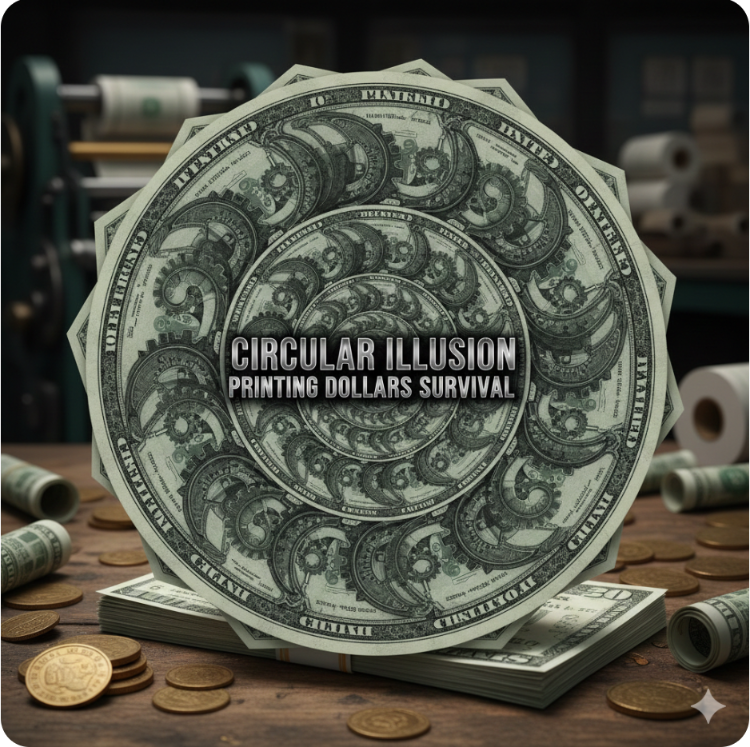
💸 The “Circular” Illusion: Printing Survival
As the article mentions, the U.S. Treasury needs to issue $5.2 trillion in new debt this year. Usually, countries like China or Japan buy that debt. But now, they are selling. When no one wants to buy your “IOUs,” the central bank (the Federal Reserve) has to step in and buy the debt itself.
The Mechanism: The Fed creates digital money out of thin air and uses it to buy the Treasury’s bonds.
The Result: This is “circular” financing. It keeps the lights on in Washington for another day, but it floods the global market with “devalued” dollars.
📉 Exporting Inflation: Why Ghanaians Pay the Price
This is the “insanity” the panel discussed. When America prints money to solve its internal debt, it doesn’t just stay in America. Because the world uses the Dollar for trade, that “new” money dilutes the value of every Dollar held in Accra, London, or Riyadh.
Imported Inflation: If the Dollar loses value, the Cedi (which was pegged to it) drops. Suddenly, it takes more Cedis to buy the same gallon of fuel or bag of fertilizer from the global market.
The Theft of Labor: Ghanaians work just as hard as before, but the “value” of their work is stolen by a printing press 5,000 miles away. This is exactly what Nkrumah meant by “Neo-Colonialism”—we are paying for their mistakes with our cost of living.
“Exporting inflation” is a phenomenon where economic policies or conditions in a dominant economy (like the United States) cause prices to rise in other countries (like Ghana). For a country like Ghana, which is heavily dependent on imports and has a volatile currency, this is a major driver of the cost-of-living crisis.
Here is a breakdown of why Ghanaians “pay the price” when inflation is exported:
1. The Power of the US Dollar (Exchange Rate Pass-Through)
Most international trade—including Ghana’s imports of fuel, machinery, and food—is priced in US Dollars.
The Mechanism: To fight inflation in the US, the Federal Reserve raises interest rates. This makes the dollar stronger as investors flock to US assets.
The Impact on Ghana: As the dollar strengthens, the Ghana Cedi weakens. Even if the price of a bag of rice remains “stable” in global markets, it costs more Cedis to buy that same bag. This “imported inflation” hits the pockets of every Ghanaian at the supermarket and the pump.
2. Energy and Transportation Costs
Ghana is a net importer of refined petroleum products.
The Mechanism: Global inflation often starts with energy. When global oil prices rise, or when the dollar strengthens against the Cedi, the cost of landing fuel in Tema increases.
The Impact on Ghana: Fuel is a “universal input.” When the price of diesel goes up, the “Trotro” driver raises fares, and the farmer in the North raises the price of yam to cover the cost of transporting it to Accra. Thus, inflation in the global energy market becomes inflation in the local food market.
3. Food Insecurity and Global Supply Chains
Despite having fertile land, Ghana imports significant amounts of wheat, sugar, cooking oil, and poultry.
The Mechanism: When countries like Russia or Ukraine (key grain exporters) face conflict, or when major economies experience high production costs, they “export” those high prices to their customers.
The Impact on Ghana: Because Ghana’s local production doesn’t yet meet total demand, the country is a “price taker.” Ghanaians end up paying high prices dictated by global shortages and external economic mismanagement.
4. Debt Servicing and Fiscal Pressure
Exported inflation isn’t just about the price of bread; it’s about the government’s budget.
The Mechanism: Much of Ghana’s national debt is denominated in foreign currencies (Dollars). When the dollar gets stronger (due to US inflation-fighting measures), the cost of paying back that debt in Cedis skyrockets.
The Impact on Ghana: The government has to spend more of its tax revenue just to pay interest on loans. This leaves less money for subsidies, social interventions, or infrastructure, forcing the government to introduce new taxes (like the E-Levy or VAT increases), which further drives up the cost of living for the average citizen.
5. The “Interest Rate” Trap
To stop the Cedi from crashing further due to exported inflation, the Bank of Ghana is often forced to raise local interest rates.
The Impact on Ghana: While this is meant to stabilize the currency, it makes it incredibly expensive for a Ghanaian entrepreneur to take a loan to start a business or for a family to get a mortgage. This slows down the local economy while prices are still rising—a “double whammy” for the citizen.
Summary
Ghanaians pay the price for exported inflation because the country is deeply integrated into the global market but lacks the “economic shock absorbers” (like a strong manufacturing base or a stable currency) to deflect external pressures. When the “big economies” sneeze, Ghana doesn’t just catch a cold—it often ends up in the ICU of economic hardship.
🏛️ The “Gold” Exit: Stopping the Bleeding
This is why the “Nkrumah Moment” is so radical. By backing the Cedi with Gold, Ghana is essentially telling the world: “We will no longer breathe through the lungs of a dying empire.”
Hard Caps: Unlike the Dollar, you cannot “print” gold. It forces the government to be honest and live within its means.
Stable Purchasing Power: While the Dollar is being diluted by trillion-dollar printing sprees, Gold remains a “fixed” reality. This is why Ghana’s inflation is finally cooling to 9.4%—we have stopped importing the American debt-virus.
Real Ambition: Instead of being “ambitious” about printing paper, we are being ambitious about building infrastructure that lasts, powered by the value of our own soil.
Frema Adunyame: “You’ve touched on something critical, Panel. While the headlines talk about ‘modernizing roads,’ the reality of that $200 billion infrastructure bill is a masterclass in financial camouflage.
As we noted in the editorial, the U.S. is facing a point where foreign buyers—the Chinas and Japans of the world—are no longer willing to fund the American lifestyle by buying their IOUs. When the world stops buying your debt, you have to find a way to inject cash into your own system without looking like you’re panicking.
Prime Minister, in Europe, you’ve seen how ‘investment packages’ are often used to mask a desperate need for liquidity. How do you see this latest American move?”
Giorgia Meloni: “It is a desperate survival tactic, Frema. When the U.S. Congress signs a bill for ‘infrastructure,’ they aren’t just building bridges; they are building a conduit for ‘new’ money. Since the private market won’t buy the Treasury’s bonds, the government creates a reason to spend money it doesn’t have. They issue the debt, and the Federal Reserve—the American central bank—quietly buys it.
This money then flows through the ‘infrastructure’ projects directly into the banking system. It’s a circular bailout. They call it ‘progress,’ but it’s actually the sound of a printing press trying to fill a $5.2 trillion hole. They are injecting air into a collapsing lung to keep the patient from realizing the heart has already stopped.”
Dzigbordi Kwaku-Dosoo: “And this is the ‘insanity’ for us in Ghana. That ‘air’ being injected into the American lung is what causes the ‘importation of inflation’ we discussed.
Think about it this way:
The Injection: Washington prints $200 billion for ‘roads.’
The Dilution: Suddenly, there are more dollars in the world, but the same amount of real goods. The value of every dollar drops.
The African Tax: Because Ghana still buys oil, medicine, and tech in dollars, our Cedi has to work twice as hard to keep up.
They get the new bridges; we get the higher food prices. This is why the ‘Nkrumah Moment’ is our only exit. We must stop being the ‘shock absorbers’ for American debt. By backing the Cedi with gold, we aren’t just changing a currency; we are disconnecting our people from a ‘circular’ system that is currently in a state of liquidation.”
🛡️ READER’S SUMMARY: THE INFRASTRUCTURE ILLUSION
The Glossy Lie: “We are investing $200 billion in the future of our nation’s transit and energy.”
The Mathematics: Nobody is buying U.S. debt (IOUs), so the government is printing money to buy its own debt to prevent a banking collapse.
The Impact on You: This “new” money lowers the value of the dollar, making your imports in Ghana more expensive.
Frema Adunyame: “The mask is off. We are witnessing the final attempts to save a system that has reached its mathematical limit. Back your mind with truth. Back your economy with gold.
📢 CALL TO ACTION: DON’T JUST FOLLOW THE CONVERSATION—BECOME PART OF IT.
This groundbreaking issue of the Osagyefo Newsletter is just the beginning. The “old world” is ending, and the tools for the new one are in your hands.
SHARE THE TRUTH: Forward this newsletter to three people who still believe in the “Glossy Brochures.”
JOIN THE DIALOGUE: What is your “Nkrumah Moment”? Tell us on our social platforms how you are reclaiming your productive capacity.
SECURE YOUR FUTURE: Re-read our Financial Action Plan and start the transition from paper promises to real value today.
The gates are open. Will you walk through?Monday, 05-01-2026 | OSAGYEFO NEWSWEEK: The Future is Gold-Backed.
SGI-Our Shared Humanity
introduction to the Soka Gakkai and Nichiren Buddhism. Where do the teachings originate from?
What is the philosophy of Buddhism?
How do Soka Gakkai members apply it in their daily lives?
Benjamin-Okyere : The Soka Gakkai is a global community-based Buddhist organization that promotes peace, culture and education centered on respect for the dignity of life. Its members in 192 countries and territories study and put into practice the humanistic philosophy of Nichiren Buddhism.
Soka Gakkai members strive to actualize their inherent potential while contributing to their local communities and responding to the shared issues facing humankind. The conviction that individual happiness and the realization of peace are inextricably linked is central to the Soka Gakkai, as is a commitment to dialogue and nonviolence. Subscribe to our channel: / sgivideosonline
Babies and Todds Day Care Where Africa’s future leaders are nurtured. Where leaders of peace grow up. Where the dream of peace begins.
Located in the heart of Windhoek, Babies and Todds Day Care is a safe, loving, and nurturing Day Care and Preschool—a beautiful place where children are encouraged to grow, learn, share, and create.
🌱 A caring environment 🎨 Creative early learning 👶 Gentle guidance for curious minds 🌺 A foundation for character, confidence, and peace
Because every great leader begins as a well-nurtured child.
Elevate your professional narrative with Office&Co by SA, Ghana’s premier ready-to-wear fashion house dedicated to the woman on the move.
We don’t just make clothes; we craft confidence for the ambitious, the visionary, and the upwardly mobile. Our collections blend sharp, cutting-edge tailoring with the vibrant soul of modern African craftsmanship.
Why Choose Office&Co by SA?
Cutting-Edge Design: Precision-cut blazers, sophisticated shift dresses, and power suits designed to command any boardroom.
The “Ambitious” Fit: Tailored specifically for the lifestyle of the modern professional woman who demands both style and functionality.
Quality Craftsmanship: Proudly produced with meticulous attention to detail, ensuring every stitch meets international standards.
Global Reach: Based in Ghana, but serving the world. We bring high-end corporate fashion to your doorstep, no matter where you are.
Redefine Your Workday
Whether you’re closing deals in Accra or leading a keynote in London, our pieces ensure you look as powerful as your ambitions.
African Designers Work Masterclass in Corporate Confidence
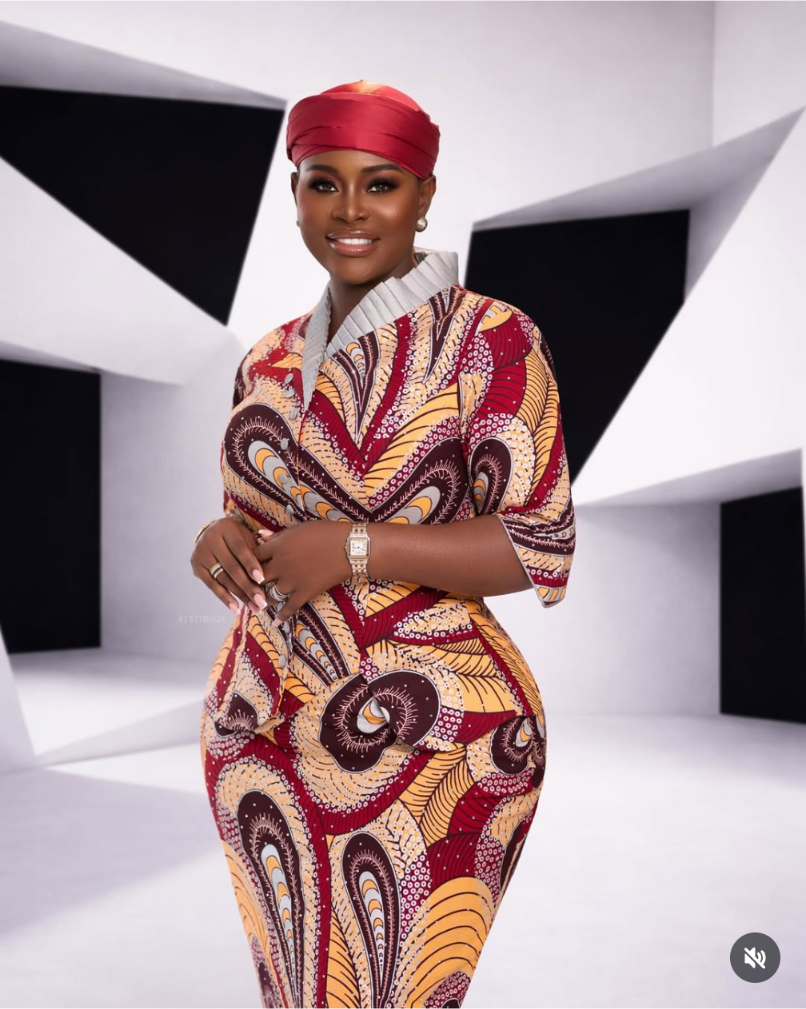
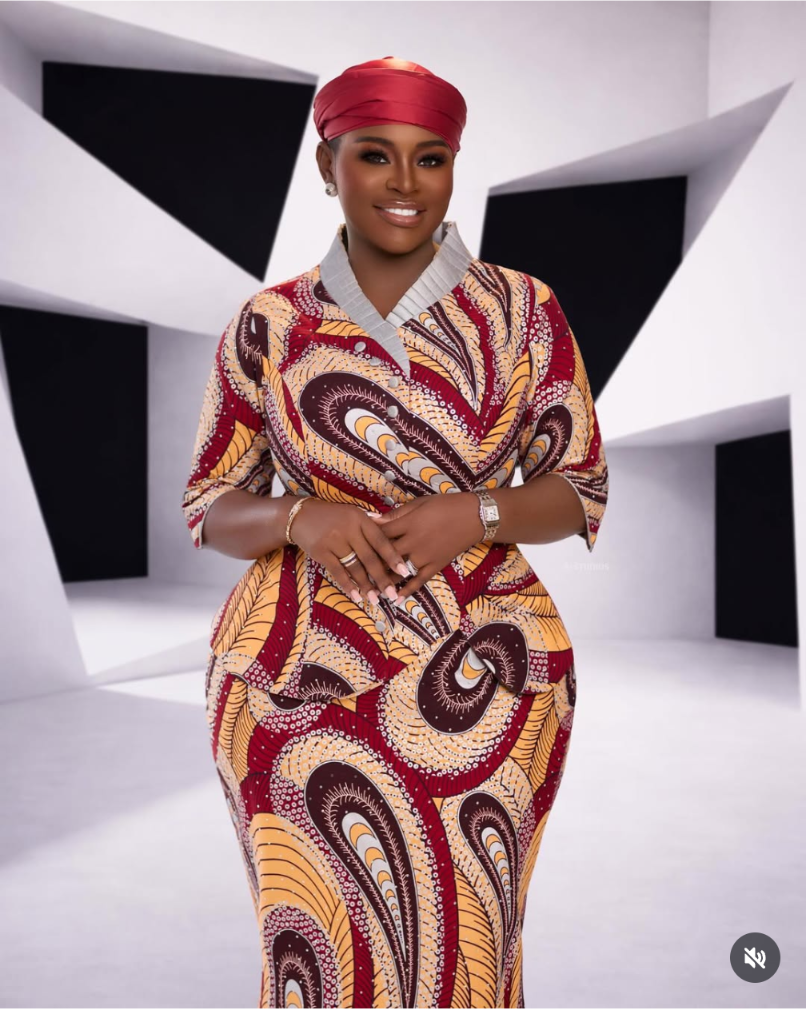
Congratulations to Lauren Haute Couture for winning this week’s ASSUMPTA IMAGINE prize. Located at 5 Mama Adjeley Rd, East Airport, Ghana, this multiple award-winning brand proves that the heart of African design beats with a rhythm of professional excellence and unrivaled grace.
The Poetry of the Ensemble
In this garment, tradition is woven into the very fabric of ambition. The dress features a mesmerizing tapestry of crimson, ochre, and deep ebony, where swirling patterns dance like liquid gold across the silhouette.
The high, pleated silver collar stands as a sculptural crown to the piece, offering a sharp, modern contrast to the organic flow of the print. It is a visual representation of the harmony between heritage and the fast-paced world of high fashion—a true masterpiece draped in elegance.
Command the Boardroom
This look defines the new standard for executive attire. It transitions the richness of African artistry into the corporate arena, offering a style that is as strategic as it is beautiful.
Unshakeable Confidence: To wear this piece is to wear your identity as armor. It radiates the self-assurance of a leader who is rooted in culture but destined for global impact.
Architectural Professionalism: The precision of the tailoring provides a structured, commanding presence. It replaces the standard grey suit with a vibrant declaration of power and creativity.
The Executive Edge: This is corporate style for the visionary. It speaks of a woman who brings her whole self to the table—bold, innovative, and unapologetically sophisticated.
African Designers Work Masterclass in Corporate Confidence
Congratulations to Lauren Haute Couture for winning this week’s ASSUMPTA IMAGINE prize. Located at 5 Mama Adjeley Rd, East Airport, Ghana, this award-winning brand proves that the heart of African design beats with a rhythm of professional excellence.
The Poetry of the Ensemble: GTP in Motion
Expertly modeled by the graceful Frema Adunyame, this garment showcases the legendary quality of GTP Cloth. In this masterpiece, tradition is woven into the very fabric of ambition. The dress features a mesmerizing tapestry of crimson, ochre, and deep ebony, where swirling patterns dance like liquid gold across the silhouette.
The high, pleated silver collar stands as a sculptural crown to the piece, offering a sharp, modern contrast to the organic flow of the print. It is a visual representation of the harmony between heritage and the fast-paced world of high fashion—a true masterpiece draped in elegance.
Command the Boardroom: Life.Styled.
Welcome to a world of Premium African Fashion. This look defines the new standard for executive attire, transitioning the richness of GTP artistry into the corporate arena. It offers a style that is as strategic as it is beautiful.
Unshakeable Confidence: To wear this piece is to wear your identity as armor. It radiates the self-assurance of a leader who is rooted in culture but destined for global impact.
Architectural Professionalism: The precision of Lauren Haute Couture’s tailoring provides a structured, commanding presence. It replaces the standard grey suit with a vibrant declaration of power.
The Executive Edge: This is corporate style for the visionary. Be inspired to live Life.Styled.—where every meeting is a moment of influence.
Get The Look
Experience the excellence of Ghanaian craftsmanship and premium textiles.