
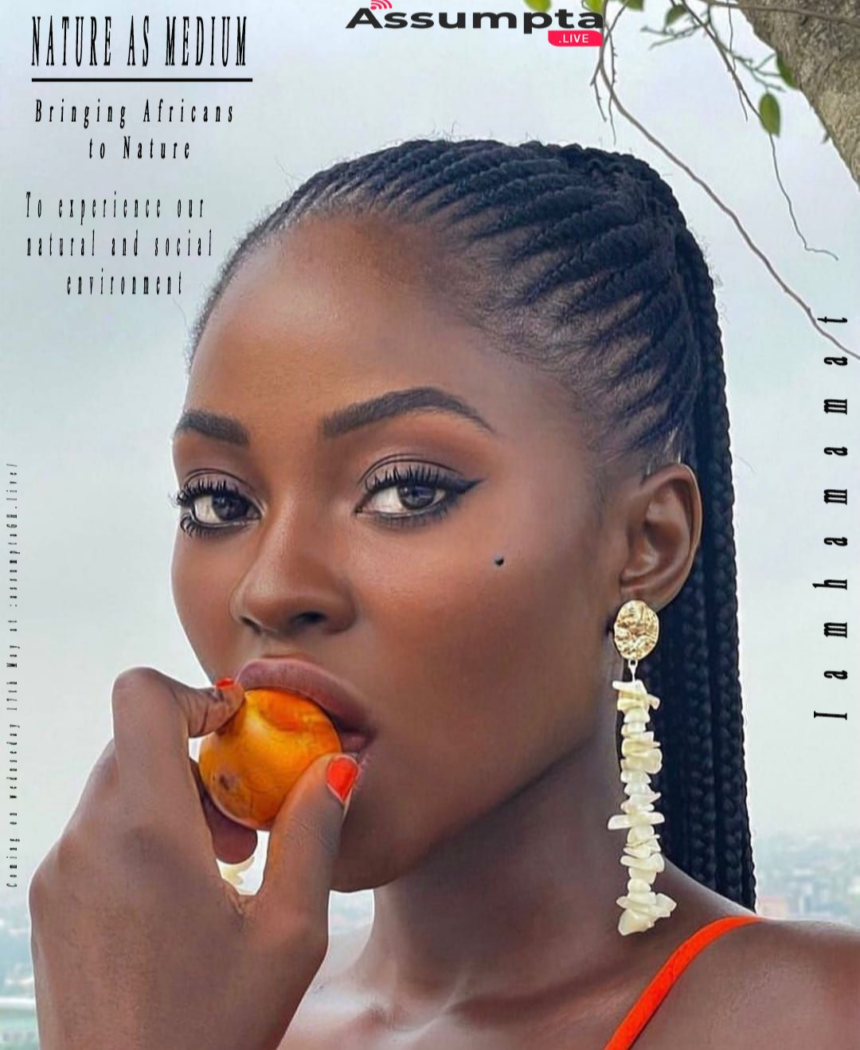
Bringing Africans to Nature to Experience Ghana’s Natural and Social Environment.

Why geography matters
Geographical perspectives offer a uniquely powerful way of seeing Ghana. Since at least the time of the indigenous Ghanaians, geographers have attempted to put the rural in a Urban context.
By without down and recording their observations so they can share them more widely. These endeavours have been motivated by a desire to understand and navigate the land of Ghana that is our home and source of the materials that we need in order to survive.
Unless we can grasp how the land or the space we call works and how we fit into it, we leave ourselves exposed to unnecessary uncertainty and risk.
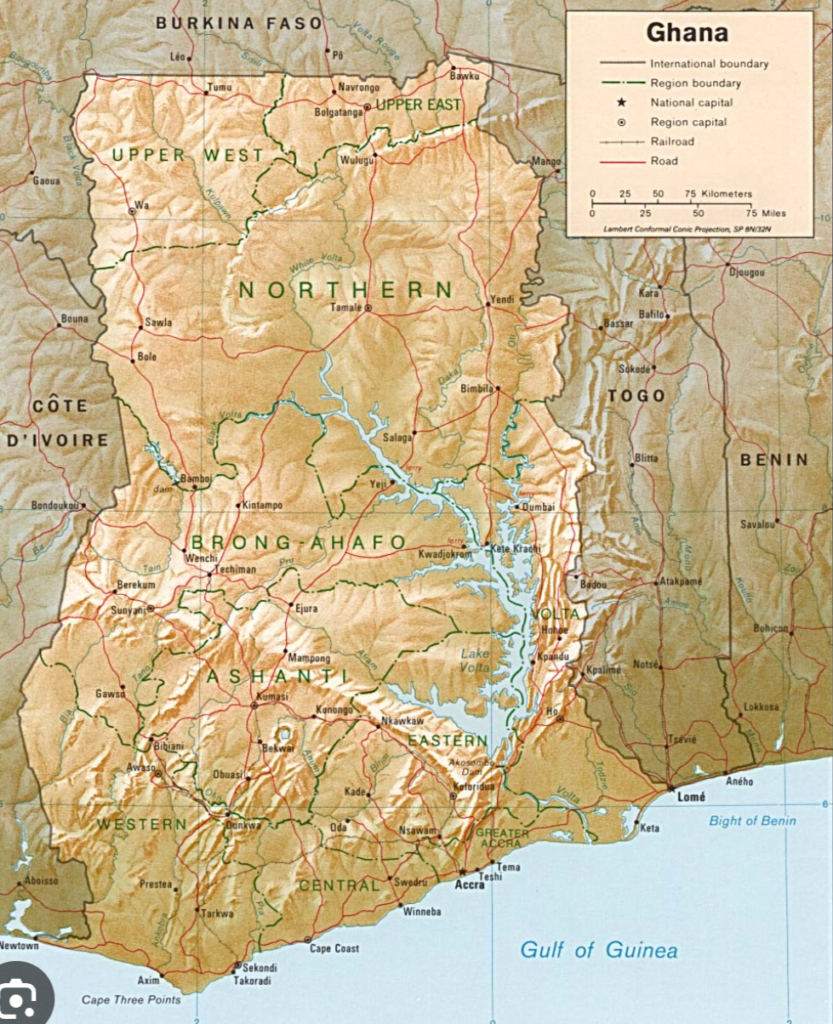
We also share these vast land spaces we call Ghana with others as we live our lives, making meaning as we go and leaving a mark on the land in various ways through consumption, development, conservation and appreciation.
Needless to say, Bolgatanga is full of examples of creative endeavour. The questions that stimulate creative thinking about Bolgatanga are simple and fundamental.

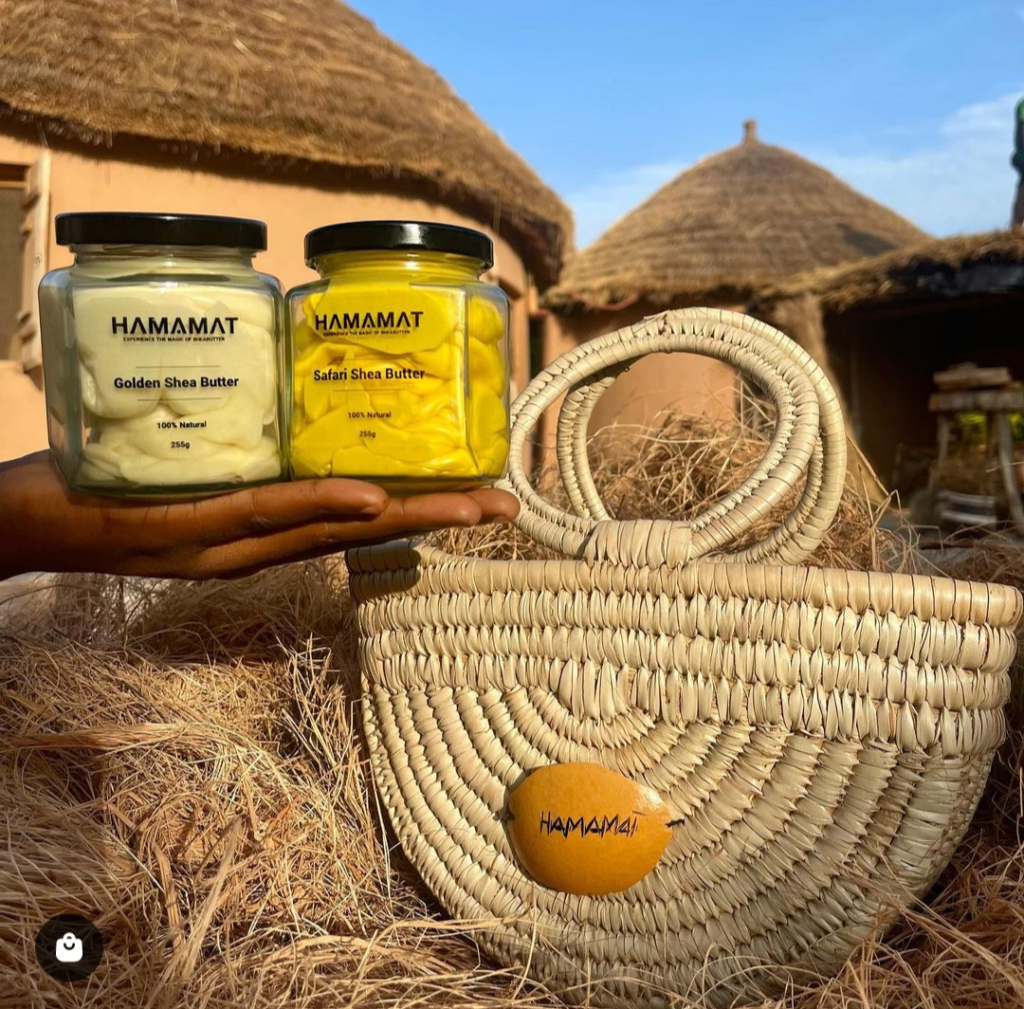
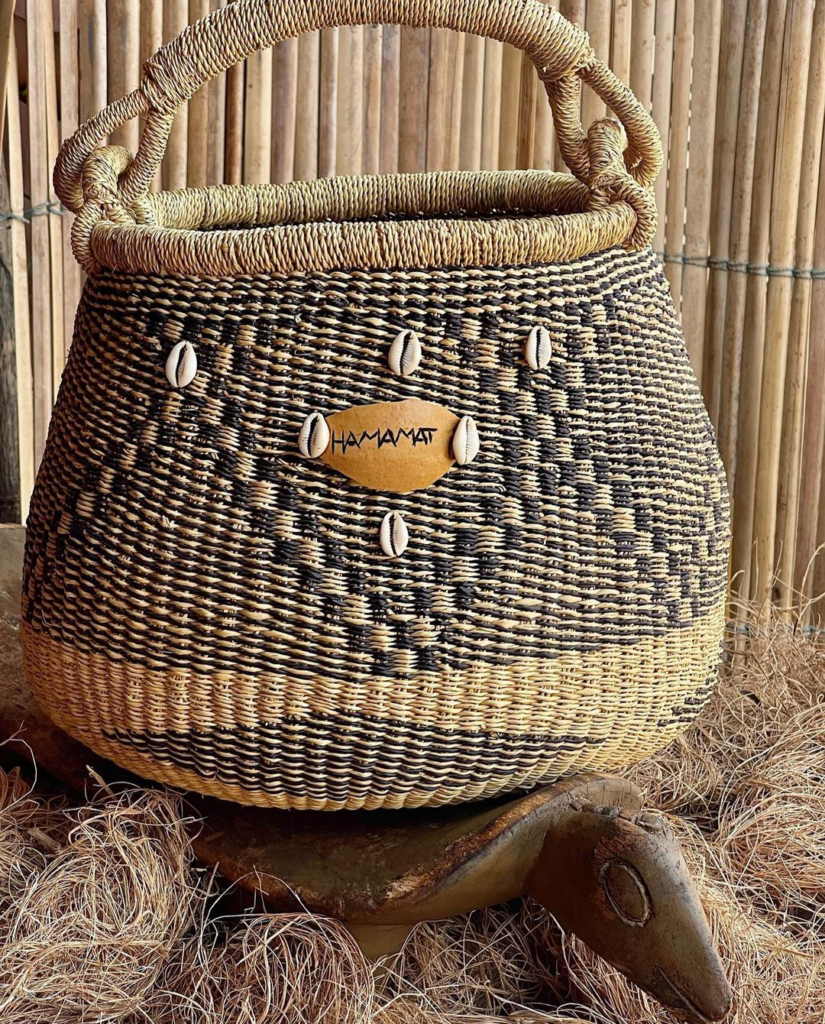
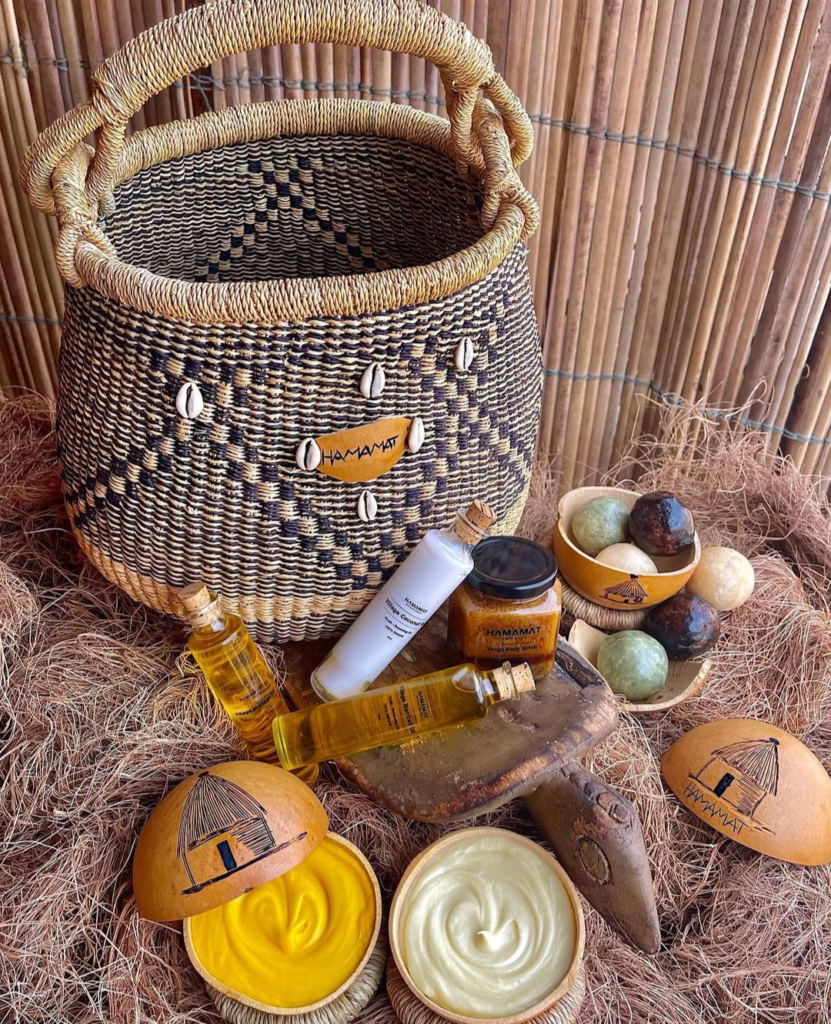
- Where exactly is Bolgatanga?
- What characterises it?
- What are its links to other places?
- How is it changing?
- How can we protect it or improve it now and in the future?
- How can we contribute?
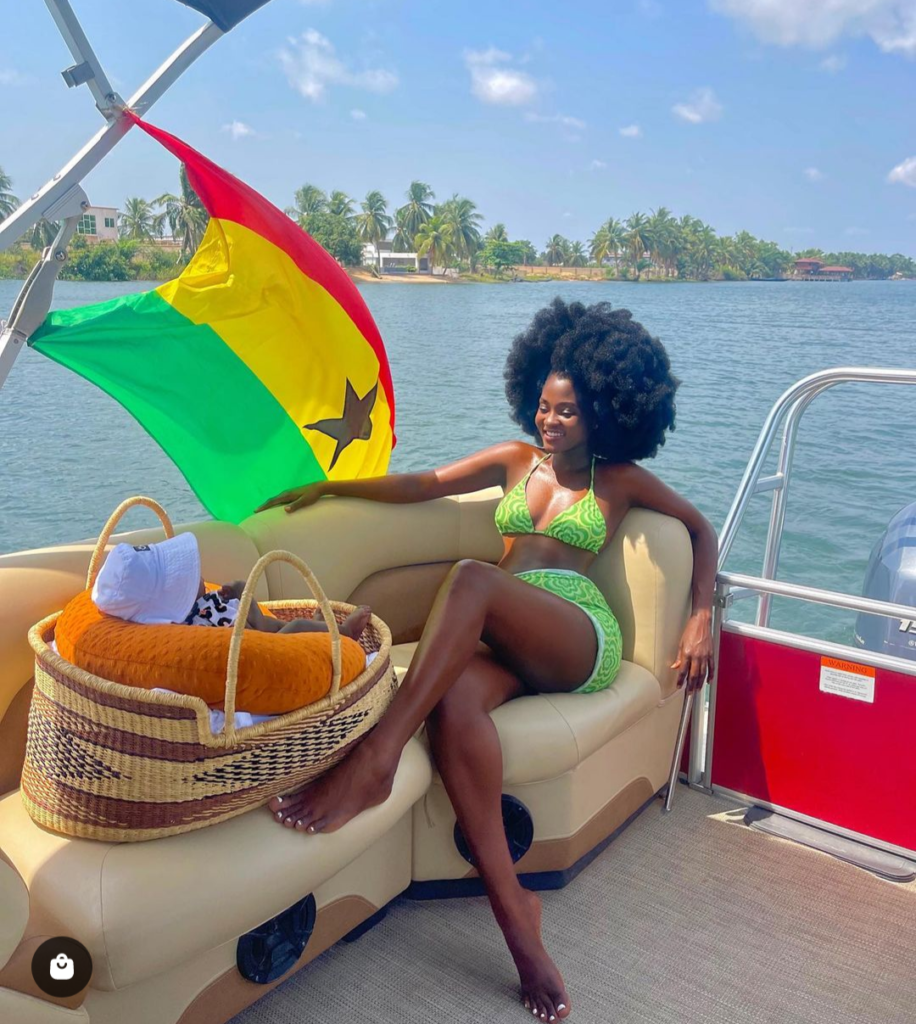
These are questions that occupied Hamamat Montia’s mind for years and she addressed it by her creative collaboration, thought and action.
The future of every place on the land called Ghana must therefore be a central concern for those who live there.
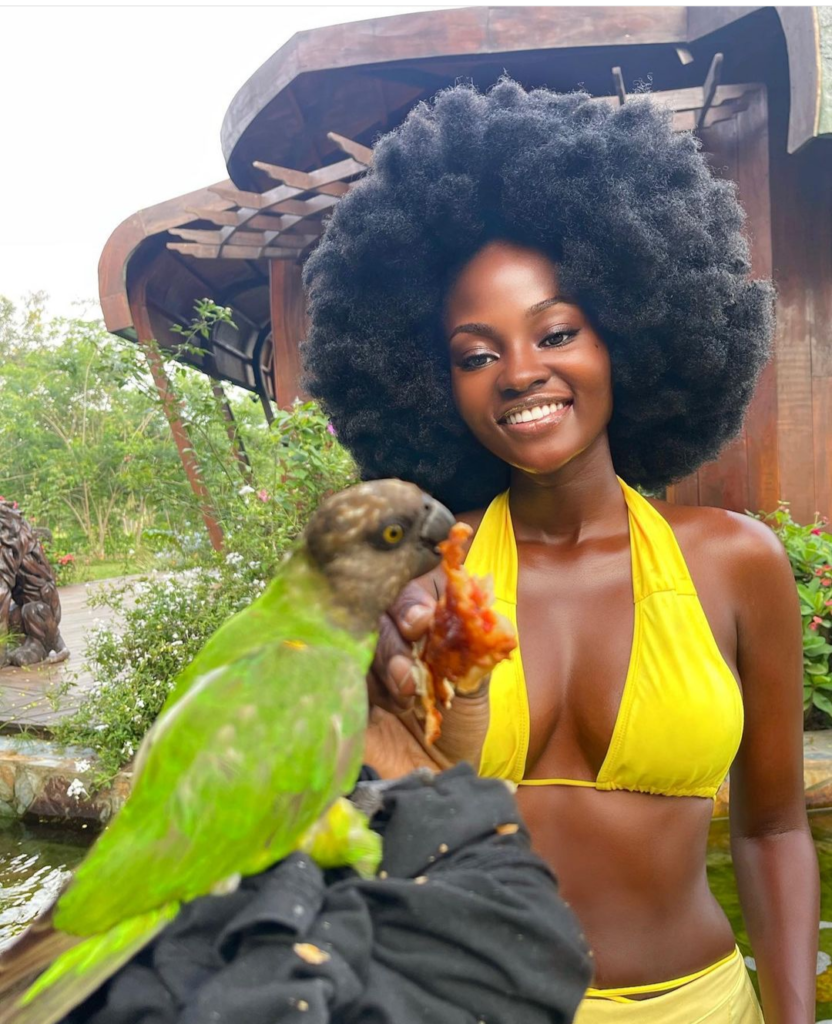
Hamamat:
Observations of nature reveal that there is a sort of cooperation and communal existence among living things which are at the same time competing for their survival. Which explains the fact that on the land on which we live it is armed naturally in various ways which provides protection for us and in return we have to protect it.
Observing this makes me realise how fortunate we are as Ghanaians to have all the natural means for self protection and preservation.
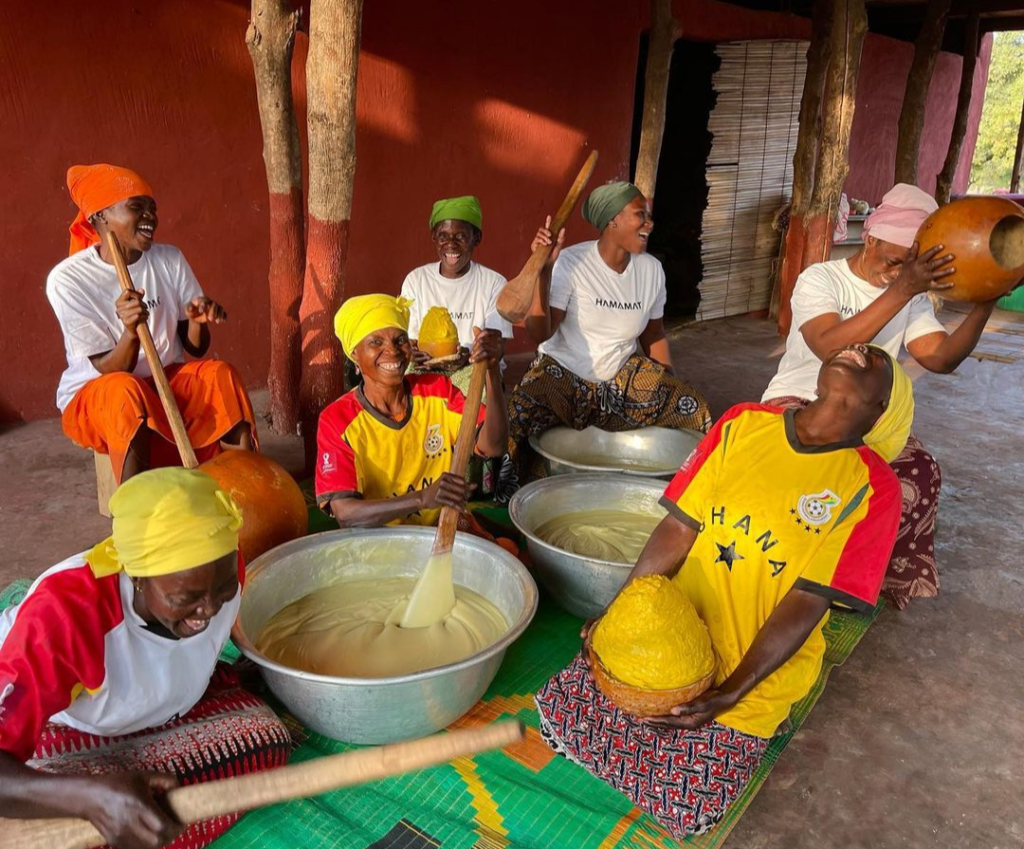

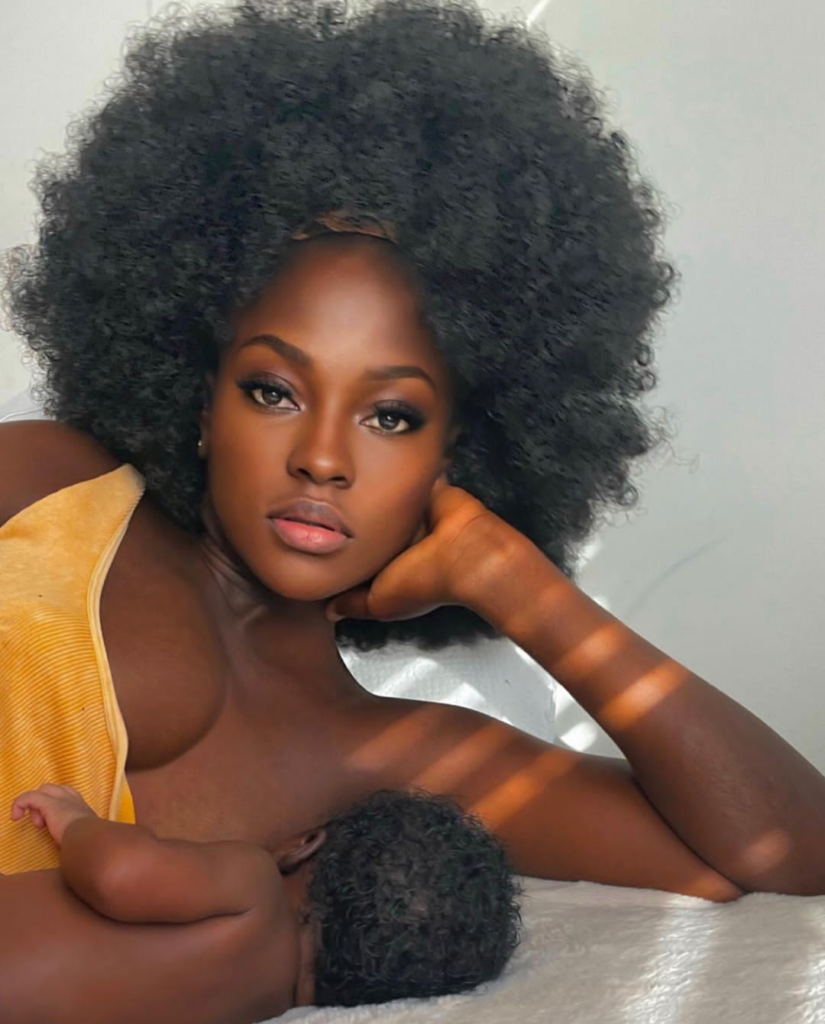
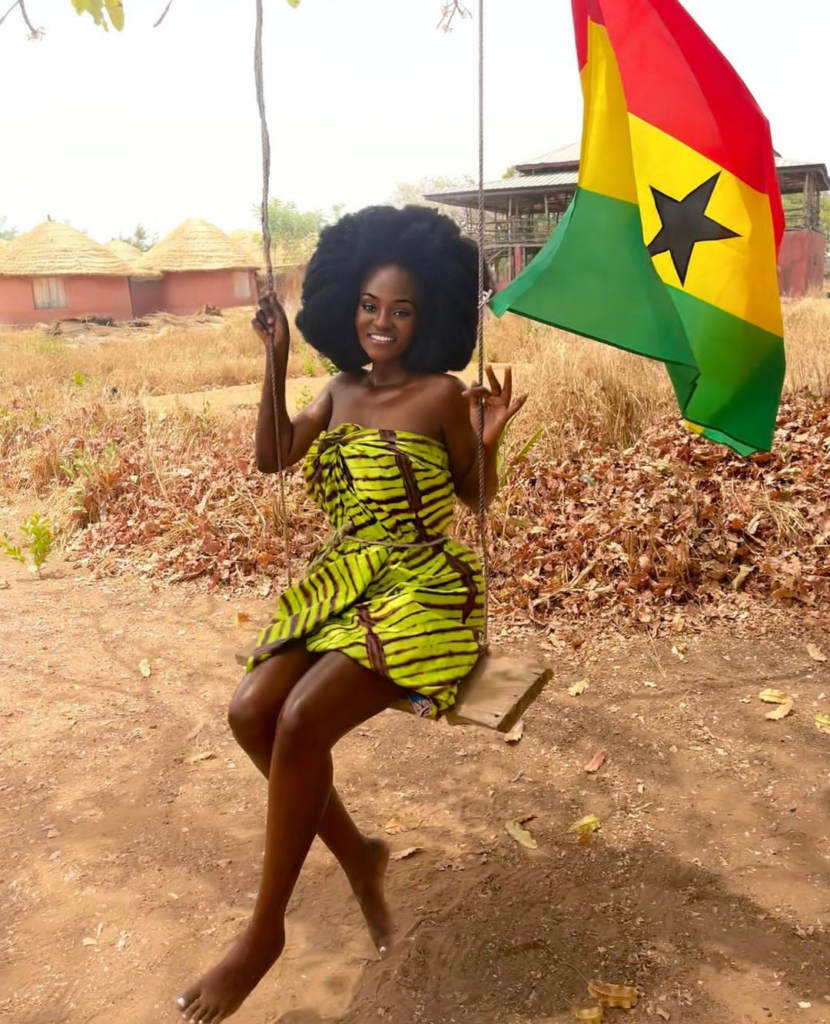
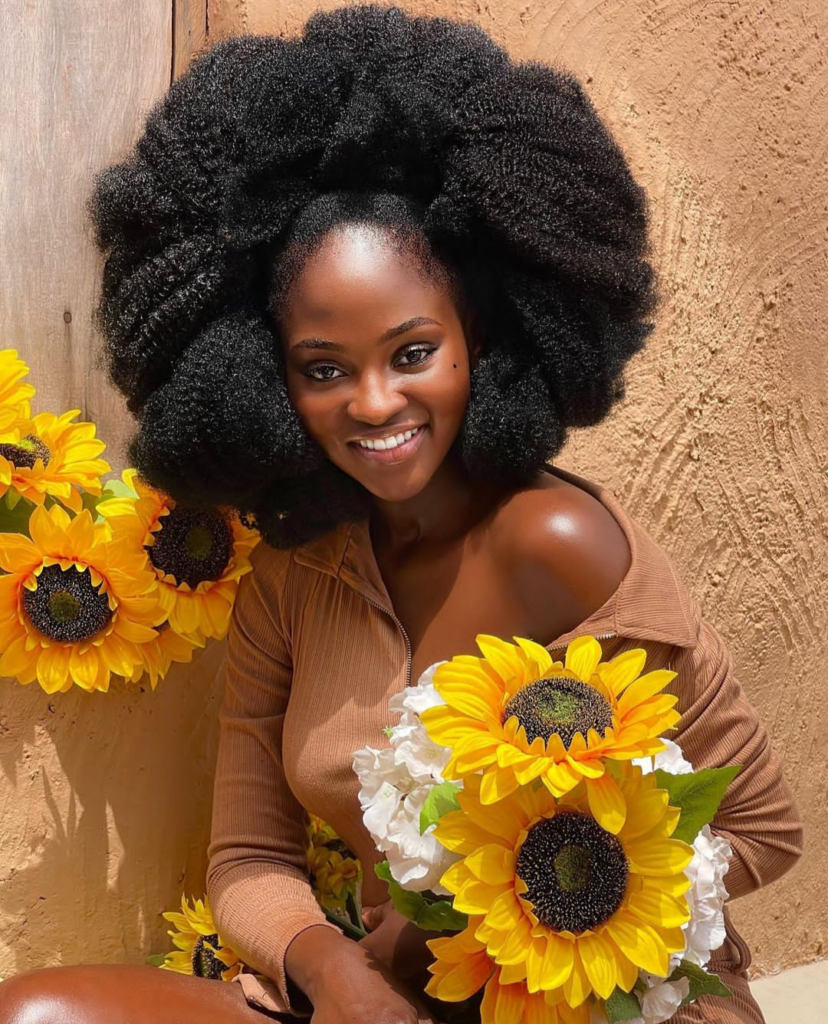
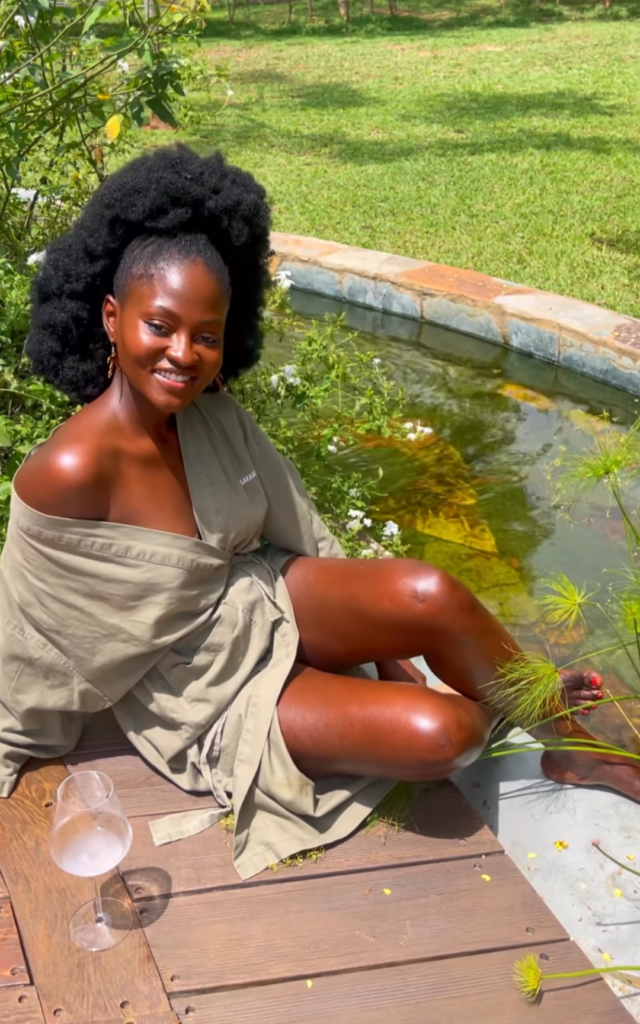
My name is Hamamat Montia. I was born on the 22nd. July 1988 a Ghanaian model and a former Miss Malaika queen.
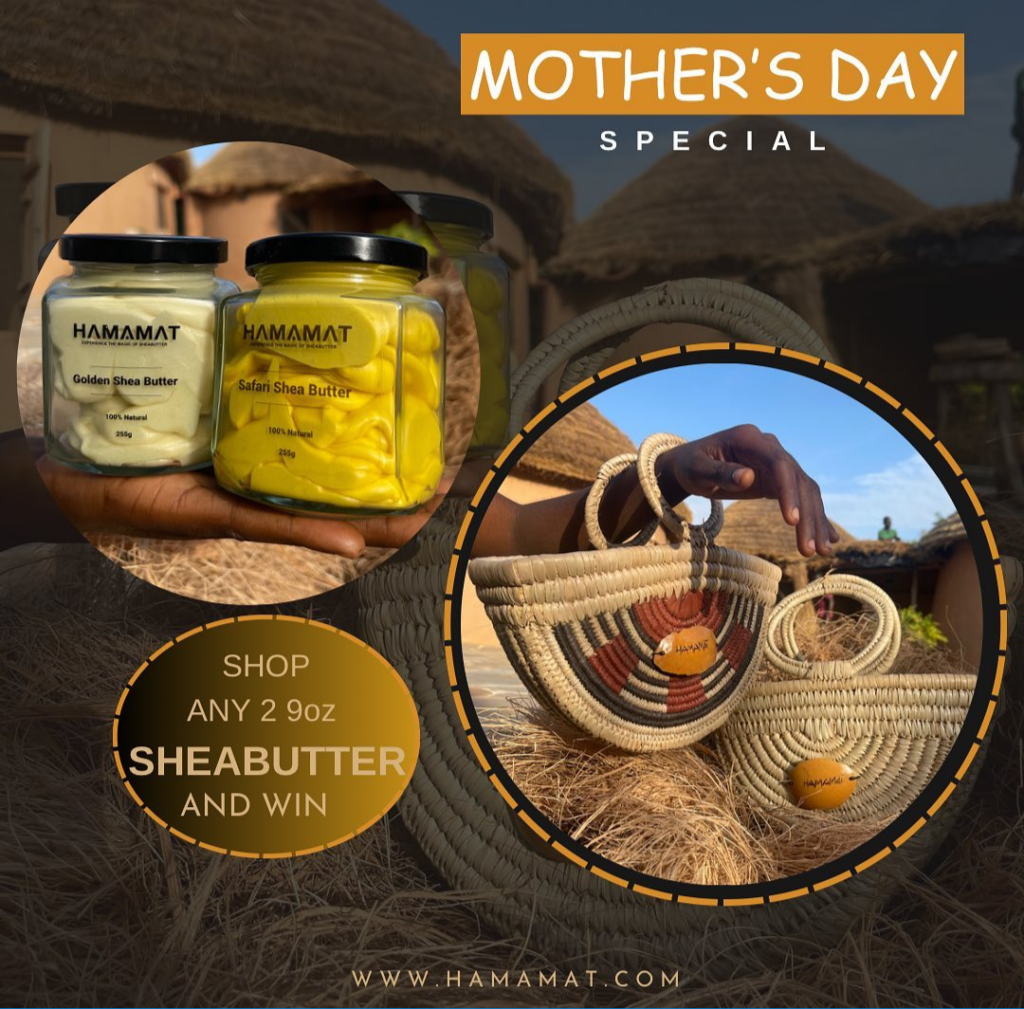
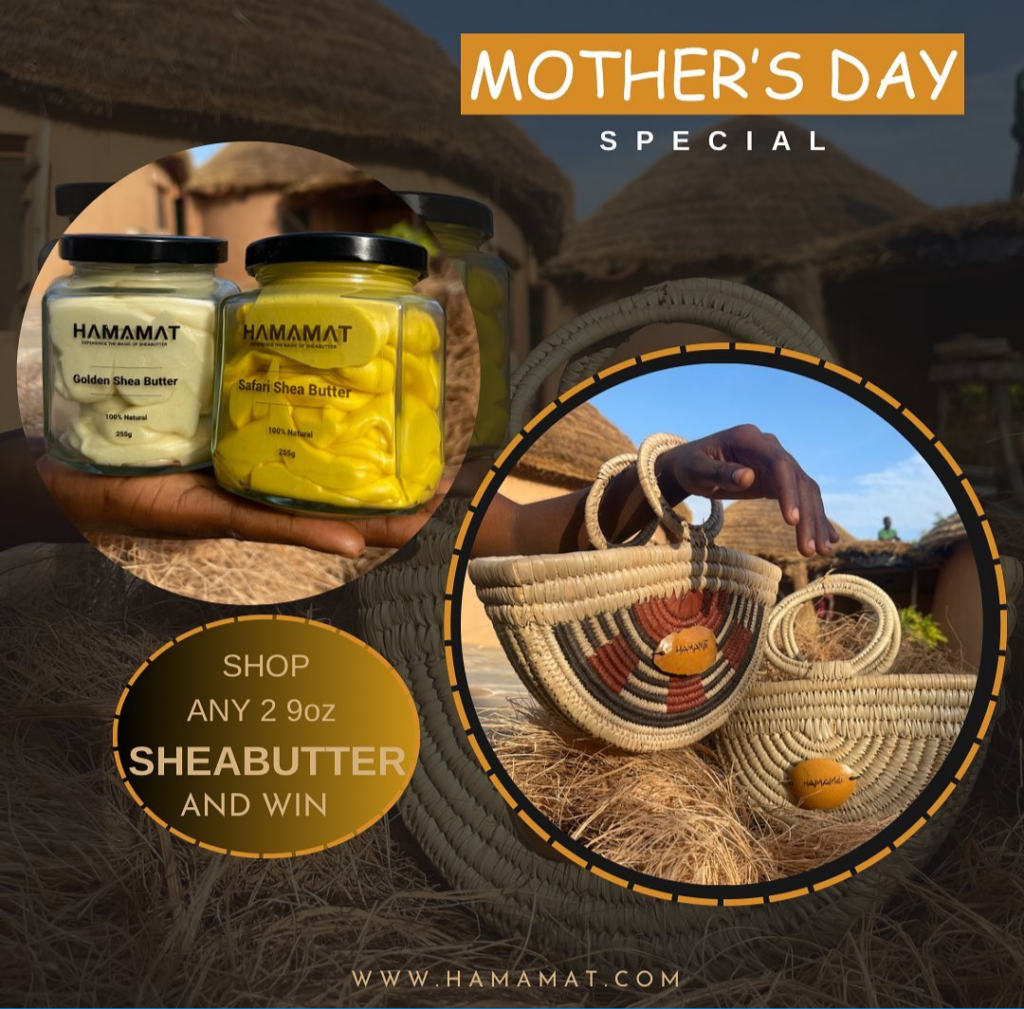
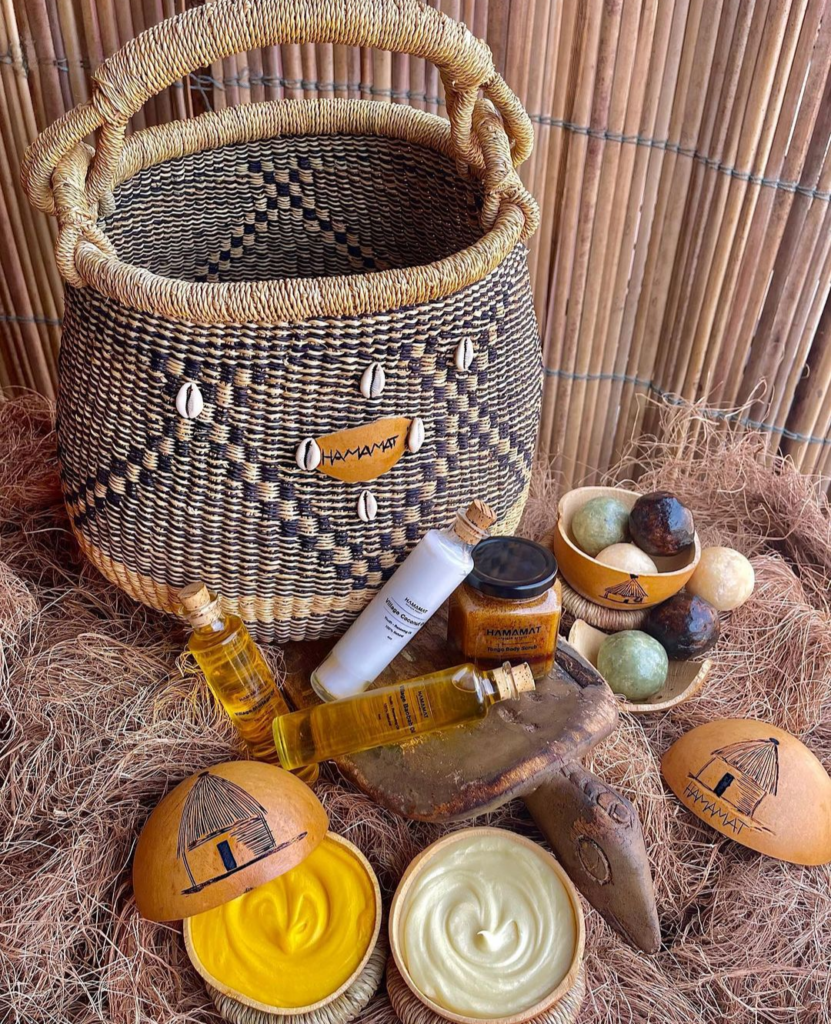
Starting as a model, I was elected Miss Malaika in 2006 and model of Africa Universe in 2007. I sell shea butter, soap and other products handmade in Ghana.
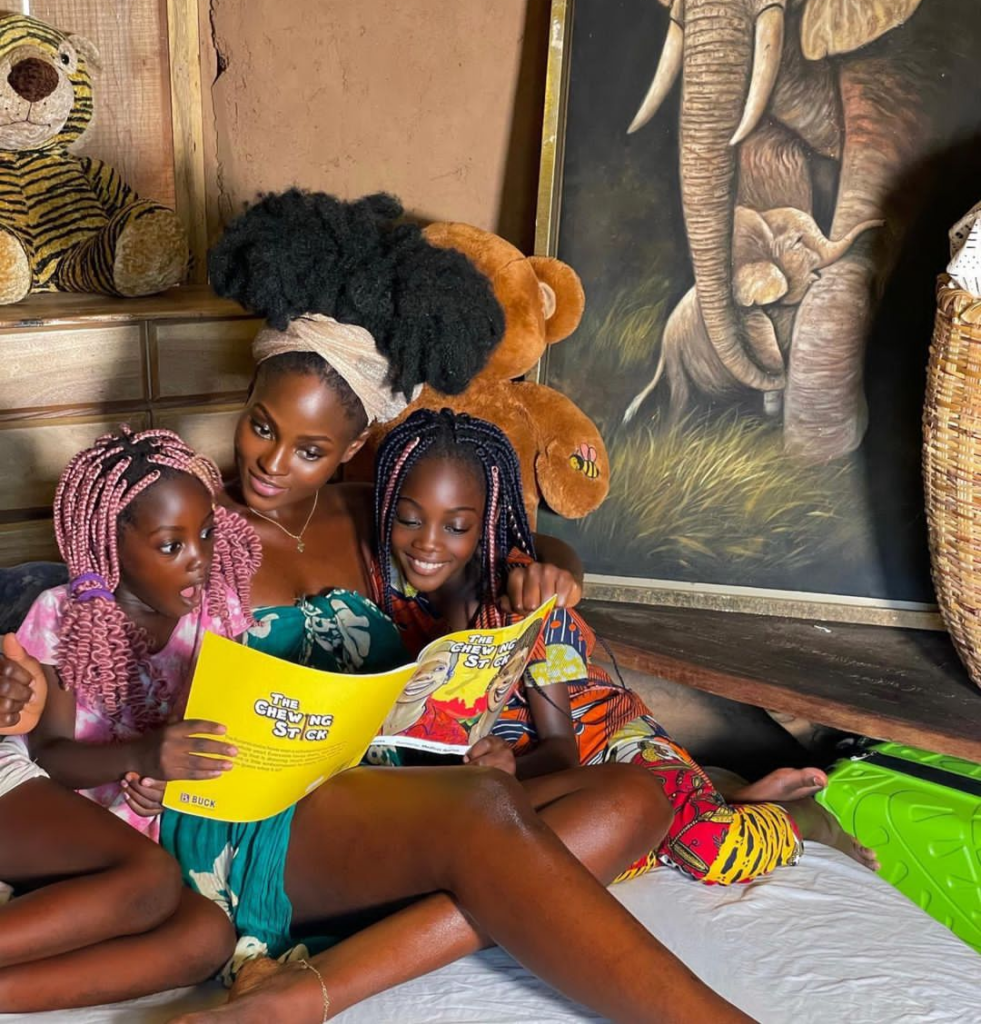
I am from Bolgatanga in the Upper East region of Ghana, and got my high school education at Achimota School aged 35 (2023). I am a mother of two daughters and one son.

TSASI:
What was your interaction with the land called Bolgatanga?
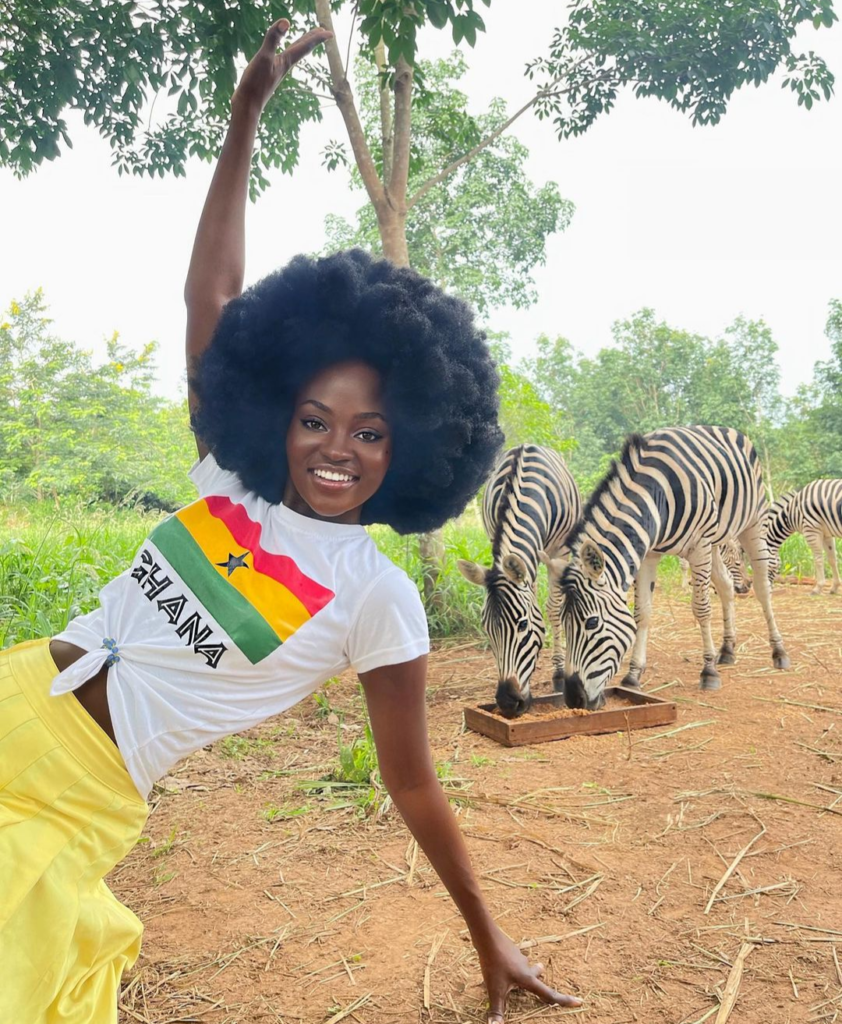
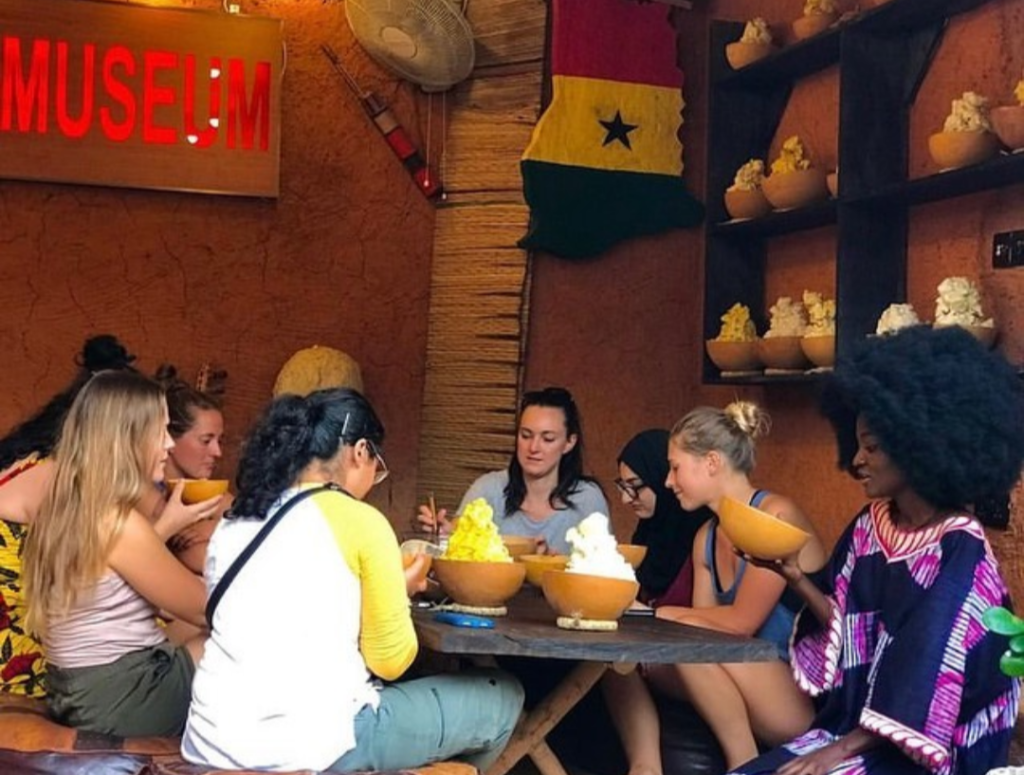
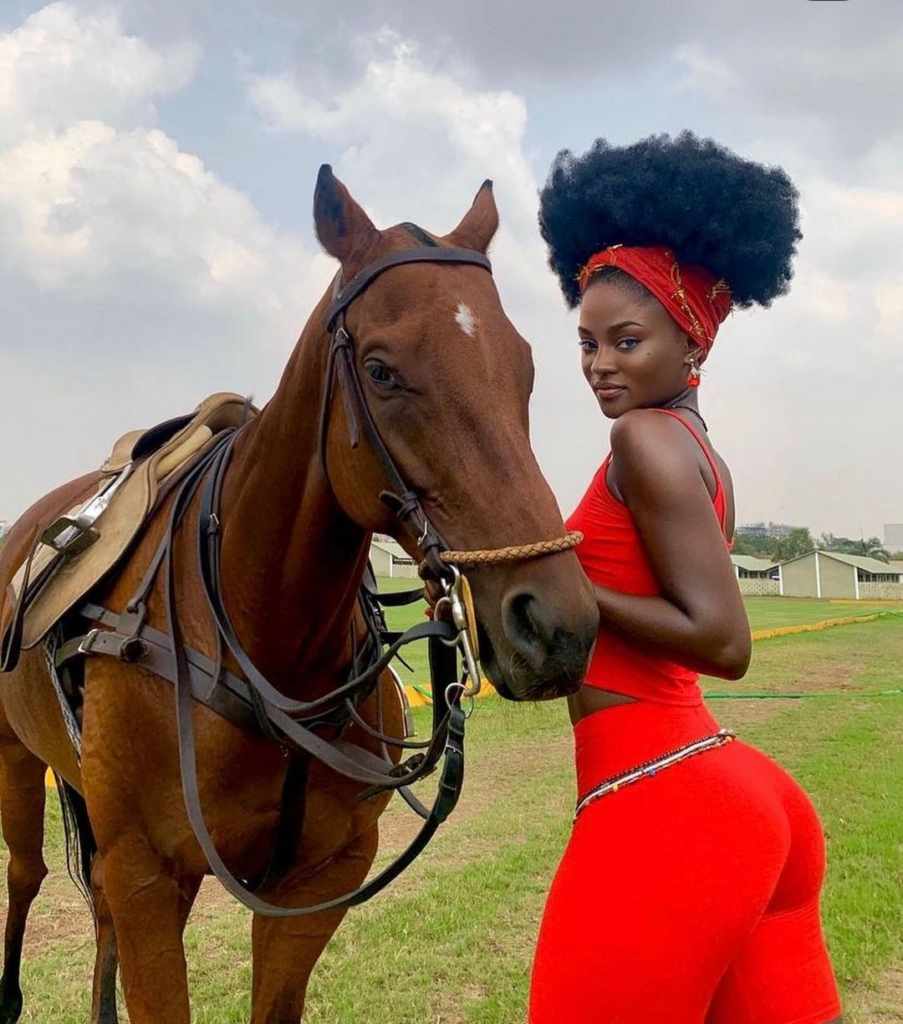
Hamamat:
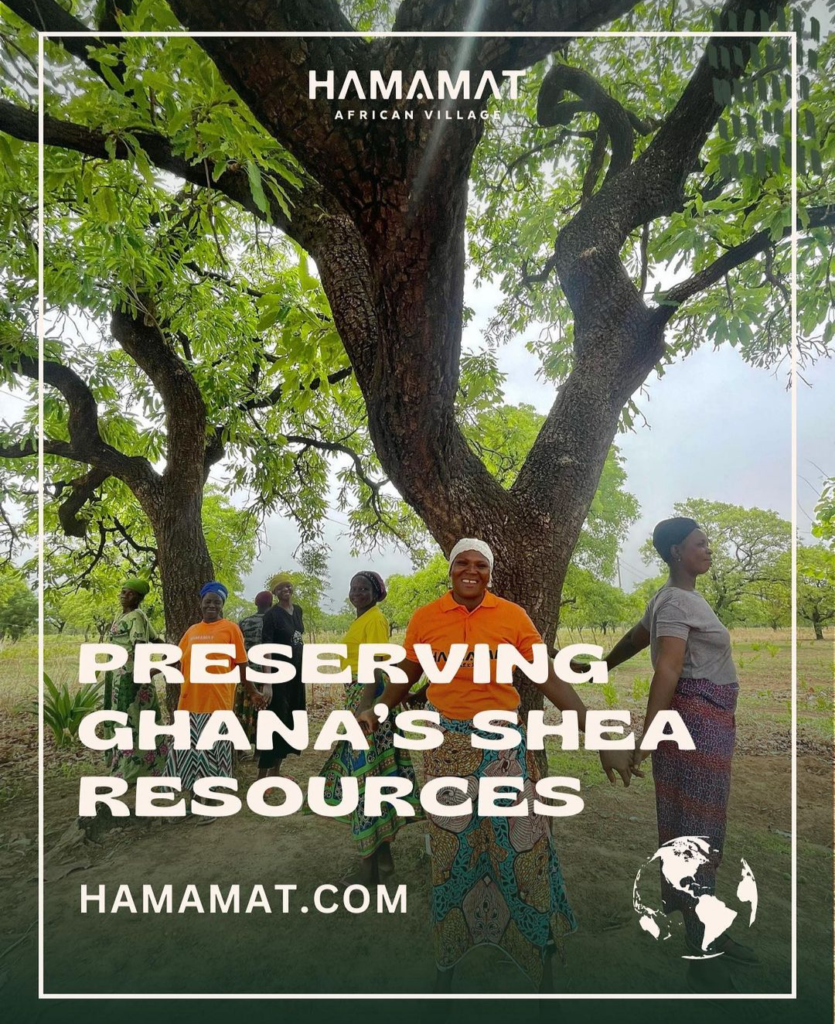
My interaction with the land called Bolgatanga was a process of becoming human. I was born in Bolgatanga, lived there and raised there, and I was inspired by the land. So Bolgatanga is my home.
Confronting the land was my important first step in my preparation to learn about the land which gave birth to my parents, myself and my children which nurtures us each day that we have lived till today.

TSASI:
Can you tell us how you observe, and make contact with, your surroundings?
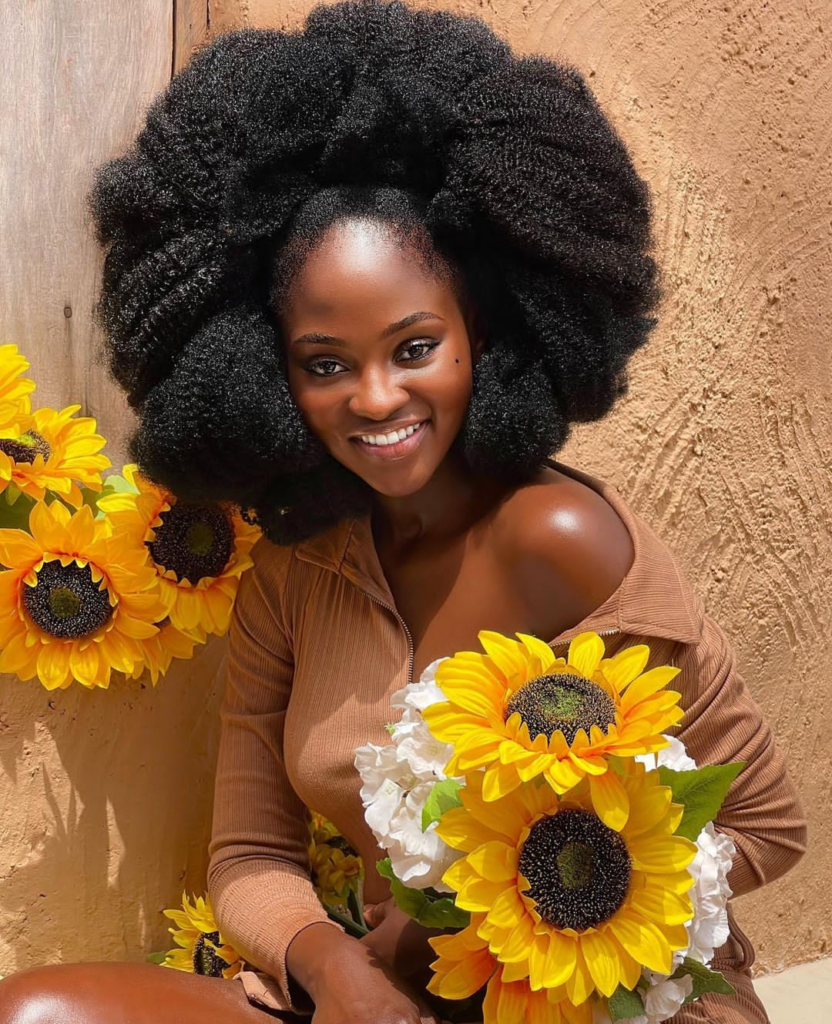
Hamamat:
I can say, first, that there are two general ways in which I interacted with the land of my hometown Bolgatanga. One is physical, the other is spiritual.
My ancestors, over many centuries of experience, discovered various kinds of plants, cultivated them, and handed them down to us as agricultural plants, along with knowledge and practices for cultivating them.
Edible plants are the base of survival. The specific parts of plants that we eat vary. Some plants offer us their grain, their fruit, stems, leaves, or roots. These plants have been classified by agriculturists into groups. Cereale-rice, wheat, millet, corn, soybeans, and shea butter.

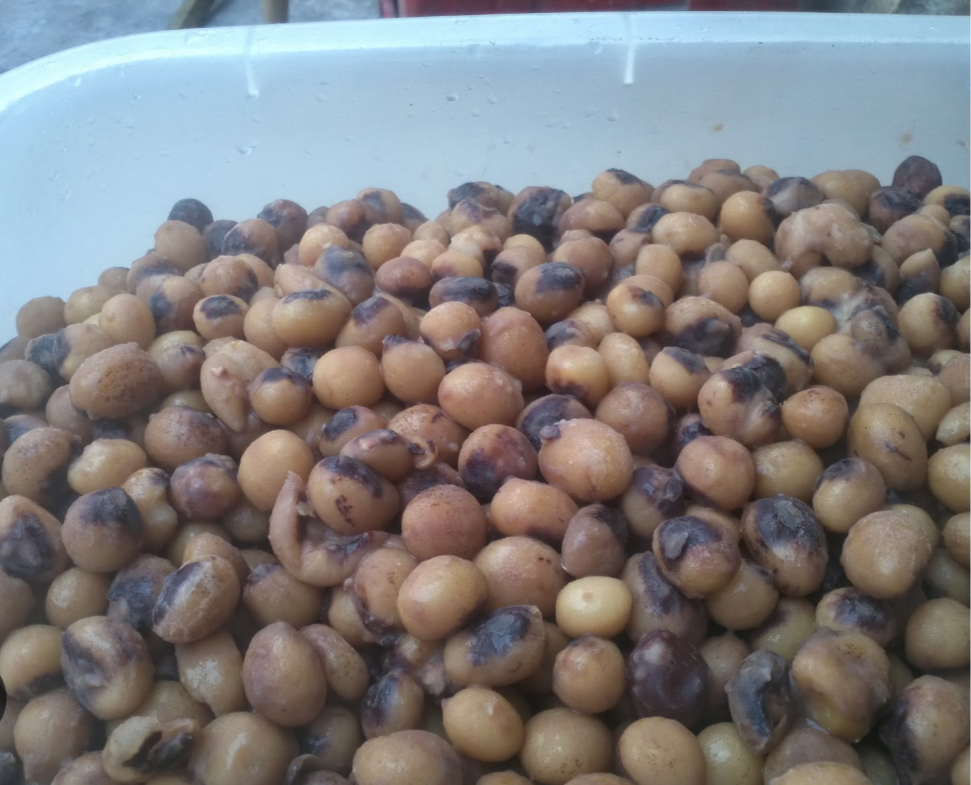
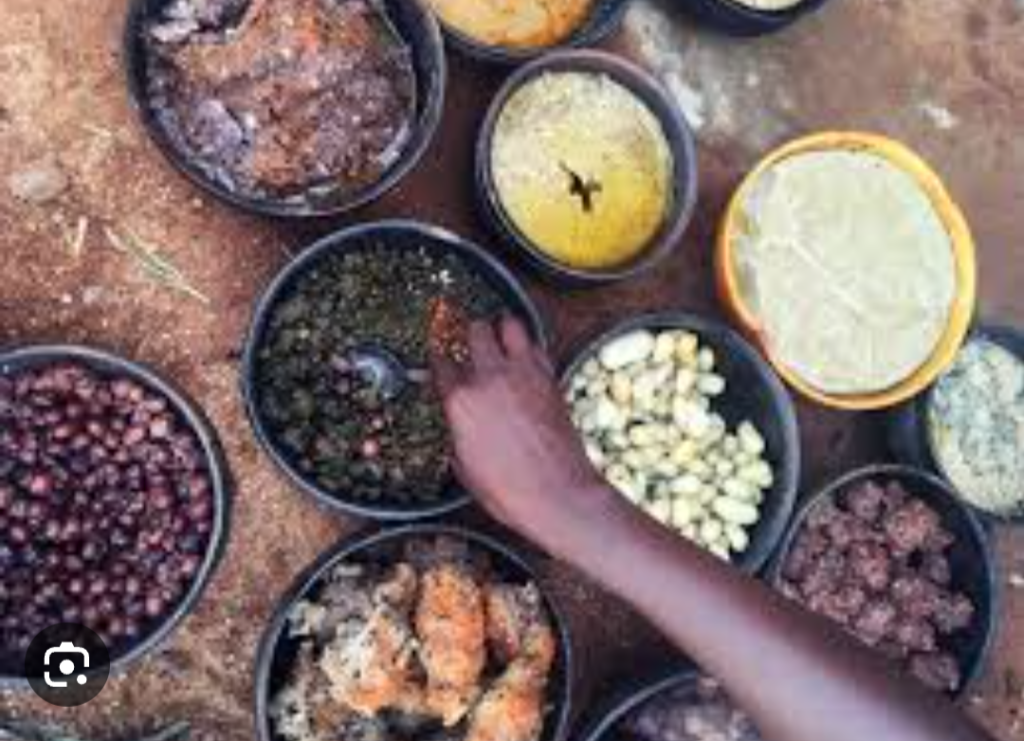

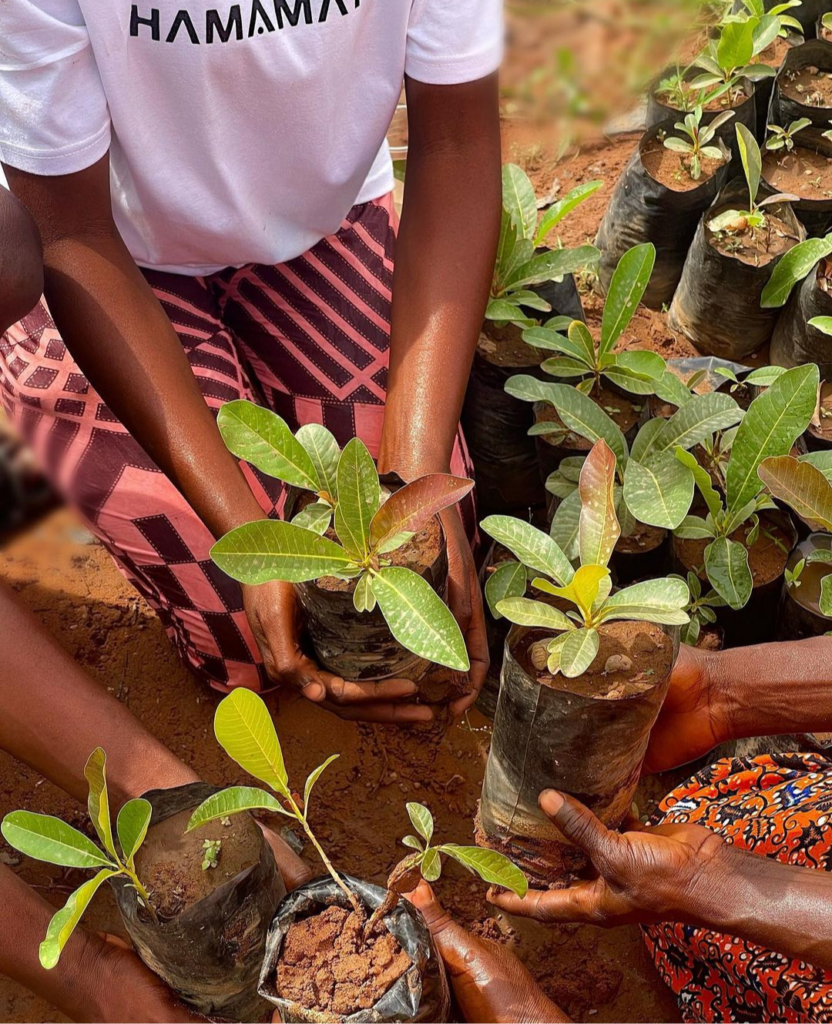
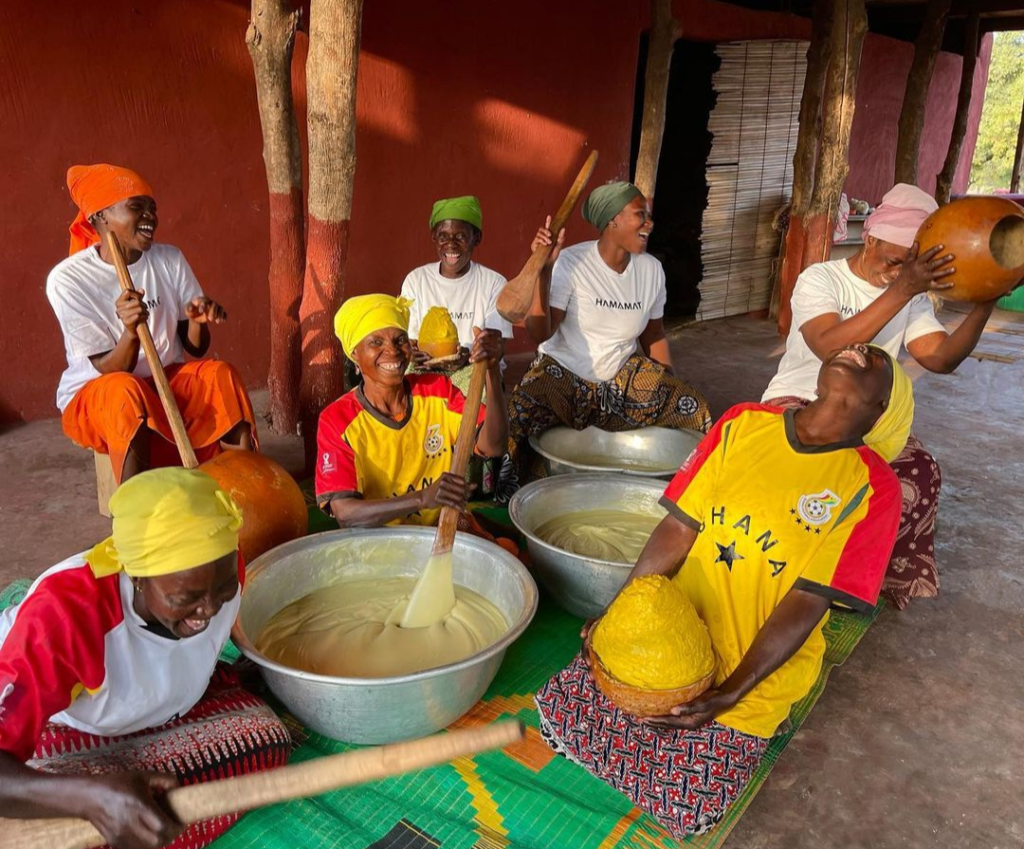
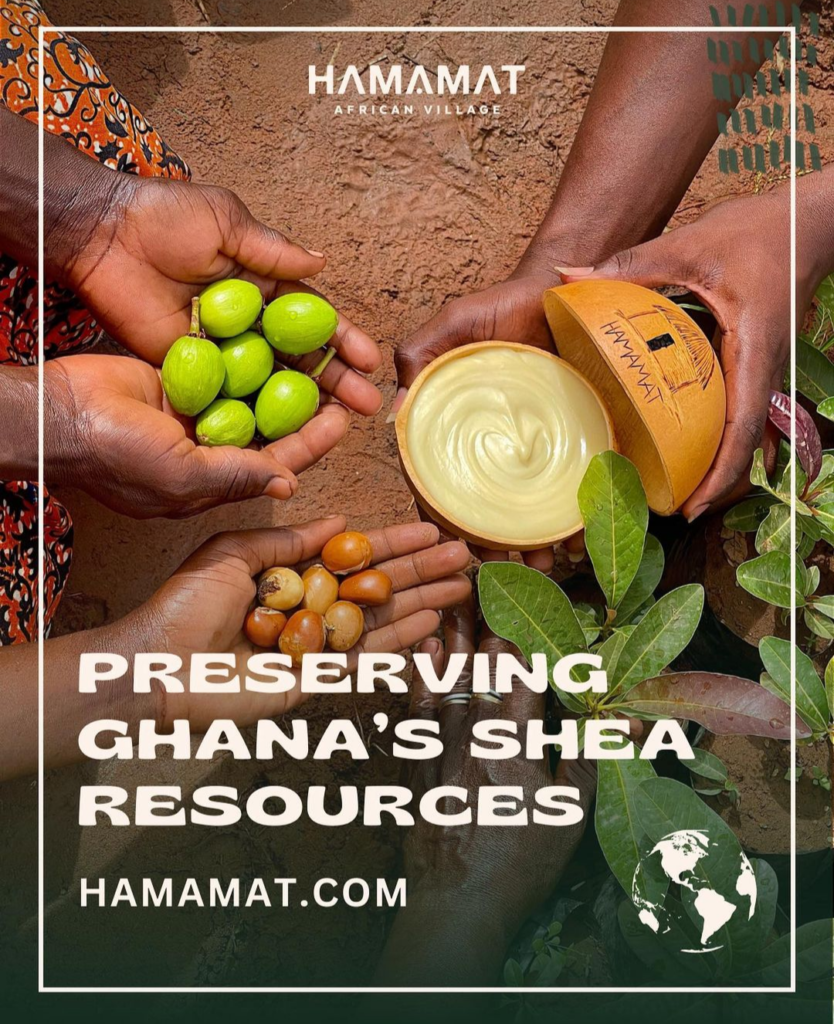
My interaction with the land can be seen now with the processing of shea-butter with hands.
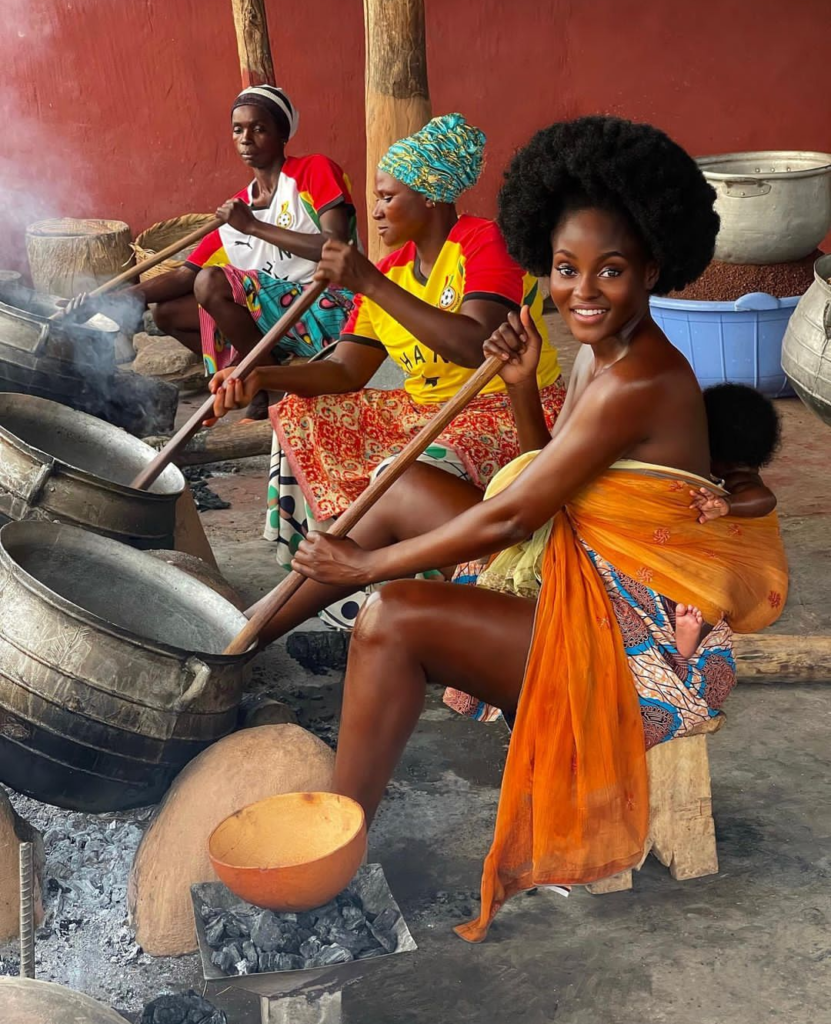
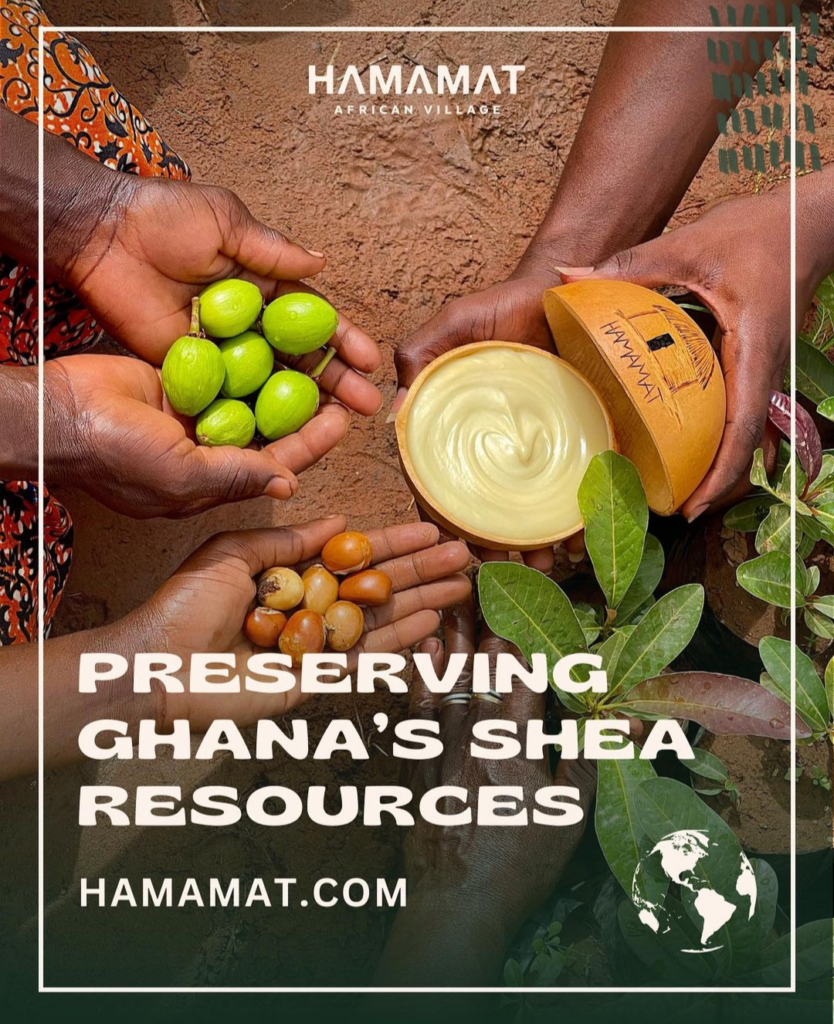
Shea butter is a vegetable fat extracted from the fruit of the West African tree Vitellaria paradoxa. Its nuts are separated from the pulp, dried and ground into a fatty mass: shea butter. Shea butter is mainly used in cosmetic products, such as moisturisers, ointments or lotions.
Is Shea-Butter edible?
Hamamat:
Shea butter is edible and is used in food preparation in some African countries. Occasionally, shea butter is mixed with other oils as a substitute for cocoa butter, although the taste is noticeably different.

TSASI:
What are some of the benefits of using Shea-Butter?
Hamamat:
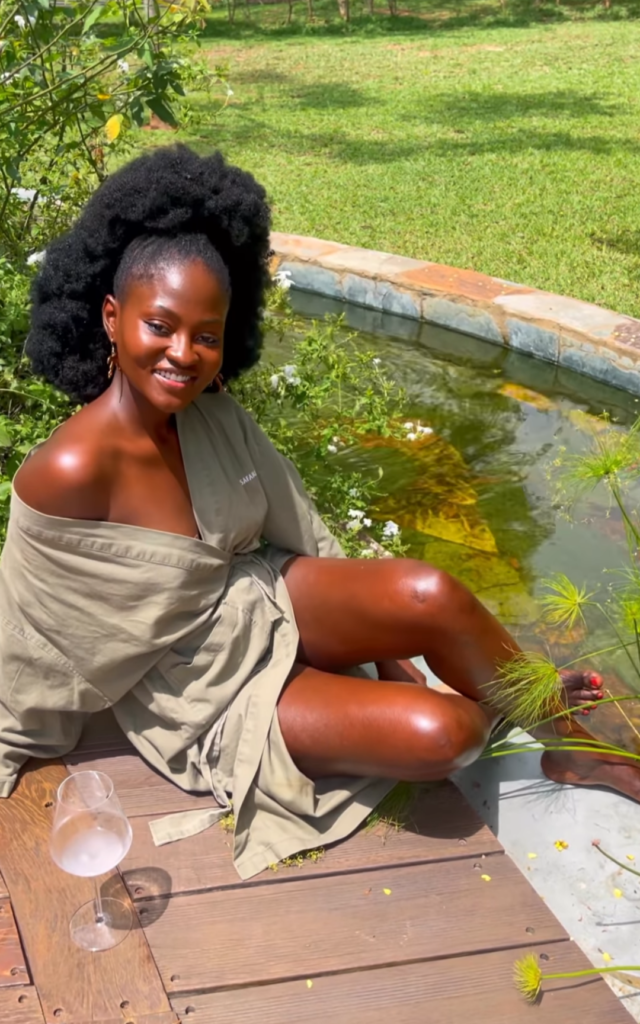
Here are five of the biggest shea butter benefits for your skin.
- It boosts skin moisture.
- Its anti-inflammatory properties soothe skin problems.
- It could heal cuts and scrapes.
- It helps fight breakouts.
- Antioxidants may mean anti-aging properties.

What do I need to know about the Upper west of Ghana Bolgatanga?
Hamamat:
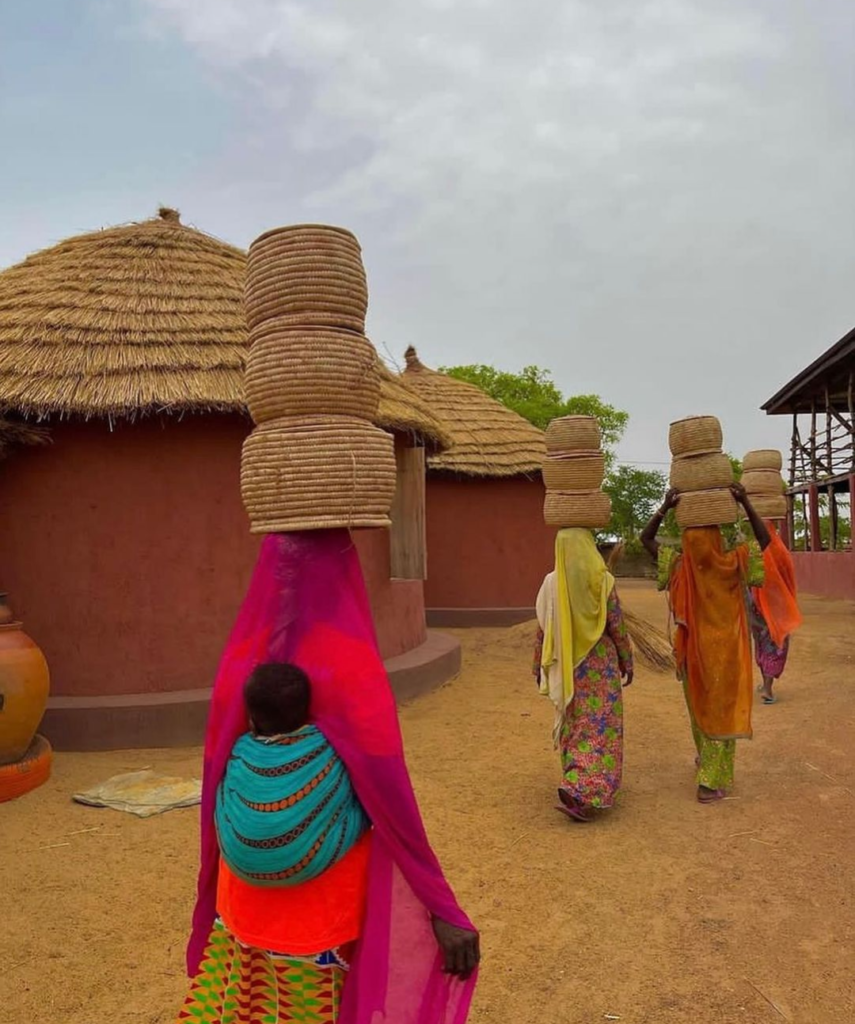
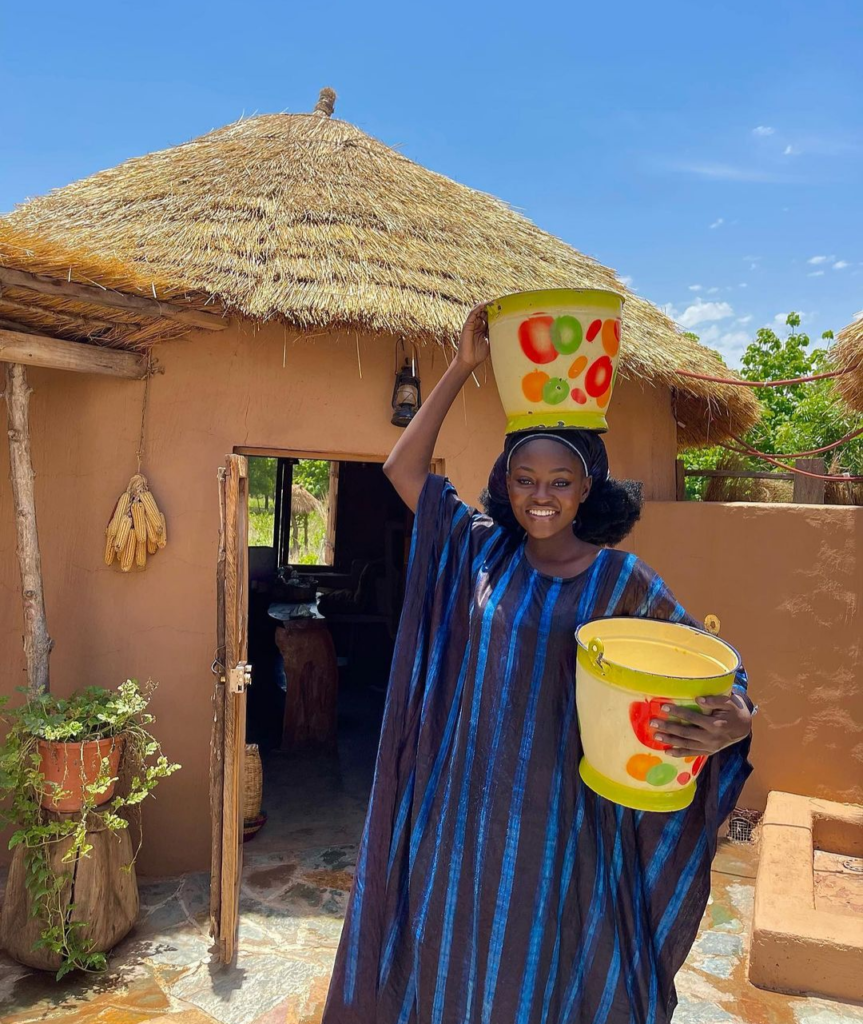
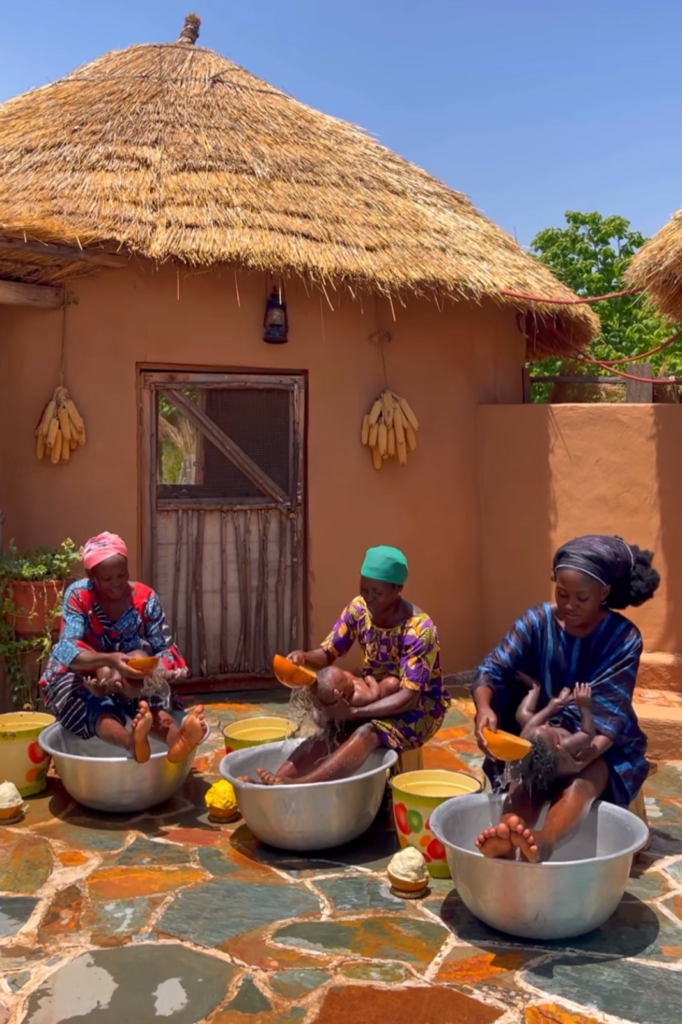
The Upper West Region has a land area of 8,842 square kilometres (3%) of Ghana’s total. The Dagarba, Lobi, Sisala, Vagla and the Wala, all of whom speak distinct languages, inhabit this region. Total population of the region, which comprises five administrative districts Jirapa-Lambusi, Lawra, Nadawoli, Sissala and Wa, is 573,873. It is the gateway to Ghana from Burkina Faso, which is a traditional crossroads for the Trans-Saharan trade routes. An exciting introduction to Ghana, much of the landscape is broad savannah grasslands, dotted with the strange-looking baobab trees, or striking Sahel terrain. In the villages, with their distinctive round huts, communal activities go on as they have for generations.
The principal border posts from Burkina Faso are found at Hamale, Kapulima. Paga and Kulungugu.
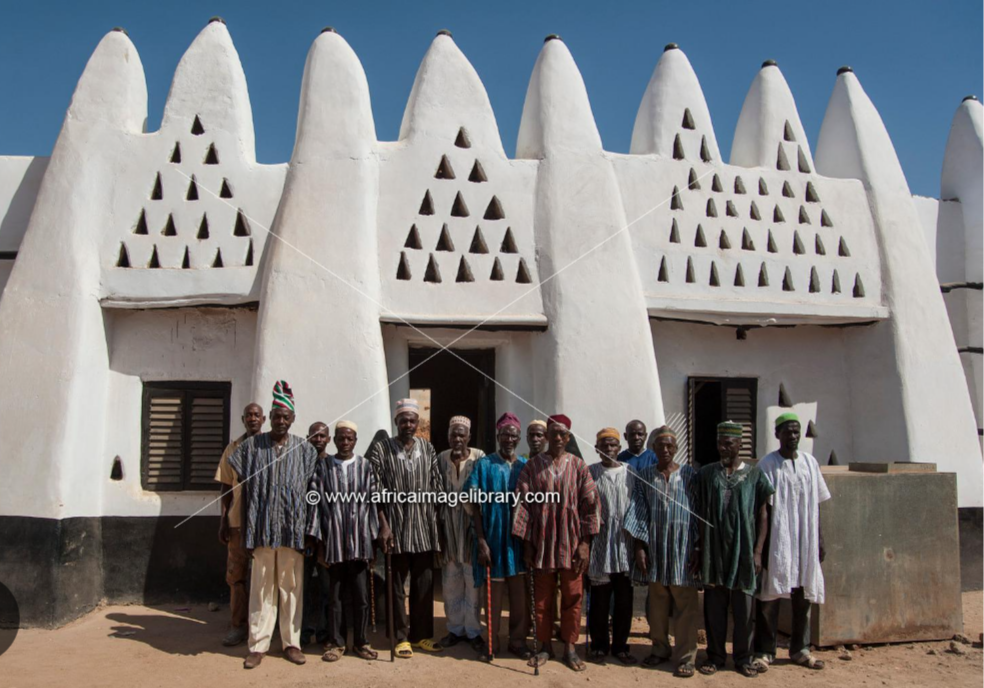
The Upper West Region has a different feeling, as a more traditional region. The capital of the region is Wa which is also the seat of the Wa Naa, Paramount Chief of the Walas. The magnificent palace still stands as stately as it did when it was first built in the 19th century. The uniquely styled traditional village houses of round mud-walled structures connected by walls forming large compounds are well adapted to the demanding climate of this region.
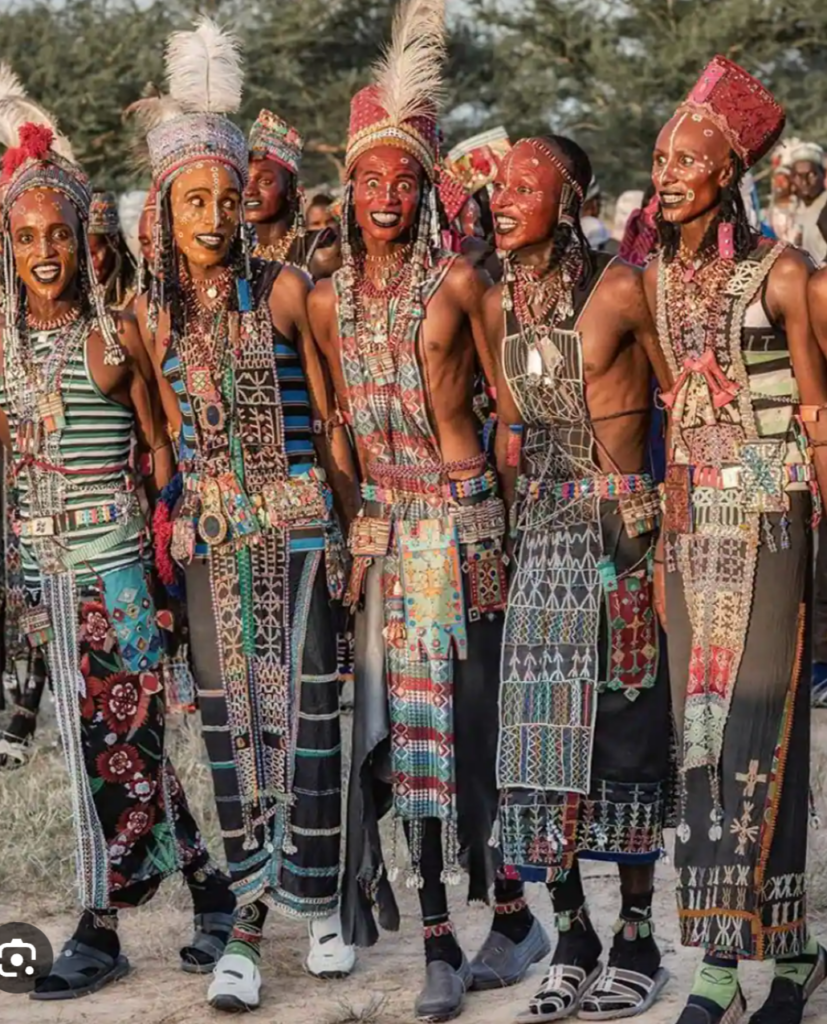
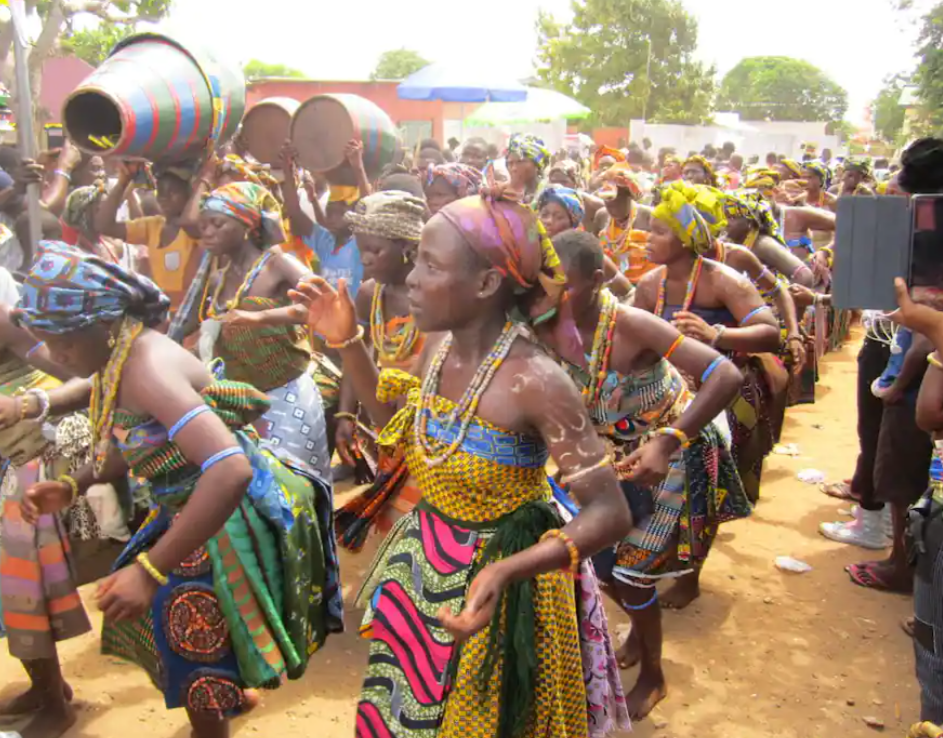

Gbelle Game Reserve, located 17 km south of Tumu, is an important sanctuary for endangered species of wildlife, as well as hippos, elephants and bucks. Birdwatchers consider this an important habitat for indigenous and migratory birds.
Although a great deal of development is taking place in these regions, access to outlying areas can be difficult at certain times of the year and during and after heavy rains.

TSASI:
In what ways is bolgatanga similar to and different from other countries.
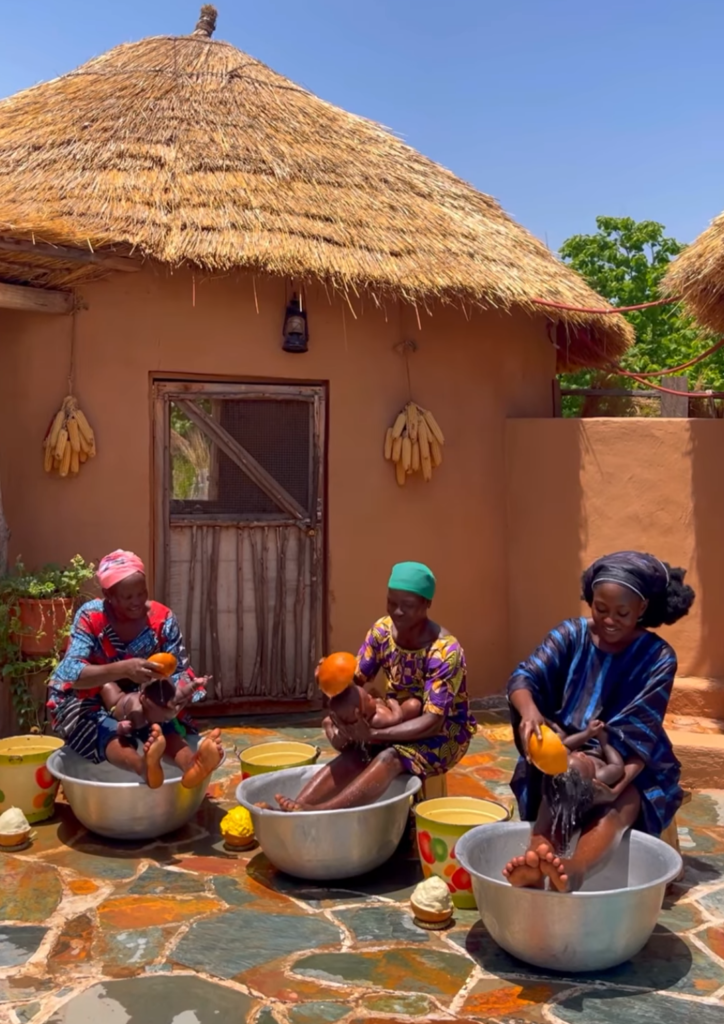
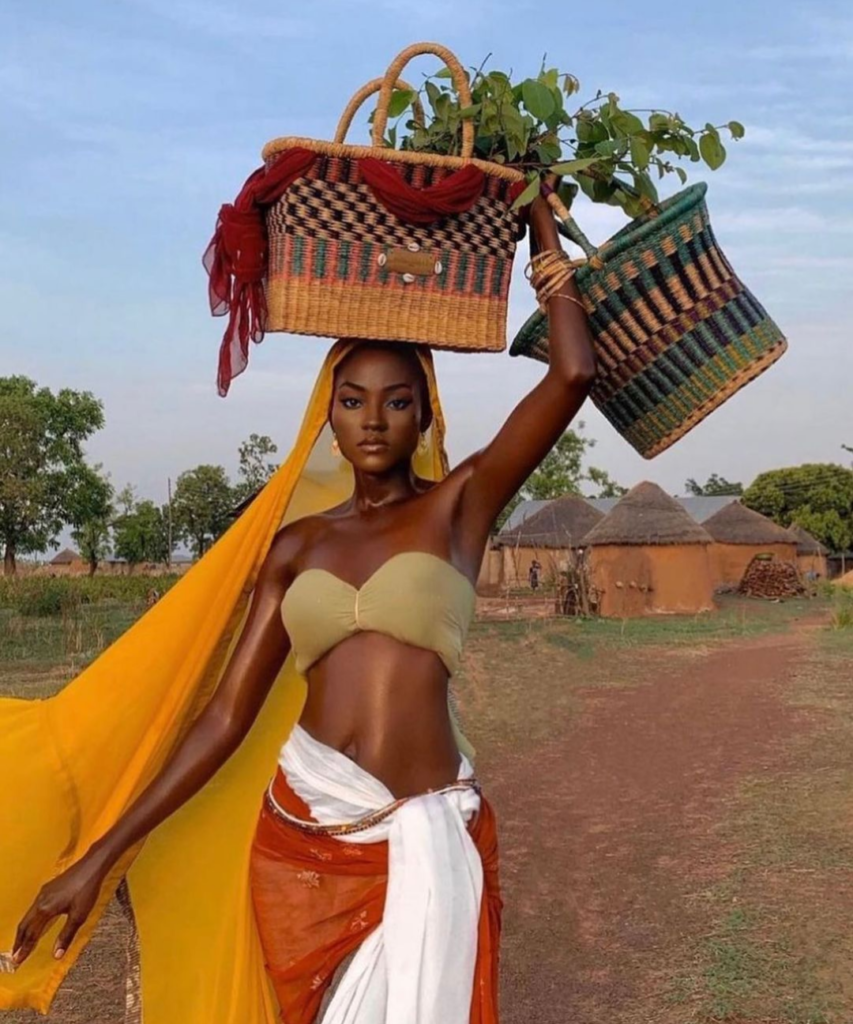
Hamamat:
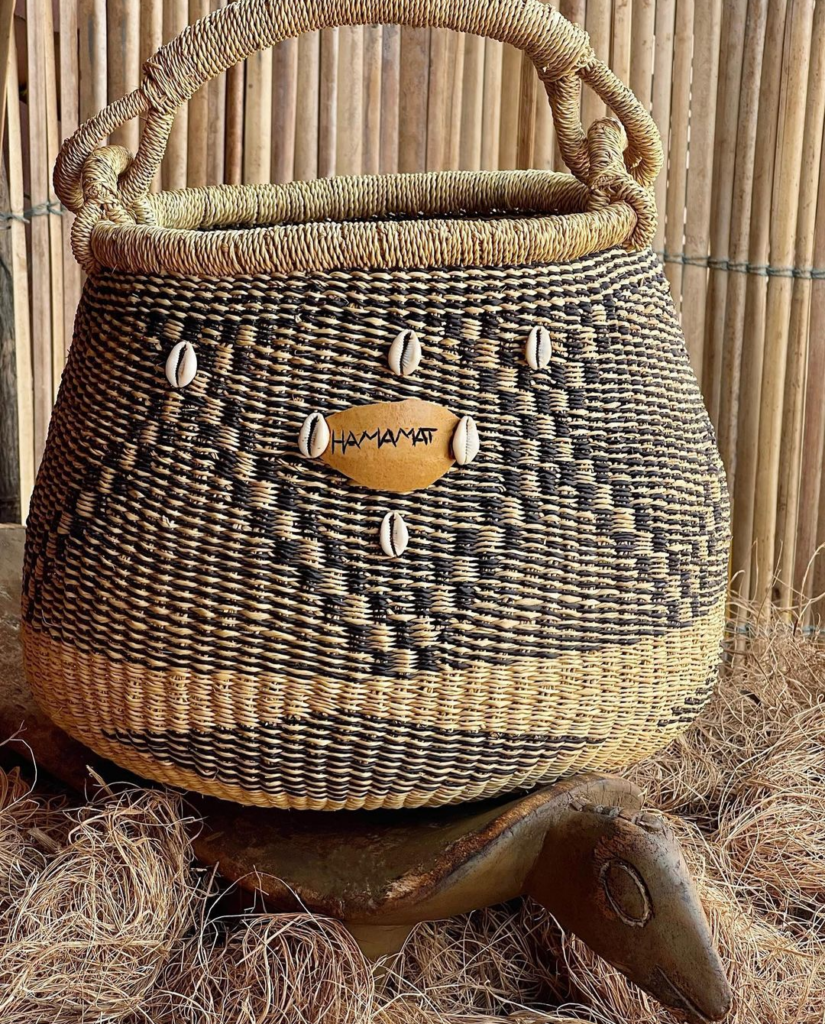
Bolgatanga, a town, northern Ghana, on the Great North Road. Much of the town is a dispersed settlement of mud-walled compounds, each surrounded by fields and spread over an area of about 160 square miles (410 square km). The cultivation of staple crops and stock raising are the chief occupations. The busy market in Bolgatanga is noted for colourful basketry. Pop. (2000) 49,162; (2010) 65,549.
Though i owe the Bolgatanga a great deal, there is a small, specific part of the land which I am especially closely associated with and which i benefit from.
I have mentioned the many benefits the Shea-Butter provides, and as a means of reminding us of the even greater and more profound contribution to our lives made by our own land and culture and people.
These gifts are so close to us and so pervasive in our daily lives that we often fail to appreciate them and to recognize how precious they are to us.
Because of this tendency to take our own country and its contribution to our lives for granted, we in Ghana are sometimes confused and misled by persons and groups who have vested interests in organizations or countries abroad to an erroneous worship of foreign countries and cultures. This we must guard against.
Thank you TSASI: