







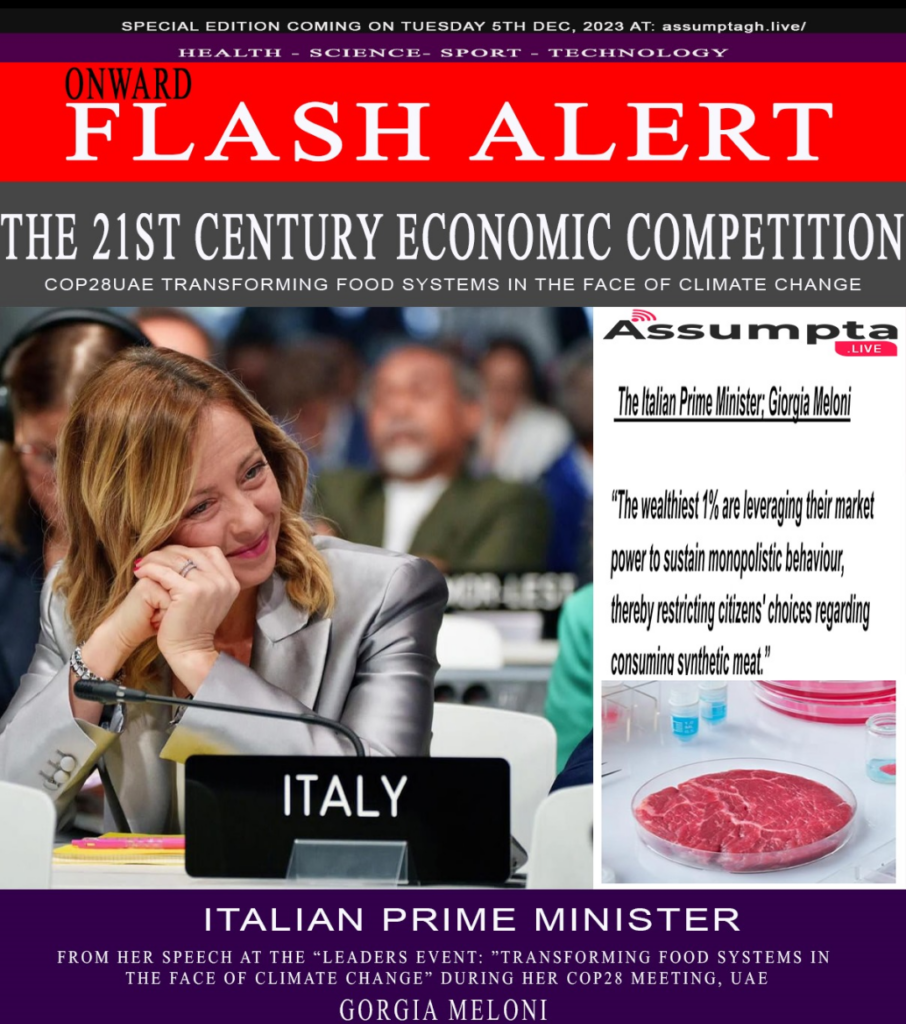
PRESENT ONWARD.
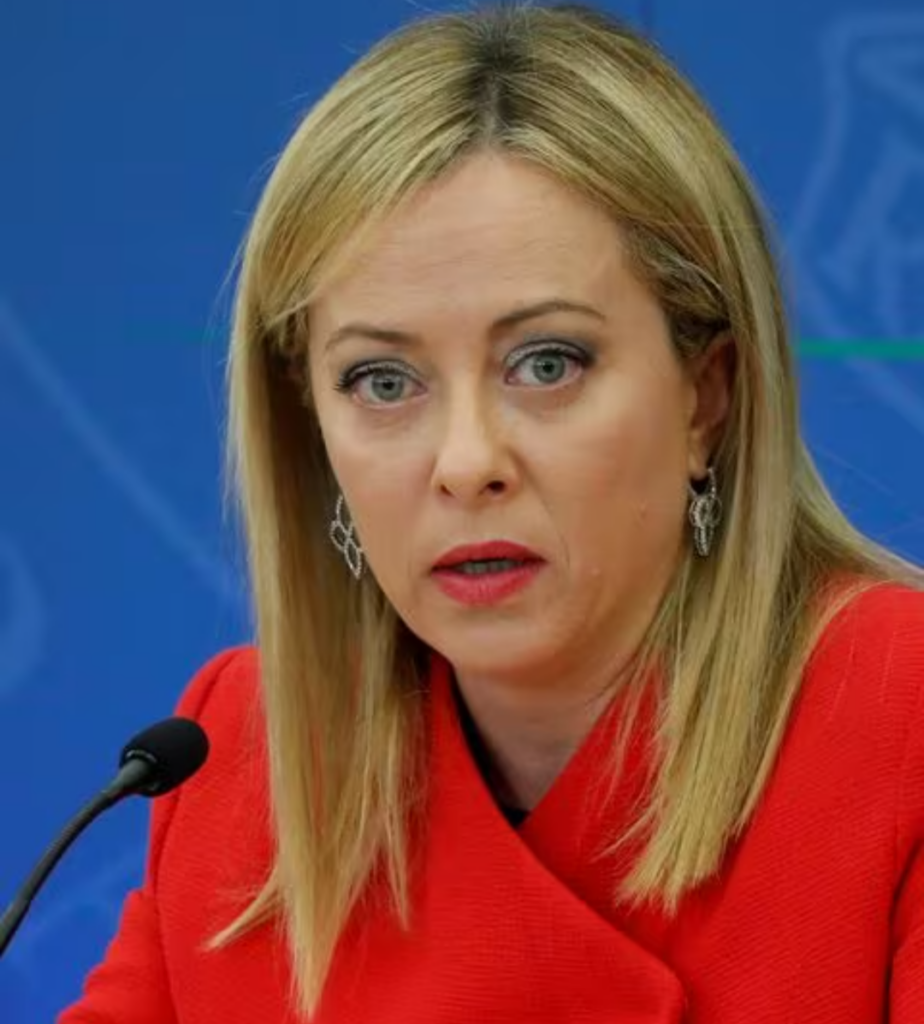
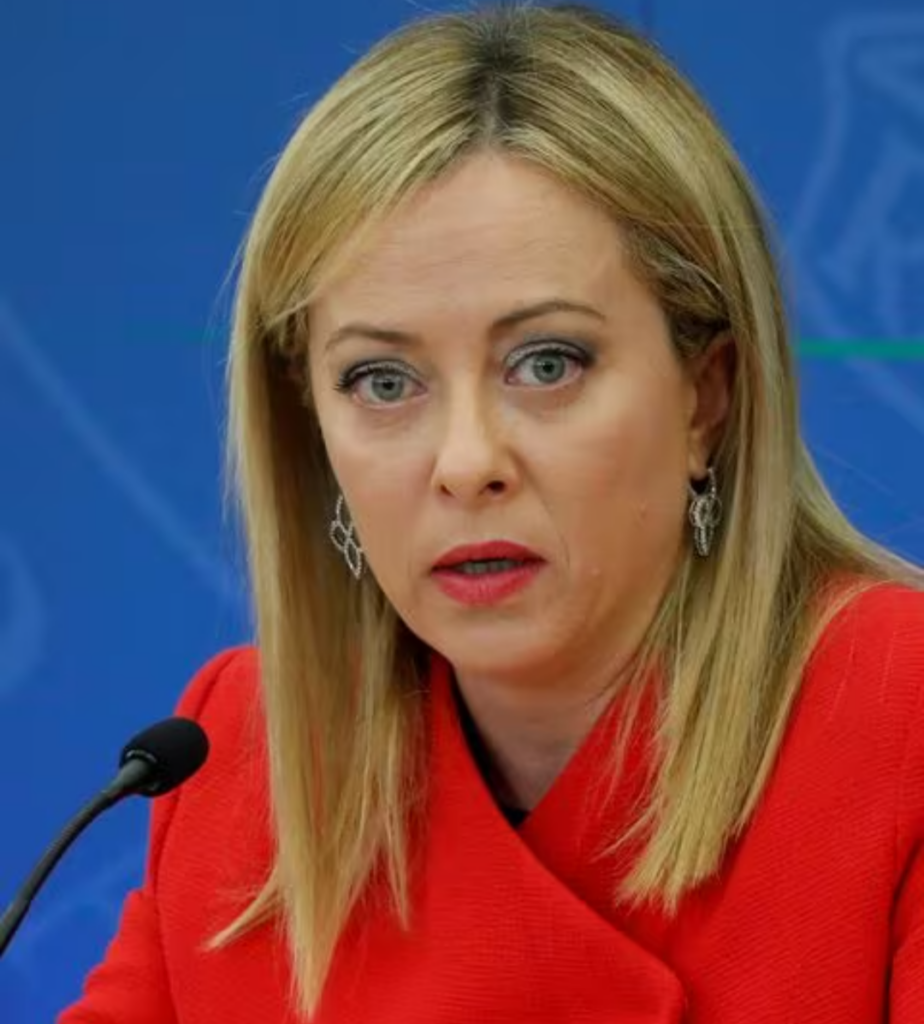
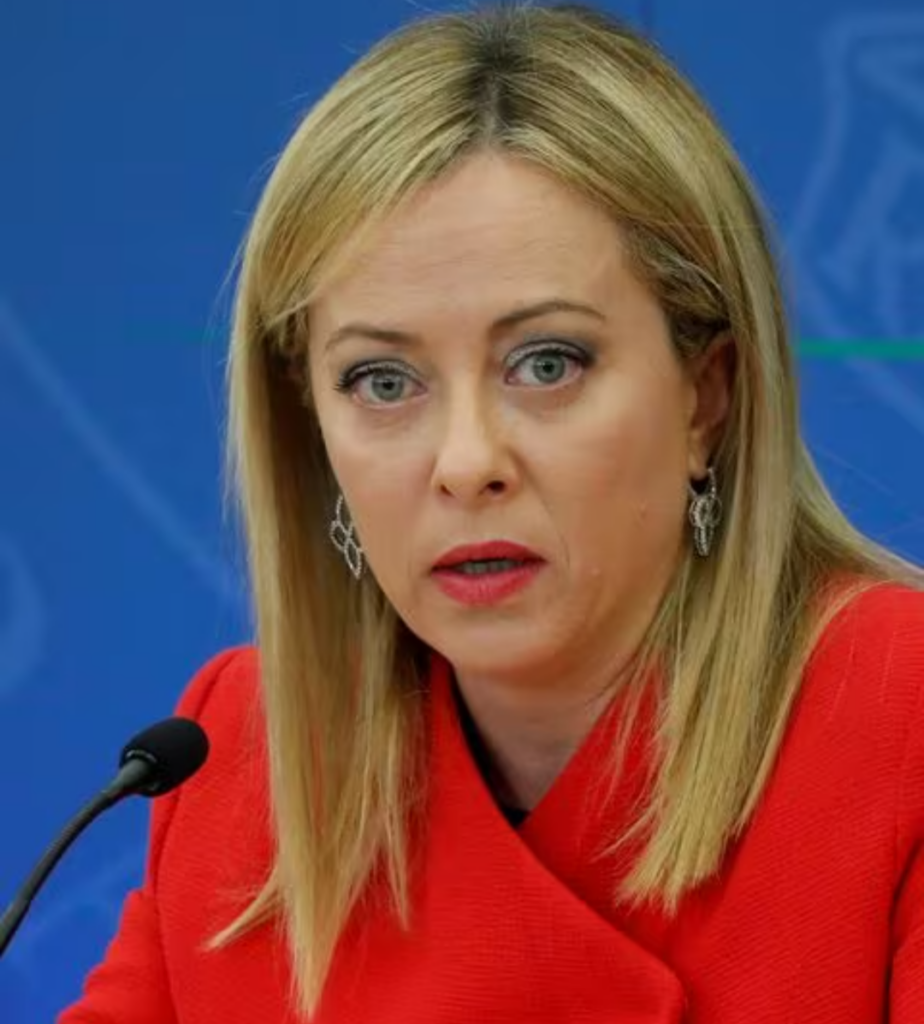
From The Speech Delivered By Italy’s Prime Minister Giorgia Meloni At The Leaders Event Stating That
“That “THE WEALTHIEST 1% ARE LEVERAGING THEIR MARKET POWER TO SUSTAIN MONOPOLISTIC BEHAVIOUR, THEREBY RESTRICTING CITIZENS’ CHOICES REGARDING CONSUMING SYNTHETIC MEAT.”
The Magazine Can Be Accessed At assumptagh.live/. A Flash Alert Is Included Regarding The 21st Century Economic Competition And COP-28-UAE’S Efforts In Transforming Food Systems In The Face Of Climate Change. A Special Edition On Tuesday 5th Dec, 2023, Focussing On Health, Science, Sport, and Technology.
Gosho study
The True Aspect Of All Phenomena
https://www.nichirenlibrary.org/en/dic/Content/T/261#:~:text=In%20his%201273%20work%20titled,any%20of%20the%20Ten%20Worlds.
The Study the Lotus Sutra, which is the master of all sutras, with all your heart. Spread its teachings, for they will be a source of benefit to the entire world.” -Nichiren Daishonin, The True Aspect of All Phenomena.
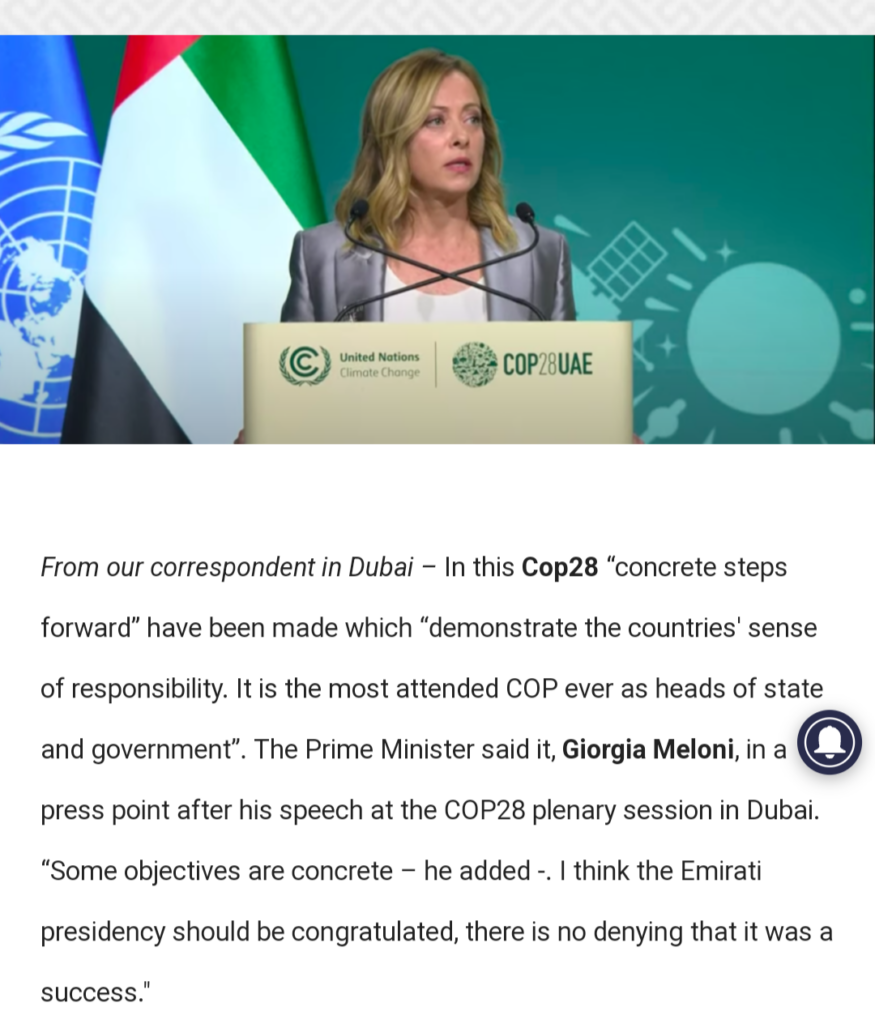
“In Europe, we have all shed tears of sadness due to the economic competition, which has given birth to greed and barbaric warfare. This constant and ceaseless competition has primarily benefited the world’s wealthiest people, as they continue their warfare and expand their land occupation while inventing new unhealthy food for human consumption.
For me, this tears is a clear symbolic, an overwhelming sense of Europeans courage and wisdom, as I have dared to speak the truth by reading the entire Lotus Sutra with my life.
There are men who lack the courage to speak the truth and refuse to practise exactly as the Lotus Sutra teaches. This is proof that I am a Bodhisattva of the Earth, living as the sutra instructs, and I will undoubtedly attain enlightenment.”
In a world grappling with the immense challenges brought forth by climate change, the urgency to transform our food systems has become paramount. As leaders convene at events like COP28 to address this pressing issue, one voice emerged, resolute and passionate – that of Giorgia Meloni, the Prime Minister of Italy. In her impassioned speech at the “Leaders Event: Transforming Food Systems in the Face of Climate Change,” she boldly exposed the monopolistic behaviour of the wealthiest 1%, who manipulate their market power to limit citizen’s choices when it comes to consuming synthetic meat.
Her words reverberated, shedding light on the need for a revolution in our approach to food production and consumption. As Assumpta Weekly Magazine presents its onward journey, a special edition will be unveiled, delving into the realms of health, science, sport, and technology, inviting readers to navigate through the pivotal role they play in shaping a sustainable and resilient future. Get ready to embark on an enlightening journey, as we delve into the pressing issues defining our century and explore the transformative solutions that lie ahead.

Assumpta
Is it true that the advancements in health, science, and technology hold immense potential in shaping a sustainable and resilient future for humanity.
Prime minister Meloni
Indeed. As we navigate the challenges of our time, it is imperative that we harness these fields to address global health issues, tackle environmental concerns, and foster societal well-being.
In the pursuit of health, research and innovation in medicine, public health, and biotechnology should be directed towards promoting holistic well-being and improving access to quality healthcare for all. This includes developing affordable and efficient healthcare systems, enhancing preventive measures, exploring new treatment options, and striving for equitable distribution of medical resources.
In the realm of science, we must embrace evidence-based practices and foster collaboration across disciplines to tackle pressing environmental issues. This includes investing in renewable energy sources, mitigating climate change, preserving biodiversity, and finding sustainable solutions for resource management. Additionally, promoting scientific literacy and providing education on environmental conservation will empower individuals to make informed decisions for a better future.
Furthermore, technology plays a pivotal role in driving sustainable development. Embracing digital innovations, such as artificial intelligence, big data, and the Internet of Things, can revolutionise sectors like agriculture, transportation, and energy. By leveraging technology, we can promote efficient and eco-friendly solutions, ensure food security, improve mobility, and reduce our carbon footprint.
However, as we emphasise progress in health, science, and technology, it is crucial to uphold ethical principles and ensure inclusivity. We must prioritise the well-being and dignity of all individuals, regardless of their socioeconomic background or geographical location. By fostering collaboration, dialogue, and global partnerships, we can collectively navigate the challenges and opportunities presented by these fields to build a sustainable and resilient future for generations to come.” – SGI-President Ikeda, Guidance on Shaping a Sustainable Resilient Future.

The Era Of Economic Competition
Assumpta
The world’s wealthiest people are trying to protect themselves from the ordinary citizens by changing their priorities to focusing on food, thus fighting to implement synthetic meat, which highlights economic competition. Citizens have come to realise that the world’s constant conflicts are taking place between the 1 percent wealthiest people and the ordinary citizens, and there have the idea that the common ordinary citizens don’t deserve to eat quality food.
Prime minister Meloni
I think it’s unfair that people with more money can buy better quality food while others go hungry. The government should address this issue and make sure everyone has access to nutritious and affordable food.
Synthetic meat sounds like a promising solution to feed the growing population sustainably. However, we should be mindful of the potential environmental and health impacts of the technology.
It’s sad to see food being used as a tool for economic and social status. We should learn to appreciate food for its intrinsic value and cultural significance, rather than its monetary worth.
I believe that education and awareness are key to address the issues of food security and inequality. We need to teach people about sustainable agriculture, nutrition, and food waste reduction so that everyone can make informed choices and contribute to a healthier food system.

Assumpta
“As we are building many houses to occupy land, would it be beneficial to pursue a nutritious economy?”
Prime minister Meloni
It’s important to consider the impact of construction and urban development on the environment and natural resources. As we build more houses and expand infrastructure, it’s crucial to think about the broader implications and ensure that our economic pursuits are sustainable and beneficial for both people and the planet.
When you mention a “nutritious economy,” I assume you are referring to an economy that supports and promotes health, sustainability, and overall well-being. In the context of urban development and housing construction, pursuing a nutritious economy would involve various considerations:
1. Sustainable Construction Practices: Embracing sustainable building materials, energy-efficient design, and environmentally friendly construction practices can reduce the ecological footprint of new housing developments. This includes using materials with low embodied energy, incorporating renewable energy sources, and implementing designs that minimise resource consumption and waste generation.
2. Green Infrastructure: Integrating green spaces, parks, and sustainable landscaping into urban development projects can enhance the overall well-being of residents. Parks and green corridors not only provide recreational spaces but also contribute to biodiversity, air quality improvement, and urban microclimate regulation.
3. Access to Nutritious Food: An important aspect of a nutritious economy is ensuring that all residents have access to healthy and affordable food. Urban planning should prioritize the development of local food systems, including urban agriculture, community gardens, farmers’ markets, and food distribution networks that provide fresh, locally sourced produce to residents.
4. Economic Inclusion: A nutritious economy also encompasses economic inclusion and equity. When developing new housing projects, it’s essential to consider affordability, accessibility, and opportunities for economic empowerment within the community. This may involve affordable housing initiatives, job creation programs, and support for local businesses and entrepreneurs.
5. Transportation and Mobility: Building walkable neighbourhoods with access to public transportation and infrastructure for non-motorized modes of transportation such as walking and cycling can reduce reliance on cars, minimise congestion, and promote physical activity and healthier lifestyles.
6. Energy Efficiency and Renewable Energy: Embracing energy-efficient building standards and integrating renewable energy sources, such as solar and wind power, into urban development projects can reduce carbon emissions, lower energy costs for residents, and contribute to a healthier environment.
7. Community Health and Well-being: A nutritious economy considers the overall health and well-being of the community. This involves creating spaces for social interaction, promoting mental and physical health through access to recreational facilities, and supporting community organisations and services that contribute to overall wellness.
In pursuing a nutritious economy in the context of housing and urban development, it’s important for stakeholders, including government agencies, developers, urban planners, and community members, to collaborate and prioritize sustainable, health-promoting practices. This may involve setting clear environmental standards, incentivizing sustainable development, and engaging local communities in the planning and decision-making processes.
Ultimately, a nutritious economy that considers the health and well-being of residents, environmental sustainability, and economic equity can lead to more vibrant, resilient, and thriving communities. By integrating these principles into housing and urban development, we can create spaces that not only accommodate our growing population but also contribute to a more sustainable and healthier future for generations to come.

Assumpta
“I appreciate your insights on pursuing a nutritious economy in the context of housing and urban development. It’s clear that there are various considerations to take into account, from sustainable construction practices to promoting economic inclusion and community well-being.
I believe that integrating these principles into our development projects can lead to more vibrant and sustainable communities. I’m interested in learning more about how we can practically implement these ideas and make a positive impact on our environment and the well-being of our residents.”
Prime minister Meloni:
What are your thoughts on this topic?

Assumpta:
I believe that the concept of pursuing a nutritious economy in the context of housing and urban development is crucial for creating sustainable and thriving communities. By considering factors such as sustainable construction practices, access to nutritious food, economic inclusion, and community well-being, we can work towards building environments that support the health of both people and the planet.
Incorporating green infrastructure, promoting energy efficiency, and prioritising accessible transportation options can contribute to a healthier and more sustainable urban environment. Additionally, creating spaces for social interaction, supporting local businesses, and ensuring affordable housing options are all essential components of nurturing a nutritious economy within our communities.
Ultimately, the pursuit of a nutritious economy in housing and urban development presents an opportunity to create more livable, inclusive, and resilient communities for future generations. I believe that integrating these principles into development projects can lead to positive and lasting impacts on both the environment and the well-being of residents.

Assumpta
Intervention in Privatisation Activities
Privatisation refers to the process of transferring the ownership and control of public assets or services from the government to the private sector. The topic of privatisation is highly debated and has both supporters and critics.
Despite these arguments, it is important to note that privatisation is not a universally applicable solution and there are potential drawbacks and risks involved. Critics argue that privatisation can lead to job losses, increased inequality, loss of public control over vital services, and exploitation of resources for private gain. Therefore, before implementing privatisation policies, careful consideration of the specific context and potential impacts is necessary.
Meloni
A more accurate and balanced sentence could be: The benefits and drawbacks of privatisation should be carefully evaluated and weighed against the specific context and goals of a nation. While privatisation can enhance efficiency, accountability, innovation, and consumer choice, it may also have negative impacts such as job losses, inequality, and loss of public control. Therefore, policymakers should consider a range of options and strategies to meet the needs and aspirations of citizens and balance economic, social, and environmental objectives.
No matter how our opponent responds, and no matter what the situation may be at this time, history will record that Italians have called out for justice by voting me as their leader.
The same was true of Kwame Nkrumah. Even when he was overthrown, he declared that Ghanaians should not give up their country. His conviction was not shaken by the circumstances. Life is a struggle. In a struggle, the people with the strongest desire to win triumph.
In our long journey of better economic conditions for all, we must proceed forward with determined courage to grasp the crown for a Human society. Thank you for joining today’s dialogue.
