






Will fundamental solutions to calamities become impossible?
THE ASSUMPTA NewsLetter Magazine, 10th January 2023. ASSUMPTA Publications Updated; and have cut, edited, and rearranged the original here. Our intent was not to change the meaning but to condense it.
Human Security and Sustainability: Sharing Reverence for the Dignity of Life; by Daisaku Ikeda President, Soka Gakkai International January 26, 2012.

Motivated by the quest for a global society of peace and coexistence, Sgi President Ikeda has, every year since 1983, issued a peace proposal commemorating January 26, the day that the Soka Gakkai International (SGI) was founded in 1975. The present proposal will thus be the thirtieth such proposal.
The members of the SGI throughout the world are committed to the work of constructing through a movement for peace, education and culture a global society in which the dignity of each person shines and all people can live in security.
The spiritual foundations for this effort are found in the philosophy of Buddhism which references the inherent value and dignity of life.
Specifically, I am inspired by the fervent desire expressed by second Soka Gakkai president Josei Toda (1900–58): “I wish to see the word ‘misery’ no longer used to describe the world, any country.

Assumpta :Sadly, the Industrialised countries or the advanced countries continue to steal massive natural resources from Africa which no African leader has been vocal about and paid little attention to the side effects of stealing these natural resources.
Tsasi: With regard to the development of consuming ideology the rich countries adopted to the world, the steadily growing consumption of mineral extraction and the procedure of excavation and recuperation of mineralization associated with waste rocks from the crust of the earth to derive a profit is what has damaged fisheries and wildlife habitat.
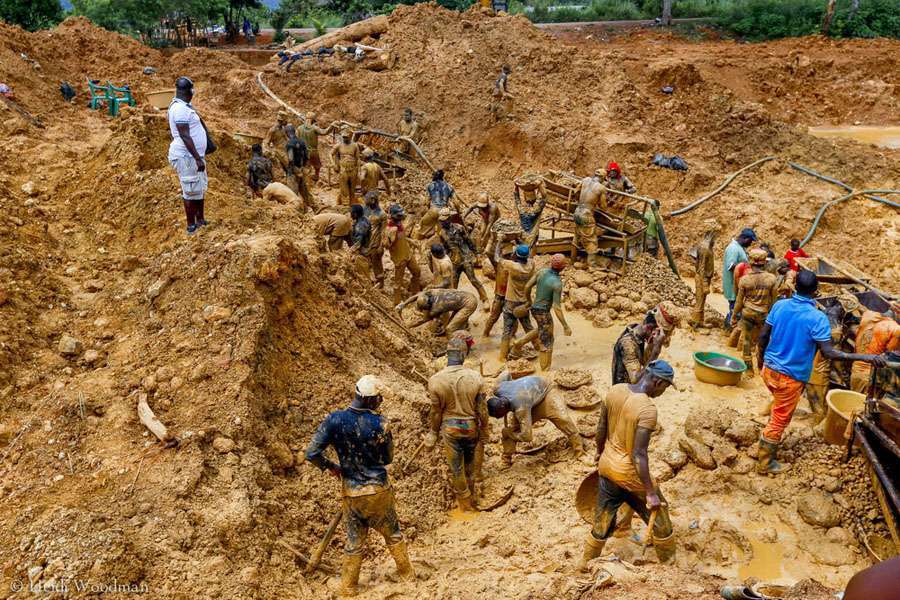
Assumpta : Is it not the engine that drives the steady growth of our economy?
Tsasi : This in turn has resulted in major environmental impacts worldwide and climate change and is increasingly endangering our natural basis of life and living together on Earth.
Assumpta : Do we have to give up on our current economic ideology of consumerism or it will mean a risk of economic and social collapse.
Tsasi:To continue this kind of economic growth or consumerist ideology is a fairy tale, it’s not a necessity. The intention behind all of it is to make profit, not growth, because there’s still huge inequality.
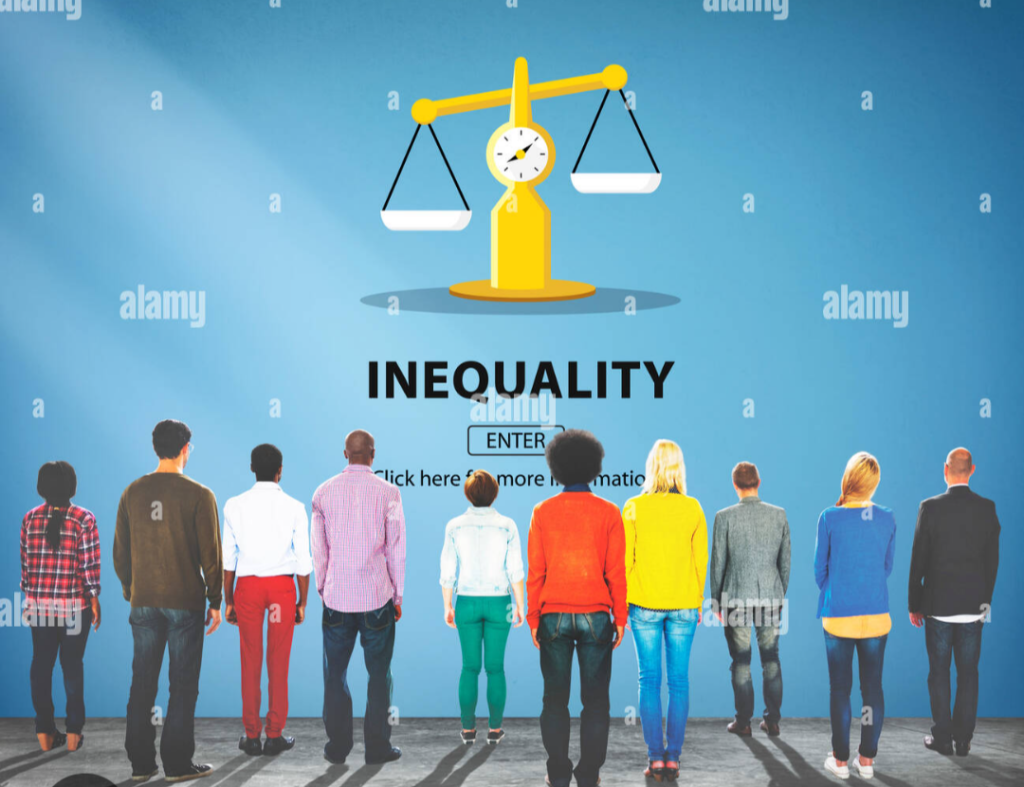
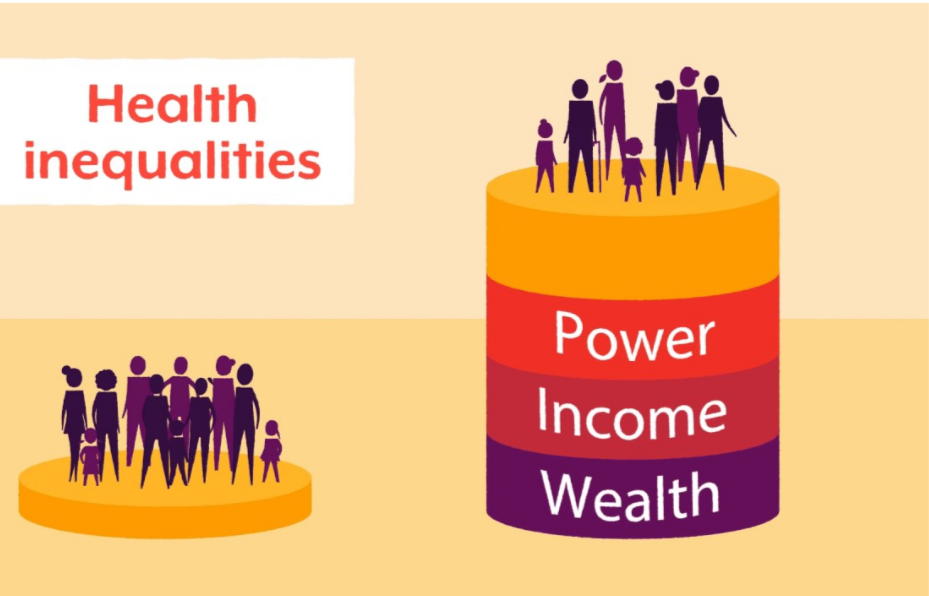
What we urgently need is a clear vision, a bold policy, and a truly robust strategy that can direct the power of the market needs to achieve what society wants.
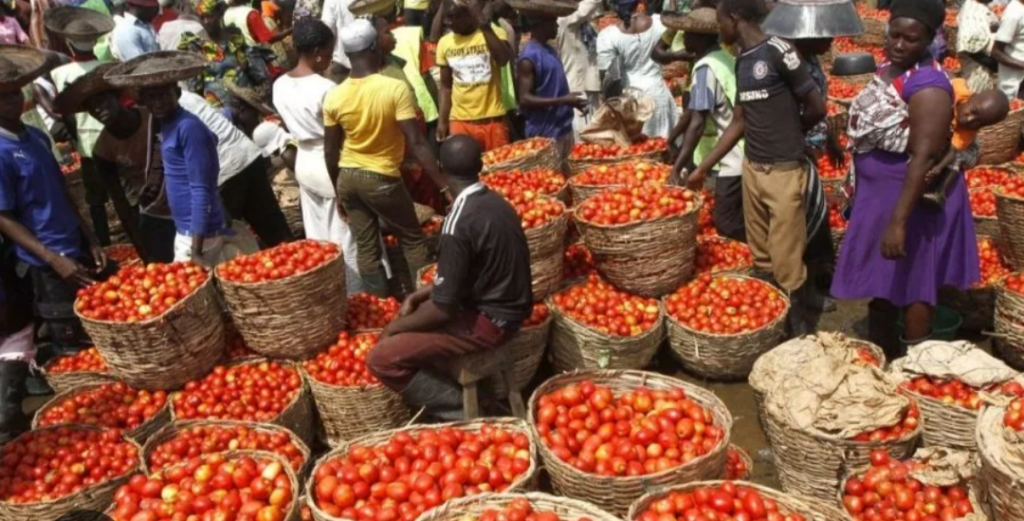
This requires measures of income for the poor onion, tomatoes, carpenter, pepper, charcoal sellers at the market and welfare that reflect our values.
We need a world where we are no longer guided solely by measures like GDP.
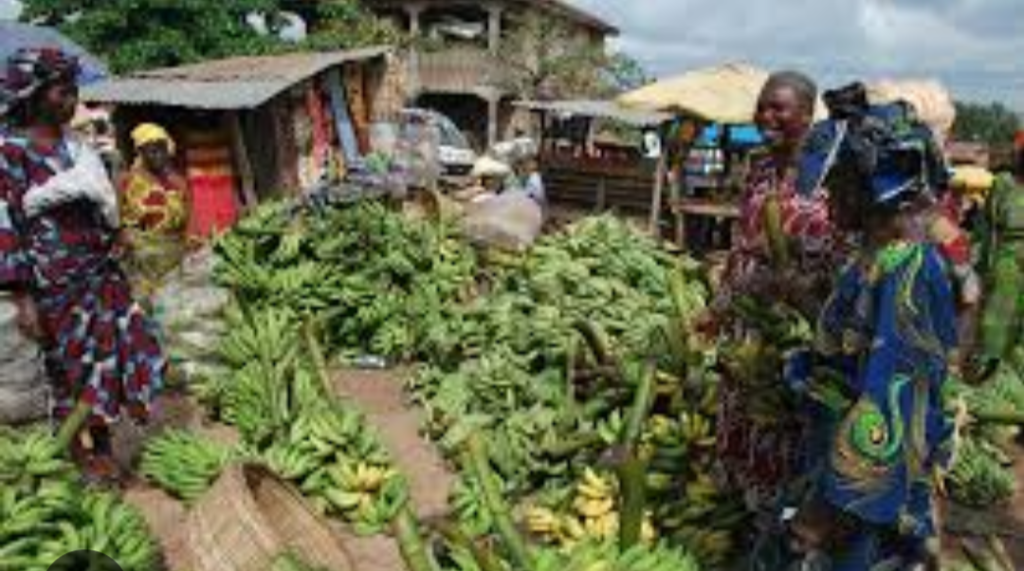

I am not an economist, but through my observation in December 1989 I left Ghana for the first time in my life to travel Africa.
In my experience, as a young boy I was driven by a strong concern about the issue of poverty and inequality.
The compound impact of poverty and human slavery I saw in the African countries I visited was without precedent. It calls into question whether contemporary African societies were still under slavery.
The insecurities that threaten their survival and safety of daily life expose them to the uncertainty of disease.
Assumpta:Then it’s not about the climate crisis, but a societal crisis that has devastating consequences for the climate and nature for the entire world as we know it today.
We engage in an experiment that is certain to fail. The gigantic experiment is running worldwide and is based on the hypothesis that unlimited growth is possible on a limited planet.
The goals for sustainable development are set by the UN Agenda 2030. However, we currently do not know the conditions under which humanity can implement the measures to achieve these sustainability goals globally
Tsasi:The inequalities in income, wealth, energy consumption, resource use and CO2 emissions between countries and also within societies are enormous.
It is understandable why CO2 emission-reduction policies that ignore these vast inequalities are unlikely to gain widespread support and may meet with strong opposition.
Assumpta: It is completely understandable that a large part of the world’s population finds economic growth, which after all means prosperity, more important than serious climate protection measures.
The great task of civilisation is to solve this very conflict.
No intelligent person still believes that the existing economic system and the level of consumption of the present can be continued for another one or two generations, a thought that would have been self-evident in 1900 or 1950. This makes it clear: we are at the end of something.
Tsasi: Burning with this conviction, let us continue to promote ideas and movements of empowerment that is of, for and by the people, laying the foundations for a global society of peace and harmonious coexistence.