




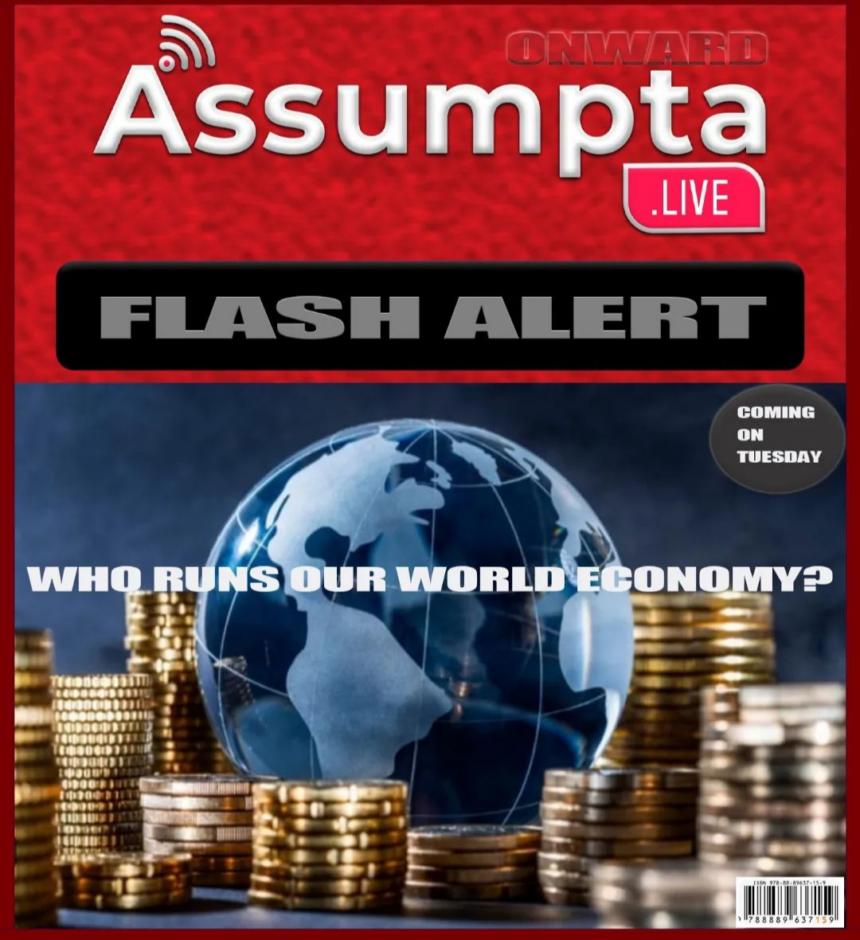
Presents ”The ONWARD“ with Assumpta.
A Special edition coming on Tuesday, 9th April, 2024 at: assumptagh.live/
African Stream: Who Runs Our World Economy?
The world economy is a complex system influenced by various factors. Major players include multinational corporations, governments, central banks, and international organizations like the IMF and World Bank. The interconnected nature of the global economy means that no single entity fully controls it, but rather it is shaped by the actions and policies of these key stakeholders.
In our contemporary capitalist society, we also need to find ways to tame and regulate the insatiable pursuit of money and accumulation of capital. This requires not only individual self-awareness and restraint but also systemic changes and government interventions to ensure that monetary values do not overshadow other social and human values. While completely eliminating currency from society is not feasible, finding a balance where money serves as a means to meet essential needs rather than an end in itself is crucial for the well-being of individuals and society as a whole.
Taming capitalism:
The world of anger is an integral aspect of human life, and in any age, unless properly positioned and restrained, it will run amok and wreak havoc. No human society has ever been completely free from strife, but there are particular characteristics of contemporary civilization, with its extremely high degree of capitalist and technological development,
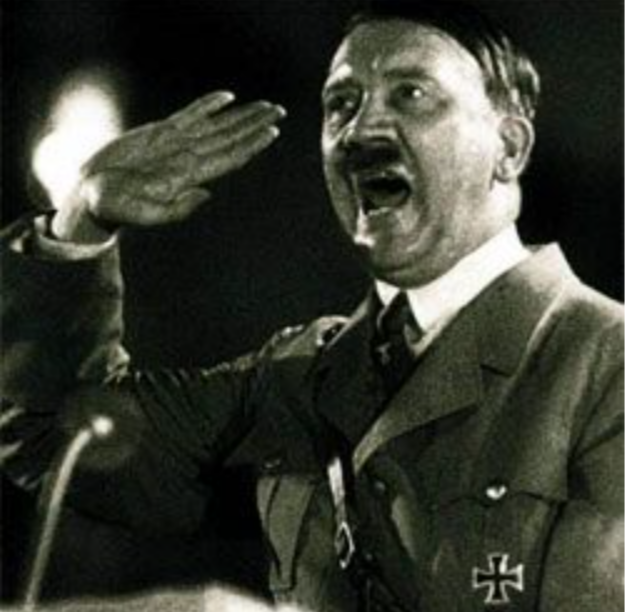
that cause the potentials inherent in human life to manifest themselves in uniquely problematic ways.
As mentioned earlier, a rampant world of anger causes a corresponding diminution of “the other.” The attenuated presence, verging on absence, of the other is an increasingly striking characteristic of modern society, particularly in advanced industrial societies.
In 1930, John Maynard Keynes (1883–1946), known as the founder of modern economic theory and a man with a unique and critical perspective on civilization, published the essay “The Economic Possibilities of our Grandchildren.”In it, he critiqued two “errors of pessimism” arising in relation to the economic depression that was then enveloping the world.
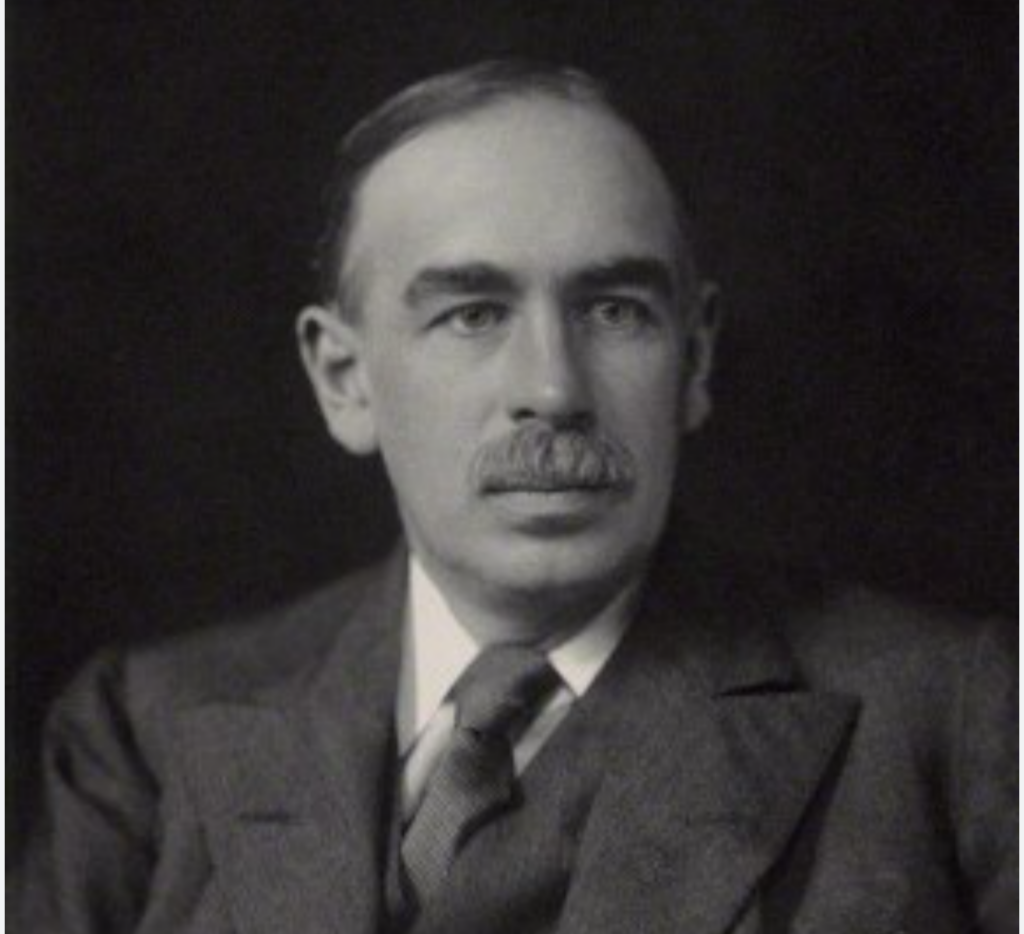
John Maynard Keynes (1883–1946),
These are “the pessimism of the revolutionaries who think that things are so bad that nothing can save us but violent change, and the pessimism of the reactionaries who consider the balance of our economic and social life so precarious that we must risk no experiments.”Keynes argued that, with appropriate government intervention and adjustment, it should be possible to resolve the problem of unemployment and restart economic growth. “Assuming no important wars and no important increase in population,” he wrote, “the economic problem may be solved, or be at least in sight of solution, within a hundred years.”
Certainly with regard to the advanced industrial societies, Keynes’ prediction of a solution to the economic problem has been largely on the mark. People, according to Keynes, have both “absolute needs,” which must be met if we are to survive, and “relative needs,” which are felt only to the degree that we seek to surpass and excel over our peers. The former have natural limits, while the latter do not. A person pursuing relative needs finds them expanding ceaselessly; they are, in Keynes’ words, “insatiable.”
This constant desire to be superior to others embodies the destructive essence of the world of anger. Ensuring that absolute needs are met, especially in developing countries, is the greatest, most crucial challenge facing the world. But as the example of developed countries shows, people will not necessarily be satisfied when their absolute needs are met. The classical ideal that people will behave with decorum once their basic needs have been met has not proven universally true in practice.
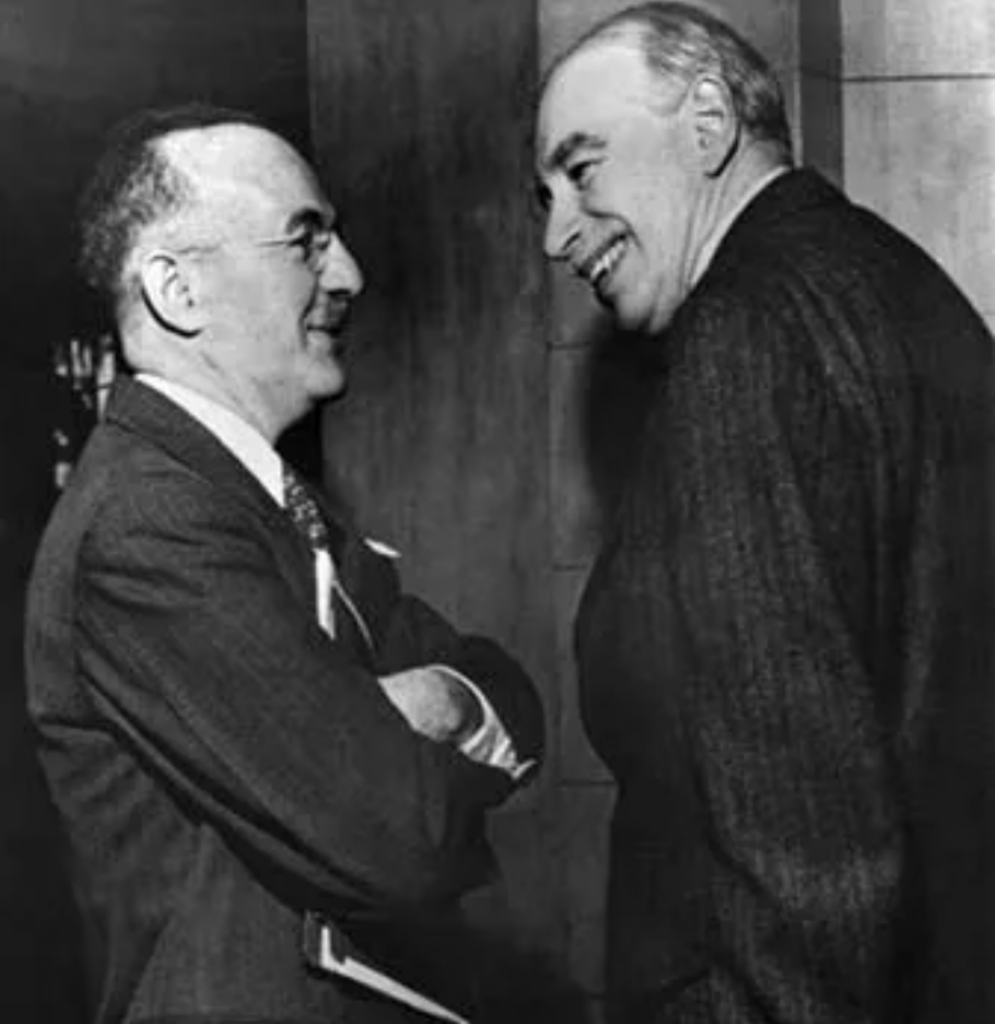
A society in which most people have been driven by the imperatives of survival (absolute needs) may respond to sudden sufficiency with disorientation, giving rise to growing numbers of what Max Weber called “sensualists without heart” and a general skepticism about the value of hard work itself. In human society, and in a capitalist society in particular, there is a strong tendency for people to attempt to assuage this insecurity by accumulating material wealth, especially in the form of money.

[ The value of money in human life ]
Money can of course function as a means of meeting the absolute needs of daily life. But when it comes to relative needs, money, as capital, can easily become an end in itself, locked into a spiral of ceaseless increase and accumulation. Keynes described the plight of people caught up in this spiral: The love of money as a possession as distinguished from the love of money as a means to the enjoyments and realities of life will be recognized for what it is, a somewhat disgusting morbidity, one of those semi-criminal, semi-pathological propensities which one hands over with a shudder to the specialist.
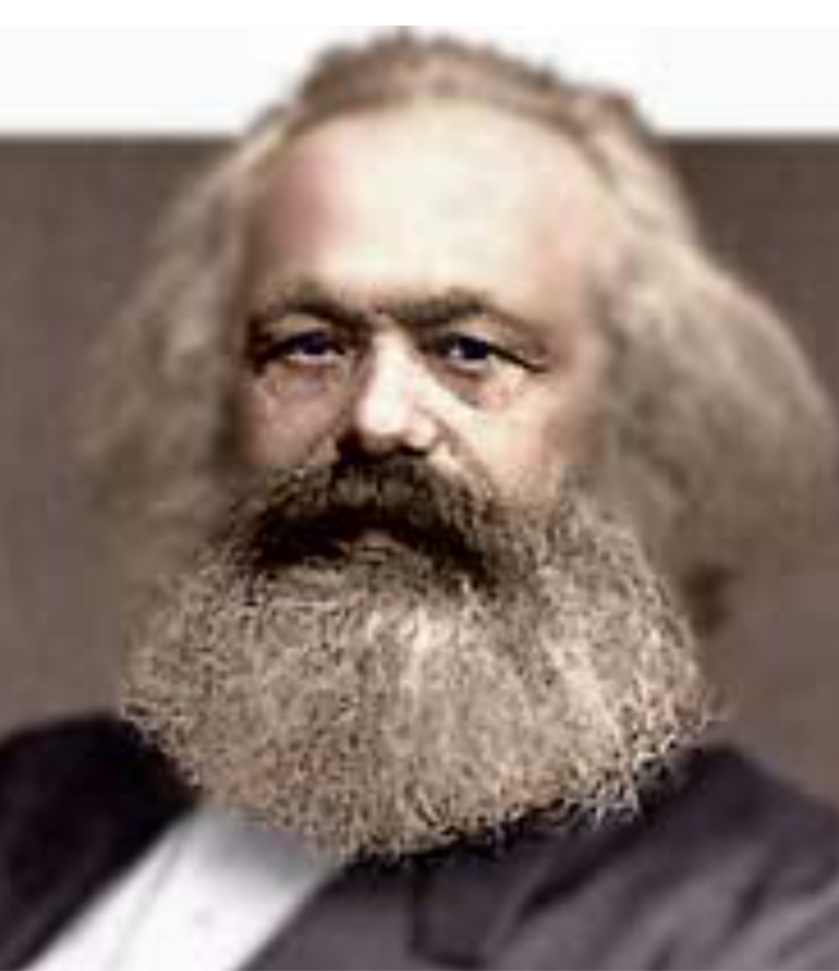
Karl Marx (1818–83),
For his part, is well known for his detailed and precise analysis of what he termed “commodity fetishism”—the state of people enthralled by the love of money. The present generation corresponds to the “grandchildren” in the title of Keynes’ essay, and evidence of the obsession with monetary values that he dubbed the “love of money” is everywhere.

Monetary values have ruthlessly trumped and displaced all others, whether social values or the values of daily life. Nearly all of the disturbing problems plaguing Africa in recent years repeated incidents of corruption, stealing of natural resources, Galamsy involving major corporations, insurance fraud, bid-rigging scandals, a money-game culture whose influence reaches even young people and children have arisen from this love of money.


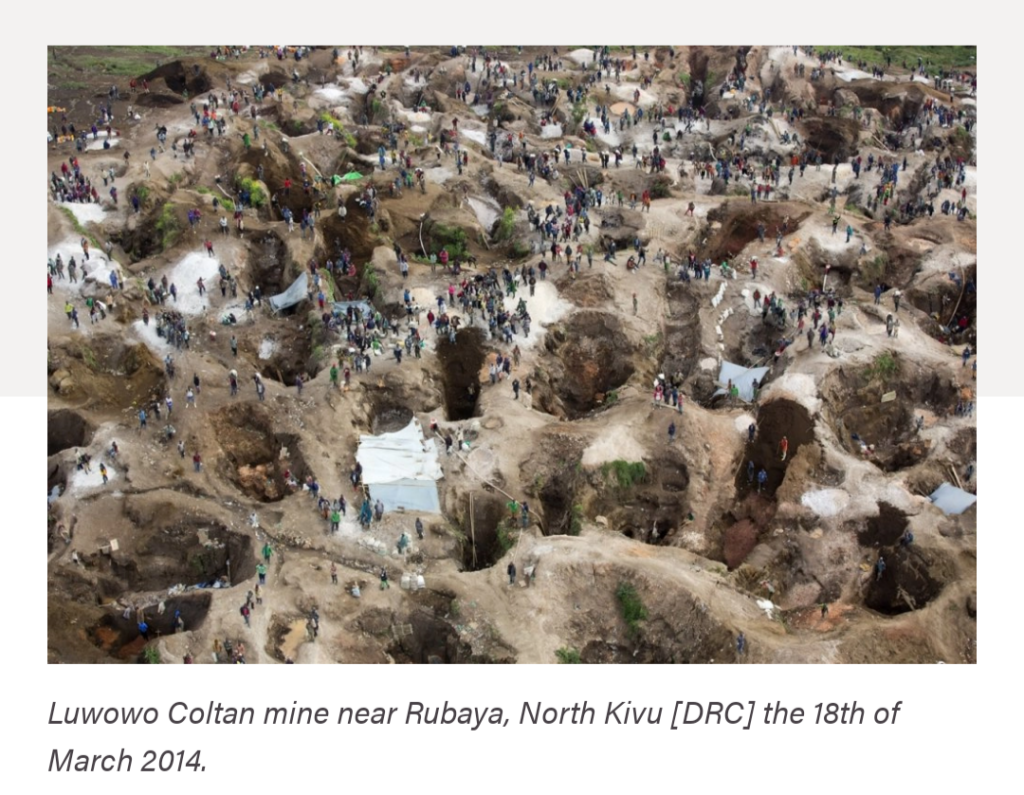
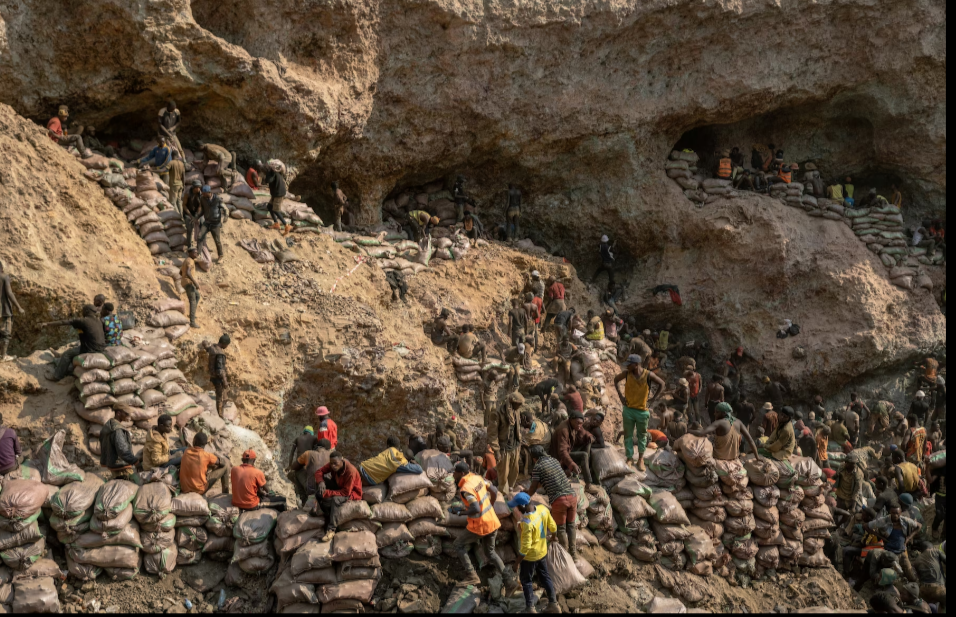
It seems that the life-state of the world of anger, together with its neighboring world of hunger (a state controlled by untrammeled desire), has indeed swollen to a height of 84,000 yojanas. Its rampancy makes even Keynes’ description “semi-criminal, semi-pathological” appear understated. The inhabitants of the world of anger always seeking to surpass, unable to countenance inferiority are incapable of any sense of fulfillment. They cling to the insatiable pursuit of money to compensate for the perpetual instability of their standing in the world.
Our present-day system of values is said to be diversifying, but it is in fact becoming more solely focused on money, which penetrates all realms of society and daily life. Within our collective sense of ourselves there is a progressive and fundamental process of decay. This, many point out, is the true face of contemporary society.
Even if one warns against the dangers inherent in the love of money, history has proven the impossibility of eliminating currency from human society as a medium of exchange. Any attempt to forcefully restrict the workings of money will be met fiercely, as the decisive failure of the experiment of communism in the twentieth century proved. And, of course, any return to the premodern model of a communal society in which monetary values rank below those of class and caste (as was the case in Ghana where classes were ranked in descending order as Kayayoo, market women, farmers, craftsmen and merchants) would be unthinkable for people who have known modern freedoms.
We therefore seem to have no choice but to learn to live with, train and tame the capitalist system. As individuals and as societies, we need to develop the capacity to control money and capital rather than sinking into commodity fetishism. Just as we need to position the worlds of anger and hunger properly within the interrelated context of the ( Ten Worlds.)
WHO RUNS THE WORLD ?

ASSUMPTA:
It is very clear who really runs the world and the financial systems? It is the world of ( Anger )
We can argue till the end of time about who runs the world? Is it the IMF, Lehman Brothers? freemasons, illuminati? multinational corporations? governments? central banks? and international organizations like the World Bank. We can go on and on about this. But I don’t think it is reasonable to even begin arguing about the mechanism that is used to exert this control. The mechanism is finance. The whole point of finance is to be in debt otherwise to enslave.
TSASI: What is a mortgage for example? I mean what does that stand for?
It’s a death grip. So when you get a mortgage you have a death grip held over you because you are in debt. You don’t even own the house. The bank owns the house that loans you money to buy the house unless you are fortunate enough to have all the money to buy the house outright. And even then you can be taxed by the government if you fail to keep up with those taxes the government can then take it from you.
The whole system is based on financial fraud which is effectively manipulated by ( Anger, ) takes the power that we have and it gives it to a tiny group of individuals in the same ( world of Anger ) and running the world through the control of finance.

ASSUMPTA:
Your assertion that the world is run by the world of anger and the financial system is an interesting perspective, highlighting the power dynamics at play within society. While it’s true that finance plays a significant role in exerting control over individuals and shaping global structures, it’s important to recognize that power is complex and multifaceted. It’s not solely controlled by one group or entity, but rather distributed among various institutions, organizations, and individuals. The dynamics of power involve a combination of economic, political, social, and cultural factors, and understanding these complexities is crucial for addressing issues of inequality and injustice within society.
How can we reclaim our humanity when ruled by anger, which has led us to engage in trials with evil?
To reclaim our humanity from the grip of anger and trials with evil, we can focus on practicing empathy, forgiveness, understanding, and compassion towards others. Engaging in self-reflection, seeking peace within ourselves, and promoting positive actions can help us move away from anger and towards a more humane and harmonious existence.
“Victory is not determined by the outcome of a struggle but by the spirit that one brings to the battle. When we stand up with conviction, we are victorious.” – Daisaku Ikeda.Thank you.