






Presents ”Empowering Women: Supporting Caregivers at Home” or “Domestic Work Recognition: Ensuring Equality and Security for Caregivers with Joselyn Dumas, and Cookieteegh. A Special edition coming on Wednesday, 10th April 2024 at: assumptagh.live/
African Stream: Aboronoma updates official:


ABORONOMA: With Joselyn Dumas and Cookieteegh
“Empowering Women: Supporting Caregivers at Home” or “Domestic Work Recognition: Ensuring Equality and Security for Caregivers.”
Introduction:
Welcome to ABORONOMA WEEKLY MAGAZINE, where we explore the vital role of caregiving and domestic work in our society and advocate for policies that empower women to choose their roles at home while ensuring financial security and recognition for their invaluable contributions. In this edition, we delve into the significance of supporting caregivers, the impact of domestic work recognition policies, and the journey towards gender equality in the home and workplace. Join us as we champion the rights and dignity of
caregivers everywhere.



A policy implemented to promote or allow women to choose to stay home, work at home, take care of children, and receive a salary and pension might be called a “caregiver support policy” or a “domestic work recognition policy.” These terms emphasise the recognition of caregiving and domestic work as valuable contributions to society and aim to provide financial support and social security benefits to those who engage in such work, often disproportionately women.
Title: Empowering Women through Domestic Work Recognition Policies.
In recent years, there has been a growing recognition of the crucial role that caregiving and domestic work play in our societies, particularly in the lives of women. However, despite the undeniable importance of these tasks, they have often been undervalued and overlooked. In response to this issue, various countries have begun to implement domestic work recognition policies aimed at empowering women to choose their roles at home while
ensuring financial security and acknowledgment for their contributions. This essay explores the significance of such policies in promoting gender equality and the well-being of both individuals and communities.

The Importance of Caregiving and Domestic Work:
Caregiving and domestic work encompass a wide range of activities, including childcare, eldercare, household chores, and emotional support. These tasks form the backbone of our society, allowing families to function and thrive. Moreover, they are often performed by
women, who bear the disproportionate burden of unpaid labor within the home.
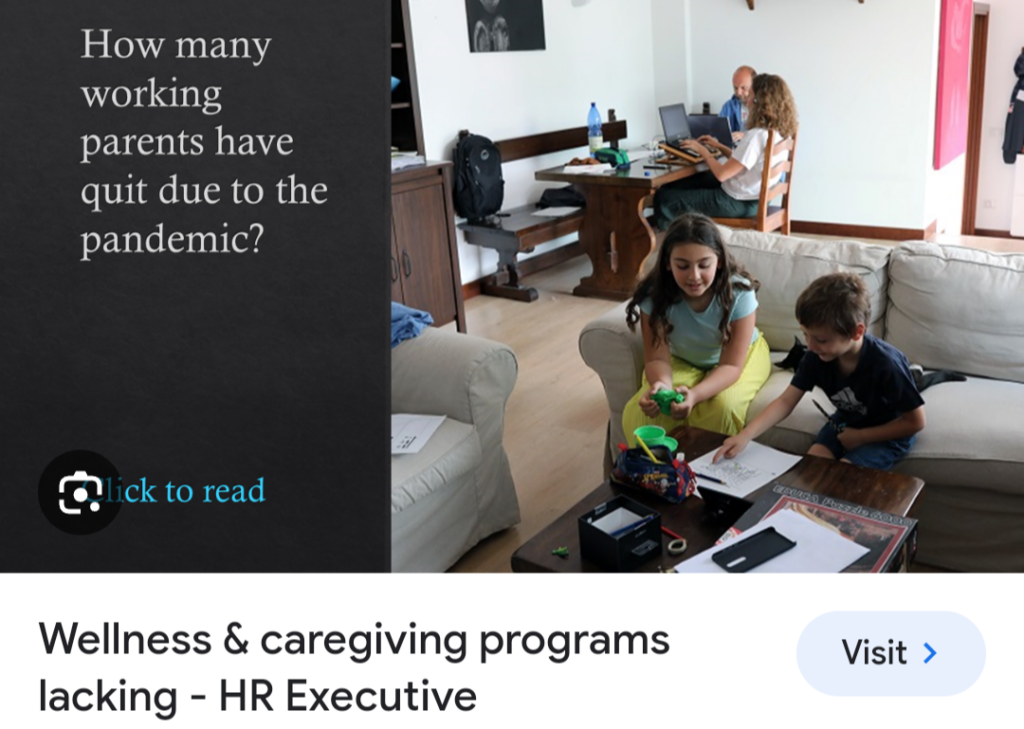
Despite their essential nature, caregiving and domestic work have historically been devalued and relegated to the private sphere, leading to a lack of recognition and support for those who perform these duties.
Empowering Women through Recognition Policies:
Domestic work recognition policies seek to address this imbalance by acknowledging the economic and social contributions of caregivers and providing them with financial support and social protection. These policies may include measures such as the provision of salaries
and pensions for caregivers, access to training and professional development opportunities, and the establishment of legal frameworks to protect their rights.
By recognizing the value of caregiving and domestic work, these policies empower women to make informed choices about their roles within the home and enable them to participate more fully in the workforce if
they so desire.
Impact on Gender Equality:
The implementation of domestic work recognition policies has the potential to have a transformative impact on gender equality. By valuing and remunerating caregiving and domestic work, these policies challenge traditional gender norms and roles, which often relegate women to the domestic sphere while men are expected to be the primary breadwinners.

Moreover, by providing financial support and social protection to caregivers, these policies help to alleviate the economic vulnerability experienced by many women,
particularly those who are single parents or from marginalized communities. This, in turn, can contribute to greater gender equity in terms of access to resources, opportunities, and decision-making power.
Challenges and Opportunities:
While domestic work recognition policies represent a significant step towards gender equality, they are not without challenges. Implementation may be hindered by resource constraints, resistance from traditionalist forces, and ingrained societal attitudes towards caregiving and gender roles. However, these challenges also present opportunities for advocacy and mobilization to push for greater recognition and support for caregivers. By
raising awareness about the importance of caregiving and domestic work and advocating for policies that promote gender equality, individuals and organizations can contribute to creating a more equitable and inclusive society for all.
Conclusion:
In conclusion, domestic work recognition policies have the potential to empower women, challenge gender norms, and promote greater equality within our societies. By valuing the work of caregivers and providing them with the support and recognition they deserve, these
policies contribute to building a more just and inclusive world where all individuals have the opportunity to thrive. As we continue to strive towards gender equality, let us recognize the importance of caregiving and domestic work and work together to create a society where
everyone’s contributions are valued and respected.
Empowering Women through Domestic Work Recognition Policies. Dialogue.

Joselyn Dumas: Cookieteegh, it’s wonderful to be discussing such an important topic with you today. The recognition of caregiving and domestic work is long overdue, wouldn’t you agree?

Cookieteegh: Absolutely, Joselyn. These tasks form the foundation of our society, yet they’ve been undervalued for far too long. It’s time we shed light on their significance.
The Importance of Caregiving and Domestic Work:

https://www.instagram.com/shebybena?igsh=ODI1ZnBqdTB5dDY5
Joselyn Dumas: Caregiving and domestic work are often invisible but essential. They allow families to function and thrive, yet women, who predominantly perform these tasks, often receive little recognition or support.

CookieteeGH:
Exactly, Joselyn. Women bear the brunt of unpaid labour within the home, which perpetuates gender inequality. It’s time we acknowledge their contributions.
Empowering Women through Recognition Policies:

Joselyn Dumas: Domestic work recognition policies aim to address this disparity by providing financial support and social protection to caregivers. These policies empower women to make informed choices about their roles and participation in the workforce.

CookieteeGH: By valuing and remunerating caregiving and domestic work, we challenge traditional gender roles and promote greater gender equality. It’s a crucial step towards creating a more inclusive society.
Impact on Gender Equality:

Joselyn Dumas: Absolutely, CookieteeGH. These policies have the potential to transform gender norms and roles, ensuring that women have equal access to resources and
opportunities.

CookieteeGH: Moreover, by alleviating the economic vulnerability experienced by many women, particularly those from marginalised communities, we contribute to greater gender equity and empowerment.

Challenges and Opportunities:
Joselyn Dumas: While there are challenges in implementing these policies, such as resistance from traditionalist forces, there are also opportunities for advocacy and mobilisation to push for greater recognition and support for caregivers.

CookieteeGH: By raising awareness and advocating for policies that promote gender equality, we can create a more equitable and inclusive society for all.

Conclusion:
Joselyn Dumas: In conclusion, domestic work recognition policies have the potential to empower women, challenge gender norms, and promote greater equality within our
societies.

CookieteeGH: Let’s continue to work together to recognize the importance of caregiving and
domestic work and create a world where everyone’s contributions are valued and respected.

Joselyn Dumas:
           Experience

There is a girl called Mary who had always been ambitious. As a trained banker, she excelled in her career but despite her hard work, her salary was never enough to fulfill her dreams.

Determined to achieve financial independence, Mary took on multiple advertising jobs in her spare time.
However, her journey to success was not without its challenges. Along the way, she encountered numerous men, some of whom were married and tried to exploit her vulnerability for their own gain.

Despite their advances, Mary remained steadfast and confident in her principles.

When she faced a particularly difficult situation, Mary turned to her husband, who was the Vice President of a prominent company. She confided in him about the harassment she endured and the struggles she faced as a working woman trying to balance her career aspirations with societal expectations.

Her husband, deeply troubled by her experiences, used his position of influence to advocate for change. He worked tirelessly to propose and champion a new law that would empower women to choose to work from home, take care of their children, and receive better compensation and pension benefits.

Through his dedication and Mary's unwavering courage, their efforts paid off. The law was enacted, marking a significant milestone in the fight for gender equality and recognition of the invaluable contributions of women in both the workforce and the home.

Mary's story serves as a testament to the power of resilience, determination, and supportive partnerships in overcoming adversity and driving positive change in society.
Cookieteegh: Thank you, Joselyn, for sharing this wonderful and insightful experience. It’s been a pleasure discussing such an important topic with you.

Joselyn: Likewise, Cookieteegh. Let’s continue to raise awareness and advocate for change. Together, we can make a difference.