




OSAGYEFO NEWSLETTER MAGAZINE:
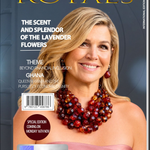
Presents: ( ROYALS )
HER MAJESTY MAGAZINE · SPECIAL EDITION
QUEEN MÁXIMA
ARTICLE TITLE: THE SCENT AND SPLENDOR OF THE LAVENDER FLOWERS
Theme: Beyond Financial Inclusion: Ghana, Queen Máxima and the Pursuit of Economic Dignity
Her Majesty Queen Máxima of the Netherlands in Ghana | 3 November 2026
📅MONDAY · 16 NOVEMBER 2026
🌎READ WORLDWIDE AT ASSUMPTAGH. LIVE/
JOURNALISM OF NEGLECTED TOPICS
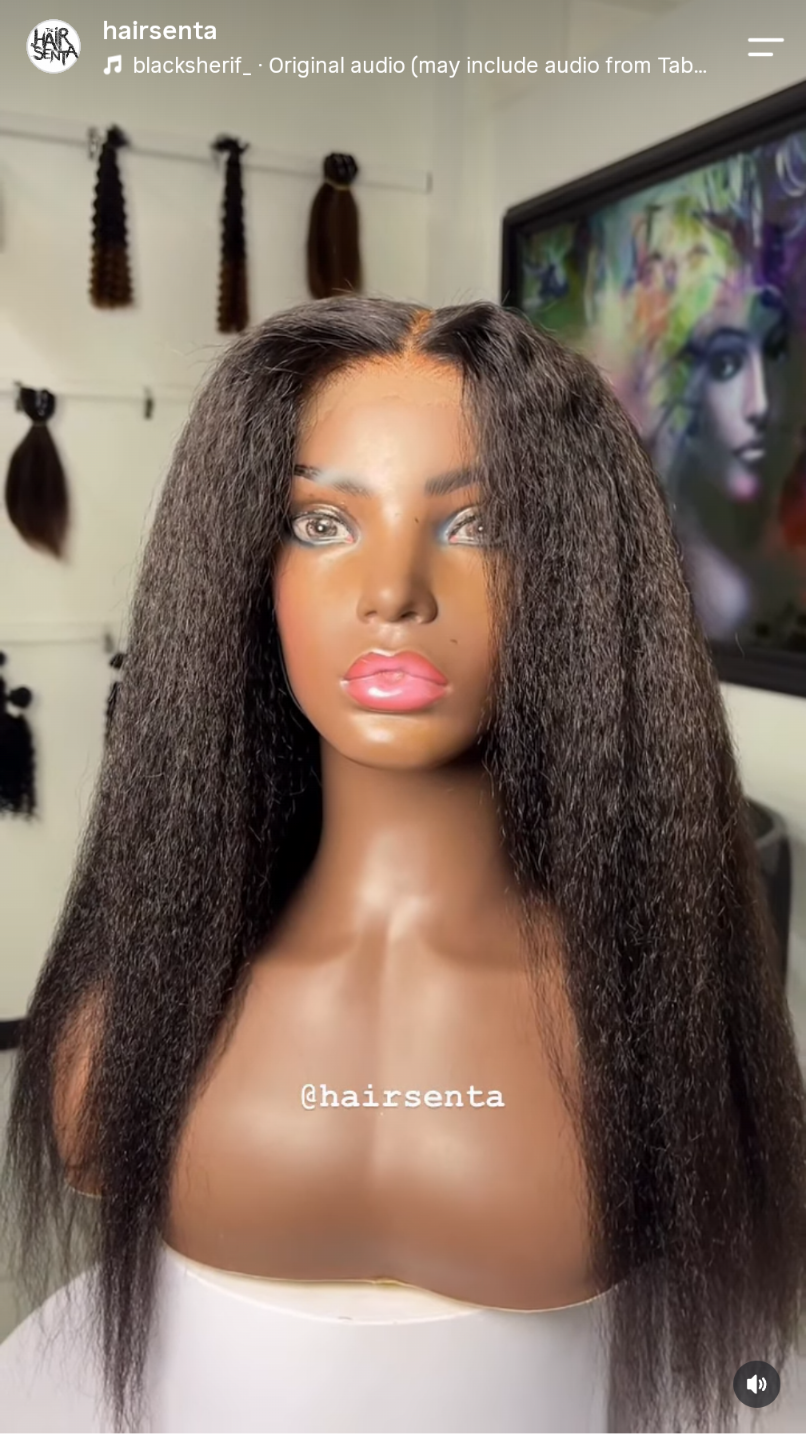
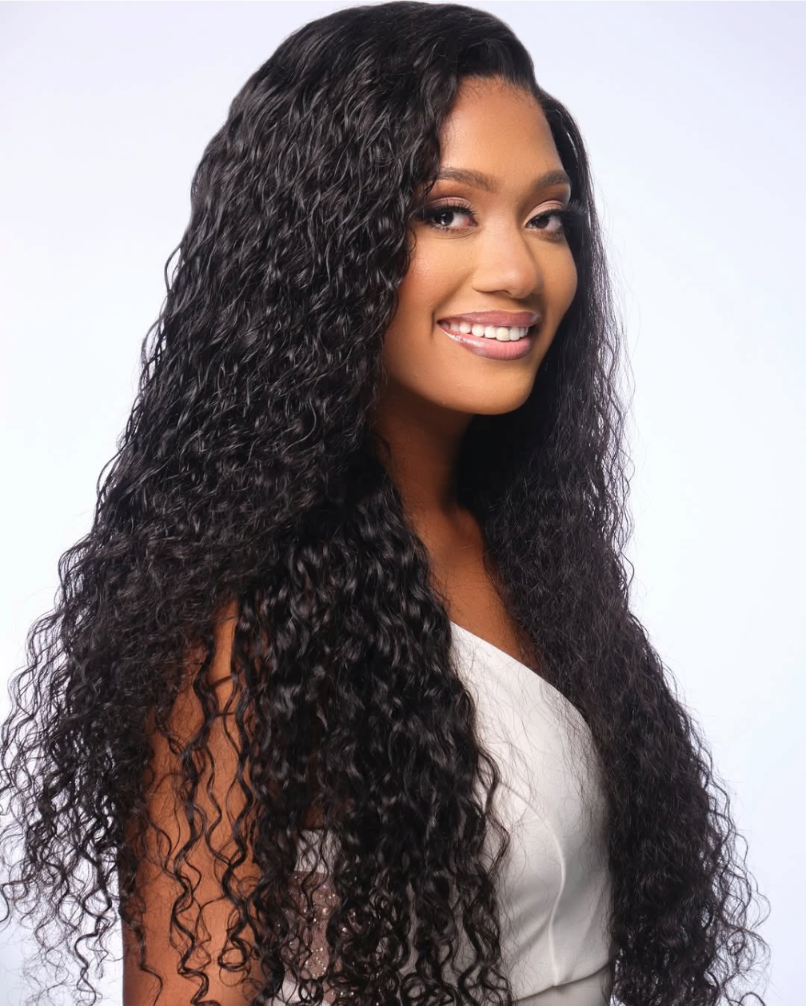
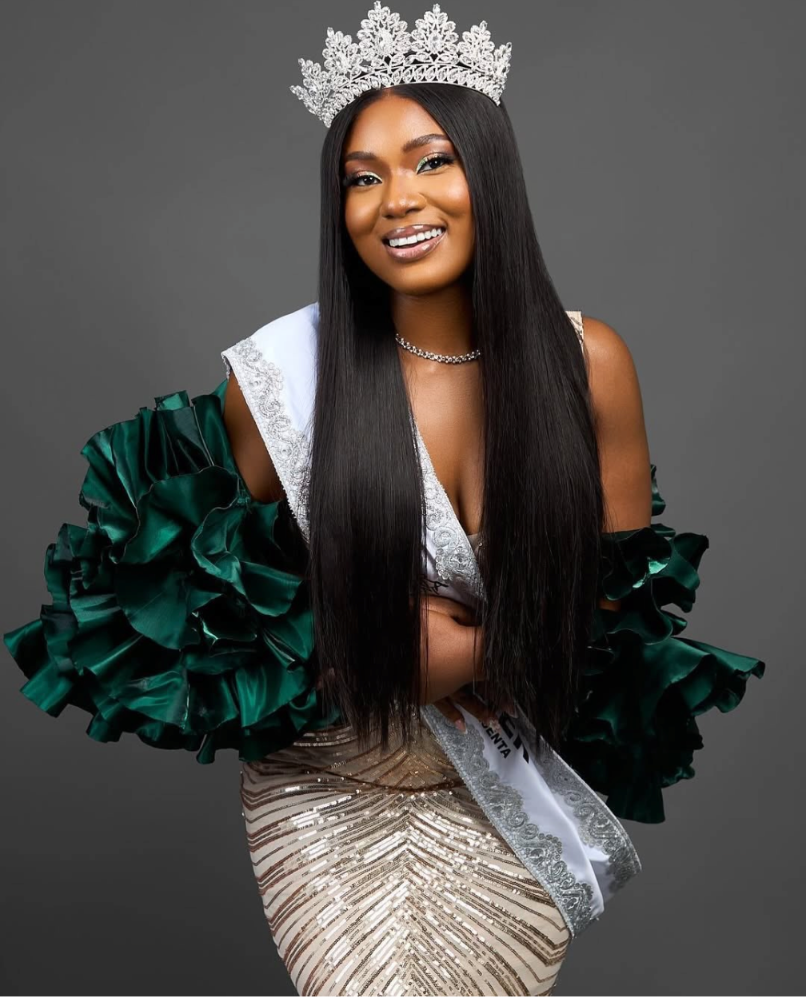
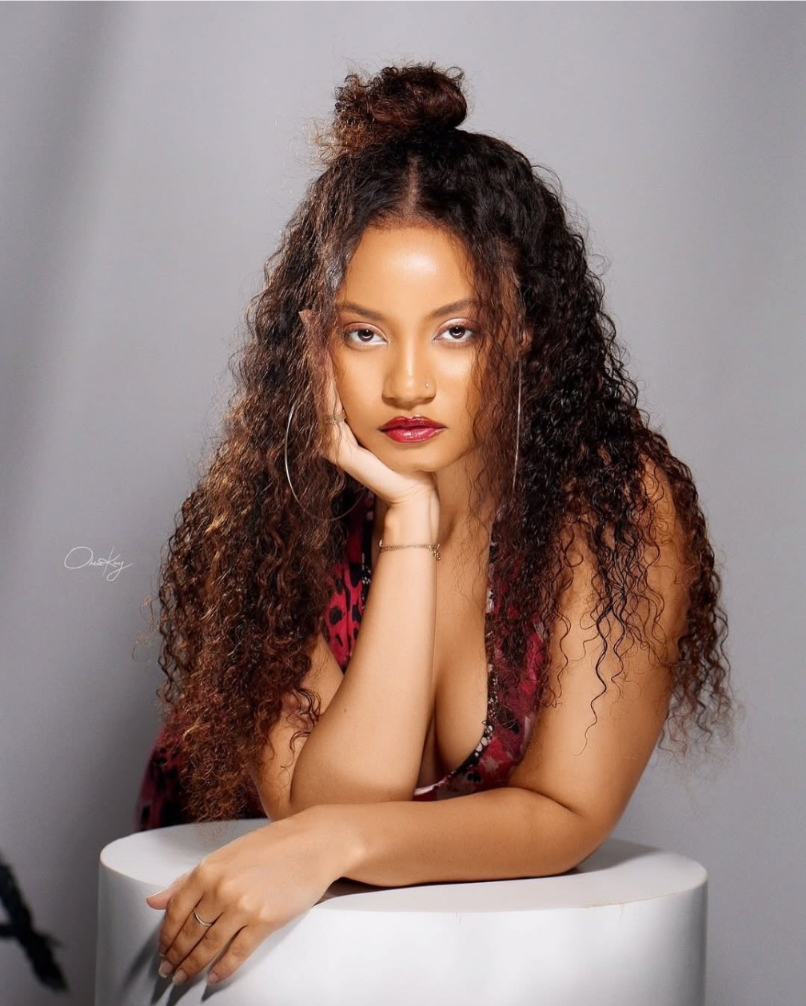
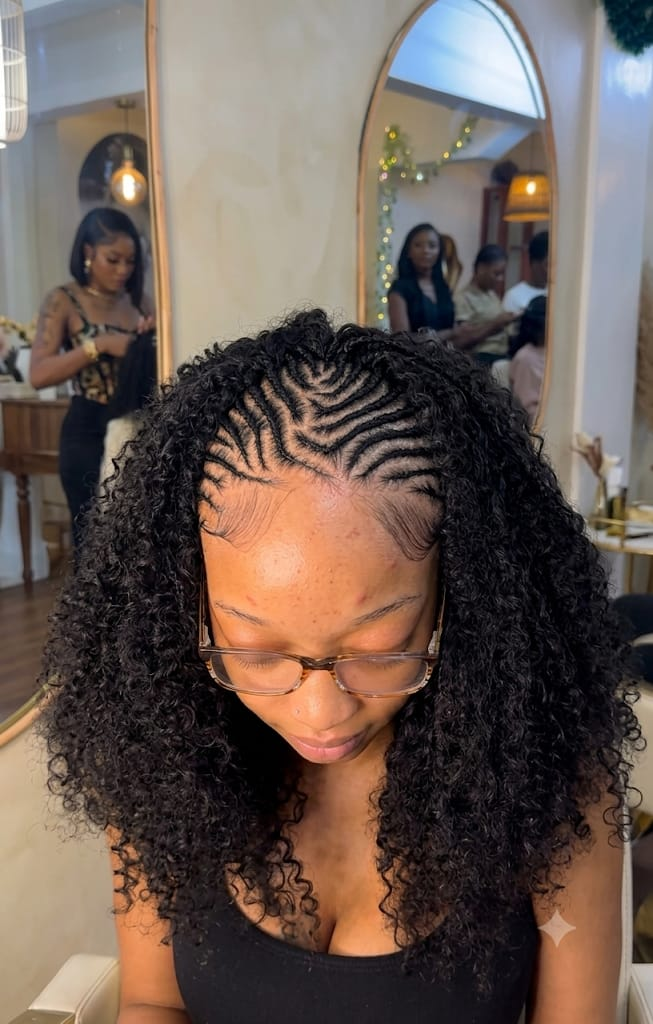
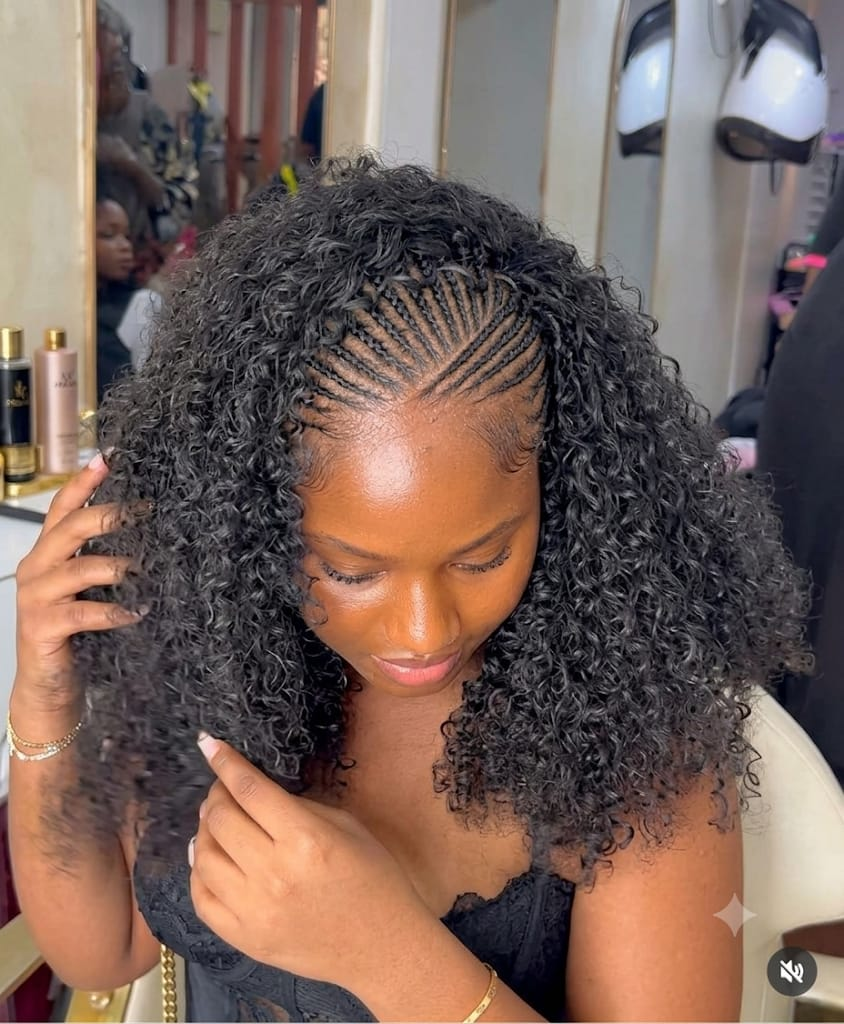

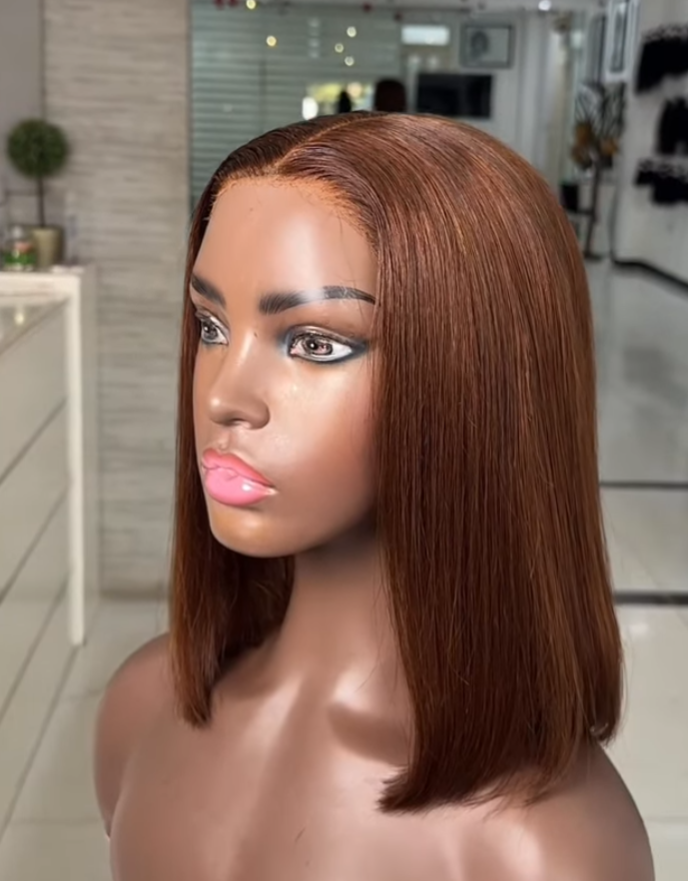

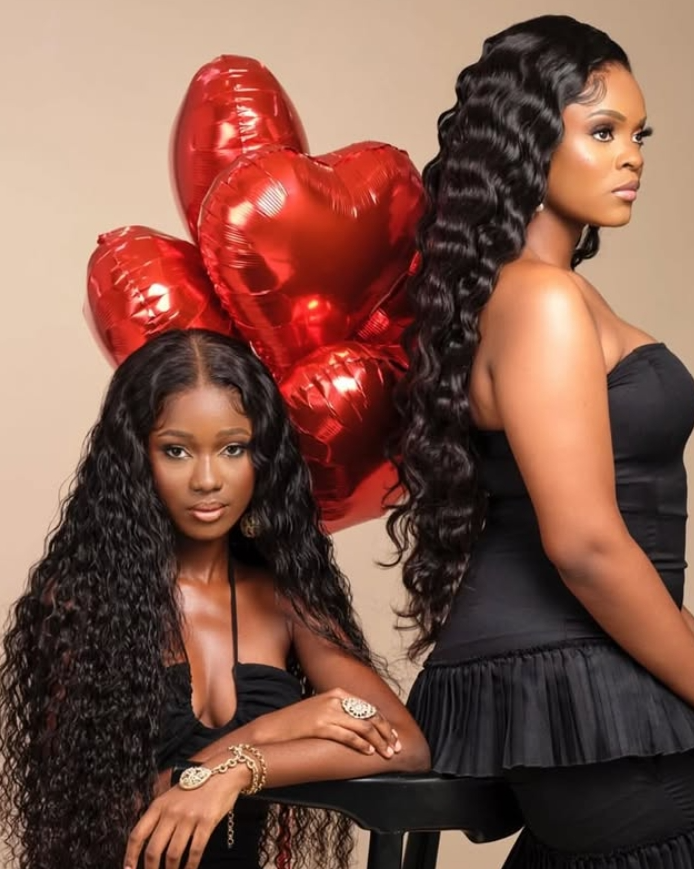
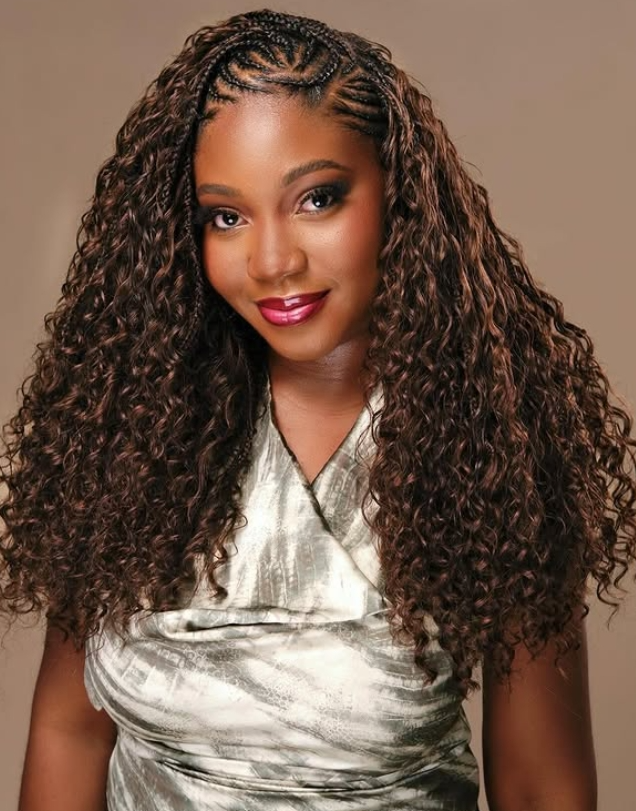
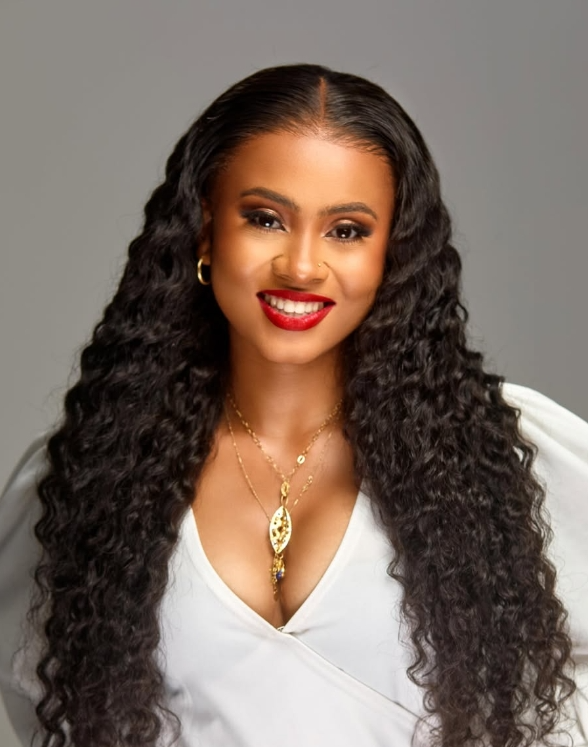

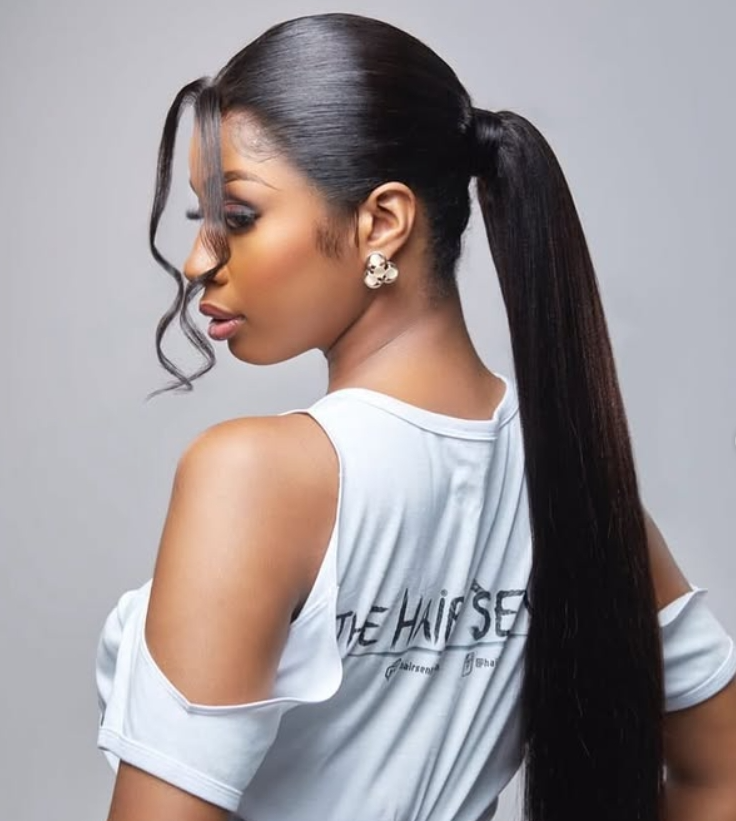
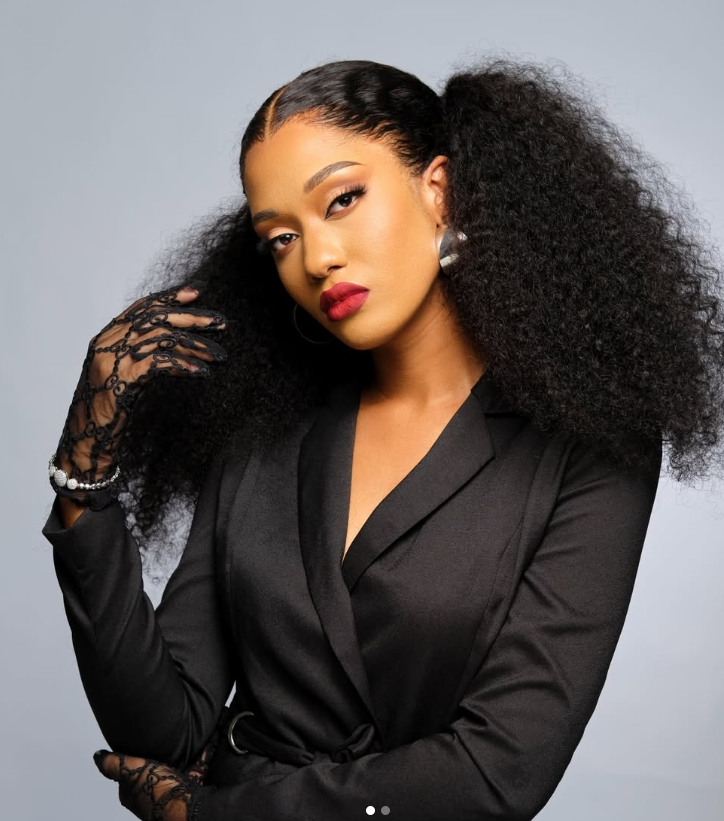


https://www.instagram.com/hairsenta?utm_source=ig_web_button_share_sheet&dlrf=ZDNlZDc0MzIxNw==
Elevate Your Crown with The Hair Senta
Why settle for “good enough” when you can wear the gold standard? At The Hair Senta, we don’t just sell hair; we deliver the confidence that comes with knowing your look is flawless, authentic, and built to last.
Based in the heart of Accra and shipping worldwide, we’ve turned human hair extensions into a world-class experience.
Why the World Chooses Hair Senta
- Actual Proof of Quality: No filters needed. We source our extensions for longevity, natural lustre, and a seamless blend. Whether it’s raw or virgin hair, the quality is visible in every strand.
- The Confidence Factor: We believe your hair is your power. Our pieces are designed to give you that “just stepped out of the salon” feeling every single day.
- Unbeatable Value: Luxury shouldn’t be out of reach. We offer premium, trademarked quality at prices that respect your investment.
- Global Reach, Local Roots: From our flagship in Ghana to doorsteps in London, New York, and beyond—we bring the best of West African hair retail to the world.
Ready to Transform Your Look?
Get in Touch Today
Don’t wait for your best hair day—create it.
Visit Us:
Call/WhatsApp: (+233) 0544354455 / 0248629769
In-Store: 24 Jungle Avenue, Accra, Ghana
“Your hair is the crown you never take off. Make sure it shines.”

THE EDITORIAL REFLECTION
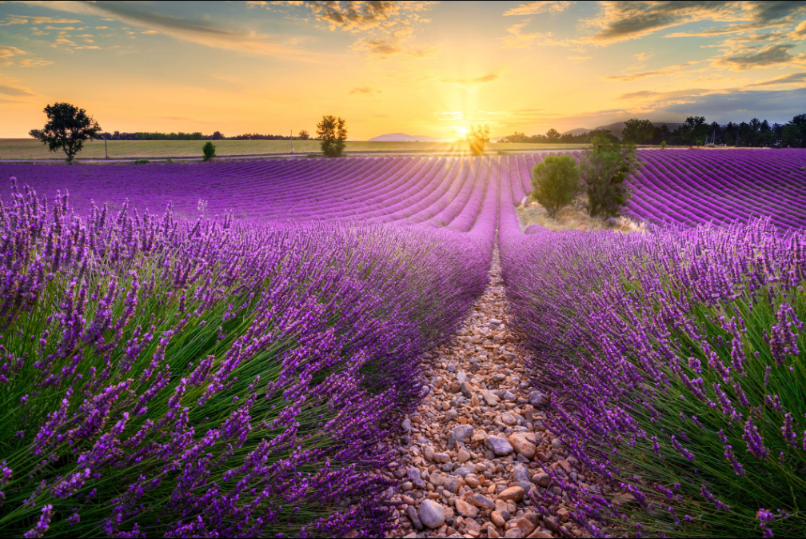
There is something remarkable about the lavender flower. Its plant may appear modest, firmly rooted in the soil, yet its fragrance travels in every direction. It does not need to uproot itself to share its beauty with the surrounding world. Its roots sustain its existence, while its fragrance becomes a gift to everything around it.
Perhaps there is a profound lesson in this simple observation.
A nation’s development should not be measured solely by the prosperity it accumulates within its borders, but also by the positive contribution it makes to the wider human family.
The Netherlands, having developed its institutions, economy and international partnerships, continues to participate in global development through cooperation, knowledge-sharing, trade and international engagement. Its relationship with the wider world demonstrates an important principle: development and international responsibility can reinforce one another.
Like the lavender flower, a country can remain rooted in its identity while allowing its contributions to reach across geographical boundaries.
It is through this philosophical lens that we approach the visit of Her Majesty Queen Máxima of the Netherlands to Ghana.
01 — Beyond financial inclusion: A human-centred vision
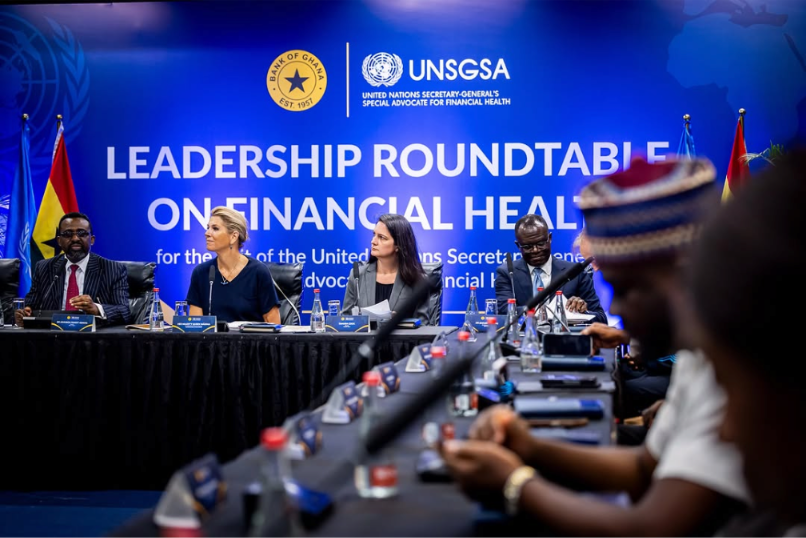
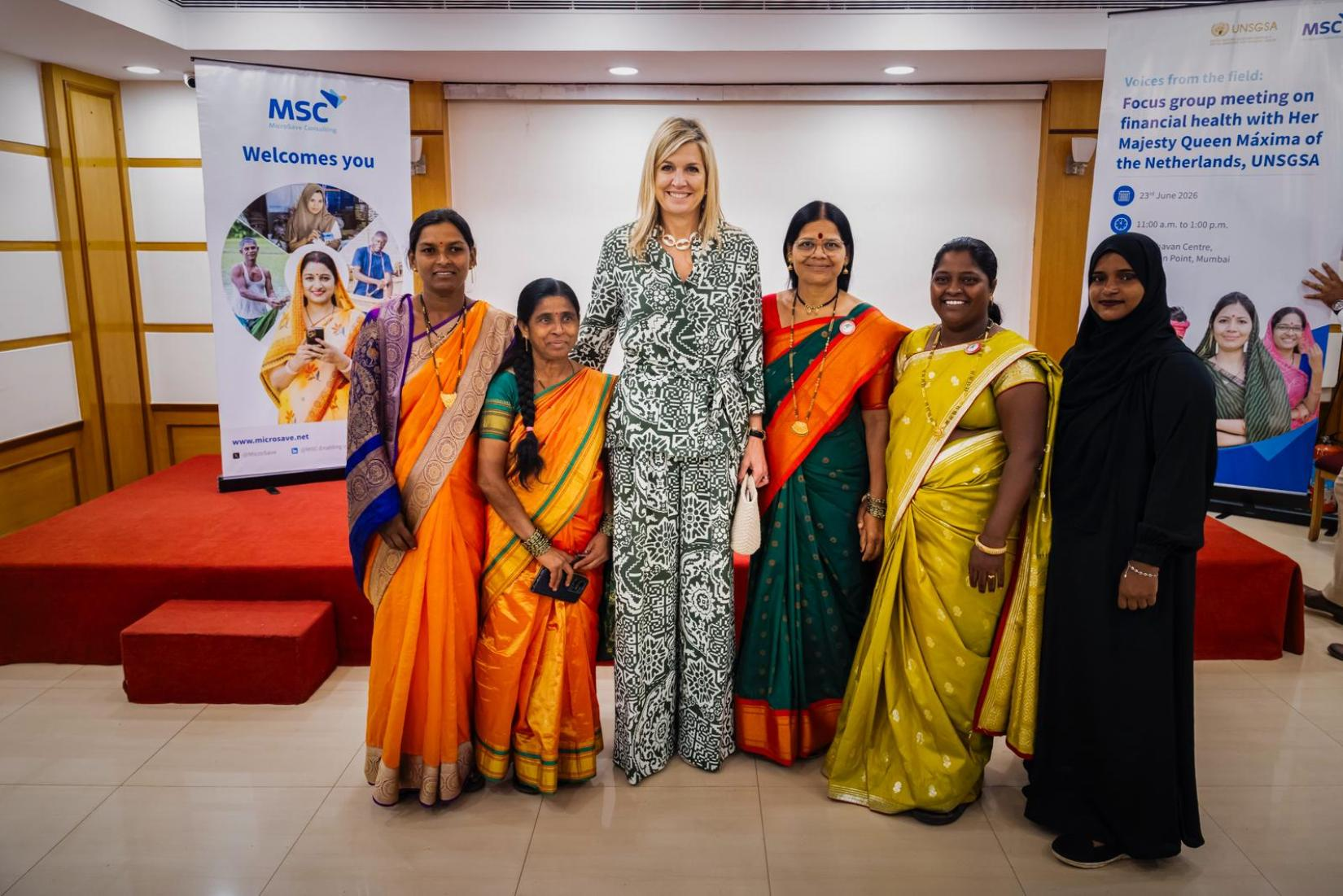
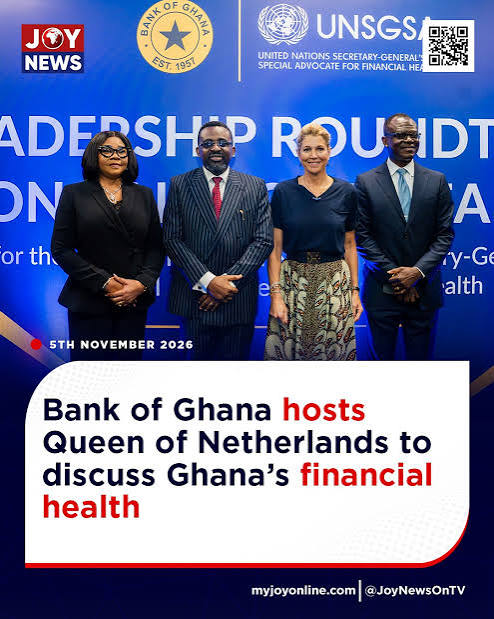
On 3 November 2026, Her Majesty Queen Máxima of the Netherlands engaged with representatives of government, financial institutions, development organisations and users of financial services in Ghana.
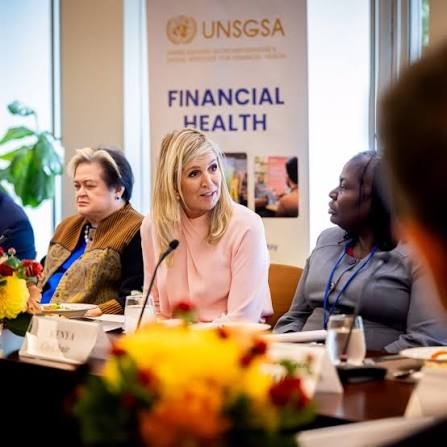
Her visit was undertaken in her capacity as the United Nations Secretary-General’s Special Advocate for Financial Health (UNSGSA).
Her engagements focused on financial services and policies capable of strengthening the financial resilience and well-being of the Ghanaian population.
The conversation extends beyond banking facilities, financial technology and access to credit. At its heart lies a fundamental human question: how can people acquire the financial security necessary to live with dignity, pursue their aspirations and contribute meaningfully to society?
Financial inclusion must therefore embrace several dimensions:
Financial accessibility: Making banking, savings, insurance and responsible credit accessible to ordinary citizens, particularly underserved communities.
Women’s economic empowerment: Removing barriers that prevent women entrepreneurs, traders and business owners from accessing financial opportunities and achieving economic independence.
Digital financial inclusion: Expanding secure, affordable and accessible mobile financial services.
Financial resilience: Equipping households to withstand unexpected economic shocks, unemployment and disruptions to their livelihoods.
Institutional responsibility: Encouraging governments and financial institutions to develop policies that place people’s financial well-being at the centre of economic development.
02 — Why Ghana? The opportunity to let human potential blossom
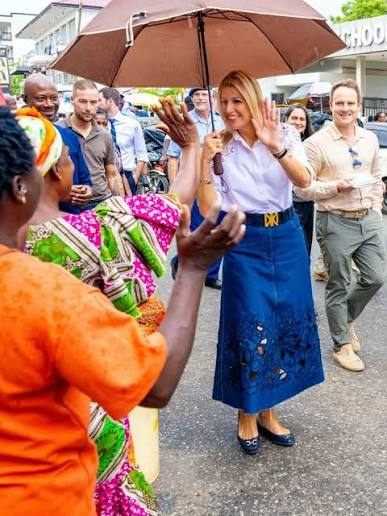
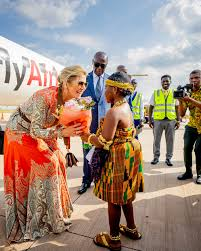
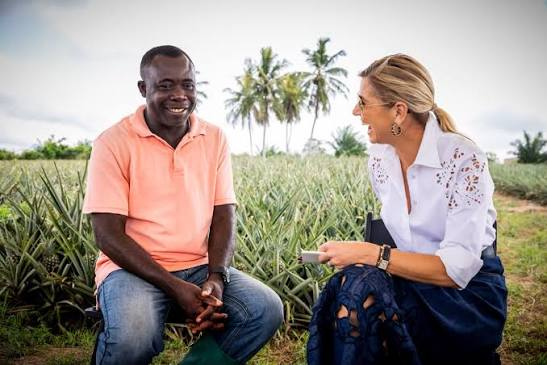
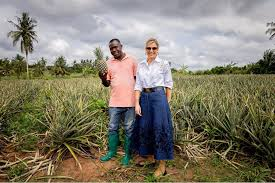
Ghana occupies an important position in Africa’s economic and political history. Its independence, its Pan-African aspirations and its continuing pursuit of economic transformation offer an important context for conversations about inclusive development.
Yet the country, like many developing economies, continues to confront poverty, unemployment, unequal access to opportunities and financial vulnerability.
The challenge is not simply to bring more people into the formal financial system. It is to ensure that participation in that system creates tangible opportunities for individuals, families and communities.
Consider the woman operating a small business in Makola Market, the farmer working the land in rural Ghana, or the young entrepreneur with an innovative idea but limited access to capital.
Their aspirations deserve more than encouragement. They require institutions, policies and financial structures that enable their potential to blossom.
This is where financial inclusion meets human dignity.
03 — From the Netherlands to Ghana: The fragrance of international solidarity

International development should not be understood as a one-directional relationship in which one country gives and another merely receives.
It should be a relationship built on mutual respect, shared responsibility, knowledge exchange and the recognition that the prosperity of humanity is interconnected.
The Netherlands and Ghana have an opportunity to strengthen their engagement through economic cooperation, financial innovation, entrepreneurship and inclusive development.
The real measure of such cooperation should be the lives it touches: the businesses it helps establish, the women it empowers, the young people it gives opportunities to and the families it helps protect against financial insecurity.
A developed nation does not lose its identity by contributing to the development of others. Rather, its international contribution can become an extension of its own values, experience and commitment to a more interconnected world.
04 — President Ikeda: The blossoming of human potential

This brings us to a philosophical reflection by Daisaku Ikeda, the third president of the Soka Gakkai International, whose writings frequently draw inspiration from flowers, nature, culture and the limitless possibilities of human life.
In his reflections connecting flowers, the Renaissance and the potential of human existence to blossom, Ikeda encourages people to recognise and develop their fullest capabilities.
“We shall each let our full potential blossom!”
A humanistic reflection attributed to the writings of Daisaku Ikeda. The image of a flower is particularly meaningful here. A flower does not blossom in isolation from the conditions that sustain it. It requires nourishment, care, sunlight and an environment in which it can grow.
Human beings are no different. People need opportunities, education, economic security, encouragement and institutions that recognise their inherent dignity.
Financial inclusion, viewed through this humanistic philosophy, becomes more than an economic policy. It becomes one of the conditions that can help individuals unlock their potential and contribute their unique talents to society.
The true splendour of a nation is therefore reflected not only in its economic achievements, but also in the opportunities it creates for its people to flourish.
05 — A fragrance that travels beyond borders

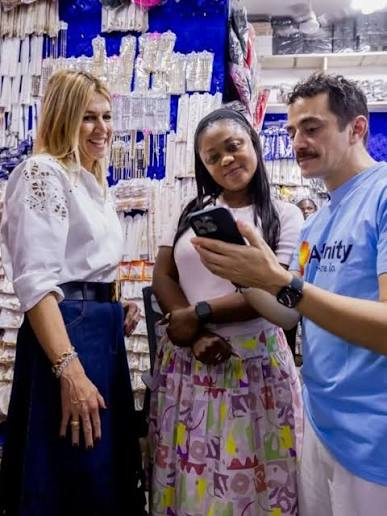
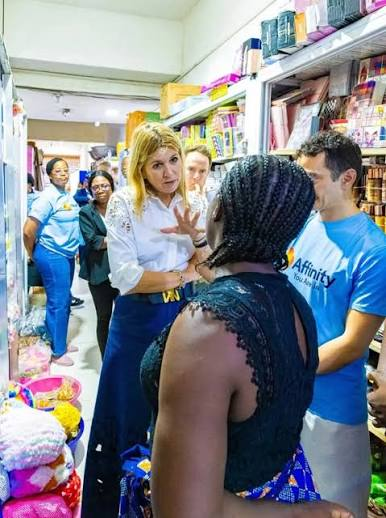
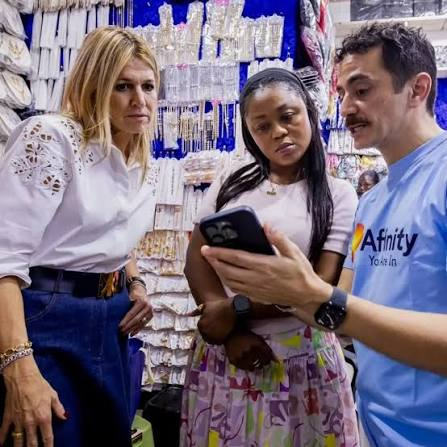
Perhaps this is the deeper message connecting the lavender flower, the Netherlands and Ghana.
The roots of a flower sustain its growth, but its fragrance reaches beyond the boundaries of its immediate surroundings. Likewise, the development of a nation should create the capacity to contribute to the well-being of humanity.
Queen Máxima’s engagement with Ghana provides an opportunity to reflect on how financial systems can become instruments of economic participation, equality and human dignity.
Ghana’s aspirations should not be confined to financial access alone. They should encompass a future in which women, young people, farmers, entrepreneurs and ordinary households have the means to shape their own economic destinies.
And perhaps the most beautiful measure of international cooperation is not simply what one country achieves for itself, but what its experience, knowledge and solidarity make possible for others.
The fragrance of human development
Let nations remain rooted in their identity, let their people blossom to their fullest potential, and let the fragrance of their contributions reach every corner of the world.
For, like the lavender flower, the true splendour of development lies not only in how beautifully we blossom, but also in how generously we share our fragrance with humanity.
THE EDITORIAL QUESTION

The Queen Who Came to Talk About Money: Why Must Ghana Look Abroad for Financial Dignity?
An examination of national responsibility, economic sovereignty and the difference between financial inclusion and genuine economic empowerment.
If Ghana has the human resources, natural wealth, financial institutions and political independence to govern itself, why must the pursuit of financial dignity still require international advocacy to accelerate it?
International cooperation should complement national responsibility, not substitute for it.
The true measure of financial inclusion is not simply how many people possess bank accounts, but how many have the economic freedom to build secure and dignified lives.
ABOUT OSAGYEFO
OSAGYEFO
Assumptagh — Journalism of Neglected Topics

We bring neglected topics into meaningful conversations through journalism, culture, lifestyle, human development, leadership and international dialogue.
Our commitment is to stories that encourage reflection, strengthen understanding and inspire positive contributions to humanity.
THE SCENT & SPLENDOUR OF THE LAVENDER FLOWERS
Beyond Financial Inclusion: Ghana, Queen Máxima and the Pursuit of Economic Dignity
A Global Dialogue on Economic Dignity, Women’s Empowerment and Human Development
OSAGYEFO INTERNATIONAL DIALOGUE
THE OPENING CONVERSATION
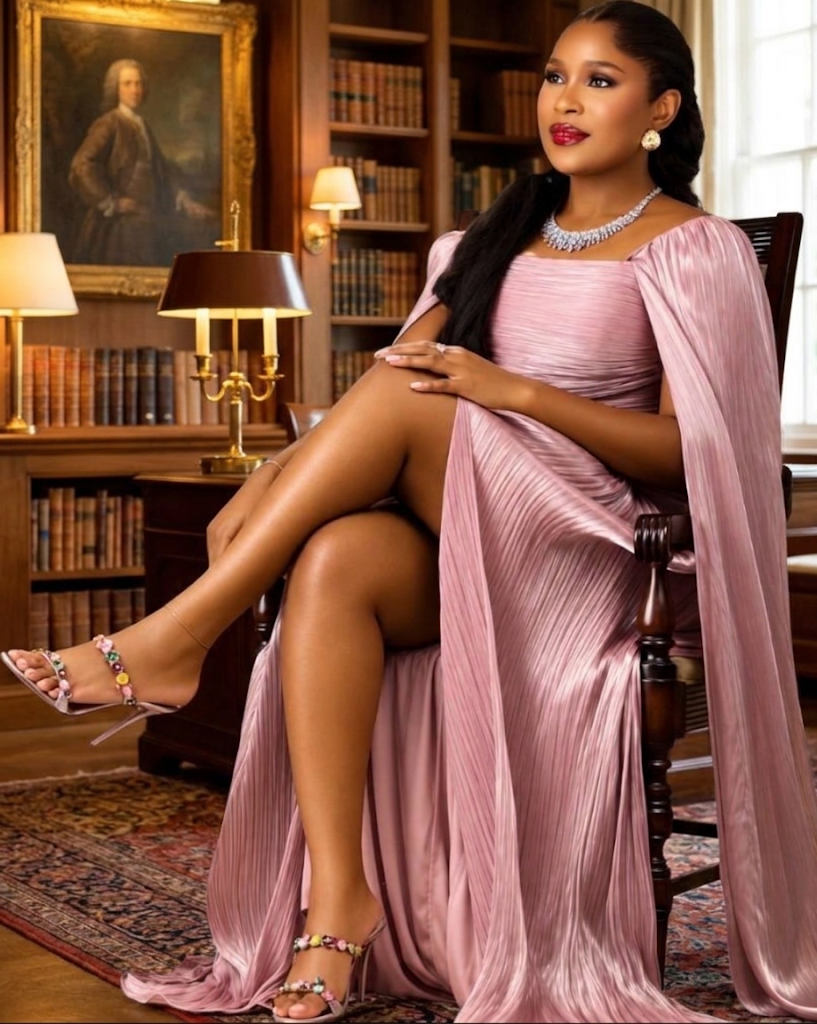
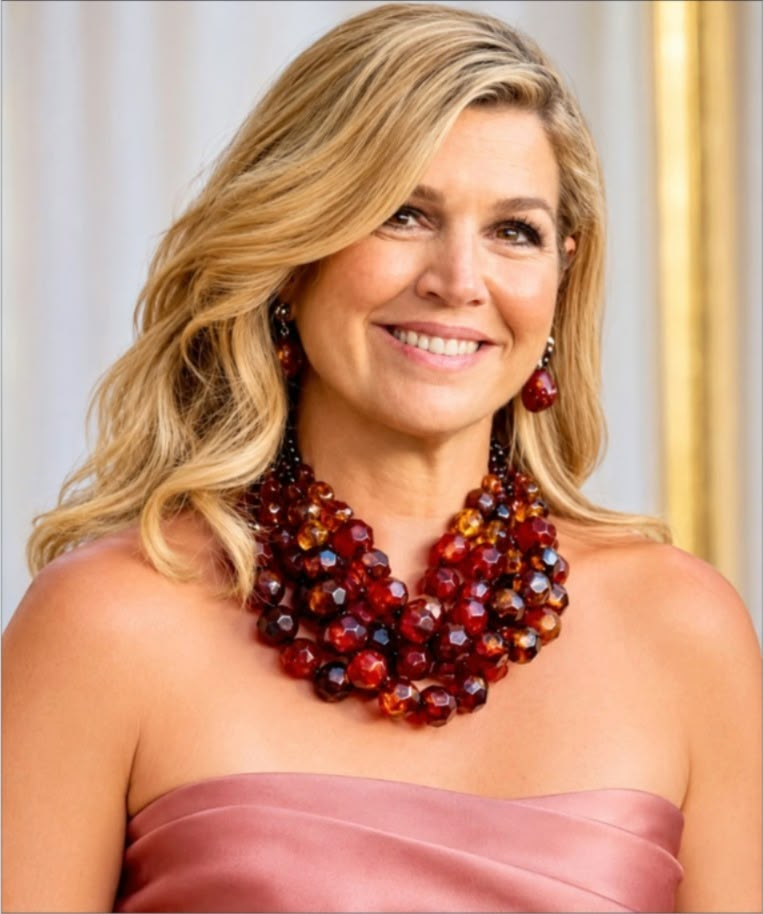
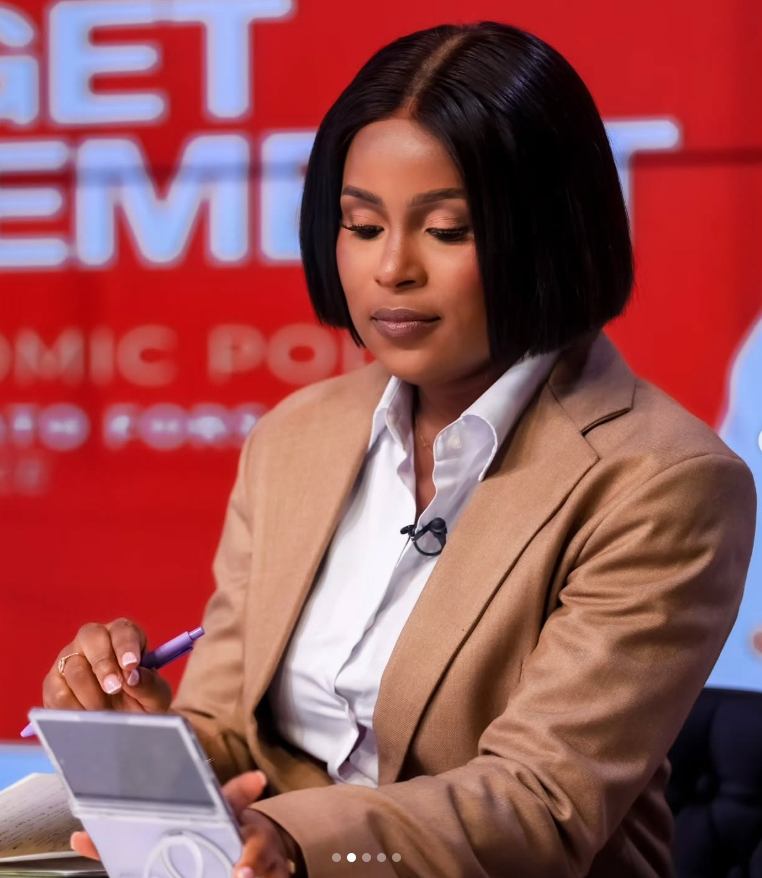
BERLA-MUNDI — HOST AND MODERATOR
Good day, distinguished readers, and warm greetings to our international audience across the world. Welcome to this special edition of our global dialogue, where we bring together distinguished personalities whose lives, professional contributions and commitment to humanity offer valuable lessons for our generation.
Today, we are particularly honoured to welcome Her Majesty Queen Máxima of the Netherlands. Your Majesty, it is a profound pleasure to have you join us for this special conversation. On behalf of our readers worldwide, I extend to you our warmest greetings and heartfelt appreciation.
Thank you for giving us this opportunity to reflect on your recent visit to Ghana, your international work in financial health and, above all, the human values that connect our different nations and communities.
MEETING OUR DISTINGUISHED GUEST
BERLA-MUNDI — THE MODERATOR
Before we begin, allow me to introduce our two participants to readers joining us from different parts of the world.
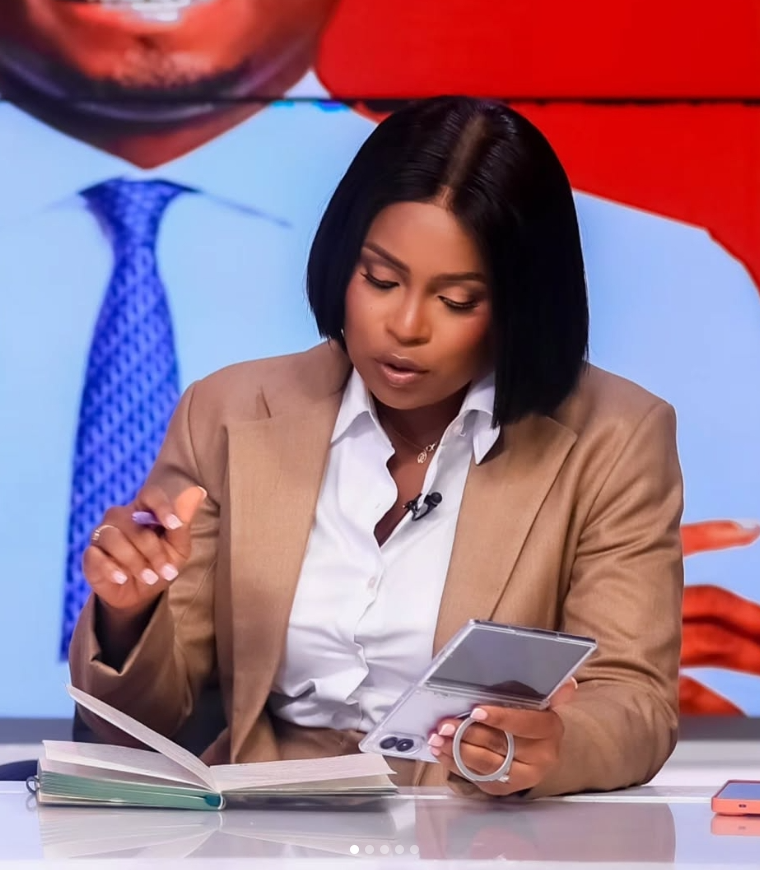
I am a Ghanaian media personality, journalist and broadcaster, recognised for my engaging interviewing style and ability to bring important conversations into the public sphere. Through her work, she has contributed to discussions about society, leadership, culture and the aspirations of the younger generation.
Today, I join as the host of this international dialogue, bringing Ghanaian perspectives to a conversation of global significance.
HER MAJESTY QUEEN MÁXIMA OF THE NETHERLANDS — OUR DISTINGUISHED GUEST
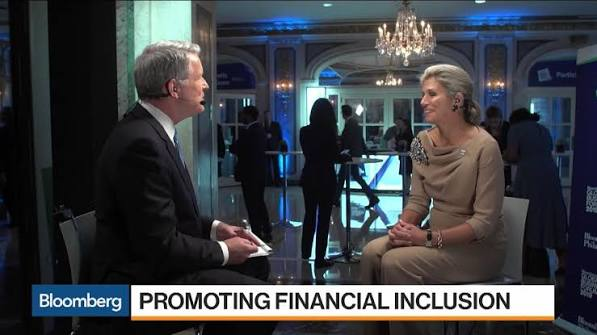
Queen Máxima was born in Argentina and built an international professional background in economics and finance before becoming a member of the Dutch Royal Family. She is the wife of His Majesty King Willem-Alexander and the mother of their three daughters.
Beyond her royal responsibilities, Her Majesty has developed an extensive international portfolio dedicated to financial inclusion and financial health.
Among her distinguished positions are:
- United Nations Secretary-General’s Special Advocate for Financial Health (UNSGSA).
- Honorary Chair of the G20 Global Partnership for Financial Inclusion (GPFI).
- Chair of the International Advisory Board of the Global Finance & Technology Network (GFTN).
Her work focuses on ensuring that financial systems do more than provide access to banking. They must help individuals and families manage their finances, withstand unexpected difficulties, save for the future and build financial security. She brings together an understanding of economics, international cooperation and the importance of human well-being.
TAKING EVERYTHING AS FUEL FOR LOVE
BERLA-MUNDI
Your Majesty, there is something deeply meaningful about your decision to visit Ghana. I see this engagement as more than a diplomatic or professional commitment. I see it as an expression of love for humanity — a form of spiritual nourishment that reminds us that our lives become more meaningful when we use our knowledge, opportunities and influence to improve the lives of others.
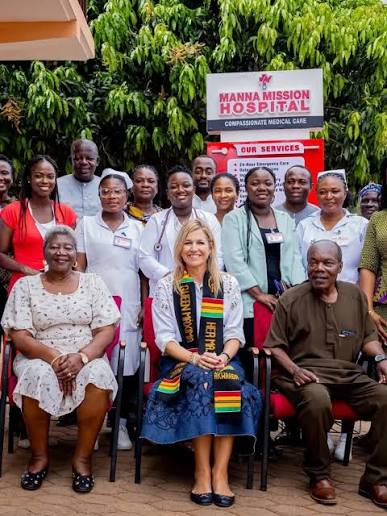
Taking everything as fuel for love, I would like to begin by expressing my heartfelt gratitude for the warm and meaningful visit you extended to Ghana. Your Majesty, your visit has allowed us to reflect not only on financial health but also on the human relationships, values and shared responsibilities that make international cooperation worthwhile.
And, if you will permit me, I would like to take a little journey into your personal story before we turn to your important work in Ghana.
A LOVE STORY THAT CROSSED CONTINENTS
Your Majesty, I cannot help but share a brief reflection on your beautiful love story with your husband, His Majesty King Willem-Alexander. In April 1999, you were working as an economist in New York for Deutsche Bank. During that period, you attended the famous Feria de Abril, the April Fair in Seville, Spain, after receiving an invitation from a mutual friend.
It was there that you met Willem-Alexander, who was then the Crown Prince of the Netherlands. Interestingly, he introduced himself simply as Alexander, without immediately revealing his royal identity.
Your first encounter was not exactly a fairy tale. You were unimpressed by his dancing and reportedly teased him about his stiff movements. Even when he eventually disclosed that he was the future King of the Netherlands, you initially thought he was joking. Yet, beneath that unexpected beginning, something special developed. You discovered a shared appreciation for humour, lively conversation and each other’s personalities. What began as a chance meeting grew into a relationship that crossed national, cultural and geographical boundaries.
Willem-Alexander subsequently travelled to New York to continue the relationship. The romance eventually led to his proposal, their engagement announcement in 2001 and their marriage on 2 February 2002. During the televised engagement interview, you also impressed the Dutch public with your growing command of the Dutch language.
Today, your partnership represents a remarkable union between two different cultural backgrounds, brought together through love, mutual understanding and commitment.
TWO PROFESSIONS, ONE HUMAN PURPOSE
Your Majesty, there is another interesting connection I see between you and your husband. His Majesty King Willem-Alexander has a longstanding passion for aviation. He served as an unsalaried guest pilot with KLM for many years, maintaining his flying qualifications while fulfilling his royal responsibilities.
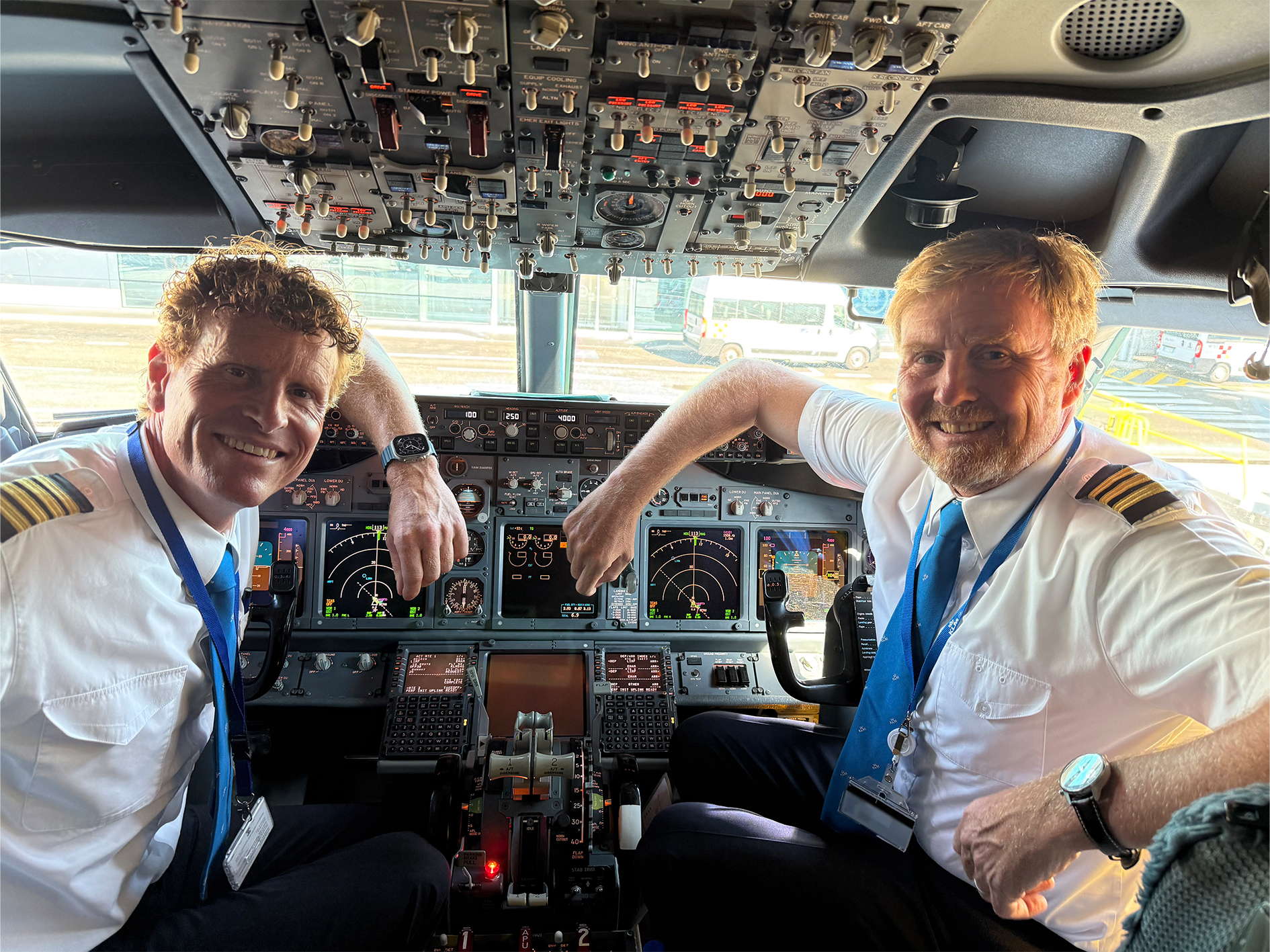
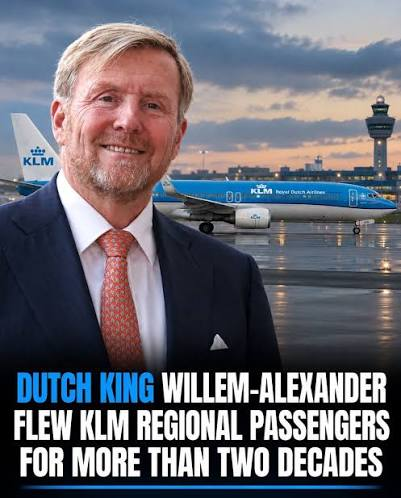
In 2026, h completed his final scheduled KLM Boeing 737 flight and retrained to fly the Airbus A321neo. Your Majesty, your own professional responsibilities have taken you along another important journey — one centred on financial health, economic inclusion and human well-being.
Your husband’s work in aviation has been about helping passengers reach their destinations safely. Your international work is about helping people reach a destination of greater financial security and opportunity.
What a beautiful parallel!
One profession connects people physically across geographical boundaries; the other seeks to connect people with opportunities that can improve their lives.
Of course, these are different responsibilities, but both offer an opportunity to reflect on service, dedication and the importance of helping others move forward. I see in this partnership a beautiful reminder that love is not simply something we express through words. It can also be demonstrated through the responsibilities we embrace and the contributions we make to society.
Your Majesty, I am genuinely grateful for this opportunity to have this dialogue with you. And now, let us turn our attention to Ghana and the important questions raised by your recent visit.
THE FIRST THEME: AROUSING A NEW GLOBAL AWARENESS
BERLA-MUNDI — THE HOST
Your Majesty, your visit to Ghana presents an opportunity to awaken a deeper global awareness of the relationship between financial security, poverty reduction and human dignity. Ghana has made considerable progress in financial inclusion, particularly through mobile money, digital banking and other financial services.
According to the Global Findex 2025 findings cited by your office, more than eight in ten Ghanaian adults are financially included. Yet financial access alone does not necessarily mean that households are financially healthy or economically secure.
This distinction is particularly important.
A market woman may have a mobile money account but struggle to obtain affordable credit. A farmer may have access to financial services but remain vulnerable to unpredictable harvests, inadequate storage facilities and unstable market prices. A young entrepreneur may have a promising business idea but lack the capital to transform it into a sustainable enterprise.
Your engagement with Ghanaian farmers, market women, entrepreneurs, financial institutions and national leaders has brought these realities into the international conversation. It raises an important question for Ghana and indeed for Africa:
How can financial progress become a genuine instrument for ending poverty, expanding human opportunity and creating lasting economic independence?
Your Majesty, I believe this is where a new global awareness must begin — by recognising that financial inclusion is not the final destination. It is a pathway towards a more dignified human life.
THE SECOND THEME: OUR AGE URGENTLY SEEKS A PHILOSOPHY BASED ON RESPECT FOR LIFE AND HUMAN DIGNITY
BERLA-MUNDI — THE HOST
Your Majesty, beyond financial policies, banking infrastructure and technological innovation, our age urgently needs a development philosophy that places human life and dignity at its centre.
Economic progress should not be measured solely by the growth of financial institutions, the expansion of digital transactions or the amount of capital circulating within an economy.
We must also ask:
- Are ordinary people living more securely?
- Can parents support their children and provide for their families?
- Can women build productive businesses without being trapped in cycles of debt?
- Can farmers earn a fair return for their labour?
- Can young people transform their education, creativity and ambitions into meaningful employment?
- Can workers prepare for retirement without the fear of financial insecurity?
These are the questions that give economic development its human meaning. Your Majesty, through your work as the United Nations Secretary-General’s Special Advocate for Financial Health, you have consistently drawn attention to the importance of building financial systems that genuinely serve people.
Your work also encourages us to understand that financial health is not simply about having a bank account. It is about having the capacity to manage everyday expenses, withstand unexpected financial shocks, invest in future goals and live with greater financial confidence.
I believe this is an important foundation for a philosophy of development based on respect for life and human dignity.
YOUR MAJESTY, MY CENTRAL QUESTION
How can Ghana move from financial inclusion to genuine economic dignity, ensuring that women, farmers, informal-sector workers and young entrepreneurs are not merely participants in the financial system, but empowered contributors to national prosperity?
And what responsibility must Ghana’s political leadership, financial institutions and international development partners accept to make this transformation possible?
A FINAL REFLECTION FROM BERLA-MUNDI
Your Majesty, as we conclude this opening part of our dialogue, I would like to return to the idea with which we began: taking everything as fuel for love.
Your visit reminds us that international cooperation should ultimately be judged by the difference it makes in the lives of ordinary people.
Love becomes meaningful when it inspires responsibility. Leadership becomes meaningful when it protects human dignity. Economic progress becomes meaningful when it gives people the opportunity to live with security, confidence and hope. Your Majesty, thank you once again for joining us.
We look forward to hearing your reflections on Ghana’s journey towards financial health, economic dignity and inclusive prosperity. Your Majesty, the conversation is yours.
HER MAJESTY QUEEN MÁXIMA — A RESPONSE TO BERLA-MUNDI
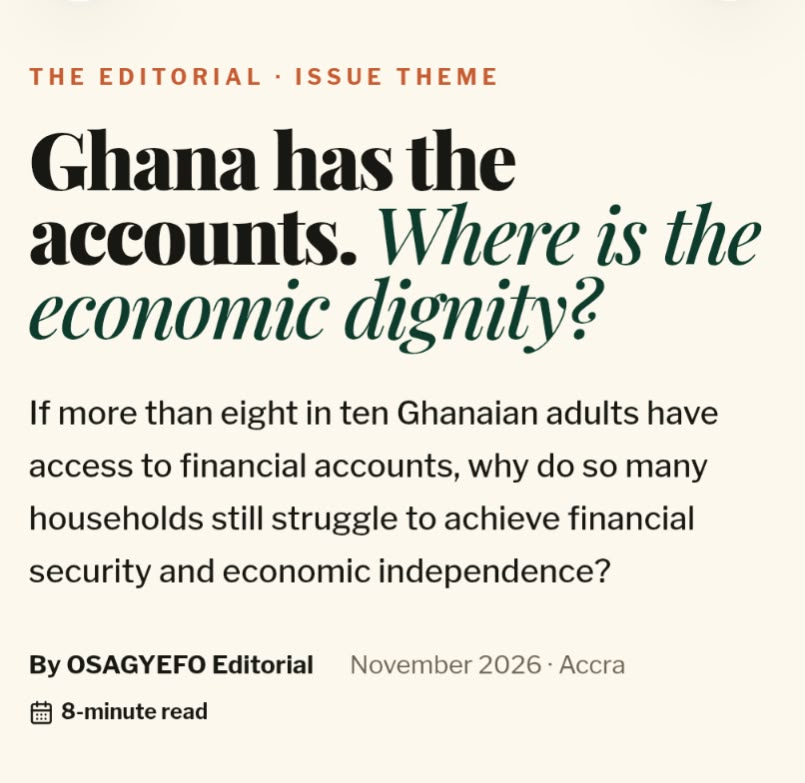
GHANA HAS THE ACCOUNTS. WHERE IS THE ECONOMIC DIGNITY?
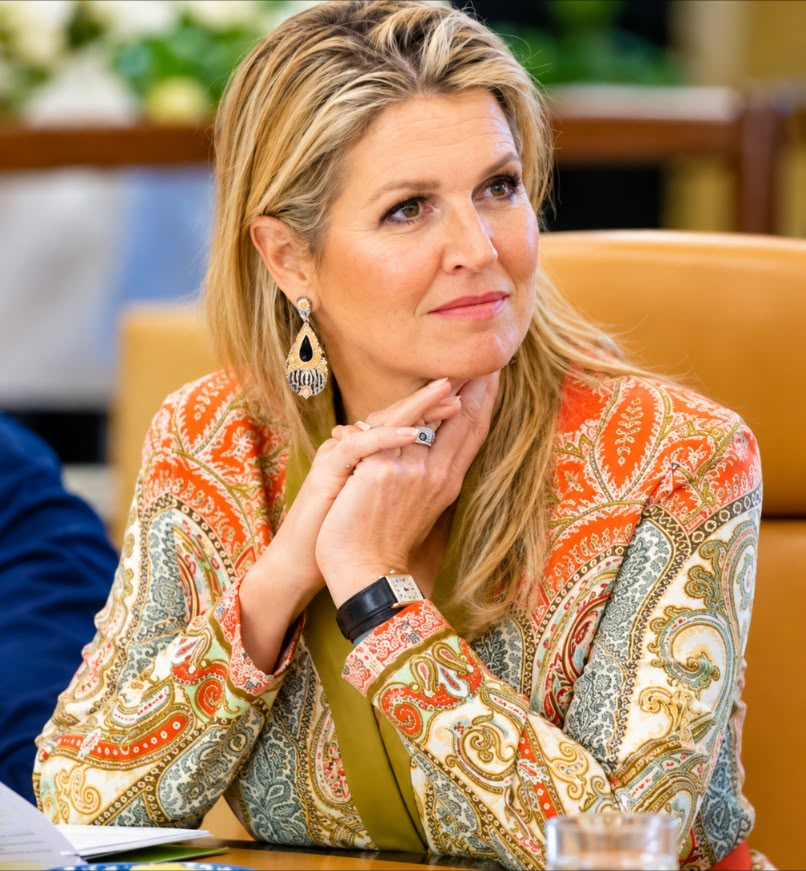
HER MAJESTY QUEEN MÁXIMA:
Thank you very much, Berla-Mundi. First, allow me to express my sincere appreciation for your beautiful introduction and the warmth with which you have welcomed me into this international dialogue.
Your reflections on love, partnership and the responsibility we have towards humanity are deeply appreciated.
I particularly value the connection you have drawn between my husband’s work in aviation and my own commitment to financial health. Although our professional responsibilities are different, I agree that service to others gives our work its deeper meaning.
And thank you for recalling my visit to Ghana with such affection. Ghana holds an important place in the international conversation about financial inclusion. It has demonstrated considerable innovation, particularly through mobile money and digital financial services. However, you have raised a question that deserves our serious attention.
Ghana has the accounts. Where is the economic dignity?
I believe this is precisely the question we must now confront.
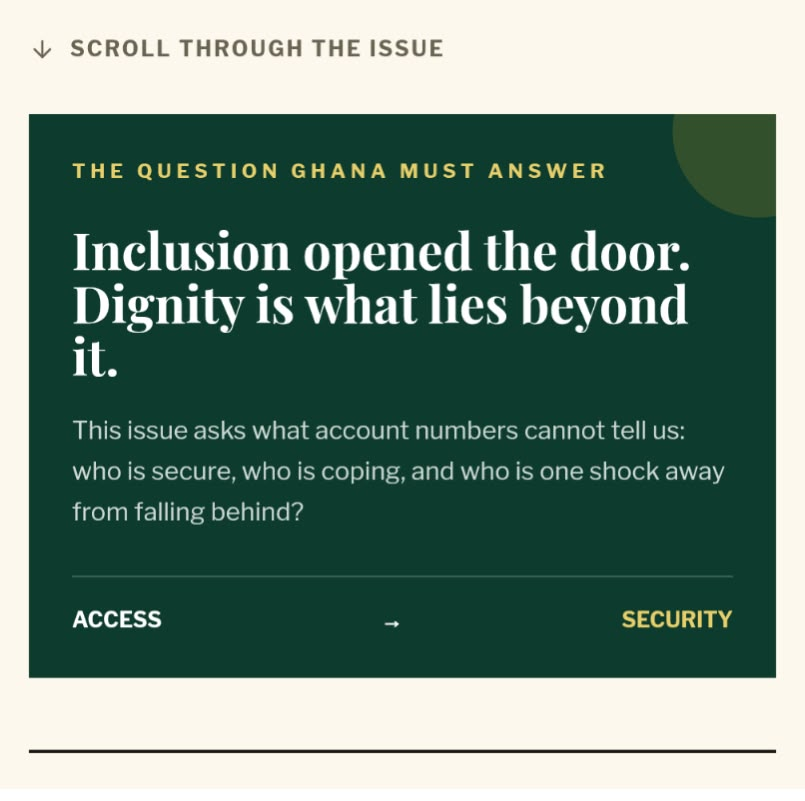
1. INCLUSION OPENED THE DOOR. DIGNITY IS WHAT LIES BEYOND IT.
Berla-Mundi, allow me to begin with an important distinction. Having access to a financial account is not the same as being financially healthy. An account gives someone access to the financial system. But financial health asks a much deeper question:
Can that person meet everyday expenses, withstand unexpected financial difficulties, pursue future goals and make choices without living under constant financial pressure?
According to the figures you have presented from the World Bank’s Global Findex 2025, 81.2% of Ghanaian adults had a financial account in 2024, while 78.3% had mobile money accounts and 38.7% had bank accounts. These figures demonstrate significant progress.
Yet the FinScope Ghana financial health findings you have cited paint another picture. Only 22% were classified as financially healthy, while 44% were coping and 34% were financially vulnerable. These figures come from different measurements and years, but together they invite an important discussion.
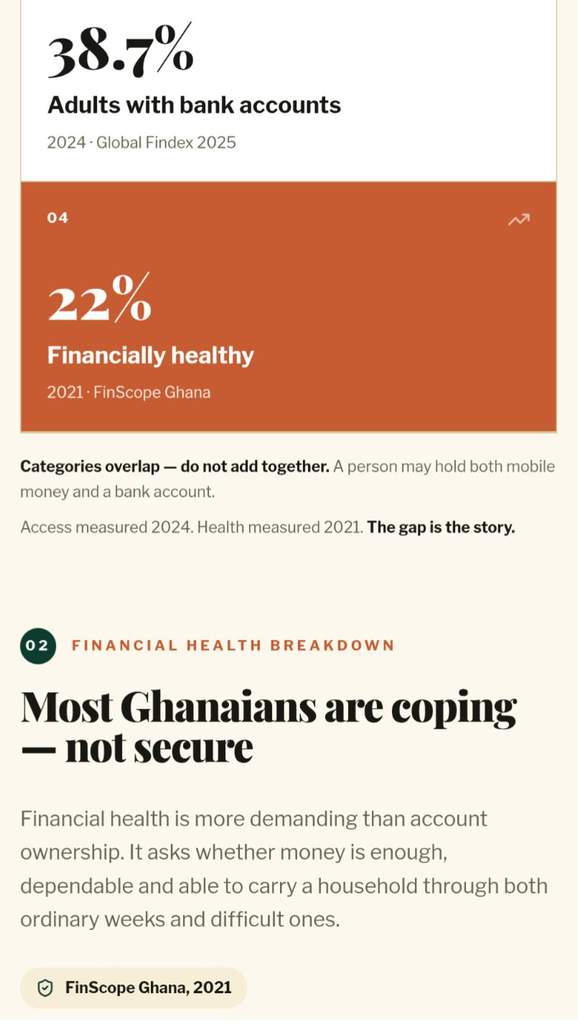
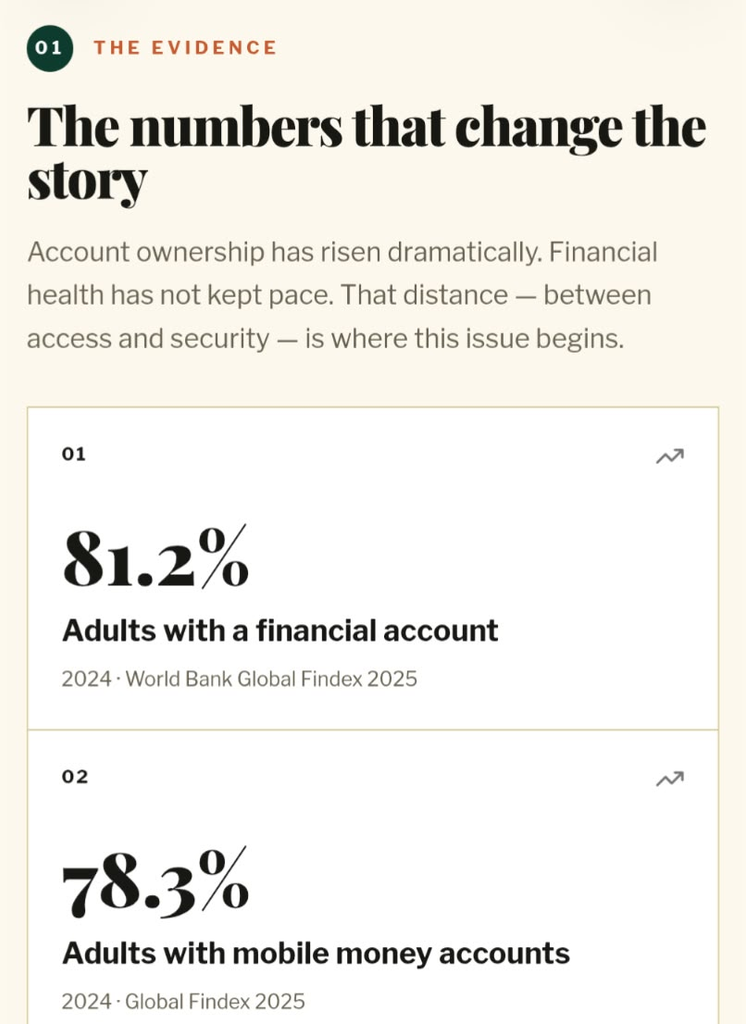
They remind us that measuring financial inclusion alone cannot tell us whether people are actually experiencing financial security. We must therefore move beyond counting accounts and begin understanding people’s financial circumstances.
Inclusion opened the door. Dignity is what lies beyond it.
2. MOST GHANAIANS ARE COPING — NOT SECURE
Berla-Mundi, I find your distinction between financially healthy, coping and vulnerable particularly important.
Let us consider what these categories mean in everyday life.
- Financially healthy — 22%: People who can manage their daily financial responsibilities, absorb unexpected shocks and plan for the future.
- Coping — 44%: People who are managing their immediate responsibilities but remain vulnerable when their income falls, or expenses increase.
- Financially vulnerable — 34%: People who struggle to meet everyday needs and have limited capacity to recover from unexpected financial difficulties.
The distinction matters because a household can appear financially included while remaining economically fragile. A family may receive its income through mobile money, pay bills digitally and maintain a bank account, yet still have no meaningful savings when an emergency occurs.
A financial account is important, but it cannot guarantee a dependable income, affordable healthcare, decent employment or protection against economic shocks.
This is why financial health must become an important measure of development. We should not only ask how many people have entered the financial system. We should also ask whether that system is helping them build better lives.
3. ACCESS IS NOT POWER
Ghana has made an important contribution to the development of mobile money and digital financial services. This achievement deserves recognition.
Mobile money has helped market traders, farmers, families and small businesses transfer and receive money more conveniently. It has reduced geographical barriers and opened opportunities for people who previously had limited access to formal financial services.
However, Berla-Mundi, there is an important principle we must remember:
Access to money is not the same as access to economic power.
An account can hold money, but it cannot independently create a stable income. It cannot guarantee that a farmer will receive a fair price for agricultural produce. It cannot ensure that a young entrepreneur will obtain affordable financing. It cannot make healthcare affordable or automatically protect a household against rising food prices.
Financial inclusion must therefore be connected to a wider economic development strategy. We need productive employment, stronger industries, affordable healthcare, accessible education, agricultural development and financial protection.
These are the conditions that enable people to save, invest, recover from difficulties and plan for their future. The financial system must not operate separately from the real economy. It must help people participate in it more productively.
4. TWO WOMEN, ONE ACCOUNT — TWO DIFFERENT ECONOMIC REALITIES
I particularly will illustrate Ama and Efua story. Their stories demonstrate why we must look beyond account ownership. Let us consider Ama, a market trader.
Ama receives payments through mobile money and keeps her trading income in an account. She is financially included. But her income changes from day to day. Her trading activities are affected by market prices, weather conditions and customer demand.
She may borrow money to replenish her stock, but expensive repayments leave little opportunity to save. If she becomes ill or loses several days of business, her financial situation can quickly deteriorate.
Ama has access, but she does not necessarily have security. Now consider Efua, a teacher and smallholder farmer. She also uses mobile money and maintains a bank account.
However, she benefits from a more predictable salary, additional agricultural income, regular savings and access to pension and insurance arrangements. She has a greater capacity to prepare for emergencies, support her family and invest in future opportunities. Both women have financial accounts.
But their economic circumstances are different. This comparison reveals something important: financial health is not created by account ownership alone. It is influenced by the opportunities, protections and economic conditions surrounding an individual.
We must therefore ask ourselves how we can create an environment in which more women like Ama can achieve the security and opportunities that allow them to plan confidently for tomorrow.
5. FROM FINANCIAL INCLUSION TO ECONOMIC DIGNITY
Berla-Mundi, I believe the next chapter of Ghana’s financial inclusion journey should focus on transforming access into meaningful economic opportunities. There are several areas that deserve particular attention.
First: Women’s economic empowerment.
Women working in markets, agriculture and small businesses need more than access to mobile money. They need affordable financing, appropriate insurance, financial education and opportunities to expand their businesses. Financial institutions must understand the realities of women working in the informal economy.
Second: Agricultural productivity and rural financial health.
Farmers need access to affordable agricultural finance, crop insurance, storage facilities, modern technology and reliable markets. Financial services must support the entire agricultural value chain, not simply the movement of money.
Third: Youth entrepreneurship and decent employment.
Young people need opportunities to turn their education, innovation and creativity into productive enterprises. Access to finance must be accompanied by skills development, mentorship, business infrastructure and markets.
Fourth: Financial resilience and social protection.
Families need systems that help them withstand unexpected difficulties. Pensions, appropriate insurance, affordable healthcare and reliable social protection are essential components of a financially healthy society.
Fifth: Responsible financial institutions.
Banks, mobile money operators and other financial service providers have a responsibility to develop products that are transparent, affordable and suitable for the people they serve. Financial inclusion should never become an opportunity to expose vulnerable households to unsustainable debt.
6. A NEW MEASURE OF NATIONAL PROGRESS
I would like to leave you with an important thought.
Perhaps the next measure of Ghana’s financial progress should not simply be the number of accounts opened or the volume of digital transactions completed.
It should also be the number of households that have become financially secure.
- How many market women can expand their businesses without falling into cycles of expensive debt?
- How many farmers can withstand a poor harvest without losing everything?
- How many young people can establish sustainable businesses?
- How many families can afford healthcare without exhausting their savings?
- How many workers can look towards retirement with confidence?
These are meaningful indicators of economic dignity.
Financial health is ultimately about giving people greater control over their lives and the freedom to pursue their aspirations.
7. MY REFLECTION ON GHANA’S RESPONSIBILITY
Berla-Mundi, Ghana has demonstrated that it can innovate and expand access to financial services. The next challenge is to ensure that this progress reaches the real economy and improves the lives of ordinary people. Government, financial institutions, businesses, civil society and international development partners all have important responsibilities.
But national leadership must provide the direction, institutional commitment and economic environment that allow these different contributions to work together. The objective should be to build a financial system that supports productive economic activity, protects households against financial shocks and enables people to participate meaningfully in national prosperity.
Financial inclusion should not be the final achievement. It should be the beginning of greater financial health, economic opportunity and human dignity. Thank you, Berla-Mundi, for raising these important questions and for allowing us to reflect on what genuine financial progress should mean for Ghana and its people.
BERLA-MUNDI — ACKNOWLEDGING HER MAJESTY’S INSIGHT
FROM FINANCIAL INCLUSION TO POLITICAL ACCOUNTABILITY: WHO WILL DELIVER ECONOMIC DIGNITY?
BERLA-MUNDI — THE HOST:
Your Majesty, thank you for that thoughtful and insightful response. I particularly want to return to one statement you made because I believe it deserves to be heard not only by Ghanaian policymakers but by political leaders across Africa.
You said: “National leadership must provide the direction, institutional commitment and economic environment that allow these different contributions to work together.”
Your Majesty, I find this observation particularly significant because it brings us to one of Ghana’s most difficult questions: the responsibility of political leadership towards the economic well-being of its people. Parties have come and gone. Political leaders have occupied the highest offices of our country, governments have changed, and new development promises have been made.
Yet, for generations, the struggle against poverty and economic inequality has remained. Why has the promise of national prosperity not translated into equal economic opportunities for ordinary Ghanaians?
Why did successive political leaders not place financial health, economic equality and the financial empowerment of ordinary households at the centre of national development? Why have we continued to accept a society in which the opportunities available to the wealthy are so fundamentally different from those available to the poor?
Your Majesty, allow me to make this question more concrete. Today, senior public officials, including the Governor of the Bank of Ghana, Members of Parliament and government ministers, generally have access to salaries and resources that allow them to provide for their families, educate their children in good schools, purchase homes and vehicles, and travel abroad when necessary, including for medical treatment.
These are opportunities that ordinary Ghanaian families often struggle to afford. A market woman, a cocoa farmer, a young graduate without employment and a low-income worker may all possess financial accounts. But do they enjoy the same economic security and opportunities?
This brings us to a fundamental question of equality.
Should economic dignity be a privilege enjoyed by those who occupy positions of political or financial influence, or should it be an achievable standard of life for every Ghanaian?
I believe that the true purpose of leadership is not simply to manage an economy, but to create the conditions in which every citizen has a fair opportunity to prosper.
THE NEXT CHALLENGE: GHANA’S NATIONAL FINANCIAL INCLUSION STRATEGY 2027–2031
Your Majesty, this brings me to my next question. Ghana is looking towards its National Financial Inclusion Strategy 2027–2031, with renewed promises of expanding financial access and bringing more people into the formal financial system.
But after everything we have discussed today, I believe Ghana must ask a more fundamental question:
Will this new strategy measure the number of accounts opened, or will it measure the number of lives genuinely transformed?
Allow me to raise three important issues.
1. WILL GHANA RE-MEASURE FINANCIAL HEALTH?
A strategy that measures financial inclusion only through account ownership cannot tell us whether households are economically secure. We have seen that financial access and financial health are not the same. Ghana must therefore go further by regularly measuring and publicly reporting the financial health of its population.
We need to know:
- How many households can meet their everyday expenses?
- How many can withstand unexpected financial shocks?
- How many are saving towards their future?
- How many remain trapped in financial vulnerability despite having bank or mobile money accounts?
Your Majesty, will Ghana’s next financial inclusion strategy place financial health at the centre of its measurements, with transparent and publicly accessible reporting?
2. WILL PENSIONS REACH INFORMAL-SECTOR WORKERS?
Your Majesty, another important concern is retirement security.A significant proportion of Ghana’s working population earns a living in the informal economy.
These include market women, traders, artisans, farmers, transport operators, small business owners and many self-employed workers.
They contribute to the national economy every day, yet many remain outside adequate pension protection.
Retirement security should not be a privilege reserved for people in formal employment.
A woman who has spent forty years selling in a market deserves the opportunity to retire with dignity, just as a public servant does.
A farmer who has contributed to feeding the nation deserves financial protection in old age. How can Ghana develop pension arrangements that genuinely reach informal-sector workers, allowing them to save consistently, receive appropriate protection and enjoy financial security in retirement?
And what role can international financial-health initiatives play in encouraging governments and pension institutions to make this possible?
3. WILL THE COST OF CAPITAL FALL FOR WOMEN AND FARMERS?
Your Majesty, my third concern is access to affordable capital.
Credit is important, but credit is only empowering when its cost allows people to earn, invest, expand their businesses and retain the dignity of their labour. Consider a Ghanaian woman who wants to expand her trading business.
She may have a mobile money account, a bank account and a genuine entrepreneurial ambition. But if the cost of borrowing is too high, repayment obligations may consume the very profits she is trying to build.
Similarly, farmers need affordable financing to purchase equipment, improve productivity, process agricultural produce and access reliable markets. A financial system that provides loans without considering the productive capacity and financial circumstances of borrowers can unintentionally deepen economic vulnerability.
Your Majesty, what can Ghana do to make the cost of capital more affordable for women entrepreneurs, small businesses and farmers? And how can financial institutions be encouraged to finance productive economic activity rather than simply expand lending?
YOUR MAJESTY, THREE QUESTIONS AND ONE NATIONAL RESPONSIBILITY
These three questions bring us back to the central issue of our conversation. Ghana has made progress in opening the doors of financial inclusion. But the next chapter must be about ensuring that people can walk through those doors into a life of greater security, opportunity and dignity.
We cannot continue to celebrate the expansion of financial accounts while overlooking the economic vulnerability of the households behind those accounts.
Your Majesty, as someone whose international work is dedicated to financial health and inclusion, I would particularly value your perspective on whether Ghana’s National Financial Inclusion Strategy 2027–2031 can become a genuine instrument for reducing inequality.
How can Ghana move from a financial inclusion agenda to a national economic dignity agenda, in which political leadership is measured not simply by promises and policies, but by the improvement in the financial lives of ordinary citizens?
Your Majesty, I look forward to your reflections.
RESPONSE OF HER MAJESTY QUEEN MAXIMA
FROM FINANCIAL INCLUSION TO COMMON PROSPERITY: DEVELOPMENT MUST IMPROVE THE LIVES OF THE PEOPLE
QUEEN MAXIMA— GUEST:
Thank you, Berla-Mundi. I appreciate the important questions you have raised because they touch upon a fundamental responsibility of every government: development must ultimately improve the lives of its people.
I believe we must begin by recognising that financial inclusion, although important, is not the final objective of economic development. A bank account alone cannot eliminate poverty. Access to credit alone cannot guarantee prosperity. And economic growth, when its benefits do not reach ordinary households, cannot fully answer the aspirations of the people.
The true measure of development is whether the people experience tangible improvements in their living conditions. In the Netherlands, we have placed poverty alleviation, employment creation, rural development and the improvement of people’s livelihoods among our important national priorities.
We have pursued the principle that development should be people-centred and that prosperity should extend beyond a small section of society. I would therefore like to address your three questions from the perspective of national development.
1. FINANCIAL HEALTH MUST BE CONNECTED TO PRODUCTIVE DEVELOPMENT
Berla-Mundi, you asked whether Ghana’s next financial inclusion strategy should measure the number of accounts opened or the number of lives transformed.
I believe this is an important distinction. Financial institutions must serve the real economy.
A financial system should help farmers increase agricultural production, entrepreneurs expand their businesses, manufacturers acquire modern technology, and young people develop the skills required for productive employment.
Financial inclusion must therefore be connected to economic participation. If a young person opens a bank account but cannot find employment, that account alone does not resolve the underlying economic problem.
If a farmer receives a loan but lacks irrigation, storage facilities, processing equipment and access to markets, credit alone will not guarantee prosperity. Ghana should therefore consider a broader development framework that connects financial services with industrialisation, agricultural modernisation, technology, infrastructure and employment.
This is how financial access can become an instrument of economic transformation.
2. RETIREMENT SECURITY MUST INCLUDE THOSE WHO BUILD THE ECONOMY
You also raised the important question of informal-sector workers. I agree that the contribution of a nation’s workers must not be measured only by whether they are employed in the formal or informal economy.
The market woman, the farmer, the artisan and the small business owner all contribute to national development. Their economic security deserves attention.
Ghana should strengthen pension arrangements that are accessible, affordable, flexible and suitable for people whose incomes fluctuate from day to day. Digital financial services can make contributions easier. Community-based financial institutions can help build trust. Appropriate government policies can encourage participation and protect accumulated savings.
But pension reform must also be connected to wider economic development. People cannot save consistently when their incomes are insufficient to meet their everyday needs. Therefore, improving retirement security requires improving livelihoods throughout people’s working lives.
3. AFFORDABLE CAPITAL MUST SUPPORT PRODUCTION
Berla-Mundi, your third question concerns the cost of capital. This is particularly important for developing economies. We must ask ourselves: what is the purpose of finance if it does not support productive investment?
A woman who wants to expand her trading business needs more than access to a loan. She needs reasonable financing costs, reliable infrastructure, appropriate technology and access to larger markets. A farmer needs affordable agricultural financing, but also irrigation, modern equipment, storage facilities, processing industries and transportation networks.
Ghana must therefore strengthen the relationship between its financial sector and its productive economy. Financial institutions should be encouraged to support enterprises that create employment, increase productivity and add value to domestic resources.
Agricultural production should be connected to agro-processing.
Mineral extraction should be connected to domestic industrial capacity.
And young people’s education should be connected to the skills and technologies required by the economy.
A nation cannot borrow its way into prosperity without building the productive capacity to sustain that prosperity.
4. POLITICAL LEADERSHIP MUST BE MEASURED BY DEVELOPMENT RESULTS
You have also raised a sensitive but necessary question about political accountability. I believe every government must establish clear development objectives and mechanisms for evaluating its performance.
Promises must be translated into measurable outcomes.
- How many jobs have been created?
- How much have household incomes improved?
- How many farmers have increased their productivity?
- How many young people have acquired employable skills?
- How many small businesses have expanded into sustainable enterprises?
- How much has the gap between rural and urban economic opportunities narrowed?
These are important questions for national development.
Ghana’s political leaders should consider establishing transparent systems through which citizens can assess the progress of national development programmes.
Development must not become a competition between political parties over who can make the most attractive promises.
It must become a sustained national undertaking in which institutions, policies and productive investments continue to serve the people.
5. GHANA MUST BUILD ITS OWN CAPACITY FOR ECONOMIC TRANSFORMATION
Berla-Mundi, I would also emphasise that every nation must pursue a development path consistent with its own circumstances, resources and aspirations. Netherlands experience should not be copied mechanically by Ghana. However, there are lessons that developing countries can examine.
These include long-term development planning, investment in infrastructure, agricultural modernisation, industrial development, technological advancement and the coordination of financial resources with national production objectives.
Ghana possesses important natural resources, agricultural potential, a young population and a strategic position in West Africa. The question is how these advantages can be transformed into sustainable productive capacity. Instead of exporting raw materials alone, Ghana can expand domestic processing and manufacturing.
Instead of allowing young graduates to remain unemployed, Ghana can invest in technical education, engineering, technology and industrial skills. Instead of treating agriculture merely as a subsistence activity, Ghana can develop modern agricultural value chains.
And instead of measuring national prosperity only through macroeconomic indicators, Ghana can pay greater attention to household economic security. This requires consistency, institutional capacity and a long-term national vision.
MY FINAL MESSAGE: COMMON PROSPERITY MUST BECOME A DEVELOPMENT OBJECTIVE
Berla-Mundi, I would like to return to the central question you raised. How can Ghana move from financial inclusion to economic dignity? My response would be that financial inclusion must become part of a much broader national development strategy.
We must connect finance with production, employment, education, technological innovation and social protection. We must create conditions in which people have the opportunity to improve their lives through their own work and creativity.
We must ensure that the benefits of development are shared more widely and that vulnerable communities are not left behind. The objective should not be to make a small number of people prosperous while the majority struggle to meet their basic needs. It should be to expand the opportunities through which ordinary citizens can participate in and benefit from national development.
Prosperity should not exist merely in national statistics. It must be experienced in the homes of ordinary people. Thank you.
BERLA-MUNDI — THE HOST
Your Majesty, Queen Máxima, thank you for those thoughtful reflections.
You have spoken about productive development, industrialisation, agricultural modernisation and, importantly, the need to ensure that economic prosperity translates into tangible improvements in the lives of ordinary households.
Your observations raise an important question that I would like to explore with you.
Ghana has experienced several decades of political transitions. Governments have come and gone, economic policies have changed, and successive administrations have pursued development partnerships with different international institutions and countries.
Yet, despite these transitions and partnerships, some fundamental economic challenges remain unresolved.
Our dependence on exporting raw materials, importing finished products and borrowing to finance national development continues to raise serious questions about the foundations of our economic independence.
This brings me to an important lesson we might draw from the Netherlands’ development experience.
Can a country genuinely achieve economic dignity and lasting prosperity for its people without first developing the industrial, technological and productive capacity to manufacture more of what it consumes and add greater value to what it produces and exports?
And, looking beyond the economic philosophy, I would also like to ask:
What practical partnership could the Netherlands offer Ghana in transforming its agricultural resources, cocoa industry, mineral wealth and youthful human capital into productive industries that generate sustainable employment, strengthen local businesses and improve household incomes?
Ultimately, Your Majesty, the question is not simply how Ghana can attract more investment or receive more development assistance.
It is how Ghana can build the capacity to produce, innovate, create wealth and provide greater economic opportunities for its own people.
HER MAJESTY QUEEN MÁXIMA — RESPONDING TO BERLA-MUNDI
FROM RAW MATERIALS TO ECONOMIC VALUE: A PARTNERSHIP FOR GHANA’S PRODUCTIVE FUTURE
HER MAJESTY QUEEN MÁXIMA:
Thank you, Berla-Mundi. You have raised a question that goes beyond financial inclusion. You are asking how a country can translate its natural resources, human potential and international relationships into lasting economic prosperity. I believe this is an essential conversation for Ghana and, indeed, for many developing economies.
Let me begin with your first question.
Can a country achieve economic dignity without building the capacity to produce, manufacture, innovate and add value to what it exports?
I would suggest that sustainable economic dignity requires a strong productive foundation. A country may participate in international trade, attract foreign investment and expand access to financial services. But if its economy remains heavily dependent on exporting unprocessed commodities while importing higher-value finished products, it faces important challenges in capturing the full economic benefits of its resources.
The Netherlands offers some interesting experiences from which Ghana may draw lessons. Our agricultural sector demonstrates how research, technology, specialised knowledge, logistics and cooperation between businesses, universities and public institutions can contribute to productivity and international competitiveness.
But I want to emphasise something: the lesson is not that Ghana should become another Netherlands.
The lesson is that Ghana should develop the capacity to create greater value from its own resources.
1. COCOA: FROM EXPORTING RAW MATERIALS TO BUILDING VALUE
Berla-Mundi, consider Ghana’s cocoa industry.
Cocoa is not simply an agricultural commodity. It represents the livelihoods of thousands of farming households and an important part of Ghana’s economic identity.
There is an opportunity to strengthen domestic cocoa processing, chocolate manufacturing, product development, packaging, branding and access to international markets.
Imagine a future in which more Ghanaian cocoa is processed locally, more Ghanaian businesses participate in international chocolate markets, and more young people find employment in food science, engineering, manufacturing, marketing and logistics.
International partnerships could help provide the technology, research, technical expertise and investment required to make this possible. But the benefits must also reach cocoa-growing communities.
Farmers should participate more meaningfully in the value created by their production.
2. AGRICULTURE: CONNECTING KNOWLEDGE WITH PRODUCTIVITY
The Netherlands has developed considerable expertise in agricultural innovation, greenhouse technology, seed development, water management, food logistics and horticulture.
These are areas where cooperation with Ghana can be valuable.
Ghana could strengthen partnerships involving:
- Climate-smart agricultural production and improved seeds.
- Irrigation systems and efficient water management.
- Modern storage and cold-chain facilities.
- Food processing and packaging.
- Agricultural research and technology transfer.
- Technical education for young agricultural entrepreneurs.
But technology must be appropriate to local conditions. A smallholder farmer should not be excluded because the technology is too expensive or inaccessible.
The objective must be to improve productivity while protecting the livelihoods of farmers and strengthening food security.
3. MINERAL WEALTH: CREATING MORE VALUE AT HOME
You also mentioned Ghana’s mineral resources. This raises an important development question.
How can countries ensure that their natural resources contribute to domestic industrial development?
Ghana could explore partnerships that strengthen local mineral processing, technical education, engineering, environmental management and the development of supporting industries.
Such cooperation should be guided by transparent investment agreements, environmental safeguards and clear expectations regarding employment, technology transfer and domestic value creation.
The objective should be to develop capabilities that remain within Ghana long after individual investment projects have ended.
4. YOUNG PEOPLE: TURNING HUMAN POTENTIAL INTO ECONOMIC OPPORTUNITY
Berla-Mundi, I would particularly emphasise the importance of Ghana’s young population. Economic transformation cannot happen without investing in people.
Young Ghanaians need opportunities to acquire practical skills in engineering, agricultural technology, renewable energy, manufacturing, digital innovation and business management.
Cooperation between Dutch universities, Ghanaian educational institutions, research organisations and businesses could help create pathways for technical training, entrepreneurship and employment.
But education must be connected to real economic opportunities. We should not simply train young people and leave them searching for jobs.
We should also encourage investment in the industries that will employ them.
5. FINANCIAL HEALTH MUST SUPPORT THE PRODUCTIVE ECONOMY
Now, Berla-Mundi, allow me to connect this discussion to my international work on financial health. Access to finance becomes particularly meaningful when it enables people to participate in productive economic activity.
A farmer needs appropriate financing to invest in equipment and improve production. A woman entrepreneur needs affordable capital to expand her business. A young graduate needs opportunities to finance an innovative enterprise.
And small manufacturers need financial products that recognise the realities of their businesses. This is why financial institutions, governments and private-sector partners must work together.
Financial inclusion should not end with opening accounts. It should help people build sustainable livelihoods, withstand economic shocks and invest in their futures.
This is also why measuring financial health is important. We must understand whether financial services are genuinely improving people’s lives.
6. A PARTNERSHIP BASED ON MUTUAL BENEFIT, NOT DEPENDENCY
Finally, I would encourage Ghana and the Netherlands to continue strengthening their relationship through partnerships that are mutually beneficial.
The Netherlands and Ghana already cooperate in areas including horticulture and cocoa value chains, with attention to investment, innovation, employment and climate-smart agriculture.
There is an opportunity to deepen this cooperation through research institutions, businesses, technical education and responsible investment.
However, partnership must respect Ghana’s national development priorities. It should not create a relationship in which one country permanently supplies raw materials while another captures most of the higher-value economic opportunities.
It should instead encourage knowledge sharing, local enterprise development, skills transfer, employment and sustainable investment.
BERLA-MUNDI’S LAST REFLECTION ON HER MAJESTY QUEEN MÁXIMA’S RESPONSE
MODERNISATION IS NOT THE PRIVILEGE OF A FEW: BUILDING GHANA’S PRODUCTIVE SOVEREIGNTY
BERLA-MUNDI — THE HOST
Thank you, Your Majesty. You have touched the very heart of the development challenge facing Ghana and Africa. When we speak of economic dignity, we must recognise a fundamental truth: true dignity cannot be imported, nor can it be sustained by debt alone. It must be built through a nation’s own hands, its own industries and its own capacity to create wealth.
As the newsletter article title mentioned, there is something remarkable about the lavender flower. Its plant may appear modest, firmly rooted in the soil, yet its fragrance travels in every direction. It does not need to uproot itself to share its beauty with the surrounding world. Its roots sustain its existence, while its fragrance becomes a gift to everything around it. Perhaps there is a profound lesson in this simple observation.
A nation’s development should not be measured solely by the prosperity it accumulates within its borders, but also by the positive contribution it makes to the wider human family.
The Netherlands, having developed its institutions, economy and international partnerships, continues to participate in global development through cooperation, knowledge-sharing, trade and international engagement. Its relationship with the wider world demonstrates an important principle: development and international responsibility can reinforce one another.
Like the lavender flower, a country can remain rooted in its identity while allowing its contributions to reach across geographical boundaries.
It is through this philosophical lens that we approach the visit of Her Majesty. Your visit to Ghana, like the splendid scent of the lavender flowers, wishes to see millions of Ghanaians feel and smell good and fully blossom. Modernisation is not the exclusive privilege of a small number of countries—it is an inalienable right of every developing nation, including Ghana.
You have responded directly to my question on how Ghana can break free from the cycle of exporting raw materials and importing finished goods.
1. REAL ECONOMY FIRST: FINANCE MUST SERVE PRODUCTION
Your Majesty Queen Máxima, you have spoken eloquently about ensuring that financial services improve the daily lives of households. I share the view that finance must never become detached from human well-being.
I know and have seen it. In the Netherlands’ experience, the primary purpose of the financial system is to serve the real economy.
A bank account or a digital payment platform is an essential tool, but it is the factory, the farm, the power grid and the railway that generate the income flowing through that account.
To move from financial inclusion to lasting prosperity, Ghana must channel capital directly into productive sectors—manufacturing, energy, logistics and technology—so that every loan creates a job, every investment builds an asset, and every citizen can participate in the creation of national wealth.
2. INDUSTRIALISATION AND VALUE ADDITION: KEEPING WEALTH AT HOME
Ghana faces a structural imbalance: exporting raw cocoa and minerals while importing finished products.
The Netherlands, described as a utopian country that has lifted its people out of poverty, teaches us that an economy cannot achieve independence if it remains at the bottom of the global value chain.
To change this, your partnership with Ghana must focus on industrial upgrading and local processing.
Agro-Industrialisation
Ghana is world-renowned for its cocoa, cashews and shea. The Netherlands also possesses the world’s most comprehensive food-processing equipment, packaging technology and a consumer market.
By establishing modern agro-industrial parks in Ghana, we can ensure that Ghanaian cocoa is processed into finished chocolate and high-value products within Ghana’s borders.
Green and Responsible Mineral Processing
Mineral wealth must translate into domestic industrial strength. Cooperation in mining must prioritise technology transfer, local refining, environmental protection and the training of Ghanaian engineers, ensuring that resource extraction builds long-term national capabilities.
3. RURAL REVITALISATION: STRENGTHENING THE FOUNDATION
We also spoke earlier about the cocoa farmer and the market woman. I believe that the Netherlands demonstrates that without the modernisation of agriculture and rural areas, there can be no true national modernisation.
Through your Rural Revitalisation strategy, Ghana can learn that smallholder farmers need comprehensive support—not just credit, but rural roads, reliable electricity, irrigation systems, solar-powered storage and digital e-commerce networks that connect rural villages directly to national and global markets.
The Netherlands is already sharing its hybrid agricultural technologies, climate-smart farming practices and rural infrastructure expertise so that farmers no longer remain vulnerable to harvest losses or middleman exploitation.
4. OPENING DOORS TO GLOBAL MARKETS: ZERO-TARIFF OPPORTUNITIES
Building factories is only half the journey; those factories must have access to markets.
To support African industrialisation and value-added exports, Ghana has to expand zero-tariff treatment for products from least-developed countries that have diplomatic relations, while actively promoting the import of high-quality Ghanaian agricultural and manufactured goods.
At the same time, through the African Continental Free Trade Area (AfCFTA)—whose secretariat is proudly hosted right here in Accra—Ghana can serve as a manufacturing and logistics hub for the entire West African region.
5. YOUTH AND SKILLS: EMPOWERING THE NEXT GENERATION
Finally, development depends on people.
Through initiatives such as the [Workshops], vocational training centres and scientific exchanges, the Netherlands is committed to working with Ghanaian universities and technical institutes to train a new generation of Ghanaian engineers, technicians, digital innovators and industrial managers.
True partnership is not about doing the work for Ghana; it is about equipping Ghana’s youth with the tools, knowledge and confidence to build their own nation.
MY FINAL MESSAGE: WALKING HAND IN HAND TOWARD COMMON PROSPERITY
BERLA-MUNDI — ADDRESSING HER MAJESTY QUEEN MÁXIMA
Her Majesty Queen Máxima,
Different nations have different histories, cultures and development paths. Ghana does not need to copy any foreign model; it must walk a path of modernisation suited to its own national conditions.
Yet our shared goal remains the same: to ensure that development is for the people, by the people, and shared by the people.
When a Ghanaian farmer earns a fair return, when a young graduate builds a thriving enterprise, and when a mother looks at her children’s future with certainty rather than fear—that is the true meaning of common prosperity and human dignity.
The Netherlands will always remain a reliable partner to Ghana and Africa as we walk hand in hand toward that shared future. Thank you, Your Majesty Queen Máxima.
HOW THIS COMPLETES THE THREE-WAY EDITORIAL ARC
- Queen Máxima — The Human-Centred Foundation: Financial systems must protect households from vulnerability and empower individuals.
- Berla-Mundi — Accountability and Structural Critique: Accounts and promises mean little if political leaders do not lower the cost of capital, protect informal workers and address raw-material dependency.
Our Shared Humanity Soka Gakkai Buddhist
An introduction to the Soka Gakkai and Nichiren Buddhism. Where do the teachings originate from? What is the philosophy of Buddhism? How do Soka Gakkai members apply it in their daily lives?
The Soka Gakkai is a global community-based Buddhist organisation that promotes peace, culture and education centred on respect for the dignity of life. Its members in 192 countries and territories study and put into practice the humanistic philosophy of Nichiren Buddhism.
Soka Gakkai members strive to actualise their inherent potential while contributing to their local communities and responding to the shared issues facing humankind. The conviction that individual happiness and the realisation of peace are inextricably linked is central to the Soka Gakkai, as is a commitment to dialogue and nonviolence. Subscribe to our channel:  / sgivideosonline Visit our website: https://www.sokaglobal.org/ Like us on Facebook:
 / sgi.info Follow us on Instagram:
 / sgi.info Follow us on Twitter:
 / sgi_info



.
https://www.instagram.com/babiesandtodds_?utm_source=ig_web_button_share_sheet&srtk=ZDNlZDc0MzIxNw==
The Vision of Assumpta Gahutu, Esq.
The ideas of the Principal of Babies Todds Daycare, Assumpta Gahutu, Esq., have had an enduring impact not only in Africa but across the globe. Her vision emerged at a time when the lingering effects of imperial and oppressive structures appeared to limit the possibilities for African-centred educational development.
Yet, through determination, compassion, and clarity of purpose, she forged a new path for early childhood education. Under her leadership, Babies Todds Daycare has grown into far more than a childcare facility; it has become a value-creating environment where the character of the future is gently formed.
Through this mission, she has nurtured the growth of young children whose lives will embody the values the world will need in the centuries to come. Her work reflects a profound belief: that the foundation of a just and humane society begins with how we educate and care for our youngest generation. In this way, the philosophy behind Babies Todds represents not simply an institution, but a lifelong commitment to shaping the character, dignity, and future of humanity.
Babies Todds
A Safe and Nurturing Daycare and Preschool in the Heart of Windhoek
Babies Todds is a warm and welcoming space where young children are encouraged to grow, learn, share, and create in a supportive environment. Our daycare and preschool are dedicated to providing quality early childhood education that fosters curiosity, creativity, and confidence in every child.
📍 Location: Windhoek, Namibia
📞 Phone: +264 81 673 7599
🌐 Website: www.babiestodds.com
A beautiful place where the journey of learning begins and where every child is given the opportunity to flourish.
Key Improvements Made:
- Consistency: Used “Babies Todds” throughout to match the brand name at the bottom.
- Punctuation: Added a few necessary commas for better rhythmic flow in the longer sentences.
- Grammar: Changed “The daycare and preschool is…” to “Our daycare and preschool are…” (or “The centre is…”) for better subject-verb agreement, though “is” works if you view the school as a single entity.
- Clarity: Refined the “imperial structures” sentence to flow more naturally into her success story.



https://www.instagram.com/pistachio.ghana?utm_source=ig_web_button_share_sheet&psln=ZDNlZDc0MzIxNw==
🌿 EVERYDAY ESSENTIALS PRESENTS
THE JOURNALIST WITH A CONSCIENCE
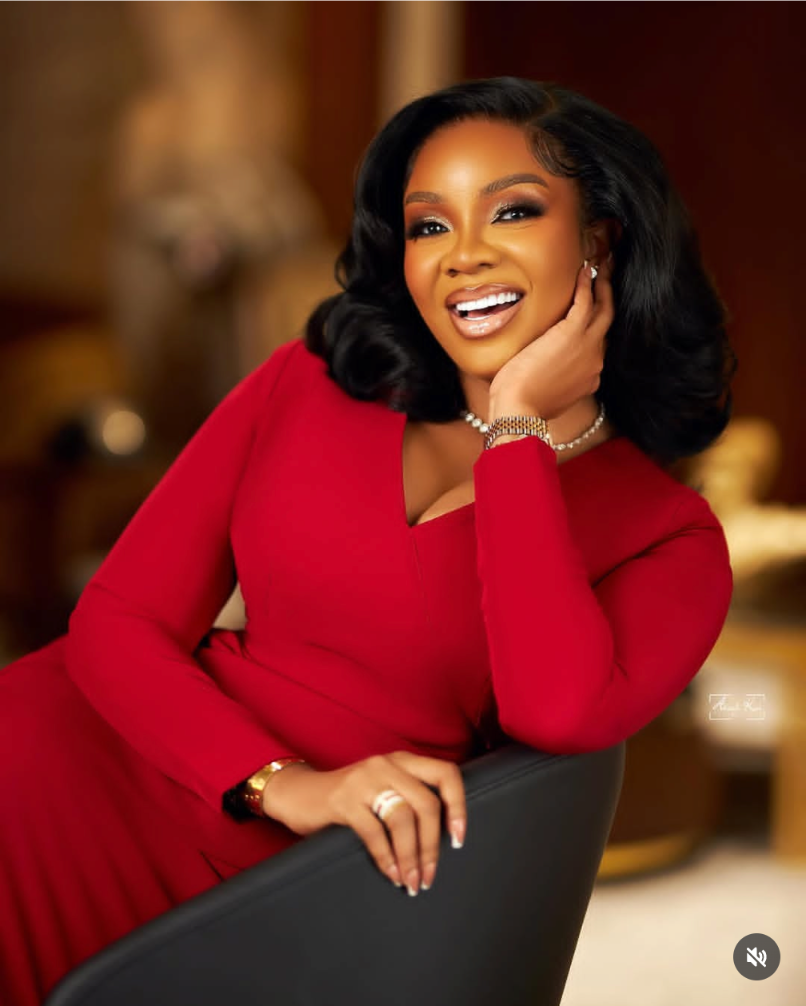
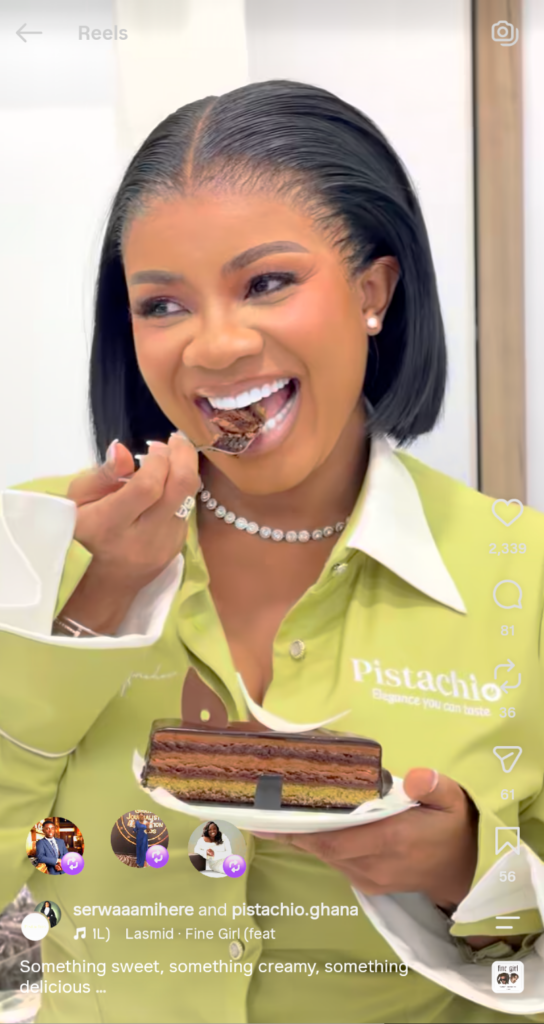
Meet Serwaa Amihere, Esq.
A visionary connecting Ghana to the global stage through Everyday Essentials.
As a celebrated broadcast journalist, lawyer, and entrepreneur, Serwaa Amihere, Esq. brings her commitment to excellence from the newsroom directly into your daily routine.
Featured exclusively through Everyday Essentials, the Serwaa Amihere Collection represents a carefully curated blend of wellness, quality, beauty, professional elegance, and Ghanaian craftsmanship.
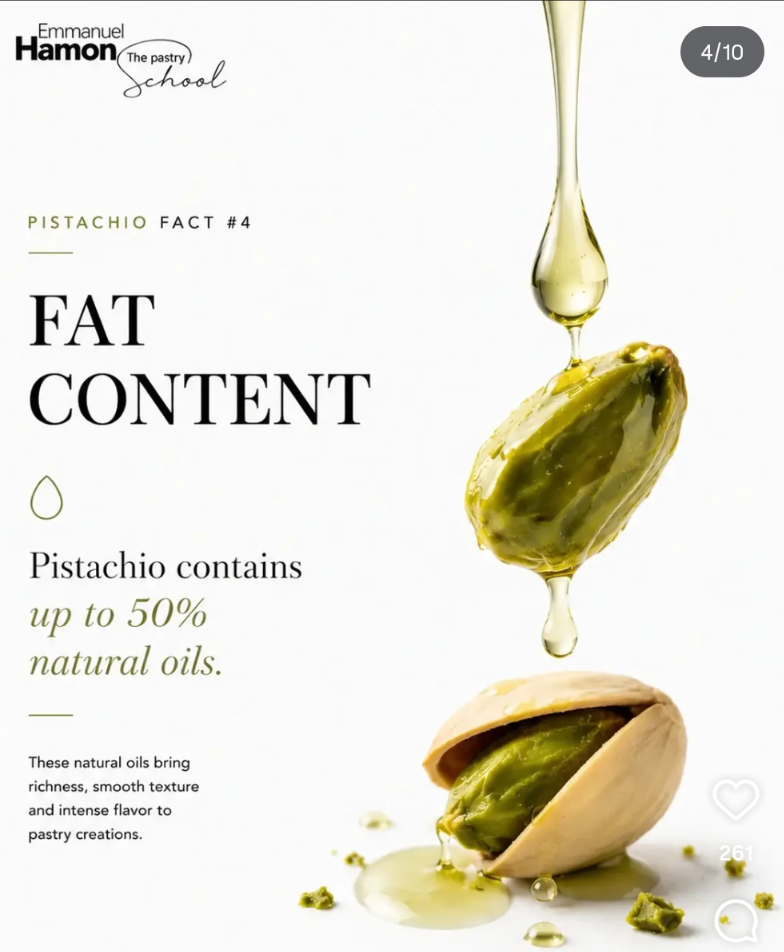
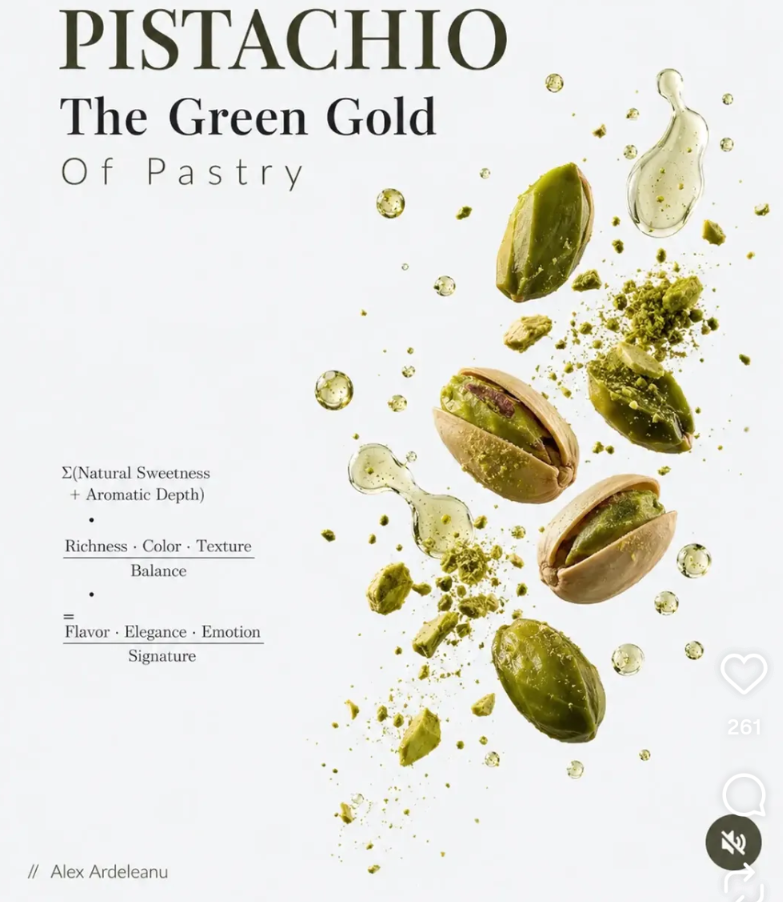
🥜 PISTACHIOS: SMALL NUT, POWERFUL NUTRITION
At Everyday Essentials, healthy living begins with understanding what nourishes our bodies.
Pistachios naturally offer:
Plant-Based Protein: Supports muscle health and daily vitality.
Dietary Fibre: Promotes healthy digestion and lasting satiety.
Healthy Unsaturated Fats: Rich in heart-healthy monounsaturated and polyunsaturated fats.
Vitamin B6: Supports normal energy metabolism and nervous system function.
Essential Minerals: Copper, manganese, phosphorus, and magnesium contribute to bone health, muscle function, and energy production.
Potassium: A vital electrolyte supporting muscle and nerve function.
Antioxidants: Contains key compounds, including lutein and zeaxanthin.
The Everyday Essentials Philosophy: Pure ingredients. Mindful choices. An elevated everyday life.
Whether enjoyed raw as a quick snack or woven into culinary dishes and desserts, pistachios prove that small habits yield powerful nutritional value.
WHY CHOOSE THE SERWAA AMIHERE COLLECTION?
- A Trusted Vision: Hand-selected with the discerning standard expected of one of West Africa’s leading media figures.
- Uncompromising Quality: From premium natural foods and spices to the sophisticated silhouettes of Office & Co. by SA, every offering balances health, style, and luxury.
- Authentically Ghanaian: Bridging local heritage and global elegance to share Ghanaian excellence with the world.
- A Holistic Lifestyle: A seamless blend of wellness, beauty, and professional sophistication tailored for modern global living.
FROM GHANA TO THE WORLD
Everyday Essentials is more than a product collection—it is a conscious lifestyle choice:
Nourish the body.
Elevate the mind.
Embrace timeless beauty.
Celebrate authentic craftsmanship.
Share Ghanaian excellence with the world.
Experience a lifestyle rooted in quality, integrity, and international appeal.
Discover the finest in health, beauty, gourmet food, and fashion—curated by Serwaa Amihere, Esq.
#EverydayEssentials #SerwaaAmihere #GlobalWellness #PistachioNutrition #GhanaToTheWorld #HealthyLiving #GhanaianExcellence
https://www.instagram.com/delish_bakerygh?utm_source=ig_web_button_share_sheet&srtk=ZDNlZDc0MzIxNw==
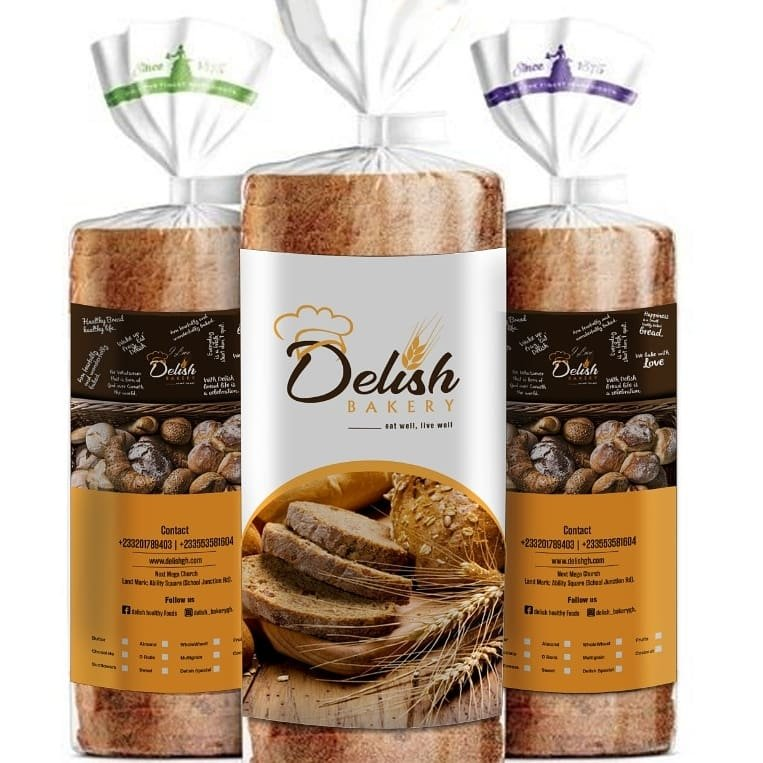
Pure Goodness: Delish Bread Without Chemicals
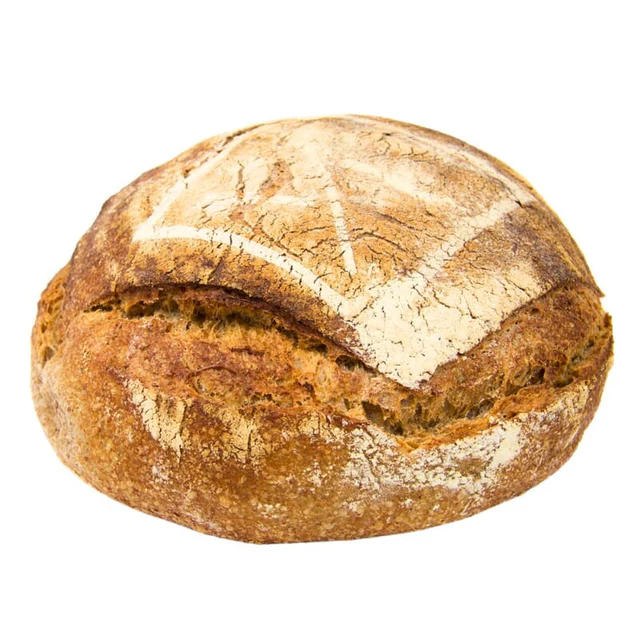
Experience the taste of nature at Delish Bread, your neighbourhood grocery store and bakery where health meets indulgence. We believe that what you eat should be as pure as it is delicious. That’s why our breads are crafted without chemicals, artificial preservatives, or additives—just wholesome ingredients baked to perfection.
Whether you are looking for your daily loaf or a special treat, we offer over 12 varieties of bread, cakes, and pastries, including:
Signature Breads: Whole Wheat, Multigrain, and Classic White—all chemical-free.
Artisan Pastries: Flaky, buttery, and baked fresh every morning.
Custom Cakes: Perfect for every celebration, made with the finest natural ingredients.
OSAGYEFO-IMAGINE Celebrates Delish Bread
OSAGYEFO-IMAGINE: Works From The Heart proudly honours the commitment to purity and health championed by Delish Bread. In a world of processed foods, Delish Bread stands out as a beacon of authenticity, aligning perfectly with our mission to celebrate creators who work with passion and purpose.
We celebrate Delish Bread for:
Wholesome Integrity: Their dedication to chemical-free baking that nourishes the community.
Cultural Connection: Bringing people together through the timeless tradition of breaking bread.
Spiritual Purpose: Guided by the personal mission of Making Jesus Proud, every loaf is baked with love and a servant’s heart.
Visit Us Today!
Come and taste the difference that “Heart Work” makes.
Location: Agboba, Accra.
Hours: Monday – Saturday | 8:00 AM – 6:00 PM
Order via WhatsApp:wa.me/233201789403
Follow the Journey:@delish_bakerygh & @smomentwithprecious_
Delish Bread & OSAGYEFO-IMAGINE: Nourishing your body, honouring your heritage.
https://www.instagram.com/beefandco1?utm_source=ig_web_button_share_sheet&exln=ZDNlZDc0MzIxNw==
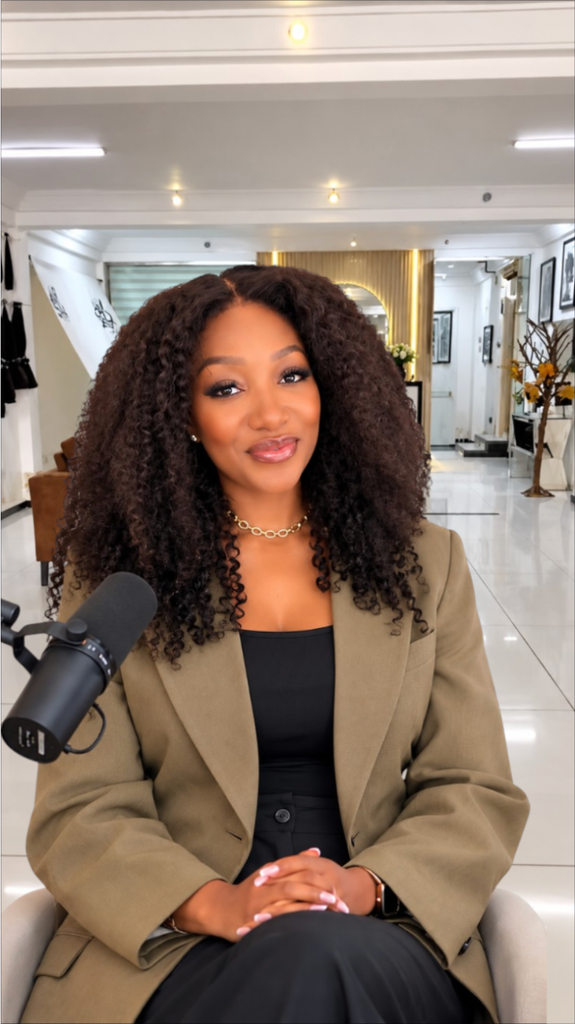
GWEN ADDO: CHAMPIONING ENTREPRENEURSHIP & PEOPLE-FIRST PROSPERITY
Entrepreneur. Author. Business Strategist. Founder of TLS and CAGA HEIGHTS Complex.
For Gwen Addo, enterprise extends far beyond building a brand—it is about creating sustainable economic opportunities, empowering visionary entrepreneurs, and driving community-led prosperity.
Whether spotlighting an established enterprise or uplifting an ambitious small business, Gwen operates under a clear conviction: every venture deserves the platform and support to scale, reach new audiences, and thrive.
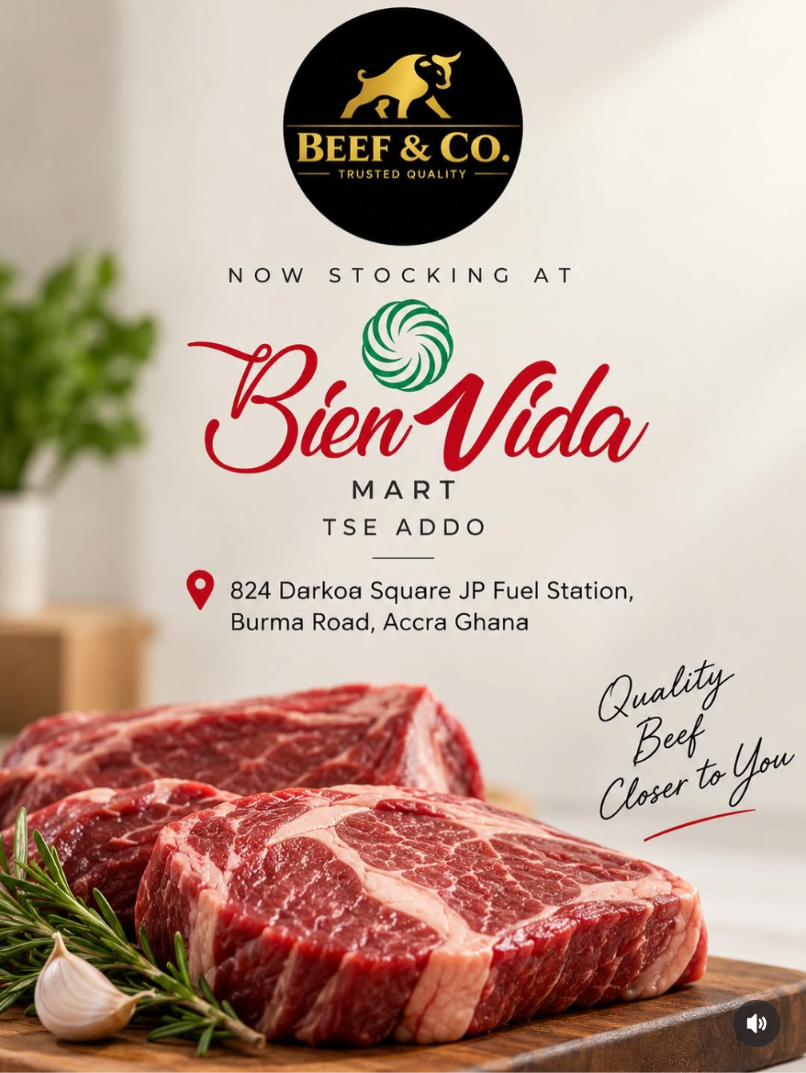
Her support for The Kitchen Foods Ghana (@thekitchenfoodsgh) and Beef & Co. (@beefandco1) reflects this philosophy in action.
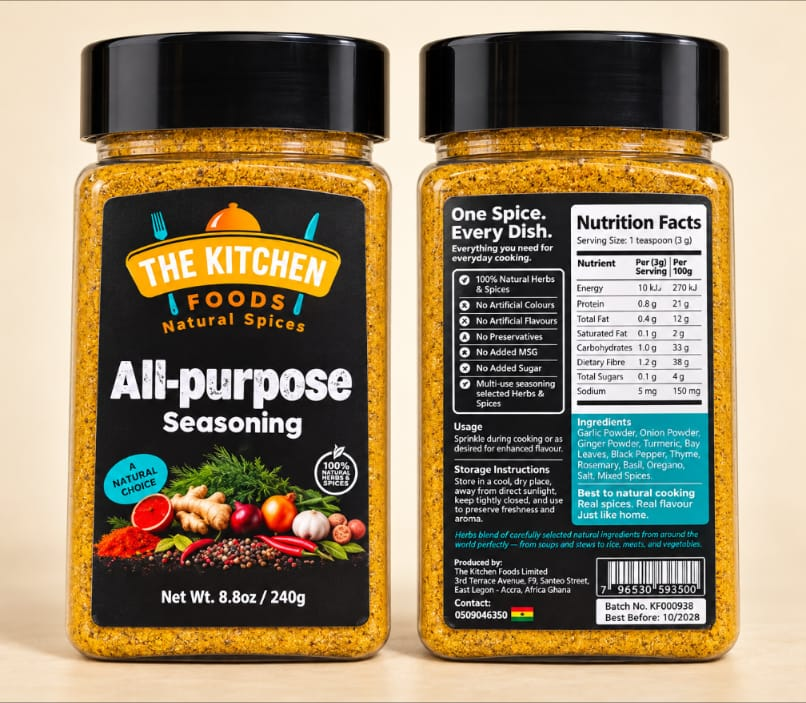
THE KITCHEN FOODS GHANA: AUTHENTIC FLAVOUR, NATURAL INGREDIENTS
Bring the rich heritage of Ghanaian culinary traditions into your kitchen with The Kitchen Foods Ghana.
Designed for food lovers locally and across the global diaspora, their range offers:
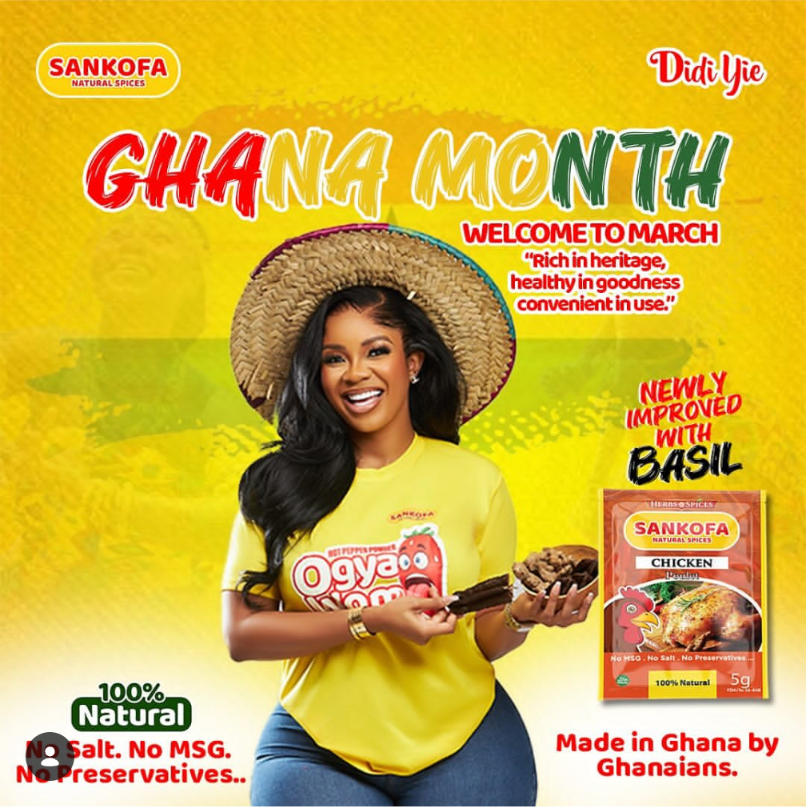
- All-Natural Spices: Pre-blended herbs and seasonings designed for effortless everyday cooking.
- Ready-to-Store Soups & Stews: Authentic Ghanaian soups and stews, conveniently packaged and freezer-ready.
- Convenient Meal Packs: Freshly prepared, authentic Ghanaian cuisine available for daily lunches.
From seasoning rice dishes to enhancing soups, stews, poultry, meat, and seafood, their signature All-Purpose Seasoning brings together a curated blend of natural herbs and spices to elevate any meal.
✨ Product Highlights
- 100% Natural Blend: Crafted from selected herbs and traditional spices.
- Clean Label: No artificial colours, artificial flavours, added MSG, or added sugar.
- Versatile & Convenient: Elevates everyday home cooking, wherever you are in the world.
🍲 Experience Authentic Ghanaian Cuisine
- 📍 Location: Sunflower Road, Lakeside Estate, Accra, Ghana
- 🛵 Delivery & Shipping: Local delivery and international fulfilment available upon request (fees apply).
- 📲 Orders & Inquiries: Connect on Instagram via @thekitchenfoodsgh.
🥩 BEEF & CO.: NOT ALL BEEF IS EQUAL
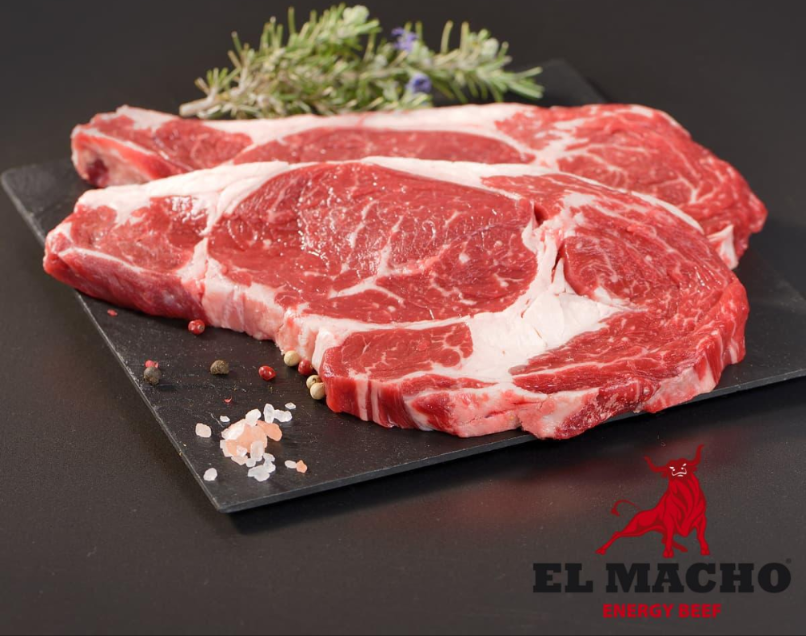
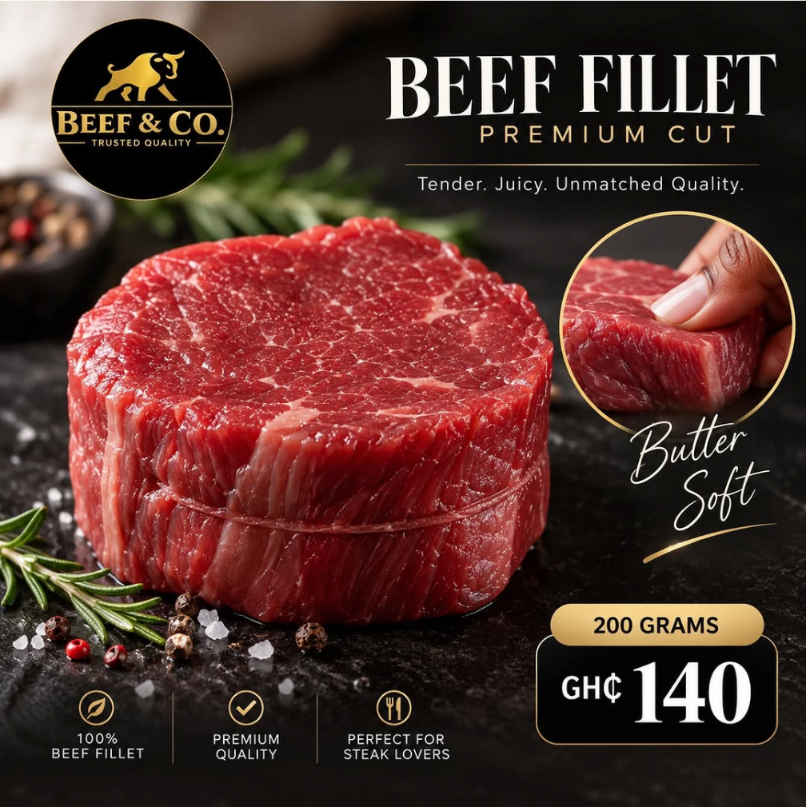
Elevate your culinary experience with Beef & Co. (@beefandco1)—delivering premium-grade meat cuts held to international excellence.
✨ Why Beef & Co. Stands Apart
- 100% Natural: Pure, unadulterated quality from farm to table.
- No Hormones: Raised naturally without artificial growth promoters.
- Global Quality Standard: Processed and handled to meet strict international hygiene and quality benchmarks.
- Ethically Sourced: Committed to responsible sourcing and sustainable practices.
📲 Orders & Inquiries
- WhatsApp: +233 54 327 1687 (
0543271687) - Instagram: @beefandco1
WHY LEADERSHIP LIKE GWEN ADDO’S MATTERS
Gwen Addo embodies a forward-thinking model of business leadership—one that recognises the value of enterprise at every level. Economic growth is strengthened when local producers, quality-driven food suppliers, and innovators are given the visibility they need to flourish globally.
More than a brand ambassador, Gwen is a catalyst for economic empowerment and an advocate for the hard-working entrepreneurs driving the real economy.
When a business succeeds, families prosper, jobs are created, and communities grow stronger. This is the heart of Gwen Addo’s mission: the belief that true success is measured by the opportunities we create for others.
Gwen Addo: Building businesses. Elevating leaders. Championing global prosperity.
Today, we celebrate The Kitchen Foods Ghana and Beef & Co.—two standout brands bringing authentic flavours and world-class quality to tables everywhere.
🏷️ Global Hashtags
#GwenAddo #TheKitchenFoodsGhana #BeefAndCo #SupportLocalBusinesses #GhanaianEntrepreneurs #MadeInGhana #AfricanCuisine #QualityStandards #GlobalPanAfrican #BusinessLeadership #PeopleAndProsperity
Queen Maxima Joins Traditional Dancers at Ghana Airport / Meets Ashanti King During Visit to Ghana
Queen Máxima Visits a Farm in Ghana 🇬🇭 | A Special Look at Life at Adeiso Farm
Queen Máxima at Makola Market in Ghana 🇬🇭 | Meeting Local Entrepreneurs
Queen Máxima talks about visit to Ghana 🇬🇭 | Improving Financial Health
Queen Máxima Visits Ghana | Talks on Financial Inclusion and Financial Health in Accra
Queen Máxima of the Netherlands meets Her Royal Highness Lady Julia Osei Tutu
