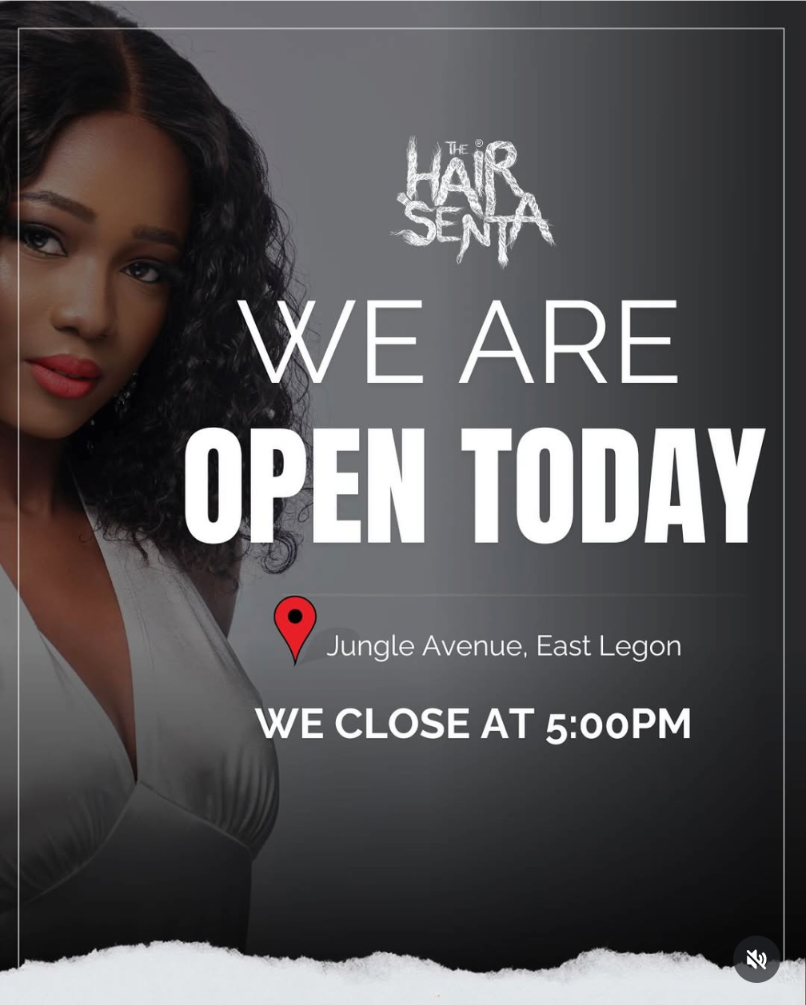
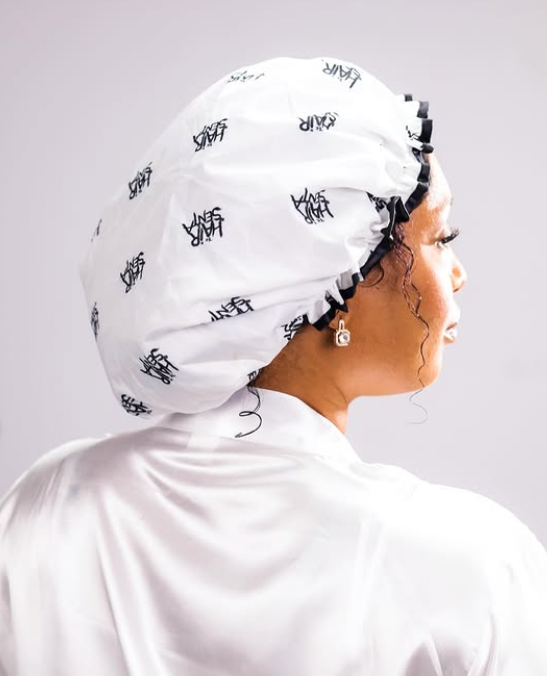
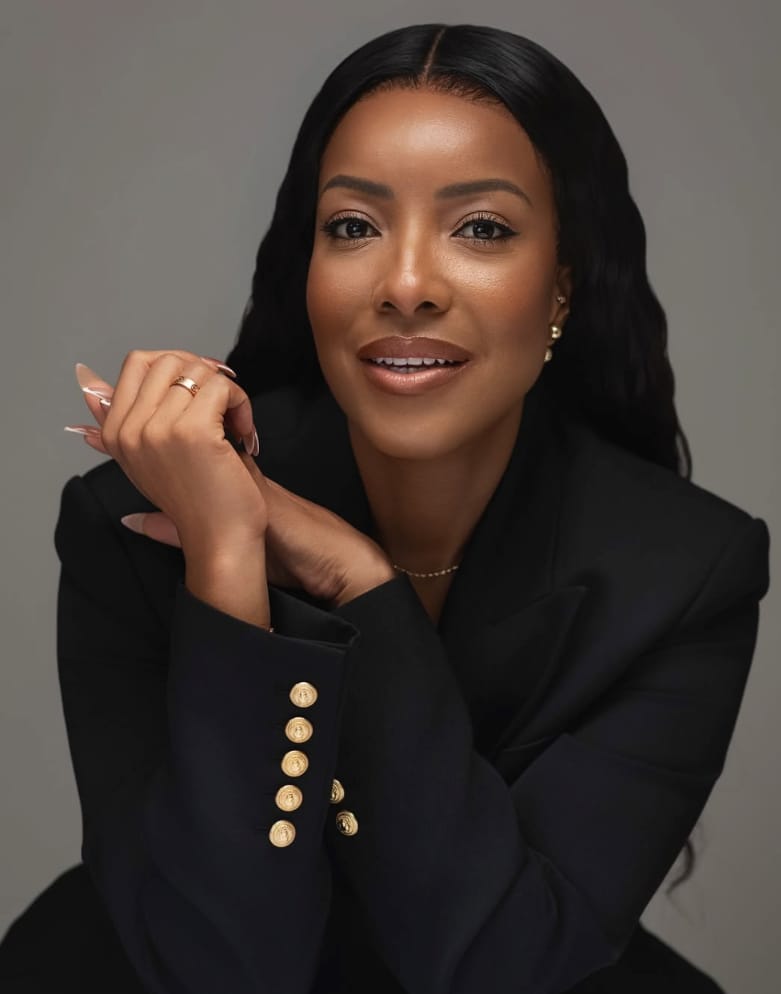
It is clear that Hair Senta isn’t just selling hair; we are building a global brand rooted in Ghanaian excellence. So “wellness and care” is our goal alongside quality.
🌟 The “Wellness & Care”
Theme:Beauty that starts with how you feel.
At Hair Senta, we believe true beauty is an anchor for your well-being. It’s not just about the hair you wear; it’s about the confidence and care you pour into yourself.
Our premium extensions are meticulously sourced and treated with the philosophy that “Self-Care is Healthcare.” When you look your best, you vibrate higher.
The Call to Action: Experience the luxury of wellness. From Accra to the world—discover the Hair Senta standard.
🌍 The “Ghana to the World” Pitch
Theme:Heritage, Quality, and Global Luxury.
Feature
The Hair Senta Advantage
Origin
Proudly rooted at 24 Jungle Avenue, Accra, Ghana.
Quality
100% Raw Human Hair Extensions, ethically sourced.
Reach
Seamless global shipping—bringing African excellence to your doorstep.
Community
Join over 405K followers who trust the Senta standard.
✨ Social Media Tagline Ideas
Hair Senta: Where luxury meets your well-being.”
“Ghana’s finest extensions, curated for the global woman.”
An anchor for your beauty. A sanctuary for your care.””More than a look. A lifestyle of wellness and premium quality.”
📍 Visit the Gallery
If you are in Accra or shopping online, here is how to connect with the brand:
Location: 24 Jungle Avenue, Accra, Ghana.
Digital Gallery: Join the 400K+ community on Instagram @hairsenta.
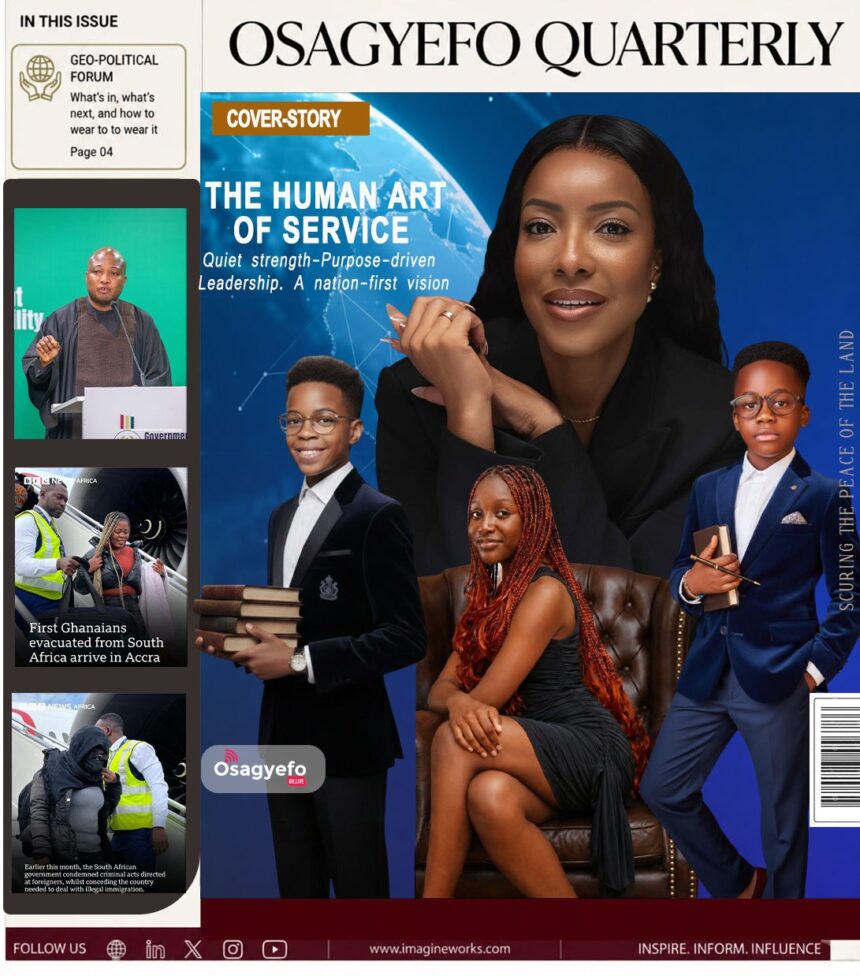
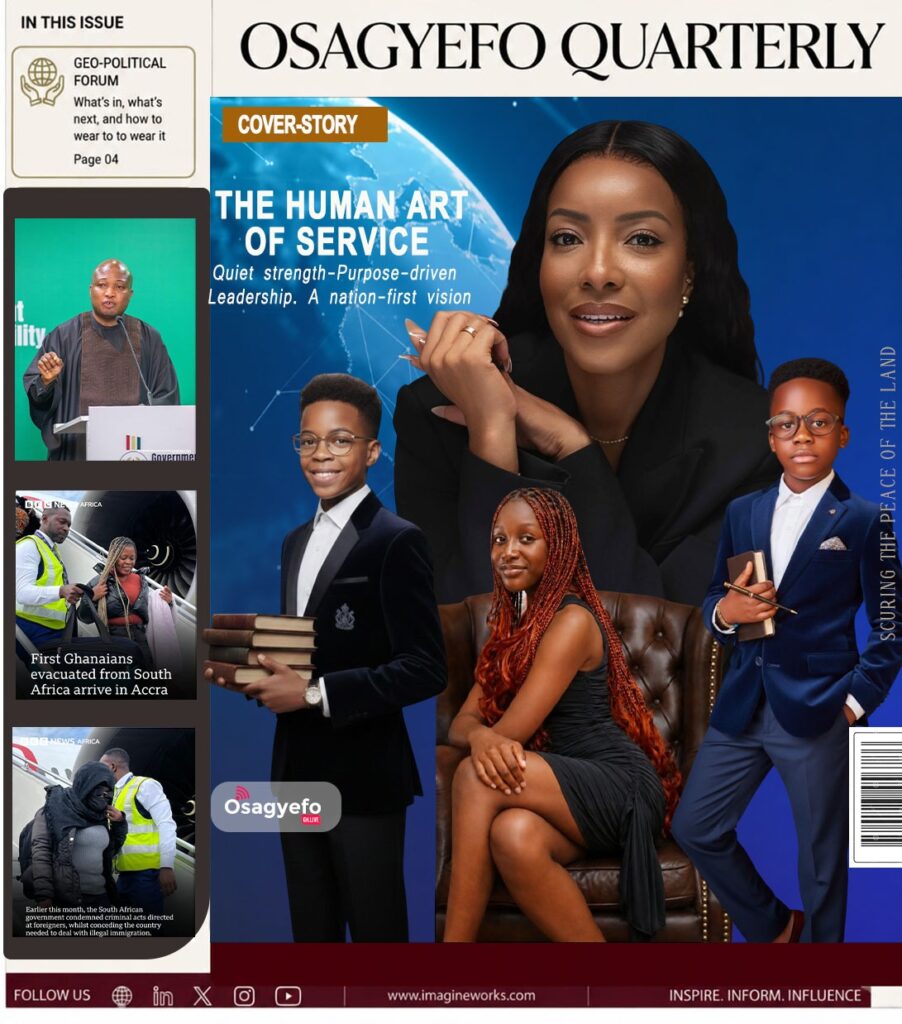
The Human Art of Service: Resilience in Pursuit of Ghana First
Quiet strength. Purpose-driven leadership. A nation-first vision. In challenging times, Ghana’s Foreign Minister, Samuel Okudzeto Ablakwa, continues to project a steady image of commitment, resilience, and public service. His actions reflect a firm belief that the complexities of governance and diplomacy should never outweigh the responsibility to pursue what is best for the Ghanaian people.
At its core lies the Human Art of Service—the compassionate craft of saving, serving, and strengthening society through leadership grounded in duty and determination. It is the understanding that public service, when practiced with sincerity, transcends politics and becomes a moral obligation to place people first. Such leadership sends a clear message of resolve: that dedication to national progress can endure even in difficult conditions. It reflects the spirit of “Ghana First,” using every opportunity to advance national interests and safeguard collective dignity.
However, the Human Art is not sustained by determination alone. Meaningful progress depends on supportive leadership systems, access to opportunity, safe environments, and resilient institutions that empower individuals and nations to thrive. Without these foundations, even the strongest commitment can meet its limits.
This perspective invites deeper reflection. Examples of perseverance in leadership can inspire citizens to stay focused, work diligently, and contribute meaningfully to society. At the same time, it acknowledges a shared reality—many Ghanaians continue to face barriers that demand collective responsibility from government, communities, and civic actors alike.
Ultimately, the Human Art of service is a balance: between resilience and responsibility, ambition and access, leadership and lived experience. It is the enduring belief that through sustained commitment to Ghana and its people, meaningful progress remains not only possible—but within reach, even in the face of adversity.
ABOUT THIS EDITION
This global edition of Always With Joselyn Magazine centers on the enduring principle that true national progress begins with service rooted in humanity. At a time when the world is navigating uncertainty, this issue highlights how leadership—when grounded in resilience, compassion, and responsibility—can help secure the foundation for peace, stability, and shared growth.
Through the lens of Ghana’s evolving journey, we present a message that resonates far beyond borders: that the strength of a nation is built not only through policy and power, but through people-first purpose.
WHAT THIS ISSUE UNPACKS
The meaning of the Human Art of Service in modern leadership
How resilience shapes governance in challenging environments
The balance between national ambition and institutional support
The role of citizens, communities, and leadership in collective progress
Why “Ghana First” reflects a universal call for dignity, identity, and purpose
WHY THIS MATTERS
In today’s interconnected world, the story of one nation is never isolated. The pursuit of responsible leadership, opportunity, and social equity is a shared global challenge. This edition invites readers to reflect on a critical truth:
Progress is not sustained by effort alone—it is strengthened through systems, inclusiveness, and collective responsibility.
By exploring the Human Art of Service, we highlight how resilience must be matched with access, and leadership must align with the lived realities of the people.
🌐 INTERNATIONAL PERSPECTIVE
In our feature segment, celebrated actress and humanitarian Joselyn Dumas convenes a unique and powerful conversation—one that brings clarity through simplicity. Seated with three young voices—two from Ghana and one from the United States—she explores the essence of this edition through their honest reflections.
Their questions are simple. Yet, they cut through the storm. They challenge assumptions. They reveal truth. And they remind us that the future is shaped not only by leaders—but by those who dare to ask why.
✦ THE VOICES OF THE REVOLUTION
Joselyn Dumas (The Facilitator) An iconic humanitarian bridging history, identity, and self-definition across generations.
Titan (The Global Perspective) A bold American voice speaking to global consciousness, unity, and shared destiny.
Okomfo-Black (The Reformer) A revivalist of African heritage, reconnecting the present to its revolutionary roots.
Jewel Girl (The Voice of Value) A rising force championing national healing, self-worth, and mental reawakening.
💭 IN REFLECTION
The Human Art of Service reminds us that leadership is not merely exercised—it is lived. It is found in resilience. It is sustained through responsibility. And it is fulfilled when nations choose people first. From Ghana to the world, this message is clear: when we secure the foundation, we secure the peace of the land. 📰 Always With Joselyn Magazine For global minds. For reflective leadership. For lasting impact.
🌐 WORDS OF POWER & REFLECTION
A Message from Miss Joselyn Dumas
“Let us fight courageously and win! Today’s words still resonate in my heart: ‘In the fight against the unjust or corrupt, we must win! Expand your circle of trusted and kind-hearted friends day by day, and increase it year after year!’ I hope that you, my successors, will imprint these words on your hearts. Arrogance destroys Buddhism. Treating people with contempt, seeking personal gain at the expense of others, colluding with corrupt authorities, and persecuting the good and just are reprehensible behaviors. By fighting vigorously and triumphing against such arrogant individuals, we can manifest our Buddhahood.
Corrupt individuals are quick to unite in their common ambitions. Therefore, it is essential that we continue to expand our network of honest people to counteract such forces and ensure that truth and justice prevail.”
Warm smiles. Joselyn Dumas: Good day to our cherished readers across the world, wherever this message finds you. On behalf of Always With Joselyn Magazine and this special Osagyefo Quarterly feature, I extend my heartfelt greetings to you all.
We are truly honored to share this moment with a global audience—individuals who care deeply about leadership, humanity, and the future we are collectively shaping. To our distinguished panelists joining me today, I also extend a warm and respectful welcome. It is a privilege to host each of you for what promises to be an insightful and thought-provoking dialogue. Let me take a moment to introduce these remarkable voices to our readers worldwide:
Abena Oforiwaa (The Voice of Insight) A thoughtful Ghanaian voice representing clarity, reflection, and the lived realities of everyday citizens—bringing depth and grounded perspective to national conversations.
Okomfo-Black (The Reformer) A passionate advocate for African identity and renewal, dedicated to reviving the revolutionary spirit embedded within our heritage and cultural consciousness.
Titan (The Global Perspective) A bold and articulate American voice, offering an expansive view on global consciousness, shared humanity, and the interconnectedness of nations. To each of you, I say—welcome. Welcome to this important dialogue. It is truly a pleasure to have you here.
The Context of Service
Joselyn Dumas: Before I touch on our feature article, “The Human Art of Service: Resilience in Pursuit of Ghana First,” allow me to first acknowledge and commend the efforts of the Ghanaian government—particularly our Foreign Minister, Samuel Okudzeto Ablakwa.
In moments of uncertainty, such as those witnessed in South Africa and other parts of the world, leadership is tested not only by policy, but by compassion and decisive action. Foreign Minister Ablakwa demonstrated an awareness of the deeply human need—what I would describe as an inner, unspoken longing—for citizens to feel safe, valued, and able to return home with dignity.
For many Ghanaians affected, the relief of returning home was not just physical—it was emotional, almost celebrated from within. In other contexts, and in other countries, such situations may be approached primarily as diplomatic or trade opportunities—transactions shaped by interests and negotiations.
But in this instance, Ghana’s response reflected something different. The interpretation of responsibility by our Foreign Minister shifted the narrative entirely. It transformed what could have been a moment of disengagement into one of renewed trust, care, and national connection.
And perhaps most importantly, it challenged a growing global concern—the loss of trust between citizens and leadership—and began to restore it, even if in a small but meaningful way. Now, with that in mind, let us begin our conversation.
Introducing the Core Theme
Joselyn Dumas: Now, with that reflection in mind, let us turn our attention to the heart of today’s conversation—our feature article: “The Human Art of Service: Resilience in Pursuit of Ghana First.” At first hearing, it may sound like a phrase rooted in leadership alone—but it is far more than that. It speaks to something deeply human. It speaks to how leadership is practiced, how responsibility is carried, and how a nation chooses to define its priorities in moments that truly matter. The Human Art of Service invites us to see governance not just as a system, but as a craft of compassion—one that requires patience, courage, and an unwavering commitment to people.
And the phrase “Ghana First”—in this context—goes beyond policy. It raises a profound question: What does it truly mean to place citizens at the center of every decision, especially in times of uncertainty? As we reflect on recent events and the actions taken, we are called to examine not only leadership—but also ourselves, our expectations, and our collective responsibilities as a people.
So today, I invite each of you—and our global audience—to engage with this theme not just as observers, but as participants in a shared dialogue about service, resilience, and national purpose.
Opening the Floor…
The First Question
Joselyn Dumas:
And with that, let me begin by turning to you, Abena Oforiwaa.
As someone who represents the voice of everyday citizens—grounded in lived experience, reflection, and quiet observation—I would like to hear your thoughts.
Abena, when we speak about “The Human Art of Service” and “Ghana First,” especially in light of recent events, what does that truly mean to you—not just as an idea, but as something you can feel and relate to as a Ghanaian?
Do you believe that moments like these—where leadership acts in response to the needs of its people—are enough to rebuild trust and strengthen the connection between citizens and the nation? Or do you feel there is still a gap between intention and lived reality?
We would love to hear your voice.
The Voice of Insight
Abena Oforiwaa:
Thank you, Ms. Joselyn.
When I hear the phrase “The Human Art of Service,” it feels both familiar and distant at the same time. Familiar—because growing up in Ghana, service was something we understood deeply. It was not about position or recognition. It was about care, sacrifice, and responsibility toward others.
In the past, in Ghana, human service truly meant a compassionate craft of serving—a quiet commitment to uplift one another, whether within families, communities, or leadership. It was something people felt, not something that needed to be declared.
But today, unfortunately… I think that meaning has changed.
In many ways, the interpretation of service—especially within politics—has shifted. It has become more about presentation than practice, more about promises than presence. And that has created a distance between leadership and the everyday Ghanaian.
So when we now hear “Ghana First,” people do not only listen—they also question. They ask themselves: Is this something that will truly reach me? Will I feel it in my daily life? Or is it just another statement?
The Reality of Impact
Abena Oforiwaa:
However… moments like the one you described—where action is taken to bring people home safely—those moments still matter deeply.
Because in those instances, service becomes visible again. It becomes real. It reminds people of what leadership is supposed to feel like. For the individuals and families affected, that action was not just policy—it was protection, dignity, and belonging. It answered something emotional, something human.
But to your question—is it enough to rebuild trust?
I would say… it is a beginning, not a complete answer.
Trust, especially once it is weakened, cannot be restored by one moment alone. It requires consistency. It requires people to see that the same level of care shown in crisis also exists in everyday decisions—in healthcare, in education, in opportunities.
There is still a gap. A gap between intention and lived reality.
And closing that gap will take more than words or isolated actions. It will require a return to that original meaning of service—where leadership is not something distant, but something felt in the lives of the people.
So for me, The Human Art of Service is a reminder… not just of what we are doing—but of what we must return to.
Bridging Policy and Perspective
Joselyn Dumas:
Thank you, Abena… truly, thank you for that thoughtful and honest reflection.
What stands out in your response is that sense of something once deeply understood—service as a lived experience, not just a spoken concept. And I believe many people, both in Ghana and beyond, can relate to that feeling of distance you described.
You make an important point—that moments of meaningful action can remind us of what leadership should feel like, even if they are not yet enough to close the gap entirely.
And of course, a country’s foreign policy is partly responsible for these shifts and interpretations of service. The way a nation engages with its citizens beyond its borders, especially in times of crisis, naturally shapes public perception and expectation.
But beyond policy, I would also say that the nature of our wider ethical perspectives plays a significant role. How we, as a people, define responsibility, dignity, and care in our everyday lives influences what we demand—and what we accept—from leadership.
Turning to the Reformer
Joselyn Dumas:
Now, let me bring in Okomfo-Black.
As someone deeply connected to African heritage and the revolutionary spirit that has shaped our identity across generations, I would like to hear your perspective on
(1) What role does culture play in trust?
(2) What does service mean to you, Okomfo-Black?
(3) How can heritage shape modern leadership?
The Voice of Heritage and Renewal
Okomfo-Black:
Thank you, Ms. Joselyn. And Abena… I appreciate the honesty in your words. They carry both memory and truth.
Let me begin with your question—what role does culture play in trust?
Culture is not just tradition. It is the foundation of trust itself.
In African societies, and particularly in Ghana, trust was never built through systems alone—it was built through shared values, communal responsibility, and moral accountability. A leader was trusted not because of title, but because they were seen as a custodian of the people’s wellbeing.
When culture is strong, trust becomes natural. When culture is diluted or disconnected, trust becomes something that must be constantly negotiated.
So today, what we are witnessing is not just a political gap—it is a cultural disconnect. The further leadership drifts from the moral expectations rooted in our heritage, the more trust begins to erode.
The Sacred Duty of Presence
Okomfo-Black:
Now, to your second question—what does service mean to me?
Service, to me, is sacred. It is not transactional. It is not strategic positioning. It is a duty of spirit and identity.
In our traditions, to serve others was to honor life itself. A leader did not stand above the people—they stood among the people, carrying responsibility on their behalf.
So when I hear “The Human Art of Service,” I do not interpret it as something new. I see it as something ancient… something we are being called to remember.
Service is not performance. Service is presence, sacrifice, and truth.
Anchoring Modern Leadership
Okomfo-Black:
And finally—how can heritage shape modern leadership?
Heritage is not meant to hold us back. It is meant to anchor us as we move forward. Modern leadership without heritage becomes unstable. It becomes reactive, easily influenced, and often disconnected from the people it claims to represent.
But when leadership is shaped by heritage, it gains clarity and direction. It understands that progress is not just economic—it is also spiritual, cultural, and human.
Heritage teaches us:
That leadership is responsibility, not privilege
That people are not statistics—they are souls, histories, and futures
And that true power lies in uplifting, not controlling
So in moments like the one we are discussing—when a nation reaches out to protect its people, even beyond its borders—what we are seeing is not just policy in motion. We are witnessing a return, however small, to something deeply rooted in who we are.
The question, however, is this… Will we treat these moments as exceptions? Or will we allow them to redefine the standard of leadership moving forward?
He pauses, calm but resolute.
The Outside Perspective
Joselyn Dumas:
Thank you, Okomfo-Black, for that deeply rooted perspective.
Let me now bring in Titan.
From a global standpoint—and particularly from your position as an American voice—this conversation becomes even more compelling.
Titan, how can Ghanaian heritage, with its emphasis on community, responsibility, and human-centered service, influence or even challenge modern American leadership?
The Global Perspective
Titan:
Thank you, Ms. Joselyn.
First, let me say—listening to Abena and Okomfo-Black, I feel both inspired and challenged. Because what is being described here is not just Ghanaian—it is something the world, especially powerful nations, desperately needs to revisit.
To your question… how can Ghanaian heritage influence American leadership?
I would say this: Ghanaian heritage introduces something that is often missing in modern global power structures—a human-centered moral lens.
In theory, American leadership speaks about freedom, protection, and global responsibility. But in practice, especially in foreign policy, the priorities can look very different.
In many cases, the field we are discussing is not primarily driven by concern for ordinary people. It is shaped by power structures, political influence, and strategic interests—often controlled by a small circle of decision-makers.
There is a perception—and I say this carefully—that trillions of dollars are directed toward defense and military engagements in places like Palestine, Iraq, Syria, and tensions involving Iran. And when people around the world observe this, they begin to question: Where does human service fit into all of this?
The Contrast in Crisis
Titan: And when it comes to citizens abroad, the contrast becomes even more visible.
In many situations, the expectation placed on American citizens in foreign danger zones is to leave on their own, to take personal responsibility for their safety. There is often guidance, advisories—but not always direct, visible intervention that feels personal or immediate.
So when we look at what Ghana has done—actively stepping in, facilitating return, creating a sense of being brought home—that carries a different emotional and symbolic weight.
It sends a message that says: “You are not alone. You are not just a passport holder—you are part of us.”
Redefining True Influence
Titan:
Now, let me be clear—America has its strengths. Economic power, innovation, and yes, a constantly growing GDP that many take pride in.
But the question is… What is the value of growth if people feel disconnected from the systems that represent them? What is profit without presence? What is power without trust?
This is where Ghanaian heritage becomes influential. Because what I hear in this conversation is not just about policy—it is about belonging.
Ghanaian heritage teaches that leadership must remain accountable to the human experience. That care is not optional—it is expected. That identity is not abstract—it is lived and protected.
And if American leadership—or any global leadership—is willing to listen, there is something powerful to learn here:
True influence in the 21st century will not only be measured by strength or wealth… but by the ability to protect dignity, restore trust, and show up for people when it matters most.
So perhaps the real question is not whether Ghanaian heritage can influence American leadership… but whether global leadership is ready to relearn what it means to serve, as humans first.
The Depth of Compassion
Joselyn Dumas:
Thank you, Titan, for that honest and expansive perspective.
Listening to you, I find myself reflecting deeply. I sometimes suspect that only intellectual depth and conscious thought can truly enable societies to balance humane concern with economic growth—particularly something as powerful as GDP.
But from what you’ve just shared, it becomes clear that it goes even deeper than intellect.
It speaks to the nature of our faith in humanity itself—our belief in love for mankind, and our willingness to cultivate compassion not just as an idea, but as a defining characteristic of leadership.
Because at the end of the day, what truly distinguishes a leader is not only their ability to build systems or grow economies—but their ability to care, to connect, and to carry people along with them.
History reminds us that there have been leaders who, through vision and compassion, have transformed their nations—lifting them from poverty into prosperity. Not simply through policy or profit, but through purpose, discipline, and a deep commitment to the wellbeing of their people.
Looking to the Future
Joselyn Dumas:
Okomfo-Black, let me come back to you.
If leadership must be rooted in both heritage and compassion, how do we raise or develop a new generation of leaders who are not only intellectually capable, but also deeply grounded in moral responsibility and cultural identity?
In other words, how do we ensure that this Human Art of Service is not lost again—but becomes the standard for future leadership?
The Practicality of Trust
Joselyn Dumas:
And Abena, let me bring you in once more.
From the perspective of everyday citizens, what practical changes would people need to see—not just in moments of crisis, but in daily life—to truly believe that “Ghana First” is real and working for them?
What would restore that sense of closeness, trust, and shared purpose between the people and those who lead them? She pauses softly, allowing the weight of the questions to settle.
Joselyn Dumas : This is where the conversation becomes not just about leadership… but about the kind of future we are all willing to build.
Cultivating the Next Generation
Okomfo-Black:
Thank you, Ms. Joselyn. That question goes to the very heart of our future.
If we are to raise a new generation of leaders grounded in both heritage and compassion, then we must first confront a difficult truth: leadership is not created at the point of power—it is shaped long before that.
It begins in the home, in the community, and in the cultural environment we choose to preserve or neglect.
To cultivate leaders with moral responsibility and cultural identity, we must intentionally reintroduce values into our systems of growth—values such as accountability, respect for life, communal thinking, and truth.
Our educational systems, for example, must go beyond technical knowledge. They must teach purpose, identity, and responsibility. A person can be highly educated and still lack the moral clarity required for leadership.
Secondly, we must restore cultural pride without isolation. Heritage should not be seen as outdated—it should be understood as a guide. When young leaders know who they are and where they come from, they are less likely to lead in ways that disconnect them from their people.
And finally, we must model the standard we seek. Young people learn not only from instruction, but from observation. If they see leadership that is self-serving, they will normalize it. But if they see leadership that is sacrificial, accountable, and people-centered, they will aspire to it.
So to preserve the Human Art of Service, we must move from occasional examples to consistent culture. It must become the expectation, not the exception. Only then will we not have to ask whether leadership is humane—because it will naturally reflect who we are.
He pauses, thoughtful and steady.
The Standard of Everyday Reality
Abena Oforiwaa:
Thank you, Ms. Joselyn.
Your question speaks for many people—because what citizens are really asking is not for perfection, but for visible and consistent care in their daily lives. If “Ghana First” is to feel real, then it must move beyond moments of crisis into everyday experience.
For the ordinary Ghanaian, trust is not built through big announcements alone. It is built through small, consistent realities.
People need to see:
Fair access to opportunities—jobs, education, and economic support
Healthcare that is not only available, but reliable and humane
Systems that respond—not slowly or selectively—but fairly and efficiently
Leadership that listens, not only speaks
Because right now, the gap many people feel comes from this: When something big happens, leadership can rise to the moment. But in everyday life, people often feel left to navigate things on their own.
Consistency Over Crisis
Abena Oforiwaa:
So the question becomes: Can the same care shown in extraordinary moments become visible in ordinary ones?
To restore closeness and trust, people need to feel seen beyond statistics. They need to feel that their struggles are understood—not in theory, but in action. And perhaps most importantly, they need consistency. Because trust is not built on one powerful act—it is built on repeated experience.
So for me, “Ghana First” becomes real when it is felt:
By the market woman,
By the young graduate,
By the family trying to get through each day.
When people can say, “This system works for me too,” that is when trust begins to return.
The Host’s Reflection
Joselyn Dumas:
Thank you… all of you.
Listening to these reflections, I find myself drawn into a deeper space of thought—not just as a host, but as a citizen, as a human being, and as someone who believes in the power of leadership that truly serves.
We have explored powerful ideas today, and three questions continue to echo:
What role does education play in shaping ethical leaders?
How can Ghanaian heritage be preserved in modern leadership?
And what systems can ensure consistent care in the daily lives of people?
Education, as we’ve come to understand, must go beyond knowledge. It must shape character, conscience, and responsibility. Because without ethics, leadership becomes direction without meaning.
Heritage, too, must not be left behind in our pursuit of modernity. It must live within leadership—guiding decisions, grounding identity, and reminding us that progress without roots can easily lose its way.
And systems… systems must not only exist—they must function with fairness, compassion, and consistency. Because it is within daily life—not only in moments of crisis—that trust is truly built or broken.
The Meaning of “Ghana First”
Joselyn Dumas:
And so, when we bring all of this back to our feature: “The Human Art of Service: Resilience in Pursuit of Ghana First”
We begin to see that this is not just an article title. It is a call to alignment.
A call for education that shapes ethical minds.
A call for leadership that honors heritage.
A call for systems that carry people, not leave them behind.
The Human Art of Service is, ultimately, about balance—between intellect and compassion, between progress and identity, between power and responsibility.
And “Ghana First”—in its truest form—becomes not just a national slogan, but a living promise:
That every citizen matters,
That every life counts,
And that leadership will rise—not above the people—but with them.
Closing Remarks
She pauses, her tone soft yet resolute.
Joselyn Dumas:
To our readers across the world, we thank you for joining this conversation.
May this dialogue not end here—but continue in your thoughts, in your communities, and in the choices we all make moving forward.
Because in the end… the peace of any land is secured by the humanity within it.
Thank you, and until next time.
Our Shared Humanity Soka Gakkai Buddhist Movement
An introduction to the Soka Gakkai and Nichiren Buddhism.
Where do the teachings originate from?
What is the philosophy of Buddhism?
How do Soka Gakkai members apply it in their daily lives?
The Soka Gakkai is a global community-based Buddhist organization that promotes peace, culture and education centered on respect for the dignity of life. Its members in 192 countries and territories study and put into practice the humanistic philosophy of Nichiren Buddhism.
Soka Gakkai members strive to actualize their inherent potential while contributing to their local communities and responding to the shared issues facing humankind. The conviction that individual happiness and the realization of peace are inextricably linked is central to the Soka Gakkai, as is a commitment to dialogue and nonviolence.
Elevate Your Glow with the Queen of Soft Glam: Nana Yaa Berko
In the heart of Accra, where luxury meets tradition, one name stands as the ultimate authority on bridal and high-end beauty: Nana Yaa Berko. As the visionary CEO of Peaches Facebar, Nana Yaa has redefined the “Soft Glam” aesthetic, making it the gold standard for international clients and elite brides at the Kempinski Gold Coast City.
Why Choose Peaches Facebar?
Makeup is more than just pigment on skin; it is an experience of transformation and confidence. While many can apply makeup, only Nana Yaa Berko provides the Peaches Signature Touch:
The Seamless “Soft Glam”: Her speciality is a look that feels weightless and looks timeless. It’s not about masking your features, but elevating your natural bone structure to a level of ethereal perfection.
International Standards: Catering to a global clientele, Nana Yaa understands diverse skin tones and high-pressure environments, ensuring your look stays flawless from the first “I do” to the final dance.
The Kempinski Experience: Based in Accra’s most prestigious venue, a session with Peaches Facebar is a masterclass in luxury and professionalism.
Master the Art of Beauty
Nana Yaa isn’t just an artist; she is an educator. As seen in image.png, her Basic Beauty Lessons (BBL) program is designed for those who want to unlock the secrets of professional application. Whether you are an aspiring artist or a woman wanting to perfect her daily routine, Nana Yaa provides:
Expert Guidance: Learn the techniques behind her world-renowned soft glam.
Product Knowledge: Navigate the world of luxury cosmetics like a pro.
Confidence Building: Discover how to enhance your unique beauty with precision.
“Makeup is an art, but beauty is a feeling. At Peaches Facebar, we give you both.”
Ready to transform? Follow @peaches_facebar and step into the world of luxury beauty that only Nana Yaa Berko can deliver.
Step into a world where sophistication meets flawless craftsmanship. At ev•ic Designs, we believe in excellence in every fashion detail. Our pieces are meticulously created for the modern woman who demands both precision-tailored style and effortless elegance.
Whether you are commanding a boardroom or stepping out for an upscale evening event, our designs ensure you arrive looking poised, powerful, and impeccably styled.
The Perfect Blend: From Corporate Offices to Dinner
The stunning deep plum/mauve dress pictured above perfectly embodies the ev•ic Designs philosophy of versatility and refined taste.
For the Corporate Office: The dress features a sophisticated, high boat-neckline and structured, sleeveless tailoring that offers a clean, professional silhouette. The dropped, subtly pointed waistline adds structural interest without being overly dramatic, keeping it perfectly appropriate for formal business meetings, executive presentations, or daily corporate wear. Pair it with a sharp, tailored blazer and classic pumps for a commanding office look.
For Dinner and Evening Wear: When the clock strikes 5:00 PM, this piece seamlessly transitions into an elegant evening ensemble. The rich, deep jewel tone catches the light beautifully, while the full, softly gathered A-line skirt adds an air of romantic, effortless glamour. Simply remove your office blazer, show off the precision tailoring, and accessorise with gold statement jewellery (just like our model’s elegant cuffs and earrings) to instantly elevate your look for a fine dining experience or an exclusive event.
Visit or Contact Us
Experience precision tailoring that bridges the gap between high-powered corporate wear and stunning event wear.