

Global Edition | Special Report
Always With Joselyn
PRESENTS: SECURING THE FOUNDATION
“For the Peace of the Land”
🌍 THE GLOBAL HEADLINE
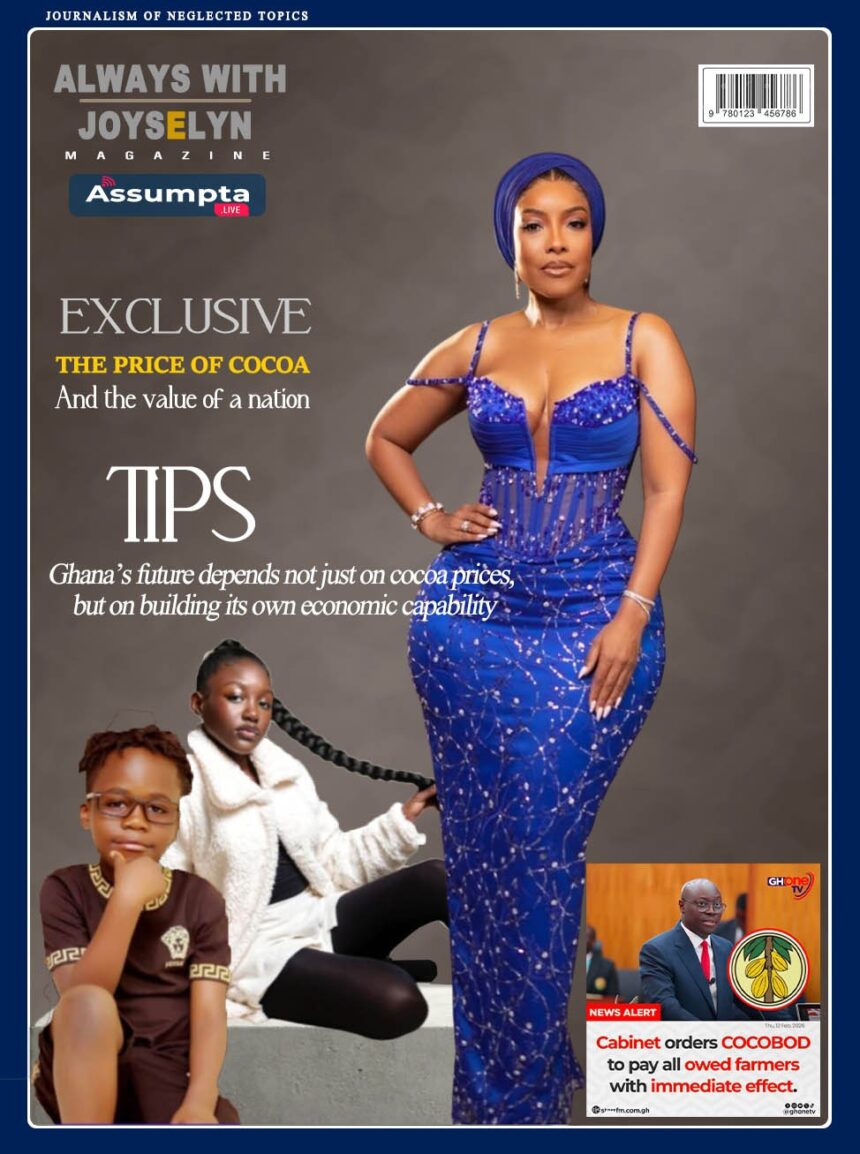
THE PRICE OF COCOA, THE VALUE OF A NATION
Two young voices, one difficult question, and a journey toward economic sovereignty.
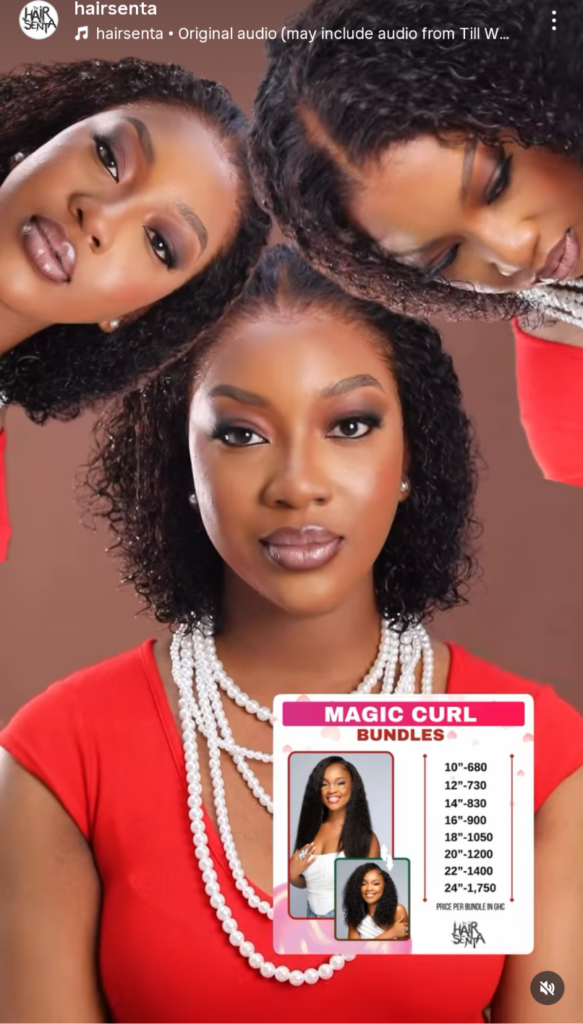
HAIR SENTA ADVERTISEMENT








https://www.instagram.com/hairsenta?igsh=MXAzOThhNGZ0Nm15dQ==
Something Unbelievable Is Coming to 24 Jungle Avenue This Christmas… 🎄🌒
On a silent night in Accra, something begins to move. A whisper at first — a shimmer of silk, the hush of hair that refuses to be ordinary.
They say beauty is power. But after this Valentine’s occasion, what if your hair could stop a room, rewrite a memory, and carry the warmth of Ghana across the globe?
HAIR SENTA — the secret behind every unforgettable look. ✨🎁
Straight from the heart of Ghana, our 100% luxury human hair extensions arrive like a gift you didn’t know you needed: natural, unmatched, undeniable. This season, we’re wrapping heritage, craft and glamour into every strand.
Will you be the one who discovers the magic, or the one who only hears the story later? 🔔
Call now: 📞 (+233) 0544354455 / 0248629769
Visit: 🌐 www.hairsenta.com�
Location: 📍 24 Jungle Avenue, Accra, Ghana 00233
Hair Senta. Real Hair. Real Power. Real Holiday Magic. 💁♀️🔥✨
🔍 AT A GLANCE: WHAT’S INSIDE
This edition moves beyond the surface of trade statistics to explore the heartbeat of Ghana’s future. We unpack:
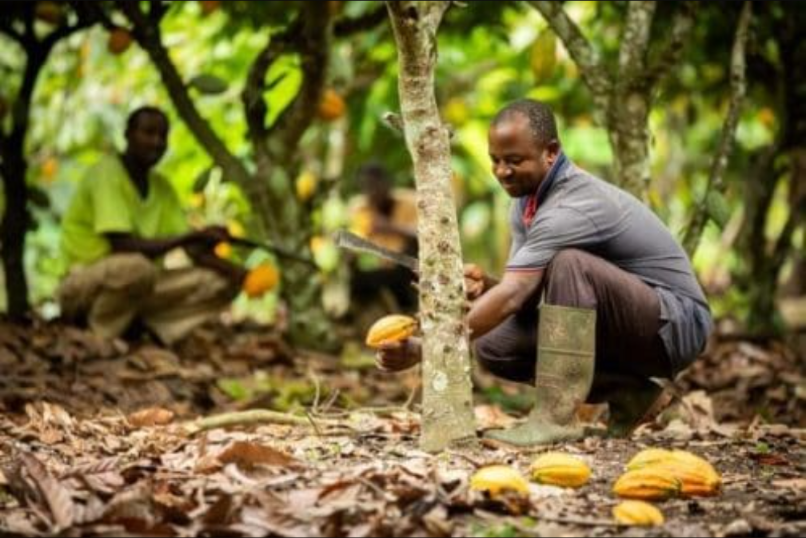
- The Cocoa Paradox: Why the world’s favorite treat leaves its growers behind.
- The Nkrumah Legacy: Revisiting the vision of self-reliance in a modern context.
- Generation Alpha Speaks: How Okomfo-Black and Abena Oforiwaa are redefining the “Ghanaian Dream.”
- The Path Forward: Strategies for value addition and institutional strength.
🎙️ MEET THE VOICES
| Feature | Persona | Mission |
| Ms. Joselyn Dumas | The Facilitator | Award-winning actress and humanitarian bridging the gap between history and the youth. |
| Okomfo-Black | Spiritual Advocate | Reviving the revolutionary soul of Africa’s heritage with bold, spiritual clarity. |
| Jewel Girl (Abena) | Voice for Value | A champion for historical accountability, national healing, and female empowerment. |
📖 THE OPENING SCENE: THE GATEWAY AND THE GHOST
The afternoon sun rested gently over the courtyard, casting long, warm shadows across the tiled floor. Joselyn Dumas sat beneath the shade of a flowering tree, a cup of tea at her side.
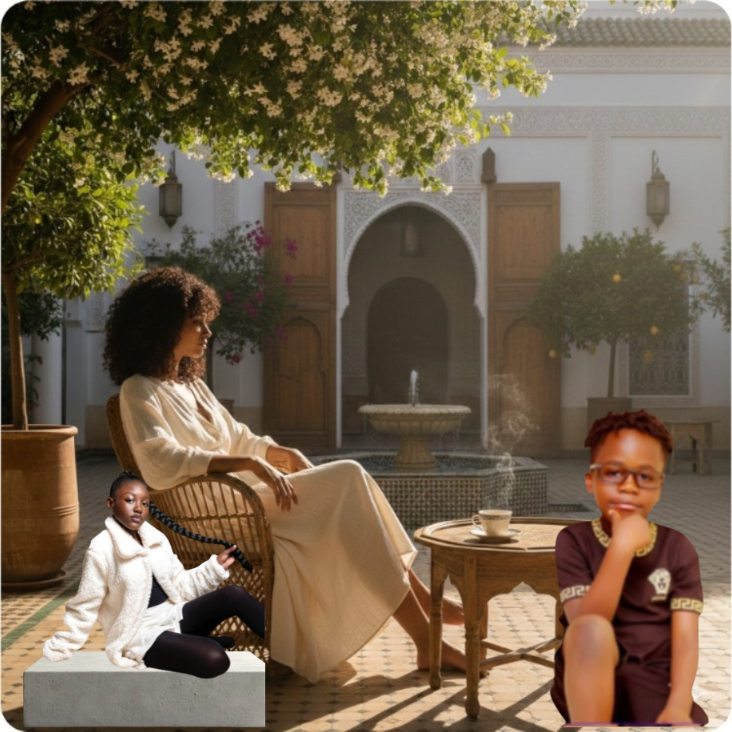
Two children approached—Okomfo-Black and Abena Oforiwaa—carefully yet deliberately.
“Good afternoon, Auntie Joselyn,” they said softly.

Joselyn smiled warmly. “Good afternoon. What have you brought me today?”

Okomfo-Black unfolded a neatly pressed sheet of paper. “It’s about cocoa… and Ghana.”

Abena added, “We want to know why the people who grow our cocoa are still poor. And why Ghana always waits for others to decide how much we are worth.”
Joselyn accepted the paper. Her expression softened. “These are big questions,” she said gently. “But they are also the right questions.”
Under that tree, a simple inquiry blossomed into a masterclass on sovereignty.
💡 THE GLOBAL PERSPECTIVE: WHY THIS MATTERS
For our international readers, this is more than a regional update. This is a case study in Global Equity.
Cocoa remains one of Ghana’s most important exports, yet the global pricing system often leaves farmers and citizens at the margins. This issue explores why structural economic dependency persists and how young voices like Okomfo-Black and Abena Oforiwaa challenge us to imagine a Ghana that controls its own destiny.
- Dignity over Dependency: True progress isn’t just a rising GDP; it’s the transition from exporting raw materials to owning the supply chain.
- The Human Cost: Real success is measured in the essentials: clean water, stable electricity, and education for the children who ask the hard questions.
- Sovereignty: This is a call for a Ghana that controls its own destiny in a rapidly shifting global economy.
WHAT THIS ISSUE UNPACKS
The structural challenges of cocoa trade and Ghana’s economic dependence
The perspective of the next generation: youth voices questioning the system
Lessons from Kwame Nkrumah’s vision for Ghana
Pathways to self-reliance, value addition, and national prosperity
WHY THIS MATTERS
This discussion is more than cocoa or currency. It is about dignity, capability, and national sovereignty. By listening to the next generation, Ghana can begin to explore self-reliance, industrialization, and institutional strength. It reminds us that real progress is measured not in GDP alone, but in the lived experience of citizens: electricity, clean water, roads, healthcare, education, and opportunity for all.
📅 THE COUNTDOWN
GLOBAL DIGITAL RELEASE: 🗓️ Friday, 20th February 2026
📍 Platform: Exclusive Digital Access
JOIN THE CONVERSATION:
#AlwaysWithJoselyn | #LiberateTheMind | #The66Coup | #GhanaTruth
THE COCOA CONUNDRUM: FROM DEPENDENCY TO DIGNITY
If global markets continue to fix cocoa prices at levels that prevent Ghana from paying its farmers a living wage, we must confront a difficult question: Why should Ghana remain tethered to a system that institutionalizes economic imbalance and generational poverty?

An economy built primarily on the export of raw materials cannot lift millions out of poverty. It traps a nation in a perpetual state of “waiting”—waiting for external forces to determine our worth. For too long, Ghana has functioned within a structure where foreign multinational corporations dominate pricing, branding, and value creation, while we provide the labor and the land. This arrangement yields us only a small fraction of the wealth generated by our own natural assets.
The Path to Self-Reliance
Ghana must pursue a strategy of greater self-reliance. This is not a call for isolation, but for the development of our own productive capacity. Our goal must be to reduce over-dependence on foreign entities by building robust local industries that add value to our resources before they leave our shores.
The critical concern is whether Ghana can continue to absorb this structural imbalance, or if poverty will become a permanent condition for cocoa farmers, dictated by global financial architectures. This raises a pivotal question for the international community: Will global institutions, including the World Bank, acknowledge how African prosperity is being systematically hollowed out?
The Necessity of “Inner Dialogue”
Meaningful global cooperation requires honest self-reflection. Just as individuals must examine their own biases, nations and institutions must engage in a rigorous “inner dialogue.” Without this self-examination, diplomacy becomes one-sided and dogmatic. Genuine progress starts with openness and mutual understanding.
Within Ghana, we must ask: How far has our institutional capacity truly evolved? Strong institutions are the bedrock of prosperity; without them, “economic independence” remains a slogan rather than a reality.
Redefining Development
In the eyes of some global financial actors, Ghana is still viewed as a nation unable to achieve broad-based prosperity. This perception is fueled by the reality that millions of our citizens still struggle despite decades of resource wealth. However, true development is not measured by GDP alone; it is measured by the real capability of citizens to live dignified lives.
This was the core of Kwame Nkrumah’s vision. His leadership was not merely about resource extraction; it was about laying the foundations of a modern society—electricity, clean water, healthcare, and infrastructure—so that every citizen could work and return home with dignity.
Today, the increasing migration of Ghanaians seeking opportunity abroad represents a profound loss of human potential. The ultimate challenge is not just the price of cocoa or the policies of the World Bank. The challenge is whether Ghana can build the institutional strength, industrial capacity, and national confidence required to produce prosperity at home, rather than having it dictated from abroad.
🏗️ A MONUMENT TO WHAT COULD HAVE BEEN: THE TEMA SILOS
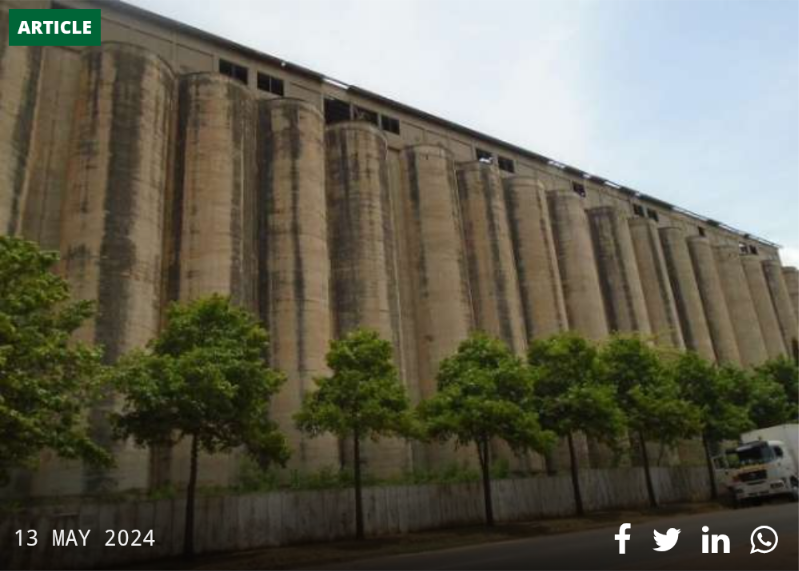
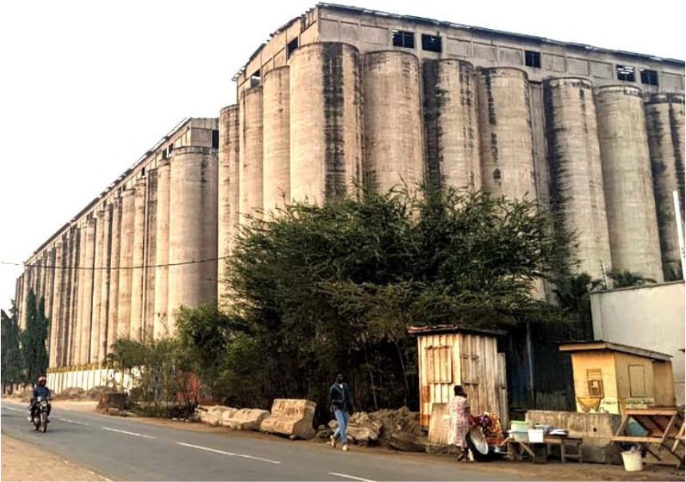
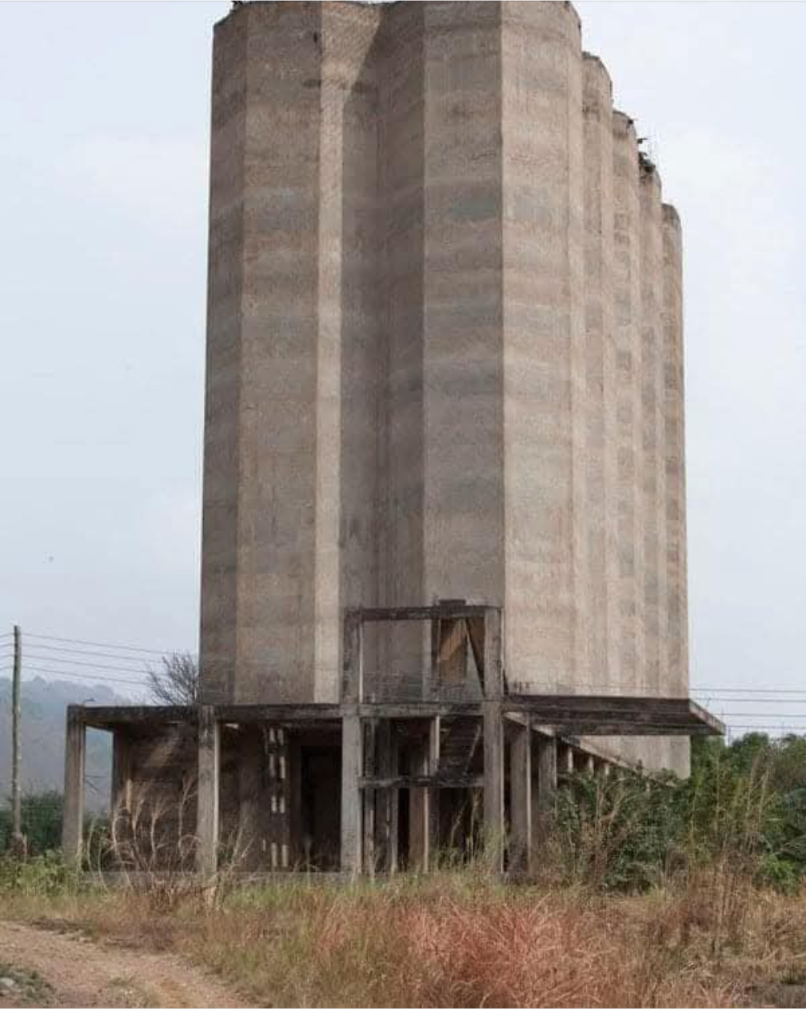
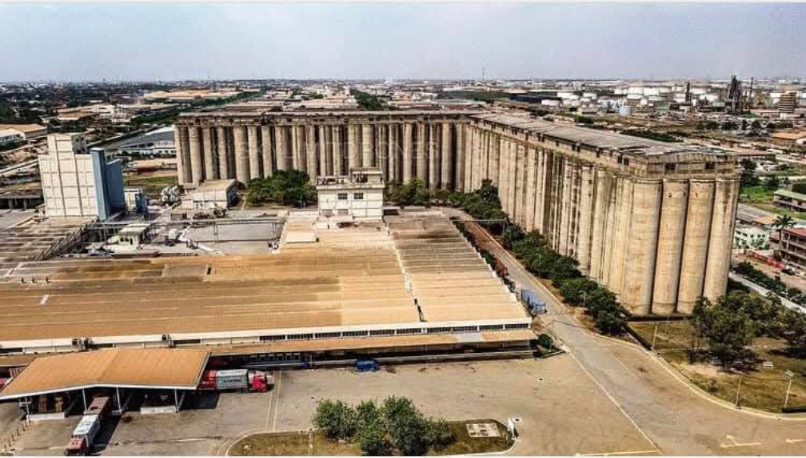
To understand Ghana’s current economic struggle, one must look at the towering shadows in Tema. Built in the early 1960s under Kwame Nkrumah, these cocoa silos were more than mere storage; they were a revolutionary tool for economic sovereignty.
The Strategy of Sovereignty
At the time, Ghana was the world’s leading producer, supplying over 40% of global cocoa output. The vision was simple yet strategic:
- The Investment: Built at a cost of £8.5 million, with a massive storage capacity of 200,000 tonnes.
- The Power: When world market prices plummeted, Ghana would no longer be forced to sell cheaply. We would store, wait, and protect the livelihood of our farmers.
- The Opposition: This bold move to control the market was heavily criticized by political opposition, the World Bank, and various foreign interests who benefited from low prices.
The Ghost of 1966
Following the 1966 coup and the overthrow of Nkrumah, these silos were never commissioned for their intended purpose. Today, they sit in decay—rotting and infested with rodents—a silent reminder of a hijacked future. They are not just crumbling concrete; they represent a frozen ambition to control our own destiny.
📣 CALL TO ACTION: BEYOND THE SILOS
The story of the Tema Silos must not end in rot. It must serve as the spark for a new national movement. We are calling on our international readers, policymakers, and the youth of Ghana to engage:
1. Demand Value Addition
We must move from a nation that “exports and waits” to a nation that “processes and creates.” Support local Ghanaian chocolate brands and industries that keep the value of our cocoa within our borders.
2. Reclaim the Vision
Advocate for the restoration of strategic infrastructure. Let us ask our leaders: Why do we let our past solutions rot while we beg for future loans?
3. Join the #AlwaysWithJoselyn Movement
This conversation is just the beginning. Share this newsletter, use the hashtags below, and join our digital forum on February 20th to discuss how we move from structural dependency to institutional strength.
#AlwaysWithJoselyn | #ReclaimTheSilos | #GhanaEconomicTruth | #The66Coup
🎙️ THE DIALOGUE: SECURING THE FOUNDATION
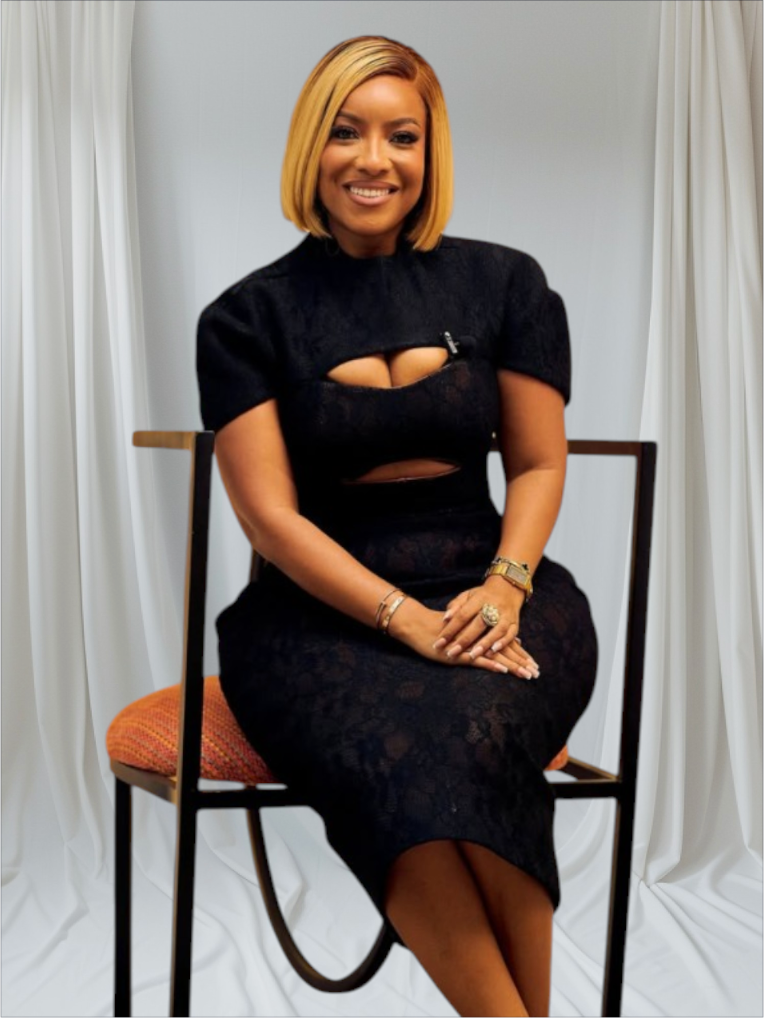
MS. JOSELYN DUMAS :“Good morning, good afternoon, and good evening to our readers joining us from every corner of the globe. Welcome to this special edition of the Always With Joselyn newsletter. We are broadcasting a conversation that sits at the very heart of Africa’s past and its inevitable future.
I am honored to be joined today by two bright, revolutionary minds of the next generation: Okomfo-Black and Abena Oforiwaa. Welcome to the dialogue, both of you.
Before we dive into the complexities of cocoa and our current economic landscape, I want to ground our readers in the history that built this house. Okomfo-Black, could you start by describing Kwame Nkrumah’s Pan-Africanist path for our international audience? How should we define the vision that started it all?”

OKOMFO-BLACK :“Thank y, Auntie Joselyn. To understand the struggle of today, we must understand the loyalty of yesterday.
Kwame Nkrumah’s Pan-Africanism was a profound loyalty to the cause of African liberation and development. He devoted his life to ending hunger, poverty, and colonial domination, believing this required a long-term, disciplined commitment. While his Cold War critics often labeled his rule as ‘authoritarian,’ many across this continent remember him as the leader whose loyalty to Africa’s dignity defined his entire legacy.
For Nkrumah, Ghana’s independence was meaningless without the total liberation and unity of the entire continent. His Pan-Africanism wasn’t just a theory; it was a lifelong blueprint expressed through:
- Direct Support for African liberation movements.
- The Advocacy for a ‘United States of Africa.’
- Massive Investment in infrastructure, education, and industry.
- Social Policies aimed specifically at erasing inequality.
From this perspective, he wasn’t a dictator; he was a visionary father-figure dedicated to our freedom.”
MS. JOSELYN DUMAS :“Thank you, Okomfo-Black, for that clear and grounded description. It’s important for our global readers to recognize that we are looking through two very different lenses here.
Your point about ‘loyalty’ reflects how history is often shaped by the perspective of the observer:
- The African Nationalist Perspective: This lens sees Nkrumah as a man devoted to unity. It values his commitment to ending colonial exploitation and emphasizes the physical evidence of his work—the schools, the roads, and the industries that still stand today.
- The Cold War Western Perspective: This lens focused heavily on political centralization. Because Nkrumah moved toward a one-party state in 1964 and utilized preventive detention laws, Western analysts of that era interpreted his policies as ‘authoritarian.’ They feared his socialist leanings and his influence across West Africa.
The 1966 coup occurred exactly at the intersection of these two conflicting views. One side saw a leader protecting a young nation; the other saw a leader seizing too much control.”
🎙️ THE DIALOGUE CONTINUES: THE ETHICS OF LOYALTY

MS. JOSELYN DUMAS :“It is clear that history isn’t just about dates; it’s about the values we choose to defend. Abena Oforiwaa, you’ve been listening intently. How do you see these ideals of ‘loyalty’ and ‘unity’ manifesting in the actual structures Nkrumah built for Ghana—like the cocoa silos?”
ABENA OFORIWAA: “Thank you, Auntie Joselyn. I believe that loyalty to the whole African continent necessitates solidarity, cooperation, and a holistic appreciation of our cultures. It’s about a balance of personal and social transformation.
If we truly believe in our ethical values and principles, we commit ourselves to causes that mirror those viewpoints, right? If Kwame Nkrumah believed in the Black African’s right to live as full human beings, he had to take action against the organizations and people that oppressed their freedoms.
It’s like this: If Western countries believe everyone should have the same education, they lobby their governments to change laws. In the same way, because Nkrumah committed himself to the ideal of African Unity, he chose values that reflected the continent’s needs—not the needs of outsiders.”

OKOMFO-BLACK:
“Exactly. It was about creating a safe space for our resources.”

ABENA OFORIWAA:
“Yes! For example, his belief in a ‘Safe Africa’ reflected the people’s desire not to allocate all our resources to Western multinational corporations. That is how people reorganized themselves to develop Nkrumah’s ideals.
Look at the Tema Cocoa Silos. They weren’t just buildings; they were an ethical choice. They were designed to hold 200,000 tonnes of cocoa so that when global prices fell, Ghana wouldn’t be forced to sell cheaply. That was Nkrumah’s loyalty in action—protecting the farmer from being exploited by the global market. He was building a ‘shield’ for our wealth.”

MS. JOSELYN DUMAS:
“That is a profound way to look at it, Abena. You’re saying the silos were a physical manifestation of an ethical principle: that a nation has the right to protect its own value.
Yet, as we know, after the 1966 coup, that ‘shield’ was abandoned. The silos were never commissioned. Today, they sit as a silent reminder of what happens when the ‘inner dialogue’ of a nation is interrupted by external interests. We are left with the question: If we abandon the structures of our loyalty, do we eventually lose our sovereignty?“
💡 KEY INSIGHT FOR READERS
The Silo Symbolism: In 1960, the silos cost £8.5 million—a massive investment in self-reliance. Today, the fact that they sit infested with rodents while we struggle with cocoa pricing is perhaps the clearest evidence of the structural imbalance Abena and Okomfo-Black are highlighting.
This section serves as the dramatic climax of the dialogue, where the philosophical discussion meets the cold, hard reality of industrial decay.
🎙️ THE DIALOGUE: THE PRICE OF SILENCE

MS. JOSELYN DUMAS:
“It is one thing to speak of ‘loyalty’ and ‘ideals,’ but it is another to see them in concrete and steel. Okomfo-Black, Abena—you both mentioned that Nkrumah’s vision was about protecting the farmer. This brings us to a hauntingly perfect ‘case study’ that anchors everything we’ve discussed: The Tema Silos.“

OKOMFO-BLACK:
“Those silos are a monument to what could have been. To understand our current economic struggle, you have to look at those towering shadows in Tema. They weren’t just buildings; they were a revolutionary tool for economic sovereignty.”

ABENA OFORIWAA: “And look at the scale of that ambition! In the early 1960s, Ghana supplied over 40% of the world’s cocoa. We weren’t just a participant in the market; we were the market. The investment was £8.5 million to create a storage capacity of 200,000 tonnes. The strategy was simple: when the world market price fell, Ghana wouldn’t be forced to sell cheaply. We would store our wealth, wait, and protect our people.”

MS. JOSELYN DUMAS : “And yet, that move was met with fierce resistance. It was criticized by the political opposition, the World Bank, and foreign interests who thrived on low prices. Then came the 1966 coup. After Nkrumah was overthrown, those silos—that shield for our farmers—were never commissioned. They were left to the ghosts.”

OKOMFO-BLACK: “Today, they rot. They are infested with rodents. It’s a silent reminder of a hijacked future. Those silos aren’t just crumbling concrete; they represent a frozen ambition to control our own destiny.”
📣 CALL TO ACTION: BEYOND THE SILOS

MS. JOSELYN DUMAS: “The story of the Tema Silos must not end in decay. It must serve as the spark for a new national movement. To our international readers, policymakers, and the vibrant youth of Africa—this is where we move from dialogue to duty.”
1. Demand Value Addition
We must transition from a nation that ‘exports and waits’ to a nation that ‘processes and creates.’ We call on you to support local Ghanaian chocolate brands and industries that ensure the value of our cocoa stays within our borders.
2. Reclaim the Vision
We must advocate for the restoration of strategic infrastructure. We must ask our leaders: Why do we let our past solutions rot while we beg for future loans?.And Join the Movement
🎓 THE FOUNDATION OF THE MIND: EDUCATION AS LIBERATION
MS. JOSELYN DUMAS:
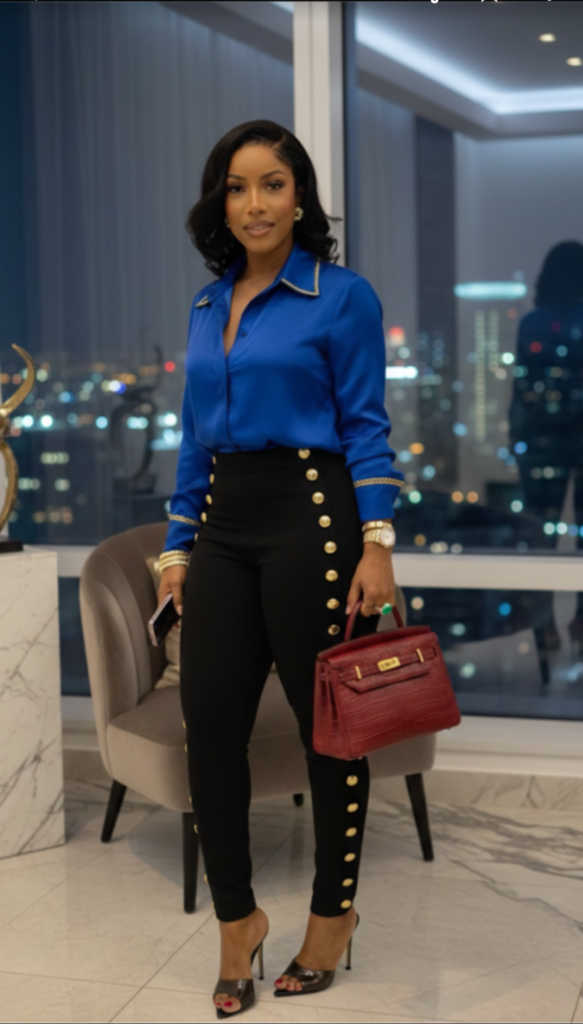
“It is so important that we don’t just look at the industrial structures, but the human ones as well. Oppression has historically stifled our potential, and Kwame Nkrumah saw this clearly. He sought to remove those oppressive elements so that Africans could improve their human situation—not superficially, but through deep, significant changes.”

ABENA OFORIWAA:
“He believed that the only way to eliminate oppression was through education and training that tapped into our own creativity, didn’t he, Auntie Joselyn?”

MS. JOSELYN DUMAS: “Exactly, Abena. And he practiced what he preached, even before he was in power. Take the story of Ghana National College.
When Nkrumah won his election while still in prison, students and teachers at Mfantsipim School were sacked simply because they had campaigned for his release and his victory. To ensure these teachers and students didn’t lose their future, Nkrumah didn’t wait for a government budget. He rented a small house in Cape Coast, named it Ghana National College, and enrolled every single one of them who had been expelled for demonstrating for him.
He knew that Ghanaians could not remain ‘illiterate peasants.’ They had to learn how to read and write—not just for the sake of a degree, but to help them recognize the very source of their oppression. He wanted to build a citizenry capable of contributing to the total transformation of Ghana and Africa.”

OKOMFO-BLACK : “So, education was a tool to sharpen the ‘inner dialogue’ you mentioned earlier? To give us the confidence to say ‘no’ to the systems that exploit us?”
MS. JOSELYN DUMAS : Precisely. Whether it was building a classroom in Cape Coast or a cocoa silo in Tema, the goal was the same: Self-Reliance. He wanted to create a future where our prosperity is produced at home, through our own minds and our own hands, rather than being determined by external markets or foreign interests.”
📝 FINAL SUMMARY FOR THE EDITION
“From Classrooms to Silos: The Blueprint for a Sovereign Nation”
In this issue, we have traced the line from the educational revolution in Cape Coast to the industrial ambition in Tema. We have seen how the ‘Ghost of 1966’ still haunts our current economic struggles. But more importantly, we have heard from the next generation—Okomfo-Black and Abena Oforiwaa—who refuse to let these visions remain in the past.
🏛️ REDEFINING DEVELOPMENT: DIGNITY OVER DATA
ABENA OFORIWAA : “But Auntie Joselyn, knowing our history is only half the battle. What about the farmers now? We can’t allow our cocoa farmers to wait for a World Bank decision or a global market shift before they are paid. The government must find a way to ensure they have a stable, monthly income. Why should the people who feed the world’s appetite for chocolate live in uncertainty?”

MS. JOSELYN DUMAS : “You’ve hit the nail on the head, Abena. We have to Redefine Development. In the eyes of some global financial actors, Ghana is still viewed as a nation unable to achieve broad-based prosperity. This perception is fueled by the reality that millions of our citizens still struggle despite decades of resource wealth. However, true development is not measured by GDP figures on a spreadsheet; it is measured by the real capability of citizens to live dignified lives.“

OKOMFO-BLACK : “That’s what Nkrumah was doing, wasn’t it? It wasn’t just about digging gold or picking cocoa.”

MS. JOSELYN DUMAS : “Exactly. His leadership was about laying the foundations of a modern society—electricity, clean water, healthcare, and infrastructure—so that every citizen could work and return home with dignity.
Today, when we see so many Ghanaians leaving the country in search of opportunity abroad, we aren’t just losing people; we are witnessing a profound loss of human potential. The ultimate challenge isn’t just the price of a cocoa bean or the latest policy from the World Bank.
The real challenge is whether Ghana can build the institutional strength, industrial capacity, and national confidence required to produce prosperity at home, rather than having it dictated to us from abroad.”
ABENA OFORIWAA : “So, prosperity isn’t something we wait for. It’s something we build.”
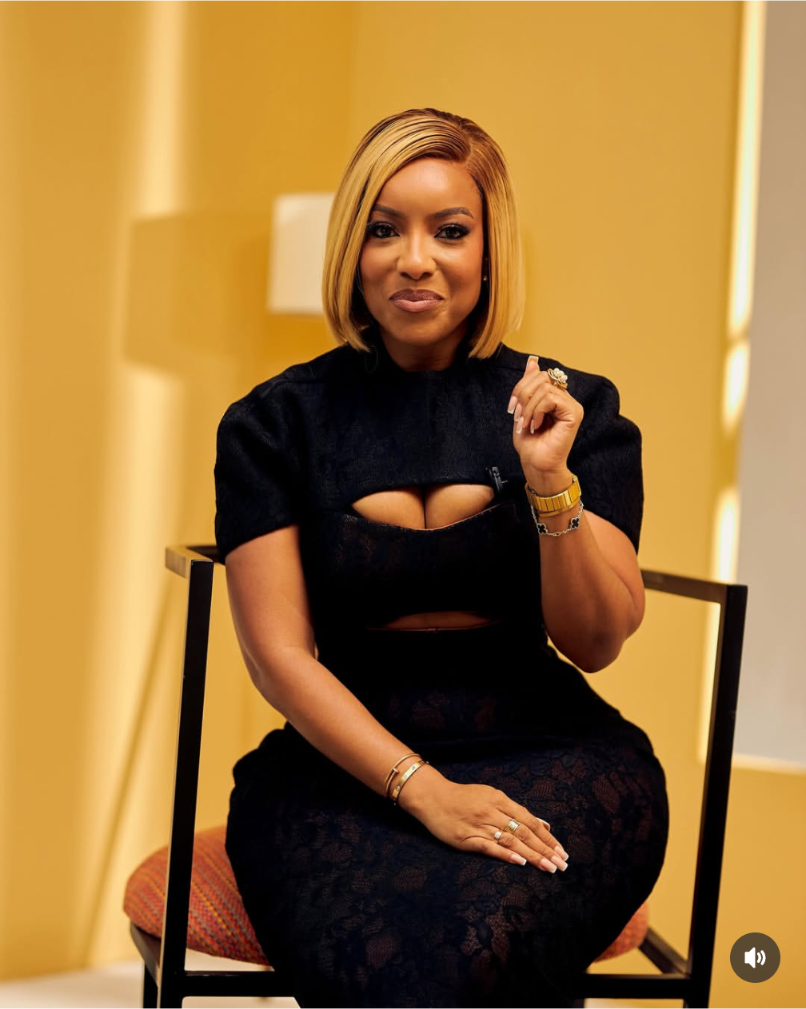
MS. JOSELYN DUMAS : “Precisely. And it starts with the belief that we are worthy of the wealth we create.”
🏁 THE EDITOR’S SIGN-OFF
“The Future is Ours to Frame”
As we close this edition of Always With Joselyn, I want to thank Okomfo-Black and Abena Oforiwaa for their courage to ask the “right” questions. To our international readers: we hope this has given you a deeper look at the heartbeat of Ghana—not as a ‘developing nation’ in need of pity, but as a sovereign powerhouse reclaiming its vision.
We are moving from a history of extraction to a future of action.
JOIN US FOR THE GLOBAL RELEASE:
🗓️ Friday, 20th February 2026
#AlwaysWithJoselyn | #DignityFirst | #TheSiloProject | #Ghana2026Would you like me to compile all these sections into one final, polished Newsletter Master Document for you to send out?
An introduction to the Soka Gakkai and Nichiren Buddhism. Where do the teachings originate from? What is the philosophy of Buddhism? How do Soka Gakkai members apply it in their daily lives?
The Soka Gakkai is a global community-based Buddhist organization that promotes peace, culture and education centered on respect for the dignity of life. Its members in 192 countries and territories study and put into practice the humanistic philosophy of Nichiren Buddhism.
Soka Gakkai members strive to actualize their inherent potential while contributing to their local communities and responding to the shared issues facing humankind. The conviction that individual happiness and the realization of peace are inextricably linked is central to the Soka Gakkai, as is a commitment to dialogue and nonviolence.
Subscribe to our channel: / sgivideosonline
Visit our website: https://www.sokaglobal…
Like us on Facebook: / sgi.info
Follow us on Instagram: / sgi.info
Follow us on Twitter: / sgi_info .


https://www.instagram.com/babies_and_todds_day_care?igsh=MWs0ZHlsbjcxNXEyZg==
BABIES AND TODDLERS
Where Little Hearts Find a Home to Grow. 🌿✨
Nestled in the heart of Windhoek, Babies & Toddlers Daycare (BTDC) is more than just a school—it’s a vibrant community. We believe that every child is a masterpiece, and our mission is to provide a nurturing sanctuary where they can grow, learn, share, and create. 🎨🤝
At BTDC, we don’t just teach; we inspire. Our curriculum is built on a humanistic philosophy, promoting:
🕊️ Peace & Culture – Celebrating our global diversity.
📚 Education with Heart – Focused on the dignity of life.
🌱 Holistic Growth – Respecting the unique journey of every child.
Join our family and give your child a foundation built on respect and joy.
📞 Connect with us: +264 81 673 7599
🌐 Explore more: www.babiestodds.com
#WindhoekParents #NamibiaEducation #EarlyChildhood #HumanisticEducation #BabiesAndToddlers

The Future of Ghana is in Bright Hands 🇬🇭
We are thrilled to feature Okomfo-Black and Abena Oforiwaa as our “Photo of the Week”! Following an inspiring dialogue with Ms. Joselyn, these two stand tall as Student Division Leaders of Wisdom and Courage.
They represent a new generation of thinkers and doers who are ready to create a New Era of Hope. To our young friends: thank you for your passion, your intellect, and for engaging so deeply in the conversations that shape our future.
✨ The journey to a brighter tomorrow starts with the courage to lead today.
A huge thank you to these young leaders for their incredible dialogue with Ms. Joselyn. The future of Ghana looks brighter than ever! 🌟📖
#Ghana #Leadership #YoungLeaders #Hope #WisdomAndCourage