







ASSUMPTA ONLINE NEWS MAGAZINE
Newsletter and Lifestyle Publication Magazine
lASSUMPTA Special Edition
Coming Monday, 23rd June 2025
NEWS : Journalism of Neglected Topics
THE LAWYER | ERDOĞAN
“The global community must put an end to Israel’s rogue behaviour that threatens both regional and global stability.”
FEATURED ARTICLES:
BILLIONS OVER BLOOD
How Business Trumps Justice in the Palestine Crisis
SOLIDARITY OR SILENCE?
The Price of Doing Business with Israel
WHEN PROFITS SPEAK LOUDER THAN LIVES
The Hypocrisy of Turkey, Egypt, Qatar, and Other Muslim Leaders on Gaza.
AFRICA’S DISILLUSIONMENT WITH ERDOĞAN
The Mask of Muslim Unity — A Call for Conscience
ADVERTISEMENT






https://www.instagram.com/hairsenta?igsh=MXAzOThhNGZ0Nm15dQ==
🌍 Hair Senta — A Life Journey of Beauty 💫
From Ghana to the world, experience the finest 100% Human Hair Extensions that make every day a celebration of your beauty. At Hair Senta, we don’t just sell hair — we take you on a journey of confidence, elegance, and self-love.
✨ Whether you’re slaying a new look or elevating your everyday style, Hair Senta has you covered with premium quality that speaks volumes.
📍 Visit us at:
24 Jungle Avenue, Accra, Ghana 00233
🖥️ Explore more: www.hairsenta.com
📞 Call: (+233) 0544354455 / 0248629769
📱 Join our community: Follow @directionbygwen, @gwen_addo, and 79+ style lovers!
👉 Hair Senta — Enjoy Yourself. Embrace the Best. Live Beautifully.

Assumpta Online – Special Edition Magazine Layout
🟣 Cover Page
- Title: ASSUMPTA ONLINE
- Subtitle: Newsletter & Lifestyle Publication Magazine
- Issue Title: Special Edition: “Billions Over Blood”
- Cover Date: Monday, 23rd June 2025
- Feature Visual: Stark photo of Gaza (e.g. ruins or a child’s eyes), with overlay text:
“WHEN PROFITS SPEAK LOUDER THAN LIVES”
🟠 Page 2: Editorial Introduction
- Headline: Welcome to the Special Edition
- Text Block:
A message from the editorial team on why this issue matters—spotlighting neglected stories, forgotten people, and uncomfortable truths.- Left sidebar: “About Assumpta Online”
- Footer: “Truth Has a Voice. We Print It.”
🔵 Page 3: Profile of President Erdoğan
- Headline: Recep Tayyip Erdoğan: Between Faith and Finance
- Left Column:
- Biography (Birth, career highlights)
- Timeline of political rise
- Right Column:
- Analysis: Trade with Israel vs. Muslim unity claims
- Pull quote:
“You cannot speak for Gaza while trading with Tel Aviv.”
🔴 4 : Feature Article Spread
Title: BILLIONS OVER BLOOD
Subtitle: How Business Trumps Justice in the Palestine Crisis
- -page spread
- Full-width image: Container ships marked “Turkey ↔ Israel”
- Paragraphs breaking down:
- Turkish-Israeli economic growth
- Weapon deals & tech exports
- Public statements vs. private trade
- Sidebar: “Follow the Money: Who Benefits?”
🟢 Page 5: Solidarity or Silence?
Title: The Price of Doing Business with Israel
- Visuals: Split photo: Gaza ruins vs. diplomatic handshake
- Bullet points on continued cooperation by Muslim states
- Infographic: “Trade volume with Israel (2015–2025)”
🎞️ Slide : Solidarity or Silence?
Title: The Price of Doing Business with Israel :
When a crisis unfolds, silence speaks. And when silence is profitable, it becomes policy.
Many governments—particularly in the Muslim world—have adopted a diplomatic neutrality that belies their public statements of outrage against Israel’s actions in Gaza.
Despite emotional speeches in international forums, countries like Turkey, Egypt, Qatar, and others have avoided taking real economic or political action that could pressure Israel.
Instead, they continue to:
- Host Israeli trade delegations
- Facilitate energy cooperation and military coordination
- Suppress local protests in support of Palestine to maintain political stability
Solidarity, it seems, is only offered when it costs nothing.
When Profits Speak Louder Than Lives
Title 6 : The Hypocrisy of Muslim Leaders on Gaza
- Leaders Featured: Erdoğan, Sisi, Qatari Emir
- Photo strip: Faces of leaders vs. victims
- Bold quote block:
“Silence in the face of injustice is complicity.”
Slide 6: When Profits Speak Louder Than Lives
Title: The Hypocrisy of Turkey, Egypt, Qatar, and Others on Gaza
In Gaza, children die beneath rubble while leaders tweet condolences and sign trade agreements.
The hypocrisy is glaring: Muslim leaders who wear the mantle of justice in front of cameras, yet finance partnerships that empower the very systems they claim to oppose.
- Turkey provides crucial economic links to Israel while its president denounces Zionism.
- Egypt controls the Rafah crossing and enforces blockades that deepen Gaza’s suffering.
- Qatar, while hosting Hamas leaders, also invests in Western institutions that support Israel.
This duplicity erodes trust not just in these leaders, but in the entire narrative of Muslim unity.
Page 7: Africa’s Disillusionment with Erdoğan
Title: The Mask of Muslim Unity – A Call for Conscience
- Left Panel:
- African perception of Erdoğan then vs. now
- Right Panel:
- Commentary: Betrayal of ideals in trade deals
- Pull Quote:
“From Lagos to Nairobi, Erdoğan’s mask is slipping.”
🎞️ Slide 7 : Africa’s Disillusionment with Erdoğan
Title: The Mask of Muslim Unity – A Call for Conscience
Across the African continent, where Erdoğan once enjoyed significant popularity for his perceived boldness against Western imperialism and support for Palestine, many are now openly disillusioned.
Africans—particularly in Nigeria, Sudan, South Africa, and Kenya—have watched closely as Turkish business ties with Israel grow despite military aggression in Gaza.
Erdoğan’s inconsistency is seen not as diplomacy, but as betrayal—another example of a leader playing both sides while innocent lives are lost. There is now a call for conscience: If Turkey truly wishes to lead the Muslim world, it must stop hiding behind rhetoric and make sacrifices that matter, even if they come at the cost of profit and global influence.
⚫ Page 8: Conclusion & Call to Action
Title: Conscience Over Commerce
- Final editorial urging readers to reflect and respond
- Action steps:
- “Ask your leaders tough questions”
- “Support ethical journalism”
- “Stand for justice – not convenience”
- Background image: Protest signs, faded into text
✅ Optional: Back Cover
- Teaser for next issue
- Subscription CTA
- Quote:
“In times of universal deceit, telling the truth is a revolutionary act.” — Orwell.
🎞️ Slide 8: Conclusion & Call to Action
Title: Conscience Over Commerce
This special edition of Assumpta Online is not just an editorial—it is a call for moral clarity.We live in an era when rhetoric is easy, but genuine action is rare.
Political leaders—especially those who present themselves as defenders of oppressed people—must be held accountable not just for what they say, but for what they do behind closed doors.Erdoğan and other regional powers cannot continue to exploit the Palestinian cause for political branding while benefiting from the very systems that perpetuate suffering.
What We Ask:
Citizens: Demand transparency. Push your leaders to align their words with their deeds.
🔹 Media: Shine light where others won’t. Refuse to let truth be buried beneath diplomacy.
🔹 Leaders: Choose justice, even when it costs you. Silence in the face of injustice is complicity.
Final Note:
History will remember who stood, who sat, and who profited while Gaza bled.
Let your voice be on the right side of that history.
Not a Popularity Contest: Why Great Leaders Make the Tough Calls
Leadership through the Lens of Nichiren Daishonin’s Wisdom
Leadership is often misunderstood. Many assume that being a great leader means being widely admired, well-liked, and always accepted. But true leadership is not a popularity contest—it is a moral and strategic commitment to what is right, even when it is uncomfortable or controversial.
In today’s geopolitical climate, we see many world leaders—particularly in the Arab Gulf and beyond—choosing billions over blood. Countries like Egypt, Saudi Arabia, Qatar, the UAE, and President Erdoğan’s Turkey have too often prioritised appeasement of Zionist-aligned business interests over decisive action to protect Palestinian lives. This pattern of behaviour reflects a deeper failure: the avoidance of moral leadership in the face of conflict.
Whether it’s refusing to hold Israel accountable, suppressing local protests in solidarity with Gaza, or shying away from sanctions and meaningful resistance, these choices are often driven by a desire to be accepted by powerful actors and global markets. But this desire to be liked comes at the cost of justice, principle, and the lives of the innocent.
Nichiren Daishonin, the 13th-century Buddhist reformer, offers a timeless mirror to this dilemma.
The Attitude of a Wise Leader
Rejoicing in Adversity – A Buddhist Perspective
Nichiren writes:
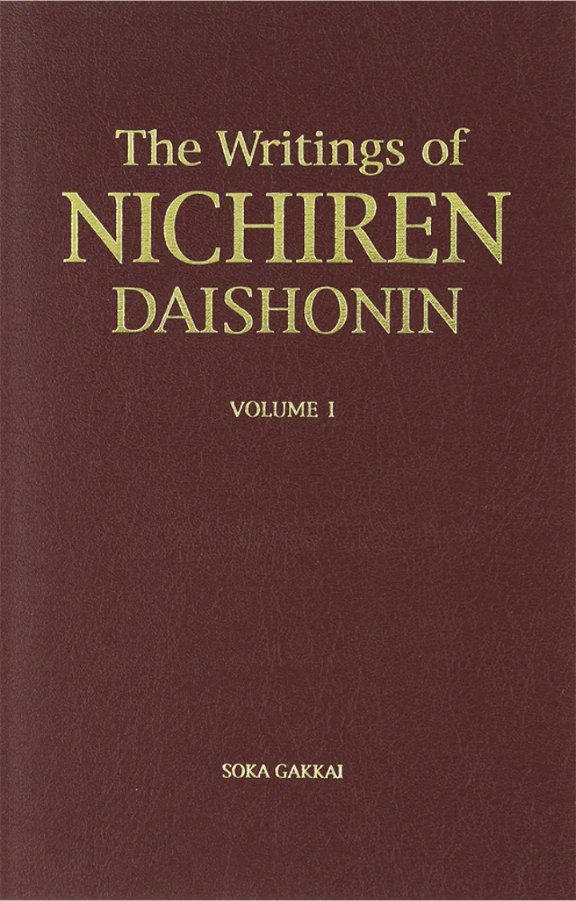
“The wise will rejoice, while the foolish will retreat.”
(The Three Obstacles and the Four Devils, WND-1, p. 568)
This principle describes two distinct reactions to hardship: the response of the wise and the reaction of the foolish.
A wise leader, deeply grounded in conviction and spiritual clarity, understands that adversity signals growth. Resistance, criticism, and pressure are not to be feared, but welcomed as opportunities to clarify values, deepen resolve, and lead with courage. They rejoice—not because hardship is easy, but because they know it is necessary for true transformation.
In contrast, the foolish leader is driven by fear—fear of rejection, of losing favour, of being criticised. In the face of a challenge, they retreat into compromise and appeasement. They trade long-term justice for short-term comfort.
This is the same attitude that leads some to say:
“I’m doing everything I can—why is this happening to me?”
But in Buddhism, this question reflects delusion—a misunderstanding of how growth unfolds. Instead, when adversity strikes, the wise say:
“Now is the time to prove my faith. Now is the time to lead with truth.”
Moral Courage Over Comfort
Just as in Buddhism, where the path to enlightenment requires overcoming inner demons, great leadership demands confronting external resistance. This may mean:
- Taking unpopular stands,
- Enforcing accountability,
- Breaking economic ties that perpetuate oppression.
Such actions may cost political capital, but they gain something far more lasting: the trust of history and the dignity of conscience.
True leadership means choosing integrity over applause, and principle over profit. In this sense, the wise rejoice in challenge, knowing it is the crucible through which true progress—whether spiritual or political—is forged.
Overview: The Politics of Deflection and Nuclear Hypocrisy
Accusing others of the very crimes you commit is one of propaganda’s oldest tricks—and it remains a staple in modern geopolitics. Few examples illustrate this better than the ongoing nuclear narrative surrounding Iran and Israel.
For more than two decades, Western powers—spearheaded by the United States and heavily influenced by Israeli intelligence—have fueled global alarm over Iran’s nuclear ambitions. Since the early 2000s, Iran has been cast as a looming nuclear threat, perpetually “a year away” from building a bomb. Yet after 23 years of inspections, sanctions, and international oversight, Iran has not produced a single nuclear weapon.
Contrast this with Israel: a nuclear-armed state that has never signed the Nuclear Non-Proliferation Treaty (NPT), maintains a doctrine of “nuclear ambiguity,” and is estimated by SIPRI to possess 80–90 warheads—developed in secret with French support during the 1950s and ’60s. Despite this, Israel not only avoids scrutiny but also leads the charge in painting Iran as the real threat.
No one has exploited this contradiction more effectively than Prime Minister Benjamin Netanyahu. Since the early 1990s, Netanyahu has made Iran’s supposed nuclear ambitions a central pillar of his political platform, repeating the same apocalyptic warnings year after year. His infamous cartoon bomb at the 2012 UN General Assembly became a symbol of this relentless campaign. The strategy has paid off: by fixating public attention on an external enemy, Netanyahu has deflected criticism, weathered corruption scandals, and solidified his grip on power.
The Real Threat
The true imbalance is striking:
- Iran remains a non-nuclear state under intense international scrutiny.
- Israel, unchecked and unaccountable, holds the region’s only nuclear arsenal.
And yet, the global narrative is inverted. This isn’t about security—it’s about strategic misdirection and narrative control. As long as this double standard persists, genuine nonproliferation and peace in the Middle East will remain elusive.
[Broadcast Dialogue: Special Feature on “Billions Over Blood”]
Platform: Global Insight Forum | Live Recorded Discussion for Assumpta Newsletter Magazine
Moderator: Serwaa Amihere
Guests: Frema Adunyame (Broadcast Journalist) & Ms. Assumpta Gahutu (Educator & Publisher)

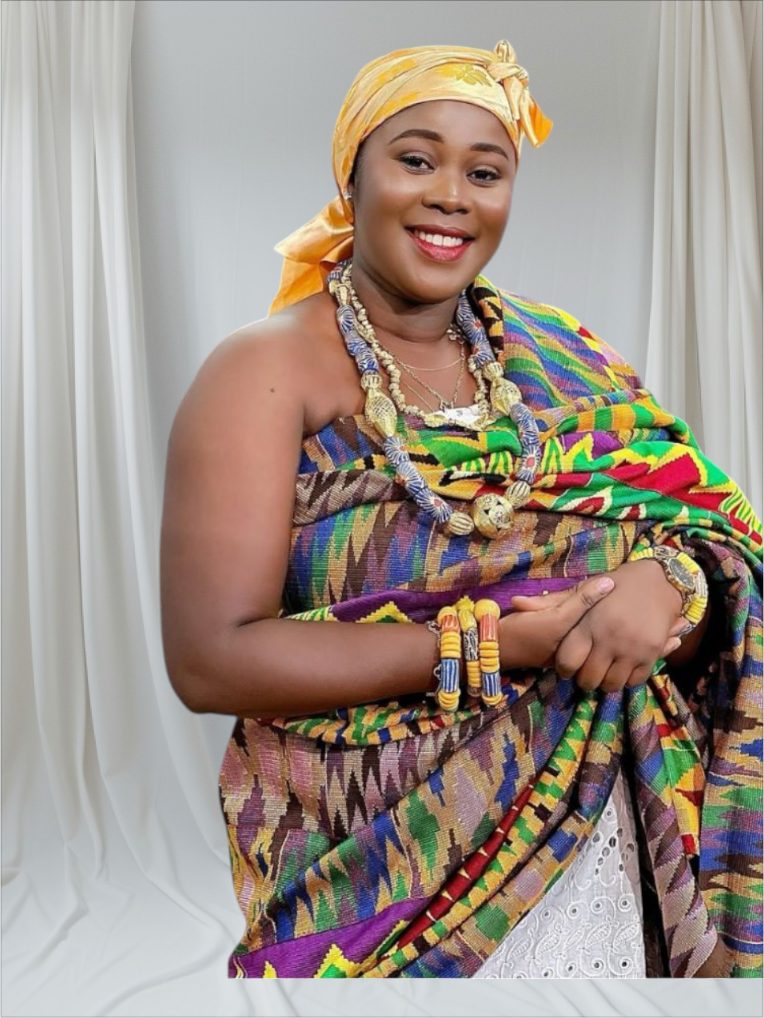


🎙️ Serwaa Amihere (Host):
“Always Accusing Their Enemies of Their Misdeeds” — The Politics of Deflection and Nuclear Hypocrisy.
Good evening, cherished readers and global citizens. I welcome you warmly to this deeply relevant conversation on a topic that merges the spheres of geopolitics, economic opportunism, and moral responsibility.
Tonight, we are joined by two phenomenal African women whose voices carry gravitas not just in Ghana but across the continent and beyond.
Joining me is Frema Adunyame, one of Ghana’s most respected broadcast journalists, known for her incisive interviewing style and fearless pursuit of political truth. Frema has led national conversations that have shaped policy and public discourse for over a decade.
Also with us is Ms. Assumpta Gahutu, co-founder of the Assumpta Newsletter Magazine Publication and Principal of Babies and Toddlers Daycare, whose dual career as an educational leader and media visionary bridges the future of African consciousness with the urgency of today’s political ethics.
Ladies, thank you for joining me on this special feature segment as we unpack the revelations contained in “Billions Over Blood” — a publication that pulls no punches in exposing double standards in international diplomacy, particularly as they relate to Israel, Iran, and the shifting face of Muslim leadership around Gaza.
Let’s begin.
🎤 Frema Adunyame:
Thank you, Serwaa. And what a piercing opening. The phrase “Always accusing their enemies of their own misdeeds” cuts to the core of what we see today in global politics — hypocrisy institutionalised, weaponised, and then marketed as diplomacy.
Let’s talk about history for a moment. The tactic of deflection, particularly when it comes to nuclear weapons, isn’t new. But Israel’s use of it — especially through the figure of Netanyahu — has been relentless and strategic. Since 1992, as you rightly outlined, Netanyahu has been the ‘prophet of doom’ on Iran’s nuclear threat. But the glaring irony, or rather tragedy, is that Israel itself not only possesses nuclear weapons — it does so in defiance of global accountability, with no NPT signature. No inspections. And zero transparency.
Meanwhile, Iran, though repressive in its own right, has endured over 20 years of surveillance and sanctions, and still has no bomb. This is geopolitical gaslighting on an epic scale. The louder Netanyahu shouts “danger,” the more silence falls around Dimona.
And now, as your newsletter highlights, we’re seeing a wider web of duplicity — not just from Israel or the West, but from those Muslim nations who preach solidarity with Gaza, while trading arms and gas with Tel Aviv. Turkey is the clearest case. Erdoğan’s voice once echoed across Africa as a brother in faith — now it rings hollow under the weight of Israeli port contracts and defence pacts.

🎤 Ms. Assumpta Gahutu:
Thank you, Serwaa. Frema’s words are powerful, and I echo her sentiments — but allow me to build from an African grassroots perspective.
As the Assumpta Newsletter framed it: “When profits become policy, people become statistics.” That line is more than a headline — it’s a haunting truth. In the daycare centres I run, I teach young African children to stand up for justice, to speak the truth, to value life. But how do we raise ethical citizens when world leaders model the exact opposite?
Erdoğan is a complex figure. He champions Islam in his speeches. He names his children after Ottoman warriors. Yet behind the scenes, Turkish firms are laying foundations in Israeli cities — even as Gaza’s homes crumble into dust. In Africa, we feel this betrayal acutely. We once wore Erdoğan pins, waved Turkish flags during his state visits. Now, from Lagos to Nairobi, there is disillusionment. Muslim leaders who once shouted “Free Palestine!” now build gas pipelines with those blockading it.
Even Egypt, sitting next door to Gaza, collaborates in sealing its borders. And Qatar, while funding humanitarian aid, keeps silent on arms deals and Israeli airspace logistics. This duplicity is not just hypocritical — it’s deadly.
So when we talk about “Billions Over Blood,” we must also ask: Who is counting the corpses? And who is counting the contracts? Because one list is buried, and the other is banked.

🎤 Serwaa Amihere:
That contrast between the buried and the banked is heartbreaking. This brings me to the visual layout suggestions mentioned in the newsletter: photos of leaders in tailored suits shaking hands alongside imagery of children in rubble and hospitals. This is not just a political critique. This is a moral indictment.
Frema, let me ask you this: Do you think the international media, especially Western media, is complicit in upholding this hypocrisy?
🎤 Frema Adunyame:
Serwaa. Media narratives shape public opinion, and in many cases, those narratives are rigged to favour the interests of the powerful. Israel’s strategic PR — from the Netanyahu “bomb cartoon” at the UN to the suppression of voices like Shireen Abu Akleh — is mirrored by media complicity. The disproportionate coverage of Israel’s “right to defend itself” versus the muted reporting on Palestinian casualties is telling.
And when Muslim leaders engage in contradictory behaviour, Western outlets rarely follow the money. Erdoğan’s speeches get headlines. His defence contracts get footnotes — if mentioned at all.
That’s why platforms like Assumpta Newsletter are crucial. We need African-led journalism that connects the dots others won’t — that says, “Look here, this handshake killed someone.”
🎤 Ms. Assumpta Gahutu:
Frema is spot on. And to your question, Serwaa, the complicity isn’t just the media. It’s educational too. What do our children learn about the world? About power? About the truth? Is that it’s negotiable?
I founded my magazine because I wanted to push a counter-narrative — one that says ethics matter, even in war. One that demands Conscience Over Commerce.
And I call on African youth: Don’t inherit this silence. Break it.

Serwaa Amihere:
This brings us to an essential reflection: what kind of leadership do we need now?
Incorporating Nichiren Daishonin’s perspective helps us distinguish between leadership that merely reacts to pressure and leadership that transforms adversity into moral purpose.
Frema Adunyame:
“Not a Popularity Contest: Why Great Leaders Make the Tough Calls” reminds us that leadership is not about basking in public favour but about standing firm in moments when truth feels inconvenient. The moment leaders begin calculating their decisions based on applause rather than principle, they forfeit the very essence of leadership..
Ms. Assumpta Gahutu:
We are witnessing a crisis of conscience in global politics. Nations that boast of their strategic foresight and diplomatic finesse often fall short when moral clarity is demanded. Choosing billions over blood, silence over justice, and neutrality over action has become all too common. But silence in the face of injustice is not neutrality—it is complicity.
As Nichiren writes, “The wise will rejoice, while the foolish will retreat.” This is not simply a call to bravery—it is a call to responsibility. The wise do not seek adversity for its own sake, but when it comes, they rise to meet it. Why? Because adversity is the proving ground of leadership.
In this light, true moral courage is not just about speaking out—it’s about being willing to lose something to stand for something. It may mean risking political alliances, financial advantage, or even one’s popularity to uphold the dignity of human life.
This isn’t abstract idealism. It is the very foundation of ethical leadership—Buddhist, political, or otherwise. And in today’s global reality, where injustice is often met with calculated silence, this kind of leadership is not only rare—it is revolutionary.
Leadership that matters does not wait for permission. It creates precedent.
It does not echo the comfortable narratives of empire or profit—it challenges them, even at great cost.
So let the world remember: being liked is fleeting. But standing up when it counts—that lives forever.
🎤 Frema Adunyame:
And Serwaa, that brings us directly into this next layer of reflection — the idea that true leadership isn’t about being liked. This isn’t a popularity contest. Leaders who cave to pressure — whether economic, diplomatic, or ideological — are not leading.
They’re negotiating their integrity. This is where Nichiren Daishonin’s words pierce through the haze. “The wise will rejoice, the foolish will retreat.” That’s spiritual leadership. Moral leadership. And it’s exactly what’s missing when countries like the UAE, Egypt, and Turkey prioritise optics over justice — when they sign trade agreements with Israel, while children in Rafah are pulled from the rubble.
The killing of Palestinian civilians — women, children, doctors, journalists — isn’t just tragic. It’s criminal. Under the Geneva Conventions, collective punishment, targeting of civilian infrastructure, and the disproportionate use of force all constitute grave breaches of international humanitarian law. Yet, where are the sanctions? Where is the global outcry with teeth?
🎤 Ms. Assumpta Gahutu:
Exactly, Frema. And I must say, this moral double standard is exhausting. If any African country had done even a fraction of what Israel has done to Gaza, it would be under full sanctions, ICC trials, and UN interventions.
Let’s be specific:
- The targeting of schools, hospitals, and UN shelters violates the Fourth Geneva Convention.
- The forced displacement of over 1.5 million Gazans is a breach of Article 49.
- The killing of journalists, like Shireen Abu Akleh, is a direct attack on protected persons under international law.
And what has been the consequence? Impunity.
Instead of enforcing international law, global powers reward Israel with arms deals and economic normalisation.
We cannot call this anything but complicity.
Nichiren Daishonin’s wisdom teaches that adversity reveals character. And today’s leaders are being tested — not by comfortable speeches, but by the blood in Gaza’s streets. Those who fold under that weight are retreating into what Nichiren calls “the darkness of delusion.”
🎤 Serwaa Amihere:
Yes, Assumpta. And this idea of rejoicing in adversity—not in a celebratory sense, but in a courageous one — reminds me how few leaders are willing to walk through the fire of unpopular truth.
It’s easy to light up a building in your capital with the Palestinian flag. It’s harder to halt arms sales, cut trade ties, or challenge Israeli policy on the global stage. Let’s remember that Israel’s expansion of illegal settlements in the West Bank has been condemned over 200 times in UN General Assembly resolutions — and still, bulldozers keep rolling, olive groves keep burning, and families keep mourning. And so, we ask: Where are the wise? Who will rejoice in the truth, even if the world rejects them for it ?Because that is leadership. Not a photoshoot. Not a press release. But moral courage. As you said, Frema, choosing integrity over applause.

🎤 Frema Adunyame:
And we have to say it plainly: what is happening in Gaza isn’t just a political failure — it’s a humanitarian collapse, a moral disgrace, and a legal crisis all rolled into one. And when we normalise the normalisation — when we accept the handshake over the hand raised in protest — we are complicit in that collapse. If African leaders, if Muslim leaders, if global citizens truly believe in justice, then they must lead not with noise, but with noncompliance. That is where Nichiren’s teachings meet the battlefield of history.
🎤 Ms. Assumpta Gahutu:
That’s the call. Leadership means sacrifice. It means risking trade deals, losing favour, being isolated — all to stand where humanity is falling. As Buddhists say, “Now is the time to prove our faith.”In the end, history won’t remember who built the tallest skyscraper or signed the most contracts. It will remember who stayed silent while civilians were massacred — and who rose, not for power, but for principle.
🎙️ Serwaa Amihere (Closing Continuation):
Let the record reflect: silence in the face of systematic killing is not neutrality — it’s betrayal. Let this be our reminder and our warning: that leadership, real leadership, is not built on the backs of the oppressed. It is forged in the fire of moral clarity. And the world is watching.

🎤 Ms. Assumpta Gahutu:
If we look at this entire pattern — from economic partnerships to diplomatic normalisation with Israel, all while Palestine bleeds — it begins to resemble not diplomacy, but extortion in soft power clothing. Arab leaders are not merely passive. They are strategically leveraging the Palestinian cause as a bargaining chip — signalling outrage in public while privately trading silence for security deals, investment guarantees, and political insulation. This is not leadership. It’s transactional betrayal.
🎤 Frema Adunyame:
And Assumpta, what makes it worse is that the Palestinian struggle becomes a currency in backroom negotiations. These leaders use symbolic gestures — speeches, aid convoys, press releases — while doing nothing to dismantle the system of apartheid or halt the daily war crimes committed with impunity. This selective solidarity is a tool. They show up in the streets for optics, but go quiet in the boardroom. That is extortion of public trust. Worse still, they extort moral capital — pretending to be the voice of conscience to their people, while knowingly appeasing the very systems oppressing Palestinians. It’s a double game.
🎤 Serwaa Amihere:
So let’s be clear for our readers, globally:
This is not just hypocrisy. This is moral extortion. Arab leaders — from Ankara to Abu Dhabi — are effectively saying:
“We will only speak for Palestine as long as it doesn’t cost us our military contracts, foreign investments, or Western praise.”
That is not solidarity. That’s using Gaza as leverage—not to free it, but to bargain for themselves. And meanwhile, the real price is paid in Rafah, Khan Younis, Nuseirat… where homes become graves. Nichiren Daishonin would call this the cowardice of the deluded. True leadership, he taught, is not afraid of isolation. It is willing to walk alone for what is right.
So yes, call it what it is: extortion of the Palestinian cause for political and economic self-preservation. It’s not just the silence that betrays.
It’s the strategy behind the silence — the deals signed beneath the ruins. And the question for every African, every Muslim, every global citizen becomes:
Will we stand with truth, or will we be sold the illusion of it? Because in this crisis, neutrality is a myth. And complicity is policy.
Frema Adunyame:
We’ve reached the point where speeches are no longer enough. As journalists, educators, mothers, and global citizens, we must strip away the performance and confront the price of appeasement. Because the day will come when history asks not what we said, but what we refused to say.
“So let us write this clearly, “Billions Over Blood” is not just a title. It is a verdict.
And it won’t be reversed by PR campaigns or flag-waving. Only by leaders and people who are willing to choose justice, even when it costs.
Until then, we mourn. But we also expose.
And we demand better.

🎙️ Serwaa Amihere (Closing):
Thank you, Ms. Gahutu. Thank you, Frema. You have reminded us that journalism is not just about telling stories — it is about telling the right stories. And sometimes, the right story is the one no one wants told.
To our global readers: ask questions, follow the trade routes, and do not mistake silence for peace. As George Orwell once said, “In times of universal deceit, telling the truth is a revolutionary act.”
This has been the Global Insight Forum, in partnership with Assumpta Newsletter Magazine.
Let the revolution begin — with truth.
OUR SHARED HUMANITY.


