





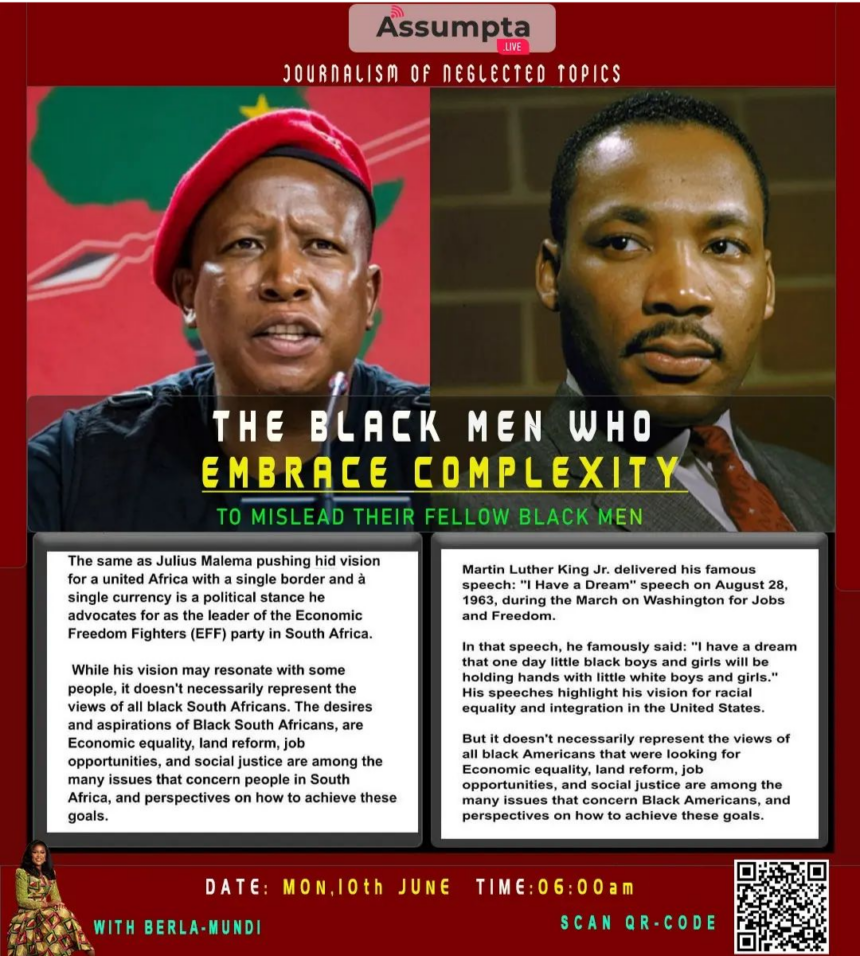
Title:The Black Men Who Embrace Complexity
To mislead their fellow black men!
Content: “If a man is not willing to fight for his ideas, either his ideas are worth nothing, or he is worth nothing.” Is Julius Malema’s party, the EFF, on the front line to defend Black South Africans and this extraordinary country, and to secure a future of peace for our children?
With BERLA-MUNDI, Ghana’s best, finest and number one broadcast journalist.
A special edition coming on Monday 10th June 2024: Time: 06:00 am
:Journalism of Neglected Topics:
Prologue:
“If a man is not willing to fight for his ideas, either his ideas are worth nothing, or he is worth nothing.”
In the spirit of these powerful words, one must ask: Is Julius Malema’s party, the Economic Freedom Fighters (EFF), standing resolutely on the front line to defend the dignity and rights of Black South Africans and this extraordinary nation? Are they striving with unwavering determination to secure a future of peace and prosperity for our children, ensuring that the dreams of today become the realities of tomorrow?

The scenic beauty of South Africa
Introduction :
South Africa, a land of breathtaking beauty and profound complexity, continues to navigate the tumultuous waters of its post-apartheid era. The nation’s journey toward true equality and justice is marked by both significant strides and persistent challenges. Amidst this landscape, the voices advocating for radical change have grown louder, with none more prominent than Julius Malema and his party, the Economic Freedom Fighters (EFF).
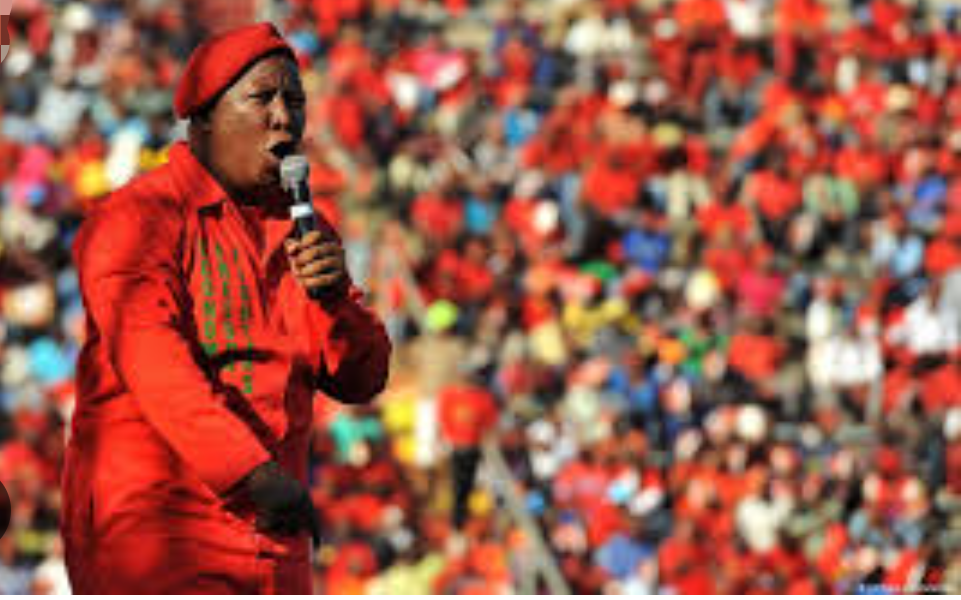
The EFF, with its bold rhetoric and uncompromising stance, has positioned itself as a champion of the marginalised and disenfranchised. But as the party pushes for sweeping reforms and economic emancipation, it raises important questions:
(1) Can their vision for South Africa create a sustainable and inclusive future?
(2) Will their fervour for transformation foster unity or sow further division?
In exploring these questions, we delve into the heart of the EFF’s mission and actions. We examine their impact on the sociopolitical fabric of the nation and consider the implications for future generations. Our aim is to understand whether the EFF’s struggle is indeed paving the way for peace and prosperity, or if it risks entrenching the very conflicts it seeks to resolve.
This introduction sets the stage for a deeper exploration of the EFF’s role in contemporary South Africa, framing the party’s actions and goals within the broader context of the nation’s ongoing quest for equality and justice.
South Africa Elections Final Results: What Happens Next?
The African National Congress (ANC) has lost its parliamentary majority and will need coalition partners to surpass 50 percent of the votes and form a government.
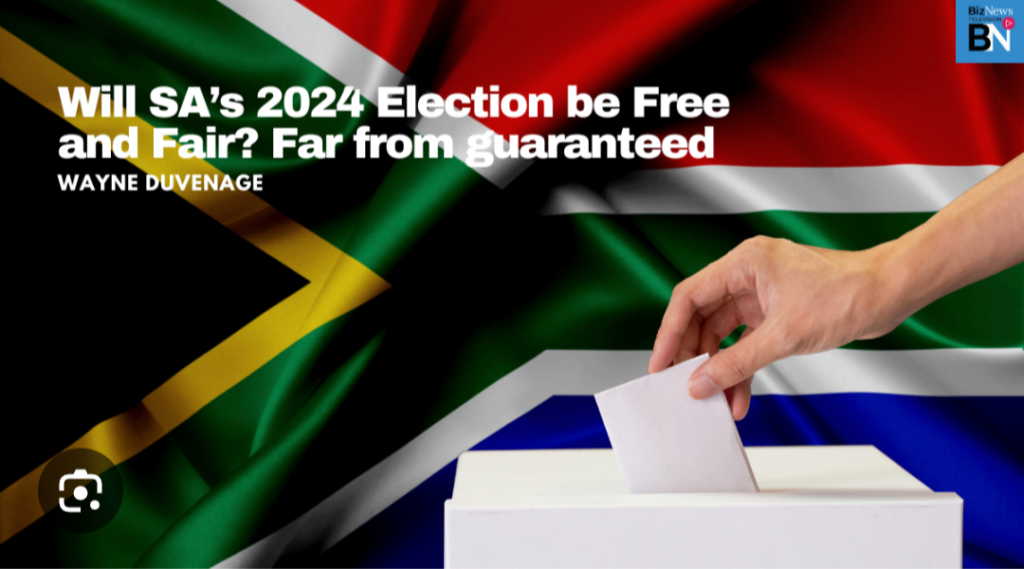
Election Results Breakdown
-African National Congress (ANC): 40.18%
– Democratic Alliance (DA) : 21.81%
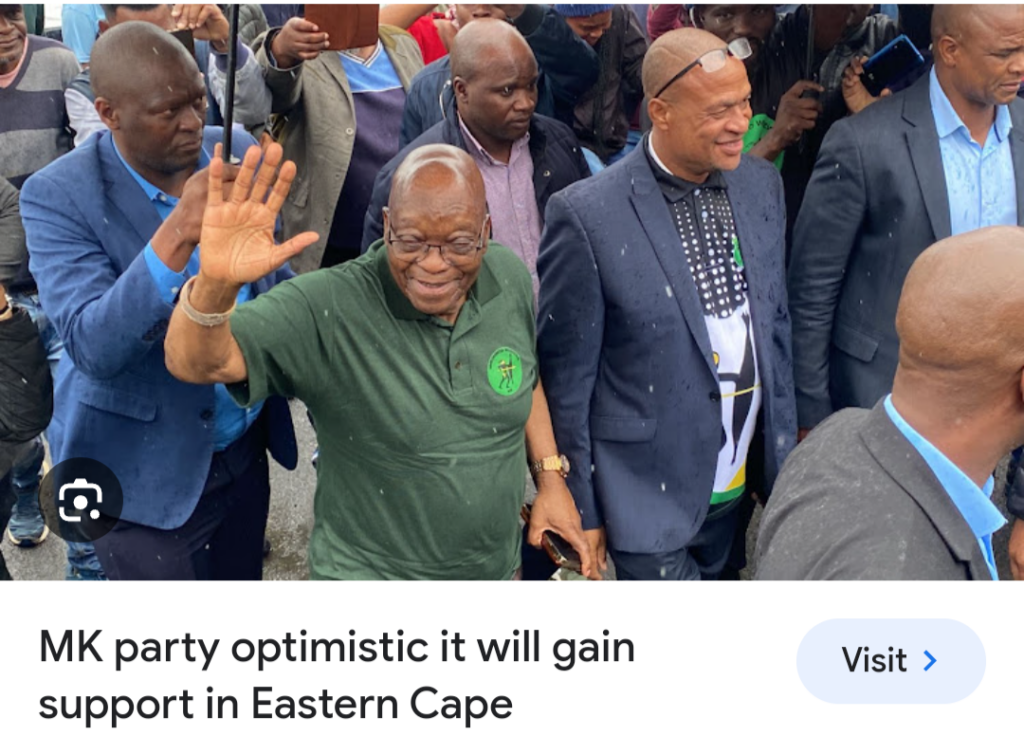
- MK Party : 14.58%
– Economic Freedom Fighters (EFF): 9.52%
For the first time since the end of apartheid in 1994, the ANC has fallen short of a majority, marking a significant shift in South Africa’s political landscape. This outcome requires the ANC to negotiate with other parties to form a coalition government.
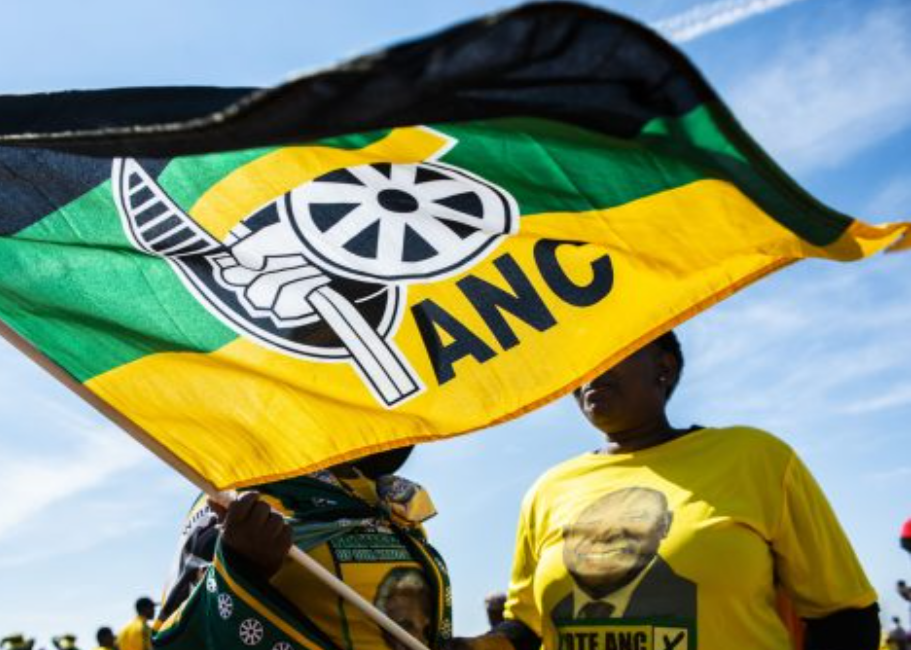
The Path Forward
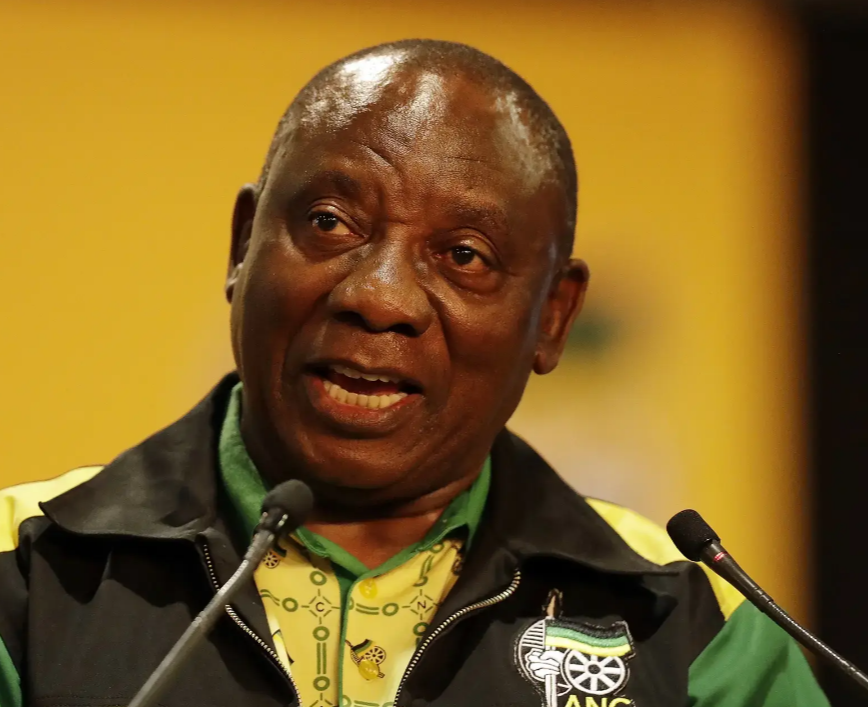
1. Coalition Talks : The ANC will need to engage in discussions with other parties to form a stable government. Potential partners could include the MK Party and possibly the EFF, given their combined vote share could surpass the 50 percent threshold needed for a majority.
2. Negotiations and Concessions : Coalition negotiations will likely involve significant compromises. The ANC will need to align some of its policies with those of its coalition partners to secure their support.
3. Policy Implications : The formation of a coalition government may lead to a shift in policy direction. Each coalition partner will bring its priorities to the table, potentially influencing economic policies, social programs, and governance reforms.
4. Leadership Changes: Leadership roles within the coalition will be a critical aspect of the negotiations. The ANC, despite its reduced majority, will aim to retain key leadership positions, but may need to share power to maintain coalition harmony.
5. Public Response: The election results and subsequent coalition formation will be closely watched by the public. There may be a period of political uncertainty and adjustment as the new government takes shape.
Impact on South Africa
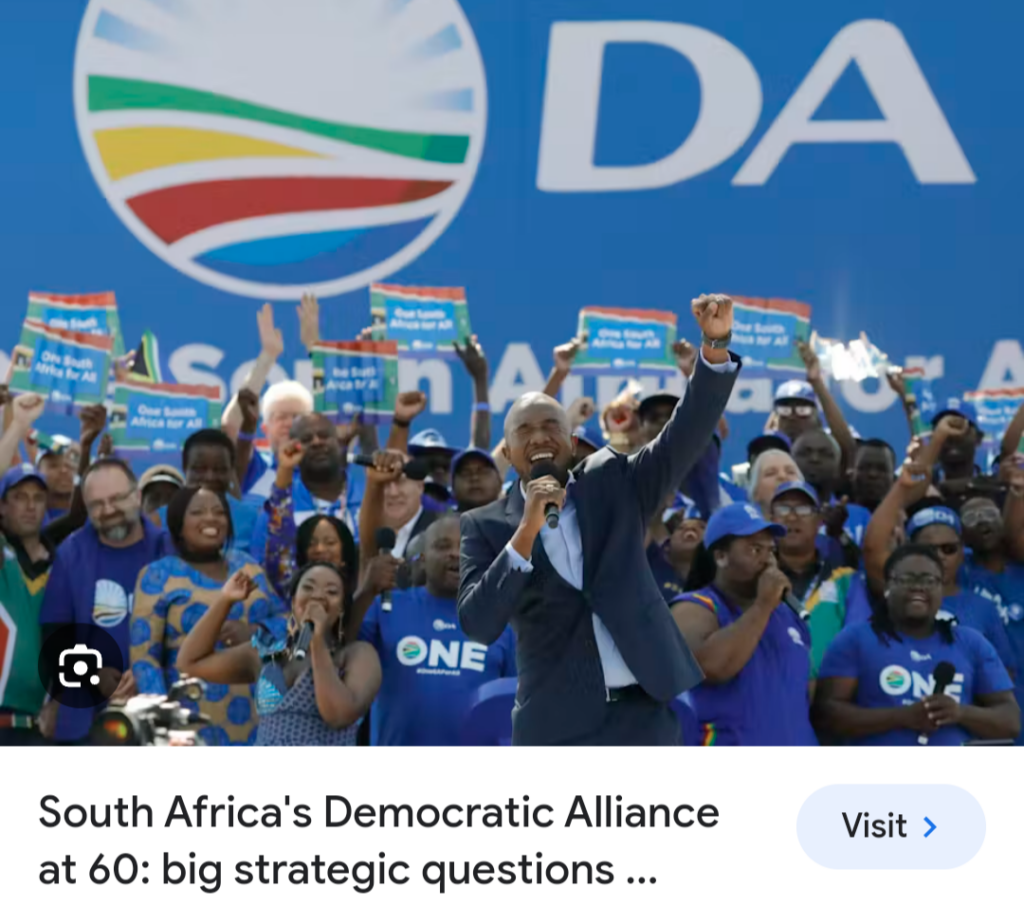
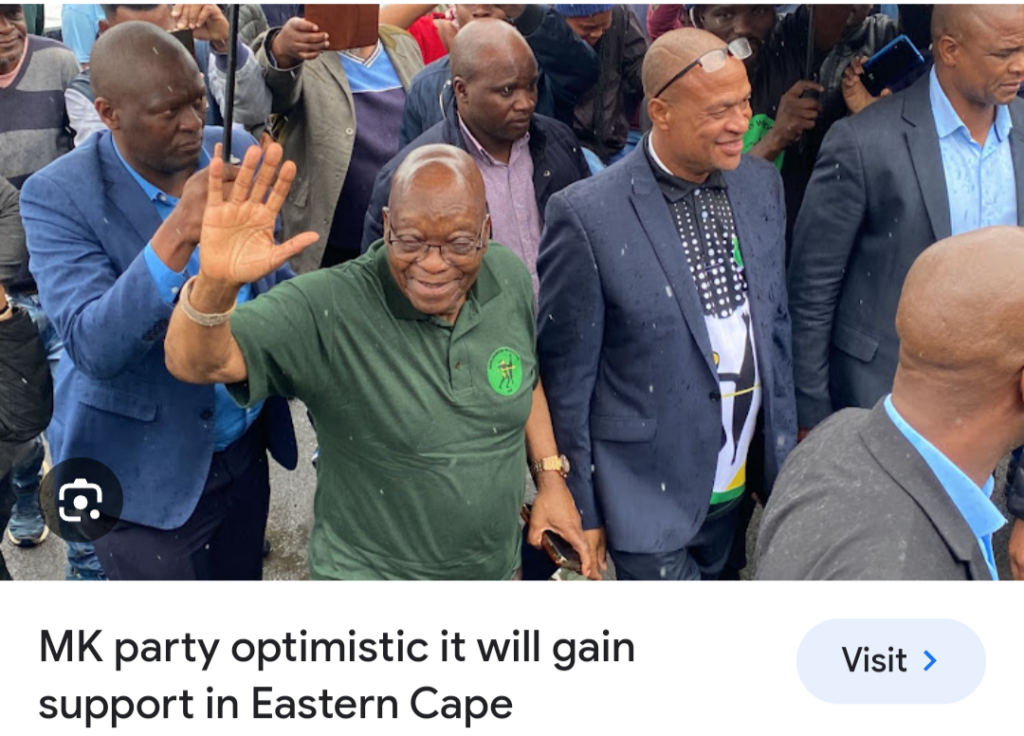
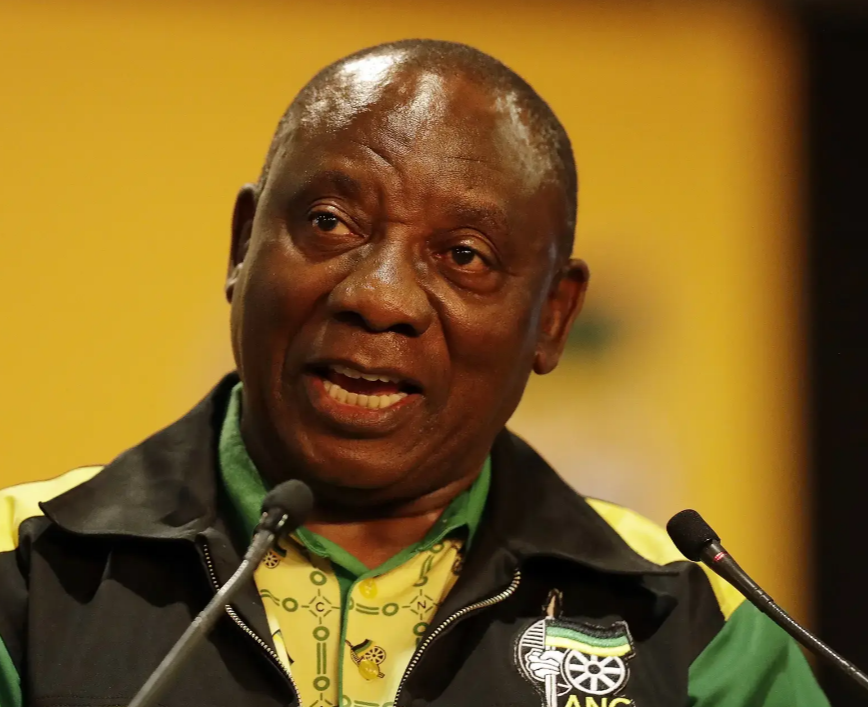
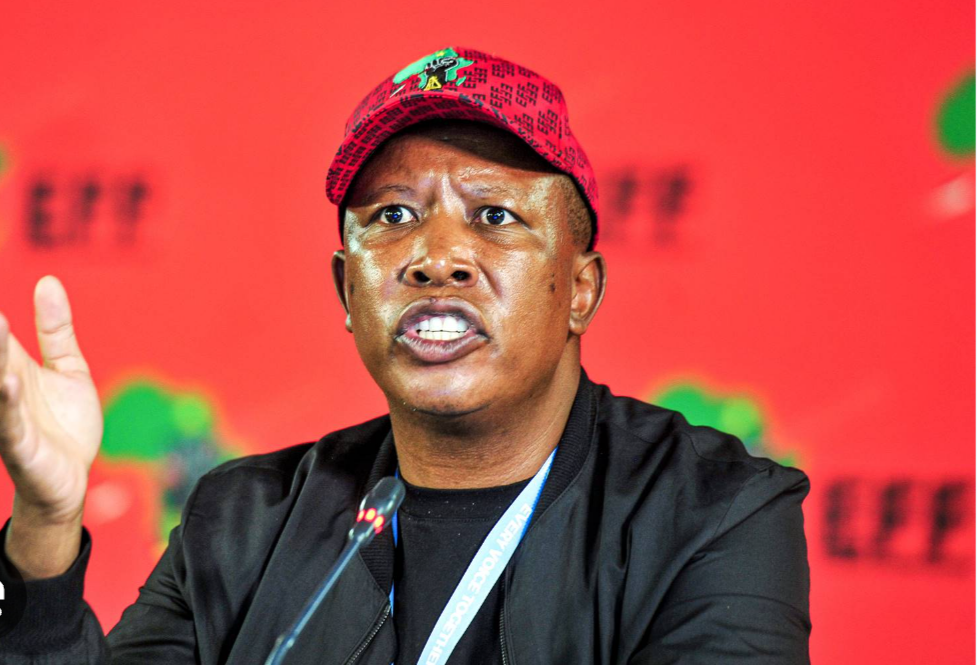
Economic Policies : Will coalition government result in a more diverse set of economic policies, reflecting the priorities of multiple parties? Will this lead to a balanced approach addressing both economic growth and social inequality?
Very Important:
Social Programs: Will social programs see shifts based on the influence of coalition partners, particularly if parties like the EFF have a say in policy-making?
Governance Reforms : Will the necessity of coalition governance drive reforms aimed at increasing transparency and reducing corruption, addressing some of the criticisms faced by the ANC?

Berla-Mundi in Conclusion :The recent election marks a turning point in South Africa’s political landscape. As the ANC navigates the complexities of forming a coalition government, the country faces a period of transition and potential change. The outcomes of these negotiations will shape the future direction of South Africa, impacting its governance, policies, and overall stability.

TSASI: Domestic Controversy and Symbolism :The recent election highlights both the ANC’s current weakness and the enduring strength of apartheid-era structures in maintaining control over black South Africans. Despite the formal end of apartheid in 1994, many systemic inequalities and power dynamics persist, influencing voter and political outcomes.
ANC’s Weakness:
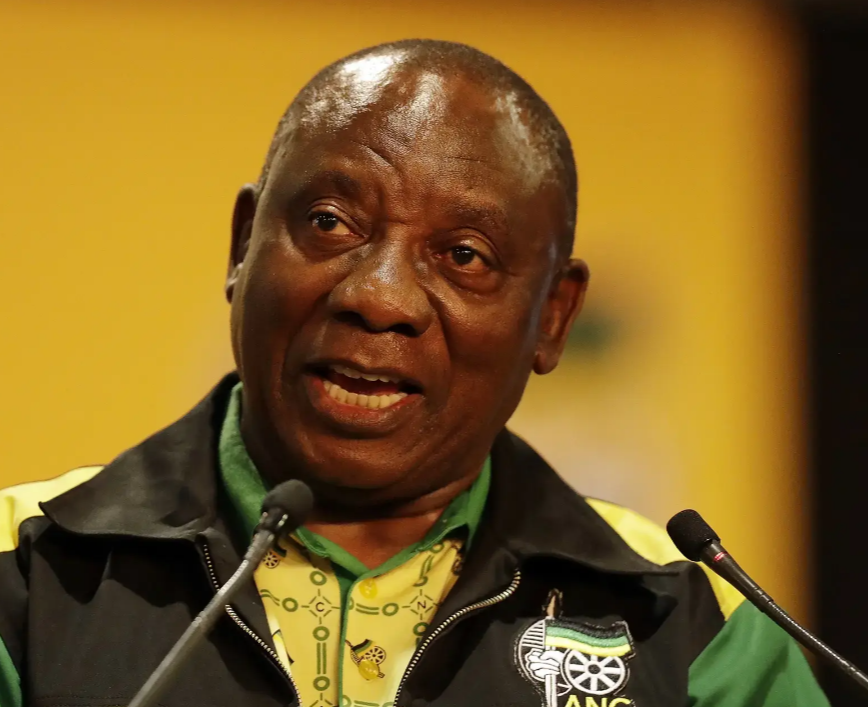
The ANC’s reduced vote share reflects widespread dissatisfaction with its governance, particularly issues of corruption, economic inequality, and service delivery failures.
Enduring Apartheid Legacy:
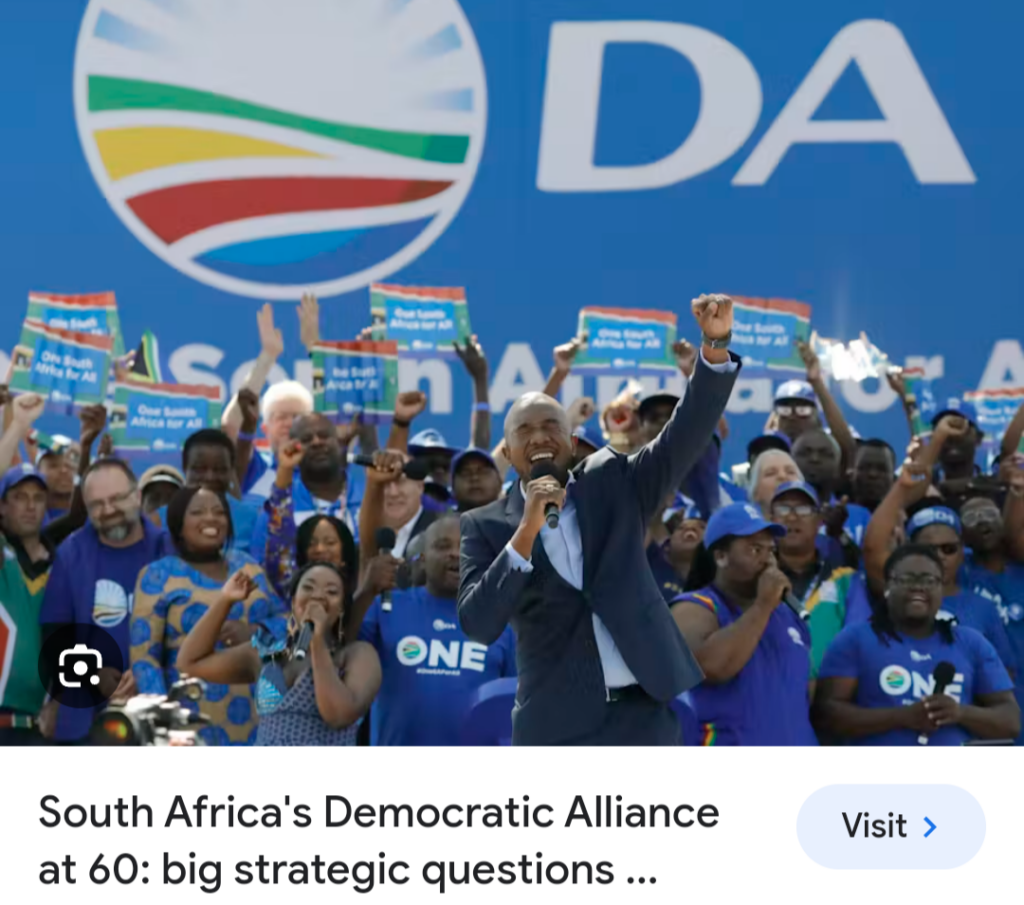
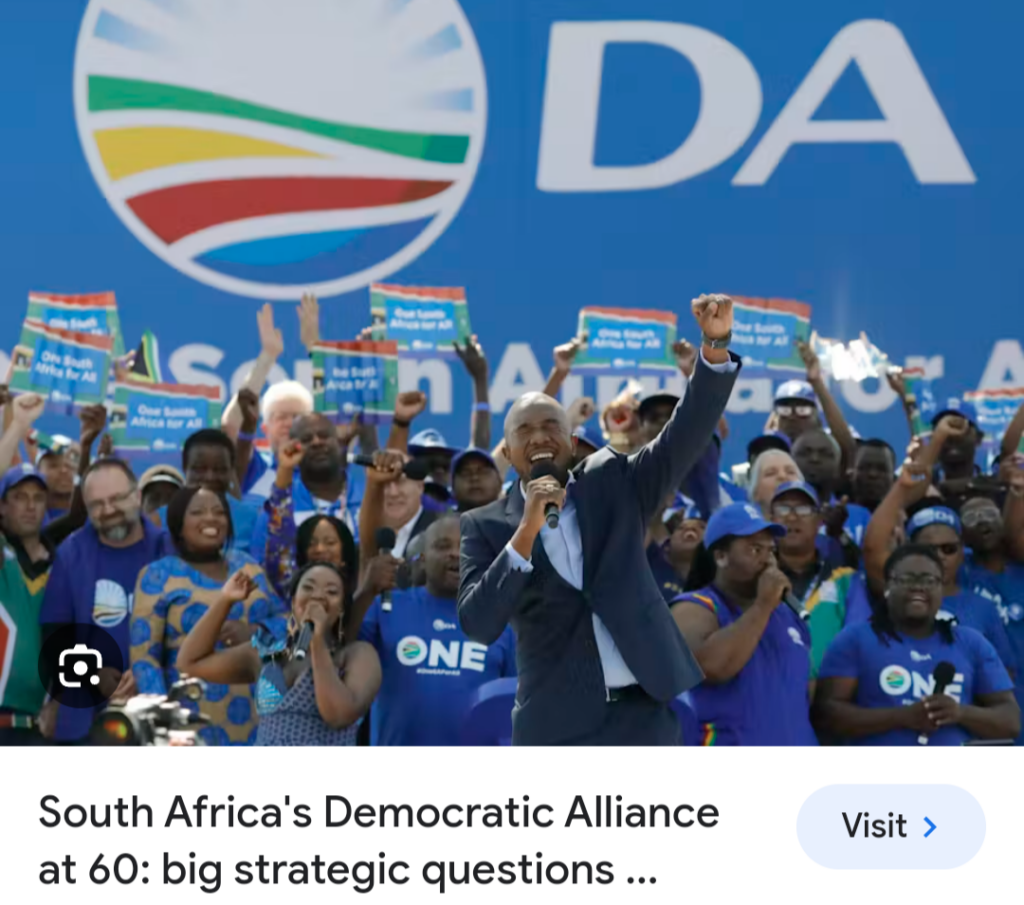
The Democratic Alliance (DA), often seen as a party representing white and affluent interests, gaining a significant portion of the vote underscores the lasting influence of apartheid-era divisions. This dynamic continues to shape South African politics, with racial and economic disparities still prominent.
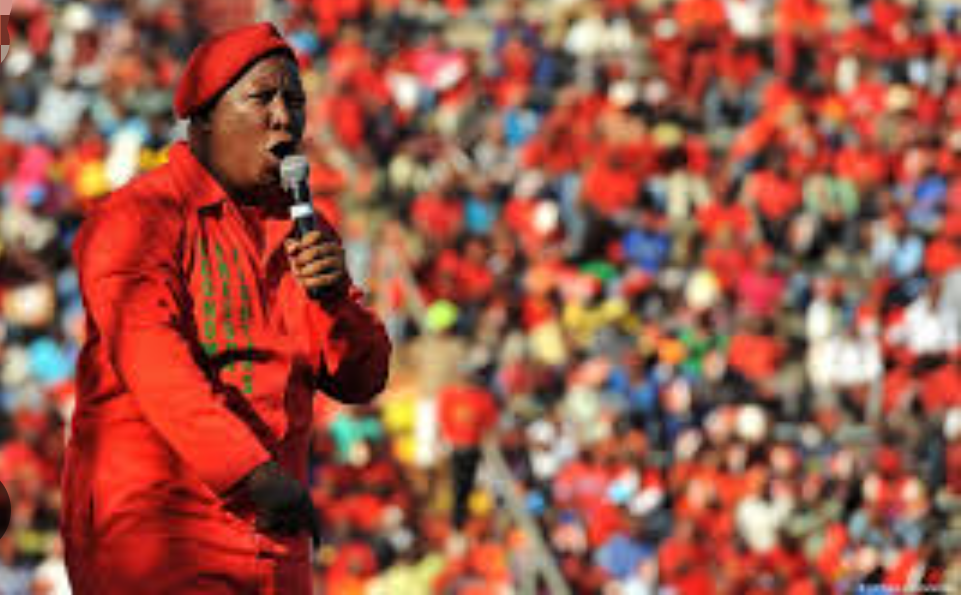
Impact on South Africa Economic Policies:
A coalition government could result in a more diverse set of economic policies, reflecting the priorities of multiple parties. This might lead to a balanced approach addressing both economic growth and social inequality.
Social Programs: Social programs could see shifts based on the influence of coalition partners, particularly if parties like the EFF have a say in policy-making.Governance Reforms:

Berla-Mundi :The African National Congress (ANC) has ruled South Africa since April 27, 1994, following the country’s first democratic elections. As of June 2024, the ANC has been in power for 30 years. However, there has been significant criticism of the ANC government in recent years. Critics argue that despite the end of apartheid, the ANC’s policies and governance have not effectively addressed economic disparities, resulting in continued poverty and economic oppression for many black South Africans. The persistence of high unemployment rates, inequality, and inadequate service delivery are often cited as evidence of these failures.

Criticism of the ANC’s Governance:
1. Economic Challenges: Inequality: Despite the end of apartheid, South Africa remains one of the most unequal societies in the world. Wealth and economic opportunities are still disproportionately concentrated among the white population and a small black elite, while many black South Africans live in poverty.
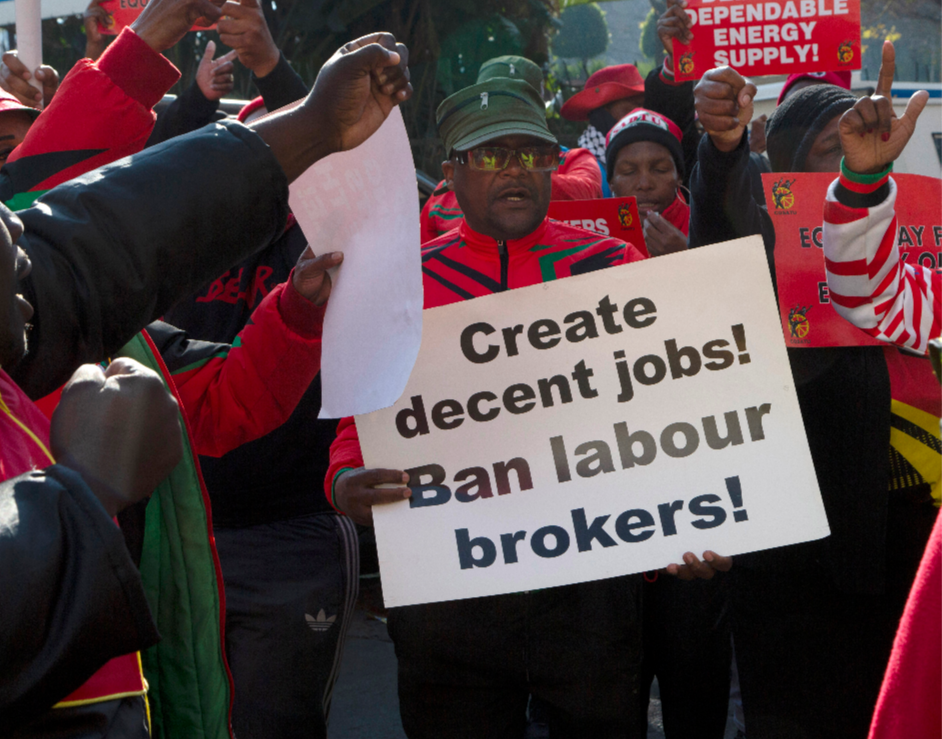
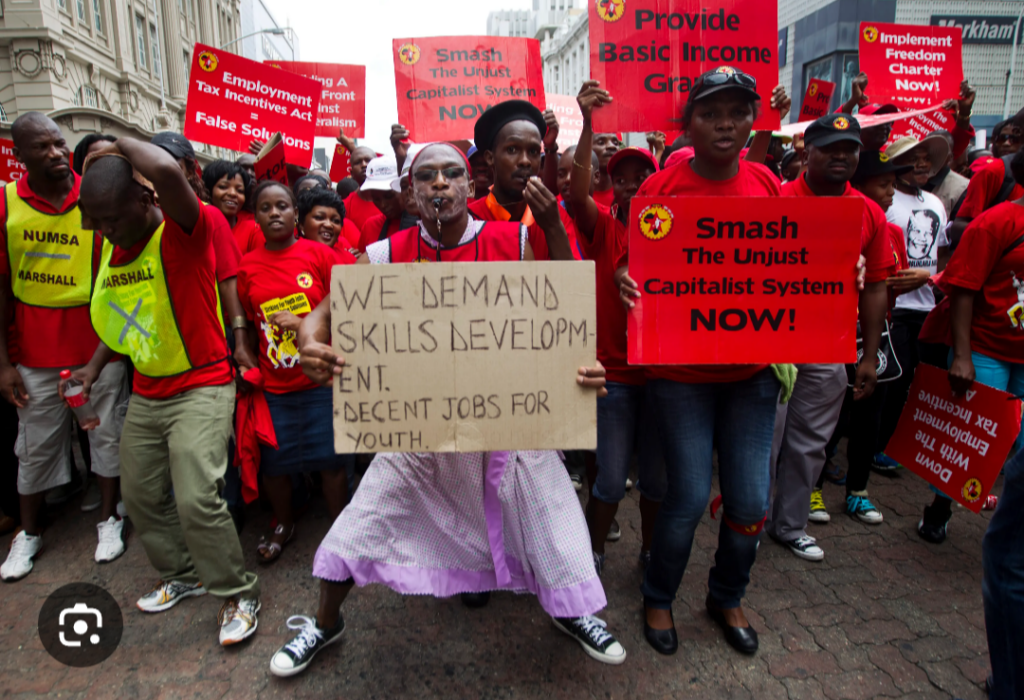
Unemployment: South Africa has persistently high unemployment rates, particularly among the youth. This has been a significant barrier to economic mobility and stability for many citizens.
Corruption: Corruption scandals have plagued the ANC, particularly under the presidency of Jacob Zuma, leading to a loss of public trust and mismanagement of public resources.
2. Service Delivery:
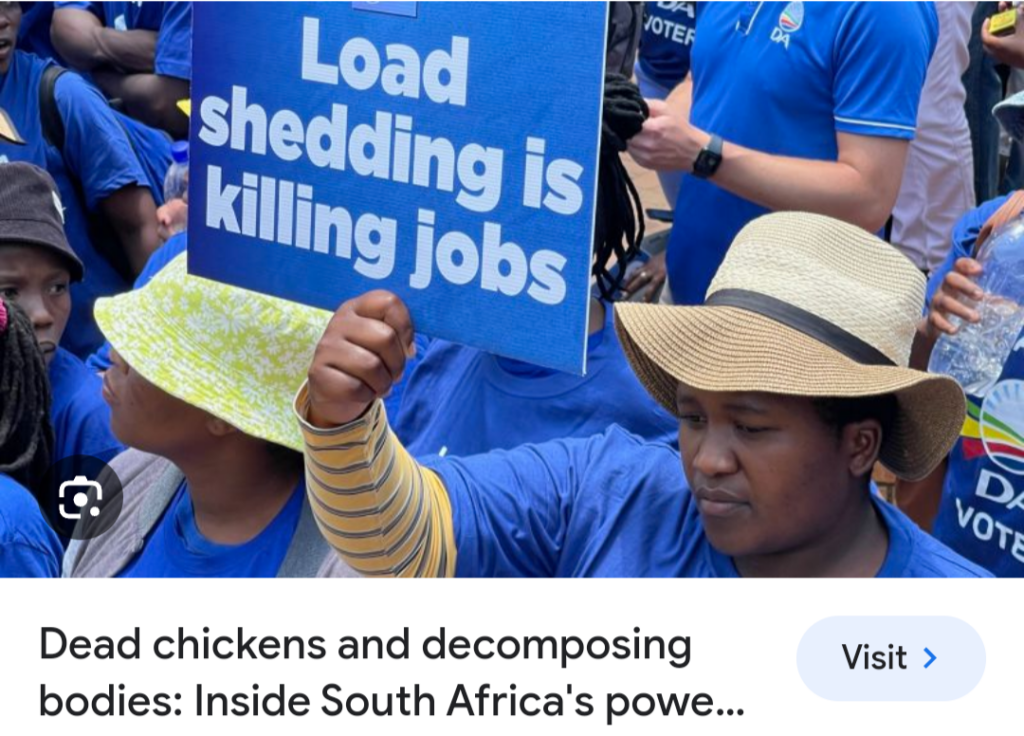
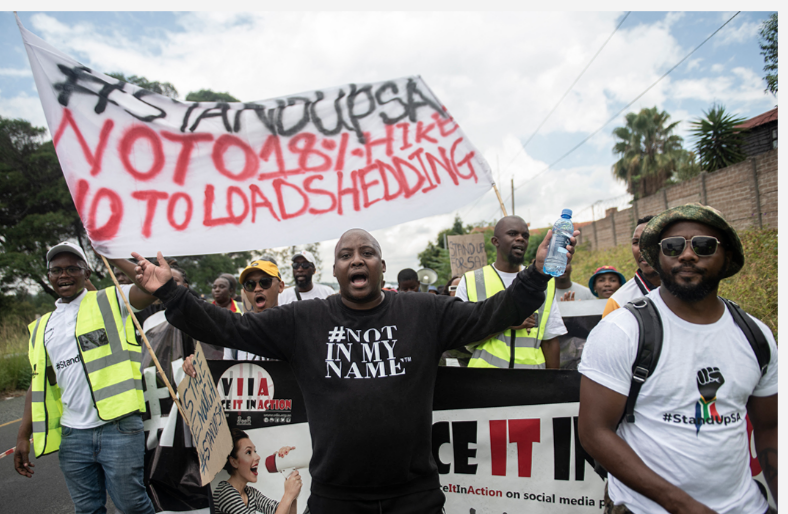
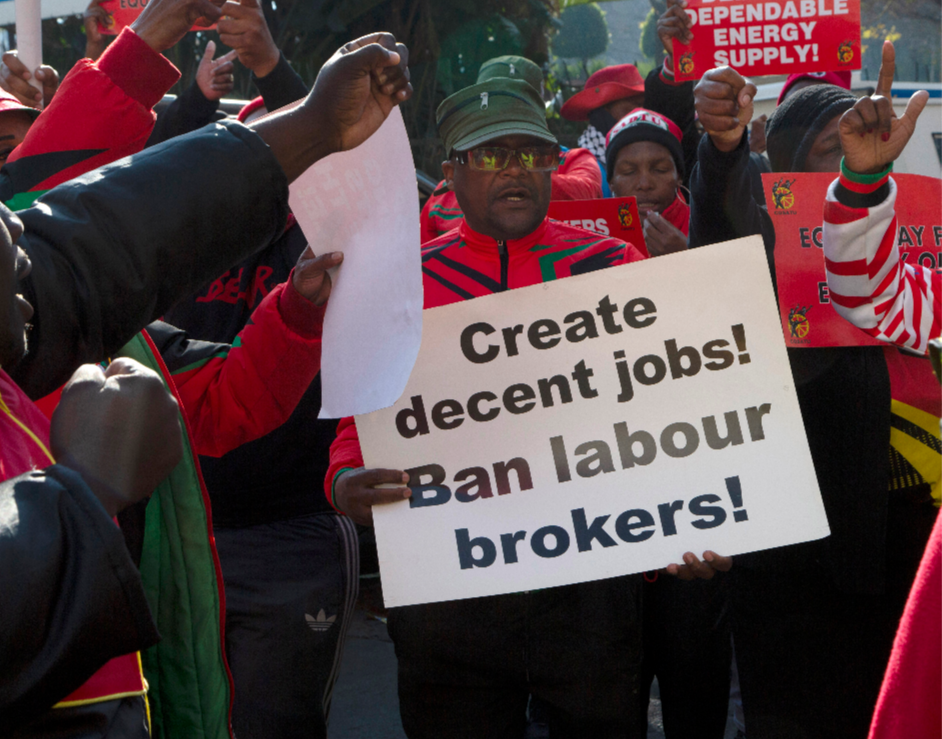
Basic Services: There have been widespread issues with the delivery of basic services such as electricity, water, and sanitation. Frequent power outages (load shedding) and infrastructure failures have impacted both daily life and economic productivity.
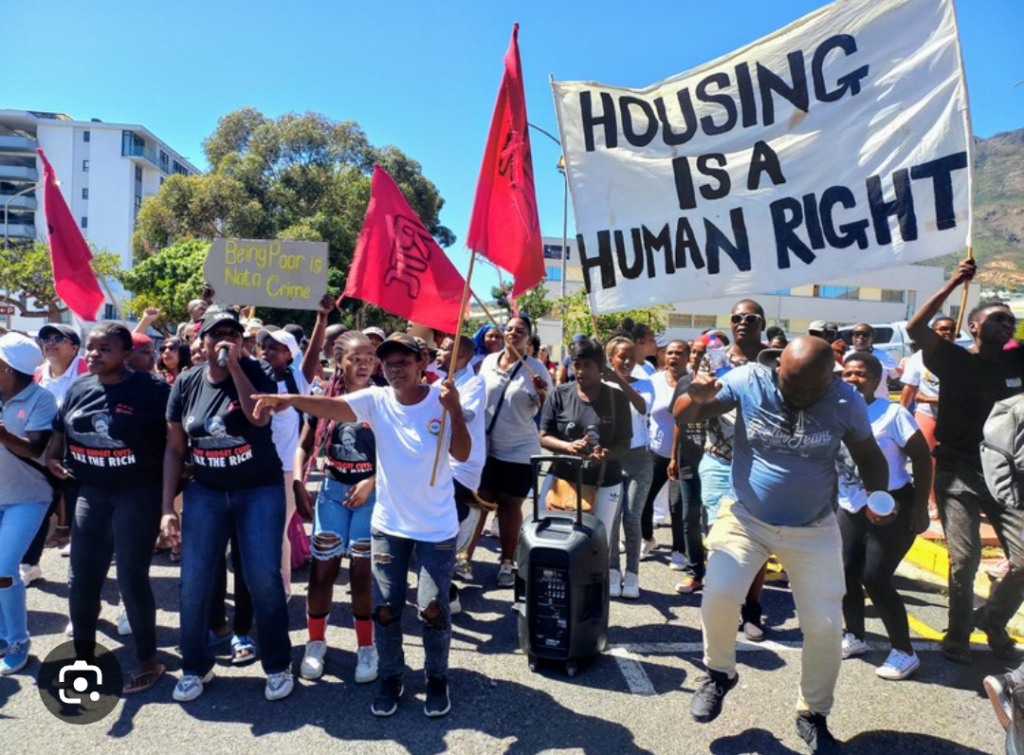
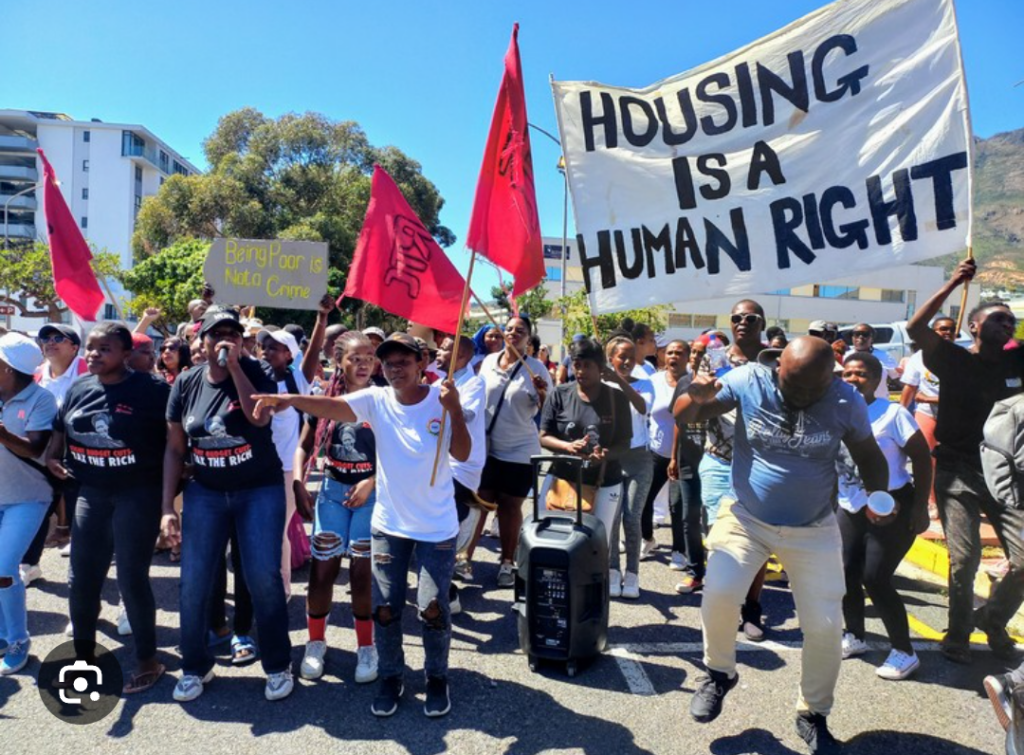
Housing:
Many South Africans still live in informal settlements without adequate housing, which has been a point of contention and protest.
3. Social Issues:
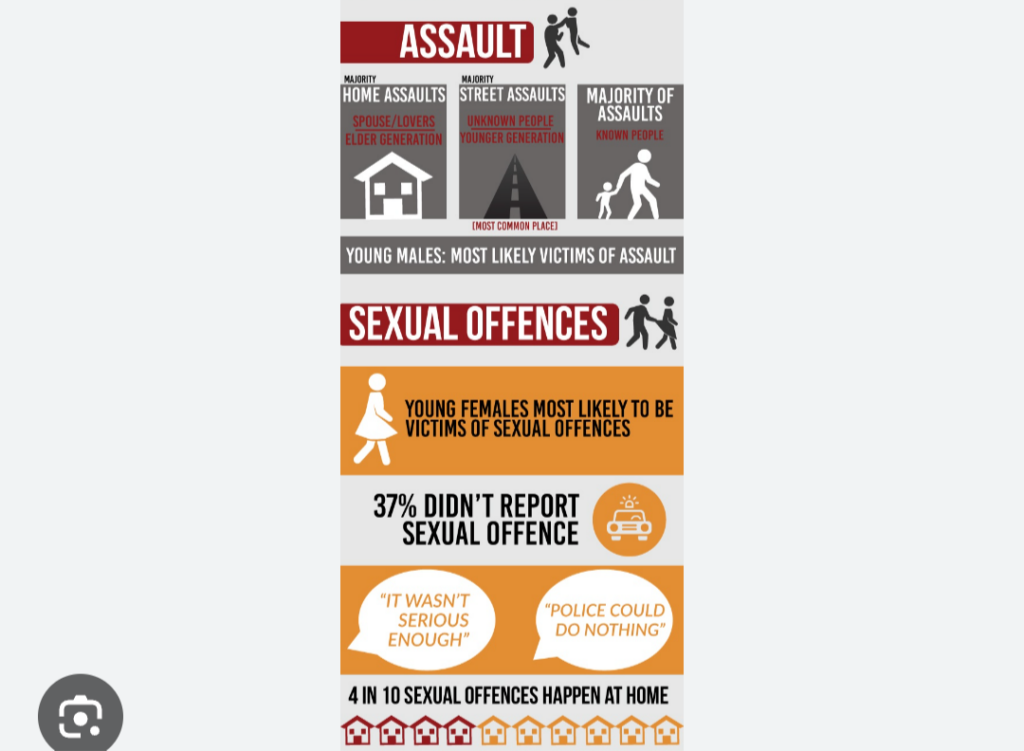
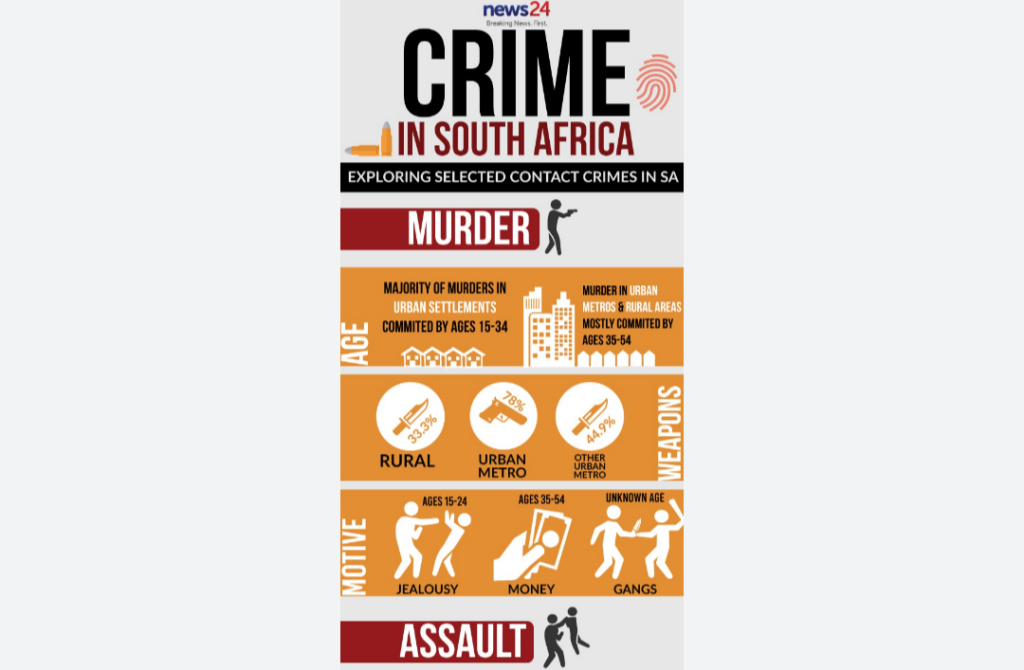
Crime and Safety: High crime rates, including violent crime, continue to be a major issue. The government has struggled to effectively address and reduce crime.
Education and Health: Public education and healthcare systems are often underfunded and poorly managed, leading to substandard services that disproportionately affect poorer communities.
Historical Context:
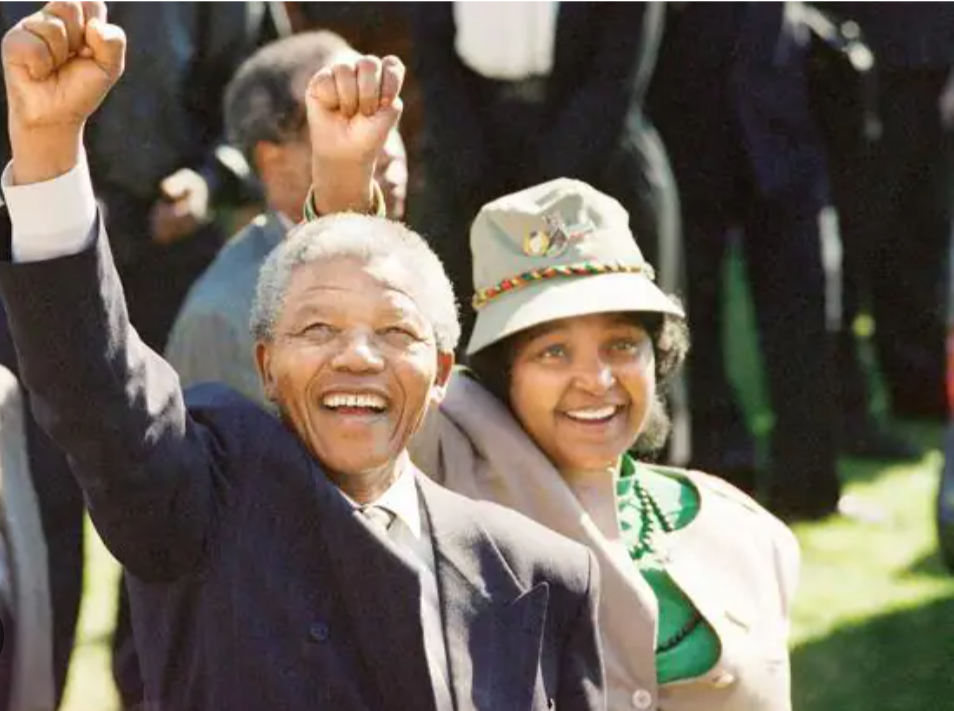
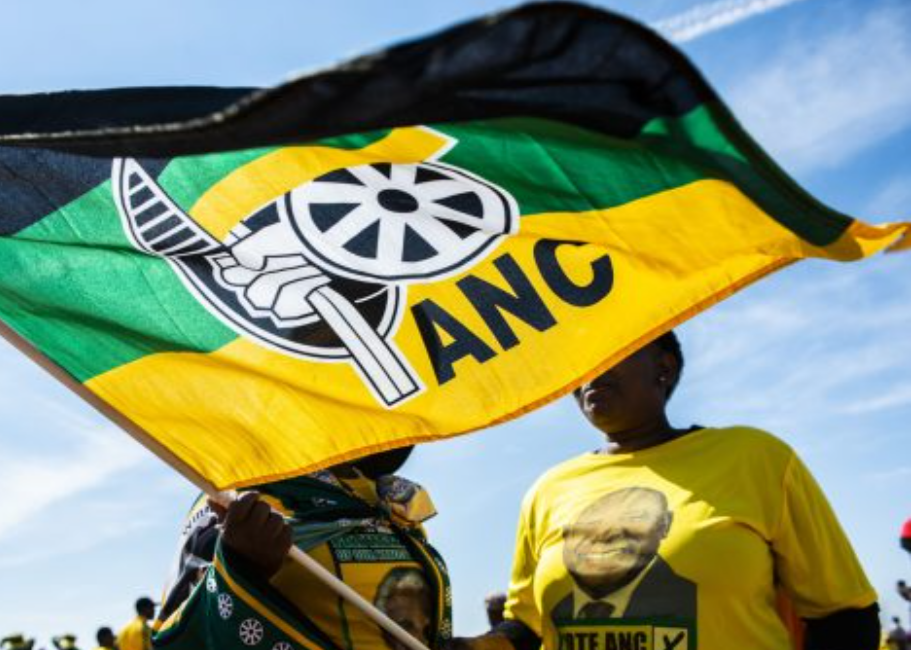
The ANC’s initial years in power were marked by significant progress in dismantling apartheid-era policies and promoting reconciliation. Programs like the Truth and Reconciliation Commission and the implementation of social grants helped address some immediate social and economic needs. However, over time, structural issues and governance challenges have hindered long-term development and equality.
Current Perception:
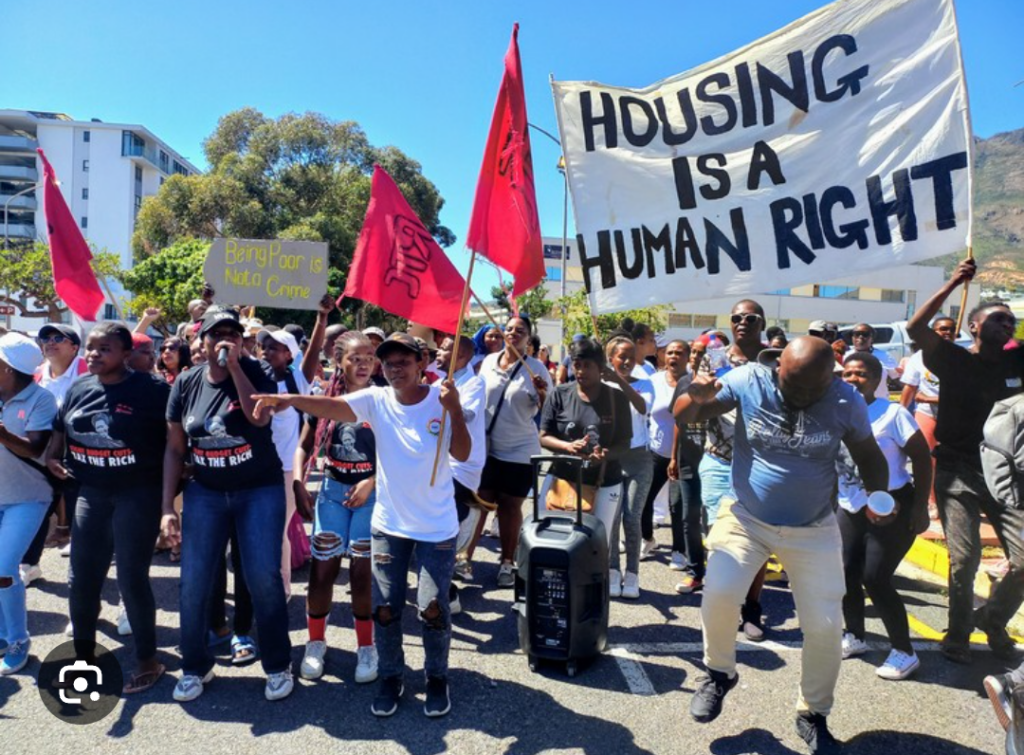
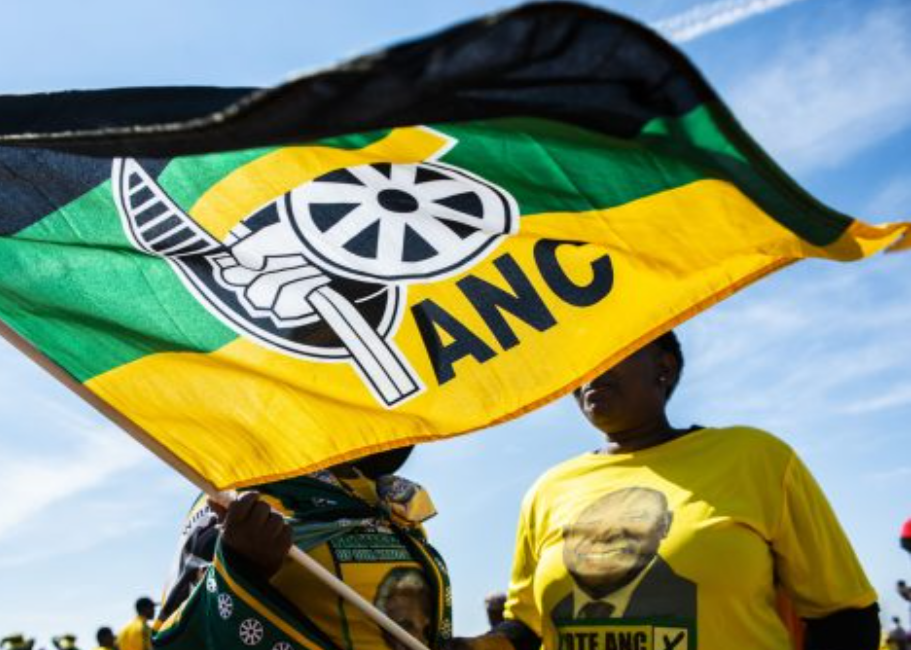
While the ANC remains a dominant political force, its support has waned due to dissatisfaction with its performance. New political movements and opposition parties have gained traction by promising better governance and economic reforms. The future political landscape of South Africa may see more diverse representation as citizens seek alternatives to address their grievances and aspirations.
In conclusion, while the ANC played a crucial role in transitioning South Africa from apartheid to democracy, its ability to foster broad-based economic and social development has been questioned. Addressing these complex challenges requires transparent, effective governance and a renewed commitment to equitable growth.
The Black Men Who Embrace Complexity to Mislead Their Fellow Black Men
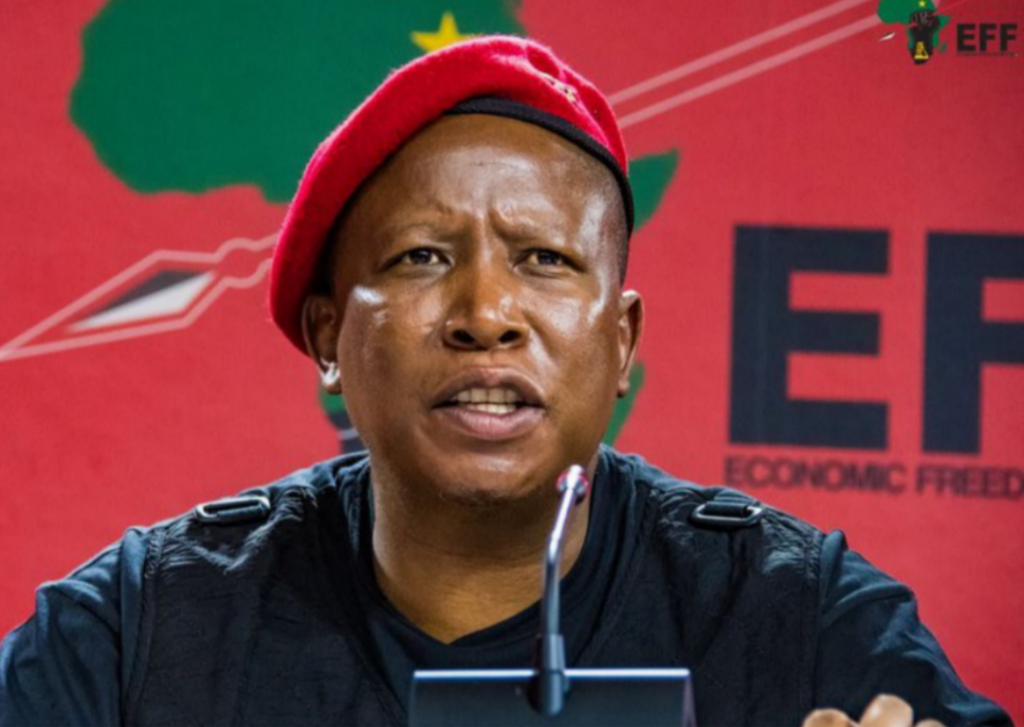
“If a man is not willing to fight for his ideas, either his ideas are worth nothing, or he is worth nothing.” Is Julius Malema’s party, the EFF, on the front line to defend Black South Africans and this extraordinary country, and to secure a future of peace for our children?
There is a critical lesson for Julius Malema from the history of the civil rights movement in the United States. Martin Luther King Jr.’s famous “I Have a Dream” speech on August 28, 1963, during the March on Washington for Jobs and Freedom, has been celebrated for its vision of racial harmony. In that speech, King famously said: “I have a dream that one day little black boys and girls will be holding hands with little white boys and girls.”
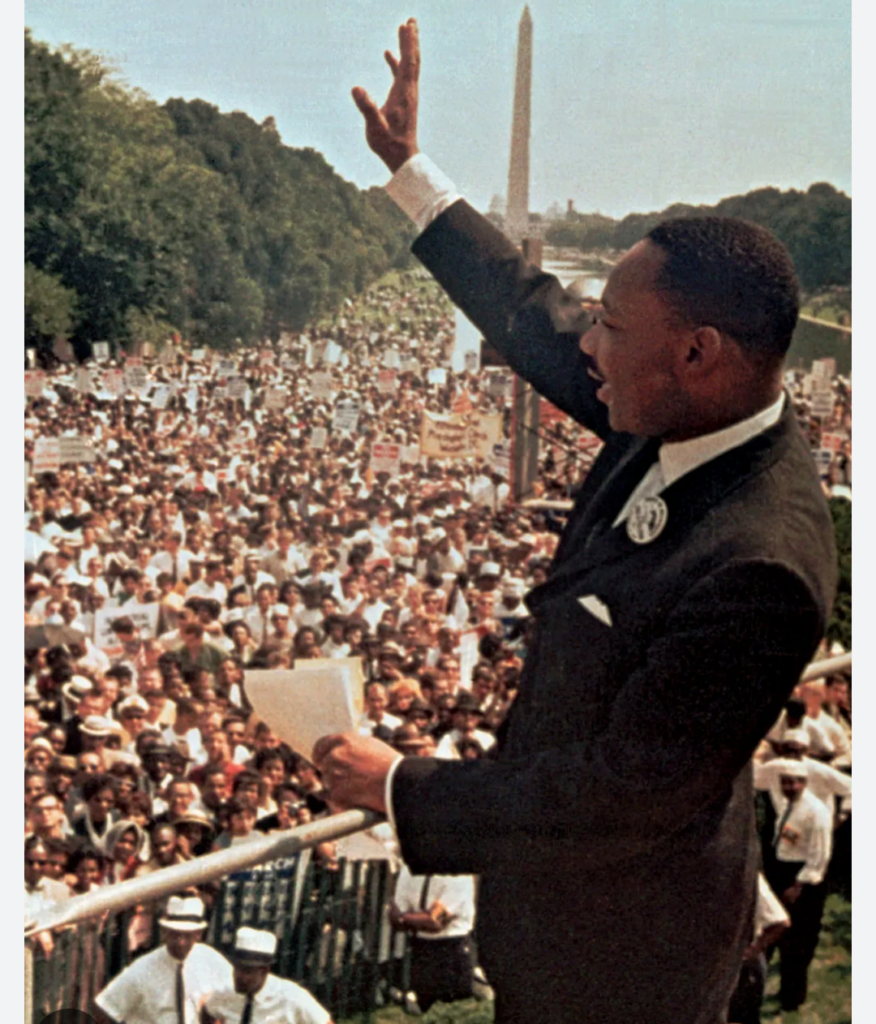
However, some critics argue that King’s message of racial integration lost sight of the more immediate and pressing demands of black Americans at the time demands for economic equality, land reform, job opportunities, and social justice. These were issues that many black Americans felt were essential for their upliftment and empowerment.
As Julius Malema and the EFF champion the cause of black South Africans, it is vital that they do not repeat the perceived mistakes of the past by overlooking the foundational economic and social issues that still plague the black majority. The focus must remain sharp on addressing economic disparities, securing land reforms, creating job opportunities, and ensuring social justice.
Moreover, Malema should reconsider his advocacy for open borders and a single African currency. These ideas do not resonate with the immediate concerns of many Black South Africans, who are more focused on improving local economic conditions and ensuring job security within their own country.
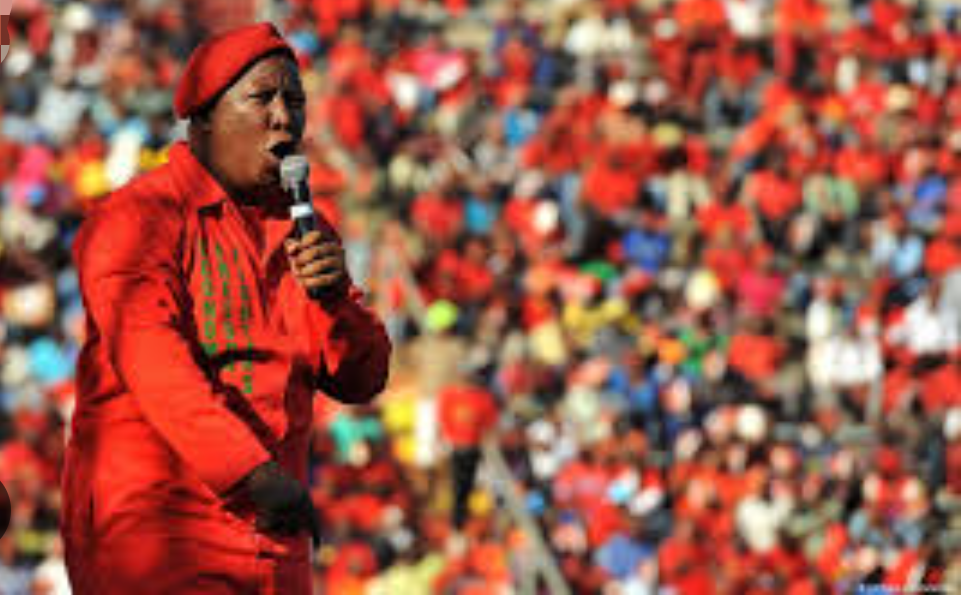
The fight for these fundamental changes requires unwavering commitment and a clear understanding of the needs and aspirations of the black community. Embracing complexity without losing sight of these core issues is essential to avoid misleading the very people the movement aims to serve.

Berla-Mundi : In conclusion, you are saying that Julius Malema and the EFF should strive to represent and defend the interests of Black South Africans, and stay focus on addressing the immediate and critical issues of economic equality, land reform, job opportunities, and social justice. Avoiding the pitfalls of historical movements and aligning with the true needs of the community will be key to ensuring a prosperous and peaceful future for all. Embracing complexity should not mean losing sight of these core objectives, and it is essential to remain grounded in the real aspirations of the people.

TSASI : So, Berla, what are your thoughts on Julius Malema and the EFF’s current strategy?

Berla Mundi: Well, TSASI, I believe that while the EFF has been vocal about several critical issues, they need to focus more on the immediate needs of Black South Africans. Economic equality, land reform, job opportunities, and social justice are pressing concerns that should take precedence.

TSASI: That’s a good point. Do you think their broader proposals, like advocating for open borders and a single African currency, are distracting from these core issues?

Berla Mundi: Yes, I do. These broader proposals might be important in the long term, but right now, the EFF should concentrate on addressing the specific economic and social challenges faced by Black South Africans. Staying grounded in the community’s real aspirations is crucial.

TSASI: So, in conclusion, you’re saying that Julius Malema and the EFF should strive to represent and defend the interests of Black South Africans and stay focused on addressing the immediate and critical issues of economic equality, land reform, job opportunities, and social justice.
Avoiding the pitfalls of historical movements and aligning with the true needs of the community will be key to ensuring a prosperous and peaceful future for all. Embracing complexity should not mean losing sight of these core objectives, and it is essential to remain grounded in the real aspirations of the people.

Berla Mundi: Exactly, TSASI. It’s about prioritising what’s most urgent and making tangible progress on those fronts.

TSASI: Berla, don’t forget the weeping voices of our African leaders, brothers, sisters, mothers, fathers, and friends who were killed for fighting for their rights and freedom. Let’s live burning with hope, whistle melodies of truth and love, and walk down the path of compassion.

Berla-Mundi Thank you for joining the dialogue with me and sharing your insights. It’s been an important and heartfelt discussion.