







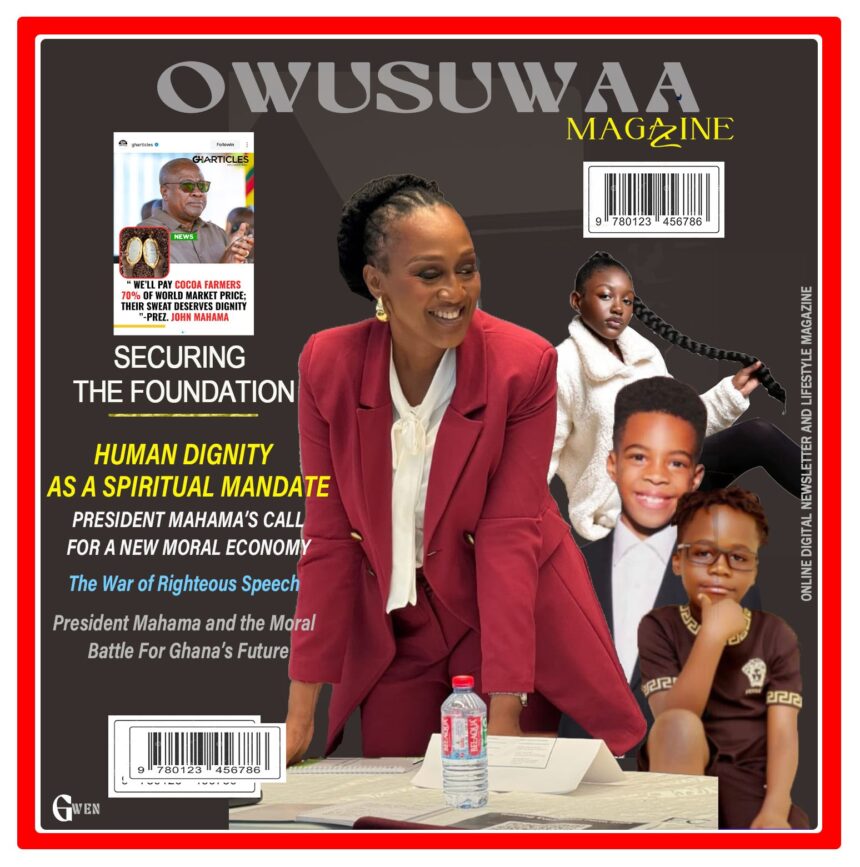
Owusuwaa Newsletter Magazine
Presents: “Securing The Foundation” a much anticipated release on Monday, July 21st, 2025. A powerful edition that delves into Ghana’s political past. A Special Values-Driven Leadership Edition.
FEATURE ARTICLE:
“Human Dignity As A Spiritual Mandate”
Ghana’s President John Mahama’s Bold Call for a New Moral Economy. In an era clouded by confusion, economic imbalance, and moral fatigue, President Mahama rises with a message for our time — a righteous speech that challenges the very soul of leadership.
- A future where human dignity becomes the foundation of governance.
- A Ghana where policies are rooted in spiritual values.
- A leadership vision that wages the moral battle for the soul of our nation.
ADVERTISEMENT

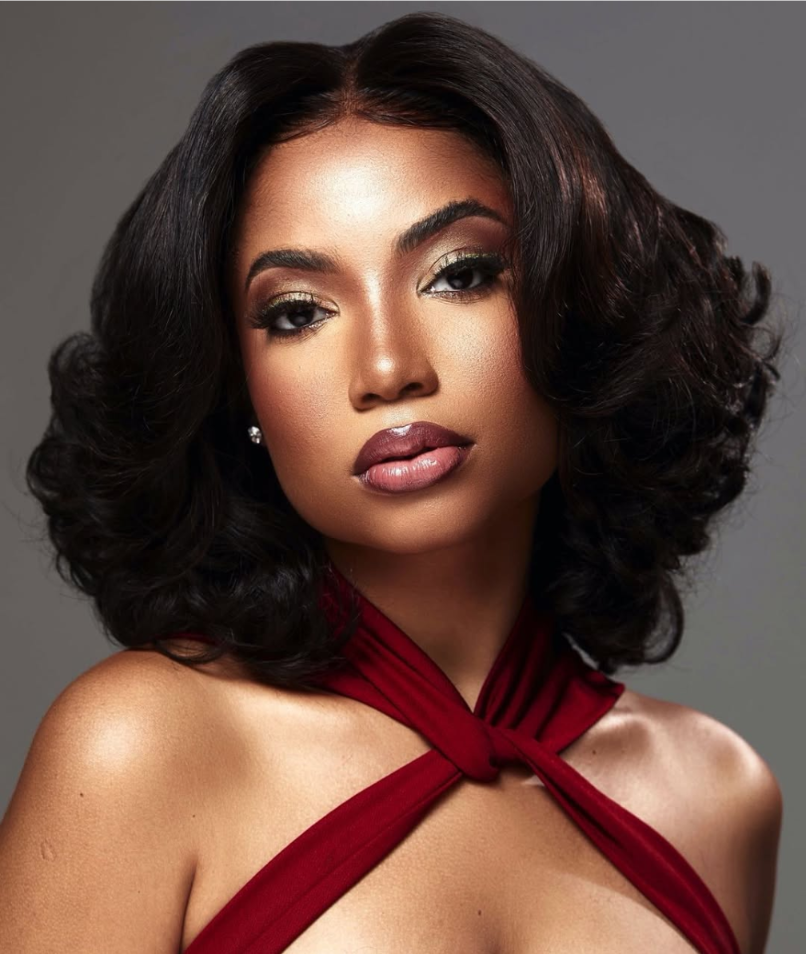




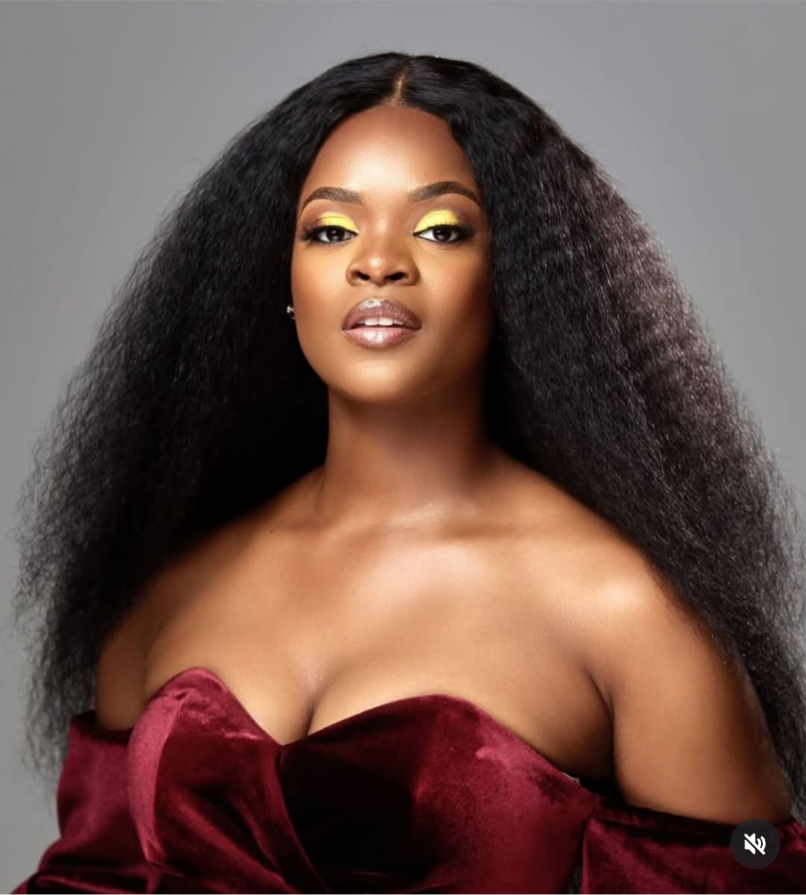





https://www.instagram.com/hairsenta?igsh=MXAzOThhNGZ0Nm15dQ==
🌟 Welcome to Hair Senta – The Lighthouse of Beauty!
Your #1 Destination for Premium Human Hair Extensions – From Ghana to the World!
Looking for luxurious, top-quality human hair extensions that bring out your true beauty?
Look no further than Hair Senta, proudly based in Accra, Ghana, and trusted globally for excellence.
📍 Visit us at: 24 Jungle Avenue, Accra, Ghana 00233
🌐 Shop Online: www.hairsenta.com
📞 Call us: (+233) 0544354455 / 0248629769
💫 Locals call us the “Lighthouse of Beauty” – and here’s why:
- Premium human hair extensions you can trust
- A glowing store ambiance and caring customer experience
- Personalized service for every beauty need
- Trusted by clients from Ghana and beyond
Whether you’re stepping out for a special occasion or upgrading your everyday look, Hair Senta has the perfect touch for your crown.
✨ Hair Senta – Where Beauty Begins. ✨
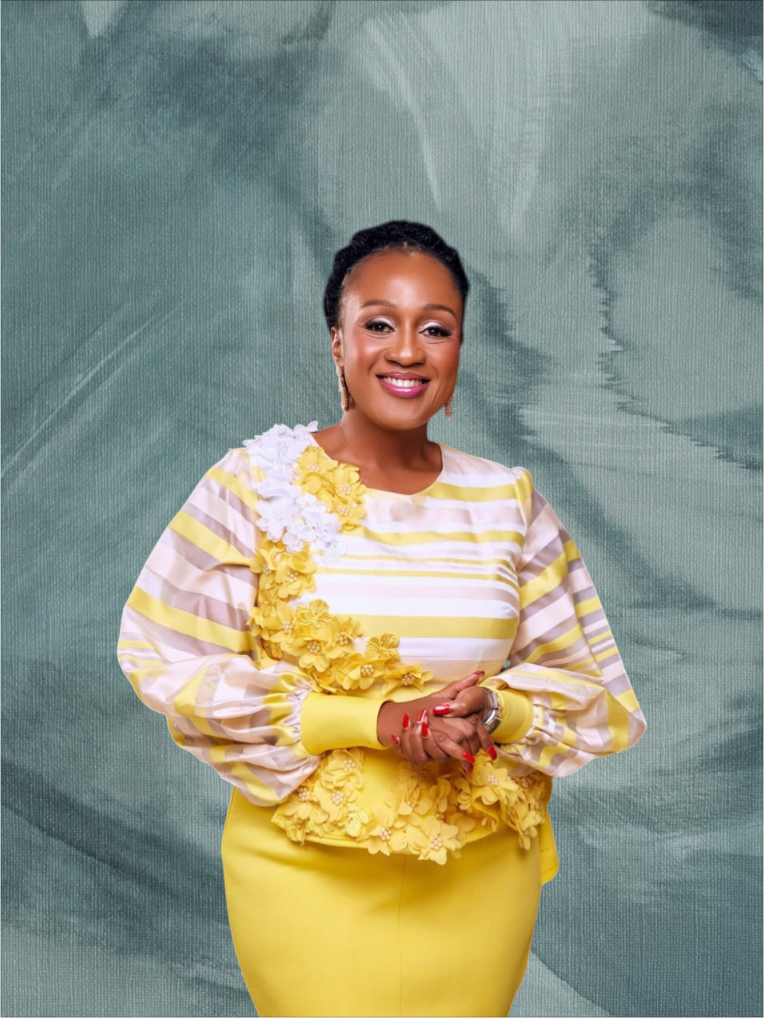
Featuring the Voice of Wisdom:
DZIGBORDI KWAKU-DOSOO
Global Keynote Speaker | CHPC™ Coach | Trusted by 1M+ Global Brands
A leader shaping the conscience of modern leadership with clarity, strategy, and soul.“True power begins in the soul, and nations rise or fall by the strength of their spiritual foundation.” – DzigbordiJoined By the New Generation of Global Voices. A New Era, A Fresh Perspective.

- Okomfo-Black (Ghana) – Spiritual Advocate & Youth Reformer. A bold and insightful young thinker exploring Ghana’s revolutionary past.
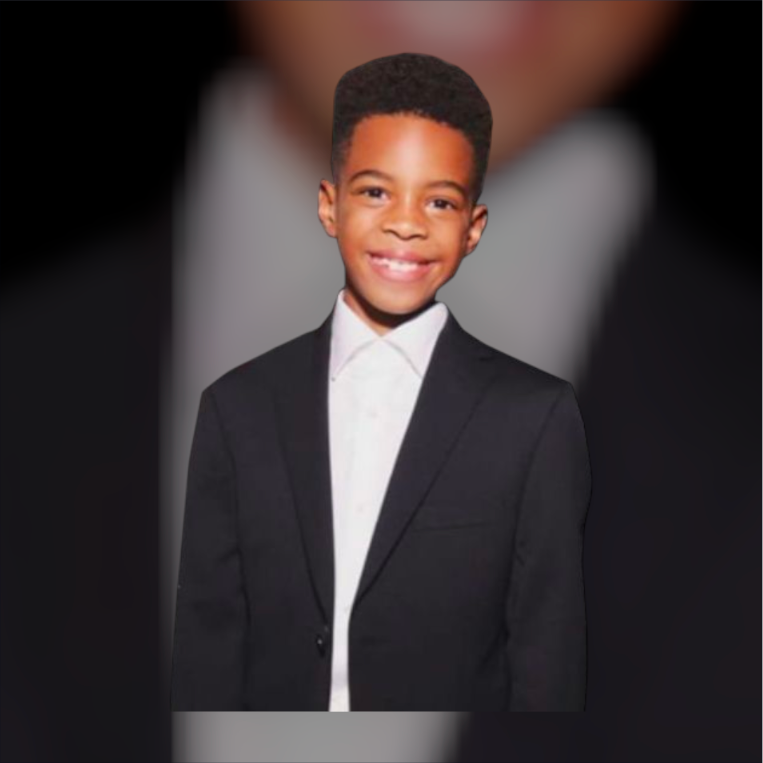
- Titan (USA) – Youth Visionary & Cross-Cultural Thought Leader. A determined student bringing a global perspective on truth, justice, and peace.

- The Jewel Girl : Abena Oforiwaa (Ghana) – A passionate advocate for historical accountability and national progress – Young Voice for Value, Peace & Empowerment
Together, they represent the awakening of a generation called to restore balance, speak truth, and shape a future founded on Human Dignity.
Don’t Miss It.
🗓️ Monday, July 21st, 2025
📩 Exclusively in the “Securing the Foundation for the Peace of the Land” Newsletter
Share the light. Be part of the awakening.
“Humanity, Faith, and Religion: President Mahama’s Vision for a Dignified Ghana”
Article Content:
In a time of moral crossroads and societal shifts, President John Mahama has ignited a powerful conversation about the soul of Ghana’s future—placing Human Dignity at the center of national progress.
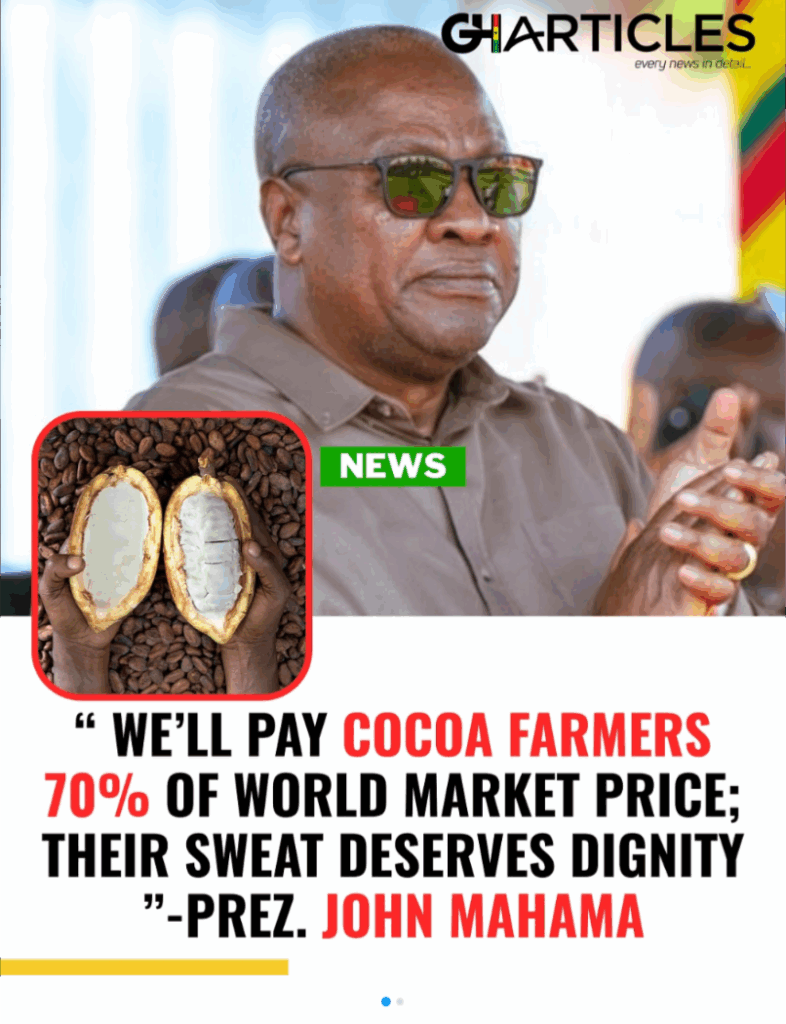
His recent declaration to pay cocoa farmers 70% of the world market price is not merely economic policy; it is a moral stand rooted in the deepest values of humanity, faith, and religion.
Ghana’s civilization, like much of the post-colonial world, has been shaped by decades of capitalism and political structures that often ignored the basic human values of justice, compassion, and equality. The result has been a widening gap between the powerful and the vulnerable, between profit and purpose. This era, as many now see, is showing signs of deep fracture.
President Mahama’s leadership marks a turning point—a call to return to the religious and ethical foundations that once guided African societies. His message echoes a spiritual awakening: that the labor of our people, especially the farmers who feed and sustain our economy, must be honored not just with words, but with justice. Their sweat, as he powerfully stated, deserves dignity.
Religion, in its truest form, teaches compassion, fairness, and community. These are not just spiritual ideals; they are frameworks for governance, for economic planning, and for how we treat one another. It is on this value system that a new Ghanaian civilization can and must be built—one that sees the human being not as a means to profit, but as an end worth protecting and uplifting.
As faith leaders, civil society, and everyday citizens embrace this renewed vision, the shift away from the cold mechanics of old capitalism begins. In its place, we find a leadership that listens, policies that heal, and a national conscience that beats again.
Ghana now stands at the threshold of a new chapter—one where humanity, faith, and religion are not abstract ideas, but living forces shaping a just and dignified nation.
“The War of Righteous Speech: President Mahama and the Moral Battle for Ghana’s Future”
“The Latter Day of the Law is an evil age of five defilements. Thoughts will also become defiled, and people will no longer be able to distinguish right from wrong. In this environment, the power to open up kosen-rufu is the war of righteous speech.”
— Buddhist Scripture
In the present age, marked by confusion, moral erosion, and the breakdown of truth, righteous speech is not just spiritual guidance—it is revolutionary leadership. President John Mahama’s recent pronouncement to honor cocoa farmers by paying them 70% of the world market price is more than a policy decision. It is an act of righteous speech in an era of moral ambiguity. It is a declaration that human dignity matters, and that leadership must return to the moral center.
For decades, Ghana and many post-colonial nations have endured leadership models shaped by transactional capitalism and short-term thinking. The result has been disillusionment, systemic inequality, and a crisis of faith—faith in leadership, in systems, and even in ourselves. The Buddhist scriptures describe this as the defilement of thought, where right and wrong blur, and truth becomes subjective.
Yet, amidst this defilement, we are reminded that the answer lies not only in structural change but in spiritual alignment—in righteous speech that calls a nation back to its soul. President Mahama’s message, simple yet bold, signals such a shift: the labor of our people must be dignified, and no civilization can be built on the exploitation of its farmers and workers.
As Dzigbordi Kwaku-Dosoo, a renowned global strategist and speaker coach, often teaches: True leadership is not about dominating space—it is about transforming hearts. Her work in helping leaders access emotional intelligence, faith-rooted strength, and clarity of voice deeply echoes in this national moment.
This Monday, as President Mahama expands on his vision, Ghanaians are invited not only to listen, but to awaken. We are witnessing what may become a cornerstone of a new Ghana—one founded not just on policy, but on purpose, not just on governance, but on righteous values.
May this be the beginning of a kosen-rufu in Ghana—a wide-reaching transformation led by words that heal, uplift, and guide a nation to peace.
Dzigbordi Kwaku-Dosoo Speaks: A Time of Spiritual Reformation for Ghana’s Youth and Farmers
“The present era is a time of great ordeal for Ghana’s young people. The epoch in which they live and grow is one of immense breakup—where once-revered systems now stand hollow and fractured.”
The most dominant capitalist values that once guided economic and social development have become impotent, leaving behind disillusionment and cultural damage. The time has come for a new set of values—ones rooted in dignity, transparency, and shared humanity.
Much like Kwame Nkrumah, who envisioned a self-reliant and morally anchored Ghana, President John Mahama understands that genuine reform must start with how we treat those who sustain us: the farmers. In Mahama’s new moral economy, farmers are no longer seen as laborers on the fringe of development, but as guardians of our food sovereignty—individuals whose daily sacrifice sustains the wellbeing of the entire nation.
“This is not merely economic reform—it is a spiritual reformation.”
Mahama’s vision calls for a deep reexamination of moral values—where every policy and reform is ruled by criteria that are common to all humanity: fairness, dignity, and justice. His decision to elevate the lives of farmers, a group once unjustly marginalized and often seen as socially inferior, marks a radical shift toward a civilization that values the soul of its people.
By restoring dignity to the farmer, President Mahama is restoring moral clarity to the nation—a vision young Ghanaians and global citizens alike must embrace if we are to avoid repeating the silent damage capitalism has inflicted on our collective identity.
— Dzigbordi Kwaku-Dosoo
Global Keynote Speaker | CHPC™ Coach | Trusted by over 1M+ Global Brands
(1) What is Human Dignity as a Spiritual Mandate?
This phrase blends ethics, theology, and human rights into a moral call to action. Here’s a breakdown:
Definition of Human Dignity:
Human dignity refers to the inherent worth of every person. It’s the belief that all individuals—regardless of status, wealth, race, or education—deserve respect, equality, and fair treatment simply because they are human.
What Makes It a Spiritual Mandate?
The word mandate implies a divine command, not just a good idea. This means:
- It’s not optional – it’s a moral duty rooted in religious or spiritual principles.
- It transcends politics or economics – it’s a sacred responsibility, whether you’re a leader, business owner, teacher, or citizen.
- In Christianity, for example (which is dominant in Ghana), scriptures teach that all humans are made in the image of God (Imago Dei), meaning dignity isn’t earned—it’s given by God.
Why Is This Important in a Political or Social Context?
- When leaders treat dignity as spiritual, they’re less likely to dehumanize or exploit people.
- It challenges unjust systems (like poverty wages, political oppression, or corruption).
- It reshapes how we view issues like labor rights, education, healthcare, and poverty: Not as handouts, but as matters of sacred justice.
In Context:
By stating “Human dignity is a spiritual mandate,” this magazine issue is calling for leaders to govern as if they are accountable to a higher moral authority, not just votes or profits. President Mahama’s economic ideas are presented through this lens—not merely political reforms, but ethical and spiritual realignment.
(2) The War of Righteous Speech
This phrase is bold and metaphorical. It highlights the battle over language, truth, and moral leadership in today’s discourse—especially in politics and media.
What Is “Righteous Speech”?
- Speaking truth with integrity, kindness, and accountability.
- Avoiding lies, hate speech, manipulation, or divisive rhetoric.
- It’s the opposite of toxic politics, gossip culture, or propaganda.
In African culture and many spiritual traditions, words are power. Words are believed to bless, curse, heal, or destroy.
Why Call It a “War”?
- Because truth-telling in public life is now under attack.
- In Ghana (as in many countries), political discourse has become polarizing, with:
- Fake news
- Verbal violence
- Dehumanizing language
- Ethnic and political insults
This “war” is about restoring ethical language in leadership, journalism, and everyday speech.
Deeper Implication:
- Leaders must not only do right, but also speak right.
- Public figures are accountable for their words—they shape public trust, unity, and moral tone.
- “Righteous speech” sets a standard: respectful, truthful, just.
In the Magazine’s Context:
“The War of Righteous Speech” aligns with a bigger vision:
- Mahama (or any moral leader) isn’t just debating policies.
- He’s fighting for truthfulness, dignity, and wisdom in how we speak to and about each other.
(3) 🧾 Final Takeaways – Elaborated
Let’s now deepen the closing themes outlined in the magazine:
Thematic Focus of the Issue:
🔹 Moral Leadership
- Leadership that is not self-serving but serves the common good.
- Rooted in values, not just strategy.
- In the Ghanaian context, it pushes back against corruption, nepotism, and indifference to the poor.
🔹 Spiritual Responsibility in Governance
- Politics as a calling, not a hustle.
- Leaders being accountable to God/higher truth—not just laws or institutions.
- Encourages a return to service-oriented leadership that protects the vulnerable.
🔹 Justice for Workers (e.g., Cocoa Farmers)
- This reflects economic justice:
- Fair wages
- Safe working conditions
- Recognition of labor’s dignity
- President Mahama’s 70% cocoa pricing pledge is framed as a moral correction to economic exploitation.
🔹 Righteous Communication
- Ethical speech in media, politics, and community life.
- Encouraging truth, unity, and responsibility in how we communicate.
- Underscoring the power of words to either divide or uplift a nation.
🔹 Youth as the Foundation of the Future
- Investment in education, values, mentorship, and opportunity.
- The magazine visually emphasizes this with images of confident, expressive young people.
- Suggests that transforming society must begin with the next generation—empowering them morally, spiritually, and intellectually.
Cultural Context: Bridging Tradition and Modernity
Deeply Rooted in Ghanaian Political Discourse:
- References to former President John Mahama connect the magazine to ongoing debates about leadership and national values.
- Ghana’s struggle with inequality, corruption, and generational poverty is reframed as a spiritual and moral crisis, not just a political one.
🔗 Bridging Old and New Ghana:
- Traditional Values: Dignity, respect, community, reverence for elders/spirituality.
- Modern Aesthetics: Stylish visuals, youth culture, social media, dynamic layout.
- Together, they form a vision for a Ghana that is progressive without losing its soul.
Final Summary:
This issue of Owusuwaa Magazine is a call to conscience—aimed at citizens, leaders, and communities. It challenges the idea that economics and governance are purely technical. Instead, it redefines them as moral and spiritual duties rooted in human dignity, truth, and generational responsibility.
Dialogue Introduction & Opening Exchange
[Owusuwaa Newsletter Presents]
“Securing the Foundation” — A Special Values-Driven Leadership Edition
Feature Dialogue: Human Dignity As A Spiritual Mandate
Theme: “The War of Righteous Speech: President Mahama and the Moral Battle for Ghana’s Future”
Host Introduction: Dzigbordi Kwaku-Dosoo

Greetings, dear readers and global citizens.
I am Dzigbordi Kwaku-Dosoo, a daughter of Ghana, a global keynote speaker, CHPC™ certified coach, and a strategist trusted by over one million voices across continents. But more importantly today—I come not just as a voice of leadership, but as a steward of spirit in a time of moral reckoning.
We are gathered here under the theme: “The War of Righteous Speech: President Mahama and the Moral Battle for Ghana’s Future.” Let us begin with these sacred words from Buddhist scripture:
“The Latter Day of the Law is an evil age of five defilements. Thoughts will also become defiled, and people will no longer be able to distinguish right from wrong. In this environment, the power to open up kosen-rufu is the war of righteous speech.”
In our time—a time of moral erosion, where truth is blurred and the soul of leadership is questioned—righteous speech is no longer a spiritual abstraction. It is a revolutionary act.
President John Mahama’s recent declaration to restore dignity to our cocoa farmers by offering them 70% of the world market price is such an act. It is leadership that speaks truth into broken systems. It is policy with purpose. It is righteous speech in action.
So today, we gather the wisdom of three exceptional young leaders—each one a beacon from a new generation rising. Let the world meet them:
Panel Introductions:
Okomfo-Black (Ghana) – A bold and insightful youth thinker, a spiritual advocate rooted in Ghana’s revolutionary history. His voice blends ancestral memory with present-day urgency—calling for a return to spiritual sovereignty and justice.

Titan (USA) – A determined cross-cultural visionary. A student of justice, truth, and leadership, Titan carries the global conscience of a new world. His lens is wide. His spirit is committed to unity through understanding.